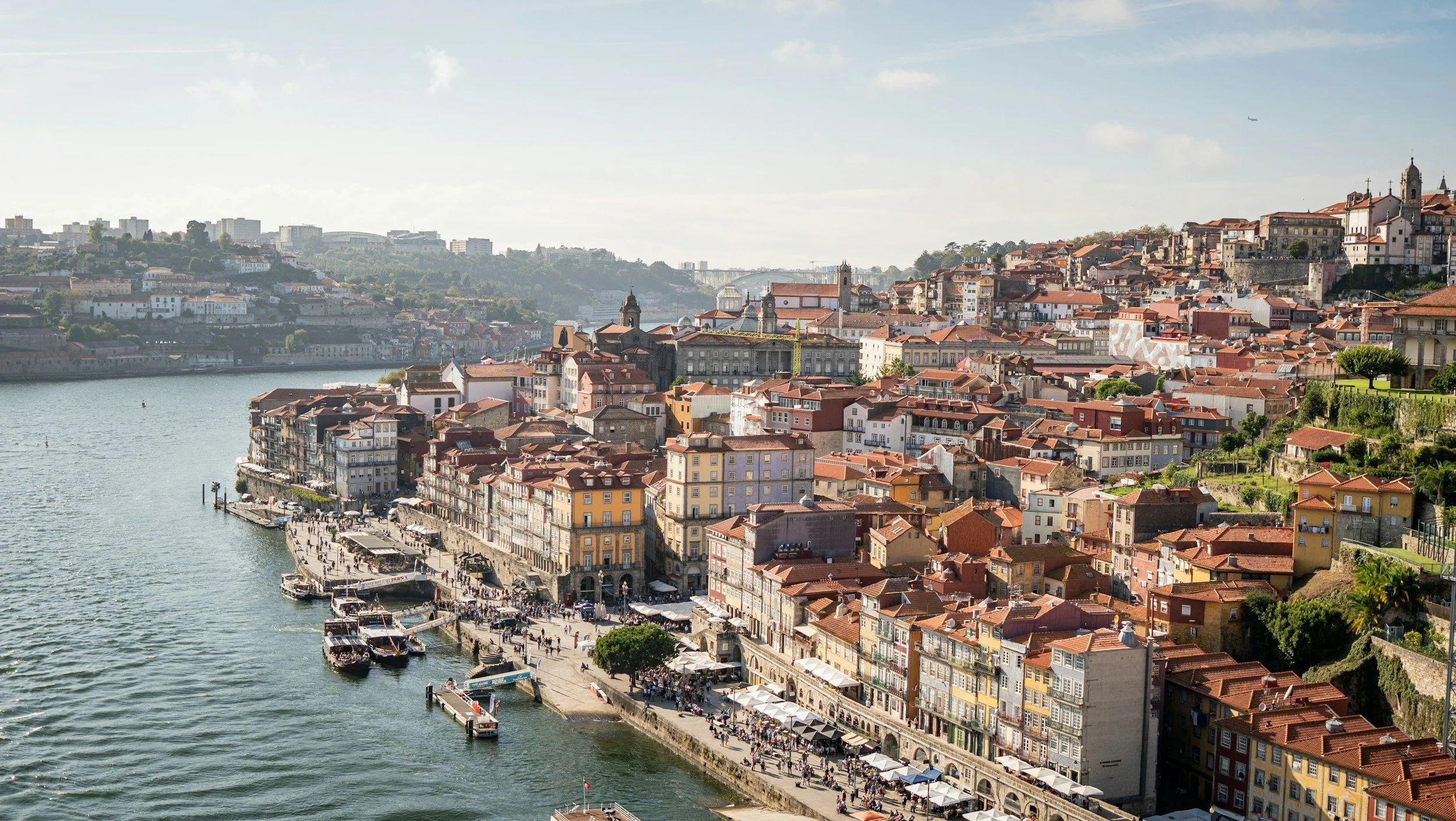
Porto makes a strong first impression. The city is compact enough for a short break, but it never feels flat in the literal or editorial sense. Streets fall away towards the Douro, tiled facades catch the light, church towers rise above the rooftops, and the whole place shifts character as you move between the upper centre, the riverfront, and Vila Nova de Gaia on the opposite bank.
That is part of what makes it such a good first trip. Porto is easy to shape into a weekend, but it still feels layered and distinctive once you are there. A stay built around São Bento Station, Ribeira, the Dom Luís I Bridge, and a few well-chosen stops in Gaia gives the city enough room to unfold properly, without turning the trip into a checklist.
This guide covers the practical decisions that matter most on a first visit: how many days to allow, where to stay, what to prioritise, how to get around, and the places that are actually worth building a first itinerary around.
Why Porto Is Worth Visiting for a First Trip
Porto works well as a first city break because it gives you a lot very quickly. The historic centre is striking, the riverfront is one of the city’s clearest highlights, and the contrast between the upper streets and the waterfront gives the city a strong sense of shape from the outset. It feels scenic without being showy, and substantial without requiring a week of planning to enjoy properly.
One of Porto’s biggest strengths is that the core of a good trip is easy to understand. Start in the upper city around Avenida dos Aliados, São Bento Station, and Clérigos, work your way down through the historic streets to Ribeira, then cross the river into Vila Nova de Gaia for the skyline views back across the Douro. That route alone gives a first visit its backbone.
The city also has the right kind of variety for a shorter break. There is enough to fill a couple of days comfortably, but not so much that the trip becomes fragmented. Ribeira brings atmosphere, Gaia adds wine lodges and river views, Cedofeita and Rua Miguel Bombarda offer a more creative and local rhythm, and Foz do Douro gives you the option of ending the city break by the Atlantic.
Just as importantly, Porto rewards a slower pace. Some cities are built for relentless sightseeing. Porto is better when the day includes a long lunch, a stop at a viewpoint, a slower walk along the river, and enough time to let the transitions between places become part of the experience.
How Many Days Do You Need in Porto?
For a first trip, two days is the strongest starting point. That is enough time to move through the historic centre properly, spend time in Ribeira, cross into Gaia, take in a few of the city’s best viewpoints, and still leave room for food, wine, and the slower stretches that make Porto feel like more than a series of landmarks.
Porto in 1 day
One day in Porto is enough for a strong introduction, but it will feel selective. The best version of a one-day trip is built around the upper centre, the riverfront, and Gaia rather than trying to force in too many attractions.
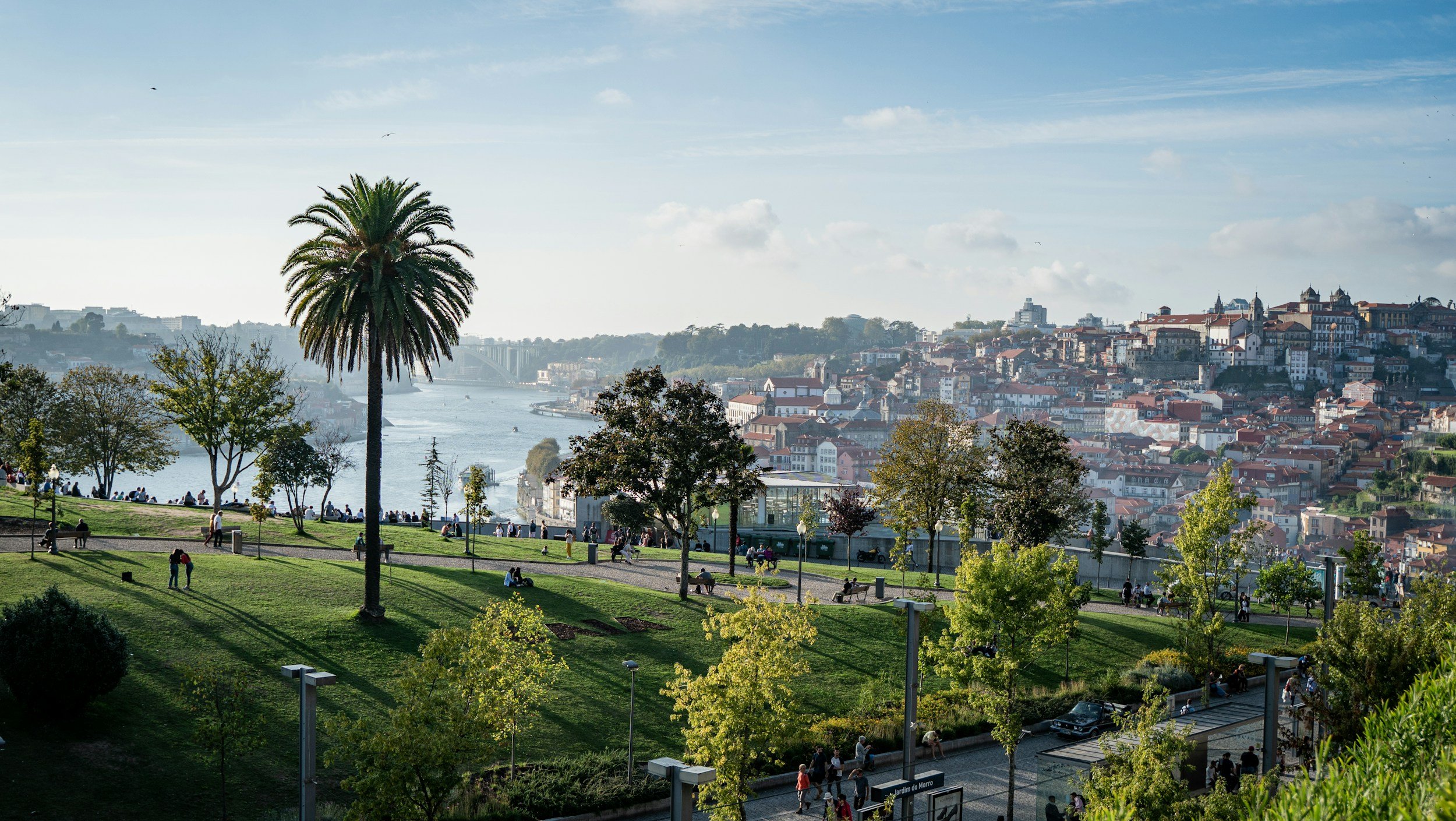
A good one-day route would start at São Bento Station, continue through Rua das Flores and the Clérigos area, pause at Miradouro da Vitória, then drop down into Ribeira for lunch or a riverside stop. From there, cross the lower level of the Dom Luís I Bridge into Vila Nova de Gaia, spend the afternoon by the river or at a port lodge, then head up to Jardim do Morro for sunset.
That gives you the version of Porto that matters most on a first visit: upper city, old streets, riverfront, bridge crossing, skyline view.
Porto in 2 days
Two days is where Porto starts to feel properly enjoyable rather than compressed.
Day one works best as the classic first-time route: Avenida dos Aliados, São Bento Station, Sé do Porto, the walk down into Ribeira, then the crossing to Gaia for a port tasting, a riverside walk, or time around World of Wine before sunset at Jardim do Morro.
Day two is where the trip gets some range. Start around Clérigos Tower and Livraria Lello if those are on the list, then move west towards Rua de Cedofeita and Rua Miguel Bombarda for galleries, cafés, and a more local feel than the riverfront core. With time left, either stay central and keep the day slower, or head out to Foz do Douro for a different side of the city.
Porto in 3 days
Three days gives Porto breathing room, which suits it well.
With a third day, the city becomes less about covering the essentials and more about enjoying the in-between spaces properly. That could mean a longer morning in Cedofeita, a deeper dive into Gaia, a slower lunch by the river, or an afternoon in Foz do Douro where the city loosens into the Atlantic.
If the trip allows for three days, take them. Porto is compact enough to work as a weekend, but it is better when there is a little slack in the schedule.
Where to Stay in Porto for a First Visit
Where you stay in Porto shapes the trip more than people sometimes expect. The city is walkable, but the hills are real, and a good base makes a short stay much easier to enjoy. For a first trip, the strongest areas are Baixa, Ribeira, Cedofeita, and Vila Nova de Gaia.
Baixa: the easiest all-round base
If the aim is to make a first trip feel simple, Baixa is the safest choice. This is the city-centre base that puts São Bento Station, Avenida dos Aliados, Clérigos, shops, restaurants, and the walk down to Ribeira within easy reach.
It does not have the immediate riverfront drama of Ribeira, but it makes the city feel straightforward. For a first stay of one or two nights, that matters. Baixa is the base that makes the logistics disappear.
Ribeira: the most atmospheric stay
If the priority is setting, Ribeira is the obvious choice. This is the postcard version of Porto: tightly packed facades, restaurant terraces, old riverfront buildings, and direct views across to Gaia.
Staying here means being in the most recognisable part of the city from the moment the day begins. It is ideal for a shorter, more scenic stay where atmosphere matters more than convenience. The trade-off is that it can feel busier and less practical as a pure base than somewhere slightly higher up in the centre.
Cedofeita: better for cafés, galleries, and a more local rhythm
Cedofeita is one of the smartest areas to choose if the trip wants a slightly more lived-in feel. Around Rua de Cedofeita and Rua Miguel Bombarda, the city shifts away from the most obvious riverfront version of itself and into cafés, design stores, galleries, and streets that feel a little more local.
It is still central enough to work well on a first trip, but it brings a different rhythm to the stay. Less postcard, more texture.
Vila Nova de Gaia: strong for wine lodges and skyline views
Staying in Vila Nova de Gaia makes more sense than many first-time visitors initially assume. It puts the port lodges on the doorstep, gives you some of the best views back across to Porto, and can feel calmer at the end of the day than staying in the busiest central streets.
It is not the most convenient base for everyone, but it is a good one if the idea of being on the river, close to wine bars and skyline views, matters more than being in the middle of the upper city.
Where to actually stay
For a first trip, the simplest answer is this:
Choose Baixa for the best all-round base
Choose Ribeira for atmosphere and river views
Choose Cedofeita for a more local, creative stay
Choose Gaia for wine lodges and skyline-facing calm
If there is only one recommendation to make, Baixa is the easiest place to start.
What to Prioritise on a First Trip to Porto
A first trip to Porto does not need every attraction in the city. It needs the places that give the city its shape.
That usually means the upper historic centre, the walk down into Ribeira, the crossing to Vila Nova de Gaia, a few key views over the Douro, and enough time in between to enjoy the slower parts of the day properly.
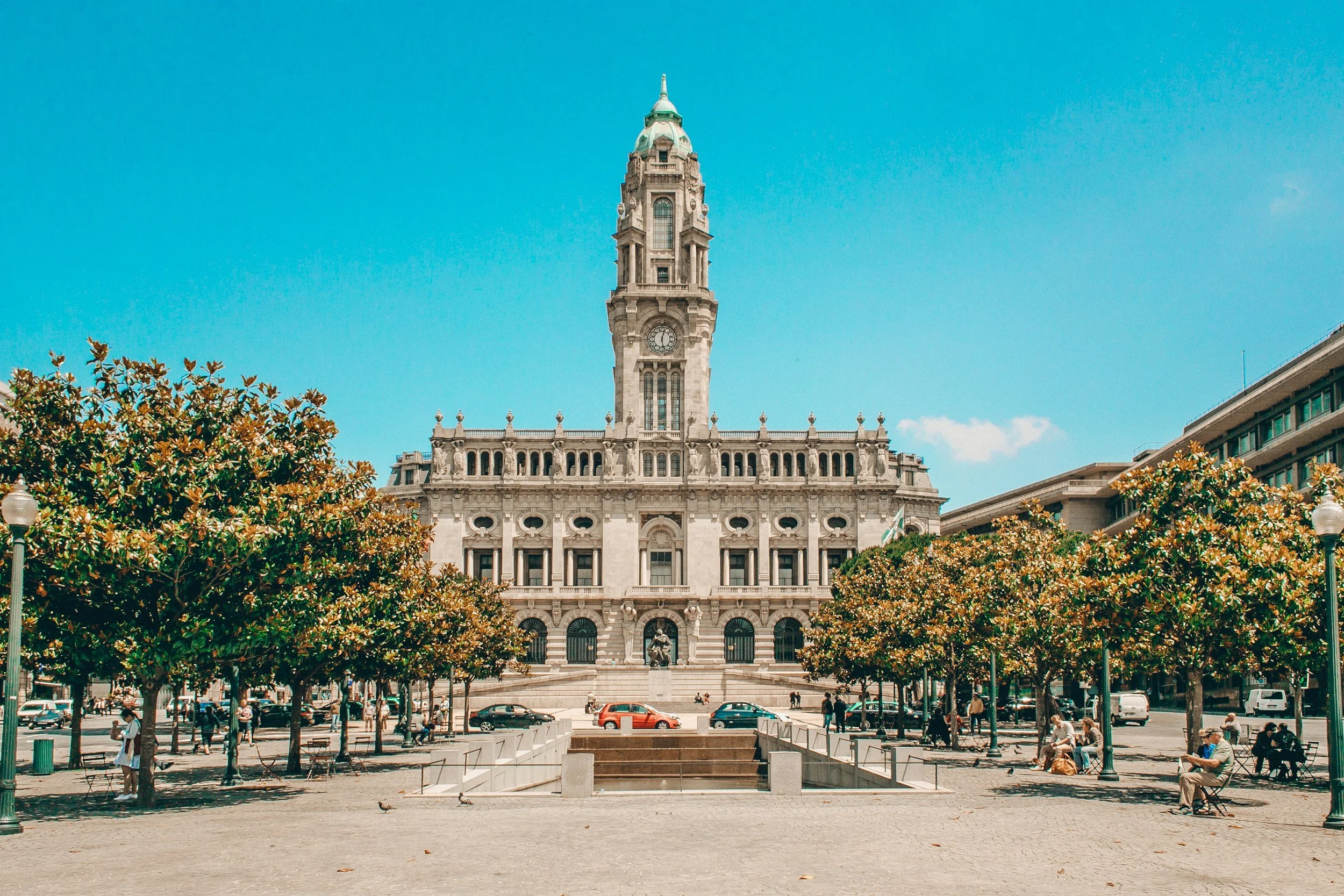
Start with the upper city around São Bento, Sé, and Clérigos
The upper centre is where Porto starts to make sense. São Bento Station is one of the best entry points into the city, Sé do Porto adds a stronger sense of the city’s age and elevation, and the streets around Clérigos and Rua das Flores give the centre much of its character.
This is the part of the city to explore on foot rather than rush through. The route matters as much as the landmarks.
Make time for Ribeira
Ribeira is not just somewhere to pass through on the way to the bridge. It is one of the areas that gives Porto its atmosphere. The facades, the riverfront movement, the terraces, and the views across the water all make it worth slowing down for.
A first visit should include proper time here, whether that means lunch by the river, a late afternoon walk, or the point where the day shifts towards Gaia.
Cross the Dom Luís I Bridge into Gaia
The crossing into Vila Nova de Gaia is one of the simplest and most rewarding things to do in Porto. It gives you the skyline view back towards the old city, changes your perspective on the riverfront, and opens up a different side of the trip.
This is also where the city’s wine culture becomes part of the day more naturally, whether that means a tasting at a port lodge, time around World of Wine, or just a slower riverside stretch with the old city in view.
Build in a few proper viewpoints
Porto is one of those cities that improves once you have seen it from above. A few viewpoints are worth building into the structure of the day rather than leaving them to chance.
The strongest options on a first trip are Miradouro da Vitória, Jardim do Morro, and the upper deck of the Dom Luís I Bridge. These are not just scenic extras. They help the city make visual sense.
Be selective with the big-ticket attractions
There are enough formal sights in Porto to fill several days, but a better first visit usually comes from choosing a few that genuinely matter and leaving the rest alone. If Livraria Lello is high on the list, book it. If Clérigos Tower is the view you want, prioritise that. If the day already has enough shape without another interior, skip it.
Porto does not need to be over-programmed to work.
Leave room for food, coffee, and wine
The pace of a good trip to Porto is not just set by landmarks. It is also set by long lunches, port tastings, coffee stops, and slower walks along the river. The city suits that kind of day. Trying to force it into a rigid attraction schedule usually flattens what is best about it.
A Simple First-Time Porto Itinerary
The strongest first-time itinerary follows the city’s geography rather than jumping around. Start in the upper centre, work down to the river, cross to Gaia, then use the second or third day to widen the frame.
If you have 1 day in Porto
Start at São Bento Station, then walk through Rua das Flores towards Clérigos. Pause at Miradouro da Vitória, then make your way down through the old streets to Ribeira.
After lunch, cross the lower level of the Dom Luís I Bridge into Vila Nova de Gaia. Spend the afternoon at a port lodge, along the Gaia riverfront, or around World of Wine, then head up to Jardim do Morro for sunset.
That is the strongest one-day version of the city.
If you have 2 days in Porto
On day one, stay with the classic route: Avenida dos Aliados, São Bento, Sé do Porto, Ribeira, the bridge crossing, Gaia, and Jardim do Morro.
On day two, start with Clérigos Tower and Livraria Lello, then move towards Rua de Cedofeita and Rua Miguel Bombarda. Use the second half of the day either for a slower central Porto plan or for a trip out to Foz do Douro.
That gives the city a much better balance: old centre, riverfront, skyline views, then a broader and more local-feeling second day.
If you have 3 days in Porto
Keep the first two days broadly the same, then use the third day to slow things down.
A good third day might begin with coffee in Cedofeita, continue with a museum or gallery stop, then stretch out towards Foz do Douro for the afternoon. Alternatively, use it to spend longer in Gaia, book a stronger lunch, and leave the rest of the day deliberately loose.
That is usually where Porto feels best: not rushed, not overfilled, just properly paced.
How to Get Around Porto
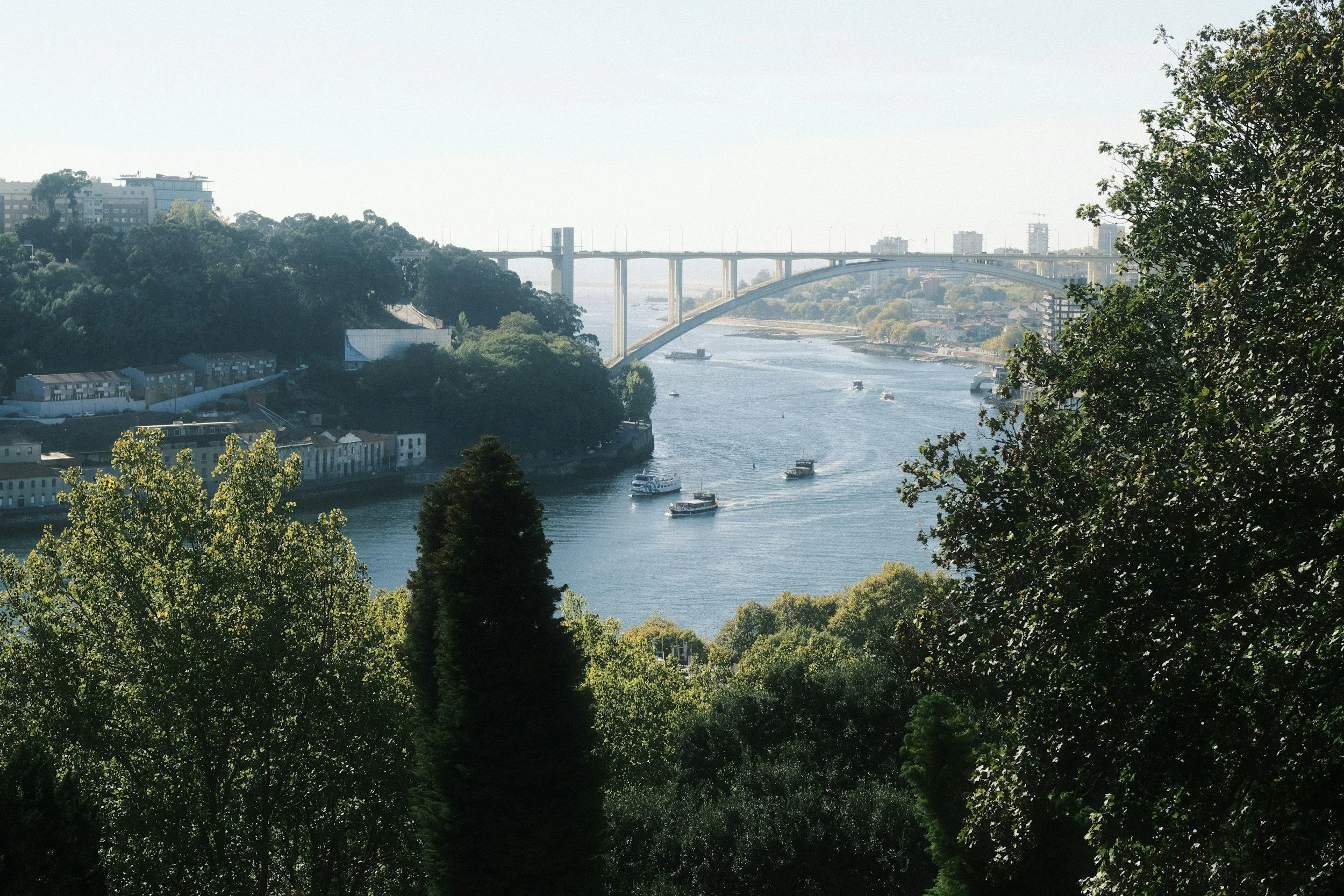
Getting around Porto is usually straightforward, but the city makes more sense if you approach it as a mix of walking and targeted transport rather than relying entirely on one or the other.
Walk the centre where it counts
The central routes between Avenida dos Aliados, São Bento Station, Sé do Porto, Clérigos, Rua das Flores, and Ribeira are best done on foot. That is where the city reveals itself properly.
Just expect hills. The distance between places is often modest, but the elevation is not.
Use the metro for the airport and longer jumps
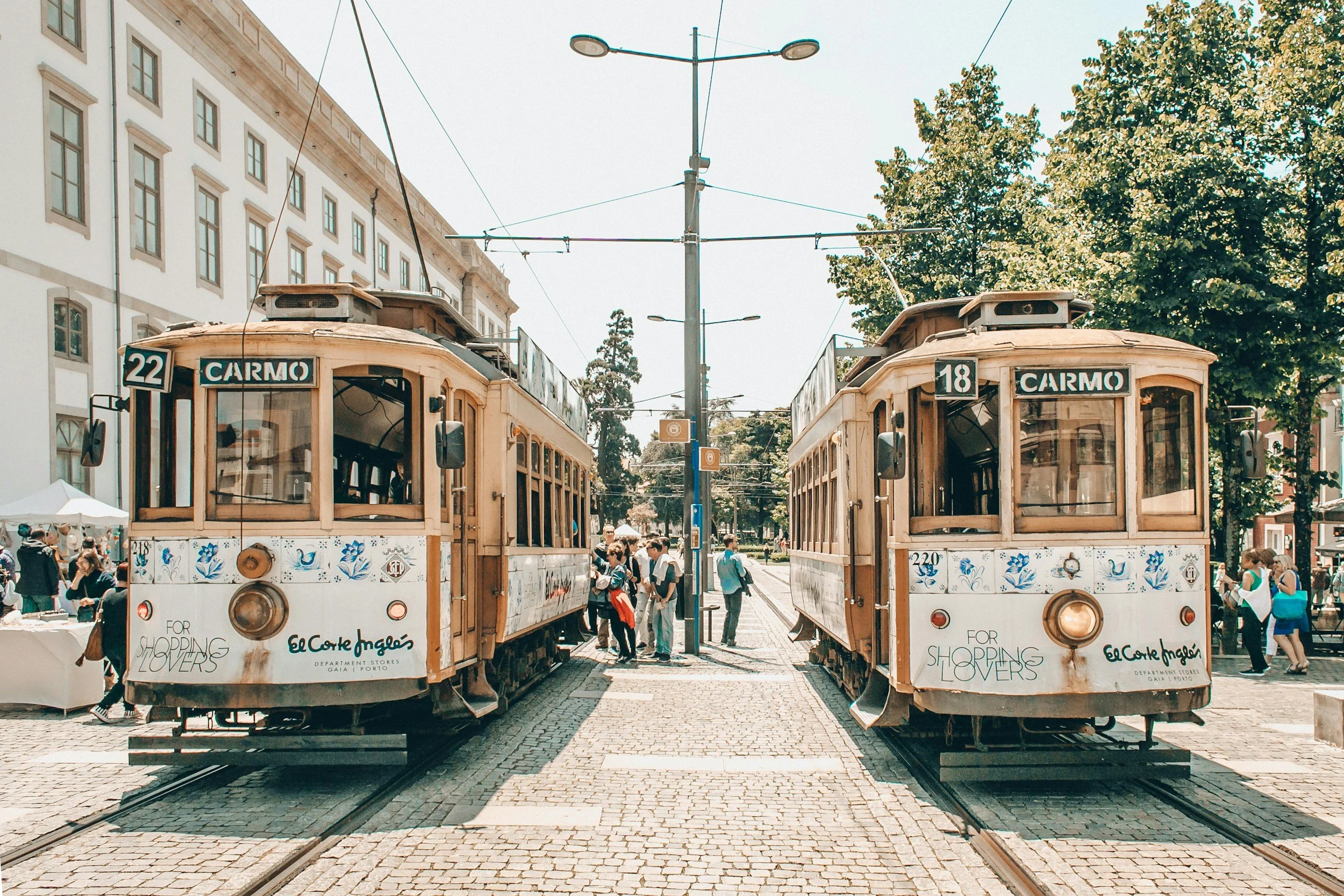
The Metro do Porto is most useful for airport transfers and for journeys that are practical rather than scenic. For a first trip built around the city centre, it may only come into play a few times, but those trips can make the day much easier.
Keep the Andante ticketing simple
If you are only taking a few public transport journeys, keep it simple and use the regular Andante setup. If you want the least complicated option, use one of the visitor-focused passes and move on with your life. No one needs to turn a weekend in Porto into a transport dissertation.
Use taxis or ride apps when the hills stop being enjoyable
After dinner, with luggage, or when linking less convenient parts of the city, a taxi or ride app is often the sensible call. There is a difference between embracing the hills and staging a personal battle against them.
Things to Know Before You Go
A few small details make a first trip to Porto run much more smoothly.
The hills are real
This is the most useful practical note to know in advance. The city centre is compact, but the elevation changes are constant. Comfortable shoes are not optional if the plan includes walking between the upper city and the river.
A central hotel makes a big difference
For a short stay, staying central in Baixa, Ribeira, or Cedofeita usually improves the trip more than shaving a little off the room rate further out.
Book Livraria Lello in advance if it matters
If Livraria Lello is a must-do, book it ahead rather than hoping for the best. The same logic applies to any major attraction you would be genuinely disappointed to miss.
Leave room for the slower parts of the day
Some of Porto’s best moments are not the headline sights, but the spaces around them: the walk down to the river, the pause at a viewpoint, the drink in Gaia, the slower route back across the bridge.
Do not try to do everything
The city is better when it is edited. A first trip built around São Bento, Ribeira, Gaia, a few viewpoints, and one or two attractions will usually feel much stronger than one trying to cram in everything.
Is Porto a Good Choice for a First-Time City Break?
Yes. Porto is one of the easiest European city breaks to recommend for a first visit because it combines atmosphere, scenery, food, and clear trip logic in a format that still feels manageable over a short stay.
It works particularly well for a long weekend, a first trip to Portugal, or a shorter break where the aim is to spend time in a city that feels distinctive without needing an exhausting itinerary to unlock it.
What Porto does especially well is character. It is not trying to compete on scale. It works because the old city is visually strong, the river gives the trip its shape, and the pace suits a more enjoyable kind of city break.
“A first trip to Porto does not need to be complicated. Stay central, start in the upper city, spend proper time in Ribeira, cross into Vila Nova de Gaia, and build in a few views over the Douro. That already gives the trip its best structure.
If there is one default recommendation, make it this: spend two days in Porto, stay in Baixa, and build the trip around São Bento Station, Ribeira, the Dom Luís I Bridge, Gaia, and Jardim do Morro. Add Cedofeita, Rua Miguel Bombarda, and Foz do Douro if there is more time.”
FAQs
Is Porto worth visiting for the first time?
Yes, Porto is a very good choice for a first-time city break. It is scenic, compact, and easy to shape into a one, two, or three-day trip, with enough variety to feel distinctive without becoming overwhelming.
How many days do you need in Porto for a first trip?
Two days is the strongest starting point for a first trip to Porto. That gives enough time for the historic centre, Ribeira, Vila Nova de Gaia, a few viewpoints, and some slower time for food and wine.
Where should you stay in Porto for the first time?
Baixa is the best all-round base for a first trip because it is central and practical. Ribeira is the best choice for atmosphere, Cedofeita suits a more local and creative stay, and Vila Nova de Gaia works well for wine lodges and skyline views.
Is Porto walkable for first-time visitors?
Yes, central Porto is very walkable, especially around São Bento Station, Clérigos, Rua das Flores, and Ribeira. The main thing to know in advance is that the city is hilly, so walking is best combined with occasional metro, taxi, or ride-app journeys.
What should you not miss in Porto on a first trip?
The places most worth prioritising on a first trip are São Bento Station, the upper historic centre, Ribeira, the Dom Luís I Bridge, Vila Nova de Gaia, and Jardim do Morro. If there is extra time, add Cedofeita, Rua Miguel Bombarda, or Foz do Douro.
Is Porto better for 2 or 3 days?
Two days is enough for a very good first trip, but three days gives the city more room to breathe. A third day is especially worthwhile if you want to add Foz do Douro, spend longer in Gaia, or keep the pace slower overall.
Is Porto or Lisbon better for a first trip to Portugal?
That depends on the kind of trip you want. Porto is better for a shorter, more compact, more atmospheric city break, while Lisbon offers more scale, variety, and neighbourhood depth. For a long weekend, Porto is often the easier first choice.
Do you need a car in Porto?
No, a car is not necessary for a first trip to Porto. The central areas are best explored on foot, and public transport is enough for airport transfers and longer city journeys.