Is Porto Expensive? What to Budget for a Trip
Porto is one of the easier European city breaks to enjoy without spending heavily, but it isn’t the bargain it used to be.
Accommodation has become more expensive, especially in central areas and during busy travel periods. Restaurants around the river can also add up quickly, and wine tastings, tours, and day trips can push the budget higher if you book too many.
But Porto is still a city where careful spending goes a long way. Walkable neighbourhoods, affordable public transport, casual restaurants, free viewpoints, tiled churches, and riverside walks all make it possible to have a rich trip without paying for every moment.
This guide breaks down what to budget for Porto, including accommodation, food, transport, attractions, wine tasting, and realistic daily costs, so you can plan a trip that feels comfortable, well-paced, and worth the spend.
Quick Answer: Is Porto Expensive?
Porto is not a cheap city break in the old sense, but it’s still relatively affordable by Western European standards.
For most travellers, a comfortable Porto budget is around €100–€180 per person per day, excluding flights. Accommodation is usually the biggest cost, while food, transport, and sightseeing can stay fairly manageable if you plan carefully.
The best-value version of Porto is simple: stay somewhere central or well connected, walk most of the time, eat casually during the day, and spend more deliberately on one or two strong meals, a good wine experience, or a well-located hotel.
Is Porto Expensive?
Porto is still one of the easier European city breaks to enjoy without spending heavily, but it isn’t the bargain it used to be.
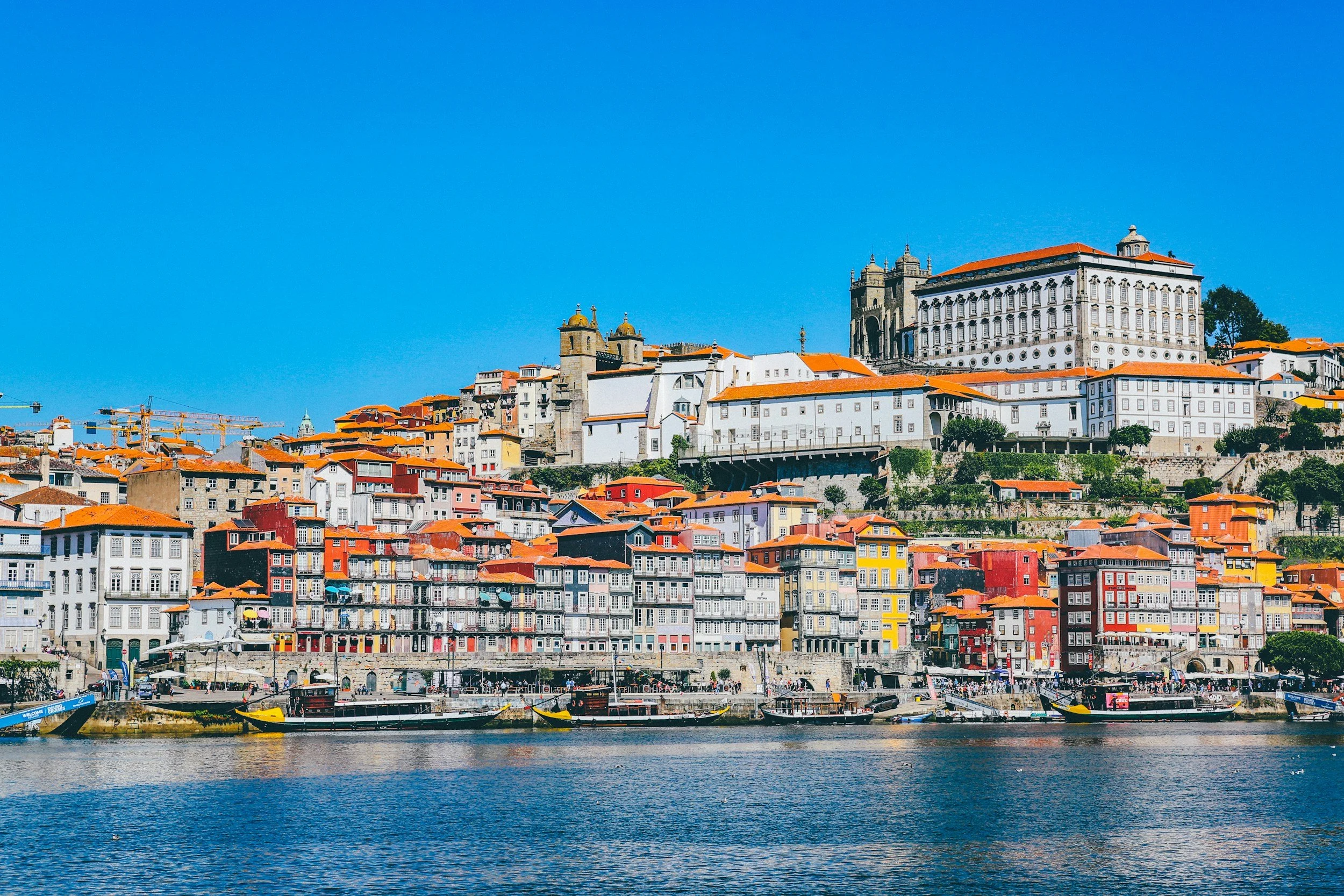
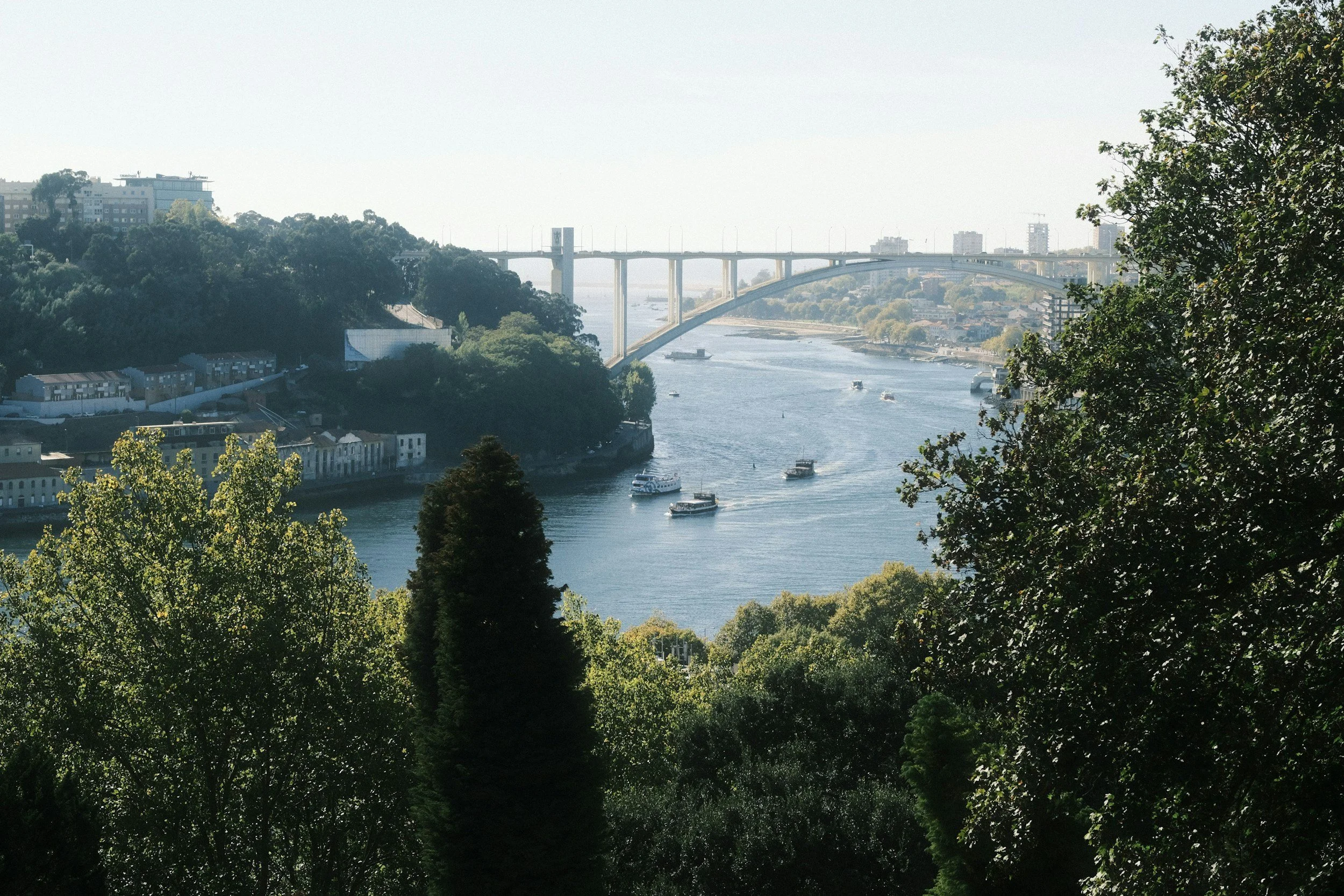
You’ll probably notice this most with accommodation. Hotels and apartments in the centre can climb quickly, especially around weekends, spring, summer, and busy travel periods. Once you’re there, though, the city can still feel fairly forgiving. Public transport is affordable, casual food is easy to find, and plenty of Porto’s best moments don’t require a ticket: walking across the Dom Luís I Bridge, heading down to Ribeira, crossing over to Gaia, or finding a viewpoint just as the city starts to soften in the evening.
That’s where Porto works best. It’s not a city you need to over-plan. A good trip here is usually built around a few strong anchors — the riverfront, the viewpoints, the tiled churches, the wine cellars, the food — with enough space between them to walk, pause, eat properly, and let the city unfold.
The main thing to know is that Porto’s value depends heavily on how you travel. Stay right on the Ribeira waterfront, eat every meal in the busiest streets, take taxis everywhere, and book several paid experiences, and the costs can add up quickly. Stay slightly away from the most obvious areas, walk where possible, mix casual meals with one or two better dinners, and your money goes further.
So, is Porto expensive? Not really. But it does reward travellers who know where to spend and where to hold back.
When Porto Feels Expensive
Porto tends to feel more expensive when you travel in peak season, book accommodation late, stay directly in Ribeira, eat most meals around the waterfront, or build the trip around several paid experiences.
The city itself doesn’t need to be expensive, but the most obvious version of Porto often is. If you’re booking a central hotel for a summer weekend, adding a Douro Valley tour, eating by the river, and taking taxis to avoid the hills, the total can rise quickly.
This is especially true on shorter trips, where convenience starts to matter more. A better location can be worth paying for, but it’s easy to spend more than you need if you choose every option based on ease rather than value.
The better move is to decide which parts of the trip deserve the spend. For most travellers, that means paying for a good base, one proper wine experience, and a few strong meals — then letting the rest of the city stay simple.
How Much Should You Budget Per Day in Porto?
For most travellers, a realistic Porto budget sits somewhere between €100 and €180 per person per day, excluding flights. That gives you room for a decent central stay, good food, public transport when needed, a few paid sights, and at least one proper wine-focused experience.
You can do Porto for less, especially if you’re staying in hostels, eating casually, and walking most of the time. You can also spend far more if you want boutique hotels, private tours, taxis, riverside restaurants, and a Douro Valley day trip. Porto doesn’t force you into one style of travel, which is part of its appeal.
These figures are realistic working estimates rather than fixed prices. Accommodation, flights, seasonality, and how early you book will make the biggest difference.
Here’s a useful way to think about it.
Travel StyleDaily Budget EstimateWhat That Usually CoversBudget€50–€80 per personHostel bed, casual meals, walking, public transport, free or low-cost sightsMid-range€100–€180 per personShared hotel room, good casual restaurants, some paid attractions, wine tastingComfortable€220+ per personBoutique hotel, better restaurants, taxis, premium tastings, guided experiences
The biggest variable is usually accommodation. A solo traveller paying for a private room will naturally spend more per person than a couple sharing a hotel. Weekends, spring, summer, and major event dates can also push prices up, particularly in the most central areas.
For a short city break, the better move is usually not to make Porto as cheap as possible. It’s to spend on the things that make the trip smoother: a good location, a few strong meals, and one or two experiences that feel specific to the city. Save money on the rest. Porto gives you plenty before you need to start booking expensive extras.
Quick Budget Guide for Porto
If you want a simple working budget, these are sensible starting points:
Trip TypeSuggested BudgetBudget 3-day trip€150–€240 per person, excluding flightsMid-range 3-day trip€300–€540 per person, excluding flightsComfortable 3-day trip€660+ per person, excluding flights
For most travellers planning a long weekend, the mid-range budget is the sweet spot. It gives you enough flexibility to enjoy Porto properly without drifting into unnecessary spending.
That might mean staying in Baixa, Bonfim, Cedofeita, or Vila Nova de Gaia, eating casually during the day, choosing one or two better dinners, using the metro where useful, and booking one wine cellar tour rather than trying to turn the whole trip into a tasting schedule.
The city is compact enough that you don’t need to spend heavily to feel like you’ve experienced it. In Porto, some of the best value is simply being in the right area at the right time: Ribeira in the morning before it gets too crowded, Gaia at golden hour, São Bento between stops, or a quiet side street when the city suddenly feels much slower than its hills suggest.
Accommodation Costs in Porto
Accommodation is usually where Porto starts to feel less budget-friendly, especially if you’re travelling over a weekend, during spring or summer, or booking close to your dates.
The city still has good-value places to stay, but the better move is to think carefully about area rather than simply chasing the cheapest room. Porto is compact, walkable, and well connected, so you don’t always need to stay in the most obvious location to have a good trip. In fact, staying slightly away from the river can often give you better value, better food nearby, and a calmer base to come back to after a day of climbing hills.
For most first-time visitors, Baixa is the easiest area to stay in. It puts you close to São Bento, Clérigos, Aliados, restaurants, shops, metro links, and many of the main sights. It may not have the same riverside drama as Ribeira, but it’s practical, central, and usually easier to use as a base. If you only have two or three days in Porto, that convenience is worth paying a little more for.
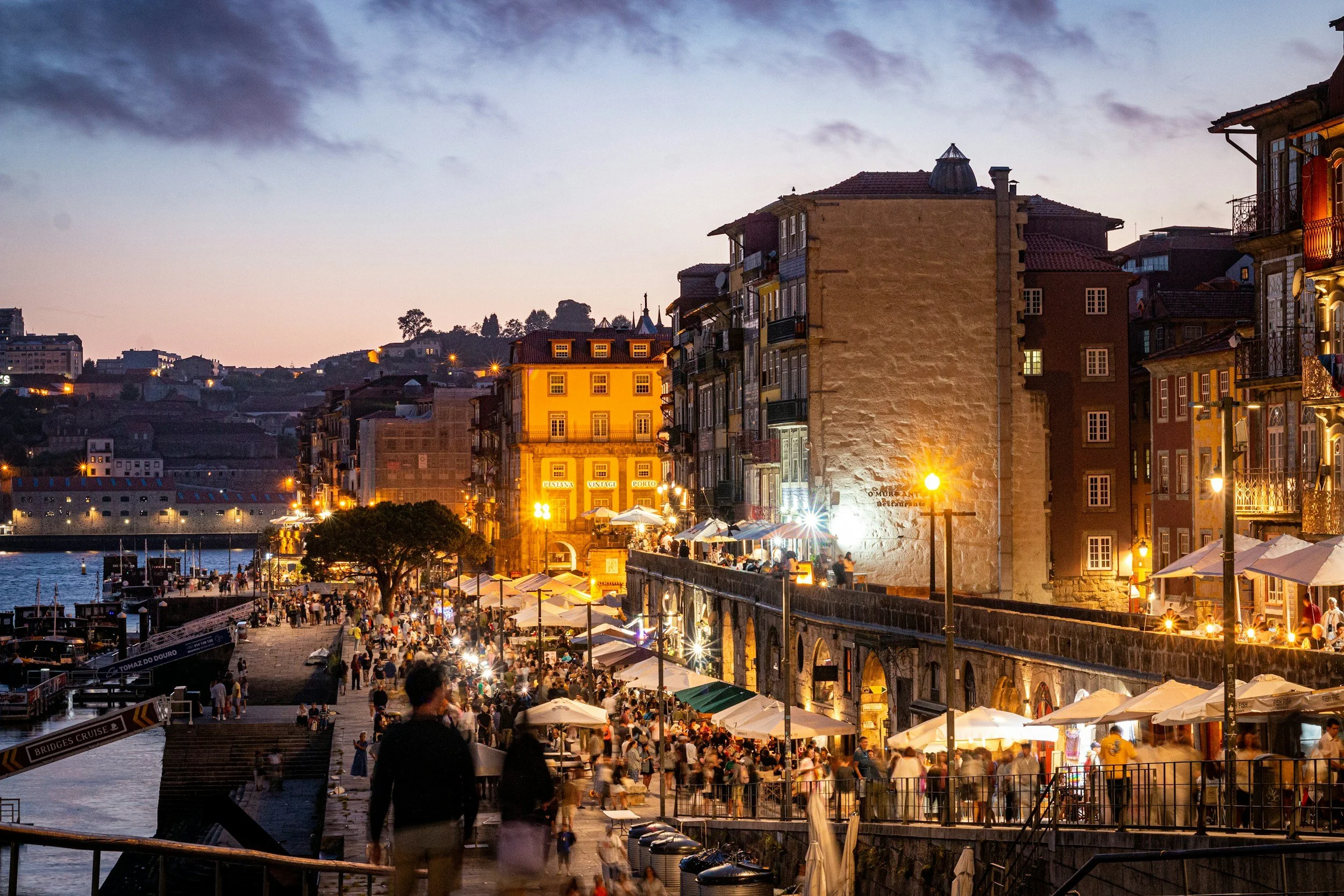
Ribeira is the more atmospheric choice, especially if you want to stay close to the river and feel right in the middle of the historic centre. It’s beautiful, but it can also be busier, more tourist-facing, and more expensive for what you get. It works well if the view and location matter to you, but it isn’t always the best-value area.
For better value, look towards Bonfim or Cedofeita. Bonfim sits just east of the centre and has a more local, lived-in feel, with cafés, restaurants, and guesthouses that can be better priced than the busiest central streets. Cedofeita is a good choice if you want somewhere creative, slightly slower, and still walkable, with galleries, independent shops, and easy access back towards the centre.
Vila Nova de Gaia can also be a smart option, especially if hotel prices in Porto itself are high. You’ll be across the river rather than in the city centre, but you’ll still have easy access to Porto, the wine cellars, riverside views, and some excellent sunset walks back across the bridge. It’s worth checking prices here before committing to a more expensive central hotel.
As a rough guide, budget travellers should expect hostels and simple guesthouses to offer the lowest prices, while mid-range hotels are usually the sweet spot for couples or short-stay travellers. Boutique hotels can still feel reasonable compared with bigger European cities, but they’re not always cheap once you’re looking at central areas and peak dates.
For a weekend trip, accommodation is one of the few places where spending slightly more can make sense. A well-located hotel saves time, reduces transport faff, and makes it easier to come back during the day before heading out again in the evening. Porto is a city best enjoyed on foot, but the hills are persuasive. A good base helps.
Food and Drink Costs in Porto
Food and drink is where Porto can still feel relatively easy to enjoy on a sensible budget, especially if you avoid treating every meal like it needs a river view.
The city is easy to enjoy casually. You can start the day with coffee and a pastry, have a simple lunch somewhere local, and save more of your budget for dinner, wine, or one proper meal that feels worth lingering over. Porto rewards that kind of rhythm. It’s not really a place for rushing between reservations; it works better when you leave space for a long lunch, a glass of wine, and the occasional decision made because a side street looked promising.
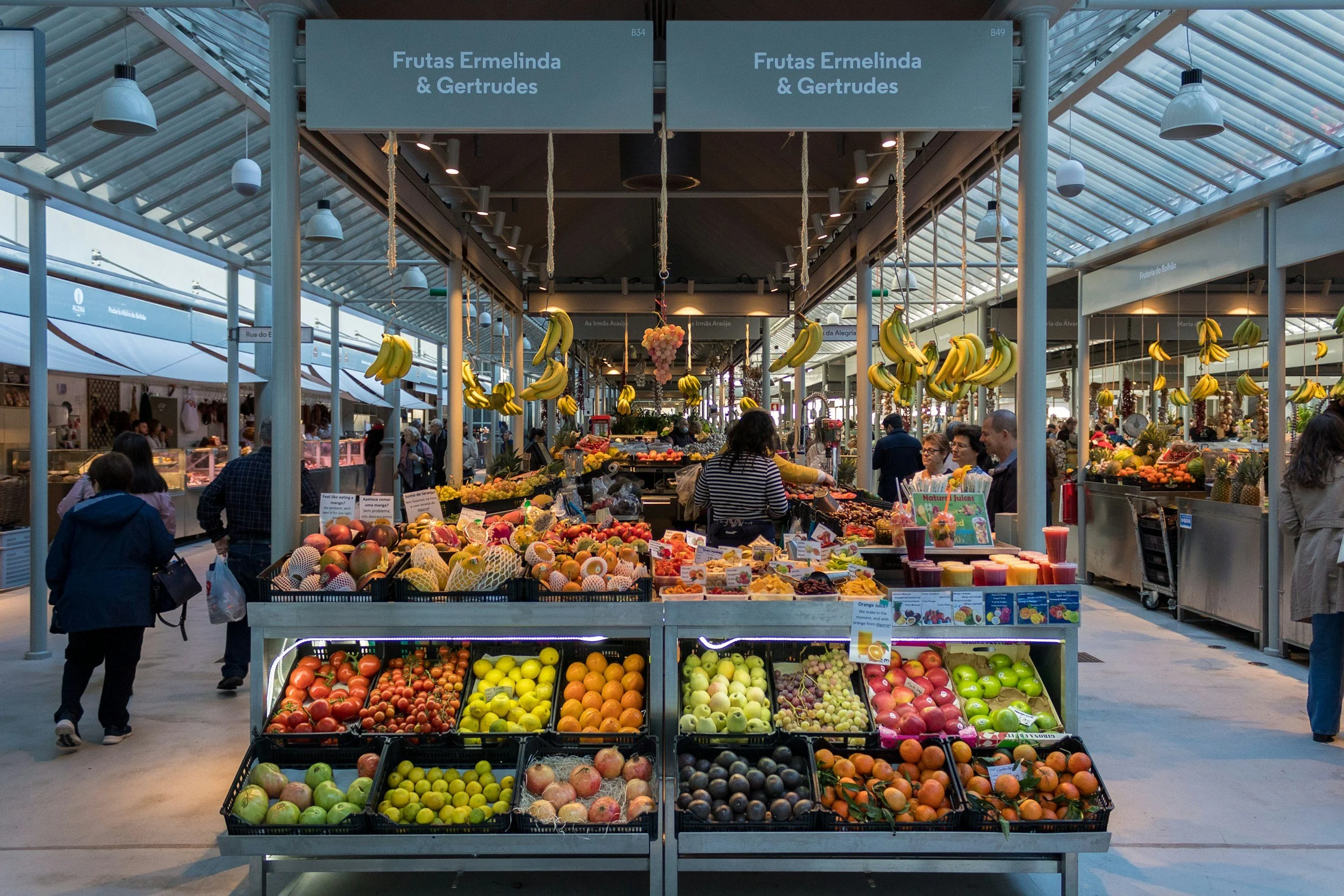
For casual meals, Porto is still fairly affordable. Bakeries, cafés, markets, tascas, sandwich shops, and simple Portuguese restaurants can keep costs low without making the trip feel stripped back. This is where dishes like francesinha, grilled fish, bifanas, soups, pastries, and daily lunch menus come in useful. They’re filling, local-feeling, and usually much better value than the most obvious tourist menus.
Mid-range restaurants are where most travellers will probably spend their food budget. Porto has plenty of places where you can eat well without drifting into special-occasion pricing, especially if you move a few streets away from Ribeira or the busiest parts of the historic centre. A relaxed dinner with wine can still feel reasonable compared with bigger European cities, though prices vary depending on how polished the restaurant is.
Wine is one of Porto’s best pleasures, provided you choose well. A casual glass of Portuguese wine can be affordable, and the city has plenty of wine bars where the experience feels more thoughtful than expensive. The danger is not that one glass costs too much. The danger is that Porto makes a second glass feel like sensible cultural research.
Where costs creep up is around the most tourist-facing parts of the city. Restaurants directly on the Ribeira waterfront, terraces with prime views, heavily photographed brunch spots, and more polished tasting-led restaurants can all raise your daily spend quickly. None of these are necessarily bad choices, but they should be chosen deliberately rather than by default.
The better move is to mix your meals. Keep breakfast and lunch simple, spend more carefully on dinner, and choose one or two places you’re genuinely excited about rather than assuming every meal needs to be a “best restaurant” moment.
For most travellers, a sensible daily food and drink budget looks like this:
Food StyleDaily EstimateWhat It CoversBudget€20–€35 per personCoffee, pastries, casual lunch, simple dinnerMid-range€40–€75 per personCasual breakfast, good lunch or dinner, wine or drinksComfortable€90+ per personBetter restaurants, wine bars, cocktails, longer meals
A simple café breakfast is one of the easiest ways to keep costs down, while a proper dinner with wine is usually the better place to spend. If you’re trying to manage your budget, choose local cafés over hotel breakfasts, look for busy casual restaurants at lunch, and move one or two streets back from the obvious viewpoints before sitting down to eat.
Porto’s best-value meals are rarely the ones trying hardest to catch your eye.
Where to Eat in Porto: Best Restaurants, Cafés, and Wine Bars.
Transport Costs in Porto
Transport is one of the easier places to keep costs low in Porto, mainly because the city is compact enough to explore on foot.
That does come with one small warning: Porto is walkable, but it is not flat. The city is built around slopes, staircases, and streets that seem to take a personal interest in your calves. You can walk between most major areas, but it’s worth planning your day with the hills in mind rather than pretending they won’t exist once you’ve had breakfast.
For most short trips, you won’t need a big transport budget. If you’re staying in Baixa, Ribeira, Cedofeita, Bonfim, or Vila Nova de Gaia, you can reach a lot of the main sights on foot. The riverfront, São Bento, Clérigos, Livraria Lello, Rua das Flores, Bolhão, and the Dom Luís I Bridge are all easy to link together if you don’t mind walking.
The metro is useful for longer journeys, especially getting between the airport and the city centre. It’s usually the best-value way to arrive in Porto, and it saves you from spending extra on a taxi before the trip has properly started. The metro also works well if you’re staying slightly outside the centre or want an easier way to move across the city when your legs have already made their feelings known.
Buses and trams can be useful too, though trams are often more scenic than essential. They’re a nice part of the Porto experience if you want a slower ride through the city, but you don’t need to build your transport plan around them. For most visitors, walking plus the occasional metro journey is enough.
Taxis and ride-hailing apps are available and can be worth using late at night, in bad weather, or when you’re heading somewhere awkward with luggage. They’re also useful if you’ve slightly underestimated the hills, which is a very easy mistake to make in Porto. But you shouldn’t need them constantly.
For a typical city break, budget around €5–€15 per person per day for transport if you’re mostly walking and using the metro occasionally. If you’re relying more on taxis or ride-hailing, that can rise quickly, especially over a full weekend.
Transport StyleDaily EstimateBest ForMostly walking€0–€5Central stays and short tripsWalking + metro/bus€5–€15Most first-time visitorsRegular taxis/rideshares€20+Late nights, luggage, bad weather, less walking
The better move is to choose a good base, walk most of the city, and use public transport when it saves real effort. Porto’s streets are part of the experience, but there’s no award for climbing every hill on principle.
Attraction and Sightseeing Costs in Porto
Sightseeing in Porto can be as affordable or as expensive as you make it.
The city has plenty of paid attractions, but some of its best moments are free: walking across the Dom Luís I Bridge, following the streets down towards Ribeira, watching the light shift over Vila Nova de Gaia, stepping into tiled churches, or finding a viewpoint where the city suddenly makes a bit more sense.
That’s one of Porto’s strengths. You don’t need to spend heavily to feel like you’ve seen the city properly. A first trip can be built around a few paid highlights, then filled out with walks, viewpoints, neighbourhoods, markets, churches, riverfronts, and the kind of aimless wandering Porto quietly encourages.
For paid sights, costs are usually manageable, but they can add up if you try to visit everything. Places like Clérigos Tower, Palácio da Bolsa, Livraria Lello, and selected churches or museums are all worth considering, but they don’t all need to sit in the same itinerary. Choose the ones that genuinely fit the kind of trip you want.
If you only pay for a few things, Palácio da Bolsa is a strong choice if you like interiors, architecture, and something that feels more substantial than a quick photo stop. Clérigos Tower is worth it if you want a classic viewpoint and don’t mind a climb. Livraria Lello is beautiful, but it’s also busy and more controlled than romantic in reality, so it’s best approached as a specific stop rather than the soul of the trip.
There are also plenty of lower-cost sights that still give the city texture. São Bento Station is free to enter and genuinely worth pausing for, especially if you catch it outside the busiest crush of the day. Capela das Almas, Igreja do Carmo, and Porto’s tiled façades are easy to fold into a walking route without turning the day into a museum circuit.
For most travellers, a sensible sightseeing budget is around €15–€40 per person per day, depending on how many paid attractions you include. If you mostly walk, visit churches, enjoy viewpoints, and choose just one paid experience, you can keep that lower. If you start adding boat trips, premium tours, museums, and multiple ticketed sights, your daily spend rises quickly.
Sightseeing StyleDaily EstimateWhat It CoversLow-cost€0–€15Viewpoints, churches, markets, self-guided walksBalanced€15–€40One or two paid sights plus free experiencesExperience-led€50+Boat trips, guided tours, several ticketed attractions
The better approach is to treat paid attractions as anchors, not the whole plan. Porto is a city where walking between places often gives you as much as the sights themselves: a glimpse of the river between buildings, a blue-tiled church on a corner, a steep street that looks unreasonable until it leads somewhere excellent.
If you’re trying to keep costs sensible, pick one main paid attraction per day and let the rest of the day breathe. Porto is better that way — and so, usually, is your budget.
How Much Does Port Wine Tasting Cost?
Port wine tasting is one of the few Porto experiences that genuinely feels tied to the place. You can visit the city without doing a cellar tour, but for a first trip, it’s usually worth making room for one.
Most of the famous port wine cellars sit across the river in Vila Nova de Gaia, not in Porto itself. That’s useful to know before you start planning, because the experience is easy to pair with a walk over the Dom Luís I Bridge, a slow wander along the Gaia waterfront, and a sunset view back towards Ribeira. It gives the day a natural shape without needing much effort.
Basic cellar tours are usually the most affordable option. These typically include a short guided visit and a small tasting at the end. More expensive options may include extra wines, vintage ports, food pairings, longer guided sessions, or access to more premium tasting rooms.
For most visitors, one good cellar tour is enough. It gives you the history, the setting, and the sense of why port matters to the city, without turning the whole trip into a timetable of tastings. If you’re especially interested in wine, you can always add a second tasting or spend more time in a wine bar later.
As a rough guide, you can expect port wine tasting costs to look something like this:
Wine ExperienceTypical CostBest ForBasic cellar tour and tasting€15–€25 per personFirst-time visitorsPremium tasting€30–€60 per personWine lovers or slower tripsFood pairing or specialist experience€50+ per personMore experience-led tripsDouro Valley day trip€90–€180+ per personTravellers building the trip around wine
The cellar tour is the easiest Porto-specific spend to justify, especially if it’s your first time in the city. The Douro Valley is more of a bigger decision. It can be a brilliant day trip, but it takes more time, more budget, and usually deserves a full day rather than being squeezed into an already busy weekend.
If you’re visiting Porto for two or three days, the best-value version is simple: choose one cellar tour in Gaia, book ahead if you’re travelling at a busy time, and leave some space afterwards for the riverfront. The tasting is the paid part; the walk back across the bridge at golden hour is Porto being generous.
Sample Porto Trip Budgets
Porto can work across a few different budgets, but the cost of the trip changes quickly depending on where you stay, how you eat, and how many paid experiences you add in.
The easiest way to plan is to separate the trip into the things you need, the things that improve the experience, and the things that are nice but not essential. Accommodation and food will do most of the heavy lifting. Transport can stay low. Sightseeing can be kept fairly flexible, especially because many of Porto’s best moments are built around walking, viewpoints, tiled streets, and the river.
Here’s a realistic way to think about a 3-day Porto trip, excluding flights.
Budget Weekend in Porto
A budget trip to Porto is still very possible, especially if you’re happy with a hostel, guesthouse, simple meals, and plenty of walking.
Cost CategoryEstimated CostAccommodation€75–€150Food and drink€60–€105Transport€10–€30Attractions€20–€50Wine tasting€0–€25Total for 3 days€165–€360 per person
This kind of trip works best if you’re less concerned with staying in the most central location and more focused on seeing the city without spending heavily. You’ll need to be selective with paid attractions, wine tastings, and restaurants, but the trip doesn’t have to feel stripped back.
Porto gives budget travellers plenty to work with, especially if you’re willing to walk and avoid making every meal a sit-down event with a view.
Mid-Range Weekend in Porto
For most travellers, this is the sweet spot.
Cost CategoryEstimated CostAccommodation€150–€300Food and drink€120–€225Transport€15–€45Attractions€45–€120Wine tasting€15–€60Total for 3 days€345–€750 per person
A mid-range Porto trip gives you enough room for a good central stay, casual lunches, better dinners, a proper wine tasting, and a few paid sights without feeling like you’re overspending.
With this budget, you can stay somewhere like Baixa, Bonfim, Cedofeita, or Gaia, eat well without chasing the most expensive restaurants, and build in one or two experiences that feel specific to Porto.
Comfortable Weekend in Porto
A comfortable Porto trip is where costs start to rise, but it can still feel reasonable compared with bigger European cities.
Cost CategoryEstimated CostAccommodation€300–€600+Food and drink€270+Transport€60+Attractions€120+Wine tasting / Douro trip€60–€180+Total for 3 days€810+ per person
This version suits travellers who want a boutique hotel, more taxis, better restaurants, premium wine tastings, or a possible Douro Valley day trip.
At this level, the biggest decision is whether to spend on the city itself or use Porto as a base for something bigger. Both can work, but for a short weekend, it’s worth being careful not to overfill the schedule just because the budget allows it.
Where to Save Money in Porto
Porto is a good city for saving money without making the trip feel thin. You don’t need to strip the experience back to enjoy it properly; you just need to avoid spending by default in the places where convenience, views, and tourist traffic quietly add a premium.
The easiest place to save is accommodation. Ribeira is beautiful and atmospheric, but it isn’t always the best-value base. If prices look high, check Baixa, Bonfim, Cedofeita, or Vila Nova de Gaia instead. You’ll still be close enough to enjoy the city properly, and in some cases, you’ll get a better neighbourhood feel for less money.
Food is another area where small choices make a difference. Keep breakfast simple, eat casually at lunch, and save your bigger spend for dinner or a proper wine bar. Porto has enough bakeries, cafés, tascas, and relaxed restaurants that you don’t need to rely on the most obvious squares or riverside menus. The better-value meal is often one or two streets away from the busiest viewpoint or main square.
Transport is easy to keep low too. Choose a central or well-connected base, walk most of the time, and use the metro when it genuinely saves effort. Porto’s hills will test your optimism, but you still don’t need taxis for every journey. Save them for late nights, luggage, bad weather, or the point in the trip when your legs start drafting a formal complaint.
Sightseeing can also stay affordable if you’re selective. Pick one main paid attraction per day, then build the rest of the day around viewpoints, churches, markets, riverfront walks, tiled façades, and neighbourhood wandering. Porto is generous that way. Some of the city’s strongest moments are free, especially if you’re happy to move slowly and look up occasionally.
Wine tasting is worth doing, but it’s also easy to overdo. For a first trip, one good cellar tour in Vila Nova de Gaia is usually enough. After that, you can enjoy wine more flexibly in bars and restaurants without committing the whole weekend to guided tastings.
Easy Ways to Spend Less in Porto
Stay in Bonfim, Cedofeita, Baixa, or Gaia instead of automatically choosing Ribeira.
Use the metro from the airport rather than taking a taxi.
Walk between central sights where possible.
Keep breakfast simple with coffee and a pastry.
Eat casual lunches and spend more carefully on dinner.
Move a few streets back from the river before choosing a restaurant.
Choose one good wine tasting rather than several.
Mix paid sights with free viewpoints, churches, and neighbourhood walks.
Book accommodation early if travelling in spring, summer, or at weekends.
The main thing is not to treat saving money as the opposite of enjoying Porto. Done well, it can actually make the trip better. You’ll eat in more interesting places, stay in areas with a bit more everyday life, and spend less time paying extra for the most obvious version of the city.
What Is Worth Spending More On in Porto?
Porto is a good city for travelling carefully, but that doesn’t mean the cheapest version is always the best version.
For a short trip, it’s worth spending a little more on the things that make the city easier to enjoy: location, food, wine, and one or two experiences that feel genuinely specific to Porto. The aim isn’t to avoid spending. It’s to spend where it actually improves the trip.
A Well-Located Place to Stay
Accommodation is the first place where spending more can make sense, especially if you only have two or three days.
A good base in Baixa, Cedofeita, Bonfim, Ribeira, or Vila Nova de Gaia can save you time, reduce transport costs, and make the trip feel smoother. Porto is compact, but it’s also hilly, so location matters more than it might look on a map.
For most first-time visitors, Baixa is probably the best balance. It keeps you central without committing you to the busiest riverside streets, and it makes it easy to dip in and out of the day without constantly recalculating routes.
One Good Wine Experience
If you’re going to spend on one Porto-specific experience, make it wine.
A cellar tour in Vila Nova de Gaia gives useful context to the city and works naturally as part of a day along the river. You don’t need to do several tastings unless wine is the main reason for your trip, but one well-chosen experience is usually worth the cost.
The better version is to book one cellar tour, then leave time afterwards for the Gaia waterfront. Porto tends to do its best work when you don’t rush the after-part.
A Proper Dinner or Wine Bar Evening
Porto is a city where food and drink deserve some of the budget.
That doesn’t mean every meal needs to be expensive. In fact, the trip will usually feel better if it isn’t. Keep some meals simple, then spend more on one dinner, a long lunch, or a wine bar evening where you can slow down properly.
This is where Porto starts to feel less like a checklist and more like a city break. A good meal, a good bottle, and no immediate plan afterwards can do more for the trip than another rushed attraction.
A Douro Valley Day Trip, If It Fits the Trip
A Douro Valley day trip can be worth the money, but it isn’t essential for every Porto visit.
If you’re in the city for four days or more, or wine and scenery are a big part of why you’re visiting, it can be one of the standout experiences of the trip. If you only have two or three days, think carefully before giving up a full day. Porto itself deserves time, and the Douro is better when it doesn’t feel squeezed in.
The trade-off is simple: the Douro gives you a bigger, more scenic experience, but it takes time, budget, and energy. For a first short weekend, a Gaia cellar tour may be the better-value choice.
Comfortable Shoes
Not glamorous. Not optional.
Porto is built on slopes, cobbles, steps, and streets that look charming until you’re halfway up them questioning your life choices. Good shoes will improve the trip more than a surprising number of paid upgrades.
If you’re going to spend before you go, spend on footwear you can comfortably walk in all day. Porto is best explored on foot, but it’s not especially interested in forgiving bad shoes.
Where Not to Overspend
Some costs in Porto are worth questioning. Not because they’re always bad choices, but because they’re easy to fall into without thinking.
Be careful about overspending on:
Ribeira accommodation if the price jump is mainly for location.
Riverside restaurants where the view is doing most of the work.
Too many paid attractions in one short trip.
Multiple wine tastings unless wine is the point of the weekend.
Frequent taxis when walking or the metro would do the job.
A Douro Valley day trip if it leaves too little time for Porto itself.
The best Porto budget isn’t the smallest one. It’s the one that gives you a good base, enough room to eat and drink well, and a few memorable experiences without turning the weekend into an expensive itinerary with a river view.
Is Porto Cheaper Than Lisbon?
Porto is usually a little cheaper than Lisbon, but the gap is not as wide as it used to be.
You’ll feel the difference most in everyday spending. Food, wine, casual restaurants, cafés, and short journeys can often feel slightly better value in Porto, especially if you move away from the most obvious tourist streets. Porto is also more compact, which helps keep transport costs low. For a weekend trip, that matters. You can see a lot on foot without constantly needing taxis, trams, or longer metro journeys.
Accommodation is where the comparison becomes less predictable. Lisbon is generally the more expensive city, especially in central, popular neighbourhoods, but Porto hotel prices can still climb quickly around weekends, spring, summer, and busy travel dates. If you’re booking late or trying to stay in Ribeira, Porto may not feel dramatically cheaper.
The bigger difference is how the cities behave.
Lisbon is larger, more spread out, and has more neighbourhood variety. It works well if you want a bigger city break with nightlife, restaurants, viewpoints, museums, day trips, and different areas to explore over several days.
Porto is smaller, more concentrated, and easier to enjoy over a short weekend. It feels more compact around the river, the historic centre, Gaia, wine bars, tiled churches, and viewpoints. That can make it better value for a two or three-day trip, because you spend less time and money moving around.
For most travellers, Porto is the better-value choice if you want a slower, food-and-wine-led weekend with plenty of walking. Lisbon is better if you want a bigger, more varied city break and don’t mind spending a little more across accommodation, transport, and meals.
Quick Comparison
CategoryUsually CheaperNotesAccommodationPortoLisbon is often pricier, but Porto can still rise sharply in peak periodsFood and drinkPortoCasual meals and wine often feel better valueTransportPortoMore compact and easier to explore mostly on footNightlifeLisbonMore variety, but usually more spending temptation tooShort weekend valuePortoEasier to enjoy well in 2–3 daysLonger city breakLisbonMore range if you have 4+ days
If budget is the main deciding factor, Porto usually wins. If variety is the priority, Lisbon may justify the extra spend. The cleaner answer is this: Porto is often better value, Lisbon offers more range.
Internal link prompt: Link to Lisbon vs Porto: Which Is Better for a Weekend Away?
Is Porto Good Value for a Weekend Trip?
Yes — Porto is one of the stronger-value weekend trips in Europe, especially if you want a city that feels distinctive without needing a complicated itinerary.
The city works particularly well over two or three days because so much of the experience is concentrated. You can stay centrally, walk between neighbourhoods, cross the river to Vila Nova de Gaia, fit in a wine tasting, eat well, and still have enough space in the trip to slow down. That matters. Some cities need more time, more transport, and more planning before they start to properly open up. Porto gives you a lot quite quickly.
It’s especially good value if your idea of a strong city break is built around food, wine, views, architecture, and atmosphere rather than big-ticket attractions. You don’t need to pay heavily to enjoy the best of Porto. A walk across the Dom Luís I Bridge, a slow evening along the Gaia waterfront, coffee and pastries in the morning, tiled churches, viewpoints, and a good glass of wine can all make the trip feel rich without making it expensive.
Where Porto is less good value is when you force it into the wrong kind of trip. If you want a very cheap last-minute hotel in peak season, a beach-first holiday, or a packed schedule of premium tours, the city may feel more expensive than expected. It’s also worth remembering that the hills are part of the experience. Porto is compact, but it still asks for a bit of effort.
For most travellers, Porto gives the best value when you keep the trip simple: choose a good base, plan one or two paid experiences, eat casually during the day, spend a little more on one proper dinner or wine bar, and leave time to wander. That version of Porto feels generous, relaxed, and well worth the money.
Porto Is Especially Good Value If You Want:
a compact European city break
a food and wine-focused weekend
a walkable city with strong atmosphere
affordable public transport
free viewpoints and riverside walks
a slower trip that doesn’t need constant paid activities
a destination that feels polished without being painfully expensive
Porto May Feel Less Good Value If You Want:
very cheap accommodation in peak season
a flat, easy walking city
a beach-focused trip
lots of nightlife variety
a luxury trip at budget prices
a packed itinerary of tours, taxis, and riverside restaurants
The short version: Porto is good value when you let it be Porto. Walk more, plan less, spend carefully, and give the city room to do the work.
The Best Way to Budget for Porto
The smartest Porto budget is simple: spend on location, food, and one wine experience, then save on transport, over-planning, and unnecessary paid attractions.
For a short trip, that usually means staying somewhere central or well connected, walking most of the time, eating casually during the day, booking one proper dinner or wine bar, and choosing one cellar tour rather than several.
Porto works best when you don’t make the itinerary too expensive or too crowded. The city gives you plenty through its streets, viewpoints, riverfronts, cafés, churches, wine bars, and slow evening walks. Spend where it improves the trip, then let the rest stay easy.
“Porto is still one of the easier European city breaks to enjoy without spending heavily, but it isn’t the bargain it used to be.
That’s probably the fairest way to look at it. Accommodation has become more expensive, especially in central areas and during popular travel periods. Riverside restaurants, premium wine tastings, taxis, and guided experiences can also raise the cost quickly if you’re not paying attention.
But Porto still gives travellers a lot before the trip needs to become expensive. The city is compact, public transport is affordable, casual food is easy to find, and many of its best moments are either free or low-cost: walking through Ribeira, crossing the Dom Luís I Bridge, exploring Gaia, finding tiled churches, stopping for coffee, or watching the city settle into the evening from a viewpoint.
For most visitors, a realistic mid-range budget is around €100–€180 per person per day, excluding flights. That should cover a decent place to stay, good casual meals, some paid sightseeing, public transport when needed, and at least one wine-focused experience.
The best approach is not to make Porto as cheap as possible. It’s to spend where it improves the trip. Choose a good base, eat simply when it makes sense, save budget for one or two better meals, book one worthwhile wine experience, and don’t overfill the itinerary with paid attractions.
Done that way, Porto feels atmospheric, compact, easy to enjoy, and polished enough to feel special without asking for a major-city budget.”
FAQs About Porto Travel Costs
Is Porto cheap for tourists?
Porto can still be fairly affordable for tourists, especially compared with larger Western European cities, but it isn’t as cheap as some older travel advice makes it sound.
The best value comes from walking, using public transport, eating away from the most obvious tourist streets, and choosing accommodation carefully. If you stay centrally, eat every meal by the river, take taxis often, and book several paid experiences, Porto can feel more expensive quite quickly.
How much money do I need for 3 days in Porto?
For a 3-day Porto trip, excluding flights, a rough budget would be:
Travel Style3-Day Budget EstimateBudget€165–€360 per personMid-range€345–€750 per personComfortable€810+ per person
For most travellers, the mid-range budget is the most realistic. It gives you room for a good base, casual meals, a few paid sights, and one wine experience without making the trip feel overly restricted.
Is Porto cheaper than Lisbon?
Porto is usually a little cheaper than Lisbon, especially for food, wine, casual restaurants, and getting around.
Accommodation is less predictable. Lisbon is generally the more expensive city, but Porto hotels can still rise sharply around weekends, spring, summer, and busy travel dates. The bigger difference is that Porto is more compact, so it’s often easier to enjoy over a short trip without spending much on transport.
Is food expensive in Porto?
Food in Porto can be very reasonable if you eat casually and avoid relying too heavily on the most tourist-facing areas.
Coffee, pastries, casual lunches, tascas, bakeries, and simple Portuguese restaurants can all offer good value. Costs rise around riverside restaurants, trendy brunch spots, tasting menus, and more polished wine bars. The better move is to keep some meals simple and spend more deliberately on one or two stronger meals.
Do you need cash in Porto?
You can use cards widely in Porto, especially in hotels, restaurants, shops, and larger attractions. Still, it’s useful to carry a small amount of cash for cafés, bakeries, markets, tips, smaller purchases, or places that don’t accept cards.
You don’t need to carry a large amount, but having some euros on hand makes the trip easier.
Is Porto worth visiting on a budget?
Yes. Porto is one of the better European city breaks for a tighter budget because so much of the city is enjoyed on foot.
You can cross the Dom Luís I Bridge, walk through Ribeira, explore Gaia, visit viewpoints, see tiled churches, and spend time around the river without paying much. The key is to choose accommodation carefully, use the metro where needed, eat casually, and pick one or two paid experiences rather than trying to do everything.
What is the most expensive part of visiting Porto?
Accommodation is usually the biggest cost, especially if you’re staying centrally or travelling during peak periods.
Food, transport, and sightseeing can all stay fairly manageable, but hotel prices can shift the total cost of the trip quickly. If you’re trying to control your budget, compare areas like Baixa, Bonfim, Cedofeita, and Vila Nova de Gaia before automatically choosing Ribeira.
How can I save money in Porto?
The easiest ways to save money in Porto are to stay slightly away from the most tourist-heavy areas, walk where possible, use the metro from the airport, and eat casually during the day.
You can also save by choosing one good wine tasting rather than several, booking accommodation early, and building your itinerary around free or low-cost experiences. Porto is a city where spending less often means seeing it more naturally, which is rather convenient.