Istanbul: Food and Drink Guide
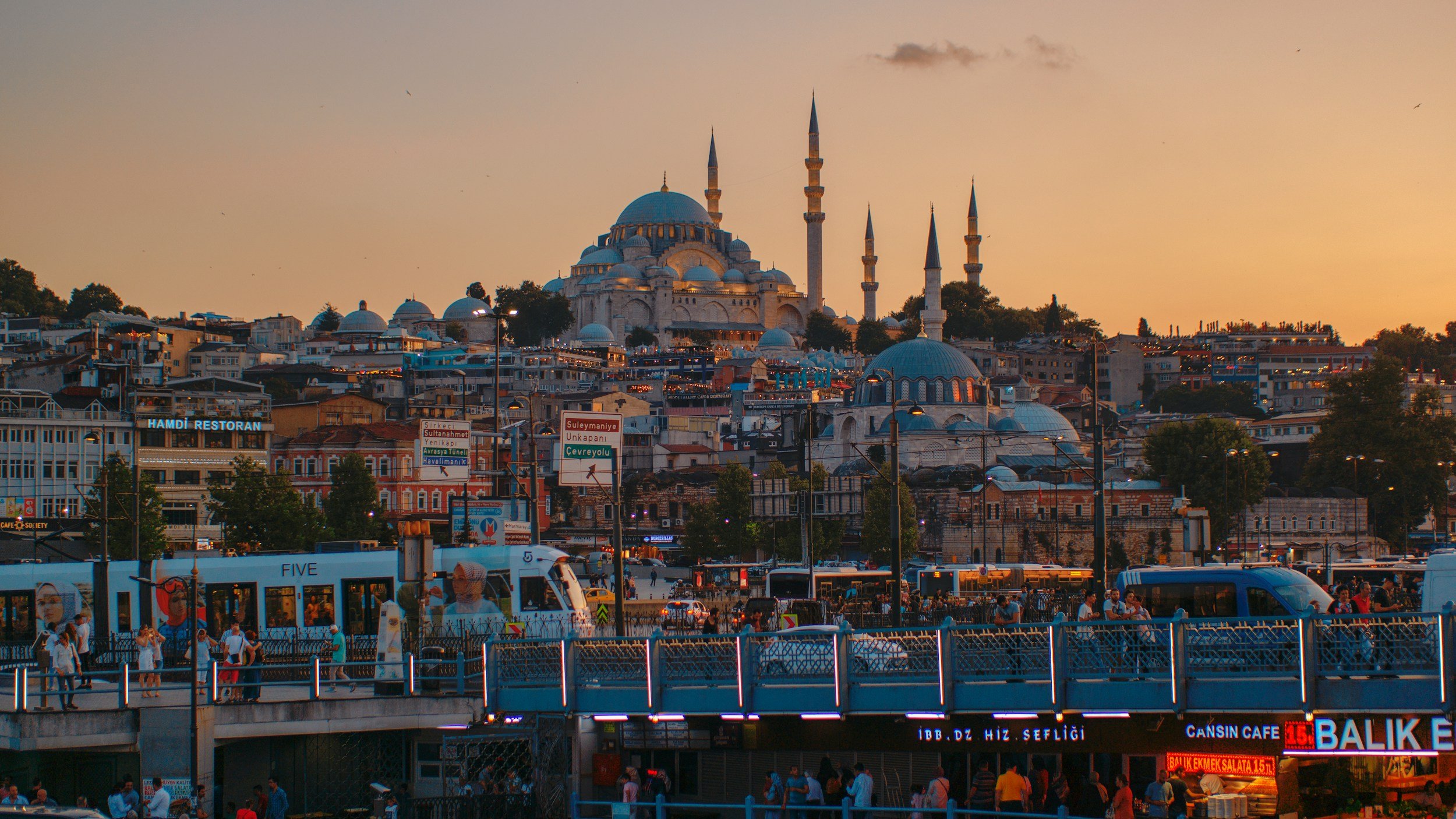
Istanbul’s food scene is an extension of the city itself — vibrant, layered and full of character. From simit sellers setting up at dawn to meyhane tables buzzing late into the night, eating here feels woven into the rhythm of everyday life. You’ll pass fishmongers shouting prices in the markets, smell grilled meat drifting from street corners, and see trays of baklava cooling by open windows.
What makes Istanbul special is how its food bridges old and new. Traditional lokantas still serve recipes perfected over generations, while neighbourhoods like Kadıköy, Karaköy and Moda champion modern cafés, craft coffee, and creative takes on Turkish classics. One moment you’re grabbing a quick balık ekmek by the waterfront; the next you’re settled into a long evening of meze, rakı and conversation.
This guide highlights the flavours that define the city — the street foods you can’t leave without trying, the dishes that tell Istanbul’s story, and the local spots that bring the city’s culinary culture to life.
Street Food Favourites
Istanbul’s street food scene is fast, flavourful and woven into daily life. You’ll find vendors on ferry docks, in backstreets, outside markets and beside mosques — each with their own specialty. These are the staples every traveller should try at least once.
Simit
The classic Istanbul snack: a circular sesame-crusted bread, crisp on the outside and chewy in the middle. Best eaten warm, ideally by the waterfront with a coffee or tea.
Where to try: Street sellers near Galata Bridge, Kadıköy ferries, Beşiktaş Çarşı.
Balık ekmek
A simple grilled mackerel sandwich served with lettuce, onion and lemon juice — a waterfront staple that tastes best eaten with the smell of the sea in the air.
Where to try: The boats and stands near Eminönü or Karaköy.
Kokoreç
Charcoal-grilled lamb intestines chopped with herbs, spices and tomatoes, served in a crusty half-loaf or sliced as a dürüm. Punchy, flavourful and beloved by locals.
Where to try: Şampiyon Kokoreç (branches in Beşiktaş and Karaköy).
Midye dolma
Stuffed mussels filled with spiced rice, pine nuts and currants — eaten by the shellful with a squeeze of lemon. A late-night favourite.
Where to try: Street stands in Kadıköy, Moda and Beşiktaş.
Döner and dürüm
Tender slices of meat shaved from a rotating spit, wrapped in lavash or tucked into bread. Istanbul’s ultimate quick meal — fast, affordable and consistently good.
Where to try: Karadeniz Döner Asım Usta (Beşiktaş), or local stands in Galata.
Börek
Paper-thin pastry layered with cheese, spinach, potato or minced meat. Best eaten fresh out of the oven when the layers are still crisp.
Where to try: Çengelköy Börekçisi (Üsküdar) or neighbourhood pastanes.
Kestane (roasted chestnuts)
A winter staple — warm, smoky chestnuts sold from red carts across the city. Ideal for snacking during evening walks.
Lokma
Golden, syrup-coated dough balls — sweet, light and dangerously easy to eat. Often sold from small street stands or pastanes.
Fresh juice stalls
Pomegranate, orange and mixed fruit juices pressed to order. Perfect pick-me-ups when exploring busy streets.
Where to try: Kadıköy Market, Karaköy waterfront, Sultanahmet side streets.
Classic Turkish Dishes to Try
Istanbul’s traditional dishes reflect a blend of Anatolian comfort, Ottoman heritage and regional influences from across Türkiye. These are the plates that define the city — hearty, flavourful and best enjoyed in lokantas, meyhanes or busy neighbourhood eateries.
Meze
Small plates designed for sharing — the heart of any meyhane meal. Expect a colourful spread of creamy dips, fresh vegetables and seafood.
Try:
Haydari (yogurt with garlic and herbs)
Şakşuka (fried aubergines in tomato sauce)
Atom (thick yogurt topped with chilli oil)
Fava (broad bean purée)
Lakerda (cured bonito)
Meze is about grazing, conversation and taking your time — an essential Istanbul experience.
Kebabs
Türkiye’s most famous culinary export, but far more varied than many visitors expect.
Adana kebab: Spicy minced lamb, full of heat and flavour.
Urfa kebab: A milder version with fragrant spices.
Şiş kebab: Marinated meat grilled on skewers. Serve with lavash, grilled vegetables and a squeeze of lemon.
Pide and lahmacun
Often dubbed “Turkish pizza”, but with a distinctly local character.
Pide: Boat-shaped dough filled with cheese, egg, spinach or minced meat.
Lahmacun: Thin, crisp flatbread topped with minced meat and herbs — best rolled up with parsley and lemon.
Perfect for a quick, comforting lunch.
Köfte
Turkish meatballs made with minced beef or lamb, spices and herbs. Simple, tender and deeply satisfying.
Often served with piyaz (bean salad), grilled peppers and bread for soaking up the juices.
Mantı
Tiny dumplings filled with seasoned meat and topped with yogurt, melted butter and chilli flakes. Rich, comforting and one of the most beloved dishes in Turkish home cooking.
Menemen
A breakfast favourite: eggs gently scrambled with tomatoes, peppers and sometimes cheese. Soft, warm and best paired with baskets of fresh bread.
Güveç
Slow-cooked casseroles baked in clay pots. Variations include vegetable, seafood or meat-based versions, each simmered for hours for maximum flavour.
Soups
Soup culture is strong in Istanbul, and locals enjoy it at any time of day — even late at night.
Mercimek: Smooth red lentil soup, creamy and subtly spiced.
Ezogelin: A heartier red lentil soup with bulgur and tomato.
İşkembe: Tripe soup, often served after a night out — not for everyone, but iconic.
Best Places to Eat (By Neighbourhood)
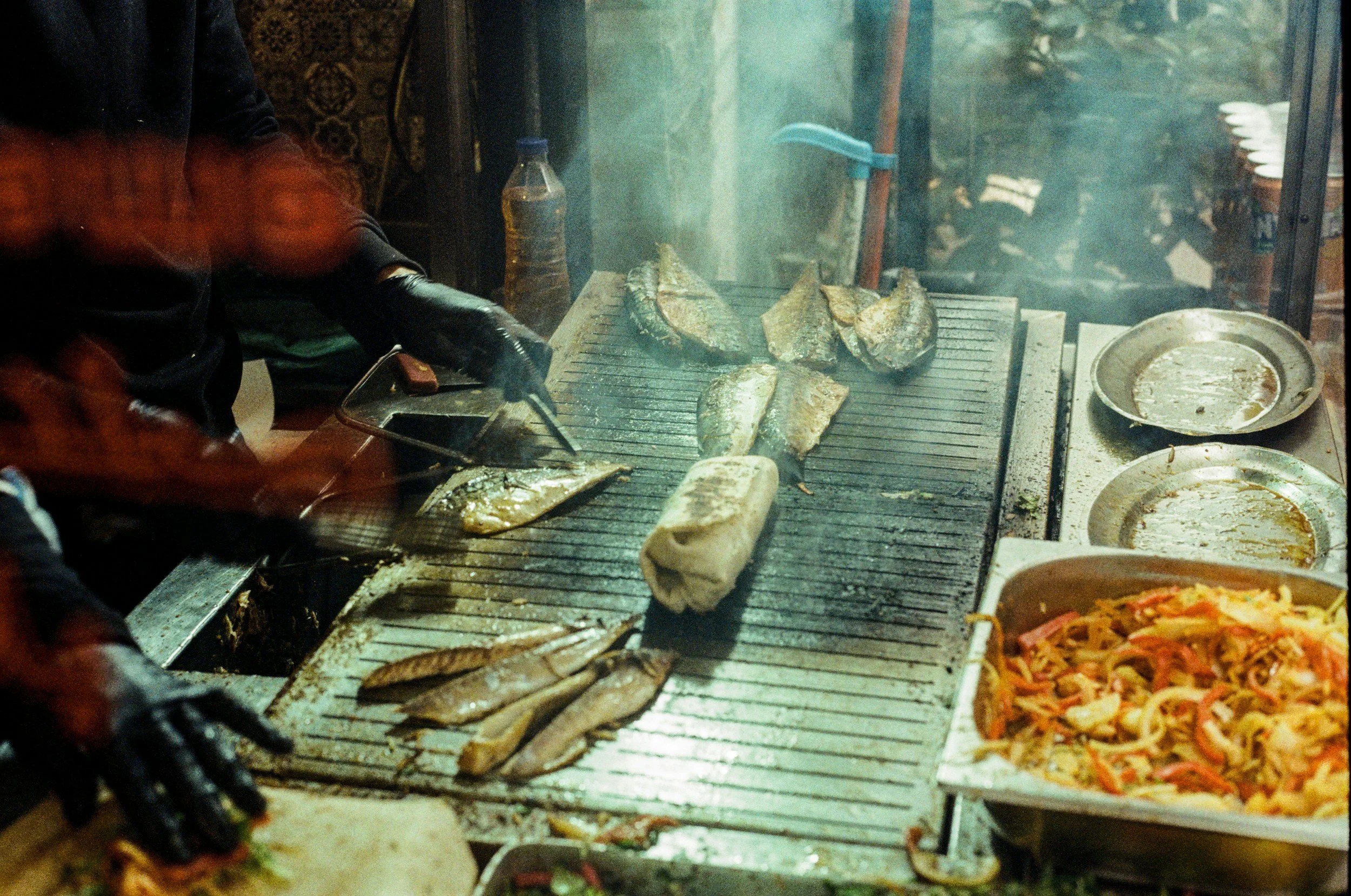
Each neighbourhood in Istanbul brings its own flavours, rhythms and specialties. Here are the key areas to explore, along with the dishes and eateries that showcase the city’s culinary spirit.
Sultanahmet
Sultanahmet leans historic and traditional, with lokantas and long-standing eateries serving simple, comforting Turkish dishes.
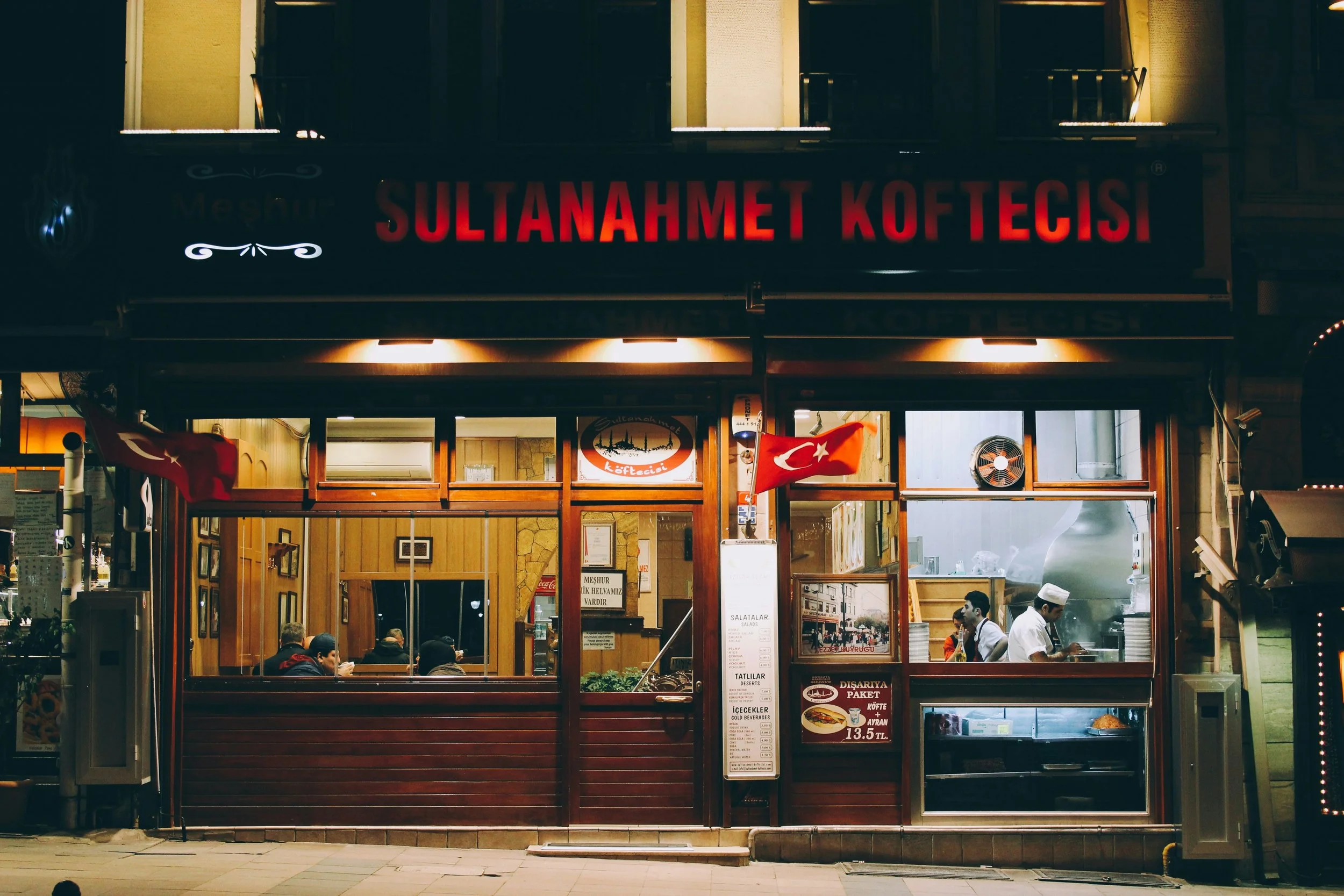
Tarihi Sultanahmet Köftecisi — An Istanbul institution, known for tender grilled köfte served with piyaz.
Sultanahmet Kebab House — Reliable and flavourful kebabs in a cosy, heritage-style setting.
Pudding Shop Lale Restaurant — A nostalgic stop along the old hippie trail, serving Turkish classics and hearty soups.
Gülhane Park cafés — Ideal for tea, simit and light bites after exploring the palace and park.
Galata and Karaköy
Creative, contemporary and café-rich — ideal for brunches, specialty coffee, fusion dishes and modern takes on Turkish staples.
Namlı Gurme — A brilliant delicatessen-style spot for cheeses, olives, meze and creamy breakfast spreads.
Mükellef Karaköy — A rooftop meyhane with Golden Horn views and beautifully prepared meze.
Coffee Sapiens — Specialty roastery with consistently excellent brews.
Karaköy Güllüoğlu — The original and beloved home of Istanbul’s best baklava.
Baltazar — Unpretentious, flavour-packed burgers and köfte.
Balat and Fener
Slow, colourful, heritage-filled streets with a mix of home-style cooking, bakeries and relaxed cafés.
Forno Balat — Fantastic pide and lahmacun straight from the wood-fired oven.
Cooklife Balat — A stylish café popular with creatives and photographers.
Coffee Department — Specialty coffee in a modern, minimalist setting.
Vintage bakeries & pastanes — Scattered along the side streets for pastries, poğaça and cakes.
Kadıköy and Moda
One of the best food districts in the city — lively markets, cool cafés, craft coffee roasters, and endless street food options.
Çiya Sofrası — A legendary spot serving lesser-known Anatolian dishes and regional flavours.
Baylan Pastanesi — A historic dessert café famous for its Kup Griye.
Walter’s Coffee Roastery — A fun, creative café with excellent coffee.
Basta! Street Food — Modern, chef-led wraps and street eats with big flavours.
Kadıköy Market stalls — Perfect for cheeses, olives, meze counters and fresh produce.
Beşiktaş
Bustling, youthful and packed with flavour — especially good for breakfast, snacks and casual meals.
Kahvaltıcılar Sokağı (Breakfast Street) — Dozens of breakfast houses serving menemen, kaymak, cheeses and endless tea.
Karadeniz Döner Asım Usta — One of the city’s most iconic döner spots.
Viyana Kahvesi — Viennese-inspired café and bakery with excellent pastries.
Çarşı Meyhanes — Classic meyhane dishes in the heart of Beşiktaş’s market streets.
Üsküdar
Traditional, peaceful and rich in comfort foods and waterfront cafés.
Kanaat Lokantası — A historic lokanta serving home-style dishes and Ottoman desserts.
Çengelköy Börekçisi — Famous for its paper-thin, crispy börek.
Balık ekmek stalls by the waterfront — Simple but iconic.
Tea gardens along Salacak — The perfect sunset stop with simit and sea views.
Lokantas: Istanbul’s Home-Style Kitchens
Lokantas are the heartbeat of everyday eating in Istanbul. Part cafeteria, part home kitchen, part neighbourhood gathering spot, they serve up trays of slow-cooked dishes, soups, stews and vegetable plates that feel like they’ve come straight from someone’s home rather than a restaurant. You’ll find office workers, taxi drivers, students and families all grabbing plates at lunchtime — and that’s exactly why they’re such an important part of the city’s food culture.
What is a Lokanta?
A lokanta is a traditional eatery serving ready-prepared dishes kept warm in glass displays. You point to what you want, the staff plate it up, and you sit down to a simple, satisfying meal. Portions are generous, prices are reasonable, and the food is always honest.
It’s one of the best ways to taste Turkey’s everyday cooking.
Must-Try Lokanta Dishes
Kuru fasulye: Creamy white beans slowly cooked in tomato sauce — a national favourite.
Pilav: Simple, buttery rice often served alongside almost everything.
Tas kebabı: Soft chunks of beef stewed with vegetables.
İmam bayıldı: Slow-cooked aubergine with tomato and onions — silky and comforting.
Tavuk sote: Tender chicken sautéed with peppers and spices.
Mercimek çorbası: Classic red lentil soup, ideal before any main dish.
Hünkâr beğendi: Lamb stew served over smoky, creamy aubergine purée — an Ottoman classic.
Why Locals Love Them
Lokantas offer consistency and comfort. The menus change daily, rotating through seasonal dishes and regional staples. Nearly every local has a favourite spot they return to again and again — part habit, part nostalgia.
They’re also a brilliant way to eat well on a budget without sacrificing flavour.
Best Lokantas Across the City
Kanaat Lokantası (Üsküdar): Legendary institution serving Ottoman dishes and classic desserts.
Hünkar Lokantası (Nişantaşı): A long-standing favourite offering beautiful versions of Turkish home cooking.
Şahin Lokantası (Sirkeci): A tiny, beloved spot with excellent daily stews and soups.
Lades Lokantası (Beyoğlu): Known for hearty portions and traditional flavours.
Karaköy Lokantası (Karaköy): A modern take on the lokanta, with elegant décor and refined versions of classic dishes (especially good in the evenings).
Markets and Food Halls
Istanbul’s markets are some of the most vibrant places in the city — lively hubs where locals shop daily for produce, spices, cheeses, olives, and meze. They’re the perfect spots to get a feel for everyday life, taste regional flavours and discover new ingredients. From bustling bazaars to neighbourhood food halls and artisanal bakeries, these are the places where Istanbul’s culinary culture really comes alive.
Kadıköy Market
One of the best food markets in Türkiye and a must-visit for any food lover.
Expect fishmongers calling out the day’s catch, produce stalls stacked with herbs, piles of olives, and bakers offering warm simit straight from the oven.
Highlights include meze counters, cheese shops, spice stalls and tiny lokantas tucked between the main alleys.
Best explored in the morning when the area is at its liveliest.
Beşiktaş Çarşı
Compact but full of character, this market district blends fresh produce with casual food stalls and energetic street life.
You’ll find fish stalls, midye dolma sellers, pastry shops, döner stands and breakfast houses that spill out into the streets.
Great for grabbing quick bites as you explore.
Eminönü Spice Market (Mısır Çarşısı)
A historic covered bazaar filled with colourful spice mounds, dried fruits, teas, nuts and Turkish delight.
Though busy, it’s one of the best places to explore flavours from across the country — sumac, saffron, pomegranate molasses, pul biber and more.
The surrounding streets are equally rewarding, with countless food stalls and shops.
Karaköy Bakeries and Café Scene
Karaköy has evolved into a hub for modern baking and specialty coffee.
You’ll find artisan bakeries offering sourdough loaves, filled pastries, simit twists and inventive desserts.
Perfect for a morning coffee stop before wandering the waterfront.
Neighbourhood Pastanes (Bakeries)
Pastanes are the backbone of Istanbul’s pastry culture. These family-run bakeries specialise in savoury and sweet classics: börek, poğaça, açma, cakes, cookies and more.
They’re perfect for quick breakfasts, mid-morning treats or afternoon pick-me-ups.
Sweets and Desserts
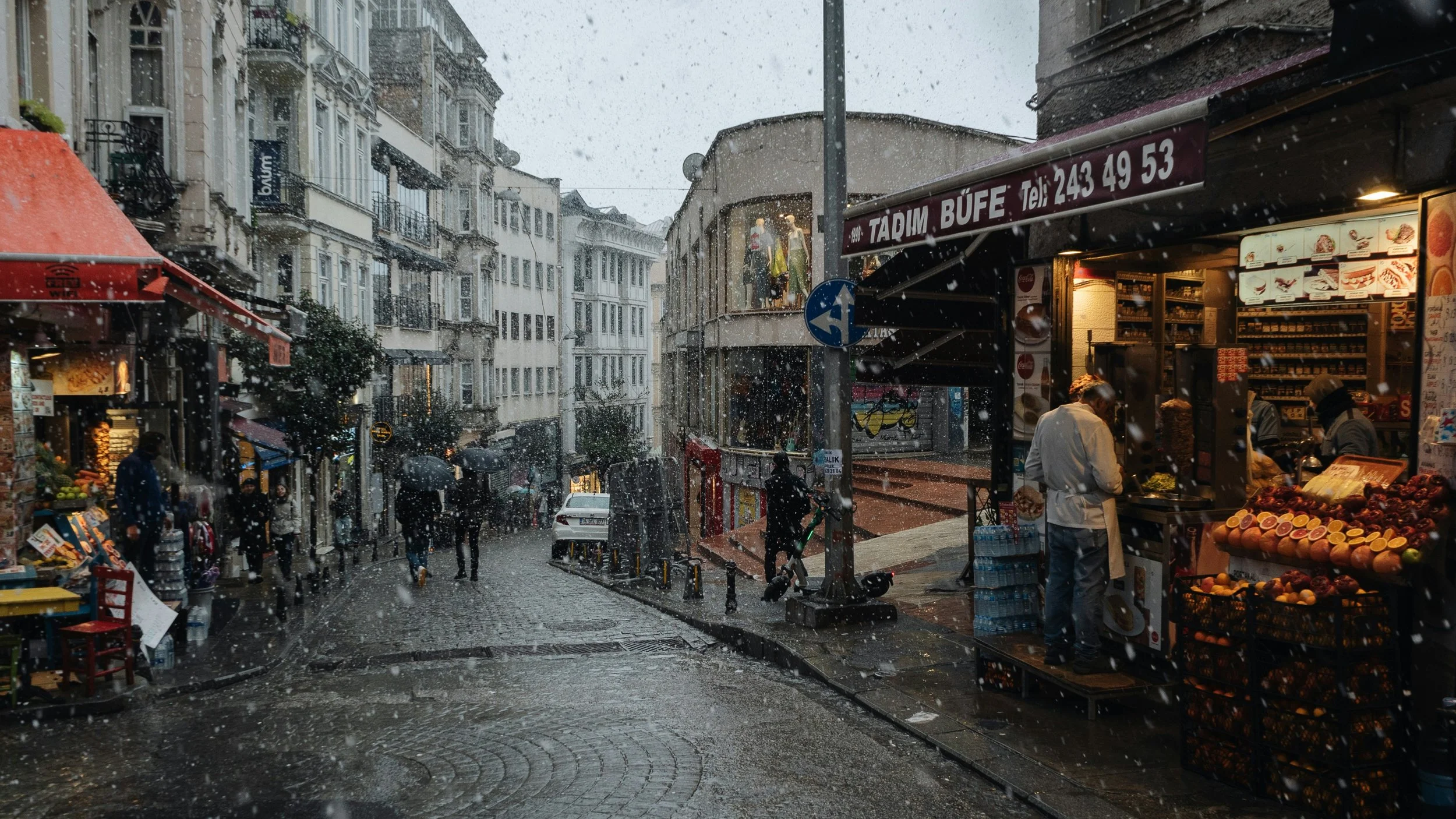
Istanbul’s dessert culture is rich, varied and woven into both daily routines and celebratory meals. From flaky baklava dripping with pistachio syrup to stretchy ice cream pulled by street vendors with sleight-of-hand tricks, the city’s sweets reflect its heritage and creativity.
Baklava
The most iconic dessert in Türkiye — layers of paper-thin pastry filled with chopped nuts and soaked in light syrup. Pistachio is the classic Istanbul choice, though walnut versions are common too.
Where to try:
Karaköy Güllüoğlu — Famous for its buttery, pistachio-rich baklava.
Hafız Mustafa — Offers a huge variety including chocolate, fig and special seasonal trays.
Künefe
A warm, cheese-filled dessert topped with crisp, shredded pastry and sweet syrup. Served straight from the pan, it’s rich, gooey and deeply satisfying.
Where to try:
Hatay restaurants in Beşiktaş or Kadıköy.
Lokum (Turkish Delight)
Chewy, fragrant sweets flavoured with rose, pistachio, pomegranate, bergamot or mastic. Perfect for gifting — or nibbling on between neighbourhood strolls.
Where to try:
Shops around the Spice Market or Hafız Mustafa branches.
Dondurma (Turkish Ice Cream)
Made with salep (orchid root) and mastic, giving it its stretchy texture. Vendors often perform playful tricks before handing it over — a bit touristy, but still fun.
Where to try:
Mado or small, independent gelato shops in Moda and Karaköy.
Pastane Cakes and Pastries
Old-school pastanes serve comforting cakes, layered pastries, cookies and mini tartlets. Perfect for a mid-afternoon tea break.
What to try:
Revani (semolina cake)
Sütlaç (rice pudding)
Profiterole from classic patisseries
Helva
A sesame-based sweet often served in slices or warm in pans. Nutty, rich and common at both celebrations and everyday meals.
Sütlaç (Rice Pudding)
Baked rice pudding with a caramelised top — creamy and lightly sweet. A staple dessert in many lokantas and home kitchens.
Café Culture and Specialty Coffee
Istanbul’s café scene has exploded over the past decade, with third-wave coffee shops, creative roasteries and laid-back neighbourhood cafés now part of everyday life. In a city built on centuries of tea culture, this new wave blends modern flavours with the relaxed social atmosphere that Istanbul does so well.
The Rise of Specialty Coffee
You’ll find roasters producing single-origin beans, cafés experimenting with pour-overs and cold brews, and cosy spots perfect for remote work or slow mornings. The scene is especially vibrant on the Asian side, but spreads across the city.
Coffee culture here isn’t about rushing — it’s about conversation, creativity and carving out a moment of calm between busy streets.
Best Neighbourhoods for Coffee
Karaköy: Industrial-chic cafés, street-art backdrops and some of the best roasteries in the city.
Galata: Small, stylish shops tucked along steep, cobbled lanes.
Kadıköy & Moda: The heart of Istanbul’s third-wave scene, packed with roasteries, minimalist cafés and community hangouts.
Balat & Fener: Heritage buildings turned into eclectic spaces perfect for reading or relaxing.
Notable Cafés and Roasters
Coffee Sapiens (Karaköy): Boutique roaster with a devoted following.
Walter’s Coffee Roastery (Kadıköy): Creative, playful and consistently good.
Drip Coffeeist (Moda): Great for pour-overs, cold brew and a relaxed vibe.
Federal Coffee Company (Galata): Stylish space known for excellent flat whites and brunch options.
Norm Coffee (Moda): A minimalist, calming spot close to the seaside.
Petra Roasting Co. (various locations): One of the pioneers of specialty coffee in Istanbul.
What to Expect
Excellent espresso-based drinks
Quality filter coffee and cold brew
Turkish coffee still widely available and easy to find
Pastries, desserts and light brunch dishes often complement the menus

Drinks: From Tea to Rakı
Drinks in Istanbul are more than refreshments — they’re rituals woven into the fabric of daily life. From tiny tulip glasses of tea sipped on ferry decks to rakı shared around lively meyhane tables, each drink carries its own story and cultural rhythm.
Çay (Tea)
The backbone of Istanbul’s social life. Served in distinctive tulip-shaped glasses, çay appears everywhere — on ferries, in markets, at breakfast tables and in neighbourhood tea gardens.
It’s strong, amber-coloured and always served boiling hot. Locals can easily drink six or more in a day.
Best enjoyed:
At seaside tea gardens in Moda
On the upper deck of a commuter ferry
In quiet courtyards around Üsküdar and Karaköy
Turkish Coffee
Rich, thick and served in small cups with the grounds settling at the bottom. Traditionally enjoyed slowly, often with a piece of lokum on the side.
Some cafés still offer fortune-telling from the coffee grounds — a charming experience if you want something fun and local.
Salep
A winter favourite: a thick, creamy drink made from orchid root powder, topped with cinnamon.
Warming, nostalgic and best sipped on cold evenings.
Rakı
Known as “lion’s milk”, rakı is an anise-flavoured spirit served with cold water and ice, turning cloudy and milky when mixed.
It’s the heart of meyhane culture — an evening of slow drinking, meze plates, conversation, and often live music.
How to drink it:
Add water first, then ice
Sip slowly
Pair with seafood meze, white cheese, melon or grilled fish
Beer and Craft Bars
Istanbul’s craft beer scene is growing steadily, especially in neighbourhoods like Moda and Kadıköy.
Local brands are popping up, and many bars combine beer menus with live music and cosy atmospheres.
Ayran
A simple but refreshing yogurt-based drink, lightly salted and perfect with kebabs or lahmacun.
One of the most common everyday drinks in Türkiye.
Şalgam
A fermented turnip juice from the south of Türkiye — sour, salty, spicy and very distinctive. Often paired with kebabs or heavy meals.
Not for everyone, but certainly iconic.
Meyhanes: The Heart of Nighttime Istanbul
A night at a meyhane is one of the most authentic ways to experience Istanbul. Part dining room, part social ritual, part celebration, meyhanes are places where meals stretch long into the evening, conversation flows easily, and the table fills with small plates, fresh seafood and the unmistakable scent of rakı.
It’s not just about eating — it’s about slowing down, sharing, and embracing one of Türkiye’s most beloved traditions.
What is a Meyhane?
A meyhane is a traditional tavern serving meze, seafood and grilled dishes, usually paired with rakı. The atmosphere ranges from lively and music-filled to calm and intimate. Locals come to unwind, celebrate or simply enjoy good company in a warm, familiar setting.
Expect:
Long tables
Cold and hot meze arriving gradually
Occasional live music (especially fasıl-style)
Slow service by design — it’s meant to be unrushed
How to Order Meze
Meyhanes typically start with a tray of cold meze you choose from before ordering mains. A classic spread might include:
White cheese and melon
Haydari
Fava
Smoked aubergine
Lakerda
Stuffed vine leaves
Seasonal vegetable dishes
Fresh seafood plates like octopus or shrimp
Hot meze follows — think grilled halloumi, fried calamari, or sizzling shrimp in butter.
The main course often centres around seafood or grilled meats, but many diners simply stick to meze.
The Flow of the Evening
A meyhane night isn’t rushed. It’s typically:
Cold meze + tea or water to start
First glass of rakı poured
Hot meze arrives
Main course (optional)
Fruit platter or dessert
Çay to close the evening
It’s about pace, conversation and connection.
Best Meyhanes Across the City
Karaköy Lokantası (Karaköy): Elegant, modern and consistently excellent — a favourite for both locals and travellers.
Agora Meyhanesi (Balat): An old-school classic with nostalgic charm and a strong neighbourhood feel.
Cibalikapı Balıkçısı (Golden Horn): Known for seafood-focused meze and relaxed waterfront energy.
Yakup 2 (Beyoğlu): A legendary meyhane with decades of history; busy, atmospheric and full of character.
Safa Meyhanesi (Yedikule): One of the oldest surviving meyhanes in the city — perfect for history lovers.
Etiquette
Sip rakı slowly — it’s meant to last the evening.
Clink glasses lightly and maintain eye contact (it’s considered polite).
Meze is meant to be shared; order for the table, not individually.
Don’t rush — a meyhane night is about the experience, not speed.
Vegetarian and Vegan Highlights
While Türkiye is often associated with grilled meats and seafood, Istanbul is an incredibly welcoming city for vegetarians and vegans. From vegetable-rich meze to lentil soups, stuffed vegetables and vibrant street food, plant-forward options appear across every neighbourhood. Modern cafés, especially on the Asian side, push creativity even further.
Veg-Friendly Meze
Meze is a dream for plant-based travellers — colourful, varied, and always shareable. Many traditional plates are naturally vegetarian or vegan.
Try:
İmam bayıldı: Slow-cooked aubergine with onions and tomato.
Şakşuka: Fried aubergine with a rich tomato sauce.
Ezme: Spicy tomato and pepper dip.
Fava: Creamy broad bean purée.
Girit ezmesi: Cheese-based but rich in herbs and olive oil (vegetarian).
Stuffed vine leaves (sarma): Often prepared vegan.
Lentil Soups and Stews
Turkish cuisine has excellent vegan-friendly soups that are hearty, nourishing and easy to find.
Mercimek çorbası: Smooth red lentil soup.
Ezogelin: Thicker lentil soup with bulgur and tomato.
Vegetable güveç: Slow-cooked vegetable casserole.
Vegetarian Classics
Menemen: Tomatoes, peppers and eggs gently scrambled (vegetarian).
Gözleme: Flatbread filled with spinach, cheese or potato.
Pide: Vegetarian options include cheese, mushroom or spinach fillings.
Börek: Spinach, potato or cheese varieties are widely available.
Vegan Street Food
Simit: Naturally vegan sesame bread rings sold everywhere.
Kestane: Roasted chestnuts from street carts.
Fresh juices: Pomegranate, orange and mixed fruit.
Corn on the cob: Grilled or boiled, sold by street vendors.
Dolma: Many stuffed vegetable dishes (peppers, aubergines) are vegan.
Best Neighbourhoods for Plant-Based Eating
Kadıköy & Moda: Packed with modern cafés, vegan bakeries, salad bars and creative plant-based menus.
Balat & Fener: Slow-travel cafés offering vegetarian breakfasts, pastries and bowls.
Karaköy: Several modern restaurants and bakeries with veg-friendly options.
Standout Veggie/Vegan Spots
Bi Nevi Deli (Etiler): A well-known plant-based eatery focusing on nutritious, creative dishes.
Mahatma Café (Moda): Vegan café with wholesome bowls, sandwiches and desserts.
Veganarsist (multiple locations): Casual comfort food — burgers, wraps and more.
Healin Foods (various locations): Fresh, modern and great for healthy vegetarian meals.
Yesarişlife (Kadıköy): Vegan-friendly Turkish classics and daily specials.
Food Tips for Travellers
Istanbul’s food scene is wonderfully welcoming, but knowing a few local habits and insider tips can make eating here even better. These pointers will help you navigate menus, understand timing, avoid surprises and taste the city at its best.
What to Eat Where
Different dishes shine in different neighbourhoods:
Seafood & meze: Karaköy, Beşiktaş, Bosphorus-side spots
Street food: Kadıköy, Beşiktaş Çarşı, Eminönü, Galata
Traditional dishes: Sultanahmet, Sirkeci, Üsküdar
Modern cafés & global cuisine: Moda, Karaköy, Nişantaşı
Let the neighbourhood guide your appetite — each area has its own culinary strengths.
When to Eat Certain Dishes
Breakfast (kahvaltı): Late-morning at its best — popular on weekends.
Street food: All day, but evenings are great for midye dolma, dürüm and steaming chestnuts.
Mezze & rakı: Best enjoyed at dinner in a meyhane.
Tea & pastries: Anytime — truly. Locals graze throughout the day.
Seafood: Popular in the evenings, especially along the waterfront.
Portion Sizes & Sharing
Turkish portions can be generous. In meyhanes and lokantas, sharing is completely normal — and encouraged.
Order modestly at first, add more if needed.
Navigating Menus
Many lokantas use a counter system — point at what you want.
In meyhanes, you’ll often pick cold meze from a tray the waiter brings.
Don’t worry if you can’t pronounce something — staff are used to it and happy to explain.
Understanding Regional Influences
Istanbul’s menus pull from every corner of Türkiye:
Hatay: Spicy, citrusy, bold flavours; great for künefe.
Southeast (Gaziantep): Pistachio-heavy desserts, rich kebabs.
Aegean: Olive oil dishes, lighter vegetable meze.
Black Sea: Corn-based dishes, anchovies, hearty breads.
Knowing this gives context to why menus vary so much between restaurants.
Budgeting for Food
Eating well in Istanbul doesn’t require spending big. Expect:
Street food: very affordable
Lokantas: excellent value
Modern cafés: mid-range
Meyhanes & seafood restaurants: higher-end (especially with rakı)
Mixing street eats, markets and meyhanes gives a perfect balance.
Local Etiquette
Tea is everywhere — refusing it isn’t rude, but most travellers enjoy accepting at least one cup.
Bread often keeps coming — it’s common and usually included.
Rakı is sipped, not shot. Never rush it.
Tipping: Around 10–15% is standard in restaurants.
Food Safety
Istanbul’s street food is generally safe when vendors are busy and cooking fresh.
Look for:
High turnover
Clean grills
Fresh juice stands using whole fruit (not pre-mixed)
Vegetarian/Vegan Navigation
Even if places aren’t labelled veg-friendly, you’ll often find:
Lentil soups
Vegetarian pide/börek
Veggie meze
Salads and vegetable stews
Just ask — “etsiz” means “without meat”.
“Eating in Istanbul isn’t just about the dishes — it’s about the rhythm that surrounds them. It’s the steam rising from a bowl of lentil soup on a cold morning, the clink of rakı glasses as conversations stretch late into the night, the bustle of a market stall selling fresh herbs, and the sound of simit vendors calling out as ferries glide across the Bosphorus. Every neighbourhood, every counter, every table tells a different part of the city’s story.
Whether you’re exploring lokantas filled with home-style dishes, grabbing a quick balık ekmek at the water’s edge, diving into meze at a lively meyhane or discovering new cafés in Moda, Istanbul reveals itself through flavour as much as through history or architecture. Slow down, follow your senses, taste boldly — and let the city guide you from one unforgettable bite to the next.”