
Rio de Janeiro isn’t a city you simply visit — it’s one you feel. The rhythm, the coastline, the music drifting through open windows — all of it shifts depending on where you stand. And that’s exactly why understanding Rio’s neighbourhoods matters.
From the crumbling colonial streets of Santa Teresa to the polished beach life of Ipanema, Rio is a city of contrasts. Neighbourhoods sit side by side yet feel worlds apart — shaped by history, geography, and a deep sense of local identity. Choosing where to stay, wander, eat, or go out can completely change your experience of the city.
This guide breaks Rio down neighbourhood by neighbourhood, helping you understand not just where to go, but why. Whether you’re here for culture, beaches, nightlife, or a slower, more local rhythm, Rio has a corner that fits — you just need to know where to look.
Santa Teresa – The Bohemian Heart of Rio
Perched above the city centre, Santa Teresa feels like a different version of Rio — slower, greener, and steeped in stories. Cobbled streets wind past crumbling mansions, artist studios spill out onto balconies, and the sound of the city fades into birdsong and distant samba. This is one of Rio’s most atmospheric neighbourhoods, and for many travellers, its most memorable.
Why stay here
Santa Teresa is ideal if you’re drawn to character over convenience. It’s not a beach neighbourhood, and it doesn’t try to be. Instead, it offers intimacy — a sense of living in the city rather than skimming its surface. Boutique hotels, guesthouses, and converted colonial homes give the area a residential feel, making it especially appealing for couples, creatives, and slower-paced travellers.
Staying here also puts you close to Rio’s historic core while feeling removed from the intensity of Copacabana and Ipanema.
What to expect
Expect hills — lots of them. Santa Teresa is not flat, and getting around often means walking uphill or relying on taxis and ride-shares. In return, you get leafy streets, panoramic viewpoints, and a village-like atmosphere that feels refreshingly calm by Rio standards.
The neighbourhood has long attracted artists, writers, and musicians, and that creative energy still defines it today. It’s relaxed, slightly rough around the edges, and deeply charming.
Local eats and bars
Santa Teresa punches well above its weight when it comes to food and drink. Small, independently run restaurants dominate, often set inside historic buildings with open-air terraces.
You’ll find traditional Brazilian dishes done properly, casual bistros, and places that feel more like someone’s home than a restaurant. Bars here are about conversation, live music, and atmosphere rather than late-night partying — expect samba, MPB (Música Popular Brasileira), and the occasional jazz set drifting into the street.
Hidden gems and cultural spots
Santa Teresa rewards curiosity. Step off the main streets and you’ll find quiet viewpoints overlooking Guanabara Bay, tucked-away art spaces, and cultural institutions that reveal Rio’s layered past.
The historic tram (bondinho) connecting Santa Teresa to Centro is an experience in itself — a throwback to old Rio and one of the most scenic ways to enter the neighbourhood. Small museums, ateliers, and community-run cultural centres add depth beyond the postcard views.
Practical tips
Santa Teresa is best explored during the day and early evening, when the streets are lively and welcoming. At night, stick to well-lit areas and use ride-hailing apps rather than walking long distances uphill.
Wear good shoes — the cobblestones are uneven, especially after rain. And while it’s tempting to rush through, Santa Teresa is a neighbourhood that shines when you slow down: long lunches, lazy afternoons, and sunset viewpoints are where it truly comes alive.
Lapa – Rio After Dark
If Santa Teresa is Rio’s soul, Lapa is its heartbeat. Raw, energetic, and unapologetically loud, this neighbourhood comes alive after sunset, when the streets fill with music, movement, and people chasing the night. Lapa is where Rio lets loose — messy at times, magical at others, and unforgettable if you catch it at the right moment.
Why visit
Lapa is the epicentre of Rio’s nightlife and live music scene. This is where samba spills out of doorways, brass bands take over street corners, and clubs pulse until sunrise. Even if nightlife isn’t your thing, Lapa is worth experiencing at least once — it captures a side of Rio that’s vibrant, social, and deeply rooted in music.
It’s not a neighbourhood most travellers choose to stay in long-term, but it’s a place almost everyone passes through.
Music, nightlife and history
Lapa’s energy is layered over history. The grand Arcos da Lapa aqueduct dominates the neighbourhood, a striking reminder of Rio’s colonial past and now an unofficial meeting point before nights out begin.
Live music is everywhere — samba, choro, forró, funk carioca, and jazz all coexist within a few blocks. Some venues host structured performances, while others feel more like spontaneous street parties. The line between bar, club, and pavement often disappears.
Where locals go
Locals tend to start the night casually — beers on the street, plastic cups in hand, music drifting from nearby bars. As the evening progresses, people filter into live music venues and dance halls, often staying out far later than planned.
Weekends are the liveliest, especially Friday nights, when the neighbourhood feels electric. During the week, Lapa is calmer but still offers live music without the crowds.
Safety and timing tips
Lapa is best experienced with awareness. Go in the evening when the streets are busy, keep your belongings secure, and avoid wandering into quiet side streets late at night. Ride-hailing apps are the easiest way in and out.
This is not a polished nightlife district — it’s gritty, chaotic, and authentic. If you embrace it with common sense and curiosity, Lapa delivers one of Rio’s most memorable nights.
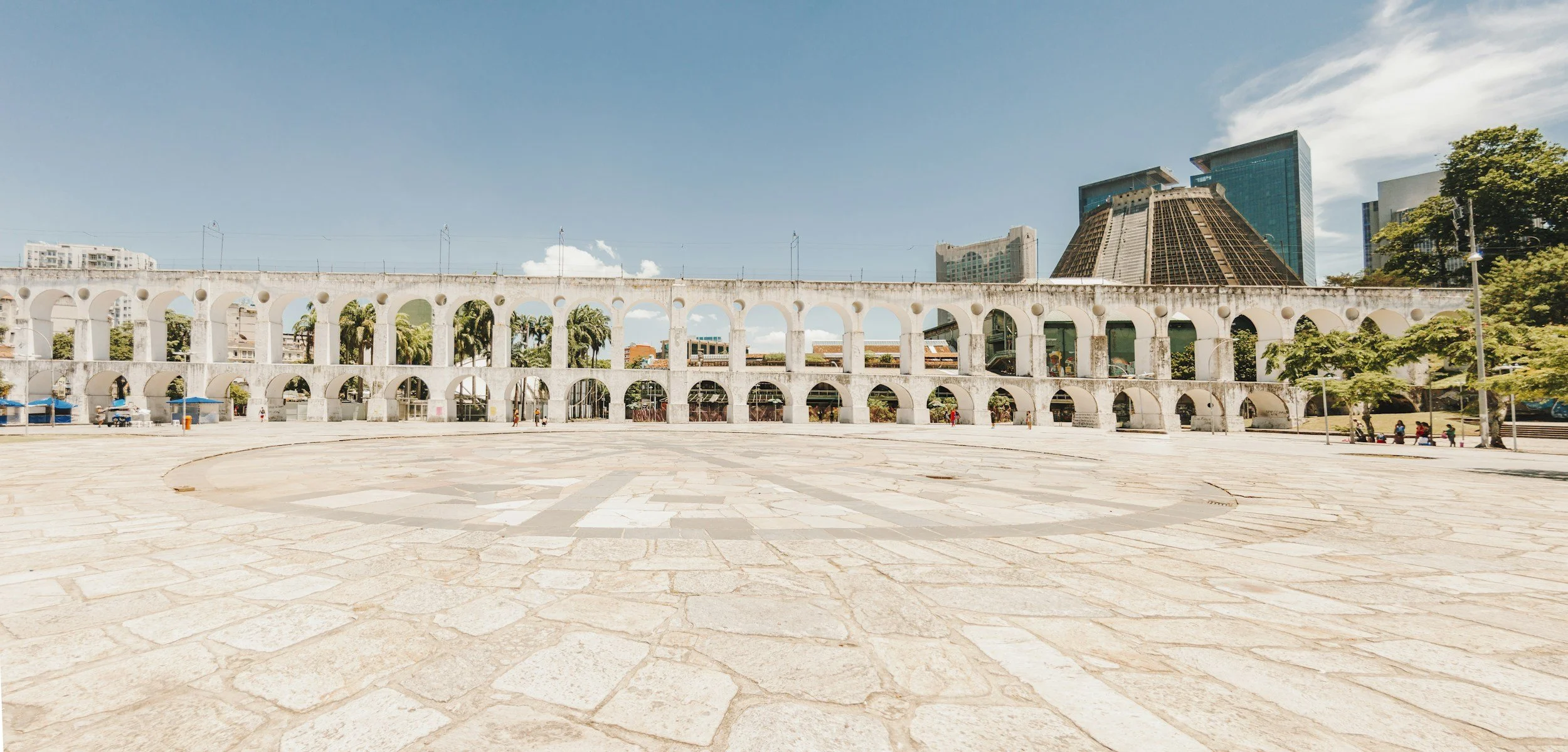
Lapa.
Centro – History, Architecture and Old Rio
Centro is where Rio began. Long before beaches and bossa nova defined the city, this was its political, economic, and cultural heart. Today, Centro is a fascinating blend of grand colonial architecture, modern office blocks, street markets, and everyday working life — not glamorous, but essential for understanding Rio beyond the postcard image.
Why it matters
Centro gives context to everything else in Rio. This is where Portuguese colonial influence, Afro-Brazilian heritage, and modern Brazilian identity overlap. While many travellers skip it entirely, those who take the time to explore are rewarded with museums, historic churches, and some of the city’s most important cultural institutions.
It’s not a neighbourhood most people stay in, but it’s one of the best areas to visit during the day.
Must-see sights
Centro is packed with landmarks. Ornate churches sit beside modernist buildings, and restored public spaces reveal the city’s efforts to reconnect with its past. You’ll find important museums, cultural centres, and historic squares that trace Rio’s evolution from colonial port to global city.
Wandering on foot is the best way to experience it — every few blocks bring a shift in atmosphere, from formal plazas to bustling commercial streets.
Cultural stops and cafés
Centro’s cultural scene is surprisingly strong. World-class museums, exhibition spaces, and performance venues draw both locals and visitors, particularly during the week. Between stops, small cafés and traditional bakeries offer quick bites and strong coffee, often filled with office workers and long-time regulars.
These are no-frills places — functional, fast, and deeply local.
When to visit
Centro is best explored on weekdays during daylight hours, when the area is busy and alive. On weekends and evenings, many offices close and the streets quieten significantly, changing the atmosphere.
Plan your visit earlier in the day, pair it with nearby neighbourhoods like Lapa or Santa Teresa, and use ride-hailing apps to move on once things slow down.
Copacabana – Iconic and Unfiltered
Copacabana is one of the most recognisable neighbourhoods on the planet. For many, it is Rio — the sweeping curve of beach, the black-and-white promenade, the constant rhythm of life unfolding along the shoreline. But Copacabana is more than its postcard image. It’s busy, messy, full of contradictions, and unmistakably alive.
Why people stay
Copacabana remains one of the most popular places to stay in Rio, especially for first-timers. Accommodation options are plentiful, transport links are good, and the beach is right on your doorstep. It’s practical, accessible, and places you straight into the energy of the city.
Staying here means being surrounded by everyday Rio — joggers at sunrise, vendors selling everything imaginable, families, tourists, and locals sharing the same stretch of sand.
What Copacabana is really like
This neighbourhood is not polished — and that’s part of its charm. Copacabana is loud, crowded, and constantly moving. High-rise apartment blocks line the beach, streets buzz with traffic, and life spills out at all hours of the day.
It can feel overwhelming at first, but spend a little time here and you’ll start to appreciate its rhythm. Copacabana doesn’t try to impress — it simply exists, confidently and unapologetically.
Food, beach life and local routines
The beach is the heart of Copacabana. Mornings are for walking, running, and swimming; afternoons for sunbathing and people-watching; evenings for cold beers and sunset conversations. Vendors weave between umbrellas selling snacks, drinks, and beach essentials, creating a scene that feels uniquely Rio.
Food options range from casual beach kiosks to traditional restaurants serving Brazilian staples. It’s a great area for quick, affordable meals and relaxed dining rather than destination restaurants.
Tips for first-timers
Copacabana is safe to enjoy, but awareness is key. Keep valuables to a minimum on the beach, avoid flashing expensive items, and stick to well-lit streets at night. The neighbourhood is busiest and most enjoyable during the day and early evening.
For many travellers, Copacabana is the perfect introduction to Rio — raw, real, and full of life.
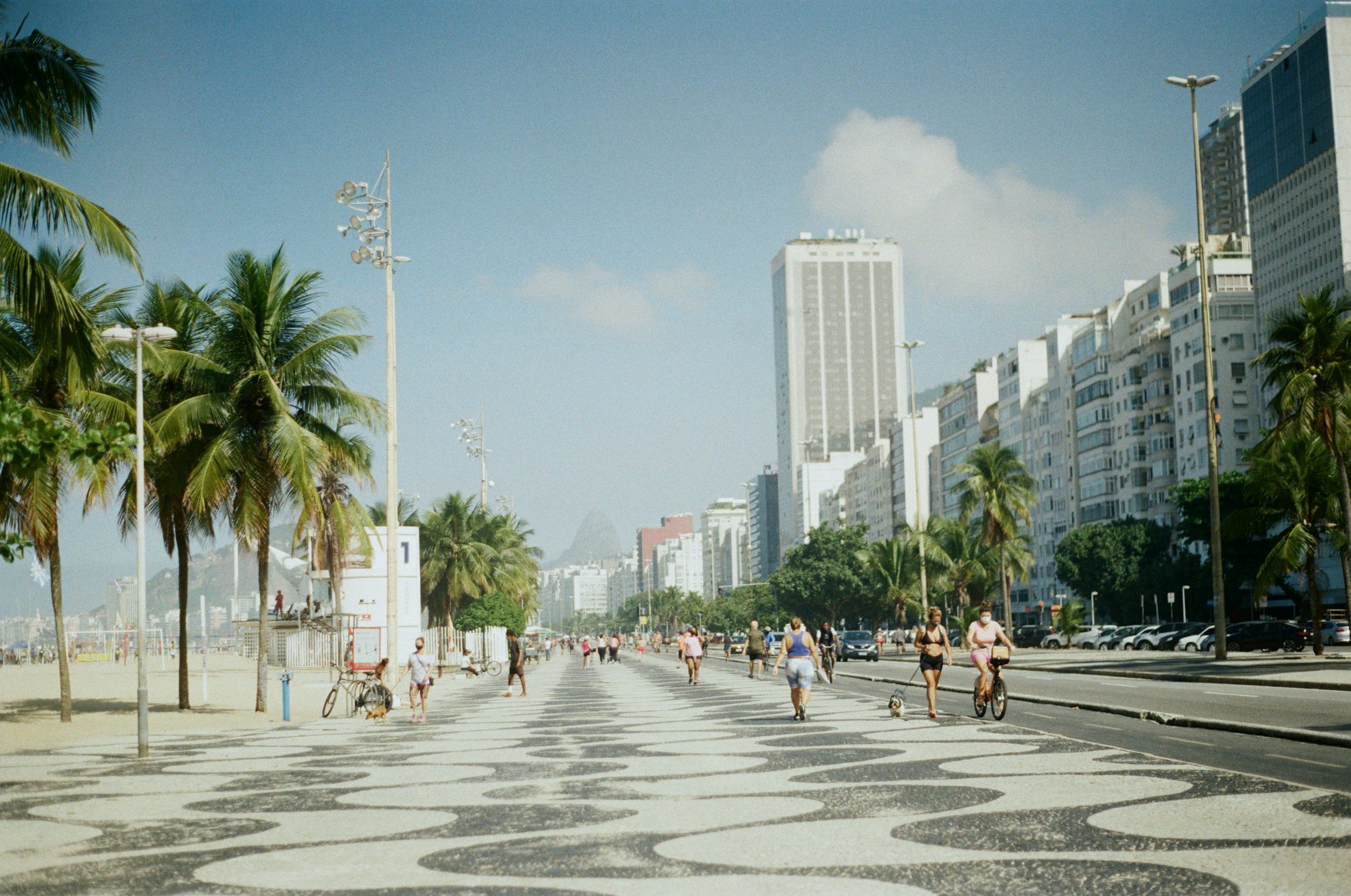
Copacabana Beach.
Ipanema – Polished, Local and Beach-Perfect
If Copacabana is raw and restless, Ipanema is composed and confident. Made famous by music and sunsets, this neighbourhood blends beach life with a distinctly local rhythm — stylish without trying too hard, social but never chaotic. For many, Ipanema represents the ideal version of Rio.
Why it’s loved
Ipanema offers the perfect balance. The beach is beautiful, the streets feel walkable and safe, and everything you need — cafés, restaurants, shops, and transport — sits comfortably within reach. It’s popular with visitors, but it never feels dominated by them.
This is a neighbourhood where locals live their everyday lives alongside travellers, creating an atmosphere that feels authentic rather than curated.
Neighbourhood vibe
Ipanema is relaxed, sociable, and quietly fashionable. Mornings start early with beach workouts and surf sessions, afternoons are slow and sun-soaked, and evenings revolve around food, drinks, and conversation.
Different sections of the beach attract different crowds — families, surfers, fitness enthusiasts, and social groups — giving the area a natural flow rather than a single identity.
Best spots for sunset, food and drinks
Sunset in Ipanema is a daily ritual. As the sun drops behind the Dois Irmãos mountains, people gather along the sand and promenade, applauding the moment as the sky shifts colour — a small but powerful reminder of how deeply Rio lives outdoors.
Food and drink here lean towards quality and variety. You’ll find excellent Brazilian restaurants, modern eateries, relaxed bars, and places that stay busy well into the evening without ever tipping into full nightlife chaos.
Practical tips
Ipanema is one of the easiest neighbourhoods to base yourself in. Public transport connections are strong, walking feels comfortable, and the area works well for both short stays and longer visits.
Prices here tend to be slightly higher than Copacabana, but many travellers find the atmosphere and convenience well worth it.
Leblon – Rio’s Refined Side
Tucked just beyond Ipanema, Leblon feels like a natural exhale. It’s greener, quieter, and noticeably more polished, offering a softer version of Rio’s beach lifestyle. While it may not shout for attention, Leblon quietly wins people over with its balance of comfort, quality, and local life.
Why visit or stay
Leblon is ideal if you’re looking for a relaxed base with easy access to the beach and some of the city’s best food. It attracts families, professionals, and long-term residents, giving it a lived-in feel that contrasts with the constant movement of Copacabana.
Accommodation here tends to be more upmarket and limited, but the trade-off is space, calm, and a sense of everyday Rio.
Local atmosphere
Life in Leblon moves at a gentler pace. Mornings are unhurried, afternoons revolve around the beach and cafés, and evenings are about long dinners rather than late nights. It’s social without being showy, and comfortable without feeling exclusive.
The neighbourhood also benefits from green spaces and proximity to nature, with the mountains rising behind it and the ocean stretching out front.
Restaurants and beach culture
Leblon is one of Rio’s strongest food neighbourhoods. Restaurants here focus on quality — well-executed Brazilian dishes, seafood, and contemporary cooking — often in relaxed but stylish settings.
On the beach, the atmosphere is calmer and more spacious than neighbouring areas. It’s popular with locals who come to swim, surf, and unwind rather than party, making it one of the most enjoyable stretches of sand for a slower beach day.
What sets it apart
What makes Leblon special is its balance. It offers beach access, excellent food, and a local feel without the intensity of Rio’s more famous neighbourhoods. It’s not the cheapest or most energetic part of the city, but for many, it’s one of the most liveable.

Ipanema.
Botafogo – Everyday Rio with a View
Botafogo doesn’t chase attention, but it quietly delivers some of the most authentic city life in Rio. Sitting between the historic centre and the beach neighbourhoods, this area feels lived-in and local, with a strong food scene, buzzing bars, and postcard views of Sugarloaf Mountain rising dramatically across the bay.
Why it’s underrated
Many travellers pass through Botafogo without stopping, using it as a transport hub rather than a destination. That’s a mistake. This is one of the best neighbourhoods to experience everyday Rio — where people live, work, eat, and socialise away from the tourist spotlight.
It’s also well-connected, making it a practical base for exploring multiple parts of the city.
Food scene and nightlife
Botafogo has quietly become one of Rio’s most exciting food and drink neighbourhoods. Independent restaurants, laid-back bars, and casual cafés line its streets, drawing a young, creative crowd in the evenings.
The nightlife here is social rather than chaotic — think craft beers, cocktails, shared tables, and conversations that stretch late into the night. It’s less about clubs and more about atmosphere.
Sugarloaf views and local life
The waterfront in Botafogo offers one of the most striking views in the city. Locals come here to walk, cycle, and watch the sun dip behind Sugarloaf, especially in the early evening. It’s not a swimming beach, but it’s one of the best places to pause and take Rio in.
Away from the water, the streets feel residential and grounded — a refreshing contrast to the intensity of the beachfront neighbourhoods.
Who it’s best for
Botafogo is ideal for travellers who want a more local experience without sacrificing convenience. It suits longer stays, digital nomads, and anyone interested in Rio’s contemporary culture and food scene.
It may not have a classic beach on its doorstep, but what it offers instead is perspective — a side of Rio that feels real, dynamic, and deeply rooted in daily life.
World Locals Tips – Choosing the Right Neighbourhood for You
Rio de Janeiro doesn’t offer a one-size-fits-all experience. Where you base yourself — or spend your time — shapes how the city reveals itself. Here’s how to choose the neighbourhood that fits your travel style, pace, and priorities.
First-timers to Rio
If this is your first visit, Copacabana or Ipanema are the easiest starting points. Both offer excellent transport links, beach access, and a steady flow of life from morning to night. Copacabana delivers classic Rio energy, while Ipanema feels calmer and more refined — ideal if you want balance without losing atmosphere.
Culture lovers and slow travellers
For travellers drawn to history, architecture, and creative energy, Santa Teresa is hard to beat. It’s best suited to those happy to slow down, walk less, and soak in atmosphere rather than rush between sights. Pair it with daytime visits to Centro for a deeper understanding of the city’s past.
Nightlife seekers
If live music, late nights, and spontaneous energy are high on your list, Lapa is essential. While it’s not the best area to stay, it’s the neighbourhood where nights unfold organically — from street drinks to dance floors without a fixed plan.
Longer stays and digital nomads
For extended trips, Botafogo stands out. It offers everyday convenience, strong food and café culture, good transport, and a local rhythm that’s easy to settle into. Leblon also works well for longer stays if budget allows, offering space, calm, and quality of life.
Beach-focused travellers
If the beach is central to your trip, Ipanema and Leblon provide the most enjoyable balance of space, safety, and scenery. Copacabana offers constant action and accessibility, but Ipanema and Leblon feel more relaxed and locally oriented.

Botafogo.
“Rio de Janeiro is a city of layers, and its neighbourhoods are the key to understanding it properly. From the bohemian calm of Santa Teresa to the everyday rhythm of Botafogo, each area reveals a different side of the city — shaped by history, geography, and the people who call it home.
Rather than trying to see everything at once, Rio rewards travellers who slow down and get to know a few neighbourhoods well. Wander their streets, sit in their bars, spend time on their beaches, and let the city unfold naturally. That’s when Rio moves beyond the postcard and becomes something far more personal.
Wherever you choose to stay or explore, the real magic of Rio lies in how its neighbourhoods connect — uphill to downhill, historic to modern, local to iconic — all stitched together by rhythm, warmth, and an unmistakable sense of life.”