
There’s a particular kind of tiredness that creeps in long before we ever admit it. It’s not the sort you fix with a weekend lie-in or a stronger coffee. It’s quieter than that — a dull hum beneath the surface, building as our days fill with alerts, obligations, expectations, and an almost constant sense of performing life rather than living it.
We tell ourselves we’re fine. That everyone lives like this. That we’ll rest later. But somewhere inside, a small voice keeps whispering that we’re drifting — becoming strangers to our own lives.
That’s usually when the thought lands, sudden but familiar: I need to go somewhere. Anywhere.
Not to escape responsibility, but to escape the version of ourselves stretched thin by it.
When Life Starts Moving Faster Than We Do
The modern world runs loud. Our mornings start with glowing screens. Our nights end with unfinished to-do lists. Even in silence, the mind races — a relentless scroll of tasks, replies, plans, outcomes. We’ve become fluent in being “on”, wired into a cycle where rest is a reward instead of a requirement.
It takes such a toll that most of us barely notice it anymore. We call it burnout, or overload, or just “busy”. But really, it’s disconnection — from ourselves, from our senses, from any rhythm that feels natural.
And the cruel irony is that the more overwhelmed we become, the more we convince ourselves to push through it. Life, after all, doesn’t pause. So we don’t pause either.
But the body keeps score. The heart keeps asking. The mind keeps craving space — a break in the noise where we can hear our own thoughts again.
The Pull to Step Away
There comes a moment when the need to step away becomes undeniable. You start catching yourself fantasising about far-off coastlines in the middle of meetings, imagining mountain air when the city feels suffocating, scrolling flight searches not because you’re planning a holiday, but because you’re looking for oxygen.
Travel stops being a luxury. It becomes medicine.
It’s not about running away. It’s about stepping outside the life that’s grown too small, too crowded, too loud to hold you. It’s the instinctive realisation that perspective requires distance — that sometimes you need to physically move to mentally breathe.
And so you go. Not with a packed itinerary, not with a need to “tick things off”, but with a simple desire:
I want to feel human again.
The First Breath Abroad
Most travellers know this moment intimately, though few ever describe it.
You step out of the airport. The air hits your skin — warmer, cooler, thicker, sharper, different. A language drifts past your ears. The colours shift. The sun sits at a slightly unfamiliar angle. Even the smell of the street carries a hint of possibility.
And something deep inside exhales.
Your shoulders drop without permission. Your breathing slows. You notice things again — the rhythm of a stranger’s footsteps, the sound of a bus engine you don’t recognise, the distant clatter of street life unfolding without you needing to participate.
This is the exact moment the overwhelm starts to loosen its grip.
Not because you’ve escaped your life, but because you’ve momentarily stepped out of its noise long enough to remember how wide the world is.
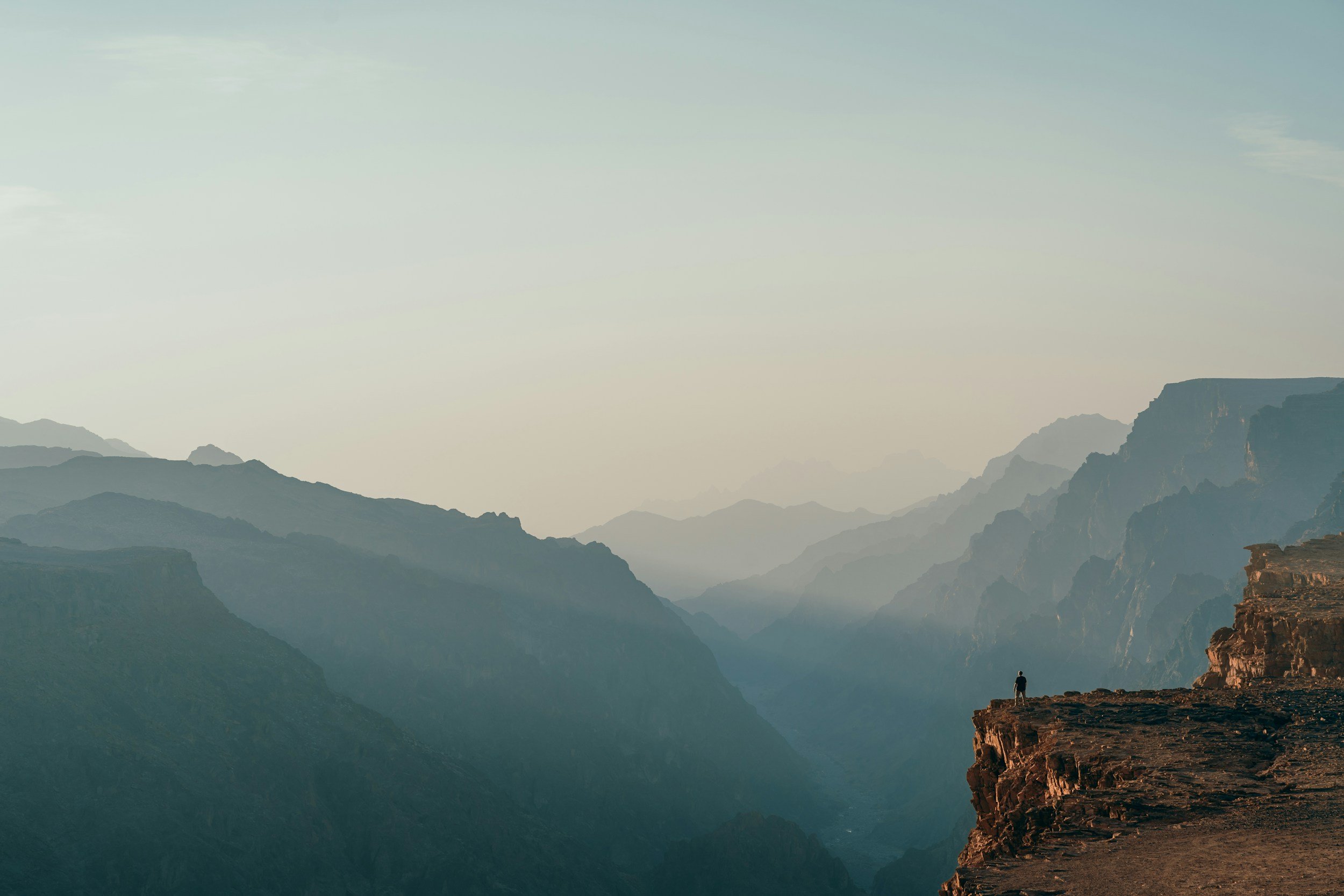
Relearning How to Be Present
Presence is a muscle. One most of us have forgotten how to use.
But travel gives it back to us, gently. You wander slowly because everything is new. You taste things without checking emails between bites. You watch a city wake up, or wind down, simply because you’re there and you have the time. You notice your own curiosity returning — a sure sign that your mind is finally unclenching.
Suddenly, the smallest moments feel like revelations: A breeze carrying the scent of saltwater. A street vendor calling out over a crowd. A child laughing in a park you didn’t intend to walk through. A sunset that feels richer because you’re actually watching it rather than walking past it.
These are the things we forget to feel in our daily lives — because we don’t give ourselves the space to experience them.
Connection as Cure
What truly heals us on the road isn’t always the scenery.
It’s the people.
The unexpected conversations. The moments of shared humanity. The warmth of someone welcoming you into their world, even if only for five minutes. These interactions have a different weight abroad — softer, more honest, stripped of the roles and reputations we carry at home.
You might find yourself talking to a shopkeeper about their grandparents, chatting with a bus driver about football, or sharing a meal with travellers you’ll never see again — and yet those moments linger. They remind you that connection doesn’t have to be polished or planned. It simply needs openness.
And for many of us, that closeness — that feeling of being seen outside the noise — is the antidote we didn’t know we needed.
What We Bring Back Home
Eventually, the trip ends. You land back in the familiar. The emails return. The pace picks up. But something has shifted — subtly, quietly, undeniably.
You move a little slower. You choose stillness more often. You look up — really look — when the light hits the street a certain way.
Maybe you guard your weekends differently. Maybe you delete a few apps. Maybe you say no more often. Or maybe you just breathe more deeply in moments where you previously rushed.
Travel doesn’t erase the overwhelm. But it reminds you that it doesn’t have to define you.
It becomes a lighthouse in the mind — a place to return to, even when you're home.
“In a world designed to keep us busy, productive, connected, and constantly reachable, choosing to step away becomes an act of resistance. Travel isn’t about escaping life; it’s about rediscovering the parts of ourselves we misplace in the chaos.
It reconnects us to wonder, to stillness, to the rhythms of living that feel instinctively human.
And when we return — rested, grounded, a little more ourselves — we realise the truth:
We don’t travel to get away from our lives.
We travel so we can return to them fully awake.”