2025 in Review: How Travel Changed and What Comes Next
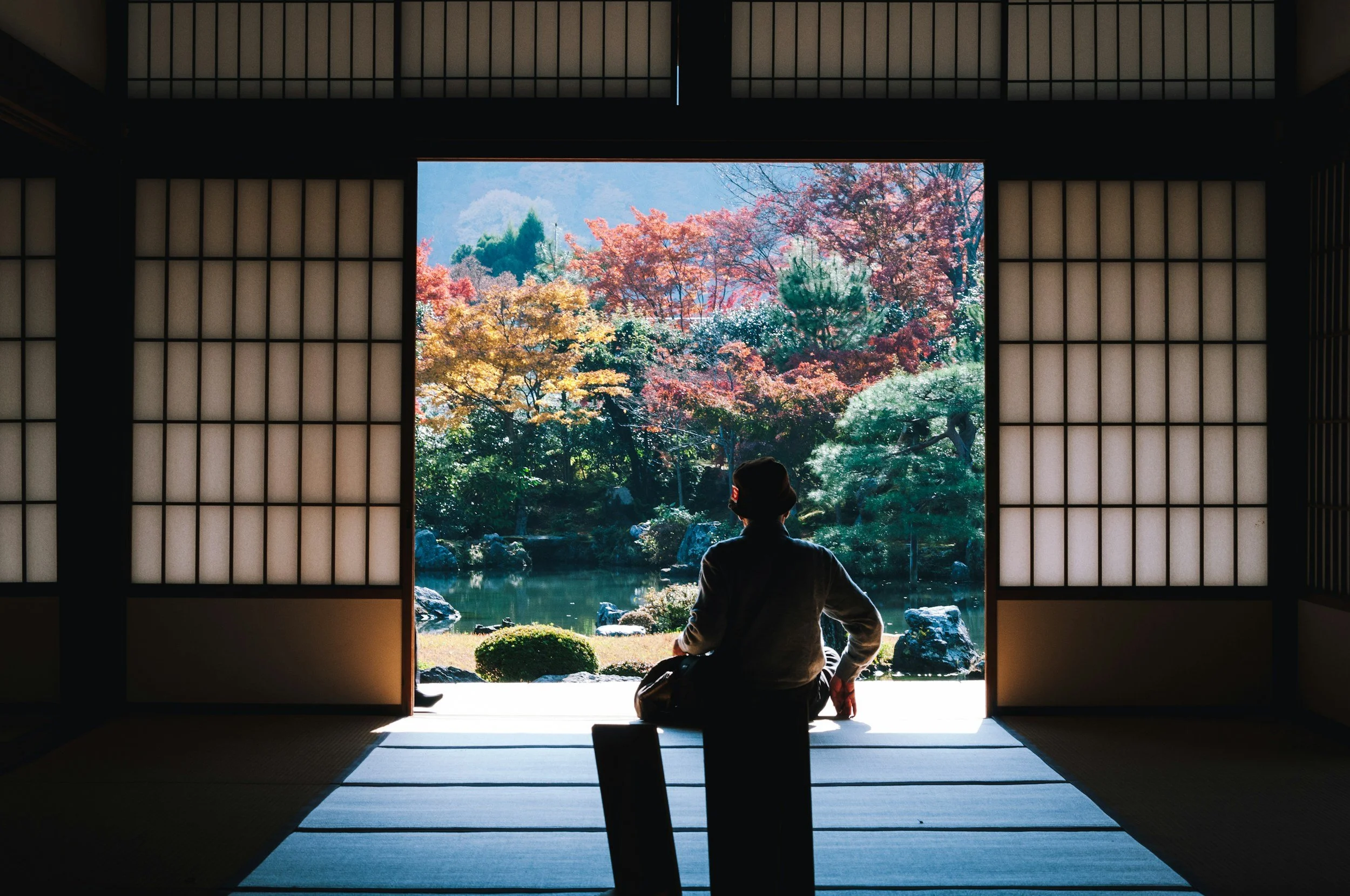
2025 didn’t arrive with a dramatic shift in how we travel. There was no sudden reset, no bold new rulebook. Instead, something quieter happened.
Travel softened.
Across the year, journeys became less about momentum and more about meaning. Fewer places were crammed into tight itineraries. More time was spent lingering in neighbourhood cafés, returning to familiar cities, or choosing places that offered space to breathe rather than pressure to perform. It wasn’t about going further or faster — it was about travelling in a way that felt more human.
This wasn’t a rejection of adventure, or curiosity, or discovery. It was a recalibration. A collective leaning away from noise, novelty and the constant pull of what comes next, and towards experiences that fit into real lives. Shorter trips carried more intention. Cities were explored through daily rituals rather than landmarks. Nature became less about escape and more about balance.
Looking back, 2025 feels like a year where travel stopped trying to impress — and started trying to support.
This piece is a reflection on the travel trends that quietly shaped the year just gone, and the shifts already taking form as we move towards 2026. Not as predictions or prescriptions, but as observations — of how we travelled, why it mattered, and what we might choose to carry forward.
2025: The Year Travel Slowed (In the Best Way)
If there was one defining shift in travel this year, it was pace.
2025 didn’t ask us to stop travelling — it asked us to slow down. Trips stretched a little longer, rhythms softened, and the pressure to cram in as much as possible faded into the background. Rather than chasing destination counts, people began chasing meaning.
The data backs this up. Across the year, travellers gravitated toward fewer, more thoughtful journeys: 74 % of people planned just one to three domestic trips in 2025, and 59 % planned the same range for international travel, underscoring a broader move away from perpetual motion and toward intentional exploration.
It wasn’t just about collecting fewer stamps in passports. Slow travel became a lifestyle choice as well as a travel preference. In industry research, 62 % of travellers said slow-travel-style trips helped reduce stress and anxiety, with nearly half noting they helped deepen connections with loved ones — a sentiment that neatly reflects broader cultural conversations around wellbeing and balance.
Long weekends felt less rushed. Extended stays began to feel practical instead of indulgent. Even shorter trips carried a different energy — less frantic, less performative, and far more personal. Travel began to mirror real life rather than interrupt it.
Part of this shift came from necessity — time felt tighter, energy felt more precious — but it also came from clarity. A growing understanding that meaningful travel doesn’t come from how much ground you cover, but from how present you are while covering it.
By the end of 2025, slowing down no longer felt like a compromise. It felt like progress.
Cities Through a Local Lens
As travel slowed, cities felt it. In 2025, the way we explored urban spaces shifted, not with fanfare, but with quiet intention.
More travellers began anchoring themselves in neighbourhoods rather than bouncing between checklist attractions. Instead of racing from cathedral to viewpoint to rooftop bar, people lingered in markets, forged routines in corner cafés, and let entire afternoons unfold without a schedule. Cities were no longer boxes to tick — they were ecosystems to inhabit.
This wasn’t just anecdotal. Around the world, tours, local experiences and immersive activities surged: by 2025, this segment was on track to become a $300 billion portion of the global travel industry, signalling that people were intentionally spending money on experiences rooted in everyday life rather than the traditional sightseeing treadmill.
That shift in spending mirrors how people felt about cities. Travellers weren’t coming for a quick snapshot — they were showing up with curiosity. Instead of algorithm-generated routes and listicle itineraries, they followed the rhythms of neighbourhood life: morning espresso rituals, evening walks along quieter streets, meals that stretched into conversation.
Cities started to feel less like places you visit and more like places you inhabit, even if only for a few days. Short stays were approached with the mindset of temporary locals; longer ones felt less like extended holidays and more like chapters of life temporarily lived elsewhere.
By the end of 2025, urban travel had subtly but unmistakably shifted: not about capturing moments, but about living them.

The Rise of the Short Escape
As travel slowed, it also became more precise.
In 2025, short trips stopped being seen as compromises and started being treated as complete experiences in their own right. The rise of the two-to-four-day escape reflected a broader shift in how people wanted travel to fit into their lives — deliberately, realistically, and without the pressure of “making the most of it”.
Industry data reflects this change in behaviour. According to global travel surveys, a majority of travellers in 2025 planned just one to three international trips across the entire year, with domestic travel following a similar pattern. Rather than travelling constantly, people were spacing journeys out — making each one more intentional, and often shorter.
Shorter trips also aligned closely with how people were moving. Across Europe in particular, rail travel reached record passenger numbers, driven in part by weekend breaks and short-haul city escapes that didn’t require airports, long lead times, or heavy planning. Trains made it easier to travel lightly — mentally as much as physically.
What changed wasn’t just duration, but mindset. A 48-hour trip no longer needed to justify itself with density. Travellers chose one neighbourhood, one food scene, one rhythm — and let that be enough. There was freedom in knowing you didn’t have to see everything to feel satisfied.
These shorter escapes also reflected changing realities. Flexible work patterns, limited time off, and a greater focus on balance meant travel was designed around life, not in opposition to it. A long weekend could offer rest, inspiration, and a sense of movement — without the exhaustion that often followed longer, over-planned trips.
By the end of 2025, the short escape wasn’t a fallback option. It was a conscious choice — proof that travel didn’t need scale to feel significant.
Nature, Balance and the Need to Disconnect
As cities were rediscovered at a slower pace, many travellers felt an equally strong pull in the opposite direction — towards space, silence, and nature.
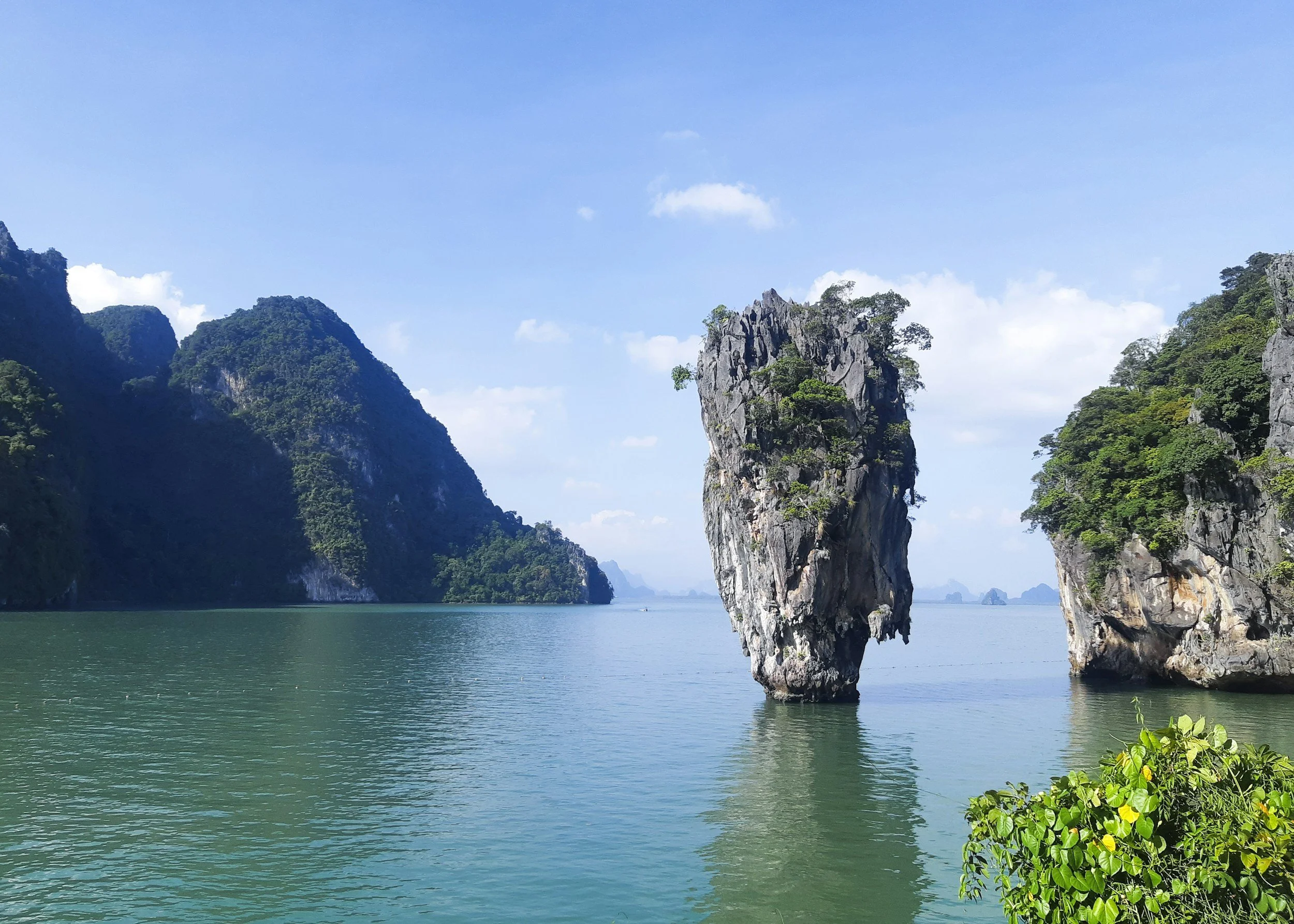
In 2025, travel into natural landscapes wasn’t framed as escape so much as recalibration. Mountains, coastlines, forests and national parks became places to steady the nervous system rather than thrill it. The emphasis shifted away from adrenaline and towards balance: early mornings, long walks, cold swims, and evenings without much to do at all.
This wasn’t just a feeling. According to Booking.com’s Travel Predictions research, over 70 % of travellers said they wanted trips that focused on rest, mindfulness, or stress reduction, while nature-based destinations consistently ranked among the most desired experiences globally. Wellness travel, broadly defined, continued its steady growth across 2025, particularly when tied to outdoor environments rather than formal retreats.
The language around nature also softened. Travellers weren’t chasing extremes — they were choosing places that allowed them to slow their breathing, stretch their days, and disconnect from constant input. Digital detoxes didn’t need labels. Often, they were simply a by-product of poor signal, long hikes, or evenings spent watching light change instead of screens.
Outdoor travel also became more accessible and flexible. Short stays in nature — a couple of nights by the coast, a long weekend in the mountains — carried just as much value as extended retreats. These trips complemented the rise of shorter escapes, offering contrast rather than commitment.
At the same time, there was a growing awareness of responsibility. National parks, protected areas and fragile landscapes were increasingly treated with care. Travellers planned around seasons, capacity, and impact, recognising that access came with obligation.
By the end of 2025, nature wasn’t positioned as a place to disappear into — but as somewhere to return from feeling steadier, clearer, and more grounded than before.
Conscious Choices and Thoughtful Travel
Alongside slower journeys and more local exploration, 2025 also marked a shift in how people made travel decisions.
Travellers became more intentional not just about where they went, but about what their presence meant once they arrived. Questions that once sat at the edges of travel planning — who benefits from this?, what impact does this have?, is this the right time to go? — moved closer to the centre.
Industry research reflected this change in mindset. Global travel surveys throughout 2025 consistently showed that more than two-thirds of travellers wanted their trips to positively impact local communities, while a growing majority said sustainability and ethical considerations actively influenced their booking decisions. Conscious travel stopped being a niche interest and became part of the mainstream conversation.
This didn’t always look dramatic. Often, it showed up in small, practical choices: eating locally rather than internationally, travelling in shoulder seasons, choosing neighbourhood stays over large resorts, or prioritising locally run experiences. Thoughtfulness replaced optimisation.
There was also a noticeable shift away from excess. Travellers were less interested in doing everything and more focused on doing a few things well. Experiences were chosen for relevance rather than popularity. Wildlife encounters were questioned rather than assumed. “Hidden gems” were approached with more care, recognising that visibility carries responsibility.
Even the language of travel softened. Instead of chasing “undiscovered” places, people talked about overlooked regions, second cities, and places still shaping their relationship with tourism. The idea of travel as entitlement quietly gave way to travel as participation.
By the end of 2025, conscious travel wasn’t about being perfect or performative. It was about awareness — understanding that every journey leaves a footprint, and choosing to tread a little more lightly where possible.
What 2025 Taught Us About Why We Travel
By the end of 2025, it became clear that the most meaningful shifts in travel weren’t logistical — they were emotional.
This year reminded us that travel isn’t just about movement. It’s about intention. About how we want to feel when we arrive somewhere, and how we want to carry that feeling home with us. The places mattered, of course — but the reasons mattered more.
One of the quiet lessons of 2025 was that novelty isn’t always the point. Returning to familiar destinations carried new weight. Cities revisited revealed different versions of ourselves. The same streets felt different at different stages of life. Travel became less about collecting experiences and more about noticing change — in places, and in ourselves.
There was also a growing acceptance that travel doesn’t need to be transformative every time. Not every trip had to change us, heal us, or redefine us. Some journeys were simply there to support us — to offer rest, perspective, or a break in routine. And that was enough.
This shift softened the pressure that had long surrounded travel. The idea that every trip must be maximised, documented, and optimised began to lose its grip. Instead, travellers gave themselves permission to move at their own pace, to leave things unseen, and to let moments pass without capturing them.
In many ways, 2025 reframed travel as a relationship rather than a pursuit. A relationship that evolves with time, energy, and circumstance. One that can be deepened through repetition as much as discovery.
What we learned, ultimately, was simple but powerful: we don’t travel to escape life — we travel to better understand how we want to live it.
Looking Ahead: Travel Trends Taking Shape for 2026
If 2025 was a year of recalibration, then 2026 feels less like a reset and more like a continuation.
The shifts that quietly defined the past year aren’t fading — they’re settling in. Slower travel, local immersion, shorter escapes and conscious choices don’t appear to be passing trends, but structural changes in how people relate to time, energy and movement. Rather than swinging back towards excess, travel seems to be carrying these lessons forward.
One of the clearest signs is how planning itself is evolving. Trips are increasingly built around purpose rather than possibility. People are choosing destinations that suit the season they’re in — emotionally as much as practically. Travel is being shaped around work rhythms, personal wellbeing, relationships and routines, rather than existing in opposition to them.
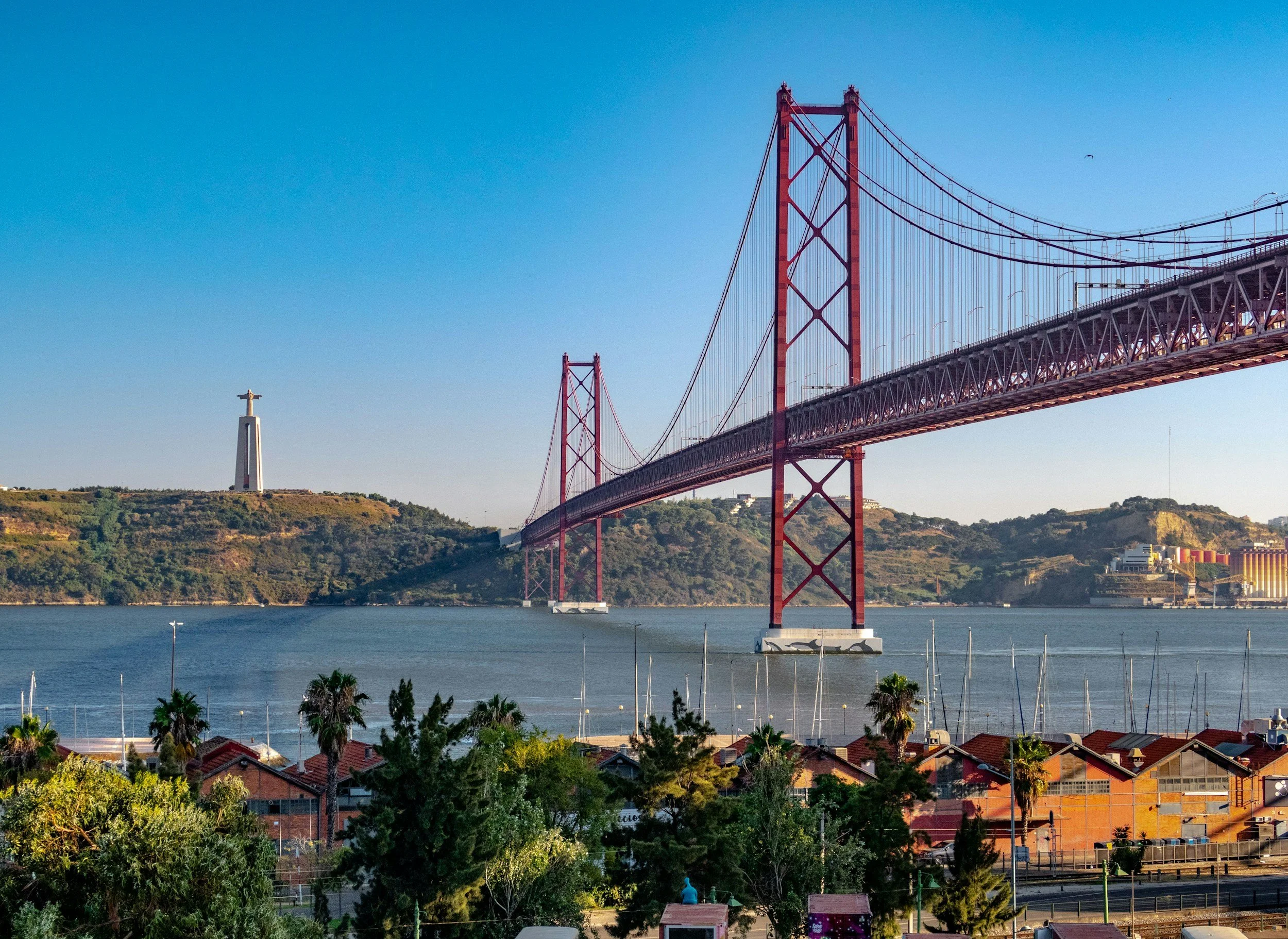
Secondary cities and overlooked regions are also set to continue their quiet rise. Not because they’re cheaper or less crowded — though often they are — but because they offer space to settle in. Places that don’t demand urgency allow travellers to slow their pace without feeling like they’re missing out.
Movement, too, is becoming part of the experience rather than a hurdle to overcome. Train journeys, overland routes and slower connections fit naturally into a travel style that values the in-between. Getting there becomes part of the story, not something to rush through.
Perhaps most notably, 2026 travel looks likely to resist algorithm-led urgency. Instead of chasing what’s trending, travellers are learning to trust their own curiosity — returning to places that still call them, choosing trips that feel right rather than impressive, and letting meaning take precedence over momentum.
What’s taking shape isn’t a new way of travelling, but a more settled one. Travel that fits into life, adapts as life changes, and leaves room for rest as well as wonder.
2026: A Year of Travel With Intention
If there’s a word that feels set to define travel in 2026, it’s intention.
Not in a rigid or restrictive sense, but in a quieter, more personal way. Travel is increasingly shaped around how it fits into life — not how it temporarily replaces it. Trips are chosen with clearer boundaries, clearer expectations, and a deeper understanding of what they’re meant to offer.
In 2026, travelling less doesn’t mean experiencing less. It means choosing trips that feel aligned. A single journey can serve multiple purposes: rest and curiosity, connection and creativity, movement and stillness. The lines between work, leisure, family and personal time continue to blur, and travel is adapting accordingly.
There’s also a growing comfort with simplicity. Fewer stops. Fewer must-sees. Fewer reasons to rush. Travellers are allowing trips to be defined by rhythm rather than reach — mornings that unfold slowly, evenings that don’t need plans, and days shaped by feeling rather than structure.
This mindset is reflected in how people prepare for travel, too. Planning is less about optimisation and more about clarity. What kind of pace do I want? How much energy do I have? What do I want to come back with — memories, rest, inspiration, or all three?
Perhaps most importantly, intention is replacing pressure. The pressure to go far. To go often. To prove something through travel. In its place is a quieter confidence — the understanding that meaningful journeys don’t need validation, and that travel can be deeply personal without being profound every time.
As 2026 takes shape, it doesn’t feel like travel is asking for more from us. It feels like it’s asking for honesty.
“Looking back, 2025 wasn’t a year defined by where we went, but by how we chose to move through the world.
It reminded us that travel doesn’t need to be louder to be meaningful. That slowing down isn’t falling behind. That returning can be just as powerful as discovering something new. And that the most memorable journeys often happen when we give ourselves permission to travel in ways that feel honest, sustainable and aligned with our lives as they are — not as we think they should be.
As we step into 2026, there’s a sense that travel is no longer chasing reinvention. It’s refining itself. Holding onto what worked. Letting go of what didn’t. Carrying forward the lessons that made journeys feel richer, calmer and more human.
Perhaps the most important shift of all is this: travel is no longer something we use to escape life. It’s something we use to better understand it — to reconnect with place, with people, and with ourselves.
If 2025 taught us anything, it’s that good travel isn’t measured in distance, density or demand. It’s measured in presence. In intention. In the quiet moments that stay with us long after we return.
And if that’s what we carry forward into 2026, then wherever we go next already feels like the right place to begin.”