To experience Marrakesh properly, you have to let go of the idea that it’s a city to be conquered or completed. Marrakesh reveals itself through contrast — between calm courtyards and chaotic streets, centuries-old rituals and modern café culture, moments of intensity followed by long pauses.
This isn’t a destination built for rushing. The most meaningful experiences here come from timing, patience, and presence — knowing when to wander, when to stop, and when to step back and simply observe.
This guide blends Marrakesh’s most iconic moments with quieter, local-first experiences that help you understand not just what to see, but how the city works. Think less checklist, more rhythm.
Iconic Marrakesh Experiences
These are the moments most travellers associate with Marrakesh — but experienced with context, pacing, and intention, they become far more than just highlights.
Jemaa el-Fnaa at Dusk
As the sun begins to dip, Jemaa el-Fnaa transforms. What feels open and almost subdued during the day slowly fills with sound, smoke, and movement. Food stalls roll in, musicians and performers take their places, and the square becomes a living, breathing stage.
The key to experiencing Jemaa el-Fnaa isn’t to rush into the centre straight away. Start on the edges. Watch from above if you can — rooftop cafés offer perspective and a moment to acclimatise. As darkness settles, move closer, letting the energy build gradually rather than all at once.
This isn’t a place for precision or plans. It’s chaotic, intense, and deeply woven into the city’s identity. Some people love it instantly, others need time — both reactions are completely valid.
The most rewarding way to experience the square is to stay flexible. Walk through, step out, return later. Let it reveal itself in layers rather than all at once.
World Locals tip: Visit Jemaa el-Fnaa more than once. An early evening walk-through feels completely different to a late-night wander — and seeing both gives you a fuller sense of its rhythm.
Exploring the Souks
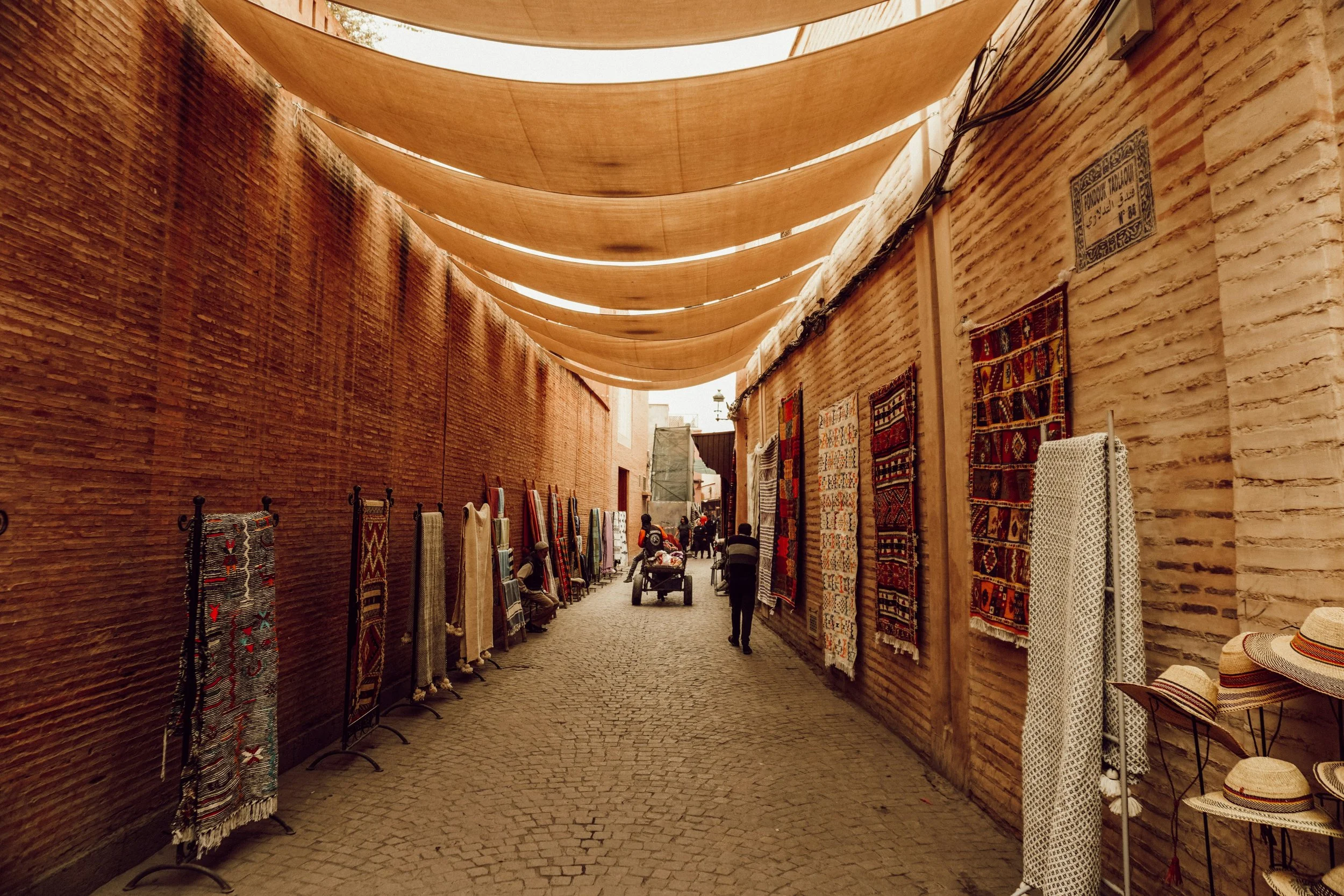
The souks of Marrakesh aren’t something you simply pass through — they’re something you experience slowly, often unintentionally. Branching out from Jemaa el-Fnaa, these narrow market streets form a dense web of trade, sound, and colour, organised loosely by craft rather than logic.
One turn might lead you past spice sellers scooping fragrant powders by hand, another into a lane of metalworkers hammering trays and lanterns, then suddenly into textile shops stacked floor to ceiling with rugs and scarves. The sensory overload is real, but that’s also where the magic lies.
The best way to explore the souks is without a rigid plan. Choose a general direction, keep your phone away, and let curiosity guide you. If it starts to feel overwhelming, step into a quieter side alley or courtyard — the Medina always offers an escape if you look for it.
Bargaining is part of the experience, but it’s not mandatory. A polite no goes a long way, and walking away is always an option. Think of the souks less as a shopping trip and more as a window into Marrakesh’s working heart.
World Locals tip: Explore the souks earlier in the morning if you can. It’s calmer, cooler, and offers a clearer glimpse into daily life before the crowds and noise build.
Historic Palaces and Architecture
Beyond the markets and movement, Marrakesh’s historic architecture offers moments of calm and context. These spaces help explain how power, artistry, and daily life once intersected — and still do.
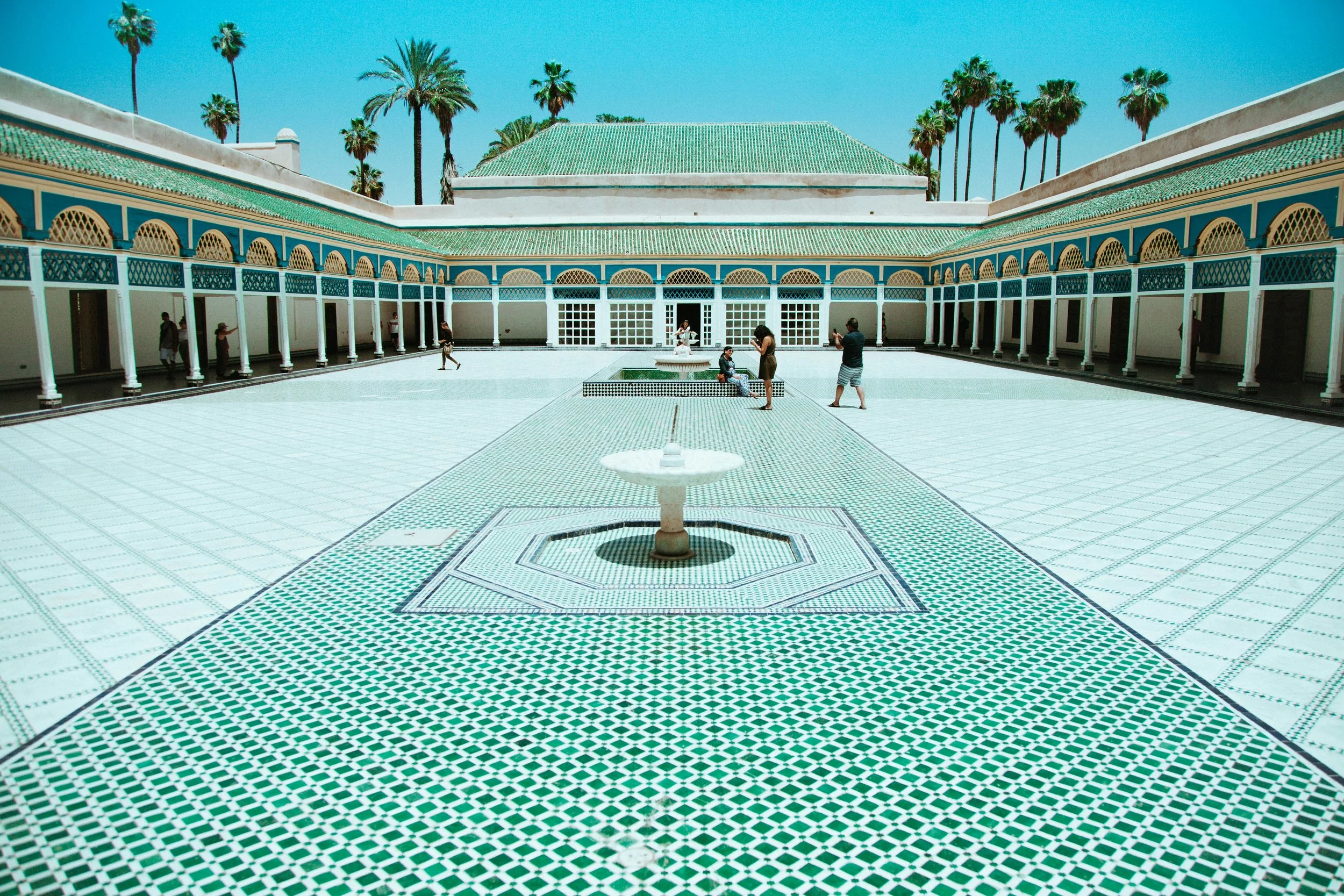
Bahia Palace is one of the city’s most rewarding visits. Built to impress, its courtyards, carved ceilings, and tiled rooms reveal the craftsmanship and quiet luxury of 19th-century Morocco. It’s best experienced slowly, paying attention to detail rather than rushing through.
Nearby, the ruins of El Badi Palace offer a very different perspective. Once one of the grandest palaces in the region, it now stands open to the sky — expansive, atmospheric, and reflective. Walking through its vast courtyards gives a sense of scale and impermanence that contrasts beautifully with the intimacy of the Medina.
Architecture in Marrakesh isn’t just about beauty — it’s about space, light, and balance, designed to offer relief from heat and noise while reinforcing privacy and calm.
World Locals tip: Pair palace visits with something slower — a long lunch, a café stop, or a wander through a quieter neighbourhood — to balance out the sensory intensity of the Medina.
Cultural and Traditional Experiences
These are the moments that shape how Marrakesh feels day to day. They’re not always headline attractions, but they’re essential for understanding the city’s pace, values, and rituals.
Visiting a Traditional Hammam
A hammam isn’t a luxury add-on in Marrakesh — it’s part of everyday life. Locals visit weekly, sometimes more, treating it as both a physical cleanse and a mental reset. For travellers, it can be one of the most revealing cultural experiences in the city.
Traditional hammams are simple, communal spaces built around heat, steam, and exfoliation. You move through warm rooms, are scrubbed thoroughly, and emerge lighter, calmer, and slightly dazed in the best possible way. It’s not about pampering; it’s about ritual.
Tourist-friendly hammams often soften the experience, offering more privacy and explanation, while local hammams are more no-frills and authentic. Both have value — the key is knowing what you’re signing up for and going in with an open mind.
World Locals tip: If it’s your first hammam, start with a traveller-friendly one to understand the process. Once you’re comfortable, a local neighbourhood hammam offers a deeper glimpse into everyday Marrakesh life.
Moroccan Tea Culture
Mint tea in Marrakesh is far more than a drink — it’s a gesture of welcome, a pause in the day, and a social glue that holds interactions together. Offered in homes, shops, riads, and cafés, tea marks the beginning and end of conversations rather than meals alone.
Served sweet and poured from height, the act itself is ritualised. You don’t rush tea here. You sit, talk, watch, and let time stretch slightly. Even declining tea politely is understood, but accepting it often opens the door to connection.
Tea culture also explains the city’s slower rhythm. Marrakesh pauses often — between errands, negotiations, or moments of heat — and tea is usually at the centre of that pause.
World Locals tip: Say yes to mint tea whenever it’s offered, especially outside restaurants. It’s one of the simplest ways to engage with local hospitality.
The Call to Prayer and Daily Rhythm
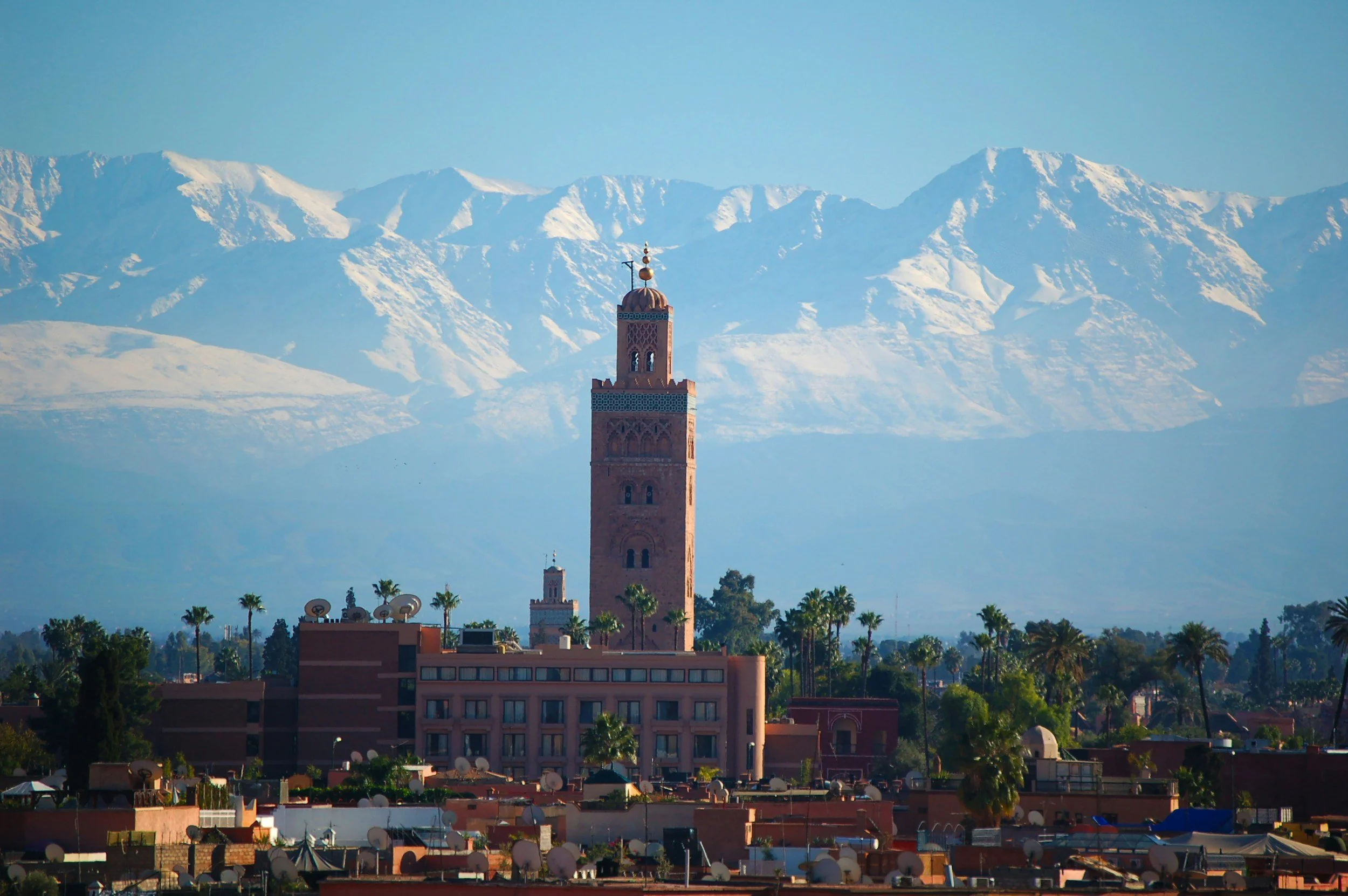
Sound plays a powerful role in Marrakesh, and nothing shapes the city’s rhythm quite like the call to prayer. Echoing from minarets across neighbourhoods, it marks the passage of time and gently punctuates the day.
Rather than stopping the city, prayer weaves into daily life. Shops pause briefly, conversations soften, and then everything resumes. Over time, you’ll start to recognise the cadence — early morning calm, midday movement, evening energy.
Listening rather than analysing helps here. The call to prayer isn’t a performance; it’s part of the city’s background, grounding Marrakesh in something constant amid the chaos.
World Locals tip: Early mornings are one of the most peaceful times in Marrakesh. Stepping outside just after sunrise offers a rare, reflective glimpse of the city before it fully wakes.
Neighbourhood-Based Experiences
One of the most rewarding things about Marrakesh is how differently it feels depending on where you are. Experiences here aren’t just about what you do, but where you do it — and how you move through each part of the city.
Getting Lost in the Medina
Getting lost in the Medina of Marrakesh isn’t a mistake — it’s an experience in its own right. The Medina isn’t built for efficiency or navigation; it’s built around daily life, trade, and habit, shaped long before maps or GPS.
Let yourself wander without an endpoint. Turn where it feels interesting rather than logical. You’ll stumble across quiet courtyards, workshops where artisans are still working by hand, and pockets of calm that feel far removed from the main souks.
Moments of disorientation are part of the process. Instead of fighting them, slow down. Ask for directions if you need to, but don’t rush to escape — the Medina often reveals its best moments when you stop trying to control it.
World Locals tip: Put your phone away for at least part of your Medina wander. Navigating by instinct rather than screen helps you tune into the city’s rhythm far more naturally.
Modern Marrakesh in Gueliz
If the Medina feels intense, Gueliz offers a completely different experience. This is Marrakesh’s modern, everyday side — cafés filled with locals, wide boulevards, galleries, and a pace that feels familiar and grounded.
Spend time here without an agenda. Sit in a café, people-watch, wander into shops, or simply enjoy the feeling of space. It’s a reminder that Marrakesh isn’t frozen in time — it’s a living, evolving city where daily life continues beyond the historic core.
Gueliz is also where you’ll see how locals blend tradition and modernity with ease, moving between old customs and contemporary lifestyles without friction.
World Locals tip: Gueliz works best when you slow right down. Come here for mornings or afternoons with no plans — it’s the Marrakesh equivalent of a reset button.
Quiet Moments in the Kasbah and Mellah
South of the main Medina, the Kasbah and Mellah offer a more residential, lived-in experience of the city.
Here, life unfolds at a gentler pace. Streets are wider, navigation is easier, and daily routines take centre stage. You’ll see locals shopping, chatting, and going about their day without the constant flow of visitors found elsewhere.
This is a great area for unhurried walks, especially in the late afternoon when the heat softens and neighbourhood life becomes more visible. It’s also one of the best places to experience Marrakesh without feeling like you’re always visiting.
World Locals tip: Pair a walk through the Kasbah or Mellah with a simple local lunch. It’s one of the easiest ways to experience Marrakesh as it actually functions day to day.
Nature and Escape Experiences
Marrakesh can be immersive, exhilarating, and exhausting in equal measure. One of the city’s great strengths is how easy it is to step away without leaving entirely, finding calm, space, and perspective just beyond the busiest streets.
The Palmeraie
On the northern edge of the city, the Palmeraie feels like a pause button. This vast palm grove offers open space, quieter air, and a slower pace — a stark contrast to the density of the Medina.
Experiences here tend to be simple and restorative: walking or cycling through palm-lined paths, spending time by a pool, or enjoying long, quiet afternoons that revolve around very little at all. It’s not about ticking off activities, but about letting your nervous system reset.
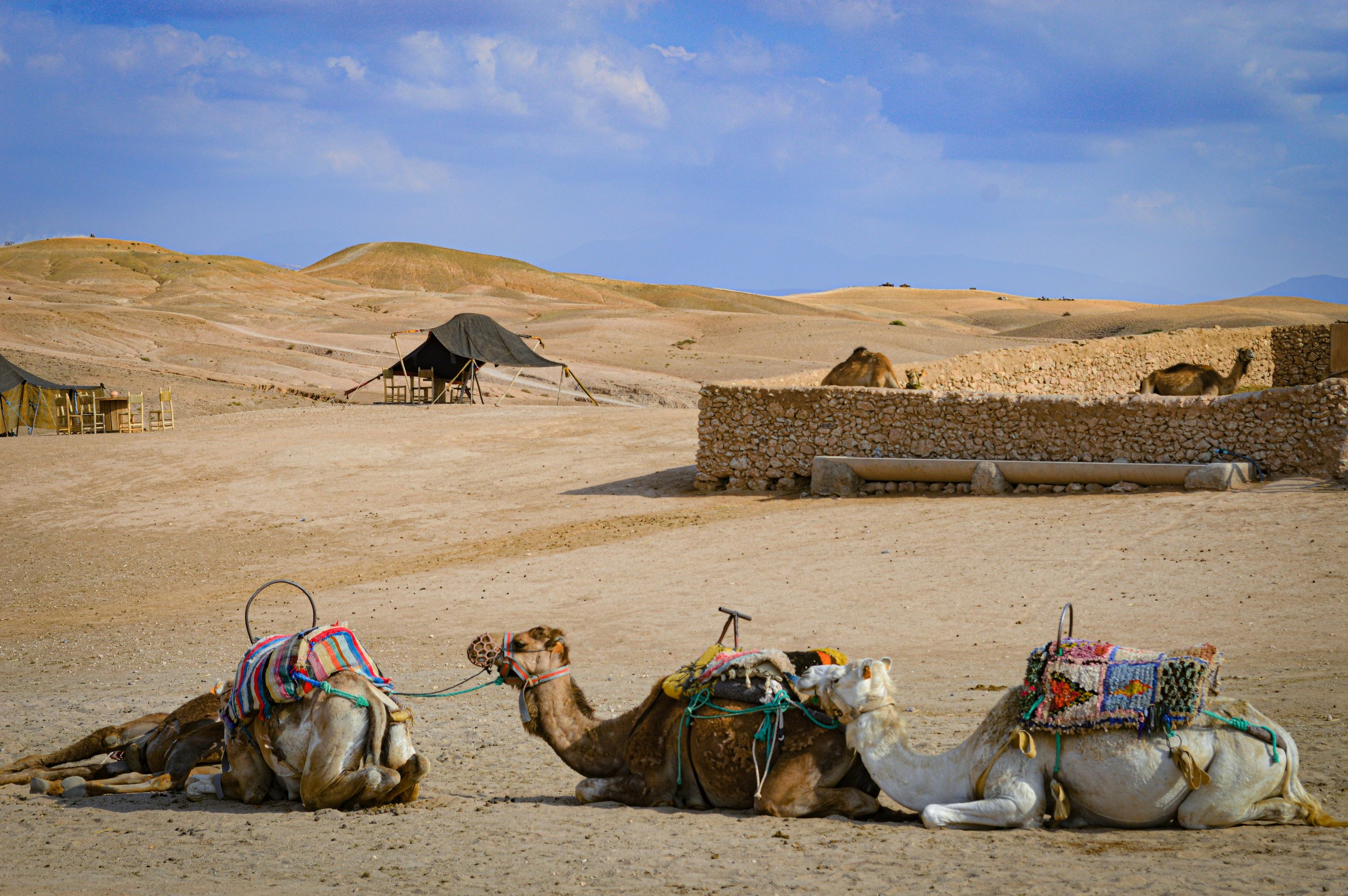
Camel rides and quad biking are often offered, though the most rewarding experience is often the least structured one — time, space, and stillness.
World Locals tip: The Palmeraie works best as a half-day or rest-day experience. Come here after a few intense days in the Medina, not before — the contrast is what makes it powerful.
Gardens and Green Spaces
Green spaces play an important role in Marrakesh’s balance. They’re not just decorative — they’re places of respite, reflection, and everyday escape for locals.
The Jardin Majorelle is the city’s most famous garden, known for its bold colours and carefully curated paths. It’s undeniably beautiful, but also popular, so timing matters.
For something quieter, the Le Jardin Secret offers a more reflective experience. Tucked inside the Medina, it blends Islamic garden design with calm courtyards and flowing water — a reminder of how important gardens have always been in Moroccan architecture.
These spaces reveal another side of Marrakesh — one shaped by shade, water, and intentional calm.
World Locals tip: Visit gardens early in the morning or later in the afternoon. You’ll avoid the crowds and experience them as places of quiet rather than attractions.
Food-Led Experiences
Food in Marrakesh is never just fuel — it’s one of the most immediate ways to understand the city’s rhythm, values, and social fabric. Beyond restaurants, these food-led experiences offer a more hands-on connection to daily life.
Street Food Evenings
Evenings are when Marrakesh eats collectively. As the heat softens and the city exhales, food stalls begin to appear, grills fire up, and public spaces fill with locals catching up over simple, satisfying meals.
The most iconic setting for this is Jemaa el-Fnaa, but street food culture exists well beyond the square. Neighbourhood corners, side streets, and small clusters of stalls all play a role — often with less noise and fewer crowds.
Approach street food slowly. Watch where locals gather, see what’s being cooked repeatedly, and don’t feel the need to eat everything in one go. Sampling one or two dishes, then moving on, is often the most enjoyable way to do it.
World Locals tip: Street food is best experienced just after sunset. Come a little hungry, eat lightly, and treat it as a wandering experience rather than a full sit-down meal.
Cooking Classes and Market Visits
For travellers who enjoy understanding how food comes together, cooking classes offer valuable context. Most experiences begin in local markets, where you’ll learn how to spot good produce, understand spice combinations, and see how locals shop day to day.
Classes usually focus on a handful of traditional dishes rather than full menus, emphasising technique, intuition, and tasting over strict measurements. You’ll learn why certain flavours are paired, how long dishes are cooked, and how meals are structured at home.
More than the cooking itself, these experiences give insight into Moroccan domestic life — how meals are prepared, shared, and passed down through generations.
World Locals tip: Choose small-group classes that include market visits. The shopping is often just as insightful as the cooking.
Day Trips from Marrakesh
One of Marrakesh’s biggest advantages is its location. In just a few hours, you can move from dense city streets to mountain villages or desert-like landscapes — a contrast that adds depth to any trip.
Atlas Mountains
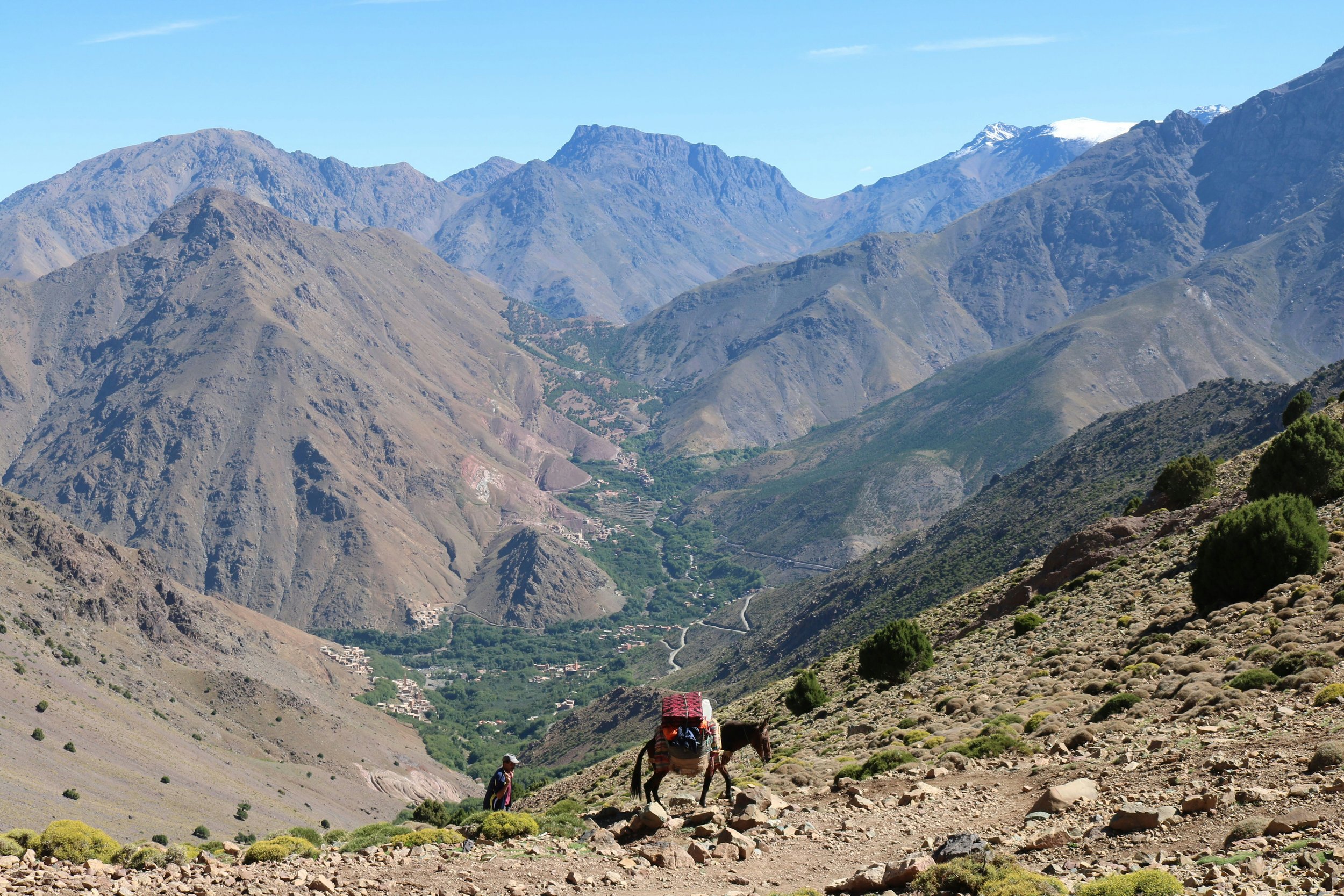
The Atlas Mountains offer cooler air, dramatic scenery, and a completely different pace of life. Villages cling to hillsides, footpaths replace roads, and daily routines feel slower and more deliberate.
Day trips often include short walks, village visits, and simple home-cooked meals. While many tours exist, the most rewarding experiences tend to prioritise fewer stops and more time in one place.
This is less about ticking off viewpoints and more about perspective — seeing how different life looks just a short distance from the city.
World Locals tip: Choose trips that focus on one valley or village rather than covering too much ground. Less travel, more presence.
Desert-Style Excursions
Desert excursions from Marrakesh are popular, though it’s worth setting expectations. Most day trips don’t reach the Sahara itself, but rather desert-like landscapes and rocky plains closer to the city.
These experiences can still be visually striking and enjoyable, particularly if you’re short on time, but they’re best seen as a contrast experience rather than a true desert immersion. For a deeper desert experience, an overnight or multi-day trip further south is more rewarding.
World Locals tip: If desert landscapes are a priority, consider saving them for a longer trip elsewhere in Morocco. Marrakesh works best as a cultural and urban base.
Practical Tips for Experiencing Marrakesh
A little awareness goes a long way in Marrakesh. The city rewards travellers who pace themselves, stay observant, and remain flexible rather than trying to control every moment.
One of the most important things to get right is timing. Early mornings and late afternoons are often the most rewarding times to explore — temperatures are cooler, streets feel calmer, and daily life is easier to observe. Midday is best used for slower experiences: long lunches, hammams, gardens, or time back at your riad.
Pacing matters just as much. Marrakesh can feel intense if you try to do too much in one go. Balance high-energy experiences like the souks or Jemaa el-Fnaa with quieter moments in gardens, cafés, or lesser-visited neighbourhoods. The city is far more enjoyable when you move between contrast rather than staying in one gear all day.
Cultural awareness also shapes your experience. Marrakesh is welcoming, but modest dress — particularly in the Medina and residential areas — goes a long way in showing respect. Asking before taking photos, especially of people, is always appreciated.
When it comes to planning, Marrakesh works best with a mix of structure and spontaneity. Book hammams, cooking classes, or popular gardens in advance, but leave space to wander without an agenda. Some of the most memorable moments happen when plans fall away.
World Locals tip: If the city starts to feel overwhelming, step sideways rather than away — change neighbourhoods, sit down, or pause. Marrakesh always feels different after a short reset.
“Experiencing Marrakesh isn’t about seeing everything — it’s about understanding how the city moves. Its energy shifts by hour and by neighbourhood, revealing different sides depending on how you approach it.
Whether you’re wandering souks without direction, watching dusk fall over Jemaa el-Fnaa, resetting in a hammam, or sipping mint tea in a quiet courtyard, Marrakesh offers moments that stay with you long after you leave.
Slow down. Let go of the checklist. Choose the experiences that match your rhythm — and let the city meet you there.”