Auckland: Neighbourhood Guide
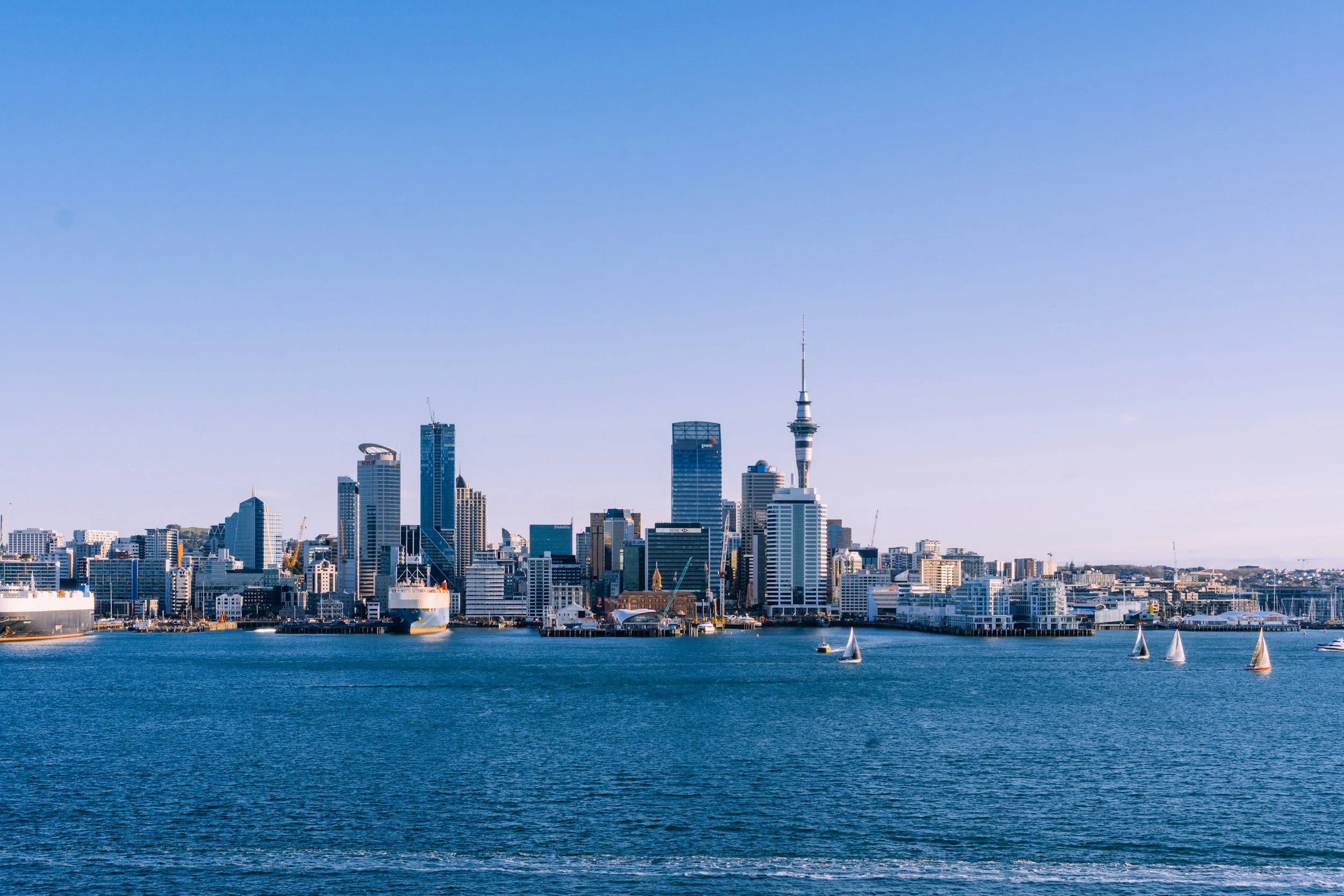
Auckland is not a city you understand from a single street.
It stretches across two harbours, rests on more than 50 volcanic cones, and leans confidently into the Pacific. It’s New Zealand’s largest city, but it rarely feels overwhelming. Instead, it feels spread out — coastal, green, and slightly understated.
Where you stay here shapes your entire experience. Base yourself in the CBD and you’ll feel the maritime pulse of the waterfront. Choose Devonport and mornings begin with sea air and ferry crossings. Stay near Mount Eden and you’re waking up beside a dormant volcano. Auckland isn’t compact in the European sense, and it isn’t chaotic either — it’s a collection of distinct neighbourhoods stitched together by water, hills, and café culture.
Let’s break it down properly so you can decide where you’ll feel most at home.
CBD and Viaduct Harbour
Why stay here
If convenience is your priority, this is the most practical base. You’re within walking distance of major transport links, ferry terminals, and several of the city’s headline attractions. For shorter stays, especially first visits, the CBD removes logistical friction.
It’s also where Auckland feels most visibly urban.
What to expect
High-rise buildings, waterfront promenades, and a blend of business travellers and holidaymakers. Inland streets can feel corporate and slightly quiet after office hours, but the harbour-facing areas hold the energy.
The skyline is dominated by the Sky Tower, standing 328 metres tall. The observation deck offers panoramic views across the Hauraki Gulf, and on a clear day, you’ll see the city’s volcanic cones scattered across the landscape.
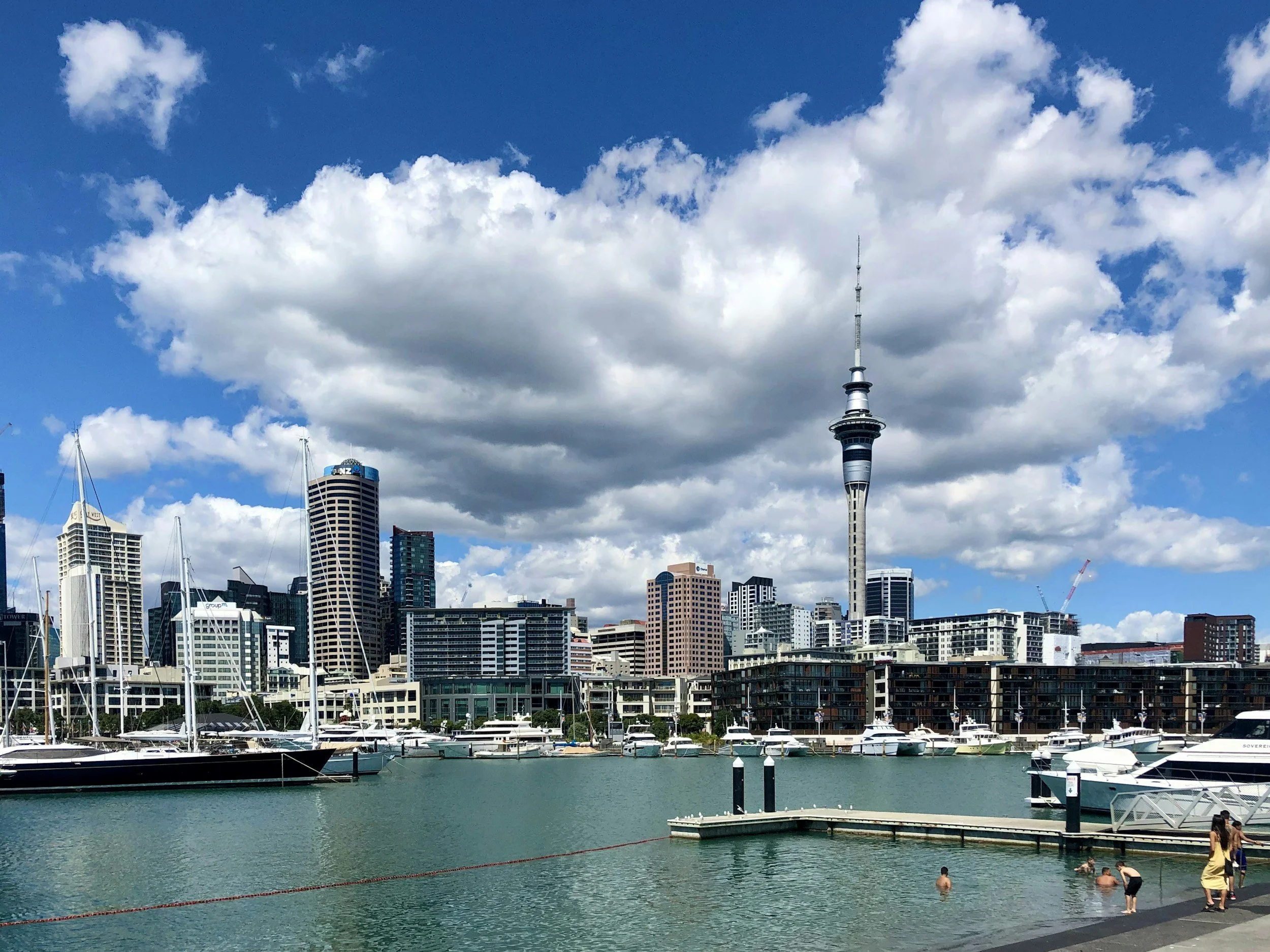
Closer to the water, Viaduct Harbour and Wynyard Quarter showcase a more lifestyle-led side of central Auckland — superyachts, boardwalks, and sunset drinks overlooking the marina.
Highlights
Ferry access to Waiheke Island and Rangitoto Island
Harbour walks at golden hour
Sky Tower views early in your trip for orientation
Exploring the redeveloped waterfront around Wynyard
Food and drink scene
This is where Auckland’s dining scene feels polished and internationally influenced.
Soul Bar and Bistro remains a waterfront staple for seafood and cocktails. Amano in Britomart focuses on seasonal New Zealand produce with Italian influence and is consistently strong for brunch or dinner. For something more refined, Sidart delivers creative tasting menus showcasing local ingredients.
Britomart itself is worth exploring — a compact district of heritage buildings, boutique retail, and some of the city’s most reliable restaurants.
Who it suits
First-time visitors. Short city breaks. Travellers planning multiple day trips by ferry. Those prioritising location over neighbourhood character.
Ponsonby
Why stay here
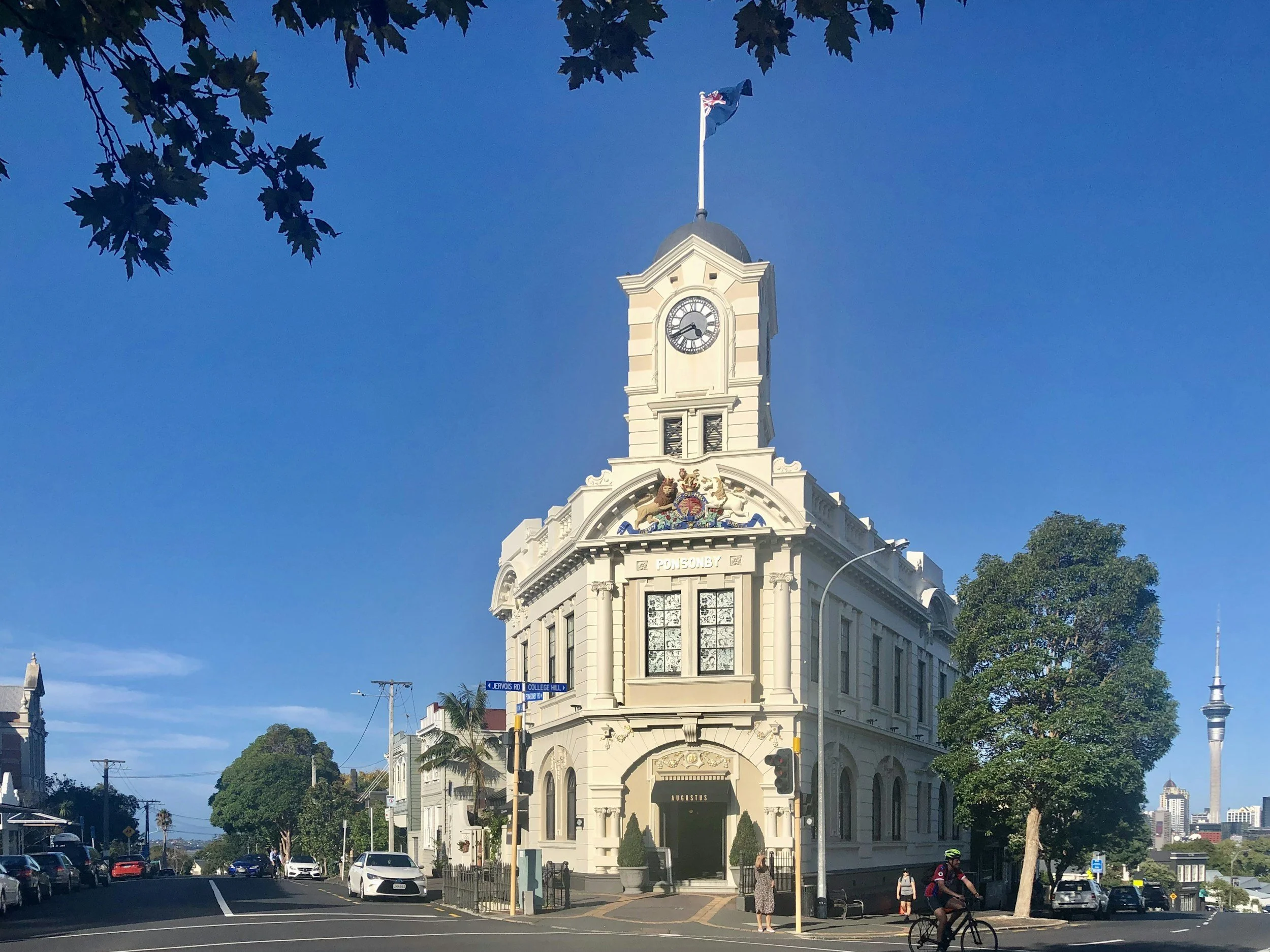
Ponsonby is Auckland’s confident, creative core.
Just west of the CBD, it’s close enough for easy access but far enough to feel distinctly local. If food, wine, and a genuine neighbourhood atmosphere matter to you, this is one of the strongest bases in the city.
What to expect
Tree-lined streets, restored wooden villas, and one main artery: Ponsonby Road. During the day, it’s café culture and design stores. By evening, it shifts into wine bars and lively restaurants without becoming chaotic.
The crowd leans local — young professionals, creatives, and long-time Auckland residents.
Highlights
Independent New Zealand designers and boutiques
Strong brunch culture
Walkable streets with authentic local energy
Food and drink scene
Ponsonby is one of Auckland’s most consistent dining neighbourhoods.
Prego is a long-established institution serving Italian dishes in a relaxed courtyard setting. Blue Breeze Inn blends Pacific and Asian flavours in a colourful, high-energy space. Cocoro offers refined Japanese dining with beautifully presented tasting menus.
For wine, Ponsonby Road Bistro is known for thoughtful pairings, and smaller cocktail bars along the strip make it easy to linger into the evening.
Who it suits
Couples. Food-focused travellers. Repeat visitors. Anyone who prefers staying somewhere with personality rather than simply convenience.
Parnell
Why stay here
Parnell is Auckland’s oldest suburb and carries that heritage quietly. It feels composed, leafy, and slightly more refined than its neighbours.
If you want proximity to green space while staying close to the city centre, this is a smart choice.
What to expect
Victorian-era buildings, art galleries, and calm residential streets. It borders Auckland Domain, the city’s oldest park, offering walking paths and expansive lawns.
Within the Domain sits the Auckland War Memorial Museum, one of the country’s most important cultural institutions. Its Māori and Pacific collections are essential for understanding New Zealand’s layered identity.
Highlights
Morning walks through the Domain
Easy access to one of New Zealand’s most significant museums
Quieter evenings within reach of the CBD
Food and drink scene
Parnell leans towards refined cafés and polished restaurants rather than nightlife.
Non Solo Pizza has long been a Mediterranean staple. La Cigale French Market (weekends) brings a European-style atmosphere with pastries, cheeses, and local produce. Independent cafés along Parnell Road make it a pleasant base for slower mornings.
Who it suits
Travellers prioritising culture and green space. Longer stays. Those who prefer understated elegance over nightlife.
Devonport
Why stay here
Devonport feels like a coastal town that just happens to sit across the harbour from New Zealand’s largest city.
Located on Auckland’s North Shore, it’s reached via a short ferry ride from downtown — a journey that in itself becomes part of your routine. Choosing Devonport means trading skyline proximity for sea air, slower mornings, and a genuinely local atmosphere.
It’s one of the most charming bases in Auckland.
What to expect
Heritage wooden villas, wide streets, independent shops, and beaches within walking distance. The ferry to the CBD takes around 10–15 minutes and runs regularly, making it surprisingly practical despite feeling removed.
Two volcanic cones dominate the skyline here. Mount Victoria offers one of the best views back across the harbour toward the city, especially at sunset. Nearby, North Head Historic Reserve adds coastal walking tracks and historic military tunnels.
The pace is noticeably slower than central Auckland. Evenings are quieter, and mornings feel coastal rather than corporate.
Highlights
Ferry commuting across the Waitematā Harbour
Sunset views from Mount Victoria
Swimming at Cheltenham Beach on warmer days
Exploring North Head’s historic fortifications
Food and drink scene
Devonport isn’t flashy, but it’s consistently good.
Corelli’s Café is a long-standing favourite for brunch and relaxed dinners. Manuka Restaurant delivers thoughtful modern New Zealand cuisine with strong local produce. Vondel is reliable for coffee and breakfast, particularly if you’re starting your day with a coastal walk.
You won’t find a high-energy nightlife scene here — but that’s part of the appeal.
Who it suits
Travellers who value atmosphere over nightlife. Couples. Slower itineraries. Anyone who likes the idea of starting the day with a ferry ride rather than traffic.
Mount Eden
Why stay here
Mount Eden offers a balance between residential calm and city accessibility.
It’s named after one of Auckland’s most recognisable volcanic cones, Mount Eden, known in Māori as Maungawhau. Staying here gives you immediate access to one of the city’s most iconic natural landmarks.
It feels distinctly local.
What to expect
Leafy streets, character homes, and a village-style centre along Mount Eden Road. It’s about 10–15 minutes by car or bus to the CBD, making it practical without being central.
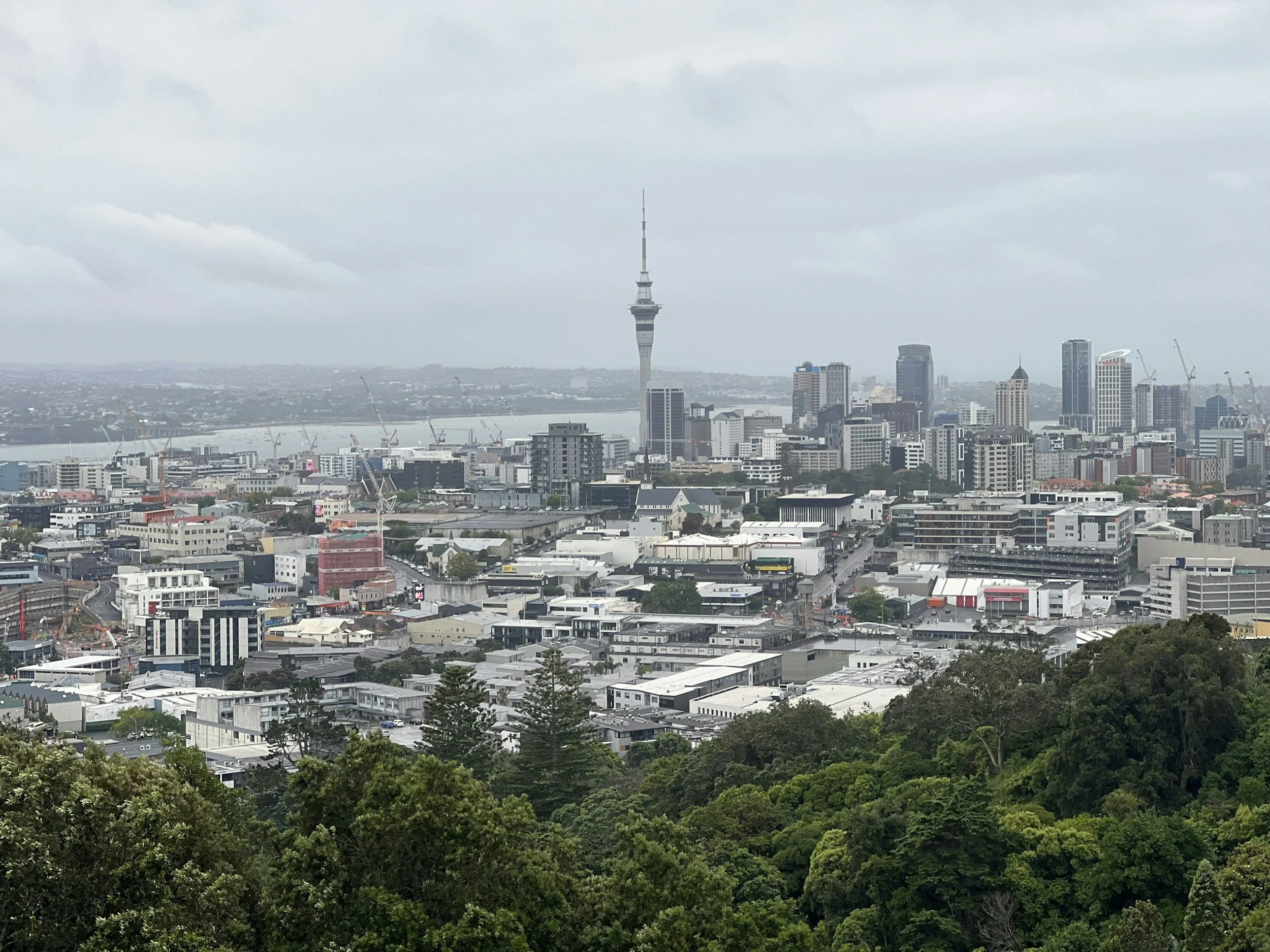
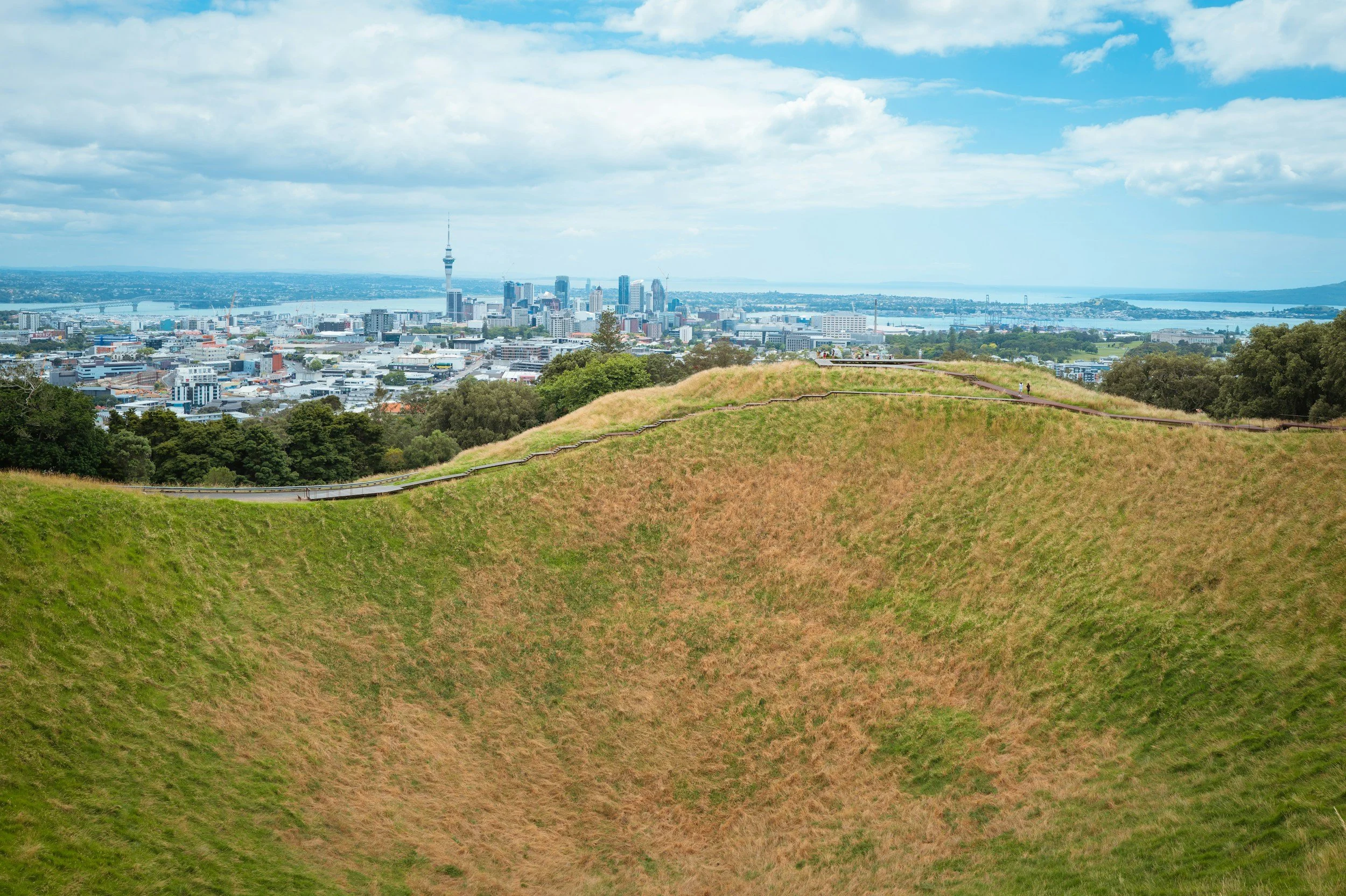
The summit of Mount Eden itself is one of the best free viewpoints in the city. The 360-degree panorama gives you a real sense of Auckland’s geography — harbour, skyline, volcanic cones, and coastline all in one frame.
Highlights
Walking up Mount Eden at sunrise or sunset
Exploring smaller independent cafés and bakeries
Staying in a quieter residential pocket
Food and drink scene
Mount Eden is low-key but strong on quality.
Rad Café has built a reputation for creative, plant-forward dishes. The Ancient Mariner offers relaxed dining with a neighbourhood feel. Several independent coffee spots around the village centre make this a pleasant base for travellers who appreciate unhurried mornings.
Who it suits
Repeat visitors. Travellers wanting a residential feel. Anyone prioritising views and calm over nightlife.
Other Areas to Know About
Grey Lynn sits between Ponsonby and Mount Eden and blends creative energy with residential calm. It’s increasingly popular with locals and offers excellent cafés without the buzz of Ponsonby Road.
Newmarket is Auckland’s shopping hub — practical rather than atmospheric, but well-connected and close to the Domain.
Kingsland is known for its proximity to Eden Park (New Zealand’s largest stadium) and has a growing food and bar scene. It’s a good option if you’re visiting for a sporting event.
Which Neighbourhood Is Right for You?
Auckland isn’t a city where “central” automatically means “best”. The right neighbourhood depends entirely on how you want your days to feel.
If you want your first morning to begin with skyline views and harbour walks, and you like having transport links at your doorstep, the CBD and Viaduct Harbour make sense. You’ll sacrifice a little local atmosphere, but you’ll gain efficiency. This works especially well for shorter trips or if you’re planning day trips to Waiheke or Rangitoto and want to be steps from the ferry terminal.
If your trip revolves around eating well, wandering into wine bars without needing transport, and staying somewhere that feels lived-in rather than transactional, Ponsonby is the stronger choice. It’s close enough to dip into the CBD when needed, but far enough to avoid the business-district feel. Evenings feel social rather than tourist-heavy.
If green space and culture shape your idea of a good stay, Parnell is an elegant compromise. You’re beside the Domain, within walking distance of the museum, and still only minutes from the city. It’s calmer, more polished, and slightly older in tone.
If waking up near the sea sounds better than waking up near a skyline, Devonport offers something genuinely distinctive. The ferry becomes part of your daily rhythm, and the views back towards the city never really lose their impact. It’s quieter at night, so it suits slower-paced trips rather than nightlife-focused stays.
If you prefer somewhere residential, with character homes and fewer visitors around you, Mount Eden is ideal. It gives you access to one of Auckland’s best viewpoints and a village-style atmosphere without being isolated.
In short:
For convenience and short stays: CBD / Viaduct
For food and atmosphere: Ponsonby
For culture and calm: Parnell
For coastal charm: Devonport
For local, residential energy: Mount Eden
Where First-Time Visitors Often Stay (and Why It’s Tricky)
Many visitors book the CBD by default because it appears central on a map. And while it is geographically central, Auckland’s personality doesn’t sit neatly inside that grid.
The inland CBD can feel corporate and slightly empty outside office hours. If your hotel is several blocks back from the harbour, evenings may feel quieter than expected. The waterfront is far livelier than the inner commercial streets, which makes hotel location within the CBD more important than simply choosing “central”.
Another common oversight is underestimating how neighbourhood-based Auckland feels. Unlike compact European cities where you can walk everywhere, Auckland’s experiences are scattered. You’ll likely use transport at some point regardless of where you stay.
The trick isn’t avoiding the CBD entirely — it’s choosing the right pocket within it, or considering whether a slightly more residential area might better match your travel style.
Getting Around Auckland
Auckland’s layout surprises people. It looks compact on a map, but hills, harbours, and suburban sprawl mean journeys can take longer than expected.
Public transport works best within inner suburbs. Buses are frequent along major routes, particularly between the CBD, Ponsonby, Mount Eden, and Newmarket. The train network is improving but is less central to most short visitor itineraries.
Ferries are one of the most enjoyable and efficient forms of transport. If you’re staying in Devonport, the ferry to downtown runs regularly and takes around 10–15 minutes. Ferries also connect to Waiheke Island (around 40 minutes) and Rangitoto Island (approximately 25 minutes), making the CBD waterfront a natural departure point for day trips.
Uber operates widely and is often the simplest solution for evening returns or cross-neighbourhood trips. Rides between central suburbs are typically straightforward and save time compared to transferring between buses.
Walking works well within individual neighbourhoods — Ponsonby, Devonport, and Mount Eden are all pleasant on foot. But walking between neighbourhoods isn’t always practical due to distance and elevation.
If you plan to explore further afield — west coast beaches like Piha, regional parks, or wine regions beyond Waiheke — hiring a car adds real flexibility.
“Auckland reveals itself slowly.
It’s a city of views rather than monuments, of neighbourhood cafés rather than grand boulevards. The right base doesn’t just determine your commute — it shapes your mornings, your pace, and the kind of city you experience.
Choose convenience and you’ll see Auckland efficiently.
Choose atmosphere and you’ll feel it properly.”