Auckland: Food and Drink Guide
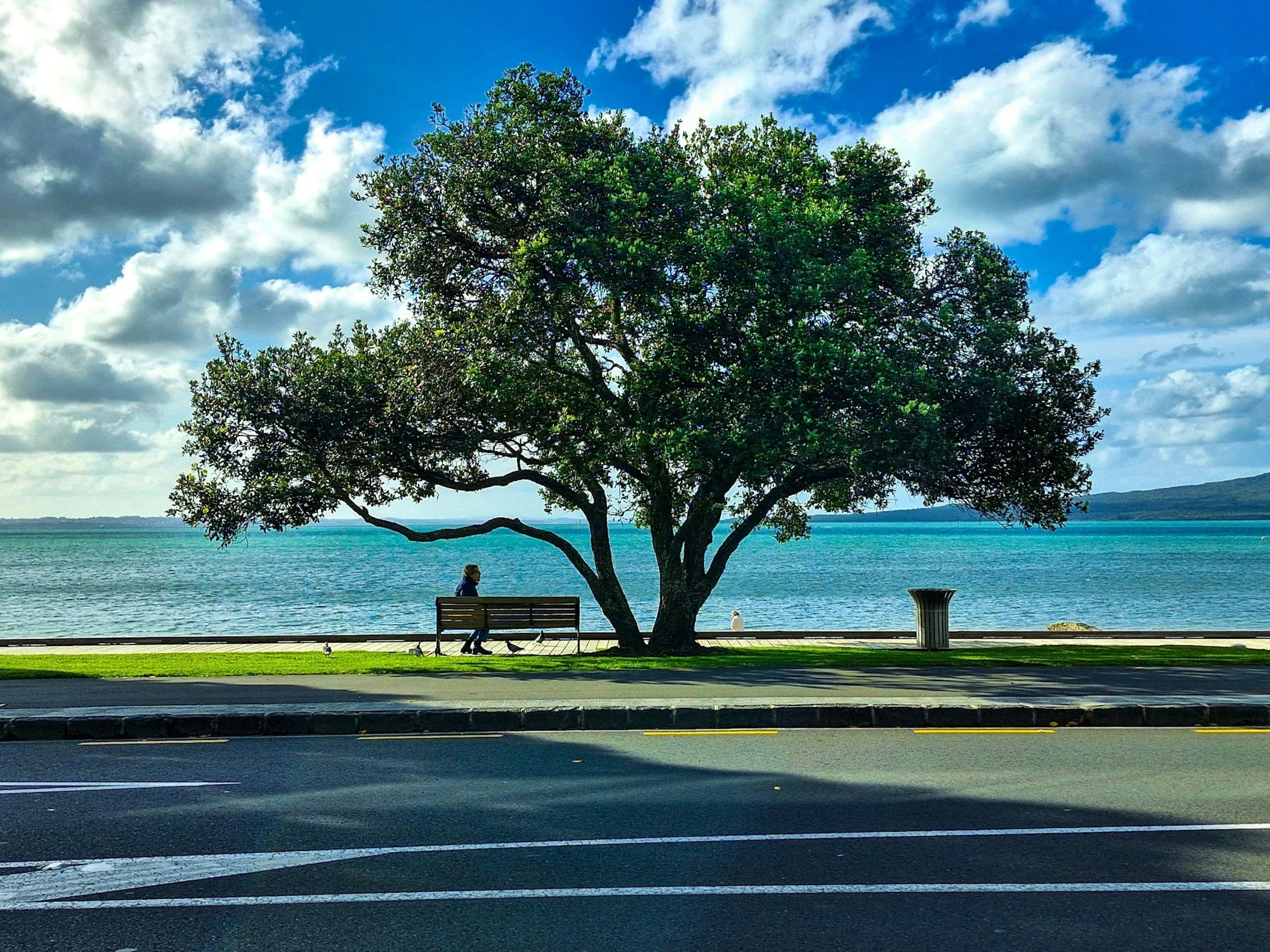
Auckland is often described through its geography — two harbours, scattered volcanic cones, beaches within reach of the city centre. But its food scene is just as shaped by landscape as it is by migration.
This is a city surrounded by water, which means seafood isn’t a speciality — it’s a given. Green-lipped mussels, snapper, oysters and crayfish appear across menus not as indulgences, but as everyday expressions of proximity to the ocean. Step slightly further out and vineyards begin to appear, most famously on Waiheke Island, where rows of vines overlook the Hauraki Gulf. Produce, here, travels short distances.
But Auckland’s food story is not defined by ingredients alone.
It is New Zealand’s largest and most culturally diverse city. Māori heritage underpins the country’s identity, while waves of migration from across the Pacific, Asia and Europe have shaped the modern table. Walk down Dominion Road and you’ll find some of the most compelling Asian dining in the Southern Hemisphere. Spend an evening in Ponsonby and you’ll see how confidently Auckland blends Pacific flavours with contemporary technique. Visit a weekend market and the mix of languages, spices and baking traditions tells its own story.
Unlike older culinary capitals, Auckland’s food culture feels young — but not inexperienced. It is relaxed rather than performative, ingredient-led rather than trend-driven. Restaurants often prioritise local wine lists, seasonal menus, and a sense of place over theatrics.
This guide explores Auckland through that lens: the indigenous roots, the Pacific influences, the neighbourhood food scenes, the markets, the cafés, and the wine bars that define how locals actually eat.
Because in Auckland, food isn’t about spectacle.
It’s about land, sea, migration, and the quiet confidence of a city that knows exactly where its ingredients come from.
Understanding Auckland’s Food Culture
Māori and Indigenous Food Traditions
Any conversation about food in Auckland has to begin long before restaurants and wine bars.
Māori food traditions are grounded in land and sea — in seasonality, preservation, and collective preparation. Kai moana (seafood) remains central: mussels, kina (sea urchin), pāua (abalone), snapper. These ingredients are not trends; they are taonga (treasures), tied to place and whakapapa (genealogy).
The most well-known cooking method is hāngī — food slow-cooked in an earth oven using heated stones. Traditionally used for gatherings and celebrations, hāngī isn’t an everyday city meal, but its philosophy shapes how many New Zealand chefs think about food: patience, respect for ingredients, and shared experience.
In Auckland itself, Māori culinary identity is woven subtly into menus rather than always overtly labelled. You’ll see native ingredients — kawakawa, horopito, kūmara — incorporated into contemporary dishes, often without fanfare.
Understanding this foundation changes how you see the city’s food. It’s not just seafood-forward because it’s fashionable. It’s seafood-forward because the ocean defines the geography.
Pacific and Asian Influence
Auckland is sometimes called the largest Polynesian city in the world. Significant Pacific communities — particularly from Samoa, Tonga, and the Cook Islands — have shaped neighbourhood food culture for generations. Markets and bakeries reflect this influence, with taro, coconut cream, and island-style baking appearing well beyond specialist stores.
Alongside this, Auckland’s Asian communities have transformed the dining landscape. Chinese, Korean, Japanese, Thai, Malaysian and Vietnamese restaurants aren’t peripheral — they are central.
Dominion Road, in particular, has become synonymous with authentic regional Chinese cooking. Here, dumpling houses, Sichuan eateries, and late-night noodle spots operate without tourist gloss. The cooking is confident, direct, and often exceptional.
What makes Auckland interesting isn’t fusion for the sake of it — it’s coexistence. You can move from refined Japanese tasting menus to Samoan bakeries to modern New Zealand cuisine within a few kilometres.
The city’s diversity feels lived-in, not curated.
Wine, Seafood and Produce
Geography quietly does most of the work.
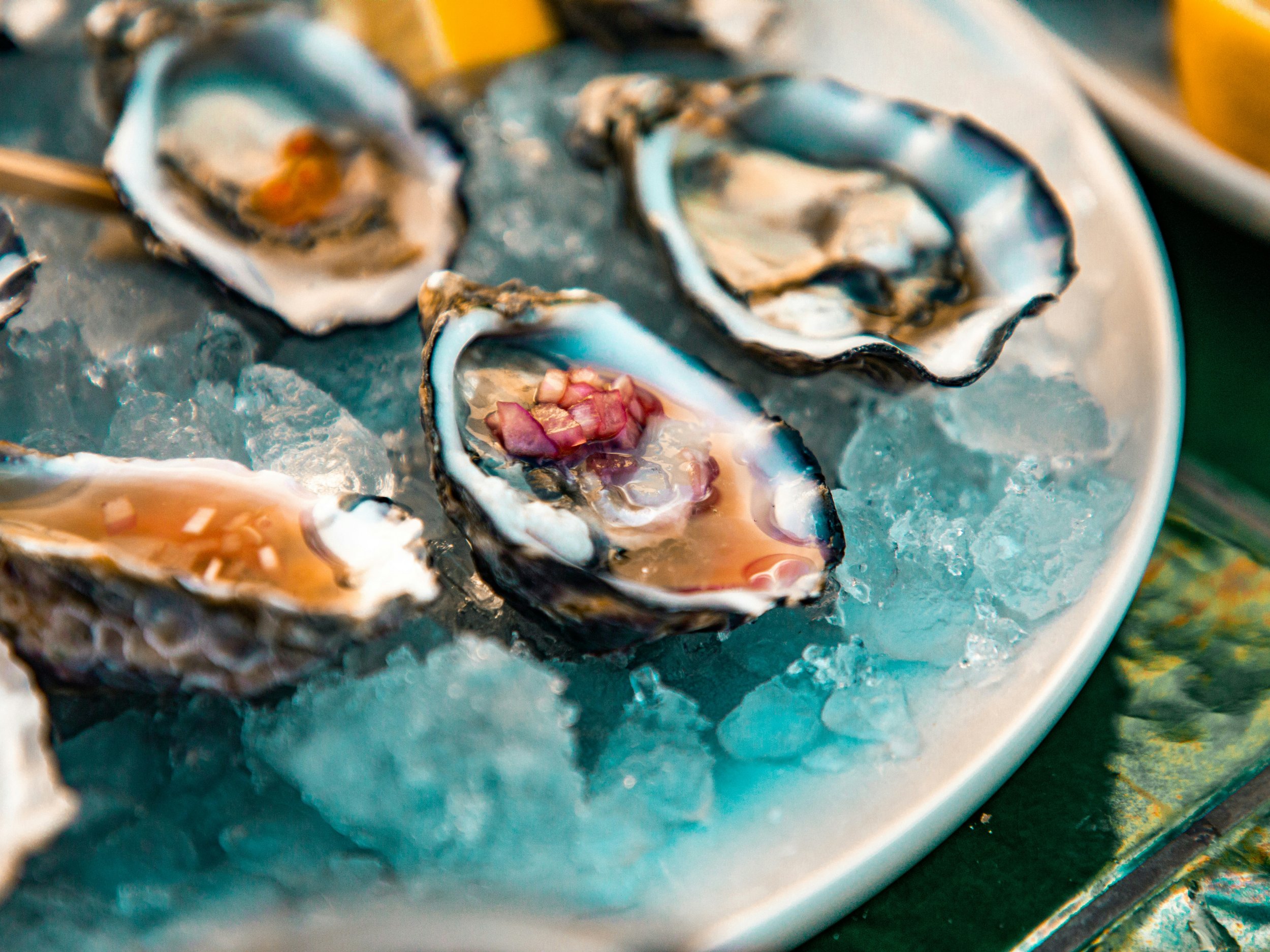
The Hauraki Gulf provides oysters, snapper and shellfish that appear on menus within hours of harvest. Markets stock green-lipped mussels and freshly shucked oysters as everyday fare rather than luxury items.
Then there’s wine.
Waiheke Island — a 40-minute ferry from downtown — produces some of New Zealand’s most respected Syrah and Bordeaux-style blends. Many Auckland wine lists lean heavily local, with strong representation from Waiheke, Hawke’s Bay and Marlborough. Sauvignon Blanc may be the country’s global export star, but in Auckland you’ll often see more nuanced, food-friendly expressions of regional wine.
Seasonality matters here. Menus shift frequently, and chefs tend to foreground ingredients rather than technique. The result is food that feels confident but rarely overcomplicated.
Auckland doesn’t shout about its cuisine in the way some cities do. It doesn’t need to.
It relies on proximity — to land, to sea, to vineyards — and on a population that has quietly built one of the most diverse dining scenes in the Southern Hemisphere.

Markets and Food Halls
Markets in Auckland aren’t theatrical set pieces built for visitors. They’re functional, community-driven, and reflective of the city’s diversity. If you want to understand how locals shop, cook and eat, this is where to begin.
Auckland Fish Market
Located in Wynyard Quarter near the waterfront, the Auckland Fish Market feels like a natural extension of the harbour. Originally established in 1904 and later redeveloped into a modern food hall space, it brings together fresh seafood retailers and casual eateries under one roof.
You’ll find green-lipped mussels piled high, whole snapper on ice, and oysters shucked to order. Several vendors operate kitchen counters, meaning you can order grilled fish, seafood chowder, fish and chips, or sashimi on the spot.
It’s busiest at lunch and over weekends, and it works particularly well as a relaxed midday stop before exploring the waterfront. Prices are reflective of New Zealand produce quality — not budget, but fair for freshness. Expect around NZD $25–35 (£12–17 / €14–20 / $15–21) for a substantial seafood plate.
Go hungry, and don’t rush it.
La Cigale French Market
Held on weekends in Parnell, La Cigale French Market brings a European rhythm to Auckland mornings. Stalls spill out with pastries, artisan bread, cheeses, charcuterie, fresh flowers and local produce.
The atmosphere feels more leisurely than transactional. Locals queue for coffee, browse seasonal fruit and sit at communal tables with crêpes or croissants. It’s not purely French — you’ll find New Zealand growers and bakers represented — but the influence shapes the tone.
Arrive earlier rather than later, particularly on Sundays, as popular stalls sell out. It’s less about a full meal and more about grazing your way through the morning.
Catalina Bay Farmers Market
Further out in Hobsonville Point, Catalina Bay Farmers Market runs on weekends and offers one of the best local-produce experiences in the wider Auckland region. Set near the water, it mixes farmers’ stalls with street food vendors and small-batch producers.
You’ll find seasonal vegetables, honey, baked goods, Pacific-inspired dishes, dumplings, and coffee carts — a reflection of the city’s multicultural makeup.
It requires a short drive or ferry from the city, but if you have the time, it’s worth the effort. The setting by the harbour adds to the atmosphere, particularly on clear mornings.
Smaller Neighbourhood Markets
Across Auckland, smaller community markets pop up regularly — Grey Lynn Farmers Market is another strong option for local produce and artisan food. These aren’t polished tourist attractions; they’re practical shopping hubs for residents.
What stands out across all of them is the emphasis on freshness and seasonality. Seafood looks like it came from the ocean that morning. Bread is often baked within hours. Fruit reflects what’s in season rather than what ships well.
Markets in Auckland aren’t about spectacle.
They’re about proximity — to growers, to fishermen, to producers — and that proximity defines the city’s food culture more than any single restaurant ever could.
Iconic Dishes to Try in Auckland
Auckland doesn’t have one single “signature dish” in the way some cities do. Instead, its identity is ingredient-led. The ocean, the pasture, and the vineyards quietly shape what ends up on your plate.
These are the flavours that genuinely reflect the region.
Green-Lipped Mussels
You’ll see them everywhere — and for good reason.
New Zealand’s green-lipped mussels are larger and meatier than many European varieties, with a distinctive green edge to the shell. They’re typically served steamed in white wine and garlic, tossed through pasta, or simply opened with lemon and sea salt.
In Auckland, they’re not a luxury. They’re an everyday expression of proximity to the ocean.
Order them early in your trip. They set the tone.
Bluff Oysters (Seasonal)
Bluff oysters technically come from the far south of New Zealand, but Auckland’s restaurants showcase them proudly during the season (generally March to August).
They’re smaller, intensely briny, and best eaten simply — shucked and served raw. When in season, many waterfront restaurants will list them prominently. Expect to pay around NZD $30–40 (£14–19 / €16–23 / $18–24) for a half dozen.
They’re not cheap — but they’re distinctly New Zealand.
Snapper
Snapper is Auckland’s quiet staple. It appears grilled, pan-seared, battered in fish and chips, or served raw as sashimi. The quality is consistently high because it doesn’t travel far.
A simple grilled snapper with seasonal greens and local olive oil often tells you more about Auckland’s food culture than a complex tasting menu.
If you’re eating near the harbour, it’s worth ordering.
Hāngī-Inspired Dishes
While traditional hāngī is more commonly experienced in cultural settings or outside the city, several restaurants incorporate hāngī techniques or flavours into contemporary menus.
You may see slow-cooked lamb shoulder, kūmara purée, or smoked elements that nod to earth-oven cooking methods. Even when not explicitly labelled as hāngī, the influence is there — patient cooking, communal plating, respect for land-based ingredients.
If you have the opportunity to attend a cultural experience that includes traditional hāngī, it offers deeper context beyond the plate itself.
New Zealand Lamb
It’s exported worldwide, but it tastes different when you eat it close to source.
In Auckland, lamb is often served simply — medium-rare, with seasonal vegetables and local herbs. It’s less about heavy sauces and more about quality produce.
Expect around NZD $38–55 (£18–26 / €21–32 / $23–33) for a well-prepared lamb main in a mid-range restaurant.
Pavlova
Shared with Australia in an ongoing culinary rivalry, pavlova is a meringue-based dessert topped with whipped cream and fresh fruit, often kiwifruit or berries.
In Auckland, it tends to feel less sugary than you might expect — crisp exterior, marshmallow-soft centre, balanced with sharp fruit.
It’s widely available in cafés and bakeries, particularly during summer.
The Flat White
Coffee culture in Auckland is serious.
The flat white — espresso with microfoam milk — is taken as a given, not an innovation. Baristas treat extraction carefully, and milk texture matters. While Melbourne often dominates global coffee conversations, Auckland holds its own quietly.
Order one in any neighbourhood café and you’ll understand how deeply coffee is woven into daily life here.
Ponsonby: The Culinary Core
Ponsonby isn’t just a place to eat well — it’s where Auckland’s modern food identity feels most concentrated.
A short drive or bus ride west of the CBD, Ponsonby balances residential calm with culinary ambition. Restaurants sit alongside boutique shops and wooden villas, and evenings unfold at a steady, social pace rather than in a rush.
If you want to understand how locals dine on a Friday night, this is where to book.
Where to Start
Prego has been part of Ponsonby’s landscape for decades. Its courtyard setting and reliable Italian menu have made it a neighbourhood institution rather than a trend-led hotspot. It’s the kind of place locals return to regularly — simple pastas, grilled meats, good wine, no theatrics.
Blue Breeze Inn leans Pacific-Asian in flavour, with a menu that feels energetic but controlled. Expect dumplings, punchy sauces, and a space that hums rather than shouts. It reflects Auckland’s Pacific location without feeling forced.
For something more refined, Cocoro offers Japanese tasting menus that focus on precision and seasonality. It’s restrained, elegant, and a reminder that Auckland’s Asian dining scene extends well beyond casual eateries.
What Defines Dining Here
Ponsonby’s restaurants rarely feel overly formal. Even at higher price points, the tone remains relaxed. Staff are knowledgeable but not stiff, and wine lists often prioritise New Zealand producers.
Expect to pay around NZD $30–45 (£14–22 / €16–26 / $18–27) for a main in a mid-range restaurant, and NZD $75–120 (£35–57 / €44–70 / $45–72) per person for a more refined evening with wine.
Reservations are strongly recommended on Fridays and Saturdays.
Why It Matters
Ponsonby represents the version of Auckland that blends migration, produce, and confidence. It’s where Pacific flavours, Italian institutions, Japanese precision, and New Zealand wine coexist within a few blocks.
It doesn’t feel curated for visitors.
It feels lived in.
Britomart and the Waterfront
Britomart sits at the edge of the harbour, just inland from the ferry terminals. Once a neglected industrial quarter, it has been carefully restored into one of the most design-forward parts of the city — heritage brick buildings now house some of Auckland’s most consistent restaurants and wine bars.
If Ponsonby feels neighbourhood-led, Britomart feels curated but confident.
Produce-Driven Dining
Amano is often cited as one of the anchors of the area. Its focus on seasonal New Zealand ingredients, handmade pasta, and an in-house bakery makes it strong at any time of day. The menu shifts regularly, and the sourcing is transparent — a reflection of Auckland’s wider produce culture.
For something more refined, Sidart offers multi-course tasting menus that reinterpret New Zealand ingredients with precision. Expect carefully plated dishes, thoughtful wine pairings, and an emphasis on storytelling through flavour.
Near the water, Soul Bar and Bistro remains a long-standing favourite. It’s polished without feeling inaccessible — strong seafood, oysters, cocktails, and a setting that leans into the harbour backdrop.
The Waterfront Energy
Along Viaduct Harbour, dining becomes part of the setting. Tables spill towards the marina, and evenings revolve around seafood, wine and sunset light reflecting off the water.
This area works particularly well for a first or final night in the city. You’re steps from ferries, within walking distance of hotels, and surrounded by a cross-section of Auckland’s dining identity — modern, maritime, produce-led.
Expect similar pricing to Ponsonby, with waterfront venues often sitting at the higher end of the scale. Seafood mains frequently range from NZD $35–60 (£17–29 / €20–35 / $21–36), depending on the catch and preparation.
Why It Matters
Britomart and the waterfront showcase Auckland’s confidence.
It’s where local wine lists meet harbour views, where snapper and oysters arrive fresh, and where international technique meets New Zealand ingredients.
But to understand the full breadth of Auckland’s dining scene, you need to move slightly further inland.
Dominion Road and Balmoral
If Britomart shows Auckland’s polished side, Dominion Road shows its depth.
Stretching south from the inner city, Dominion Road has become synonymous with authentic, regional Asian cooking. It isn’t styled for visitors. Shopfronts are functional, menus are often extensive, and queues form quietly rather than theatrically.
This is where many locals go when they want food that’s direct, generous, and rooted in tradition.
Regional Chinese Cooking
Dominion Road is particularly known for its Chinese restaurants — and not in a generic sense. You’ll find Sichuan, Northern Chinese, Xinjiang and dumpling-focused kitchens operating side by side.
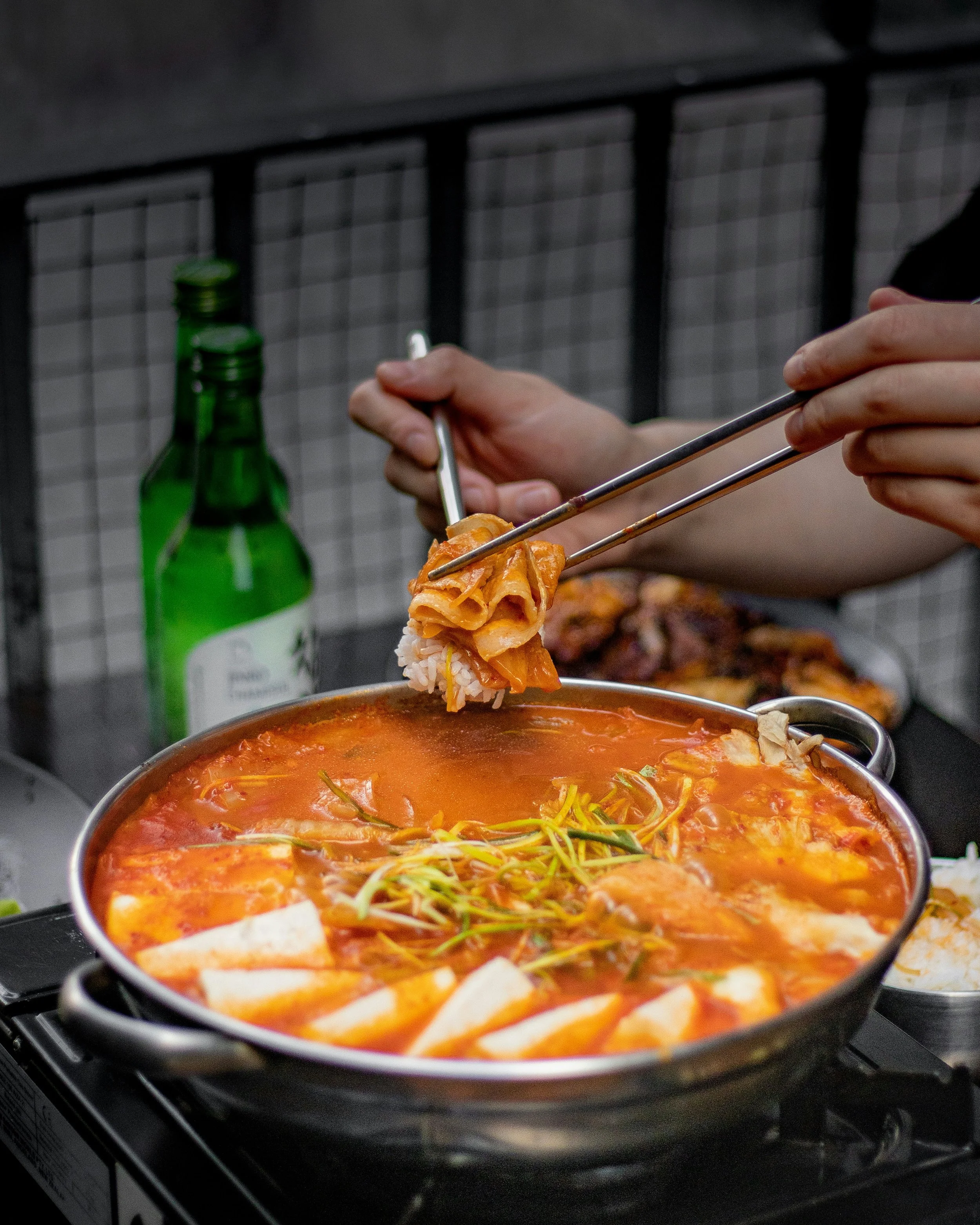
Eden Noodles Café is known for hand-pulled noodles and rich broths. Barilla Dumpling has built a loyal following for its handmade dumplings and straightforward pricing. Spice levels in some Sichuan restaurants are unapologetically bold — ask if unsure.
Meals here are often significantly more affordable than waterfront dining. Expect NZD $18–30 (£8–14 / €10–17 / $11–18) for generous mains.
Balmoral’s Expanding Scene
Just beyond Dominion Road, Balmoral adds further diversity. Indian, Korean and Southeast Asian restaurants cluster around the intersection near Balmoral Road.
You’ll also find dessert cafés, bubble tea shops and casual bakeries — a reminder that Auckland’s food scene isn’t confined to high-end dining districts.
Why It Matters
Dominion Road and Balmoral reflect Auckland’s demographic reality. This is everyday dining — the food people return to weekly, not annually.
It balances the narrative.
If you only eat in Ponsonby and Britomart, you see one side of Auckland. Spend an evening on Dominion Road and you understand the city’s multicultural depth.
Coffee Culture in Auckland
Coffee in Auckland isn’t a spectacle. It’s a ritual.
Like much of New Zealand, the city has inherited a strong espresso culture shaped by Italian influence and refined through decades of café competition. The result is a coffee scene that’s confident, technically sound, and rarely overcomplicated.
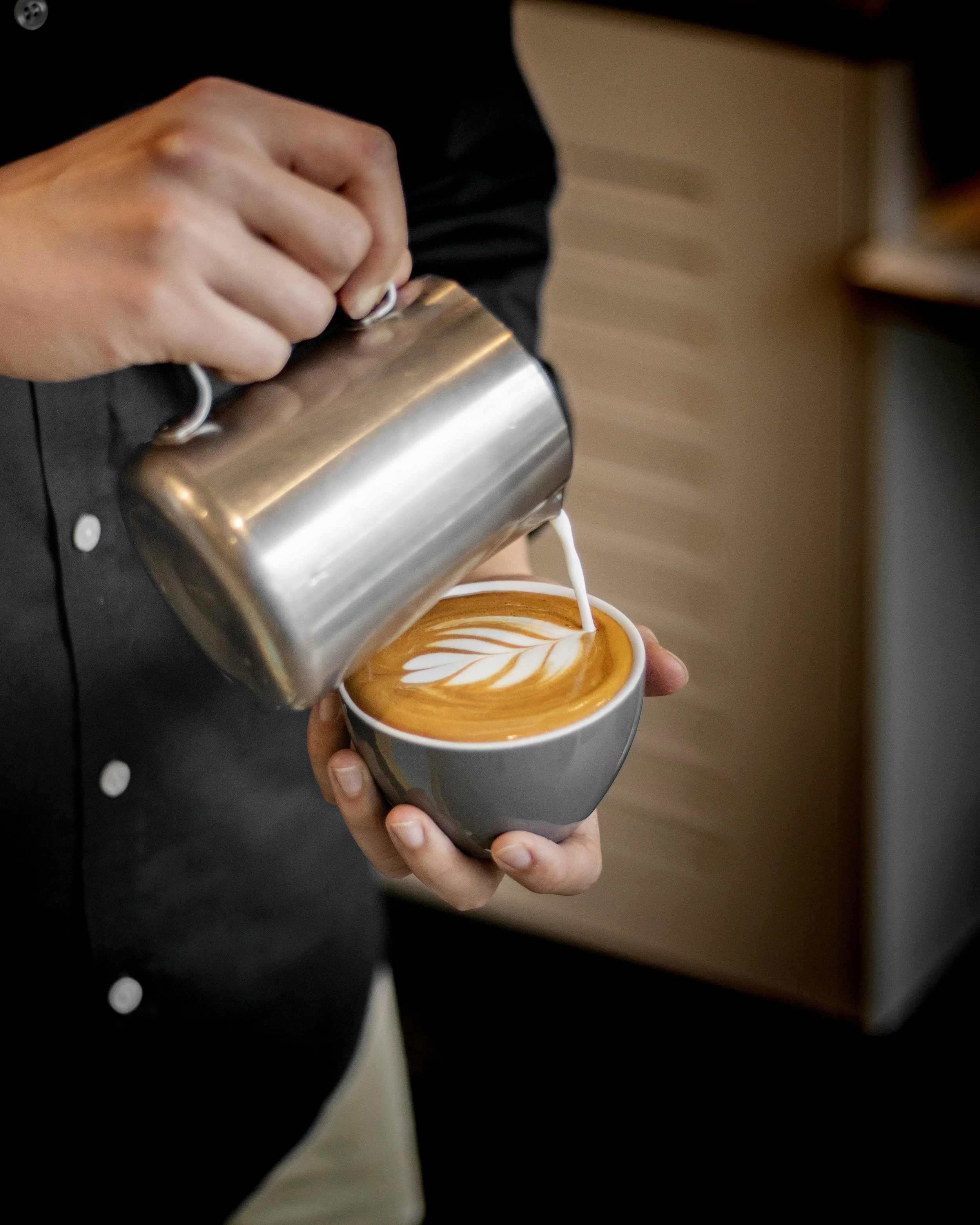
The flat white reigns here — espresso topped with finely textured microfoam milk, served without fuss. It’s less frothy than a cappuccino, less layered than a latte, and taken seriously.
The Everyday Standard
What stands out in Auckland is consistency. Even neighbourhood cafés without national recognition tend to produce well-extracted espresso and properly textured milk.
In Ponsonby, Ozone Coffee Roasters pairs quality roasting with a spacious setting ideal for longer mornings. In the CBD and Commercial Bay area, Daily Bread combines strong coffee with excellent baking. In Mount Eden, smaller independent cafés often operate without branding hype but deliver reliably high standards.
Expect to pay around NZD $5–6 (£2–3 / €3–4 / $3–4) for a flat white.
Coffee as Social Infrastructure
Cafés in Auckland are meeting points — for freelancers, families, post-walk brunches, and informal business conversations. Outdoor seating is common, especially in neighbourhoods like Ponsonby and Parnell, where tree-lined streets encourage slower mornings.
Weekend brunch culture is particularly strong. Dishes often lean produce-forward: smashed avocado with local greens, eggs paired with seasonal vegetables, sourdough baked nearby. Coffee anchors the experience.
How It Compares
Melbourne may dominate global coffee headlines, but Auckland holds its own quietly. The city’s café scene is less self-conscious, less performative — more integrated into daily rhythm than built around reputation.
Here, good coffee is assumed.
And that assumption says a lot about the standards locals expect.
Bars, Wine and Nightlife
Auckland doesn’t party in extremes.
Its nightlife is less about sprawling club districts and more about layered evenings — wine first, then dinner, then perhaps one more drink somewhere low-lit and local. The harbour influences the mood here just as much as it influences the menu.
Drinking in Auckland often begins with wine.
Waiheke and the Local Wine Influence
A short ferry ride from downtown, Waiheke Island has become one of New Zealand’s most respected wine regions. Its Syrah and Bordeaux-style blends regularly appear on Auckland wine lists, alongside Sauvignon Blanc from Marlborough and reds from Hawke’s Bay.
This proximity matters. Restaurants tend to prioritise local producers, and sommeliers speak confidently about regional differences. You’ll see small-batch and natural wines represented alongside more established vineyards.
In Britomart and the CBD, bars lean polished. Caretaker operates as a hidden, low-lit cocktail bar where menus are minimal and drinks are tailored through conversation. It feels intimate rather than theatrical. Nearby, waterfront venues around Viaduct Harbour offer harbour-facing terraces — ideal for a first glass of wine at sunset.
Expect NZD $14–20 (£6–10 / €8–12 / $8–12) for a glass of wine in a mid-range venue, and NZD $22–28 (£10–13 / €13–16 / $13–17) for cocktails in more refined settings.
Neighbourhood Wine Bars
In Ponsonby, evenings feel more local.
Wine bars and small restaurants sit close together, allowing you to move easily between venues. Ponsonby Road Bistro pairs thoughtful New Zealand wine selections with seasonal dishes. Smaller bars focus on natural wine and relaxed service, where staff are more likely to talk about vineyards than mixology trends.
The energy is social without being chaotic.
Late Nights and Livelier Pockets
For those seeking a livelier scene, parts of the CBD and Karangahape Road (often called K’ Road) offer later-night venues and music-focused bars. The atmosphere is looser and younger, but still far from overwhelming compared to larger global cities.
Auckland’s nightlife rarely feels aggressive or overcrowded. Even on weekends, the city leans towards conversation over spectacle.
Why It Matters
Drinking culture in Auckland reflects the wider food scene: ingredient-led, regionally proud, and confident without excess.
You’re as likely to spend an evening discussing a vineyard’s soil type as you are dancing past midnight. And often, that balance is exactly what makes it appealing.
Sweet Treats and Bakeries
Auckland’s dessert culture isn’t extravagant, but it is quietly excellent.
Much like its broader food scene, sweetness here is often balanced rather than excessive. You’ll find European influence, Pacific ingredients, and a strong artisan baking culture woven into neighbourhood life.
Pavlova and Kiwi Classics
Pavlova may be claimed by both New Zealand and Australia, but in Auckland it feels entirely at home. The crisp shell and marshmallow-soft centre are usually topped with whipped cream and fresh fruit — often kiwifruit, berries, or passionfruit depending on the season.
It appears in cafés, bakeries, and summer gatherings, particularly around Christmas.
Lamingtons — sponge cake coated in chocolate and rolled in coconut — also remain a staple in many bakeries. They’re less showy, more nostalgic. Order one with a flat white and you’re participating in something distinctly Antipodean.
Artisan Bakeries
Bread culture in Auckland is strong.
Daily Bread has become a reliable name for sourdough, pastries, and quality coffee across several neighbourhoods. Their loaves lean European in technique but are rooted in local flour and seasonal ingredients.
In Ponsonby and Grey Lynn, smaller independent bakeries produce laminated pastries that rival European standards. Expect croissants with proper layers, fruit tarts built around seasonal produce, and filled brioche that sells out by late morning.
Prices reflect quality — around NZD $6–9 (£3–4 / €3–5 / $4–5) for pastries, slightly more for filled or specialty items.
Pacific and Asian Dessert Influence
Beyond classic European baking, Auckland’s diversity shows up in dessert too. You’ll find coconut-based sweets in Pacific bakeries, bubble tea cafés in Balmoral, and Japanese-style cheesecakes or mochi desserts in Asian-led neighbourhoods.
These aren’t novelty additions — they’re part of the city’s everyday fabric.
Why It Matters
Auckland’s sweet scene reinforces what you’ve likely already noticed: the city absorbs influence without losing clarity.
You can have pavlova in the afternoon, matcha cheesecake in the evening, and sourdough the next morning — all within a few streets.
And it never feels forced.
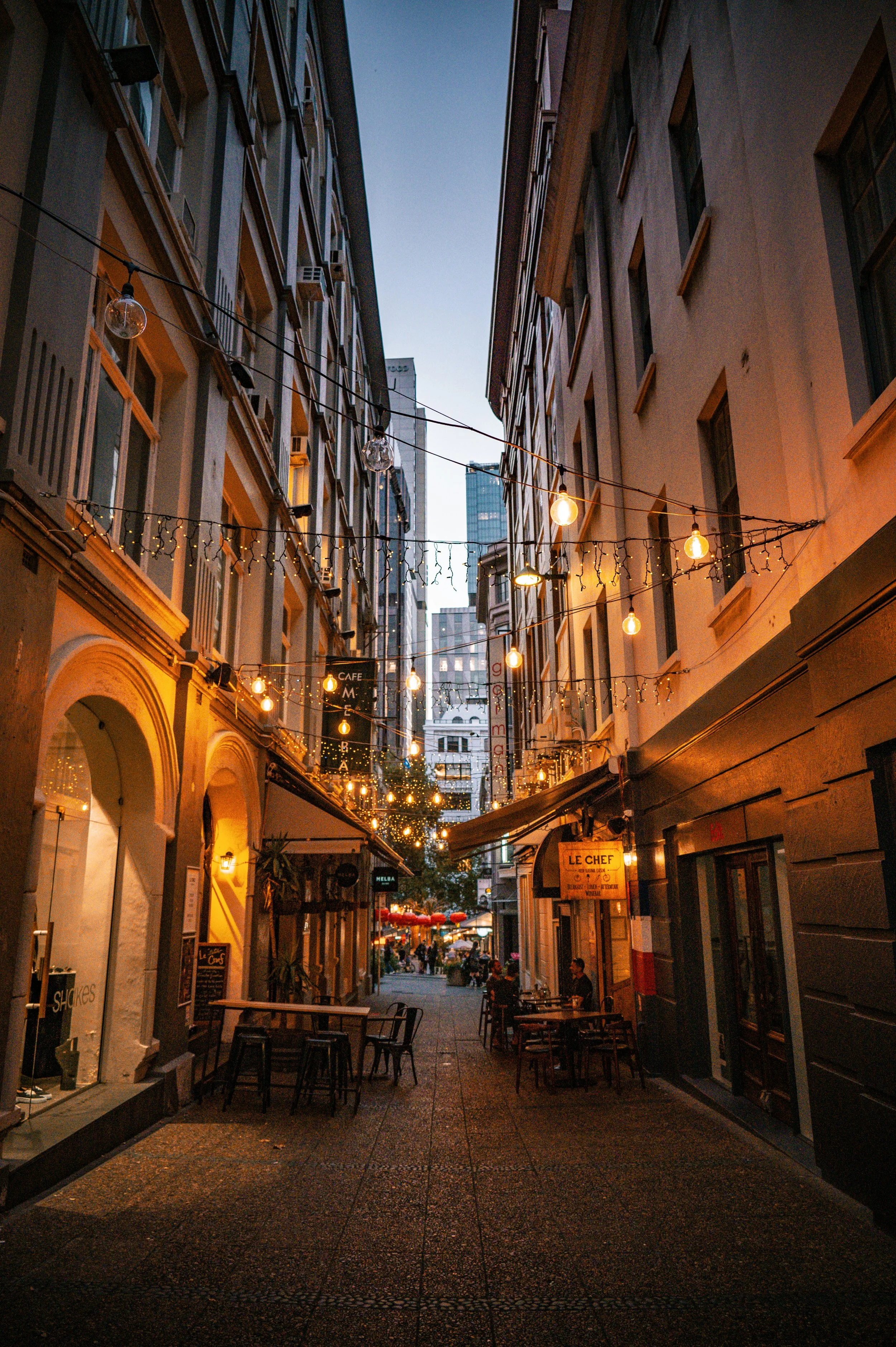
Practical Tips for Eating in Auckland
Auckland’s dining scene is relaxed in tone but structured in expectation. Understanding a few local norms will make your experience smoother — particularly if you’re visiting from Europe or North America.
Reservations Matter
Auckland is not enormous, and popular restaurants fill quickly — especially on Fridays and Saturdays. In neighbourhoods like Ponsonby and Britomart, booking ahead is strongly recommended for dinner.
Midweek is more flexible, and lunch is generally easier to secure without a reservation. Markets and food halls operate on a first-come basis.
If visiting during summer (December to February) or over public holidays, demand increases significantly.
What to Expect to Pay
New Zealand produce is high quality and often locally sourced, but that quality comes with cost. Auckland is not a budget dining city compared to parts of Southeast Asia or Southern Europe.
As a general guide:
Flat white: NZD $5–6 (£2–3 / €3–4 / $3–4)
Casual lunch or noodle dish: NZD $18–30 (£8–14 / €10–17 / $11–18)
Mid-range dinner main: NZD $30–45 (£14–22 / €16–26 / $18–27)
Higher-end main: NZD $45–65 (£21–31 / €26–38 / $27–39)
Glass of wine: NZD $14–20 (£6–10 / €8–12 / $8–12)
Cocktail: NZD $22–28 (£10–13 / €13–16 / $13–17)
Tasting menus at refined restaurants typically range from NZD $110–180 (£52–85 / €64–105 / $66–108) per person, excluding wine.
Tipping Culture
Tipping in New Zealand is not mandatory.
Service staff are paid a standard wage, and tipping is not built into the culture in the same way it is in the United States. That said, rounding up or leaving 5–10% for exceptional service is appreciated in higher-end venues.
You will never be pressured to tip.
Dietary Requirements
Auckland handles dietary requirements well. Vegetarian and vegan options are common, and gluten-free awareness is strong. Many menus are clearly labelled, and staff are generally comfortable discussing allergens.
The city’s diverse food culture also means plant-forward and seafood-heavy menus are easy to find.
Planning Your Evenings
Auckland’s evenings unfold gradually.
Dinner service often begins around 5:30–6:00pm, with peak bookings between 7:00–8:00pm. Bars tend to be conversational rather than high-volume party spaces, and many venues close earlier than in major European capitals.
If you’re planning a multi-stop evening — drinks, dinner, then a wine bar — aim to stay within one neighbourhood to avoid unnecessary transport between stops.
“Auckland’s food scene doesn’t rely on spectacle.
It rests on geography — harbour, pasture, vineyard — and on migration. Māori foundations, Pacific communities, and Asian influences shape how the city eats just as much as proximity to the ocean does.
It’s not loud about its culinary credentials. It doesn’t chase trends aggressively. Instead, it builds confidence through quality produce, regional wine, and neighbourhood dining that feels grounded rather than performative.
Eat seafood by the water. Book dinner in Ponsonby. Spend an evening on Dominion Road. Order the flat white.
Auckland rewards curiosity — and patience.”