Best European Cities for Food Lovers
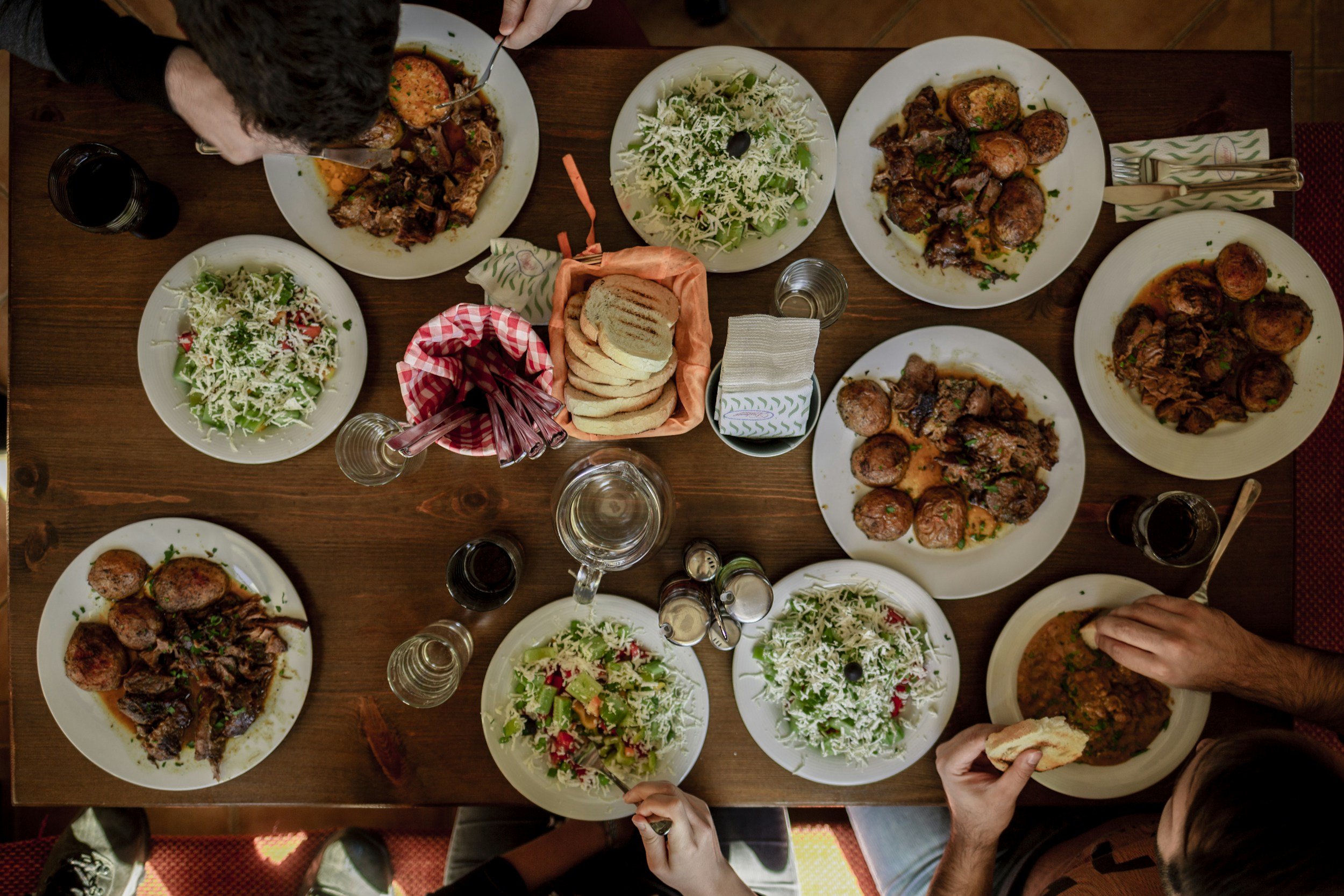
Food is one of the best reasons to choose a city in the first place, but not every great food city gives you the same kind of trip. Some are strongest for long lunches, classic restaurants, and old-school dining culture. Some are better for markets, wine bars, and casual eating that starts early and rolls well into the evening. Others feel more modern, more design-led, or better suited to a weekend built around a handful of very good meals rather than one difficult reservation.
That is what makes the best European cities for food lovers worth separating properly. Madrid is especially strong for range and energy, Paris still feels like the classic food capital, and cities like Porto, Lisbon, and Naples work especially well when food is a major part of the trip but not the only reason for going.
What makes a city worth travelling for food?
A great food city needs more than one famous dish.
The strongest ones give you a clear sense that food is part of the place itself. You feel it in the markets, the cafés, the bars, the bakeries, the pace of lunch, and the way the city works between meals. It is not just about where to book dinner. It is about whether the city can carry a whole trip through what and how it lets you eat.
That usually comes down to a few things:
a strong local food identity
enough range to carry a full weekend or longer stay
places that work across different budgets and moods
food that feels tied to the city rather than staged for visitors
a city that is enjoyable to move through between meals
The best food trips are rarely built around one restaurant alone. They are built around the whole day.
1. Madrid, Spain
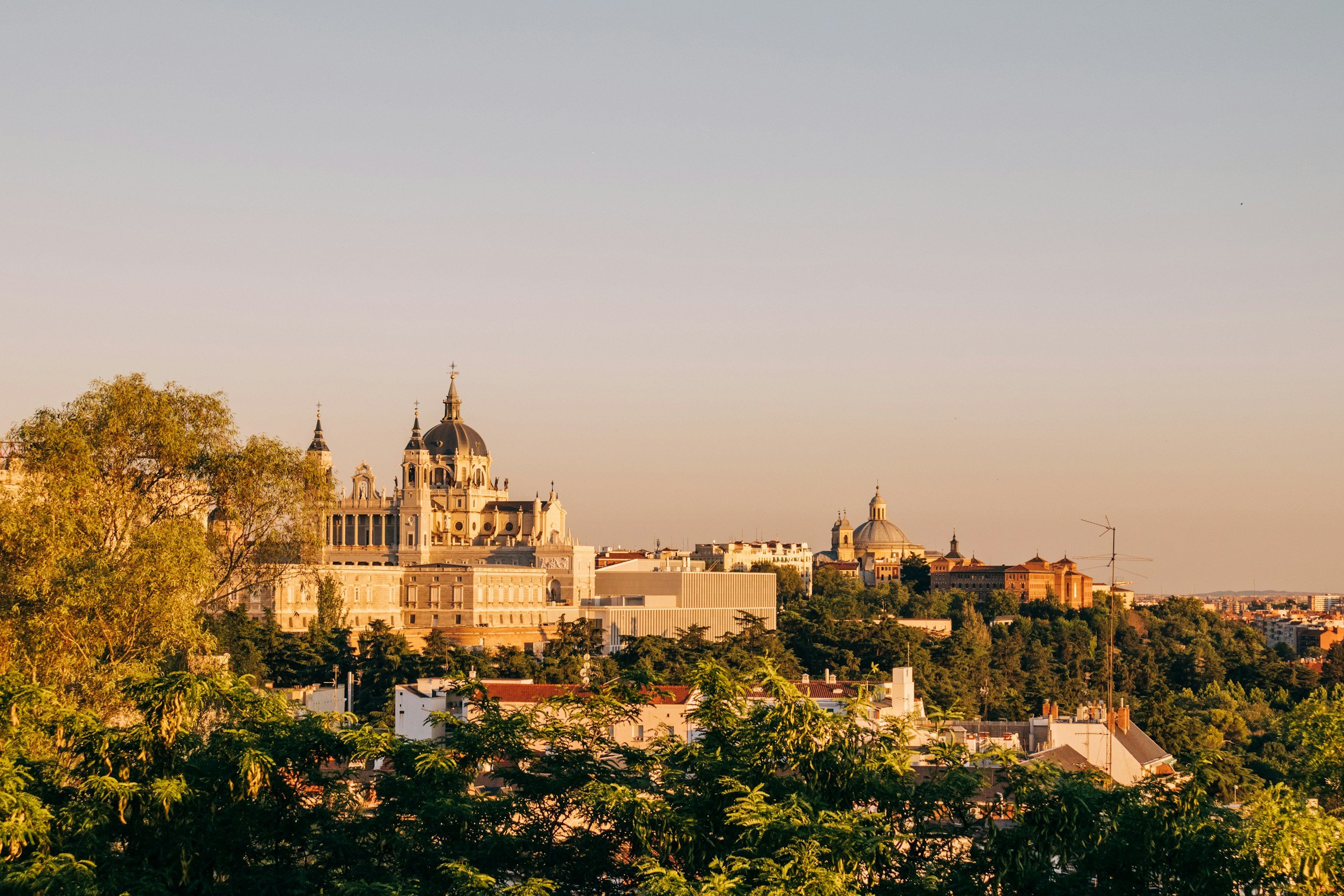
If there is one city that feels especially strong right now, it is Madrid.
It has the range that makes a food-led trip easy to build. You can do markets, tapas, wine bars, long lunches, newer restaurants, and late dinners without the city ever feeling repetitive. It also manages something a lot of food cities do not: it feels just as good for casual eating as it does for more ambitious meals.
That balance is what makes Madrid such a strong all-rounder. The city has energy, but it also has depth. You can spend a full weekend eating very well here without turning the trip into a sequence of bookings and logistics.
If you want one European food city that does almost everything well, Madrid is a very hard one to beat.
2. Paris, France
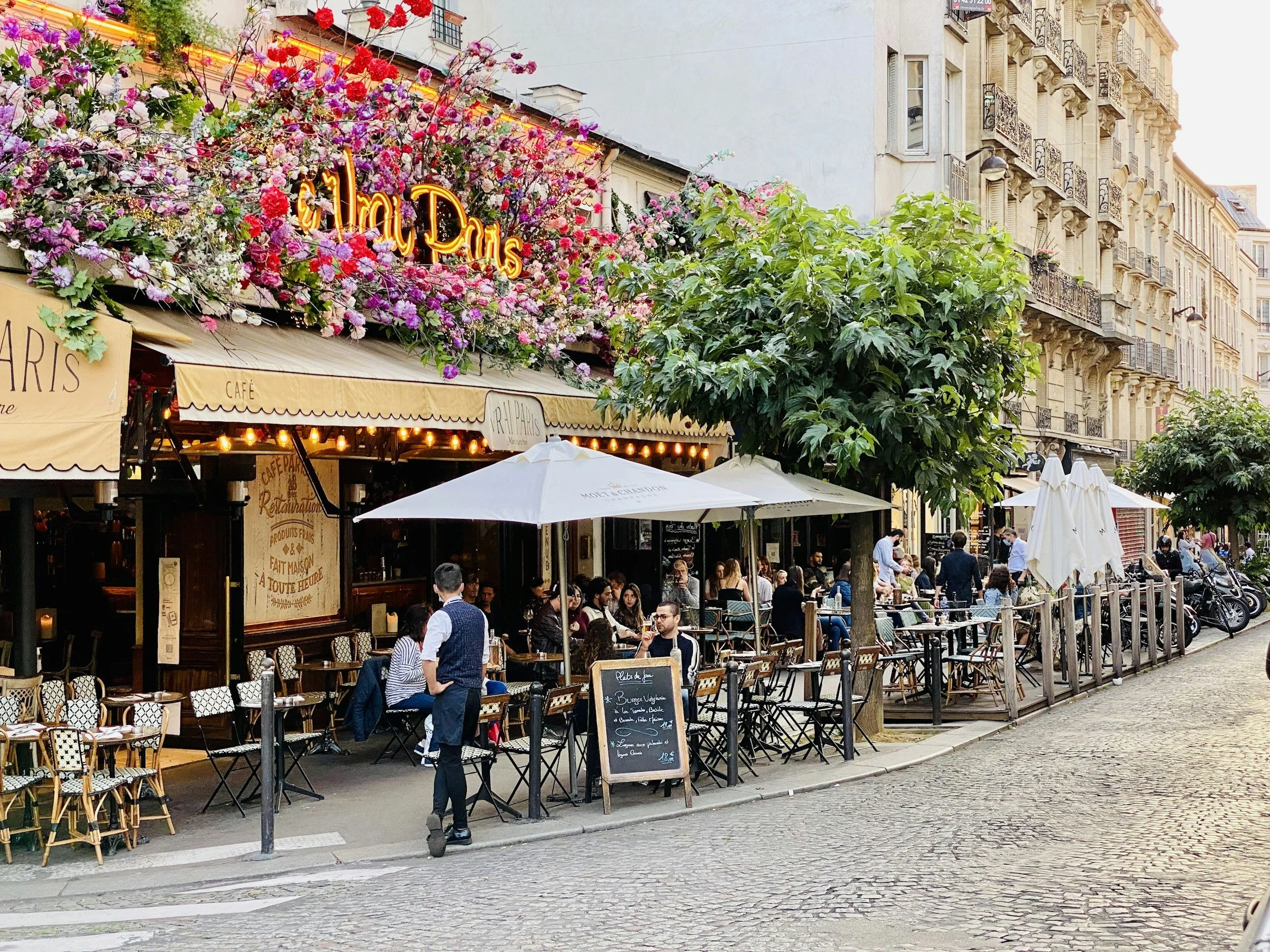
Paris still earns its place near the top of any list like this.
Few cities can match it for depth across bakeries, bistros, wine bars, neighbourhood restaurants, and more serious dining. It works just as well when the plan is coffee and a pastry, a long lunch, and a late glass of wine as it does when the trip revolves around one major dinner.
What keeps Paris so strong is not just reputation. It is consistency. The city gives you layers. You can do the obvious version of Paris very well, but it also rewards repeat visits in a way that many food cities do not.
If Madrid is the strongest all-round pick right now, Paris is still the classic food capital: deeper, more traditional, and harder to exhaust.
3. Rome, Italy
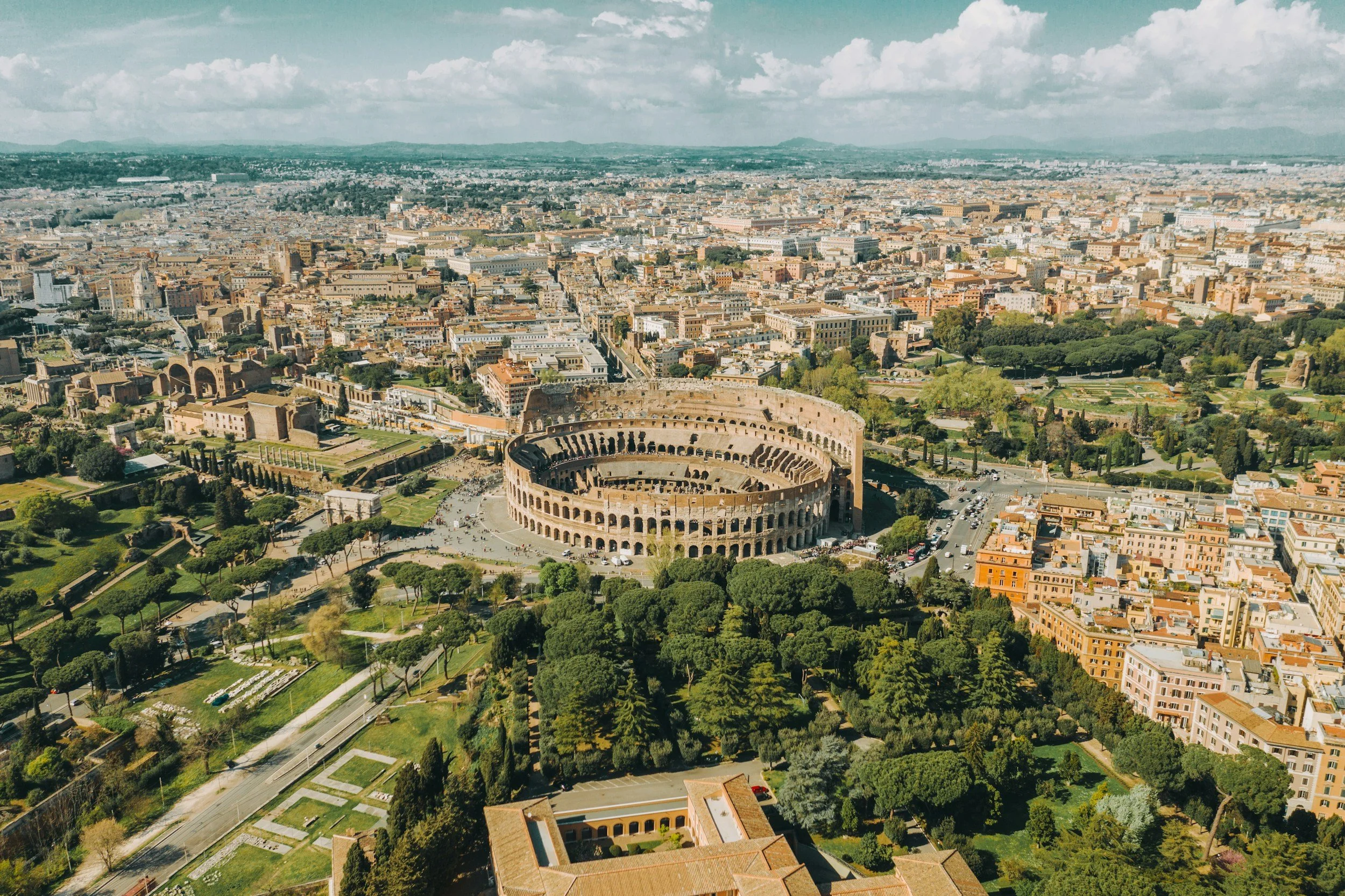
Rome is one of the easiest cities in Europe to build around food.
It is strong on dishes people already want before they arrive, but the real appeal is broader than that. Neighbourhood trattorias, aperitivo, bakeries, markets, and everyday restaurant culture all make the city feel naturally good to eat through. You do not need to over-plan Rome for it to work.
That is one of its biggest strengths. The trip feels instinctive. A long lunch turns into an afternoon wander. A simple dinner turns into one of the best meals of the trip. Food in Rome feels embedded in the city rather than arranged around it.
If you want a city where eating well feels almost automatic, Rome is one of the strongest options in Europe.
4. Porto, Portugal
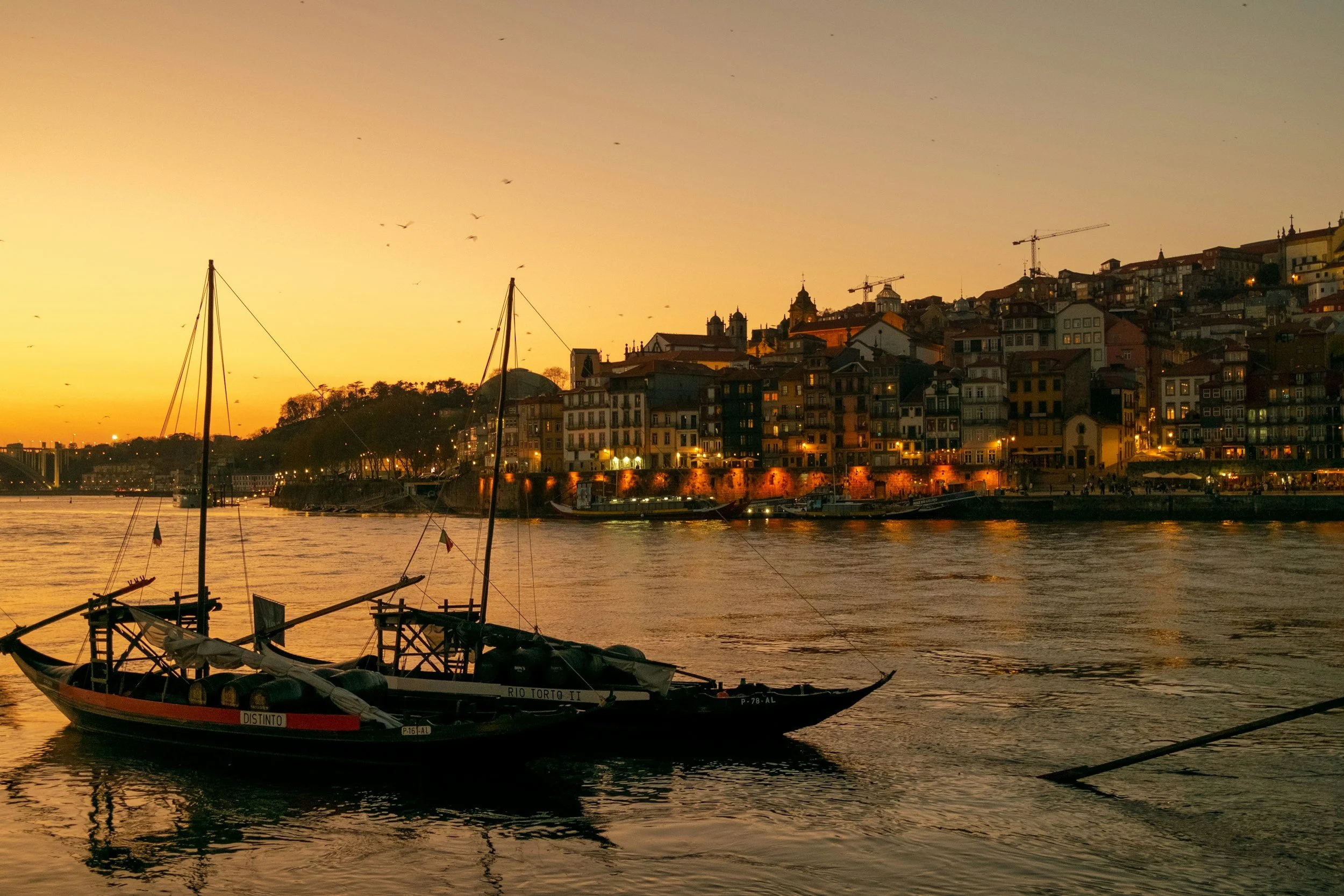
Porto is one of the best food cities in Europe if you want a trip that feels relaxed, generous, and easy to enjoy over a few days.
What makes it work is the balance. You have classic northern Portuguese cooking, seafood, port wine, newer wine bars, and a café scene that is stronger than many people expect. It is also compact enough to work beautifully as a weekend, which gives it a clear edge as a shorter food break.
Porto does not need to compete with Paris on old-world restaurant culture or with San Sebastián on concentration of high-end dining. It is better thought of as a rounded food city break: strong meals, good wine, real local identity, and a trip that never feels too hard to carry.
If you want a food-focused weekend without too much formality, Porto is one of the best choices on this list.
5. Bologna, Italy
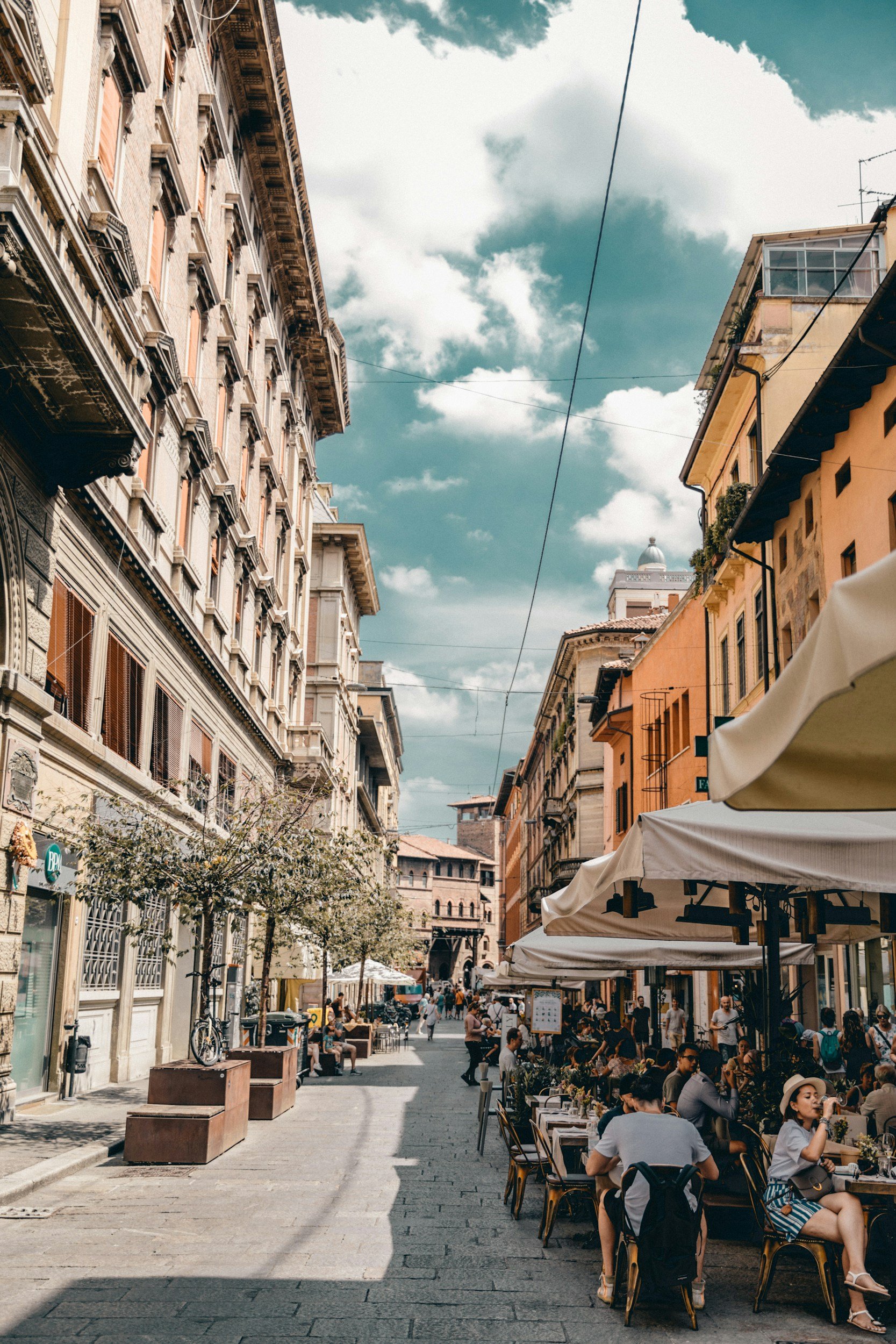
If the trip is really about food, Bologna is one of the clearest choices in Europe.
This is the city for travellers who care less about headline sights and more about regional dishes, markets, pasta, and a food culture that feels deeply tied to the place itself. The appeal is straightforward: go there to eat, and build the trip around that.
That gives Bologna a different role from Rome or Naples. Rome is broader. Naples is more intense. Bologna is the more purely food-first option, and that is exactly why it belongs here.
It is one of the best cities in Europe for travellers who want food to be the main event rather than one part of a wider city break.
6. San Sebastián, Spain
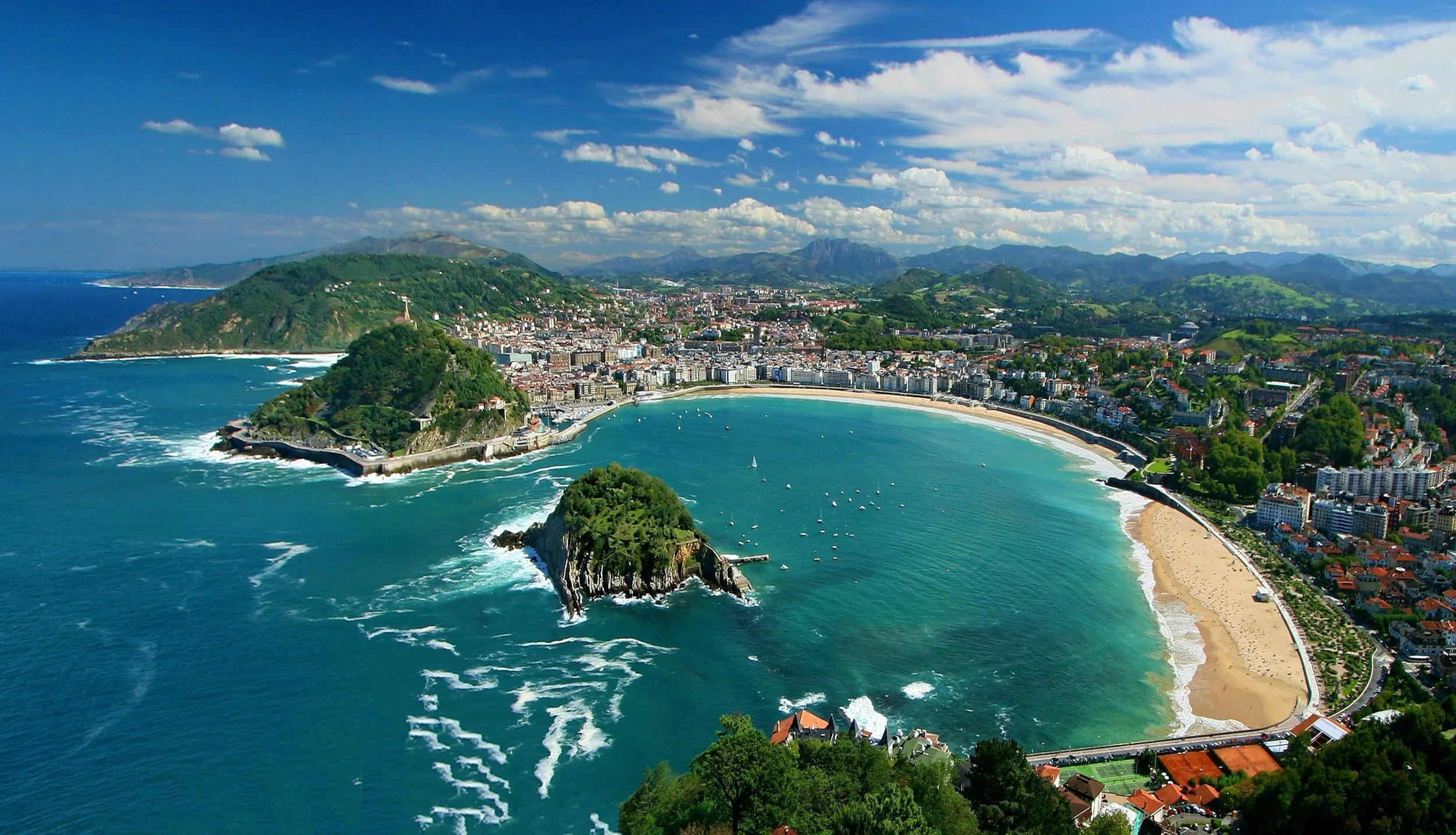
San Sebastián is one of the most obvious inclusions here, but it earns that status.
Few cities in Europe are so tightly associated with food at both ends of the scale. You can build a whole trip around pintxos, but the city is also one of the continent’s strongest destinations for more serious dining. That gives it a level of concentration that very few places can match.
What makes San Sebastián different from Madrid is that it feels more specialised. The trip is narrower, but in a good way. You come here because food is the point.
That makes it especially good for serious food travellers, more occasion-led breaks, and trips where eating well is the main priority rather than a bonus.
7. Lisbon, Portugal
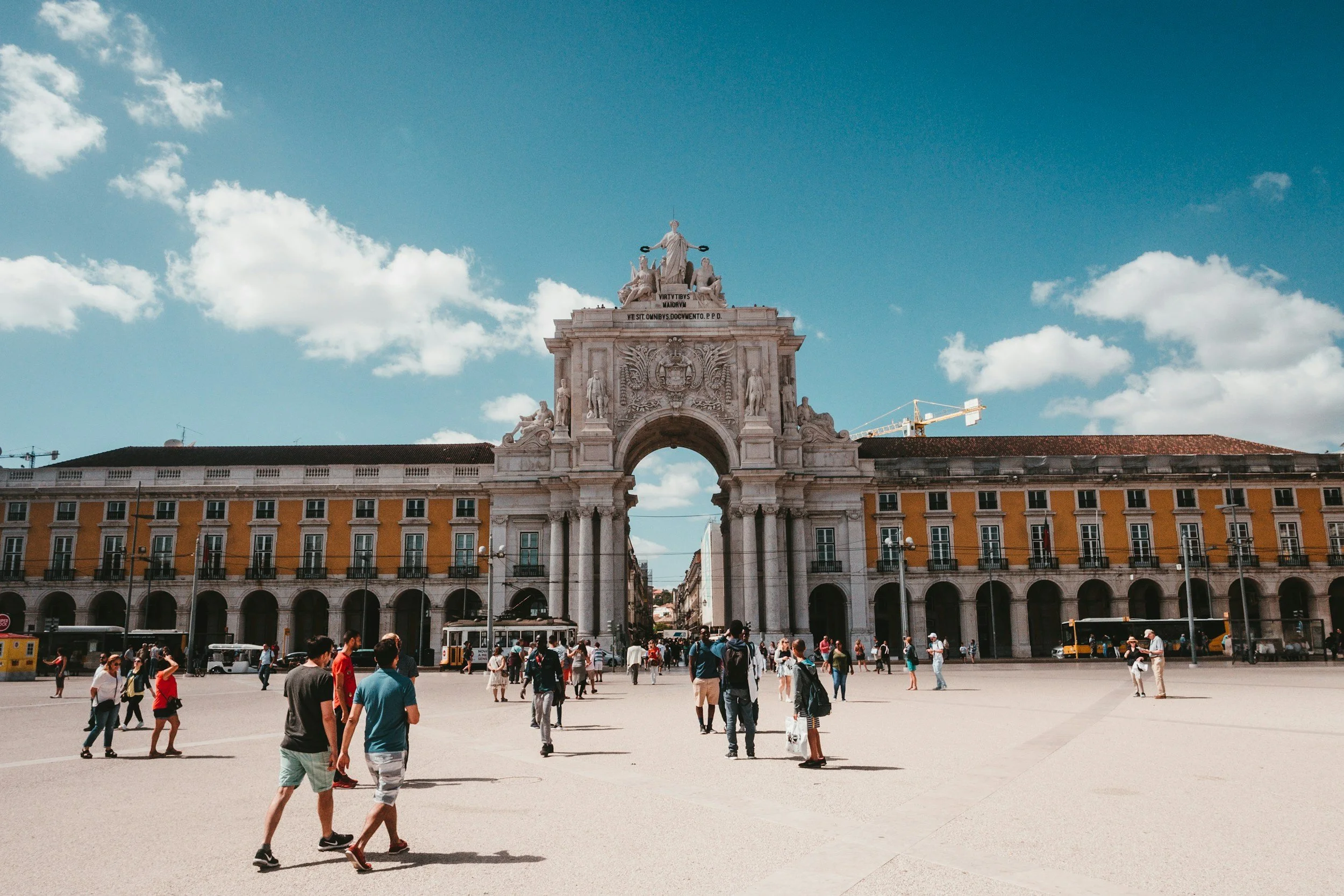
Lisbon is one of the easiest food cities in Europe to enjoy over a weekend.
It has range, but it also has rhythm. You can do pastries and coffee in the morning, a long seafood lunch, wine or small plates in the evening, and still leave room for markets, viewpoints, and neighbourhood wandering in between. That flow is a big part of what makes the city work so well.
What makes Lisbon especially appealing is that it feels lighter on its feet than some of the more formal food capitals. The trip can feel polished without becoming stiff, and current without trying too hard.
If you want a food city that feels sociable, stylish, and easy to move through, Lisbon is a very strong pick.
8. Naples, Italy
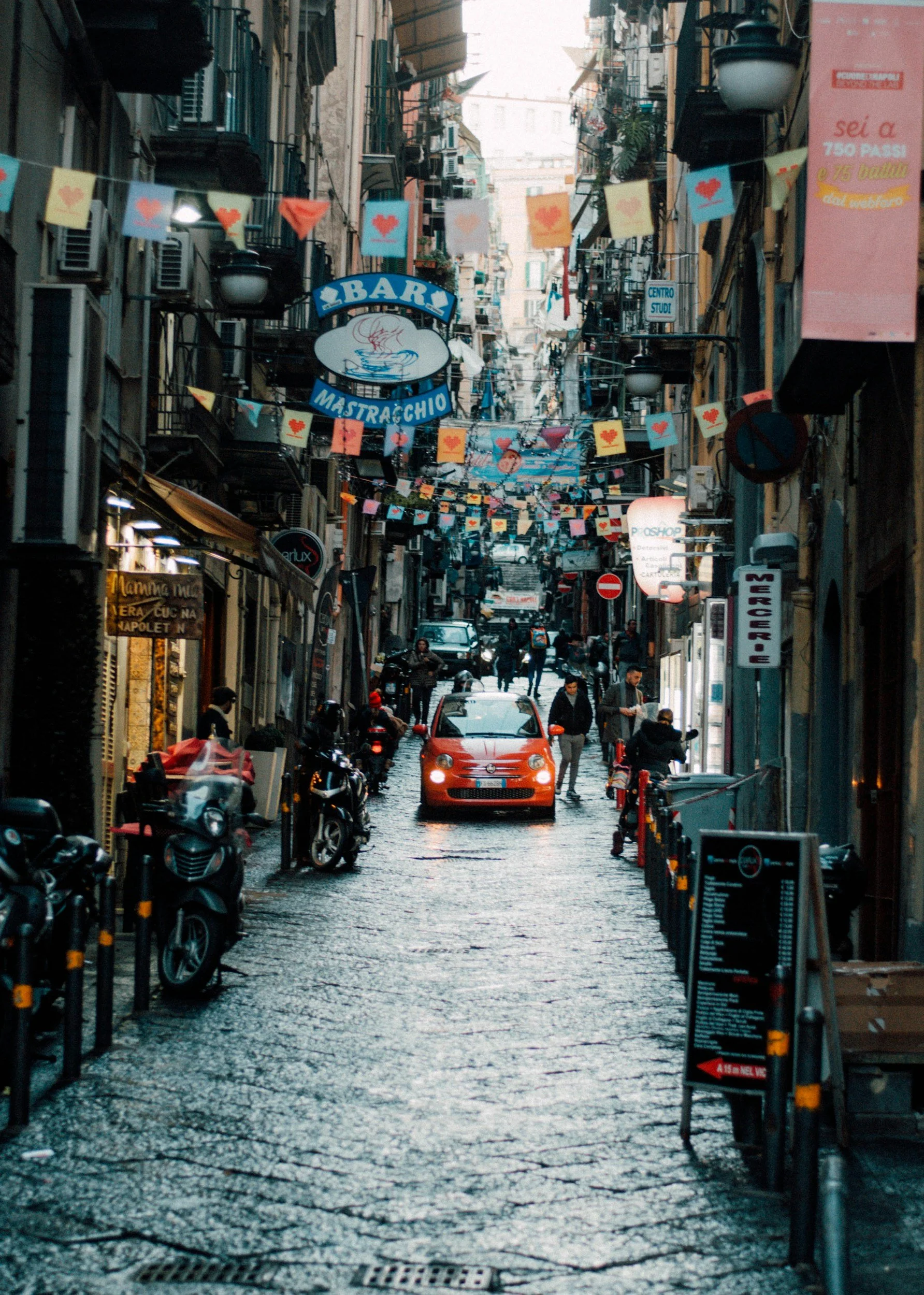
Naples is one of the best food cities in Europe if what you want is intensity, identity, and very little polish for the sake of it.
This is a city where food feels embedded in daily life. Pizza is the obvious draw, but that is only part of the appeal. The wider food culture feels immediate, local, and full of character, which makes the city especially rewarding if you prefer strong flavour and atmosphere over refinement.
Naples is not the neatest city on this list, and that is part of the point. It is better for travellers who want food with edge and energy rather than a more curated version of a food trip.
If the best meals of the trip do not need white tablecloths to feel memorable, Naples belongs high on the shortlist.
9. Copenhagen, Denmark
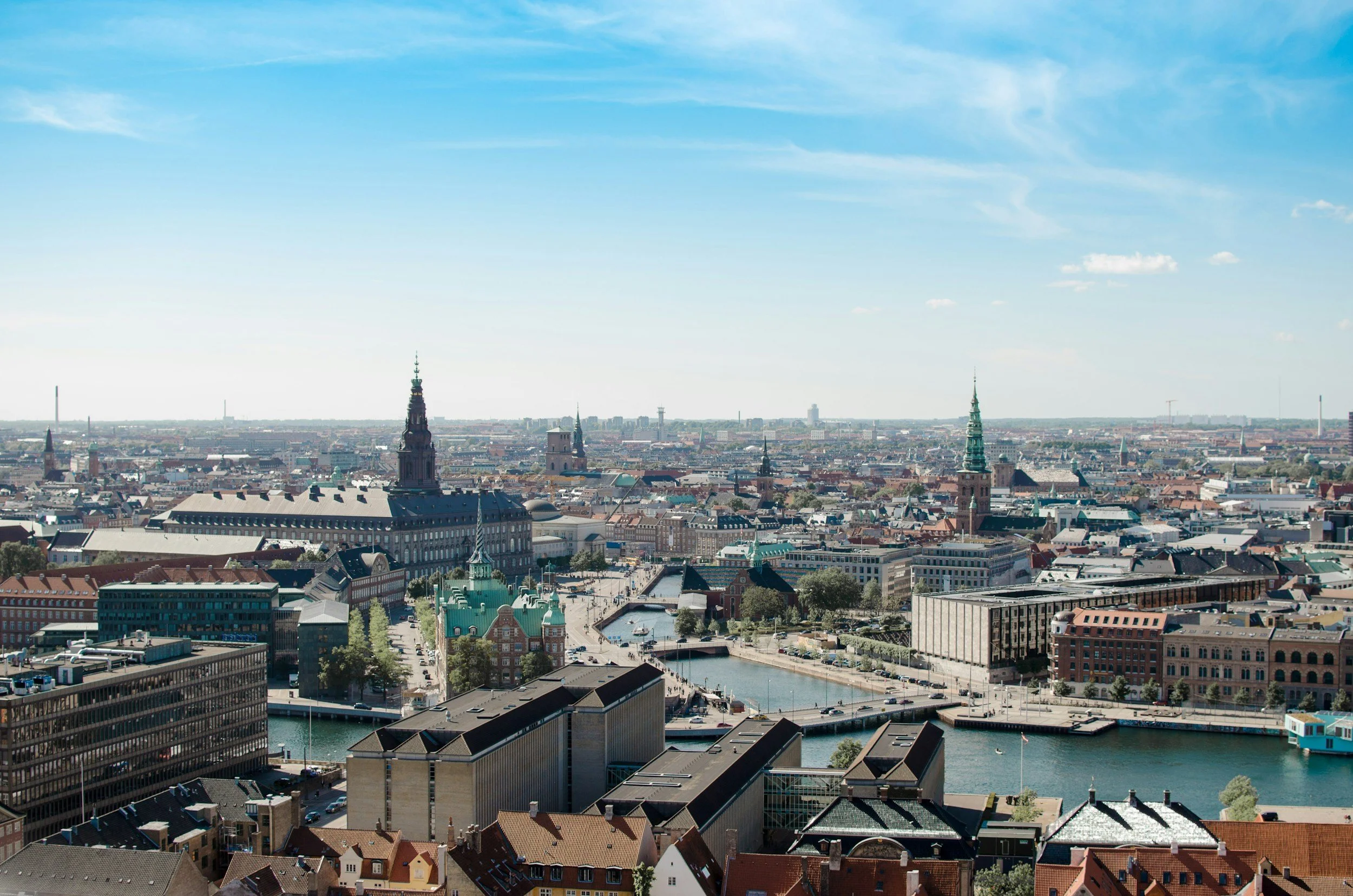
If you want a food city that feels more modern, design-led, and ingredient-focused, Copenhagen is one of the strongest choices in Europe.
The city has spent years building a reputation that goes well beyond one or two famous restaurants. What makes it interesting now is the wider effect of that food culture. The bakeries are strong, the cafés are sharp, the wine bars are good, and the casual dining scene carries the same considered feel as the more ambitious end of the market.
Copenhagen is especially good if you want the food to feel contemporary and carefully put together, while still leaving room for the city itself to be part of the trip.
It is the clearest modern counterpoint to the more traditional food capitals on this list.
10. Athens, Greece
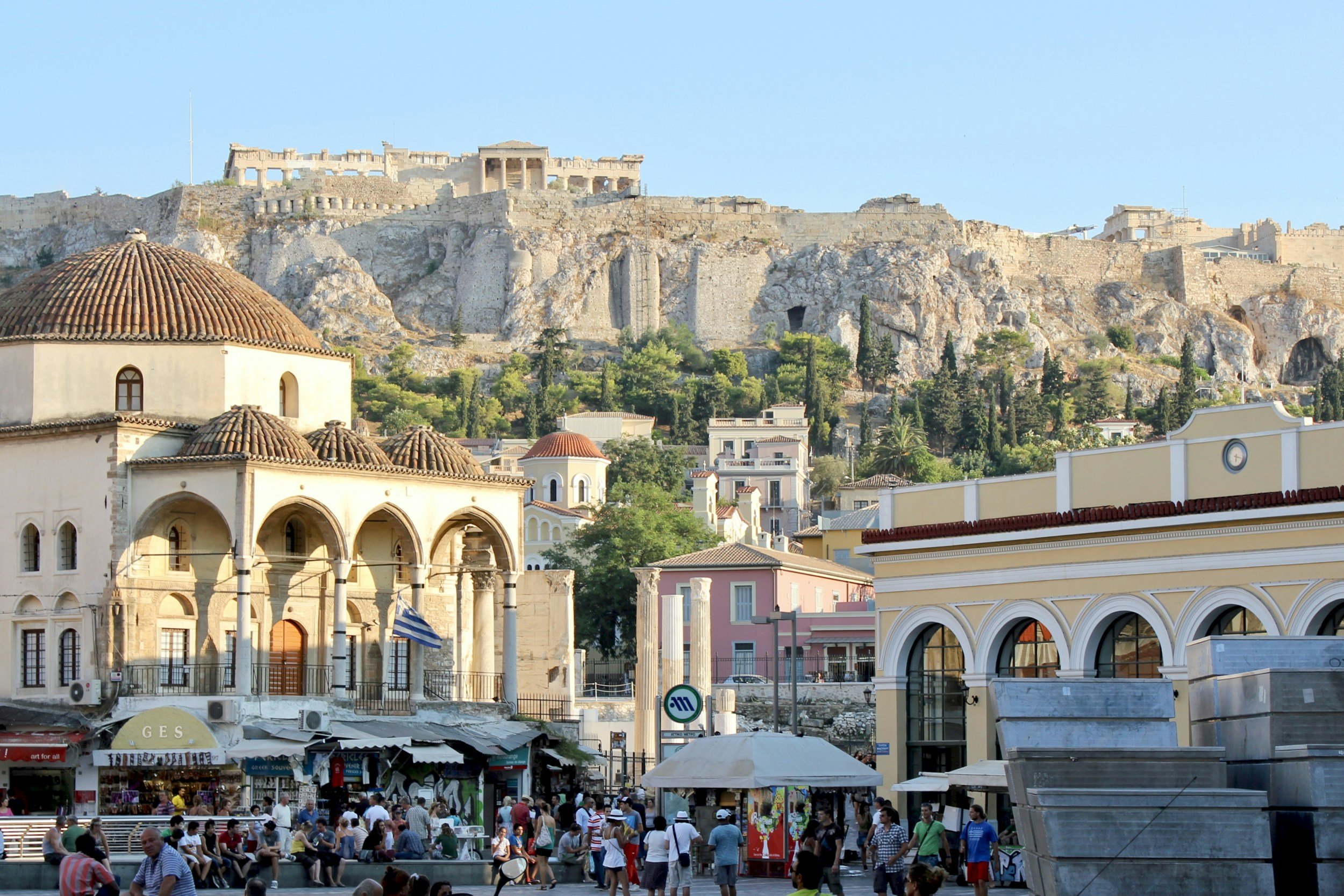
Athens is one of the more underrated food cities on this list.
It does not always get mentioned in the same breath as Paris or San Sebastián, but it gives you something very strong: a city where food still feels social, generous, and closely tied to daily life. Taverns, markets, grilled dishes, wine, and long outdoor meals all help Athens feel less like a restaurant city and more like a city where eating well is simply part of being there.
That is what makes it such a rewarding choice. The trip feels relaxed, open-air, and naturally food-led without needing much structure.
If you want a city where good meals feel woven into the whole atmosphere, Athens is one of Europe’s best-value picks.
Which city is best for your trip?
The best city depends on what kind of food trip you actually want.
Best all-round food city: Madrid
If you want the broadest, easiest, most energetic option, Madrid is the best pick. It has the range to carry a full trip without becoming repetitive.
Best classic food capital: Paris
If the appeal is bakeries, bistros, wine bars, and a city with serious dining depth, Paris still leads.
Best for a weekend food break: Porto
If you want somewhere compact, relaxed, and easy to enjoy over a few days, Porto is one of the strongest choices.
Best for serious food travellers: San Sebastián
If the whole point of the trip is eating as well as possible, San Sebastián is the standout.
Best for regional Italian food: Bologna
If the trip is about dishes, markets, and regional food culture first, Bologna is the clearest Italian pick.
Best for a more modern food trip: Copenhagen
If you want something more contemporary and design-led, Copenhagen is the strongest option.
Best for atmosphere and casual eating: Athens or Naples
If you want food to feel social, generous, and embedded in the city rather than heavily curated, Athens and Naples are both excellent choices. Naples is more intense. Athens is more relaxed.
“If you want the strongest all-round pick, Madrid is the city I would lead with. It has the range, energy, and ease that make a food-focused trip feel exciting from morning through to late evening.
If the appeal is a more classic food capital, Paris still earns its place. Few cities match it for depth across bakeries, bistros, wine bars, and more serious dining.
For a shorter, more relaxed food-led break, Porto is one of the best cities on this list. It works especially well when you want a weekend that feels strong on food and wine without becoming too formal, too expensive, or too hard to plan.
If the whole point of the trip is eating as well as possible, San Sebastián is still the standout. It is more specialised than Madrid or Paris, but that is exactly why it is so compelling.
For a more modern food trip, Copenhagen is the clearest choice. And if you want somewhere a little less obvious but still highly rewarding, Athens is one of the strongest choices here.”
FAQs
What is the best European city for food lovers?
If you want one all-round answer, Madrid is the strongest pick. It has the range, energy, and flexibility that make a food-focused trip easy to build.
Which European city is best for a food-focused weekend break?
Porto is one of the best options for a shorter food trip because it is compact, easy to enjoy over a weekend, and strong across traditional food, wine, and cafés.
Is Paris or Rome better for food?
They work differently. Paris is stronger for depth, bakeries, wine bars, and more formal restaurant culture. Rome is better if you want food to feel instinctive, local, and woven into the day.
Which European city is best for fine dining?
San Sebastián is one of the strongest choices if serious dining is the priority.
What is the most underrated food city in Europe?
Athens is one of the strongest underrated picks. It feels relaxed, generous, and deeply tied to everyday food culture.
Which European food city is best for casual eating?
Naples is one of the best choices if you want food that feels energetic, local, and everyday rather than polished or highly structured.
What is the best modern food city in Europe?
Copenhagen is the clearest modern pick.