Porto is an easy city to enjoy on a first trip, but it works best when you prioritise well. The city is compact, walkable, and visually distinctive, with riverfront views, steep historic streets, tiled buildings, rooftop viewpoints, and port wine lodges across the water in Vila Nova de Gaia.
That does not mean you need to do everything. In fact, Porto usually feels better when you do slightly less. The strongest first trip is not an overfilled list of churches, museums, and photo stops. It is a well-paced mix of the historic centre, a few standout viewpoints, one or two interiors that are actually worth your time, and at least one experience that feels specific to Porto.
In this guide, we break down the best things to do in Porto for a first trip, including what to prioritise, what is more optional, and how to shape a trip that feels well balanced rather than rushed.
Start with the parts of Porto that shape the city best
If it is your first time in Porto, start with the part of the city that gives you the clearest sense of place straight away. That usually means the historic centre, the riverfront, and the route between Porto and Vila Nova de Gaia. This is where the city feels most recognisable, and where several of its best first-trip experiences sit close together.
Walk through Ribeira
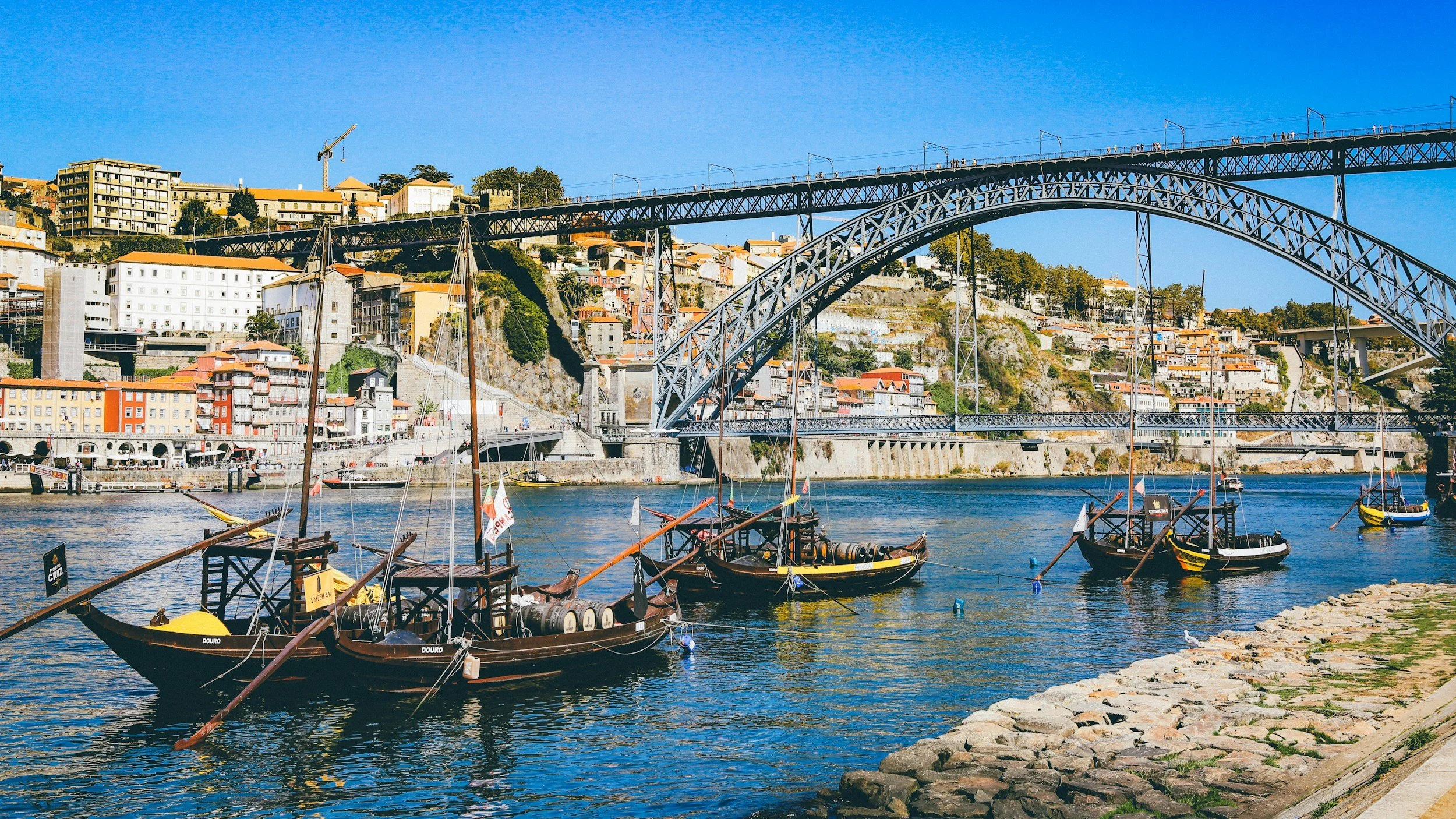
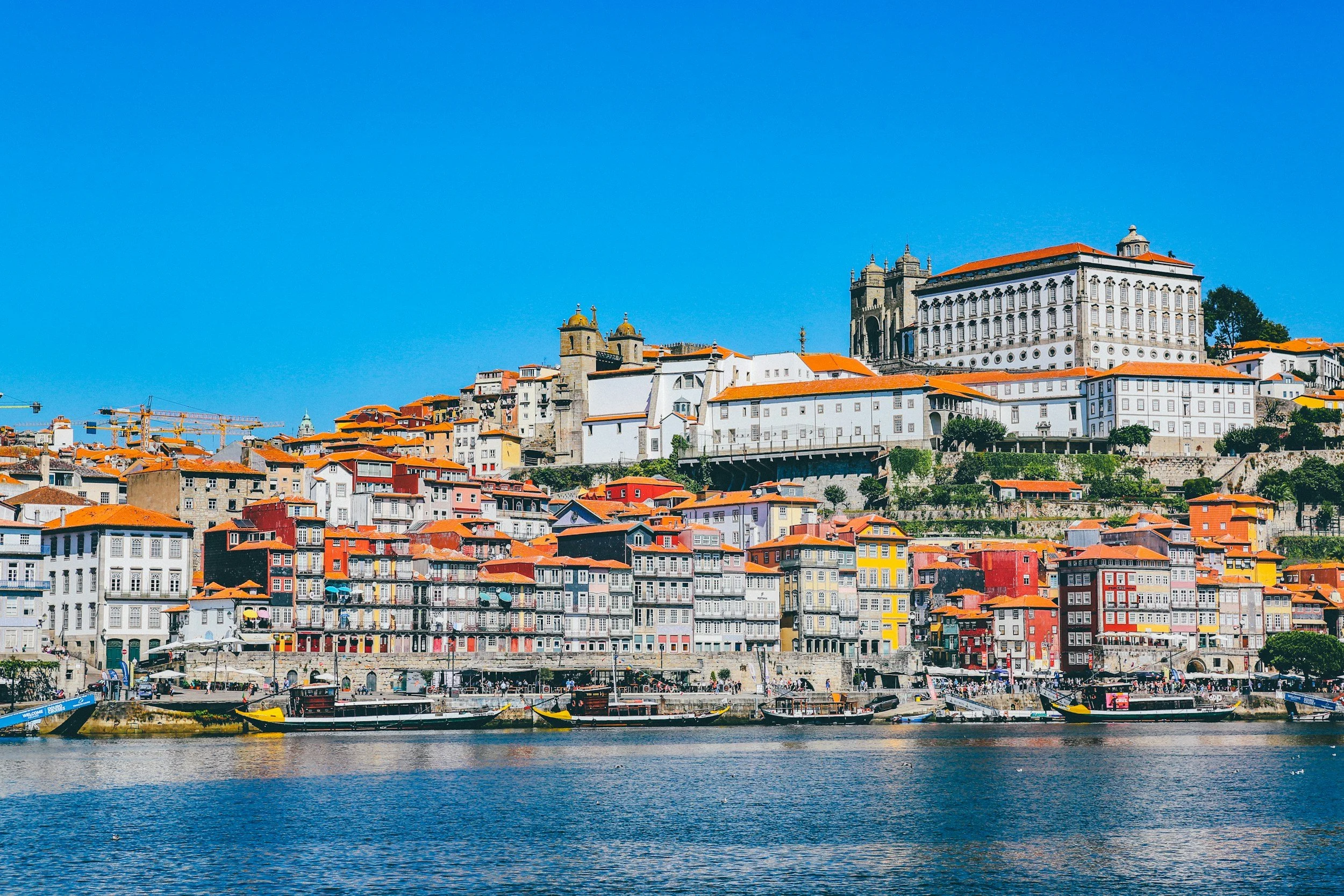
If you are deciding where to begin, Ribeira is the obvious place to start. This is Porto’s best-known riverside quarter, and it still earns its place on a first itinerary because it gives you the city’s setting immediately: tightly packed historic buildings, the Douro, restaurant terraces, old facades, and constant views back towards the bridge and Gaia.
What makes Ribeira worth prioritising is not that it is packed with major sights. It is that it helps Porto make sense quickly. From here, the city feels layered rather than sprawling, and you can move easily into other first-trip stops without much planning. It is especially good if you want to ease into Porto on foot rather than begin with ticketed attractions.
It is also one of the best places to let the city slow down a little. A riverside walk here, especially earlier in the day or later in the evening, tends to do more for a first impression of Porto than rushing between formal sights.
Cross the Dom Luís I Bridge
From Ribeira, one of the best next moves is to cross the Dom Luís I Bridge. It is one of Porto’s defining landmarks, but more importantly, it is useful. The bridge links two of the most important parts of a first trip: the historic Porto side and the wine lodges of Vila Nova de Gaia.
For most first-time visitors, the upper level is the better choice at least once. The views are what make it memorable, and it also connects neatly with Jardim do Morro, which is one of the easiest viewpoints to add to the same part of the day. If you are only in Porto for a short break, this is one of the clearest examples of a sight that is both iconic and genuinely worth doing.
Stop properly at São Bento Station
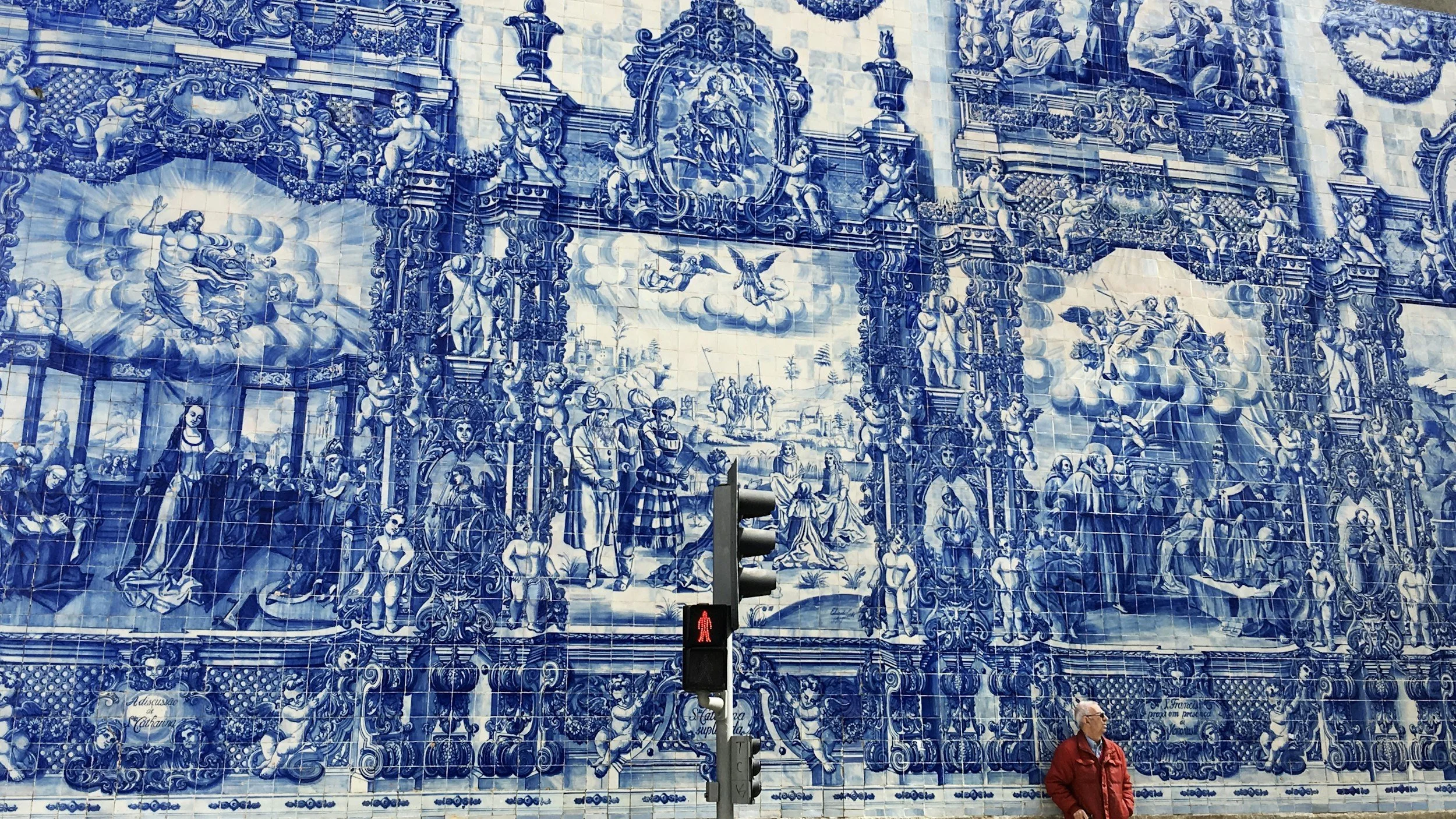
Not every first-trip stop needs a long visit. São Bento Station works well because it is easy to slot into the day, central enough to pass naturally, and distinctive enough to deserve more than a quick look at the entrance. The station is especially known for its azulejo panels, and it is one of the simplest ways to add a little texture and history to the day without slowing the trip down too much.
What makes São Bento such a good stop is that it gives Porto something more than views and streetscapes. It is not somewhere you need to build half a day around, but it is absolutely worth stopping for properly rather than treating it as background on the way elsewhere. Ten focused minutes here is usually enough.
Prioritise Porto’s viewpoints rather than trying to do everything
Porto is a city you understand best from above, so it is worth choosing one or two strong viewpoints rather than trying to fit in every church, tower, and museum. The hills, the river, the bridges, and the rooftops all make more sense once you have seen the layout properly. On a first trip, that usually adds more value than another rushed interior.
Climb Clérigos Tower for the classic city view
If you want one classic panoramic stop, Clérigos Tower is the clearest choice. It gives you the broadest sense of Porto’s shape, which is useful early in the trip because the city can feel more vertical and layered than it looks on a map.
This is the best viewpoint to prioritise if you want one strong overview of Porto rather than a softer riverside angle. From the top, the city feels easier to read: the river line, the density of the old centre, and the way the rooftops spill downhill towards the Douro.
The trade-off is simple. It is worth prioritising if you do not mind stairs and want the classic city view. If you would rather keep the day looser and lower-effort, there are easier options.
Head to Jardim do Morro for an easy, high-payoff stop
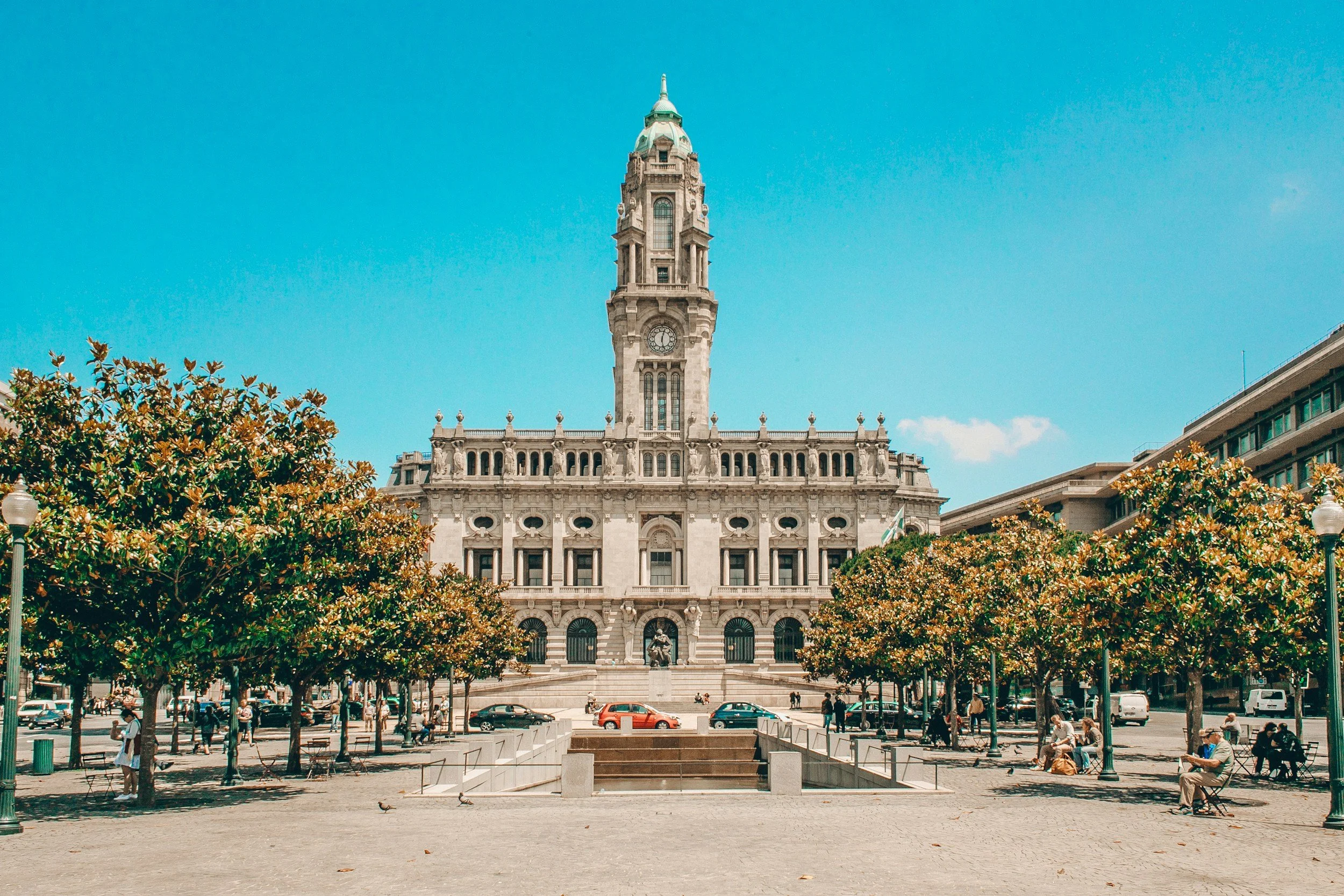
If Clérigos Tower is the classic choice, Jardim do Morro is the easier one. It works particularly well because it combines broad river views with very little effort, and it fits naturally into the same stretch of the day as crossing the Dom Luís I Bridge.
This is one of the best places in Porto to pause rather than just pass through. If you time it later in the day, it is a strong sunset stop. If you want the city to feel a little less structured for an hour, this is one of the best places to leave room for that.
Compared with Clérigos, it is the more relaxed option. It is less about claiming the best view in Porto and more about how easily it fits into a good day in the city.
Add Miradouro da Vitória if you want a more casual viewpoint
If you want one extra stop that feels a little less formal, Miradouro da Vitória is worth considering. It works best as a casual add-on rather than a major destination, especially if you are already exploring the centre and want another good angle on the city without much extra effort.
That is really the right way to treat it on a first trip. It is not the viewpoint you build the day around, but it is a good addition if you have time and want a quieter pause. If your schedule is tight, keep Clérigos Tower or Jardim do Morro ahead of it.
Choose one or two landmark interiors that are actually worth your time
Porto has enough churches, historic buildings, and decorative interiors to fill a much longer trip, but that does not mean a first visit needs all of them. One of the easiest ways to make Porto feel heavier than it should is to overcommit to interiors that look impressive on paper but do not add much to the overall shape of the trip.
Visit Porto Cathedral for history, views, and context
If you want one historic interior that is easy to justify on a first trip, Porto Cathedral is one of the strongest choices. It sits in a commanding part of the city and gives you more than just another church stop. It adds context, helps explain Porto’s older structure, and still connects naturally with the wider flow of the day.
That matters on a first visit. Some interiors are visually interesting but feel detached from the rest of the city. Porto Cathedral does not have that problem. Even if you are not building your trip around religious sites, this is one of the better places to understand how Porto developed and why the city still feels so dramatic in places.
If your time is limited, this is the interior I would keep ahead of most others.
Decide whether Livraria Lello is right for your trip
Livraria Lello is one of Porto’s most talked-about stops, which makes it worth approaching honestly. It is visually striking, widely photographed, and one of the city’s most recognisable interiors, but it is not automatically essential for every first-time visitor.
That does not mean it is not worth seeing. It means it is more specific in who it suits. If you care about iconic interiors, bookshops, or ticking off one of Porto’s best-known stops, it can be a worthwhile part of the trip. If you are more interested in viewpoints, food, neighbourhood wandering, and the broader feel of the city, it may not deserve the same level of priority.
On a first trip, it is better treated as a considered add-on than a non-negotiable stop.
Use Palácio da Bolsa or Igreja do Carmo as your optional extra
If you want one more interior beyond the cathedral, this is where it makes sense to stay selective. Palácio da Bolsa is the better choice if you are drawn to grand interiors and want something more formal. Igreja do Carmo works better if you want a shorter, easier stop that still feels distinct within the centre.
The key is not to stack both automatically. On a first trip, one optional extra is usually enough. These kinds of stops can add depth, but they are not what carry the trip on their own.
Make room for one experience that feels distinctly Porto
A first trip to Porto should not be built entirely around viewpoints and historic buildings. The city is more memorable when at least one part of the itinerary feels specific to Porto rather than interchangeable with any other European city break.
Do a port wine cellar visit in Vila Nova de Gaia
If there is one experience that feels most closely tied to Porto, it is a port wine cellar visit in Vila Nova de Gaia. This is one of the easiest first-trip recommendations to justify because it gives you more than just a tasting. It adds context to the city, connects naturally with the riverfront and bridge walk, and gives the itinerary something rooted in Porto’s identity rather than just its appearance.
It is especially worth prioritising if you want one paid experience that feels specific, well paced, and easy to slot into a short break. For most readers, this is a stronger use of time than trying to fit in another minor landmark.
Take a Douro river cruise if you want an easy overview
A Douro river cruise is one of the simpler ways to see Porto from a different angle, and it can work well on a short trip because it requires very little effort once you are there.
The main strength of a river cruise is that it gives the city a different rhythm for an hour. Instead of climbing, queueing, or moving between stops, you get a broader view back towards Ribeira, the bridges, and the hillside layout that makes Porto feel so distinctive.
That said, it is best treated as a useful option rather than a must-do. It suits shorter trips, couples, or anyone who wants an easy overview without much planning. If you would rather spend the time walking neighbourhoods, stopping for lunch, or visiting a wine lodge in Gaia, you will not be missing the heart of Porto by skipping it.
Book a Fado performance if you want a more atmospheric evening
If you want the trip to feel a little more rounded, a Fado performance is one of the better evening additions. It works particularly well if you want something more atmospheric than another dinner reservation or wine bar.
I would not place it above the bridge, Ribeira, or Gaia cellar visits in overall priority, but it is a good addition if you want the evening to feel a little more cultural and a little less checklist-driven.
Leave space for the side of Porto that works best without a plan
One of the reasons Porto works so well for a first trip is that it does not need to be scheduled too tightly. The city has obvious landmarks, but it is often the time between them that makes the trip feel better: a slower lunch, a stop for a glass of wine, an unplanned detour down a side street, or a stretch of riverfront that turns into a longer walk than expected.
Make time for cafés, wine bars, and slower wandering
This is the part of Porto that is easy to undervalue before you arrive. On paper, it can look less important than towers, churches, or ticketed attractions. In practice, it is often what makes the trip feel more complete. Porto is not only a city to look at. It is also a city to move through slowly.
That usually means resisting the urge to turn every part of the day into a fixed route. Porto tends to reward a more measured pace. A long coffee, a late lunch, or an unplanned drink with a river view can easily become one of the better parts of the day.
Head to Foz do Douro if you have extra time
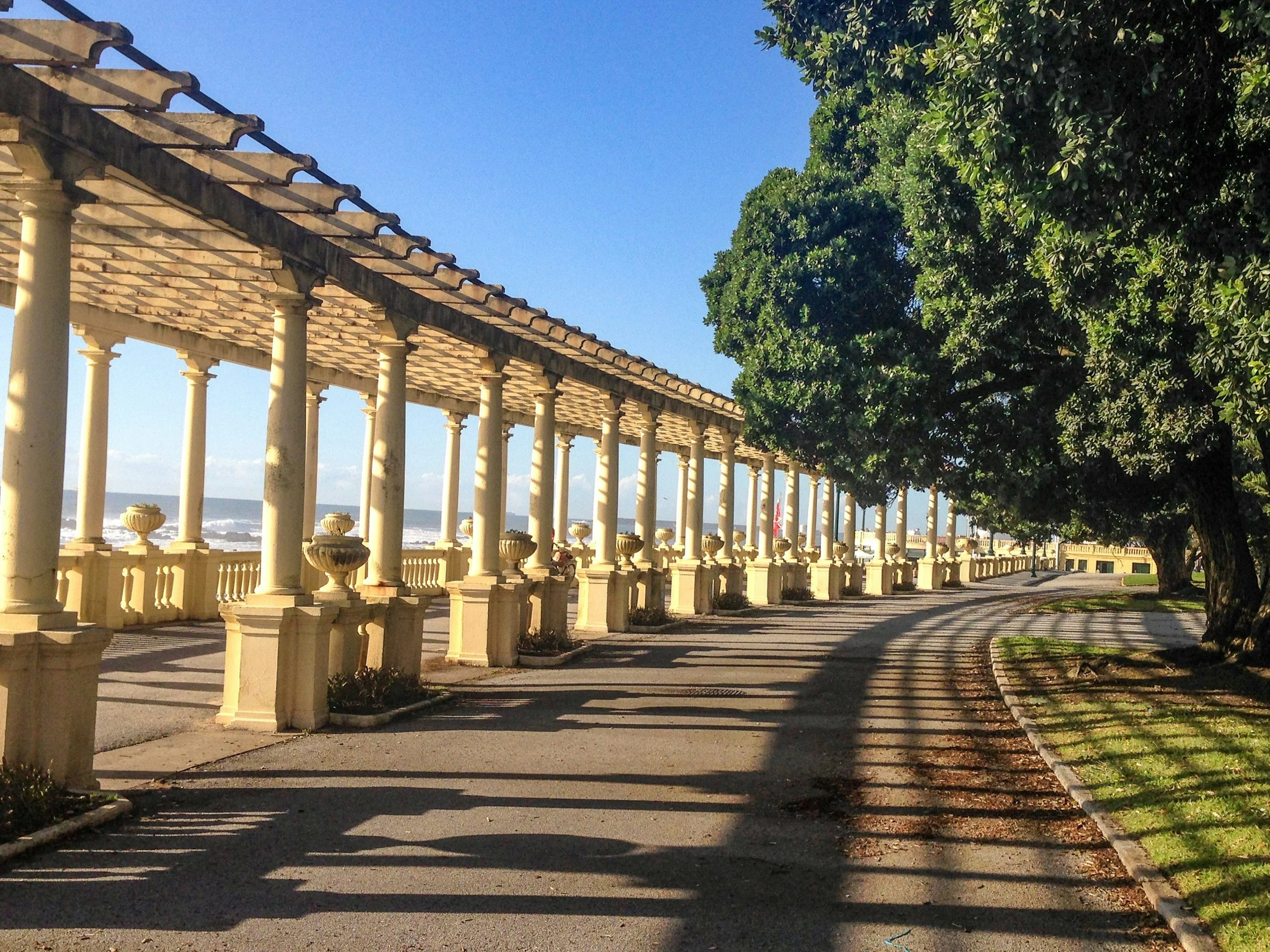
If you have more than a very short stay, Foz do Douro is one of the best optional add-ons. It gives the city a different mood from the historic centre, with a broader seafront setting, a more open pace, and a useful change of scenery once you have covered the core first-trip sights.
This is not something I would push into a rushed one-day itinerary, but it makes sense if you have a longer weekend or simply want one stretch of the trip to feel less concentrated around landmarks. It is especially worth adding if you like the idea of seeing a broader version of Porto rather than staying entirely within the old centre.
Best things to do in Porto on a first trip, depending on your style
Not every first-time visitor wants the same version of Porto. Some people want the classic views and biggest landmarks. Others care more about food, wine, and neighbourhood feel. Porto works well because it can do both, but it helps to be clear about what kind of trip you are actually building.
If you only have one day in Porto
If your time is tight, focus on the part of Porto that gives you the clearest sense of the city fastest. That usually means Ribeira, the Dom Luís I Bridge, one strong viewpoint, and time in Gaia.
In practical terms, the best one-day version of Porto is usually:
walk through Ribeira
cross the Dom Luís I Bridge
choose either Clérigos Tower or Jardim do Morro
add either a port wine cellar visit or a short Douro river cruise
That gives the day enough range without turning it into a sprint.
If you have two to three days
This is where Porto starts to feel much better. Two to three days gives you enough time to cover the first-trip essentials without flattening everything into a single route. You can do the historic centre properly, add one or two interiors, spend time in Gaia, and still leave room for food, wine, and a slower afternoon.
For most first-time visitors, this is the sweet spot. It lets you cover the classic Porto experiences while still leaving the trip room to breathe. If you have this amount of time, Foz do Douro also becomes a realistic optional extra rather than something that feels too far removed from the core trip.
If you care most about food and wine
If food and wine matter more to you than collecting landmarks, Porto becomes a slightly different trip. The city still rewards the riverfront, the bridge, and one or two viewpoints, but the emphasis shifts.
In this version of the trip, Gaia matters even more because the port lodges are one of the clearest experiences tied to the city’s identity. They work well alongside longer lunches, wine bars, and slower wandering. Porto is particularly good for this kind of trip because it does not need to be rushed to feel rewarding.
If you want the classic Porto experience
If what you want is the version of Porto that feels most recognisable and well rounded, keep it simple. The classic first-trip version is usually:
Ribeira
Dom Luís I Bridge
one viewpoint
São Bento Station
one strong historic interior such as Porto Cathedral
a port wine cellar visit in Gaia
That combination gives you Porto’s riverside setting, historic character, standout views, and one experience that feels specific to the city rather than generic sightseeing.
What to prioritise if it is your first time in Porto
If you only take a few things from this guide, these are the experiences I would keep highest on the list for a first trip. Porto is not a city that needs to be done exhaustively to work well.
Best for classic Porto views: Dom Luís I Bridge
If you want one experience that feels immediately tied to Porto, this is it. The Dom Luís I Bridge is one of the city’s defining landmarks, but more importantly, it is useful. It links the two sides of the river, gives you one of the best perspectives over the city, and fits naturally into any first-trip route through the centre and Gaia.
Best for atmosphere: Ribeira
Ribeira is still one of the best places to start because it gives you Porto’s riverside setting, historic core, and day-to-day energy in one go. It is not just a scenic stretch to pass through. It is one of the parts of the city that helps the rest of Porto make sense.
Best landmark interior: Porto Cathedral
If you only choose one major historic interior, Porto Cathedral is usually the strongest option. It gives you history, a strong setting, and useful context for the city without pulling the trip too far away from the rest of what makes Porto enjoyable on a first visit.
Best paid experience: a port wine cellar visit in Gaia
This is the most clearly Porto-specific experience in the guide. A cellar visit in Vila Nova de Gaia adds more than a tasting. It ties the trip back to one of the city’s defining industries and gives the itinerary something that feels rooted in Porto rather than simply scenic.
Best easy add-on: Jardim do Morro
If you want one stop that is simple to add and delivers quickly, Jardim do Morro is one of the better choices. It is easy to pair with the bridge crossing, works especially well later in the day, and gives you a broad river view without much effort.
Best optional extra: Foz do Douro
If you have more time and want Porto to feel a little broader than the historic centre alone, Foz do Douro is the best extra to add. It brings in a different pace, a coastal setting, and a useful shift in atmosphere once you have covered the city’s main first-trip priorities.
“Porto is one of the easier cities to enjoy on a first trip because it does not need a long checklist to feel rewarding. The strongest version of the city is usually quite simple: time in Ribeira, a walk across the Dom Luís I Bridge, one good viewpoint, one historic interior that is actually worth the stop, and at least one Porto-specific experience in Vila Nova de Gaia, most likely a port wine cellar visit.
What makes Porto work especially well is that it rewards a balanced trip more than an overfilled one. You do not need to do every church, every viewpoint, or every interior to feel that you have seen the city properly. In fact, Porto usually improves when you leave enough room for the parts that are harder to schedule: a slower lunch, a glass of wine by the river, a walk that takes longer than expected, or an extra hour in a neighbourhood that feels good to stay in.
If it is your first time in Porto, that is usually the right approach. Prioritise the essentials, choose a couple of experiences that genuinely suit your trip, and let the city breathe a little. That is when Porto tends to feel less like a list of attractions and more like a place you would want to come back to.”
FAQs
What should you not miss in Porto on a first trip?
If you are only focusing on the essentials, do not miss Ribeira, the Dom Luís I Bridge, one strong viewpoint such as Clérigos Tower or Jardim do Morro, and a port wine cellar visit in Gaia. That gives you the clearest sense of Porto’s setting, atmosphere, and identity.
Is 2 days enough for Porto?
Yes, two days is enough for a good first trip to Porto. It gives you enough time to cover the main highlights without rushing too hard, especially if you focus on the historic centre, one or two viewpoints, time in Gaia, and a few good food-and-drink stops. Three days gives the trip a better pace, but two is still enough to enjoy the city properly.
Is Livraria Lello worth visiting?
It can be, but it depends on what you want from the trip. Livraria Lello is worth considering if you care about iconic interiors, bookshops, or well-known Porto sights. It is less essential if you are more interested in views, food, neighbourhood wandering, and the broader feel of the city. On a first trip, it is better treated as an optional stop than a core priority.
Should you visit Gaia on a first trip to Porto?
Yes. Vila Nova de Gaia is well worth including on a first trip, especially because it is home to the city’s best-known port wine lodges and some of its most recognisable river views. Even if you only go for part of a day, it adds something distinctly Porto to the trip.
What is the best area to explore in Porto for first-time visitors?
For most first-time visitors, the best area to start with is the stretch between Ribeira, São Bento, and the route towards the Dom Luís I Bridge. That part of the city gives you Porto’s historic core, riverfront setting, and several of its most worthwhile first-trip stops within an easy walking area.