Best Warm-Weather City Breaks in Europe
Warm weather can change the whole rhythm of a city break. Streets stay lively later, terraces become part of the plan, neighbourhood walks feel easier to stretch out, and a simple evening drink can turn into one of the best parts of the trip.
But the best warm-weather city breaks in Europe are not just about finding sunshine. A good one still needs the substance of a proper city: interesting neighbourhoods, strong food and drink, culture worth making time for, and enough atmosphere to make a short trip feel properly considered. The weather should improve the experience, not become the only reason to go.
That’s where the right European cities work so well. In places like Lisbon, Seville, Valencia, Naples and Athens, warmth brings the city outside. Markets feel busier, squares become natural meeting points, waterfronts come into their own, and long evenings give the trip more room to breathe.
This guide breaks down the best warm-weather city breaks in Europe, from sunny weekend cities and Mediterranean escapes to food-led trips, coastal breaks and cultural destinations that work especially well in spring, summer and early autumn. Each destination has enough depth for a proper 2-4 day trip, with practical notes on who it suits, what to prioritise, and when the warmth is more pleasure than endurance test.
For most travellers, Lisbon, Valencia and Seville are the strongest all-round warm-weather city breaks in Europe. Lisbon is the easiest first choice, Valencia is best for beach and city balance, and Seville is best for atmosphere, architecture and southern Spanish character.
Best Warm-Weather City Breaks in Europe: Quick List
If you want the short version, these are some of the best warm-weather cities in Europe for a sunny, well-balanced city break:
Seville, Spain: best for architecture, tapas, plazas and strong southern Spanish atmosphere.
Lisbon, Portugal: best for viewpoints, food, neighbourhood wandering and a first warm-weather city break.
Valencia, Spain: best for beach access, paella, design and an easier alternative to Barcelona.
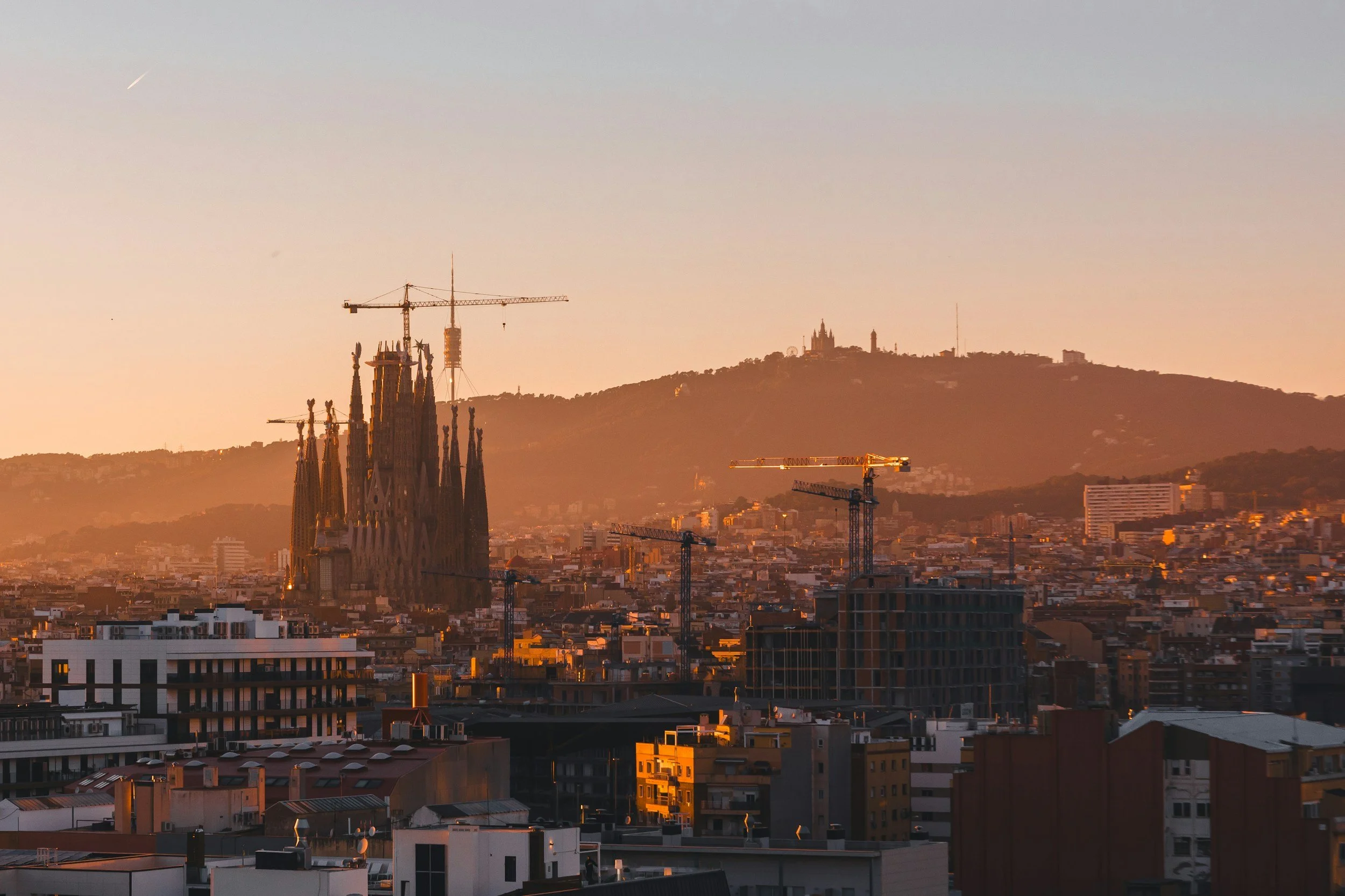
Barcelona, Spain: best for architecture, nightlife, beaches and a bigger-city feel.
Porto, Portugal: best for wine, river views, food and a slower warm-weather weekend.
Nice, France: best for Riviera energy, art, markets and polished coastal atmosphere.
Marseille, France: best for a rawer, more local-feeling Mediterranean city break.
Athens, Greece: best for ancient history, rooftop bars, food and cultural depth.
Palermo, Sicily: best for street food, markets, architecture and a less polished but fascinating city break.
Naples, Italy: best for pizza, street life, history and easy access to Pompeii or the coast.
Dubrovnik, Croatia: best for dramatic Adriatic views, old town atmosphere and a compact coastal break.
Split, Croatia: best for Roman history, waterfront life, beaches and island-hopping.
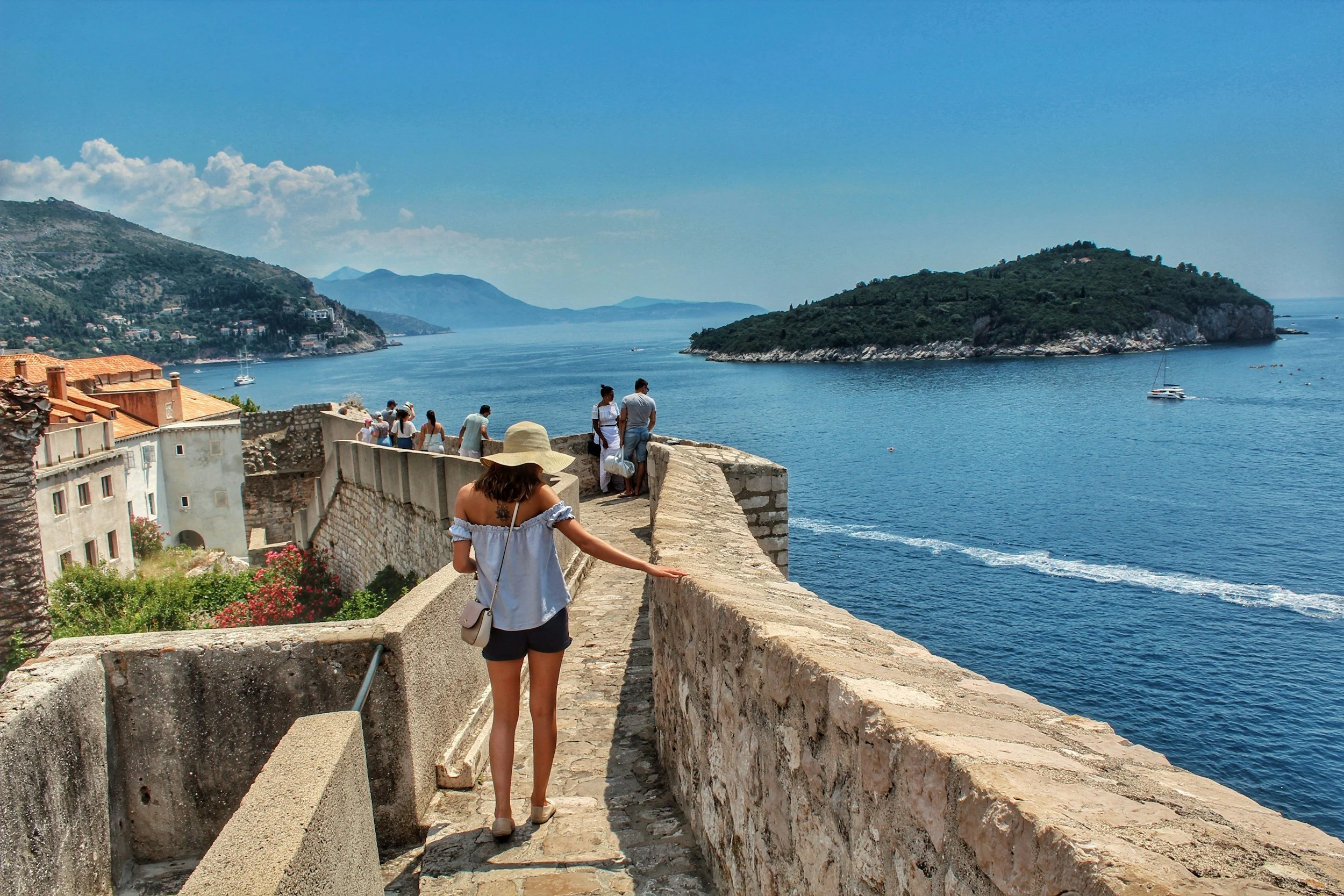
Dubrovnik, Croatia.
What Makes a Good Warm-Weather City Break?
A warm city break works best when the weather adds to the trip without turning every decision into a search for shade. Sunshine helps, clearly, but it’s not enough on its own. The strongest warm-weather cities are places where you can spend the morning exploring, pause somewhere good for lunch, keep walking in the late afternoon, and still have enough energy for a proper evening out.
Reliable sunshine without losing the city-break feel
The best warm-weather city breaks still feel like cities. They have neighbourhoods to explore, museums and galleries to dip into, old streets that reward wandering, and enough local life to make the trip feel like more than a sunny backdrop.
That’s why a place like Valencia works so well. You can spend the morning in the old town, walk through the Turia Gardens in the afternoon, and still reach the beach without the trip becoming purely coastal. The city gives you both versions: culture and sunshine, without forcing you to choose.
Outdoor food, drink and neighbourhood life
Warm weather matters most when it changes how the city is used. The best destinations on this list are places where terraces, markets, waterfronts, plazas and evening walks are part of the experience.
In Seville, that might mean tapas in a shaded square after a slow walk through Santa Cruz. In Lisbon, it might be a late afternoon drink at a miradouro as the light drops over the rooftops. In Naples, it might be pizza, street noise and a warm evening that makes the city feel even more alive than it already does.
Enough culture, food and atmosphere for 2-4 days
A good warm-weather city break needs enough depth to fill a short trip without becoming overcomplicated. The ideal city gives you a few strong anchors: one or two key sights, a food culture worth paying attention to, neighbourhoods with different personalities, and some kind of outdoor life that makes the warm weather feel useful.
That balance is what separates a proper city break from a pleasant place with a pretty old town and not much else to do after lunch.
A good balance of warmth, walkability and timing
Some cities are at their best in spring, early summer or early autumn, when the weather is warm but not exhausting. Seville, Athens, Palermo and Naples can be brilliant warm-weather breaks, but they need a little timing. Visit in the wrong part of summer and the trip can quickly become less “sunny European escape” and more “why did we book a walking holiday inside an oven?”
For most travellers, the sweet spot is choosing a city where warm weather gives the trip more life: longer evenings, better outdoor dining, easier coastal walks, and enough cultural depth to keep the whole thing interesting.
When Is the Best Time for a Warm-Weather City Break in Europe?
For most warm-weather city breaks in Europe, the best months are usually April to June and September to October. You still get warmer days, outdoor dining and longer-feeling evenings, but with fewer of the peak-summer crowds and less extreme heat.
Southern cities like Seville, Athens, Palermo and Naples are often better outside July and August, especially if you want to walk, sightsee and explore properly. They can be excellent in warm weather, but they’re not always at their best when the heat is at its strongest.
Coastal cities like Nice, Split, Dubrovnik, Valencia and Barcelona can work well in summer, especially if you want beach access or sea views built into the trip. The trade-off is that they’re usually busier and more expensive, with popular old towns, beaches and restaurants needing more planning.
If you want warmth without the full summer intensity, late spring and early autumn are usually the sweet spot.
Seville, Spain
Seville is one of Europe’s strongest warm-weather city breaks because the city feels built around outdoor life. Its best moments happen in courtyards, shaded squares, tiled palaces, tapas bars and streets that seem to come alive properly once the heat begins to soften.
This is not the place to rush. Seville works best when you give yourself time to move slowly between its big architectural set pieces and smaller everyday pleasures: a long lunch, a late drink, a quiet wander through Santa Cruz, or an evening crossing the river into Triana.
Why Seville works as a warm-weather city break
The reason Seville earns its place is that warm weather feels central to the city’s identity. The city’s Moorish, Gothic and Baroque influences are visible everywhere, but they’re not confined to museums or monuments. They shape the way the city feels: in its patios, ceramic tiles, narrow lanes, grand plazas and the rhythm of eating and drinking outside.
The Real Alcázar is the obvious highlight, and for good reason. Its courtyards, gardens, arches and tilework make it one of the most rewarding palace complexes in Europe, especially when you understand how deeply Seville’s architecture has been shaped by centuries of Islamic, Christian and Andalusian influence.
But Seville is not just a city of major sights. It’s also a city of small transitions: from the cathedral into the old Jewish quarter, from a shaded tapas bar into a bright plaza, from the riverside into Triana, where ceramics, flamenco and neighbourhood life give the city a slightly more grounded edge.
What to prioritise
For a first trip, start with the historic centre. The Real Alcázar, Seville Cathedral and Giralda Tower give you the city at its most impressive, while the surrounding streets of Santa Cruz are best explored slowly rather than treated as a route between landmarks.
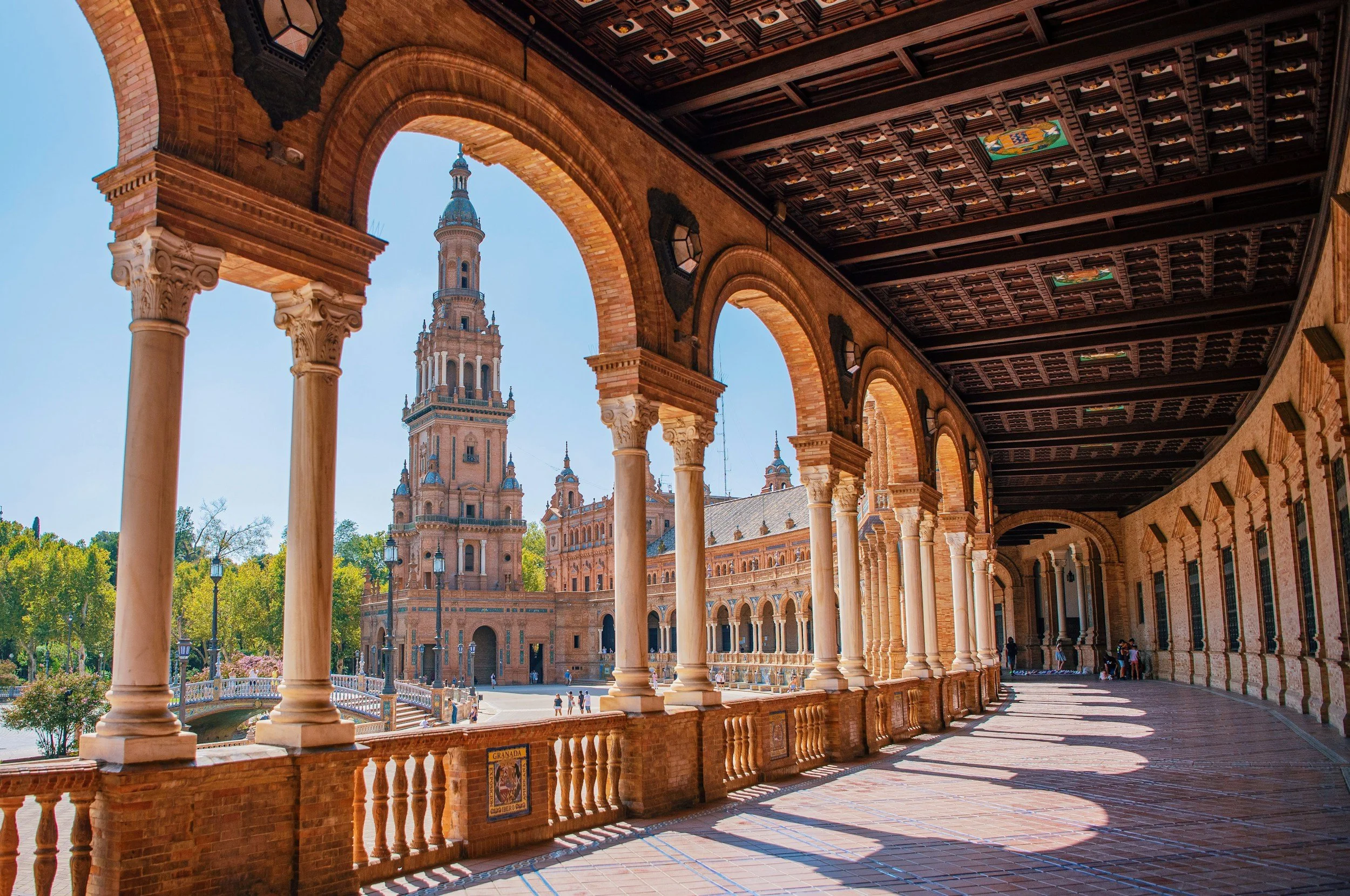
Make time for Plaza de España, too. It’s dramatic, theatrical and not exactly understated, but it earns the attention. The tiled alcoves, sweeping curves and open space make it one of Seville’s most memorable places to see in warm weather, especially earlier or later in the day.
For something with a more local rhythm, cross into Triana. It’s still popular, but it feels less polished than the historic centre, with tapas bars, ceramic shops and a stronger neighbourhood identity. By evening, this is one of the better areas for a slower drink or dinner away from the most obvious tourist routes.
Who Seville suits best
Seville is best for travellers who want atmosphere, architecture, food and a strong sense of place. It suits couples, first-time visitors to southern Spain, culture-focused travellers and anyone who likes a city break that feels warm, slow and deeply rooted in its surroundings.
The trade-off is heat and beach access. Seville is not the right choice if you want a coastal break, and it can feel heavy in peak summer. It rewards good timing and a slower pace.
Suggested trip length
Three days is the ideal length for Seville. That gives you enough time for the major sights, a proper wander through Santa Cruz, an evening in Triana, a slower lunch or two, and enough space to enjoy the city without turning it into a tiled endurance event.
You can see the highlights in two days, but Seville is better when it has room to breathe.
Practical note: best time to go
Seville is outstanding in spring and autumn, and still appealing in early summer if you pace the trip carefully. July and August can be extremely hot, so this is one of the cities where timing matters more than usual.
If you’re visiting in warmer months, plan the major sightseeing for the morning, keep the middle of the day lighter, and save long walks, tapas and riverside time for later. Seville is much more enjoyable when you work with its rhythm rather than trying to defeat the sun through sheer scheduling optimism.
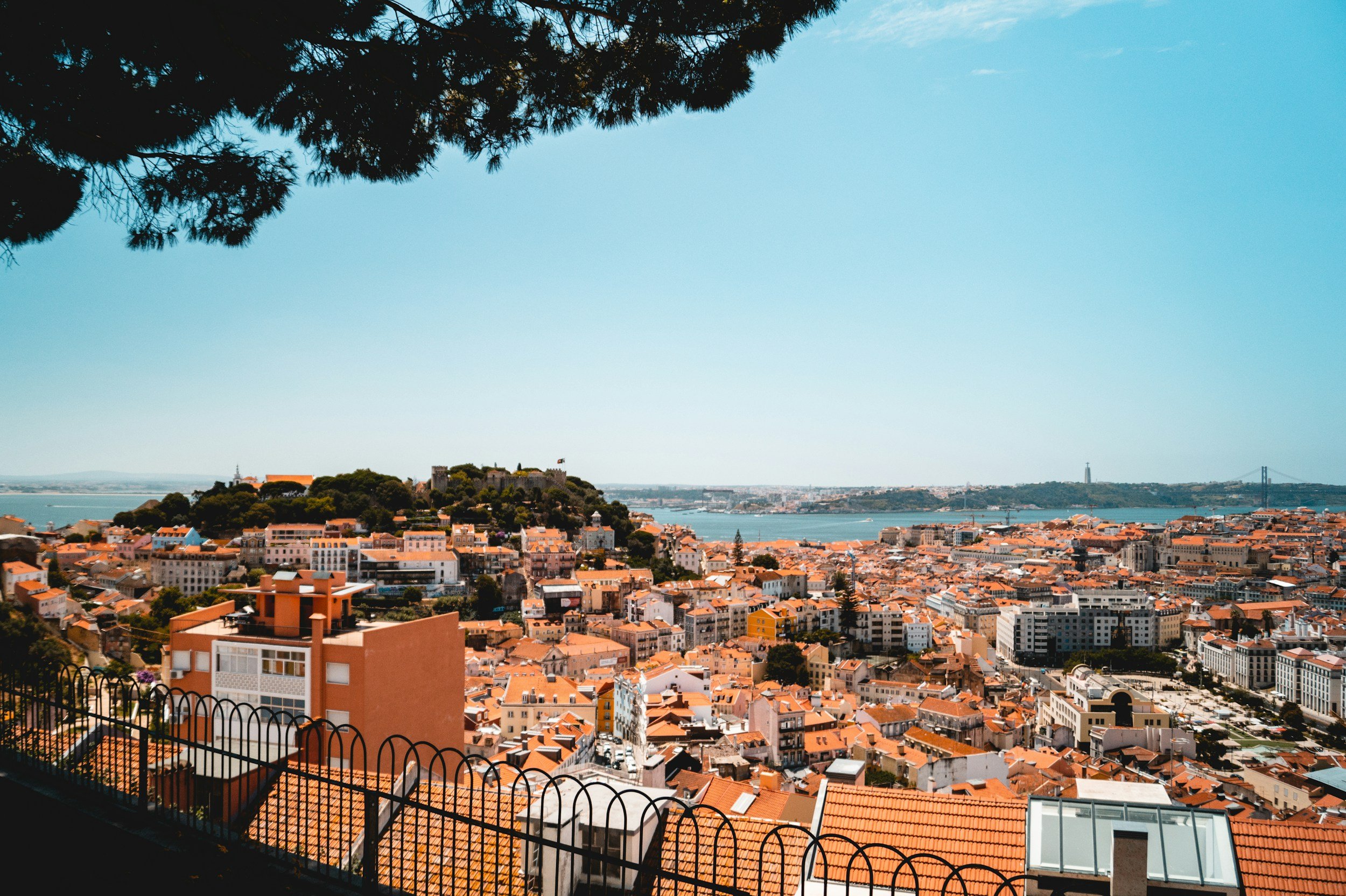
Lisbon, Portugal
Lisbon is one of the easiest warm-weather city breaks to recommend because it gives you a bit of everything without feeling too neatly packaged. It has hills, viewpoints, tiled façades, Atlantic light, seafood, wine bars, late evenings, neighbourhoods with real personality and enough rough edges to stop it feeling overly polished.
It’s also one of those cities where warm weather changes the way you experience it. The viewpoints become natural pauses, the waterfront feels more useful, and a simple walk between neighbourhoods can become the main event rather than just a way to get somewhere.
Why Lisbon works as a warm-weather city break
Lisbon is built for wandering, though your calves may file a formal complaint by day two. Its steep streets and miradouros give the city a constant sense of movement, with views opening up between tiled buildings, tram lines and rooftops that fall towards the Tagus.
The city suits warm weather because so much of its appeal sits outside: neighbourhood walks, terrace drinks, riverside routes, street lifts, open squares and late dinners that make the day feel longer. There’s plenty to see indoors too, but Lisbon’s real strength is how naturally it pulls you between areas.
Alfama gives you the older, maze-like version of the city, shaped by Moorish street patterns and fado houses. Chiado feels more polished and central, with shops, cafés and theatres. Bairro Alto shifts in the evening, while Príncipe Real gives you a slower, design-led side of Lisbon with gardens, concept stores and relaxed places to eat.
What to prioritise
For a first warm-weather trip, start with Alfama and the views around Miradouro de Santa Luzia or Miradouro das Portas do Sol. This is where Lisbon feels older and more layered, with steep lanes, tiled façades and small squares that make more sense on foot than on a map.
Spend time in Chiado and Baixa for a more central route through the city, then head towards Príncipe Real if you want independent shops, leafy squares and a calmer pace. Belém is worth including for the monastery, riverside setting and pastéis de nata, especially if you want a half-day that feels slightly removed from the city centre.
Food should be part of the plan rather than an afterthought. Lisbon is excellent for seafood, pastries, wine bars and casual neighbourhood restaurants. A good trip here usually includes at least one long lunch, one sunset drink and one moment where you convince yourself that a second pastel de nata is cultural research.
Who Lisbon suits best
Lisbon is one of the best choices for a first warm-weather city break in Europe. It suits travellers who want a mix of atmosphere, food, views, nightlife and easy day-trip options without committing to a huge or overwhelming city.
It’s especially strong for couples, friend groups, first-time Portugal visitors and travellers who like cities that feel textured rather than perfectly arranged. The trade-off is the hills. Lisbon is walkable, but not always easy, so it’s worth building in pauses rather than trying to march through it like a project plan with better tiles.
Suggested trip length
Three to four days works best. Three days is enough for Lisbon itself, while four gives you room for Belém, a slower neighbourhood day or a day trip to Sintra or Cascais.
If you only have two days, keep the trip focused on Alfama, Chiado, Príncipe Real and one or two strong food moments rather than trying to cover every viewpoint and tram route.
Practical note: best time to go
Lisbon is warm and appealing across much of the year, with spring, early summer and early autumn particularly strong for city breaks. Summer can be busy, but the Atlantic influence usually makes it less punishing than cities further inland.
The main practical point is pacing. Lisbon’s hills make short distances feel longer than expected, so group your days by area and use trams, taxis or rideshares when it makes sense. There’s no prize for climbing every hill manually, despite what your step count may suggest.
Valencia, Spain
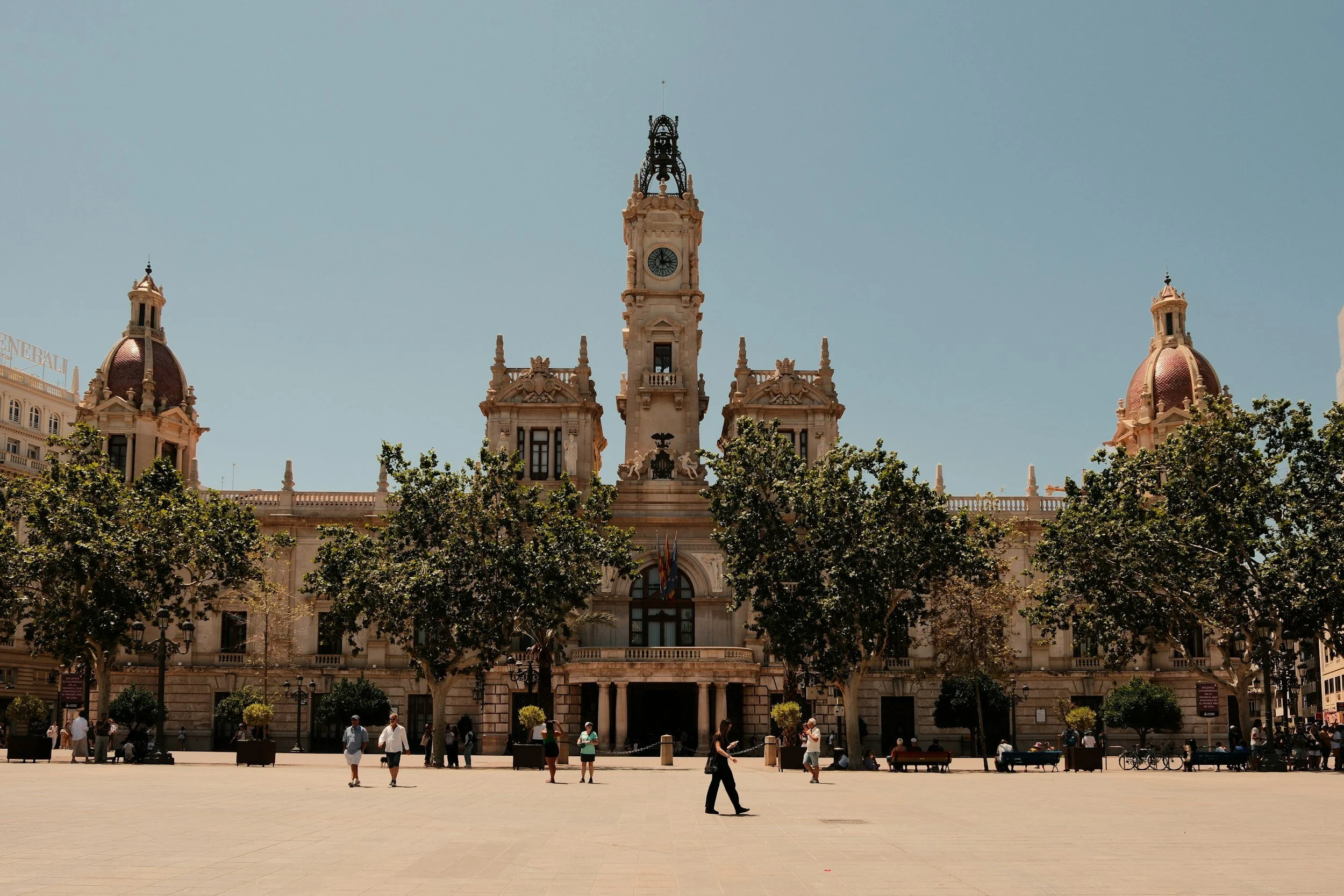
Valencia is one of the easiest warm-weather city breaks in Europe to enjoy properly because it gives you the rare combination of city, beach, food, design and green space without feeling too difficult to use.
It has the structure of a proper city break, but with a lighter rhythm. You can spend the morning in the old town, walk through gardens in the afternoon, eat paella properly, and still reach the beach before the day gives up on you. That balance is what makes Valencia such a strong alternative to the more obvious Spanish city breaks.
Why Valencia works as a warm-weather city break
Valencia stands out because it doesn’t force you into one version of the trip. It has a historic centre, a strong food culture, striking modern architecture, long beaches and one of Europe’s most unusual urban parks in the Turia Gardens.
The Turia is one of the details that makes the city feel different. It was once a riverbed, rerouted after severe flooding, and today it cuts through the city as a long green corridor of parks, paths, sports spaces and shaded walking routes. For a warm-weather city break, that matters. It gives the city room to breathe and makes moving between areas feel more enjoyable.
Then there’s the contrast between the old town and the City of Arts and Sciences. Valencia has medieval streets, tiled churches and traditional markets, but it also has one of Spain’s boldest modern architectural set pieces. The result is a city that feels sunny and relaxed without being one-dimensional.
What to prioritise
Start in the Old Town, where you can explore Plaza de la Virgen, Valencia Cathedral, the Central Market and the surrounding streets without needing a strict route. The market is worth making time for, especially if you want to understand how strongly food sits at the centre of the city.
From there, spend time in Ruzafa, one of Valencia’s best areas for cafés, restaurants, bars and a more contemporary neighbourhood feel. It’s a useful contrast to the old town: less historic, more local-feeling, and better for a relaxed evening.
The City of Arts and Sciences is the obvious architectural highlight. It’s bold, sculptural and very much not trying to blend in. Even if you don’t go inside the museums or aquarium, the surrounding complex is worth seeing for the scale and the way it changes the city’s visual identity.
For the beach, head towards Malvarrosa or the wider seafront. Valencia’s beach is not an afterthought, which is part of the appeal. You can build a proper city break around the centre, then use the coast as a slower half-day rather than treating it as the whole reason to visit.
And then, of course, there’s paella. Valencia is the home of the dish, and it’s worth understanding that proper Valencian paella is not simply “seafood rice by the beach”. The traditional version is usually made with rabbit, chicken and beans, and the dish is best treated as a long lunch rather than a quick dinner box-tick.
Who Valencia suits best
Valencia is best for travellers who want warmth, beach access and city substance in one trip. It’s ideal if you like the idea of Barcelona but want somewhere calmer, easier and less crowded.
It suits couples, friend groups, food-focused travellers and anyone looking for a relaxed but still interesting long weekend. It’s also a strong option for people who want a warm-weather break without giving up museums, markets, architecture and neighbourhood wandering.
The trade-off is that Valencia doesn’t have the same major landmark density as Barcelona, Seville or Athens. Its appeal is more about balance than drama. That’s exactly why it works.
Suggested trip length
Three days is ideal for Valencia. That gives you enough time for the old town, Ruzafa, the Turia Gardens, the City of Arts and Sciences, the beach and a proper paella lunch without rushing.
You could do it in two days, but the city is better when you let it feel easy. Valencia’s strength is not in forcing a packed itinerary. It’s in giving you a city break that actually feels like a break.
Practical note: best time to go
Valencia works well across much of the warmer part of the year, especially in spring and early autumn. Summer is hot, but usually more manageable than inland Spanish cities because you have the coast, gardens and beach to soften the trip.
If you’re choosing between Valencia and Barcelona, the decision is fairly simple. Choose Barcelona if you want bigger sights, nightlife, Gaudí and a more intense city break. Choose Valencia if you want warmth, food, beach time and a city that feels easier to settle into.
Barcelona, Spain
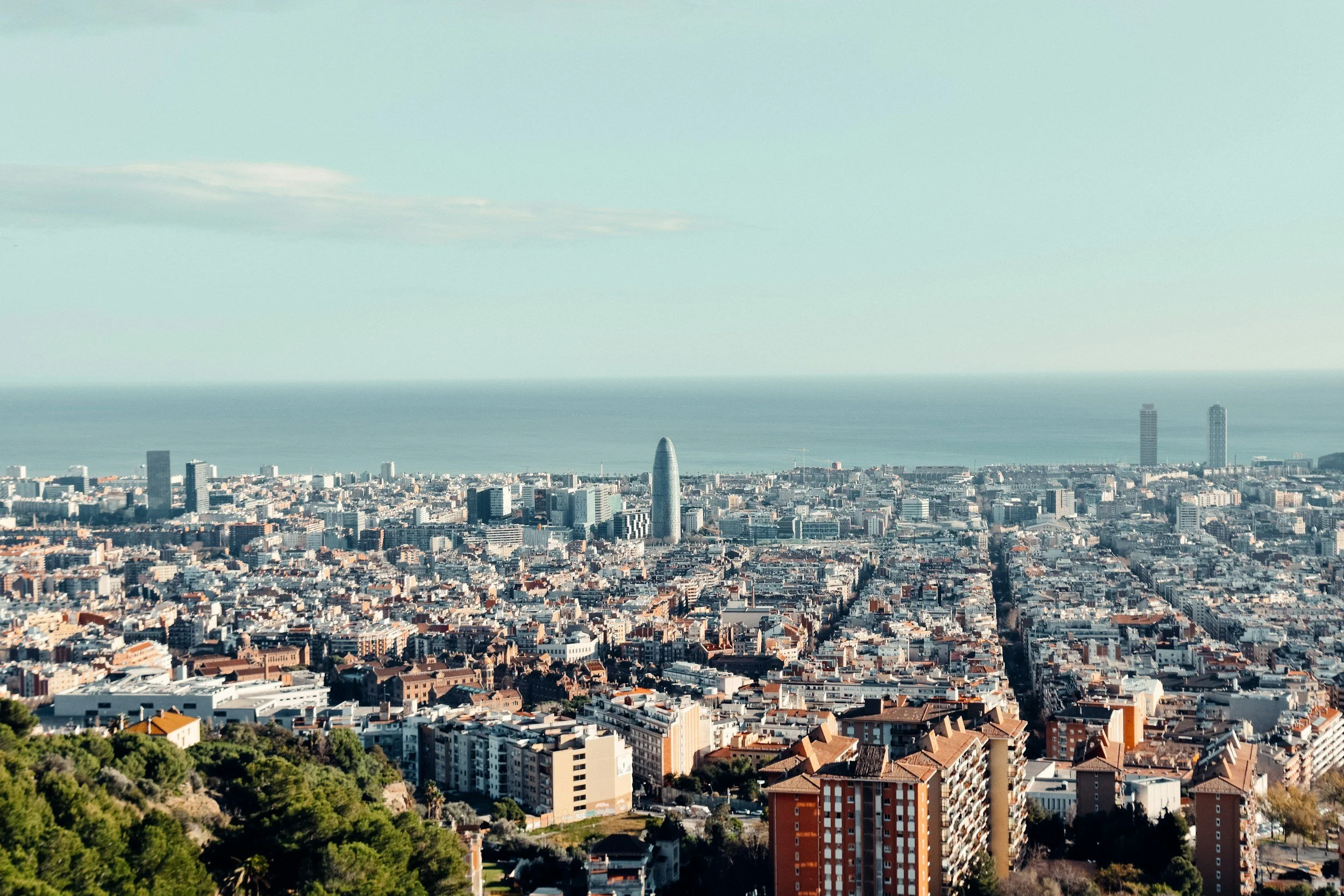
Barcelona is the obvious warm-weather city break for a reason. It has beaches, architecture, food, neighbourhoods, nightlife, museums and major sights in one highly complete package. Few European cities give you that much variety without needing to leave the city.
The challenge is that Barcelona is also extremely popular. It can feel busy, expensive and heavily visited, especially in peak season. But with the right expectations, and a little planning, it’s still one of Europe’s strongest warm-weather city breaks.
Why Barcelona works as a warm-weather city break
Barcelona works because the warm weather enhances almost every part of the city. It makes the beach useful, the neighbourhood walks more appealing, the terraces busier, and the late evenings feel like part of the experience rather than an afterthought.
Its biggest strength is variety. You can spend a morning looking at Gaudí’s architecture, have lunch in a market or tapas bar, walk through Gothic streets in the afternoon, and end the day by the sea. That mix is difficult to beat.
The city also has a very clear visual identity. The Eixample gives you wide avenues and Modernista façades. The Gothic Quarter gives you older, tighter streets. El Born has boutiques, bars and galleries. Gràcia feels more neighbourhood-led. Barceloneta gives you the beach, though not always the calmest version of it.
The key with Barcelona is not trying to see everything. The city is too full, and the best trips here usually come from choosing a few strong anchors and leaving space between them.
What to prioritise
The Sagrada Família should be high on the list, even if you usually avoid the most famous sight in a city. It’s busy, but it earns the attention. Gaudí’s architecture is not just decorative; it changes the way the whole building feels, with columns, light and organic forms designed to make stone feel almost alive.
Pair that with a walk through the Eixample to see more Modernista architecture, including Casa Batlló or La Pedrera if you want another major interior. You don’t need to do every Gaudí site, but you should give the architecture enough time to make sense.
For older Barcelona, spend time in the Gothic Quarter and El Born. These areas are busy, but they’re still useful for understanding the city’s layers: Roman remains, medieval streets, churches, small squares, bars, shops and museums folded into a compact central area.
The beach is worth including, but use it carefully. Barceloneta is easy and iconic, but it’s not the most peaceful beach experience in Europe. For most city-break visitors, it works best as a walk, a swim, a drink or a late-afternoon pause rather than the foundation of the whole trip.
Food and drink should also be part of the structure. Make time for tapas, vermouth bars, markets and at least one slower dinner. Barcelona rewards visitors who plan a few food stops properly rather than relying on whatever appears nearest to the next landmark. That approach is how people end up paying too much for very average paella. A familiar tragedy.
Who Barcelona suits best
Barcelona is best for first-time visitors, architecture lovers, food-focused travellers, nightlife seekers and anyone who wants a warm-weather city break with a lot of energy.
It suits travellers who want plenty to do and don’t mind a city that feels busy. It’s especially good if you want a trip that mixes culture, coast and evening atmosphere without needing a car or complicated onward travel.
The trade-off is crowd management. Barcelona is not the city to visit if you want quiet streets, undiscovered corners and low-effort spontaneity in peak season. It works best when you book the big sights ahead, choose your base carefully and avoid treating the whole city like a checklist.
Suggested trip length
Three to four days is the right amount of time for Barcelona. Three days gives you the main sights, a few neighbourhoods and some beach or food time. Four days gives the trip more space and lets you add Gràcia, Montjuïc, a museum, or a slower coastal afternoon.
A two-day trip is possible, but it will feel selective. If that’s all you have, focus on Sagrada Família, Eixample, Gothic Quarter, El Born and one good food-led evening.
Practical note: best time to go
Barcelona is warm and appealing for much of the year, but it gets very busy in summer. Spring and autumn are usually better for walking, sightseeing and getting more from the city without the full peak-season crush.
Book major sights in advance, especially Sagrada Família and popular Gaudí interiors. Also think carefully about where you stay. For a first trip, Eixample is often the easiest base because it’s central, well connected and calmer than staying right in the thick of the Gothic Quarter.
Barcelona is one of the strongest cities on this list, but it asks for slightly more planning. Not an unreasonable amount. Just enough to avoid accidentally building your trip around queues and regrettable sangria.
Porto, Portugal
Porto is a warmer-weather city break for travellers who want atmosphere over scale. It’s smaller than Lisbon, slower than Barcelona, and less obviously sunny than southern Spain or Sicily, but it has a rhythm that works beautifully for a long weekend: steep streets, tiled churches, wine bars, river views and long meals that make the city feel easy to settle into.
This is not a city that needs aggressive planning. Porto is better built around a few strong anchors: the riverfront, the wine cellars, the viewpoints, the old streets, and enough time left between them to wander without turning the trip into a logistical exercise. Nobody needs a spreadsheet for a glass of vinho verde.
Why Porto works as a warm-weather city break
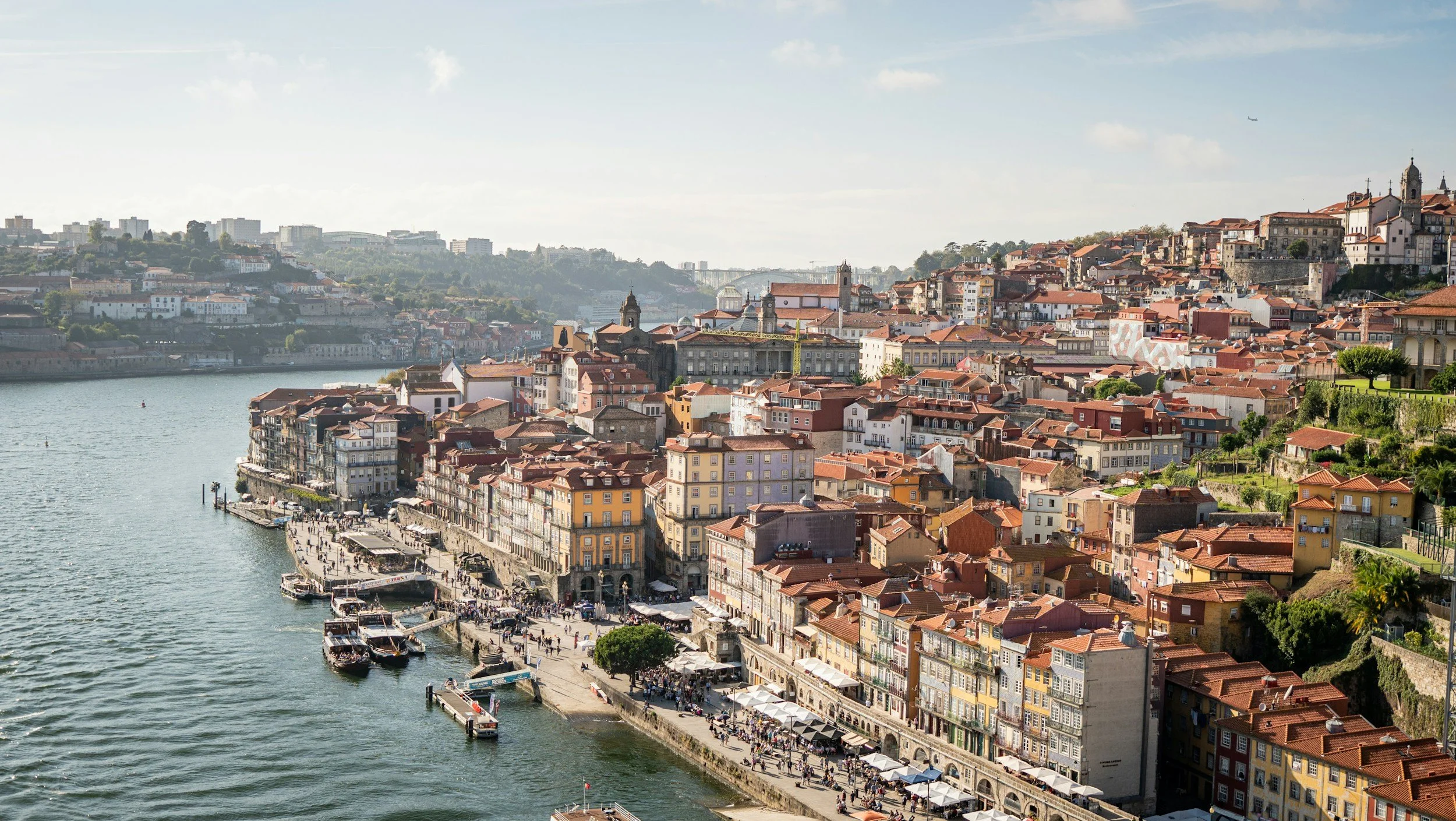
Porto suits a warm-weather weekend because its best experiences are naturally slow and atmospheric. The city is shaped around the Douro River, and that gives the whole trip a clear sense of place. You’re constantly moving up and down: from tiled churches to steep side streets, from viewpoints to the riverside, from Porto across the bridge into Vila Nova de Gaia.
The city’s history as a trading and port-wine centre still shapes the experience today. The old warehouses and wine lodges across the river in Gaia are not just a tourist add-on; they’re central to how Porto became Porto. That connection between river, trade, wine and architecture gives the city much of its texture.
Warm weather makes Porto easier to enjoy slowly. The riverfront becomes a natural place to pause, the viewpoints feel more rewarding, and the evenings are made for wine bars, seafood and wandering back uphill with questionable enthusiasm.
What to prioritise
Start around Ribeira, Porto’s riverside district. It’s one of the city’s busiest areas, and it’s not where you’ll find the most local version of Porto, but it does give you the city at its most immediate: colourful façades, narrow streets, river views and the Dom Luís I Bridge cutting across to Gaia.
Cross into Vila Nova de Gaia for the wine cellars and some of the best views back towards Porto. Even if you’re not deeply invested in port, the experience helps explain the city’s identity. A tasting or cellar tour works particularly well in the afternoon, especially if you want something structured without losing the relaxed pace of the trip.
Back in Porto, make time for Clérigos Tower, São Bento Station, Igreja do Carmo and the city’s tiled churches. The azulejos are part of Porto’s visual language, and they’re worth noticing properly rather than treating them as background decoration.
Food should be part of the trip too. Porto is excellent for seafood, wine bars, bakeries and traditional dishes. The francesinha is the famous one: a rich, layered sandwich covered in sauce that feels less like lunch and more like a contractual obligation to nap afterwards. Try it if you’re curious, but don’t make it your only food memory of the city.
Who Porto suits best
Porto suits travellers who want a warm-weather city break with atmosphere, food, wine and a slower pace. It’s especially good for couples, first-time visitors to Portugal, food-focused travellers and anyone who wants a smaller city that still feels distinctive.
It’s less ideal if you want guaranteed heat, beaches on the doorstep or big-city nightlife. Porto is not as sunny or high-energy as some of the destinations on this list, but that’s part of the appeal. It feels more textured, more compact and easier to enjoy without overplanning.
Suggested trip length
Two to three days is ideal for Porto. Two days gives you the core city experience: Ribeira, Gaia, the bridge, tiled churches, wine and a strong food plan. Three days gives you more breathing room and allows for a slower neighbourhood wander, a longer lunch or a possible day trip into the Douro Valley.
For most travellers, Porto works best as a long weekend rather than a full week. It has enough depth to feel rewarding, but its real strength is how well it fills a short trip.
Practical note: best time to go
Porto is a good warm-weather option in spring, summer and early autumn, though it’s not as reliably hot as southern Spain, Greece or Sicily. That makes it a strong choice if you want warmth without the intensity of a southern European heatwave.
The main practical point is footwear. Porto is steep, uneven and not especially interested in your aesthetic shoe choices. Build the trip around walking, but keep the days realistic. The city rewards slow exploring far more than rushed sightseeing.
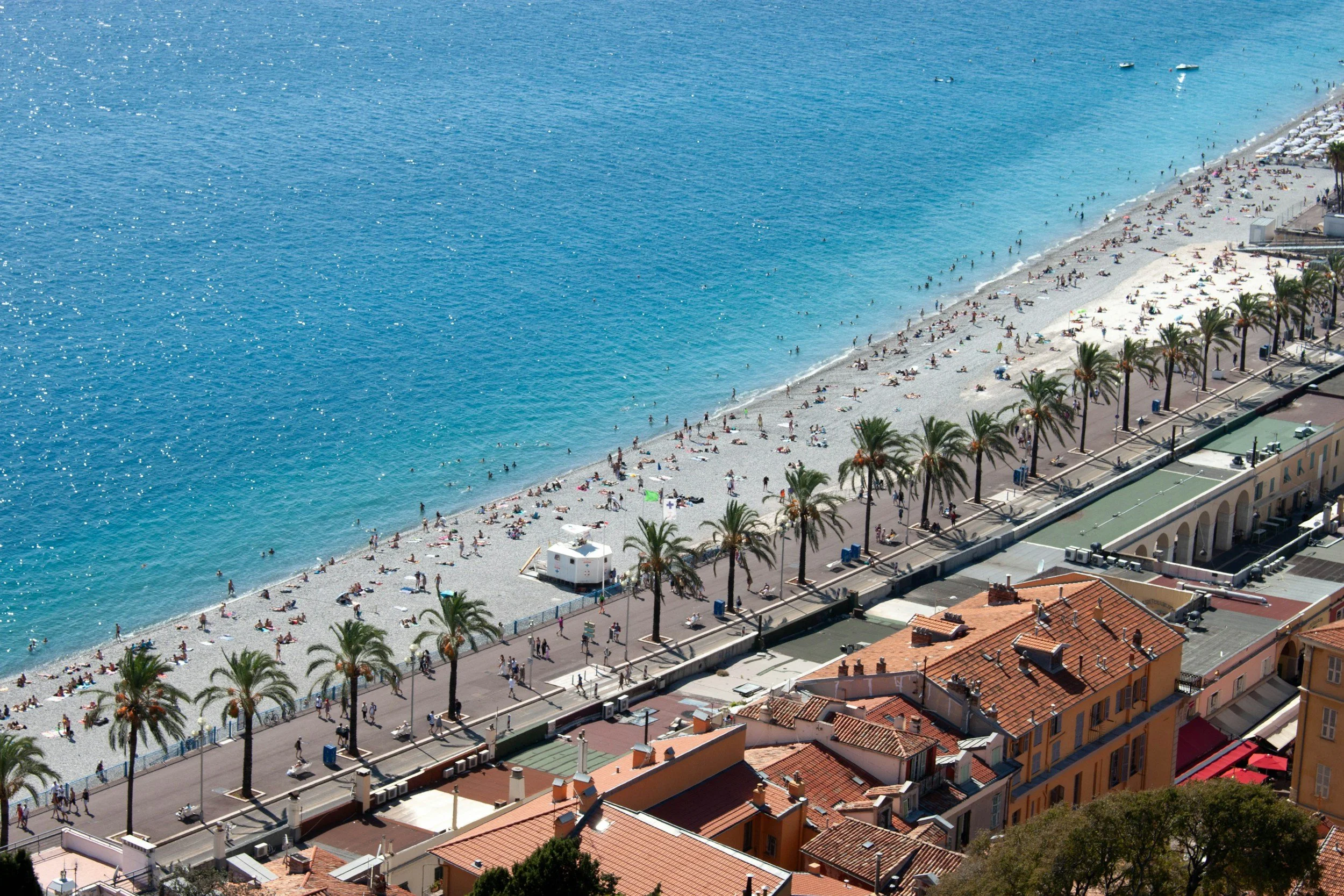
Nice, France
Nice is one of Europe’s most polished warm-weather city breaks, but it still has enough substance to avoid feeling like a purely coastal escape. It gives you Mediterranean light, an old town, food markets, galleries, beach walks, elegant architecture and easy access to other Riviera towns by train.
The appeal is not just that Nice is sunny. It’s that the city gives warm weather a proper setting: morning markets, long seafront walks, shaded old streets, art museums and late afternoons when the Promenade des Anglais becomes the obvious place to be.
Why Nice works as a warm-weather city break
Nice sits comfortably between city break and coastal escape. You can spend part of the day exploring streets and museums, then shift easily into a slower rhythm by the sea. That balance makes it especially useful for travellers who want warmth and culture without committing to a full beach holiday.
The city has a distinct identity shaped by its position between France and Italy. You feel that in the food, the architecture, the colours of the old town and the pace of the city. It’s French Riviera, yes, but not only in the glossy postcard sense. Look beyond the seafront and you’ll find markets, neighbourhood cafés, galleries and streets that give the city more texture.
Nice is also a very practical base. From here, it’s easy to reach places like Villefranche-sur-Mer, Antibes, Èze and Monaco by train or bus, which makes it one of the better options if you want a warm-weather city break with day-trip potential.
What to prioritise
Start in Vieux Nice, the old town. It’s busy, but it’s still the most atmospheric part of the city, with narrow streets, warm-coloured façades, small shops, restaurants and squares that feel best explored without too rigid a route.
Make time for Cours Saleya Market, especially in the morning. It’s one of the best places to get a feel for Nice’s food culture, from produce and flowers to local specialities. This is also a good moment to try socca, the chickpea pancake associated with the city. It’s simple, savoury and much more useful as a local food experience than chasing another generic waterfront lunch.
The Promenade des Anglais is unavoidable, but that doesn’t make it overrated. It’s best treated as a walk rather than an attraction: a long, open stretch of seafront where the city’s relationship with the Mediterranean feels most obvious.
For views, head up to Castle Hill. The climb is worth it for the perspective over the old town, the port and the curve of the coast. If you want art and culture, the Matisse Museum and Marc Chagall National Museum add proper depth to the trip and help Nice feel like more than a pretty base by the sea.
Who Nice suits best
Nice is best for travellers who want a warm-weather city break with coastal polish, culture and easy movement. It suits couples, first-time Riviera visitors, art lovers, food market people and anyone who likes the idea of combining old town wandering with sea views.
It’s less ideal if you want nightlife with edge or a city that feels raw and local at every turn. Nice can be expensive and polished, especially around the seafront. If you want something grittier and more complex, Marseille may be the better choice.
Suggested trip length
Three to four days works well for Nice. Three days gives you enough time for the old town, seafront, markets, Castle Hill and a museum or two. Four days gives you space for a day trip along the coast.
If you’re using Nice as a Riviera base, four days is the better choice. If you’re treating it as a pure city break, three is enough.
Practical note: best time to go
Nice works well across much of the warmer year, especially spring, early summer and early autumn. Summer brings stronger beach energy, but also higher prices and more crowds.
The beach in Nice is pebbled rather than sandy, which is worth knowing before you arrive with visions of soft golden sand and smug optimism. For swimming and views, it still works beautifully. For long lazy beach days, you may prefer nearby spots like Villefranche-sur-Mer.
Marseille, France
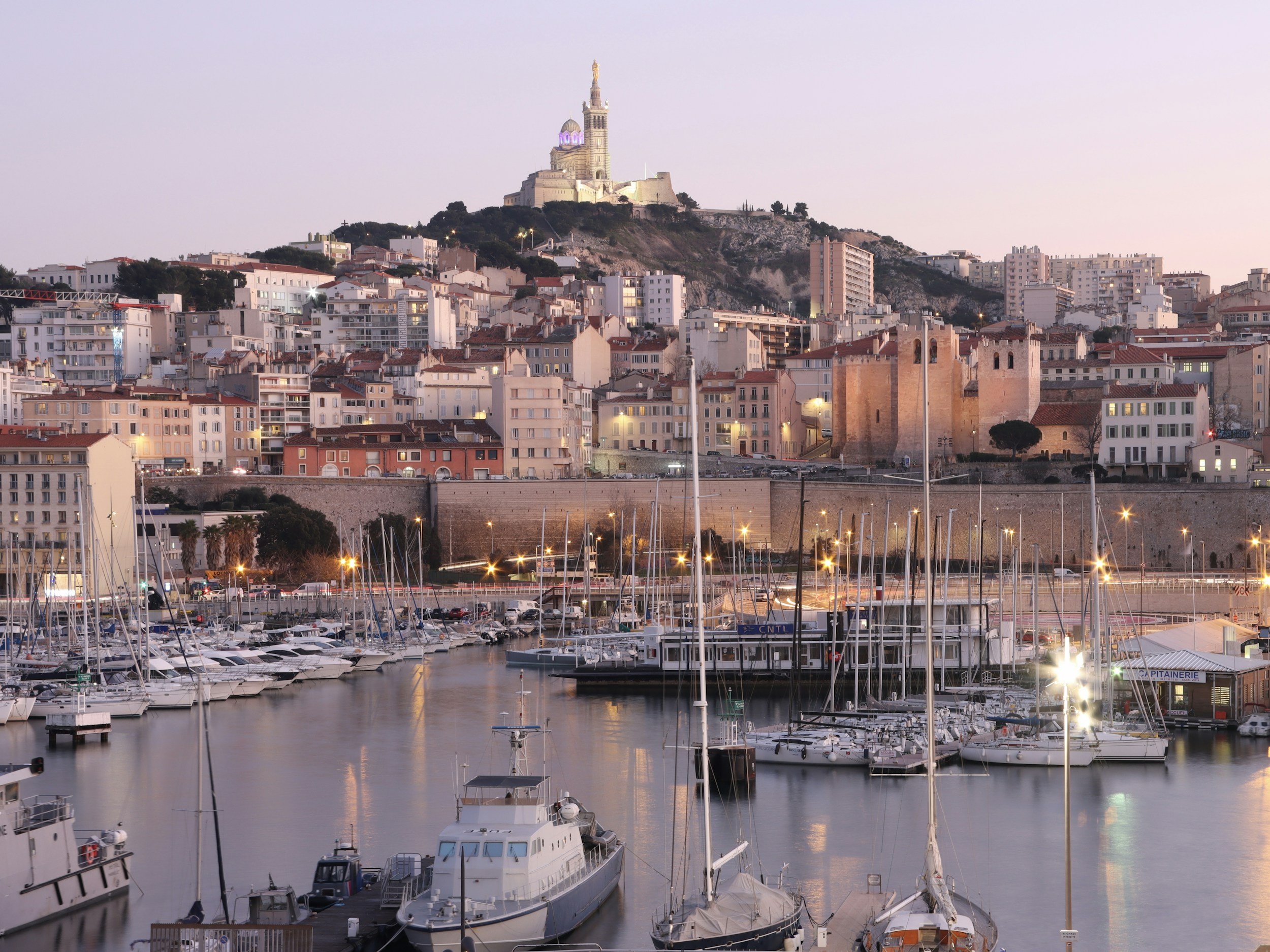
Marseille is not the neatest warm-weather city break in Europe, which is exactly why it’s worth considering. It’s older, louder and more complicated than Nice, with a working port, North African influence, steep streets, sea air, sharp light and a sense of local life that hasn’t been polished into something too easy.
This is a Mediterranean city with edge. Come for the Vieux-Port, the views, the food, the old neighbourhoods and the access to the sea, but don’t expect the tidy Riviera version of France. Marseille is more textured than that.
Why Marseille works as a warm-weather city break
Marseille’s geography does a lot of the heavy lifting. The old port gives it a natural centre, the hills create viewpoints, the sea is always nearby, and the Calanques add a dramatic outdoor escape that feels very different from a standard city break.
The city has deep history, too. Founded as Massalia by Greek settlers, Marseille has long been shaped by trade, migration and the sea. That history still shows in the way the city feels today: a mix of old port culture, Mediterranean food, North African markets, street art, grand civic buildings and neighbourhoods that shift quickly from polished to rougher-edged.
Le Panier, Marseille’s old town, is one of the best places to start. It’s hilly, colourful and increasingly visited, but it still gives the city a strong sense of place.
What to prioritise
Start at the Vieux-Port, which remains the obvious centre of the city. It’s not the quietest or most subtle part of Marseille, but it helps you understand the city quickly: boats, cafés, fish market energy, wide views and streets leading off into very different neighbourhoods.
From there, walk into Le Panier for narrow lanes, street art, small squares and a more historic feel. It’s one of Marseille’s most atmospheric areas, though it’s best approached as a place to wander rather than a checklist of individual sights.
The big viewpoint is Notre-Dame de la Garde, the basilica that sits above the city. Go for the view as much as the building itself; it helps the whole city make more sense.
If you want culture, add Mucem, the Museum of European and Mediterranean Civilisations. It sits by the water near Fort Saint-Jean and brings a more contemporary layer to the city’s port identity. For outdoor time, the Calanques are the major escape: limestone cliffs, clear water and walking routes that feel far removed from the city centre.
Food should lean local and Mediterranean: seafood, panisse, North African-influenced street food, market browsing around Noailles, and a drink somewhere that feels more lived-in than glossy.
Who Marseille suits best
Marseille suits travellers who like cities with character, contrast and a bit of friction. It’s best for people who want sea access, food, markets, viewpoints and a more local-feeling Mediterranean break.
It’s less suitable if you want polished streets, easy prettiness and everything arranged neatly for visitors. Nice is better for that. Marseille is the stronger choice if you want a city that feels layered, imperfect and more interesting than decorative.
Suggested trip length
Three days is a good amount of time for Marseille. That gives you enough space for the Vieux-Port, Le Panier, Notre-Dame de la Garde, Mucem, Noailles and either the Calanques or a slower coastal afternoon.
You can do it in two days, but it will feel tight. Marseille is better when you have time to adjust to its rhythm rather than judging it in the first ten minutes, which would be a rookie administrative error.
Practical note: best time to go
Marseille works well in spring, early summer and early autumn, when the weather is warm enough for outdoor life without making the city feel too heavy. Summer can be hot and busy, especially if you’re planning the Calanques.
If you want a gentler Mediterranean break, choose Nice. If you want more edge, stronger contrast and a city that feels less stage-managed, choose Marseille.
Athens, Greece
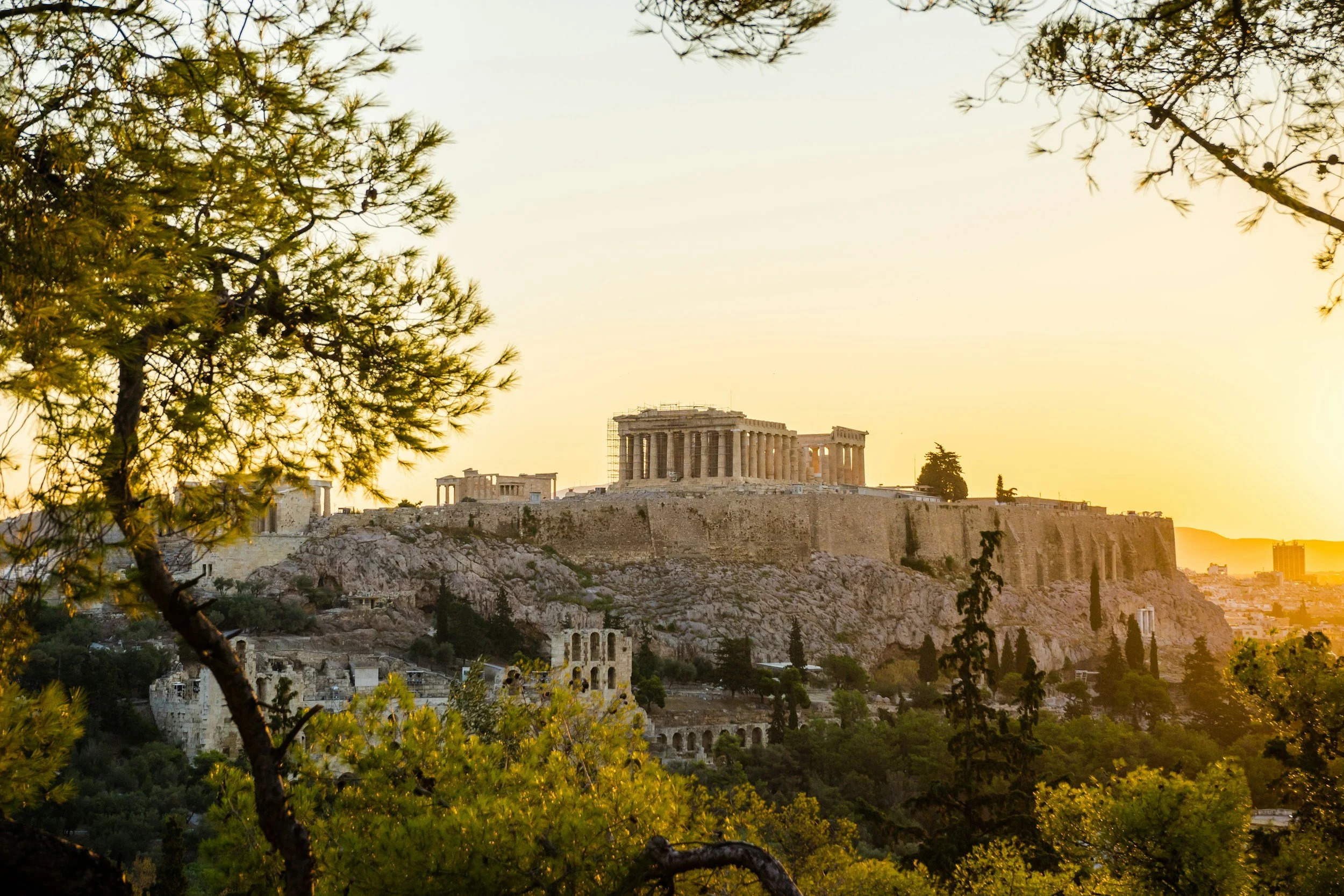
Athens is one of the best warm-weather city breaks in Europe if you want heat, history and modern city energy in the same trip. It’s ancient and immediate at once: ruins on the hill, rooftop bars below them, street food, neighbourhoods that run late, and a city centre where the past is never very far from the next coffee.
It’s not always an easy city, especially in the hottest months, but it has real depth. Athens works best when you treat the ancient sites as one part of the trip rather than the whole trip.
Why Athens works as a warm-weather city break
Athens gives you cultural weight without feeling frozen in the past. The Acropolis is the obvious anchor, but the city around it is full of neighbourhoods, bars, restaurants, markets and museums that make the trip feel current.
That’s useful because Athens is much better when you understand what you’re looking at, rather than treating ancient ruins as impressive stonework in good lighting.
Warm weather also brings the city outside. Rooftop bars, open-air cinemas, late dinners, street life around Monastiraki and Psiri, and walks through Plaka all make Athens feel like a city that keeps going long after the archaeological sites close.
What to prioritise
Start with the Acropolis, ideally early in the day. It’s the city’s defining sight, and it’s still worth prioritising even if you usually prefer less obvious experiences. The setting alone makes it exceptional: the Parthenon above the modern city, with Athens spreading out in every direction.
Pair it with the Acropolis Museum so the site has more context. This is one of those cases where the museum genuinely improves the landmark, rather than just adding another indoor obligation to the itinerary.
For neighbourhoods, spend time in Plaka, Monastiraki and Psiri. Plaka gives you the more old-world version of central Athens, with lanes, restaurants and neoclassical buildings beneath the Acropolis. Monastiraki is busier and more chaotic, useful for markets, street life and easy movement. Psiri is better for evening food, bars and a slightly more contemporary feel.
The National Archaeological Museum is worth considering if you want deeper historical context. It’s not essential for every short trip, but it’s a strong addition if culture is the reason you’re here.
For a warm-weather break, also leave room for rooftop drinks, a slow dinner and possibly the coast. The Athens Riviera gives you a way to soften the city if the heat starts to feel heavy.
Who Athens suits best
Athens is best for travellers who want history, food, culture and a city with real energy. It suits first-time visitors to Greece, culturally curious travellers, food-focused trips and anyone who wants a warm-weather city break with more depth than a pretty old town.
It’s less ideal if you want a calm, polished, easy weekend. Athens can be noisy, hot and uneven. The reward is that it feels alive rather than preserved purely for visitors.
Suggested trip length
Three to four days works best. Three days gives you the Acropolis, the museum, central neighbourhoods, good food and one or two slower moments. Four days gives you time for the National Archaeological Museum, the coast or a day trip.
If you’re using Athens as a gateway to the Greek islands, it’s still worth giving the city at least two proper days rather than treating it as a functional airport corridor with ruins attached.
Practical note: best time to go
Athens is excellent in spring and autumn, and still possible in summer if you plan carefully. The heat can be serious, so early starts and slower afternoons are not just pleasant choices; they’re common sense with better branding.
For a warm-weather city break, Athens is one of the strongest cultural choices on this list. Just don’t build the day around climbing exposed archaeological sites at noon unless your travel style is “lightly punished by history”.
Palermo, Sicily
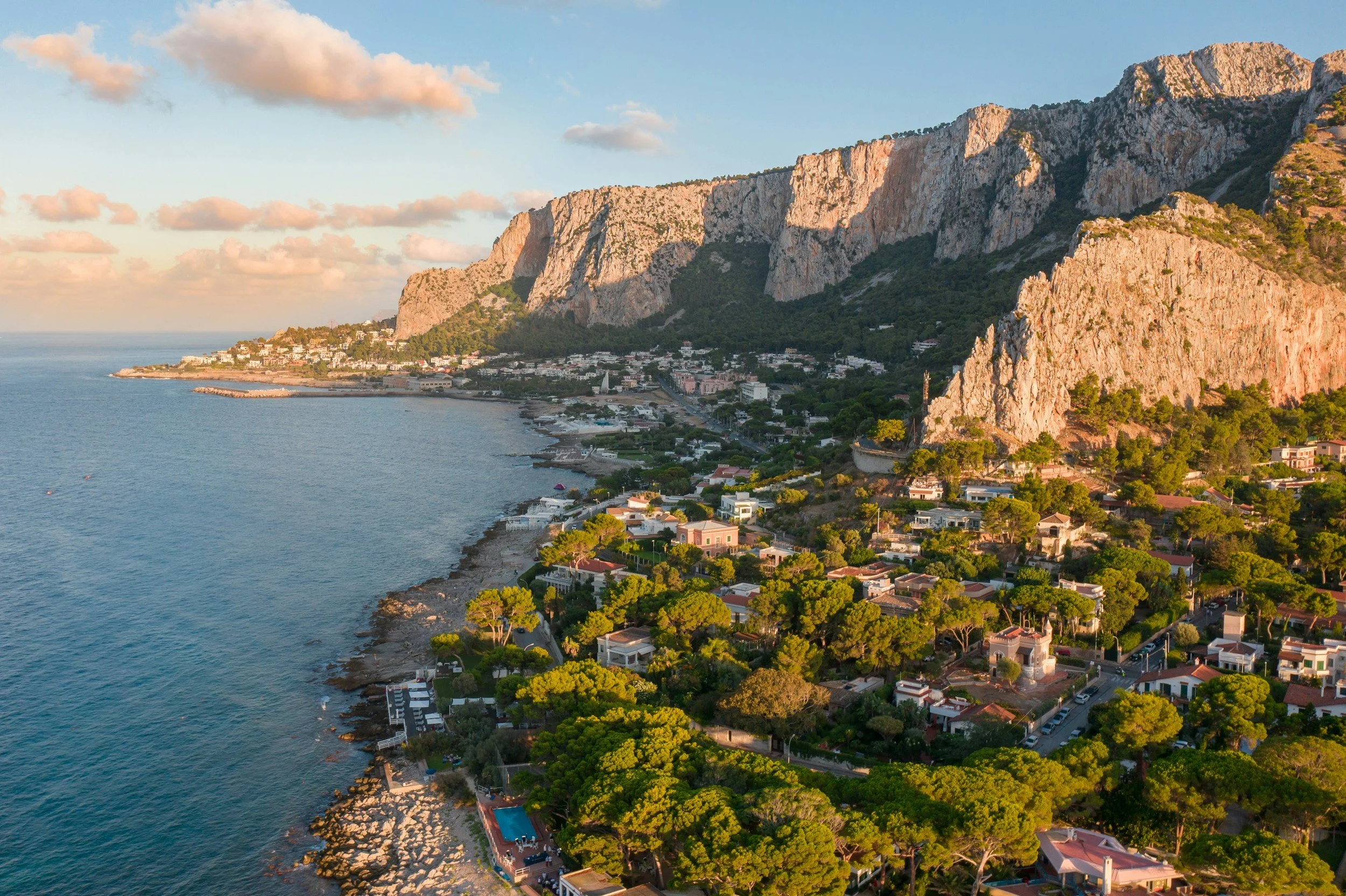
Palermo is one of the most distinctive warm-weather city breaks in Europe because it doesn’t feel like a softer version of anywhere else. It’s layered, noisy, faded, generous and full of contrast: Arab-Norman architecture, street markets, old palaces, churches, scooters, sea air and food that often feels like the easiest way into the city’s history.
This is not the most polished option on the list. It’s not trying to be. Palermo works because it feels dense with life and history, with enough texture to make a short trip feel far more memorable than a neat city-break itinerary has any right to be.
Why Palermo works as a warm-weather city break
Palermo’s character sits outside: markets, street food, piazzas, coastal light and long evenings where the city seems to get louder rather than wind down.
Its history is unusually layered. Sicily has been shaped by Arab, Norman, Byzantine, Spanish and Italian influences, and Palermo wears those layers visibly. The city’s Arab-Norman architecture is part of its UNESCO-listed heritage, including major sites such as Palermo Cathedral and the Norman Palace. That mix gives Palermo a different feel from the more familiar Italian city break: less orderly, more hybrid, and often more interesting because of it.
The food culture is just as important. Palermo is known for its street food and old markets, with places like Ballarò, Capo and Vucciria central to how visitors experience the city.
What to prioritise
Start with the historic centre, especially around Quattro Canti, Palermo Cathedral and the Norman Palace. The cathedral alone tells you a lot about the city: a building shaped by different rulers, styles and centuries, rather than one tidy architectural idea.
The Palatine Chapel inside the Norman Palace is one of the most important sights in the city. Its mosaics, Arabic-influenced wooden ceiling and Norman setting make it one of the clearest examples of Palermo’s cultural layering. This is where the “Arab-Norman” label starts to feel less like a history-book term and more like something you can actually see.
Then make time for the markets. Ballarò is the one to prioritise if you want Palermo at its most immediate: food stalls, produce, shouting vendors, fried snacks, grilled meat, seafood and a lot happening at once. Vucciria has changed over time and is now as much about nightlife and evening atmosphere as traditional market life, but it still gives you another side of the city.
For food, try panelle, arancine, sfincione, cannoli and whatever else looks deeply inadvisable and therefore probably correct. Palermo is one of those cities where eating badly would take some effort, though tourist traps will always rise to the challenge.
If you want a break from the intensity, head towards Mondello for the beach or build in time around the seafront. Palermo is very much a city break first, but the coast gives the trip a useful release valve.
Who Palermo suits best
Palermo is best for travellers who want food, history, atmosphere and a city that feels layered rather than polished. It suits culturally curious travellers, food-led trips, second-time Italy visitors and anyone who prefers character over convenience.
It’s less ideal if you want a spotless, easy, highly organised city break. Palermo can feel chaotic, worn and uneven, especially compared with places like Nice or Valencia. But if you like cities that feel lived-in and culturally dense, that’s exactly the appeal.
Suggested trip length
Three days is ideal for Palermo. That gives you enough time for the major historic sights, markets, street food, a slower neighbourhood wander and possibly Mondello or Monreale if you want to add something outside the centre.
Two days is possible, but it will feel selective. Palermo is better when you give yourself enough space to get past the initial noise and start noticing the detail.
Practical note: best time to go
Palermo is strongest in spring, early summer and autumn, when the weather is warm but walking still feels manageable. High summer can be hot, busy and heavy, especially in the dense historic centre.
Compared with Naples, Palermo feels more Sicilian, more market-led and more architecturally unusual. Compared with Seville, it’s rougher and less polished. Compared with Nice, it is a completely different species of trip, which is rather the point.
Naples, Italy
Naples is one of Europe’s great food-led city breaks, but reducing it to pizza misses the point. This is a city of street life, old churches, underground layers, coastal views, loud traffic, grand museums, tight historic streets and a kind of energy that feels difficult to manufacture.
It’s warm, intense and not always relaxing. But if you want a city break with atmosphere, food, history and access to some of southern Italy’s most famous sites, Naples is one of the strongest choices on this list.
Why Naples works as a warm-weather city break
Naples gives you density. The historic centre alone can fill days with churches, small streets, cafés, pizzerias, shrines, courtyards, museums and daily life happening at close range.
That history is part of the city’s appeal, but Naples is not a museum piece. It feels immediate, noisy and alive. The old centre has layers of Greek, Roman, medieval, Baroque and everyday Neapolitan life sitting almost on top of each other, often with a scooter trying to pass through the middle.
Warm weather adds to that intensity. The waterfront becomes more useful, evenings stretch out, and the Bay of Naples gives the city a setting that balances some of its chaos. Add in easy access to Pompeii, Herculaneum, Vesuvius, Capri or the Amalfi Coast, and Naples becomes much more than a short food stop.
What to prioritise
Start in the Centro Storico, especially around Spaccanapoli, the long, narrow route that cuts through the old centre. This is where Naples feels most concentrated: churches, shops, street altars, cafés, pizzerias and constant movement.
Make time for the Naples National Archaeological Museum if you’re interested in Pompeii, Herculaneum or ancient history. It’s one of the best museums in Italy for understanding the region’s archaeological depth, and it gives much more context to a visit to Pompeii.
For food, pizza is the obvious priority, and this is one of the rare cases where the obvious thing is still correct. Naples is the home of Neapolitan pizza, but the wider food scene is just as rewarding: pastries, fried snacks, seafood, ragù, espresso, sfogliatelle and casual places where the setting is often secondary to what arrives on the plate.
Walk the Spanish Quarter for a more intense neighbourhood feel, then head towards the waterfront for space, sea views and a different rhythm. If you have time, add Pompeii as a day trip.
Who Naples suits best
Naples is best for food-focused travellers, history lovers and people who want a city that feels vivid rather than polished. It suits travellers who like a bit of friction, don’t mind noise, and prefer memorable streets to perfectly curated prettiness.
It’s less ideal if you want calm, order and a relaxing sunny weekend. Naples can be chaotic and crowded, and it doesn’t always make things easy for visitors. That said, cities with this much personality rarely arrive neatly packaged. Suspicious when they do.
Suggested trip length
Three to four days works best. Three days gives you time for the historic centre, food, the waterfront, a museum and a day trip to Pompeii or Herculaneum. Four days gives the trip more breathing room and lets you add a coastal or island element.
If you only have two days, stay focused: Centro Storico, pizza, the Archaeological Museum, the waterfront and one strong neighbourhood wander.
Practical note: best time to go
Naples is particularly good in spring and autumn, when the weather is warm but the city is easier to walk. Summer can be hot and busy, especially in the historic centre and around major day-trip routes.
Compared with Palermo, Naples feels more intense and better connected to major archaeological sites. Compared with Rome, it’s less polished and less monumental, but often more immediate. Compared with the calmer warm-weather picks on this list, Naples is not the easiest choice. It is, however, one of the most memorable.
Dubrovnik, Croatia
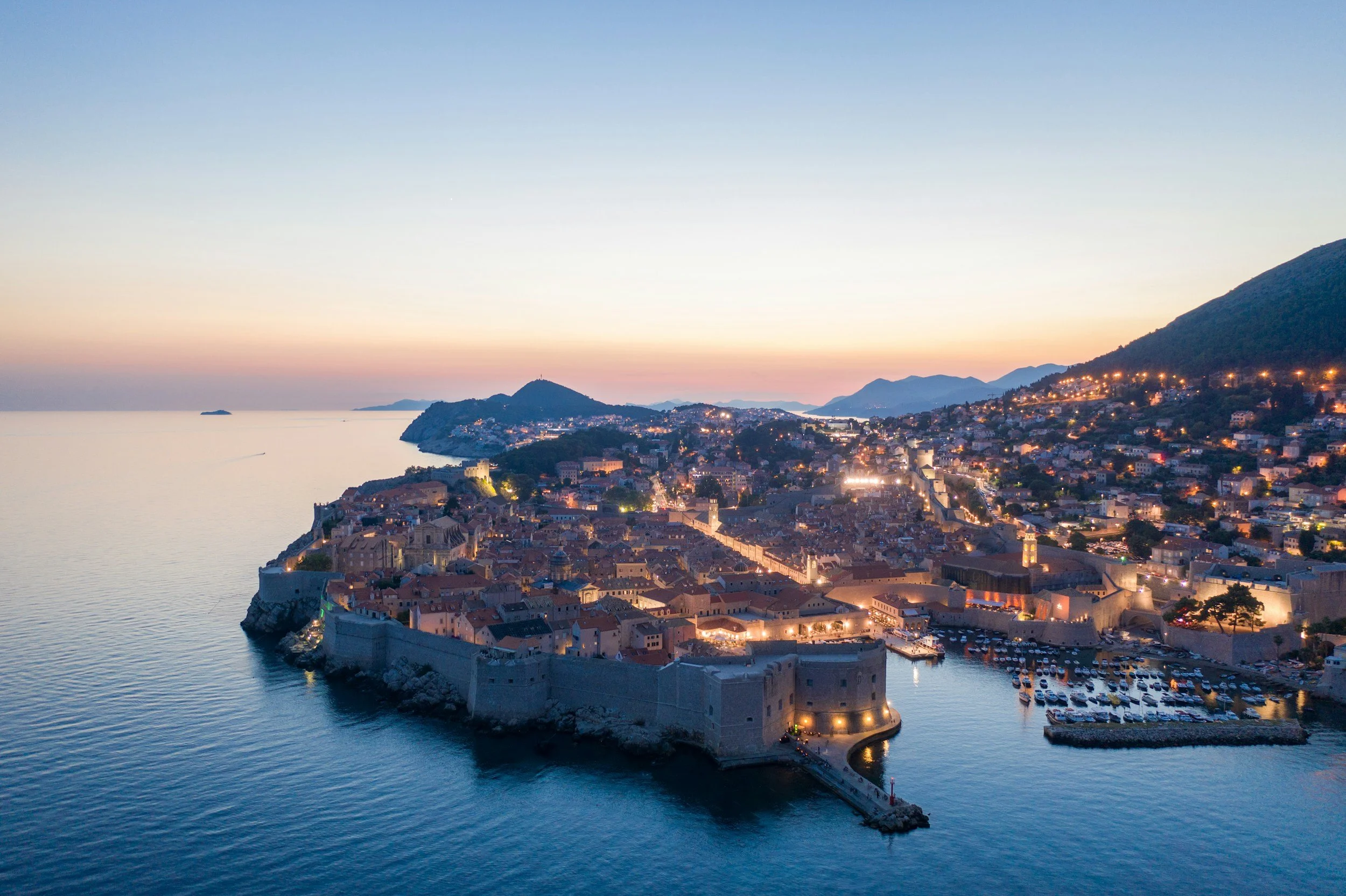
Dubrovnik is one of Europe’s most dramatic warm-weather city breaks. It’s compact, coastal and visually striking, with limestone streets, old city walls, terracotta rooftops and the Adriatic doing a frankly unfair amount of aesthetic work in the background.
It’s also one of the busiest destinations on this list, so expectations matter. Dubrovnik works best when you treat it as a short, atmospheric coastal city break rather than a quiet escape. The old town is small, the setting is spectacular, and the main trade-off is that you’ll rarely have it to yourself.
Why Dubrovnik works as a warm-weather city break
Dubrovnik gives you a strong sense of place quickly. The walled old town is the centrepiece, and while it can feel crowded, it remains one of the most memorable historic settings in Europe.
The city’s history as the Republic of Ragusa helps explain why it feels so distinctive. Dubrovnik was once a powerful maritime city-state, and that legacy is visible in its walls, gates, churches, monasteries and polished stone streets. It’s not just a pretty old town by the sea; it’s a city built around trade, defence and independence.
Warm weather adds to the experience because so much of the trip happens outdoors: walking the walls, taking in sea views, heading up to Mount Srđ, swimming off the rocks, catching a boat to Lokrum, or settling into a late dinner once the day-trippers begin to thin out.
What to prioritise
Start with the City Walls. They’re busy and not especially cheap, but they’re still the defining Dubrovnik experience. Walking above the old town gives you the clearest sense of the city’s structure: rooftops, church towers, narrow streets, fortifications and the Adriatic wrapped around it all.
Inside the old town, follow the Stradun, but don’t stop there. The main street is the obvious route, though the side lanes are often more interesting. Climb the staircases, look for quieter corners, and use the city as a place to wander rather than simply photograph from the most familiar angles.
For views, head up to Mount Srđ. The cable car is the easiest option, though walking is possible if the weather is sensible and your enthusiasm has not yet been fully moderated by Croatian sunshine. The view from the top is one of the best ways to understand Dubrovnik’s setting.
Add Lokrum Island if you want a break from the old town. It’s close, easy to reach by boat, and useful for swimming, walking and stepping out of the city’s busiest streets for a few hours.
Who Dubrovnik suits best
Dubrovnik is best for travellers who want a compact, scenic, coastal city break with history, sea views and a strong old-town atmosphere. It suits couples, first-time visitors to Croatia, short-trip travellers and anyone who wants a city that feels immediately memorable.
It’s less ideal if you want a relaxed, affordable or under-the-radar break. Dubrovnik is popular for a reason, and that popularity affects the experience. If you want a more practical base with beaches, ferries and a stronger everyday-city feel, Split may suit you better.
Suggested trip length
Two to three days is enough for Dubrovnik. Two days gives you the old town, the walls, Mount Srđ and a good evening or two. Three days lets you add Lokrum, more swimming time or a slower coastal day.
For most travellers, Dubrovnik works better as a focused short break than a long city stay. It’s beautiful, but compact. There’s no need to pretend otherwise in the name of itinerary inflation.
Practical note: best time to go
Dubrovnik is strongest outside the very busiest summer weeks, when the old town is easier to enjoy and the heat is less heavy. If you visit in peak summer, start early, book ahead where needed, and build your day around avoiding the busiest cruise-ship windows.
Compared with Split, Dubrovnik is more dramatic and visually contained. Split is more useful as a base. Dubrovnik is the one to choose if you want the postcard version of the Adriatic city break, provided you accept that many other people have also seen the postcard.
Split, Croatia
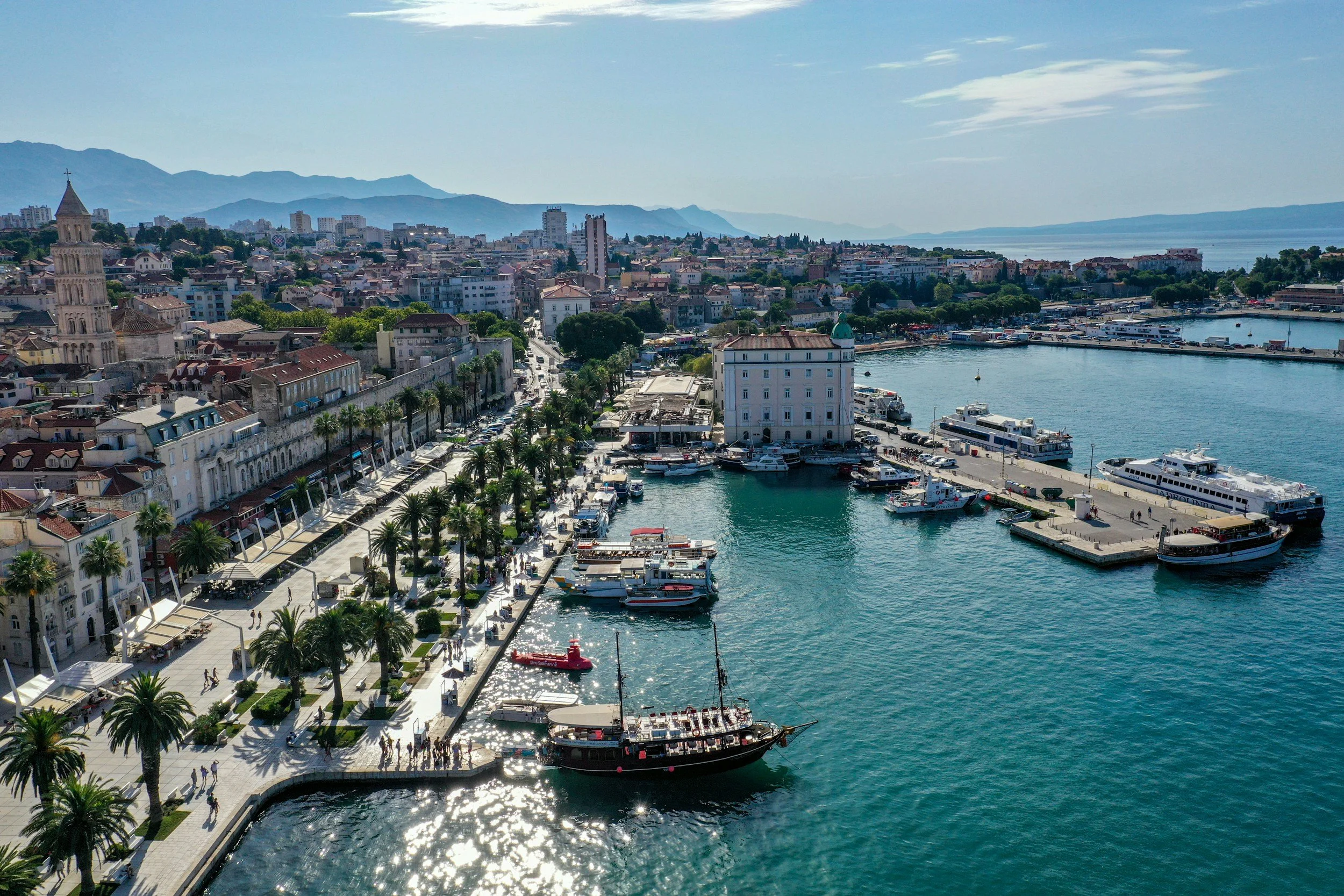
Split is one of the most practical warm-weather city breaks in Europe because it gives you history, beaches, waterfront life and island access in one easy base. It’s less visually dramatic than Dubrovnik at first glance, but it often works better as an actual trip.
The city has a lived-in quality that makes it feel different from a preserved old town. Locals still use the centre, ferries leave for the islands, the waterfront fills in the evening, and Roman history sits inside the daily rhythm of the city rather than apart from it.
Why Split works as a warm-weather city break
Split’s old centre is built around Diocletian’s Palace, which is what makes the city so unusual. This is not a palace you simply visit and leave. It forms the core of the city, with streets, shops, apartments, cafés, bars and restaurants woven through Roman walls and courtyards.
That gives Split a very different feeling from many historic cities. The past is not sealed off behind a ticket gate. It’s part of the urban fabric. You can walk through ancient gateways, pass Roman columns, hear music in the Peristyle, then find yourself ordering a drink a few minutes later as if this is all completely normal.
Warm weather makes Split especially useful because you can balance old-town exploring with the sea. The Riva waterfront becomes a natural meeting point, Marjan Hill gives you views and walking routes, and beaches are close enough to fold into the day without turning the trip into a full beach holiday.
What to prioritise
Start with Diocletian’s Palace and the surrounding old town. The best way to experience it is not to treat it like a single attraction, but to move through it slowly. The Peristyle, Cathedral of Saint Domnius, cellars and old gates are the key landmarks, but the real appeal is how the city has grown inside the Roman structure.
Spend time on the Riva, especially in the late afternoon or evening. It’s polished, busy and very much part of the visitor route, but it gives Split its social centre and makes the waterfront part of the city-break experience.
For views and fresh air, head to Marjan Hill. It’s one of the best ways to step away from the busiest streets without leaving the city. You get walking paths, sea views, shaded sections and a better sense of how Split sits between coast, hills and islands.
If you want beach time, Bačvice is the easiest option, though not the only one. For a better trip, treat the beach as part of the rhythm rather than the whole plan: morning old town, afternoon swim, evening food and waterfront walk. That’s where Split works particularly well.
Who Split suits best
Split is best for travellers who want a warm-weather city break with history, sea access and onward travel options. It suits people who like the idea of Dubrovnik but want somewhere more practical, more connected and a little less stage-managed.
It’s strong for couples, friend groups, island-hopping trips and travellers who want a mix of culture and relaxed coastal time. It’s less ideal if you want a large museum-heavy city or a purely polished escape. Split is compact, useful and atmospheric, but its real strength is the balance between city and coast.
Suggested trip length
Three to four days works best for Split. Three days gives you the old town, waterfront, Marjan Hill, beach time and one slower day. Four days gives you space for a nearby island trip, such as Hvar, Brač or Šolta.
If you’re using Split as part of a wider Croatia trip, it makes sense as a base rather than just a one-night stop. It has enough to hold a short break, but its ferry connections are what make it especially useful.
Practical note: best time to go
Split is at its best in late spring, early summer and early autumn, when the weather is warm but the city is easier to move through. Peak summer can be crowded, especially around the old town and ferry routes.
Choose Dubrovnik if you want the more dramatic, cinematic old-town setting. Choose Split if you want a city break that’s easier to use, better connected and more flexible. Dubrovnik gives you the spectacle. Split gives you the working base. Both have their place; only one is likely to make your ferry logistics less annoying.
How to Choose the Right Warm-Weather City Break
The best warm-weather city break depends less on the temperature and more on what you want the trip to feel like. Some cities are better for food, some for beaches, some for culture, and some for that very specific kind of evening where the plan quietly dissolves into a good square, a bottle of wine and no great urgency to leave.
Best overall warm-weather city break
Choose Lisbon if you want the easiest all-round option: views, food, nightlife, culture, day trips and a city that works well over three or four days.
It’s warm, scenic and atmospheric without feeling too difficult to plan. The hills are the main trade-off, but they’re also part of what makes the city so distinctive.
Best beach and city combination
Choose Valencia if you want a proper city break with easy beach access, excellent food and a calmer pace than Barcelona.
It’s one of the cleanest warm-weather choices in Europe because you can build the trip around markets, old streets, paella, green space and the beach without the city feeling fragmented.
Best for atmosphere
Choose Seville if you want architecture, tapas, courtyards, plazas and one of the strongest senses of place in Europe.
It’s not the best choice in peak summer, and it won’t give you the coast, but for warmth, culture and atmosphere, few cities feel more distinctive.
Best for food
Choose Naples, Palermo, Lisbon, Porto or Valencia.
Naples is the strongest choice if food is the main reason for the trip. Pizza, pastries, street food, seafood and old-school trattorias make the city one of Europe’s best eating weekends.
Palermo is better if you want street food, markets and a food culture shaped by Sicily’s layered history.
Lisbon and Porto are excellent for seafood, wine, pastries and long, relaxed meals, while Valencia is the obvious choice if you want to build the trip around paella and Mediterranean produce.
Best for beaches and city life
Choose Valencia, Nice, Barcelona, Split or Dubrovnik.
Valencia is probably the cleanest balance: proper city, proper beach, and enough space to enjoy both without too much friction.
Nice gives you a more polished coastal city break with Riviera day-trip potential, while Barcelona is the bigger, busier version with more architecture, nightlife and major sights.
Split works well if you want beaches and island access alongside history. Dubrovnik is better for dramatic coastal views than everyday beach ease.
Best for culture
Choose Athens, Seville, Barcelona, Palermo or Marseille.
Athens is the strongest cultural choice if ancient history is a priority, especially when paired with its museums, neighbourhoods and rooftop bar scene.
Seville gives you Moorish, Gothic and Andalusian layers in a city that feels deeply shaped by architecture and tradition.
Barcelona is best for Modernista architecture and big-city variety. Palermo is ideal if you want cultural layering that feels visible in the streets, food and buildings. Marseille is less polished, but fascinating if you’re interested in port cities, migration, markets and Mediterranean identity.
Best for a relaxed weekend
Choose Porto, Valencia, Nice or Split.
Porto is the best choice for a slower food-and-wine weekend. It’s compact, atmospheric and easy to enjoy without a long itinerary.
Valencia is relaxed because it’s so usable: old town, park, beach, food and nightlife all sit together without making the trip feel difficult.
Nice is better if you want a polished coastal rhythm, while Split is ideal if you want a mix of old town, waterfront and casual beach time.
Best for nightlife
Choose Barcelona, Lisbon, Athens or Marseille.
Barcelona has the most variety, from tapas and vermouth bars to late-night clubs.
Lisbon is strong for rooftop drinks, Bairro Alto, wine bars and a relaxed but lively evening atmosphere.
Athens is excellent for rooftop bars, late dinners and neighbourhoods like Psiri, while Marseille offers a more local, less polished version of Mediterranean nightlife.
Best for first-time visitors
Choose Lisbon, Barcelona, Seville, Valencia or Nice.
Lisbon is the easiest all-round recommendation: warm, atmospheric, food-led, scenic and manageable over three or four days.
Barcelona is the strongest if you want a major European city with architecture, beaches, food and nightlife in one trip.
Seville is ideal for a strong sense of place, Valencia for a calmer beach-and-city balance, and Nice for a polished coastal break with easy day trips.
Best before it gets too hot
Choose Seville, Athens, Palermo or Naples outside peak summer.
These cities can be brilliant warm-weather breaks, but timing matters. Spring and autumn are often better than July or August, especially if your plan involves walking, sightseeing and pretending exposed stone streets are not actively radiating heat back at you.
Best alternative to the obvious choices
Choose Valencia instead of Barcelona, Marseille instead of Nice, Palermo instead of Rome, or Porto instead of Lisbon.
These alternatives work because they keep part of the appeal but change the rhythm of the trip.
Valencia gives you Spain, beach access and food without Barcelona’s intensity.
Marseille gives you the Mediterranean with more edge than Nice.
Palermo gives you Italy with stronger market life and a more unusual architectural mix than Rome.
Porto gives you Portugal in a smaller, slower and more atmospheric package than Lisbon.
“The best warm-weather city breaks in Europe are the ones where sunshine adds to the trip rather than carrying it completely. A beach helps. A blue sky helps. A terrace in the evening certainly does its fair share of the work. But the strongest cities still give you something more substantial: food worth travelling for, neighbourhoods with character, culture that rewards your time, and enough atmosphere to make a short trip feel properly memorable.
For a first warm-weather European city break, Lisbon is one of the easiest choices. It has views, food, nightlife, neighbourhoods and a natural sense of movement that makes a few days feel full without becoming overwhelming.
For the best balance of beach and city, Valencia is hard to beat. It gives you warm weather, proper food culture, green space, architecture and beach access in a city that feels easier to use than Barcelona.
For atmosphere and architecture, choose Seville. It’s one of Europe’s most distinctive city breaks, especially when the weather is warm but not yet punishing.
For food, choose Naples or Palermo. Naples is intense, historic and deeply rewarding if you want pizza, street life and access to Pompeii or the coast. Palermo is better if you want markets, Sicilian street food and a city that feels layered in a way few European breaks do.
For coastal polish, choose Nice. For something rawer and more complex, choose Marseille. For Adriatic drama, choose Dubrovnik. For a more practical Croatia base with history, beaches and island access, choose Split.
The real trick is not simply choosing the hottest city. It’s choosing the place where warm weather improves the way you’ll actually spend your time: walking, eating, sitting outside, exploring neighbourhoods, staying out later, and letting the city feel more open than it would in colder months.
Choose well, and a warm-weather city break can give you the best of both worlds: the ease of a sunny escape, with the depth of a proper trip.”
More Europe Travel Guides
Planning more European city breaks? You may also like:
Best European Cities for Design Lovers
48 Hours in Vienna: A First-Time Weekend Itinerary
Best Experiences in Vienna
Vienna Food and Drink Guide