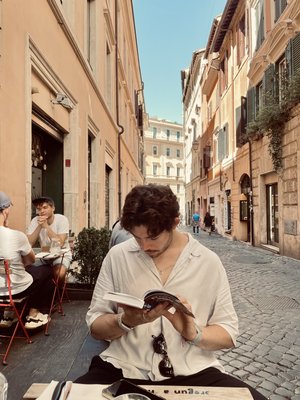
48 Hours in Vienna: A First-Time Weekend Itinerary
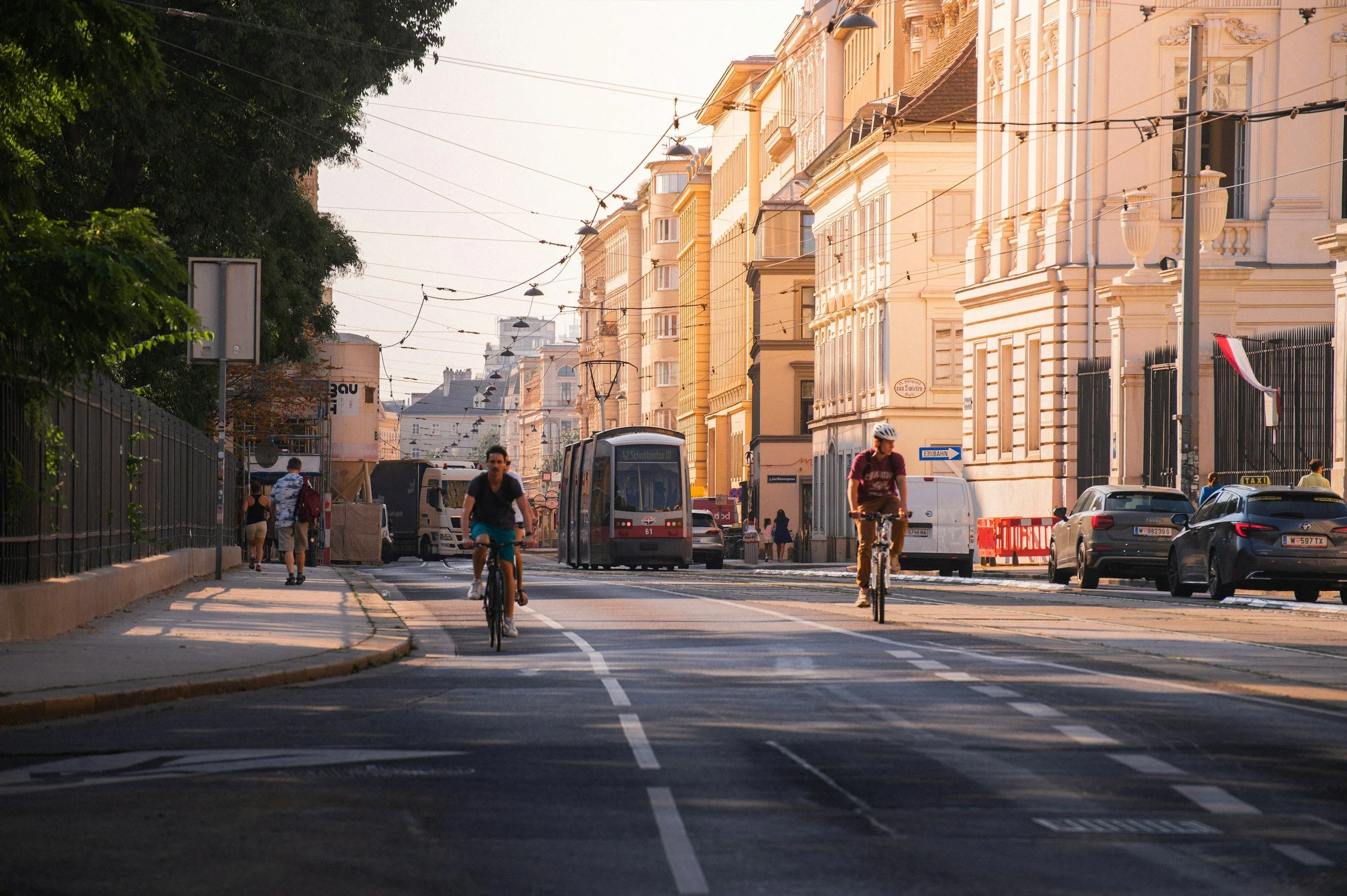
Vienna is one of Europe’s best city breaks, but it’s also very easy to overplan. With palaces, museums, opera houses, coffee houses, grand streets, markets and wine taverns all competing for attention, a weekend can quickly become a sprint between beautiful buildings.
With only 48 hours in Vienna, the goal is not to see everything. It’s to choose the right mix of classic sights, cultural experiences, food stops, neighbourhoods and slower moments so the trip feels rich without becoming exhausting.
This itinerary is designed for first-time visitors who want a realistic weekend plan. It covers where to stay, how to structure each day, what to prioritise, what to skip, and how to experience Vienna without turning the trip into a checklist.
How to Spend 48 Hours in Vienna
A good 48-hour Vienna itinerary needs structure, but not too much of it. The city works best when you combine a few major sights with enough space for coffee, food, walking and atmosphere.
For a first visit, the strongest approach is:
Day 1: classic Vienna
Focus on the historic centre, the Hofburg, the Ringstrasse, coffee house culture and a memorable evening.
Day 2: art, palaces and neighbourhoods
Choose one major palace or museum experience, add a market or food stop, then spend the afternoon around Neubau, MuseumsQuartier or Spittelberg.
This gives you the two main sides of Vienna. Day one covers the grand, central, immediately recognisable version of the city. Day two adds a more layered version: art, neighbourhoods, food, cafés and a slightly less formal rhythm.
The key is not trying to do Schönbrunn, the Belvedere, the Hofburg interiors, multiple museums, an opera, every famous café and a Heuriger in the same weekend. A better plan is to choose one major cultural experience properly, then build the rest of the weekend around movement, atmosphere and good decisions.
Is 48 Hours Enough for Vienna?
Yes, 48 hours is enough for a strong first taste of Vienna. It’s not enough to see everything, but it is enough to understand why the city is one of Europe’s great cultural capitals.
With two well-planned days, you can comfortably experience:
The historic centre
Including St Stephen’s Cathedral, Graben, the Hofburg, the State Opera and the Ringstrasse.
One major palace or art experience
Such as Schönbrunn Palace, the Belvedere, the Kunsthistorisches Museum or the Albertina.
One proper coffee house
Not a takeaway coffee. A slow, sit-down Vienna café experience with coffee and cake.
One neighbourhood beyond the Ring
Ideally Neubau, Spittelberg or MuseumsQuartier for a more contemporary side of the city.
One food-led stop
Such as Naschmarkt, a traditional lunch, a Würstelstand, or a proper cake-and-coffee moment.
One memorable evening
Opera, classical music, a wine bar, a traditional dinner or, if you have the time and energy, a Heuriger.
What 48 hours is not enough for is everything at once. You won’t be able to do every palace, every major museum, every famous café, a full Heuriger evening, Prater, the vineyards and a completely relaxed weekend.
The best 48-hour Vienna trip is selective. Choose the experiences that give you the strongest sense of the city, then leave a little space between them.
Where to Stay for 48 Hours in Vienna
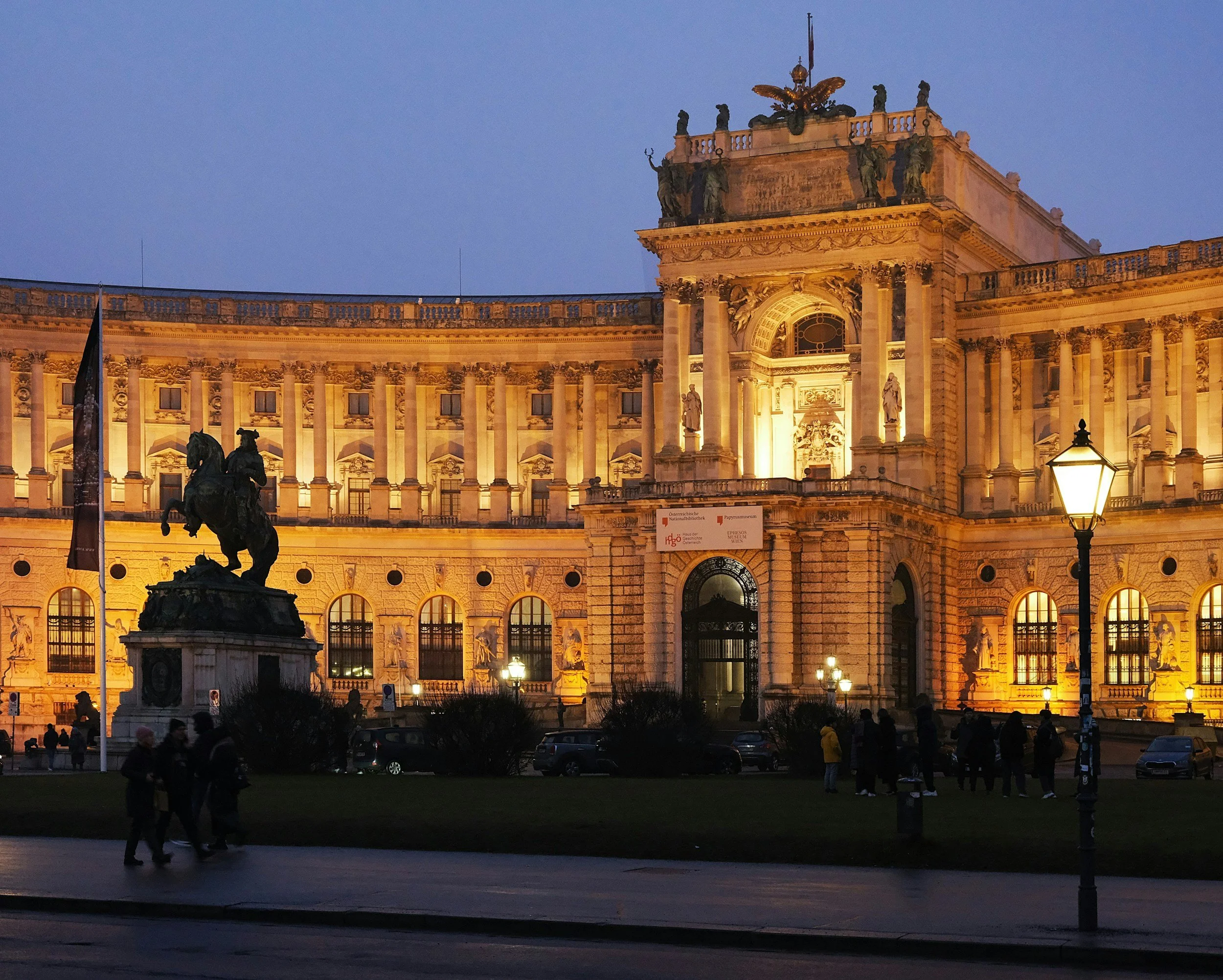
With only 48 hours in Vienna, where you stay matters. You don’t need to be inside the historic centre, but you should stay somewhere that makes the weekend easy. Losing time to awkward transport or an inconvenient base is not ideal on a short city break.
For most first-time visitors, the best areas are Innere Stadt, Wieden or Neubau.
Innere Stadt
Best for: classic Vienna, walkability and first-time visitors
Innere Stadt is the most convenient base if you want the major sights close by. You’ll be near St Stephen’s Cathedral, the Hofburg, the State Opera, traditional coffee houses, grand streets and many of the city’s classic landmarks.
This is the easiest option for a short trip, especially if it’s your first time in Vienna and you want to walk as much as possible.
The trade-off is that it can be expensive and more visitor-heavy. You get convenience and atmosphere, but less of a local neighbourhood feel.
Wieden
Best for: a calmer central base with strong access
Wieden is one of the best areas for a balanced weekend. It sits close to the historic centre but feels softer and less polished than Innere Stadt. You’re well placed for Karlskirche, Karlsplatz, Belvedere, Naschmarkt and easy access into the centre.
This is a strong choice if you want to stay central without being right in the busiest part of the visitor circuit.
For a 48-hour trip, Wieden works especially well because it connects naturally to both day one and day two of this itinerary.
Neubau
Best for: cafés, museums, design shops and a more contemporary feel
Neubau is the best area if you want your Vienna weekend to feel a little more creative and less formal. You’ll be close to MuseumsQuartier, Spittelberg, cafés, independent shops, restaurants and galleries.
It’s not as immediately classic as Innere Stadt, but that’s part of the appeal. Neubau gives you a more modern version of Vienna while still keeping you close enough to the main sights.
This is a strong base for couples, design-conscious travellers and anyone who wants the weekend to include more than palaces and formal streets.
Mariahilf
Best for: Naschmarkt, shopping, food and practical access
Mariahilf is useful rather than especially romantic. It gives you easy access to Naschmarkt, Mariahilfer Strasse, restaurants, shops and transport, while keeping you close to Neubau, Wieden and the historic centre.
It’s a good option if you find a well-located hotel and want a practical base. It may not be Vienna at its most atmospheric, but it works well for a short trip.
Leopoldstadt
Best for: Prater, Danube Canal and a less formal stay
Leopoldstadt can work well if you want more space, access to Prater, the Danube Canal and a more relaxed version of Vienna. It’s especially useful in warmer months.
For a short first trip, location matters more here. Stay close to good transport or near the canal if you want the area to feel convenient.
Where I’d Stay for a First 48 Hours in Vienna
For most first-time visitors, I’d keep the shortlist simple:
Innere Stadt if you want maximum convenience and classic Vienna.
Wieden if you want a calmer central base with excellent access.
Neubau if you want cafés, museums and a more contemporary weekend feel.
That gives you the best balance of practicality, atmosphere and easy movement across the city.
48 Hours in Vienna at a Glance
For a first trip, I’d structure the weekend like this.
Day 1: Classic Vienna
Morning: Historic centre walk around St Stephen’s Cathedral, Graben and Kärntner Strasse.
Late morning:Hofburg, Burggarten, the State Opera and part of the Ringstrasse.
Lunch: Traditional Viennese lunch, central café or quick Würstelstand stop.
Afternoon: Coffee house culture, with the Albertina or State Opera area as an optional add-on.
Evening: Opera, classical music, wine bar, traditional dinner or a relaxed meal around Innere Stadt, Wieden or Neubau.
Day 2: Palaces, Art and Neighbourhoods
Morning: Choose Schönbrunn Palace or the Belvedere.
Lunch: Naschmarkt, Wieden or Karlsplatz.
Afternoon: MuseumsQuartier, Neubau and Spittelberg.
Evening: Central wine bar, Heuriger if time allows, or relaxed final dinner.
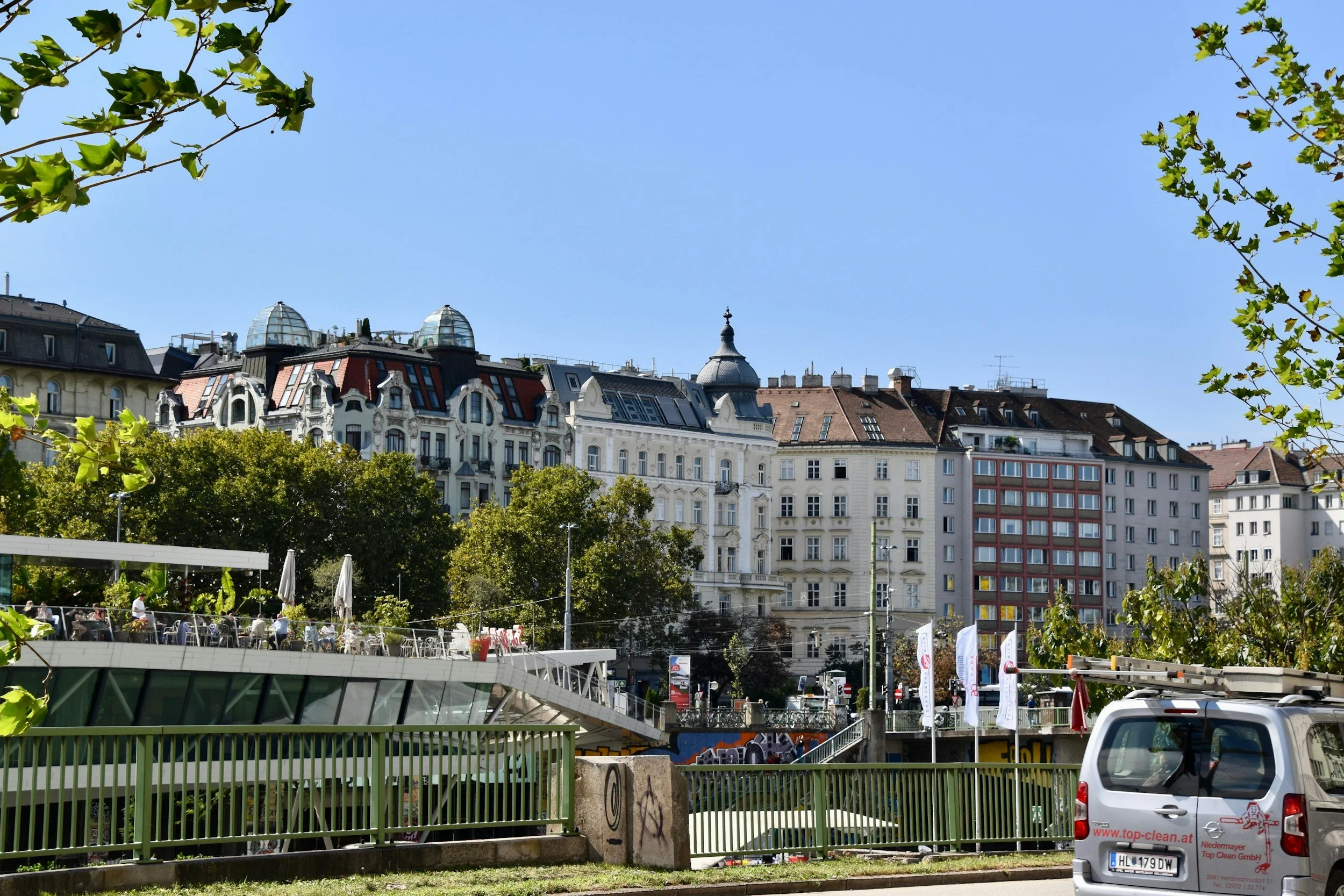
Day 1: Classic Vienna, Coffee Houses and a Memorable Evening
Day one should give you the version of Vienna most first-time visitors came for: historic streets, grand architecture, imperial landmarks, coffee house culture and one strong evening experience.
The aim is not to go inside every major building. It’s to get your bearings, understand the city’s central character, and leave enough room for Vienna to feel atmospheric rather than over-managed.
Morning: Start in the Historic Centre
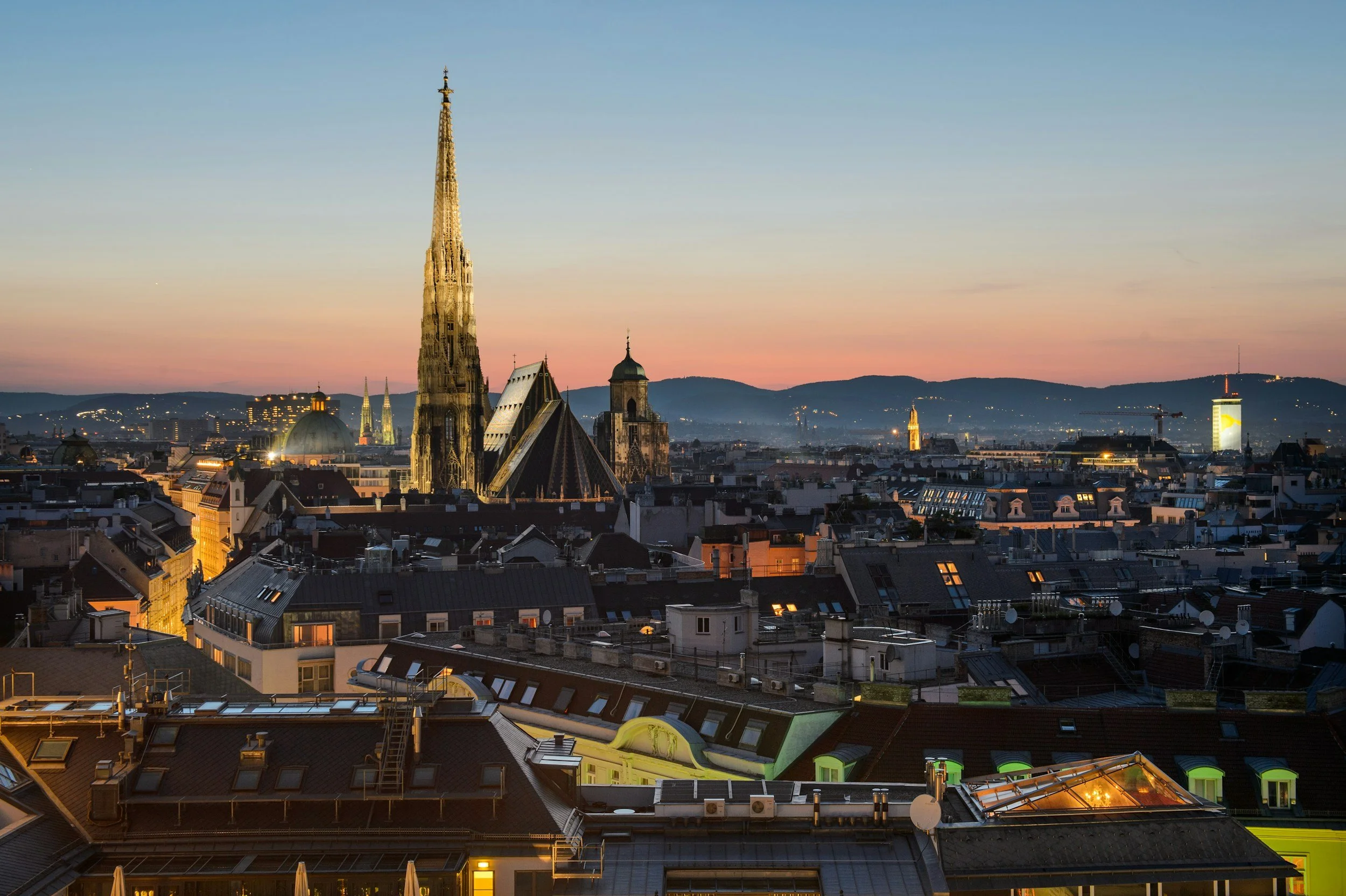
Start at St Stephen’s Cathedral, then use the surrounding streets to get your bearings. Walk through Graben, continue towards Kohlmarkt, then loop towards Kärntner Strasse or the Hofburg depending on how quickly you want to move.
This part of the city is best experienced on foot. The distances are manageable, and the atmosphere sits in the details: side streets, courtyards, fountains, statues, church interiors and the way Vienna moves between monumental and intimate within a few minutes.
A simple route could look like this:
St Stephen’s Cathedral
Start with the city’s central landmark.
Graben
Walk one of Vienna’s most elegant central streets.
Kohlmarkt
A polished route towards the Hofburg area.
Kärntner Strasse
Useful if you want to move towards the State Opera.
Side streets and courtyards
Leave room to wander rather than moving in a straight line.
This morning is less about ticking off every sight and more about getting a feel for Vienna’s old centre. If you only do one thing on your first morning, make it a proper walk through the Innere Stadt.
Late Morning: Hofburg, Burggarten and the Ringstrasse
From the historic centre, move towards the Hofburg, Vienna’s vast former imperial palace complex. Even if you don’t go inside, the scale of the area gives you a strong sense of the city’s history and power.
Walk through the courtyards, look towards the Spanish Riding School, pass the Austrian National Library area, and continue towards Burggarten.
Burggarten is a useful pause between the Hofburg and the Ringstrasse. It gives the route a little breathing space, especially if you’ve spent the morning surrounded by formal streets and grand buildings.
From there, continue towards the Vienna State Opera and the Ringstrasse, the grand boulevard that wraps around the historic centre. This is where Vienna’s 19th-century confidence is easiest to see: museums, theatres, parks, cultural institutions and wide avenues designed to impress.
With only 48 hours, I’d keep this mostly exterior-focused unless you’re especially interested in imperial history. A full Hofburg interior visit can be worthwhile, but it may make the day feel too heavy if you’re also planning coffee, dinner and an evening performance.
For most first-time visitors, this late-morning section works best as a walk: Hofburg, Burggarten, State Opera, then a stretch of the Ringstrasse. It gives you the grand central version of Vienna without taking over the entire day.
Lunch: Classic Vienna or a Casual Central Stop
By this point, you’ll probably be ready for lunch. The best option depends on how much you want to commit to a traditional meal on day one.
If you want the classic version, this is a good time for Wiener Schnitzel, Tafelspitz or goulash. A proper Viennese lunch works well here, especially if you’re planning a lighter dinner or an evening performance later.
Good options to consider include Figlmüller if you want the famous schnitzel experience, or Plachutta if you’re more interested in Tafelspitz and traditional Viennese cooking. These are popular places, so book ahead rather than relying on heroic optimism.
If you’d rather keep lunch lighter, choose a central café, bakery or a quick Würstelstand stop. A Käsekrainer from a sausage stand is casual, filling and very Viennese, without turning lunch into a full sit-down event.
For a first 48 hours in Vienna, I’d choose one of two approaches:
Traditional lunch
Best if you want the classic savoury food moment early in the trip.
Casual lunch
Best if you want to save appetite and time for coffee, cake or a bigger evening meal.
The main thing is not to overdo lunch if you’re planning a proper coffee house stop in the afternoon. Vienna is generous with food; build the day accordingly.
Afternoon: Coffee House Culture and the Albertina Area
After lunch, slow the pace with a proper Vienna coffee house stop. This is one of the city’s essential experiences, and it fits naturally into day one because you’re already in or close to the historic centre.
Choose a traditional café and give it time. Order a Melange or Einspänner, add cake if the timing works, and resist the urge to treat it like a quick break. In Vienna, a coffee house is not simply where you recover from sightseeing. It is part of the sightseeing.
Classic central options include Café Sacher, Demel, Café Hawelka, Café Prückel or Café Sperl. The right choice depends on the mood you want: iconic cake, historic pastry, old-world atmosphere or something a little less glossy.
If you still want to add another cultural stop afterwards, keep it manageable. The Albertina works well because it’s central, close to the State Opera and easy to combine with the surrounding area. You could also simply walk around the State Opera, Burggarten and nearby streets rather than committing to another museum.
This is one of the most important judgement calls in the itinerary. If the morning has already felt full, let the coffee house be the afternoon experience. You do not need to add a museum just because there is time on paper.
Evening: Opera, Classical Music, Wine Bar or Dinner
For your first evening in Vienna, choose one memorable experience rather than trying to do everything.
If you want the classic cultural version, book the Vienna State Opera, Musikverein or Konzerthaus. Vienna is one of the best cities in Europe for a music-led evening, and a performance gives the first day a sense of occasion.
If you’re not interested in opera or classical music, use the evening for food or wine instead. A traditional dinner works well if lunch was lighter. A wine bar is a good option if you want something more relaxed but still connected to the city’s local wine culture.
For a low-effort first evening, stay around Innere Stadt, Wieden or Neubau. These areas keep the evening simple and avoid unnecessary transport after a full day of walking.
A few good evening approaches:
Opera or classical music
Best if you want the most distinctive cultural evening.
Traditional dinner
Best if you kept lunch light and want a classic Viennese meal.
Wine bar
Best if you want something relaxed, local-feeling and easier to manage than a full Heuriger trip.
Neubau dinner or drinks
Best if you want the evening to feel more contemporary and less formal.
For most first-time visitors, I’d avoid making the first evening too complicated. Day one already gives you the historic centre, the Hofburg, the Ringstrasse, coffee house culture and a lot of walking. End with one strong experience, then leave the rest alone.
Day 2: Palaces, Art, Markets and Neighbourhoods
Day two should give your Vienna weekend a little more range. After spending the first day around the historic centre, the Hofburg, coffee houses and classic central Vienna, this is the day to add a major palace or art experience, a market or food stop, and a more contemporary neighbourhood afternoon.
Recommended Day 2 Route
For most first-time visitors, the easiest Day 2 route is:
Belvedere → Wieden or Naschmarkt → MuseumsQuartier / Neubau → wine bar or relaxed dinner
This gives you a major cultural experience in the morning, a flexible food stop at lunch, a more contemporary neighbourhood afternoon, and an evening that does not involve too much extra travel.
Choose Schönbrunn instead if the full palace experience matters more to you, but expect the day to feel slightly more spread out.
Morning: Choose Belvedere or Schönbrunn
Start the morning with one major set-piece experience. Do not try to do both unless you’re happy for the day to become much busier.
Option 1: Belvedere
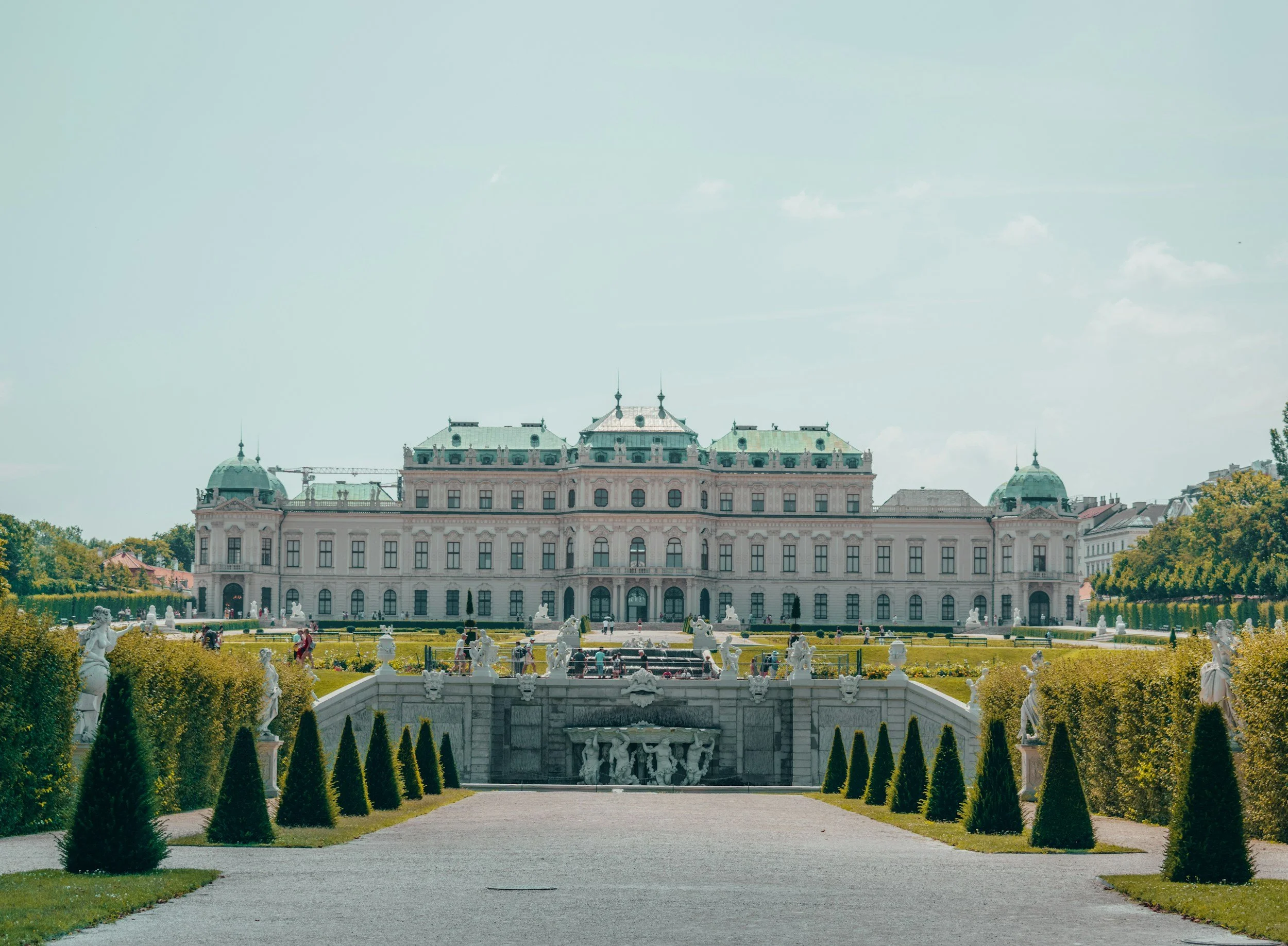
Choose the Belvedere if you want a major cultural experience that’s easier to fit into 48 hours. It gives you palace architecture, formal gardens, city views and one of Vienna’s most famous artworks in a manageable visit.
Most visitors come for Gustav Klimt’s The Kiss in the Upper Belvedere, but the experience works well beyond that single painting. The setting is beautiful, the gardens are easy to build into the visit, and the location works naturally with Wieden, Karlskirche, Karlsplatz and Naschmarkt afterwards.
Belvedere is best for:
Art and architecture
A strong combination of museum and palace setting.
A shorter itinerary
Easier to fit into a 48-hour weekend than Schönbrunn.
First-time visitors who want a major highlight without losing half the day
A very efficient Vienna experience.
The trade-off is that it’s not the full imperial palace day out. If that matters to you, choose Schönbrunn.
Option 2: Schönbrunn Palace
Choose Schönbrunn Palace if you want the full imperial palace experience. This is the better option if you’re especially interested in Habsburg history, royal interiors, formal gardens and the scale of Vienna’s imperial past.
Schönbrunn works best when you give it the morning. Between travelling there, seeing the palace interiors, walking the gardens and heading up towards the Gloriette, it can easily become a half-day experience.
That is not a bad thing, but it does shape the rest of the itinerary. If you choose Schönbrunn, keep the afternoon lighter. Don’t try to force in another major museum afterwards unless you enjoy turning city breaks into cultural interval training.
Schönbrunn is best for:
Imperial history
The clearest full palace experience in Vienna.
Gardens and viewpoints
Especially if you walk up to the Gloriette.
First-time visitors who love palaces
Worth prioritising if this is the kind of Vienna you came for.
The trade-off is time. It’s slightly outside the centre and asks more of the day.
Which One Should You Choose?
For most first-time visitors with only 48 hours, choose the Belvedere. It gives you a major Vienna experience, but leaves enough space for lunch, neighbourhood exploring and a good final evening.
Choose Schönbrunn if palaces are a priority and you’re happy to give the morning to it properly.
Do not choose both unless you’re deliberately building a more intense itinerary. It’s possible, but it will make the weekend feel more compressed than it needs to be.
Lunch: Naschmarkt or Wieden
After your morning experience, keep lunch flexible.
If you visited the Belvedere, it’s easy to move towards Wieden, Karlsplatz or Naschmarkt. This is one of the cleanest routes for a 48-hour itinerary because it moves you naturally from art and gardens into a food-led, central-but-slightly-less-formal part of the city.
Naschmarkt is the easiest choice if you want a casual market lunch. It’s busy and well known, but useful: stalls, cafés, restaurants, produce, international food and enough variety to keep the decision-making fairly painless.
Use Naschmarkt for:
Casual lunch
Good if you don’t want another formal restaurant.
Market browsing
Useful if you like food, produce, spices and grazing.
A bridge between Wieden, Mariahilf and Neubau
It fits well before an afternoon around MuseumsQuartier or Spittelberg.
If markets are not your thing, don’t force it. Choose a proper lunch in Wieden, Karlsplatz, Mariahilf or Neubau instead. The point is to keep the middle of the day practical rather than overplanned.
If you chose Schönbrunn in the morning, lunch depends on timing. You can either eat near the palace, return towards the centre, or head towards Naschmarkt if you still want a market stop. Just be realistic. Schönbrunn plus Naschmarkt plus a full Neubau afternoon is possible, but it will make day two busier.
For most first-time visitors, the best lunch plan is simple: Belvedere in the morning, Naschmarkt or Wieden for lunch, Neubau and MuseumsQuartier in the afternoon.
Afternoon: Neubau, MuseumsQuartier and Spittelberg
Spend the afternoon around Neubau, MuseumsQuartier and Spittelberg. This is where the itinerary starts to feel less formal and more contemporary, which is important after a morning of palaces, art or imperial history.
MuseumsQuartier is the natural anchor. It’s one of Vienna’s strongest cultural areas, with major institutions such as the Leopold Museum and mumok, as well as courtyards, cafés and open space. You do not need to visit another museum here unless you want to. The area itself works as a place to wander, pause and shift the tone of the day.
If you do want a museum, the Leopold Museum is the best fit for this itinerary. It gives you Austrian modernism, Egon Schiele, Gustav Klimt and Vienna around 1900, and it connects well with the broader creative feel of Neubau.
If you’d rather keep the afternoon lighter, skip the museum and focus on the neighbourhood. Wander through Spittelberg, look for cafés, independent shops, galleries, restaurants and smaller streets that feel much softer than the grand avenues of the historic centre.
This is one of the most useful parts of the itinerary because it stops the weekend becoming only about classic Vienna. Neubau gives you cafés, design, culture and a more current version of the city. It’s still central, but it feels less like a formal procession through the past.
A good afternoon could look like this:
Museum-focused version
Visit the Leopold Museum, then walk through Spittelberg for coffee, shops or early evening drinks.
Neighbourhood-focused version
Skip the museum and spend the afternoon wandering Neubau and Spittelberg slowly.
Food-and-café version
Have lunch near Naschmarkt, then use the afternoon for cafés, shops and a lighter neighbourhood walk.
For most first-time visitors, I’d avoid adding another heavy museum unless you actively want one. After two days in Vienna, a good café and a neighbourhood walk may do more for the trip than another hour under museum lighting.
Evening: Wine, a Heuriger or a Relaxed Final Dinner
For your final evening in Vienna, choose based on energy. This is not the moment to force a complicated plan just because there’s one more famous experience available.
You have three strong options.
Option 1: Central Wine Bar
This is the best option for most 48-hour trips. It gives you a wine-led evening without the travel time required for a traditional Heuriger.
Vienna has a stronger wine culture than many visitors expect, and a central wine bar lets you try Austrian wine without turning the evening into a logistical exercise. Look for Wiener Gemischter Satz if you want something distinctly local, or Grüner Veltliner for an easy Austrian white.
This works especially well if you’ve spent the afternoon around Neubau, Wieden or Innere Stadt and want to keep the final evening low-effort.
Option 2: Heuriger
A Heuriger is the more atmospheric option if you have the time and energy. These traditional wine taverns serve local wine, often with simple food, and they give you a slower, more local-feeling side of Vienna.
The best-known areas include Grinzing, Nussdorf and Stammersdorf, but they require more planning than a central dinner. Check opening days, travel time and whether you’re comfortable heading out from the centre on your final evening.
A Heuriger is a good choice if:
You have three nights rather than a tight 48 hours
It works better when the evening has space.
Local wine is a priority
This is one of Vienna’s most distinctive food and drink experiences.
You don’t mind travelling slightly outside the centre
The reward is atmosphere, but the trade-off is convenience.
For a strict 48-hour trip, I’d only choose a Heuriger if it’s genuinely important to you. Otherwise, save it for a longer visit.
Option 3: Relaxed Final Dinner
The easiest option is a proper final dinner in Neubau, Wieden, Innere Stadt or Leopoldstadt. This is the best choice if you want to end the weekend without adding another layer of transport or planning.
You could choose something traditional if you skipped it on day one, or something more modern if you’ve already done the classic Viennese meal. Neubau and Leopoldstadt are especially good for a more contemporary dinner, while Innere Stadt and Wieden work well if you want to stay closer to the hotel or central sights.
For most readers, I’d recommend one of two endings:
A central wine bar if you want something relaxed but still locally distinctive.
Dinner in Neubau or Wieden if you want the simplest, most enjoyable final evening.
A Heuriger is excellent, but not every good Vienna weekend needs to end with a journey to the wine hills. Sometimes the smarter move is a good glass of Austrian wine, a proper dinner, and the dignity of not spending your final night negotiating tram connections.
Optional Swaps for Different Traveller Types
The itinerary above is designed for a balanced first trip, but not every traveller wants the same version of Vienna. Use these swaps to adjust the weekend without breaking the overall structure.
If You Love Art and Museums
Make the itinerary more culture-led.
Prioritise:Albertina, Belvedere, Leopold Museum, Kunsthistorisches Museum.
Best swap: choose Belvedere over Schönbrunn on Day 2, then add the Leopold Museum in the afternoon.
Suggested route:
Day 1: historic centre, Hofburg area, coffee house, Albertina, music or dinner.
Day 2: Belvedere, Naschmarkt or Wieden lunch, Leopold Museum, Spittelberg, wine bar or dinner.
Skip or reduce: Prater, Danube Canal, extra shopping time or a long lunch.
If You Prefer Food and Coffee Houses
Make the itinerary more food-led and less museum-heavy.
Prioritise: traditional coffee house, Naschmarkt, Würstelstand, classic Viennese meal, wine bar or Heuriger.
Best swap: skip the optional museum on Day 1 and make the coffee house the main afternoon experience.
Suggested route:
Day 1: historic centre walk, traditional lunch, coffee house afternoon, wine bar or classic dinner.
Day 2: Belvedere or light cultural stop, Naschmarkt lunch, Neubau cafés and shops, final dinner or Austrian wine.
Skip or reduce: extra museum time, long palace interiors or a packed evening performance.
If You Want a More Relaxed Weekend
Reduce the number of interiors and give yourself more time between stops.
Prioritise: historic centre walk, one coffee house, Belvedere, Neubau, Spittelberg, wine bar or easy dinner.
Best swap: choose Belvedere over Schönbrunn and skip any optional museum add-ons.
Suggested route:
Day 1: historic centre, Hofburg exterior, coffee house, easy dinner.
Day 2: Belvedere, Wieden or Naschmarkt lunch, Neubau and Spittelberg, wine bar or relaxed final dinner.
Skip or reduce: evening performance, extra museums, Schönbrunn, or a Heuriger that requires more travel.
If You’re Visiting in Summer
Add more outdoor time.
Prioritise:Burggarten, Stadtpark, Belvedere gardens, Danube Canal, Prater, outdoor drinks or a wine-led evening.
Best swap: add Danube Canal drinks or Prater instead of a second museum.
Suggested route:
Day 1: historic centre, Hofburg and Burggarten, coffee house, Danube Canal drinks or dinner.
Day 2: Belvedere gardens or Schönbrunn, Naschmarkt lunch, Neubau afternoon, Prater or wine bar in the evening.
Skip or reduce: too many interiors, unless the weather is poor.
If You’re Visiting in Winter
Lean into Vienna’s indoor culture.
Prioritise: coffee houses, museums, classical music, Christmas markets if in season, grand interiors and traditional restaurants.
Best swap: add Albertina, Kunsthistorisches Museum or Leopold Museum instead of extra outdoor wandering.
Suggested route:
Day 1: historic centre, Hofburg area, coffee house, Albertina or State Opera area, traditional dinner or concert.
Day 2: Belvedere or Kunsthistorisches Museum, warm lunch, MuseumsQuartier or Leopold Museum, wine bar or classic dinner.
Skip or reduce: Danube Canal, Prater or outdoor-heavy plans if the weather is poor.
Winter is also a good time to prioritise opera, classical music or a proper restaurant evening. The city’s indoor culture is one of its strengths. Use it.
What to Prioritise with Only 48 Hours in Vienna
With only 48 hours in Vienna, prioritise the experiences that give you the clearest sense of the city without making the weekend feel overloaded.
A historic centre walk
Start with St Stephen’s Cathedral, Graben, the Hofburg, the State Opera and the Ringstrasse. This gives you the classic Vienna foundation.
One palace or major art experience
Choose Schönbrunn if you want the full palace visit, Belvedere if you want Klimt, gardens and a more efficient cultural stop, or the Kunsthistorisches Museum / Albertina if museums are more your thing.
One proper coffee house stop
This is essential. Choose a traditional coffee house, order properly, add cake and take your time.
One neighbourhood beyond the Ring
Neubau, Spittelberg and MuseumsQuartier are especially strong for a first trip because they add cafés, design, galleries and a more contemporary feel.
One food-led moment
That could be Naschmarkt, a traditional Viennese lunch, a Würstelstand, a cake stop or a wine bar. Food should not be treated as filler in Vienna.
One memorable evening
Choose opera, classical music, a wine bar, a traditional dinner or a Heuriger if you have enough time and energy.
That gives you a first Vienna trip that feels complete without trying to cover everything. You’ll get the grand city, the cultural city, the food city and the slower city — all without needing a holiday after the holiday.
What to Skip with Only 48 Hours in Vienna
Vienna has more than enough to fill a week, so a good 48-hour itinerary needs clear exclusions. Skipping things is not failure. It’s how the weekend stays enjoyable.
Multiple Palace Interiors
Do not try to visit Schönbrunn, the Hofburg and the Belvedere as full interior experiences in one short trip.
Choose one main palace-style experience:
Schönbrunn for the full imperial palace day.
The Hofburg if you want central imperial history.
The Belvedere if you want art, gardens and palace architecture in a more manageable visit.
Trying to do all three will make the trip feel repetitive and rushed, even if each place is individually worthwhile.
Too Many Museums
Vienna has excellent museums, but museum fatigue is real. For a short trip, one major museum is usually enough unless art is the main reason you’re visiting.
Choose based on interest:
Kunsthistorisches Museum for grand art and imperial collections.
Albertina for a central, flexible art stop.
Leopold Museum for Austrian modernism and Vienna 1900.
MAK for design and applied arts.
Natural History Museum for families or variety.
Two museums can work if you love them. Five is a personality test.
A Rushed Heuriger
A Heuriger can be one of Vienna’s best experiences, but it needs time. The traditional wine tavern areas are not usually right in the central sightseeing circuit, so the evening works best when you can make it the plan.
If you only have a strict 48 hours, a central wine bar is often the smarter choice. Save the Heuriger for a longer trip unless local wine is one of your main priorities.
Random Tourist Concerts
Vienna is famous for music, but that does not mean every concert marketed to visitors is worth booking.
If you want opera or classical music, choose carefully. Look at the venue, programme and timing. The Vienna State Opera, Musikverein and Konzerthaus are strong starting points, but smaller performances can also be worthwhile if they feel well chosen.
The key is not booking something simply because the flyer looks vaguely eighteenth-century.
Outer Districts Without a Clear Reason
Vienna’s outer districts can be interesting, but they are not the priority on a first 48-hour trip unless there is a specific reason to go.
With limited time, focus on Innere Stadt, Wieden, Neubau, Mariahilf and possibly Leopoldstadt. These areas give you the strongest mix of sights, food, culture, neighbourhood atmosphere and practical movement.
Every Famous Café
You do not need to visit every famous coffee house. Choose one properly.
For the iconic cake moment, look at Café Sacher or Demel. For something more traditional and less glossy, consider Café Sperl, Café Prückel or Café Hawelka.
One good coffee house experience will do more for the trip than three rushed stops with steadily increasing caffeine and decreasing judgement.
Forcing Both Schönbrunn and Belvedere
It is possible to visit both Schönbrunn and the Belvedere in 48 hours, but it’s not always the best use of time.
If you love palaces and art, fine. Build the weekend around them. But for most first-time visitors, choosing one will leave more room for coffee houses, neighbourhoods, food and a better final evening.
The stronger weekend is usually not the one with the most famous names. It’s the one that still feels good while you’re actually living it.
“The best way to spend 48 hours in Vienna is to be selective. The city has too many grand sights, museums, cafés, palaces and evening options to cover everything properly in one weekend, so the aim is not completion. It’s balance.
Start with the historic centre, because that gives you the classic version of Vienna: St Stephen’s Cathedral, Graben, the Hofburg, the State Opera and the Ringstrasse. Add one major cultural experience, such as Schönbrunn, the Belvedere, the Kunsthistorisches Museum or the Albertina, depending on what you care about most.
Then make room for the experiences that give the city its rhythm: a proper coffee house, a food-led stop, a neighbourhood afternoon around Neubau or Spittelberg, and one evening built around music, wine or dinner.
For most first-time visitors, the strongest version of 48 hours in Vienna looks like this:
Day 1: historic centre, Hofburg, Ringstrasse, coffee house and a memorable evening.
Day 2: Belvedere or Schönbrunn, Naschmarkt or Wieden, Neubau and Spittelberg, then wine or a relaxed final dinner.
That gives you the grand city and the lived-in city. It covers the major sights without letting them crowd out the quieter details that make Vienna memorable.
The best Vienna weekend is not the one where you see everything. It’s the one where the city still has enough space to feel elegant, cultural, atmospheric and enjoyable — which, for Vienna, is rather the point.”
Planning More of Your Vienna Trip?
If you’re still deciding where to base yourself, start with our Vienna Neighbourhood Guide, which breaks down the best areas to stay and explore, from classic Innere Stadt to creative Neubau and calmer Wieden.
For food planning, read our Vienna Food and Drink Guide, covering coffee houses, schnitzel, cake, markets, wine taverns and what to prioritise on a first trip.
If you want to understand the city’s major sights and cultural experiences in more detail, our Best Experiences in Vienna guide breaks down what’s actually worth doing, what to skip, and how to avoid overpacking your trip.
You may also like our guide to the Best European Cities for Design Lovers if you’re interested in art, architecture, interiors and creative city breaks.