How to Avoid Tourist Traps Anywhere in the World
There’s a moment most travellers know all too well. You step into a restaurant that seemed charming from the outside, only to realise the menu is laminated, the prices are eye-watering, and the food tastes like it’s been reheated since last Tuesday. Or you join the queue for a “must-see market” only to find it’s wall-to-wall fridge magnets and identical trinkets claiming to be handmade. Tourist traps are everywhere — from Europe’s grand plazas to Asia’s buzzing night streets — and even the savviest explorers get caught in them from time to time.
But here’s the thing: spotting them isn’t about being cynical. It’s about understanding how destinations evolve, why certain places become overrun, and how to read the subtle clues that separate something genuinely special from something designed purely to make money off passing footfall. And once you know what to look for, the world opens up in a completely different way. You eat better. You spend smarter. You meet locals instead of touts. And you walk away with experiences that linger far longer than a souvenir keychain.
This guide breaks down the simple, reliable techniques travellers use to avoid tourist traps anywhere in the world — from the obvious red flags to the clever little strategies that lead you into the heart of a city instead of the commercial façade. With a blend of real-world examples, cultural context, and practical travel logic, you’ll learn how to explore with confidence and get closer to the places you’ve dreamt of seeing.
Ready to travel smarter? Let’s dive in.
Understanding Tourist Traps
Before you can avoid tourist traps, it helps to understand what they actually look like — and why they’re so good at drawing people in. At their core, tourist traps are places or experiences designed to make the most money from the highest amount of passing footfall. They usually sit near major attractions, transport hubs, or crowded old towns, and they tend to offer a polished version of “local culture” that locals themselves rarely bother with.
Walk through central Rome and certain clues jump out: gelato piled unrealistically high in neon colours, menus printed in several languages, staff waving travellers inside. In Bangkok, bargain tuk-tuk rides that mysteriously include a jewellery shop detour are a classic example. These spots thrive because they’re convenient — and because with so many people passing by, they don’t need to impress to stay busy.
Why Tourist Traps Exist
Tourist traps exist because demand is concentrated in specific areas. Rents near major landmarks are high, and businesses compensate by raising prices or simplifying menus. Plenty of travellers also want quick, familiar options close to the sights, which creates a steady market for generic restaurants, inflated souvenir shops, and heavily controlled tours. In some cities, landlords even prefer tenants who can pay tourist-driven rents, pushing genuine local businesses out.
How They’ve Evolved in the Social Media Era
Social media has accelerated everything. A café with a photogenic dessert or a colourful street mural can go viral overnight, turning a quiet local hangout into a global hotspot. Reports on overtourism in places like Venice, Barcelona, and Kyoto show how these viral surges reshape neighbourhoods — often prioritising imagery over authenticity. TikTok and Instagram trends can create “must-visits” that locals barely recognise, often leading to more commercialisation and higher prices.
How to Spot a Tourist Trap Before You Step In
The best way to avoid a tourist trap is to recognise the signs early. Most of the time, the clues are hiding in plain sight — you just need to know what to look for. From menu red flags to pricing giveaways, these simple checks can save you money, time, and a fair bit of disappointment.
Check Where the Locals Are
One of the most reliable indicators of authenticity is who’s actually there. If a place is full of visitors but has barely any locals, that’s usually a sign the business caters primarily to tourists. Look at the details: Do the menus have translations in five languages? Are the diners clutching guidebooks or wearing lanyards from nearby tour groups? Do locals seem to walk straight past without a glance? In most cities, the spots locals love are tucked away just a few streets back from the main attractions.
Analyse the Pricing
Inflated prices are one of the clearest warning signs. If a simple coffee or soft drink costs double what you’ve seen elsewhere in the city, the restaurant is banking on one-time customers rather than repeat business. You can quickly sanity-check by comparing with typical local prices available on resources like Numbeo or city tourism sites — most countries have fairly predictable price ranges for everyday items, and extremes stand out quickly.
Look at the Menu and the Setup
Laminated menus, photo-heavy displays, “tourist menus”, and hosts waving you inside are all classic markers. In some destinations, restaurants display plastic food or ultra-bright dishes that don’t resemble anything locals actually eat. Another giveaway is the variety: if a single restaurant serves pizza, sushi, paella, burgers, pad thai, and steak, it’s catering to global tastes rather than offering a genuine taste of the region.
Read Google Reviews Like a Local
Scrolling through recent reviews — especially the lower-rated ones — reveals a lot. Mentions of “overpriced”, “rushed”, “pushy”, “tourist menu”, or “unexpected charges” should raise red flags. Watch out for patterns: if several reviewers mention identical issues, it’s probably part of the business model rather than a one-off bad day. Many cities also have forums or local community groups where residents discuss which places to avoid.
Consider the Location
Prime squares, waterfront promenades, and streets directly surrounding major landmarks almost always come with a premium. While some spots are iconic for good reason, many nearby businesses survive solely on convenience. Walking just two or three side streets away often leads to better food, better prices, and far more character — a pattern that holds true from Lisbon to Tokyo.
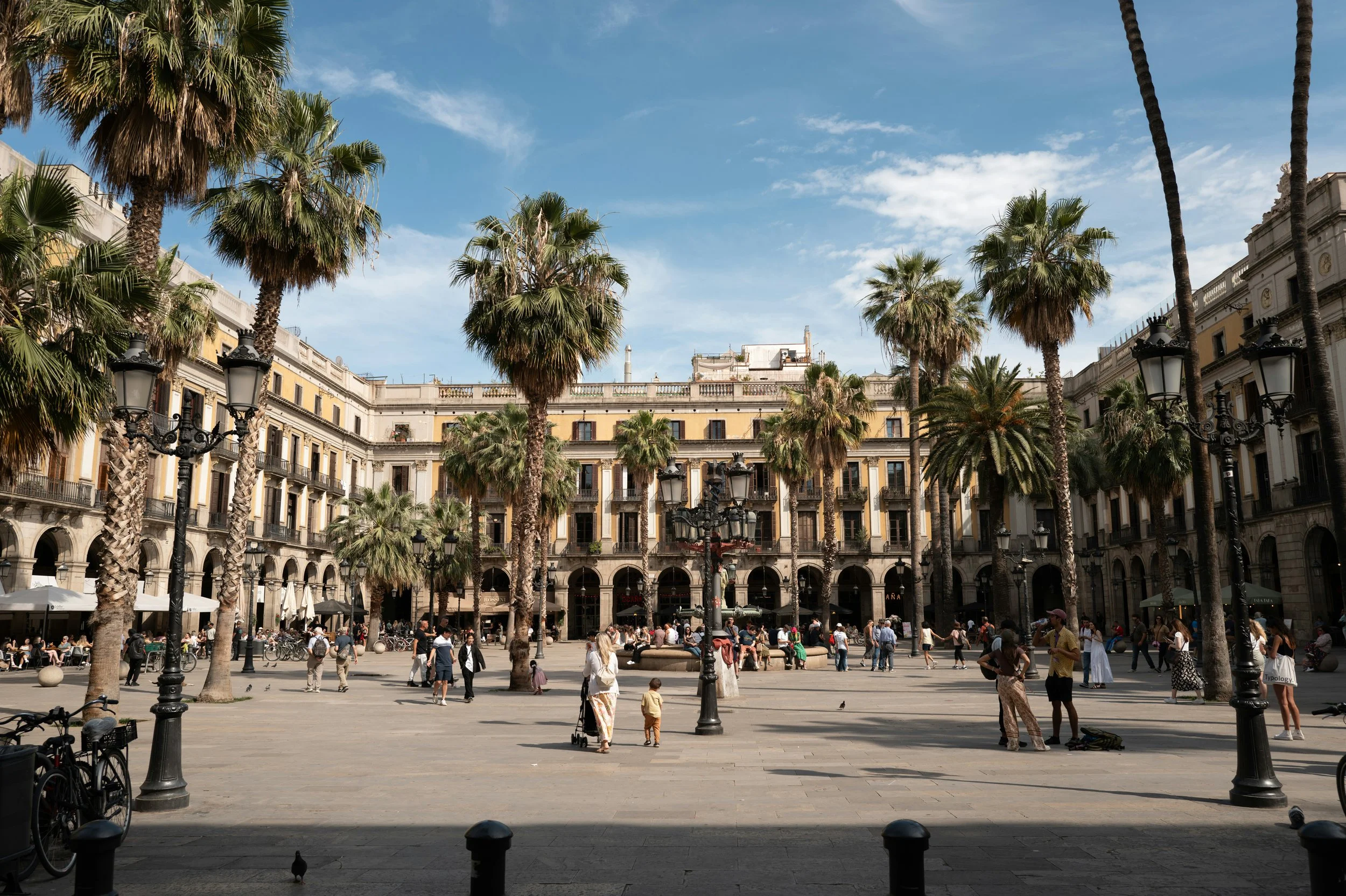
Barcelona, Spain.
Smarter Ways to Avoid Tourist Traps Entirely
Sometimes the best strategy isn’t spotting a tourist trap — it’s never ending up near one in the first place. With a few simple habits, you can uncover the genuine, everyday rhythm of a city long before anything commercial tries to pull you in.
Follow Local Food Blogs and Community Guides
Local voices are gold. Instead of relying solely on travel apps, check out city-focused food blogs, neighbourhood newsletters, and regional publications. Sites like Eater, Time Out, and local newspapers often highlight independent restaurants, family-run cafés, and seasonal favourites that don’t appear in guidebooks. These sources prioritise what residents actually enjoy — not what earns the most footfall.
Walk a Few Streets Off the Main Drag
This is one of the oldest and most reliable travel tricks. Tourist-heavy streets often exist because they’re simply the closest, easiest, or most obvious places for visitors to land. But the real gems usually sit two or three streets over, where rents are lower and businesses cater to everyday life. From Florence to Hanoi, the difference in atmosphere and authenticity can be instantly noticeable.
Use Public Transport Instead of Taxi Hotspots
Taxi ranks outside major landmarks, cruise terminals, and airports attract operators who rely heavily on visitors — and their prices usually reflect that. Using the metro, bus, tram, or local commuter trains often brings you to neighbourhoods where people actually live, eat, and shop. Once you’re there, restaurants and cafés tend to be more genuine and far better value.
Book Experiences with Verified Local Operators
Tours and activities can be fantastic, but it’s worth choosing operators that are rooted in the community. Small walking tours, independent guides, and family-run experiences often provide far more depth and personality. Look for operators with consistent, detailed reviews, active websites or social pages, and clear transparency about who they are. It also helps to check for accreditation from local tourism boards or associations.
Explore Residential Neighbourhoods
Every destination has areas where the real life of the city unfolds — markets where locals actually shop, parks filled with families, and cafés where people queue for their morning coffee. In Rome, this might mean wandering into Testaccio; in Barcelona, exploring Poble Sec; in Tokyo, spending time in Koenji. These neighbourhoods aren’t trying to impress anyone — and that’s exactly why they’re worth exploring.
If You Do End Up in One: How to Make the Most of It
Even with the best instincts, every traveller stumbles into a tourist trap now and then. Maybe it’s the only place open, maybe you’re starving, or maybe curiosity simply wins. It happens — and it doesn’t have to ruin your day. With the right mindset, you can still turn the moment into something worthwhile.
What to Prioritise
If you realise you’ve wandered into a tourist-heavy spot, focus on the parts that still hold value. Famous viewpoints are often busy for a reason, and certain landmarks — even the over-commercialised ones — can still offer incredible insight into a city’s history or culture. Grab your photos, get a feel for the atmosphere, and soak up what drew people there in the first place.
When to Leave and When to Stay
Some places are worth lingering despite the crowds: think Shibuya Crossing, Times Square, or the Trevi Fountain. They’re chaotic, but iconic. Other times, the best choice is simply to move on. If prices are inflated, staff seem pushy, or the vibe feels off, trust your gut. A quick detour into a quieter street often leads to a far better experience — and sometimes a local gem you’d never have found otherwise.
How to Turn It into a Lesson
Tourist traps can be great teachers. You’ll start to notice patterns: menu styles, pricing quirks, how staff approach you, even the layout of the street. Next time you feel yourself being funnelled into a similar setup, those little warning bells ring earlier. Travel is a constant learning curve, and every misstep helps you explore smarter on the next trip.
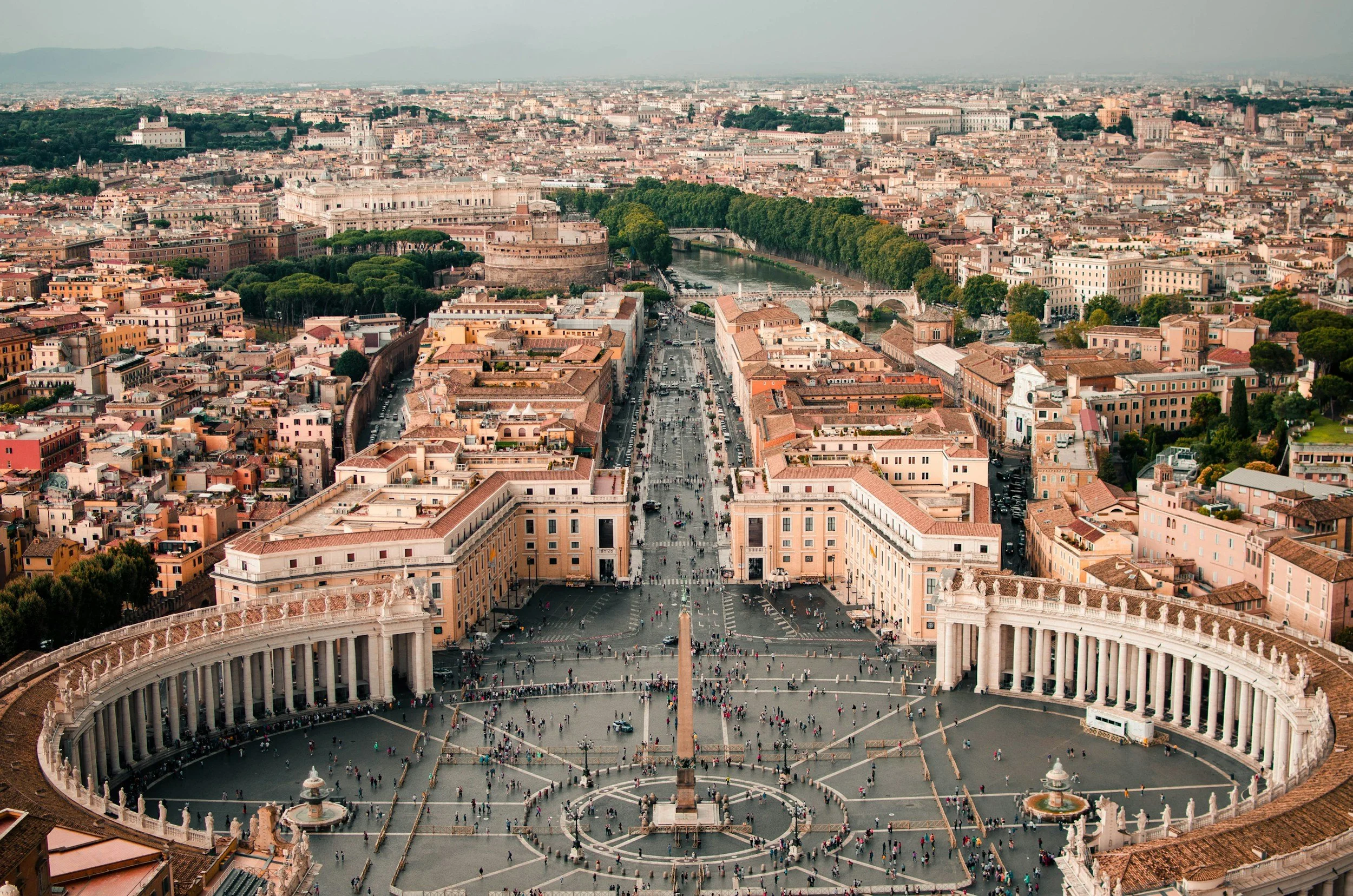
Rome, Italy.
Authentic Alternatives to Tourist-Saturated Hotspots
Every destination has its headline acts — the streets, squares, and districts that appear in every guidebook. But when those places are overflowing with souvenir shops and generic eateries, it helps to know where the real magic has quietly shifted to. These alternatives aren’t just “less crowded”; they’re the places locals actually choose when they want good food, atmosphere, and a proper feel for the city.
Europe
Instead of battling through the crowds on Barcelona’s La Rambla, wander over to El Born or Poble Sec, where independent tapas bars, tiny bakeries, and creative wine spots still shape the rhythm of daily life. In London, swap Oxford Street for Marylebone or Shoreditch — both areas filled with small boutiques, weekend markets, and local cafés that paint a much truer picture of the city. And in Rome, avoid Piazza Navona’s inflated restaurant strip and head into Testaccio, long considered one of the city’s best neighbourhoods for proper Roman cooking.
Asia
Tokyo’s flashy Takeshita Street might be iconic, but nearby Koenji offers vintage shops, craft cafés, tiny izakayas, and a much more relaxed, creative atmosphere. In Bangkok, trade the hyper-touristy Khao San Road for Ari, a residential district packed with great street food, leafy cafés, and genuinely local nightlife. Meanwhile, in Bali, skip the busiest corners of Kuta and explore Canggu’s quieter backstreets or the rice-field lanes around Pererenan for a calmer, more grounded island experience.
Americas
New York’s Times Square is unforgettable, but not exactly where locals go to hang out. Wander into the West Village or Nolita instead — leafy streets, independent bookstores, neighbourhood bars, and a far more authentic energy. In San Francisco, trade Fisherman’s Wharf for North Beach or the Sunset District, where family-run diners and coastal views replace tourist-heavy seafood stalls. And in Mexico City, instead of staying around Centro Histórico’s busiest corners, head to Condesa or Roma Norte for parks, street food, and beautifully preserved architecture.
Oceania
Sydney’s Bondi Beach is world-famous, but locals know that Bronte, Clovelly, and the lesser-visited corners of Coogee often offer calmer water and better opportunities for a relaxed day by the sea. In Auckland, swap the tourist-focused Viaduct Harbour for Ponsonby or K’ Road — lively neighbourhoods filled with indie shops, diverse restaurants, and art spaces. And in Queenstown, when the main streets feel too busy, a quick trip to Arrowtown reveals a charming historic village surrounded by forested trails.
“Avoiding tourist traps isn’t about avoiding the places everyone talks about — it’s about travelling with intention. The world’s most iconic sights are iconic for a reason, but the real heart of a destination usually beats a few streets away, in the neighbourhood cafés, local markets, and everyday corners where life unfolds at its own pace.
By learning to spot the subtle signs — inflated menus, photo-heavy displays, too-good-to-be-true deals — you start to move through cities with a sharper eye and a deeper curiosity. You meet people who genuinely shape the culture, discover food that hasn’t been watered down for passing trade, and come home with stories that feel personal rather than pre-packaged.
Travel becomes richer when you move beyond the obvious. It becomes slower, more thoughtful, and far more rewarding. And the beauty is that once you recognise the patterns, you can use these lessons anywhere — from the biggest capitals to the smallest beach towns.
The more you explore like this, the more you realise that authenticity isn’t hidden; it’s simply waiting for anyone willing to wander a little further.”