Some of the best meals you’ll ever eat while travelling won’t be the ones you planned. They’ll happen on a quiet side street you almost walked past, at a place with no online presence, no carefully styled interiors, and a menu you barely understand. You sit down because it feels right — and you leave thinking about that meal long after the trip ends.
For years, we’ve been taught to find food through screens. Star ratings, viral videos, “must-eat” lists and endless saved pins now shape where we sit down before we’ve even arrived. And while technology has its place, it often leads us towards the same polished restaurants, the same menus designed for visitors, and the same experiences replicated city after city.
Eating well while travelling isn’t about avoiding technology entirely — it’s about learning how to read a place. Watching how locals move through their day. Noticing when and where people eat. Understanding what a region does well, and trusting small signals over loud recommendations.
Finding good food anywhere in the world is a skill. One you build through curiosity, observation and a willingness to occasionally get it wrong. And once you learn it, you’ll stop asking “What’s the best restaurant here?” and start discovering meals that feel rooted in the place you’re visiting — unforced, everyday, and genuinely memorable.
This guide isn’t about secret hacks or insider lists. It’s about learning how to eat like a local, wherever you are — without relying on Google reviews to tell you what’s worth your time.
Watch Where Locals Actually Eat
Follow everyday routines, not “destination” restaurants
One of the simplest ways to find good food anywhere in the world is to stop looking for places that feel like a moment and start paying attention to places that feel like a routine.
Watch what happens around you. Where do people stop for lunch during a workday? Where do families eat early in the evening? Where do older locals linger over coffee or a single dish they clearly order often? These places rarely announce themselves as special — but they’re woven into daily life, and that’s usually a very good sign.
You’ll often notice this in small details: regulars greeting staff by name, people eating quickly and confidently without scanning the menu, or the same dishes appearing on multiple tables. These are restaurants that don’t need to impress — they just need to cook well, consistently, for the people who come back week after week.
Why empty restaurants in tourist areas are a quiet warning
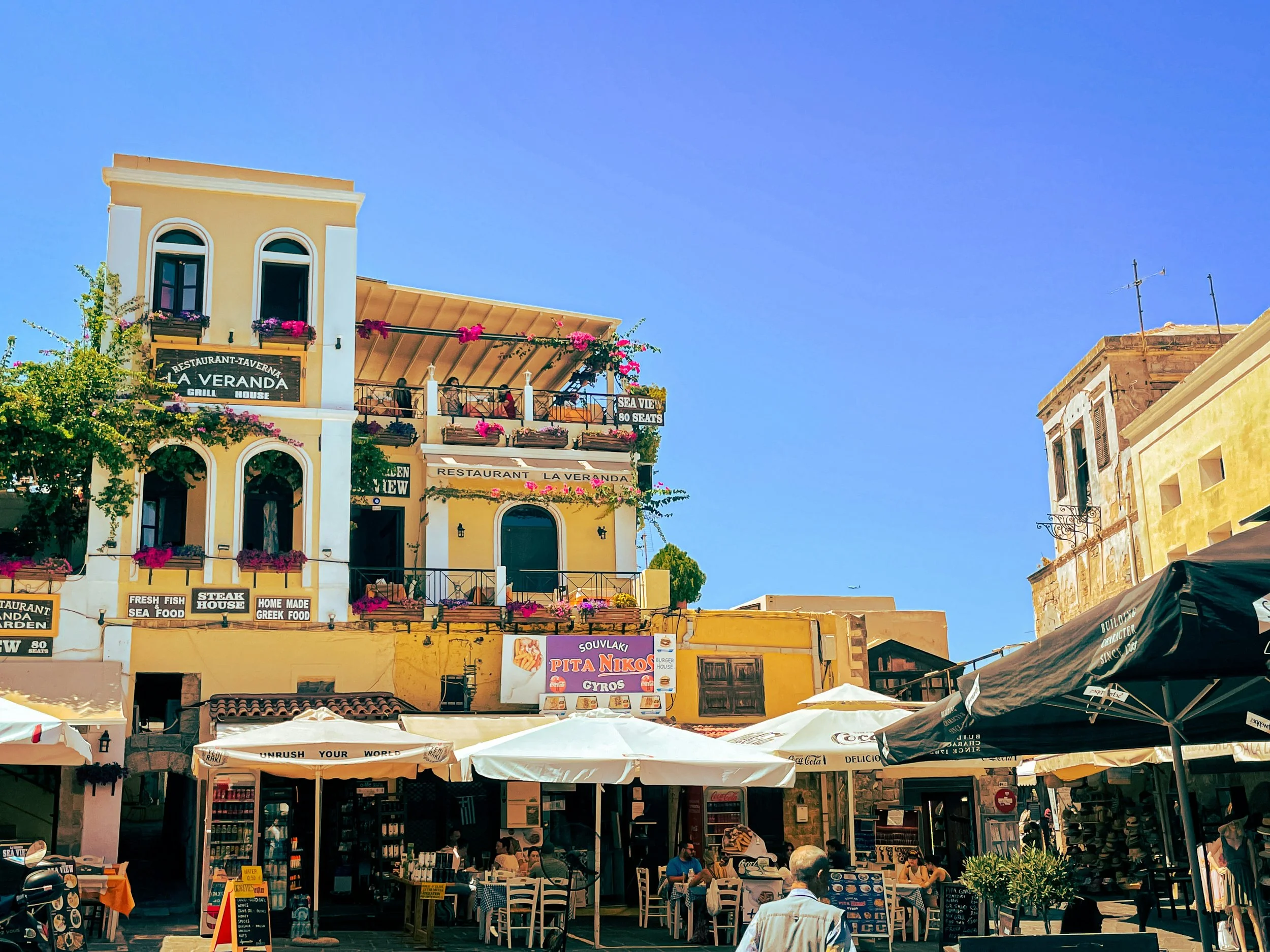
In busy historic centres and near major attractions, an empty restaurant at peak meal time is often telling you more than any review ever could. If a place relies solely on passing foot traffic, it doesn’t need to earn repeat business — and that usually shows in the food.
This doesn’t mean every restaurant near a landmark should be avoided. But when you see one packed with locals just a few streets back, and another offering laminated menus and empty tables right on the main square, the choice becomes clearer.
A small walk — sometimes no more than five or ten minutes — often separates restaurants built for visitors from places locals genuinely return to. The moment the crowd shifts from cameras to conversation, you’re usually heading in the right direction.
Learn to Read a Menu (Even When You Don’t Understand It)
Short menus are usually a good sign
When you open a menu and it’s just a handful of dishes, that’s often a quiet signal that the kitchen knows exactly what it’s doing. Fewer options usually means food is cooked fresh, recipes are well-practised, and ingredients are chosen with purpose rather than convenience.
This is especially true in places that specialise in one thing — a specific type of noodle, a single cut of meat, or a regional dish done the same way every day. These restaurants aren’t trying to cater to everyone. They’re cooking what they know, for people who already understand why it’s good.
One language is often better than five
Menus written entirely in the local language can feel intimidating at first, but they’re often a good sign that a place isn’t built around tourists. A menu translated into multiple languages isn’t automatically bad — but when every dish is carefully explained in five different languages, it’s usually because the restaurant expects most of its customers not to be local.
If there’s a short explanation or a single translated page, that’s often a sweet spot. Enough help to order confidently, without diluting the focus of the food itself.
Look for the house dish
Even if you don’t understand every word, there’s usually a clue as to what a restaurant does best. It might be listed first, repeated in different variations, handwritten on a board, or ordered by nearly everyone else in the room.
If you’re unsure what to choose, follow the lead of the tables around you. The dish you see appearing again and again is rarely a coincidence. Ordering the house special doesn’t just increase your chances of a good meal — it also connects you more closely to how the restaurant is meant to be experienced.
Trust Geography and Timing
Eat what the region is known for
One of the easiest ways to eat well while travelling is to stop asking what you feel like eating, and start paying attention to what the place does best. Food traditions usually exist for a reason — shaped by climate, geography, and what’s historically been available nearby.
Coastal towns tend to shine when it comes to seafood. Inland regions often focus on heartier dishes built around grains, meat, or slow-cooked stews. Hot climates usually favour lighter, fresher flavours, while colder regions lean into richer, more comforting food. When you eat in line with the region, meals feel more balanced — and they almost always taste better.
Trying to force familiar dishes in unfamiliar places often leads to disappointment. Ordering pasta in a country known for rice, or seeking burgers in a region famous for street food, usually means missing out on what makes the local food culture special in the first place.
Eat at the right time of day
Timing matters more than many travellers realise. A restaurant that feels quiet and uninspiring at 6pm might be buzzing an hour later — or only really come alive at lunchtime. Eating outside of local meal times often means limited menus, reheated food, or a lack of atmosphere.
In many parts of the world, lunch is the main meal of the day, with set menus or daily specials that offer some of the best value and freshest cooking. In others, dinner doesn’t properly start until later in the evening, and arriving too early can mean missing the full experience.
Pay attention to when locals sit down to eat, not when it suits your schedule. Aligning your meals with local rhythms doesn’t just improve the food — it helps you feel more connected to the place you’re in.
Use Markets as Your Compass
Markets show you what people actually eat
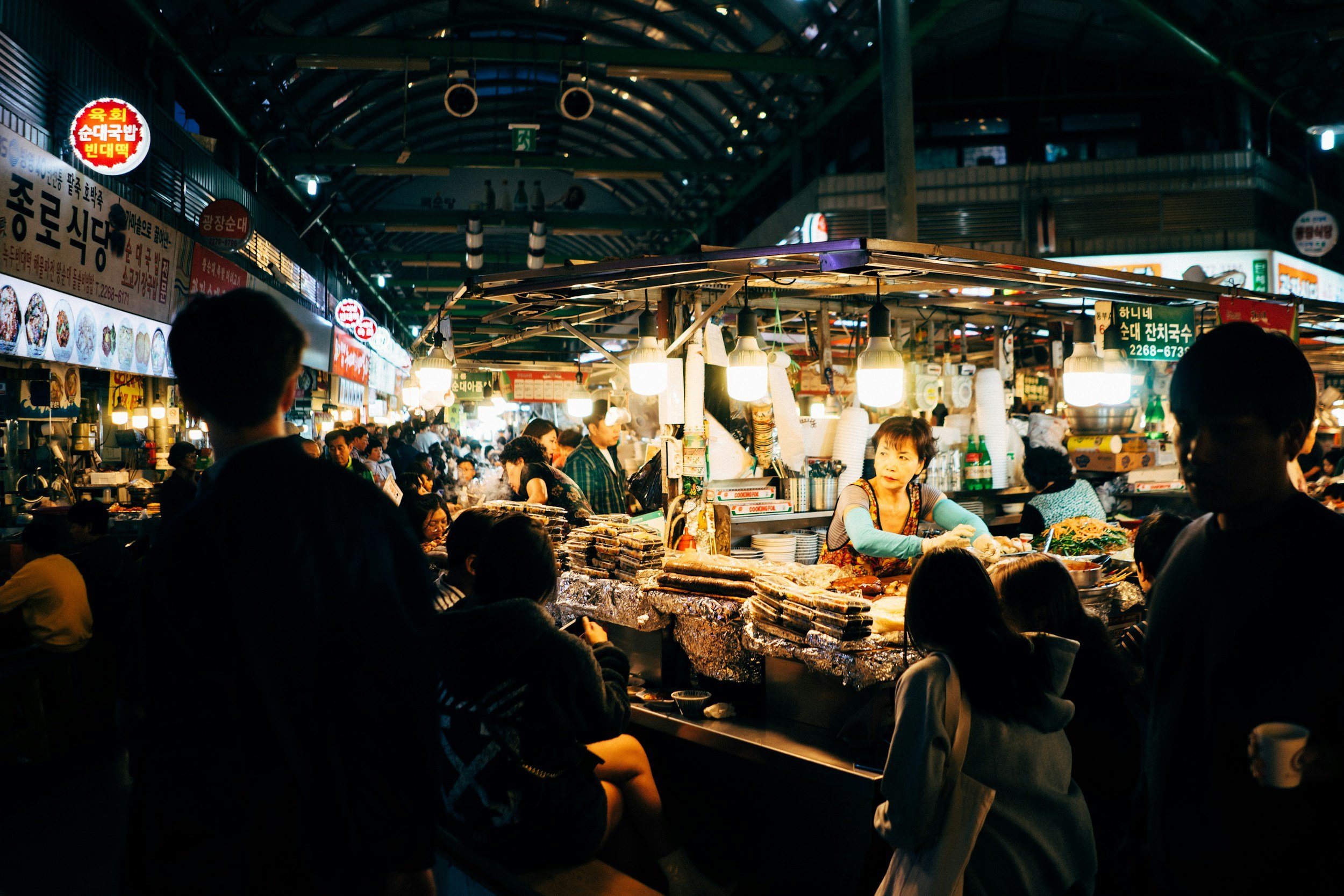
Markets are one of the clearest windows into local food culture. They show you what’s in season, what people cook at home, and what flavours dominate a region — often more honestly than restaurants do.
Pay attention to what’s piled high on stalls: certain vegetables, herbs, cuts of meat, cheeses, breads, or snacks that appear again and again. These aren’t there for show — they’re there because people buy them daily. Even if you don’t eat at the market itself, it gives you context for what you should be ordering elsewhere.
In many parts of the world, markets double as casual eating spaces. Simple dishes cooked quickly, eaten standing up or perched on a plastic stool, often deliver some of the most memorable meals of a trip.
Follow the busiest stall, not the prettiest one
When it comes to market food, popularity usually matters more than presentation. A stall with a short queue of locals, fast turnover, and a focused menu is often a better bet than one designed to look photogenic.
Busy stalls usually mean ingredients are fresh, food is cooked constantly, and the vendor knows their craft inside out. If something’s selling quickly, it hasn’t been sitting around — and that’s exactly what you want.
It can be tempting to choose the most eye-catching stand, especially in markets geared towards visitors. But when in doubt, watch where people who look like they’ve done this a hundred times before are stopping. They’re rarely wrong.
Ask the Right People the Right Way
Who to ask (and who not to)
When you ask locals for food recommendations, who you ask matters just as much as the question itself. People who eat out regularly in the area tend to give more honest, practical suggestions than those whose job is centred around visitors.
Taxi drivers, market vendors, small shop owners, café staff, and people working nearby are often great starting points. They’re usually eating on a schedule, returning to the same places, and choosing food based on consistency rather than hype.
Hotel receptionists and tour guides can still be helpful, but their recommendations are often shaped by what’s safe, popular, or easy to explain. That doesn’t mean the food will be bad — just that it may lean more towards visitor-friendly than everyday local spots.
How to ask without getting a tourist answer
The wording of your question makes a surprising difference. Asking “Where’s the best restaurant around here?” often gets you a polished, well-known answer — the kind that works for most people, most of the time.
Instead, try asking more personally: “Where do you eat when you don’t feel like cooking?” or “Is there somewhere nearby you’d go with friends?” These questions invite people to think about their own habits rather than public reputation.
You can also be specific about what you’re after. Asking where to get a good lunch, a quick dinner, or a late-night bite often leads to more useful, honest recommendations than a vague request for “the best food”.
Don’t Overrate Aesthetics
Why great food often comes in unassuming spaces
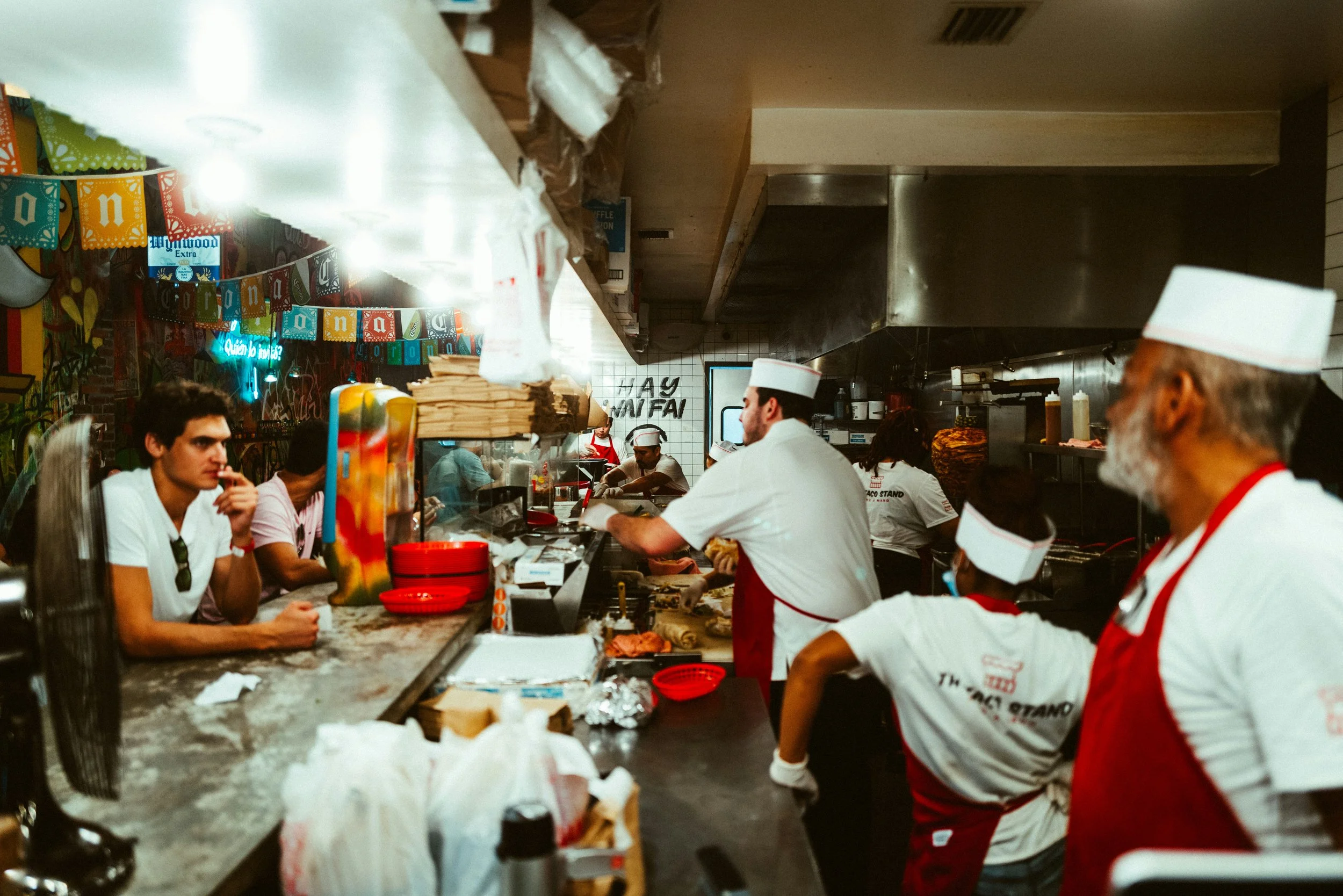
Some of the best meals in the world are served in places that look, at first glance, entirely forgettable. Plain rooms, basic furniture, plastic chairs, handwritten menus, or décor that hasn’t changed in decades are often signs that a restaurant’s energy is focused where it matters most: the kitchen.
These places don’t need to attract attention. They rely on repeat customers, word of mouth, and food that delivers every single time. When a restaurant is full despite having no obvious visual appeal, it’s usually because the food speaks for itself.
Learning to feel comfortable in these spaces takes a little adjustment, especially if you’re used to equating atmosphere with quality. But once you stop expecting every meal to be an “experience”, you open yourself up to food that feels honest, grounded, and deeply local.
Clean doesn’t mean trendy
It’s important to separate cleanliness from aesthetics. A place can be spotless without being stylish — and stylish without being particularly clean. What matters is whether the space feels cared for, not whether it looks Instagram-ready.
Watch how tables are cleared, how food is handled, and how staff move through the space. These small details often tell you more about a restaurant than lighting, colour palettes, or design trends ever will.
Great food doesn’t need a backdrop. And once you stop chasing pretty restaurants, you’ll start finding places that locals trust with their everyday meals — which is exactly where you want to be.
Use Technology — Just Differently
When Google Maps is still useful
This guide isn’t about rejecting technology altogether. Used well, tools like Google Maps can still be genuinely helpful — just not in the way most people rely on them.
Maps are great for practical checks: confirming opening hours, making sure a place actually exists, or understanding how far something is from where you are. They’re also useful for spotting clusters of everyday restaurants slightly away from main attractions, rather than hunting for the highest-rated option on a busy street.
What tends to work less well is letting star ratings dictate where you eat. Reviews often reflect expectations rather than quality — shaped by service speed, English menus, or portion sizes rather than how good the food actually is.
Better alternatives to reviews
Instead of scrolling through hundreds of opinions, try using technology more passively. Save places you walk past that feel promising. Drop pins when locals mention somewhere casually. Build a short list of options rather than one “must-visit” spot you feel pressured to love.
Local blogs, neighbourhood guides, and food writers often offer far more useful context than review platforms, especially when they explain why a place matters rather than just rating it. Even then, treat recommendations as a starting point, not a rulebook.
Used this way, technology becomes a quiet support tool rather than the decision-maker — leaving room for spontaneity, curiosity, and the occasional happy accident.
Accept the Occasional Miss
Bad meals are part of travelling well
No matter how observant or experienced you become, not every meal on the road will be a winner. And that’s okay. A forgettable lunch or an underwhelming dinner doesn’t mean you failed at travelling — it’s simply part of the process of discovering a place.
In fact, many seasoned travellers will tell you that their most memorable food stories often start with a meal that didn’t quite work. A wrong turn, a misunderstanding, or a dish you’d never order again can still teach you something about local tastes, customs, or even your own expectations.
Once you accept that not every meal needs to be perfect, eating out becomes more relaxed. You’re more willing to take chances, explore unfamiliar streets, and trust your instincts — which is usually when the best meals start appearing.
Why chasing perfection ruins food experiences
When every meal is treated like it needs to be the best, food stops being enjoyable and starts feeling like a performance. You compare dishes to expectations, mentally rank experiences, and leave little room for surprise.
Letting go of perfection allows food to exist in its proper place: as part of everyday life. Some meals will be incredible. Others will simply fuel you for the next part of your day. Both are valid, and both are part of travelling well.
Ironically, the less you chase the perfect meal, the more often you stumble into moments that feel genuinely special — the kind you didn’t plan, didn’t photograph, and remember far longer than the ones you tried to optimise.
World Locals Tip
If a place feels ordinary to locals, you’re probably in the right spot.
The restaurants people return to week after week aren’t trying to impress anyone. They’re consistent, familiar, and quietly confident in what they do. When you stop looking for meals that feel special and start choosing places that feel normal, you’ll often eat better — and understand a place more deeply in the process.
“Finding good food anywhere in the world isn’t about outsmarting algorithms or chasing the highest rating. It’s about slowing down, paying attention, and trusting the place you’re in.
Watch how people eat. Notice what’s busy and what isn’t. Eat at the right time, in the right part of town, and order what a place is known for. Use technology as a tool, not a guide. And accept that not every meal needs to be a highlight to be worthwhile.
The more you travel this way, the less you’ll feel the need to search for the “best” restaurant — because you’ll start recognising good food when you see it. And more often than not, those meals will be the ones that feel rooted in everyday life, quietly memorable, and impossible to recreate anywhere else.”