Barcelona: Neighbourhood Guide
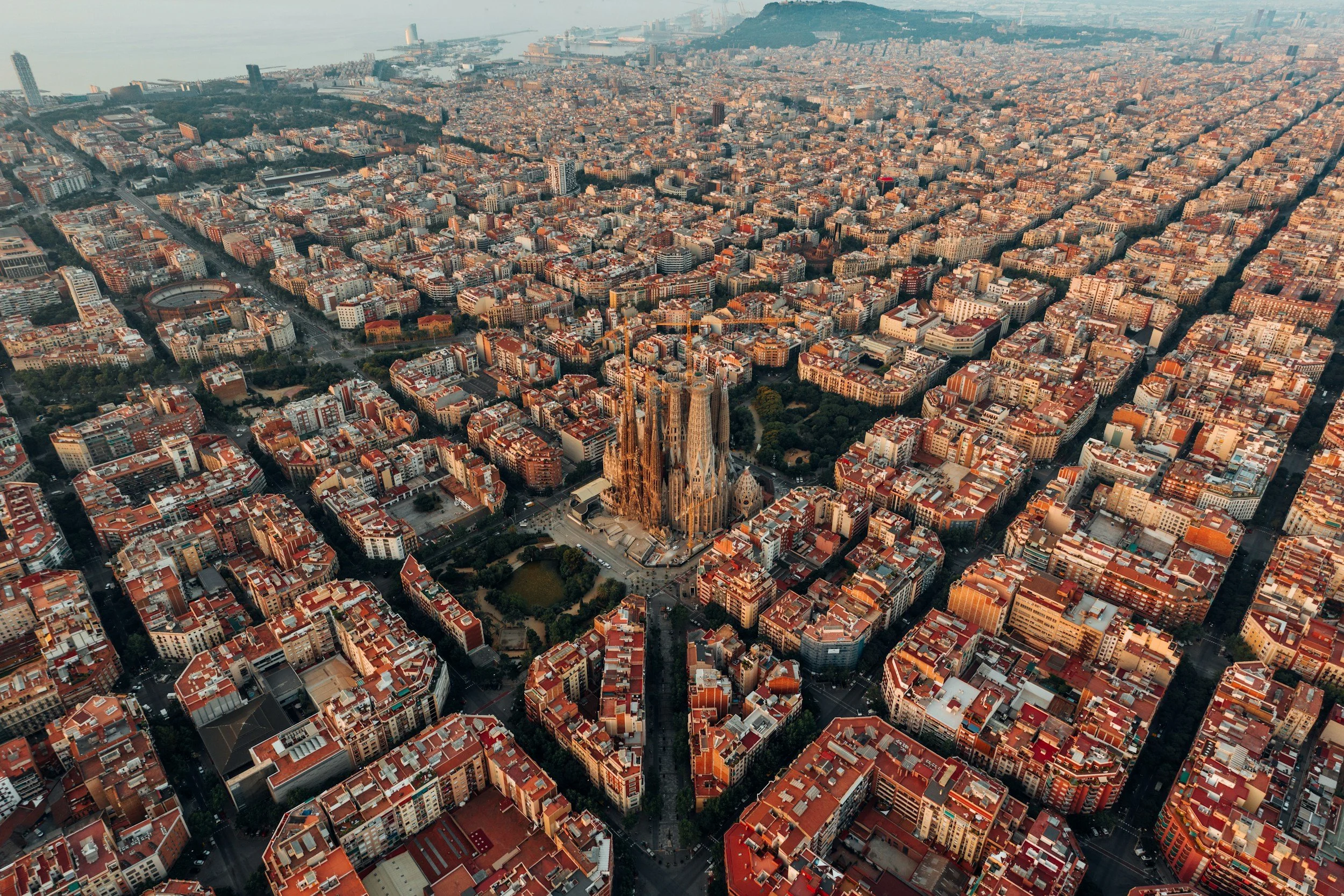
Barcelona isn’t a city you visit once and fully understand. It’s layered, lived-in, and quietly shaped by its neighbourhoods — places that feel like small towns stitched together by grand boulevards, hidden squares, and the Mediterranean breeze.
From the narrow medieval lanes of El Born to the sun-bleached grids of Eixample, Barcelona changes personality every few streets. Where you stay — and where you choose to spend your time — matters here. A lot. One neighbourhood hums with late-night bars and creative energy, another wakes early for market runs and coffee at the same counter every morning. Some feel polished and orderly; others are messy, expressive, and full of contradictions.
This guide looks at Barcelona through its neighbourhoods, not as a checklist of sights but as places to experience. It’s designed to help you understand what each area is really like — who it suits, what staying there feels like, and how it shapes your days in the city. Whether it’s your first visit or a return trip, choosing the right barrio can quietly transform your time in Barcelona — slowing it down, sharpening it, or opening it up in ways a traditional itinerary never quite can.
El Born
Why visit (and who it’s best for)
El Born is one of Barcelona’s most atmospheric neighbourhoods — a place where history, culture, and everyday city life overlap effortlessly. It’s ideal for first-time visitors who want to be central without feeling swallowed by tourist crowds, as well as travellers who enjoy wandering without a plan, following narrow streets until they open into hidden squares.
If you like cities that feel alive at all hours — museum mornings, café afternoons, late dinners and wine bars that stretch into the night — El Born delivers without trying too hard.
What it’s like to stay here
Staying in El Born means living among medieval streets that were never designed for cars, let alone modern crowds. Expect cobblestones, old stone buildings, small balconies, and plenty of movement on foot. It can be lively in the evenings, especially near popular bars, but it rarely tips into chaos.
Days are calm and local-feeling; nights are social and atmospheric. Everything is walkable, and you’re close enough to the Gothic Quarter, Barceloneta, and Eixample that the city feels open rather than overwhelming.
Highlights and things to do
El Born rewards slow exploration. The Picasso Museum anchors the neighbourhood culturally, while the Santa Maria del Mar offers one of the city’s most beautiful and understated interiors.
A few minutes’ walk takes you to Parc de la Ciutadella, where locals picnic, run, and escape the city buzz. But the real pleasure here is unplanned: popping into independent shops, catching street musicians in small plazas, or sitting with a coffee watching the rhythm of daily life unfold.
Food and drink scene
El Born’s food scene mirrors the neighbourhood itself — traditional at heart, but creative around the edges. You’ll find everything from classic Catalan kitchens to natural wine bars and modern tapas spots packed into a few blocks.
It’s a great area for relaxed evenings where dinner turns into drinks without moving far. Locals tend to eat late here, and places fill up slowly rather than all at once — a good excuse to embrace the pace rather than rush it.
Where to stay
Accommodation in El Born leans towards boutique hotels and well-located apartments, often inside historic buildings. Rooms can be compact, but location is the trade-off — you’re right in the middle of things, with most of central Barcelona within walking distance.
If you’re sensitive to noise, look for places on quieter side streets rather than main walking routes.
World Locals tip
El Born is at its best early in the morning. Walk the streets before the shops open, grab a coffee standing at the counter, and watch the neighbourhood wake up — it’s a completely different experience from the evening buzz, and one most visitors miss.
El Raval
Why visit (and who it’s best for)
El Raval is one of Barcelona’s most complex and misunderstood neighbourhoods — and that’s exactly why it appeals to a certain type of traveller. It suits those drawn to cities with texture: creative energy, multicultural food, late-night bars, and a sense of real life unfolding alongside tourism.
This is a good fit for repeat visitors, solo travellers comfortable navigating cities, and anyone curious about Barcelona beyond its polished image.
What it’s like to stay here
Staying in El Raval feels intense in a way other parts of the city don’t. Streets are narrow and busy, life spills out late into the night, and the neighbourhood doesn’t smooth its edges for visitors. Some areas feel vibrant and creative; others can feel gritty, particularly after dark.
That said, El Raval is central, walkable, and well connected. If you choose your location carefully — closer to major streets or cultural hubs — it can feel lively rather than overwhelming.
Highlights and things to do
El Raval is home to some of Barcelona’s most important contemporary cultural spaces, including the MACBA and the nearby CCCB, which anchor the neighbourhood’s creative identity.
Plaza dels Àngels is a constant swirl of skaters, artists, and passersby, while wandering deeper reveals bookstores, record shops, and cultural centres shaped by the neighbourhood’s diverse communities. Just to the north, Mercat de Sant Antoni offers a more local, everyday counterpoint to central tourist markets.
Food and drink scene
Food is one of El Raval’s biggest strengths. This is where Barcelona’s global influences are most visible — Pakistani, Filipino, Middle Eastern, and North African flavours sit alongside Catalan taverns and modern bars.
You’ll find excellent value here, especially for casual meals, late-night bites, and unfussy spots where locals actually eat. The bar scene is lively and eclectic, with everything from hole-in-the-wall vermouth joints to DJ-led late-night spaces.
Where to stay
Accommodation in El Raval is mixed: small hotels, hostels, and apartments tucked into historic buildings. Quality varies street by street, so location matters more here than anywhere else in Barcelona.
If it’s your first visit, aim for places closer to Sant Antoni or near major cultural landmarks for a more balanced experience.
World Locals tip
Treat El Raval as a neighbourhood to engage with, not rush through. Visit during the day, come back in the evening for food or drinks, and trust your instincts about which streets feel comfortable — it’s a place that rewards awareness and curiosity in equal measure.
Eixample
Why visit (and who it’s best for)
Eixample is Barcelona at its most elegant and composed. This is the neighbourhood for travellers who value space, comfort, and a sense of order — without losing easy access to the rest of the city. It suits first-time visitors who want a reliable base, longer stays, couples, and anyone who prefers wide boulevards over medieval mazes.
If El Born and El Raval are about atmosphere, Eixample is about balance.
What it’s like to stay here
Staying in Eixample feels noticeably calmer. Streets are wide and airy, buildings are uniform and grand, and daily life runs on a steady rhythm. It’s quieter at night than the old town, with less bar-hopping noise and fewer crowds spilling into the streets.
Thanks to its grid layout, getting around is effortless. You’re rarely more than a few minutes from a metro stop, and walking distances are predictable — a small but meaningful luxury in a busy city.
Highlights and things to do
Eixample is home to some of Barcelona’s most iconic architecture. Passeig de Gràcia cuts through the neighbourhood, lined with modernist landmarks like Casa Batlló and La Pedrera.
At the neighbourhood’s edge rises the unmistakable Sagrada Família, while quieter interior blocks reveal local bakeries, corner cafés, and everyday life largely untouched by sightseeing itineraries.
Food and drink scene
Eixample’s food scene is polished and dependable. This is where many of Barcelona’s well-regarded restaurants, wine bars, and cafés are based, often in refined spaces with a relaxed, local clientele.
It’s a great area for slower dinners, long lunches, and mornings built around good coffee rather than quick grabs. While it may lack the spontaneity of older neighbourhoods, quality here is consistently high.
Where to stay
Accommodation in Eixample is some of the best in the city for comfort and value. Expect larger rooms, better soundproofing, and more modern amenities than in the historic centre.
It’s an especially strong choice for longer trips or travellers who want a calm place to return to after busy days exploring.
World Locals tip
Don’t overlook the interior blocks. While Passeig de Gràcia draws the attention, some of Eixample’s best cafés and neighbourhood restaurants sit a few streets back, where locals linger and prices soften slightly.
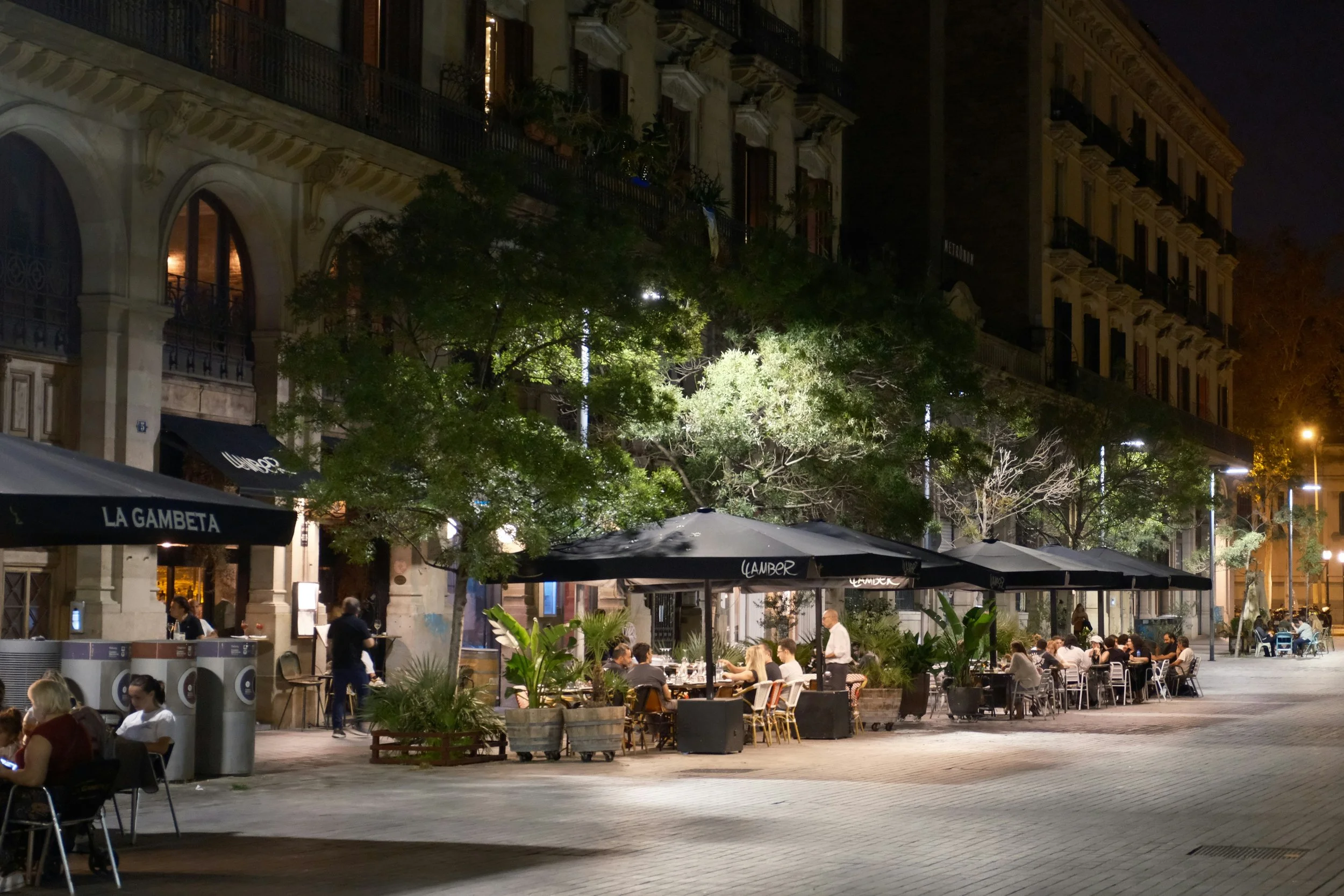
El Born.
Gràcia
Why visit (and who it’s best for)
Gràcia feels less like a neighbourhood and more like a small town absorbed into the city. It’s best for travellers who value local life over landmarks — people who enjoy lingering in squares, eating where residents eat, and settling into a slower rhythm.
This area suits return visitors, longer stays, digital nomads, and anyone curious about how Barcelona feels once you step away from its postcard image.
What it’s like to stay here
Staying in Gràcia is noticeably calmer and more residential. Streets are narrower than Eixample but quieter than the old town, and daily life revolves around neighbourhood squares rather than major sights.
Evenings are social without being rowdy. Locals gather outdoors, children play in plazas, and conversations drift late into the night — but the atmosphere remains relaxed rather than chaotic.
Highlights and things to do
Gràcia’s charm lies in its everyday moments. Plaças like Plaça del Sol and Plaça de la Virreina act as informal living rooms, perfect for people-watching or an unhurried drink.
The neighbourhood also sits close to Park Güell, making it a good base if you want early or late access without crossing the city. Wandering here is the main attraction — small galleries, independent shops, and community-run spaces reveal themselves slowly.
Food and drink scene
Gràcia’s food scene is deeply local. You’ll find traditional Catalan kitchens, vegetarian cafés, bakeries, and relaxed wine bars tucked between residential streets.
Dining here feels informal and personal — places where staff recognise regulars and menus evolve with the seasons. It’s an excellent neighbourhood for slow dinners and unpretentious meals that prioritise flavour over presentation.
Where to stay
Accommodation in Gràcia tends to be apartments and small hotels rather than large chains. Rooms may be simpler, but you gain a genuine neighbourhood feel in return.
It’s a strong option for travellers staying a week or more, especially if you want Barcelona to feel like a place you live in, not just pass through.
World Locals tip
Base yourself near a square. Life in Gràcia revolves around them, and staying close means you’ll naturally fall into the neighbourhood’s daily rhythm — morning coffees, afternoon pauses, and long, unhurried evenings outdoors.
Barceloneta
Why visit (and who it’s best for)
Barceloneta is Barcelona’s most direct connection to the sea. It’s best for travellers who want beach time built into their daily routine — morning swims, long walks along the promenade, and seafood lunches that stretch into the afternoon.
This neighbourhood suits summer visits, shorter stays, and travellers happy to trade depth and quiet for sunshine, movement, and proximity to the water.
What it’s like to stay here
Staying in Barceloneta feels noticeably different from the rest of the city. Streets are compact, flats are smaller, and the pace is shaped by the beach rather than the clock. Mornings are calm and breezy; afternoons are busy; evenings can be lively, especially in peak season.
It’s a neighbourhood that’s constantly in motion. Expect crowds near the seafront, especially in summer, but step a few streets inland and life feels more residential and routine-driven.
Highlights and things to do
The beach is the obvious draw — not just for sunbathing, but for walking, cycling, and watching daily life unfold along the promenade. From here, it’s an easy stroll to Port Vell, where the old harbour meets the modern city.
Barceloneta is also well positioned for coastal wandering, whether heading north towards the quieter beaches or back towards the historic centre for an evening out.
Food and drink scene
Food in Barceloneta revolves around the sea. Traditional seafood restaurants sit alongside casual beach bars, serving everything from simple grilled fish to paella and fideuà meant for slow, shared meals.
While some spots cater heavily to visitors, there are still local favourites that prioritise quality and tradition. The key here is timing — lunches tend to be better (and calmer) than dinners, especially in high season.
Where to stay
Accommodation in Barceloneta is limited and often compact. Expect small apartments and a handful of modest hotels rather than luxury stays. Comfort comes from location rather than space.
It’s best suited to travellers who plan to spend plenty of time outdoors and don’t mind trading room size for sea views and salty air.
World Locals tip
Barceloneta shines early in the day. Walk the beach before breakfast, watch locals swim year-round, and grab coffee away from the promenade — it’s the easiest way to experience the neighbourhood before it fills up.
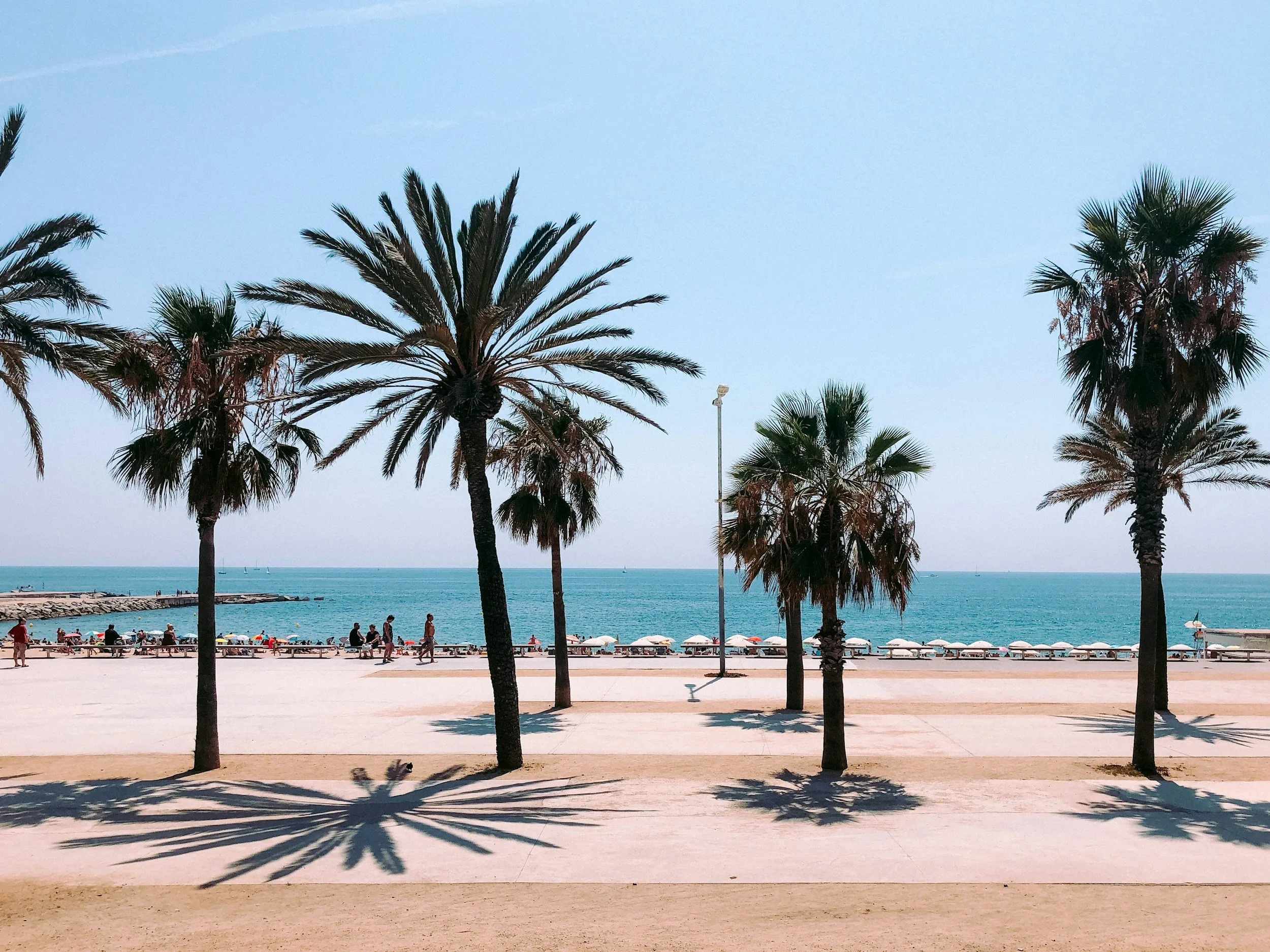
Barceloneta.
Poble-sec
Why visit (and who it’s best for)
Poble-sec is one of Barcelona’s most quietly rewarding neighbourhoods. It’s ideal for travellers who want great food, a lived-in atmosphere, and a base that feels local without being remote. This area suits repeat visitors, longer stays, and anyone who enjoys discovering places that don’t shout for attention.
If your idea of a good evening is hopping between relaxed bars rather than chasing landmarks, Poble-sec will feel like a natural fit.
What it’s like to stay here
Staying in Poble-sec feels grounded and residential. Streets are wider and calmer than the old town, life runs at a steady pace, and tourism takes a back seat to daily routines. Evenings are social but not chaotic, with locals filling terraces after work rather than crowds drifting in from elsewhere.
You’re well connected, too — close to the centre but far enough away that Barcelona feels breathable.
Highlights and things to do
Poble-sec sits at the foot of Montjuïc, giving easy access to some of the city’s best viewpoints, green spaces, and cultural venues. Cable cars, walking paths, museums, and sunset spots are all on your doorstep.
Closer to street level, wandering Carrer de Blai is a rite of passage — a strip known for its casual pinchos bars and relaxed, social energy that peaks in the evenings.
Food and drink scene
This is where Poble-sec truly shines. The neighbourhood is known across the city for its affordable, high-quality food scene, with a strong focus on informal dining. Pinchos bars line Carrer de Blai, while side streets hide neighbourhood favourites that locals return to week after week.
It’s one of the best areas in Barcelona for eating well without planning far ahead — perfect for spontaneous dinners and bar-hopping without pressure.
Where to stay
Accommodation in Poble-sec is generally good value. Expect mid-range hotels, apartments, and smaller stays that offer more space than the old town for the same price.
It’s a particularly strong option if you want comfort, calm evenings, and easy access to both central Barcelona and green space.
World Locals tip
Pair Poble-sec with Montjuïc. Spend your mornings exploring the hill — viewpoints, gardens, or museums — then come back down for an unhurried evening of food and drinks. It’s one of the easiest ways to experience Barcelona like a local.
Other Areas to Know About
These neighbourhoods don’t need full deep dives, but understanding them can help fine-tune where you stay — especially if you’re travelling with specific priorities in mind.
Sant Antoni
Sant Antoni sits just outside the old town and often flies under the radar. It’s known for its strong food culture, anchored by the local market and surrounded by relaxed cafés, bakeries, and wine bars. The vibe is residential but social, making it a smart choice if you want local life with easy access to El Raval and Eixample — without staying right in the middle of either.
Poblenou
Poblenou feels modern, open, and creative. Once an industrial area, it’s now home to start-ups, studios, beach access, and wide streets that feel very different from central Barcelona. It’s popular with longer-stay travellers and digital nomads, especially those who like space and proximity to the sea without the intensity of Barceloneta.
Sants
Often overlooked, Sants is practical, well connected, and firmly local. It’s close to the main train station and offers good-value accommodation, but it lacks standout sights or nightlife. Best suited to travellers prioritising transport links, quieter evenings, or short stays built around onward travel.
Sarrià-Sant Gervasi
Leafy, affluent, and distinctly residential, Sarrià-Sant Gervasi feels worlds away from the historic centre. This area suits families, longer stays, or travellers who want calm streets, green space, and a slower pace — but it’s less convenient for sightseeing and nightlife without relying on transport.
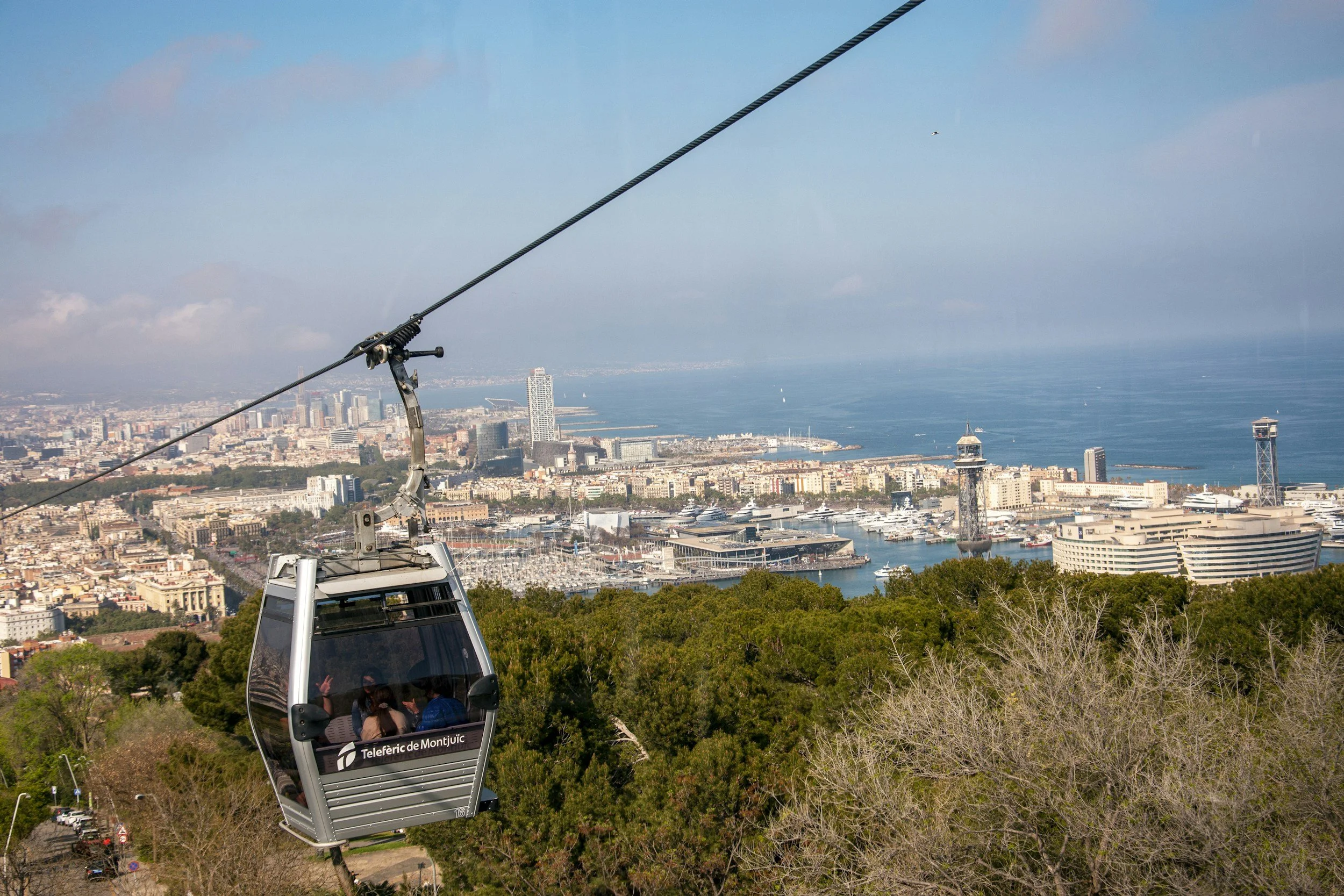
Montjuïc.
Which Barcelona Neighbourhood Is Right for You?
If you’re trying to choose where to base yourself in Barcelona, this is the section that matters most. Each neighbourhood offers a genuinely different experience — not just in look and feel, but in how your days unfold.
If it’s your first time in Barcelona
El Born or Eixample are your safest bets. El Born gives you atmosphere, history, and walkability; Eixample offers comfort, space, and easy navigation. Both let you explore widely without feeling disoriented.
If food is your main priority
Poble-sec and Sant Antoni stand out. Poble-sec is built around casual, social eating and bar-hopping, while Sant Antoni leans slightly more refined and local, with excellent everyday dining and cafés.
If you want local life over landmarks
Gràcia is the strongest choice. It’s slower, more residential, and centred around neighbourhood squares rather than sights. Ideal if you want Barcelona to feel lived-in, not curated.
If nightlife and creative energy matter most
El Raval delivers intensity, diversity, and late nights — but it suits confident travellers who are comfortable navigating busy urban environments. It’s less polished, more real.
If you want beach access built into your trip
Barceloneta or Poblenou make sense. Barceloneta is lively and compact, best for short stays; Poblenou offers more space and calm, especially for longer visits.
If you’re staying longer or want calm evenings
Eixample, Gràcia, Poblenou, or Sarrià-Sant Gervasi offer balance, routine, and breathing room — places where everyday life takes precedence over sightseeing.
Where First-Time Visitors Often Stay (and Why It’s Tricky)
Many first-time visitors default to staying as centrally as possible — usually somewhere between the Gothic Quarter, La Rambla, and parts of El Raval. On paper, it makes sense: close to sights, well connected, and packed with accommodation options.
In reality, this area can be one of the most uneven places to stay.
The historic centre is busy almost all day, every day. Streets are narrow, crowds funnel through the same routes, and nightlife noise can stretch late into the night. While it’s convenient for ticking off landmarks, it often lacks the everyday rhythm that makes Barcelona feel enjoyable rather than exhausting.
Another common mistake is choosing accommodation purely based on proximity to major attractions. Being “five minutes from everything” can mean sacrificing sleep, space, and a sense of place — especially if your accommodation sits on a major pedestrian route.
That’s why neighbourhoods just outside the historic core often work better. Areas like El Born (on the calmer edges), Eixample, Gràcia, or Sant Antoni still offer excellent access, but with more breathing room and a clearer sense of local life. You’ll likely walk a little more or take the metro occasionally — but your mornings and evenings will feel far more grounded.
Getting Around Barcelona
Barcelona is an easy city to move through once you understand how its neighbourhoods connect. Distances look short on a map, but the feel of moving between areas changes depending on where you are — sometimes walking is perfect, other times the metro simply makes more sense.
Walking
Walking works best within neighbourhoods and between adjacent areas. El Born, the Gothic Quarter, El Raval, and parts of Eixample blend naturally on foot, and wandering is often the point rather than the journey itself. Barcelona is largely flat, pavements are wide, and the city rewards slow exploration.
That said, longer walks — for example from Gràcia to Barceloneta — can eat into your day. In summer, heat makes walking long distances far less appealing.
Metro and public transport
The metro is reliable, affordable, and easy to navigate, with clear signage and frequent trains. It’s particularly useful for moving between distinct neighbourhoods like Gràcia, Poble-sec, Poblenou, and Eixample without hassle.
Buses fill in gaps where the metro doesn’t quite reach and are a good option for scenic routes, especially along the coast or through Eixample.
Cycling
Barcelona is increasingly bike-friendly, with dedicated lanes across much of the city. Cycling works well in flatter areas like Eixample, Poblenou, and along the seafront, but it’s less practical in the narrow streets of the old town.
Taxis and ride-hailing
Taxis are plentiful and reasonably priced for short trips, especially late at night or when travelling in groups. Ride-hailing apps are available, but traditional taxis are often quicker to flag down.
Neighbourhood mindset
Rather than trying to minimise travel entirely, think in terms of zones. Base yourself somewhere that suits your priorities, then use public transport to dip into other areas when it makes sense. Barcelona is compact enough that no neighbourhood feels truly disconnected — but spaced out enough that smart movement keeps the city enjoyable.
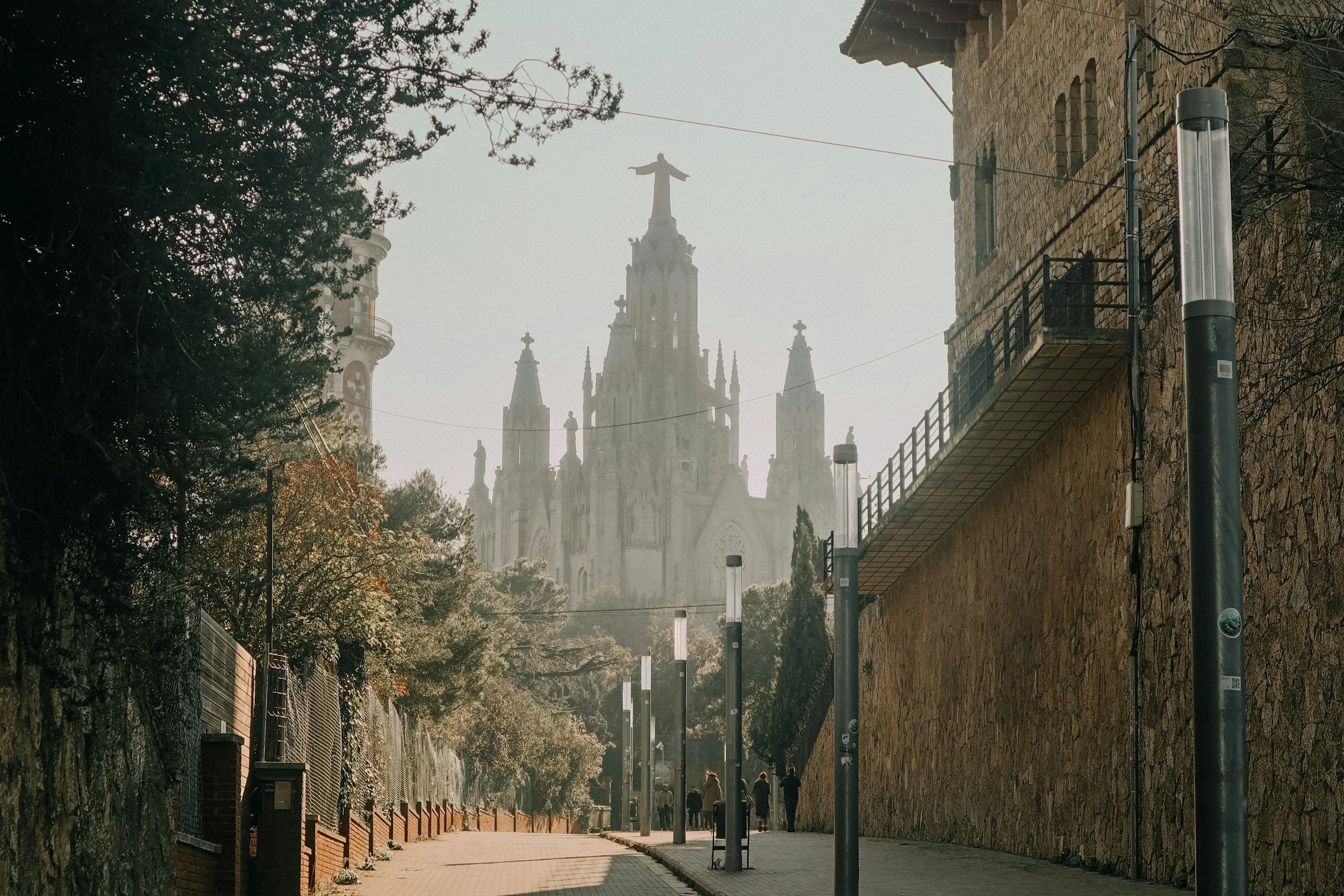
Tibidabo Church.
“Barcelona works best when you let it be neighbourhood-led. This isn’t a city you rush through from one headline sight to the next — it’s a place where mornings, evenings, and everyday routines matter just as much as landmarks.
Choosing the right neighbourhood shapes how your trip feels. It affects how you wake up, where you eat without planning, how you move through the city, and whether Barcelona feels energising or overwhelming. A central base might look convenient, but a neighbourhood that matches your pace and priorities will always deliver the better experience.
Whether you’re drawn to the atmosphere of El Born, the balance of Eixample, the local rhythm of Gràcia, the food-led evenings of Poble-sec, or the sea air of Barceloneta, there’s no single “best” place to stay — only the one that fits how you want to travel.
Use this guide as a starting point, trust your instincts, and don’t be afraid to step slightly off the obvious path. Barcelona rewards curiosity, patience, and choosing a base that lets the city come to you — rather than chasing it.”