London: Experiences Guide
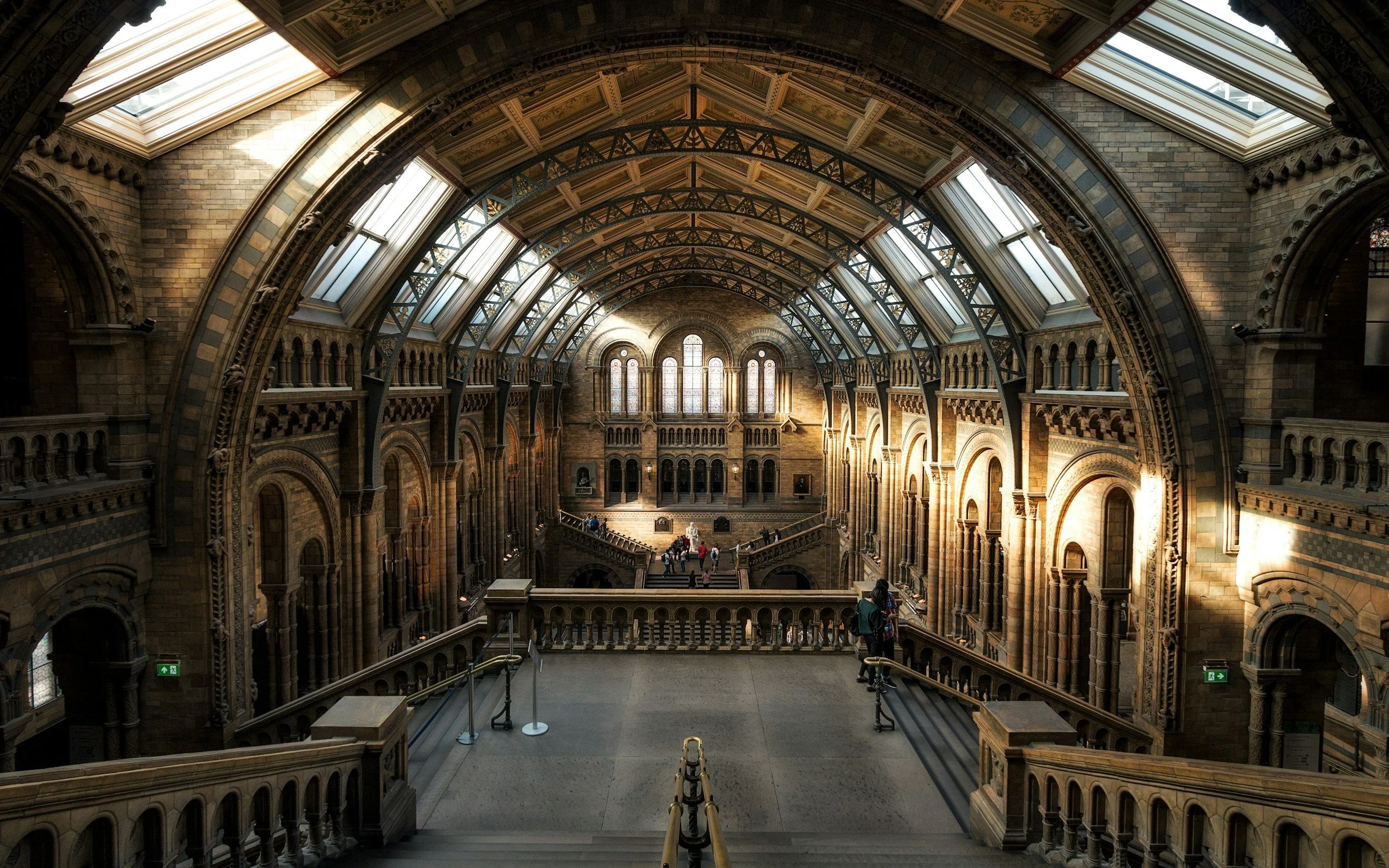
London is a city you feel long before you finish seeing it. It’s the rhythm of buses rumbling over bridges at dawn, the glow of pubs spilling onto pavements at dusk, the swirl of accents in markets, and the quiet green corners hidden just a few streets away from the noise. It’s history layered over modern life — Roman walls beside glass towers, Georgian terraces overlooking street art, and centuries-old markets sharing space with creative studios and global food stalls.
What makes London special isn’t just its landmarks, though they’re unforgettable: Big Ben rising above the Thames, the curve of St Paul’s against the sky, the fortress walls of the Tower of London, and the sweep of Greenwich Park overlooking the river. The city’s real magic lies in the spaces in between — in wandering through Notting Hill’s pastel streets, browsing vinyl in Camden, watching the sunset from Primrose Hill, or stopping for coffee in a tucked-away Soho café.
London rewards curiosity. The more you explore, the more the city opens up: local markets, quiet museums, neighbourhood pubs, historic theatres, canals lined with houseboats, and pockets of everyday life that feel wonderfully authentic. This guide brings together the essential sights, the neighbourhood gems, and the local experiences that reveal the city’s true character — the London that goes beyond postcards and bucket lists.
Let’s explore London through the experiences that make it unforgettable.
Essential London Experiences
These are the big moments — the iconic sights and timeless walks that introduce travellers to London’s history, architecture and river-side rhythm. Even if you’ve seen them in films a thousand times, nothing compares to experiencing them in person, wrapped in the city’s everyday motion.
Westminster and the South Bank Walk
This is London at its most cinematic. Start at Westminster Underground Station and step out directly beneath Big Ben — its stonework impossibly intricate up close. From here, the Thames curves gently into view, lined with historic buildings and government departments that have shaped Britain for centuries.
Cross Westminster Bridge and you enter the South Bank, one of London’s most uplifting riverside promenades. Street performers, bookstalls, cafes, the London Eye, Shakespeare’s Globe and the brutalist architecture of the Southbank Centre create a collage of culture and energy. It’s busy, lively and endlessly photogenic — especially at golden hour.
Why go: It’s the perfect introduction to the city: iconic, walkable and full of life.
Tower of London and Tower Bridge
On this stretch of the Thames, London’s ancient and modern identities sit side by side. The Tower of London is nearly a thousand years old — once a fortress, a palace, a prison, and a symbol of royal power. Wandering its courtyards and battlements brings the city’s medieval history into sharp focus.
A short walk away rises Tower Bridge, with its striking Victorian blue detailing and twin Gothic towers. Cross the bridge for sweeping river views, or wander beneath it to see the steel structure towering overhead.
Why go: No experience bridges the city’s past and present quite like this one.
St Paul’s Cathedral and The City
St Paul’s, with its grand dome designed by Sir Christopher Wren, feels almost serene amid the glass towers of The City. Step inside for soaring arches and whispering acoustics, or climb to the dome’s upper galleries for some of London’s most dramatic skyline views.
Outside, follow pedestrian lanes and hidden courtyards that weave through London’s financial district. The contrast is striking — quiet stone passages beside futuristic skyscrapers. Cross the Millennium Bridge for a perfect view of both St Paul’s and Tate Modern across the river.
Why go: It’s London’s architectural story told in a single walk.
The British Museum or the Victoria and Albert Museum
London’s museums are among the best in the world — and most are free.
The British Museum offers an unparalleled journey through global history: Egyptian antiquities, Greek sculpture, the Rosetta Stone, and countless artefacts that span civilisations.
For art and design lovers, the Victoria and Albert Museum is a masterpiece of its own — filled with fashion, sculpture, ceramics, jewellery and decorative arts across centuries. The building itself, with its ornate corridors and quiet courtyards, is stunning.
Why go: World-class collections that you could return to a dozen times and still discover something new.
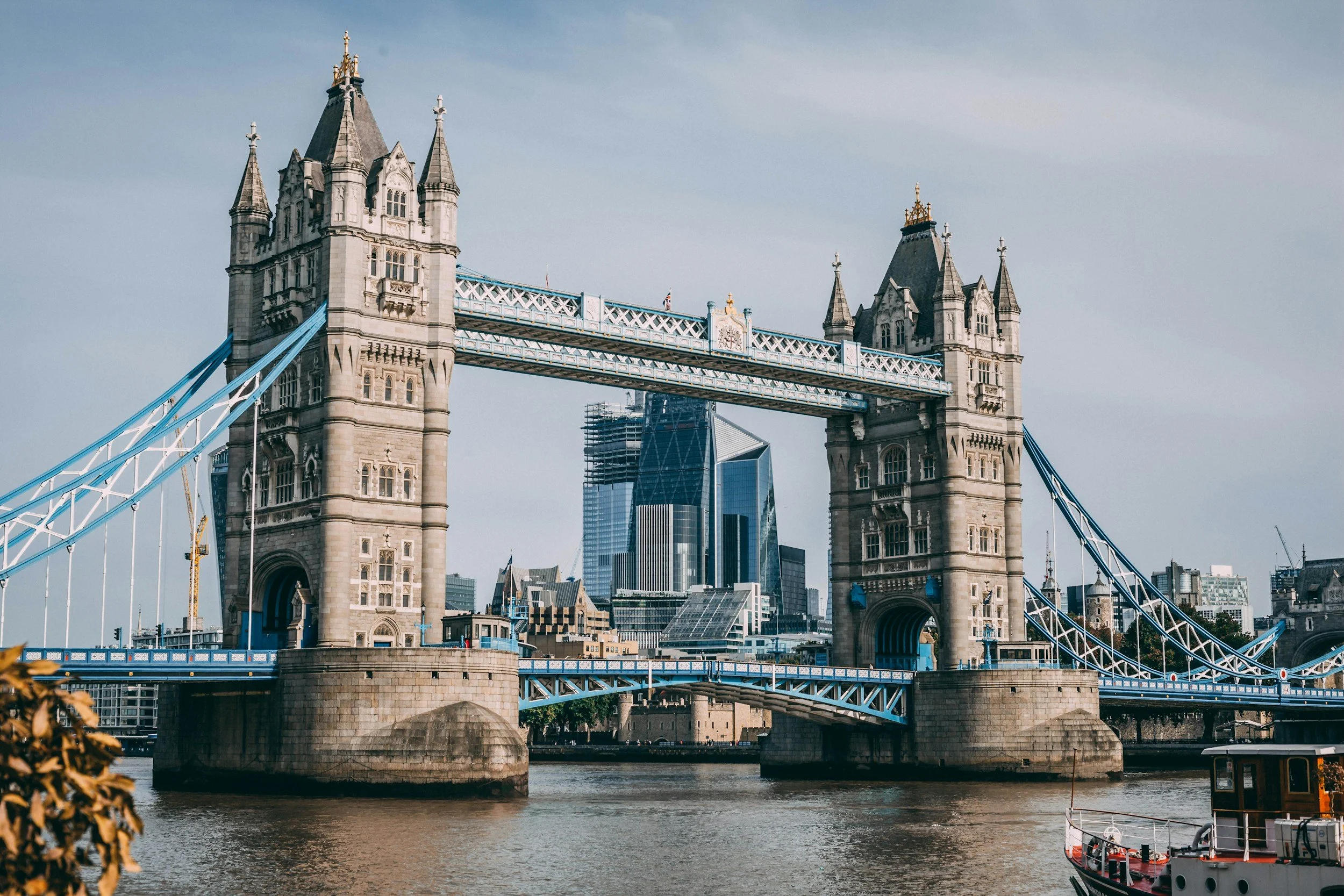
Tower Bridge.
Neighbourhood Wanderings
London is a city of villages — neighbourhoods with distinct histories, identities and cultural rhythms. Wander a few streets and the atmosphere shifts completely: from pastel townhouses to Victorian warehouses, from bustling markets to quiet canals. These are the places where London reveals its true character.
Notting Hill and Portobello Road
Notting Hill balances elegance with creative energy. Its pastel-coloured terraces, white-pillared townhouses and quiet garden squares give the area a timeless feel, while its independent shops and cafés bring a modern, local warmth. Mews streets hide behind main roads — narrow, cobbled passages where former stables have been transformed into tiny homes, boutiques and tucked-away bakeries.
Portobello Road is the neighbourhood at its most vibrant. On market days the entire street comes alive with antique collectors, vintage traders, street musicians and global food stalls. Early mornings are the best time to explore — traders unpack old maps, silverware and rare vinyl, and local cafés set out tables before the crowds arrive.
Step away from the market and the area softens: pastel side streets, secret bookshops, local florists and charming brunch spots. It’s London at its most cinematic.
Why wander: Romantic streets, lively markets and endless small discoveries — perfect for slow exploration and photography.
Shoreditch and Brick Lane
Shoreditch is London’s creative playground — a district shaped by artists, designers, musicians and entrepreneurs who’ve turned former warehouses into studios, galleries, cafés and street-food hubs. The streets feel alive with expression: giant murals tower above pavements, stencil art appears overnight, and independent shops spill out onto the pavements.
Redchurch Street is the area at its most polished, filled with minimalist boutiques, European-style bakeries, natural wine bars and sleek restaurants. Venture further east and it becomes rawer, grittier, more eclectic — markets under railway arches, pop-ups, plant shops and record stores.
Brick Lane is a cultural story in itself. Long known for its Bangladeshi community, it’s still home to curry houses, sweet shops and South Asian groceries, but today sits alongside vintage shops, international food stalls, art markets and Sunday crowds searching for treasure. The smell of bagels, spices, freshly ground coffee and street food blends into a signature Shoreditch scent.
Why wander: It’s one of the best places in London to feel the city’s modern pulse — artistic, multicultural, energetic and ever-changing.
Camden and Primrose Hill
Camden wears its history proudly. Once the heart of London’s punk and rock scene, it still carries that rebellious edge — live music venues, tattoo studios, alt-fashion stalls and graffiti-covered bridges. Camden Market is a maze of food courts, craft stalls, vintage clothing and neon-lit arcades where global flavours collide: Korean corn dogs, Venezuelan arepas, Middle Eastern wraps, and handmade churros.
But wander to Regent’s Canal and everything calms. Narrowboats line the water, cafés set up on boardwalks, and the towpath curves gently toward Primrose Hill — one of London’s most picturesque village-like enclaves. The atmosphere shifts instantly: pastel townhouses, chic boutiques, family-run delis and leafy residential streets.
Climb Primrose Hill itself for one of the best free views in the city. From the top, the skyline unfolds like a postcard — the Shard, St Paul’s, the BT Tower and Canary Wharf all in perfect silhouette at sunset.
Why wander: A journey from alternative culture to quiet elegance, connected by one of London’s most beautiful canals.
Greenwich
Greenwich feels like stepping into a different era. Its maritime heritage is everywhere: the Cutty Sark moored beside the river, the National Maritime Museum celebrating seafaring history, and the grand domes and colonnades of the Old Royal Naval College framing the Thames. Wander through the Painted Hall — often compared to the Sistine Chapel of London — to see its extraordinary Baroque ceiling.
Greenwich Market adds a modern layer, filled with artisan makers, independent traders, street food and handmade crafts. It’s lively but not overwhelming — a refreshing contrast to the pace of central London.
Greenwich Park is one of the city’s most expansive green spaces. Climb the hill to the Royal Observatory and stand on the Prime Meridian line, then turn to take in a sweeping view of London’s skyline rising beyond the treetops. Morning light here feels almost golden.
The surrounding streets offer cosy pubs, quirky cafés, riverside paths and a relaxed, village-like pace.
Why wander: History, architecture, markets and extraordinary views — all wrapped in a neighbourhood that feels like a small town inside a global city.
Markets, Food and Local Life
London’s markets are some of the best windows into the city’s everyday rhythm — places where locals shop for bread and produce, where chefs source ingredients, and where street-food traders introduce new flavours to the city. Each market has its own personality, shaped by its neighbourhood, traders and crowd.
Borough Market
Borough Market is one of London’s oldest and most iconic food markets, with a history stretching back over 1,000 years. Today it blends heritage with modern craftsmanship: cheesemongers slicing British farmhouse wheels, bakers pulling freshly made focaccia from the oven, spice merchants scooping fragrant blends, and stalls selling charcuterie, handmade chocolate, Ethiopian stews and Thai curries.
Arrive early to watch the market come to life — chefs in whites collecting produce, vendors setting up samples, and the air filled with the smell of coffee and roasting vegetables. Lunchtime turns the space into a vibrant mix of workers, families, and travellers queuing for steaming bao, truffle pasta, raclette on potatoes, or fresh oysters.
Step beneath the railway arches behind the main square and you’ll find smaller traders, wine bars and quiet corners perfect for a break. It’s lively, delicious, and one of the best places in the city to eat your way through global flavours.
Why go: A London icon combining heritage, community, and exceptional eating — best experienced with curiosity and an empty stomach.
Broadway Market and London Fields
Broadway Market is where East London gathers on Saturday mornings — a vibrant stretch filled with traders selling pastries, freshly baked sourdough, small-batch coffee, vegan treats, handmade pasta, fresh produce and independent fashion.
The atmosphere is lively but local: dogs on leads, cyclists grabbing flat whites, families queuing for croissants, and musicians performing on the corners. Grab a pastry or bánh mì and wander toward London Fields, where people picnic under the trees or queue outside neighbourhood cafés and delis.
The side streets are just as good: natural wine bars, tiny brunch spots, independent bookshops and creative studios. On non-market days, Broadway Market feels calm and village-like — the perfect place for slow wandering.
Why go: It captures Hackney at its best — creative, community-driven and full of brilliant food.
Maltby Street Market
Tucked under Bermondsey’s atmospheric railway arches, Maltby Street Market feels intimate compared to its busier counterparts. It’s a weekend-only market filled with artisanal producers, craft distillers and some of the best low-key street food in the city.
Expect raclette bubbling over potatoes, tapas served from tiny counters, excellent brownies, Caribbean dishes, cocktails in jars, and freshly pulled noodles. It’s the kind of place where you end up talking to the vendors, sampling more than you planned, and discovering something unexpected.
The Ropewalk — the narrow pedestrian strip that anchors the market — becomes a lively corridor of smells, flavours and friendly chatter. It’s local, relaxed and a favourite for Londoners who want great food without the crowds of Borough.
Why go: A hidden gem of London’s food scene with big flavours and neighbourhood charm.
Chinatown and Soho
London’s Chinatown is a sensory experience: glowing red lanterns strung above the streets, the scent of roast duck and steamed buns drifting from windows, and busy bakeries selling char siu pastries, egg tarts and sesame balls. Wander Gerrard Street and its side alleys for dim sum, bubble tea, hotpot, Cantonese BBQ and late-night noodles.
Just minutes away is Soho — one of London’s most characterful neighbourhoods. Here you’ll find everything from bao shops and ramen counters to Iberian tapas bars, tiny gelato shops, speakeasy-style cocktail bars and independent theatres. It’s buzzy at all hours, layered with decades of cultural history from the LGBTQ+ community to the city’s arts, music and nightlife scenes.
Why go: The perfect mix of energy, flavour and late-night atmosphere — ideal for spontaneous food adventures.
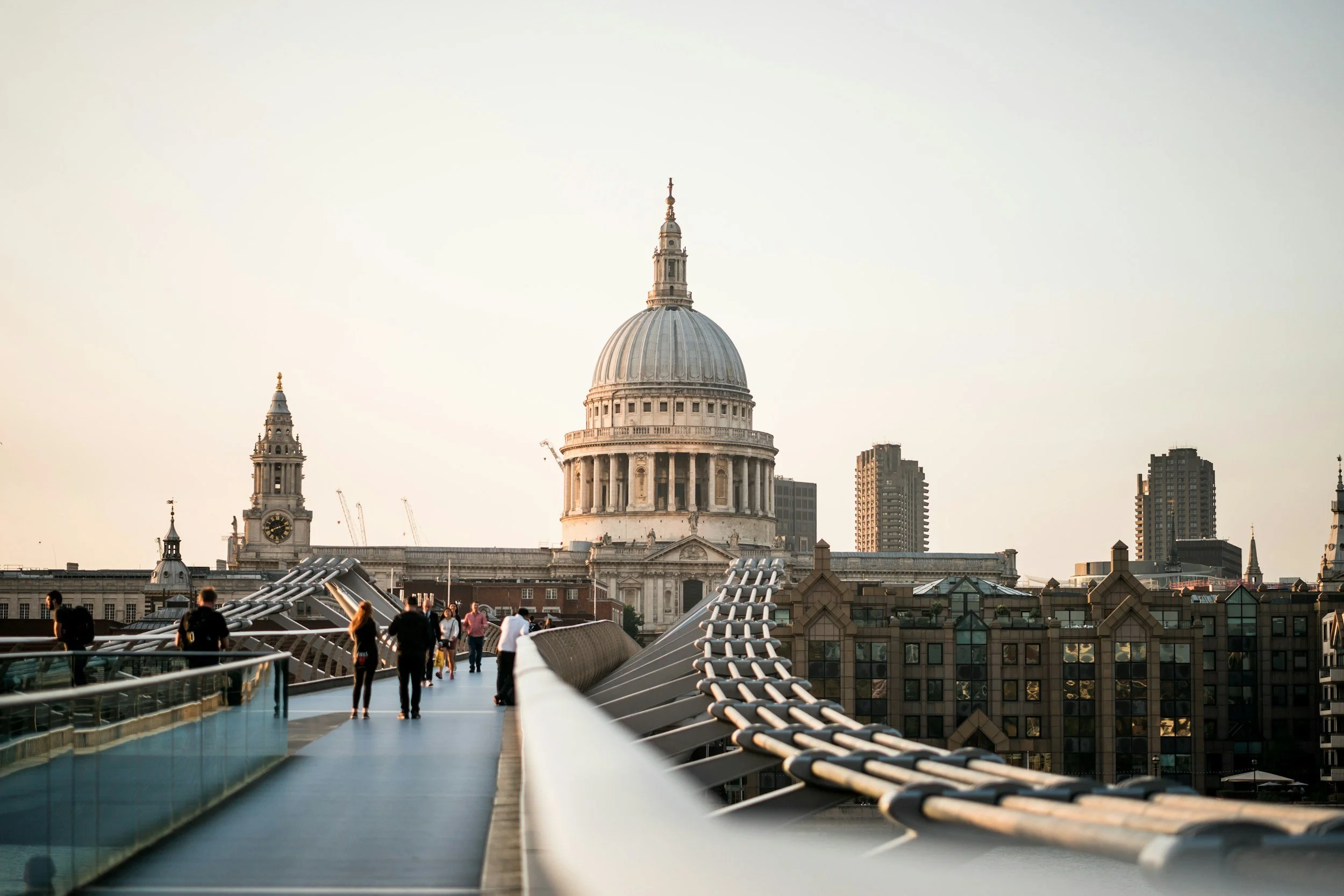
St Pauls.
Green Spaces and Views
London is one of the greenest major cities in the world, and its parks are far more than pretty landscapes — they’re places where Londoners gather, recharge, run, read, picnic, swim, watch sunsets and slow the pace of city life. From royal parks to wild heaths and elevated viewpoints, these green pockets offer some of the best perspectives on the city.
Hyde Park and Kensington Gardens
Hyde Park is London at its most classic — sweeping lawns, tree-lined avenues, open lakes and monuments dotted between meadows and pathways. Mornings bring joggers and commuters cycling through the park; afternoons fill with picnics, boat rentals on the Serpentine and families wandering between playgrounds and cafés.
Continue west and Hyde Park blends seamlessly into Kensington Gardens — quieter, more elegant, with tucked-away sculptures, fountains and flower beds. The Round Pond reflects Kensington Palace, while the Italian Gardens offer a beautiful Victorian lakeside scene perfect for photography.
Come at golden hour and watch the light settle across the water, with the city skyline peeking between the trees.
Why go: London’s most iconic park duo, perfect for slow wanders and classic views.
Hampstead Heath
Hampstead Heath feels wild in a way most major cities could only dream of. Spanning woodlands, rolling hills, ponds and meadows, it’s the closest thing London has to the countryside — just a few stops from the city centre.
Locals come here for long weekend walks, chilly morning swims in the ponds, and that feeling of escapism as soon as you step off the main paths. The highlight is Parliament Hill: climb to the top for a panoramic view of London’s skyline rising beyond the treetops. On clear days you can make out The Shard, St Paul’s, the BT Tower and even Canary Wharf.
The surrounding village of Hampstead is equally charming — winding lanes, Georgian houses, independent cafés and old pubs that feel unchanged by time.
Why go: A wildly beautiful escape where you can see all of London laid out before you.
Richmond Park
London’s largest royal park, Richmond Park, feels vast — an open, wild landscape of grasslands, forests and ponds. It’s famous for its roaming deer, which have lived here for centuries. On misty mornings the park looks almost ethereal: herds of deer emerging through the fog, ancient oak trees towering overhead, and sunlight breaking slowly across the fields.
Cyclists, walkers and picnickers all share the space, but the park is so large that it rarely feels crowded. For the best experience, follow the trails toward Isabella Plantation, a woodland garden known for its vibrant spring azaleas and peaceful pathways.
Why go: An untamed slice of nature with iconic wildlife and endless space to breathe.
Sky Garden or Primrose Hill
London’s skyline is best appreciated from above — and the city offers two brilliant, contrasting viewpoints.
Sky Garden sits atop the Walkie Talkie building, offering a 360-degree indoor garden with sweeping views across the Thames, St Paul’s Cathedral, the Shard and beyond. The best part? Entry is free with a pre-booked slot. Sunset transforms the entire space into a golden, glass-walled panorama.
Primrose Hill, on the other hand, is entirely outdoors — a gentle hill overlooking the city from the north. Loved by locals, it’s a favourite for picnics, weekend strolls and catching the colours of golden hour as the skyline softens into silhouette.
Why go: Two completely different ways to see London from above — one polished and modern, the other relaxed and local.
Arts, Culture and Entertainment
London is one of the world’s great cultural capitals — a city where centuries of art, music, theatre and creativity spill into daily life. From the grand stages of the West End to warehouse gigs in Dalston, from world-class museums to riverside arts centres, London’s cultural landscape is vast, layered and endlessly inspiring.
West End Theatre
London’s West End is a global landmark for theatre lovers — a glowing constellation of historic venues dotted around Covent Garden, Soho and Leicester Square. The atmosphere in the evening is electric: red velvet curtains, neon-lit marquees, crowds spilling into the streets between shows, and the soft hum of pre-theatre diners heading to their seats.
Choose from long-running icons like The Lion King or Les Misérables, cutting-edge dramas, big-budget musicals, or intimate productions in smaller theatres tucked down side alleys. Even last-minute bookings can surprise you with incredible seats.
Why go: It’s one of the most vibrant theatre districts in the world — a quintessential London experience.
Tate Modern and the Southbank Centre
The South Bank is one of London’s creative arteries — a riverside stretch lined with theatres, galleries, book markets and cultural institutions.
At its heart sits Tate Modern, a contemporary art powerhouse inside a former power station. Its turbine hall alone is worth the visit, often filled with monumental installations that transform the industrial space into something immersive and unexpected. Step onto the viewing terrace for a striking panorama of St Paul’s Cathedral and the City skyline.
A short stroll away is the Southbank Centre, a cluster of music halls, galleries and performance spaces hosting everything from classical concerts to spoken word nights. Street performers, second-hand bookstalls and river views complete the scene.
Why go: A perfect blend of architecture, culture, creativity and riverside energy — ideal for art lovers and wanderers alike.
Live Music in Camden, Brixton and Dalston
London’s live music legacy runs deep — from punk in the ‘70s to today’s thriving indie, jazz, grime and electronic scenes. Music is woven into the identity of several neighbourhoods:
Camden
The spiritual home of London’s alternative music scene. Venues like the Roundhouse, Electric Ballroom and the tiny Dublin Castle have hosted everyone from emerging local bands to global icons.
Brixton
One of the city’s most diverse music hubs. The O2 Academy is legendary, while smaller venues and basement bars support reggae, hip-hop, soul and everything in between. The area’s Afro-Caribbean influence gives the nightlife real depth and character.
Dalston & Hackney
London’s creative frontier for underground music. Expect warehouse jazz nights, experimental gigs, electronic sets, and intimate venues where new talent comes to life.
Why go: Few cities offer such a rich mix of genres, neighbourhood identities and live energy — a must for music-lovers.
Historic Pubs and London Nightlife
London’s pub culture is a world of its own. From cosy Victorian taverns with etched glass and wooden snugs to riverside inns that have served sailors, writers and workers for centuries, these spaces feel woven into the city’s fabric.
Order a pint, grab a corner seat, and you’ll see London at its most authentic — after-work crowds, weekend catch-ups, families having Sunday roasts and the gentle hum of local life.
Beyond pubs, London’s nightlife stretches from rooftop bars with skyline views to hidden speakeasies, classic cocktail bars, natural wine spots and late-night Chinatown eateries where the night often ends.
Why go: London’s evenings are as vibrant as its days — full of atmosphere, history and modern creativity.
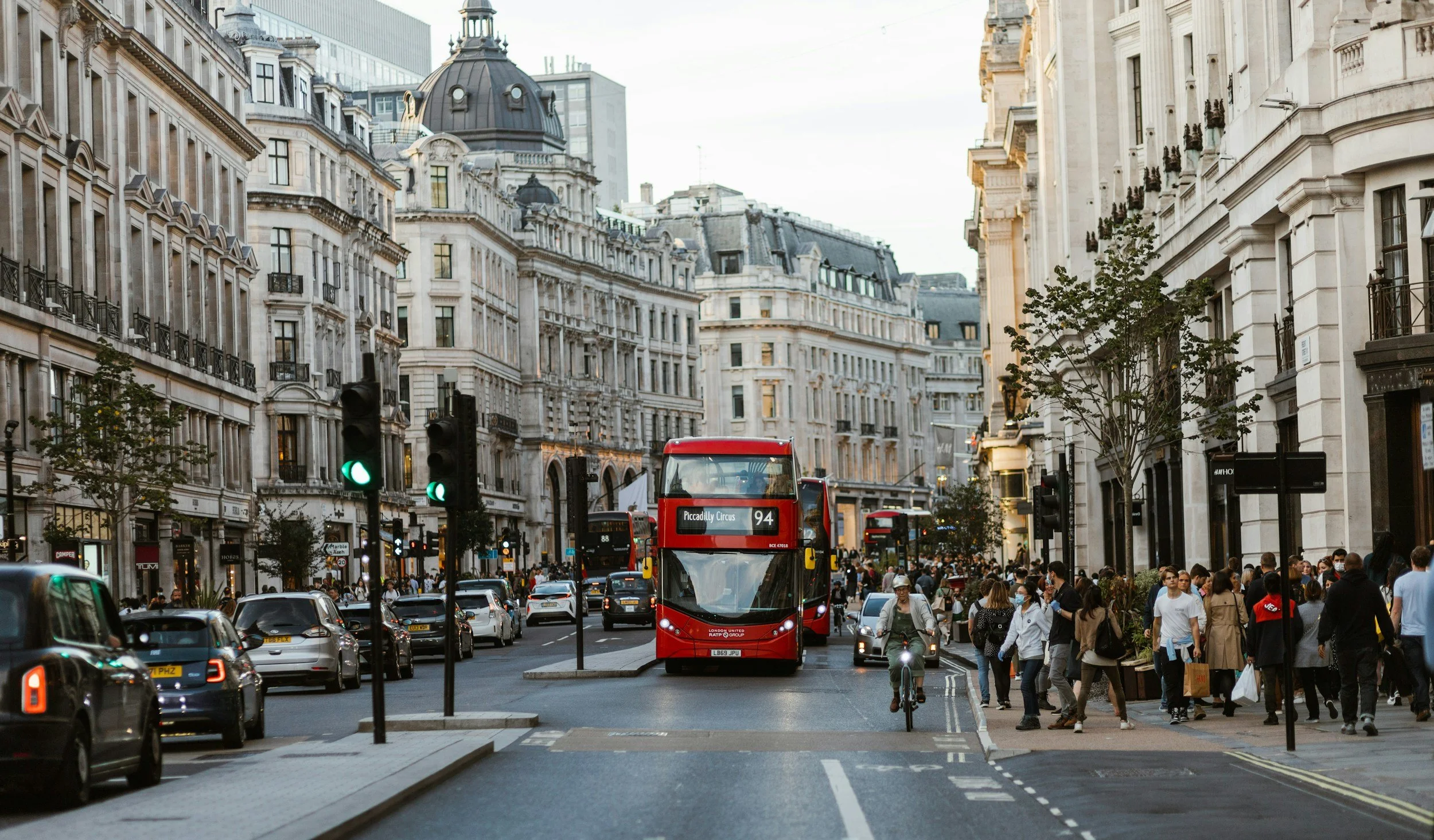
Oxford Street.
Hidden Gems and Local Secrets
London rewards those who wander off the main roads. Beyond the crowds and famous sights, the city is full of tucked-away courtyards, peaceful canals, historic alleyways and curious pockets of beauty that even many locals overlook. These hidden spots help you experience London on a more intimate scale — slower, softer, and wonderfully surprising.
Little Venice and the Regent’s Canal Walk
Little Venice feels like a dream tucked between Paddington and Maida Vale — narrowboats painted in deep greens and reds, waterside cafés serving lattes from moored barges, and quiet towpaths lined with willow trees. It’s one of London’s most unexpectedly peaceful corners.
From here, follow the Regent’s Canal toward Camden. The route reveals an entirely different side of the city: floating bookshops, waterside studios, colourful houseboats, and glimpses into neighbourhoods you’d never see from the main roads. The walk then spills into Camden Market, where the calm meets the chaos.
Why go: A serene, scenic slice of London — perfect for morning walks or slow afternoons by the water.
Postman’s Park
Tucked behind St Paul’s Cathedral, Postman’s Park is one of London’s most moving hidden spaces. At its centre stands the Memorial to Heroic Self-Sacrifice, a series of Victorian ceramic tablets commemorating ordinary people who lost their lives trying to save others. Each plaque tells a short, poignant story — a window into the city’s human history.
Surrounded by trees and flowerbeds, the park is a peaceful break from the bustle of the City. Sit on a bench and you’ll hear church bells echo between modern skyscrapers — a contrast that captures London perfectly.
Why go: Quiet beauty with a deeply emotional narrative — a spot many travellers miss entirely.
Leadenhall Market
In the heart of the financial district, Leadenhall Market feels like stepping into a Victorian painting. Its ornate ironwork, glass-domed roof and cobbled walkways glow at golden hour, making it one of the most atmospheric markets in the city.
Once a trading hub in the 14th century, it’s now home to wine bars, boutiques, cheese shops, florists and cafés. Early mornings are serene; evenings buzz with workers unwinding over drinks beneath the arches.
Why go: Beautiful architecture, underrated cafés and a historic backdrop hidden between skyscrapers.
Neal’s Yard
Neal’s Yard is one of Covent Garden’s best-kept secrets — a vibrant courtyard painted in bright blues, greens and oranges, tucked behind narrow alleyways that most people walk past without even noticing. Healthy cafés, independent shops and tiny pizzerias cluster around the courtyard, creating a colourful, bohemian pocket in the centre of the city.
Arrive early to see the space waking up: bakery scents drifting through open windows, delivery bikes weaving between doorways, and sunlight hitting the colourful facades.
Why go: A hidden splash of colour in central London — full of charm, character and creative energy.
Practical Tips for Exploring London
London is a big, brilliantly complex city — a place best explored with curiosity, comfortable shoes and a bit of local know-how. These practical tips help travellers navigate the city smoothly, avoid common pitfalls and make the most of every moment.
Getting Around: Transport Made Easy
London’s public transport network is one of the most extensive in the world — and surprisingly simple once you know the basics.
Use contactless payment: No need for Oyster cards anymore. Your contactless bank card or phone wallet works instantly across Tube, bus, Overground and DLR.
The Tube is fastest for longer distances, especially across central London.
Buses reveal more of the city and are often calmer than the Underground.
The Overground is great for neighbourhood-to-neighbourhood travel (especially East London).
Thames Clippers offer scenic river journeys between major sights.
Local insight: Buses are cheaper than the Tube and cap at a lower daily rate.
Best Times to Visit Major Sights
London’s icons are popular for good reason — but timing is everything.
Westminster & South Bank: Best in early morning or late afternoon.
The British Museum & V&A: Arrive at opening time or after 4pm.
Tower of London: Mornings on weekdays are the calmest.
Sky Garden: Book sunset slots well in advance.
Markets: Weekday mornings for Borough; Saturdays for Broadway Market.
Local insight: Museums are often open late once a week — a perfect way to explore without crowds.
Weather & What to Expect
London’s weather is famously unpredictable, but the city is beautiful in every season.
Spring: Blossom in parks, mild temperatures, longer days.
Summer: Lively streets, outdoor dining, festivals, sunlit evenings.
Autumn: Golden parks, crisp air, cosy pub season.
Winter: Christmas markets, decorated streets, museums and cafés.
Local insight: Always carry a light layer — weather can shift quickly, even on sunny days.
Free and Low-Cost London
You don’t need to spend much to experience the city.
Free world-class museums (British Museum, V&A, Tate Modern, National Gallery, Natural History Museum).
Free viewpoints (Sky Garden, Greenwich Observatory, Primrose Hill, Parliament Hill).
Affordable street food across markets.
Canal walks from Little Venice to Camden or Hackney Wick.
Riverside paths and South Bank culture.
Local insight: Some of London’s best experiences cost nothing at all.
Slow Down and Wander
With so much to see, it’s tempting to rush — but London is a city made for wandering.
Detour down side streets.
Explore neighbourhood cafés.
Sit on a bench in a quiet square.
Hop off the bus early to walk.
Follow the canals.
Spend an afternoon in a single neighbourhood instead of rushing between ten sights.
Local insight: London reveals itself gradually — the slower you explore, the more you notice.
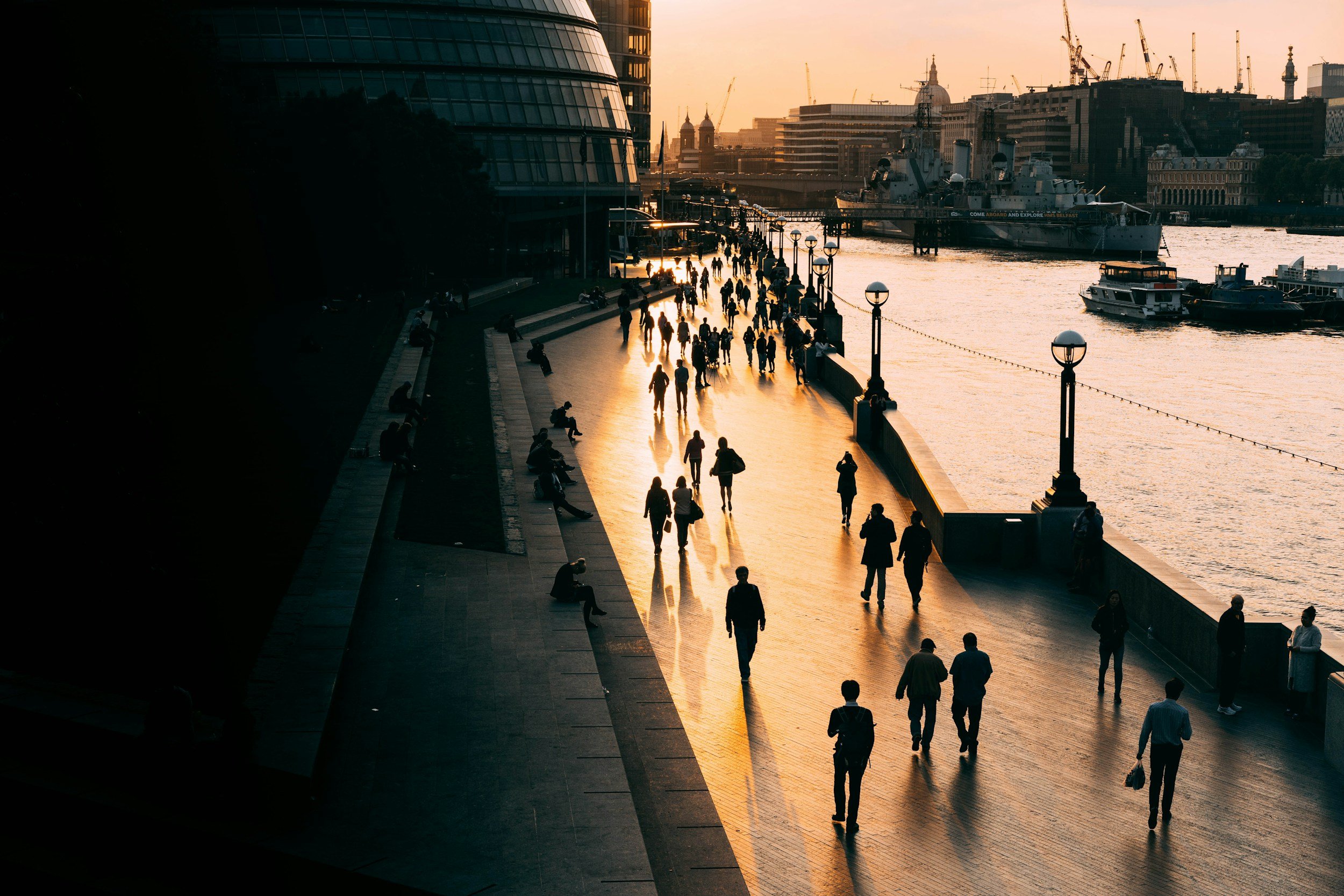
River Thames at sunset.
“London is a city that never reveals itself all at once. Its landmarks are iconic, but it’s the moments in between — the quiet parks, the canal-side strolls, the tucked-away courtyards and the neighbourhood rituals — that stay with you long after you’ve left. Wander through its markets, climb its viewpoints, step inside its museums, explore its creative quarters and spend time in the places where locals gather, and the city begins to take shape in a more personal way.
This guide is an invitation to explore London the way Londoners live it: slowly, curiously and with a willingness to detour. Whether you’re watching the sun set from Primrose Hill, wandering the colourful lanes of Notting Hill, discovering street art in Shoreditch, or losing track of time along the South Bank, the beauty of London lies in how familiar yet constantly surprising it feels.
Let the city unfold around you. Let its history guide your footsteps, its food fuel your days, its culture spark your imagination and its neighbourhoods anchor your experience. London is vast, layered and endlessly captivating — a place you’ll want to return to again and again.”