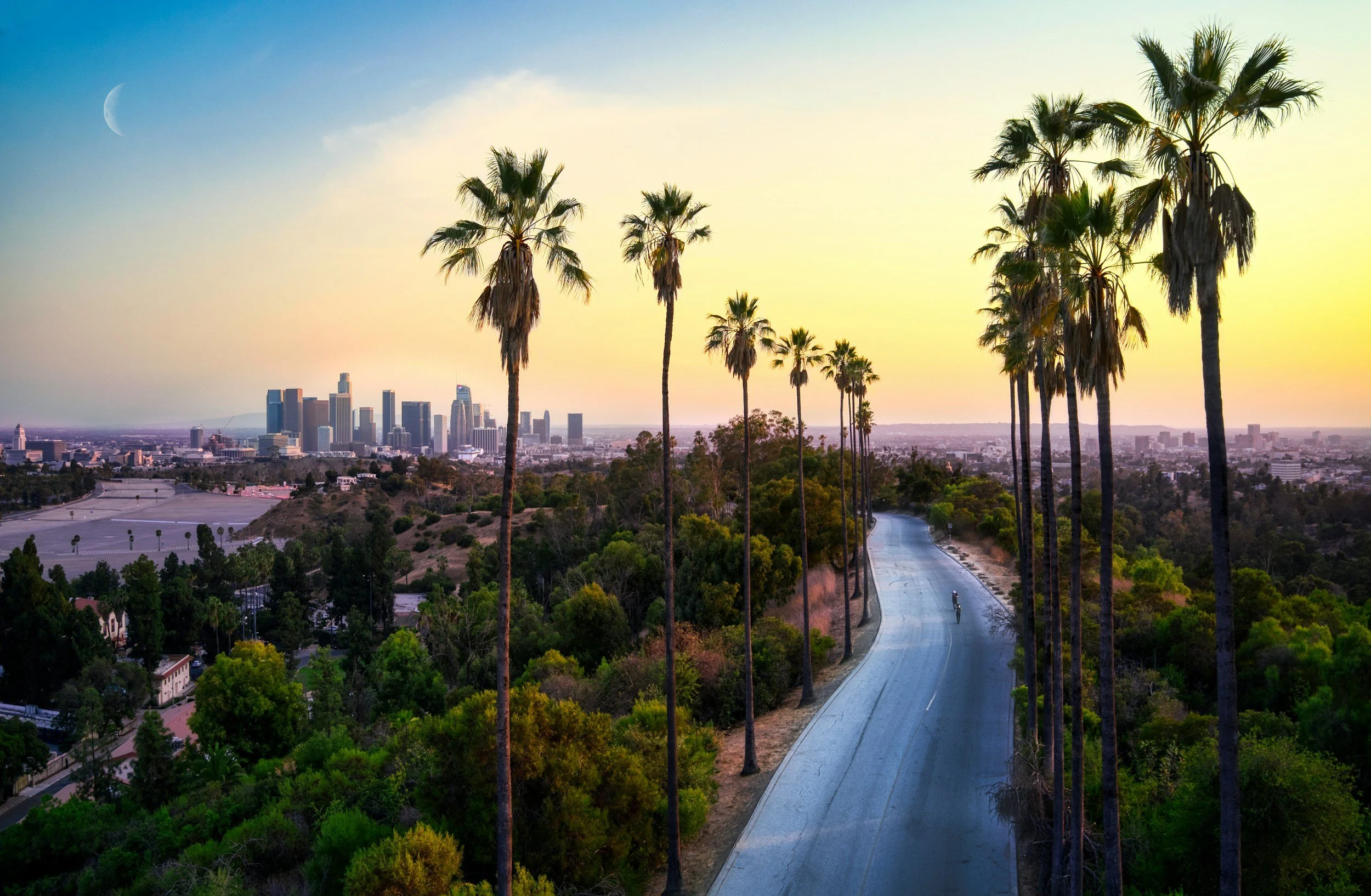
Los Angeles isn’t a city you experience all at once. It’s a place of distance and contrast — coast and canyon, neighbourhood and nature, everyday routine and cultural spectacle existing side by side. The mistake many people make is trying to see LA like a checklist, rather than learning how to move through it.
The best experiences in Los Angeles aren’t always the most famous ones. They’re often quieter, slower, and shaped by timing as much as location: a morning walk by the ocean, a late-afternoon neighbourhood wander, a drive that turns into the highlight of the day. Experiences here unfold gradually, revealing themselves through rhythm rather than intensity.
This guide focuses on how Los Angeles actually works. It blends iconic moments with local routines, urban culture with outdoor space, and neighbourhood-led experiences with the kind of nature access few global cities can offer. Rather than trying to do everything, it helps you choose experiences that fit your pace, interests, and time on the ground.
LA rewards intention, flexibility, and repetition. The more you allow space between experiences — for movement, coffee stops, and unplanned detours — the more the city starts to make sense.
This isn’t about conquering Los Angeles. It’s about understanding it, one experience at a time.
How to Experience Los Angeles Well
Los Angeles rewards a different mindset to many major cities. It isn’t designed for intensity or efficiency — it works best when you give it space. Understanding a few core principles before you start planning makes a noticeable difference to how the city feels.
Think in Neighbourhoods, Not Attractions
LA doesn’t revolve around a single centre. Experiences make more sense when grouped by neighbourhood rather than scattered across the city. A beach walk, café stop, and sunset viewpoint in the same area will almost always feel more rewarding than rushing between unrelated sights.
Let neighbourhoods shape your days, and experiences will slot together naturally.
Do Less Each Day — On Purpose
Trying to fit too much into one day is the quickest way to drain energy in LA. Distances are long, traffic is unpredictable, and many of the city’s best moments happen between plans rather than during them.
A realistic rhythm usually looks like:
One main experience
One secondary plan
Space in between
That breathing room is where LA often reveals itself.
Timing Is Everything
When you do something in LA often matters more than what you do.
Beaches work best in the morning or late afternoon
Neighbourhoods feel calmer midweek
Scenic drives shine outside peak traffic hours
Sunset experiences need patience, not urgency
Matching experiences to the right time of day transforms them.
Movement Is Part of the Experience
In Los Angeles, moving through the city is an experience. Walking certain neighbourhoods, driving coastal roads, or climbing urban trails all shape how the city feels.
Instead of treating transport as dead time, build experiences around it — a walk that leads to a viewpoint, a drive that becomes the highlight, a neighbourhood explored on foot rather than rushed through.
Balance City Life With Nature
Few cities offer the same access to beaches, hills, and open space alongside dense urban life. The most satisfying LA trips usually balance both.
Pair museums or neighbourhood wandering with outdoor experiences. Alternate busy days with quieter ones. That contrast is part of LA’s identity.
Leave Room for the Unplanned
Some of the best experiences in LA aren’t scheduled. A café that becomes a pause, a street that invites wandering, a view you didn’t expect to stop for.
Over-planning flattens the city. Flexibility gives it texture.
Iconic Los Angeles Experiences
Los Angeles has no shortage of recognisable experiences — but what makes them memorable isn’t ticking them off, it’s how and when you do them. Approached with the right pacing, these moments become part of the city’s rhythm rather than interruptions to it.
Coastal Life and the LA Beach Rhythm
Beaches in Los Angeles aren’t just places to visit — they’re part of everyday life. Mornings bring walkers, swimmers, and locals easing into the day, while late afternoons slow into long light and cooler air.
Santa Monica Beach works best early or towards sunset, when the pace feels relaxed and the coastline opens up. Venice Beach adds energy and contrast — street life, movement, and constant activity — best experienced without expectation, simply by walking and observing.
The key is timing. Midday crowds flatten the experience; early and late hours let it breathe.
Scenic Drives as an Experience in Themselves
Few cities treat driving as part of the experience quite like LA. With the right timing, a drive becomes a highlight rather than a necessity.
The stretch along Pacific Coast Highway offers one of the city’s most defining experiences — ocean to one side, open sky to the other. It’s at its best outside peak hours, when you can move slowly and stop without pressure.
Inland, canyon roads reveal another side of the city — quieter, greener, and unexpectedly close to nature.
Hollywood Beyond the Surface
Hollywood is often misunderstood. Look past the spectacle and it becomes far more interesting.
Instead of focusing on crowded pavements, seek out places that offer context and perspective. The Hollywood Sign is best experienced from a distance or via a hike rather than up close, while cultural institutions like the Griffith Observatory provide both history and some of the city’s most expansive views.
Hollywood works when you treat it as part of a wider landscape, not a standalone destination.
Views, Light, and the LA Skyline
LA reveals itself from above. Viewpoints aren’t about height alone — they’re about seeing how the city spreads and overlaps.
Griffith’s hills offer panoramic views across neighbourhoods, freeways, and the ocean beyond on clear days. These moments work best at golden hour, when the city softens and distances make sense.
Patience matters here. Arrive early, stay longer than planned, and let the light change.
Classic LA Institutions
Some experiences are iconic because they’ve endured. Old cinemas, long-running venues, and cultural landmarks form part of LA’s shared memory.
Whether it’s stepping into a historic movie theatre, visiting a long-standing museum, or sitting somewhere that hasn’t changed much in decades, these moments add continuity to a city known for reinvention.
They’re rarely rushed — and shouldn’t be.
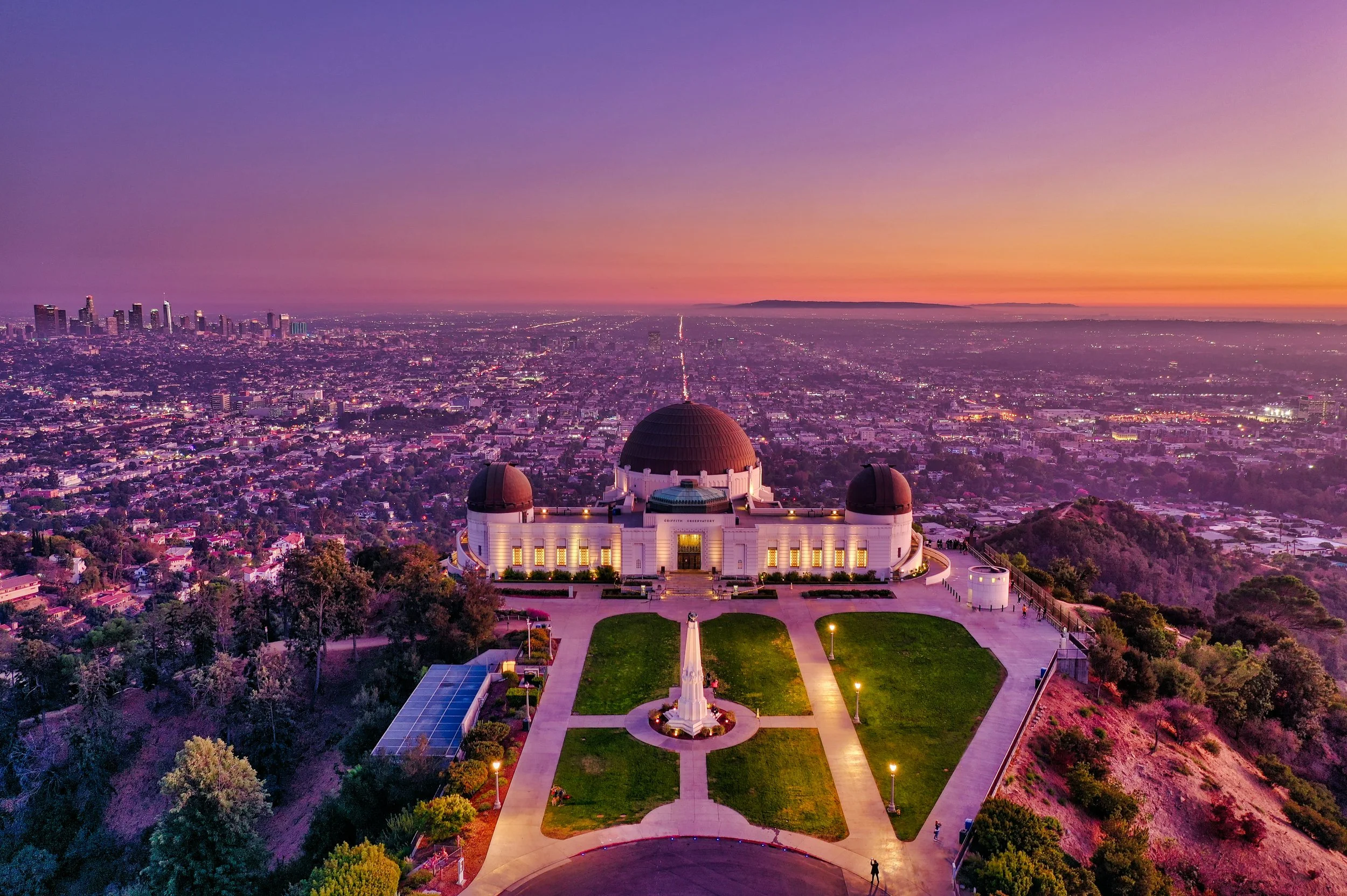
Griffith Observatory.
Neighbourhood-Led Experiences
Los Angeles reveals itself most clearly at neighbourhood level. This is where experiences stop feeling iconic and start feeling lived-in — shaped by routine, pace, and small moments rather than big sights. Exploring LA this way brings coherence to a city that can otherwise feel overwhelming.
Rather than treating neighbourhoods as places to pass through, this section focuses on how to spend time in them.
Santa Monica: Coastal Routine and Easy Movement
Santa Monica is one of the easiest places to settle into LA life. Experiences here revolve around movement and daylight rather than spectacle.
Morning walks along Santa Monica Beach, cycling the coastal path towards Venice, and slow café stops shape the rhythm of the day. The area works best when you keep plans light — beach, wander, eat, repeat.
Santa Monica is ideal for easing into LA, especially if you’re adjusting to scale and pace.
Venice Beach: Creative Energy and Street-Level Life
Venice experiences are about observation and contrast. Walk the neighbourhood rather than targeting specific sights — canals, side streets, and stretches of Abbot Kinney Boulevard all offer different textures within minutes of each other.
Venice rewards curiosity. Sit, watch, wander, and let things unfold rather than forcing an itinerary.
Silver Lake and Echo Park: Everyday LA
These neighbourhoods offer a glimpse into how many locals actually live. Experiences here are understated: reservoir walks, café mornings, bookshop browsing, and early evening neighbourhood bars.
A loop around Echo Park Lake, followed by unplanned wandering through nearby streets, captures the area’s pace better than any headline attraction.
Silver Lake and Echo Park are ideal if you want LA to feel residential rather than performative.
Downtown Los Angeles: Density and Contrast
Downtown experiences are layered. Markets, museums, historic streets, and modern towers all exist within short distances, but the feel shifts block by block.
Exploring areas like the Arts District on foot works best — galleries, street art, coffee stops, and converted warehouses create a sense of discovery that’s hard to replicate elsewhere in the city.
DTLA rewards slow walking and attention to detail.
West Hollywood: Social and Design-Led
West Hollywood experiences tend to centre on social life. Afternoon walks along Sunset Strip, gallery stops, and evening dinners that turn into long nights define the area.
It’s one of the few parts of LA where moving between experiences without a car feels realistic, especially in the evening.
Beverly Hills: Calm and Continuity
Beverly Hills offers a quieter kind of experience. Walkable streets, manicured spaces, and a slower pace make it ideal for mornings and early afternoons.
Spending time around Rodeo Drive is less about shopping and more about atmosphere — observing a different rhythm of city life.
Malibu: Landscape-Led Experiences
In Malibu, experiences revolve around nature. Beaches, coastal drives, and open space define the day more than neighbourhood wandering.
A beach walk, a coastal lookout, or a long lunch paired with time outdoors captures Malibu far better than trying to do too much. This is a place to slow down deliberately.
Nature and Outdoor Experiences in Los Angeles
One of LA’s greatest strengths is how seamlessly nature fits into everyday life. Beaches, hills, canyons, and open space aren’t weekend escapes here — they’re part of the weekly routine. Outdoor experiences often sit alongside workdays, neighbourhood errands, and casual plans rather than replacing them.
Experiencing this balance is key to understanding the city.
Beaches as Everyday Space
Beaches in Los Angeles function as shared public living rooms. They’re used for walking, exercising, socialising, and decompressing — often without much ceremony.
Santa Monica Beach and Venice Beach are best approached as places to be, not just see. Morning swims, coastal walks, and late-afternoon strolls capture their rhythm far better than midday visits.
Further north, Malibu’s beaches offer more space and quiet, reinforcing how varied LA’s coastline really is.
Urban Hikes and City Viewpoints
Few cities offer such accessible hiking within city limits. Urban hikes in LA are woven into daily life — before work, at sunset, or squeezed in between plans.
Trails around Griffith Park provide sweeping views across the city, the Hollywood Sign, and on clear days, all the way to the ocean. These hikes are less about challenge and more about perspective — seeing how LA spreads and connects.
Timing matters. Early mornings and golden hour are when these spaces feel calm and expansive.
Canyons, Hills, and Green Space
Beyond the most well-known parks, LA is surrounded by canyons and hills that offer quieter outdoor experiences.
Areas like Topanga Canyon feel worlds away from the city despite being a short drive from the coast. These landscapes highlight how quickly LA transitions from dense neighbourhoods to open nature.
This proximity allows for half-day escapes that don’t disrupt the flow of a trip.
Outdoor Culture as Daily Routine
What sets LA apart isn’t just access to nature — it’s how routinely it’s used. People fit outdoor time into normal days: a walk between meetings, a sunset hike after work, a beach stop before dinner.
This creates a city where slowing down doesn’t require leaving. Nature becomes a reset rather than a retreat.
When Outdoor Experiences Work Best
Outdoor experiences in LA are shaped by timing more than seasonality:
Mornings and late afternoons are ideal
Midday heat can flatten the experience
Weekdays feel calmer and more local
Planning around light, temperature, and traffic often matters more than choosing a specific location.
World Locals Tip
In Los Angeles, treat nature as part of your daily rhythm, not a standalone excursion. Pair an outdoor moment with a neighbourhood plan — a hike before lunch, a beach walk before dinner — and the city starts to feel balanced rather than overwhelming.
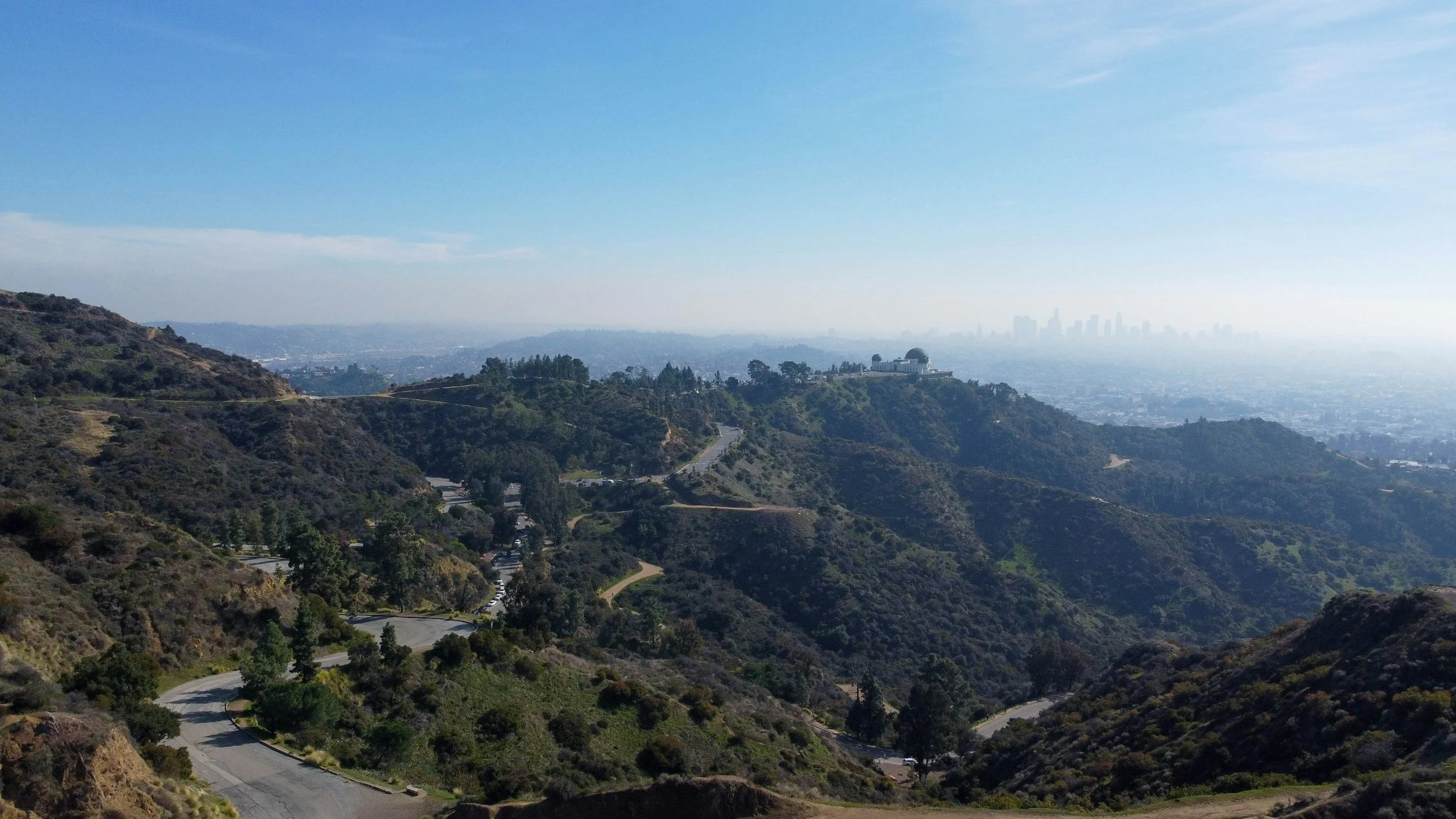
LA skyline.
Scenic Drives and Slow Movement in Los Angeles
In Los Angeles, driving isn’t just a necessity — it’s often part of the experience. The city is built around movement, and when you slow that movement down, certain routes become moments in their own right.
Scenic drives in LA work best when they’re unhurried, lightly planned, and paired with stops rather than treated as transitions between places.
The Coast as a Moving Viewpoint
The drive along the Pacific Coast Highway is one of LA’s defining experiences. Ocean on one side, open sky on the other, it reveals the scale and geography of the city in a way walking never quite can.
This route works best outside peak hours — mid-morning or late afternoon — when traffic eases and pulling over doesn’t feel stressful. Pair it with a beach walk, a lookout stop, or a long lunch rather than treating it as a straight-through journey.
Canyon Roads and a Quieter LA
Inland drives through the hills and canyons show a very different side of Los Angeles. Roads through areas like Topanga Canyon wind through greenery, small communities, and open space that feels far removed from the city below.
These drives are less about views and more about atmosphere — shade, curves, and the sense of leaving the city behind without actually going far. They work especially well as half-day experiences paired with a hike, café stop, or coastal return route.
Hills, Neighbourhoods, and City Perspective
Driving through LA’s hillside neighbourhoods adds another layer of understanding. Routes around Hollywood Hills offer glimpses into residential life, changing elevation, and shifting perspectives on the city grid.
These drives are most rewarding when taken slowly, without a strict endpoint. Let the route shape the experience rather than the destination.
When Driving Adds Value — and When It Doesn’t
Not every journey needs to be an experience. Driving adds value when:
The route itself offers contrast or views
You’re moving between neighbourhoods and nature
You have time to stop without pressure
It becomes draining when used to cram too much into one day. Knowing when not to drive is just as important as knowing where to go.
Timing, Traffic, and Patience
Traffic is part of LA life, but it doesn’t have to define the experience. Scenic drives work best:
Outside rush hours
On weekdays
With no strict schedule
Approaching driving as slow movement rather than dead time changes how the city feels.
World Locals Tip
In Los Angeles, plan one meaningful drive per day at most. Let it breathe. Pair it with time on foot, food nearby, or a pause in nature — that’s when driving becomes part of the experience rather than something to endure.
Cultural Experiences and Everyday LA
Los Angeles’ culture isn’t confined to formal institutions or headline attractions. It lives in neighbourhood routines, creative spaces, and the way art, film, music, and community overlap with daily life. The most rewarding cultural experiences here are often the ones that feel casual rather than ceremonial.
This is a city where culture is encountered gradually — between plans, across neighbourhoods, and through repetition.
Museums That Work With the City’s Rhythm
LA’s museums are world-class, but they’re best approached selectively rather than stacked together. Choosing one or two and giving them proper time feels far more satisfying than trying to cover everything.
Institutions like The Getty Center are as much about setting as they are about collections — architecture, gardens, and views matter as much as what’s inside. Others, such as The Broad, work well when paired with Downtown wandering rather than treated as standalone trips.
Museums here feel best when folded into a wider neighbourhood day.
Markets, Public Spaces, and Community Life
Some of LA’s most revealing cultural moments happen in everyday public spaces. Markets, plazas, and neighbourhood streets show how the city actually functions.
Places like Grand Central Market aren’t just about eating — they’re about watching how different communities intersect, pass through, and coexist. Time spent observing often tells you more than any exhibition.
Film, Music, and Creative Identity
LA’s creative industries are omnipresent, but rarely theatrical. Film and music culture shows up quietly — in old cinemas, intimate venues, and neighbourhood spaces rather than grand statements.
Catching a film in a historic theatre, attending a small live show, or simply noticing how often creative work blends into normal life adds texture to an LA trip. Culture here feels embedded rather than announced.
Neighbourhood Art and Informal Creativity
Street art, galleries, and small creative spaces appear throughout the city, especially in areas like Downtown and Silver Lake. These aren’t destinations to tick off — they’re discoveries that happen while moving slowly.
Walking rather than driving through these neighbourhoods often reveals more than planned visits ever could.
Cultural Timing Matters
Cultural experiences in LA are shaped by timing:
Weekdays feel calmer and more local
Afternoons suit museums and galleries
Evenings work best for live music and cinema
Spacing cultural moments between outdoor and neighbourhood experiences keeps days balanced rather than heavy.
World Locals Tip
In Los Angeles, culture is best experienced indirectly. Choose one anchor — a museum, a show, a market — then let the surrounding neighbourhood fill in the rest. That’s when the city’s creative life feels real rather than curated.
Day Trips and Easy Escapes from Los Angeles
One of LA’s strengths is how quickly the landscape changes once you leave the city. Beaches, mountains, desert towns, and quieter coastal communities all sit within reach — but the best day trips are the ones that feel like extensions of an LA stay, not long-haul missions.
These are escapes that add contrast without disrupting the rhythm of your trip.
Santa Barbara: Coastal Calm and Wine Country Edge
Santa Barbara offers a softer, slower version of Southern California. Spanish-style architecture, walkable streets, and a relaxed waterfront make it an easy counterpoint to LA’s scale.
The drive up the coast is part of the appeal, especially when paired with a long lunch, beach walk, or a short wander through town. It works best as a full but unhurried day — arrive late morning, leave before nightfall.
Joshua Tree: Desert Space and Perspective
For a complete change of environment, Joshua Tree National Park delivers space, silence, and a sense of scale that LA can’t offer.
This works best as a long day or overnight rather than a rushed visit. Early starts are essential, and timing matters — desert heat and light shape the experience more than distance.
Joshua Tree is less about activity and more about perspective.
Laguna Beach: Art, Coves, and Walkable Coastline
South of LA, Laguna Beach feels compact and visually striking. Small coves, coastal paths, and a strong creative presence make it ideal for a slower, walk-led day.
This is a good option if you want a beach escape that feels different to LA’s wide, open stretches — more intimate, more contained, and easy to explore without a car once you arrive.
Palm Springs: Design, Desert, and Mid-Century Calm
Palm Springs sits on the edge of LA’s orbit, offering mid-century architecture, desert scenery, and a distinctly different pace.
It’s best enjoyed as an overnight stay, but a long day trip works if you focus on one or two experiences rather than trying to see everything. Early mornings and late afternoons suit the climate best.
Malibu and the North Coast: Staying Close, Slowing Down
Sometimes the best escape is barely leaving the city. Heading deeper into Malibu or further north along the coast offers space, quiet, and a reset without committing to a full day of driving.
These half-day escapes pair well with scenic drives, beach walks, and early dinners before returning to the city.
Choosing the Right Escape
Not every trip needs a day away from LA. These escapes work best when:
You’ve already settled into the city
You want contrast rather than coverage
You’re willing to commit the time properly
Choosing one escape and doing it well almost always feels better than trying to squeeze in several.
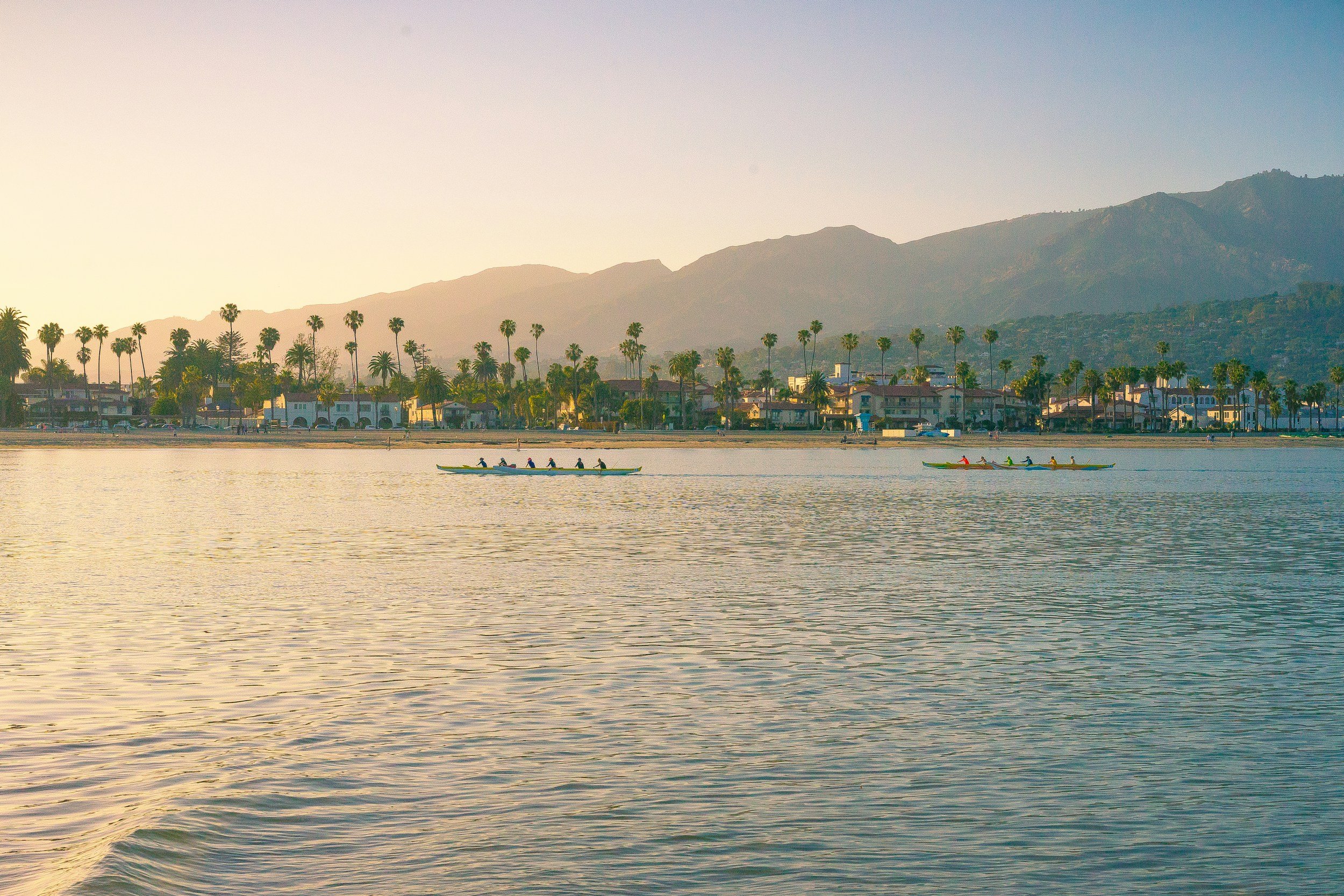
Santa Barbara.
Practical Tips for Experiencing Los Angeles
Los Angeles becomes far more enjoyable once expectations are adjusted. These practical tips focus less on logistics and more on how to experience the city without friction.
Getting Around: Be Realistic
LA is spread out, and moving between neighbourhoods takes time. Renting a car offers the most flexibility, especially if you plan to explore beaches, canyons, or day trips. That said, not every day needs to involve driving.
A good balance:
Choose one main area per day
Walk neighbourhoods once you arrive
Use rideshares selectively in the evening
Treat movement as part of the experience, not something to rush through.
Traffic and Timing
Traffic is unavoidable, but manageable with the right mindset.
Avoid major cross-city drives during morning and evening rush hours
Plan scenic drives and longer journeys outside peak times
Build in buffer time rather than stacking plans tightly
LA rewards patience far more than efficiency.
How Much to Do in a Day
Less is genuinely more here. A realistic day often looks like:
One main experience
One secondary plan
Time left intentionally unfilled
Trying to do too much usually flattens the experience and makes distances feel heavier than they need to be.
First-Time vs Return Visits
If it’s your first visit, prioritise:
Coastal neighbourhoods
A mix of city and nature
One or two iconic experiences
If you’re returning, lean into:
Residential neighbourhoods
Slower routines
Deeper exploration rather than wider coverage
LA opens up more with familiarity.
When to Visit and How Long to Stay
Los Angeles works year-round, but spring and autumn offer the most comfortable balance of weather and pace. Summers are lively but busy, while winters are quieter and still mild.
For timing:
3–4 days gives a strong introduction
5–7 days allows for neighbourhood depth and one escape
Longer stays reward repetition and routine
Planning vs Spontaneity
Over-planning works against LA. A light structure with room to adapt usually leads to better days.
Anchor each day loosely, then let cafés, walks, and neighbourhood discoveries fill the gaps.
“Los Angeles isn’t a city you conquer — it’s one you gradually understand. The more you slow down, move locally, and let experiences unfold naturally, the clearer the city becomes.
Its best moments are rarely the loudest ones. They’re found in repetition: a beach walk at the same time each morning, a neighbourhood café you return to, a view that looks different every evening.
LA rewards curiosity, patience, and presence. Give it space, and it gives you depth in return.”