Melbourne: Experiences Guide
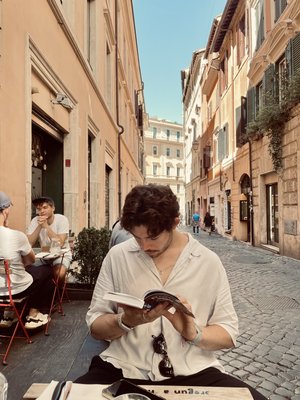
Melbourne isn’t a city that reveals itself all at once. It unfolds through movement — walking laneways, riding trams, lingering in parks, following crowds toward sport or sound. The most meaningful experiences here aren’t always the biggest or most obvious, but the ones that fit naturally into the rhythm of the city.
What makes Melbourne special is how seamlessly everyday life and culture overlap. A morning coffee becomes a ritual. A walk along the river turns into an hour lost. Sport isn’t just entertainment but a shared language, while creativity shows up everywhere — on walls, in small venues, through design and conversation.
This guide brings together Melbourne’s most rewarding experiences, blending well-known highlights with local habits and slower moments that give the city its character. It’s designed for travellers who want to understand how Melbourne works, not just what to see — and for those willing to let the city set the pace rather than rush through it.
From laneways and live music to green spaces, neighbourhood walks and coastal rituals, these experiences offer different ways into the same place. Take what resonates, skip what doesn’t, and allow Melbourne to meet you somewhere in between.
Iconic Melbourne Experiences
These are the experiences that give Melbourne its shape. Not because they’re famous, but because they reveal how the city moves, gathers and expresses itself.
Get Lost in the Laneways
Melbourne’s laneways aren’t shortcuts — they’re destinations in their own right. Wandering through places like Hosier Lane, Degraves Street and the smaller lanes branching off Flinders Lane offers a snapshot of the city’s creative instincts.
Street art shifts constantly, cafés spill into narrow passages, and no two walks feel the same. The best way to experience the laneways is slowly, without a fixed route, letting curiosity lead rather than a map.
Watch Sport Live (Even If You’re Not a Sports Fan)
Sport is woven into Melbourne’s identity in a way that often surprises visitors. Attending a match at the Melbourne Cricket Ground isn’t just about the game — it’s about the build-up, the packed trams, pre-match drinks and the collective atmosphere inside the stadium.
Even without knowing the rules, the sense of shared ritual makes this one of the most revealing ways to understand the city.
Walk Along the Yarra River
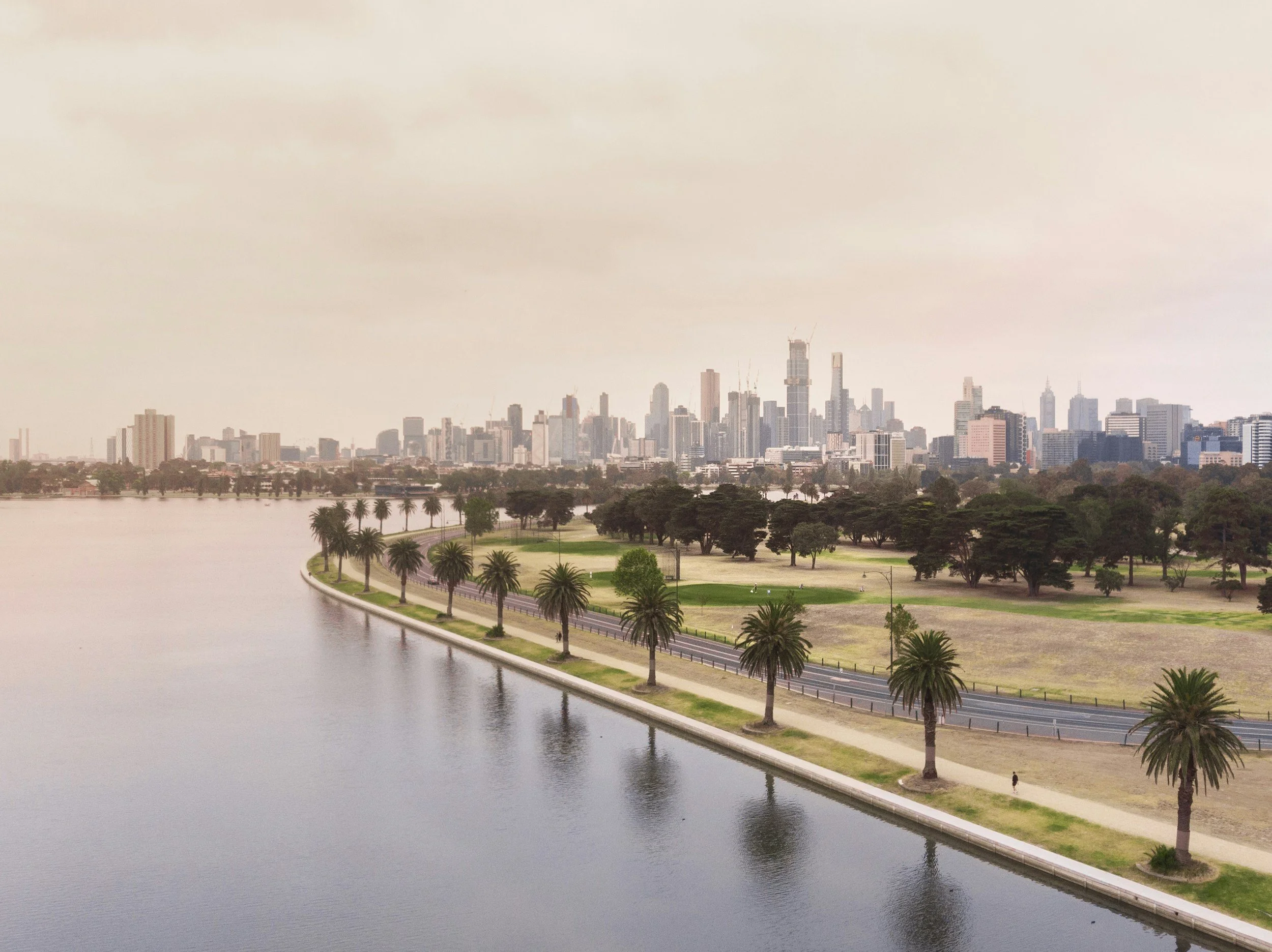
The river quietly anchors Melbourne. A walk along the Yarra River — particularly between Southbank and the CBD — offers a calmer perspective on the city’s scale and pace.
Locals jog, cycle, meet friends or simply sit and watch the city move around them. Early mornings and early evenings are especially rewarding, when the light softens and the paths feel less busy.
Experience Coffee as a Daily Ritual
Coffee in Melbourne is less about finding the best cup and more about understanding its role in everyday life. Standing at a counter, ordering simply, and watching the rhythm of a café unfold is an experience in itself.
Whether it’s a laneway espresso stop or a neighbourhood café visit, coffee reflects the city’s pace — unpretentious, consistent and quietly important.
Ride the Tram Without a Destination
Trams aren’t just transport — they’re part of Melbourne’s character. Riding within the Free Tram Zone or heading north toward the inner suburbs lets you watch the city change gradually, street by street.
From dense commercial blocks to residential pockets and local shopping strips, a tram ride offers one of the simplest ways to understand how Melbourne fits together.
Cultural and Creative Melbourne
Creativity in Melbourne isn’t confined to institutions or special occasions. It shows up daily — on walls, in small venues, through design, music and conversation. Culture here feels lived-in rather than staged, and many of the most rewarding experiences come from engaging with it casually rather than formally.
Galleries and Museums
Melbourne’s major cultural institutions are accessible, central and easy to weave into a day without planning around them. The National Gallery of Victoria is the city’s cultural anchor, spanning historic collections, large-scale international exhibitions and contemporary Australian work. Even a short visit offers a strong sense of the city’s creative confidence.
Nearby, the Melbourne Museum provides context rather than spectacle — covering Indigenous history, migration, design and everyday life in ways that help explain how the city became what it is today. Pairing it with time in Carlton Gardens makes for a balanced, unhurried experience.
Live Music and Performance
Live music is part of Melbourne’s everyday rhythm. Rather than concentrating in one district, venues are scattered across the city — pubs, converted warehouses and small theatres hosting gigs most nights of the week.
Places like The Tote reflect how closely music and neighbourhood life are linked here. Shows are informal, crowds are local, and the emphasis is on discovery rather than big-name acts. Even if you don’t recognise the lineup, dropping into a venue midweek often leads to unexpected highlights.
Theatre and performance follow a similar pattern. Large productions sit alongside independent shows, with many venues favouring intimacy and experimentation over scale.
Independent Cinemas and Bookshops
Melbourne’s creative culture also thrives in quieter spaces. Independent cinemas, specialist bookshops and small galleries remain part of daily life rather than niche interests.
Cinemas like ACMI blur the line between film, art and storytelling, offering screenings that range from classics to experimental work. Bookshops and zines stores — particularly in the inner north — continue to act as community hubs, places to browse, linger and discover.
Street Art as Living Culture
Street art in Melbourne isn’t a static attraction — it’s an ongoing conversation. Walls change, murals are painted over, and new work appears regularly. While laneways like Hosier Lane are well known, some of the most interesting pieces are found simply by wandering neighbourhood streets in Fitzroy, Collingwood and the CBD.
Approaching street art as something temporary rather than iconic makes it more rewarding. Notice what’s new, what’s layered, and what’s quietly disappeared since the last visit.
How to Experience Melbourne’s Creative Side Well
The key to experiencing Melbourne’s cultural life is to keep it informal. Drop in rather than block out hours. Mix institutions with neighbourhood venues. Attend a show without knowing much about it, or step into a gallery because you’re passing by.
Melbourne’s creativity works best when it’s encountered naturally — as part of a walk, an evening out, or a slow afternoon with no fixed plan.
Nature and Outdoor Experiences
One of Melbourne’s quiet strengths is how easily nature fits into the city. Green space, water and open air aren’t treated as escapes so much as extensions of daily life — places people walk through, sit in, and return to without ceremony.
Royal Botanic Gardens
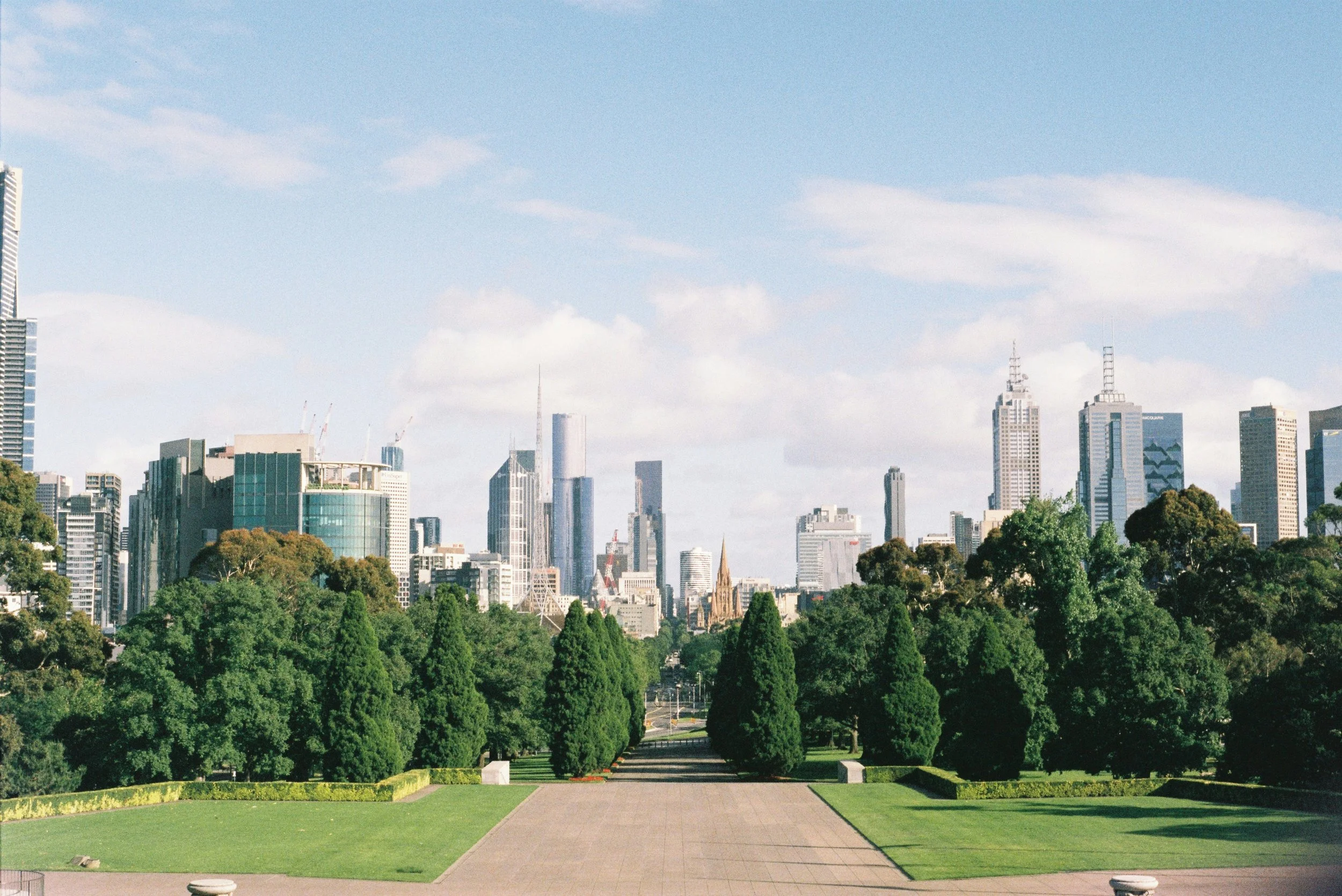
The Royal Botanic Gardens Victoria offer one of the city’s most restorative experiences. Just south of the CBD, the gardens feel expansive without being overwhelming, with winding paths, shaded lawns and views back toward the skyline.
Locals use the gardens casually — for morning walks, quiet breaks or slow afternoons — and that’s the best way to experience them too. You don’t need a plan. Let paths lead you, pause where it feels right, and allow the city to fade into the background.
Carlton Gardens
Set beside the Melbourne Museum and Royal Exhibition Building, Carlton Gardens feel more formal but no less inviting. Wide lawns, tree-lined avenues and historic architecture create a sense of order and calm that contrasts with the nearby city streets.
It’s an ideal place to reset between cultural stops or to spend an hour doing very little at all — something Melbourne does particularly well.
Yarra Bend Park and River Trails
For a more immersive outdoor experience, Yarra Bend Park offers walking and cycling trails that feel surprisingly removed from the city. Following the river through bushland, you’ll find viewpoints, quiet paths and a sense of space that’s rare so close to an urban centre.
This is where Melbourne’s balance becomes most apparent — nature not as a destination, but as part of the city’s fabric.
Coastal Walks and Open Space
Melbourne’s relationship with water changes once you head south. Coastal paths around St Kilda and beyond invite longer walks, early swims and sunset rituals that slow the day down. These spaces are as much about routine as scenery — locals walking dogs, cycling to nowhere in particular, or sitting by the bay as the light fades.
Experiencing Melbourne Outdoors
The best outdoor experiences here are unplanned. Go early if you want quiet, later if you want atmosphere. Walk without a route, sit without purpose, and treat green space as something to move through rather than tick off.
Melbourne’s outdoor life isn’t dramatic — it’s steady, accessible and deeply woven into how the city lives.
Neighbourhood-Based Experiences
Fitzroy and Collingwood
Fitzroy and Collingwood are best experienced without a plan. These are neighbourhoods where the experience is the wandering — following streets, noticing details, and letting the day take shape naturally.
A slow walk along Brunswick Street and Smith Street reveals much of what defines inner-north Melbourne: independent shops, street art layered over time, cafés spilling onto pavements and pubs that still feel genuinely local. It’s less about where you’re going and more about what you notice along the way.
Street art is a constant presence here, but it works best when discovered incidentally rather than hunted down. Backstreets change quickly, murals appear and disappear, and repetition is part of the culture. Even returning down the same street a few days later can feel like a different experience.
Live music and small creative venues are woven into everyday life. Dropping into a pub gig, gallery space or pop-up event — often without knowing the artist or lineup — reflects how culture is consumed here: casually, accessibly and without ceremony.
Markets and community events add another layer. Weekend markets, record fairs and local pop-ups appear regularly, especially around Collingwood’s converted warehouse spaces. These aren’t major attractions, but they offer a genuine glimpse into how creative communities gather and share space.
The key to experiencing Fitzroy and Collingwood well is to resist over-planning. Walk slowly, take breaks when something catches your eye, and don’t worry if you don’t “see everything”. These neighbourhoods reward curiosity, repetition and unstructured time far more than efficiency.
CBD and Carlton
Experiencing the CBD and Carlton is about understanding Melbourne’s layers. This is where the city’s past and present sit closest together — laneways beside grand buildings, everyday routines unfolding around major cultural institutions.
In the CBD, experiences tend to happen in the gaps between things. Wandering laneways off Flinders Lane, Bourke Street or Little Collins Street often reveals more than following a list. Cafés tucked into narrow passages, small galleries, bookshops and basement bars reward slow exploration, especially if you allow yourself to drift without a destination.
Historic arcades such as the Block Arcade and Royal Arcade offer a glimpse into the city’s Victorian foundations, while the surrounding streets show how those spaces have adapted to modern city life. These are places to pass through rather than linger too long — part of the city’s daily circulation.
Carlton shifts the pace noticeably. Experiences here are calmer, greener and more reflective. Time in Carlton Gardens, paired with a visit to the Melbourne Museum or simply a walk through the surrounding streets, offers a more spacious way to experience the city’s cultural side.
Carlton is also ideal for slower rituals — long lunches, unhurried walks, and time spent reading or sitting rather than moving. It’s a neighbourhood that invites pauses, particularly after the density of the CBD.
Together, the CBD and Carlton offer experiences that are less about individual moments and more about contrast. Move between them on foot or by tram, and you’ll feel how Melbourne transitions from commercial energy to cultural calm in just a few blocks.
Richmond
Experiencing Richmond is about momentum. This is a neighbourhood defined by movement — crowds heading to games, people flowing along main streets, runners tracing the river — and it offers a version of Melbourne that feels active, everyday and unapologetically local.
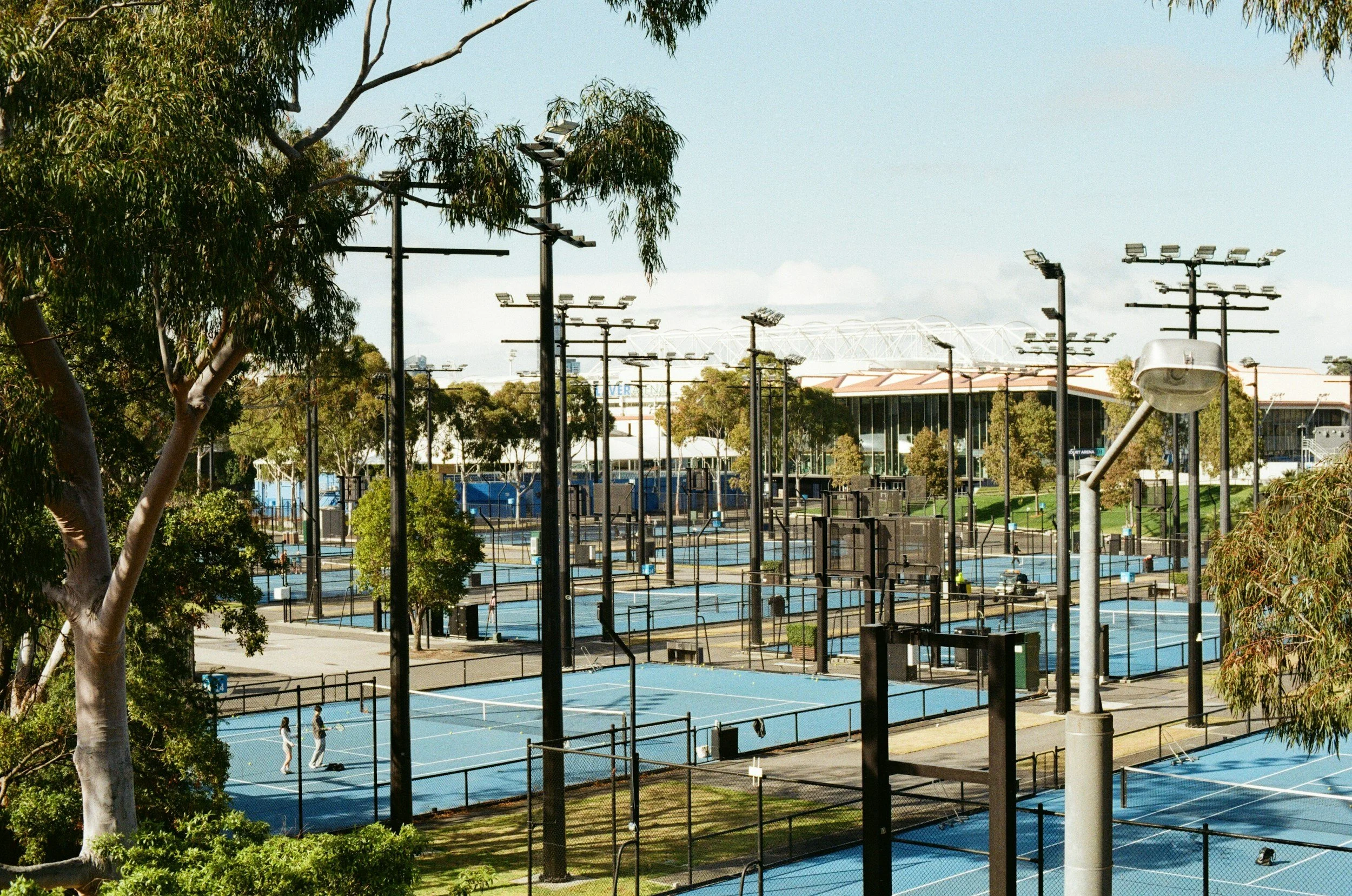
Sport is the most visible experience here. On match days, the walk toward the Melbourne Cricket Ground or Melbourne Park becomes part of the event itself. Trams fill, pubs spill out onto pavements, and even those not attending are caught up in the atmosphere. You don’t need a ticket to feel it — simply being in the neighbourhood on game day offers insight into how deeply sport is woven into city life.
Away from the stadiums, Richmond reveals itself more quietly. Walking along Swan Street or Bridge Road shows a working version of Melbourne — cafés doing steady trade, shops serving locals, and food spots built for regulars rather than visitors.
One of Richmond’s most rewarding experiences sits just below street level. The paths through Yarra Bend Park and along the river offer a surprising sense of escape. Walking or cycling here, you’re quickly removed from traffic and crowds, with bushland, views and long stretches of quiet that feel far from the inner city.
Richmond works best when you let it be practical. Come for a game, a walk, or a meal, and let the neighbourhood fill in the gaps around that plan. It’s not a place that asks for your attention — it earns it through rhythm, repetition and everyday energy.
St Kilda
Experiencing St Kilda is about space. Open skies, long horizons and the rhythm of the bay shape how time feels here, making it one of Melbourne’s most naturally calming places to spend a day.
Walking is the main experience. A slow wander along St Kilda Beach and the foreshore paths is as much about watching daily life as it is about the scenery — swimmers heading into the water, locals walking dogs, cyclists moving without urgency. Early mornings are quiet and restorative; evenings soften into a shared ritual as people gather to watch the light fade.
The walk out to St Kilda Pier is one of the area’s simplest but most memorable experiences. At sunset, the city feels distant, the bay stretches wide, and if you stay after dark you’ll often spot the little penguins returning to shore — a moment that feels unexpectedly intimate so close to the city.
St Kilda also carries a sense of nostalgia. Places like Luna Park and the palm-lined streets around the beachfront reflect layers of the neighbourhood’s past, giving it a character that’s slightly scruffier and more human than Melbourne’s newer districts.
What makes St Kilda work so well as an experience is how unstructured it is. You don’t need tickets, timings or a plan. Bring a book, walk until you feel like stopping, sit by the water longer than intended. Meals, coffee and drinks tend to slot naturally into the day rather than interrupt it.
St Kilda isn’t about doing more — it’s about doing less, better. Let the weather guide you, follow the light, and allow the city to recede for a while.
Day Trips and Easy Escapes
Melbourne’s location makes it easy to step beyond the city — but not every day trip is worth squeezing into a short stay. The most rewarding escapes are the ones that complement the city’s rhythm rather than compete with it.
Great Ocean Road
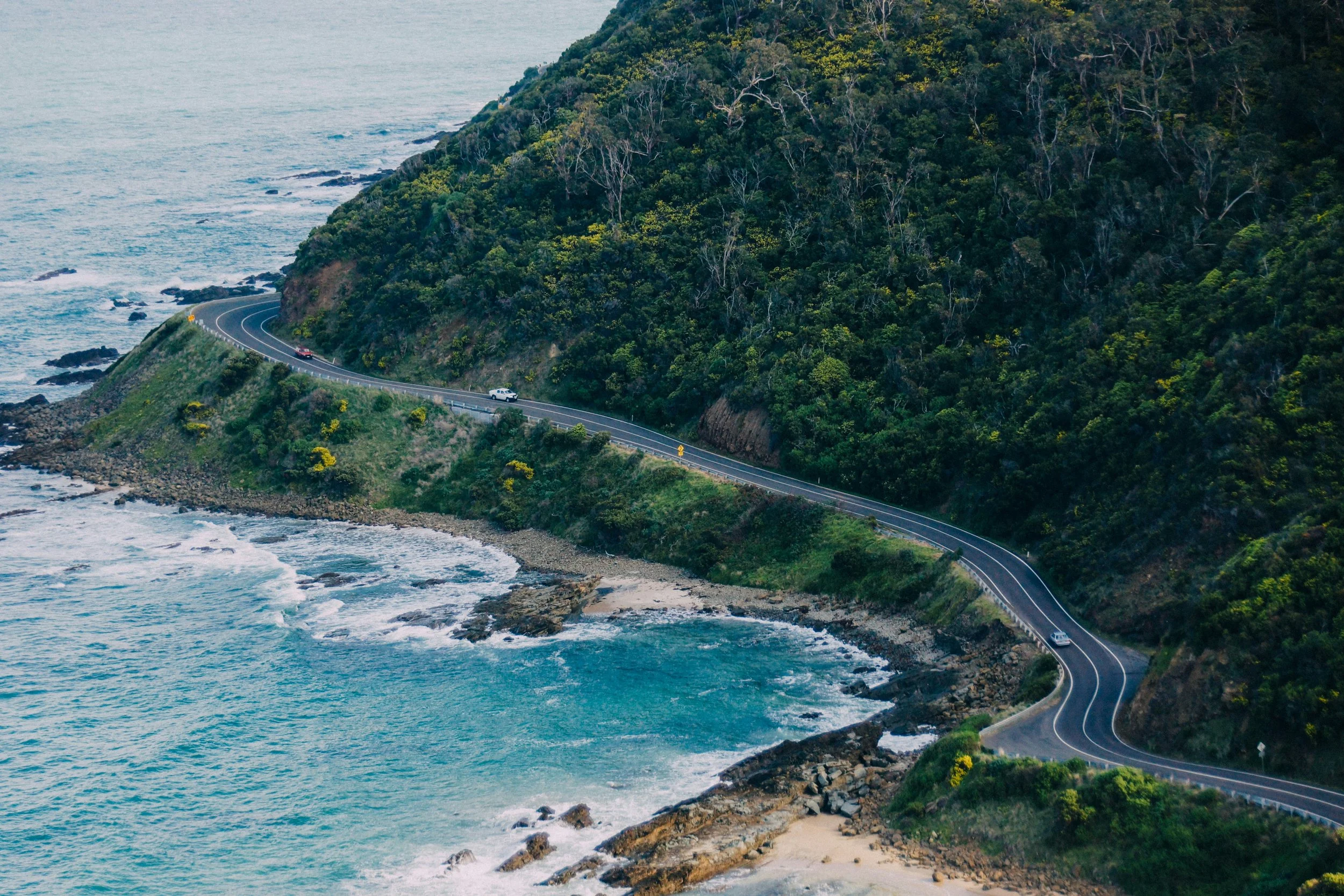
The Great Ocean Road is Victoria’s most famous drive, and for good reason. Coastal cliffs, changing light and stretches of wild ocean create moments that feel genuinely spectacular. That said, it’s a long day — especially if you’re trying to see too much at once.
If you go, treat it as a slow journey rather than a checklist. Start early, expect driving, and focus on the experience of the coast rather than racing between viewpoints. For shorter trips to Melbourne, this is often best saved for a return visit.
Yarra Valley
Just an hour from the city, the Yarra Valley offers a softer kind of escape. Rolling hills, wineries and long lunches make it ideal for slowing down, particularly if food and wine are part of why you’re visiting Melbourne in the first place.
It works best as a relaxed day — one or two stops, not many — and pairs well with staying centrally and letting someone else handle the driving.
Mornington Peninsula
South-east of the city, the Mornington Peninsula blends coastal walks, small towns and food-focused experiences. It’s less dramatic than the Great Ocean Road but easier to enjoy without rushing, making it a strong option if you want sea air without committing to a full day of travel.
Hot springs, cliff walks and beachside cafés give the day shape without demanding too much structure.
Phillip Island
The main draw of Phillip Island is wildlife — particularly the nightly penguin parade. It’s a memorable experience, but timing matters. Evening schedules and travel distance mean this trip works best if you’re comfortable returning late or staying nearby.
Choosing the Right Escape
If your time in Melbourne is limited, it’s often better to go deeper rather than further. The city’s neighbourhoods, green spaces and cultural life can easily fill several days without feeling repetitive.
Day trips work best when they match your pace — not when they’re added out of obligation. Choose one that genuinely appeals, give it the time it deserves, and let the rest of the city wait.
Seasonal Experiences
Melbourne changes noticeably with the seasons, and understanding those shifts can shape your experience just as much as where you stay. Each time of year brings a different rhythm, and the city adapts easily — leaning into what works rather than forcing a single version of itself year-round.
Summer (December to February)
Summer in Melbourne is outward-facing. Days stretch longer, evenings spill into the night, and much of city life moves outdoors. Coastal walks in St Kilda, sunset drinks by the river and late dinners feel natural during this time.
Sport and major events take centre stage too, with international tennis at Australian Open and a calendar full of festivals, outdoor cinema and live music. Heatwaves do happen, so pacing matters — early starts, shaded parks and coastal breezes make a real difference.
Autumn (March to May)
Autumn is one of Melbourne’s best-kept secrets. The weather settles, crowds thin slightly, and the city feels calmer without losing energy. It’s an ideal season for walking — neighbourhood wandering, gardens and longer city routes all feel comfortable.
Cultural calendars stay full, food feels more seasonal, and outdoor dining becomes especially appealing. If you’re visiting for the first time and want balance, autumn is hard to beat.
Winter (June to August)
Winter in Melbourne isn’t about retreating indoors — it’s about shifting inward. The city leans into galleries, museums, live music and long evenings in pubs and wine bars. Cooler weather suits slower exploration and cultural depth rather than constant movement.
It’s also when Melbourne feels most local. Cafés are quieter, neighbourhood routines are more visible, and popular areas feel less performative. If you enjoy cities at a gentler pace, winter rewards curiosity.
Spring (September to November)
Spring brings a sense of momentum. Gardens come back to life, outdoor spaces fill again, and the city begins to stretch outward after winter. It’s a great time for green spaces like the Royal Botanic Gardens and Carlton Gardens, as well as coastal walks before peak summer crowds arrive.
Sport and events ramp up, weather becomes more reliable, and the city feels optimistic — a season of transition that suits first-time visitors and repeat travellers alike.
Choosing the Right Season
There’s no bad time to visit Melbourne — only different versions of the same city. Summer is energetic and expansive, winter is cultural and introspective, while autumn and spring offer balance.
The key is matching the season to how you like to travel. Melbourne doesn’t ask you to do everything at once — it works best when you let the time of year guide what you choose to experience.
Practical Tips for Experiencing Melbourne
Melbourne is easy to enjoy once you understand a few local rhythms. These small details make a big difference to how smoothly your time in the city unfolds.
Getting Around
Melbourne is built for public transport and walking. Trams are the backbone of the city, and the Free Tram Zone makes moving around the city centre simple and cost-free. Outside the CBD, trams and trains remain reliable and frequent, particularly across the inner suburbs.
A Myki card is needed for paid public transport. Most visitors won’t need a car — in fact, driving can slow you down thanks to traffic and limited parking.
Timing Matters
Melbourne rewards early starts and flexible days. Popular experiences feel calmer in the morning, while afternoons and evenings suit wandering, dining and cultural events. Weekdays are noticeably quieter than weekends, especially in cafés, galleries and inner-city neighbourhoods.
Booking vs Spontaneity
Some experiences benefit from planning — major sporting events, exhibitions and popular shows can sell out. That said, many of Melbourne’s best moments are unplanned: walking into a gallery, discovering live music, or lingering somewhere longer than expected.
Leave space in your itinerary for this to happen.
Free and Low-Cost Experiences
One of Melbourne’s strengths is how much of it is accessible without spending much. Laneways, gardens, river walks, neighbourhood wandering, galleries and markets all offer rich experiences without an entry fee. Balance paid highlights with these slower, everyday moments.
Avoid Overpacking Your Days
Melbourne isn’t a city that rewards rushing. Trying to see too much can flatten the experience. Choose one or two anchor activities per day, then let neighbourhoods and routines fill in the rest.
If something doesn’t fit, let it go — the city will still be there.
“The best experiences in Melbourne rarely announce themselves. They happen in between plans — on tram rides, during long walks, over coffee, in parks, or while following a crowd toward something you didn’t expect to enjoy.
This city works on rhythm rather than spectacle. It rewards curiosity, repetition and unstructured time, revealing itself slowly through neighbourhoods, habits and shared rituals.
Whether you’re here for a few days or a few weeks, the most meaningful way to experience Melbourne is to move at its pace. Walk more than you plan, sit longer than intended, and allow everyday moments to become the highlights.
Melbourne doesn’t need to be conquered — it just needs to be lived in, even briefly.”