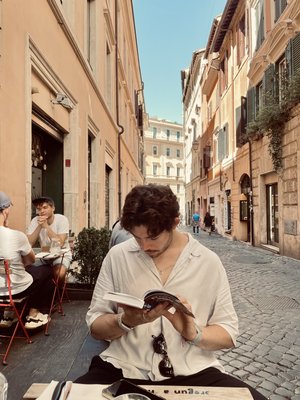
Melbourne: Food and Drink Guide
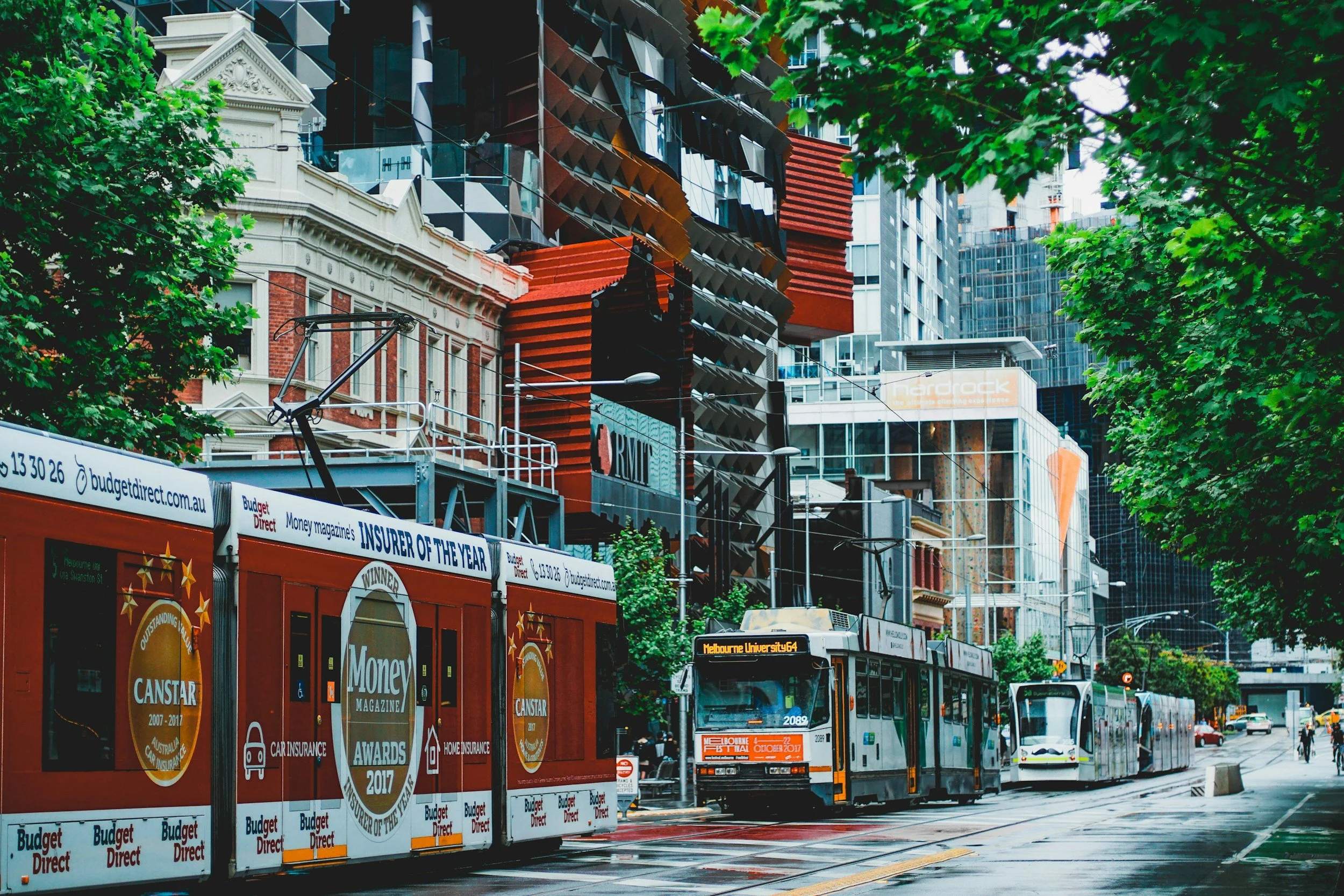
Melbourne’s food scene isn’t defined by signature dishes or headline restaurants. It’s shaped by routine — by the cafés people return to each morning, the markets they shop at on weekends, and the neighbourhood places that quietly become part of everyday life.
Food here reflects the city itself. Waves of migration have left a lasting imprint on how and what Melbourne eats, from Italian espresso bars and Vietnamese bakeries to Greek tavernas, modern Asian kitchens and produce-driven Australian cooking. Rather than replacing one another, these influences sit side by side, forming a food culture built on familiarity, quality and choice.
Coffee, in particular, is less a trend than a ritual. It’s expected to be good, taken seriously, and woven into daily schedules — before work, between errands, or as a reason to pause. The same applies to eating out more broadly. Meals are rarely rushed, and dining doesn’t need an occasion. In Melbourne, eating well is simply part of the rhythm of the day.
This guide focuses on how locals actually eat and drink in Melbourne — from markets and neighbourhood cafés to pubs, bakeries and low-key dining rooms. Rather than chasing what’s new or “must-try”, it’s about understanding the habits, places and food scenes that shape the city from the inside out.
Take it slowly, follow the neighbourhoods, and let the city feed you as it always has.
Melbourne’s Food Culture in Context
Melbourne’s reputation as a food city didn’t appear overnight — it grew gradually, shaped by migration, habit and an unusually high expectation of quality. Food here isn’t treated as entertainment or spectacle; it’s part of daily life, woven into routines rather than reserved for special occasions.
Post-war migration played a defining role. Italian and Greek communities established espresso bars, bakeries and restaurants that changed how the city ate — and how long people were willing to sit at a table. Later waves of migration, particularly from Vietnam, China and across Asia, added layers of flavour, technique and accessibility. Dishes that were once unfamiliar became everyday staples, eaten casually and often.
Markets helped anchor this culture. Places like Queen Victoria Market normalised cooking with fresh produce, seasonal eating and food shopping as a social activity rather than a chore. That mindset filtered outward into neighbourhood cafés, bakeries and small restaurants, where menus evolved around availability rather than trends.
Café culture followed a similar path. Melbourne’s relationship with coffee is practical and unromantic — it’s expected to be good, made properly and served consistently. Cafés function as meeting points, workspaces and extensions of home, often visited daily rather than occasionally. This emphasis on routine over novelty explains why many of the city’s most loved places aren’t the newest, but the most reliable.
Crucially, Melbourne’s food culture values balance. Dining ranges easily from a quick bánh mì on a lunch break to a long, unhurried dinner with friends — and neither feels more important than the other. Good food is accessible, diverse and deeply neighbourhood-based, shaped as much by who lives nearby as by who’s passing through.
Understanding this context makes navigating Melbourne’s food scene far easier. It’s less about chasing the “best” place, and more about paying attention to where people return — the cafés that stay busy midweek, the restaurants locals recommend quietly, and the markets that shape how the city eats week after week.
Markets and Everyday Eating
Markets in Melbourne aren’t novelty stops or once-off experiences. They’re working parts of the city — places locals shop, eat and pass through as part of their weekly routines. Visiting them gives you a far clearer sense of how Melbourne eats than any restaurant booking ever could.
Queen Victoria Market is the most iconic, but it’s also deeply practical. Locals come here for fresh produce, meat, seafood and pantry staples, often early in the morning or just before closing when things slow down. Food stalls serve everything from hot jam doughnuts to quick lunches, making it a place to eat casually rather than ceremonially. It’s busiest on weekends, but weekday mornings offer a calmer, more local feel.
Further south, South Melbourne Market feels more compact and neighbourhood-driven. This is where people come to do a proper food shop, meet for lunch, or grab something ready-made on the way home. The quality is consistently high, and the atmosphere is relaxed — a good reflection of how markets function in everyday Melbourne life.
In the inner south-east, Prahran Market is smaller but particularly strong for speciality produce, deli counters and bakeries. It’s the kind of place locals visit with a short list in mind, rather than to browse. If you’re staying nearby, it quickly becomes part of your routine.
Across all three, eating is informal and unhurried. You’ll see people standing, sitting, sharing tables and taking food to go. There’s no pressure to make an event of it — markets are about accessibility, choice and quality, not performance.
For visitors, the key is timing and intention. Go with an appetite, arrive earlier in the day if you can, and eat what’s convenient rather than what’s hyped. Markets show Melbourne at its most honest: practical, diverse and quietly confident in how it feeds itself.
Melbourne’s Coffee Culture
Coffee in Melbourne isn’t a trend or a personality trait — it’s infrastructure. It shapes daily routines, dictates meeting points and quietly influences how people move through the city. Good coffee isn’t celebrated here; it’s expected.
The foundations of this culture trace back to post-war European migration, particularly Italian espresso traditions that took hold in neighbourhoods like Carlton. Places such as Pellegrini’s Espresso Bar have been serving coffee since the 1950s, helping normalise espresso drinking long before café culture became global. These early institutions didn’t just introduce new drinks — they changed how long people were willing to sit, talk and linger.
Over time, Melbourne’s coffee scene evolved alongside specialty roasting and a growing focus on provenance and technique. Roasters like Proud Mary Coffee helped push quality forward, while still keeping coffee rooted in everyday life rather than exclusivity. Today, it’s common for neighbourhood cafés to serve excellent coffee without drawing attention to it at all.
What defines Melbourne most clearly is how integrated coffee is into daily life. Cafés open early, serve regulars by name, and stay busy midweek mornings — a far better indicator of quality than weekend queues. Many people stop in daily, sometimes twice, treating cafés as extensions of home or work rather than destinations.
You’ll also notice how restrained menus tend to be. Rather than endless variations, most cafés focus on doing a few things well: espresso-based drinks, well-textured milk and simple food. Institutions like Patricia Coffee Brewers embody this approach — standing-room only, minimal fuss, and consistently excellent coffee that fits seamlessly into the day.
Roasters and cafés often overlap, but not always. Some of the city’s most respected coffee comes from places that rarely advertise themselves, relying instead on routine and reputation. In neighbourhoods like Fitzroy and Collingwood, cafés such as Industry Beans reflect how coffee culture adapts to its surroundings — creative, local and quietly confident.
For visitors, the best approach is to follow the locals. Look for cafés that are busy on a weekday morning, order simply, and trust that the coffee will be good without needing to be exceptional. In Melbourne, coffee works best when it fades into the background — part of the rhythm, not the main event.
Iconic Dishes and Local Favourites
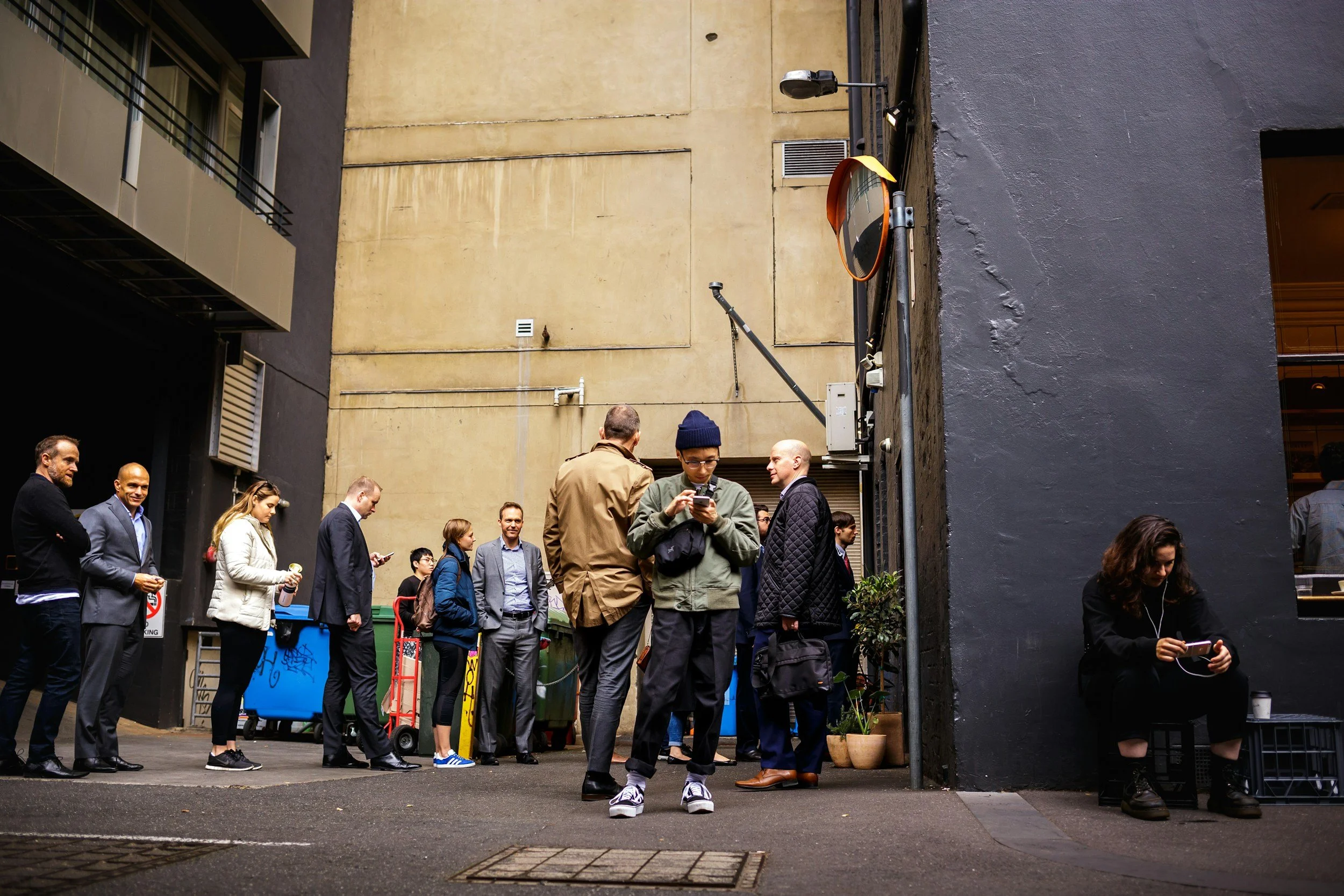
Melbourne doesn’t revolve around a single defining dish. Instead, it’s known for doing certain foods exceptionally well — not because they’re rare or elaborate, but because they’re woven into daily life. These are the meals people eat between work and errands, on lunch breaks, or at the end of an unremarkable Tuesday.
Brunch is the most obvious example. More than a meal, it’s a ritual — unhurried, social and taken seriously. Across the city, cafés serve variations on eggs, seasonal vegetables, sourdough and well-made coffee, often with subtle influences from Middle Eastern, Asian or Mediterranean kitchens. The exact dish matters less than the consistency: good produce, thoughtful cooking and time to sit.
Vietnamese food is another cornerstone of Melbourne’s everyday diet. Waves of migration in the late 20th century established communities and food cultures that are now inseparable from the city itself. A quick bánh mì or a steaming bowl of phở is as much a part of Melbourne lunch culture as a sandwich or salad — particularly in areas like Richmond, where Vietnamese bakeries and casual restaurants line the streets and stay busy all day.
Italian food runs just as deep. Espresso bars, pasta, pizza and gelato arrived with post-war migration and became part of the city’s foundation. Streets like Lygon Street helped introduce Melbourne to café culture, while Italian cooking more broadly shaped how the city thinks about dining — long lunches, shared plates and food as something to linger over rather than rush.
More recently, Melbourne’s food identity has been shaped by modern Asian-Australian cooking. Rather than sticking to tradition, many kitchens blend techniques and flavours from across East and Southeast Asia with local produce and a relaxed approach to dining. These meals are often informal — eaten in small dining rooms or shared casually — and reflect how multicultural influences continue to evolve rather than remain fixed.
What ties all of these foods together is accessibility. None are treated as special-occasion dishes. They’re familiar, reliable and deeply neighbourhood-based — eaten regularly and recommended quietly rather than loudly.
To eat well in Melbourne, you don’t need to chase the most talked-about plate. Order what people around you are eating, pay attention to places that stay busy midweek, and embrace the idea that the city’s most iconic foods are often the simplest ones, done well and eaten often.
Neighbourhood Food Scenes
Fitzroy and Collingwood
Fitzroy and Collingwood sit side by side, but their food scenes reflect slightly different personalities. Together, they form one of Melbourne’s most reliable areas for eating well — not in a destination-dining sense, but in a way that feels everyday, creative and deeply local.
In Fitzroy, food culture is shaped by cafés, pubs and small dining rooms that prioritise consistency over novelty. Mornings often begin in neighbourhood cafés where brunch is treated as a routine rather than an event, and menus evolve quietly with the seasons. Places like Proud Mary Coffee double as both café and roastery, anchoring the area’s reputation for serious coffee without losing its relaxed feel.
As the day shifts into evening, Fitzroy’s food scene becomes more social. Long-standing pubs such as The Napier Hotel continue to define how locals eat and drink — classic, unfussy and rooted in place. Wine bars and small restaurants sit comfortably alongside them, favouring shared plates, local produce and an atmosphere that encourages lingering rather than turnover.
Collingwood, by contrast, feels a little sharper. Former warehouses house bakeries, bars and restaurants that reflect the area’s industrial past and creative present. Smith Street acts as the spine of the neighbourhood, where casual eateries, late-night spots and low-key dining rooms stay busy throughout the week, not just at weekends.
Food here often leans multicultural and informal — something quick before a gig, a relaxed dinner with friends, or a spontaneous drink that turns into a meal. Venues like The Builders Arms Hotel, sitting near the Fitzroy–Collingwood border, capture this overlap perfectly: a place where pub tradition meets modern cooking, and where locals return again and again.
What makes Fitzroy and Collingwood special isn’t any single restaurant, but the density of good options. You’re rarely more than a short walk from somewhere worth eating, and choosing well often comes down to mood rather than reputation.
Eat here the way locals do: without an agenda, guided by what feels right in the moment. These neighbourhoods reward familiarity, repeat visits and the quiet confidence of places that don’t need to shout to be noticed.
CBD and Carlton
Food in the CBD and Carlton is shaped by contrast. This is where Melbourne’s past and present sit closest together — historic cafés alongside late-night laneway dining, quick lunches next to long, lingering meals. Eating here is less about neighbourhood routine and more about rhythm: early mornings, busy middays, and dinners that stretch late into the evening.
In the CBD, laneways do most of the work. Narrow streets like Degraves Street and Centre Place concentrate cafés, bakeries and small restaurants into tight pockets that stay busy from morning through night. Coffee is taken quickly, often standing, and meals are designed to fit around workdays and city schedules. Places such as Patricia Coffee Brewers capture this perfectly — minimal, efficient and quietly excellent, built for regulars rather than spectacle.
The CBD also excels at late-night eating. Thanks to its density and diversity, it’s one of the few areas in Melbourne where you can find quality food well after typical dinner hours. Multicultural dining thrives here, with Asian cuisines in particular shaping how and when people eat — quick, casual and reliable.
Just north, Carlton offers a slower, more settled approach. Food culture here is deeply tied to history and migration, particularly Italian influence. Lygon Street remains one of Melbourne’s most recognisable dining strips, lined with espresso bars, trattorias and gelaterias that introduced the city to café culture decades ago. While not every venue has aged equally well, the street still plays an important cultural role — especially for understanding how Melbourne learned to eat out.
Away from the main strip, Carlton’s side streets and institutional edges reveal a quieter food scene shaped by students, academics and long-term locals. Cafés and bakeries prioritise consistency and comfort over trends, making the area a dependable place for unhurried lunches and repeat visits.
Together, the CBD and Carlton offer a version of Melbourne food culture built around accessibility and history. Eat here when you want range, late hours and a sense of the city’s evolution — and don’t be afraid to keep things simple. Some of Melbourne’s most enduring food experiences happen in the most unassuming places.
Richmond
Richmond’s food scene is built around function rather than flair. People eat here because they live here, work here, or pass through daily — and that practicality has produced some of the most reliable, accessible food in the city.
The heart of it is Victoria Street, long recognised as the centre of Melbourne’s Vietnamese community. This stretch is less about destination dining and more about consistency: bakeries, casual restaurants and grocers that serve locals day in, day out. A quick bánh mì or bowl of phở here isn’t treated as a special meal — it’s a regular part of the week, eaten quickly and without ceremony.
What makes Richmond stand out is how normalised this kind of eating is. Meals are affordable, portions generous, and menus rarely change because they don’t need to. Places stay busy because people return, not because they’re talked about.
Away from Victoria Street, Richmond’s food scene broadens out. Long arterial roads like Bridge Road and Swan Street are lined with cafés, pubs and casual eateries that serve a mix of locals, workers and event crowds heading to nearby stadiums. On match days, pubs fill early; on weekdays, cafés settle into steady, predictable rhythms.
Richmond also benefits from space. Kitchens are often larger, rents slightly lower, and dining rooms less constrained than in the inner north or CBD. This allows for unfussy, generous cooking — places designed to feed people properly rather than impress them briefly.
Eating in Richmond works best when you keep expectations simple. Come hungry, order what’s popular, and don’t linger over whether something is “worth it”. If a place is busy at midday on a weekday, it usually tells you everything you need to know.
St Kilda
St Kilda’s food scene reflects its setting. Eating here is slower, more relaxed and often shaped by the day’s weather rather than the clock. It’s less about chasing the newest opening and more about settling into places that suit long mornings, open afternoons and easy evenings.
Cafés play a central role. Many open early and stay busy throughout the day, serving beachgoers, locals walking dogs and people lingering over coffee after a swim or walk along the foreshore. Brunch here tends to be unfussy and familiar — well-made classics, good coffee and plenty of space to sit without feeling rushed.
St Kilda is also known for its bakeries and sweet culture. Acland Street has long been associated with European-style cake shops and pastry counters, a legacy of post-war migration that still defines the area today. While some spots lean nostalgic, others have quietly modernised, keeping the tradition alive without turning it into a novelty.
As the day moves into evening, dining stays casual. Pubs, neighbourhood restaurants and small wine bars dominate, often favouring simple menus and relaxed service over formality. Many people eat early here, particularly during summer, before heading out for sunset walks along the beach or pier.
What St Kilda doesn’t offer in density, it makes up for in ease. You’re unlikely to feel overwhelmed by choice, and eating decisions tend to be led by mood rather than reputation. It’s a neighbourhood that encourages you to slow down, eat well, and let meals fit naturally around the rest of the day.
If you’re staying nearby, St Kilda’s food scene works best when treated as part of your routine — morning coffee, something sweet in the afternoon, a simple dinner close to home. It’s everyday eating with a coastal backdrop, and that’s exactly the point.
Cafés and Coffee Spots
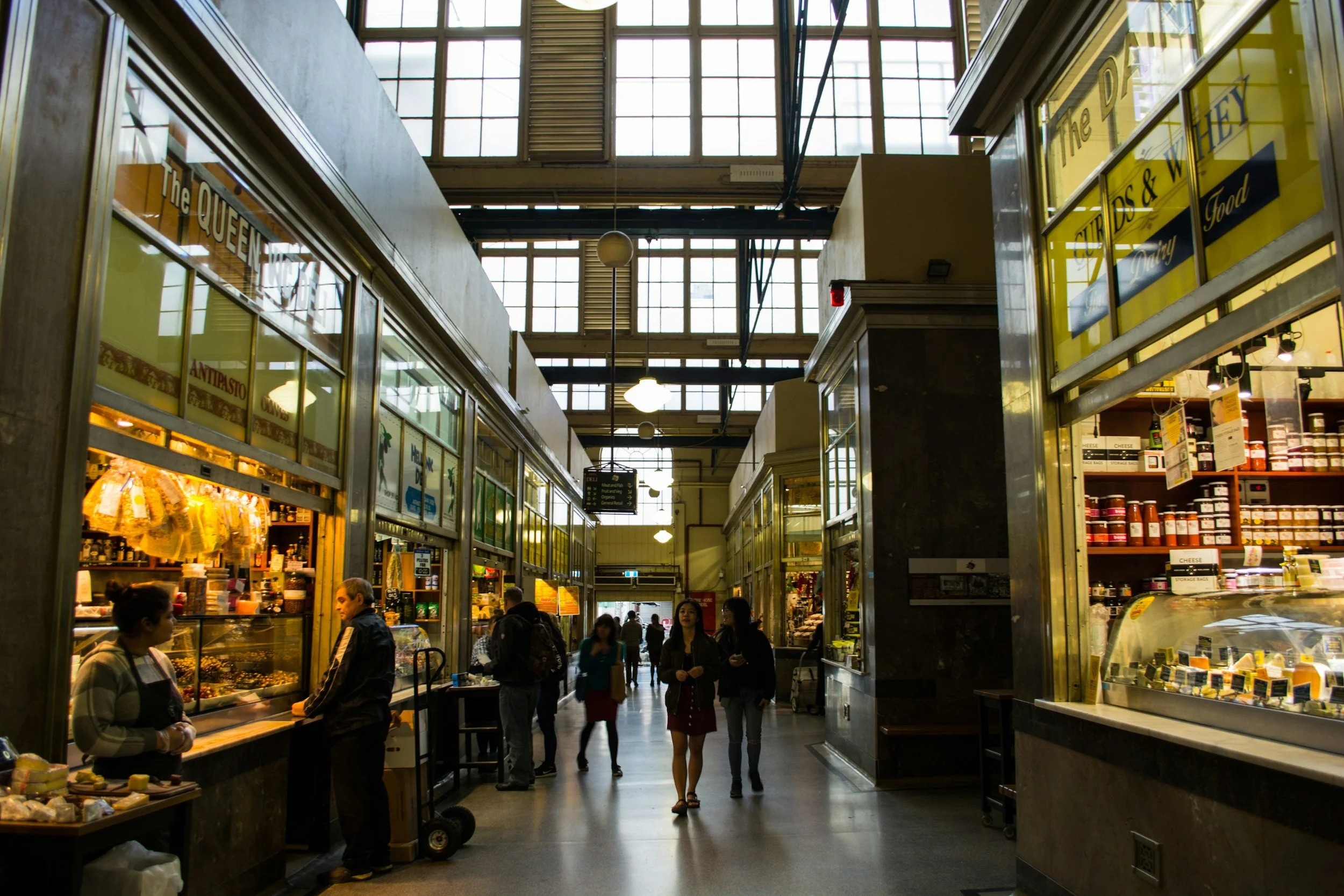
Cafés in Melbourne aren’t destinations so much as extensions of daily life. They’re chosen for consistency, comfort and routine rather than novelty — places people return to several times a week, not just once.
That said, a few cafés have become touchstones for understanding how Melbourne does coffee well. They’re not necessarily the trendiest, but they’re reliable, respected and deeply embedded in local routines.
In the CBD, coffee tends to be fast, focused and built around the workday. Places like Patricia Coffee Brewers are standing-room only, designed for quick stops and repeat visits, while Brother Baba Budan helped pioneer the laneway café culture that now defines central Melbourne.
In the inner north, cafés are more social and slower-paced. Proud Mary Coffee (Fitzroy) blends serious roasting with a relaxed café atmosphere, while Industry Beans reflects the area’s creative, design-led approach to everyday coffee. These are places people linger — not because they’re encouraged to, but because it feels natural.
In Carlton, historic espresso culture still shows through. Pellegrini’s Espresso Bar remains one of the city’s most iconic coffee institutions, offering a glimpse into Melbourne’s Italian café roots and the origins of its coffee culture.
By the coast in St Kilda, cafés stretch the morning out. Monk Bodhi Dharma and Proud Mary’s coastal counterparts (or similarly relaxed neighbourhood cafés) suit long sits, post-walk coffees and unhurried starts to the day.
Across the city, a few patterns hold true:
The best cafés are often busiest on weekday mornings
Menus are short, espresso-focused and confident
Quality is assumed, not advertised
For visitors, the most practical advice is also the simplest: find a café that fits your routine and return. Melbourne rewards familiarity. The coffee will be good almost anywhere — what matters more is finding the place that feels like it could become yours.
Bars, Pubs and Evening Drinking
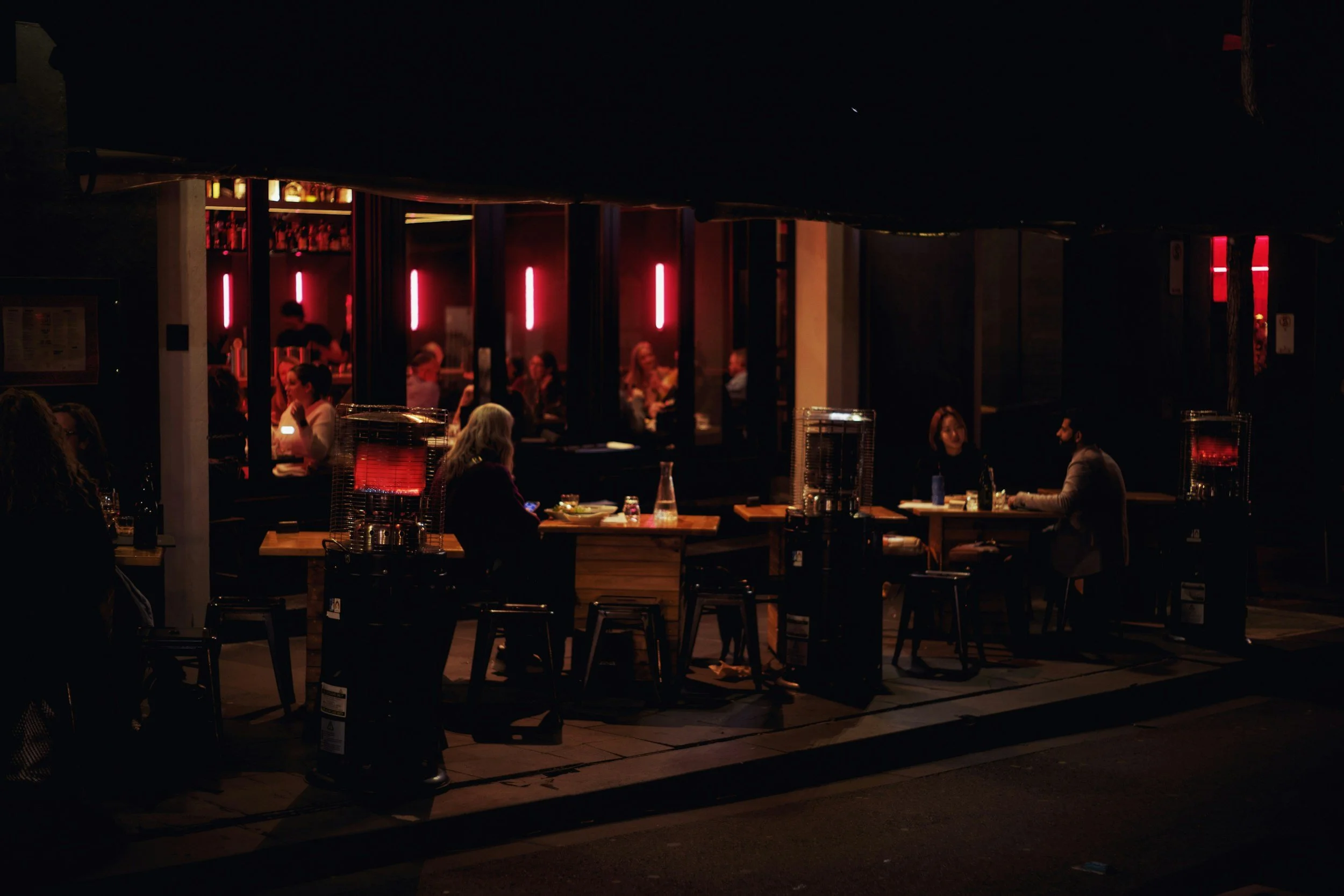
Melbourne’s drinking culture is social rather than scene-driven. Nights tend to start casually — a drink after work, a glass of wine before dinner — and often stretch longer than planned. The focus isn’t on spectacle or dress codes, but on places that feel comfortable enough to return to week after week.
Pubs remain central to how the city drinks. They’re neighbourhood anchors, not just places to drink, and many double as dining rooms, meeting points and late-night refuges. In Fitzroy, The Napier Hotel is a classic example — unfussy, dependable and deeply tied to the area. In Collingwood, The Tote blends pub culture with the city’s live music tradition, reinforcing how closely drinking and creativity are linked here.
Wine bars have become just as important, particularly in the inner suburbs. These spaces tend to be small, relaxed and conversation-led, often serving simple food designed to be shared. Spots like Marion Wine Bar in Fitzroy reflect this approach — neighbourhood-focused, well-curated, and welcoming whether you’re there for one glass or the whole evening.
In the CBD, bars take on a different rhythm. Hidden entrances and basement spaces are common, with places like Beneath Driver Lane and Caretaker’s Cottage offering low-lit, intimate settings that suit the city’s after-hours flow. These are the kinds of bars people drop into spontaneously rather than plan their night around.
St Kilda’s drinking culture is more laid-back. Beachside pubs and casual bars encourage earlier starts and longer afternoons, especially in summer. Drinks here often come with daylight, sea air and no pressure to stay late.
Across the city, what stands out is how unpretentious drinking feels. You’re rarely rushed, rarely upsold, and rarely expected to perform. The best bars are the ones that feel easy — places where conversation matters more than the cocktail list, and where regulars are treated with the same warmth as first-timers.
For visitors, the practical approach is simple: start early, stay flexible, and let the night unfold naturally. Melbourne’s best evenings are rarely planned — they happen because the place feels right and there’s no reason to leave just yet.
Desserts and Bakeries
Desserts in Melbourne aren’t treated as indulgences reserved for special occasions. They’re part of daily life — something picked up on the way home, shared after lunch, or enjoyed with a coffee without much ceremony. Bakeries and cake shops play a far bigger role than dessert restaurants ever have.
Much of this culture comes from European migration, particularly Italian, Greek and Jewish communities, who brought with them traditions of pastries, cakes and sweets meant to be eaten regularly, not saved. Over time, those influences blended into a city-wide habit of buying dessert casually and often.
In St Kilda, Acland Street remains the most recognisable example. Its historic cake shops and pastry windows reflect decades of Central European baking traditions. While some spots feel nostalgic, others continue to modernise quietly, keeping the area relevant without turning it into a novelty.
Across the inner suburbs, neighbourhood bakeries are where Melbourne really shines. These are places locals visit weekly — for sourdough, croissants, buns or something sweet to take home. Quality is expected, portions are generous, and displays tend to be simple rather than theatrical.
Gelato also has a long history here, tied closely to Italian café culture. You’ll find gelaterias scattered across the city, often attached to cafés or tucked into residential streets, serving straightforward flavours made well rather than experimental combinations.
What’s notable is how unshowy Melbourne’s dessert scene is. There’s little emphasis on plated desserts or dramatic presentation. Instead, the focus is on craftsmanship, repetition and familiarity — the same cake ordered again because it’s reliably good.
For visitors, the best way to approach dessert in Melbourne is to keep it spontaneous. Step into bakeries that look busy mid-morning, choose what appeals in the moment, and don’t overthink it. The city’s sweet culture is built on everyday pleasure, not destination dining — and that’s exactly what makes it so satisfying.
Practical Tips for Eating and Drinking in Melbourne
Eating out in Melbourne is generally relaxed, but there are a few local norms that make the experience smoother — especially if you’re visiting for the first time.
Bookings vs walk-ins
For cafés, bakeries and casual neighbourhood spots, walk-ins are the norm. For dinner at popular restaurants or wine bars, bookings are recommended, particularly from Thursday to Saturday. That said, many places hold tables for walk-ins, and eating early often helps.
Meal times
Breakfast and coffee start early, with many cafés opening from 7am (sometimes earlier in the CBD). Lunch tends to peak between 12pm and 2pm, while dinner usually starts earlier than in many European cities — 6pm to 8pm is standard, especially midweek.
Tipping
Tipping isn’t expected in Melbourne. Staff are paid a living wage, and service charges are uncommon. If service is genuinely excellent, rounding up or leaving a small tip is appreciated but never required.
Price expectations
Coffee is generally mid-priced and consistently good across the city. Casual lunches and bakery food are good value, while dinners range widely depending on neighbourhood and style. Markets remain one of the best ways to eat well for less.
Dietary requirements
Melbourne is one of the easiest cities in the world for dietary needs. Vegetarian, vegan and gluten-free options are widely available, and staff are usually knowledgeable and accommodating without fuss.
Peak days
Weekends — especially late mornings — are the busiest time for cafés and markets. If you prefer quieter experiences, aim for weekday mornings or early lunches.
How locals choose where to eat
This matters most: locals pay attention to who’s there, not who’s talking about it. Places that are busy on a Tuesday, full of regulars, or quietly consistent over years tend to be the most rewarding.
Approach eating in Melbourne with flexibility rather than a checklist. Leave space for spontaneity, eat when it feels right, and trust that good food is rarely far away.
“Melbourne’s food scene works because it’s lived in. It isn’t built around spectacle or signature dishes, but around routines — morning coffees, market shops, casual lunches and neighbourhood places that quietly become part of everyday life.
What makes eating here so rewarding is its accessibility. Good food isn’t something you have to seek out or plan for carefully. It’s woven into the city’s fabric, shaped by migration, consistency and an expectation that quality should be the norm rather than the exception.
The best way to experience Melbourne’s food culture is to slow down and let it unfold naturally. Follow the neighbourhoods, return to places that feel comfortable, and don’t worry too much about whether something is the “best”. In this city, familiarity often matters more than novelty.
Eat simply, eat often, and allow meals to become part of your rhythm rather than the reason for your schedule. That’s when Melbourne reveals itself — not as a food destination to conquer, but as a city that quietly feeds you well, day after day.”