Singapore: Neighbourhood Guide
Singapore is often described as a city of superlatives — ultra-clean, ultra-efficient, ultra-modern — but its real character lives at street level, in the neighbourhoods where daily life unfolds. This is a city shaped by migration, trade, and tradition, and each area tells a different part of that story. Wander a few blocks and you’ll move from incense-filled temples to cutting-edge cafés, from century-old shophouses to glassy skyscrapers catching the tropical light.
What makes Singapore especially rewarding is how easy it is to explore. Neighbourhoods are compact, well-connected, and distinct, meaning you can dip into multiple worlds in a single day. This guide focuses on the areas that give Singapore its texture — places where culture, food, and local life come together, and where first-time visitors and returning travellers alike can get a deeper feel for the city.
Let’s start at its historic heart.
Chinatown
Chinatown is one of Singapore’s most layered neighbourhoods — a place where heritage and modern life overlap rather than compete. Once home to early Chinese migrants, today it’s a lively mix of temples, markets, hawker centres, wine bars, and design-led boutiques. It’s tourist-friendly, yes, but still very much lived-in, especially once you step away from the main streets.
Why Visit
Chinatown offers one of the best introductions to Singapore’s multicultural roots. It’s where history feels tangible, yet the neighbourhood continues to evolve, making it a great balance of culture and contemporary city life.
What You’ll Find
Restored shophouses, busy markets, independent cafés, cocktail bars, and some of the city’s most important religious sites — all packed into a walkable grid of streets.
Key Sights and Experiences
The Buddha Tooth Relic Temple is the neighbourhood’s most striking landmark, its richly decorated interior offering a quiet contrast to the bustle outside. Just around the corner, Sri Mariamman Temple — Singapore’s oldest Hindu temple — speaks to the city’s long-standing Indian community. Wander through Chinatown Street Market for souvenirs and snacks, then head towards Club Street and Ann Siang Hill, where heritage buildings now house bars and restaurants with a distinctly modern edge.
What and Where to Eat
Chinatown is a food heavyweight. Chinatown Complex Food Centre is a must, home to everything from classic chicken rice to Michelin-recognised hawker stalls. You’ll also find traditional bakeries, tea houses, and newer restaurants reinterpreting Chinese and Peranakan flavours.
Where to Stay
This is one of the most convenient areas to stay in Singapore, with excellent MRT connections and a wide range of accommodation options. Boutique hotels tucked into shophouses are especially popular, offering character without sacrificing comfort.
Local Tips
Visit early in the morning to see the neighbourhood at its most local, with markets setting up and temples opening for prayer. In the evening, head uphill towards Ann Siang Hill for drinks — it’s quieter than Clarke Quay but just as atmospheric.
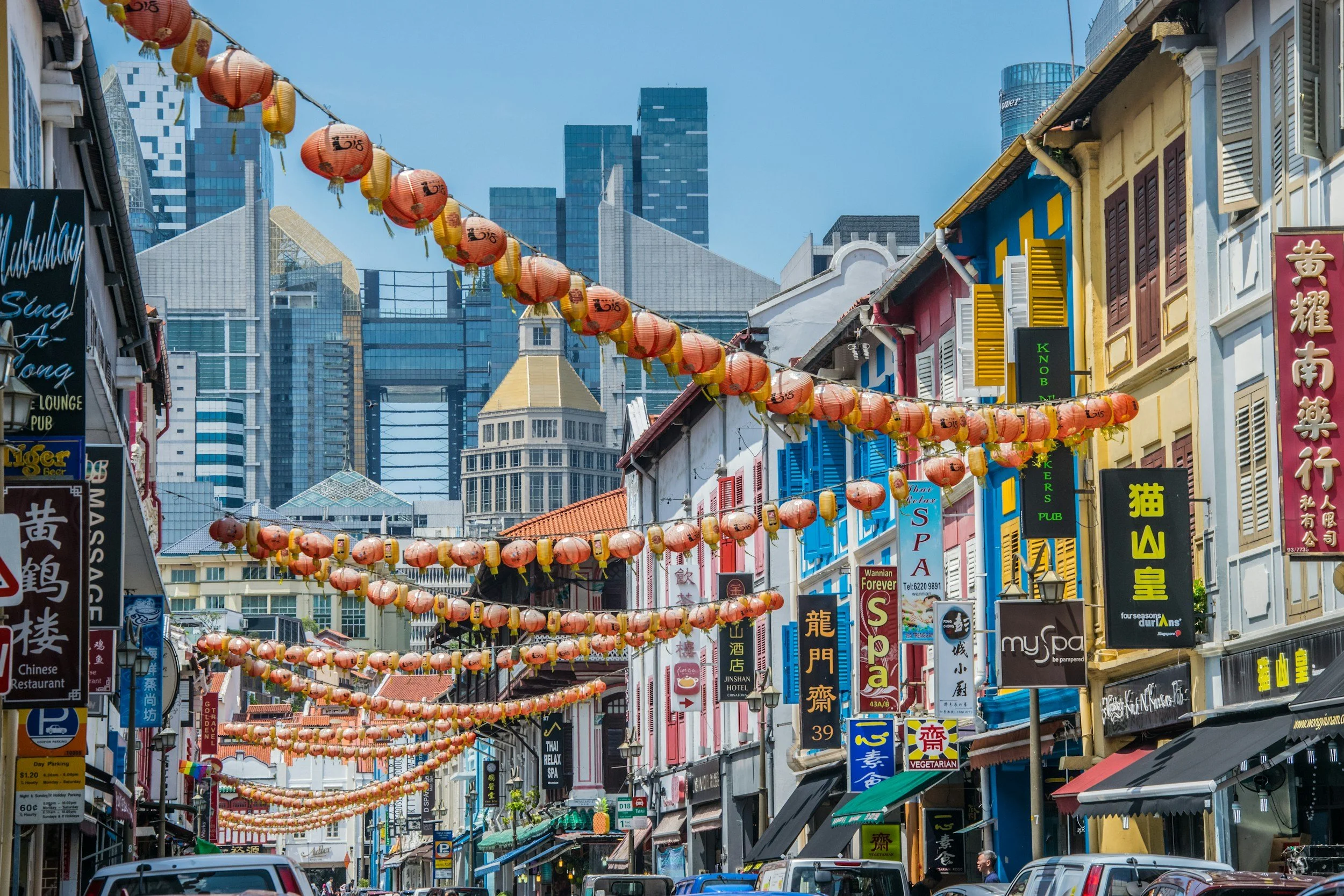
Chinatown.
Little India
Little India is one of Singapore’s most sensory neighbourhoods. It’s loud, colourful, aromatic, and unapologetically alive, offering a sharp contrast to the city’s polished exterior. This is where Singapore’s Indian heritage is most visible, from elaborately decorated temples to flower garlands, spice stalls, and music spilling out onto the streets.
Why Visit
Little India delivers one of the most immersive cultural experiences in the city. It’s vibrant, authentic, and refreshingly untamed — a place that feels rooted in daily life rather than curated for visitors.
What You’ll Find
Hindu temples, sari shops, gold jewellery stores, spice merchants, street art, and bustling markets. Expect a constant hum of activity, especially in the evenings and at weekends.
Key Sights and Experiences
Sri Veeramakaliamman Temple is the neighbourhood’s spiritual anchor, dedicated to the goddess Kali and still very much an active place of worship. Tekka Centre is a local institution — part market, part hawker centre — where you’ll find fresh produce downstairs and some of the best South Indian food in Singapore upstairs. Wander along Serangoon Road and side streets like Kerbau Road to spot murals and traditional businesses that have barely changed in decades.
What and Where to Eat
This is the place for South Indian cuisine. Think dosas, thali sets, biryani, and fragrant curries served on banana leaves. Tekka Centre is a great starting point, but you’ll also find long-standing vegetarian restaurants and sweet shops specialising in Indian desserts like gulab jamun and jalebi.
Where to Stay
Little India offers some of Singapore’s better-value accommodation options, particularly for budget-conscious travellers. It’s also well-connected by MRT, making it easy to explore the rest of the city.
Local Tips
Visit in the evening when the neighbourhood really comes alive, but dress modestly if you plan on entering temples. During major festivals like Deepavali, the area transforms completely, with lights, decorations, and crowds adding to the already electric atmosphere.
Kampong Glam
Kampong Glam is one of Singapore’s most characterful neighbourhoods, blending deep-rooted Malay and Arab heritage with a distinctly creative, modern energy. Once the seat of Malay royalty, today it’s a place of striking contrasts: historic mosques and textile shops sit alongside indie boutiques, specialty coffee spots, and some of the city’s coolest nightlife.
Why Visit
This is where Singapore’s past and present collide most visibly. Kampong Glam offers culture, colour, and creativity in equal measure, making it one of the most enjoyable areas to explore on foot.
What You’ll Find
Grand religious landmarks, narrow lanes packed with murals, fashion-forward boutiques, record stores, cafés, and bars. It’s lively during the day and hums well into the evening.
Key Sights and Experiences
The Sultan Mosque dominates the neighbourhood, its golden dome visible from blocks away and its courtyard offering a moment of calm amid the bustle. Arab Street is lined with fabric shops selling silks and textiles, while Haji Lane — one of Singapore’s narrowest streets — has become a hotspot for street art, independent fashion, and nightlife. Just beyond, Bussorah Street offers a more traditional atmosphere with cafés overlooking the mosque.
What and Where to Eat
Food here reflects the area’s Middle Eastern and Malay influences. Expect shawarma, kebabs, nasi padang, and rich curries, alongside trendy brunch spots and dessert cafés. In the evening, many bars spill onto the streets, creating a relaxed, social vibe.
Where to Stay
Kampong Glam is home to some of Singapore’s most stylish boutique hotels, often housed in restored shophouses. It’s a great option if you want character without straying too far from the city centre.
Local Tips
Visit Haji Lane earlier in the day if you want to browse shops without the crowds. For atmosphere, return after dark when the area shifts into nightlife mode. Dress respectfully around the mosque, particularly during prayer times.
Marina Bay
Marina Bay is the image most people associate with Singapore: a skyline of sharp angles and shimmering glass, set against calm water and glowing gardens. It’s polished, ambitious, and unapologetically futuristic — a neighbourhood designed to impress, but also one that rewards slow exploration, especially on foot.
Why Visit
This is where Singapore shows off its global-city credentials. Marina Bay is home to some of the city’s most recognisable landmarks and offers a front-row seat to its architectural ambition.
What You’ll Find
Luxury hotels, waterfront promenades, cultural institutions, rooftop bars, and some of the best skyline views in Southeast Asia.
Key Sights and Experiences
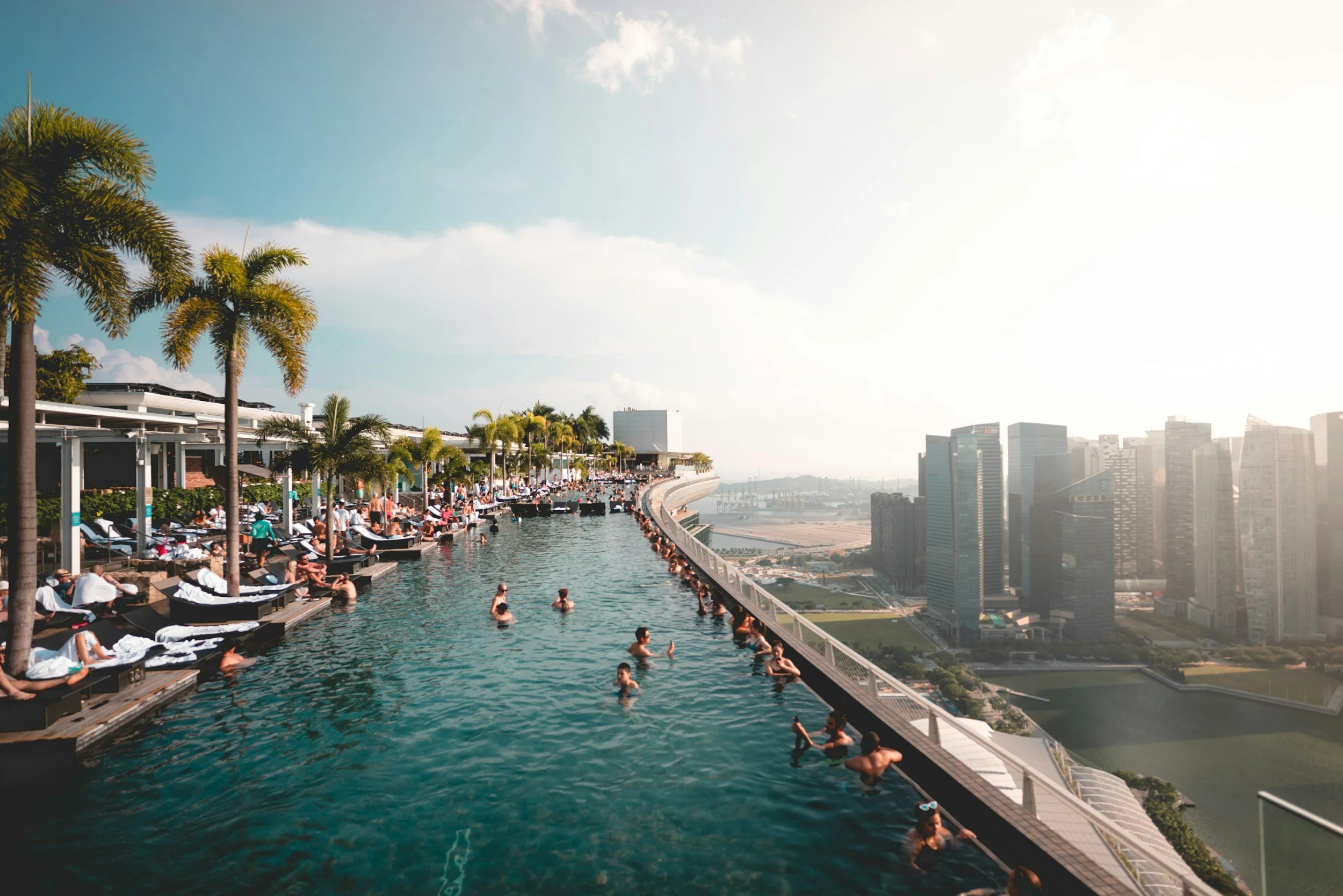
Marina Bay Sands dominates the area, with its three towers and famous infinity pool perched on top. Nearby, Gardens by the Bay blends nature and technology, with its Supertree Grove lighting up after dark. The Merlion Park, though busy, is still worth a quick visit for its views back towards the skyline. A walk around the Marina Bay waterfront is one of the best ways to take it all in, especially at sunset.
What and Where to Eat
Dining here leans towards the high end, with celebrity-chef restaurants, stylish waterfront venues, and rooftop bars offering panoramic views. You’ll also find more casual cafés and food courts tucked inside shopping complexes if you want something quicker.
Where to Stay
Marina Bay is firmly in the luxury category. Staying here means iconic views and easy access to major sights, though prices reflect the location.
Local Tips
Visit Gardens by the Bay in the early evening, then stay for the light show after dark. For skyline photos without the crowds, walk across Helix Bridge at night — it offers one of the best vantage points in the city.
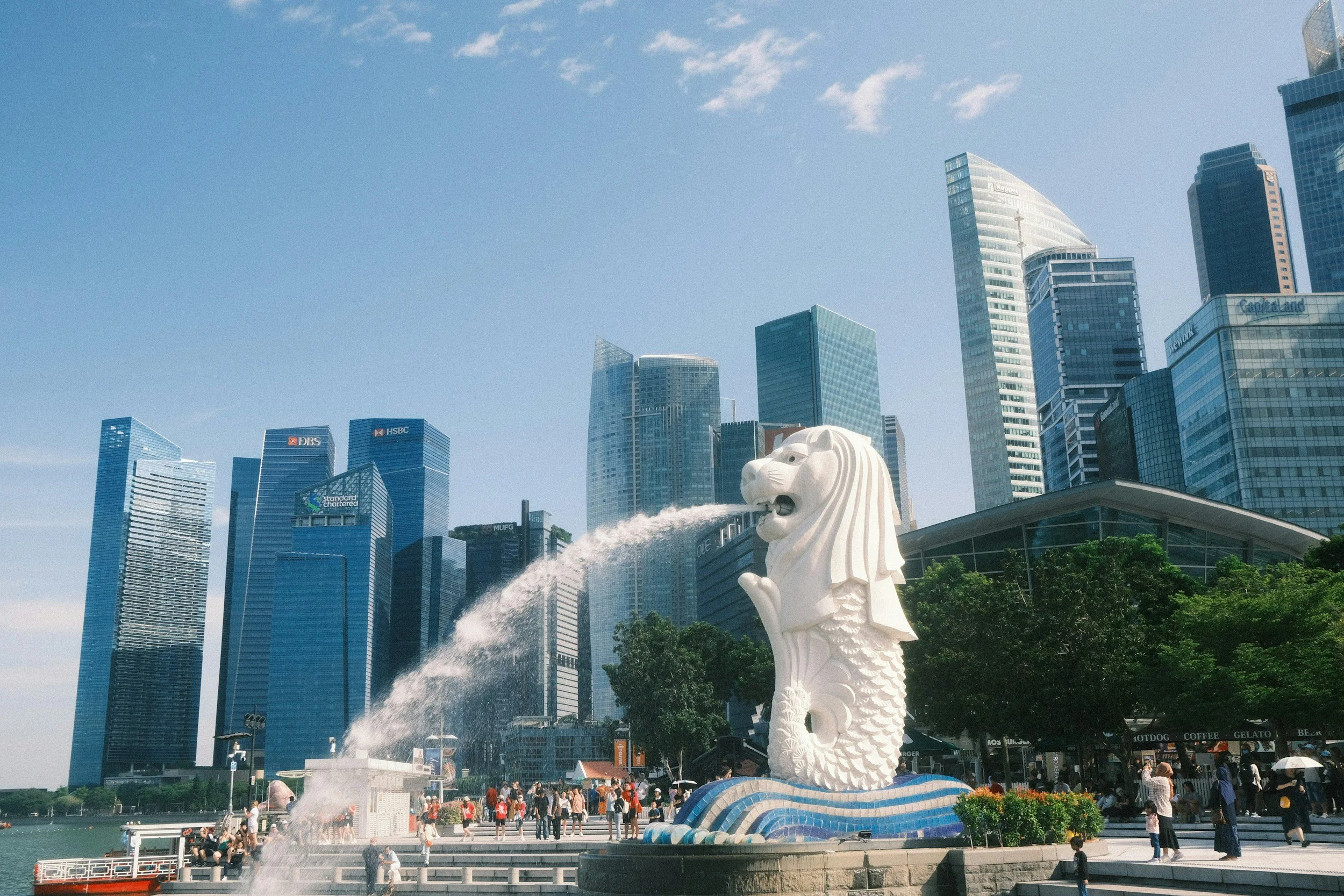
Marina Bay.
Tiong Bahru
Tiong Bahru feels like a village tucked inside the city. It’s one of Singapore’s oldest residential neighbourhoods, known for its distinctive Art Deco architecture and strong community feel. Over the years, it’s quietly evolved into a hub for independent cafés, bookshops, and bakeries, without losing its local soul.
Why Visit
Tiong Bahru offers a glimpse into everyday Singaporean life, away from the big-ticket attractions. It’s calm, characterful, and ideal for travellers who enjoy wandering without a strict plan.
What You’ll Find
Low-rise Art Deco flats, leafy streets, neighbourhood parks, independent bookshops, bakeries, and cafés that attract a mix of locals and in-the-know visitors.
Key Sights and Experiences
Tiong Bahru Market is the heart of the neighbourhood, with a traditional wet market downstairs and a hawker centre upstairs serving some of the city’s best local dishes. A walk through the surrounding streets reveals curved balconies, pastel-coloured buildings, and hidden cafés tucked beneath residential blocks. It’s also one of the best areas in Singapore for a relaxed morning wander.
What and Where to Eat
Food here strikes a balance between old and new. You’ll find classic hawker favourites at the market alongside modern bakeries, brunch spots, and dessert cafés that have helped shape the area’s reputation.
Where to Stay
There’s limited accommodation directly in Tiong Bahru, but nearby neighbourhoods offer easy access via MRT or bus, making it a great area to visit even if you’re staying elsewhere.
Local Tips
Arrive in the morning for the best atmosphere — locals shopping for produce, cafés opening their doors, and a slower pace before lunchtime crowds arrive. Respect that this is a residential area; quieter exploration goes a long way here.
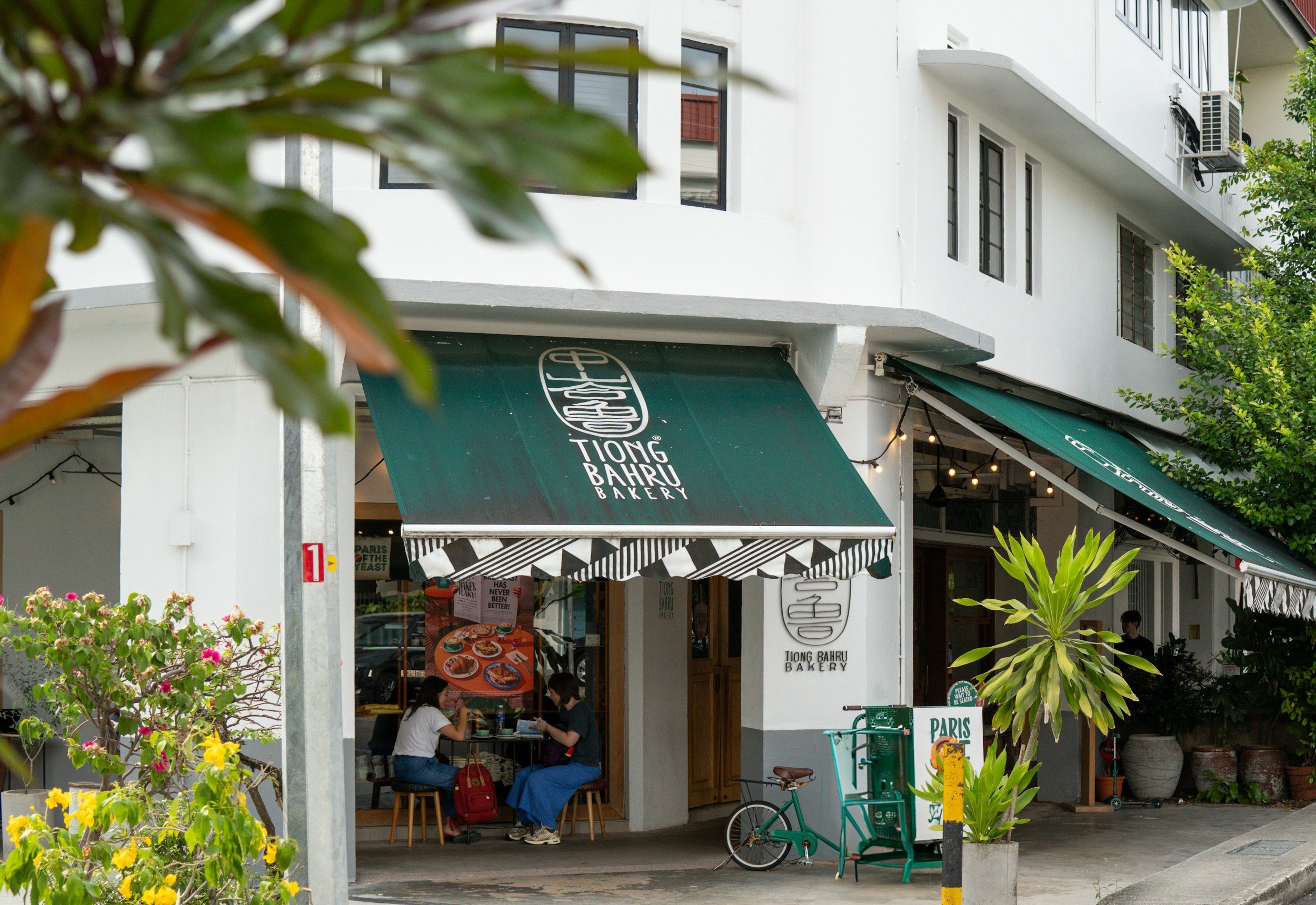
Tiong Bahru.
Orchard Road
Orchard Road is often written off as just a shopping street, but spend a little time here and you’ll see a more layered side to it. Beyond the flagship malls and glossy storefronts, there are historic lanes, hidden bars, cultural pockets, and green spaces that soften the area’s commercial sheen.
Why Visit
Orchard Road is a useful base and a convenient introduction to Singapore, especially for first-time visitors. It’s central, well-connected, and surprisingly varied once you step slightly off the main drag.
What You’ll Find
Large shopping malls, rooftop bars, galleries, cafés, hotels, and pockets of preserved heritage streets alongside modern developments.
Key Sights and Experiences
ION Orchard is the most iconic mall, with an observation deck offering views across the city. Just a short walk away, Emerald Hill feels like a different world — a quiet street lined with colourful Peranakan-style shophouses and a handful of atmospheric bars. Orchard also borders green spaces like Fort Canning Park, making it easy to combine shopping with a bit of nature.
What and Where to Eat
Food options are plentiful and varied. Orchard’s malls house everything from affordable food courts to international restaurants and stylish cafés. It’s a good area for casual dining, late-night meals, and familiar flavours if you’re easing into Singapore’s food scene.
Where to Stay
This is one of the most popular areas to stay, particularly for first-time visitors. Hotels range from mid-range to luxury, and the MRT makes getting anywhere in the city quick and straightforward.
Local Tips
Use Orchard Road as a base rather than a full-day destination. Explore the side streets and nearby parks for a quieter experience, and visit in the evening when the area feels less hectic and more atmospheric.
Sentosa Island
Sentosa Island is Singapore’s playground — a place designed for slowing down, switching off, and leaning into leisure. Once a military base, it’s now home to beaches, resorts, and attractions that feel worlds away from the city, despite being just a short hop from the mainland.
Why Visit
Sentosa offers a change of pace. Whether you’re craving beach time, travelling with family, or simply want a day that feels like a holiday within a holiday, this is where Singapore softens its edges.
What You’ll Find
Sandy beaches, coastal walks, beach clubs, resorts, theme parks, and panoramic views back towards the city skyline.
Key Sights and Experiences
Siloso, Palawan, and Tanjong beaches each offer a slightly different vibe, from lively to laid-back. The Sentosa Boardwalk is a pleasant way to arrive on foot, while the cable car provides sweeping views over the harbour. Attractions like the Skyline Luge and coastal trails add a bit of adventure to the island’s relaxed feel.
What and Where to Eat
Dining ranges from casual beachside cafés to resort restaurants and beach clubs. It’s a good place for long lunches, sunset drinks, and unhurried meals by the water.
Where to Stay
Sentosa is home to some of Singapore’s most resort-style accommodation. Staying overnight gives you a quieter experience once day-trippers leave, particularly in the evenings.
Local Tips
Visit on a weekday if possible to avoid crowds. For the calmest beach experience, head to Tanjong Beach. Bring sun protection — shade is limited outside the main resort areas.
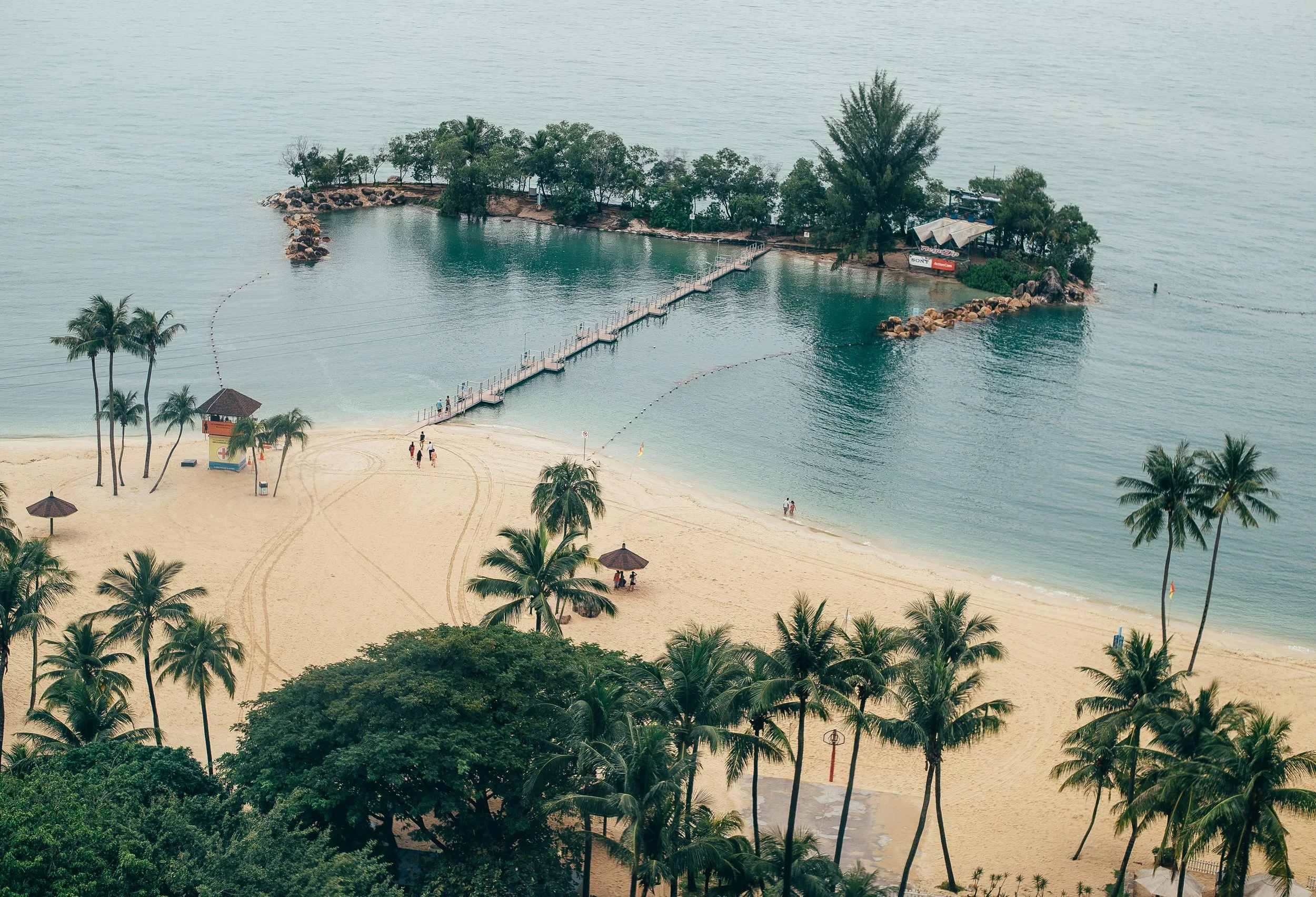
Sentosa Island.
Practical Neighbourhood Tips for Exploring Singapore
Singapore is one of the easiest cities in the world to navigate, but knowing how to group neighbourhoods, move between them, and pace your days can make a big difference to your experience. These tips will help you explore smarter, not harder.
Getting Around Between Neighbourhoods
The MRT is the backbone of Singapore’s transport system and reaches almost every neighbourhood covered in this guide. Trains are clean, reliable, air-conditioned, and clearly signposted in English, making them ideal for first-time visitors. Most neighbourhoods sit just one or two stops apart, so travel time is rarely more than 15–20 minutes.
Walking is often underestimated in Singapore. Areas like Chinatown, Tiong Bahru, Kampong Glam, and Marina Bay are best explored on foot once you arrive. Pavements are wide, crossings are frequent, and distances are shorter than they appear on maps.
Grab is widely used and affordable for short journeys, especially if you’re travelling in a group or heading out late at night when MRT services have ended.
How to Combine Neighbourhoods in One Day
Singapore’s compact layout makes it easy to link neighbourhoods without feeling rushed.
Chinatown and Tiong Bahru work particularly well together. Start your morning in Tiong Bahru for coffee and market browsing, then head to Chinatown for temples, lunch, and an afternoon wander.
Kampong Glam and Little India also pair naturally. Both are rich in culture and colour, and visiting them back-to-back highlights Singapore’s multicultural identity. Late afternoon into evening is ideal, when shops are open and the streets are most atmospheric.
Marina Bay is best saved for late afternoon and evening. Arrive before sunset, explore Gardens by the Bay, then walk the waterfront as the skyline lights up.
Sentosa Island is best treated as a half-day or full-day trip rather than squeezed in between neighbourhoods.
Best Times of Day to Visit Each Area
Timing matters in Singapore’s heat and humidity.
Markets and local neighbourhoods like Tiong Bahru are best visited in the morning, when temperatures are cooler and daily life is in full swing.
Cultural areas such as Chinatown, Little India, and Kampong Glam come alive in the late afternoon and evening, when the heat eases and food spots begin to fill up.
Marina Bay shines after dark, when the skyline, bridges, and gardens are illuminated.
What to Wear and Bring
Lightweight, breathable clothing is essential year-round. Comfortable walking shoes are a must — even short days involve more steps than you expect.
Carry a reusable water bottle, sunscreen, and a small umbrella. Sudden tropical downpours are common and intense, but usually short-lived.
If you plan on visiting temples or mosques, dress modestly with shoulders and knees covered. A lightweight scarf can be handy.
Neighbourhood Etiquette and Local Norms
Singapore is welcoming and multicultural, but there are a few local norms worth knowing. Eating and drinking are not allowed on the MRT, and fines are enforced. Littering is taken seriously, so always use bins.
In residential areas like Tiong Bahru, keep noise levels down and be mindful that people live there — especially early in the morning or late at night.
When visiting religious sites, follow posted rules, remove shoes where required, and avoid photography in restricted areas.
How Long to Spend in Each Neighbourhood
Most neighbourhoods can be explored comfortably in two to four hours, including time for food and wandering. Rather than trying to see everything, it’s better to choose a few areas each day and explore them slowly.
Singapore rewards unplanned moments — ducking into a café, stumbling across a market stall, or lingering longer than expected in a quiet street.
“Singapore is a city that reveals itself in layers, and its neighbourhoods are the key to understanding it properly. From the historic streets of Chinatown and Little India to the creative buzz of Kampong Glam, the calm charm of Tiong Bahru, and the futuristic glow of Marina Bay, each area offers a different lens on life in the city.
What makes Singapore special isn’t just how much it packs into a small space, but how effortlessly you can move between worlds. In the space of a single day, you can sip kopi in a hawker centre, wander through a mosque courtyard, stroll along a skyline-lit waterfront, and end the evening with dinner by the sea. Few cities make that kind of contrast feel so seamless.
The best way to experience Singapore is to slow down and explore neighbourhood by neighbourhood. Walk more than you plan to, eat often, and allow space for curiosity — because some of the city’s most memorable moments happen between the highlights.”