Singapore: Food and Drink Guide
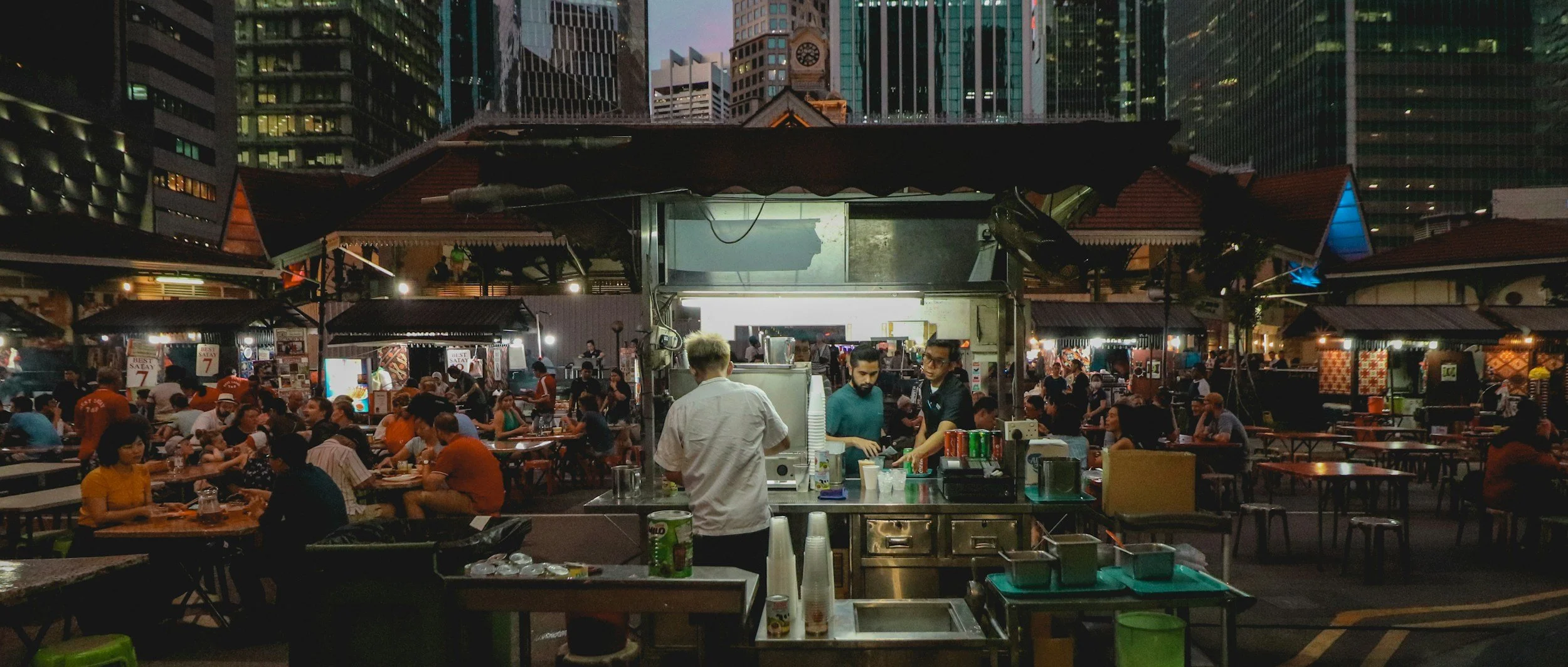
Singapore is a city that eats — often, well, and without ceremony. Food here isn’t something saved for special occasions; it’s part of the daily rhythm, discussed casually, debated passionately, and shared everywhere from plastic tables in hawker centres to polished dining rooms overlooking the skyline.
What makes Singapore one of the world’s great food cities is its accessibility. You can eat exceptionally well at almost any budget, at any time of day. A breakfast of kopi and kaya toast, a lunchtime bowl of laksa, late-night roti prata, or a carefully crafted cocktail — all are treated with equal importance. Good food isn’t a luxury here; it’s an expectation.
Singapore’s culinary identity has been shaped by migration. Chinese, Malay, Indian, and Peranakan influences sit at the heart of the local food culture, creating a cuisine that is layered, adaptable, and deeply rooted in tradition. Recipes have been passed down through generations, refined in hawker stalls and home kitchens, and preserved as part of the nation’s cultural heritage.
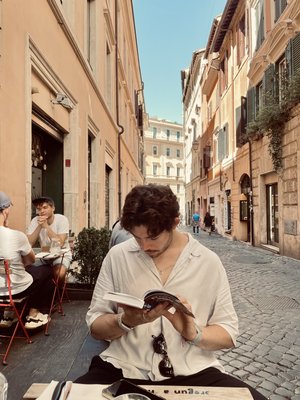
This guide is designed to help you eat your way through Singapore with confidence. From understanding hawker culture and knowing what to order, to exploring neighbourhood food scenes, cafés, and bars, it’s a practical introduction to one of the most rewarding food destinations in the world — best experienced one plate at a time.
Understanding Singapore’s Food Culture
To understand Singapore, you need to understand how and why people eat here. Food is a national obsession, a social glue, and a point of pride. Conversations regularly revolve around what you’ve eaten, where you’re going next, and whether a particular stall is still as good as it used to be.
Eating out is the norm rather than the exception. Many Singaporeans dine outside the home multiple times a day, which is why food needs to be affordable, fast, and consistently good. Hawker centres, coffee shops, and food courts aren’t seen as second-best to restaurants — they are the backbone of everyday life.
At the heart of this culture is hawker food, a tradition that began with street vendors serving migrant communities and has since evolved into a structured, regulated, and celebrated part of Singaporean identity. In 2020, Singapore’s hawker culture was recognised by UNESCO as Intangible Cultural Heritage, a reflection of its role in preserving culinary traditions and fostering community.
Singapore’s food culture is also inherently communal. Tables are shared, queues are expected, and recommendations are freely given. It’s common to see office workers, families, and visitors eating side by side, united by a mutual appreciation for a good meal.
Despite its global reputation, Singapore’s food scene remains grounded. While fine dining and Michelin stars exist, the real measure of quality is local approval — long queues, word-of-mouth praise, and stalls that have stood the test of time. Here, good food isn’t about formality or trends; it’s about flavour, familiarity, and consistency.
Hawker Centres: The Heart of Singaporean Food
Hawker centres are where Singapore truly eats. More than just food courts, they are social spaces, cultural institutions, and everyday dining rooms for the city. From early morning breakfasts to late-night suppers, hawker centres serve food that is affordable, deeply traditional, and consistently excellent.
At their core, hawker centres bring together dozens — sometimes hundreds — of independent stalls under one roof. Each stall typically specialises in just one or two dishes, often refined over decades. This focus is what makes the food so good: recipes are honed daily, portions are perfected, and reputations are built on consistency rather than reinvention.
What Exactly Is a Hawker Centre?
Hawker centres evolved from street food culture in the mid-20th century, when vendors were moved off the streets into purpose-built spaces to improve hygiene and organisation. Today, they are clean, regulated, and carefully maintained, while still retaining the informality and openness that defines Singapore’s food scene.
Most hawker centres are open-air or semi-open, with shared seating and no reservations. You order directly from individual stalls, collect your food, and eat at communal tables. It’s casual, efficient, and refreshingly unpretentious.
How to Order Like a Local
The process is simple once you know what to expect. Choose your stall, queue patiently, order at the counter, and pay immediately — usually by cash or contactless payment. Peak times are typically breakfast (around 7–9am) and lunch (12–2pm), when queues are longest but turnover is quick.
In many hawker centres, returning your tray after eating is mandatory, and signage will clearly indicate this. It’s a small detail, but one that reflects Singapore’s emphasis on shared responsibility and cleanliness.
If you’re unsure what to order, look for stalls with long queues or menus limited to just a few items — both are strong indicators of quality.
What to Expect on the Menu
Hawker centres showcase the full breadth of Singapore’s culinary heritage. You’ll find Chinese, Malay, Indian, and Peranakan dishes side by side, often cooked by families who have been running the same stall for generations.
Portions are generous, prices are reasonable, and flavour is prioritised above presentation. This is food designed to be eaten daily, not photographed — though it often earns its place on camera regardless.
Which Hawker Centres to Visit
Rather than trying to visit as many as possible, it’s better to focus on a few well-chosen hawker centres across different neighbourhoods. Central hawker centres are convenient and iconic, while residential ones offer a more local feel and slightly slower pace.
Some hawker centres are best visited in the morning for breakfast staples, others come alive in the evening when dinner crowds roll in. Timing can be just as important as location.
(We’ll go deeper into specific hawker centres and standout dishes later in the guide.)
Why Hawker Centres Matter
Hawker centres are one of the few places in Singapore where everyone eats together — office workers, retirees, families, students, and visitors sharing tables and meals. They are democratic spaces, shaped by routine and tradition rather than trend cycles.
In a city that moves quickly, hawker centres provide continuity. They preserve recipes, support small businesses, and keep food accessible to all. To eat here isn’t just to try local dishes — it’s to participate in daily life.
Iconic Singaporean Dishes to Try
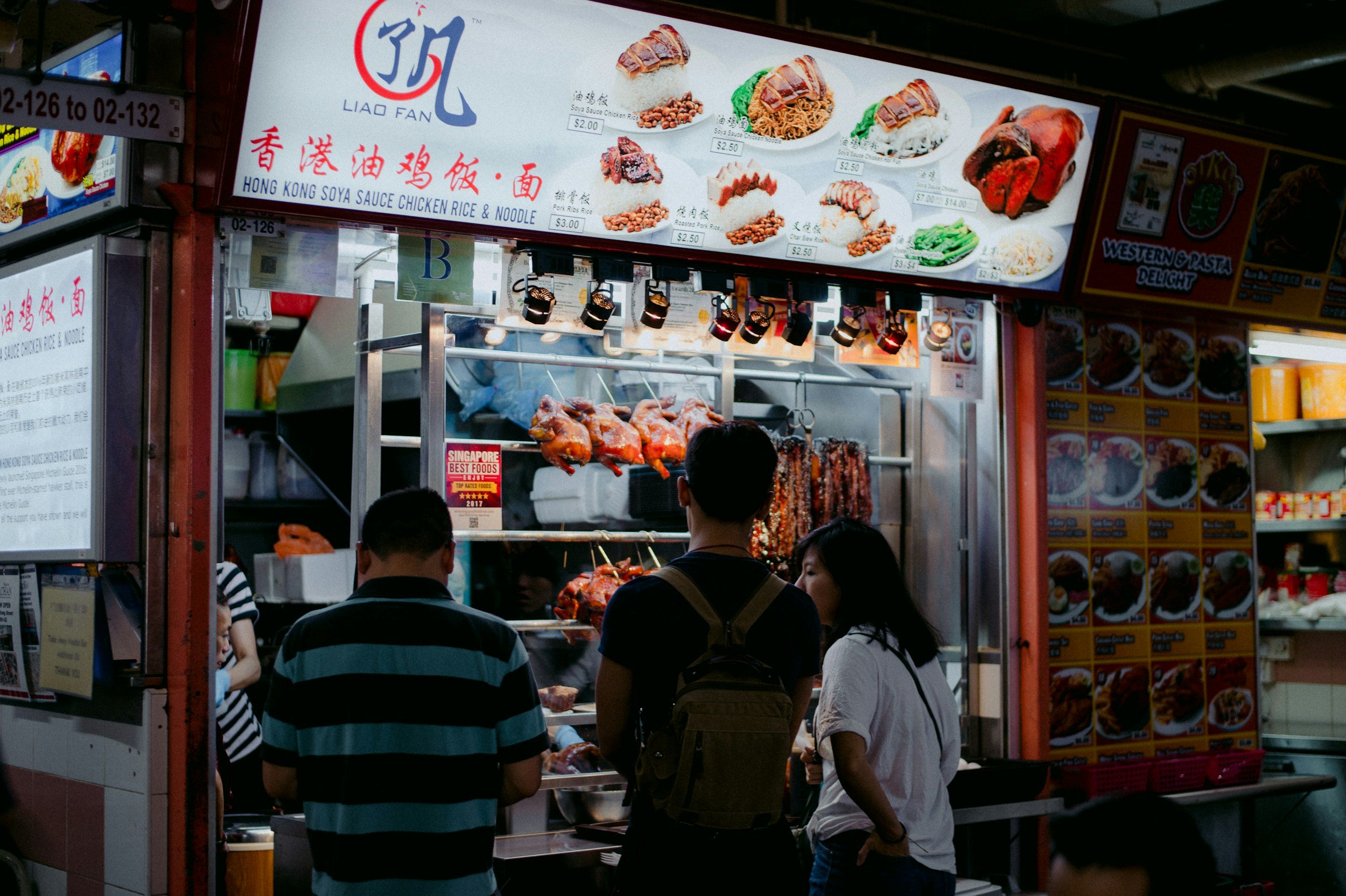
Singapore’s food culture is best understood dish by dish. Many of its most famous plates are deceptively simple, built around a handful of ingredients and perfected through repetition rather than reinvention. You’ll see the same dishes appear across hawker centres, neighbourhoods, and generations — each with subtle variations that locals will happily debate.
Below are the essential dishes to know, order, and eat more than once.
Hainanese Chicken Rice
Often referred to as Singapore’s national dish, chicken rice is all about balance and technique. Poached chicken is served with fragrant rice cooked in chicken fat and stock, alongside chilli sauce, ginger paste, and dark soy. It’s simple, comforting, and far more nuanced than it first appears.
You’ll find chicken rice everywhere, from hawker centres to casual restaurants. The best versions are tender, aromatic, and quietly confident — no frills required.
Laksa
Laksa reflects Singapore’s Peranakan heritage, blending Chinese and Malay influences into a rich, coconut-based noodle soup. Expect thick rice noodles, prawns, fish cake, and a spicy, creamy broth that’s both comforting and fiery.
It’s a dish with many regional interpretations, but in Singapore it’s typically bold, indulgent, and perfect for slower, sit-down meals.
Char Kway Teow
This is classic hawker food — smoky, indulgent, and unapologetic. Flat rice noodles are stir-fried over high heat with eggs, Chinese sausage, prawns, cockles, and dark soy sauce, producing the distinctive wok hei (breath of the wok) that defines the dish.
Char kway teow is rich and filling, often cooked to order and best eaten fresh from the stall.
Chilli Crab
One of Singapore’s most famous exports, chilli crab is usually reserved for sit-down meals rather than hawker centres, but it remains an essential part of the local food story. Crab is cooked in a thick, tangy, slightly sweet sauce made with chilli, tomato, and egg, and served with mantou buns for soaking up every last drop.
It’s messy, social, and designed to be shared — a meal rather than a snack.
Roti Prata
Roti prata is a flaky, pan-fried flatbread influenced by Indian cuisine, commonly eaten for breakfast, late-night suppers, or anything in between. It’s served with curry for dipping and comes in countless variations, from plain and egg to sweeter versions.
It’s inexpensive, filling, and a staple of Singapore’s round-the-clock food culture.
Nasi Lemak
A Malay classic, nasi lemak centres around coconut rice served with sambal, crispy anchovies, peanuts, cucumber, and a protein such as fried chicken or fish. It’s fragrant, spicy, and deeply satisfying.
Traditionally eaten for breakfast, nasi lemak is now enjoyed at all hours, especially from hawker stalls and casual eateries.
These dishes form the foundation of eating in Singapore. You’ll see them repeated across menus and neighbourhoods, each stall offering its own take — and locals often have strong opinions about which version is best.
Neighbourhood Food Scenes
Singapore’s food scene is inseparable from its neighbourhoods. What you eat — and how you eat it — often depends on where you are, the time of day, and who that area serves. Some neighbourhoods are built around daily routines and local crowds, others around destination dining or late-night socialising. Letting the neighbourhood guide your appetite is one of the most natural ways to eat well in the city.
Chinatown
Chinatown is one of the best places in Singapore to understand the foundations of local food culture. This is where many classic Chinese-Singaporean dishes have been cooked, refined, and passed down for generations. Food here is fast-paced, affordable, and deeply traditional, particularly within the hawker centres that anchor the area.
Chinatown Complex Food Centre is the heavyweight. With hundreds of stalls spread across multiple levels, it’s a place where locals return again and again, often to the same stall they’ve been visiting for years. It’s ideal if you want to sample multiple dishes in one sitting — chicken rice, roast duck, char kway teow, noodle soups — without travelling across the city.
Maxwell Food Centre offers a more approachable introduction. Smaller and easier to navigate, it’s popular with both locals and visitors and works well as a first hawker experience.
Within Maxwell, Tian Tian Hainanese Chicken Rice remains one of the city’s most famous stalls, known for consistently tender chicken and fragrant rice. It’s busy, but turnover is quick.
For something sweet or nostalgic, Tong Heng is a long-standing bakery specialising in traditional egg tarts, a reminder that Chinatown’s food culture isn’t only about full meals.
Little India
Food in Little India is bold, aromatic, and central to daily life. This neighbourhood is shaped by South Indian traditions in particular, with a strong emphasis on vegetarian dishes, spices, and freshly prepared breads. Eating here feels energetic and communal, often spilling out onto the streets.
Tekka Centre is the heart of the area’s food scene. Downstairs is a wet market, while upstairs is a hawker centre known for dosas, thali meals, biryani, and curries. It’s one of the best places in Singapore to experience Indian food at its most everyday and authentic.
Komala Vilas is one of the neighbourhood’s most historic restaurants, serving South Indian vegetarian food for decades. Meals here are traditional and unfussy, with a loyal local following.
For a more ritualised dining experience, Banana Leaf Apolo is known for its banana-leaf meals, where rice and curries are served directly onto the leaf and eaten by hand — a cultural experience as much as a culinary one.
Little India is also a great place for Indian sweets, with casual shops offering laddoos, barfi, and syrup-soaked desserts perfect for a post-meal stop.
Kampong Glam
Kampong Glam’s food scene reflects its Malay and Arab roots, but it has also evolved into one of Singapore’s most social dining neighbourhoods. Meals here often stretch into long evenings, especially along Arab Street and Bussorah Street, where outdoor seating and late-night openings are common.
Zam Zam is a Singapore institution and a rite of passage for first-time visitors. Known for its murtabak — a stuffed, pan-fried flatbread — it’s hearty, affordable, and open late, making it a popular supper spot.
For traditional Malay home-style cooking, Hjh Maimunah is widely respected. Dishes are displayed buffet-style, allowing you to choose from a range of slow-cooked curries, sambal vegetables, and fried meats — the kind of food typically cooked at home rather than in restaurants.
The neighbourhood also has a strong Middle Eastern presence. Beirut Grill is a reliable choice for Lebanese dishes, mezze, and grilled meats in a relaxed, sit-down setting.
Alongside traditional food, Kampong Glam has become a café hub. Tolido’s Espresso Nook is one of the area’s best-known coffee spots, popular for brunch and a slower start to the day.
Tiong Bahru
Tiong Bahru’s food scene mirrors the neighbourhood itself — rooted in tradition, but gently evolving. This is where old-school hawker culture sits comfortably alongside modern cafés and bakeries, often serving the same local community.
Tiong Bahru Market is central to daily life here. Upstairs, the hawker centre is known for classic breakfast and lunch dishes, while downstairs vendors sell fresh produce to residents. It’s best visited in the morning, when the atmosphere is at its most local.
Jian Bo Shui Kueh is one of the market’s most well-known stalls, specialising in simple rice cakes topped with preserved radish and chilli — a reminder that some of Singapore’s most loved foods are also its simplest.
On the café side, Tiong Bahru Bakery helped put the neighbourhood on the map for modern dining. Known for its pastries and coffee, it attracts a steady stream of locals and visitors alike.
Forty Hands is another key name, playing a major role in shaping Singapore’s specialty coffee scene and remaining a popular brunch spot.
Orchard Road
Orchard Road may not be known for heritage food culture, but it excels in convenience and variety. This is where many visitors first encounter Singapore’s dining scene, thanks to the sheer concentration of food options in one place.
Large malls like ION Orchard house extensive food halls that bring together local favourites and international cuisines under one roof. These spaces are clean, efficient, and air-conditioned — ideal after a long day of exploring.
Food Republic outlets are particularly useful for trying multiple Singaporean dishes in a single visit, offering a curated introduction to hawker-style food in a more polished environment.
While Orchard lacks the personality of other neighbourhoods, it’s dependable, especially for quick meals, late-night dining, or easing into unfamiliar dishes.
Marina Bay
Marina Bay is about destination dining rather than everyday eating. Meals here are often planned around views, atmosphere, and occasion, particularly in the evening.
Lau Pa Sat bridges the gap between local and visitor-friendly. During the day it functions as a hawker centre, but at night it’s best known for its satay street, where grills line the road and diners eat outdoors amid smoke and chatter.
For elevated dining and drinks, Ce La Vi offers rooftop views over the skyline, making it a popular choice for sunset cocktails and special evenings.
Atlas is less about food and more about experience — a grand Art Deco bar known for its gin collection and dramatic interior, ideal for a refined night out.
Near Gardens by the Bay, Satay by the Bay offers a scenic setting for casual local dishes, particularly appealing after exploring the surrounding attractions.
Cafés and Coffee Culture in Singapore
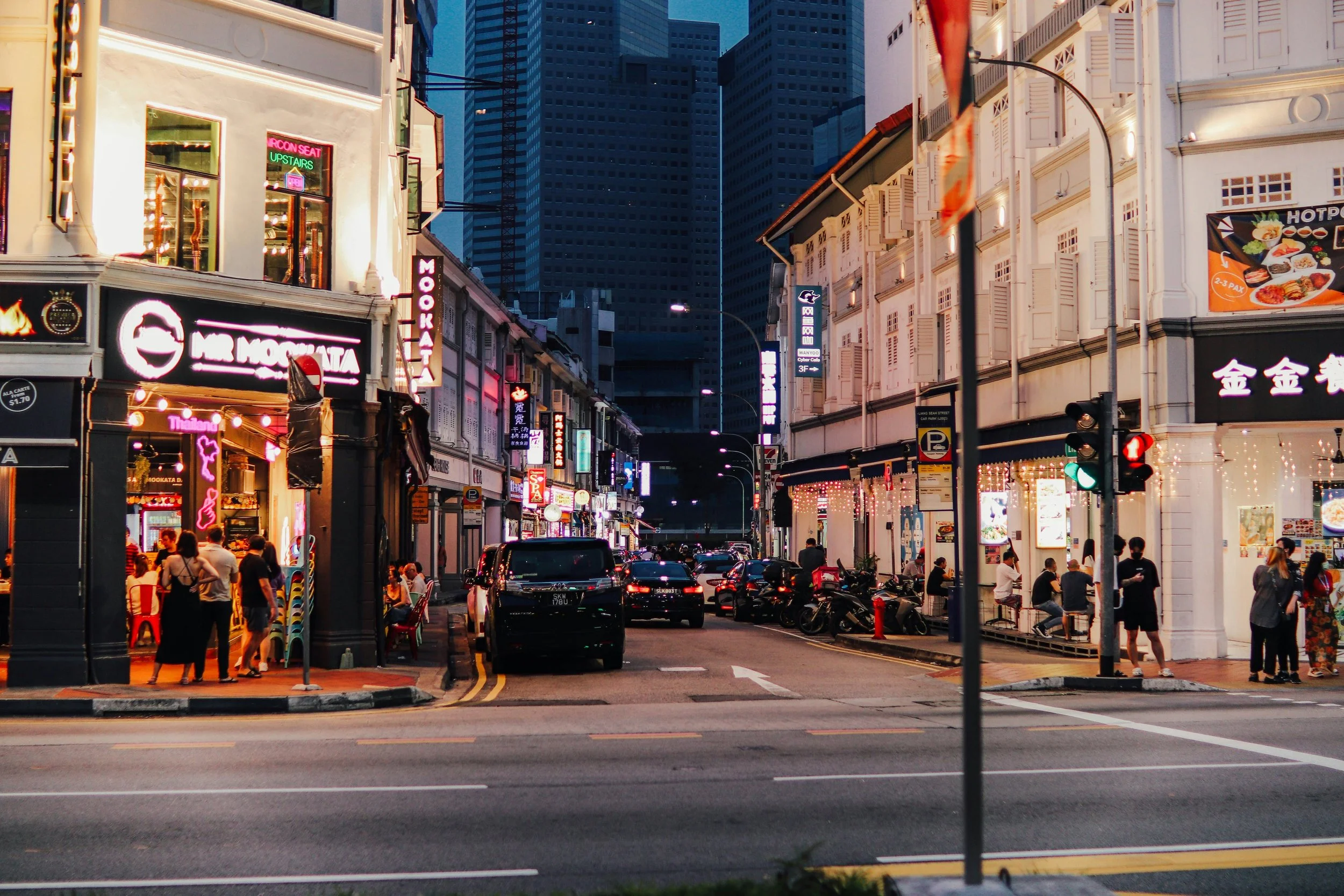
Singapore’s café scene has grown rapidly over the past decade, shaped by a mix of global influence and local taste. While traditional kopi culture still plays a central role in daily life, a strong specialty coffee movement has emerged alongside it, particularly in creative and residential neighbourhoods.
What makes Singapore’s café culture interesting is how it coexists with hawker food rather than replacing it. Cafés are often woven into everyday routines — for breakfast, brunch, or an afternoon pause — while hawker centres remain the go-to for main meals. The result is a food scene that feels layered rather than trend-driven.
Kopi Culture vs Specialty Coffee
Traditional kopi is still everywhere. Found in kopitiams (local coffee shops), it’s typically strong, sweet, and served with condensed milk or sugar. Ordering kopi is almost a language of its own, with variations depending on how you take your coffee.
Alongside this, specialty coffee has taken hold, particularly among younger Singaporeans and creative communities. These cafés focus on single-origin beans, careful brewing, and well-designed spaces — often doubling as neighbourhood meeting points.
Both cultures exist comfortably side by side, and experiencing both offers a fuller picture of how Singapore drinks coffee.
Where Café Culture Thrives
Neighbourhoods like Tiong Bahru, Kampong Glam, and parts of Chinatown have become hubs for independent cafés, often tucked beneath residential blocks or along quieter side streets. These areas attract a mix of locals, remote workers, and visitors looking to slow the pace of the day.
Cafés here tend to open earlier, cater to brunch crowds, and place as much emphasis on atmosphere as they do on food and drink.
Notable Cafés to Know
Rather than chasing trends, Singapore’s most respected cafés are often those that have quietly built loyal followings.
Tiong Bahru Bakery remains one of the city’s most recognisable café names, known for its pastries and relaxed neighbourhood vibe. It’s a good example of how cafés here often serve as social anchors rather than quick stops.
Forty Hands helped define Singapore’s specialty coffee scene and continues to be popular for both coffee and brunch, particularly in Tiong Bahru.
In Kampong Glam, Tolido’s Espresso Nook blends strong coffee with an unpretentious, community feel, making it a favourite with locals who work or live nearby.
You’ll also find many smaller, independent cafés scattered across the city, particularly in residential areas, where quality is often prioritised over scale.
Brunch Culture
Brunch has become a firmly established part of Singapore’s café scene. Menus typically blend Western-style dishes with local twists, and cafés are often busiest on weekends when residents linger over long, late-morning meals.
Unlike hawker food, brunch here is less about speed and more about atmosphere — a chance to escape the heat, sit indoors, and reset before continuing the day.
When to Visit
Cafés are best visited in the morning or early afternoon, especially if you’re using them as a break between more food-heavy meals. Weekdays are generally quieter, while weekends can be busy, particularly in popular neighbourhoods.
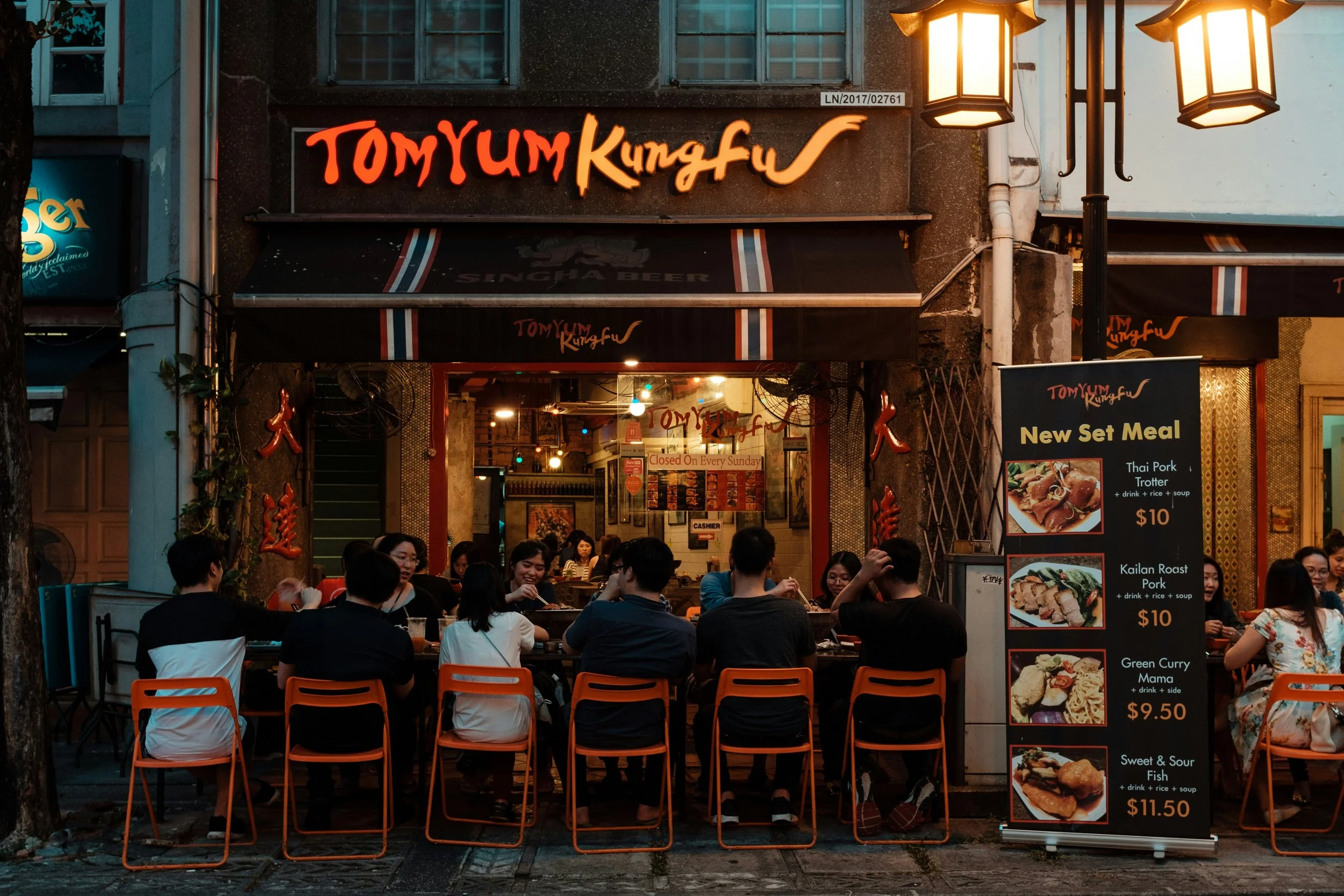
Bars, Rooftops and Nightlife Drinks
Singapore after dark reveals another side of the city’s food and drink culture — one that’s polished, creative, and quietly confident. While the city is known for its regulations and order, its bar scene is anything but rigid. Cocktail menus are inventive, rooftop views are world-class, and neighbourhood bars offer relaxed places to wind down after a long day of eating.
What stands out is how seriously drinks are taken here. Much like food, quality matters. Whether you’re sipping a carefully balanced cocktail or a simple beer, there’s an emphasis on craft, consistency, and experience.
Cocktail Culture and Speakeasies
Singapore has earned a global reputation for its cocktail scene, with bartenders who treat mixology as both craft and storytelling. Many of the city’s best bars are hidden behind unassuming doors, tucked into shophouses or discreet corners of hotels.
Atlas is one of the most visually striking bars in the city, known for its dramatic Art Deco interior and extensive gin collection. It’s an experience as much as a drink — ideal for a refined evening rather than a quick stop.
Native focuses on regional ingredients and locally inspired flavours, offering cocktails that reflect Southeast Asia rather than international trends. It’s a great example of how Singapore’s bar scene often mirrors its food culture: rooted in place, but globally aware.
Employees Only, an import from New York, has become a late-night favourite, blending strong cocktails with a lively, social atmosphere that kicks into gear as the evening goes on.
Rooftop Bars and Skyline Views
Rooftop bars are one of Singapore’s defining nightlife experiences. With warm evenings year-round and a skyline designed to be admired, drinking above the city feels almost essential.
Ce La Vi, perched atop Marina Bay Sands, offers sweeping views across the city and bay. Drinks here are as much about timing as taste — arrive around sunset to watch the skyline shift from daylight to night.
For something slightly more relaxed, 1-Altitude Coast on Sentosa provides ocean views rather than city lights, offering a different kind of atmosphere that feels more like a holiday escape.
Rooftop venues tend to be pricier, but even one drink is often worth it for the setting alone.
Neighbourhood Bars
Beyond the rooftops and headline names, Singapore’s neighbourhood bars offer a more casual way to experience the city at night. Areas like Kampong Glam and Chinatown are particularly good for bar-hopping, with venues clustered close together and a mix of styles on offer.
In Kampong Glam, bars often spill out onto the street, creating a sociable, laid-back vibe that contrasts nicely with the city’s more polished districts. Chinatown’s bars, particularly around Ann Siang Hill, lean slightly more refined but still feel relaxed and local.
What to Know Before You Go
Alcohol in Singapore is expensive compared to many other destinations, largely due to taxes. Prices at bars reflect this, especially in rooftop venues and hotels. That said, quality is high, and measures are generous.
Drinking in public is restricted late at night, and bars generally close earlier than in some major cities, though late-night spots do exist. The atmosphere is social but orderly — nights out here feel safe, welcoming, and well-managed.
Desserts and Sweet Treats
Singapore’s dessert scene is often understated, but it plays an important role in balancing the city’s bold, savoury-heavy food culture. Sweet treats here are rarely overly rich; instead, they’re designed to cool you down, refresh the palate, or provide a light finish to a meal in a hot, humid climate.
Desserts are woven into everyday life rather than saved for special occasions. They’re eaten in the afternoon, late at night, and often as a standalone stop between meals.
Traditional Desserts and Hawker Sweets
Many of Singapore’s most beloved desserts are found in hawker centres and kopitiams, served simply and without fanfare.
Ice-based desserts are especially popular. Ice kachang, a colourful mound of shaved ice topped with syrups, sweet corn, red beans, and jelly, is as nostalgic as it is refreshing. Chendol, made with pandan jelly, coconut milk, and palm sugar, is another classic — rich but cooling, and widely available.
You’ll also come across traditional kueh, bite-sized snacks made from rice flour, coconut, and palm sugar. These are often sold at market stalls and bakeries, and are perfect for sampling rather than committing to a full dessert.
Bakeries and Pastry Culture
Singapore’s bakery scene reflects its broader food culture: a mix of tradition and global influence. You’ll find Chinese bakeries selling soft buns and egg tarts alongside European-style patisseries and modern bakeries.
In neighbourhoods like Tiong Bahru and Chinatown, bakeries often act as casual meeting points, with locals stopping by for a pastry and coffee rather than a sit-down dessert. Egg tarts, pineapple buns, and kaya-filled pastries are particularly popular.
Late-Night Dessert Stops
Dessert doesn’t necessarily signal the end of the day in Singapore. Many dessert spots stay open late, especially in areas like Little India and along major food streets. Sweet soups, shaved ice, and warm snacks are common late-night choices, often enjoyed after supper rather than instead of it.
Desserts here are about comfort and balance — something light, cooling, and satisfying rather than indulgent.
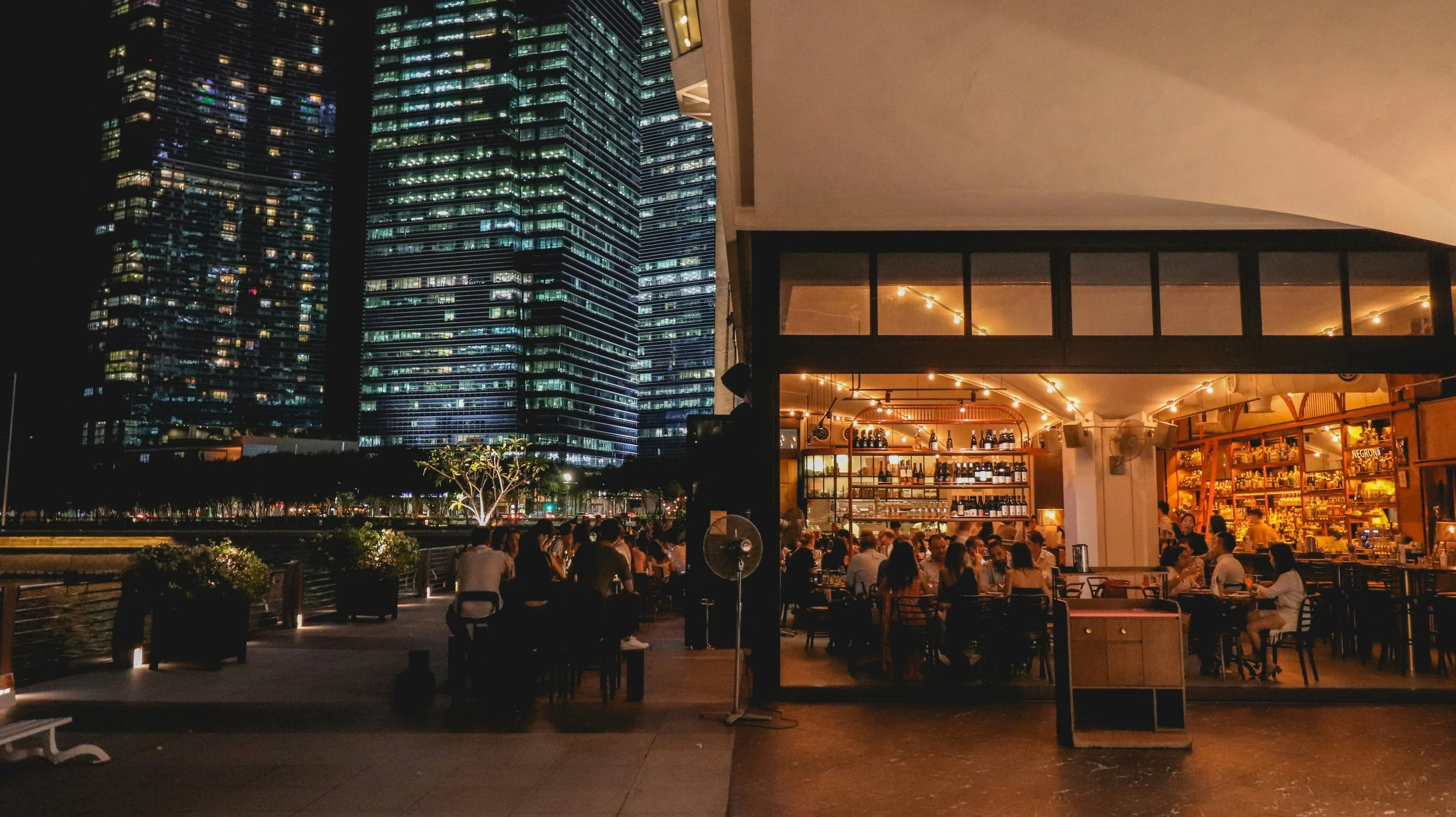
Practical Food and Drink Tips
To eat well in Singapore, a little local knowledge goes a long way. These tips will help you navigate the city’s food scene with confidence and ease.
What Food Costs
Singapore offers excellent value when it comes to food. Hawker meals are among the most affordable in the world for their quality, while mid-range cafés and restaurants are comparable to major global cities. Bars and alcohol, however, are noticeably more expensive due to taxes.
A good approach is to balance your days: hawker food for most meals, cafés for breaks, and the occasional restaurant or rooftop bar for atmosphere.
Paying for Food
Most hawker stalls accept cashless payment, but it’s still wise to carry some cash, particularly in older hawker centres or markets. Cafés, restaurants, and bars universally accept cards.
Dietary Requirements
Singapore is one of the easiest cities in Asia to navigate with dietary restrictions. Vegetarian food is widely available, especially in Little India, and halal options are clearly labelled. Many places are accustomed to accommodating allergies, but it’s still worth asking if you’re unsure.
Hawker Centre Etiquette
Queue patiently and don’t reserve tables with personal items unless clearly allowed. Returning trays after eating is mandatory in most hawker centres and signage will indicate where to do so.
Sharing tables is normal, especially during busy periods — it’s part of the communal dining culture.
When to Eat
Peak times at hawker centres are breakfast and lunch, while dinner crowds tend to arrive later in the evening. If you want shorter queues, aim for slightly off-peak hours.
Some of the best food experiences happen outside traditional meal times — late-night roti prata, afternoon kopi, or a spontaneous dessert stop between neighbourhoods.
“Food is one of the most immediate ways to understand Singapore. It tells the story of migration, community, and daily life more clearly than any museum or landmark. From hawker centres where recipes have been refined over decades, to neighbourhood cafés and world-class bars, eating here is both deeply practical and quietly profound.
What makes Singapore special isn’t just the quality of the food, but how accessible it is. You don’t need reservations, insider connections, or a big budget to eat well. Some of the city’s best meals are found at shared tables, under fluorescent lights, surrounded by people going about their day.
The best approach is simple: eat often, follow the neighbourhood you’re in, and don’t over-plan. Singapore rewards curiosity, appetite, and a willingness to queue — usually for very good reason.”