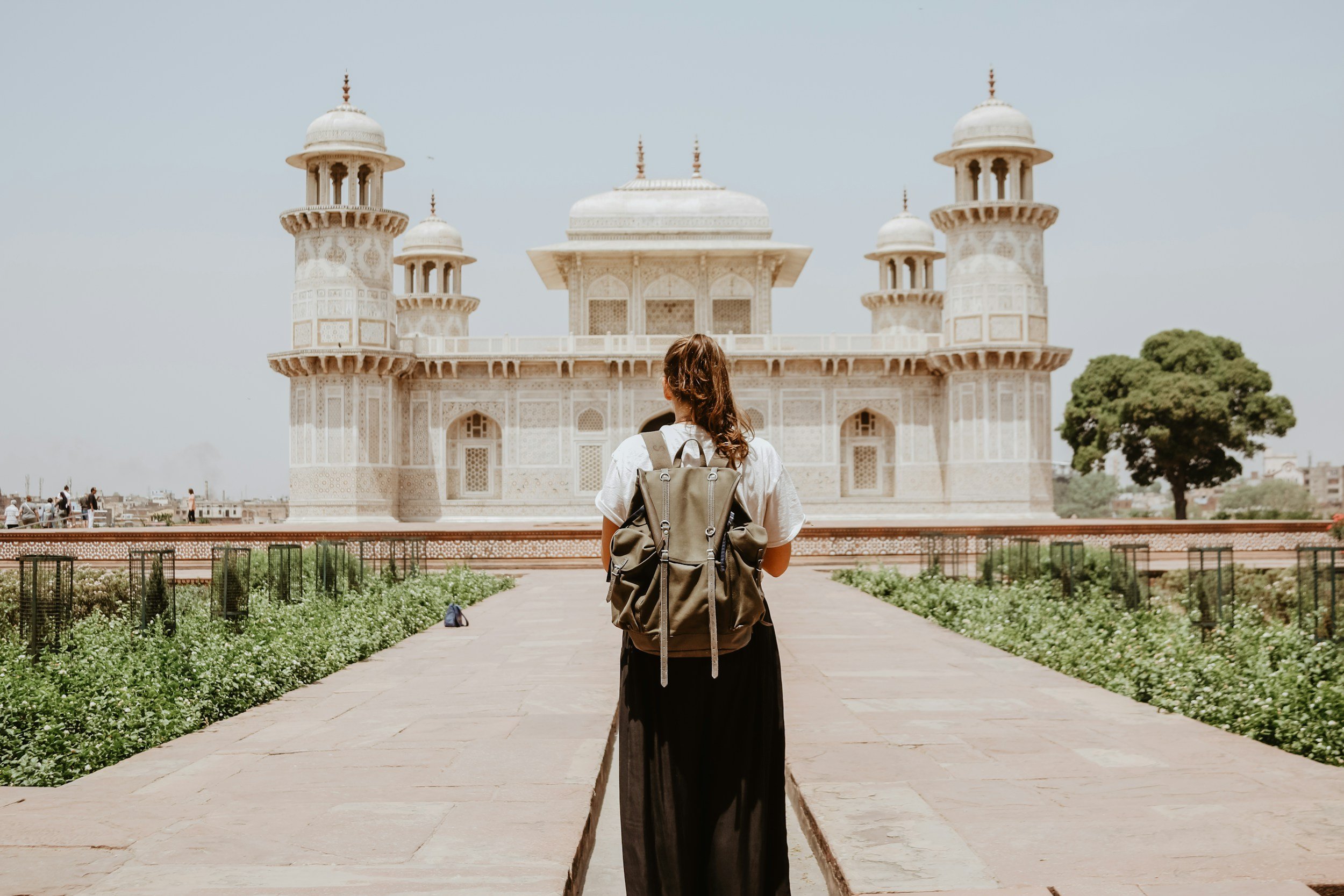
There was a time when travelling alone as a woman came with explanations. Questions. Warnings. A quiet sense that it was something unusual — even risky — to want the world to yourself.
That feeling is changing.
Across cities, coastlines, mountain towns and long-haul flights, more women are choosing to travel alone — not as a statement, but as a preference. Female solo travel is no longer framed as brave or rebellious; it’s increasingly seen as normal, intentional, and quietly empowering. A way of moving through the world without compromise, without waiting, and without asking permission.
This rise hasn’t happened overnight, and it isn’t driven by one generation, platform, or moment. It’s the result of shifting ideas around independence, safety, work, identity, and what freedom actually looks like in modern life. For many women, travelling alone isn’t about escape — it’s about clarity. Space. Trusting your instincts in unfamiliar places and learning that you are capable of far more than you were taught to believe.
Female solo travel isn’t a trend. It’s a reflection of changing priorities — a move towards autonomy, self-confidence, and choosing experiences on your own terms. And for those who’ve done it, it often becomes less about the destinations themselves, and more about the version of yourself that emerges along the way.
The freedom of travelling without compromise
One of the most profound shifts that comes with travelling alone is how quickly you realise just how much of your life is usually shaped by negotiation. Where to go. When to leave. How long to stay. What feels worth the time or money. Even what feels safe or sensible.
Solo travel strips all of that back.
When you travel alone, every decision is yours. You wake up when you want, change plans without discussion, linger somewhere because it feels right, or leave simply because you’re ready to move on. There’s no pressure to justify your choices or meet anyone else’s expectations. That freedom isn’t dramatic — it’s subtle, steady, and deeply grounding.
For many women, this autonomy feels especially powerful because it’s so rarely experienced at home. Daily life often demands compromise: in relationships, work, family roles, and social dynamics. Travelling alone becomes one of the few spaces where independence isn’t theoretical — it’s practised, repeatedly, in small, confidence-building moments.
It’s also where intuition sharpens. You learn to trust your judgement — choosing the neighbourhood that feels right, the café that feels welcoming, the moment to turn back or push forward. Each decision reinforces the understanding that you can navigate unfamiliar places on your own terms.
Over time, that freedom extends beyond the trip itself. Many solo travellers return home with a quiet recalibration — a clearer sense of what they enjoy, what they need, and what compromises they’re no longer willing to make. The journey doesn’t just expand your map of the world; it reshapes how you move through it.
Safety, fear, and reclaiming space
For many women, the decision to travel alone doesn’t begin with excitement — it begins with caution. Questions of safety are rarely abstract; they’re woven into everyday life long before a flight is booked. Where it’s acceptable to go alone, what time is considered too late, how much vigilance is required simply to move through the world.
Female solo travel exists within that reality, not outside it.
The rise of women travelling alone isn’t about ignoring risk or pretending fear doesn’t exist. It’s about learning how to navigate it — with awareness, preparation, and confidence. Researching neighbourhoods, choosing accommodation carefully, sharing itineraries, trusting intuition, and knowing when to remove yourself from a situation all become second nature. These aren’t signs of limitation; they’re forms of agency.
There’s also something quietly powerful about occupying space alone. Sitting at a restaurant by yourself. Walking through a city without explanation. Taking up room without needing to be accompanied or justified. For many women, solo travel becomes one of the first times they feel fully visible and entirely self-directed at the same time.
Rather than shrinking movement, travelling alone often expands it. Confidence grows not through fearlessness, but through familiarity — each successful journey reinforcing the knowledge that the world is navigable, and that personal safety and independence can coexist.
In this way, female solo travel isn’t just about seeing new places. It’s about reclaiming the right to move freely, thoughtfully, and on your own terms — something women have historically been discouraged from doing.
Visibility, social media, and the normalisation of solo female travel
For a long time, female solo travel existed quietly. Women did it, wrote about it, lived it — but it wasn’t always visible. There were fewer reference points, fewer stories to point to, fewer examples that made the idea feel familiar rather than exceptional.
Social media changed that.
Seeing women travel alone — navigating cities, hiking solo, dining by themselves, working remotely from unfamiliar places — has normalised something that once felt intimidating. Visibility turns possibility into reality. It answers the unspoken question of “can I?” with a simple, reassuring “yes.”
This exposure has lowered the emotional barrier to solo travel. When women see others doing it safely, thoughtfully, and without drama, it becomes less about bravery and more about choice. Female solo travel stops being framed as a risk and starts being seen as a valid, everyday way of experiencing the world.
At the same time, visibility has added complexity. Curated feeds can blur the line between solitude and performance, turning deeply personal experiences into content. The quiet moments — the uncertainty, the loneliness, the growth that happens off-camera — rarely make it into the frame.
Yet even with these contradictions, representation matters. Seeing women claim space on their own terms reshapes expectations, especially for first-time solo travellers who need proof that independence doesn’t have to look lonely, reckless, or extraordinary.
Ultimately, social media hasn’t created female solo travel — it’s simply made it visible. And in doing so, it’s helped shift the narrative from exception to norm.
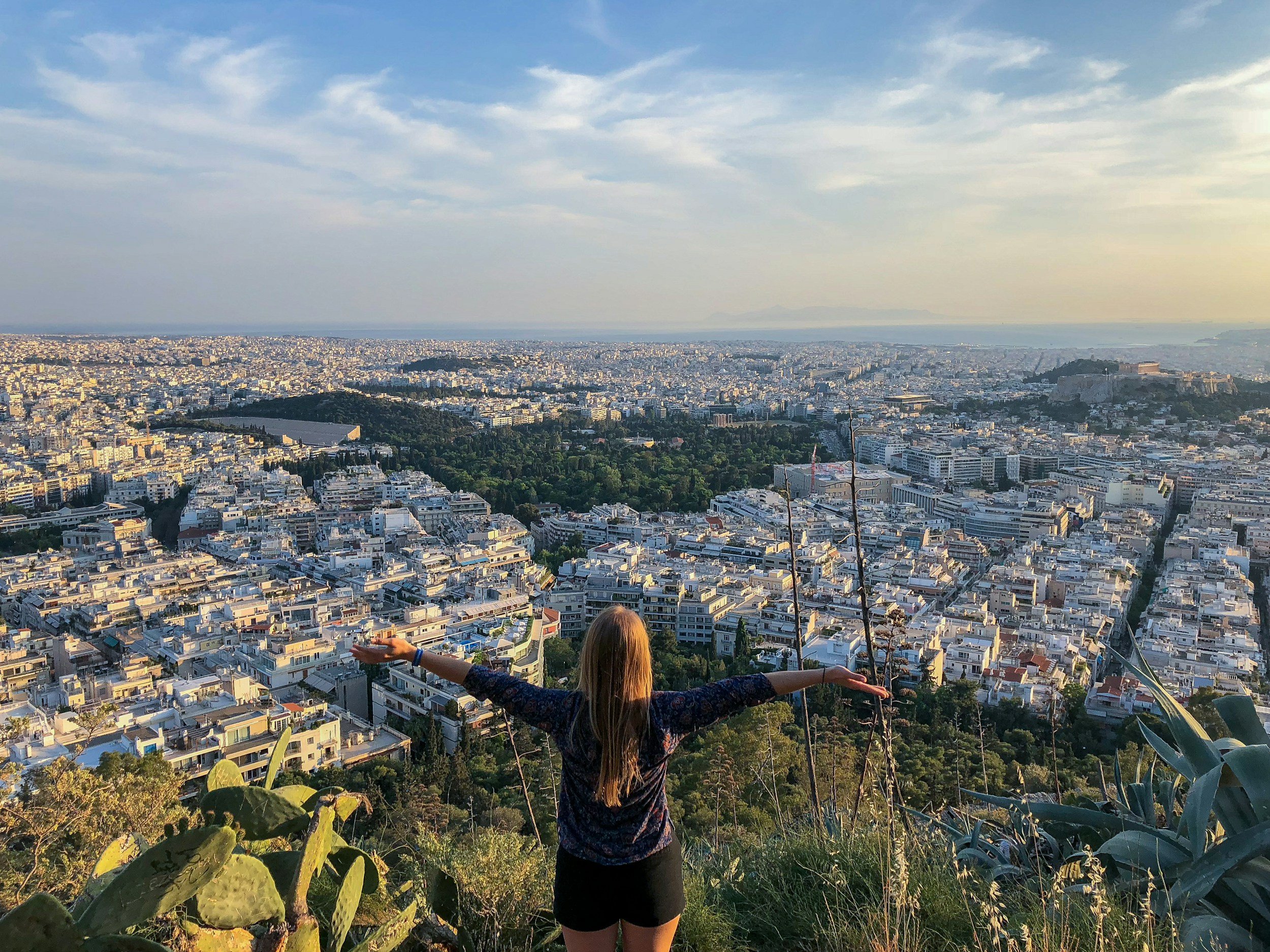
Solitude as strength, not loneliness
One of the biggest misconceptions about solo travel is that it’s synonymous with loneliness. In reality, it often offers the opposite: a rare chance to experience solitude on your own terms.
When you travel alone, you spend time with yourself in a way daily life rarely allows. There’s no constant conversation to fill the quiet, no familiar routines to distract from your thoughts. At first, that silence can feel uncomfortable. But over time, it becomes clarifying.
Solitude creates space — to reflect, to observe, to notice how you actually feel in a place without outside influence. You move at your own rhythm, respond to moments intuitively, and form connections naturally rather than out of obligation. Conversations with strangers often feel more open, more present, because you arrive without a social role to perform.
Importantly, solo travel doesn’t mean being alone all the time. It’s about choosing when to connect and when to withdraw. Some days are filled with shared tables, chance friendships, and fleeting encounters. Others are intentionally quiet — long walks, journaling, watching a city unfold from a café window.
For many women, this balance becomes transformative. Solitude stops being something to avoid and starts becoming something to protect. It builds self-trust, emotional resilience, and a comfort with one’s own company that extends far beyond the trip itself.
In a world that constantly demands attention and productivity, choosing solitude can be an act of strength — and travelling alone offers a rare environment in which to practise it.
How solo travel reshapes identity
For many women, the decision to travel alone arrives at a turning point. After burnout. After a breakup. Between careers. During periods when life feels unsettled, heavy, or in need of recalibration. Solo travel becomes less about escape and more about reorientation.
Removed from familiar roles and expectations, identity loosens. You’re no longer defined by work titles, relationship dynamics, or routines. In unfamiliar places, you exist simply as yourself — making decisions, solving problems, and moving through the world independently. That shift can be quietly radical.
Travelling alone asks you to meet yourself honestly. Without distraction, you notice what excites you, what drains you, what you’re willing to tolerate — and what you’re not. Small moments carry weight: navigating a foreign transport system, trusting your judgement in a new city, sitting with uncertainty and realising you’re capable of handling it.
Over time, these experiences accumulate. Confidence grows not from grand achievements, but from repetition — from proving to yourself, again and again, that you can adapt. That resilience doesn’t stay behind when the trip ends. Many women return home with clearer boundaries, renewed self-belief, and a deeper understanding of what independence means to them personally.
Solo travel doesn’t change who you are. It reveals what was already there, waiting for space to emerge.
A new definition of independence
Female solo travel no longer exists to prove a point. It isn’t about bravery for the sake of it, or ticking off destinations to demonstrate independence. What’s emerging instead is something quieter, more grounded — a version of freedom rooted in ease, confidence, and choice.
Independence today looks less like detachment and more like self-assurance. It’s knowing you can move through unfamiliar places alone, while still welcoming connection when it feels right. It’s planning carefully without being ruled by fear, and trusting your instincts without needing constant reassurance. For many women, travelling solo becomes an extension of how they want to live — intentionally, thoughtfully, and on their own terms.
This shift also reflects broader changes in how women approach work, relationships, and time. With more flexible careers, delayed milestones, and evolving definitions of success, solo travel fits naturally into a life that prioritises autonomy over expectation. It’s not about opting out of companionship — it’s about choosing independence when it feels right.
Perhaps that’s why the rise of female solo travel feels so significant. It isn’t loud or performative. It’s steady. Normalised. A quiet confidence that doesn’t ask to be explained.
Going alone doesn’t mean coming back alone. More often, it means returning clearer — with a stronger sense of self, a deeper trust in your abilities, and a renewed understanding that freedom isn’t found in isolation, but in the ability to choose your own path.
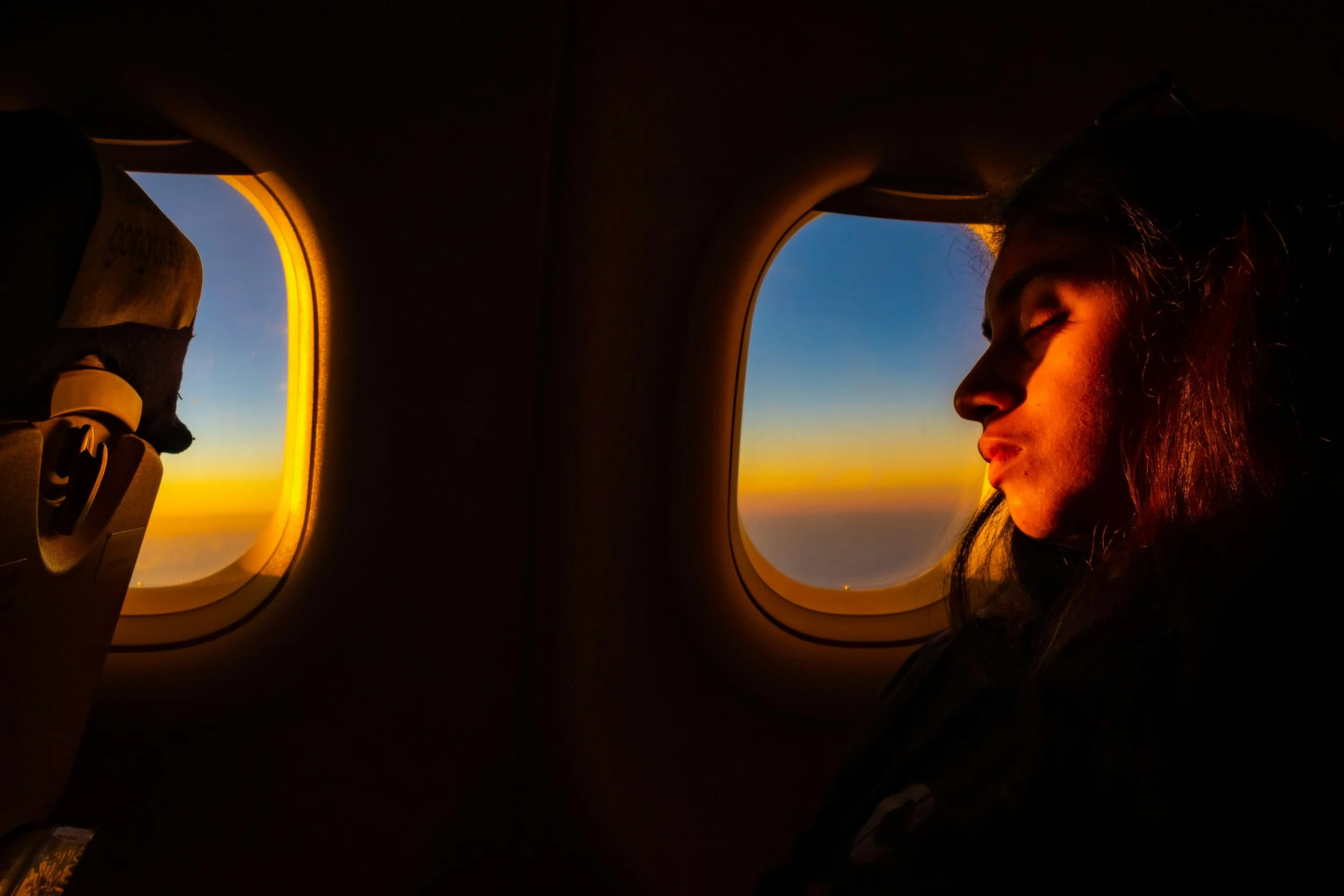
“The rise of female solo travel isn’t about rebellion or proving strength — it’s about choice. About moving through the world with confidence, curiosity, and self-trust. What once felt unconventional is now quietly normalised, shaped by visibility, shifting priorities, and a deeper understanding of what independence can look like.
Travelling alone offers women something rare: space to listen inward, to navigate unfamiliar places on their own terms, and to return home changed in ways that feel subtle but lasting. It’s not about escaping life — it’s about meeting it more honestly.
Going alone doesn’t mean going without connection. It means choosing when and how connection happens. And for many women, that choice has become one of the most powerful parts of the journey.”