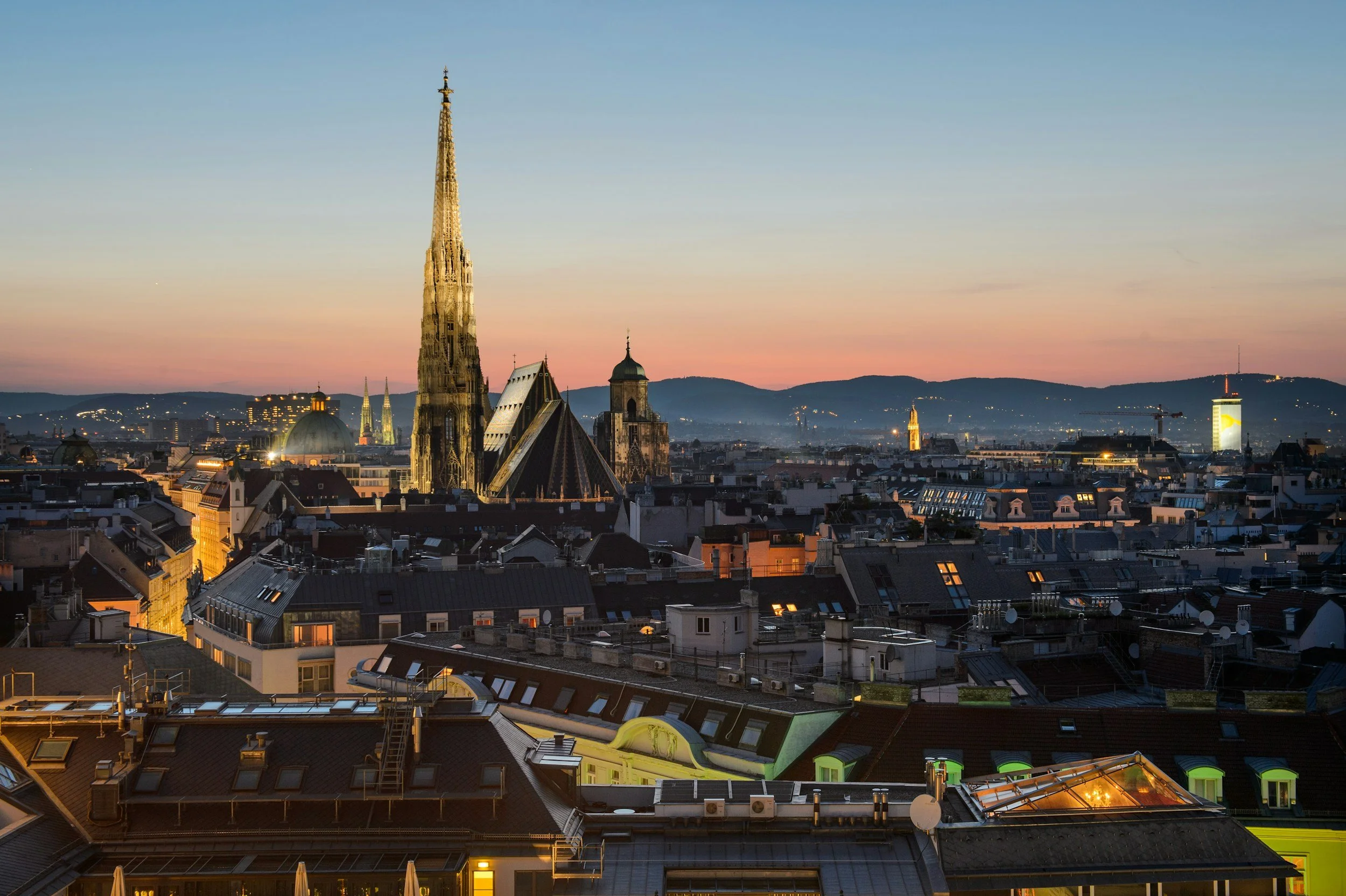
Vienna is one of those cities that becomes much easier to enjoy once you understand how it’s laid out. The historic centre gives you the grand, classical version of the city — palaces, opera houses, coffee houses and elegant streets — but some of Vienna’s most interesting neighbourhoods sit just beyond it, where the pace feels a little more lived-in.
Choosing where to stay in Vienna can shape the whole trip. Stay in the 1st district and the city feels polished, walkable and immediately impressive. Base yourself in Neubau or Wieden and you’ll get easier access to cafés, museums, markets and streets that feel more local after dark. Head slightly further out and Vienna starts to feel calmer, greener and less formal.
Some neighbourhoods are better as a base; others are better as places to explore for part of a day. This guide covers both, helping you choose where to stay, where to spend time, and what each area offers once you’re actually there.
Best Areas in Vienna at a Glance
If you’re choosing where to stay in Vienna, start with the kind of trip you want. These are the main areas worth considering for a short visit.
Innere Stadt > Best for first-time visitors, classic sightseeing and walkability. This is the most central and impressive area, but also the most expensive and polished.
Neubau > Best for museums, cafés, independent shops and a more creative stay. One of the strongest choices if you want Vienna to feel stylish, cultural and less formal.
Wieden > Best for a central but calmer base. Well placed for the centre, Belvedere, Karlskirche and Naschmarkt, without feeling quite as visitor-heavy.
Mariahilf > Best for shopping, food, markets and easy transport. Practical and lively, especially around Mariahilfer Strasse and Naschmarkt.
Leopoldstadt > Best for Prater, parks, families and a more relaxed stay. It works best if you stay close to the Danube Canal, Prater or strong transport links.
Josefstadt > Best for quiet streets, cafés and an elegant residential feel. Better for slower trips than sightseeing-heavy weekends.
Landstraße > Best for Belvedere, airport links and practical stays. Strongest around Belvedere or Wien Mitte, but less atmospheric in more functional pockets.
Alsergrund > Best for coffee houses, architecture and a quieter local base. A good option for repeat visitors or travellers who like a slower rhythm.
For most first-time visitors, Innere Stadt, Wieden and Neubau are the easiest areas to build a trip around. They keep you close to the main sights, but each gives Vienna a slightly different feel: grand and historic, calm and central, or more creative and café-led.
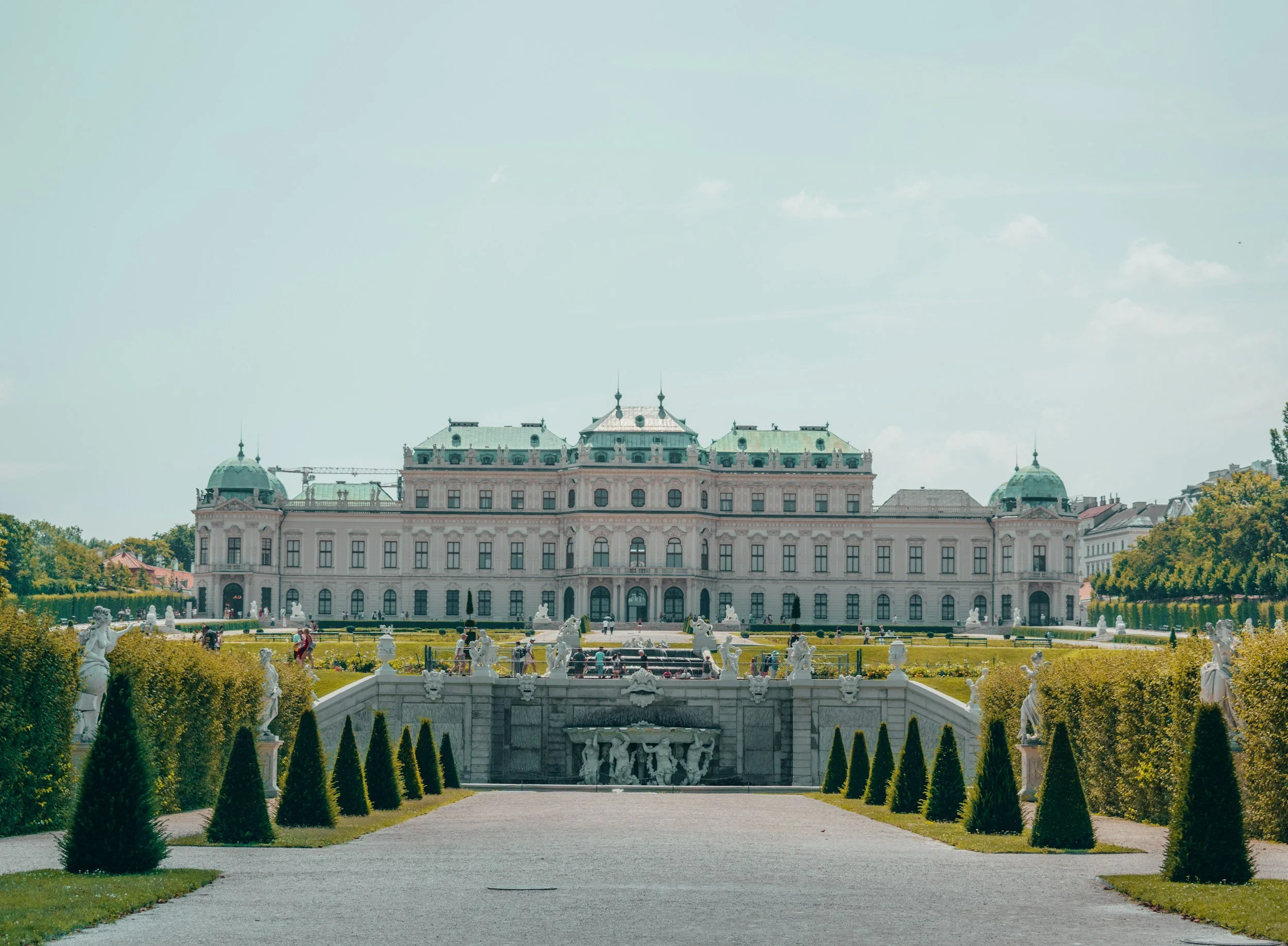
Schönbrunn Palace.
How Vienna’s Districts Work
Vienna becomes much easier to understand once you know that the city is organised into 23 districts, known locally as Bezirke. The 1st district, Innere Stadt, sits at the centre and contains much of the historic core: St Stephen’s Cathedral, the Hofburg, the State Opera, grand shopping streets and many of the classic coffee houses people associate with Vienna.
Around it, the Ringstrasse forms a broad circular boulevard that follows the line of the old city walls. This is one of the most useful orientation points in Vienna. Inside the Ring, the city feels grand, formal and historic. Just outside it, the atmosphere starts to shift: the streets become a little more residential, the cafés feel less visitor-heavy, and neighbourhoods begin to take on stronger personalities of their own.
For most visitors, the most useful areas sit in or around the central districts. The 2nd to 9th districts wrap around the historic centre and are usually the easiest places to consider for a short trip. They keep you close enough to the main sights, but they can offer better value, calmer evenings and a more interesting local rhythm than staying right in the middle of the 1st district.
It also helps to know that Vienna’s neighbourhood identity is not only about district numbers. Locals often talk about smaller neighbourhood pockets, or Grätzel, which can have their own character within a larger district. That’s why one part of Neubau can feel museum-led and polished, while another feels more creative, café-heavy and independent. The district gives you the map; the neighbourhood gives you the mood.
The good news is that Vienna’s public transport is excellent, so you don’t need to stay beside every major landmark to have an easy trip. For most short stays, being close to a U-Bahn station matters more than being directly beside a famous sight. A well-connected base in Neubau, Wieden, Mariahilf, Josefstadt or Alsergrund can work just as well as the historic centre, especially if you prefer a stay that feels slightly more lived-in.
The main thing is to choose your area based on the kind of trip you want. If you want Vienna at its most classical, stay close to the Innere Stadt. If you want cafés, museums, independent shops and a more contemporary feel, look towards Neubau. If you want central access without quite as much polish and tourist traffic, Wieden is one of the best-balanced choices.
What to Know Before Choosing Where to Stay in Vienna
Choosing where to stay in Vienna is less about finding the single “best” neighbourhood and more about understanding the trade-off you’re making. The city is easy to move around, so the right base is not always the most central one. It’s the one that gives your trip the best rhythm.
For a short first visit, staying central still makes sense. Innere Stadt, Wieden, Neubau and parts of Mariahilf are especially useful because they keep you close to the main sights, museums, restaurants and transport links. You can start the morning with the historic centre, move into museums or markets in the afternoon, and still have a good dinner or café nearby in the evening.
The 1st district is the easiest choice if you want everything close. It gives you the most immediate version of Vienna: elegant streets, imperial architecture, major sights and traditional coffee houses all within walking distance. The trade-off is that it can feel expensive, polished and less local once the day-trippers and sightseeing crowds are out.
Neighbourhoods just outside the centre often give you a better balance. Neubau is stronger if you want museums, cafés, independent shops and a more creative feel. Wieden works well if you want somewhere central but calmer. Josefstadt and Alsergrund are better for slower travellers who want Vienna close, but not constantly at full volume.
It’s also worth thinking about evenings. During the day, most visitors move between the same major sights. By evening, your neighbourhood matters more. A good base gives you somewhere to come back to that still has places to eat, drink, walk and linger without needing to cross the city again.
For most readers, the safest rule is this: stay inside or close to the central districts for a first trip, then choose the neighbourhood based on atmosphere. Vienna is not a city where you need to chase the cheapest possible room on the edge of town. You’ll usually get more from the trip by staying somewhere that makes each day feel easy, well-paced and connected.
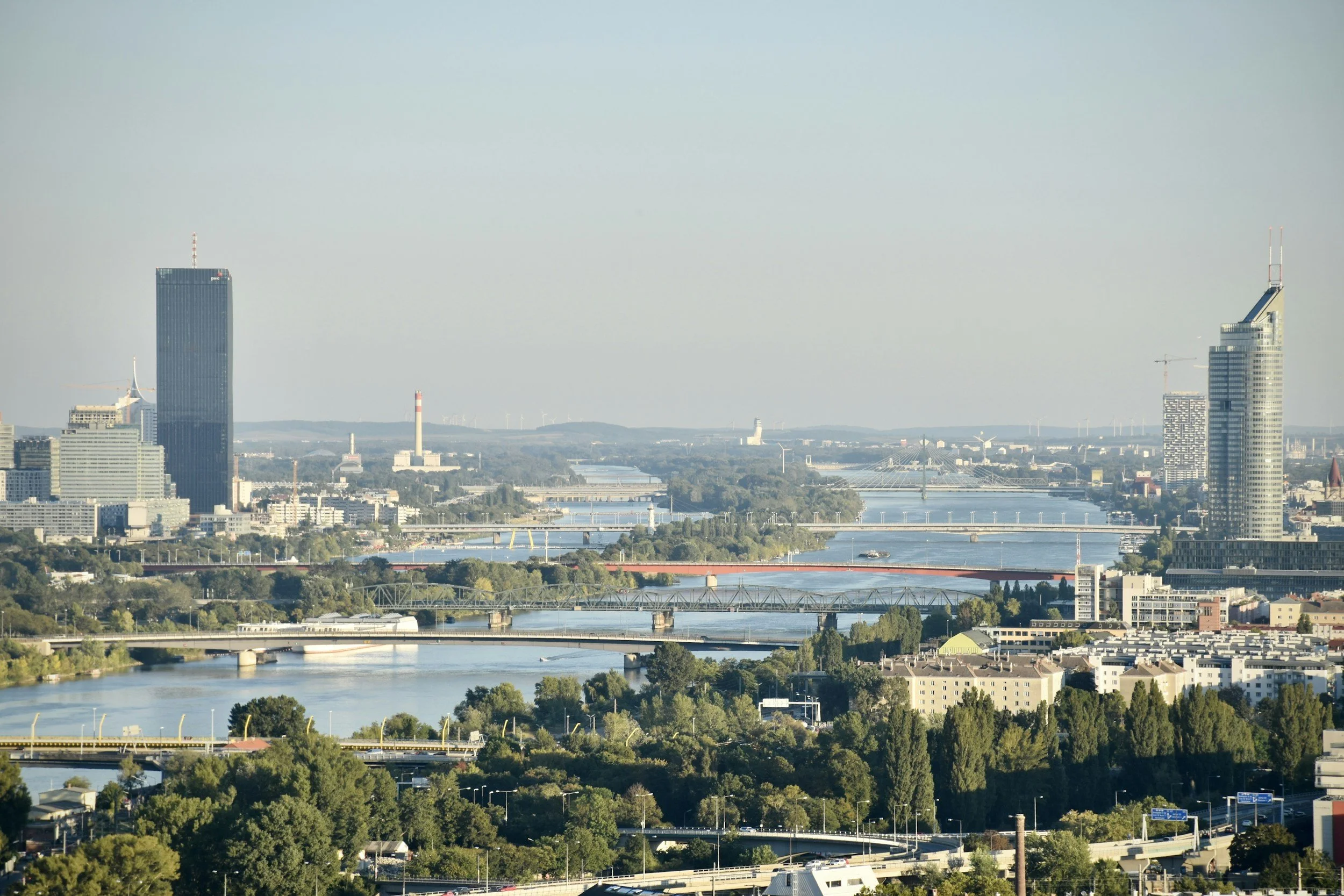
Danube River.
Innere Stadt: Best for First-Time Visitors and Classic Vienna
Best for: first-time visitors, short trips, classic sightseeing, walkability, traditional coffee houses
Area feel: grand, historic, polished, formal, highly walkable
Main trade-off: expensive and less local-feeling than areas just outside the centre
Innere Stadt is Vienna at its most recognisable. This is the city of grand façades, old imperial streets, horse-drawn carriages, polished shopfronts and coffee houses that still understand the value of lingering properly. It’s the historic heart of Vienna, and for a first visit, it gives you the easiest introduction to the city.
This is where you’ll find many of Vienna’s biggest sights within a compact area: St Stephen’s Cathedral, the Hofburg, Graben, Kärntner Strasse, the Spanish Riding School, the State Opera and several of the city’s most famous cafés. If you’re only in Vienna for a weekend, staying here removes a lot of friction. You can step out in the morning and already be close to the places most visitors want to see first.
The area works especially well if you want Vienna to feel grand and immediate. You don’t need to spend much time working out the city from here; the main sights, shopping streets, museums and transport links are all close enough to make the first day easy. It’s also a strong choice if you’re visiting in winter, when being close to Christmas markets, cafés and central streets can make the trip feel much smoother.
The trade-off is that Innere Stadt can feel polished to the point of being slightly staged. It’s beautiful, but it’s not always where Vienna feels most lived-in. Hotels are usually more expensive, restaurants can be more tourist-facing, and by staying here you may spend less time in the neighbourhoods where the city feels more creative, residential or relaxed.
That doesn’t make it the wrong choice. For many first-time visitors, Innere Stadt is still the easiest and most impressive base. It gives you the classic version of Vienna without making you work too hard for it. Just make sure you also leave the 1st district: some of the city’s best cafés, markets, restaurants and local-feeling streets sit just beyond the Ring.
Stay here if you want the most central, walkable and classic version of Vienna.
Look elsewhere if you want better value, calmer evenings or a neighbourhood that feels more local once the sightseeing day is over.
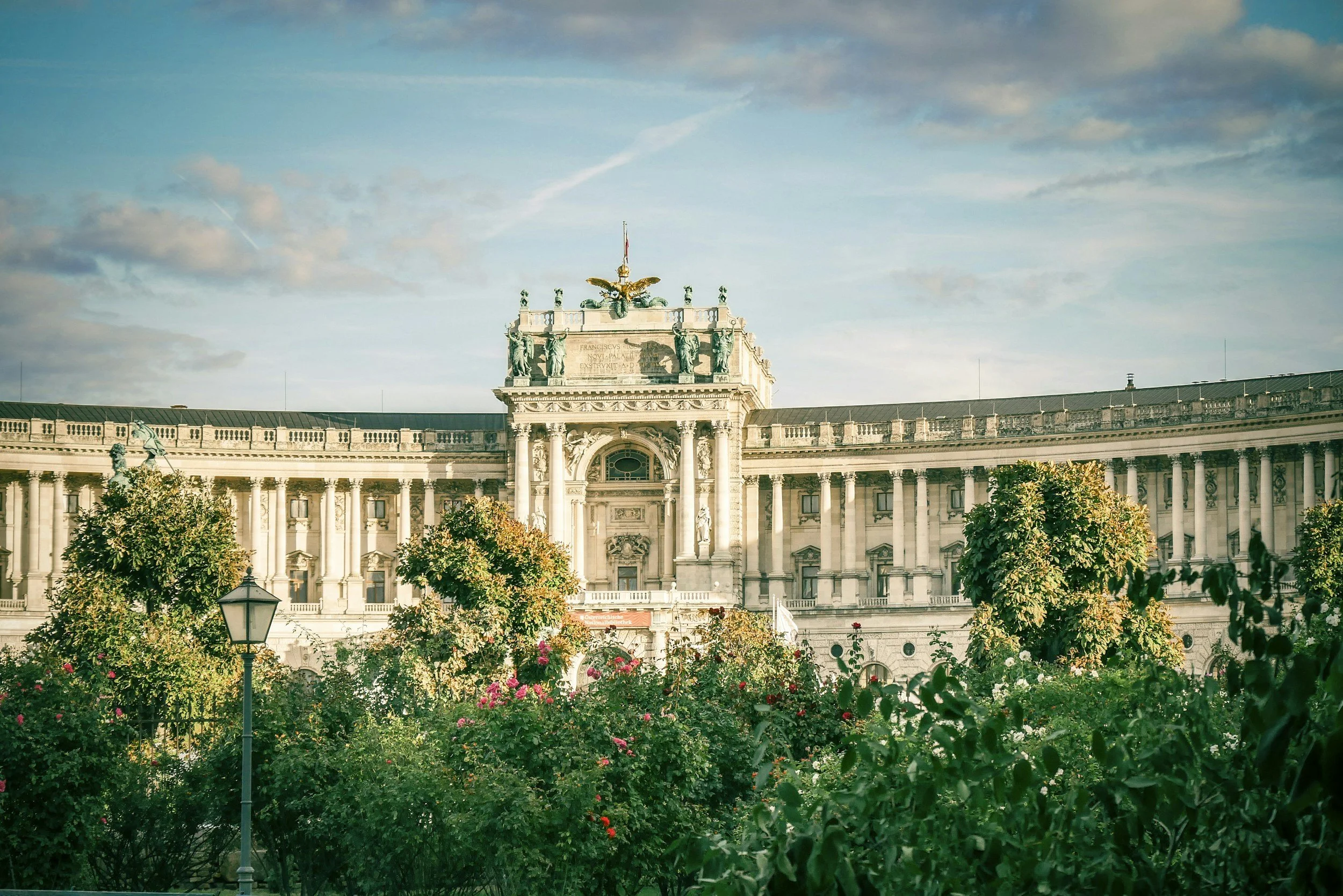
Hofburg.
Neubau: Best for Museums, Cafés and a More Creative Stay
Best for: design lovers, museums, cafés, independent shops, couples, stylish weekends
Area feel: creative, cultured, walkable, contemporary, lively without feeling chaotic
Main trade-off: less classically Viennese than the historic centre
Neubau is one of the best areas to stay in Vienna if you want the city to feel a little more contemporary. It sits just west of the historic centre, close to the MuseumsQuartier, and gives you easy access to some of Vienna’s strongest cultural spaces without placing you directly in the most formal part of the city.
This is the area to consider if your ideal Vienna trip includes museums, galleries, cafés, independent shops and good restaurants between the headline sights. It’s still close enough to the centre to feel practical, but the mood is different from Innere Stadt. Neubau feels more relaxed, creative and lived-in — the kind of neighbourhood where you can spend an afternoon moving between a museum, a bookshop, a coffee stop and a side street you didn’t plan properly, which is often where cities become more interesting.
The MuseumsQuartier is the obvious anchor. It brings together major cultural institutions, open courtyards and a more social side of Vienna’s museum scene. Nearby, Spittelberg adds narrower streets, restaurants, bars and a slightly softer evening atmosphere. This is where Neubau works particularly well: it gives you culture during the day and enough neighbourhood life at night that you don’t feel as though you’re returning to a purely practical base.
For the World Locals type of trip, Neubau is one of the strongest choices in Vienna. It’s central without feeling too obvious, stylish without being try-hard, and lively without tipping into chaos. It suits travellers who want the grand Vienna experience nearby, but would rather stay somewhere with more cafés, independent shops and modern energy around them.
The trade-off is that Neubau doesn’t give you the same immediate old-world drama as the 1st district. If you want to open the hotel door and be surrounded by Vienna’s most famous landmarks, Innere Stadt is the clearer choice. But if you want a base that makes the city feel more layered, Neubau is usually more interesting.
Stay here if you want museums, cafés, independent shops and a more creative base close to the centre.
Look elsewhere if you want Vienna to feel immediately grand, historic and landmark-heavy from the moment you step outside.
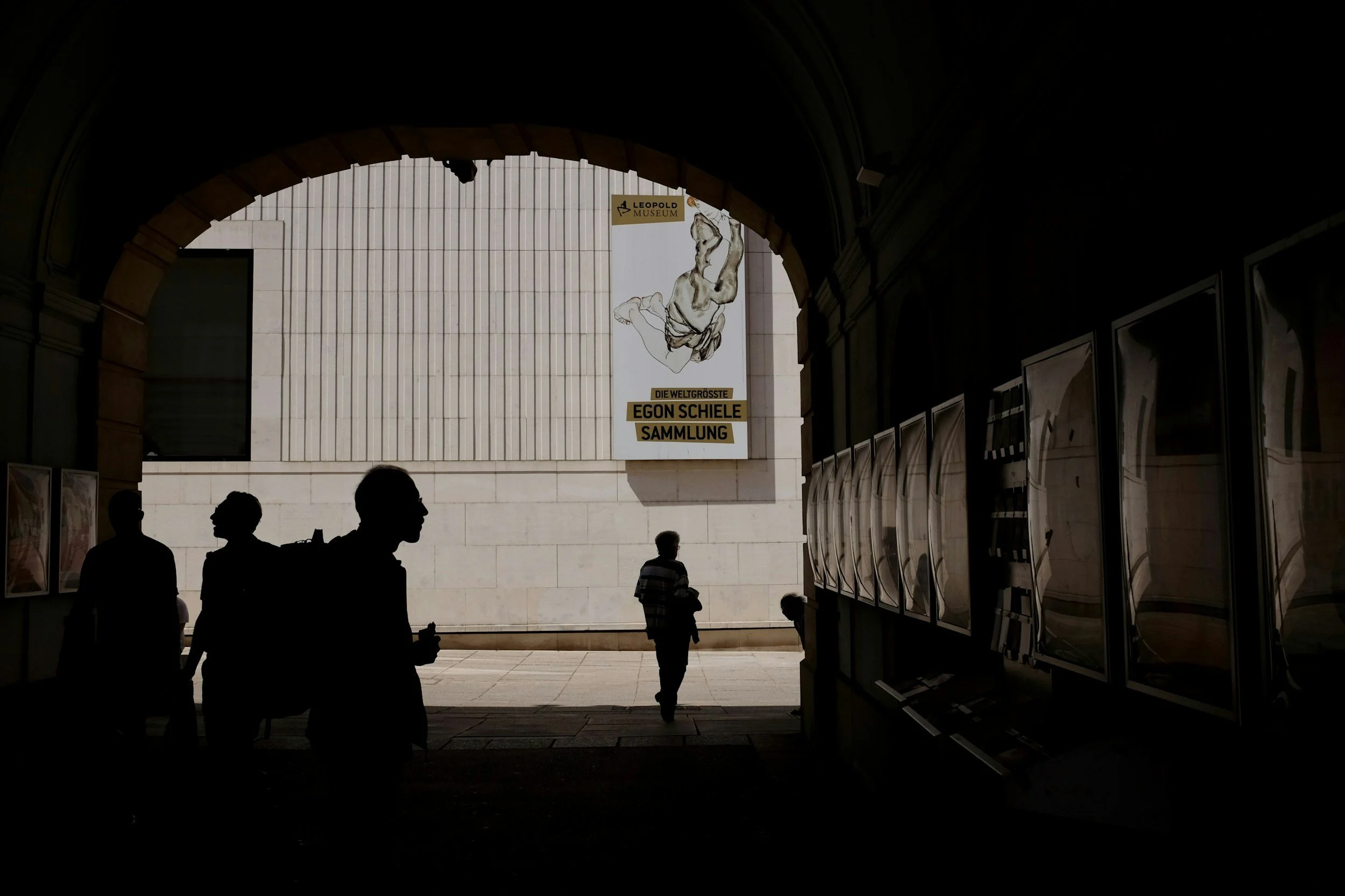
MuseumsQuartier.
Wieden: Best for a Central Stay With a Calmer Feel
Best for: first-time visitors, couples, Belvedere, central convenience, calmer evenings
Area feel: elegant, residential, well-connected, quietly polished
Main trade-off: less dramatic than Innere Stadt and less creative than Neubau
Wieden is one of Vienna’s best-balanced neighbourhoods for visitors. It sits just south of the historic centre, close enough to keep the main sights easy, but far enough out to feel calmer and more residential once you move away from the busiest streets.
This is a strong area if you want Vienna to feel central without staying directly inside the most polished part of the city. From Wieden, you can get into the Innere Stadt easily, reach Karlsplatz quickly, walk towards Naschmarkt, or spend time around the Belvedere, one of Vienna’s most important palace and art museum complexes. It’s useful without feeling purely functional, which is not always a given in a city break base.
Wieden also gives you easy access to Karlskirche, one of Vienna’s most distinctive churches, and the surrounding Karlsplatz area, where the city’s grand architecture starts to meet a more everyday urban rhythm. That mix is part of Wieden’s appeal: you’re close to major cultural stops, but the neighbourhood itself feels softer than the historic centre.
The Belvedere is the main cultural anchor here. It gives the area a more elegant edge and makes Wieden particularly useful if you want to build part of your trip around art, gardens and architecture without needing to cross the city. You’re also well placed for transport, which makes it easy to move between the historic centre, museums, markets and other neighbourhoods.
The trade-off is that Wieden doesn’t have quite the same obvious identity as Innere Stadt or Neubau. It’s not the city at its grandest, and it’s not the most creative area either. Its strength is balance: central, calm, attractive and practical. Not the loudest option on the list, but often one of the smartest.
Stay here if you want a central base that feels calmer, more residential and still very easy to use.
Look elsewhere if you want either the full historic drama of Innere Stadt or the more creative, café-led feel of Neubau.
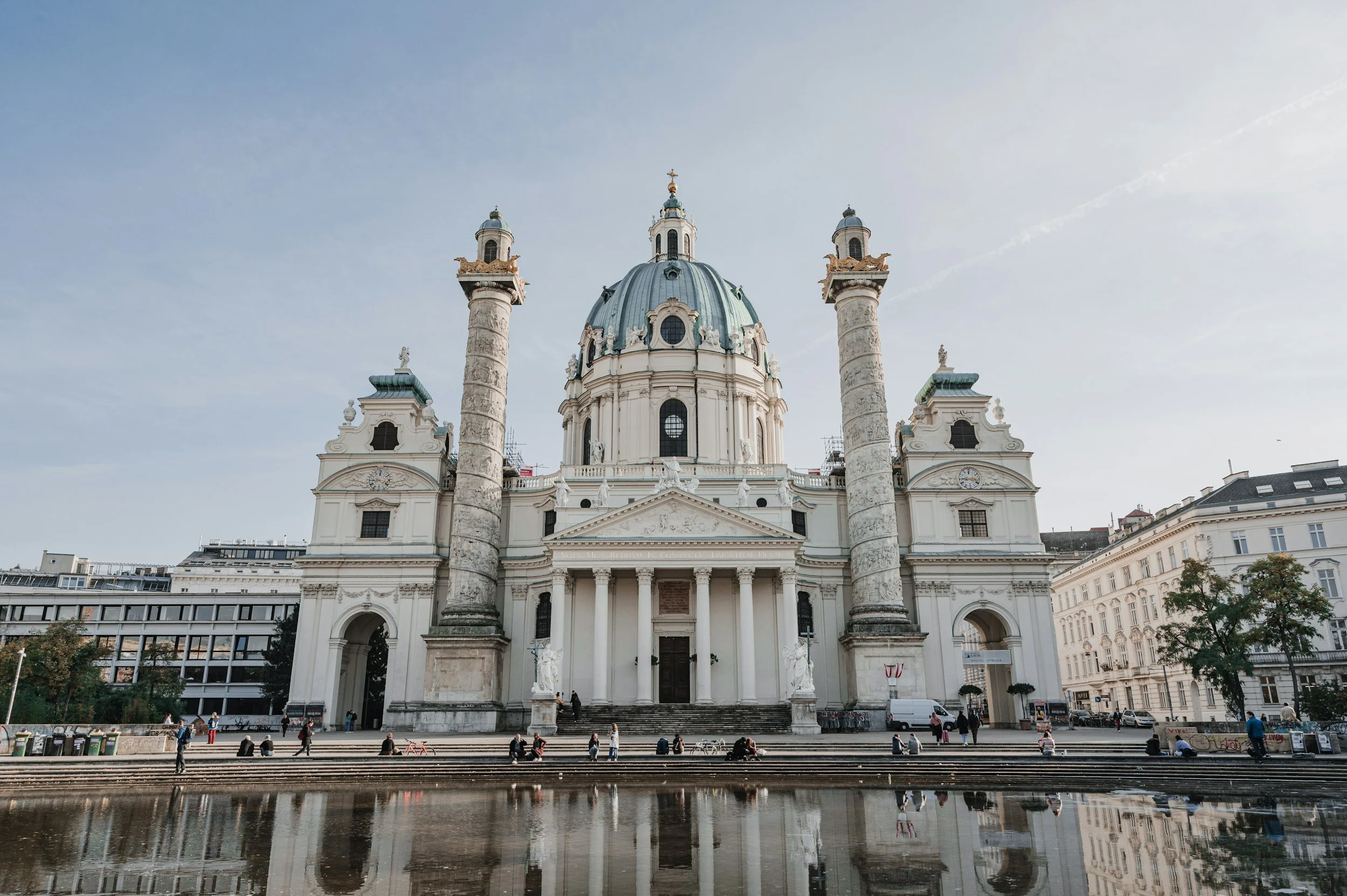
Karlskirche.
Mariahilf: Best for Shopping, Food and Naschmarkt Access
Best for: shopping, restaurants, markets, easy transport, practical stays
Area feel: lively, urban, busy, useful, central
Main trade-off: some parts feel more practical than atmospheric
Mariahilf is one of Vienna’s most useful neighbourhoods if you want your trip to be easy, lively and well connected. It sits west of the centre, close to both Neubau and Wieden, and works particularly well if you want access to shopping, restaurants, transport and Naschmarkt without staying directly in the historic core.
The main spine of the area is Mariahilfer Strasse, one of Vienna’s busiest shopping streets. This is not the place to stay if you’re looking for quiet, old-world romance on every corner. It’s more urban and practical than that. But it gives the trip a useful kind of convenience: shops nearby, places to eat, transport links, and easy access to several of the neighbourhoods visitors are likely to spend time in anyway.
The biggest draw for many travellers is Naschmarkt, Vienna’s best-known market. It’s a useful place to have nearby if you like building a trip around food, casual meals, produce stalls, cafés and a bit of people-watching. The market can be busy and visitor-friendly rather than hidden-away local, but it’s still one of the easiest ways to add a food-led stop into a Vienna itinerary.
Mariahilf is also useful because of what it sits between. Head north and you’re close to Neubau’s museums, cafés and independent shops. Head east or south and you’re near Wieden, Karlsplatz and the route towards the Belvedere. That makes the area a good base for travellers who don’t need the prettiest street outside their hotel, but do want their days to run smoothly.
The trade-off is atmosphere. Mariahilf is lively and practical, but it’s not always Vienna at its most elegant or distinctive. Some streets feel busy, commercial and a little functional. For a first visit, I’d usually choose Neubau or Wieden over Mariahilf if the prices are similar. But if you find a good hotel here, especially near Naschmarkt or close to the Neubau side, it can work very well.
Stay here if you want shopping, food access, good transport and a practical base near several useful parts of the city.
Look elsewhere if you want a quieter, more atmospheric neighbourhood to come back to at night.
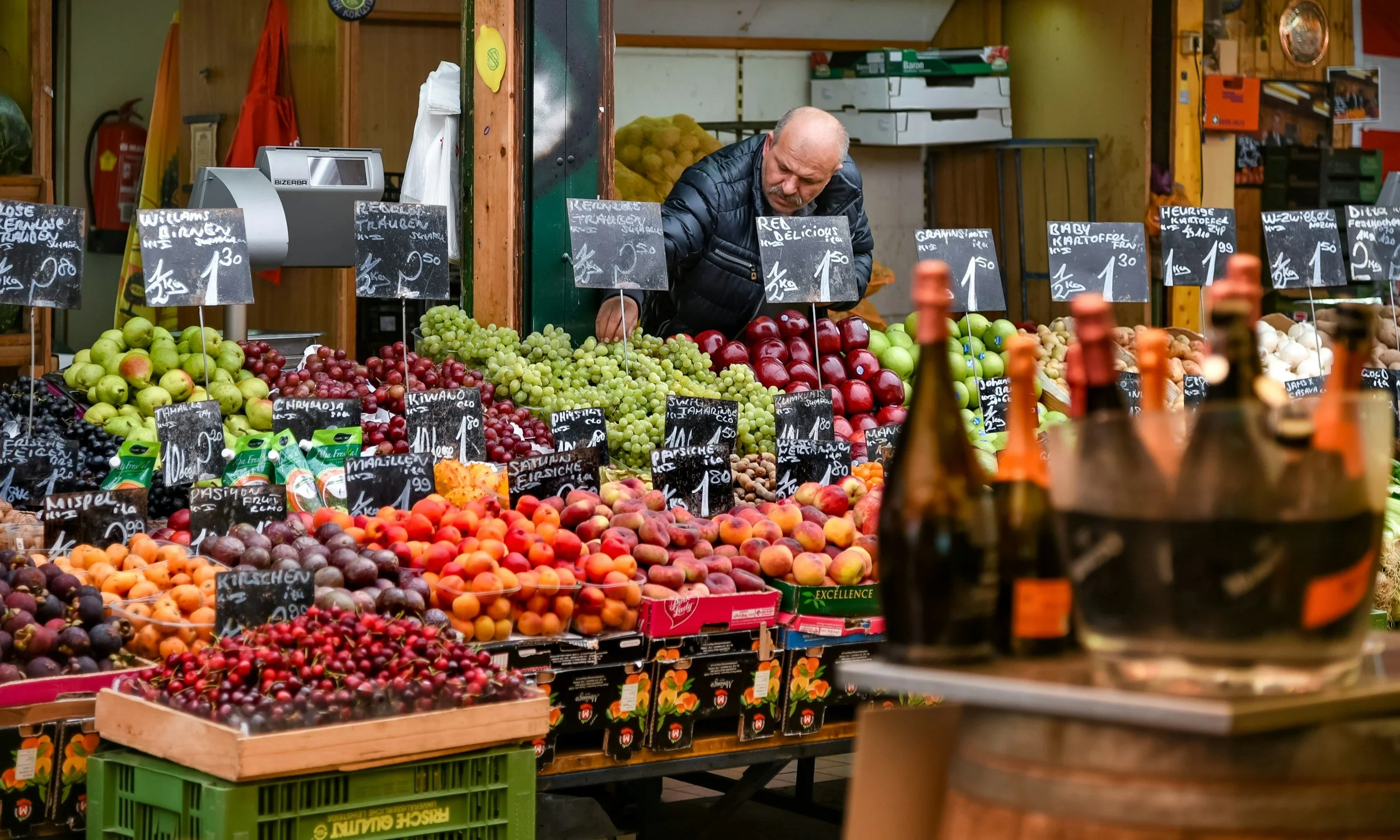
Naschmarkt.
Leopoldstadt: Best for Prater, Parks and a More Relaxed Stay
Best for: families, parks, Prater, Danube Canal, more space, relaxed stays
Area feel: spacious, mixed, green, less formal, slightly removed from the classic centre
Main trade-off: some parts feel less atmospheric or less convenient for a short first trip
Leopoldstadt gives Vienna a different rhythm. Sitting just across the Danube Canal from the historic centre, the 2nd district feels more open and less formal than many of the neighbourhoods closer to the Ring. It’s still central enough to work for visitors, but it doesn’t always feel like the grand, polished Vienna people picture before they arrive.
The best-known landmark here is Prater, Vienna’s large public park and amusement area, home to the famous Giant Ferris Wheel. This gives Leopoldstadt a more relaxed, spacious feel, especially if you’re travelling with children or want easy access to green space. It’s a useful contrast to the palaces, museums and formal streets of the historic centre.
Leopoldstadt also works well if you like being close to the water. The Danube Canal edge has bars, walking routes and a more casual side of the city, particularly in warmer months. It’s not Vienna at its most elegant, but it gives the trip a looser, more social feel. That can be refreshing if you don’t want every part of the city break to feel like it’s wearing a pressed collar.
The key with Leopoldstadt is choosing your exact location carefully. Stay close to the Danube Canal, Praterstern or a useful U-Bahn connection and the area can be very practical. Stay too far out, and it may start to feel less convenient than it’s worth for a short first visit. Vienna’s transport is strong, but you still don’t want to spend a weekend adding unnecessary journeys for sport.
Leopoldstadt is especially good for families, longer stays or travellers who want a base that feels less intense than the central districts. It’s also a decent option if prices are better than in Innere Stadt, Neubau or Wieden. For a first-time weekend, though, I’d usually only choose it if the location is strong and the hotel makes sense.
Stay here if you want parks, more space, Prater access and a slightly more relaxed base close to the centre.
Look elsewhere if you want the classic sights, museums and coffee houses immediately around you.
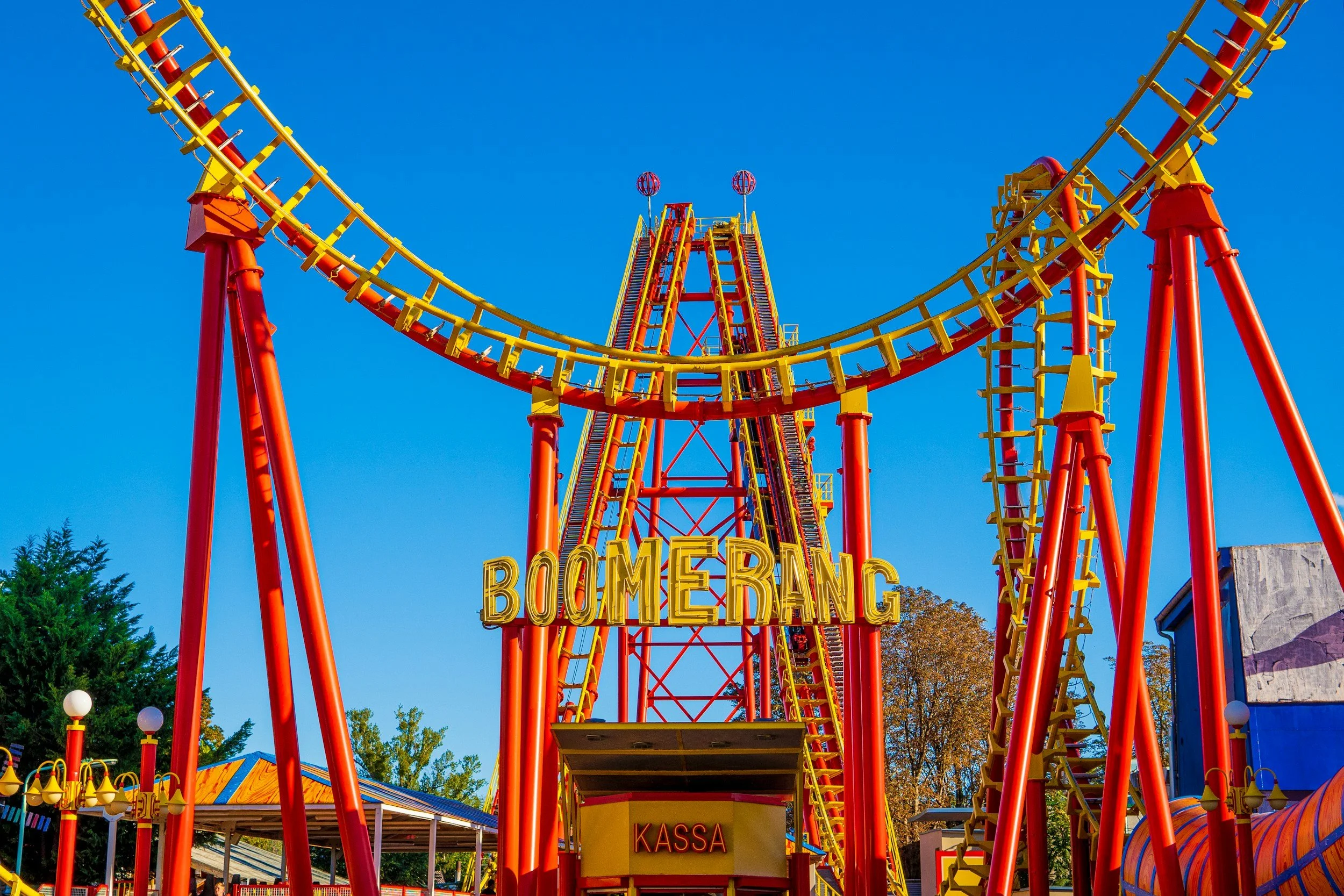
Prater.
Josefstadt: Best for a Quieter, Elegant Local Base
Best for: couples, slower trips, repeat visitors, cafés, quiet streets
Area feel: elegant, residential, cultured, low-key
Main trade-off: fewer major sights directly on the doorstep
Josefstadt is one of Vienna’s best neighbourhoods for travellers who want the city close, but not constantly in front of them. It’s the 8th district, sitting just west of the historic centre, and it has a quieter, more residential feel than the better-known areas around Innere Stadt, Neubau and Mariahilf.
This is not the neighbourhood to choose if you want a major landmark every few streets. Josefstadt’s appeal is softer than that. It’s in the cafés, theatres, elegant residential buildings, small squares and calm side streets that make the area feel easy to settle into. It’s Vienna with the volume turned down, which can be exactly what you want after a full day of palaces, museums and very serious architecture.
Josefstadt has a quietly cultural side too. The Theater in der Josefstadt is one of Vienna’s long-standing theatre institutions, and the surrounding streets have a more local, lived-in elegance than the showier parts of the centre. You’re not here for blockbuster sightseeing; you’re here for a version of Vienna that feels composed rather than performative.
Josefstadt works especially well for couples, repeat visitors and travellers who prefer a slower base. You can still reach the historic centre easily, but the area itself feels more local and less shaped around visitors. That gives the trip a different kind of confidence: you’re not far from the sights, but you’re not staying in the middle of the sightseeing machinery either.
The trade-off is convenience at the most immediate level. Josefstadt is central enough, but it’s not as effortless as Innere Stadt, and it doesn’t have Neubau’s museum-and-café energy right on the doorstep. For a short trip where every hour matters, it may feel a little too subtle. For a slower or second visit, that subtlety is the point.
Stay here if you want a quieter, elegant base with local atmosphere and easy access to the centre.
Look elsewhere if you want major sights, nightlife, shopping or museums immediately around you.
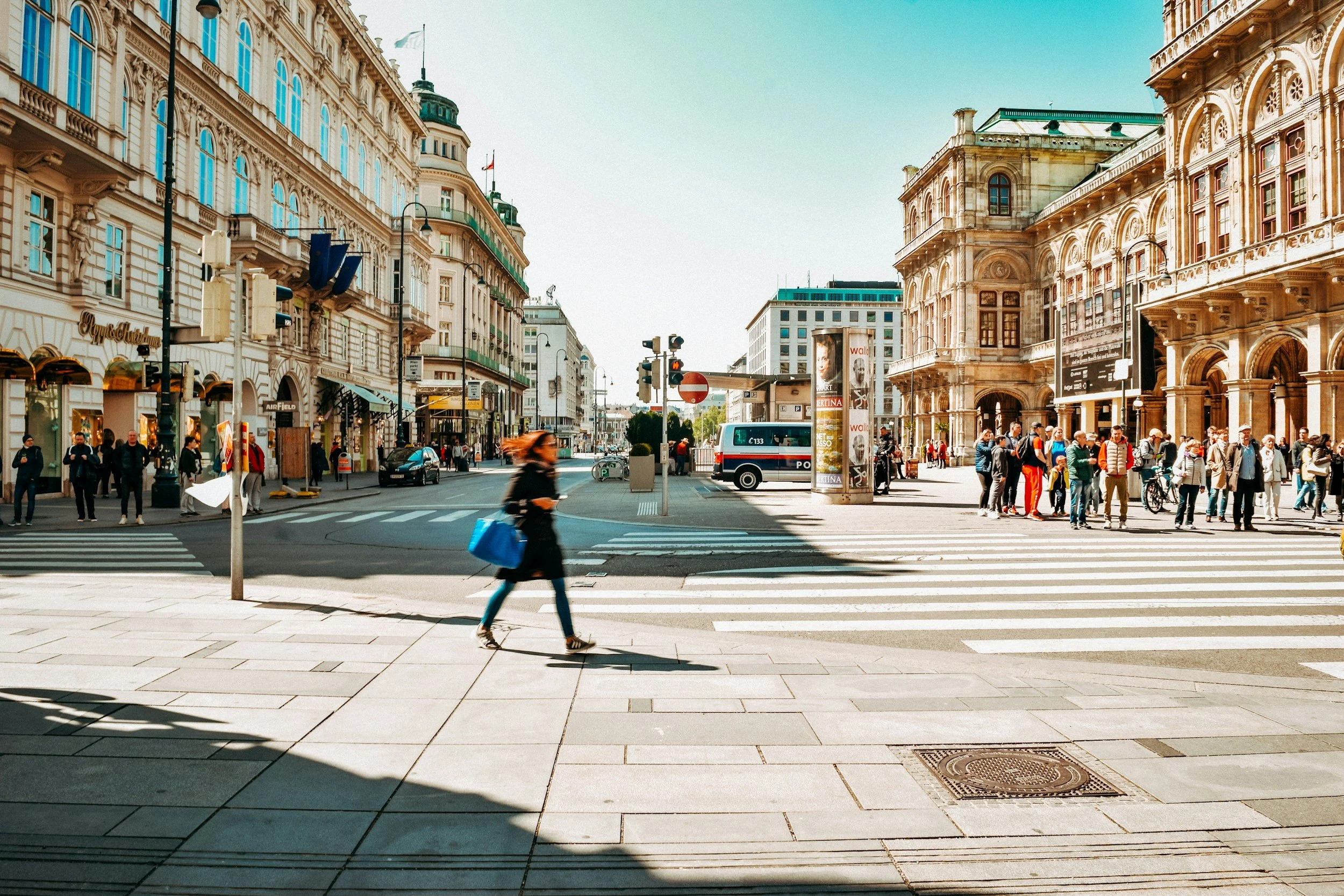
Vienna.
Landstraße: Best for Belvedere and Transport Convenience
Best for: Belvedere, airport links, practical stays, transport, good-value hotels
Area feel: mixed, convenient, elegant in parts, functional in others
Main trade-off: less consistently atmospheric than Neubau, Wieden or Josefstadt
Landstraße is one of those Vienna neighbourhoods that makes more sense once you look at the map. It sits southeast of the historic centre and covers a fairly large area, so the experience can change quite a lot depending on exactly where you stay. Some parts feel elegant and well placed; others feel more practical than memorable.
The main reason visitors should consider Landstraße is convenience. The area is home to Wien Mitte, one of Vienna’s most useful transport hubs, with strong connections across the city and to the airport. If you’re arriving late, leaving early, or want a base that keeps logistics simple, this can be a very sensible place to stay.
Landstraße also puts you close to the Belvedere, one of Vienna’s strongest cultural stops. The palace complex, gardens and art collections give this part of the city a more graceful edge, and staying nearby can work well if you want to include the Belvedere without having to build half a day around crossing town.
The neighbourhood’s main weakness is consistency. Unlike Neubau or Josefstadt, Landstraße doesn’t have one clear visitor-friendly personality. Around the Belvedere, it can feel attractive and elegant. Around transport-heavy sections, it can feel more functional. That doesn’t make it a bad choice, but it does mean the exact hotel location matters more here than in some other districts.
For a first visit, I’d usually choose Landstraße because the hotel is good value, well reviewed, and close to strong transport — not because the neighbourhood itself is the main event. It’s a practical base rather than a romantic one, and there’s nothing wrong with that. Not every travel decision needs to arrive wearing a velvet cape.
Stay here if you want Belvedere access, airport connections, good transport and potentially better hotel value near the centre.
Look elsewhere if you want a neighbourhood with a stronger café, shopping or evening atmosphere.
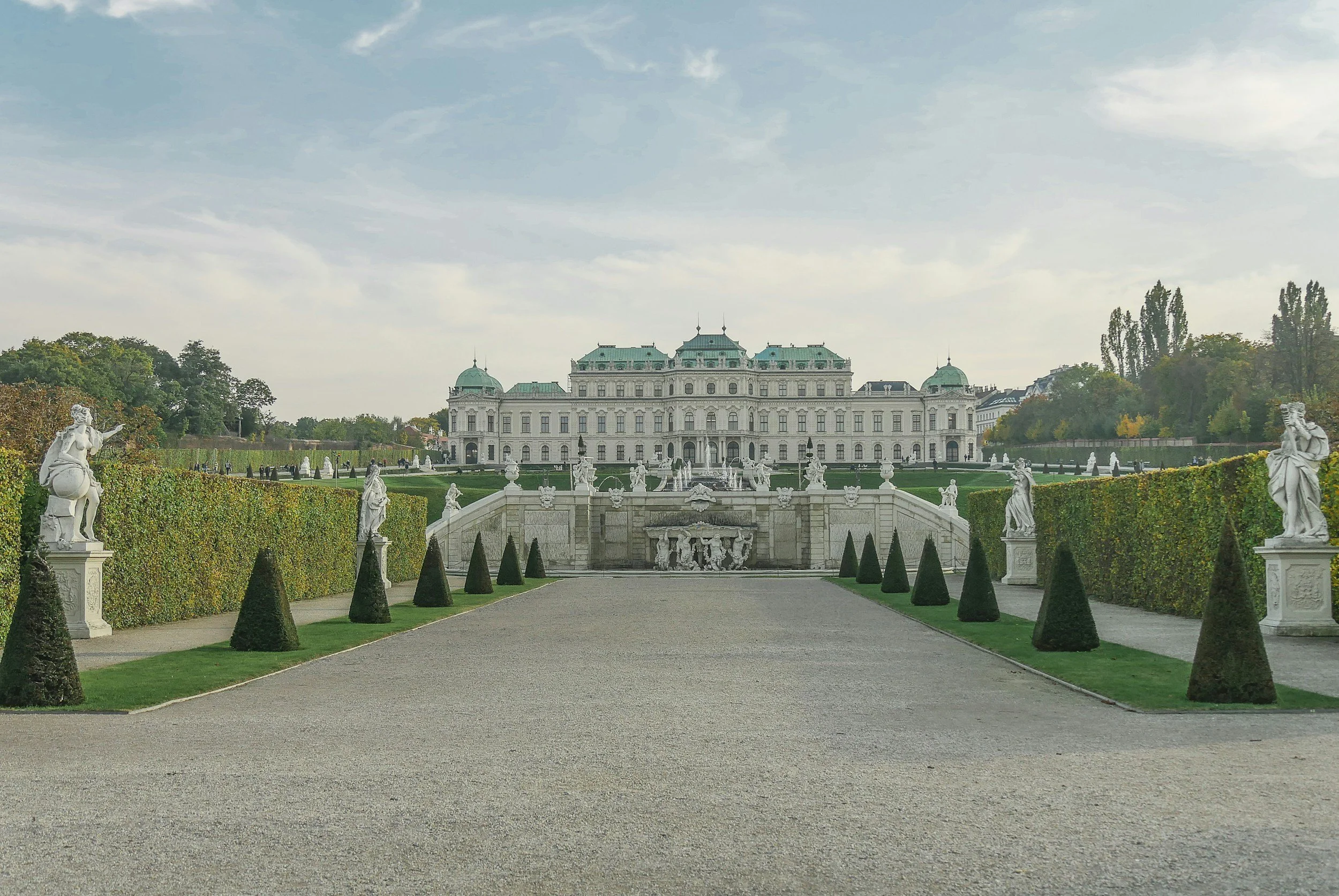
Belvedere.
Alsergrund: Best for Coffee Houses, Architecture and a Quieter Local Feel
Best for: coffee houses, architecture, calmer stays, repeat visitors, slower travellers
Area feel: elegant, intellectual, residential, understated
Main trade-off: less obvious for a short first-time visit
Alsergrund sits north of the historic centre and is one of Vienna’s better areas for travellers who like a quieter, more local-feeling base. It doesn’t have the immediate drama of Innere Stadt or the creative pull of Neubau, but it has a calmer elegance that suits a slower trip well.
This is a neighbourhood of university buildings, churches, residential streets, cafés and architectural detail. The area around the University of Vienna gives Alsergrund an intellectual feel, while landmarks like Votivkirche add a sense of scale without the constant visitor traffic of the 1st district. It’s the kind of area where Vienna feels less like a set of major sights and more like a city people actually live in.
Alsergrund also works well if you enjoy coffee house culture but want something slightly removed from the most famous central cafés. Vienna’s coffee houses are part of the city’s social and intellectual identity, and in Alsergrund that history feels a little less staged. It’s a good area for slower mornings, quieter streets and a version of Vienna that doesn’t need to announce itself quite so loudly.
The trade-off is that Alsergrund is not the easiest first answer for a short sightseeing-heavy weekend. You’ll still be close enough to the centre, especially with good transport, but you won’t have the major landmarks immediately outside your door. If this is your first visit and you want to keep everything simple, Wieden, Neubau or Innere Stadt are usually stronger choices.
Where Alsergrund comes into its own is on a longer stay, a repeat visit, or a trip where cafés, architecture and local rhythm matter more than being as central as possible. It’s not the neighbourhood for everyone, but that’s partly its appeal.
Stay here if you want a calmer, more residential base with coffee houses, architecture and easy access to the centre.
Look elsewhere if you want the most convenient base for a first-time Vienna itinerary.
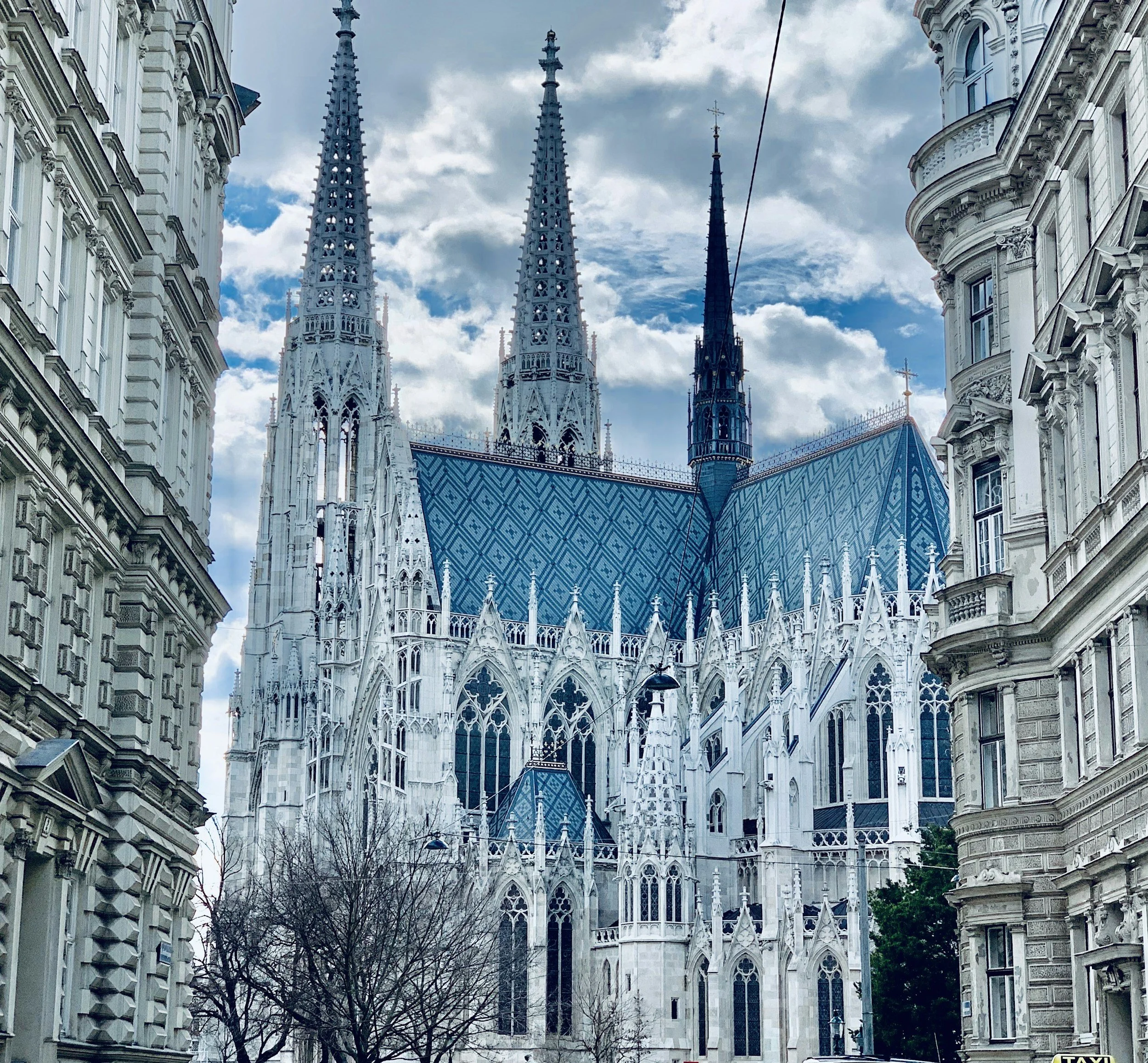
Votivkirche.
Best Area to Stay in Vienna by Traveller Type
If you’re still deciding where to stay in Vienna, the easiest approach is to choose based on the kind of trip you want rather than the district that looks closest to the centre on a map. Vienna is well connected, so atmosphere, evening options and daily rhythm matter almost as much as distance.
Best for first-time visitors: Innere Stadt or Wieden > Innere Stadt gives you the most classic, walkable version of Vienna. Wieden keeps you central, but feels calmer and slightly more local.
Best for a stylish weekend away: Neubau > Neubau is the strongest choice for museums, cafés, independent shops and a more contemporary version of the city.
Best for food and drink: Neubau, Mariahilf or Wieden > These areas keep you close to restaurants, cafés, Naschmarkt and good evening options without feeling too far from the centre.
Best for museums and culture: Innere Stadt or Neubau > Innere Stadt has the classic institutions and historic landmarks. Neubau gives you easy access to MuseumsQuartier and a more creative cultural scene.
Best for couples: Neubau, Wieden or Josefstadt > These areas offer a good balance of atmosphere, restaurants, cafés and calmer streets to come back to in the evening.
Best for families: Leopoldstadt > Leopoldstadt is best for Prater, green space and a more relaxed pace, especially if you stay close to good transport.
Best for a quieter stay: Josefstadt or Alsergrund > These are better for slower mornings, calmer evenings and a more residential version of Vienna.
Best value near the centre: Wieden, Mariahilf or Landstraße > These areas can offer better hotel value than Innere Stadt while still keeping the city easy to explore.
Best for a short 48-hour trip: Innere Stadt, Wieden or Neubau > These areas make it easier to keep the trip compact, walkable and well-paced.
Best for repeat visitors: Josefstadt, Alsergrund or Leopoldstadt > These work better if you’ve already seen the headline sights and want a more local-feeling base.
For most travellers, the strongest all-round choices are Innere Stadt, Neubau and Wieden. They each give you a different version of Vienna: classic and grand, creative and café-led, or central and calm.
If it’s your first time and the budget allows, Innere Stadt is the easiest choice. If you want a better balance of culture, restaurants and neighbourhood atmosphere, Neubau is probably the more interesting base. If you want somewhere central without feeling like you’re staying in the middle of the visitor circuit, Wieden is the sensible pick.
“For most first-time visitors, the best areas to stay in Vienna are Innere Stadt, Wieden or Neubau. These neighbourhoods keep the city easy to understand, put you close to the main sights, and give the trip enough flexibility to work well over two or three days.
Choose Innere Stadt if you want the most classic version of Vienna. This is the easiest base for major landmarks, traditional coffee houses, shopping streets and a short sightseeing-heavy trip. It’s not the most local-feeling option, and it can be expensive, but for a first visit it gives you the city at its most immediate.
Choose Neubau if you want Vienna to feel more creative, cultural and café-led. It’s still central, but it has a stronger neighbourhood feel than the historic centre, with museums, independent shops, restaurants and streets that feel better suited to a stylish weekend away. For many World Locals readers, this is likely to be the most interesting base.
Choose Wieden if you want the best balance of convenience and calm. It keeps you close to the centre, Belvedere, Karlskirche, Karlsplatz and Naschmarkt, but it feels softer and more residential than Innere Stadt. It’s a good choice if you want Vienna to feel easy without staying right in the middle of the most visitor-heavy area.
For a quieter trip, look at Josefstadt or Alsergrund. Both work well if you prefer cafés, calmer streets and a more residential rhythm. They’re better for slower stays, repeat visits or travellers who don’t need the main sights right outside the door.
For families or travellers who want more space, Leopoldstadt can be a good choice, especially near Prater or the Danube Canal. For practical hotel value and transport links, Landstraße can also make sense, particularly if you want easy access to Belvedere or the airport.
The main thing is not to choose purely by distance from the centre. Vienna is easy to move around, so the right neighbourhood is the one that gives your trip the best rhythm. If you want grandeur and ease, stay in Innere Stadt. If you want culture and cafés, choose Neubau. If you want central but calmer, choose Wieden.
Once you understand that, Vienna becomes much easier to plan — and much easier to enjoy properly.”
Planning More of Your Vienna Trip?
Once you’ve chosen where to stay, use the rest of our Vienna guides to build out the trip. Start with our Vienna Food and Drink Guide for cafés, restaurants, markets and local specialities, then move into our Best Experiences in Vienna guide and 48 Hours in Vienna itinerary when you’re ready to plan what to do each day.
For more city-break inspiration, you may also like our guide to the Best European Cities for Design Lovers and our seasonal roundup of the Best Warm-Weather City Breaks in Europe for May and June.