Vienna is a city that takes food and drink seriously, but not always loudly. Its best eating moments are built around rituals: a slow coffee house visit, a proper schnitzel, cake in the afternoon, a glass of local wine at a Heuriger, or a market lunch that turns into a longer pause than planned.
This is not a city where food culture is only about chasing the newest opening. Vienna’s culinary identity is shaped by tradition, routine and places designed for lingering. Coffee houses are part of the city’s social fabric, wine taverns sit close to the edge of town, and even a sausage stand can tell you something useful about how Vienna eats when it’s not behaving quite so formally.
That doesn’t mean Vienna is stuck in the past. Alongside the classic restaurants, cafés and old dining rooms, you’ll find markets, modern bistros, wine bars, international food and more contemporary places that give the city a fresher edge.
This guide breaks down what to eat and drink in Vienna, from classic dishes and coffee house culture to markets, wine taverns, cafés, restaurants and local specialities worth building into your trip.
How to Understand Vienna’s Food Culture
Vienna’s food culture makes more sense when you understand that the city is built around a few strong traditions. The most obvious are coffee houses, classic Viennese dishes, cakes and pastries, markets, wine taverns and sausage stands. Together, they give the city a food scene that feels structured, social and deeply tied to local routine.
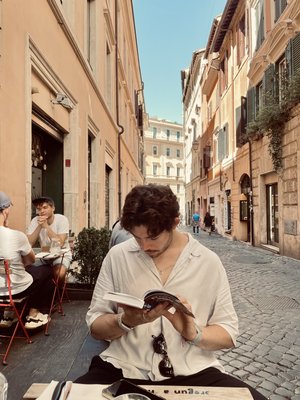
The coffee house is the clearest example. Vienna’s traditional coffee house culture is recognised for more than just the coffee itself. The marble-topped tables, newspapers, classic interiors and unhurried atmosphere are part of the experience. The famous idea is that in a Viennese coffee house, time and space are consumed, but only the coffee appears on the bill.
That matters because it changes how you should approach the city. A coffee house stop in Vienna is not a quick caffeine errand. It’s closer to a small cultural ritual: order slowly, add cake if the mood is behaving, and give yourself enough time to sit properly. Trying to rush a Viennese coffee house is possible, but so is wearing hiking boots to the opera. Neither is technically illegal.
Food in Vienna is often hearty and Central European in feel. Wiener Schnitzel, Tafelspitz, goulash, sausages, dumplings and rich desserts all have a place here. The traditional side of the city tends to favour comfort, structure and generous portions rather than light, delicate grazing. This is useful to know before planning three classic meals in one day and discovering, quite late, that ambition has consequences.
Vienna also has a strong wine culture. The city is known for its Heurige, traditional wine taverns where local wine is served with simple food in a relaxed setting. Markets add another side of the city too. Naschmarkt is Vienna’s most famous market, with stalls, eateries and food ranging from Viennese to international options. It’s not hidden-away or undiscovered, but it’s still one of the easiest places to build a casual food stop into a first Vienna trip.
Then there is the Würstelstand, Vienna’s sausage stand culture. It may look like a quick snack stop, but it has its own place in the city’s everyday food life. These stands are casual, useful and much more revealing than their modest size suggests.
The best approach is not to choose between classic Vienna and modern Vienna. Do both. Have the coffee house morning, order the schnitzel, make time for cake, visit a market, try a sausage stand and, if your itinerary allows, spend an evening with local wine.
Vienna’s food and drink scene is not especially loud or chaotic. It rewards slowing down, choosing well and giving each ritual enough space to work properly.
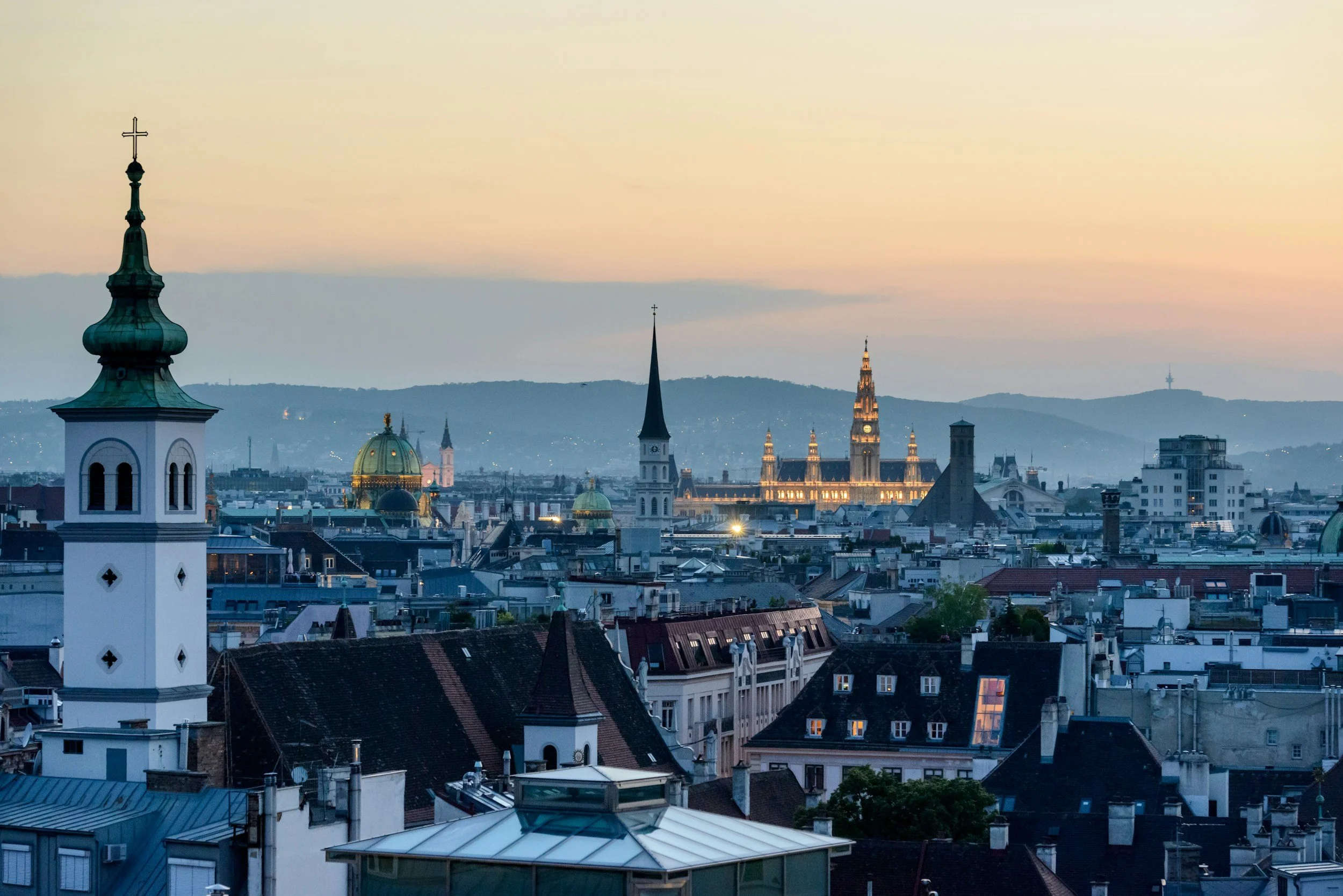
Vienna.
What to Eat in Vienna: Classic Dishes and Sweets to Try
Vienna is a strong city for classic comfort food. Traditional Viennese cooking is hearty, Central European and often built around dishes that feel more suited to slow lunches, proper dinners and cold-weather appetite than light grazing between sights. That’s part of the appeal. Vienna does not generally ask whether you would like something delicate. It assumes you have plans to sit down properly.
For a first trip, you don’t need to try everything. Focus on a few classics: one proper schnitzel, one coffee-and-cake stop, one casual sausage stand, and at least one dish or dessert that goes beyond the obvious.
Wiener Schnitzel
Wiener Schnitzel is the dish most people associate with Vienna, and it’s worth trying properly at least once. Traditionally, it’s made with veal, pounded thin, breaded and fried until crisp, usually served with potato salad, cucumber salad or parsley potatoes.
The best schnitzel should feel light despite the frying: crisp on the outside, tender inside, and not drowned in sauce. This is not the moment for experimental restraint. Order it somewhere traditional, give it a proper lunch or dinner slot, and let it do what it came to do.
If you see schnitzel made with pork, that’s common too, but technically it’s not the classic Wiener Schnitzel version. It may still be good; it’s just worth knowing the difference before ordering.
Tafelspitz
Tafelspitz is another old-school Viennese classic, and it gives you a different side of the city’s food culture. It’s boiled beef, traditionally served with broth, root vegetables and accompaniments such as apple-horseradish, chive sauce and potatoes.
It sounds simple, but done well, it’s one of those dishes that explains Vienna’s more formal dining traditions: precise, comforting and quietly ceremonial. It’s especially useful if you want a traditional meal that isn’t schnitzel, or if you like dishes that feel rooted in the city’s older restaurant culture.
Goulash
Viennese goulash is rich, warming and ideal if you’re visiting in colder months. It has Hungarian roots, but the Viennese version has become part of the city’s own comfort-food language: deep sauce, tender meat and enough paprika warmth to make it feel generous without being dramatic.
It’s a good dish to look for in traditional restaurants, especially if you want something hearty but slightly less obvious than schnitzel. It also works well as a casual lunch if the weather is doing that Central European thing where the sky looks personally disappointed in you.
Käsekrainer
A Käsekrainer is a cheese-filled sausage, usually eaten from a Würstelstand, one of Vienna’s street-side sausage stands. This is one of the best casual food experiences in the city because it gives you a break from the more formal side of Vienna.
Order it sliced or in bread, usually with mustard, horseradish or pickles depending on the stand. It’s quick, filling and very much not pretending to be elegant. That’s the point. Vienna’s food culture is not only coffee houses and dining rooms; it also has everyday, late-night and stand-up-at-the-counter moments worth making room for.
Sachertorte
Sachertorte is Vienna’s most famous cake: a dense chocolate cake with apricot jam and chocolate glaze, usually served with unsweetened whipped cream. It’s strongly associated with Hotel Sacher, though you’ll find versions across the city.
This is one of those famous food experiences that can divide people. Some visitors expect something softer, richer or more modern; Sachertorte is more restrained than that. It’s not trying to be a molten chocolate dessert. It belongs to an older café tradition, and it makes more sense when eaten slowly with coffee in a proper setting.
Try it for the cultural context as much as the cake itself. Vienna takes cake seriously, and frankly, civilisation has had worse organising principles.
Apfelstrudel
Apfelstrudel is one of the easiest Viennese sweets to enjoy: thin pastry wrapped around apple, raisins, cinnamon and breadcrumbs, often served warm. It’s less formal than Sachertorte and usually more immediately comforting.
Order it in a traditional café or somewhere pastry-focused, ideally with coffee in the afternoon. It’s a good option if you want a classic dessert that feels more relaxed and less ceremonial than the famous chocolate cake.
Kaiserschmarrn
Kaiserschmarrn is a torn, fluffy pancake-style dessert, usually served with fruit compote or plum sauce. It’s rich, sweet and filling, so think of it less as a light dessert and more as a commitment with powdered sugar.
It’s strongly associated with Austrian food culture and is worth trying if you like warm desserts that feel properly indulgent. It works especially well after a lighter meal, or as a shared dish if you’ve already made enthusiastic decisions earlier in the day.
Palatschinken
Palatschinken are thin Austrian pancakes, often filled with apricot jam, chocolate, nuts or sweet cheese. They’re a good dessert option if you want something classic but less famous than Sachertorte or Apfelstrudel.
They also show the Central European side of Viennese food well: familiar, comforting and not overly complicated. This is one of those dishes that doesn’t need much explanation once it arrives. The plate tends to handle the argument.
Topfenstrudel
Topfenstrudel is a sweet cheese strudel made with Topfen, a fresh curd cheese. It’s a useful one to know if you want to try a strudel that isn’t apple-based.
It tends to be softer and creamier than Apfelstrudel, and it works well as an afternoon café order. If you’re building a cake-and-coffee shortlist for Vienna, this is a good secondary option after the obvious classics.
What I’d Prioritise First
If you only want the essential Vienna food shortlist, start with:
Wiener Schnitzel for the classic savoury dish.
Tafelspitz if you want something more old-school and traditional.
Käsekrainer for a casual sausage stand stop.
Sachertorte for the famous café-culture cake.
Apfelstrudel or Kaiserschmarrn for a warmer, more comforting dessert.
That gives you a strong first taste of the city without turning the trip into a competitive eating event.
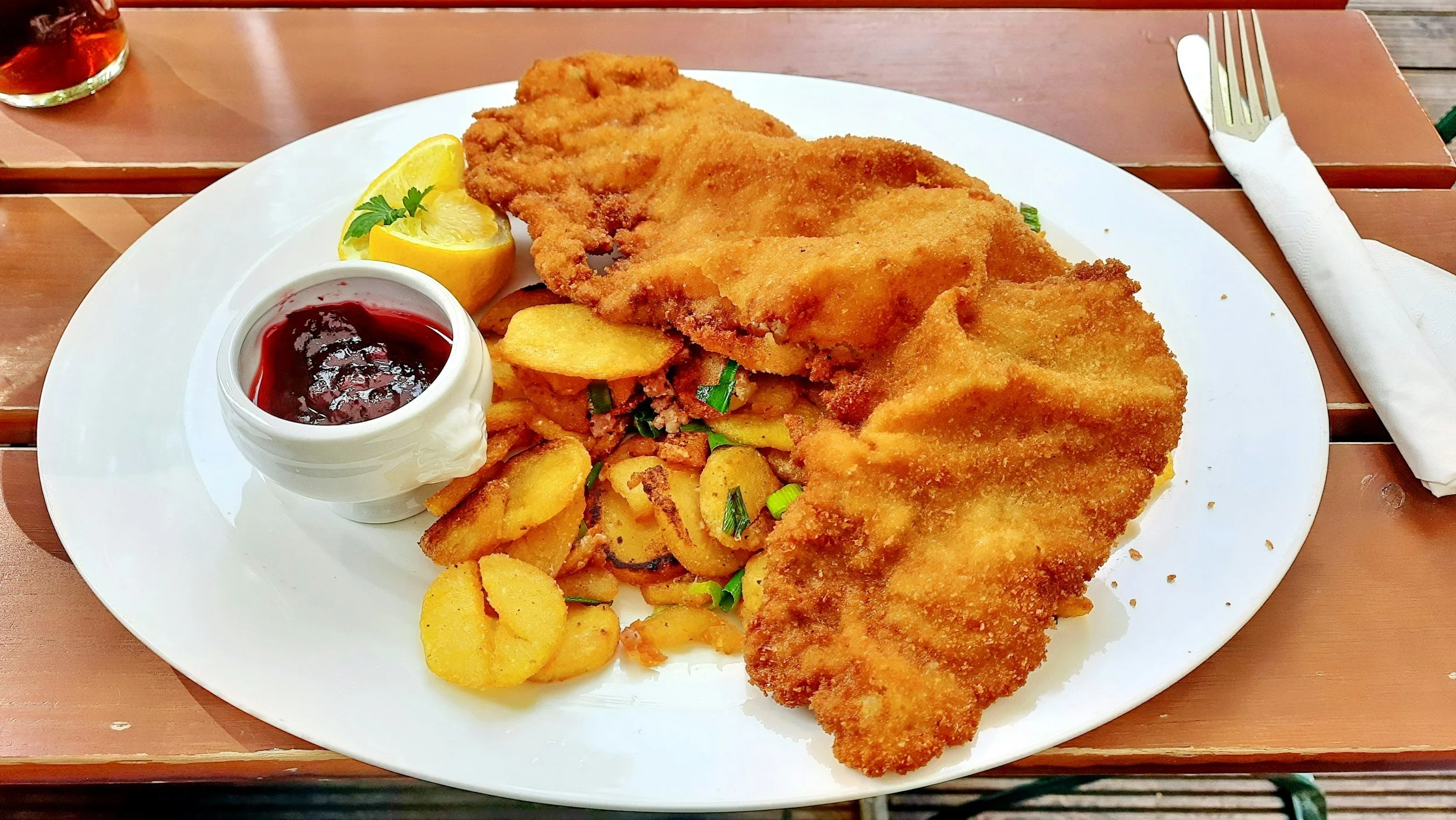
Wiener Schnitzel.
What to Drink in Vienna: Coffee, Wine and Local Traditions
Vienna’s drinks culture is as important as its food. In some cities, what you drink is simply what happens between meals. In Vienna, coffee, wine and even a well-timed spritzer can shape the rhythm of the whole day.
The main things to understand are simple: coffee is for lingering, wine is more local than many visitors realise, and a Heuriger is one of the best ways to experience the slower, more social side of the city.
Viennese Coffee
Coffee is the obvious place to start. Vienna’s coffee houses are part of the city’s cultural identity, historically used as places to read, write, debate, meet, sit and stay far longer than one small cup would usually justify.
If you’re ordering coffee in Vienna, these are the main styles worth knowing.
Melange
The classic Viennese coffee order. It’s similar in spirit to a cappuccino, usually made with espresso and steamed milk, often topped with foam. If you only learn one coffee order before arriving, make it this.
Einspänner
A strong black coffee served with whipped cream, traditionally in a glass. It feels more dessert-like than a standard coffee and makes sense if you want something more Viennese than another flat white.
Kleiner Schwarzer
A small black coffee, close to an espresso.
Großer Schwarzer
A larger black coffee, similar to a double espresso.
Brauner
Black coffee served with a little milk or cream on the side. A Kleiner Brauner is the smaller version; a Großer Brauner is larger.
Verlängerter
A longer black coffee, closer to an Americano. Useful if you want something less intense than an espresso-style drink.
The main thing is not to rush it. Order a coffee, add cake if the day seems to be heading in that direction, and let the room do some of the work.
Austrian Wine
Vienna has a stronger wine culture than many first-time visitors expect. The city has vineyards within its limits, and local wine is a serious part of the food and drink experience rather than a decorative footnote.
The two white wines most visitors should know are Grüner Veltliner and Wiener Gemischter Satz. Grüner Veltliner is Austria’s best-known white grape: crisp, food-friendly and easy to pair with classic Austrian dishes.
Wiener Gemischter Satz is especially worth trying in Vienna. It’s a traditional field blend made from different grape varieties grown together, harvested together and pressed together. For a first trip, this is the one I’d prioritise. It gives you something that feels properly tied to the city rather than simply another good glass of white wine that happened to be available near a palace.
If you’re not sure what to order, start with these.
Grüner Veltliner
Fresh, crisp and easy to pair with food.
Riesling
Often more aromatic and structured, good if you like sharper white wines.
Wiener Gemischter Satz
The most locally distinctive choice in Vienna.
Zweigelt
A common Austrian red, usually approachable and useful if you prefer red wine.
Heuriger Wine Taverns
A Heuriger is a traditional Viennese wine tavern serving local wine, usually with simple food and a relaxed, often rustic setting. This is one of the best food and drink experiences in Vienna if you want something slower and more local-feeling than the historic centre.
A genuine Viennese Heuriger serves wine from its own vineyards. You’ll often see pine branches and an “Ausg’steckt” sign showing when the tavern is open.
The experience is usually more casual than a formal restaurant. You might order local wine, simple cold dishes, spreads, bread, salads, roast meats or seasonal plates depending on the place. It’s not necessarily polished, and that’s part of why it works. A Heuriger is less about chasing the perfect tasting note and more about letting the evening slow down.
The most famous Heuriger areas include Grinzing, Nussdorf, Stammersdorf and parts of the Vienna wine hills. These are not always right in the centre, so they need a little more planning. If you have only one full evening in Vienna, you may prefer a central wine bar. If you have a longer trip, a Heuriger is worth building around.
Spritzer / Gespritzter
A Spritzer, often called a Gespritzter in Austria, is wine mixed with sparkling water. It’s simple, refreshing and especially useful in warmer months, or when you want something lighter than a full glass of wine.
It’s the kind of drink that makes sense at a market, wine tavern, terrace or casual restaurant. If Vienna’s coffee houses belong to the slow morning or afternoon, a spritzer belongs to the part of the day when sightseeing has started to loosen its tie.
Beer
Wine and coffee are more distinctive to Vienna, but beer still has a place, especially in traditional restaurants, casual pubs and beer halls. You’ll find Austrian lagers and regional beers across the city, and they work well with schnitzel, sausages, goulash and other heavier dishes.
I wouldn’t build a Vienna food trip around beer in the same way you might in Prague or Munich, but it’s useful to have in the mix. Sometimes the correct pairing for a plate of schnitzel is not a long philosophical consideration of local wine culture. Sometimes it’s simply a cold beer and the good sense not to overcomplicate matters.
What I’d Drink First
If you want a simple Vienna drinks shortlist, make it this:
Melange for the classic coffee house order.
Einspänner if you want something richer and more distinctive.
Wiener Gemischter Satz for the most local wine choice.
Grüner Veltliner for an easy Austrian white with food.
A spritzer for a lighter warm-weather drink.
A glass at a Heuriger if you have time for a slower wine-focused evening.
That gives you the main drinks rituals without trying to sample every variation on the first day, which is wise. Vienna rewards enthusiasm, but it does not require a beverage-based military campaign.
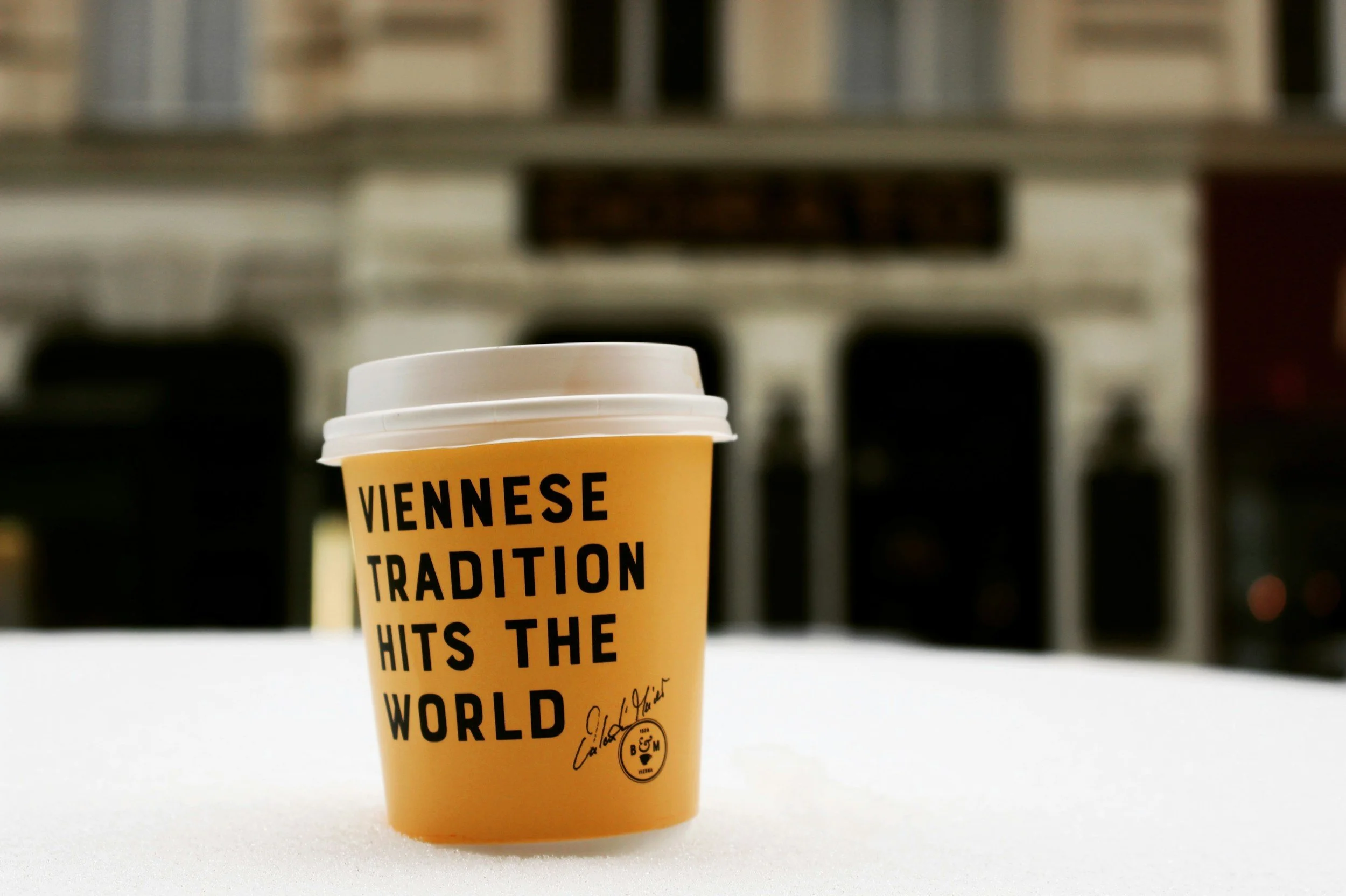
Melange to go.
Vienna Coffee Houses: How to Do Them Properly
Vienna’s coffee houses deserve their own section because they’re not just places to drink coffee. They’re one of the clearest ways to understand the city’s pace, personality and long relationship with sitting down properly.
A traditional Viennese coffee house is part café, part salon, part reading room and part quiet theatre. The classic details matter: marble-topped tables, bentwood chairs, newspapers, historic interiors, coffee served with water, and a rhythm that encourages you to stay longer than the drink technically requires.
The mistake is treating a Vienna coffee house like a quick stop between attractions. You can, of course. You can also visit the opera and spend the whole evening checking your email. Technically possible. Spiritually questionable.
The better move is to choose one or two coffee houses and give them enough time. Order a Melange, Einspänner or Brauner, add cake if you’re doing the thing properly, and let the room become part of the experience.
What to Order in a Vienna Coffee House
Melange
The classic starting point. Similar to a cappuccino, with coffee, steamed milk and foam. If you only order one coffee style in Vienna, this is the safest choice.
Einspänner
Black coffee topped with whipped cream, traditionally served in a glass. Richer and more distinctive than a standard coffee.
Kleiner Schwarzer or Großer Schwarzer
A small or larger black coffee. Useful if you want something closer to espresso.
Kleiner Brauner or Großer Brauner
Black coffee served with a little milk or cream, either small or larger.
Verlängerter
A longer black coffee, closer to an Americano.
Coffee and cake
The most sensible pairing. Try Sachertorte, Apfelstrudel, Topfenstrudel, Kaiserschmarrn where available, or whatever house cake looks least like it’s making an apology.
Classic Vienna Coffee Houses to Know
Café Sacher
Best for the famous Sachertorte experience and a polished hotel-café version of Vienna. It can feel visitor-heavy, but it still makes sense if you specifically want the city’s most recognisable cake ritual.
Demel
Best for historic pastry, cakes and old-world central Vienna. It works well if you’re already near the Hofburg and want a pastry-led stop rather than a long coffee house sit.
Café Sperl
Best for traditional coffee house atmosphere with a slightly less obvious feel than the biggest names. A strong choice if you want old Vienna without leaning too heavily into the grand tourist circuit.
Café Prückel
Best for a classic coffee house with a more understated, mid-century feel. Useful near the Ringstrasse and good if you want something traditional but less ornate.
Café Hawelka
Best for a central, atmospheric coffee house with a more literary, old-Vienna mood. It feels less polished than the grand hotel-style cafés.
Café Landtmann
Best for a grand Ringstrasse café experience close to the Burgtheater and City Hall. Choose it if you want a polished traditional setting in a central location.
Café Schwarzenberg
Best for a darker, more traditional Ringstrasse coffee house atmosphere, especially on colder or grey days when the room itself becomes part of the experience.
Vollpension
Best for a warmer, more contemporary alternative to the grand cafés, known for homestyle cakes and a more informal feel.
Café Central
One to check before planning around it. As of May 2026, Café Central is closed for renovation, with reopening scheduled for autumn 2026.
How Many Coffee Houses Should You Visit?
For a first trip, you don’t need to turn Vienna into a caffeine-led endurance sport. Choose one famous classic and one slightly quieter or more local-feeling option.
A good pairing would be:
Café Sacher or Demel for the famous central experience.
Café Sperl, Café Prückel or Café Hawelka for something with more traditional atmosphere and slightly less ceremony.
If Café Central is high on your list, check its reopening status before planning around it. As of May 2026, it’s closed for renovation until autumn 2026, which is useful to know before walking across town in the noble pursuit of standing in a queue that no longer exists.
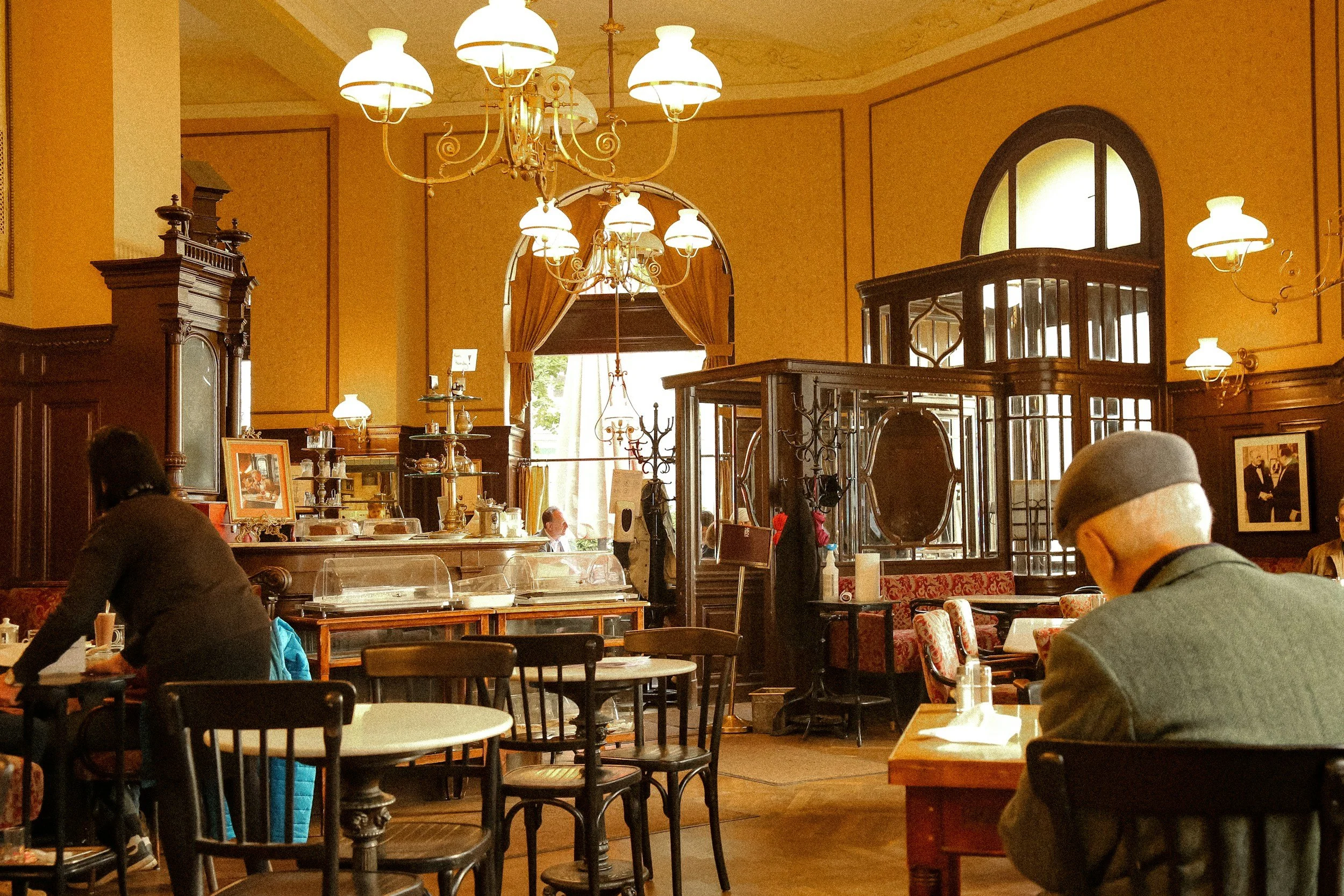
Café Sperl.
Food and Drink Experiences Worth Building Into Your Trip
Vienna’s food scene works best when you treat it as a set of rituals rather than a checklist of dishes. Yes, you should try the schnitzel. Yes, cake is involved. No, this is not a hardship. But the stronger trip comes from giving each food moment enough time and placing it properly in the day.
For a first visit, these are the food and drink experiences most worth building into your Vienna itinerary.
Have a Slow Coffee House Morning
A proper coffee house visit is one of the easiest ways to understand Vienna. The best version is not rushed between two sights. Choose a traditional café, order a Melange or Einspänner, add cake if the timing works, and sit for longer than feels strictly necessary.
The classic coffee house experience is about atmosphere as much as the order: old interiors, newspapers, coffee served with water, and a pace that encourages lingering rather than turnover. It’s one of the few travel experiences where doing less is not laziness but cultural sensitivity. Convenient, really.
This works especially well in the morning or mid-afternoon. If you only fit in one coffee house, make it deliberate rather than accidental.
Try Proper Wiener Schnitzel
A first Vienna food trip should include at least one proper Wiener Schnitzel. It’s the obvious choice, but obvious does not automatically mean overrated. Done well, schnitzel is crisp, tender and far lighter than it looks, usually served with potato salad or simple accompaniments.
This is best as a proper lunch or dinner rather than a rushed plate between activities. Choose a traditional restaurant, book ahead if it’s popular, and avoid treating it as just another fried cutlet. The whole point is the precision: thin meat, crisp coating, no unnecessary sauce, and enough confidence to let the dish stay simple.
Visit Naschmarkt
Naschmarkt is Vienna’s most famous market, and while it’s hardly undiscovered, it’s still one of the easiest food stops to build into a first trip. Use it for a casual lunch, a market wander, produce stalls, spices, cheese, wine, cafés and a more urban food scene than you’ll find in the traditional coffee houses.
It works particularly well if you’re staying near Mariahilf, Wieden or Neubau, or if you’re pairing it with Karlsplatz, Secession, MuseumsQuartier or a nearby neighbourhood walk.
The market can get busy, and some parts are more visitor-facing than local-feeling. That does not make it useless. It just means you should treat it as a lively, easy, central food stop rather than a secret local discovery. A useful distinction, and one travel content frequently misplaces.
Eat at a Würstelstand
A Würstelstand is one of Vienna’s best casual food experiences. These sausage stands are quick, informal and very much part of the city’s everyday eating culture.
Order a Käsekrainer if you want the classic cheese-filled sausage, usually with mustard, horseradish, pickles or bread depending on the stand. It’s not elegant, but it’s useful, satisfying and a good reminder that Vienna is not only about palaces, cakes and dining rooms with excellent posture.
A sausage stand works well as a quick lunch, a late-night snack or a casual stop when you don’t want another full sit-down meal. It’s especially helpful on a short trip, when one informal food moment can stop the whole itinerary becoming too polished.
Spend an Evening at a Heuriger
If your trip allows, make time for a Heuriger, one of Vienna’s traditional wine taverns. The experience is usually relaxed rather than formal: local wine, simple food, outdoor seating in warmer months, and a slower evening away from the most central sightseeing circuit.
Areas such as Grinzing, Nussdorf and Stammersdorf are well known for Heurige, though they require a little more planning than a central restaurant.
If you only have two days in Vienna, a Heuriger may be a stretch. If you have three days or more, it’s one of the best ways to experience the city’s wine culture properly. It gives Vienna a softer edge: less imperial, more local, and considerably improved by a glass of Wiener Gemischter Satz.
Make Time for Cake
Cake is not an optional extra in Vienna. It’s part of how the city understands the afternoon. The classic options are Sachertorte, Apfelstrudel, Topfenstrudel and Kaiserschmarrn, though every café and pastry counter will make its own argument.
The trick is to give cake its own moment. Don’t wedge it awkwardly after a huge lunch unless you have the constitution of a Habsburg cavalry officer. A better approach is to plan a mid-afternoon coffee house stop, especially after a museum, palace or long walk through the centre.
If you want the famous version, go for Sachertorte. If you want something warmer and more comforting, choose Apfelstrudel or Kaiserschmarrn. If you want a slightly less obvious café order, Topfenstrudel is a good move.
Try One Modern Vienna Food Moment
Vienna has plenty of traditional food rituals, but the city’s food scene is not frozen in the age of imperial dining rooms. Modern cafés, wine bars, bistros, vegetarian restaurants, international kitchens and more design-led places give the city a fresher side.
This is especially worth building into your trip if you’re staying around Neubau, Mariahilf, Leopoldstadt or near Naschmarkt. Pair the old Vienna moments with at least one more contemporary meal or drink stop, and the city starts to feel much more layered.
For a first trip, that balance matters. The coffee houses and schnitzel give you the classic city. The markets, wine bars and modern restaurants remind you that Vienna is still moving. That’s usually where the better food trip sits: not one or the other, but both.
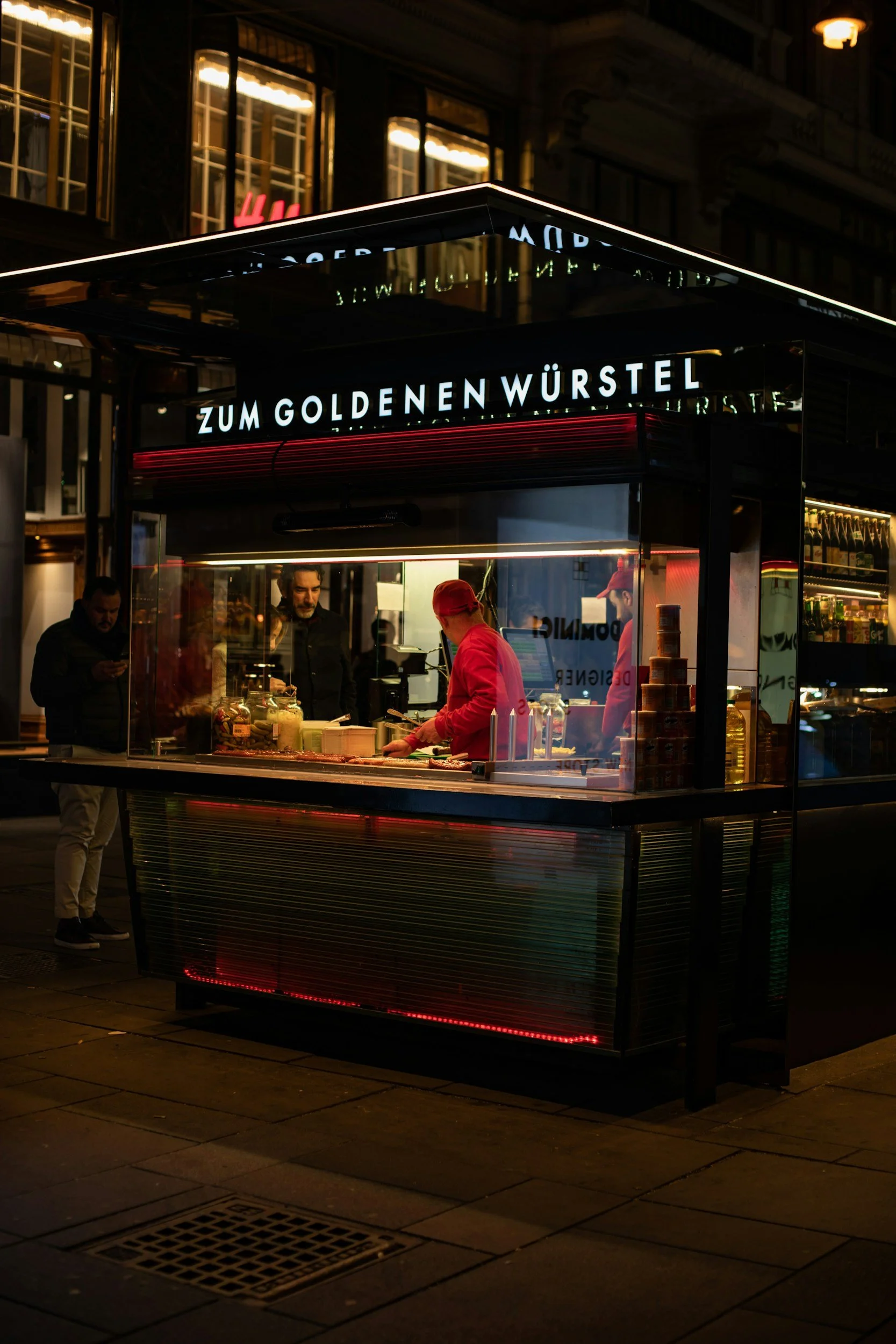
Würstelstand.
Where to Eat and Drink in Vienna
Vienna has enough strong food and drink options that the better move is not to chase every famous name. Choose by occasion instead: one classic Viennese meal, one coffee-and-cake stop, one casual market or sausage stand, one modern restaurant, and one wine-focused evening if your itinerary allows.
These are the places I’d put on the shortlist for a first Vienna food trip.
Best for Classic Viennese Food
Figlmüller
Best for the famous schnitzel experience. This is one of the most obvious names in Vienna for schnitzel, so book ahead rather than treating it like a casual walk-in plan. It’s not the quietest or most undiscovered option, but that’s not really the point. Go here if you want the classic, central, “yes, we did the schnitzel properly” moment.
Plachutta
Best for Tafelspitz and traditional Viennese cooking. This is a good choice if you want something beyond schnitzel and would like to understand Vienna’s more formal, old-school dining tradition: precise, hearty and very much committed to the idea that boiled beef can be an event.
Meissl & Schadn
Best for a polished schnitzel or classic Austrian meal in a smarter setting. Consider this if you want the Viennese classics without the experience feeling too casual. It’s still traditional, but with a more elegant dining-room feel.
Glacis Beisl
Best for traditional Austrian food near the MuseumsQuartier. This is one of the more practical choices in the guide because it fits naturally into a day of museums, galleries and neighbourhood exploring. The garden also makes it particularly useful in warmer months.
Best for Coffee and Cake
Café Sacher
Best for the famous Sachertorte experience and a polished hotel-café version of Vienna. It can feel visitor-heavy, but it still makes sense if you specifically want the city’s most recognisable cake ritual.
Demel
Best for historic pastry, cakes and old-world central Vienna. It works well if you’re already near the Hofburg and want a pastry-led stop rather than a long coffee house sit.
Café Sperl
Best for traditional coffee house atmosphere with a slightly less obvious feel than the biggest names. A strong choice if you want old Vienna without leaning too heavily into the grand tourist circuit.
Café Prückel
Best for a classic coffee house with a more understated, mid-century feel. Useful near the Ringstrasse and good if you want something traditional but less ornate.
Café Hawelka
Best for a central, atmospheric coffee house with a more literary, old-Vienna mood. It feels less polished than the grand hotel-style cafés.
Best for Markets and Casual Food
Naschmarkt
Best for a central market stop, casual lunch, grazing and international food. It’s especially convenient if you’re staying around Mariahilf, Wieden or Neubau, or pairing it with Karlsplatz, Secession or MuseumsQuartier.
Würstelstand stops
Best for a quick, casual and very Viennese snack. Look for Käsekrainer if you want the classic cheese-filled sausage experience, usually with mustard, horseradish, pickles or bread.
Karmelitermarkt
Best for a more neighbourhood-led market feel in Leopoldstadt. It’s a good option if you’re staying in the 2nd district or want a quieter alternative to Naschmarkt.
Brunnenmarkt
Best for a more local, multicultural market experience. It sits further from the classic sightseeing circuit, so it’s better for repeat visitors, longer stays or travellers who want to see a less polished side of Vienna’s food culture.
Best for Modern Restaurants and Contemporary Food
Mochi
Best for modern Japanese food and a more contemporary Vienna meal. A useful choice if you want a break from schnitzel, beef and cake without giving up on a proper food moment. It also works well if you’re exploring Leopoldstadt.
Skopik & Lohn
Best for a stylish dinner in Leopoldstadt. Choose this if you want a restaurant that feels more contemporary and design-led, but still grounded enough for a proper dinner rather than a concept wearing expensive shoes.
TIAN Bistro am Spittelberg
Best for vegetarian-led dining in Neubau. This is one of the best fits for a World Locals-style Vienna trip: close to Spittelberg, good for a more modern food experience, and especially useful if you want vegetarian food that feels intentional.
NENI am Naschmarkt
Best for a lively, Middle Eastern and Mediterranean-style meal around Naschmarkt. It’s a strong option if you want something more casual, colourful and shareable than traditional Viennese dining, especially around lunch or early evening.
Best for Wine Bars and Heurige
Mayer am Pfarrplatz
Best for a classic Heuriger experience. This is one of the better-known names for local wine tavern culture and works well if you want to build an evening around Viennese wine rather than simply adding a glass to dinner. It’s not the most central choice, so plan the journey properly.
Heuriger Wieninger
Best for serious local wine and a traditional tavern feel. Consider this if you want the wine itself to be part of the reason for going, rather than just the setting.
Mast Weinbistro
Best for a more modern wine-focused meal. This is a good option if you want Austrian wine and contemporary food without travelling out to a Heuriger area.
Pub Klemo
Best for wine bar energy in the centre. Useful if you want Austrian wine, bottles, by-the-glass options and a more casual wine-focused evening without leaving the core of the city.
Heunisch & Erben
Best for a central wine-led dinner or drinks stop. It’s a useful option if you want the wine side of Vienna but need to keep the evening easy and walkable.
How I’d Choose
For a first Vienna food trip, keep the venue plan simple.
For one classic restaurant: choose Figlmüller, Plachutta, Meissl & Schadn or Glacis Beisl.
For one coffee house: choose Café Sacher, Demel, Café Sperl, Café Prückel or Café Hawelka.
For one casual stop: go to Naschmarkt or a Würstelstand.
For one modern meal: look at Mochi, Skopik & Lohn, TIAN Bistro or NENI am Naschmarkt.
For one wine moment: choose a central wine bar if time is short, or a Heuriger if you have a slower evening free.
That gives you the right balance: classic Vienna, everyday Vienna and modern Vienna.
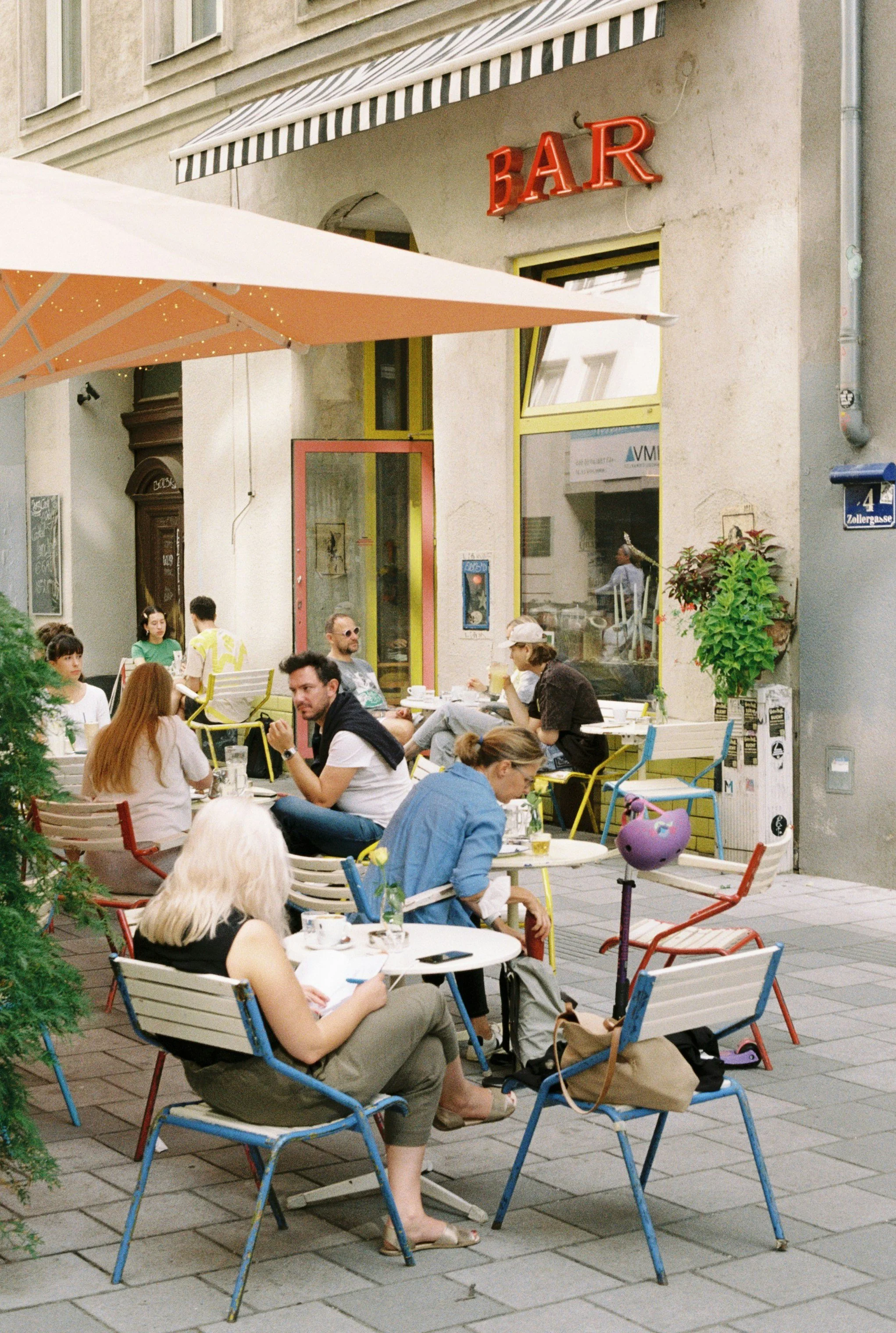
Vienna Cafe.
Best Areas in Vienna for Food and Drink
Vienna’s food and drink scene is spread across the city, but a few areas are especially useful for visitors. Some are best for classic coffee houses and traditional restaurants; others are better for markets, modern dining, wine bars or a more relaxed neighbourhood meal.
For a first trip, the best approach is to use the centre for the classics, then look just beyond it for more interesting everyday food moments.
Innere Stadt
Best for: classic coffee houses, traditional restaurants, famous cakes and polished central dining
Innere Stadt is the easiest place to start if you want Vienna’s most famous food and drink experiences. This is where you’ll find many of the city’s classic coffee houses, historic cafés, central restaurants and old-world dining rooms.
It works well for a first Vienna food stop because it keeps everything simple. You can move between St Stephen’s Cathedral, the Hofburg, the State Opera, Café Sacher, Demel, Café Hawelka and traditional restaurants without needing to plan around transport too heavily.
The trade-off is that the 1st district can feel polished and visitor-heavy. Some places are famous for a reason; others rely a little too comfortably on being near famous things. Choose carefully and book ahead for the names you actually care about.
Use Innere Stadt for: classic coffee houses, Sachertorte, traditional restaurants, polished dinners and first-time food experiences.
Neubau
Best for: cafés, modern restaurants, design-led dining, MuseumsQuartier and Spittelberg
Neubau is one of the strongest areas in Vienna for a more contemporary food and drink experience. It sits close to the MuseumsQuartier and Spittelberg, giving you a useful mix of museums, cafés, restaurants, bars and independent shops.
This is the area to look at if you want Vienna to feel less formal. Around Neubau, the food scene has more of a neighbourhood rhythm: modern cafés, vegetarian-friendly restaurants, casual dinner spots, wine bars and places that work well before or after a gallery visit.
It’s also one of the best areas for a stylish weekend away. You can start with culture during the day, move into Spittelberg for dinner, and avoid making every food decision feel like it needs to involve chandeliers, heavy curtains and a waiter who has seen empires come and go.
Use Neubau for: modern restaurants, cafés, vegetarian-friendly dining, wine bars, Spittelberg evenings and food stops around MuseumsQuartier.
Wieden
Best for: calmer central meals, Belvedere, Karlsplatz and easy access to Naschmarkt
Wieden is a very useful food base because it sits between several strong parts of the city. You’re close to Karlsplatz, Karlskirche, Belvedere and the route towards Naschmarkt, while still being close enough to the historic centre for classic cafés and restaurants.
The area works particularly well if you want a central meal without staying in the most visitor-heavy part of Vienna. It has a calmer rhythm than Innere Stadt, and its location makes it easy to build food around sightseeing without turning lunch into a cross-city expedition.
Wieden is also a good area for travellers who want flexibility. You can move towards Naschmarkt for something casual, head into the centre for a more classic meal, or stay local for cafés and restaurants that feel less staged.
Use Wieden for: calmer central dining, Belvedere-area meals, cafés, Naschmarkt access and an easy food base close to the centre.
Mariahilf
Best for: Naschmarkt, shopping-day meals, casual food and practical dining
Mariahilf is one of Vienna’s most practical food areas, especially if you want access to Naschmarkt and Mariahilfer Strasse. It’s lively, central and useful rather than quietly atmospheric, but that can be exactly what you need during a short trip.
The main food draw is Naschmarkt, which gives you stalls, restaurants, cafés, produce, spices and international options in one easy-to-use area. It’s especially useful for lunch, casual grazing or a more relaxed meal between neighbourhood exploring.
Mariahilf also works well because of its position. You’re close to Neubau, Wieden and the historic centre, so it can act as a practical connector between different parts of the city. It may not always feel like Vienna at its most elegant, but it does make eating and moving around very easy.
Use Mariahilf for: Naschmarkt, casual meals, shopping breaks, central convenience and flexible food stops.
Leopoldstadt
Best for: Karmelitermarkt, Danube Canal drinks, modern restaurants and a more relaxed food scene
Leopoldstadt gives Vienna’s food and drink scene a slightly looser feel. Sitting across the Danube Canal from the historic centre, it has a more spacious, mixed and neighbourhood-led atmosphere than the areas around the Ring.
This is a useful area if you want food and drink away from the most formal version of Vienna. Karmelitermarkt gives the district a local market anchor, while the Danube Canal adds casual bars, waterside drinks and a more relaxed warm-weather rhythm.
Leopoldstadt is also good for modern restaurants and wine-led evenings, especially if you want something that feels less tied to the classic coffee-house-and-schnitzel circuit. It’s not the first area I’d send someone for traditional Vienna, but it’s a strong counterbalance once you’ve already done the obvious things.
Use Leopoldstadt for: Karmelitermarkt, Danube Canal drinks, modern restaurants, relaxed evenings and a less formal side of Vienna.
Grinzing and Nussdorf
Best for: Heurige, local wine and slower evenings outside the centre
Grinzing and Nussdorf are the areas to know if you want to experience Vienna’s Heurige culture. These wine tavern areas sit away from the most central sightseeing circuit and give you a different version of the city: vineyards, local wine, simple food and a slower evening pace.
This is not usually the most convenient food choice if you only have one night in Vienna. But if you have a longer trip, it’s one of the best ways to understand how local wine fits into the city’s identity.
A Heuriger evening works best when you give it space. Don’t try to wedge it awkwardly between a museum and a late reservation back in the centre. Go when you can actually settle in, order local wine, eat simply and let the evening become the plan.
Use Grinzing or Nussdorf for: Heurige, Viennese wine, relaxed evenings, vineyard atmosphere and a slower food experience outside the centre.
Where I’d Go First
For a first Vienna food trip, I’d split your time like this:
Start in Innere Stadt for one classic coffee house or traditional meal.
Use Neubau for a more modern dinner, café stop or food-led evening around Spittelberg.
Visit Naschmarkt through Mariahilf or Wieden for a casual lunch or market wander.
Add Leopoldstadt if you want a more relaxed, neighbourhood-led food moment.
Save Grinzing or Nussdorf for a Heuriger evening if your itinerary gives you enough time.
That gives you a good spread of Vienna’s food culture: classic, casual, modern, local and wine-led. More useful than trying to eat your way through the city by district number, which sounds efficient until you remember food is meant to be enjoyed rather than project managed.
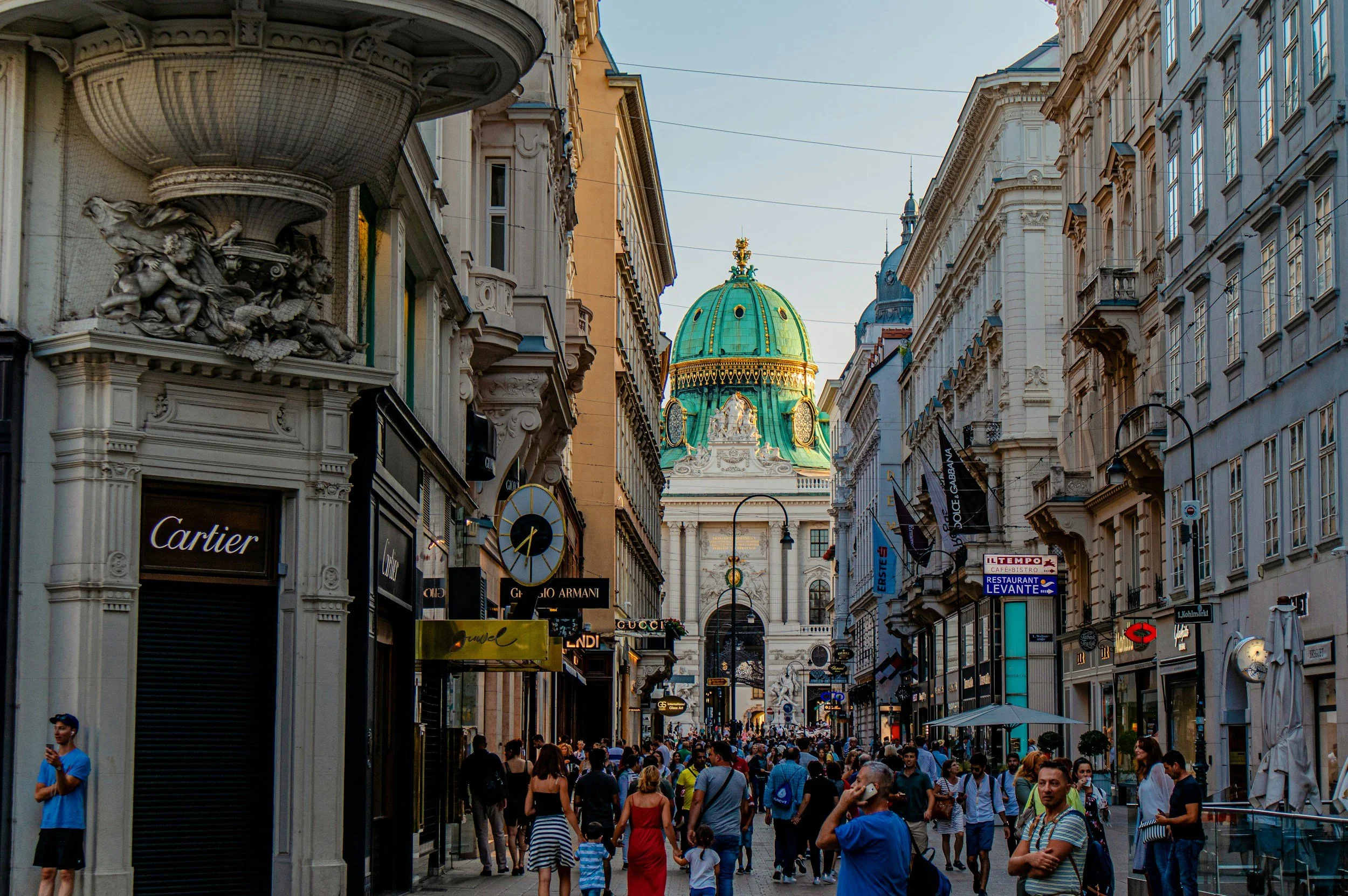
Vienna city centre.
Is Vienna Good for Vegetarian and Vegan Food?
Vienna’s traditional food scene is meat-heavy, so vegetarian and vegan travellers need to be a little more selective. Classic Viennese cooking leans heavily on schnitzel, Tafelspitz, goulash, sausages, dumplings, rich sauces and dairy-led desserts, which means the old-school restaurants are not always the easiest places to eat fully plant-based.
That said, Vienna is still a very workable city for vegetarian and vegan food. The key is knowing where to look. Modern cafés, markets, international restaurants, vegetarian bistros and specialist vegan spots make the city much easier than the traditional menus might suggest at first glance.
For vegetarians, Vienna is fairly straightforward. You’ll usually find options such as Käsespätzle, salads, soups, vegetable dishes, strudels, pastries, cheese-led plates, dumplings and international food. For vegans, it takes a little more planning, especially in classic Viennese restaurants where butter, cream, eggs and cheese tend to appear with quiet determination.
Best Vegetarian and Vegan-Friendly Options in Vienna
TIAN Bistro am Spittelberg
One of the strongest choices for a more polished vegetarian-led meal. Its location around Spittelberg also makes it useful if you’re staying in or exploring Neubau. This is the kind of place to choose when you want vegetarian food to feel intentional, not like the kitchen has simply removed the main ingredient and hoped morale would carry the dish.
Swing Kitchen
A casual vegan option with several locations in Vienna. Best for burgers, wraps, quick meals and something easy between sightseeing. It’s useful if you want a straightforward plant-based lunch without needing to build your whole day around one restaurant booking.
Velani
A good option for vegan Austrian food. This is especially useful if you want to try a more plant-based version of local classics rather than spending the whole trip eating international food because traditional menus have taken a firm ideological position on beef.
Harvest
A relaxed vegetarian and vegan-friendly café and restaurant in Leopoldstadt, useful for brunch, casual meals and a more neighbourhood-led stop away from the most central tourist areas.
Landia
A long-running vegetarian restaurant with vegan options, useful if you want something casual, hearty and less polished than the more design-led bistros.
Veggiez
A casual vegan-friendly option for burgers, bowls and easy meals. Best for something quick and practical rather than a destination dining experience.
Venuss Bistro
A useful plant-based option for a lighter meal, especially if you want something more contemporary and health-led.
Where Vegetarian and Vegan Travellers Should Look
For the easiest experience, look around Neubau, Mariahilf, Leopoldstadt and the areas close to Naschmarkt. These parts of the city tend to offer more modern, international and vegetarian-friendly restaurants than the most traditional dining rooms in the historic centre.
Naschmarkt is also helpful because it gives you more flexibility. Between stalls, restaurants, Middle Eastern food, Mediterranean dishes, produce and casual eating, it’s easier to find vegetarian and vegan options without needing to rely on one specific venue.
Coffee houses are more mixed. Vegetarians will usually be fine, especially if they’re there for coffee and cake. Vegans should check menus more carefully, as many classic pastries rely on eggs, butter and cream. A traditional coffee house is still worth experiencing, but it may be better treated as a cultural stop rather than your most reliable vegan food moment.
What to Know Before You Go
If you’re vegetarian, you can enjoy Vienna without too much difficulty, especially if you mix traditional stops with modern restaurants and markets. If you’re vegan, the city is still very manageable, but it’s worth planning a few meals in advance rather than relying entirely on classic Viennese restaurants.
The best approach is to balance the experience. Go to a traditional café for the atmosphere, use markets and modern restaurants for flexibility, and choose at least one specialist vegetarian or vegan venue if plant-based food is central to your trip.
Vienna may be famous for schnitzel, beef and cake, but it’s no longer a city where plant-based travellers are left staring sadly at a bread basket. Progress, in its quiet Central European way.
What to Know Before Eating and Drinking in Vienna
Vienna is an easy city to eat and drink well in, but a few practical details will make the experience smoother. The main thing to understand is that the city’s food culture has different speeds. Coffee houses are slow, markets are more flexible, traditional restaurants are better planned ahead, and wine taverns usually need a little more intention.
Book Popular Restaurants Ahead
For well-known traditional restaurants, smarter dining rooms and popular modern spots, booking ahead is sensible. Places like Figlmüller, Plachutta, Meissl & Schadn, Glacis Beisl, Mochi, Skopik & Lohn and TIAN Bistro can be busy, especially around weekends, holidays and peak travel periods.
You do not need to reserve every meal. But for the one or two places you care about most, book properly rather than relying on heroic optimism. Vienna is elegant, but it’s not obliged to reorganise itself around your dinner plans.
Give Coffee Houses Time
A Viennese coffee house is not something to squeeze into a spare seven minutes. The whole point is the slower rhythm: coffee served with water, newspapers, old interiors, cake, conversation and the quiet permission to stay longer than you might expect.
If you want the experience to work properly, plan it as a real stop. Mid-morning or mid-afternoon usually makes the most sense. Avoid arriving already rushed, hungry and halfway through a sightseeing sprint. That is how good rituals become expensive errands.
Expect Traditional Food to Be Rich
Classic Viennese food is hearty. Wiener Schnitzel, Tafelspitz, goulash, sausages, dumplings, strudels and cakes are not designed as light background snacks. They work best when you give them proper space in the day.
This matters when planning your itinerary. If you have schnitzel for lunch, you may not need a heavy dinner. If you plan coffee and cake in the afternoon, leave room for it. Vienna rewards appetite, but it does not necessarily reward scheduling three rich meals and two desserts before 6pm. Bold, certainly. Wise, less so.
Check Opening Days Carefully
Vienna is generally easy for visitors, but opening hours still matter. Some restaurants close on Sundays or Mondays, some cafés change hours around holidays, and market stalls do not always operate on the same rhythm as restaurants.
This is especially important for:
Traditional restaurants
Some may close one or two days a week.
Modern restaurants and bistros
Dinner-only openings are common, and Sunday closures are worth checking.
Markets
Stalls usually work better earlier in the day, and Sundays can be limited.
Heurige
Opening days can vary significantly, so check before travelling out to wine tavern areas.
The simple rule: if a place is important to your trip, check the opening hours before building the day around it.
Treat Naschmarkt as Useful, Not Undiscovered
Naschmarkt is worth visiting, especially on a first trip, but it’s not a hidden local secret. It’s central, busy, international and visitor-friendly, with stalls, restaurants and cafés that make it easy to use.
That doesn’t make it a bad recommendation. It just means you should approach it properly. Use Naschmarkt for a casual lunch, a flexible food stop, market browsing or a break between Karlsplatz, Secession, Wieden, Mariahilf and Neubau. Don’t expect it to feel like a quiet neighbourhood market untouched by tourism. Vienna, regrettably, has appeared on maps.
Plan Heurige Evenings Properly
A Heuriger can be one of the best food and drink experiences in Vienna, but it’s not always a spontaneous central stop. Many of the best-known wine tavern areas, such as Grinzing, Nussdorf and Stammersdorf, sit away from the main sightseeing circuit.
That means you should plan the evening around the experience rather than squeezing it between other things. Check opening days, look at transport, and give yourself time to settle in. A Heuriger is best when it feels relaxed. If you turn it into a timed logistical exercise, you have rather missed the point.
Know How Tipping Works
Tipping in Vienna is usually modest but expected for good service. In restaurants and cafés, rounding up or adding around 5–10% is a common approach, depending on the bill and the level of service.
The usual method is to tell the server the total amount you want to pay when settling the bill, rather than leaving coins silently on the table afterwards. For example, if the bill is €27 and you want to pay €30, say €30 when you hand over cash or card.
For quick snacks, market stalls or very casual stops, tipping is less essential, though rounding up is still appreciated where appropriate.
Choose Famous Places Carefully
Vienna has several famous food institutions, and some are still worth visiting. Café Sacher, Demel, Figlmüller, Plachutta and other well-known names can all make sense if they match the experience you want.
The trick is not to treat fame as either a guarantee or a warning sign. Some famous places are famous because they still do one specific thing well. Others may feel more polished, crowded or visitor-facing than you expected.
For a first trip, choose one or two iconic places deliberately, then balance them with quieter cafés, markets, neighbourhood restaurants or modern spots. That gives you the classic Vienna experience without making the whole food trip feel like it was planned by a souvenir brochure.
Keep One or Two Meals Flexible
It’s tempting to plan every meal in Vienna, especially when the city has so many recognisable places. But a good food trip needs a little room.
Leave space for a market stop, a coffee house that looks right from the street, a sausage stand when you need something quick, or a wine bar you notice while wandering through Neubau, Leopoldstadt or the centre. Vienna rewards planning, but it also rewards knowing when to sit down and let the day loosen slightly.
For most short trips, the best rhythm is simple: book the important dinners, plan one coffee house properly, keep lunch flexible, and leave enough space for cake. A practical system, and one of the more civilised uses of strategy.
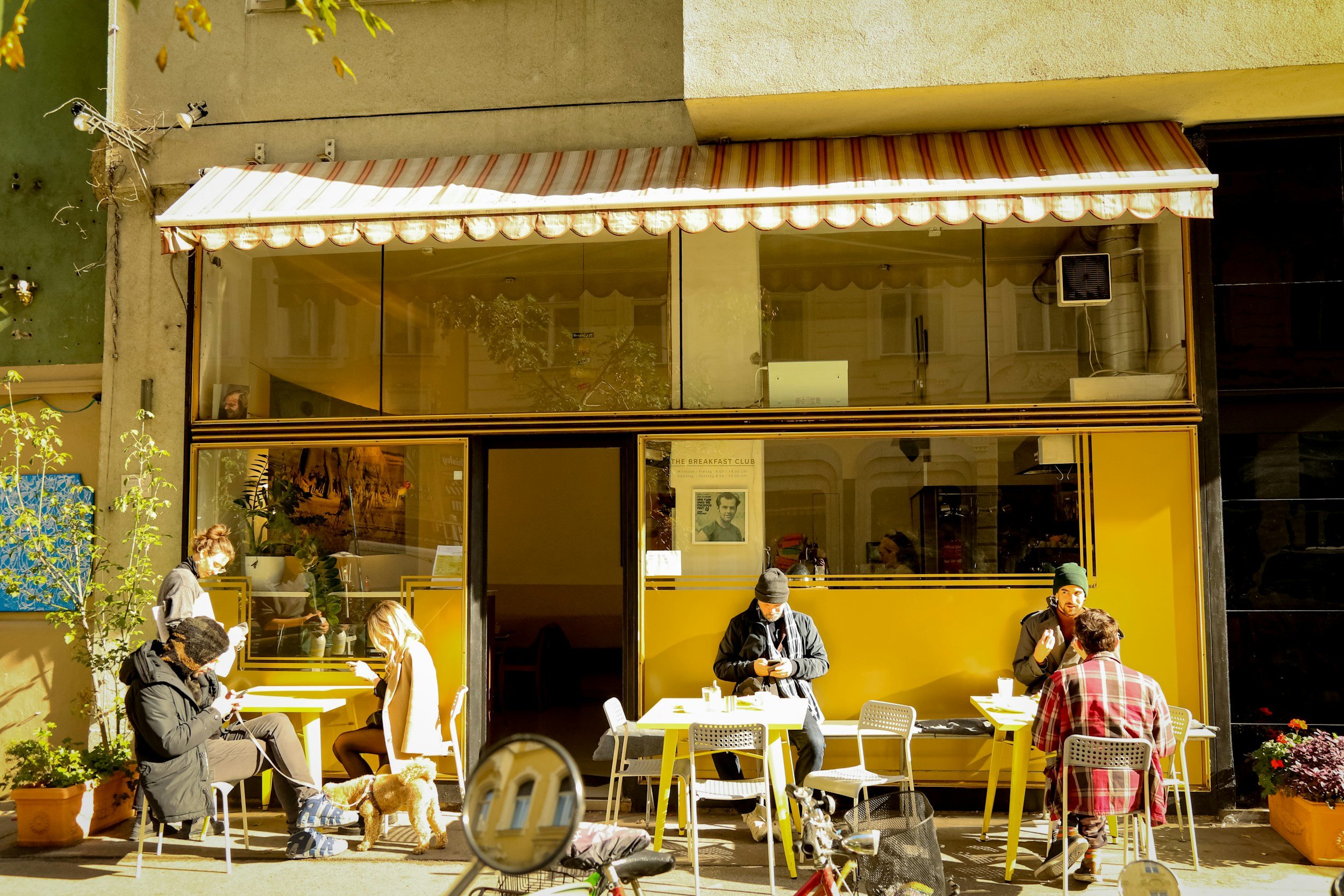
Vienna cafe.
What to Prioritise on a First Vienna Food Trip
If it’s your first time in Vienna, you don’t need to eat your way through every classic dish, café and wine tavern in one visit. The better approach is to choose a few strong food moments that give you a proper sense of the city without turning the trip into a heavily breaded endurance test.
For most travellers, the best first Vienna food plan is:
Coffee house morning or afternoon
Choose one classic café, order a Melange or Einspänner, add cake if the timing works, and take your time.
Traditional Viennese meal
Go for Wiener Schnitzel, Tafelspitz or goulash depending on what kind of meal you want.
Cake or pastry stop
Try Sachertorte, Apfelstrudel, Kaiserschmarrn or Topfenstrudel as a proper afternoon moment, not an afterthought.
Market or sausage stand
Use Naschmarkt for a flexible food stop, or a Würstelstand for something quick, casual and very Viennese.
Wine moment
Order Wiener Gemischter Satz at a wine bar, restaurant or Heuriger if you have time.
Modern meal
Add one contemporary restaurant, café or bistro to balance the classics.
That gives you a rounded version of Vienna’s food and drink scene: traditional, casual, sweet, social, local and modern. More than enough for a first trip — and still leaving several good reasons to come back.
“The best way to experience Vienna’s food and drink scene is to balance the city’s old rituals with its more relaxed modern side. If you only chase the famous names, the trip can start to feel too polished. If you skip the classics completely, you miss the food culture that gives Vienna much of its character.
For a first trip, start with the essentials: a proper coffee house visit, one traditional Viennese meal, one cake or pastry stop, a market or sausage stand, and at least one glass of local wine. Add one modern restaurant or wine bar, and you’ll get a much better sense of the city than you would from only ticking off the most famous institutions.
The key is pacing. A coffee house should not be rushed. A schnitzel deserves a proper lunch or dinner. A Heuriger evening should feel like the plan, not something squeezed between two other commitments.
Vienna’s food scene is not loud, chaotic or constantly reinventing itself for attention. Its strength is more measured than that. It’s in the rituals: coffee served slowly, cake taken seriously, wine poured locally, markets folded into the day, and traditional dishes that still know exactly what they’re here to do.
Give those moments enough room, and Vienna becomes much easier to understand — not just as a city of palaces, museums and grand streets, but as somewhere built around time, taste and the quiet art of sitting down properly.”
Planning More of Your Vienna Trip?
Once you’ve explored what to eat and drink in Vienna, use our Vienna Neighbourhood Guide to choose the right base for your trip. If you’re still building out your plans, our Best Experiences in Vienna guide and 48 Hours in Vienna itinerary can help you decide what to prioritise each day.
For more city-break inspiration, you may also like our guide to the Best European Cities for Design Lovers and our seasonal roundup of the Best Warm-Weather City Breaks in Europe for May and June.