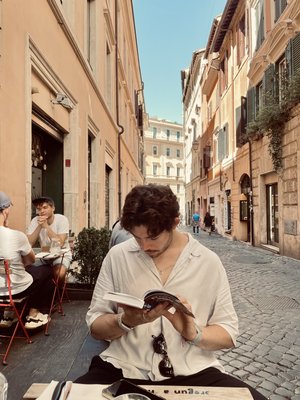
World’s Most Underrated Food Destinations (and Why They Deserve Your Appetite)

Some of the world’s best food destinations never make the headlines. They don’t rack up Michelin stars, they’re rarely framed as “food capitals”, and they’re often overshadowed by louder, more obvious neighbours. But for travellers who care about flavour, ritual, and the everyday ways people eat, these are often the places that leave the deepest impression.
This list is about those destinations — cities and regions where food isn’t curated for visitors, but woven into daily life. Where markets matter more than menus, where recipes are shaped by migration, geography, and history, and where eating well doesn’t require planning weeks ahead or spending a small fortune. These are places where you stumble into a neighbourhood spot, order what everyone else is having, and suddenly understand the city a little better.
Underrated food destinations tend to reward curiosity. They invite you to slow down, eat at odd hours, follow local rhythms, and trust your instincts rather than rankings. You might not recognise the dish names at first, but that’s part of the appeal — food becomes a way of learning, not just consuming.
The ten destinations below celebrate local food culture in its most honest form. From street stalls and family kitchens to markets and everyday cafés, these are places where eating feels rooted, generous, and deeply tied to place. If you travel with your appetite leading the way, this list is for you.
Palermo, Italy
Why it’s underrated
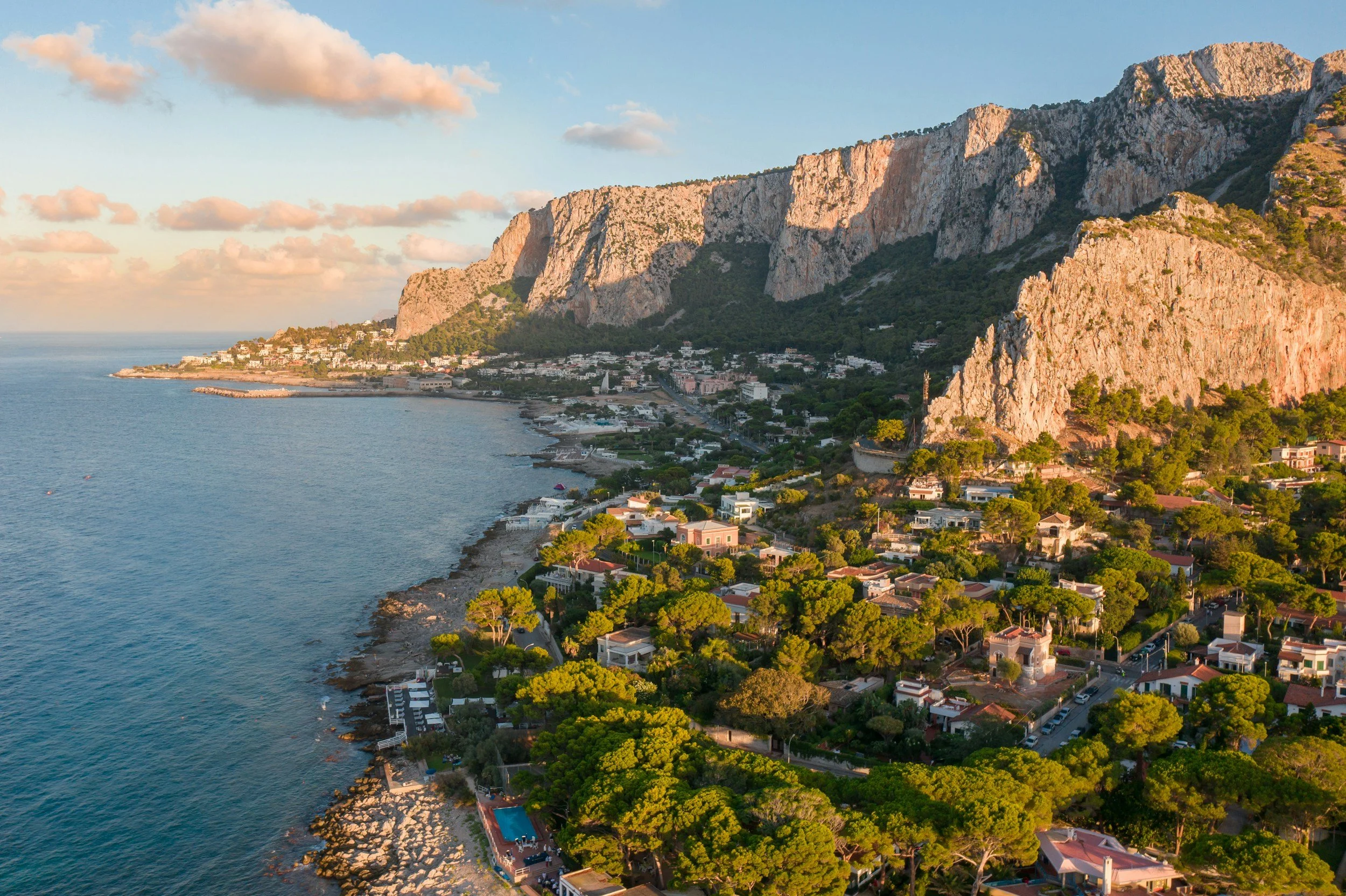
When people talk about Italian food, the conversation usually centres on Rome, Florence, Bologna, or Naples. Sicily — and Palermo in particular — is often treated as an afterthought, despite having one of the most layered and distinctive food cultures in the country. Its food doesn’t fit neatly into the polished, trattoria-led image many visitors expect from Italy, and that’s exactly why it’s overlooked.
What defines the local food culture
Palermo’s food culture is shaped by centuries of conquest and migration. Arab, Norman, Spanish, and Greek influences all show up on the plate, creating flavours that feel very different from mainland Italy. This is a city where street food isn’t a novelty — it’s the backbone of everyday eating. Markets, friggitorie, and hole-in-the-wall counters matter more than formal dining rooms.
Dishes to know before you go
Arancine (Sicilian rice balls, always feminine in Palermo), panelle (chickpea fritters), sfincione (a soft, onion-heavy Sicilian pizza), pasta con le sarde, and cannoli filled fresh to order. Palermo’s food is bold, savoury, and unapologetically filling.
What makes eating here special
Eating in Palermo feels communal and unfiltered. You eat standing up, late at night, surrounded by locals arguing about football or politics. Food is cheap, generous, and deeply tied to place. There’s very little performance — just flavour, habit, and tradition passed down through families.
World Locals tip
Skip restaurants with English-only menus near the main sights. Head to neighbourhood markets like Ballarò or Vucciria and eat what’s being cooked right in front of you. If locals are queueing, you’re in the right place.
Tbilisi, Georgia
Why it’s underrated
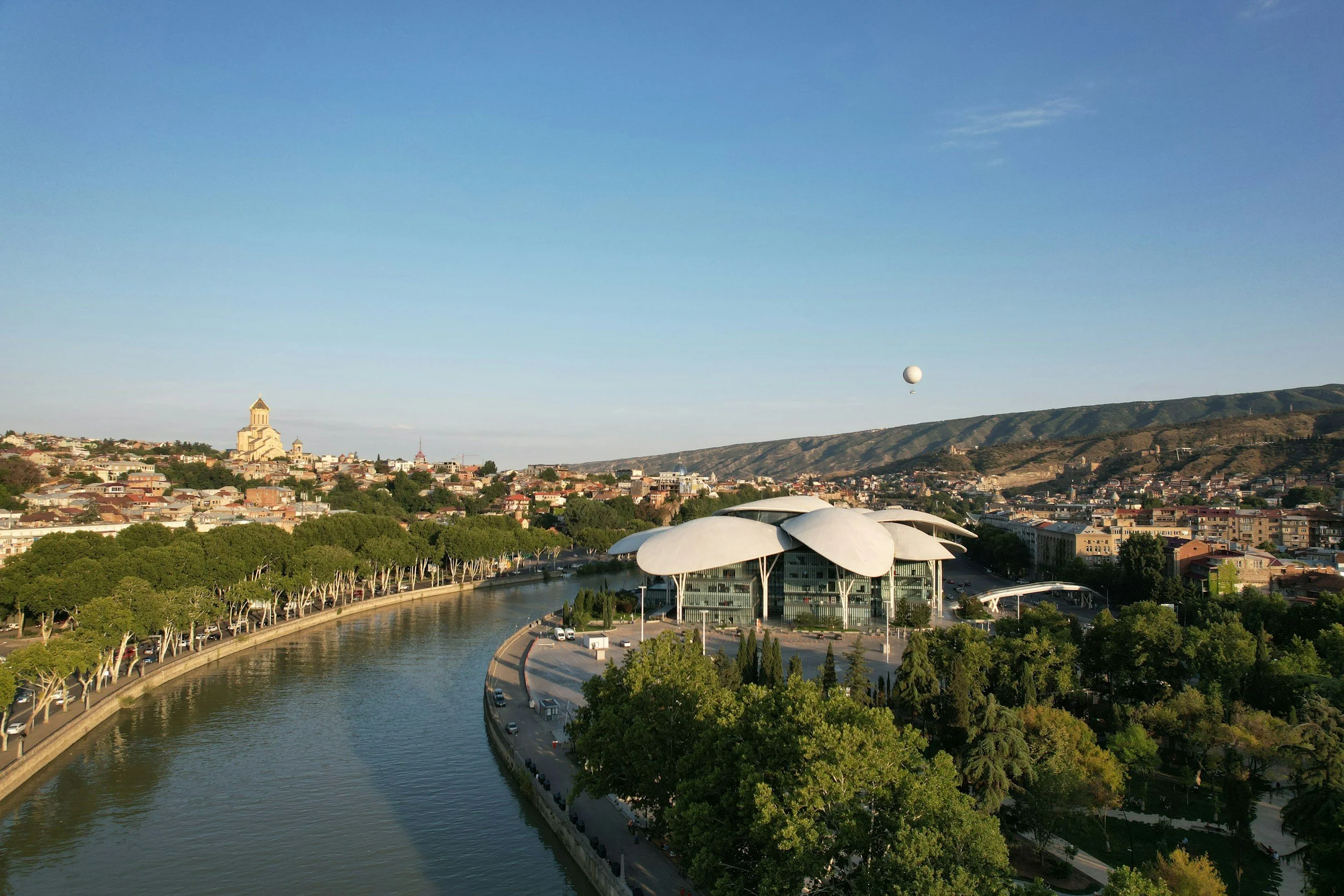
Georgia rarely features in global food conversations, often overshadowed by its European and Middle Eastern neighbours. When it does appear, it’s usually framed as a wine destination rather than a serious food one. That misses the point entirely. Tbilisi has one of the most distinctive and soulful food cultures in the world — it just hasn’t been packaged for mass tourism.
What defines the local food culture
Georgian cuisine is built around generosity, seasonality, and the idea of sharing. Meals are social events, anchored by the supra — a traditional feast led by a toastmaster, where food, wine, and storytelling flow together. Flavours lean bold and comforting: walnuts, herbs, garlic, cheese, slow-cooked meats, and fresh bread baked daily. In Tbilisi, these traditions play out everywhere from family kitchens to casual neighbourhood restaurants.
Dishes to know before you go
Khachapuri (cheese-filled bread, with endless regional variations), khinkali (soup dumplings eaten by hand), badrijani nigvzit (aubergine rolls with walnut paste), lobio (bean stew), and pkhali (vegetable pâtés bound with walnuts and herbs). Georgian food is rich but balanced, designed to be eaten slowly and shared widely.
What makes eating here special
Eating in Tbilisi feels intimate and unpretentious. Portions are generous, tables fill quickly, and strangers often end up sharing food and conversation. Wine is poured freely, often homemade, and meals stretch on longer than planned. There’s a sense that food here isn’t rushed or optimised — it exists to bring people together.
World Locals tip
Order less than you think you need — dishes are designed for sharing and arrive fast. If you’re offered homemade wine or chacha, accept at least one glass. It’s part of the hospitality, not a sales pitch.
Penang, Malaysia
Why it’s underrated
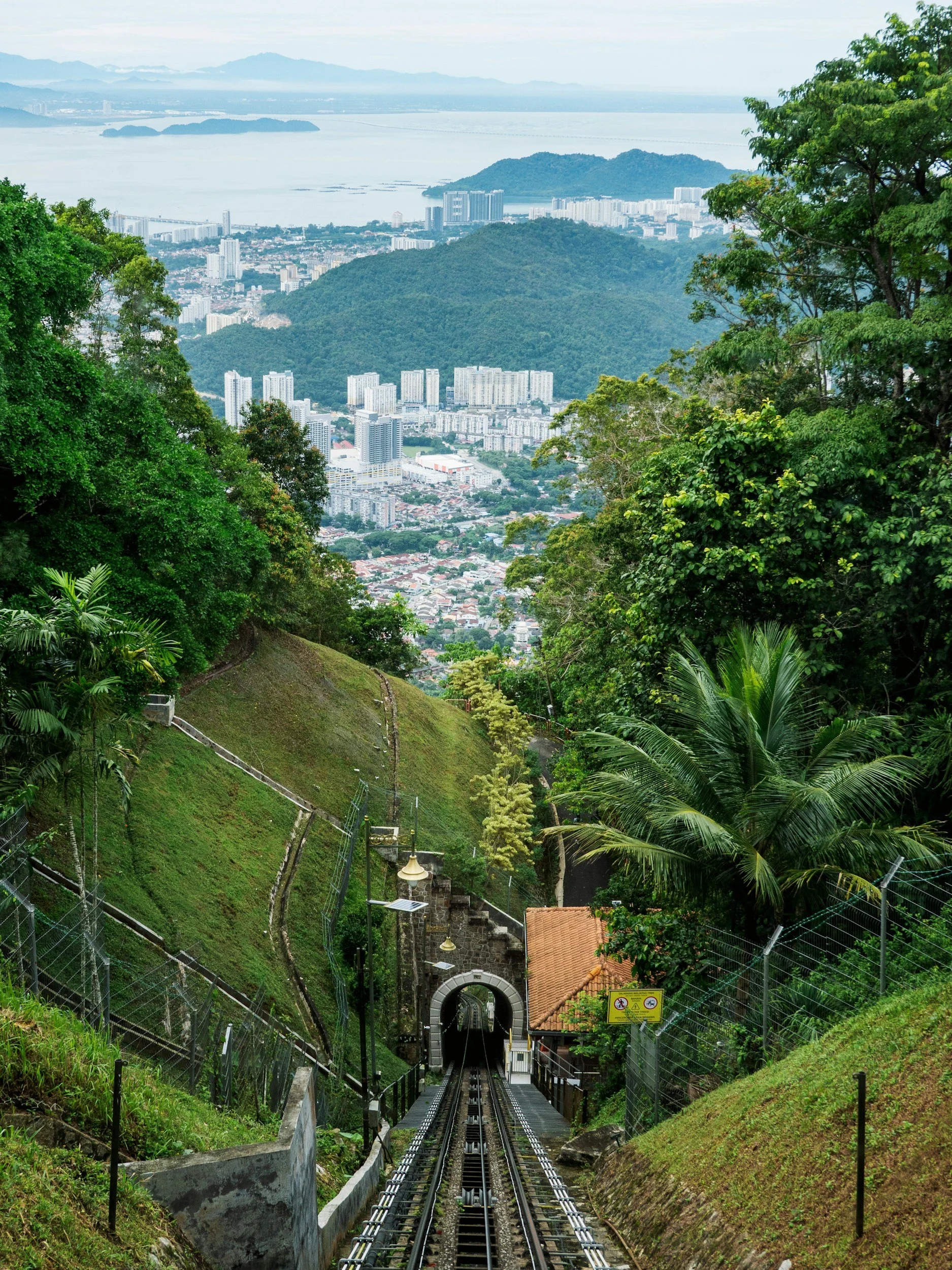
Penang is often mentioned in passing as a street food stop, but rarely given the same global recognition as Bangkok, Singapore, or Hong Kong. It tends to be framed as a budget-friendly alternative rather than a world-class food destination in its own right. In reality, Penang’s food culture is one of the most complex and rewarding anywhere in Asia.
What defines the local food culture
Penang’s cuisine is shaped by migration. Malay, Chinese, Indian, and Peranakan influences sit side by side, creating dishes that are layered, balanced, and deeply local. Hawker centres are the heart of daily eating, but neighbourhood kopitiams and night markets are just as important. Food here is affordable, informal, and rooted in routine — people return to the same stalls for decades.
Dishes to know before you go
Char kway teow, assam laksa, nasi kandar, roti canai, and oyster omelette. Many dishes look simple at first glance, but rely on technique, timing, and seasoning perfected over generations. Penang food is bold without being overwhelming, and deeply satisfying without feeling heavy.
What makes eating here special
Eating in Penang is about rhythm. Breakfast might be noodles at a street stall, lunch a rice plate assembled dish by dish, and dinner something entirely different from the night market. Meals aren’t rushed, but they aren’t precious either. Food fits seamlessly around daily life, rather than dominating it.
World Locals tip
Follow locals, not rankings. The best stalls often look unremarkable and may only sell one dish. Go early — many of the most respected hawker stalls close once they sell out.
Sarajevo, Bosnia and Herzegovina
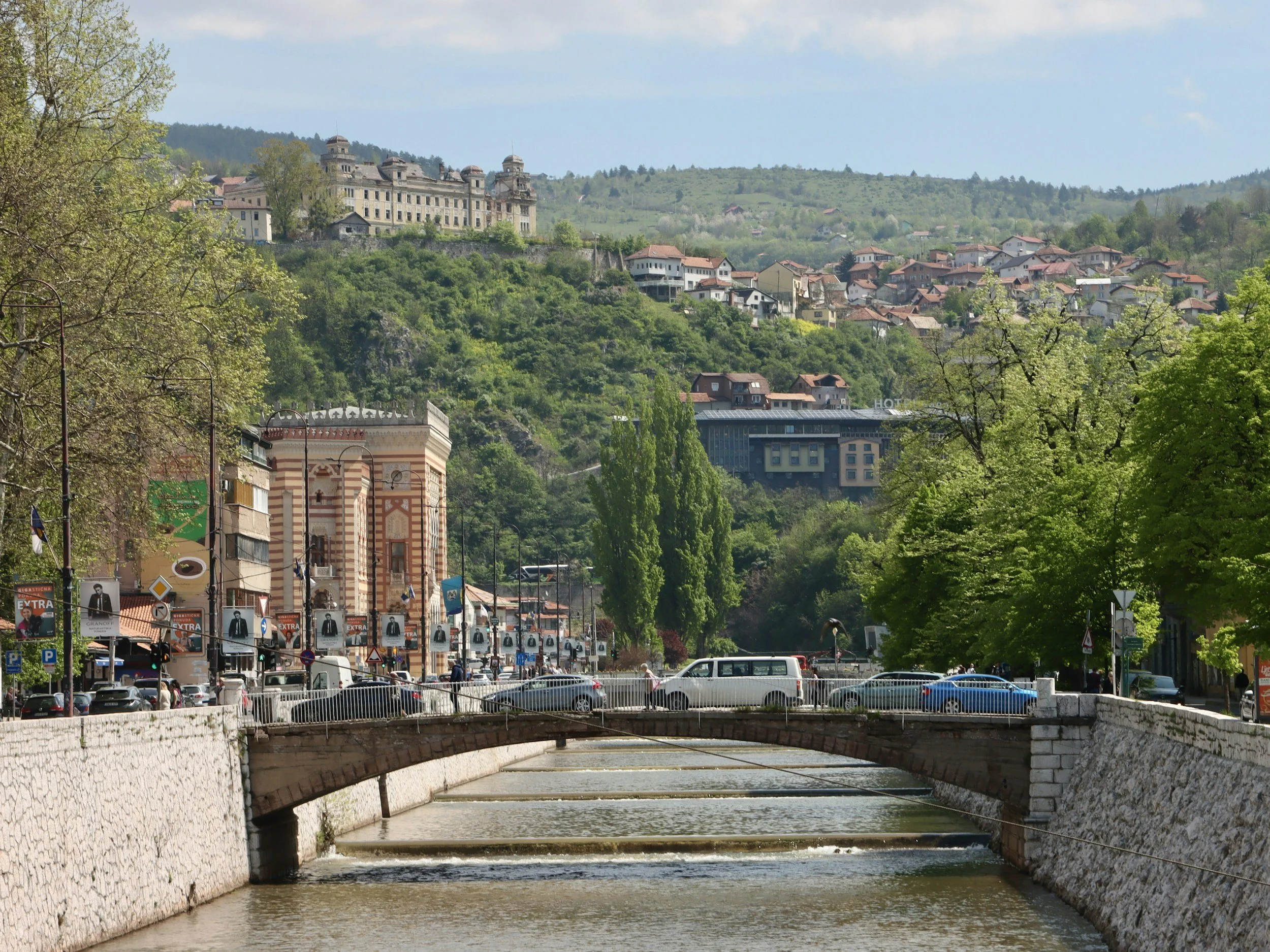
Why it’s underrated
The Balkans are rarely part of the global food conversation, and Sarajevo is often approached through the lens of history rather than culture — let alone cuisine. Travellers tend to pass through briefly, unaware that the city has one of the most distinctive and comforting food traditions in Europe, shaped by centuries of Ottoman influence and local adaptation.
What defines the local food culture
Sarajevo’s food culture is deeply rooted in tradition, ritual, and hospitality. Meals are hearty, unfussy, and built around grilled meats, slow-cooked stews, breads, dairy, and strong coffee. Ottoman flavours blend with Balkan comfort food, creating dishes that feel both familiar and unique. Eating out is affordable and social, with food playing a central role in everyday life rather than special occasions.
Dishes to know before you go
Ćevapi (grilled minced meat served with flatbread and onions), burek and other filled pitas, begova čorba (rich chicken and vegetable soup), dolma, and tufahija (poached apples stuffed with walnuts). Portions are generous, flavours are warming, and recipes rarely stray far from tradition.
What makes eating here special
Eating in Sarajevo feels grounding. Meals are slow, filling, and often shared, whether you’re sitting in a no-frills ćevabdžinica or a family-run restaurant that hasn’t changed much in decades. Coffee culture is just as important as food — strong, ritualised, and unhurried — offering a pause between meals rather than a takeaway habit.
World Locals tip
Don’t rush meals, and don’t over-order. Food is filling, and courses arrive with intention. Take time for Bosnian coffee after eating — it’s part of the experience, not an optional extra.
Oaxaca, Mexico
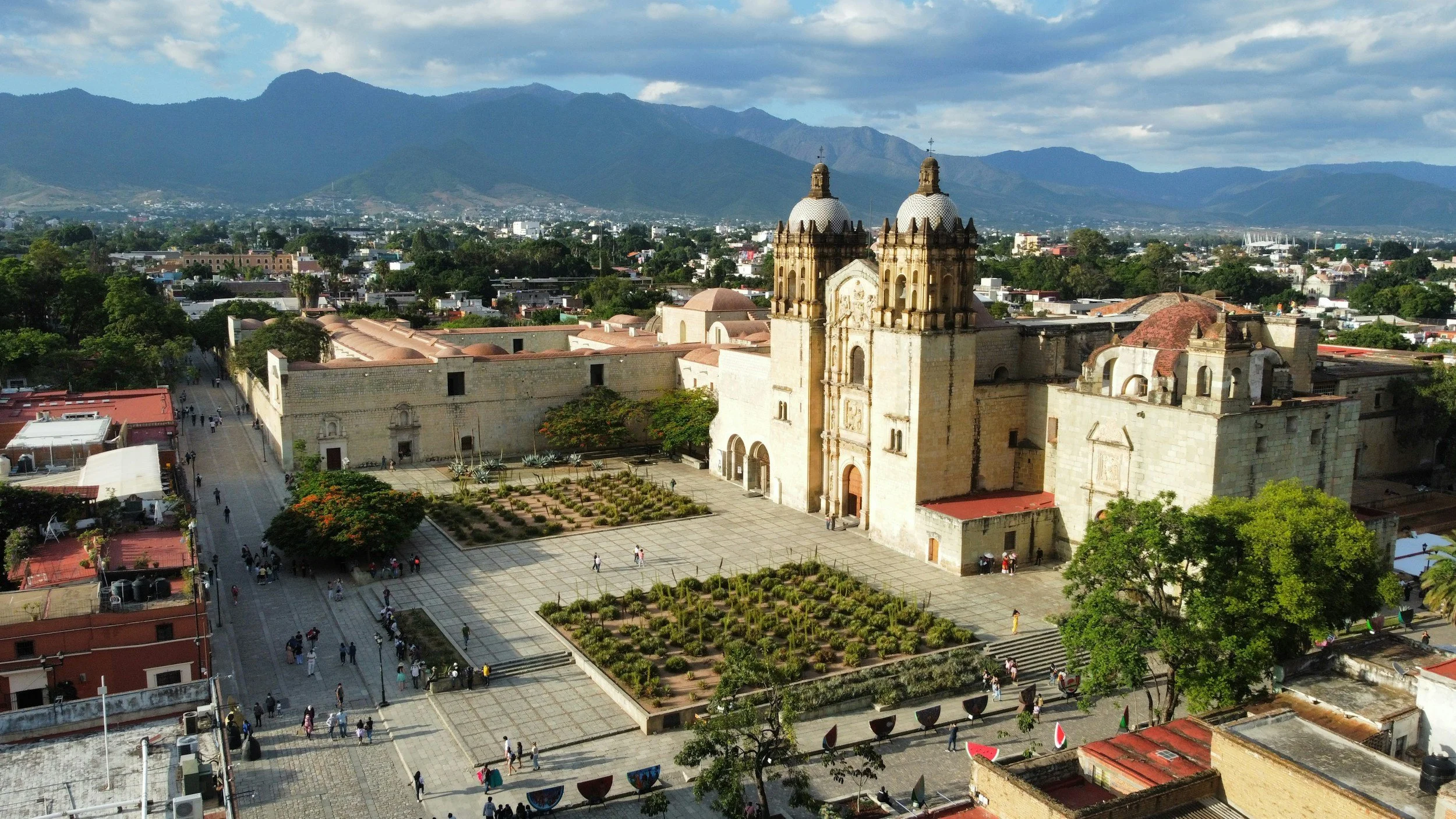
Why it’s underrated
Mexico is often reduced to a handful of headline food cities, leaving Oaxaca quietly sitting in the background despite being one of the country’s most culturally rich culinary regions. When it is mentioned, it’s usually framed narrowly around mole, rather than as a living, breathing food culture shaped by Indigenous traditions and everyday ritual.
What defines the local food culture
Oaxacan food is deeply tied to land, seasonality, and Indigenous heritage. Corn is sacred here, not symbolic — it underpins everything from tortillas and tamales to drinks like tejate. Markets are central to daily life, and many dishes are still prepared using techniques passed down through generations. Eating in Oaxaca feels grounded and intentional, with a strong sense of place in every meal.
Dishes to know before you go
Mole negro and other regional moles, tlayudas (large, crisp tortillas topped with beans, cheese, and meat), tamales wrapped in banana leaves, memelas, and quesillo (Oaxacan string cheese). Chapulines may be the most talked-about dish, but they’re just one small part of a much broader food story.
What makes eating here special
Food in Oaxaca feels communal and deeply local. You eat in markets, courtyards, and simple dining rooms, often watching dishes being prepared in front of you. Meals are unrushed, flavours are layered rather than loud, and there’s a strong connection between what’s on the plate and where it comes from.
World Locals tip
Spend time in the markets — especially in the morning. Order from stalls that specialise in just one or two dishes, and don’t skip the drinks. Local beverages like chocolate de agua or tejate are as much a part of the food culture as the meals themselves.
İzmir, Turkey
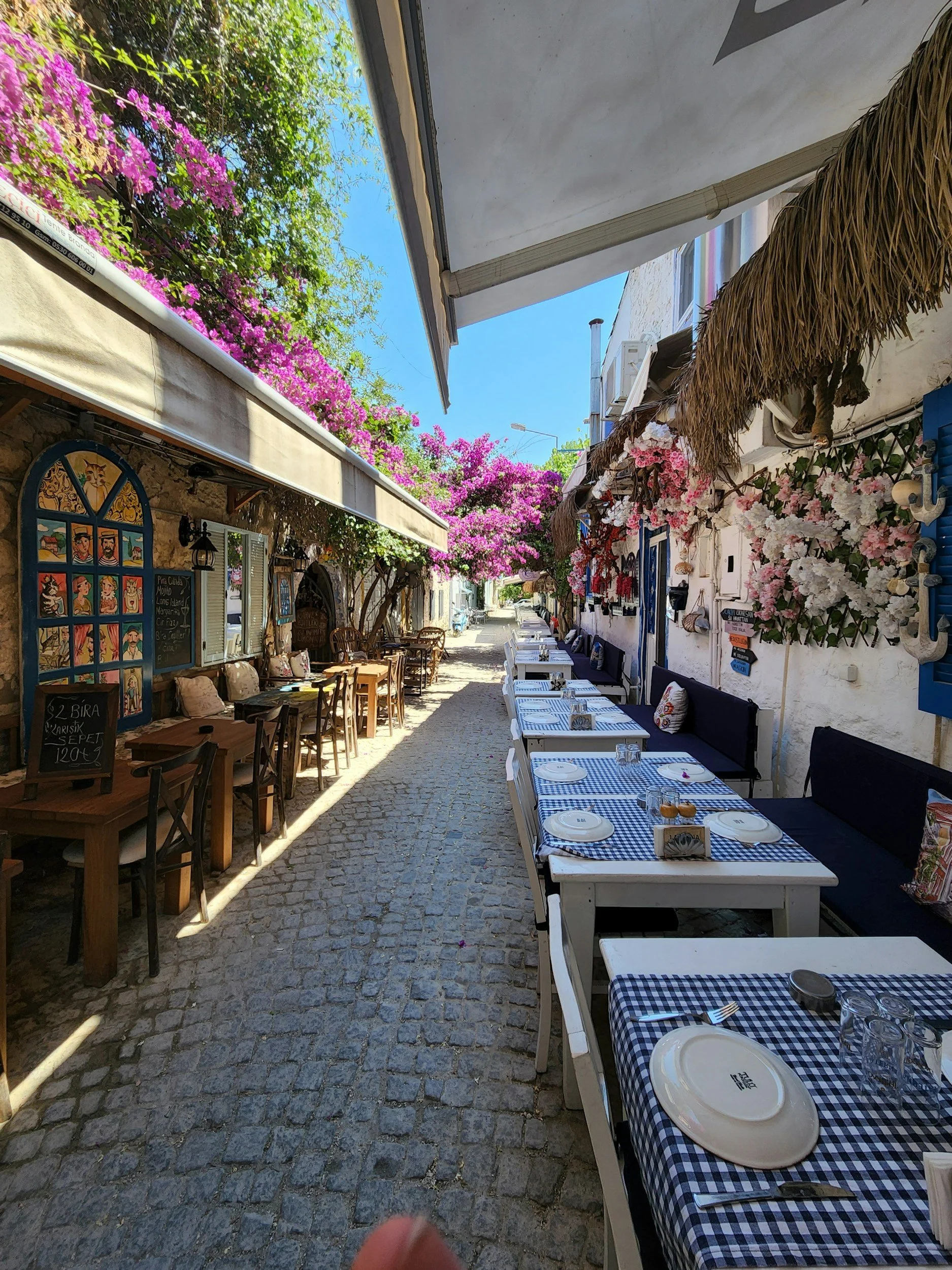
Why it’s underrated
When people think about food in Turkey, Istanbul usually dominates the conversation. İzmir, despite having one of the most refined and vegetable-forward food cultures in the country, is often overlooked or treated as a brief stop rather than a destination in its own right. Its food is quieter, lighter, and more seasonal — which is exactly why it tends to fly under the radar.
What defines the local food culture
İzmir’s cuisine is shaped by the Aegean. Olive oil, herbs, greens, seafood, and simple preparations define daily eating here. Unlike the richer, meat-heavy dishes found elsewhere in Turkey, food in İzmir leans fresh and restrained, with an emphasis on produce and balance. Meze culture is central, and meals are often built around small plates shared slowly rather than large, single dishes.
Dishes to know before you go
Boyoz (a flaky pastry eaten for breakfast), kumru (a local sandwich filled with cheese and sausage), stuffed courgette flowers, grilled octopus, fresh seafood meze, and Aegean-style vegetable dishes cooked gently in olive oil. Flavours are subtle but confident, letting ingredients speak for themselves.
What makes eating here special
Eating in İzmir feels relaxed and unforced. Meals stretch into long afternoons by the sea or evenings spent sharing plates with friends. There’s little rush, little formality, and a strong sense that food is meant to complement life, not dominate it. It’s social, seasonal, and deeply tied to place.
World Locals tip
Order widely and share everything. Focus on meze and vegetable dishes rather than mains, and eat late — locals tend to take their time, especially in the evenings along the waterfront.
Medellín, Colombia
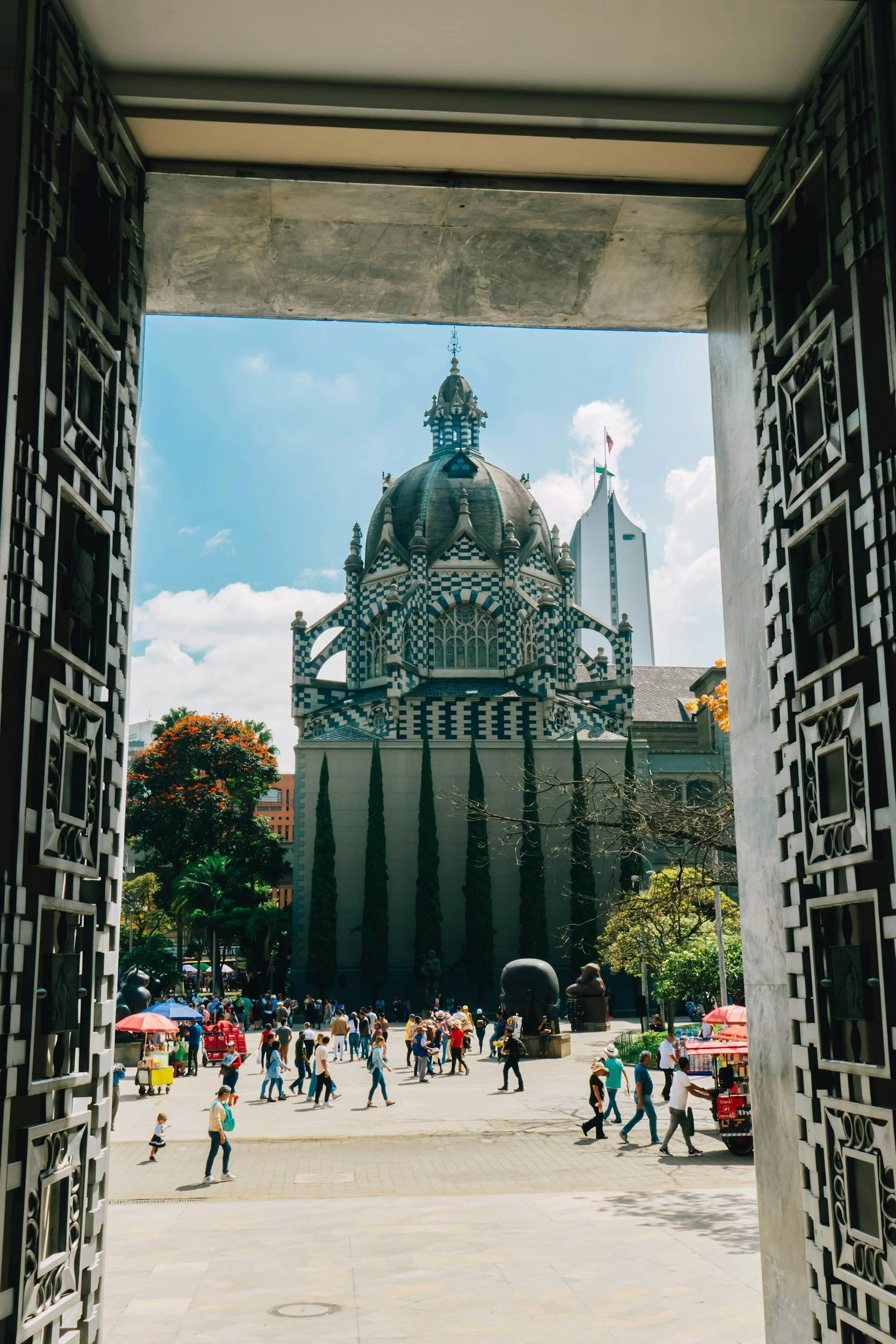
Why it’s underrated
Colombia’s food scene is still widely misunderstood, and Medellín is often approached for its transformation story rather than its cuisine. When people talk about Latin American food destinations, they jump to Mexico or Peru, leaving Colombia — and Medellín in particular — largely overlooked. It’s not flashy, and that’s exactly why it’s underrated.
What defines the local food culture
Food in Medellín is built around comfort, routine, and regional identity. Antioquian cuisine is hearty and practical, shaped by farming traditions and long days of work. Meals are filling rather than elaborate, and eating out is woven into everyday life — from set lunches to neighbourhood bakeries and juice bars. Fresh fruit, soups, rice, beans, and grilled meats form the backbone of daily eating.
Dishes to know before you go
Bandeja paisa (the region’s iconic mixed plate), sancocho (slow-cooked soup), arepas in all forms, empanadas, and fresh fruit juices made to order. The food here isn’t about reinvention — it’s about consistency, familiarity, and doing simple things well.
What makes eating here special
Eating in Medellín feels grounded and unpretentious. You eat the same way locals do: regular mealtimes, generous portions, and simple settings. There’s a strong sense of rhythm — breakfast is light, lunch is substantial, and dinner is often relaxed and social. Food supports daily life rather than stealing the spotlight.
World Locals tip
Look for set-menu lunches (menú del día) in neighbourhood spots — they’re affordable, filling, and give you a true sense of how locals eat. Don’t underestimate bakeries either; they’re central to daily food culture.
Thessaloniki, Greece

Why it’s underrated
Greek food conversations almost always orbit around Athens or the islands, leaving Thessaloniki — Greece’s second city — quietly overlooked. It doesn’t have the postcard beaches or ancient headline sights, so it’s rarely framed as a food destination. In reality, Thessaloniki has one of the richest and most diverse food cultures in the country.
What defines the local food culture
Thessaloniki’s cuisine reflects its history as a crossroads city. Ottoman, Balkan, Sephardic Jewish, and Asia Minor influences all shape what’s eaten here, resulting in food that’s spicier, more aromatic, and more layered than what many travellers expect from Greece. Street food, bakeries, and casual tavernas dominate daily eating, and meals are social, informal, and frequent.
Dishes to know before you go
Bougatsa (custard- or cheese-filled pastry), koulouri (sesame bread rings), soutzoukakia (spiced meatballs in tomato sauce), gyros and souvlaki done properly, and meze plates designed for sharing. Desserts and pastries play a big role too, reflecting the city’s strong baking tradition.
What makes eating here special
Eating in Thessaloniki feels lively and democratic. Food spills out onto pavements, bakeries stay busy all day, and late-night eating is completely normal. There’s less emphasis on presentation and more on flavour, generosity, and atmosphere. You eat because it’s time to eat — and because it’s enjoyable to do so together.
World Locals tip
Don’t limit yourself to sit-down meals. Start the day with pastries from a local bakery, eat street food standing up in the evening, and save tavernas for long, shared meals with friends. Thessaloniki rewards grazing.
Lagos, Nigeria
Why it’s underrated
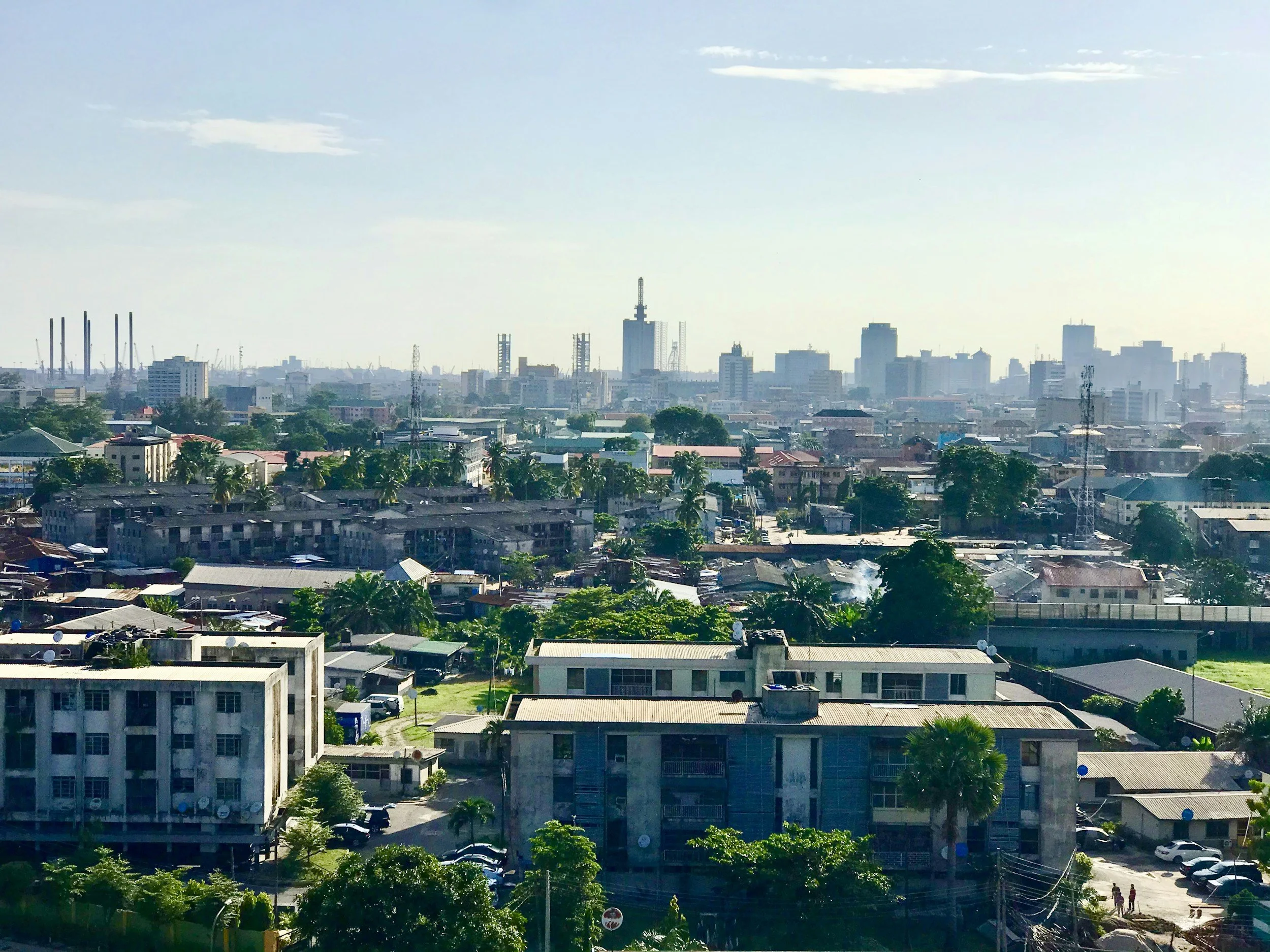
West African food rarely gets the global recognition it deserves, and Lagos — one of the most dynamic cities on the continent — is often overlooked entirely as a food destination. When it is mentioned, it’s usually in broad strokes, without much understanding of how rich, varied, and deeply local the food culture really is. Lagos doesn’t cater to outsiders, and that’s precisely why it’s underrated.
What defines the local food culture
Food in Lagos is bold, expressive, and deeply tied to daily life. Meals are built around heat, spice, and slow-cooked depth, with street food and informal eateries playing a central role. Yoruba cooking traditions dominate, but influences from across Nigeria and the wider region are everywhere. Eating is social, energetic, and often spontaneous — food fits around life, not the other way round.
Dishes to know before you go
Jollof rice (fiercely defended and endlessly debated), suya (spiced grilled meat), egusi soup, efo riro, puff-puff, and fried plantain. Many dishes are eaten with the hands and shared, reinforcing the communal nature of meals.
What makes eating here special
Eating in Lagos feels alive. Street grills smoke into the evening, music plays in the background, and food is often eaten late, loudly, and together. There’s very little formality — what matters is flavour, generosity, and atmosphere. Meals are moments of connection as much as nourishment.
World Locals tip
Don’t shy away from street food, but go where locals go and eat when things are busy. Ask what’s fresh that day rather than ordering off a mental checklist — availability often signals quality.
Yerevan, Armenia
Why it’s underrated
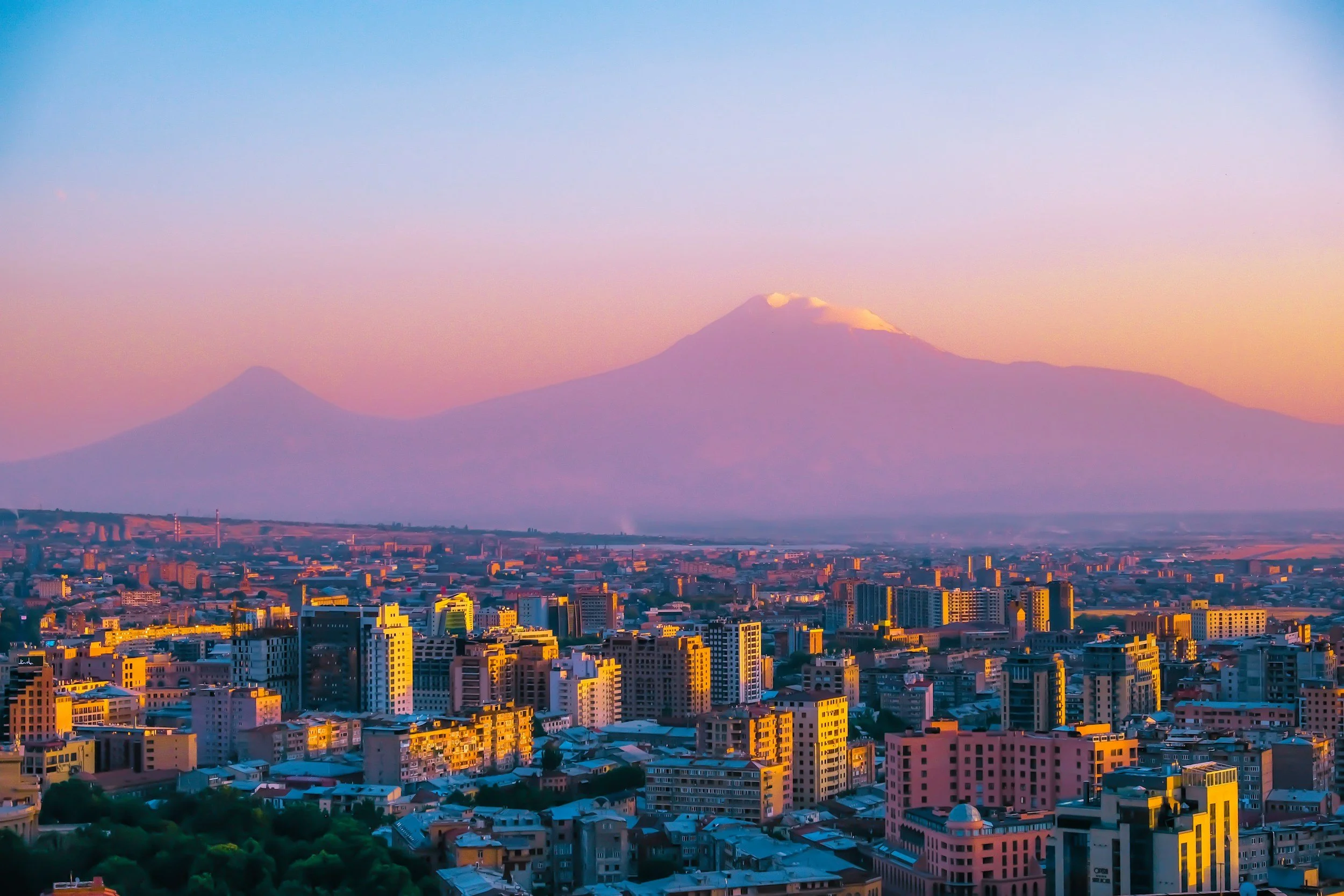
Armenia rarely appears on global food lists, and when it does, it’s often reduced to bread and grilled meat. Yerevan, in particular, is still flying well under the radar despite sitting at the crossroads of Eastern Europe, the Middle East, and Central Asia. Its food culture is ancient, resilient, and deeply expressive — it just hasn’t been repackaged for international attention.
What defines the local food culture
Armenian cuisine is rooted in seasonality, preservation, and generosity. Food reflects the landscape: herbs, grains, yoghurt, vegetables, slow-cooked meats, and flatbreads baked daily. Meals are built around sharing, with tables filling quickly and plates arriving continuously. In Yerevan, traditional recipes sit comfortably alongside modern interpretations, but the soul of the food remains firmly tied to home cooking.
Dishes to know before you go
Khorovats (Armenian barbecue), dolma wrapped in vine leaves, lavash baked in a tonir oven, spas (yoghurt-based soup), ghapama (stuffed pumpkin), and fresh herbs served by the plateful rather than as garnish. Flavours are clean, comforting, and quietly complex.
What makes eating here special
Eating in Yerevan feels sincere. Meals are unhurried, conversation-led, and deeply hospitable — it’s common for food to keep arriving long after you think you’ve finished ordering. There’s little separation between food and culture; meals are where stories are shared, traditions passed on, and time slows down.
World Locals tip
Say yes when you’re encouraged to try “just one more dish” — it’s part of Armenian hospitality. Look for restaurants and cafés filled with families rather than tourists, and don’t skip the bread. Lavash here isn’t a side — it’s central to the meal.
“Some of the most memorable meals don’t happen in famous restaurants or cities crowned with food-capital titles. They happen in places where food is still everyday, unfiltered, and woven quietly into local life. Underrated food destinations often lack the hype — but they make up for it with depth, generosity, and a strong sense of place.
What connects the destinations on this list isn’t trendiness or global recognition, but rhythm. Meals follow local habits. Recipes carry history. Eating is social, affordable, and rarely rushed. You’re encouraged to share, to linger, to trust what’s on offer rather than searching for what you already know. Food becomes a way in — a way to understand culture, people, and daily life beyond the surface.
Travelling for food doesn’t have to mean chasing reservations or rankings. Sometimes it’s about choosing places that haven’t been polished for international audiences yet — places where flavours are shaped by migration, geography, and memory rather than expectation. These are the destinations that surprise you, feed you well, and stay with you long after the trip ends.
If you’re the kind of traveller who plans days around markets, follows queues instead of guides, and believes the best meals are often the simplest ones, these underrated food destinations are worth travelling for.”