London: Neighbourhood Guide
London isn’t a city you take in all at once. It’s a patchwork of villages stitched together by history, culture, and the stories of millions who’ve passed through it. The real magic lies in how every pocket of the city has its own rhythm — its own cafés, its own green spaces, its own accents, scents, and quirks. Step beyond the familiar icons of Westminster or the South Bank and you’ll find a version of London that feels far more intimate, human, and full of personality.
Exploring London through its neighbourhoods is the key to truly understanding it. One minute you’re wandering cobbled lanes lined with independent bookshops; the next you’re inside a repurposed warehouse filled with street food stalls; and just a short bus ride away a leafy hill offers one of the best skyline views in Europe. Each district opens a different window into everyday London life, showing the city’s depth far beyond its headline landmarks.
This guide uncovers some of London’s most distinctive neighbourhoods, from the creative hubs and markets of the east to the elegant terraces and garden squares of the west. Whether it’s your first visit or your fiftieth, these are the places where London’s character shines brightest — and where the city reveals its true self.
Central London
Central London is where the city’s layers are most visible — Roman foundations hidden beneath Georgian terraces, Victorian theatres lit up beside contemporary galleries, and lively market squares sitting steps away from quiet residential pockets. It’s the heart of the capital, and while it attracts the world, it still rewards those who slow down and explore its lesser-trodden corners. From royal parks to cobbled lanes, Central London offers an ever-shifting balance of grandeur and intimacy.
Covent Garden
Covent Garden has been a gathering place for Londoners for centuries, once a bustling fruit and vegetable market and now one of the city’s most atmospheric neighbourhoods. The covered market halls are filled with artisan stalls, independent boutiques, and small studios showcasing British design. Step outside the main Piazza and you’ll find charming side streets lined with cafés, specialist shops and hidden courtyards.
Seven Dials is a highlight: seven narrow streets meeting at a central column, each one packed with small eateries, dessert spots, and niche shops. Neal’s Yard — a tiny, colourful courtyard — offers a moment of calm amid the city’s rush. Covent Garden is also synonymous with performance: street buskers entertain crowds daily, the Royal Opera House anchors the area, and dozens of West End theatres sit just minutes away. It’s lively, cultural, and full of surprises.
Soho
Soho is one of London’s most storied neighbourhoods — a place shaped by creativity, counterculture, and communities from all over the world. Its streets are narrow and always humming, with neon signs, window displays, and late-night cafés adding to its distinct energy. Food is a huge part of Soho’s identity, with everything from long-standing Italian delis and tiny ramen bars to super-trendy openings that locals queue for.
Historically, Soho was a hub for artists, musicians, and London’s LGBTQ+ community, and that legacy is still felt today in its independent venues and inclusive nightlife. Iconic spots like Ronnie Scott’s Jazz Club keep its musical heritage alive, while streets like Old Compton Road remain central to its cultural identity. It’s busy, sometimes chaotic, but undeniably magnetic — a neighbourhood that never really sleeps.
Fitzrovia
Fitzrovia is the quieter soul of central London — refined, arty, and quietly stylish. Once home to writers, broadcasters, and painters, it still retains a creative undercurrent. Georgian streets weave between modern office blocks, while cafés and independent restaurants spill onto pavements. Charlotte Street is the area’s main artery, known for its diverse dining scene, but wander a few minutes in any direction and you’ll find design studios, boutique galleries, and a number of excellent pubs with proper local character.
Despite being close to Oxford Street, Fitzrovia feels like a retreat: less crowded, more polished, and ideal for visitors who enjoy wandering neighbourhoods that reveal themselves slowly. It’s the sort of place to settle into a café and watch the rhythm of central London unfold.
Westminster and St James’s
This is ceremonial London — the postcard-worthy heart of the city. Westminster Abbey, Big Ben, the Houses of Parliament, Horse Guards Parade, St James’s Park and Buckingham Palace all sit within walking distance, connected by broad avenues and ceremonial architecture. Yet look a little closer and you’ll find a surprisingly human side.
Behind government buildings are quiet courtyards and historic passageways; St James’s Park is one of London’s most beautiful green spaces, with lakeside paths, resident pelicans, and sweeping views towards Westminster. Whitehall’s military history is woven into statues, museums and memorials, while The Mall leads up to the palace in a scene that feels deeply tied to the UK’s national identity. It’s an area best explored early in the morning or later in the day, when the crowds thin and the grandeur feels even more atmospheric.
Bloomsbury
Bloomsbury feels scholarly and calm, shaped by universities, museums, and leafy garden squares. Once home to the Bloomsbury Group — a collection of writers, thinkers and artists — the neighbourhood’s intellectual legacy is still felt in its bookshops, libraries, and cultural institutions. The British Museum anchors the area, but quieter highlights include Russell Square, Gordon Square, and charming streets lined with Georgian terraces and academic buildings.
Bloomsbury is ideal for slow wandering: browse second-hand bookshops, linger in cafés filled with students, or explore small museums like the Charles Dickens Museum or the Foundling Museum. Despite its central location, it feels peaceful and contemplative — a small pocket of serenity in the heart of the city.
East London
East London is one of the city’s most expressive and ever-changing regions — a blend of creativity, migration, markets, and community energy. What began as a historic working-class and industrial quarter has transformed into one of London’s most dynamic cultural hubs. Street art sits beside old factories converted into galleries, canals weave between Victorian warehouses, and every neighbourhood has its own strong identity shaped by food, music, and local life. It’s the part of London where you feel the city evolving in real time.
Shoreditch
Shoreditch is the creative engine of modern East London. Known for its street art, independent design stores, and vibrant nightlife, it’s a neighbourhood that feels equal parts edgy and experimental. Brick Lane is the epicentre — a stretch lined with curry houses, bagel shops, weekend markets, and murals that change weekly. Nearby Redchurch Street is more refined, home to boutique fashion, minimalist cafés, and stylish homeware shops.
Old Spitalfields Market, one of London’s oldest trading hubs, brings together craft stalls, small-batch makers, and excellent food vendors under one roof. As night falls, Shoreditch switches gears: speakeasies, cocktail bars, and music venues fill with people from across the city. It’s busy, bold, and full of energy — ideal for travellers who want to experience contemporary London.
Hackney and London Fields
Hackney blends community spirit with an independent streak. It’s a place of small bakeries, creative studios, vintage shops, and multicultural food from around the world. Broadway Market comes alive on Saturdays, offering everything from artisanal produce to street food, flowers, and vinyl stalls. Grab a pastry from one of the local bakeries and wander towards London Fields, a popular green space where locals picnic and sunbathe in summer.
Nearby Mare Street and the canals toward Hackney Wick reveal some of the city’s most interesting creative corners — repurposed warehouses, microbreweries, and independent galleries. Hackney is effortlessly cool without trying too hard, and it’s one of the best places in London to get a feel for everyday local life.
Dalston
Dalston is vibrant, diverse, and always on the move. It’s known for its Turkish restaurants — some of the best in the city — along with Afro-Caribbean eateries, live music venues, and bars that spill out onto the streets on warm evenings. Ridley Road Market captures the area’s multicultural roots, selling fresh produce, spices, textiles, and street snacks from across the world.
Dalston’s creative side is equally strong, with experimental clubs, independent theatres, and late-night cafés catering to a young, artistic crowd. It’s an area where traditions meet innovation daily, making it one of East London’s most eclectic neighbourhoods.
Bethnal Green
Bethnal Green balances tradition with reinvention. Its residential streets are lined with Victorian terraces and former council blocks, while the main roads offer a mix of local bakeries, unpretentious cafés, and family-run spots that have served the community for generations. Columbia Road Flower Market, held every Sunday, transforms the area into a riot of colour and crowd chatter — one of London’s most beloved weekend rituals.
The V&A Museum of Childhood (currently The Young V&A) sits at the heart of the neighbourhood, and the area’s quiet backstreets lead to small parks, indie shops, and friendly pubs. Bethnal Green feels more lived-in and less curated than nearby Shoreditch, giving it a grounded, authentic charm.
Canary Wharf
Once dominated by docklands and warehouses, Canary Wharf is now London’s modern financial district — a forest of glass towers overlooking the Thames. But beyond the corporate skyline, the area has flourished into a surprisingly vibrant neighbourhood, with public art installations, landscaped parks, waterfront paths, and a growing food scene.
The quieter neighbourhoods surrounding Canary Wharf, such as Isle of Dogs and Poplar, bring a real contrast: residential pockets, riverside pubs, and sweeping views back towards the city. It’s a sleek and polished side of London, ideal for travellers who enjoy architecture, contemporary design, and exploring lesser-known riverfront areas.
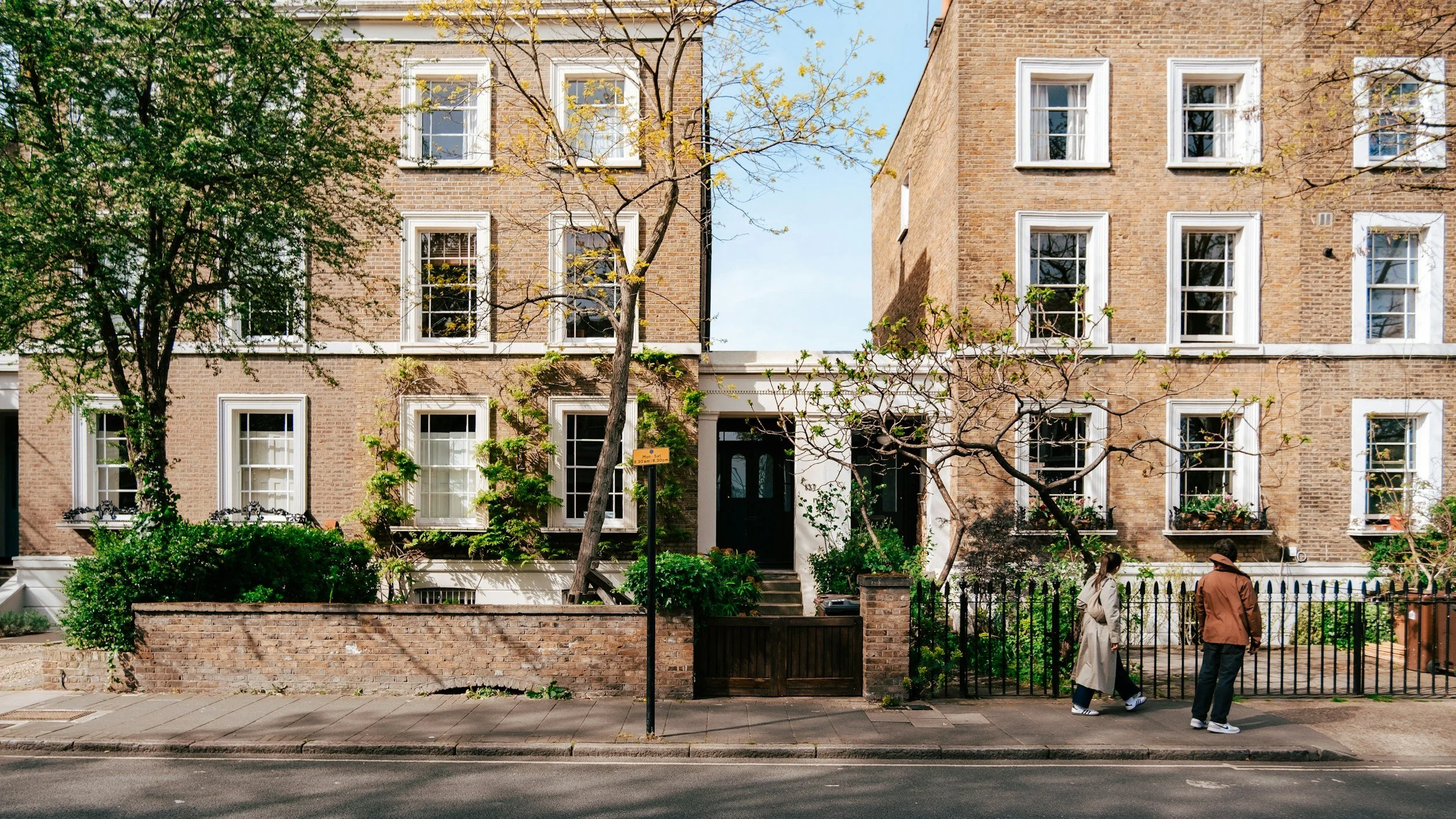
Hackney, East London.
North London
North London is where leafy village charm meets creative energy. It’s a part of the city defined by bookshops, hillside parks, handsome streets, and neighbourhood high roads that feel worlds away from the bustle of the centre. Whether you’re after canal strolls, live music, historic pubs, or panoramic views across the skyline, North London delivers a slower, more residential glimpse of the capital — without losing any of its character.
Camden Town
Camden is loud, colourful, and unapologetically alternative. It has long been a hub for London’s music scene, with legendary venues like the Roundhouse playing host to everyone from emerging indie acts to global icons. Camden Market sprawls along the canal, packed with vintage stalls, street food from around the world, and local designers selling one-off pieces.
But Camden has quieter sides too. Wander along Regent’s Canal towards Primrose Hill and you’ll find houseboats, leafy towpaths, and pastel terraces far removed from the market buzz. The blend of counterculture and calm is what makes Camden such an intriguing stop — vibrant, eclectic, and full of stories.
Hampstead
Hampstead is one of London’s most picturesque neighbourhoods — almost a village within the city. Cobbled lanes, cosy pubs, literary history, and charming squares give it a timeless, almost rural feel. Hampstead High Street is dotted with independent boutiques and bakeries, while smaller streets like Flask Walk capture the area’s old-world atmosphere beautifully.
The crown jewel is Hampstead Heath, one of London’s largest and wildest green spaces. From open meadows and woodland trails to the famous bathing ponds and the panoramic views from Parliament Hill, it’s a place where the city melts away. Hampstead is perfect for slow wandering, scenic strolls, and discovering elegant corners that feel untouched by time.
Islington (Angel)
Islington blends sophistication with creative flair. Upper Street is the main artery — lined with boutiques, bookshops, restaurants, and cosy gastropubs — but the real charm lies in the surrounding residential streets. Georgian terraces give the area its signature look, while Camden Passage adds a quieter, vintage feel with its antiques market and small cafés.
The neighbourhood is known for its theatre scene too, with venues like the Almeida and The King’s Head offering intimate, high-calibre productions. It’s a polished but approachable corner of north London, ideal for an afternoon spent browsing independent shops before settling in for dinner and a show.
King’s Cross
Once an industrial zone, King’s Cross has reinvented itself as one of London’s most exciting cultural districts. Coal Drops Yard — a beautifully restored Victorian coal depot — is now a hub of modern restaurants, design stores, and independent brands, all arranged around a striking courtyard space.
Just steps away, the Regent’s Canal offers peaceful waterside strolls, while Granary Square draws visitors with its fountains, public art, and lively outdoor atmosphere. King’s Cross is also home to the British Library and a number of world-class exhibitions inside its converted warehouses. It’s a showcase of thoughtful regeneration — creative, contemporary, and full of surprises.
South London
South London has a rhythm entirely its own — a blend of multicultural food scenes, sprawling parks, creative pockets, and neighbourhoods that feel proudly independent. It’s less about grand landmarks and more about local flavour: weekend markets, community cafés, riverside strolls, and viewpoints that show the city from a different angle. South of the Thames is where you really feel London’s diversity, warmth, and everyday life.
South Bank and Waterloo
This is one of London’s great riverside walks, stretching from Westminster Bridge all the way to Tower Bridge. The South Bank is home to some of the city’s top cultural institutions — the National Theatre, the Southbank Centre, and the British Film Institute — all set against wide, pedestrian-friendly paths with skyline views.
Street performers add a lively energy, and food markets underneath the bridges offer global snacks perfect for wandering. Wander a little deeper into Waterloo and you’ll find The Cut, lined with neighbourhood pubs, small theatres, and independent restaurants. Despite the footfall, there are calm corners too, especially early morning when the river feels still and golden.
Bermondsey
Bermondsey blends warehouse heritage with modern creativity. Maltby Street Market is a highlight — a narrow lane packed with artisan traders selling pastries, cured meats, craft beer, and excellent street food. The stretch from Bermondsey to London Bridge, known as the Bermondsey Beer Mile, has become a favourite among craft beer lovers, with taprooms tucked under railway arches.
The neighbourhood also has strong cultural credentials: White Cube Bermondsey showcases contemporary art, while the streets around Bermondsey Street are filled with independent cafés, design shops, and some standout restaurants. It feels polished but still grounded in its industrial past.
Peckham
Peckham is one of South London’s most creative neighbourhoods, known for its vibrant cultural scene and diverse food offerings. Rye Lane is its beating heart — colourful, energetic, and dotted with African and Caribbean grocery stores, barbers, bakeries, and bubble tea spots. Peckham Levels and the Bussey Building provide a hub for studios, street food, rooftop bars, and live events.
Head towards Peckham Rye Park for open green spaces, followed by a wander through Bellenden Road for independent shops and cafés. Peckham feels youthful, inventive, and community-driven — a neighbourhood that’s constantly reinventing itself.
Brixton
Brixton is a powerhouse of culture, music, and food. Famous for its Afro-Caribbean heritage, the neighbourhood is home to Brixton Market and Brixton Village — indoor arcades filled with independent eateries serving everything from Trinidadian doubles to Japanese small plates. Electric Avenue, one of London’s first electrified streets, still buzzes with traders and local life.
Brixton also has deep musical roots, from David Bowie’s birthplace to legendary venues like the Brixton Academy. Street art adorns brick walls, local shops spill onto pavements, and Windrush Square anchors the area with its strong sense of community history. It’s bold, expressive, and unforgettable.
Greenwich
Greenwich is one of South London’s most beautiful areas — a historic maritime neighbourhood with a distinctly village-like feel. Home to the Royal Observatory, the Prime Meridian Line, and the historic Cutty Sark ship, it’s packed with heritage and sweeping views.
Greenwich Park is a standout: climb the hill behind the observatory for one of London’s best skyline panoramas, especially at sunset. The covered Greenwich Market offers art, jewellery, street food, and antiques, while the riverside path leads past old pubs, quiet gardens, and the striking architecture of the Old Royal Naval College. A peaceful escape with a huge amount of character.
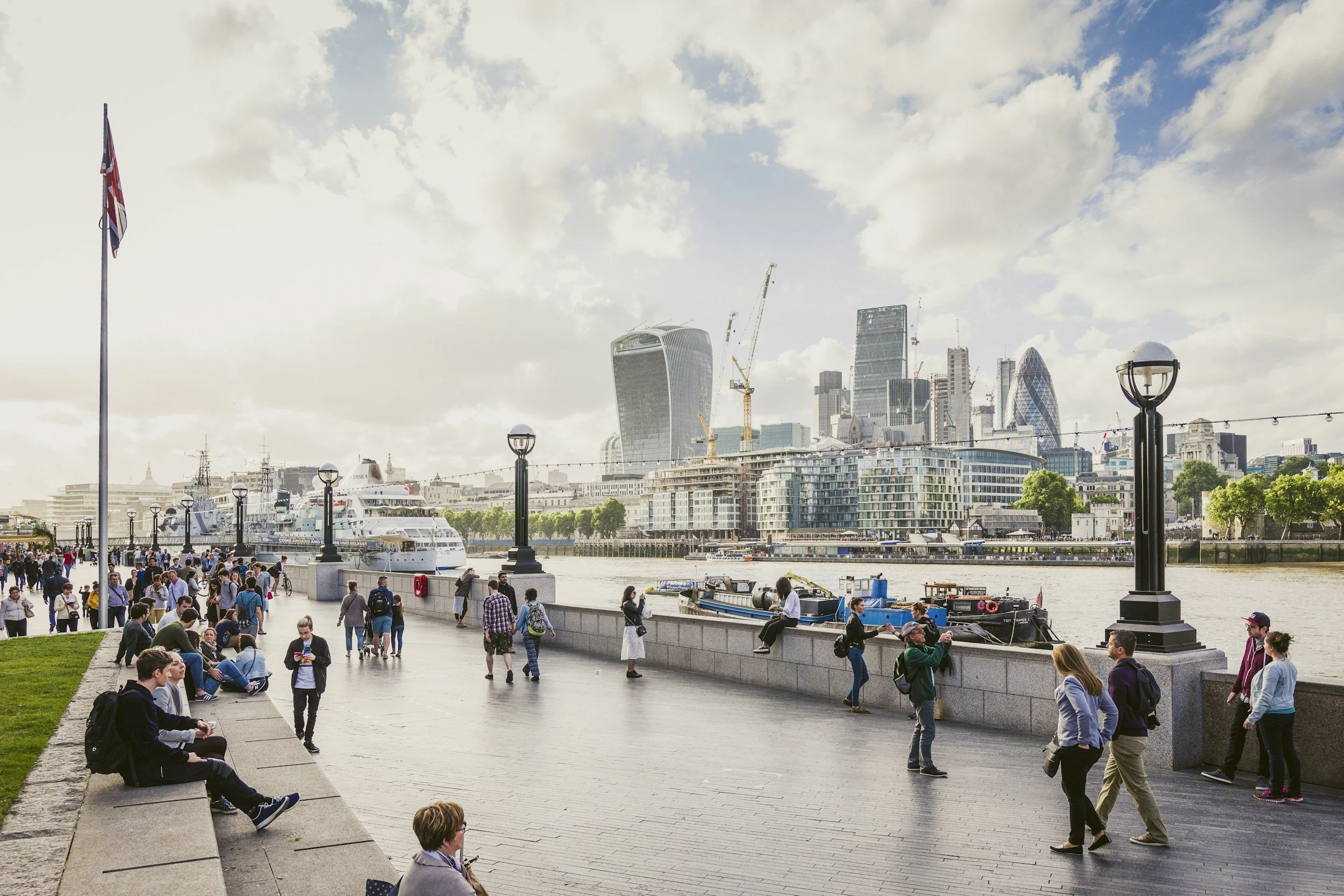
London Bridge, South London.
West London
West London is the capital at its most polished — a place of pastel terraces, tranquil garden squares, luxury boutiques, leafy avenues, and some of London’s most iconic cultural institutions. But it’s not all refinement; tucked between the elegant streets are some of the city’s best markets, riverside pubs, and local neighbourhoods where everyday life unfolds at a slower pace. It’s a region made for wandering, window-shopping, and soaking up London at its gentlest.
Notting Hill
Notting Hill is instantly recognisable — rows of pastel-coloured terraces, antique shops, and narrow mews hidden behind main streets. Portobello Road Market is its most famous draw, especially on Saturdays when antique sellers, food stalls, vintage clothing traders, and musicians fill the stretch from Ladbroke Grove to Notting Hill Gate.
But the neighbourhood has quiet charm too. Wander along Westbourne Grove for chic cafés and boutique shopping, or slip into residential streets like St Luke’s Mews for one of London’s most photographed corners. Notting Hill mixes elegance with bohemian flair, making it one of the city’s most beloved areas to explore.
Kensington
Kensington offers a blend of culture, green space, and understated sophistication. It’s home to world-class museums — the Natural History Museum, the V&A, and the Science Museum — all clustered around Exhibition Road. Kensington Gardens provides a peaceful escape with tree-lined paths, the Italian Gardens, and the Serpentine Gallery nearby.
The neighbourhood’s residential pockets are filled with white townhouses, leafy crescents, and quietly luxurious cafés. High Street Kensington and Gloucester Road offer shopping and dining, while the area’s proximity to Hyde Park makes it a favourite base for visitors who enjoy refined surroundings with easy access to major sights.
Chelsea
Chelsea has long been associated with London’s artistic and design history. The King’s Road was at the heart of the 1960s fashion revolution, and today it remains one of the city’s most stylish shopping streets, lined with designer boutiques, art stores, and cafés. Tucked behind are peaceful residential lanes, leafy squares, and elegant Georgian houses.
Cultural highlights include the Saatchi Gallery and the Chelsea Physic Garden — one of the oldest botanical gardens in Britain, dating back to 1673. Wander towards the river for scenic strolls along the Thames and traditional pubs with waterside views. Chelsea feels refined, timeless, and effortlessly elegant.
Hammersmith and Shepherd’s Bush
This part of West London offers a more lived-in, everyday feel. Hammersmith sits on a beautiful stretch of the Thames, with a riverside path that passes historic pubs, rowing clubs, and peaceful green pockets. It’s a favourite route for locals taking slow weekend walks.
Shepherd’s Bush brings a different energy: the area around Shepherd’s Bush Green is lively and diverse, with the massive Westfield shopping centre, a strong food scene, and key music venues like the Shepherd’s Bush Empire. Dive deeper into residential streets and you’ll find independent shops, friendly cafés, and a distinctly local atmosphere.
How to Choose the Right Neighbourhood
London’s sheer size can make choosing where to spend your time a challenge. Each neighbourhood offers something different — from nightlife and markets to leafy retreats and historic landmarks. Here’s how to match the right area to the kind of London experience you’re after.
For First-Timers
If it’s your first visit and you want to be close to major sights, Covent Garden, Soho, and Westminster make excellent bases. You’ll be within walking distance of theatres, historic landmarks, and some of the city’s best museums. These areas are lively, central, and packed with places to eat and explore.
For Food Lovers
Foodies will feel at home in Soho, Shoreditch, Brixton, and Hackney. These districts offer London’s widest variety of global cuisine — from street food markets and independent bakeries to Michelin-starred restaurants and late-night eateries. Expect constant innovation and serious flavour.
For Culture and Museums
If you’re after galleries, theatre, and historic architecture, head for Covent Garden, Bloomsbury, or Kensington. You’ll be close to the British Museum, Royal Opera House, Natural History Museum, V&A, and more — all within beautifully walkable neighbourhoods.
For Nightlife
Night owls should base themselves near Soho, Shoreditch, or Dalston. These neighbourhoods offer everything from underground music venues and jazz clubs to rooftop bars and trendy cocktail spots. Expect energy, crowds, and plenty of late-night options.
For Quiet, Leafy Escapes
For a slower pace and village-like charm, choose Hampstead, Islington, Greenwich, or Notting Hill. These areas offer picturesque streets, independent shops, inviting cafés, and stunning parks — ideal for travellers who want calm but still appreciate easy access to the centre.
For Families
Neighbourhoods like Kensington, Greenwich, and Hampstead are family-friendly choices with safe streets, excellent parks, museums, and plenty of dining options. These districts offer a relaxed atmosphere with lots to keep children entertained.
For Budget Travellers
London isn’t the cheapest destination, but areas like Camden, Bethnal Green, Peckham, and parts of King’s Cross offer more affordable places to eat and stay. These neighbourhoods are well-connected by public transport and have strong local character.
For Photography Lovers
If you’re chasing London’s most photogenic corners, head to Notting Hill, Greenwich, Shoreditch, or Hampstead. Think colourful houses, panoramic viewpoints, murals, canal paths, and a mix of historic and modern architecture.
For Markets and Local Life
For market-hopping, street food, and local culture, choose Shoreditch, Brixton, Camden, Hackney, or Bermondsey. Each area has its own distinctive market scene, from flower stalls to food halls and vintage traders.
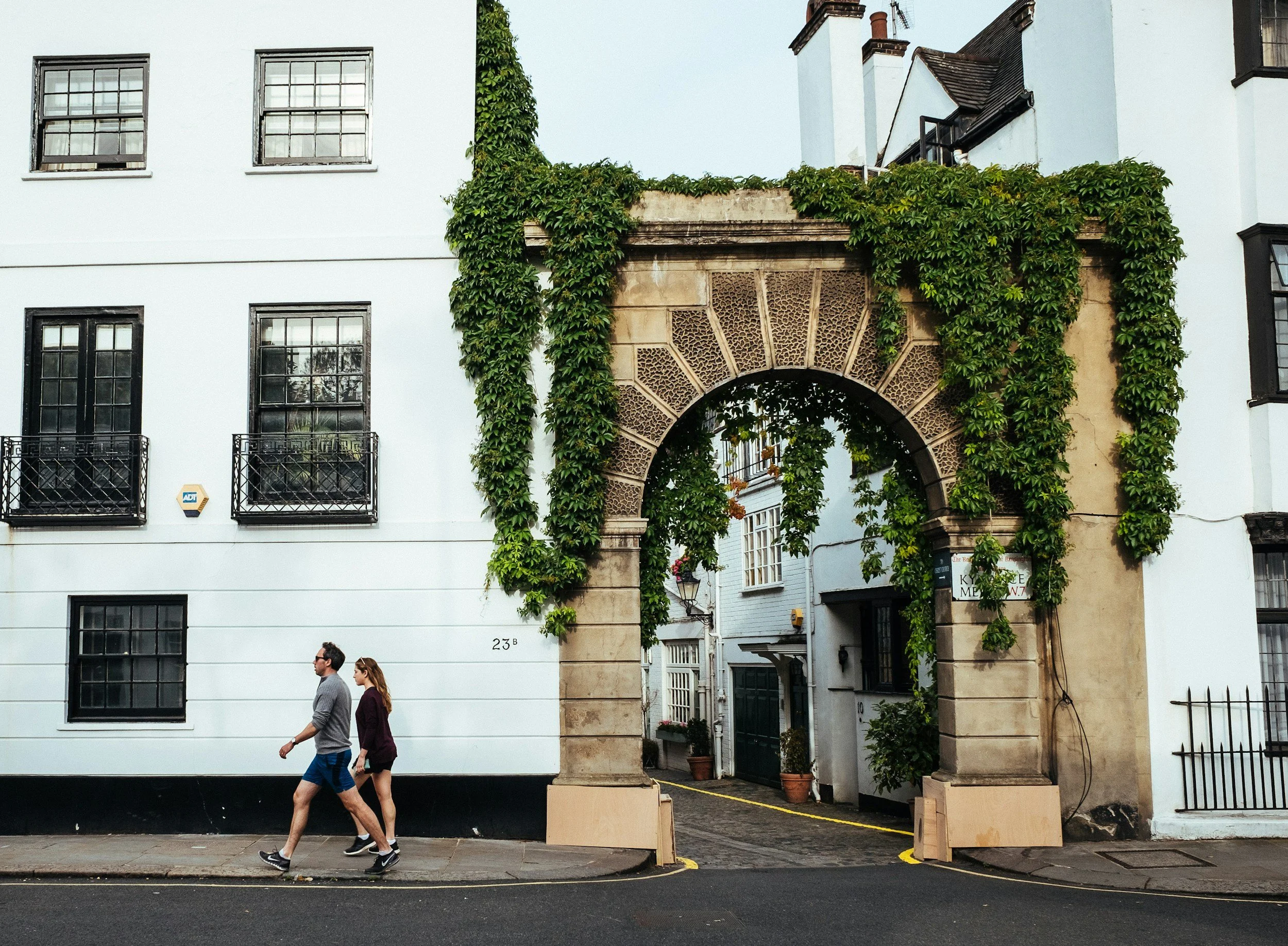
Kensington, West London.
Practical Tips for Exploring London by Neighbourhood
London is a city best understood at street level. Its neighbourhoods reward slow wandering, spontaneous detours, and the kind of exploring that lets you drift from cafés to canal paths to hidden courtyards. These practical tips will help you make the most of your time.
Get Around with Contactless or Oyster
Every Tube, bus, Overground, DLR, and even the Elizabeth Line accepts contactless payment. Just tap in and out — no need to buy separate tickets. Oyster cards work the same way if you prefer a physical card.
Mix Tube, Bus, and Walking
The Tube is fast and efficient, but London’s buses show you the city above ground, passing through real neighbourhood life. In central zones, walking often beats public transport — especially between Covent Garden, Soho, Bloomsbury, Fitzrovia, and the South Bank.
Avoid Peak Hours if You Can
Tube and commuter lines get crowded between 07:30–09:30 and 17:00–19:00. If you’re travelling during these times, allow extra time and expect busy platforms.
Navigation Quirks
London’s streets aren’t a grid — expect winding lanes, shortcuts through parks, and the occasional mews that isn’t quite where you think it should be. Google Maps is good, but keep an eye on signs and street names: sometimes the most scenic routes aren’t the most direct.
Weather Awareness
London isn’t as rainy as people think, but it can change quickly. Carry a compact umbrella or light waterproof, especially in autumn and winter. Spring and early summer often bring the best balance of sunshine and mild temperatures.
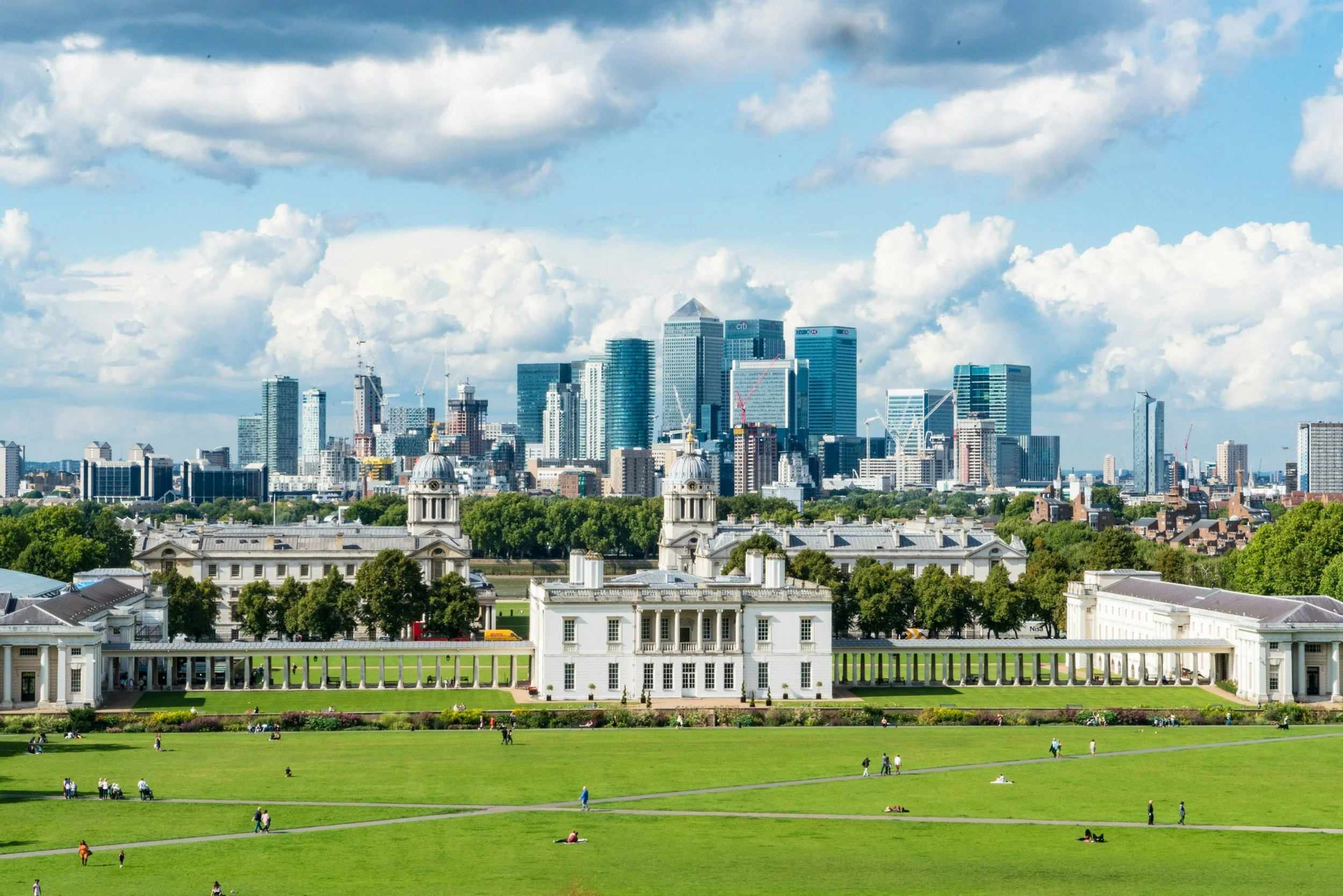
Greenwich, South London.
When to Visit Each Neighbourhood
Different corners of London shine at different times of day and week. Here’s when each area feels its most atmospheric.
Weekends
Perfect for markets, local energy, and neighbourhood food scenes.
Shoreditch & Brick Lane – street art, vintage stalls, food markets.
Hackney & Broadway Market – indie designers, pastries, canal strolls.
Camden – market buzz, live music, vibrant crowds.
Brixton – food halls, Caribbean flavours, community atmosphere.
Bermondsey – Maltby Street Market and the Beer Mile.
Weekdays
Ideal for quieter museum visits, scenic walks, and more relaxed exploring.
Bloomsbury – British Museum, garden squares, scholarly calm.
Kensington – Natural History Museum, V&A, quieter galleries.
Notting Hill – charming streets without the weekend rush.
Greenwich – riverside walks and the Royal Museums with fewer crowds.
Evenings
London comes alive after dark — from theatre curtain calls to rooftop bars.
Soho – nightlife, dining, live music, late openings.
Shoreditch – bars, gigs, street food courts.
South Bank – riverside lights, theatre, golden-hour strolls.
Dalston – buzzy restaurants, cultural venues, and late-night energy.
Early Mornings
For peaceful wandering, photography, and iconic views without crowds.
Westminster & St James’s – landmarks bathed in soft light.
Hampstead Heath – sunrise from Parliament Hill.
Greenwich Park – beautiful morning panoramas over the city.
Regent’s Canal – calm towpaths through King’s Cross or Camden.
“London is a city best discovered one neighbourhood at a time. Its magic isn’t found in rushing between landmarks, but in wandering through its village-like pockets — the leafy streets, the bustling markets, the canal paths and quiet squares where everyday life unfolds. Each district offers a different way of seeing the city, shaped by the cultures, communities, and histories that have called it home.
Whether you’re strolling through the pastel terraces of Notting Hill, climbing the hill in Greenwich for skyline views, tasting global flavours in Brixton, or browsing bookshops in Bloomsbury, every corner reveals another perspective. That’s the beauty of London: it never feels finished. There’s always another café to discover, another neighbourhood to explore, another story waiting just beyond the next turn.
Use this guide as a starting point — a way to get to know the city beyond the icons — and let London’s neighbourhoods lead you into their world. The more you explore, the more the city opens up.”