Best Experiences in Vienna: What’s Actually Worth Doing
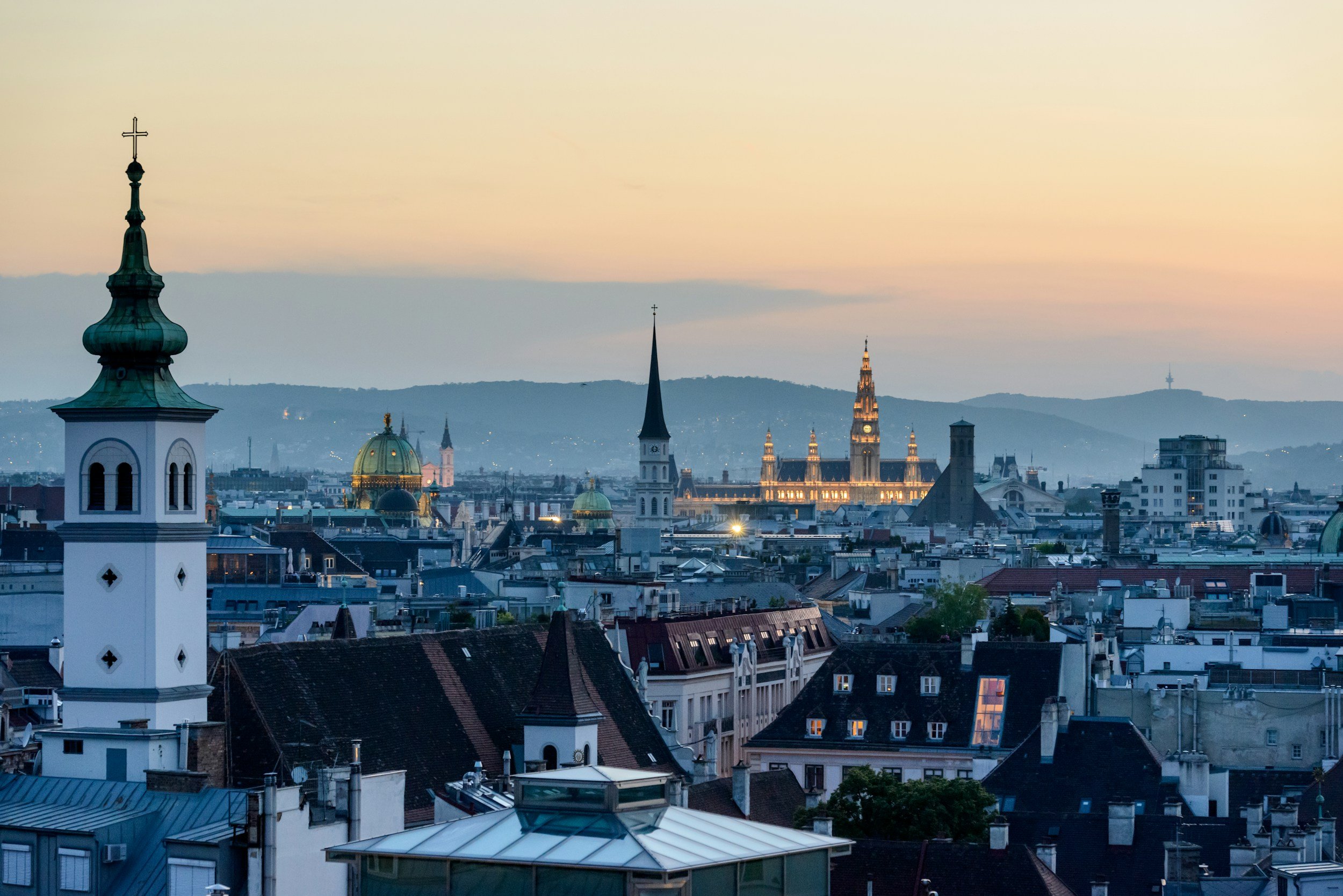
Vienna is one of Europe’s great cultural cities, but the best way to experience it is not to turn your trip into a race between palaces, museums and grand buildings. The city is impressive at first glance, but it becomes far more memorable when you give it space.
The strongest Vienna trips balance the obvious set pieces with slower rituals: walking the historic centre, choosing one major palace or museum, sitting properly in a coffee house, exploring a neighbourhood beyond the Ring, listening to music, trying local wine and leaving room for the city to feel lived-in rather than simply admired.
That balance matters because Vienna can easily become too formal if you only focus on the major sights. The Hofburg, Schönbrunn, the State Opera, the Belvedere and the Ringstrasse are all worth knowing, but they are only one version of the city. The softer version is found in café conversations, garden walks, museum courtyards, wine taverns, design shops, quiet streets and the pause between one big experience and the next.
This guide breaks down the best experiences in Vienna, what’s actually worth prioritising, and how to build a trip that feels rich without becoming exhausting.
Best Experiences in Vienna at a Glance
If you’re planning a first trip to Vienna, these are the experiences worth considering first.
For classic Vienna:
Walk the historic centre, including St Stephen’s Cathedral, Graben, the Hofburg, the State Opera and the Ringstrasse.
For imperial history:
Visit Schönbrunn Palace for the full palace experience, or the Hofburg if you want something more central.
For art and architecture:
Prioritise the Belvedere, Kunsthistorisches Museum, Albertina, Leopold Museum or MAK, depending on your interests.
For coffee house culture:
Make time for a proper sit-down café stop with coffee and cake.
For music and performance:
Book the Vienna State Opera, Musikverein, WIENER KONZERTHAUS or a smaller classical concert.
For food and markets:
Visit Naschmarkt, or add a Würstelstand stop for something quick and very Viennese.
For local wine:
Spend an evening at a Heuriger if your itinerary allows.
For a more contemporary side of Vienna:
Spend time around Neubau, Spittelberg and MuseumsQuartier.
For parks and open space:
Visit Prater, Stadtpark, the Danube Canal, palace gardens or Vienna’s vineyard areas.
For a first trip:
The easiest formula is one historic centre walk, one palace or major museum, one coffee house, one neighbourhood afternoon, one evening experience and one slower outdoor or food-led moment.
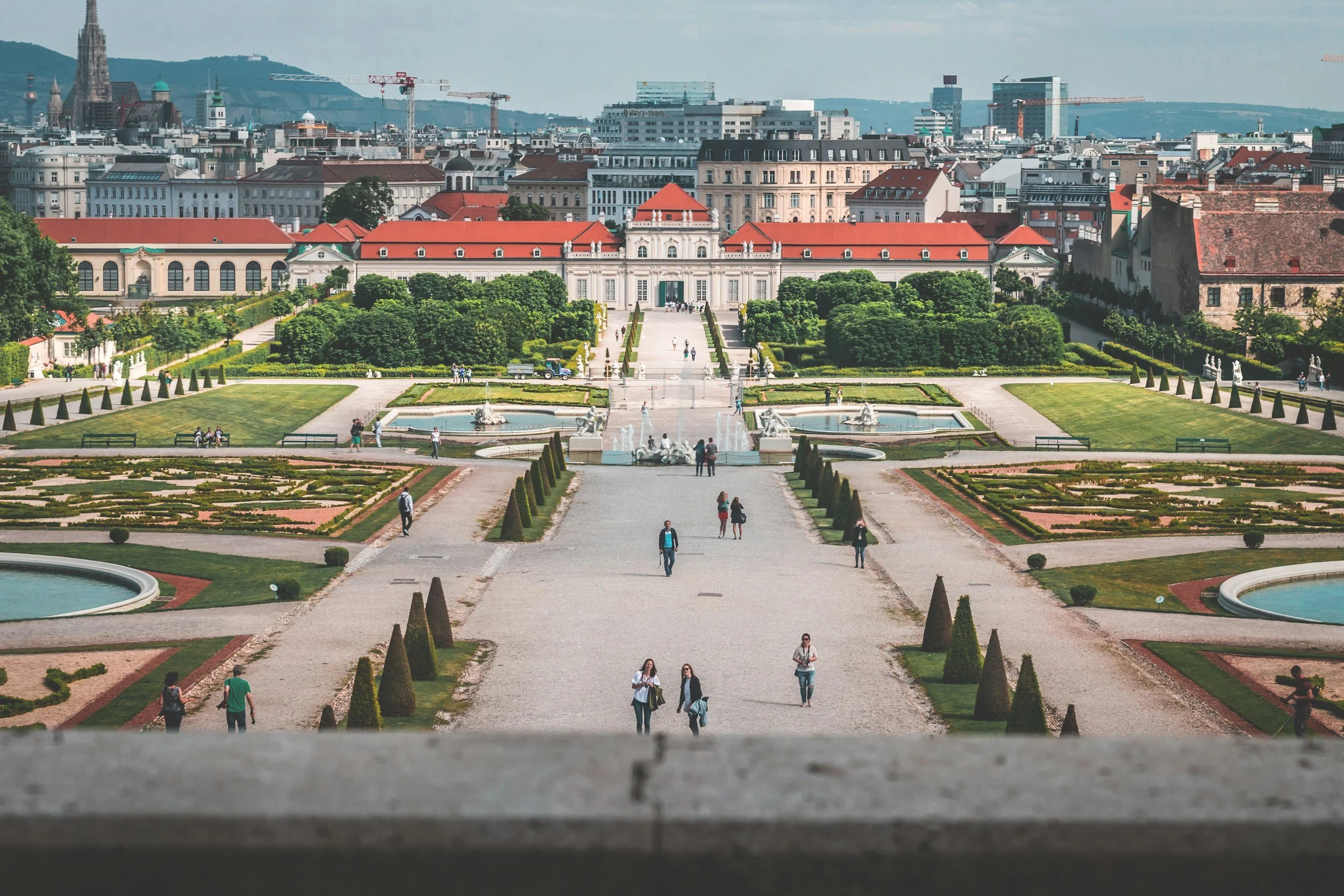
Belvedere Palace.
How to Choose What to Do in Vienna
Vienna rewards balance more than volume. You do not need to see every palace, visit every museum, attend every concert and fit in every famous café to have a good trip. In fact, trying to do too much can make the city feel flatter than it should.
The main risk with Vienna is overloading the itinerary with grand experiences. A palace in the morning, a major museum at lunch, another imperial building in the afternoon and a concert in the evening might sound efficient, but it can quickly make the city feel like a beautiful administrative exercise. Impressive, yes. Memorable, less so.
A better approach is to choose experiences by rhythm.
Start with one or two major set pieces: the historic centre, Schönbrunn, the Belvedere, the Hofburg, or a major museum. These give you the classic Vienna people come for: architecture, art, history and scale.
Then add slower experiences that change the pace of the trip. That might mean a coffee house morning, a walk through Neubau, lunch at Naschmarkt, time by the Danube Canal, or an evening at a Heuriger. These are the moments that stop Vienna feeling like a museum city and make it feel like somewhere people actually live.
It also helps to choose based on your interests rather than obligation. If you love art, prioritise the Belvedere, Kunsthistorisches Museum, Albertina or Leopold Museum. If you’re more interested in design, the MAK and MuseumsQuartier will probably feel more rewarding than another palace interior. If you’re here for atmosphere, coffee houses, neighbourhoods, music and wine may give you a stronger trip than trying to see every major attraction.
For most first-time visitors, the best Vienna itinerary is not about doing everything. It is about choosing a few important experiences, then giving the city enough room to feel varied rather than overplanned.
Explore Vienna’s Historic Centre on Foot
Best for: first-time visitors, classic Vienna, architecture and orientation
Priority level: essential
Where: Innere Stadt
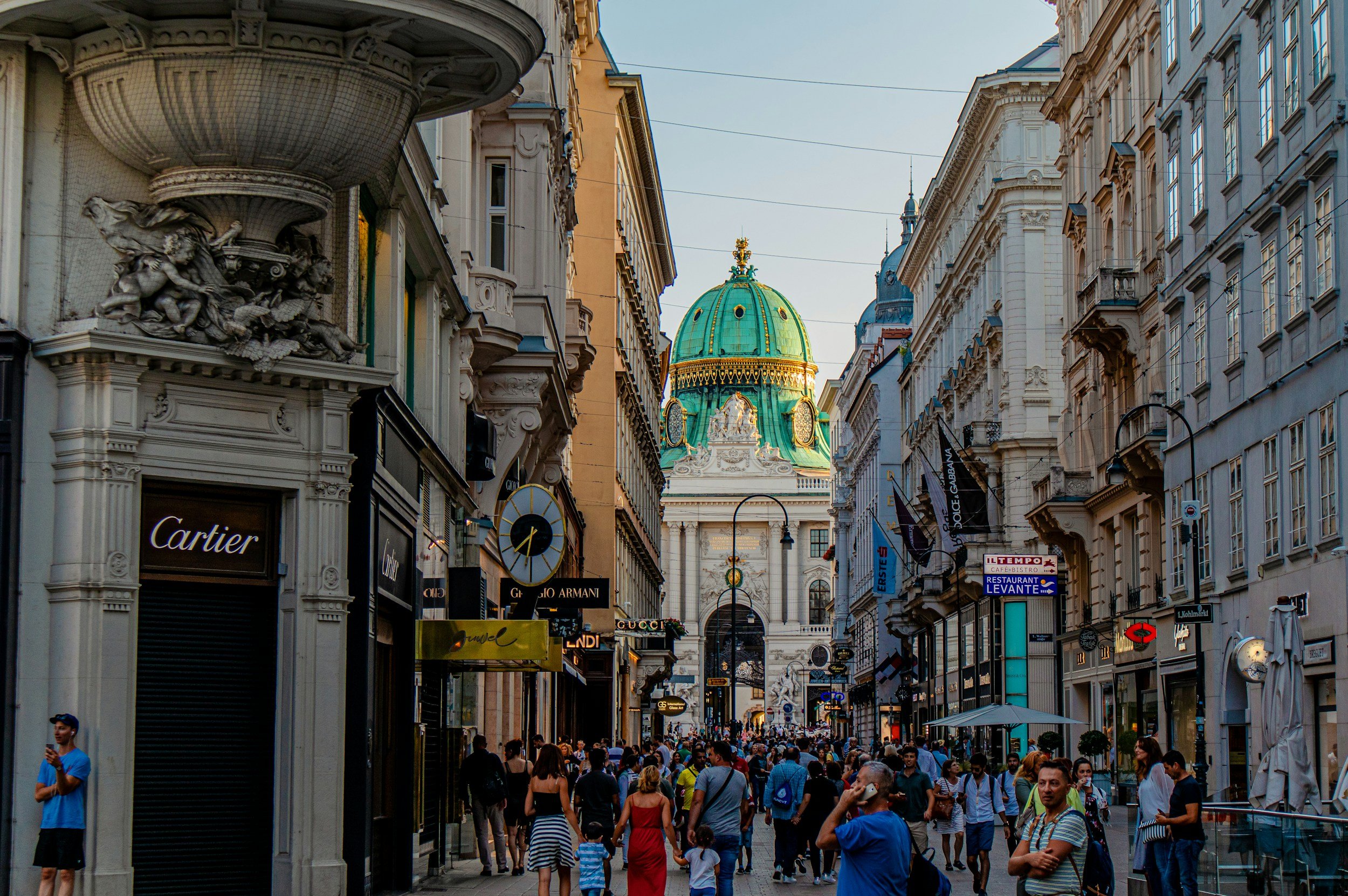
Vienna’s historic centre is the obvious place to start, and for good reason. This is where the city gives you its most recognisable version: grand streets, imperial buildings, church towers, elegant façades, formal squares and the sense that history has been arranged with very good posture.
The best way to experience it is on foot. Vienna’s centre is compact enough to explore slowly, but layered enough that it’s worth giving yourself time rather than racing between landmarks. The point is not just to see individual sights; it’s to understand the atmosphere of the city’s old core.
Start around St Stephen’s Cathedral, one of Vienna’s defining landmarks and the natural anchor for a first walk through the centre. From there, move through streets such as Graben and Kärntner Strasse, where the city feels polished, central and unmistakably grand.
The Hofburg is another essential part of the historic centre. This huge former imperial complex gives you a clear sense of Vienna’s scale and history, even if you don’t go inside every museum or palace section. Nearby, the Spanish Riding School, Austrian National Library, Burggarten and surrounding courtyards all add to the sense of Vienna as a city built around ceremony, culture and power.
It’s also worth including the Vienna State Opera and a stretch of the Ringstrasse, the grand boulevard that wraps around the old city. This is where Vienna’s 19th-century confidence is easiest to see: museums, theatres, formal buildings, parks and wide streets all arranged with serious intent.
The mistake is treating this part of Vienna like a tick-box route. Yes, there are major sights here, but the experience works better when you slow down enough to notice the smaller details: courtyards, shopfronts, church interiors, café terraces, tram lines, statues, fountains and the way the city moves between monumental and intimate within a few streets.
If it’s your first time in Vienna, this is essential. But don’t feel you need to do every museum, palace room or historic interior in one go. A slow walk through the centre gives you the foundation. You can then decide which deeper experiences are actually worth your time.
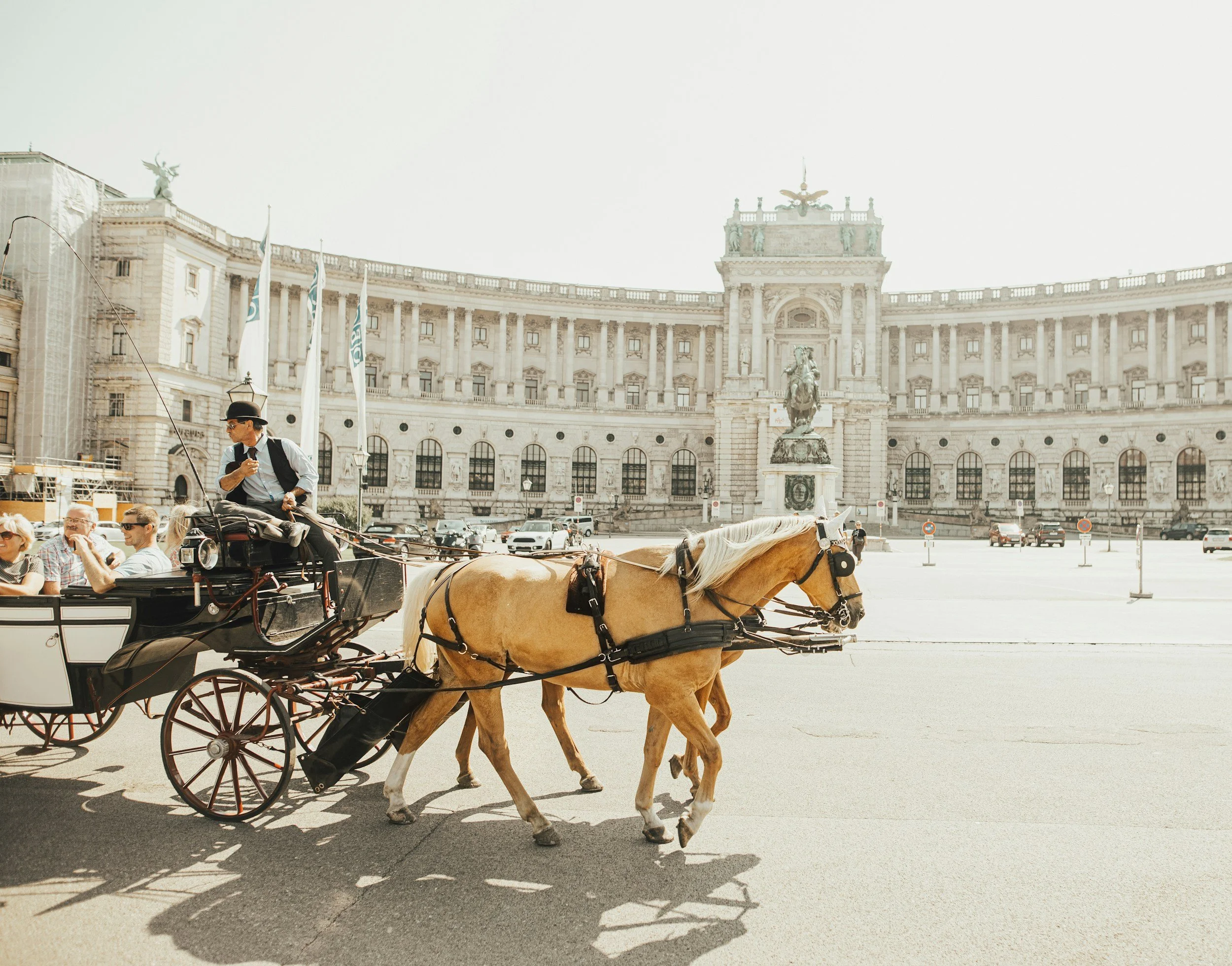
Hofburg.
Visit Schönbrunn Palace Without Rushing It
Best for: imperial history, gardens, grand architecture and palace interiors
Priority level: high if you like palaces
Where: Hietzing
Schönbrunn Palace is one of Vienna’s major set-piece experiences. It’s grand, famous and slightly outside the centre, which means it works best when you give it proper time rather than trying to squeeze it between several other sights.
The palace was the summer residence of the Habsburgs, and it gives you one of the clearest looks at imperial Vienna. Inside, the rooms show the more formal side of the city’s history: court life, royal apartments, elaborate interiors and the scale of the Habsburg world. If you like palace history, Schönbrunn is usually the most complete version of that experience in Vienna.
But the gardens are a major part of the visit too. The grounds are large enough to turn the palace into a half-day experience, especially if you walk up to the Gloriette for the view back over the palace and towards the city. This is where Schönbrunn becomes more than just an interior tour. The gardens, fountains, long avenues and viewpoints make it feel like a full imperial landscape rather than a single building.
For most visitors, the main decision is whether Schönbrunn deserves a place in a short itinerary. If you have three days in Vienna and enjoy palaces, yes. If you only have 48 hours and you’re less interested in imperial interiors, it may not be essential. You could choose the Belvedere instead for a more efficient mix of palace architecture, gardens and art, or stay central around the Hofburg if you want imperial history without leaving the core of the city.
The best way to do Schönbrunn is to make it the main focus of a morning or afternoon. Don’t plan it as a quick stop. Between transport, entry, palace rooms, gardens and the walk to the Gloriette, the experience needs breathing room.
If you only want one full palace experience in Vienna, Schönbrunn is usually the one to choose. A rushed palace visit is still a palace visit, but Schönbrunn is much better when it has room to be the main event.
See Klimt and the Belvedere Gardens
Best for: art, architecture, gardens and first-time visitors
Priority level: high
Where: Wieden / Landstraße
The Belvedere is one of Vienna’s most useful major experiences because it gives you several things in one: a palace setting, formal gardens, city views and one of the most famous artworks in Austria.
Most visitors come for Gustav Klimt’s The Kiss, which is held in the Upper Belvedere. It’s one of Vienna’s headline art moments, and for many first-time visitors, it’s the main reason to visit. But the Belvedere works well even beyond that single painting. The palace architecture and gardens make the whole experience feel more generous than a standard museum stop.
This is also one of the more efficient cultural experiences in Vienna. Compared with Schönbrunn, it’s easier to fit into a shorter itinerary, especially if you’re already exploring Wieden, Karlskirche, Karlsplatz or nearby parts of Landstraße. You can see the museum, spend time in the gardens and still have room in the day for a coffee house, neighbourhood walk or dinner elsewhere.
The Belvedere is a particularly good option if you want art and architecture together. You get the grandeur of a palace, but with a clearer museum purpose. That makes it a strong choice for travellers who don’t necessarily want a full palace-interiors experience but still want something that feels visually and culturally significant.
If you’re choosing between a big palace afternoon and a more art-led experience, Belvedere is often the better-balanced choice. Schönbrunn gives you the grand imperial day out. The Belvedere gives you Klimt, gardens and a palace setting without taking over the whole itinerary.
For a first trip, I’d put the Belvedere high on the list — especially if you want one major experience that feels classic, cultural and manageable in a single morning or afternoon.
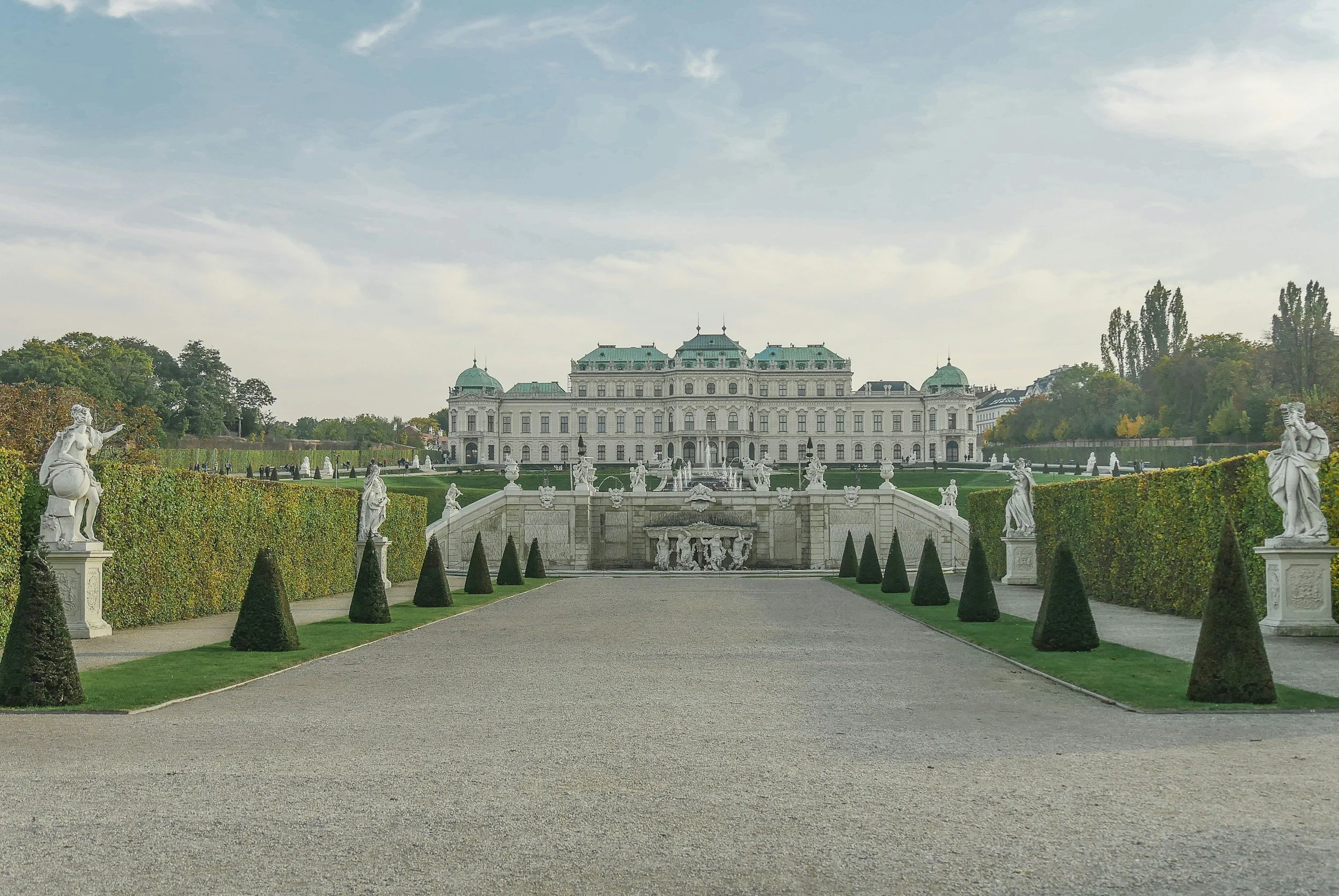
Belvedere.
Choose One of Vienna’s Major Museums
Best for: art, design, culture, rainy days and slower travel
Priority level: high if you like museums
Where: Innere Stadt / MuseumsQuartier / Neubau
Vienna is a serious museum city, but you do not need to treat that as a personal challenge. The city has enough major collections to fill several trips, so the better approach is to choose one or two museums properly rather than trying to march through five and remember none of them.
The right museum depends on what you care about most. Vienna is strong for grand old-master collections, imperial culture, Austrian modernism, design, applied arts, natural history and architecture. The mistake is simply adding “museum” to the itinerary without thinking about which version of Vienna you actually want to understand.
For most first-time visitors, one major museum is enough if the trip is short. Two works well if you have three days or more, especially if the weather turns or you’re travelling in winter. More than that can be brilliant if you love museums, but unnecessary if you’re mainly here for the wider city.
Kunsthistorisches Museum
The Kunsthistorisches Museum is one of Vienna’s grandest museum experiences. It’s best for travellers who want major art, imperial collections and a building that feels like part of the attraction.
This is the museum to choose if you want the classic, heavyweight version of Vienna’s cultural scene. The interiors are dramatic, the collections are serious, and the whole experience feels rooted in the city’s imperial scale.
It’s especially good if you want a museum that feels impressive even before you start looking closely at the works. That does not mean it should be rushed. The Kunsthistorisches Museum is better treated as a proper cultural stop, not a quick “pop in before lunch” idea.
Albertina
The Albertina is one of Vienna’s most convenient major museums because it sits right in the historic centre, close to the State Opera and the Hofburg. It’s a strong choice if you want art without building your whole day around a museum visit.
The museum is known for its graphic arts collection, exhibitions and central location. It works well for first-time visitors because it’s easy to pair with a walk through the Innere Stadt, a coffee house stop or an evening performance nearby.
Choose the Albertina if you want a flexible, central art experience. It feels less like a major logistical commitment than Schönbrunn or some of the larger museum days, which can be exactly what you need on a shorter trip.
Leopold Museum
The Leopold Museum is one of the best choices if you’re interested in Austrian modernism, Egon Schiele, Gustav Klimt and Vienna around 1900. It’s located in MuseumsQuartier, which makes it especially useful if you want to turn the museum into part of a broader Neubau afternoon.
This is a strong World Locals pick because it gives you a more modern, design-conscious version of Vienna. It moves the trip away from purely imperial architecture and into a period where the city starts to feel more psychologically intense, creative and restless.
Choose the Leopold Museum if you want art with a stronger sense of place and period. It pairs naturally with coffee, galleries, design shops and a slower walk through Spittelberg or Neubau afterwards.
MAK
The MAK, Vienna’s Museum of Applied Arts, is the best option here for design, interiors, objects and creative history. It’s less obvious than the Belvedere or Kunsthistorisches Museum, but it can be more rewarding if you’re interested in how a city expresses itself through design rather than only painting and architecture.
This is a good choice for travellers who like furniture, graphics, decorative arts, product design and the detail of how things are made and used. It also works well if you want a Vienna museum experience that feels slightly less predictable.
If the phrase “applied arts” makes your eyes glaze over, this may not be your first pick. If it makes you lean forward slightly, the MAK should be on your shortlist.
Natural History Museum
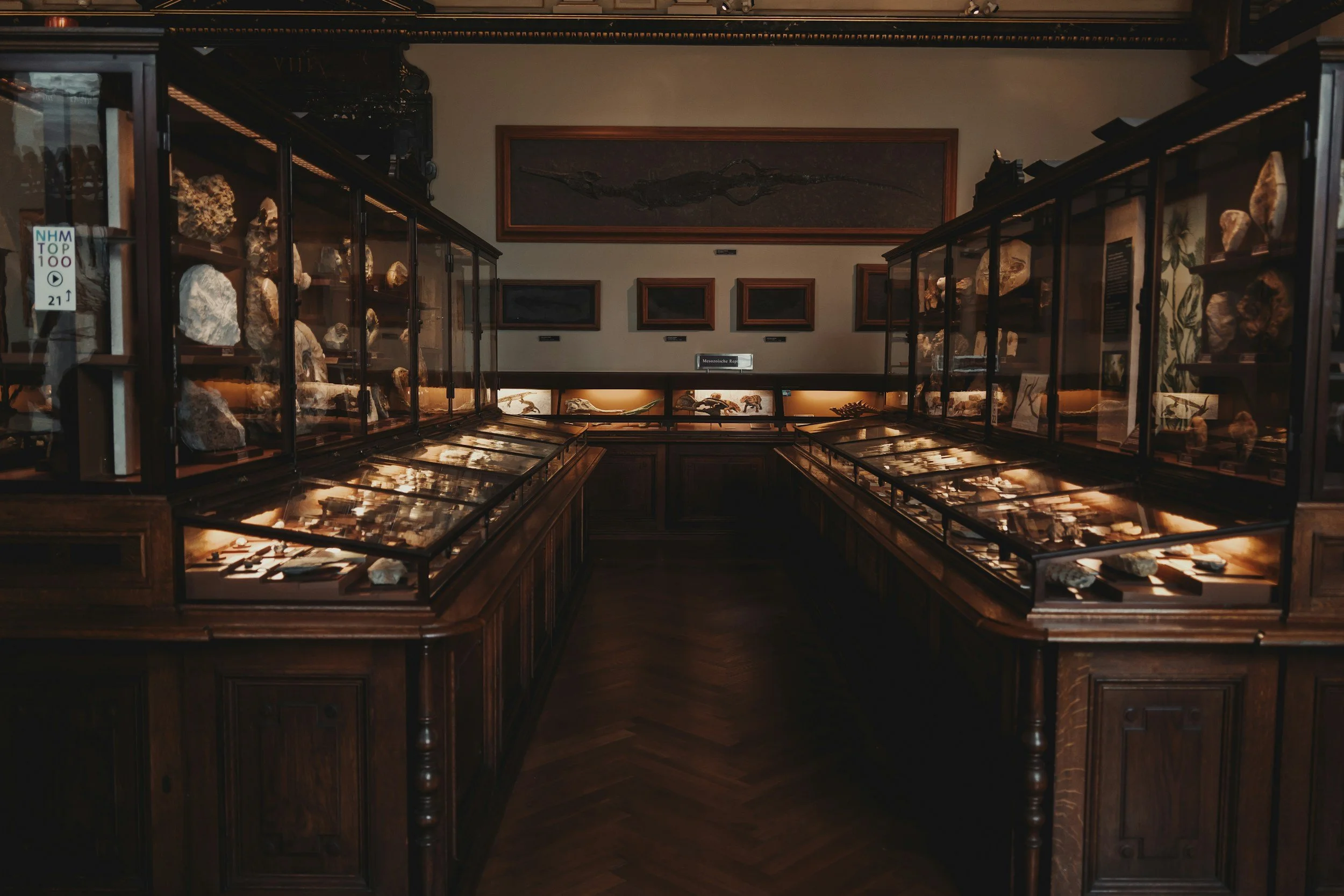
The Natural History Museum is a useful alternative if you’re travelling with family, visiting in poor weather or simply want a different type of museum experience. It sits opposite the Kunsthistorisches Museum, giving this part of the city one of Vienna’s strongest museum pairings.
It’s not the obvious choice for a design-led or art-focused trip, but it’s a strong option if you want variety. It also works well if you’re travelling with someone who has reached their personal limit for palaces, portraits and solemn corridors.
How to Choose
For a first trip, choose based on interest rather than obligation.
Choose the Kunsthistorisches Museum if you want grand art, imperial scale and one of Vienna’s most impressive interiors.
Choose the Albertina if you want a central, flexible art stop that fits easily into a shorter itinerary.
Choose the Leopold Museum if you’re interested in Austrian modernism, Egon Schiele, Klimt and Vienna 1900.
Choose the MAK if you care about design, applied arts, interiors and creative history.
Choose the Natural History Museum if you’re travelling with family, want variety or need a strong rainy-day option.
One museum chosen properly will usually give you a better Vienna experience than several visited out of obligation. Museum fatigue is real, and Vienna has more than enough marble to finish the job if you let it.
Sit Properly in a Vienna Coffee House
Best for: culture, food, slower travel and classic Vienna
Priority level: essential
Where: Innere Stadt / Ringstrasse / Neubau / Wieden
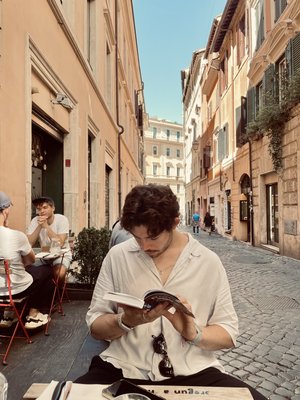
A Vienna coffee house is not just somewhere to drink coffee. It is one of the city’s defining experiences, and it deserves to be treated as more than a convenient pause between attractions.
Traditional coffee houses are part of Vienna’s cultural identity: marble tables, newspapers, old interiors, coffee served with water, cakes taken seriously and a pace that encourages you to stay longer than the drink technically requires. It’s one of the clearest ways to understand the city’s rhythm.
The best version is simple. Choose a proper café, order a Melange or Einspänner, add cake if the timing works, and give yourself enough time to sit. This should not feel like a pit stop. It should feel like part of the day.
The famous options include Café Sacher, Demel, Café Sperl, Café Prückel and Café Hawelka. Each gives you a slightly different version of the experience: polished hotel café, historic pastry room, traditional coffee house, understated classic or atmospheric old Vienna.
The key is not necessarily choosing the most famous café. It’s choosing one that fits the kind of trip you want. If you want the iconic cake moment, Café Sacher or Demel makes sense. If you want something that feels a little more traditional and less glossy, Café Sperl, Café Prückel or Café Hawelka may be stronger.
A useful note: Café Central is one to check before planning around it. As of May 2026, it is closed for renovation, with reopening scheduled for autumn 2026.
Coffee houses are especially good in the morning, mid-afternoon or on a rainy day when Vienna’s indoor culture starts making a very persuasive case for itself. They also work well between bigger experiences, giving the trip a slower rhythm.
For a first trip, I’d treat one proper coffee house stop as essential. Not because you need the caffeine. Because Vienna makes more sense when you sit down for long enough to let the city slow to its own pace.
Add a Classical Music or Opera Night
Best for: culture, atmosphere, evening plans and classic Vienna
Priority level: high if you’re interested in music or performance
Where: Vienna State Opera / Musikverein / WIENER KONZERTHAUS / smaller venues
Vienna’s reputation for music is not just tourist branding. Classical music, opera and performance are woven deeply into the city’s identity, and adding one music-led evening can give your trip a very different rhythm from another restaurant or museum.
The most famous option is the Vienna State Opera, one of the city’s major cultural landmarks. Even if you don’t usually go to opera, Vienna is one of the best places to try it. The building, the atmosphere and the sense of occasion all make it feel like more than simply an evening activity.
If classical concerts are more your thing, look at the Musikverein or the WIENER KONZERTHAUS. The Musikverein is especially famous for its acoustics and golden concert hall, while the WIENER KONZERTHAUS gives you another strong route into Vienna’s classical music scene. Both are good options if you want the city’s music culture without committing to a full opera evening.
There are also smaller classical concerts across the city, though this is where it’s worth being selective. Vienna has plenty of performances aimed squarely at visitors, and some are better than others. That does not mean you need to avoid them completely, but don’t book the first concert advertised on a leaflet just because Mozart appears on it in a wig.
For a stronger experience, choose based on venue, programme and timing. If you care about music, book properly and plan the evening around it. If you’re simply curious, look for something accessible but still held in a setting that feels connected to the city rather than purely packaged for tourists.
A music or opera night works especially well on a first trip because it gives Vienna’s cultural reputation a more lived-in quality. You see the city differently when the day ends with a performance rather than another walk past an impressive building.
If your itinerary is short, this is not mandatory. But if you have two or three nights in Vienna and want one evening that feels distinctive, opera or classical music is one of the most memorable ways to use it.
Build in a Market Stop
Best for: food, casual exploring, people-watching and a less formal side of Vienna
Priority level: medium-high
Where: Mariahilf / Wieden / Leopoldstadt / Ottakring
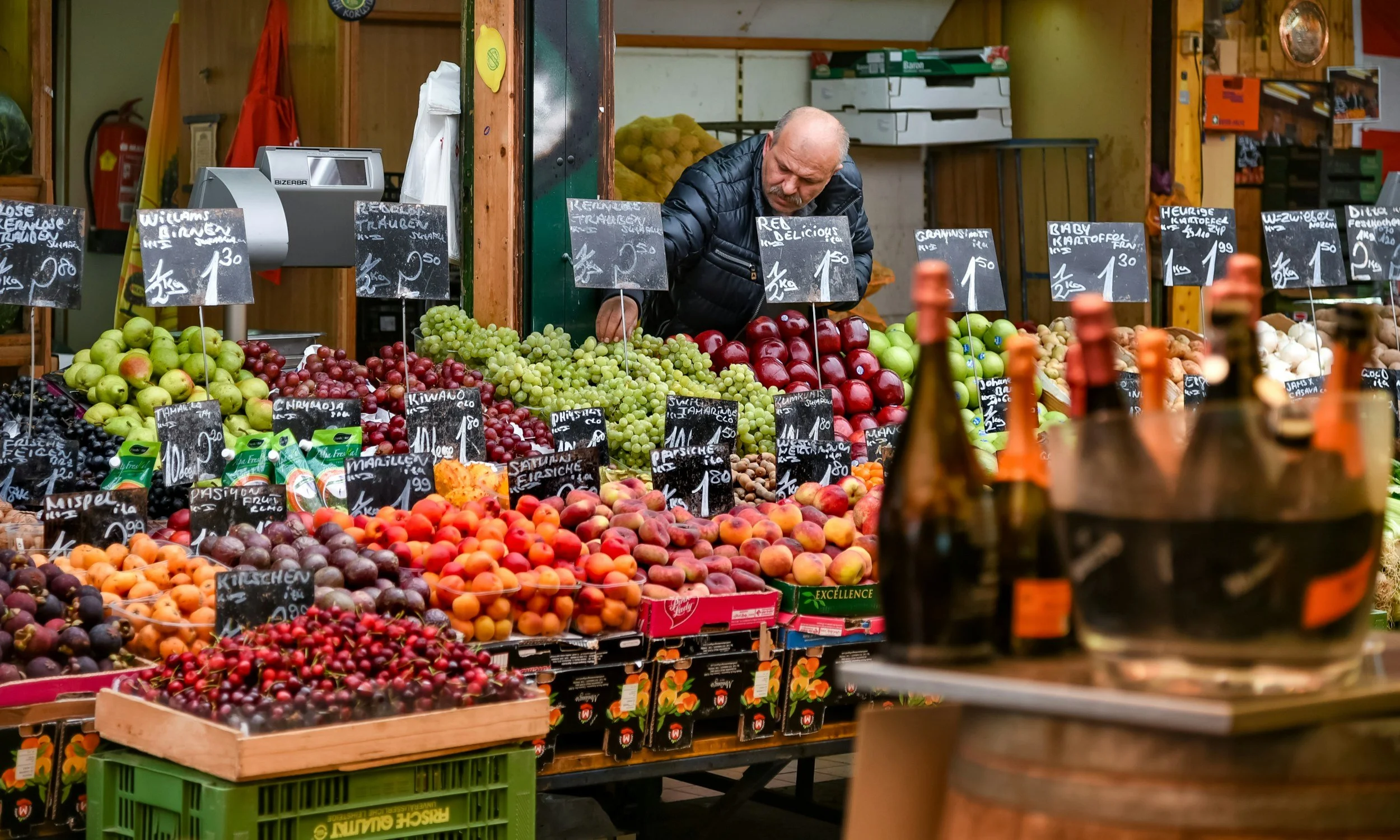
A market stop is one of the easiest ways to make Vienna feel less formal. After palaces, museums and grand boulevards, a market gives the city a more everyday rhythm: stalls, cafés, produce, casual food, quick lunches and people actually going about their day.
For most first-time visitors, Naschmarkt is the obvious starting point. It’s central, easy to reach and useful if you’re exploring Mariahilf, Wieden, Karlsplatz, Secession or Neubau. You’ll find food stalls, restaurants, spices, cheese, wine, cafés and plenty of international options, making it a good choice for lunch or casual grazing.
Naschmarkt is not hidden, and it’s not some untouched local secret. It’s busy, visitor-friendly and well known. That doesn’t make it a bad recommendation. It just means you should treat it as a useful central market rather than a discovery no one else has noticed. Vienna has been on maps for some time.
If you want something more neighbourhood-led, look at Karmelitermarkt in Leopoldstadt. It has a calmer feel than Naschmarkt and works well if you’re staying across the Danube Canal or want to explore the 2nd district more slowly.
Brunnenmarkt is another option if you want a more local, multicultural market experience. It sits further from the classic visitor circuit, so it’s better for longer trips, repeat visits or travellers who actively want to move beyond central Vienna.
A market stop does not need to take over the day. Use it as a lunch plan, a casual wander or a way to break up heavier cultural experiences. It pairs especially well with a neighbourhood afternoon: Naschmarkt with Wieden or Mariahilf, Karmelitermarkt with Leopoldstadt, and Brunnenmarkt if you want a less polished version of the city.
For a first trip, I’d include Naschmarkt if it fits naturally into your route. Don’t force it if markets aren’t your thing, but do consider adding at least one casual food-led stop. It helps Vienna feel more relaxed and gives the trip a useful change of pace.
Spend an Afternoon Around Neubau and MuseumsQuartier
Best for: design, cafés, museums, independent shops and a more contemporary side of Vienna
Priority level: high for culturally curious travellers
Where: Neubau / MuseumsQuartier / Spittelberg
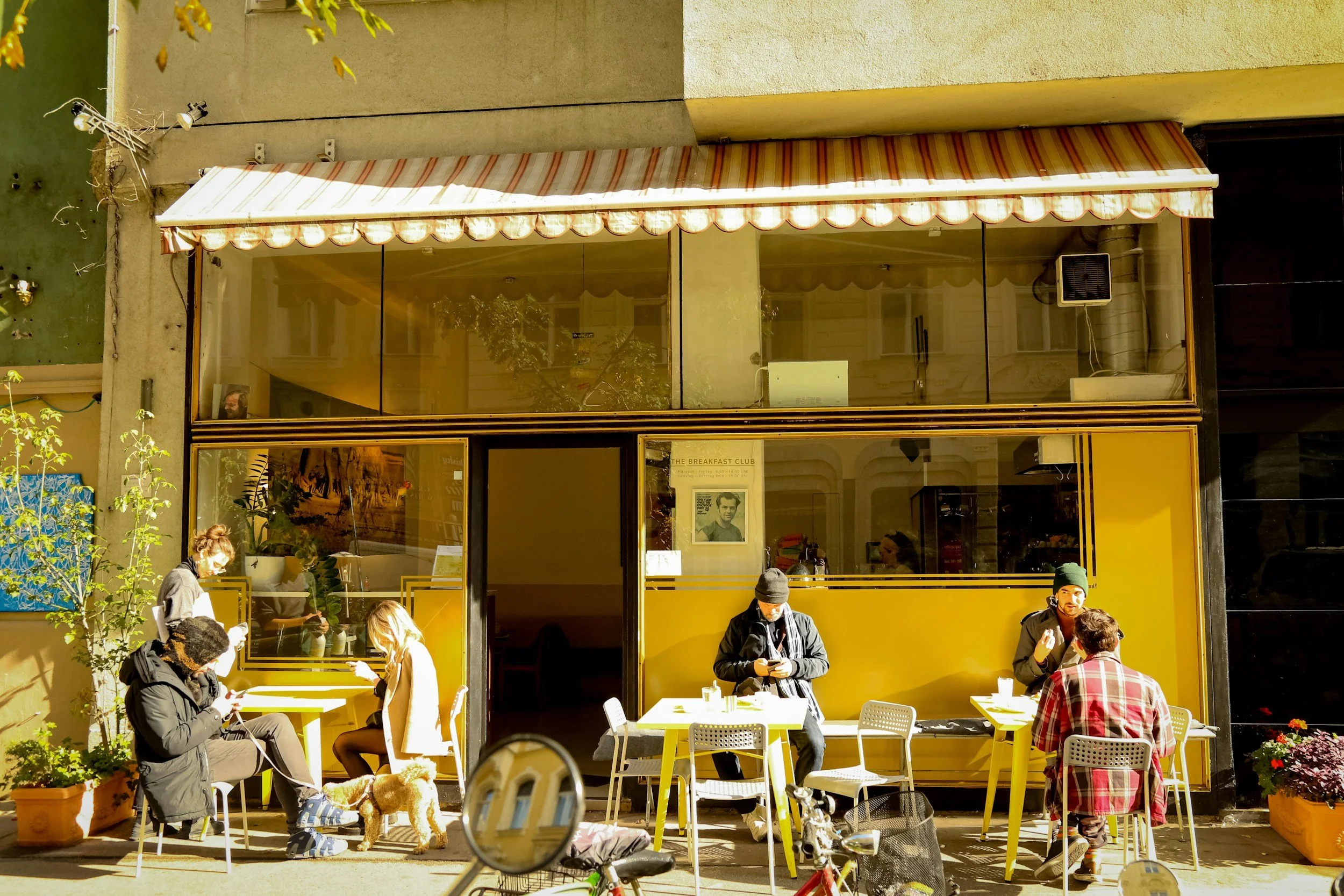
If the historic centre gives you Vienna at its grandest, Neubau and MuseumsQuartier give you a more current version of the city. This is where Vienna starts to feel less formal: more creative, café-led, design-conscious and easier to wander without feeling like every street is trying to impress a visiting emperor.
MuseumsQuartier is the natural anchor. It’s one of the best cultural areas in the city, with major institutions such as the Leopold Museum and mumok, open courtyards, cafés and space to pause between galleries. It works particularly well because the area doesn’t feel like a single attraction. It feels like a cultural district you can move through slowly.
Nearby Spittelberg adds a softer neighbourhood feel, with narrow streets, restaurants, bars, boutiques and a more intimate atmosphere than the grand avenues of the centre. It’s especially good in the late afternoon or evening, when the area starts to feel more social.
Neubau more broadly is one of the best parts of Vienna for cafés, independent shops, galleries, design stores and modern restaurants. It’s a strong area if you want to balance the city’s imperial side with something more contemporary. This is also where the Vienna trip starts to feel more World Locals: less about ticking off landmarks, more about understanding how the city feels once you step slightly away from the obvious route.
You do not need a strict plan here. In fact, this area works better when you leave some space. Choose one museum, have coffee nearby, wander through Spittelberg, look into a few shops, then stay for dinner or drinks if the mood fits.
For first-time visitors, this is one of the best ways to stop Vienna becoming too polished. Not instead of the historic centre, but as the counterweight to it. The grand version of Vienna matters. The creative, everyday version makes the city more interesting.
See Vienna’s More Relaxed Side at Prater or the Danube Canal
Best for: parks, families, relaxed exploring, summer evenings and a break from museums
Priority level: medium
Where: Leopoldstadt / Danube Canal
Vienna is often described through its grandest parts: palaces, museums, opera houses, coffee houses and formal streets. That version is important, but it can also make the city feel more polished than it really is. Spending time around Prater or the Danube Canal gives the trip a looser rhythm.
Prater is best known for the Giant Ferris Wheel, one of Vienna’s most recognisable landmarks. The amusement park side is lively, nostalgic and slightly eccentric, while the wider green space gives you room to walk, cycle or simply step away from the heavier cultural itinerary.
This is a particularly useful area if you’re travelling with family, visiting in warmer months or need a break from museums and palace interiors. Vienna has plenty of serious cultural experiences. Prater gives you something more informal, open and easy to enjoy without reading a wall label.
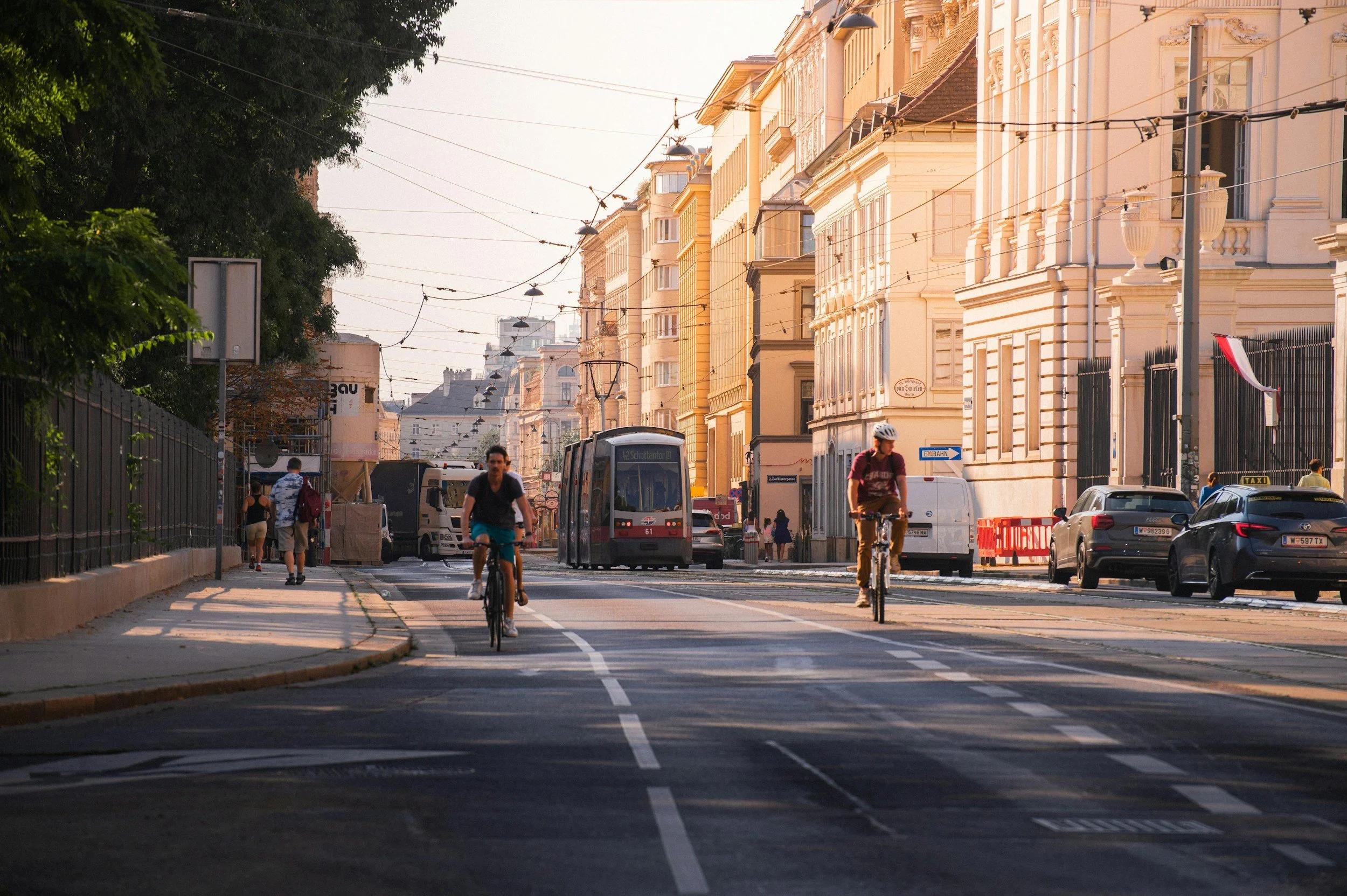
The Danube Canal offers a different kind of relaxed atmosphere. It’s more urban than Prater, with waterside paths, street art, casual bars and places to sit when the weather is good. It works especially well in the late afternoon or early evening, when the city starts to feel less formal and more social.
This area is not necessarily essential for a short first trip, especially if you only have 48 hours and are focused on the classics. But if you have a little extra time, it helps round out the city. It shows a version of Vienna that is less imperial and more everyday.
For most visitors, I’d treat Prater or the Danube Canal as a useful pressure release. Add it when you want open space, a lighter atmosphere or a break from the feeling that every building is trying to explain European history to you at once.
Spend a Slower Evening at a Heuriger
Best for: wine, local atmosphere, slower evenings and a less formal side of Vienna
Priority level: high if you have three days or more, optional on a short trip
Where: Grinzing / Nussdorf / Stammersdorf
A Heuriger is one of the best ways to experience Vienna beyond the obvious central sights. These traditional wine taverns serve local wine, often with simple food, in a relaxed setting that feels very different from the city’s grand cafés and formal dining rooms.
The experience is usually slower and more social than a standard restaurant meal. You go for wine, simple plates, conversation and the feeling of stepping slightly out of the polished centre. It’s one of the clearest reminders that Vienna is not only a city of palaces and museums; it’s also a wine city with vineyards close enough to shape the rhythm of an evening.
The best-known Heuriger areas include Grinzing, Nussdorf and Stammersdorf. These are not always central, so this experience needs a little planning. Check opening days, look at transport and give yourself enough time for the evening to breathe.
That last part matters. A Heuriger is not something to squeeze awkwardly between a museum and a late reservation back in town. It works best when the wine tavern is the plan. Arrive, settle in, order local wine, eat simply and let the evening slow down.
If you only have two days in Vienna, a Heuriger may be too much effort unless local wine is a priority for you. A central wine bar can give you a more convenient version of the same idea. But if you have three days or more, a Heuriger is one of the most worthwhile ways to experience a softer, more local-feeling side of the city.
For a first trip, this is not as essential as the historic centre, a coffee house or one major art/palace experience. But it may be one of the most memorable parts of the trip if you give it enough time.
Add a Seasonal Vienna Experience If the Timing Works
Best for: seasonal trips, repeat visitors, atmosphere and timing-led planning
Priority level: depends on when you visit
Where: across the city
Vienna changes character across the year, so it’s worth shaping part of your trip around the season. The major sights stay important, but the best supporting experiences often depend on when you visit.
In winter, Vienna leans into atmosphere. Christmas markets, coffee houses, museums, concerts and grand interiors all make sense when the weather is cold. This is one of the best times to experience the city’s more traditional side: warm cafés, festive lights, historic streets and a general sense that indoor culture has been preparing for this moment for several centuries.
In spring, the city starts to open up. Palace gardens, parks, Stadtpark, neighbourhood walks and outdoor cafés become more appealing. This is a good time to balance major cultural experiences with more time outside, especially around Schönbrunn, the Belvedere gardens, Prater and the Ringstrasse parks.
In summer, Vienna becomes more relaxed. The Danube Canal, Prater, open-air events, film screenings, terraces, vineyards and longer evenings all give the city a softer feel. This is the season to spend less time rushing between interiors and more time letting the city stretch out.
In autumn, Vienna works especially well for museums, coffee houses, wine and neighbourhood exploring. The city feels cultural without being as festive as winter or as open-air focused as summer. It’s a strong time for a trip built around galleries, cafés, seasonal food and a Heuriger evening.
Seasonal experiences should not replace the main Vienna essentials, especially on a first trip. But they can make the itinerary feel more rooted in the time you’re actually visiting. A winter Vienna trip should not feel the same as a summer one, and that’s a good thing.
The practical approach is simple: choose your main Vienna experiences first, then add one seasonal layer. That might be a Christmas market, a summer evening by the canal, a vineyard walk, a palace garden, an open-air event or a long coffee house afternoon when the weather makes the decision for you.
What to Prioritise on a First Vienna Trip
If it’s your first time in Vienna, don’t try to see everything. The city has too many palaces, museums, cafés, concert halls, markets and neighbourhoods for that to be realistic — or enjoyable.
A stronger first trip is built around a few well-chosen experiences.
A Historic Centre Walk
Start with the Innere Stadt. Walk around St Stephen’s Cathedral, Graben, the Hofburg, the State Opera and the Ringstrasse to understand the city’s grand central identity.
One Palace or Major Art Experience
Choose one major set-piece experience based on your interests.
Schönbrunn Palace is best if you want the full imperial palace experience.
The Belvedere is best if you want art, palace architecture, gardens and Klimt’s The Kiss in one visit.
The Kunsthistorisches Museum is best if you want grand art, imperial collections and one of Vienna’s most impressive museum interiors.
You can do more than one if you have time, but you don’t need to force all of them into a short trip.
One Proper Coffee House
Choose somewhere traditional, order a Melange or Einspänner, add cake, and give yourself time to sit. This is one of Vienna’s defining rituals, not just a caffeine stop.
One Neighbourhood Afternoon
Spend at least one afternoon outside the most obvious historic centre circuit. Neubau, Spittelberg and MuseumsQuartier are especially strong if you want cafés, galleries, museums, design shops and a more contemporary feel.
One Evening Experience
Choose one evening that feels distinctively Viennese. That could be opera, classical music, a central wine bar, a Heuriger or a proper dinner somewhere traditional or contemporary.
One Relaxed Outdoor Moment
Add one outdoor or slower moment if the weather allows: Prater, Stadtpark, the Danube Canal, palace gardens or the vineyards.
This gives you a rounded version of Vienna without turning the trip into an endurance test.
What to Skip If You’re Short on Time
Vienna is full of worthwhile experiences, but not everything needs to make the cut. If your trip is short, the key is knowing what to deprioritise.
Don’t Try to Do Every Palace
You don’t need to visit Schönbrunn, the Hofburg and the Belvedere as full interior experiences on the same short trip.
Choose based on what you actually care about.
Schönbrunn is the full palace experience.
The Hofburg is central and historically important.
The Belvedere gives you art, gardens and palace architecture in a more manageable visit.
Trying to do all of them quickly can make the city feel repetitive, even when each place is impressive in its own right.
Don’t Overpack Museums
Vienna’s museums are excellent, but one or two chosen properly will usually give you a better trip than several rushed visits.
Choose the Kunsthistorisches Museum for grand art, the Albertina for a central art stop, the Leopold Museum for Austrian modernism, the MAK for design, or the Natural History Museum for families and variety.
Don’t Force a Heuriger Into a Rushed Trip
A Heuriger can be one of Vienna’s best experiences, but it needs time. If you only have 48 hours, a central wine bar is usually the smarter choice.
Save the Heuriger for a longer trip, when you can get out to Grinzing, Nussdorf or Stammersdorf without watching the clock.
Don’t Book a Tourist Concert Blindly
Vienna is one of the best cities in Europe for classical music, opera and performance, but not every concert marketed to visitors is equally worthwhile.
If music matters to you, choose carefully. Look at the venue, programme and timing before booking.
Don’t Spend All Your Time Inside the Ring
The historic centre is essential, but Vienna becomes more interesting when you add at least one area beyond it.
Look at Neubau for cafés, museums and galleries, Wieden for a calmer central feel, or Leopoldstadt for Prater, the Danube Canal and a less formal atmosphere.
You don’t need to explore every district. But spending the whole trip inside the central visitor circuit can make Vienna feel more polished and less layered than it really is.
Don’t Treat Naschmarkt as Mandatory
Naschmarkt is useful, central and lively, but it’s not compulsory. Visit if markets are your thing or if it fits naturally into your route. Skip it if your trip is short and you’d rather spend the time on a museum, coffee house or neighbourhood walk.
A good Vienna itinerary is not built by doing everything. It’s built by choosing what gives the trip the right pace.
“The best way to experience Vienna is to balance the city’s grand set pieces with its slower rituals. The palaces, museums, opera houses and historic streets matter, but they become much more memorable when they are not packed too tightly together.
For a first trip, start with the essentials: walk the historic centre, choose one palace or major art experience, sit properly in a coffee house, spend time in a neighbourhood beyond the Ring, and give at least one evening to music, wine or a slower dinner.
That rhythm gives you a better version of the city than trying to see everything. Vienna is impressive even when you rush through it, but it becomes far more interesting when you give it space. The atmosphere sits in the pauses as much as the landmarks: a café table, a museum courtyard, a garden path, a glass of local wine, or the slow shift from grand avenue to quiet side street.
The best Vienna trip is not the one where you see every major sight. It’s the one where the city has enough room to work on you.”
Planning More of Your Vienna Trip?
Once you’ve decided which experiences to prioritise, use our Vienna Neighbourhood Guide to choose the right base for your trip. If food is a major part of your planning, our Vienna Food and Drink Guide breaks down what to eat, drink and try, from coffee houses and schnitzel to markets, wine taverns and local dishes.