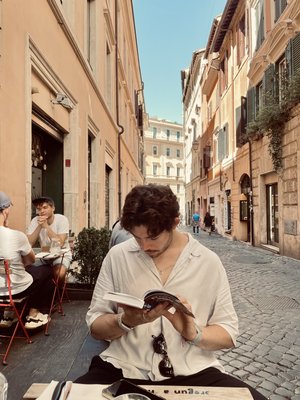
Barcelona: Food and Drink Guide
Eating and drinking in Barcelona isn’t something you schedule tightly — it’s something you ease into. Meals stretch, plates are shared, and the rhythm of the day shapes when (and how) people eat just as much as what’s on the table. This is a city where lunch is unhurried, dinner starts late, and food is as much about conversation and place as it is about flavour.
Barcelona’s food culture sits at the intersection of Catalan tradition, Mediterranean ingredients, and a deeply social way of life. Markets anchor neighbourhoods, simple dishes carry generations of history, and bars are designed for lingering rather than rushing. You’ll see locals ordering a few plates at a time, returning to the same café day after day, and building evenings slowly — vermouth first, dinner later, maybe a final drink somewhere close to home.
This guide is designed to help you eat like a local in Barcelona — not by chasing hype, but by understanding how food fits into daily life here. We focus on neighbourhood food scenes, everyday habits, and the kinds of places people return to regularly. The aim isn’t to eat everywhere, but to eat well — with context, confidence, and a sense of place.
From historic taverns to neighbourhood markets, from casual bar-hopping streets to slow dinners in local squares, this is Barcelona as it’s tasted on the ground. Let’s start by understanding the city’s food culture — and how to approach it before you even sit down at the table.
Barcelona’s Food Culture: What to Know Before You Eat
Understanding how Barcelona eats will change your experience of the city. Meals here follow a rhythm shaped by climate, tradition, and social life — and leaning into it makes everything feel more natural (and far more enjoyable).
Meal times and the daily rhythm
Barcelona runs late, especially when it comes to food. Lunch is typically eaten between 2pm and 4pm, while dinner rarely starts before 9pm — and often later on weekends. Restaurants may close between services, and turning up too early can mean empty rooms or limited menus.
Rather than fighting this rhythm, it’s worth adapting to it. A light breakfast, a proper lunch, a late-afternoon pause, and a long evening meal fits the city far better than trying to eat on a northern European schedule.
Tapas vs how locals actually eat
Tapas exist, but not always in the way visitors expect. Locals rarely order dozens of small plates all at once. Instead, meals tend to build gradually: a drink, a plate or two, maybe another round, then moving on or sitting down somewhere else.
Sharing is common, portions are flexible, and there’s very little pressure to rush. Eating out is social, unstructured, and often spontaneous — especially in neighbourhoods where people return to the same places week after week.
Catalan cuisine vs “Spanish food”
Barcelona’s food culture is distinctly Catalan, which is important context. While you’ll see familiar Spanish staples, many local dishes reflect regional traditions, Mediterranean ingredients, and a strong connection to seasonality.
Simple preparations dominate: grilled vegetables, cured fish, olive oil, bread rubbed with tomato, seafood treated with restraint rather than excess. It’s food designed to highlight ingredients rather than overwhelm them — and once you recognise that, menus across the city start to make much more sense.
Markets and Everyday Eating
Markets are the backbone of Barcelona’s food culture. They’re not just places to grab a quick bite — they’re where neighbourhoods shop, eat, and cross paths daily. Understanding how to approach them (and when) makes a huge difference to your experience.
La Boqueria (and how to do it right)
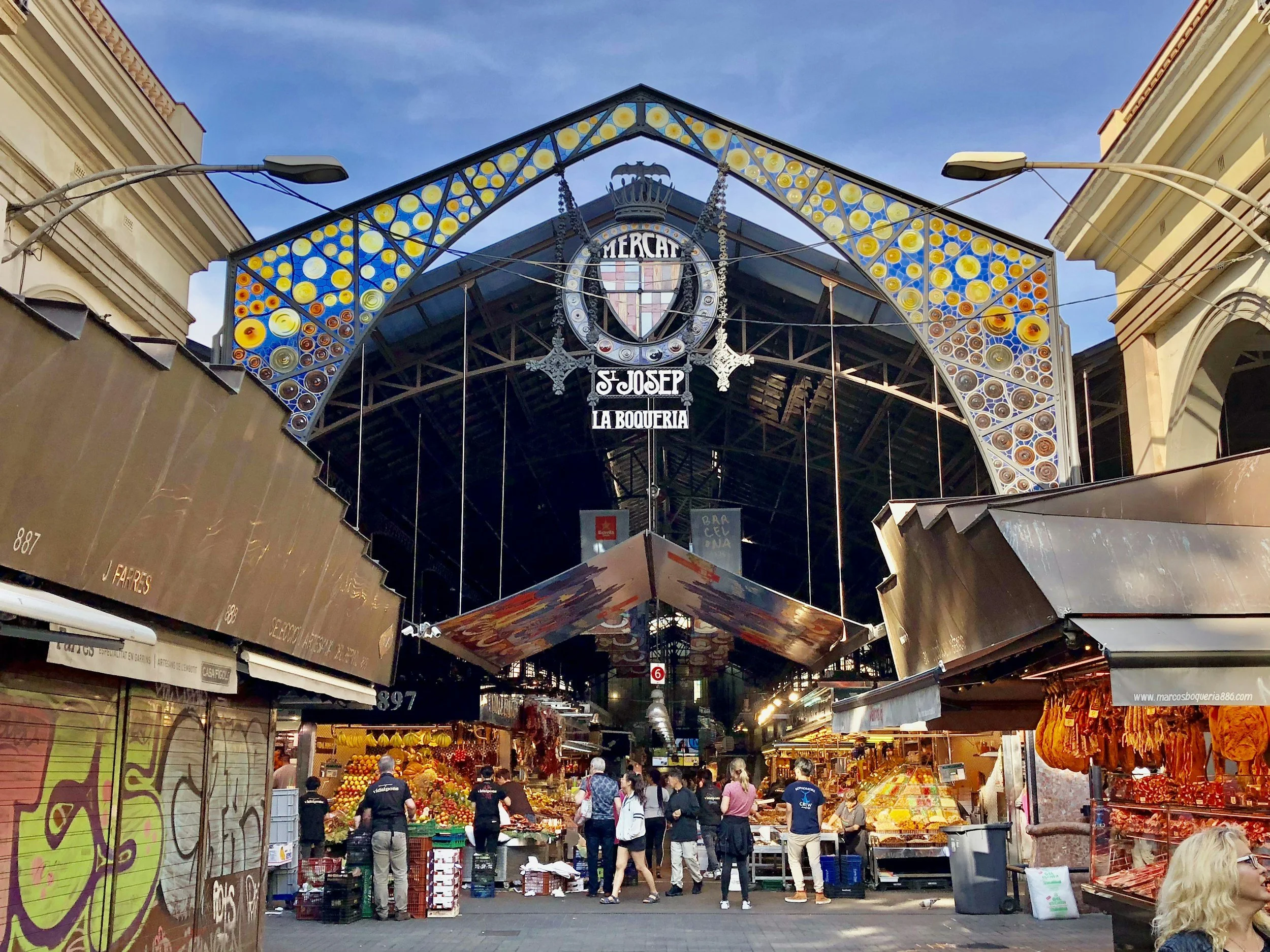
La Boqueria is Barcelona’s most famous market, and yes — it’s busy. But that doesn’t mean it should be skipped entirely. The key is timing and intent.
Go early in the morning if you want to see it at its most functional, when locals are still shopping and stallholders are setting up. This is the best time to wander, observe, and understand how the market actually works. Midday is when it shifts into eating mode, with counters serving simple, ingredient-led dishes that work best as a casual lunch rather than a full sit-down meal.
What it’s not ideal for is aimless browsing at peak hours. If you arrive late morning or early afternoon, have a purpose — a quick bite, a specific stall, then move on.
Mercat de Sant Antoni
If you want a clearer picture of everyday Barcelona, Sant Antoni delivers. This is a local market first and foremost, surrounded by cafés and bakeries that spill into the streets.
Inside, stalls focus on fresh produce, fish, meat, and prepared foods rather than souvenirs. It’s an excellent place to pick up ingredients, eat a simple lunch, or just sit nearby with a coffee and watch neighbourhood life unfold. The atmosphere is calmer, more routine-driven, and far less performative than central markets.
Neighbourhood markets beyond the centre
Almost every part of Barcelona has its own market, woven into daily life rather than built for visitors. These smaller markets don’t demand attention — they reward curiosity. Even if you’re not buying anything, walking through gives insight into seasonal ingredients, local habits, and how food fits into the everyday rhythm of the city.
Markets here aren’t about rushing or ticking boxes. They’re places to pause, eat simply, and observe. Treat them as part of the city’s infrastructure rather than attractions, and they’ll quietly become some of the most memorable food experiences of your trip.
Iconic Dishes and What to Try in Barcelona
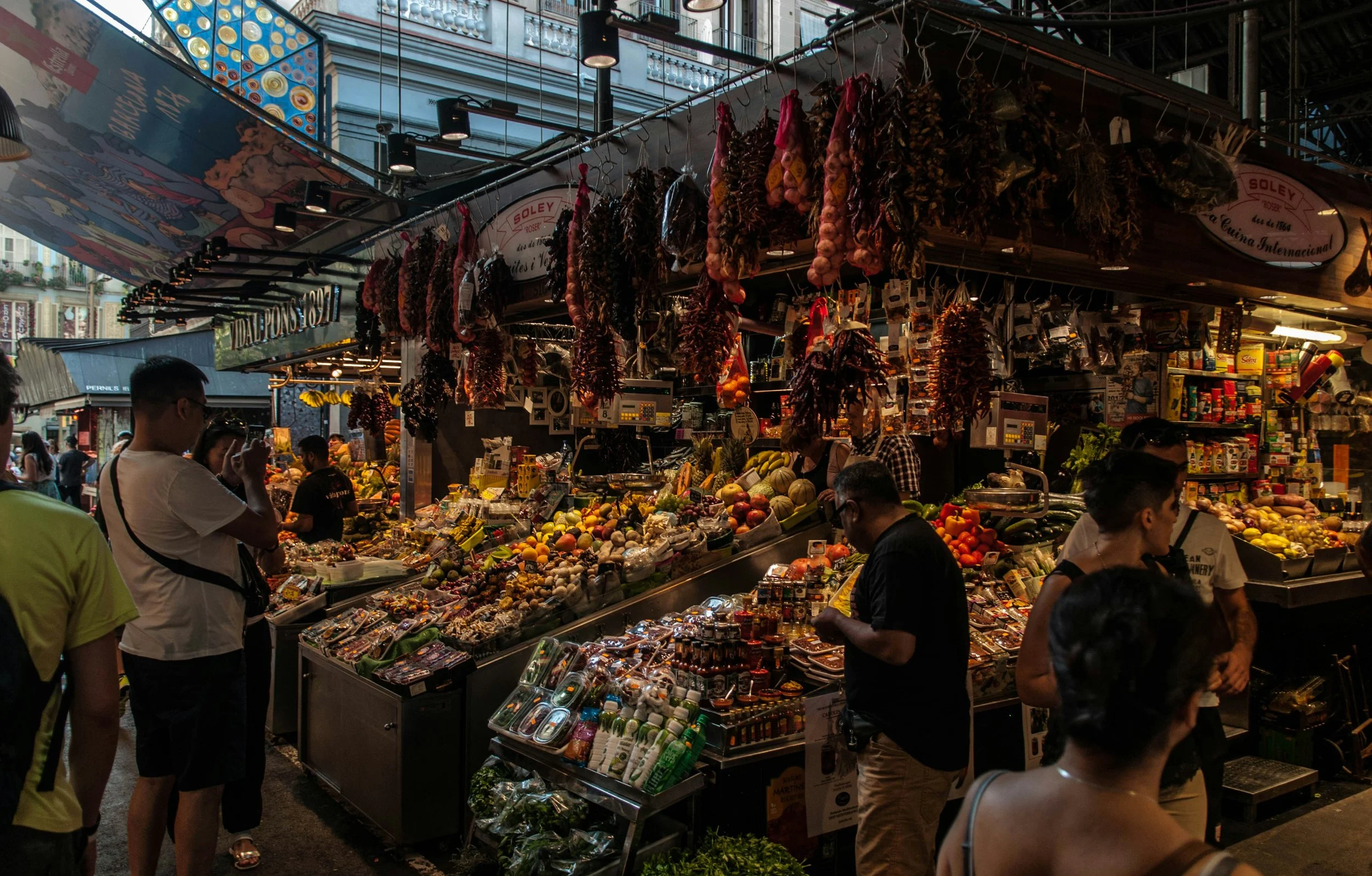
Barcelona’s most recognisable dishes are rarely complicated. They’re rooted in seasonality, restraint, and repetition — foods people return to again and again rather than save for special occasions. Understanding why these dishes matter makes spotting good versions much easier.
Pa amb tomàquet
This is the foundation of Catalan food culture. Bread rubbed with ripe tomato, drizzled with olive oil, and finished with salt — nothing more, nothing less. It appears at almost every meal, often served automatically, and sets the tone for everything that follows.
Good pa amb tomàquet depends entirely on ingredients. When it’s right, it’s quietly perfect; when it’s rushed, it’s forgettable. Locals treat it as a given, not a highlight — which is exactly why it matters.
Bombas
Born in Barcelona, bombas are deep-fried potato balls filled with spiced meat and topped with sauce. They’re most closely associated with neighbourhood bars and casual eating rather than formal dining.
You’ll usually see them ordered alongside drinks, especially in groups. They’re comforting, unfussy, and designed to be shared — a reminder that much of Barcelona’s food culture is built around sociable, informal moments.
Escalivada and esqueixada
These dishes reflect the city’s Mediterranean roots. Escalivada combines roasted vegetables like aubergine, peppers, and onion, often served with anchovies or tuna. Esqueixada is a salt-cod salad, fresh and sharp, usually eaten in warmer months.
Both are seasonal, ingredient-led, and common in neighbourhood restaurants rather than tourist menus. They’re best enjoyed slowly, often as part of a longer, shared meal.
Fideuà
Often compared to paella, fideuà replaces rice with short noodles and leans heavily on seafood flavours. It’s traditionally associated with coastal areas and tends to appear at lunch rather than dinner.
Like paella, it’s rarely cooked for one. If you see it being ordered by locals at lunchtime, that’s usually a good sign.
These dishes aren’t about novelty — they’re about familiarity. You’ll see them repeated across menus, neighbourhoods, and seasons, each time slightly different depending on where you are.
El Born: Traditional Roots and Wine-Led Evenings
What the food scene is like
El Born’s food scene balances tradition and evolution better than almost anywhere else in the city. Historic taverns, family-run bars, and modern Catalan kitchens coexist without competing for attention. Menus lean seasonal, dishes stay relatively simple, and quality comes from repetition rather than reinvention — think anchovies, cured seafood, vegetables treated with restraint, and good bread at the centre of the table.
Eating here rarely feels rushed. El Born works best from late afternoon into the evening, when bars begin to fill, wine starts to flow, and meals unfold gradually rather than on a fixed schedule. In terms of value, it sits comfortably mid-range: not the cheapest area to eat in Barcelona, but consistently good quality if you follow local rhythms.
Where locals actually eat and drink
One of El Born’s most recognisable reference points is Cal Pep, a long-standing favourite known for produce-led cooking and counter dining. The menu responds to what’s freshest that day, and meals feel conversational rather than formal. It’s popular for a reason — arriving earlier or embracing off-peak hours makes the experience far more relaxed.
Just around the corner, El Xampanyet remains a neighbourhood institution. Locals stop in for cava, vermouth, anchovies, cured meats, and simple plates, usually standing shoulder to shoulder. It’s lively without feeling performative and captures the social heart of El Born perfectly.
For a more traditional sit-down option, 7 Portes has long been a reference for classic Catalan cooking, particularly rice dishes served at lunch. It’s dependable, old-school, and ideal if you want tradition without the unpredictability of bar-hopping.
Bakeries and casual daytime bites
El Born works just as well during the day, especially for light breakfasts and casual lunches. Baluard Barceloneta, just on the edge of the neighbourhood, is a favourite for bread and pastries in the morning and offers a good glimpse into how seriously locals take their bakeries.
Beyond named spots, small neighbourhood bakeries and takeaway counters scattered through El Born often deliver better value and atmosphere than cafés aimed purely at visitors. A steady mid-morning local crowd is usually the clearest sign you’re in the right place.
Coffee and cafés
El Born is home to some of Barcelona’s most respected coffee institutions. Café El Magnífico is a long-standing reference, known for quality over spectacle. Coffee here is often functional rather than leisurely — grabbed on the go, enjoyed briefly, then folded back into the day.
Café culture in El Born reflects the neighbourhood itself: purposeful, social, and rarely indulgent for its own sake.
Vermouth and aperitivo culture
El Born is one of the best places to experience Barcelona’s vermouth tradition. This is early-afternoon or early-evening drinking — a glass of vermut on ice, perhaps an anchovy or olives, and no pressure to turn it into a full meal.
Aperitivo here is a pause rather than a plan. If you find yourself standing with a drink before lunch and wondering whether it’s too early, you’re very much in sync with local habits.
Chocolate, sweets, and old-school indulgences
The neighbourhood also has quiet links to Barcelona’s chocolate history, sitting close to the Museu de la Xocolata. Traditional pastry shops and chocolate counters are woven into everyday streets rather than grouped into dessert destinations.
Sweets are casual here — taken away, eaten standing, or enjoyed without ceremony — and treated as part of daily life rather than a formal end to a meal.
World Locals tip
El Born rewards flexibility. Eat lightly during the day, avoid locking in too many reservations, and let drinks lead your evening. If El Born is about tradition and repetition, the next neighbourhood — El Raval — pushes outward: later nights, global flavours, and a food scene shaped by constant movement.
El Raval: Global Flavours and Late-Night Eats
What the food scene is like
El Raval’s food scene is shaped by movement — people, cultures, and ideas flowing through the neighbourhood over decades. This is where Barcelona’s most global cooking takes root, sitting alongside traditional bars and newer, experimental kitchens. Meals skew informal, flavours travel widely, and opening hours stretch later than most other parts of the city.
Eating in El Raval feels spontaneous. It’s less about planning and more about responding to what’s open, busy, and drawing people in at that moment. Prices tend to be friendlier than nearby neighbourhoods, and value comes from diversity rather than polish.
Where locals actually eat and drink
For classic, no-frills tapas done properly, Bar Cañete is a long-standing favourite on the edge of the neighbourhood. It blends traditional dishes with excellent produce and a lively bar atmosphere that works well for both a quick bite or a longer stay. It’s popular for good reason — earlier visits are calmer.
Deeper into El Raval, Bar Ramón offers an old-school counter experience where locals drop in for beer, vermouth, and simple plates. It’s unfussy, conversational, and rooted firmly in the neighbourhood’s everyday rhythm.
El Raval’s international food scene is one of its strengths. Flax and Kale (with roots in the neighbourhood) reflects the area’s modern, health-conscious side, while countless smaller spots showcase South Asian, Middle Eastern, and North African cooking that locals rely on for affordable, late-night meals.
Bakeries, snacks, and late bites
El Raval is particularly strong for eating between meals. Bakeries, takeaway counters, and casual kitchens stay open later than elsewhere, making it one of the best areas in Barcelona for unplanned food stops.
You’ll see locals grabbing empanadas, flatbreads, or sweets well into the evening — food here fills gaps rather than framing the day. This flexibility is part of what makes the neighbourhood so appealing to night owls.
Coffee and cafés
Coffee in El Raval reflects the area’s creative edge. Around MACBA, cafés double as meeting points for skaters, artists, and locals passing through. These spaces are often relaxed and social, encouraging lingering conversations rather than quick caffeine hits.
While not every café is design-led, many prioritise atmosphere and community — a natural extension of the neighbourhood itself.
Late-night eating culture
El Raval truly comes alive after dark. Kitchens stay open later, bars blur into dinner spots, and eating often happens alongside music, conversation, and movement between venues. It’s one of the few areas in Barcelona where sitting down to eat after 10pm feels completely normal rather than exceptional.
This makes it ideal for travellers who prefer to let nights unfold slowly rather than revolve around a single reservation.
World Locals tip
El Raval rewards awareness and openness in equal measure. Stick to streets that feel lively, follow the sound of conversation rather than empty rooms, and don’t rush. If El Born is about repetition and tradition, El Raval is about variety and energy — a place where food reflects the city’s most dynamic side.
Eixample: Polished Dining and Everyday Excellence
What the food scene is like
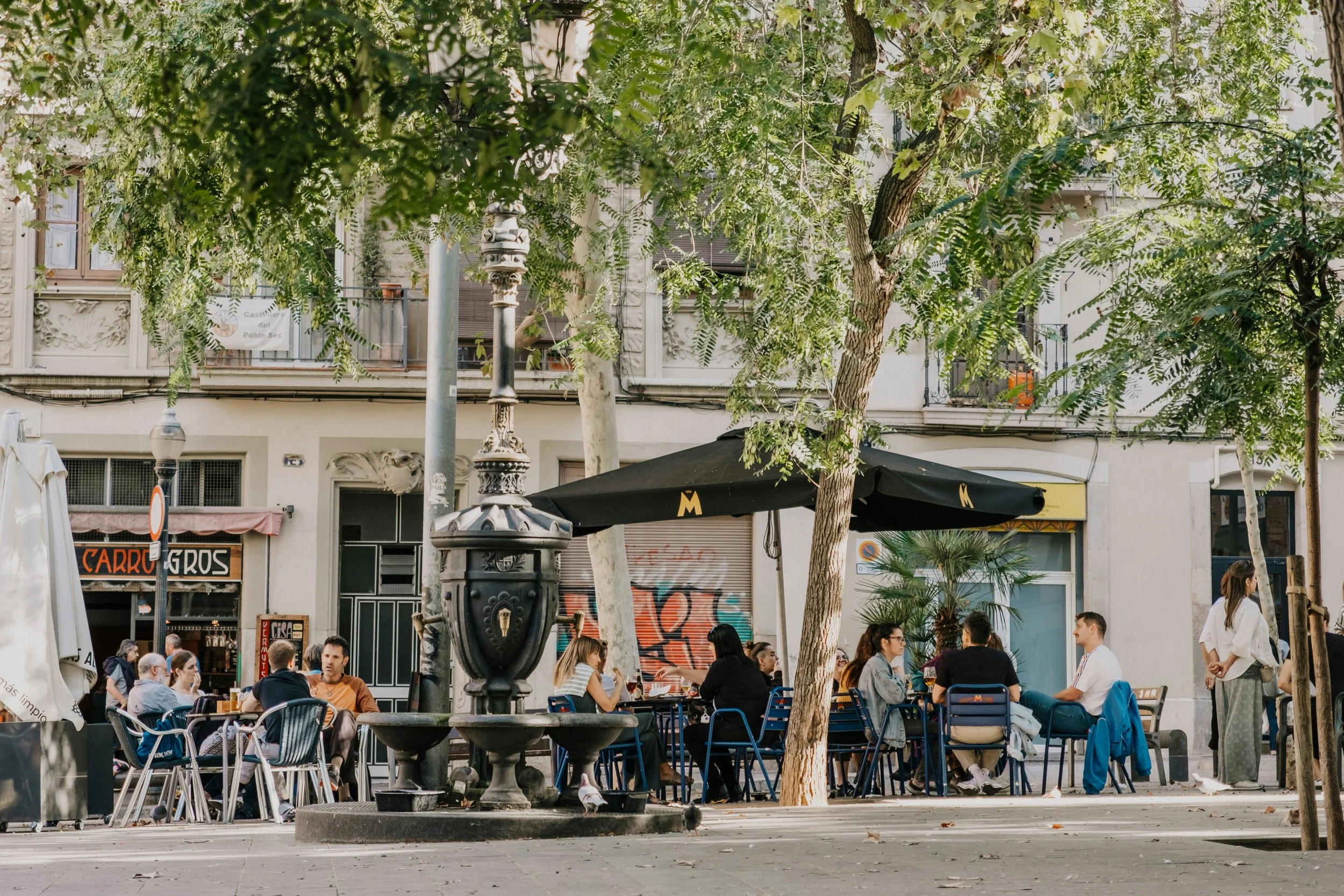
Eixample’s food scene is calm, consistent, and quietly confident. This is where Barcelona eats well on a daily basis — neighbourhood restaurants that prioritise ingredients, technique, and comfort over spectacle. Meals here are more structured than in El Born or El Raval, but never stiff, and quality tends to be reliably high.
It’s an area that suits long lunches, proper sit-down dinners, and repeat visits to the same places. Prices sit slightly higher than the old town, but value is strong, especially if you eat the way locals do.
Where locals actually eat and drink
A long-standing reference point in Eixample is Cervecería Catalana. It’s busy, energetic, and built around classic tapas done well — seafood, cured meats, tortillas, and quick-fire plates served from a long bar. It’s popular for a reason, and arriving early or off-peak makes a noticeable difference.
For something more refined but still rooted in neighbourhood dining, Bar Mut is a favourite with locals. The menu changes regularly, the atmosphere is relaxed, and dishes feel thoughtful without being showy. It’s a place people return to rather than save for special occasions.
At the upper end of the spectrum, Eixample is also home to some of Barcelona’s most celebrated modern kitchens, including Disfrutar. While it’s not everyday dining, its presence here reflects the neighbourhood’s role as the city’s culinary backbone — polished, ambitious, and grounded in technique.
Bakeries and daytime eating
Eixample is excellent for daytime eating. Bakeries, cafés, and casual lunch spots are woven into almost every block, making it easy to eat well without planning ahead.
Traditional bakeries sit alongside more modern counters, and locals tend to keep routines — the same place for bread, the same café for mid-morning coffee. This everyday consistency is part of Eixample’s appeal.
Coffee and cafés
Coffee culture in Eixample is steady and dependable. You’ll find both traditional cafés and specialty roasters, including Nomad Coffee, which has helped shape the city’s modern coffee scene. Cafés here encourage lingering more than in El Born, making them good spots for working, reading, or slow mornings.
When Eixample works best
Eixample shines for travellers who like structure without rigidity. It’s ideal for:
longer stays
early dinners or long lunches
calm evenings
travellers who want reliable quality over spontaneity
It’s less about surprise, more about ease — and that’s exactly why locals love it.
World Locals tip
Look beyond main avenues like Passeig de Gràcia. Some of Eixample’s best neighbourhood restaurants and bakeries sit just a few streets back, where prices soften and places are built around regulars rather than foot traffic.
Gràcia: Local Taverns and Slow Dinners
What the food scene is like
Gràcia’s food scene is built around neighbourhood life rather than destination dining. Meals here are slower, more habitual, and closely tied to the rhythm of the squares — people eating where they live, returning to the same places week after week. Menus lean traditional with thoughtful twists, and atmosphere matters as much as what’s on the plate.
This is a neighbourhood where dinner is rarely rushed and evenings stretch naturally, especially when tables spill into plazas and conversation becomes part of the meal.
Where locals actually eat and drink
A long-standing favourite in Gràcia is La Pubilla, known for seasonal Catalan cooking and a loyal local following. Dishes change regularly, portions are generous, and it’s the kind of place people book not for occasions, but because it’s reliably good.
For something smaller and more informal, Cal Boter offers classic Catalan plates in a relaxed, unfussy setting. It’s popular at lunch and early evenings, especially with locals looking for honest food without frills.
Wine bars and casual taverns cluster around squares like Plaça del Sol and Plaça de la Virreina, where stopping for one drink often turns into staying longer than planned.
Bakeries and everyday eating
Gràcia is strong on everyday essentials. Traditional bakeries, pastry shops, and small takeaway counters are woven into residential streets, making it easy to eat well without seeking anything out.
Many locals follow set routines — the same bakery for bread, the same bar for a midweek lunch — which gives the neighbourhood a grounded, lived-in feel that visitors quickly pick up on.
Coffee and cafés
Cafés in Gràcia tend to be social rather than transactional. SlowMov reflects the neighbourhood’s independent spirit, with a focus on quality coffee and a relaxed atmosphere that encourages lingering.
Rather than grabbing coffee on the move, people here tend to sit, talk, and stay — especially around the squares, where cafés become extensions of the street.
When Gràcia works best
Gràcia suits travellers who:
enjoy slow evenings and neighbourhood routines
prefer local taverns to trend-led dining
are staying longer than a few days
want food to feel integrated into daily life
It’s less suited to rushed itineraries or late-night bar hopping, but perfect for those who value rhythm and familiarity.
World Locals tip
Base your meals around the squares. Eat lightly during the day, then choose a plaza in the evening and let the neighbourhood guide you — if tables are full and voices are loud, you’ve found the right place.
Barceloneta: Seafood, Rice Dishes and Lunch by the Water
What the food scene is like
Barceloneta is Barcelona’s old fishing quarter, and food here still makes most sense when it stays close to the sea. The neighbourhood has changed a lot, especially around the beachfront, but its strongest food moments are still built around seafood, rice dishes, vermouth, fried plates and long lunches that don’t need to move quickly.
This is not the area for Barcelona’s most subtle cooking, and it’s not always the easiest place to choose well. The beach brings crowds, and crowds bring menus that try to be everything to everyone. But choose carefully and Barceloneta can still be one of the most enjoyable places in the city to eat simply: grilled fish, paella, fideuà, anchovies, bombas, cold wine, and enough sea air to make lunch feel like the main event.
It works best during the day. Barceloneta is made for slow lunches, post-beach plates, and late-afternoon drinks rather than overly polished dinners. The rhythm is coastal, generous and social, especially if you’re happy to share dishes and let the meal take longer than planned.
Where the neighbourhood still feels local
The most traditional side of Barceloneta is found away from the most obvious beachfront restaurants. Look inland towards the older streets and neighbourhood bars, where the appeal is usually less about views and more about habit: small plates, vermouth, seafood, and people who know exactly what they came in for.
This is where Barceloneta feels most grounded. You’ll find simple taverns, casual seafood spots and bars serving the kind of food that works best without too much explanation: fried fish, anchovies, croquettes, bombas, grilled prawns, and house vermouth before lunch becomes a serious possibility.
The area rewards a bit of patience. A busy local bar with a short menu is usually a better sign than a large restaurant offering paella, burgers, pizza and cocktails with equal enthusiasm. That kind of range rarely means good news for anyone except the printer.
Seafood, paella and rice dishes
Rice is one of the main reasons to eat in Barceloneta. Paella is the obvious order, but it’s not the only one worth knowing: black rice, seafood rice and fideuà all fit the neighbourhood well, especially at lunch when the pace feels more natural.
For a more polished paella-focused meal near the beach, MANĀ 75 is a useful option. It sits close to the W Hotel and centres the experience around rice dishes, with an open kitchen where paellas are cooked in front of the dining room. The main reason to consider it is practical: it works well for groups, planned lunches and visitors who want a dedicated rice restaurant without moving far from Barceloneta.
The menu includes a wide range of rice dishes, from seafood-led options to more seasonal chef-created recipes. It’s larger and more contemporary than Barceloneta’s smaller traditional spots, so it won’t give you the same old-neighbourhood intimacy. The trade-off is that it’s easier, more spacious and better suited to a relaxed group meal by the water.
If you’re planning paella in Barceloneta, book ahead for lunch rather than leaving it to chance, especially in warmer months or around weekends.
Casual daytime bites
Barceloneta also works well when you don’t want a full sit-down meal. Bakeries, casual counters and small bars around the neighbourhood are useful for coffee, pastries, sandwiches, quick tapas and the kind of low-effort lunch that fits around the beach rather than becoming the whole day.
This is especially useful if you’re moving between the waterfront, the marina and El Born. You don’t need to build every Barceloneta visit around paella. Sometimes the better move is a pastry in the morning, a swim or walk by the water, then a late lunch when the neighbourhood starts to feel more settled.
Vermouth, wine and beachside drinks
Drinking in Barceloneta is best kept simple. Vermouth on ice, cava, beer or a cold glass of white wine all fit the area better than anything too elaborate. This is the place for a drink before lunch, after the beach, or during that slightly vague part of the afternoon when you’re not hungry enough for dinner but entirely capable of ordering olives.
The closer you get to the beach, the more selective you need to be. A terrace can still be worth it, but the view shouldn’t be doing all the work. If the drinks are simple, the seafood is fresh and the menu doesn’t read like an airport food court, you’re probably on safer ground.
World Locals tip
Barceloneta works best when you treat it as a seafood and rice neighbourhood, not just somewhere to eat near the beach. Come for lunch rather than a late dinner, stay selective around the waterfront, and choose based on the kind of meal you want: old-school and local-feeling, casual and quick, or more polished and paella-focused.
If El Born is about wine-led evenings and historic taverns, Barceloneta is where Barcelona turns towards the sea: less refined in places, but at its best, generous, social and built around the kind of lunch you don’t need to rush.
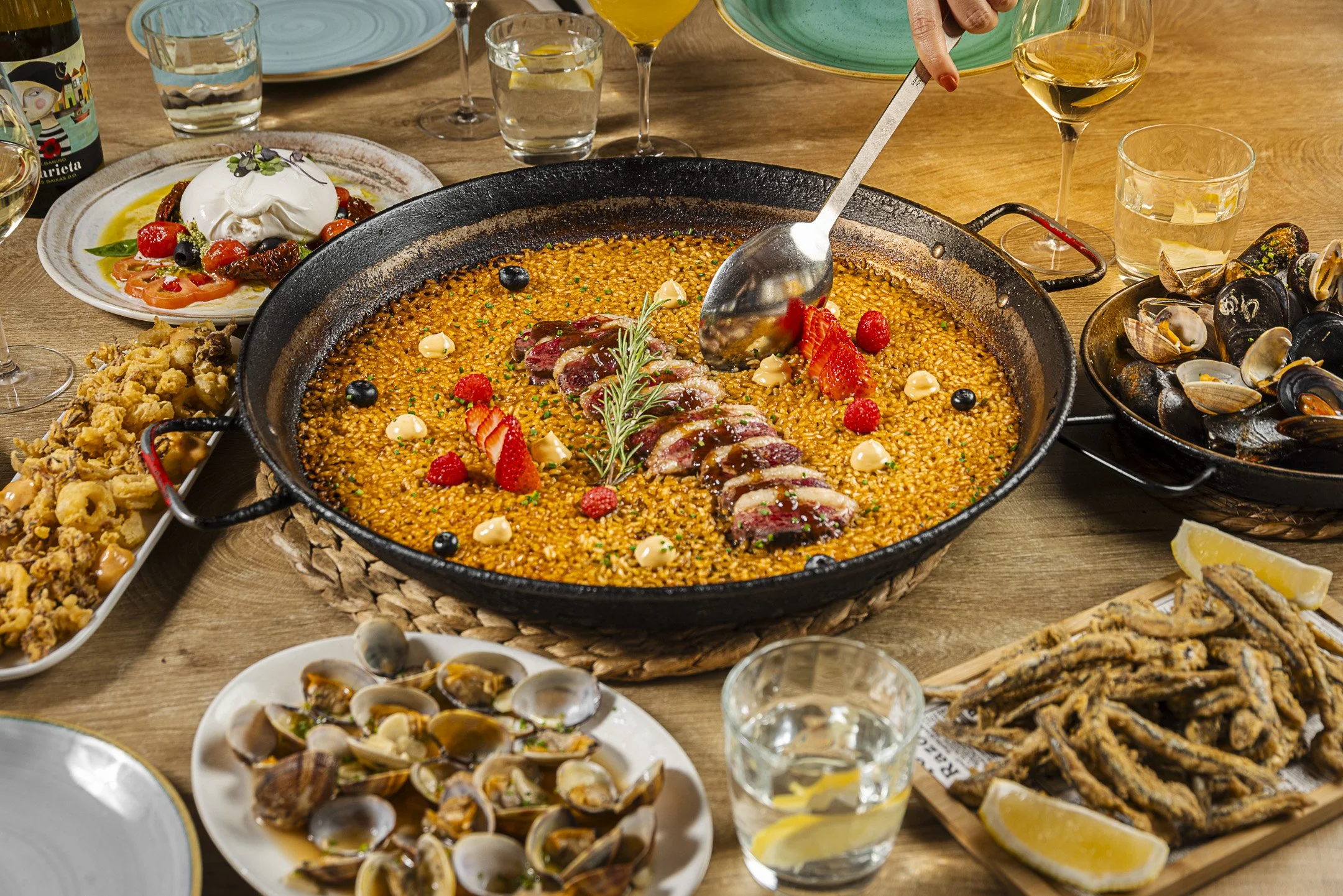
MANĀ 75 Paella.
Poble-sec: Casual, Social, and Bar-Hopping Friendly
What the food scene is like
Poble-sec is one of Barcelona’s most approachable food neighbourhoods. It’s informal, social, and built around movement — short stops, shared plates, and evenings that drift from one bar to the next without much planning. The focus here is value and atmosphere rather than presentation, with plenty of places designed for standing, chatting, and grazing.
It’s a neighbourhood that comes alive after work hours, especially midweek, when locals fill terraces and counters before heading home.
Where locals actually eat and drink
The heart of Poble-sec’s food scene is Carrer de Blai, a lively strip known for its pinchos bars and easygoing energy. Quimet & Quimet sits just off the main stretch and is a long-standing favourite for preserved seafood, montaditos, and vermouth. It’s small, standing-room only, and best enjoyed without trying to do too much at once.
For classic pinchos and relaxed bar-hopping, Blai 9 is popular with locals for good reason — quick plates, fair prices, and a steady buzz that doesn’t feel forced.
Poble-sec also has a strong tradition of neighbourhood dining rooms just off the main streets, where menus are simple, portions are generous, and regulars are clearly recognised.
Bakeries and casual daytime eating
During the day, Poble-sec feels residential and practical. Bakeries and small lunch spots cater to locals rather than visitors, making it a good area for unfussy meals and quick bites.
You won’t find many destination cafés here, but that’s part of the appeal — food fits around daily life rather than interrupting it.
Drinks, vermouth, and evenings out
Evenings in Poble-sec are built around drinks as much as food. Vermouth, beer, and simple wines lead the way, often paired with a couple of small plates rather than full meals. Bar-hopping is common, and it’s normal to eat in stages rather than sitting down once.
The proximity to Montjuïc also shapes the rhythm — many locals pair late-afternoon walks or viewpoints with casual food and drinks back in the neighbourhood.
When Poble-sec works best
Poble-sec is ideal if you:
enjoy informal, social eating
prefer bar-hopping to reservations
want good value without sacrificing atmosphere
like evenings that build gradually
It’s less suited to fine dining or early nights, but perfect for relaxed, food-led evenings that feel local and unpretentious.
World Locals tip
Start early and pace yourself. One or two pinchos at each stop is how locals do it — the goal isn’t to fill up quickly, but to let the evening stretch naturally.
Cafés and Coffee Culture in Barcelona
Barcelona’s coffee culture is quieter than in some European cities, but it’s deeply woven into daily routines. Coffee here isn’t usually a destination in itself — it’s a pause between errands, a standing ritual at the bar, or a short sit before moving on. Understanding that mindset helps set expectations.
Traditional cafés vs the modern coffee scene
For decades, coffee in Barcelona meant something quick and functional: a cortado at the counter, no fuss, no lingering. That culture still exists — and thrives — especially in neighbourhood cafés where locals stop multiple times a day.
Alongside it, a modern specialty scene has grown steadily, led by independent roasters and small cafés focused on sourcing, technique, and quality. These places tend to be compact, purposeful, and neighbourhood-based rather than sprawling, laptop-filled spaces.
Where to drink good coffee
In the city centre, Right Side Coffee Bar is a strong example of Barcelona’s modern coffee approach: well-made espresso, minimal distractions, and a steady local crowd. It’s a place for a proper coffee rather than an extended stay.
Further out, Three Marks Coffee reflects the city’s independent spirit, with a relaxed atmosphere and a loyal neighbourhood following. It’s the kind of café people return to out of habit, not hype.
Across the city, many of the best coffee spots are small, understated, and easy to miss — often identified by a few regulars standing outside with cups in hand rather than by signage or design.
When coffee fits into the day
Coffee in Barcelona tends to cluster around specific moments:
early morning, before work
mid-morning, often paired with a pastry
after lunch, as a short pause before the afternoon
It’s less common to see people nursing one drink for hours. Cafés turn over steadily, and that movement is part of the culture.
What not to expect
Barcelona isn’t a city of all-day cafés or brunch-heavy coffee spaces. While those exist, they’re the exception rather than the rule. Most places prioritise flow over lingering — and once you accept that, the city’s coffee culture makes much more sense.
World Locals tip
Drink coffee the way locals do: stand at the bar, keep it short, and move on. Save long sits for meals, wine, and evenings — coffee here is a rhythm, not a destination.
Bars, Vermouth, and Drinking Culture
Drinking in Barcelona is rarely rushed — and rarely the main event. It’s woven into meals, stretched across evenings, and shaped by timing as much as taste. Understanding this culture makes nights here feel effortless rather than chaotic.
Vermouth culture
Vermouth (vermut) is one of Barcelona’s most enduring rituals. Traditionally enjoyed before lunch or in the early evening, it’s served over ice with a slice of orange or olive and paired with something salty — anchovies, olives, crisps.
This isn’t about getting a buzz; it’s about pausing the day. Vermouth bridges lunch and dinner, work and evening, daylight and night. You’ll see locals standing at bars mid-afternoon, chatting briefly, then moving on — unhurried, unspectacular, perfectly normal.
Wine and cava
Wine in Barcelona leans local and informal. Glasses are poured generously, labels are often regional, and the expectation is simple: drink what fits the moment. Cava — Catalonia’s sparkling wine — appears casually, not just for celebrations, and is as likely to be ordered with anchovies as it is with a full meal.
Wine bars here tend to be small, social, and conversational rather than hushed or ceremonial.
Old-school bodegas
Barcelona’s traditional bodegas are still part of daily life. These are places for standing drinks, simple plates, and regulars who treat the bar like an extension of their living room.
A classic example is La Plata, a no-frills institution serving a famously short menu alongside wine and vermouth. It’s quick, communal, and deeply rooted in routine — the kind of place that explains Barcelona’s drinking culture without saying a word.
Late nights and casual bars
Evenings in Barcelona build slowly. A drink becomes two, plates appear without a plan, and moving on is part of the rhythm. Bars often blur into dining spaces, and kitchens staying open late means food and drink evolve together rather than in separate stages.
There’s very little pressure to commit to one place. Movement is expected — and encouraged.
When drinking works best
Barcelona’s drinking culture suits travellers who:
enjoy unstructured evenings
prefer standing bars to sit-down venues
like drinks paired with food rather than isolated
value atmosphere over spectacle
It’s less about destination bars and more about how the night unfolds.
World Locals tip
Don’t plan your night too tightly. Start with a vermouth or glass of wine, add food if it feels right, and let conversation guide the rest. In Barcelona, the best nights are rarely the most organised ones.
Desserts and Sweet Traditions
Desserts in Barcelona are understated, habitual, and rarely theatrical. Sweets aren’t usually a grand finale — they’re woven into daily life, eaten at specific moments rather than automatically ordered at the end of a meal.
Crema catalana
Crema catalana is the region’s most recognisable dessert: smooth custard, lightly set, finished with a thin layer of caramelised sugar. It’s less heavy than it looks and tends to appear on menus around celebrations or weekends rather than every day.
Locals order it when it feels right, not out of obligation — which is a good rule to follow.
Churros and chocolate
Churros are not an everyday dessert in Barcelona. They’re tied to specific moments: late nights, cold mornings, or weekends when time slows down. Thick, dark hot chocolate is the constant — rich, almost pudding-like, and meant for dipping rather than drinking.
Classic spots like Granja Dulcinea have been serving this ritual for generations, offering a glimpse into how sweets fit into social routines rather than menus.
Pastries and bakeries
Pastries play a much bigger role than plated desserts. Bakeries are part of daily life, with locals stopping in for ensaïmadas, croissants, or small cakes mid-morning or mid-afternoon rather than after dinner.
Traditional pastry shops sit quietly alongside modern bakeries, and sweets are often eaten standing, taken away, or paired with coffee rather than treated as a sit-down experience.
When (and when not) to order dessert
It’s common to skip dessert at restaurants, especially after a long meal. Many locals end with coffee, a small liqueur, or nothing at all — saving sweets for another time of day.
That rhythm matters. In Barcelona, dessert isn’t about excess — it’s about timing.
World Locals tip
If you want something sweet, think outside the restaurant. Visit a bakery mid-afternoon or seek out churros when the mood (and timing) feels right — it’s how locals do it, and it almost always tastes better.
Practical Tips for Eating and Drinking in Barcelona
A few small cultural cues make a big difference when eating out in Barcelona. Once you understand the rhythm, everything feels easier — and far more enjoyable.
Reservations, timing, and queues
Reservations matter for popular neighbourhood restaurants, especially in the evenings and at weekends. That said, many of Barcelona’s best food experiences don’t require planning at all — standing bars, markets, bakeries, and casual counters work on flow rather than bookings.
Arriving early is often the simplest advantage you can give yourself. Eating lunch at the start of service or turning up for drinks before peak hours makes busy places feel far more relaxed.
Prices and what counts as good value
Barcelona offers excellent value if you eat the way locals do. Lunch menus (menú del día) are common on weekdays and often represent the best quality-to-price balance in the city.
Be cautious of places with aggressively multilingual menus, photos of every dish, or prime locations directly on major tourist routes — these often prioritise convenience over quality. A busy room filled with locals at local mealtimes is usually the better indicator.
Tipping and etiquette
Tipping isn’t expected in Barcelona. Service is included, and locals don’t routinely leave extra. If service has been particularly good, rounding up or leaving small change is appreciated — but never required.
At bars, paying as you go is common, especially when standing. At restaurants, asking for the bill (la cuenta) is normal and won’t be seen as rude.
Eating with flexibility
Meals here are meant to adapt. Ordering a few plates and adding more later is common, as is sharing everything on the table. There’s no pressure to order starters, mains, and dessert in sequence — structure is flexible, and pacing is personal.
This applies to drinks too. It’s perfectly normal to have a drink without food, food without dessert, or to move somewhere else mid-evening.
Language and ordering
You don’t need fluent Spanish or Catalan to eat well in Barcelona, but a few polite basics go a long way. Menus are often available in multiple languages, and staff are generally happy to explain dishes if asked.
Pointing, asking questions, and trusting recommendations is common — especially in smaller, more traditional places.
World Locals tip
Follow timing, not trends. Eat when locals eat, drink when they drink, and don’t rush to tick everything off in one sitting. Barcelona rewards those who slow down and let food fit naturally into the day.
“Barcelona’s food culture isn’t about chasing the best restaurant or eating everything in one trip. It’s about rhythm — knowing when to eat, where to pause, and how meals fit into daily life rather than interrupt it.
From market counters and neighbourhood bakeries to late-night bars and long, unplanned evenings, eating in Barcelona works best when you slow down and follow local habits. Order less, share more, move between places, and don’t force structure where none exists.
Each neighbourhood tells a different story through food: tradition in El Born, diversity in El Raval, consistency in Eixample, community in Gràcia, and casual social eating in Poble-sec. Together, they form a city that rewards curiosity, patience, and flexibility at the table.
Eat with the city, not against it — and Barcelona will always feed you well.”