Best Adventure Holidays in Europe for a Trip That Feels Different
Europe is often treated as a place for city breaks, beach weeks and neatly planned weekends, but some of its best trips are built around movement. Mountains, volcanic islands, coastal trails, wild swimming spots, fjords, lakes and dramatic road trips all give Europe a more adventurous side — one that doesn’t always require specialist equipment, extreme fitness or a worrying number of carabiners.
The best adventure holidays in Europe balance scenery with practicality. You want landscapes that feel worth travelling for, but also good places to stay, interesting towns to explore, proper food at the end of the day and enough infrastructure to make the trip feel exciting rather than unnecessarily difficult.
This guide focuses on European adventure trips that feel active, memorable and realistic. Some are built around hiking and mountain scenery, others around islands, coastlines, lakes, kayaking, cycling or road trips. The common thread is simple: each one gives you more than a standard city break, while still being easy enough to plan into a proper holiday.
Best Adventure Holidays in Europe at a Glance
If you want a European trip with more landscapes, movement and fresh air, these are some of the best places to start:
Madeira, Portugal — best for levada walks, mountain hikes and dramatic coastal scenery
The Dolomites, Italy — best for alpine hiking, mountain villages and cinematic road trips
Slovenia — best for lakes, rivers, rafting and easy outdoor variety
Lofoten Islands, Norway — best for wild scenery, hiking, kayaking and remote-feeling villages
The Azores, Portugal — best for volcanic landscapes, crater lakes and whale watching
Scottish Highlands, UK — best for road trips, lochs, hiking and moody landscapes
Mallorca, Spain — best for cycling, coastal walks and Mediterranean mountain scenery
Montenegro — best for mountains, coast, rafting and a less obvious adventure trip
Iceland — best for waterfalls, glaciers, lagoons and dramatic road trips
Swiss Alps, Switzerland — best for polished mountain adventure, scenic trains and accessible hiking
How to Use This Guide
Use this guide less as a definitive ranking and more as a way to match the trip to your travel style. If you want an easy first active holiday, start with Madeira, Slovenia or Mallorca. If you want bigger landscapes, look at the Dolomites, Lofoten or Iceland. If you want adventure with comfort built in, the Swiss Alps or Azores may make more sense.
The best choice depends on what kind of adventure you actually want: hiking, road trips, island scenery, mountain towns, wild landscapes, soft outdoor days or a trip that simply feels more active than another weekend in a capital city.
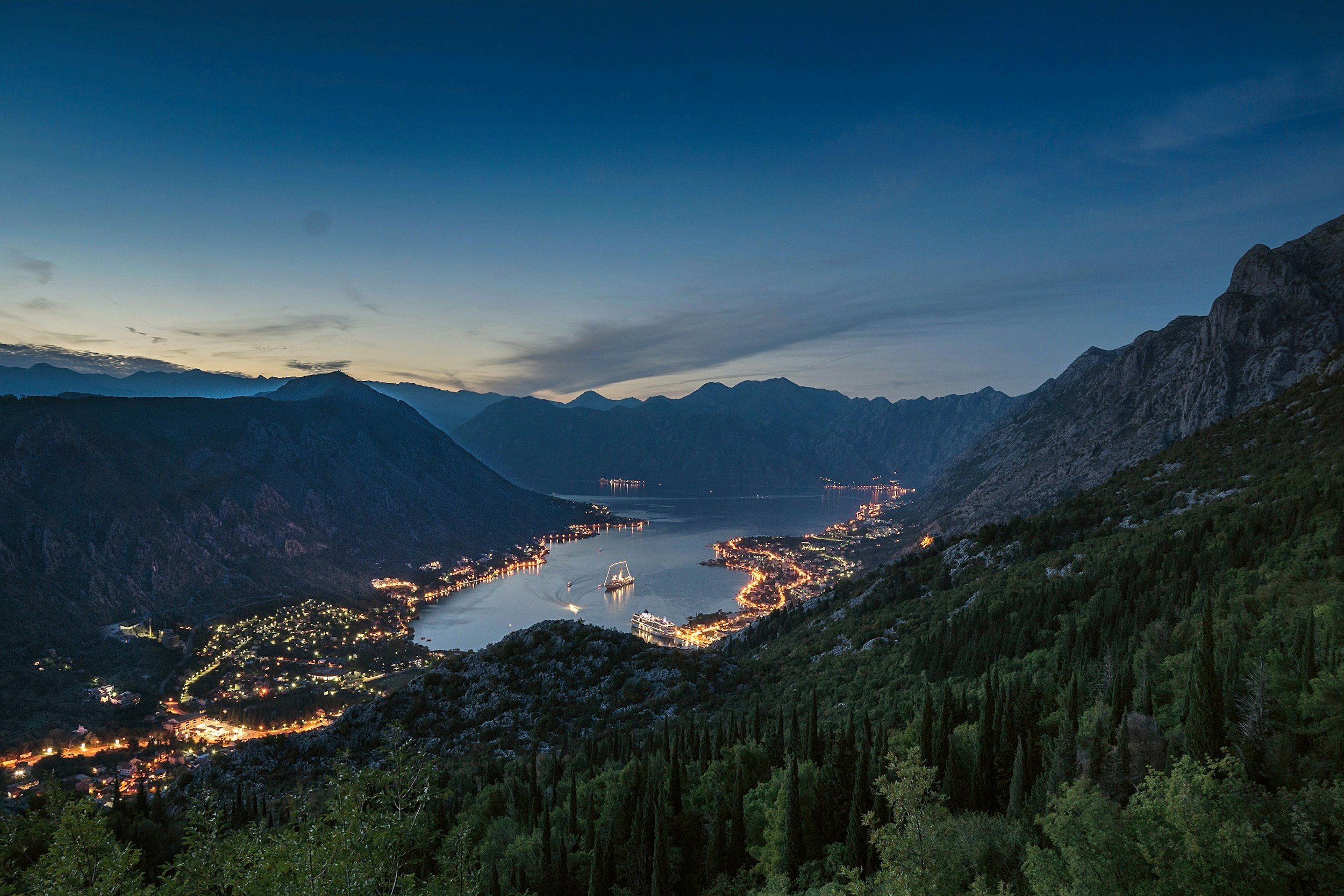
Kotor, Montenegro.
What Makes a Good Adventure Holiday in Europe?
A good adventure holiday in Europe doesn’t need to be extreme. In fact, the most enjoyable ones are often the trips that give you a sense of adventure without turning every day into a test of endurance. The aim is not to return home needing another holiday to recover from the holiday. Ambitious, perhaps, but worth considering.
The best active holidays in Europe usually combine a few things well: landscapes that feel genuinely different, outdoor experiences that are easy to build a trip around, and enough comfort around the edges to make the whole thing enjoyable.
Landscapes Worth Travelling For
The strongest adventure destinations give you a clear reason to go beyond the usual city-break rhythm. That might mean volcanic crater lakes in the Azores, jagged peaks in the Dolomites, highland roads in Scotland or coastline that feels almost unreal in Lofoten.
This matters because adventure travel is rarely just about the activity itself. A walk, cycle, kayak or road trip becomes more memorable when the setting does some of the work. The landscape should shape the trip, not just sit politely in the background.
Adventure Without Unnecessary Difficulty
For most travellers, the sweet spot is active but accessible. Good adventure trips should offer hiking, swimming, kayaking, cycling, scenic drives, boat trips, guided activities or nature-led day trips without requiring expert-level skills.
That’s why places like Madeira, Slovenia and Mallorca work so well. They give you plenty of ways to be active, but you can still choose the intensity. You can build the trip around big hiking days, or keep it softer with viewpoints, short trails, swims, food stops and slower scenic routes.
A Good Base Matters
A strong outdoor holiday still needs somewhere good to return to. That might be Funchal in Madeira, Ljubljana before heading into Slovenia’s mountains, Sóller in Mallorca, Zermatt in Switzerland or small fishing villages in Lofoten.
This is where the trip becomes more than just a list of outdoor activities. The base shapes the evenings, the food, the pace and the overall feel of the holiday. A well-chosen town or village makes the adventure easier to enjoy.
It Should Work for Real Travellers
Some places look spectacular but take a heroic amount of effort to plan. For this guide, the focus is on destinations that are genuinely worth considering for a real trip: accessible enough, varied enough and practical enough to build around a few days or a full week.
Weather, transport, seasonality, driving distances and cost all matter. Iceland can be extraordinary, but it asks more from your budget and planning. Slovenia is easier to move through. The Dolomites reward preparation. Madeira gives you a lot of adventure in a compact island. Knowing those trade-offs helps you choose the trip that actually suits you.
Madeira, Portugal
Madeira is one of the easiest adventure holidays in Europe to recommend because it gives you a lot of drama without making the trip difficult to enjoy. The island is compact, the scenery changes quickly, and you can move from mountain peaks to coastal viewpoints, forest trails and natural swimming pools in the same trip.
This is adventure travel with a very useful safety net: good hotels, restaurants, wine, sea views and Funchal as a practical base. You can make Madeira as active as you like, but it doesn’t force the whole holiday into expedition mode.
Choose Madeira if you want the easiest balance of hiking, scenery, comfort and year-round appeal.
Why Madeira Is Worth Considering
Madeira works because the landscapes feel bigger than the island itself. The mountains rise sharply from the Atlantic, the roads bend around steep green valleys, and the walking routes often feel much more remote than they actually are.
The island is especially known for its levada walks — trails that follow Madeira’s historic irrigation channels through forests, valleys and hillsides. They’re one of the best ways to understand the island because they show how closely Madeira’s landscape, farming history and water systems are tied together. You’re not just walking through scenery; you’re following part of the island’s working infrastructure.
For a more dramatic day, the hike from Pico do Arieiro to Pico Ruivo is the headline route. It links two of Madeira’s highest peaks and gives you the kind of ridgelines, tunnels and cloud-level views that make the island feel far more adventurous than its size suggests. It’s popular for good reason, but it’s also a proper hike, not a casual wander between viewpoints.
What to Prioritise in Madeira
If it’s your first trip, build the adventure around a few strong anchors rather than trying to see the whole island at speed.
Prioritise:
Pico do Arieiro for sunrise, mountain views and the start of Madeira’s most famous high-level hike
Pico Ruivo if you want the full mountain route and a more rewarding hiking day
Levada do Caldeirão Verde for forest, waterfalls and one of the island’s most atmospheric levada walks
Ponta de São Lourenço for a drier, more exposed coastal hike with wide Atlantic views
Porto Moniz for natural volcanic swimming pools
Funchal for food, wine, accommodation and an easy base between outdoor days
The best version of Madeira usually mixes bigger hiking days with slower coastal afternoons. Don’t turn every day into a summit attempt. The island rewards effort, but it also rewards long lunches, sea views and knowing when to slow the pace.
Who Madeira Suits Best
Madeira is best for travellers who want an active trip without giving up comfort. It’s a strong choice if you like hiking, viewpoints, coastal drives, botanical gardens, wine and island scenery, but still want somewhere easy to return to in the evening.
It also works well as a first soft-adventure trip. You don’t need to be an expert hiker to enjoy Madeira, but you do need to respect the terrain. Some routes are narrow, steep or exposed, and weather can change quickly in the mountains.
Best Time to Visit Madeira
Madeira works well for much of the year, which is part of its appeal. Spring and autumn are especially good if you want comfortable hiking conditions, greener scenery and fewer peak-season crowds.
Summer is warmer and still very workable, particularly if you balance hiking with coastal time. Winter can be mild compared with much of Europe, but mountain weather can be unpredictable, so flexibility matters.
How Long Do You Need in Madeira?
Plan for 5–7 days if you want to experience Madeira properly. A long weekend can work for Funchal, a levada walk and one big viewpoint day, but a full week gives you a better rhythm: mountains, coast, forest, swimming, food and enough time for the weather to misbehave without ruining the trip.
Practical Note for Madeira
You’ll get much more from Madeira if you either hire a car or use organised transfers for key hikes. Funchal is the easiest base for a first trip, especially if you want restaurants, hotels and tours within reach, but staying elsewhere can work if you want a quieter, more scenic feel.
Madeira is not difficult to enjoy, but it is easy to underestimate. Treat it as a proper outdoor destination with good infrastructure, not just a pretty island with a few walks attached.
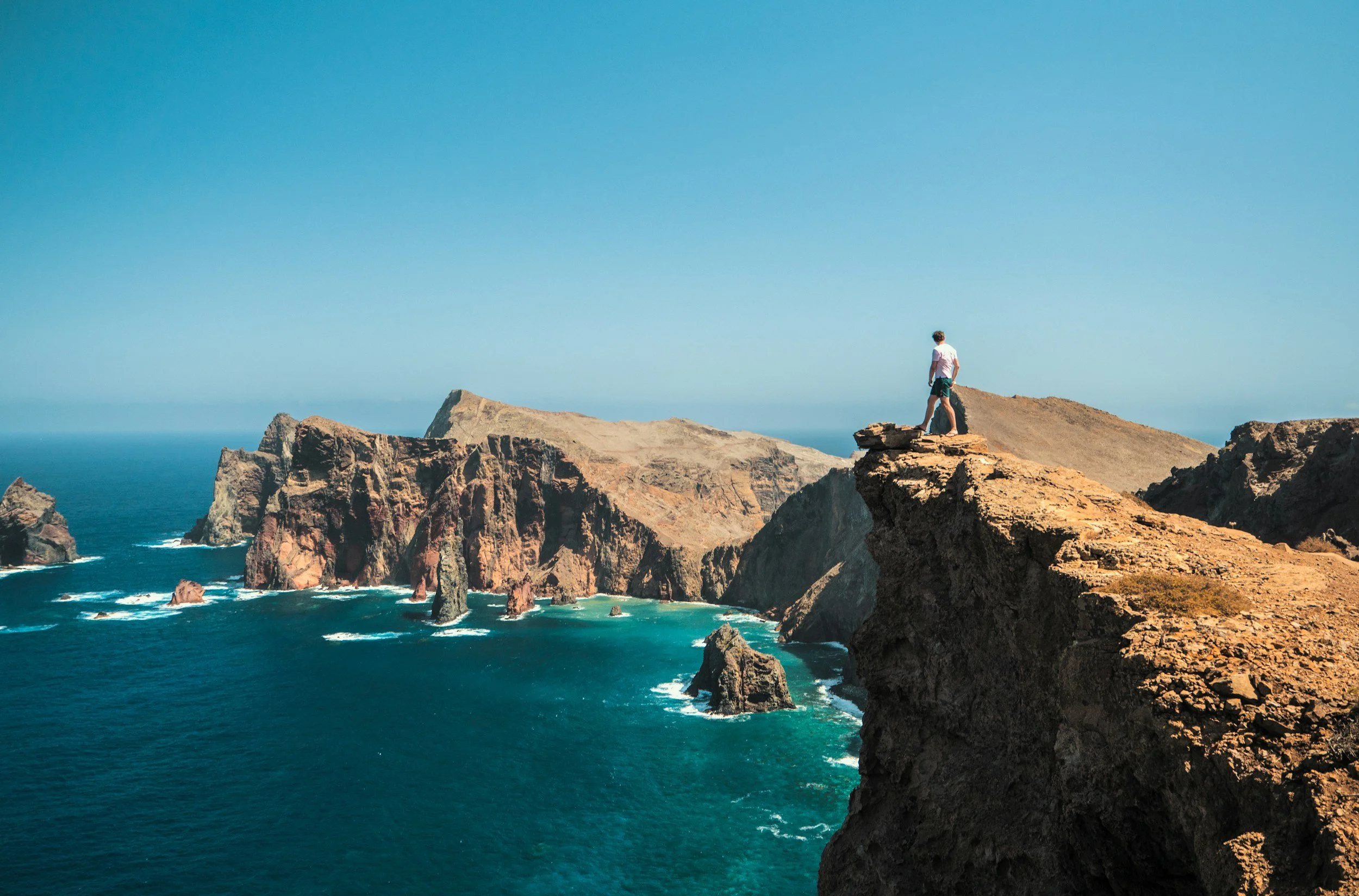
Madeira.
The Dolomites, Italy
The Dolomites are where Europe’s mountain scenery starts to feel almost theatrical. Jagged limestone peaks, high alpine meadows, mirror-like lakes and small mountain towns give this part of northern Italy a scale that feels properly cinematic, but still surprisingly easy to build into a well-paced trip.
This is one of the best adventure holidays in Europe if you want hiking, road trips, cable cars, mountain huts and scenery that does a lot of the work for you. The main trade-off is that the Dolomites reward planning. Distances can be slower than they look, summer gets busy, and the most famous spots are not exactly keeping a low profile.
Choose the Dolomites if you want alpine drama, polished mountain towns and hiking routes worth planning around.
Why the Dolomites Are Worth Considering
The Dolomites sit in northern Italy, across regions including South Tyrol, Trentino and Veneto. What makes them feel different from other European mountain destinations is the combination of sharp, pale rock formations and softer alpine landscapes beneath them. The peaks rise suddenly above meadows, forests and villages, giving the whole area a contrast that feels almost designed for walking.
There’s also a distinct cultural mix here. Depending on where you are, the Dolomites can feel Italian, Austrian, Ladin or a blend of all three. That shows up in the architecture, food, language, mountain huts and village atmosphere, which gives the trip more depth than scenery alone.
This is not just a place to hike, take a photo and leave. The best trips here move slowly enough to enjoy the rhythm of the mountains: early starts, long walks, cable cars, rifugio lunches, lake stops and evenings in towns that feel calm once the day-trippers have moved on.
What to Prioritise in the Dolomites
For a first adventure trip to the Dolomites, focus on a small number of areas rather than trying to cover everything. The region is spread out, and the roads are often slow and winding, so a packed itinerary can quickly become a scenic driving admin exercise. Pleasingly dramatic, but still admin.
Prioritise:
Tre Cime di Lavaredo for one of the Dolomites’ most recognisable hiking routes
Seceda for sweeping ridgelines, cable car access and some of the area’s most dramatic views
Lago di Braies for classic lake scenery, best visited early or out of peak hours
Alpe di Siusi for gentler walking, wide meadows and a softer alpine feel
Cortina d’Ampezzo for a polished mountain base with access to several major routes
Val Gardena for villages, cable cars and a strong mix of hiking, food and scenery
If you only have a few days, choose either the Cortina side or the Val Gardena / Alpe di Siusi side and build the trip around that. Trying to do both can work, but it needs more time.
Who the Dolomites Suit Best
The Dolomites are best for travellers who want a mountain adventure that still feels polished and well supported. You can go hard with full-day hikes and via ferrata routes, or keep things gentler with cable cars, scenic walks, lakes and mountain restaurants.
They’re especially good if you like structure around your outdoor travel. The trails are well marked, the villages are attractive, the food is strong, and the accommodation ranges from simple guesthouses to design-led mountain hotels. It’s adventurous, but not chaotic.
This is a strong choice for couples, friend groups, photographers, hikers and anyone who wants an active trip that still has a sense of style. It’s less ideal if you want total solitude, especially in peak summer around the most famous viewpoints.
Best Time to Visit the Dolomites
The best time to visit the Dolomites for hiking is usually June to September, when most trails, mountain huts and cable cars are open. July and August have the most reliable access, but they’re also the busiest months.
For a quieter trip, look at June or September. You’ll still need to check conditions, especially at higher elevations, but the balance of weather, access and crowd levels is often better.
Winter changes the trip completely. The Dolomites become more about skiing, snowboarding, winter walking and mountain resorts rather than summer-style hiking.
How Long Do You Need in the Dolomites?
Plan for 5–7 days if you want a proper first trip. That gives you time to base yourself well, take on a few key hikes, use cable cars, visit the major viewpoints and still leave space for weather changes.
A shorter 3–4 day trip can work if you stay focused around one base, such as Cortina d’Ampezzo or Val Gardena. The mistake is trying to turn a long weekend into a grand tour of the entire region. The mountains will win, as they often do.
Practical Note for the Dolomites
A car is useful in the Dolomites, especially if you want flexibility, but don’t underestimate the driving. Roads are scenic but slow, parking at famous trailheads can be limited, and some areas use shuttle or access systems during busy periods.
Book accommodation early for summer, especially around Cortina, Val Gardena and popular hiking routes. For the best experience, build your days around early starts, realistic distances and a few well-chosen priorities. The Dolomites are spectacular, but they’re much better when you let the trip breathe.
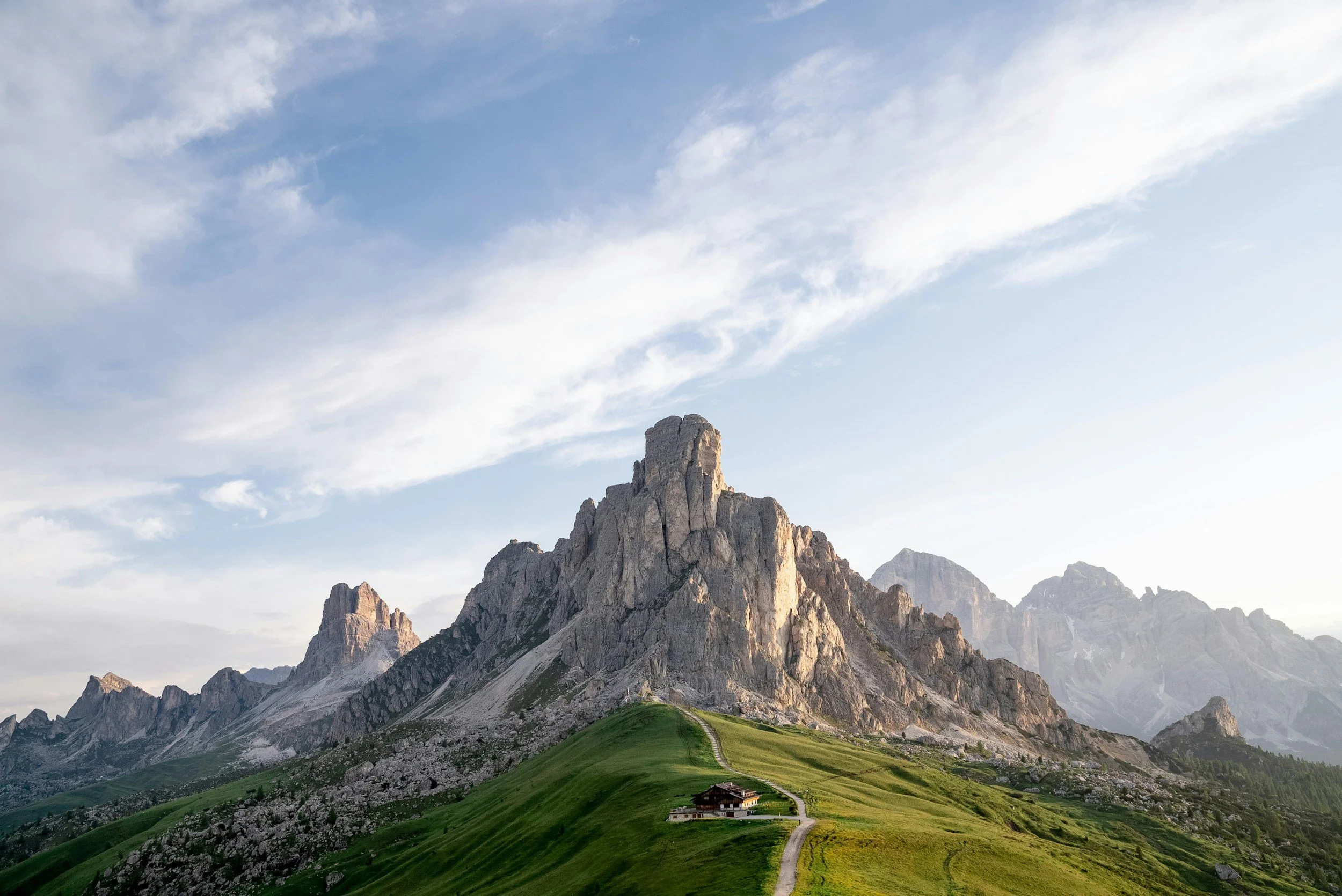
The Dolomites.
Slovenia
Slovenia is one of Europe’s strongest active holiday destinations if you want variety without making the trip difficult to organise. In a relatively compact country, you can move between lakes, rivers, mountains, caves, forests, wine regions and a very likeable capital without feeling as though every day needs to involve a major transfer.
That makes Slovenia especially useful for a first outdoor holiday in Europe. It has enough adventure to feel memorable, but it’s still approachable: clear bases, good infrastructure, manageable distances and plenty of ways to adjust the pace depending on how ambitious you want the trip to feel.
Choose Slovenia if you want outdoor variety in a compact, easy-to-shape route.
Why Slovenia Is Worth Considering
Slovenia gives you a lot of landscape in a small space. The Julian Alps bring the mountain drama, Lake Bled gives you the postcard moment, Lake Bohinj feels calmer and more outdoors-led, and the Soča Valley adds clear blue water, rafting, kayaking and some of the country’s most striking scenery.
It’s also a destination where the adventure doesn’t have to be one-note. You can hike in Triglav National Park, swim or paddle around alpine lakes, go rafting on the Soča River, explore caves, cycle through valleys, or use Ljubljana as a softer start or finish to the trip.
That mix matters. Slovenia doesn’t force you to choose between outdoor travel and culture. You can spend the morning by a lake, the afternoon on a trail, and the evening in a town that still has cafés, restaurants and enough life around it to make the trip feel rounded.
What to Prioritise in Slovenia
For a first adventure trip to Slovenia, the best move is to build the route around Ljubljana, Lake Bled, Lake Bohinj and the Soča Valley. That gives you a strong mix of city, lake, mountain and river without turning the itinerary into a logistical puzzle.
Prioritise:
Lake Bled for the classic view, easy walks, rowing boats and a gentle introduction to Slovenia’s alpine scenery
Lake Bohinj for a quieter, more outdoors-led base close to Triglav National Park
Triglav National Park for hiking, mountain scenery and a stronger sense of Slovenia’s wild side
The Soča Valley for rafting, kayaking, canyoning and some of the clearest river water in Europe
Vintgar Gorge for an easy, scenic walk near Bled
Ljubljana for food, cafés, riverside walks and a relaxed city base before or after the adventure section
Lake Bled is popular for a reason, but it’s not the only place to build the trip around. If you want the holiday to feel more active and less polished, give more time to Bohinj and the Soča Valley. Bled gives you the image; Bohinj and Soča often give you the better adventure.
Who Slovenia Suits Best
Slovenia is best for travellers who want an active trip that feels varied, scenic and manageable. It’s a strong choice if you like the idea of hiking and rafting, but also want pretty towns, good food, relaxed evenings and a route that doesn’t require military-grade planning.
It works particularly well for couples, friends, solo travellers and first-time adventure travellers who want a destination that feels outdoorsy without being intimidating. You can keep the trip gentle with lake walks, viewpoints and short hikes, or make it more active with rafting, canyoning, longer trails and mountain days.
It’s also a good option if you want adventure without the cost or scale of Switzerland, Norway or Iceland. Slovenia still needs proper planning, especially in peak summer, but it tends to feel more accessible than Europe’s bigger-ticket mountain and Nordic destinations.
Best Time to Visit Slovenia
The best time to visit Slovenia for an adventure holiday is usually May to September. Late spring and early autumn are especially good if you want mild weather, greener landscapes and fewer crowds than peak summer.
June and September are often the sweet spot: warm enough for outdoor activities, generally good for hiking, and less busy than July and August. Summer is ideal for rafting, swimming and lake time, but popular places like Bled can feel crowded.
Winter turns parts of Slovenia into a very different trip, with skiing and snow-covered alpine scenery, but for this article the strongest fit is the warmer active-travel season.
How Long Do You Need in Slovenia?
Plan for 5–8 days if you want to experience Slovenia properly. A shorter trip can work if you focus on Ljubljana and Lake Bled, but the country is much more rewarding when you have time to include Bohinj and the Soča Valley.
A good first route could look like:
1–2 nights in Ljubljana
2–3 nights around Lake Bled or Lake Bohinj
2–3 nights in the Soča Valley
That gives the trip a natural rhythm: city, lake, mountain, river. Simple, effective, and refreshingly uninterested in making your holiday feel like a spreadsheet.
Practical Note for Slovenia
Slovenia is easiest to enjoy with a car, especially if you want to reach Bohinj, trailheads, mountain roads and the Soča Valley at your own pace. Public transport is possible for some routes, particularly between Ljubljana and Bled, but a car gives you more freedom for a proper adventure trip.
Book outdoor activities in advance during summer, especially rafting, canyoning and popular guided experiences. For hiking, check conditions before heading into higher areas, and don’t assume that compact geography means everything is effortless. Slovenia is easy to move through compared with many adventure destinations, but the mountains still deserve respect.
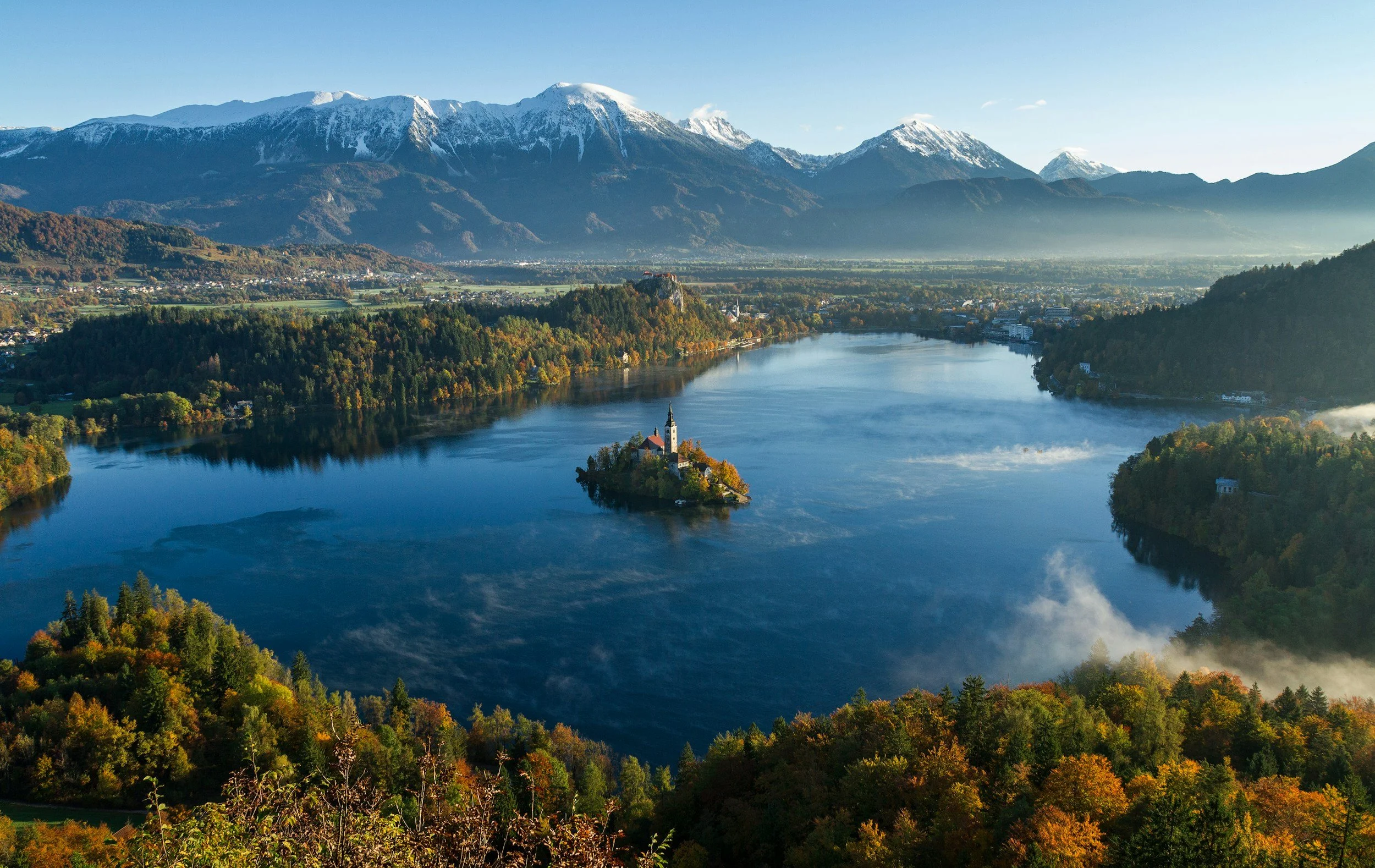
Lake Bled.
Lofoten Islands, Norway
The Lofoten Islands are one of Europe’s most distinctive adventure destinations: remote-feeling, sharply beautiful and shaped by the meeting of mountains, sea and small fishing villages. This is Norway at its most cinematic — red cabins on the water, peaks rising straight from the coast, beaches that look almost tropical until the temperature corrects the misunderstanding.
Lofoten takes more planning than Madeira or Slovenia, costs more than most southern European options, and the weather can be deeply committed to being Norwegian. But if you want a trip that feels wild, scenic and genuinely different from a standard European break, Lofoten earns its place.
Choose Lofoten if you want wild coastal scenery, small villages and an adventure trip that feels properly remote.
Why Lofoten Is Worth Considering
Lofoten works because the landscape feels unusually concentrated. You don’t have to travel far to move between fishing villages, mountain trails, beaches, kayaking routes and viewpoints that feel much bigger than the distances suggest.
The islands have a strong sense of place, too. This is not just a dramatic backdrop for outdoor activities. Lofoten’s identity is tied closely to the sea, fishing culture and small coastal communities, which gives the trip more texture than scenery alone. Villages like Reine, Hamnøy and Henningsvær are not just pretty bases; they help explain how closely life here has been shaped by the water, the weather and the landscape.
For adventure, the appeal is simple: hiking, kayaking, road trips, beaches, boat trips and long summer days where the light makes everything feel slightly unreal. It’s active travel with atmosphere, and very little interest in being subtle.
What to Prioritise in Lofoten
For a first trip to Lofoten, keep the route focused. The islands are spread out, the weather changes quickly, and the best experiences often depend on leaving enough flexibility in the day.
Prioritise:
Reine for one of Lofoten’s most iconic village settings and access to dramatic coastal scenery
Hamnøy for classic waterfront cabins, mountain views and a strong sense of place
Henningsvær for galleries, cafés, harbour atmosphere and a more lived-in village feel
Reinebringen for one of the most famous viewpoints in Lofoten, best tackled in good weather and with realistic expectations around crowds
Kvalvika Beach for a hike-in beach that shows how strange and beautiful Lofoten’s coastal scenery can be
Kayaking or boat trips for seeing the islands from the water, where the scale of the mountains feels even clearer
Scenic driving between villages, beaches and viewpoints, giving the trip a strong road-trip rhythm
The better version of Lofoten is not about racing around every viewpoint. Choose a few bases, leave space for weather, and let the islands feel remote rather than turning them into a checklist with waterproof trousers.
Who Lofoten Suits Best
Lofoten is best for travellers who want adventure to feel properly scenic and a little wilder around the edges. It suits hikers, photographers, road-trip travellers, couples, outdoor-focused friend groups and anyone who likes the idea of dramatic landscapes with small villages rather than big resort infrastructure.
It’s less suited to travellers who want guaranteed weather, low costs or effortless logistics. Lofoten is manageable, but it asks more of you than places like Madeira, Mallorca or Slovenia. Accommodation can be limited, distances take time, and the best days are often shaped by conditions rather than fixed plans.
That said, you don’t need to be an extreme adventurer to enjoy it. Short hikes, scenic drives, village stays, boat trips and kayaking can all make the trip feel active without making every day physically demanding.
Best Time to Visit Lofoten
The best time to visit Lofoten for an adventure holiday is usually June to August, when the days are long, hiking conditions are better and the midnight sun gives the islands their most unusual rhythm.
Summer is also the busiest and most expensive period, so booking ahead matters. For fewer crowds, late May or early September can work well, but conditions are less predictable and some activities may be more limited.
Winter is spectacular in a different way, with northern lights, snow and a much harsher atmosphere, but it’s a more specialist trip. For this article, Lofoten fits best as a summer adventure destination.
How Long Do You Need in Lofoten?
Plan for 5–7 days if you want a proper first trip to Lofoten. That gives you enough time to explore a few villages, take on several hikes, add a boat or kayaking experience, and leave room for weather delays.
A shorter trip can work, but it may feel rushed once you factor in the journey there and the slower pace of moving around the islands. Lofoten is not the place to schedule every hour neatly and expect the weather to read the document.
Practical Note for Lofoten
Lofoten is easiest with a car, especially if you want flexibility around hikes, beaches and smaller villages. Public transport exists, but it limits spontaneity, and spontaneity is useful when the weather has decided your original plan was decorative.
Book accommodation early, especially if you want to stay in traditional rorbuer — the converted fishermen’s cabins that make the islands feel especially distinctive. Also pack properly, even in summer. Waterproof layers, decent shoes and a flexible plan will do more for your trip than pretending Norway is secretly Spain.
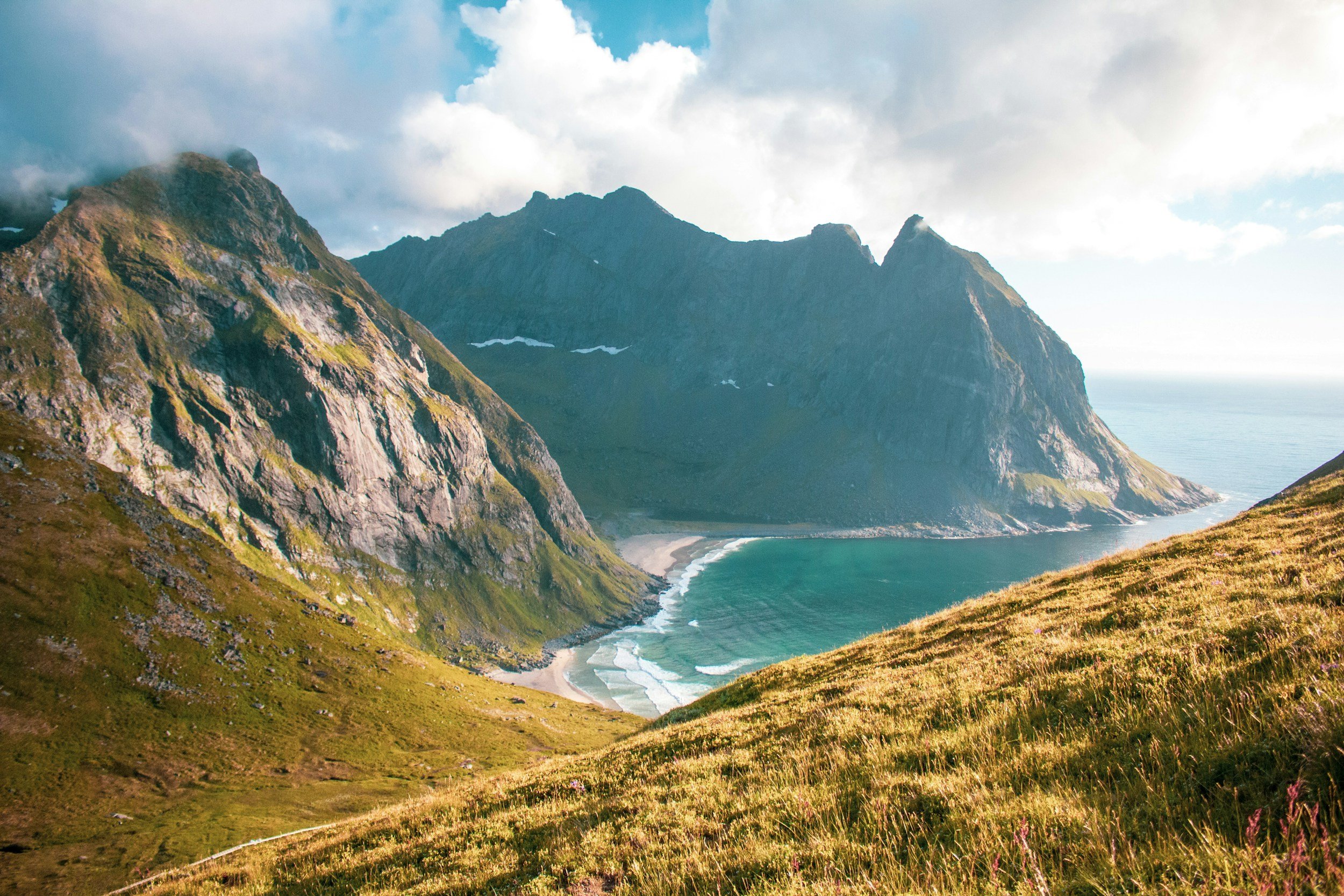
Lofoten.
The Azores, Portugal
The Azores are one of Europe’s best soft adventure holidays if you want the trip to feel remote, volcanic and slightly otherworldly without leaving European territory. Sitting in the Atlantic between mainland Portugal and North America, this island group feels very different from the usual rhythm of European travel: greener, quieter, more elemental and shaped by crater lakes, hot springs, cliffs, ocean roads and whale-rich waters.
For a first trip, São Miguel is the easiest island to build around. It gives you the strongest mix of volcanic landscapes, hiking, viewpoints, swimming spots, small towns and practical infrastructure, without asking you to solve the entire archipelago on your first attempt.
Choose the Azores if you want volcanic island scenery, whale watching and outdoor travel that feels quieter than the obvious adventure routes.
Why the Azores Are Worth Considering
The Azores work because the landscapes feel distinctive rather than just scenic. This is not a beach-and-resort version of island travel. The islands are volcanic, humid, green and dramatic, with crater lakes, geothermal pools, hydrangea-lined roads, black-rock coastlines and viewpoints that make the Atlantic feel properly vast.
São Miguel is especially strong for soft adventure. You can hike around Sete Cidades, swim in thermal pools at Furnas, visit Lagoa do Fogo, walk coastal trails, explore waterfalls, go whale watching, and still end the day in a town with restaurants, local wine and a slower island pace.
The Azores also feel more under-the-radar than Madeira, Mallorca or Iceland. They’re not undiscovered, but they still have a quieter, more nature-led character. This makes them especially appealing if you want adventure without choosing the most familiar European outdoor destination.
What to Prioritise in the Azores
For a first Azores trip, focus on São Miguel rather than trying to island-hop too aggressively. The archipelago is spread out, and inter-island logistics can quickly eat into a shorter holiday.
Prioritise:
Sete Cidades for crater lakes, viewpoints and one of the Azores’ most recognisable landscapes
Lagoa do Fogo for a wilder lake setting and hiking routes with strong views
Furnas for geothermal pools, steaming ground and a clearer sense of the islands’ volcanic character
Terra Nostra Park for warm thermal bathing in a lush botanical setting
Ponta da Ferraria for a natural ocean hot spring experience when conditions allow
Whale watching from Ponta Delgada or Vila Franca do Campo
Tea plantations and coastal viewpoints for slower days between bigger outdoor plans
The best version of the Azores is not about rushing from viewpoint to viewpoint. Give yourself time for weather changes, slow drives, sudden mist, ocean views and the kind of green landscape that makes the island feel as though it’s been left on a permanent saturation setting.
Who the Azores Suit Best
The Azores are best for travellers who want nature, scenery and adventure, but don’t necessarily want a highly polished resort-style trip. They suit hikers, couples, photographers, whale-watching enthusiasts, road-trip travellers and anyone who likes island travel with more landscape than beach club.
They’re also a strong choice if you want an active trip that feels calmer than Iceland and less mountainous than the Dolomites or Lofoten. The adventure here is softer, wetter, greener and more volcanic. You’re not going for high alpine drama; you’re going for crater lakes, hot springs, sea cliffs and the feeling of being somewhere slightly removed from the usual European map.
The trade-off is weather and logistics. The Azores can be cloudy, rainy and changeable, even in good seasons. That’s part of the atmosphere, but it does mean you need flexible plans rather than a minute-by-minute itinerary with no room for the Atlantic to have opinions.
Best Time to Visit the Azores
The best time to visit the Azores for an adventure holiday is usually May to October, when conditions are generally better for hiking, whale watching, swimming and exploring outdoors.
June to September is the warmest and most popular period, with better chances for settled weather and ocean activities. May, June and October can be excellent if you want fewer crowds and still want a strong chance of good outdoor days.
The islands are green for a reason, so rain is always possible. Pack for mixed weather and treat forecasts as guidance rather than binding legal documents.
How Long Do You Need in the Azores?
Plan for 5–7 days on São Miguel for a first trip. That gives you enough time to explore the main volcanic landscapes, take a few hikes, go whale watching, visit hot springs and build in flexibility for weather.
If you want to include another island, such as Pico, Faial or Terceira, allow 10 days or more. Otherwise, you risk spending too much of the trip in transit and not enough time actually enjoying where you are.
Practical Note for the Azores
Hiring a car is the easiest way to experience São Miguel properly. Many of the best viewpoints, lakes, hot springs and coastal spots are spread across the island, and public transport won’t give you the same flexibility.
Base yourself in or near Ponta Delgada if you want the easiest access to restaurants, tours and services, or choose a quieter base if you want the trip to feel more rural. Either way, plan around regions rather than individual sights: west for Sete Cidades, centre for Lagoa do Fogo, east for Furnas and Nordeste.
The Azores are adventurous in a quiet, atmospheric way. They’re not loud about it, which is rather the point.
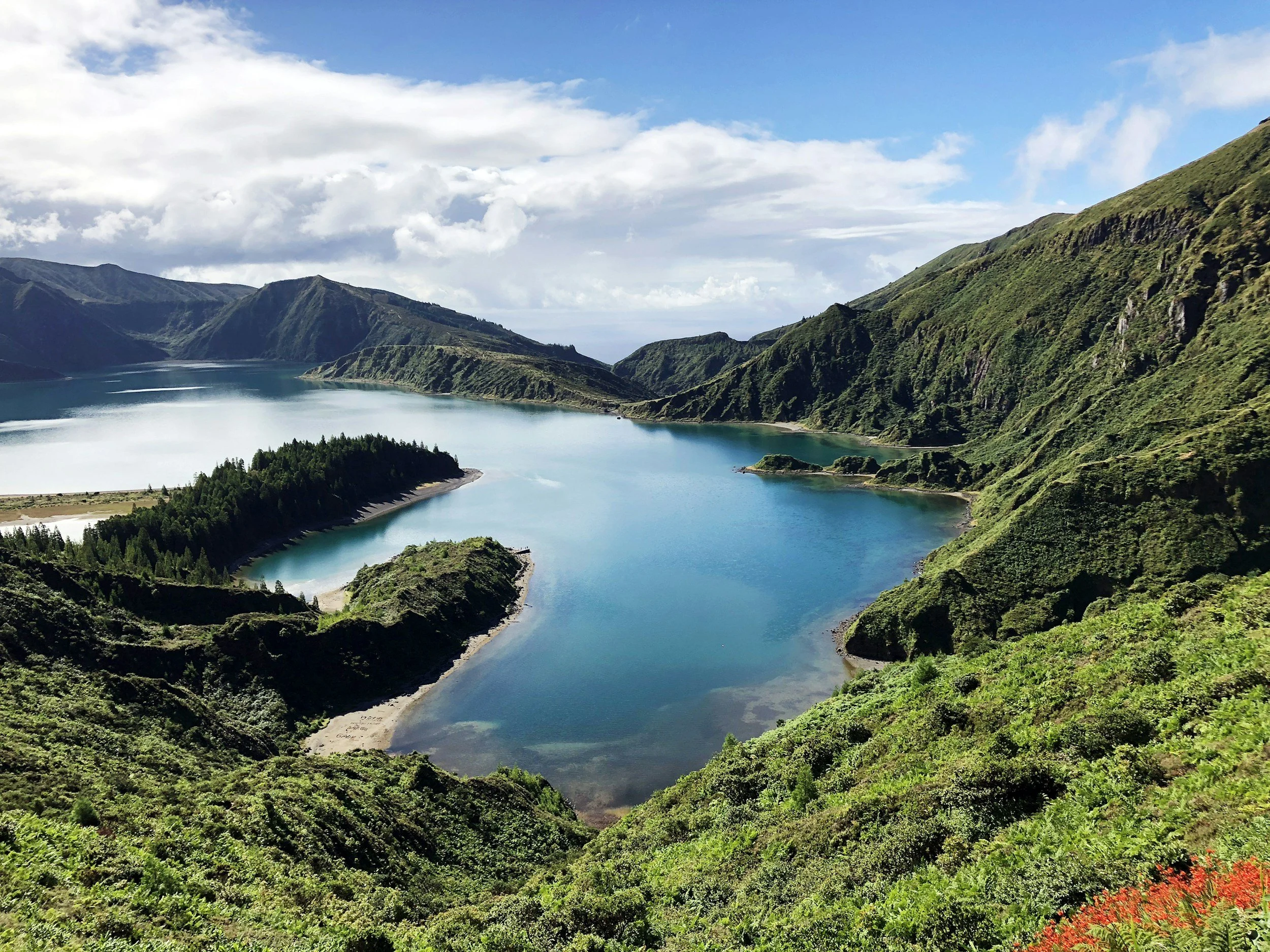
The Azores.
Scottish Highlands, UK
The Scottish Highlands are one of Europe’s best adventure trips if you want the landscape to feel raw, open and atmospheric without needing to fly halfway across the continent. This is a place of lochs, glens, mountain roads, islands, castles, coastal routes and weather that can make even a short walk feel faintly cinematic.
The Highlands are not polished in the same way as Switzerland or the Dolomites. That’s part of their appeal. The adventure here is moodier and more elemental: long roads, changing skies, quiet valleys, steep hillsides and towns that feel like practical staging points between bigger landscapes.
Choose the Scottish Highlands if you want a road trip with wild scenery, moody atmosphere and a strong sense of space.
Why the Scottish Highlands Are Worth Considering
The Highlands work because they offer one of Europe’s great road-trip landscapes. You can build a route around hiking, scenic drives, lochs, islands, whisky distilleries, wildlife, beaches, mountain passes and small towns without the trip becoming too difficult to organise.
Places like Glencoe, the Isle of Skye, Cairngorms National Park and the North Coast 500 each give the Highlands a slightly different version of adventure. Glencoe feels dramatic and enclosed, with steep-sided valleys and some of Scotland’s most recognisable mountain scenery. Skye feels more coastal and otherworldly, especially around the Quiraing, Old Man of Storr and Fairy Pools. The Cairngorms are better for forests, lochs, wildlife and a more classic national park feel.
This is not a destination where every day needs a major activity. Some of the best moments are simpler: driving through a glen in low cloud, walking beside a loch, stopping in a small village, or watching the weather move across the hills with unreasonable confidence.
What to Prioritise in the Scottish Highlands
For a first adventure trip to the Scottish Highlands, choose one main region or build a clear route. The mistake is trying to cover Skye, Glencoe, Inverness, the Cairngorms and the far north in one short trip. Scotland looks compact on a map until the roads start making their point.
Prioritise:
Glencoe for dramatic mountain scenery, hiking and one of the Highlands’ most powerful landscapes
Isle of Skye for coastal walks, mountain views, sea cliffs and famous natural landmarks
Cairngorms National Park for forests, lochs, wildlife, hiking and a broader outdoor base
Loch Ness and Inverness for an easier gateway into the Highlands
Fort William for access to Ben Nevis, Glen Nevis and the west coast
North Coast 500 for a longer road trip through beaches, cliffs, villages and remote northern landscapes
Eilean Donan Castle as a scenic stop if you’re heading towards Skye
If you have limited time, Glencoe and Fort William make one of the most practical first Highland combinations. If you have longer, add Skye or build a wider road trip north.
Who the Scottish Highlands Suit Best
The Highlands are best for travellers who like road trips, walking, dramatic scenery and a sense of space. They suit couples, friend groups, photographers, hikers and anyone who wants an adventure holiday that feels wild without being technically difficult.
They’re also a strong choice if you want a UK-based trip that still feels far removed from normal city life. The best Highland trips give you that sense of distance: fewer people, bigger skies, long roads and landscapes that don’t feel overly manicured.
The trade-off is weather and travel time. The Highlands are not the place to expect guaranteed blue skies or short transfers between every stop. You need patience, layers, good shoes and a willingness to let the landscape dictate the pace.
Best Time to Visit the Scottish Highlands
The best time to visit the Scottish Highlands for an adventure holiday is usually May to September, when the days are longer and conditions are generally better for hiking, road trips and outdoor exploring.
May and June can be especially good, with long daylight hours, greener landscapes and slightly fewer crowds than peak summer. September can also work well, particularly if you want autumn colour and a quieter feel.
July and August bring warmer weather and more services, but also more visitors, especially around Skye, Glencoe and the North Coast 500. Midges can also be an issue in summer, particularly in still, damp conditions. They’re small, committed and frankly overconfident.
How Long Do You Need in the Scottish Highlands?
Plan for 4–7 days for a strong first Highland adventure. A long weekend can work if you focus on one area, such as Glencoe, Fort William or the Cairngorms. For Skye or a wider road trip, give yourself more time.
A useful first route could be:
2 nights around Glencoe or Fort William
2–3 nights on the Isle of Skye
1 night around Inverness or the Cairngorms, depending on your route
If you want to drive the North Coast 500, allow at least 5–7 days for that route alone. It’s better as a slower road trip than a box-ticking exercise with scenery outside the window and little time to stop.
Practical Note for the Scottish Highlands
A car is the easiest way to explore the Highlands properly. Public transport can work between some major towns, but it limits access to trailheads, viewpoints, smaller villages and scenic routes.
Book accommodation early for popular areas, especially Skye, Glencoe and the North Coast 500 in summer. Pack waterproofs even if the forecast looks optimistic. In the Highlands, optimism is useful emotionally, less useful as a clothing strategy.
The Scottish Highlands are best approached with a loose plan, realistic distances and enough flexibility for weather. If you let the trip move at the pace of the landscape, it can be one of Europe’s most rewarding adventure holidays.
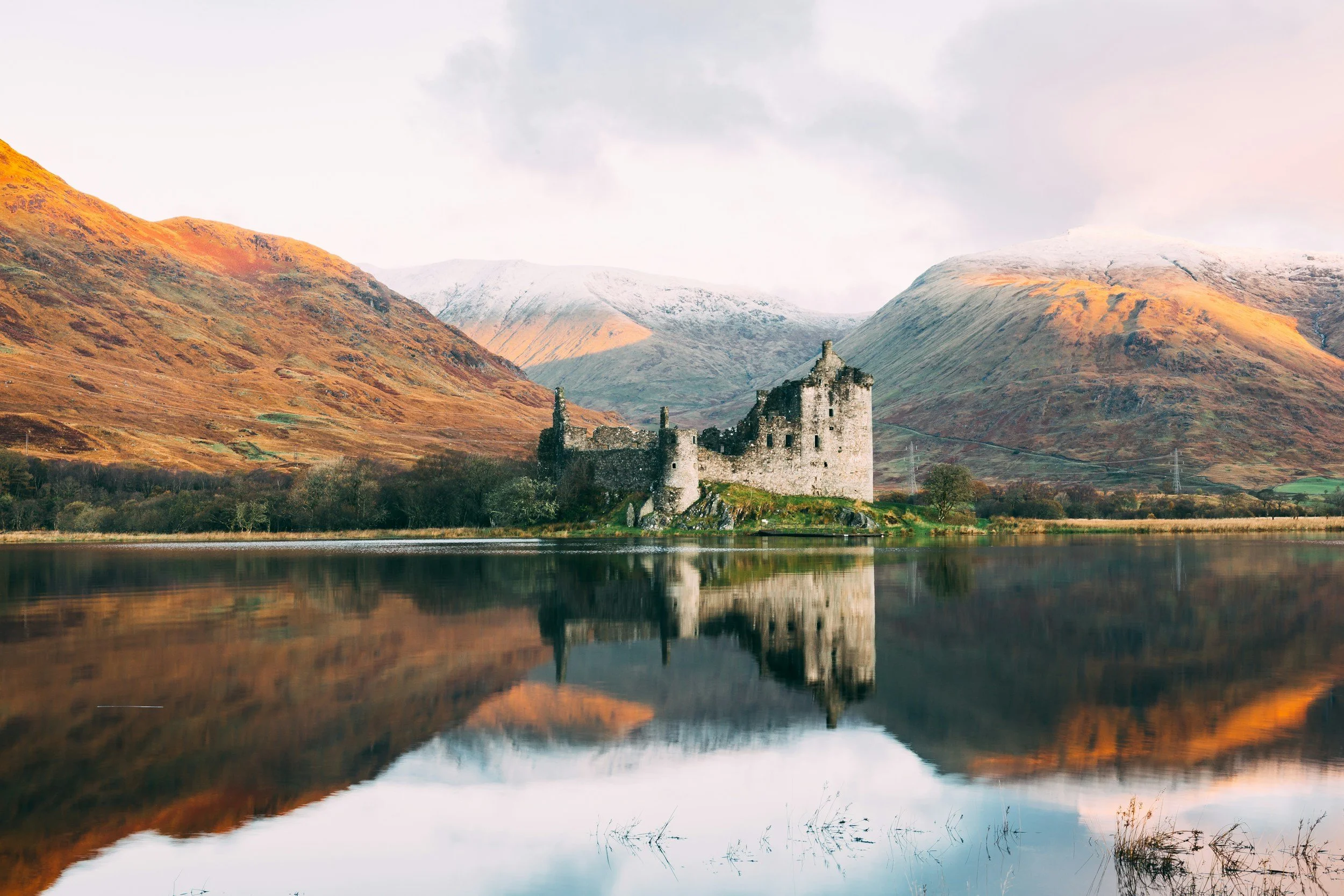
Scottish Highlands.
Mallorca, Spain
Mallorca is one of the best adventure holidays in Europe if you want a trip that combines Mediterranean ease with proper outdoor variety. It’s often reduced to beaches and resort towns, but the island becomes much more interesting when you look inland and north-west towards the Serra de Tramuntana.
This is where Mallorca shifts from a simple sun holiday into something more active: mountain roads, cycling routes, coastal hikes, stone villages, clear coves and long views across the sea. It’s still warm, accessible and easy to enjoy, but there’s more going on here than a lazy beach week with ambitious sunscreen usage.
Choose Mallorca if you want a Mediterranean trip with hiking, cycling, mountain villages and coastal swims built in.
Why Mallorca Is Worth Considering
Mallorca gives you adventure without losing the things that make a Mediterranean trip enjoyable. You can hike in the morning, swim in the afternoon, eat well in the evening and still base yourself somewhere with cafés, restaurants and a good glass of wine within reach.
The island’s strongest outdoor area is the Serra de Tramuntana, a mountain range running along the north-west coast. It’s a UNESCO-listed cultural landscape, shaped by dry-stone terraces, old paths, olive groves, villages and mountain roads that have made Mallorca one of Europe’s classic cycling destinations.
That mix of landscape and culture is what makes Mallorca feel more layered than its reputation suggests. The adventure here is not remote or rugged in the same way as Lofoten or the Scottish Highlands. It’s warmer, softer and more Mediterranean — but still active enough to build a proper trip around.
What to Prioritise in Mallorca
For a first active trip to Mallorca, focus on the north-west of the island rather than trying to cover everything. The best version of the trip usually combines mountain villages, coastal hikes, cycling routes and a few well-chosen swimming spots.
Prioritise:
Serra de Tramuntana for mountain scenery, hiking, cycling and scenic drives
Sóller for an attractive inland base with good access to the mountains and coast
Port de Sóller for sea views, swimming, boat trips and an easier coastal base
Deià for stone streets, sea views and one of the island’s most atmospheric village settings
Valldemossa for mountain village charm and a good slower-day stop
Sa Calobra for one of Mallorca’s most famous cycling and driving routes
Cap de Formentor for dramatic coastal views and a strong scenic drive
Cala Deià or nearby coves for swimming after a walking day
If you want the trip to feel properly active, use Sóller or Port de Sóller as a base and build days around the Tramuntana. If you want a more polished, food-and-design-led stay, Deià can work beautifully, though prices and availability may make their own views known.
Who Mallorca Suits Best
Mallorca is best for travellers who want an active holiday without giving up warmth, food, beaches and easy travel. It suits cyclists, hikers, couples, friend groups and anyone who likes the idea of a Mediterranean trip with more movement than a standard fly-and-flop week.
It’s especially good if you want flexibility. You can make Mallorca quite active with long rides and full hiking days, or keep it softer with shorter walks, coastal drives, boat trips, swims and village lunches. That makes it a useful option for mixed groups where not everyone wants to spend the whole holiday behaving like they’re training for an Alpine stage race.
The trade-off is seasonality and crowds. Mallorca can feel busy and hot in peak summer, especially around beaches and popular villages. For adventure travel, the island is usually much better outside the height of July and August.
Best Time to Visit Mallorca
The best time to visit Mallorca for an active holiday is usually spring or autumn. April to June and September to October are ideal for hiking, cycling and exploring the Tramuntana without the worst of the summer heat.
Summer can still work if you focus on swimming, boat trips, coastal time and early starts, but it’s less comfortable for bigger hikes or serious cycling. July and August are better for beach-led trips than active ones.
Winter is quieter and can be good for walking and cycling, though the weather is less reliable and some seasonal businesses may close.
How Long Do You Need in Mallorca?
Plan for 4–6 days for a strong first active trip to Mallorca. A long weekend can work if you stay focused around Sóller, Deià or Palma plus the Tramuntana, but a few extra days give you more room for hiking, swimming, cycling and slower village time.
A good first route could look like:
1 night in Palma for food, architecture and an easy arrival
3–4 nights around Sóller or Port de Sóller for mountains, coast and active days
optional final night near Deià or Valldemossa if you want a slower, more scenic finish
You could also base entirely in Palma and take day trips, but the adventure side of the island feels stronger when you stay closer to the mountains.
Practical Note for Mallorca
Hiring a car gives you the most flexibility, especially for reaching villages, trailheads and viewpoints in the Tramuntana. That said, Mallorca’s mountain roads can be narrow, busy and winding, so don’t build each day around too many stops.
For cycling, consider renting from a specialist provider and choosing routes that match your level. Mallorca is excellent for cyclists, but the landscape has no interest in pretending climbs are flat.
Mallorca is best approached as an active Mediterranean trip: mountain mornings, coastal afternoons, good food, and enough space in the itinerary to enjoy the island rather than simply move across it.
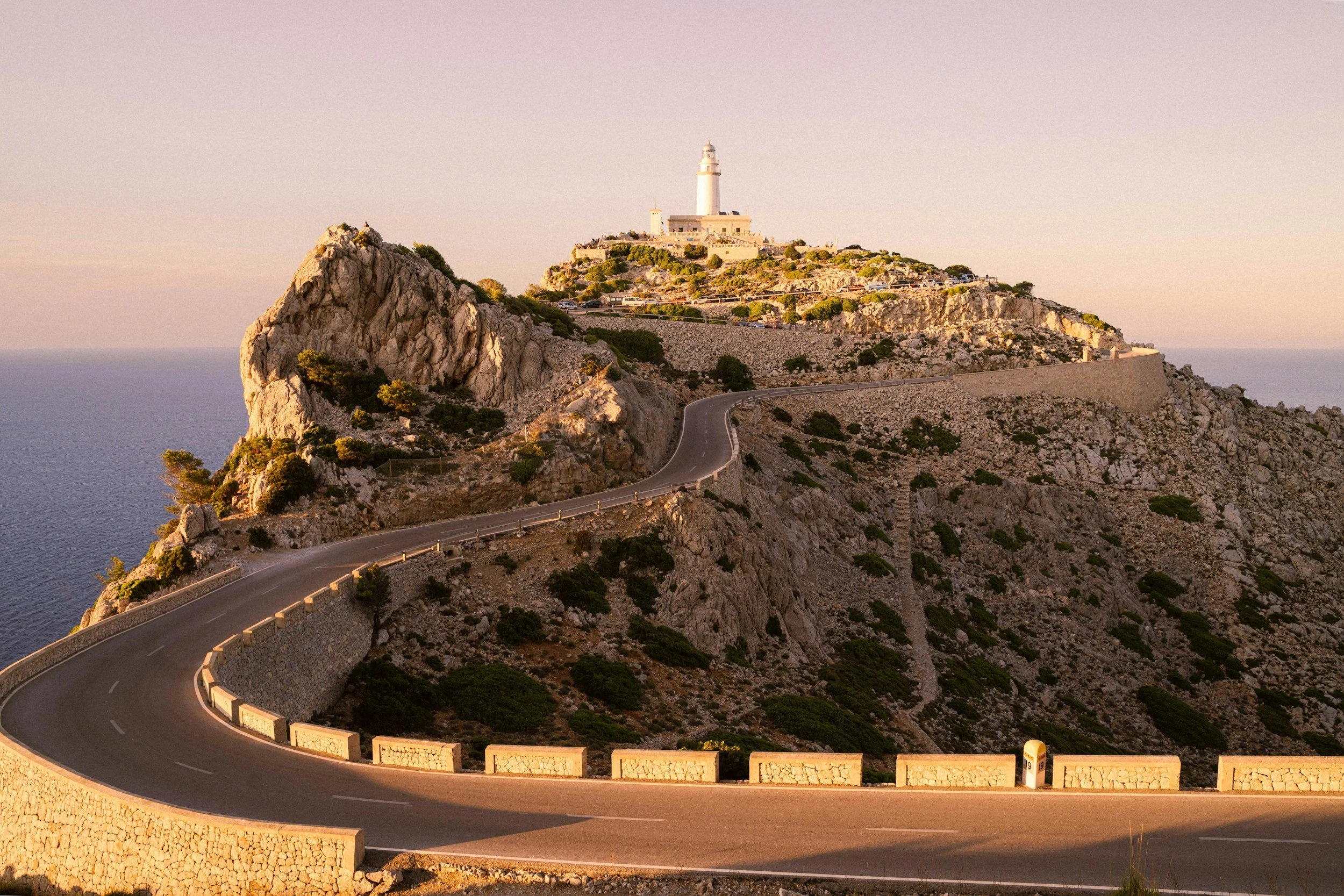
Mallorca.
Montenegro
Montenegro is one of Europe’s best adventure holidays if you want mountains, coastline and a sense of discovery without choosing one of the more obvious outdoor destinations. It’s compact, dramatic and surprisingly varied, with the Bay of Kotor, Durmitor National Park, the Tara River Canyon, glacial lakes, mountain roads and Adriatic towns all within reach of a well-planned trip.
The appeal is the contrast. One day can be built around coastal views, old town streets and boat trips; the next can take you into national parks, highland scenery and river canyons. Montenegro doesn’t have the polished infrastructure of Switzerland or the Dolomites, but it does have the useful habit of making short distances feel much bigger than they are.
Choose Montenegro if you want a less obvious adventure trip that combines mountains, coast and old towns in one route.
Why Montenegro Is Worth Considering
Montenegro gives you several different adventure landscapes in one relatively small country. The coast is the obvious starting point, especially around Kotor, where mountains rise sharply behind the bay and the old town sits beneath steep stone walls. It’s one of the most visually striking coastal settings in Europe, but the real value comes when you move beyond the waterfront.
Head inland and the country changes quickly. Durmitor National Park brings mountain scenery, hiking trails, forests, lakes and access to the Tara River Canyon, one of the deepest river canyons in Europe. This is where Montenegro starts to feel less like a coastal break and more like a proper adventure trip.
The country is also useful for travellers who want somewhere that still feels a little less predictable. It’s not undiscovered, and Kotor can be very busy, especially when cruise ships are in port, but Montenegro still feels less neatly packaged than many classic European adventure destinations. That can be part of the charm, provided you plan with a bit of patience.
What to Prioritise in Montenegro
For a first adventure trip to Montenegro, build the route around the coast-and-mountains contrast. Start with the Bay of Kotor, then move inland towards Durmitor if you have enough time.
Prioritise:
Kotor for old town atmosphere, bay views and the climb up to the fortress
Perast for a quieter, more polished stop on the bay
Lovćen National Park for mountain roads, viewpoints and a strong link between coast and interior
Durmitor National Park for hiking, glacial lakes and a more rugged mountain base
Black Lake near Žabljak for an accessible introduction to Durmitor’s scenery
Tara River rafting for the country’s strongest adventure experience
Sveti Stefan viewpoint or the Budva Riviera if you want to include a more classic Adriatic coastal moment
If you only have a few days, focus on Kotor, Perast and Lovćen. If you have closer to a week, add Durmitor and the Tara River. That’s where the trip starts to feel properly adventure-led rather than simply scenic.
Who Montenegro Suits Best
Montenegro is best for travellers who want a slightly less obvious adventure trip with a mix of coast, mountains and old towns. It suits road-trip travellers, hikers, couples, friend groups and anyone who likes the idea of combining Adriatic scenery with national parks.
It’s especially good if you want a destination that feels dramatic without needing the budget of Norway, Switzerland or Iceland. Accommodation, food and activities can be better value than in many of Europe’s headline adventure destinations, though prices in popular coastal areas have risen.
The trade-off is that Montenegro can feel less smooth around the edges. Roads can be slow, public transport is limiting, and some tourism infrastructure is less polished than in the Alps. This is not necessarily a problem. It just means the trip works best when you don’t expect everything to run with Swiss-watch precision. Montenegro has other strengths. Timetabled perfection is not always one of them.
Best Time to Visit Montenegro
The best time to visit Montenegro for an adventure holiday is usually May to September. Spring and early summer are especially good for hiking, rafting and road trips, while September can offer warm weather with fewer peak-season crowds.
July and August are busier and hotter, especially along the coast. They can still work if you want swimming, boat trips and a more summer-holiday feel, but they’re less ideal for bigger hikes or long drives in the heat.
For a strong balance of coast and mountains, May, June and September are usually the best months to consider.
How Long Do You Need in Montenegro?
Plan for 5–7 days if you want to combine Montenegro’s coast and mountains properly. A shorter trip can work around the Bay of Kotor, but it won’t give you the same sense of the country’s adventure range.
A good first route could look like:
2–3 nights around Kotor or Perast for the bay, old towns and coastal scenery
1 night near Lovćen or Cetinje if you want a slower mountain-road transition
2–3 nights around Žabljak for Durmitor National Park, Black Lake and Tara River rafting
That route gives the trip a clear shape: coast first, mountains after. It also avoids treating Montenegro as just a quick stop on a wider Balkans itinerary, which is usually where the planning starts to get a little smug and impractical.
Practical Note for Montenegro
Hiring a car is the easiest way to experience Montenegro properly, especially if you want to connect the Bay of Kotor with Lovćen, Durmitor and the Tara River. The distances are not huge, but the roads are mountainous and slower than they may look on a map.
Avoid basing only in Budva if your priority is adventure. It can be useful for beaches and nightlife, but Kotor, Perast or the mountains will usually give this kind of trip more character.
For rafting and guided outdoor activities, book ahead in the warmer months and check seasonal conditions. Montenegro is compact, but it rewards travellers who give it enough time. The country’s best adventure lies in the shift between sea, stone towns, mountain roads and highland landscapes — not in rushing through all of them by lunchtime.
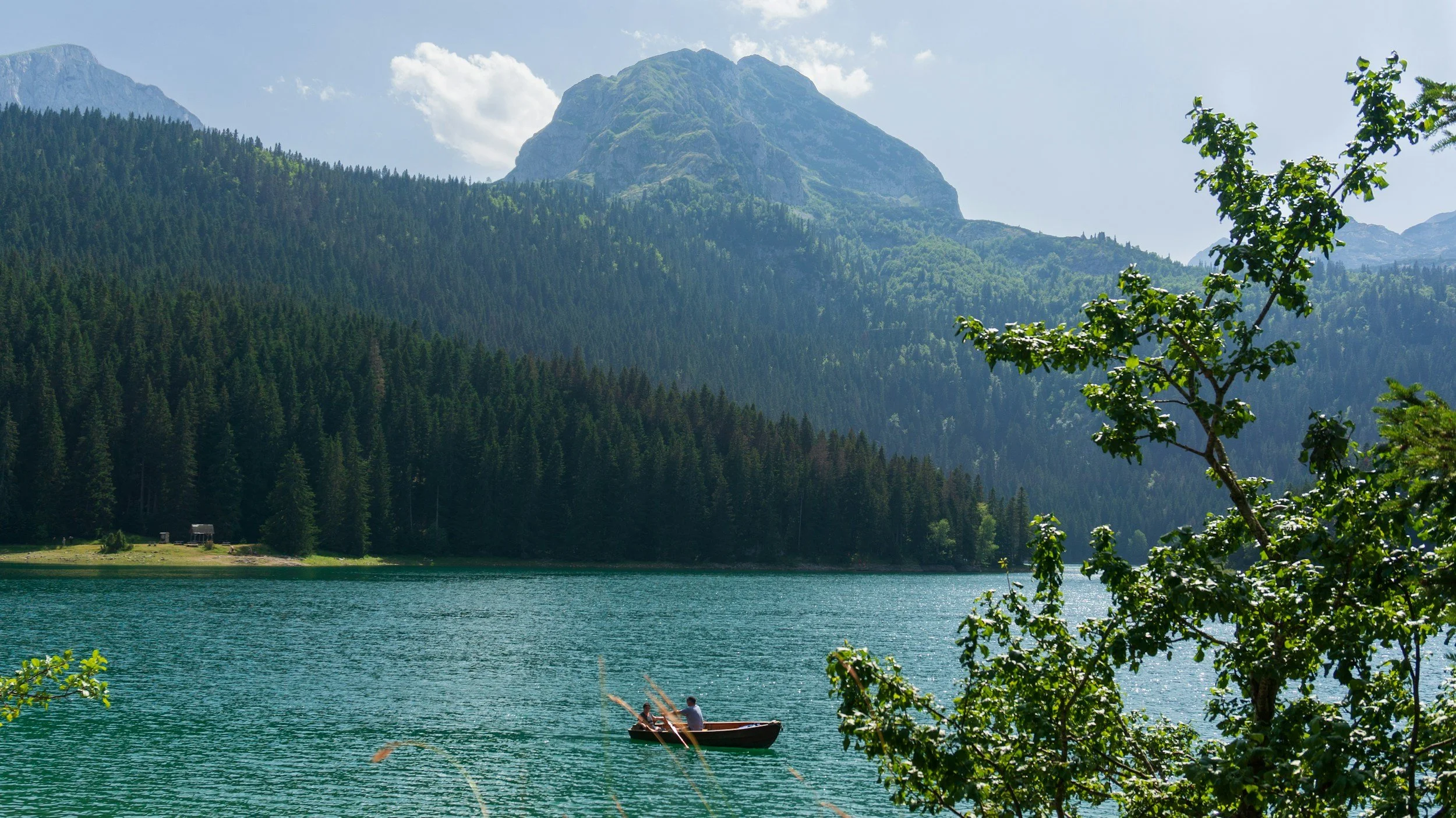
Montenegro.
Iceland
Iceland is one of Europe’s most obvious adventure holidays, but it’s obvious for a reason. Few places make landscape feel quite so immediate: waterfalls beside the road, black-sand beaches, lava fields, glacier lagoons, steaming ground, hot springs and weather that can change the tone of the trip in minutes.
This is adventure travel at its most elemental. Iceland doesn’t always feel subtle, soft or easy, but it does feel memorable. The key is to plan it properly. A good Iceland trip can feel extraordinary; a badly planned one can feel like an expensive driving itinerary interrupted by wind.
Choose Iceland if you want otherworldly landscapes, major road-trip scenery and a trip where nature is the main event.
Why Iceland Is Worth Considering
Iceland works because the landscape feels unlike most of Europe. The country is shaped by volcanic activity, glaciers, geothermal heat and the North Atlantic, which gives even relatively accessible routes a sense of scale and strangeness.
For first-time visitors, the Golden Circle and South Coast are the easiest places to build around. They give you a strong mix of waterfalls, geysers, black beaches, cliffs, glaciers and lagoons without requiring a full circuit of the island. If you have longer, the Ring Road opens up a wider version of the country, but it needs more time and much more respect for distances.
Iceland’s adventure is also unusually flexible. You can keep it relatively accessible with scenic drives, short walks, hot springs and guided glacier experiences, or make it more ambitious with multi-day hikes, remote roads and longer routes. Either way, the landscape tends to be the main event.
What to Prioritise in Iceland
For a first adventure trip to Iceland, focus on a realistic route rather than trying to see the whole country. The map can be deceptive, and weather, road conditions and daylight all matter.
Prioritise:
The Golden Circle for Þingvellir National Park, Geysir and Gullfoss
The South Coast for waterfalls, cliffs, black-sand beaches and glacier views
Skógafoss and Seljalandsfoss for two of the country’s most memorable waterfalls
Reynisfjara for black-sand beach scenery, with real caution around the sea
Jökulsárlón Glacier Lagoon and Diamond Beach for one of Iceland’s most distinctive landscapes
Sólheimajökull or Vatnajökull for guided glacier walks
Reykjavík for food, culture and an easy start or finish
Geothermal lagoons or hot springs for the softer side of the trip
If you have five to seven days, the South Coast is usually a better focus than trying to force the full Ring Road. If you have ten days or more, a wider loop starts to make more sense.
Who Iceland Suits Best
Iceland is best for travellers who want dramatic landscapes, road trips and the feeling of being somewhere visually different from almost anywhere else in Europe. It suits photographers, couples, friend groups, nature-focused travellers and anyone who wants adventure without necessarily needing advanced outdoor skills.
It’s also a strong option if you like guided activities. Glacier hikes, ice caves, snorkelling at Silfra, whale watching and snowmobiling can all make the trip feel more active without requiring you to plan everything independently.
The trade-off is cost and conditions. Iceland is expensive, weather can disrupt plans, and popular areas can feel very busy. It’s not the best choice if you want a cheap, spontaneous trip with guaranteed ease. Iceland rewards flexibility, planning and a willingness to accept that the weather is not especially interested in your itinerary.
Best Time to Visit Iceland
The best time to visit Iceland depends on the kind of adventure trip you want.
June to September is best for road trips, hiking, longer daylight hours and easier access to more of the country. This is the most practical season for first-time visitors who want waterfalls, beaches, lagoons, hiking and scenic drives.
October to March is better for northern lights, ice caves and a more wintery atmosphere, but conditions are more demanding. Roads can be difficult, daylight is shorter, and you’ll need more flexibility.
For a first adventure holiday, late spring to early autumn is usually the easiest and most rewarding window.
How Long Do You Need in Iceland?
Plan for 5–7 days for a first Iceland adventure focused on Reykjavík, the Golden Circle and the South Coast. That gives you enough time to see the major landscapes without turning every day into a long-distance drive.
A good first route could look like:
1 night in Reykjavík for arrival, food and orientation
1 day on the Golden Circle
3–4 nights along the South Coast for waterfalls, black beaches, glaciers and lagoons
final night near Reykjavík or the airport depending on flight timings
If you want to drive the full Ring Road, allow 10 days or more. It can be done faster, but it becomes a trip where you’re technically seeing Iceland while mostly becoming familiar with the inside of a car.
Practical Note for Iceland
Hiring a car is the easiest way to experience Iceland independently, but choose the vehicle based on season and route. You don’t need a 4x4 for every standard summer route, but you do need to understand road conditions, weather warnings and where you’re legally allowed to drive.
Book accommodation early, especially in summer, because options outside Reykjavík can be limited and expensive. For glacier walks, ice caves, snowmobiling and more specialist activities, use reputable guided tours rather than improvising.
Iceland is not difficult to admire, but it is easy to underestimate. Treat the landscape and weather seriously, plan fewer stops than you think you can manage, and the trip will feel much better for it.
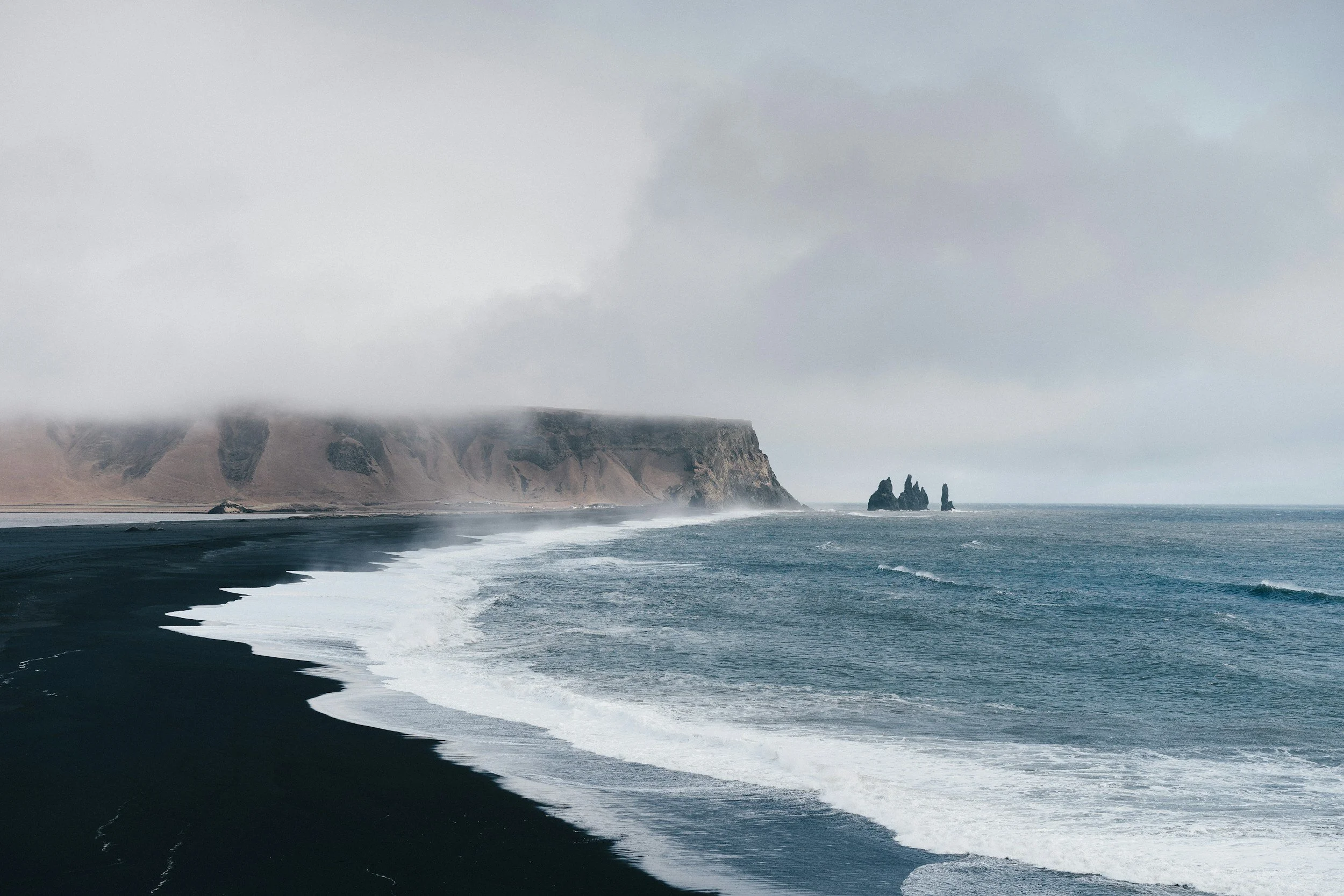
Iceland.
Swiss Alps, Switzerland
The Swiss Alps are one of Europe’s best adventure holidays if you want mountain scenery with excellent infrastructure around it. This is not the wildest or cheapest option on the list, but it may be the smoothest: scenic trains, cable cars, clean villages, marked trails, mountain restaurants, lakes, viewpoints and a transport system that behaves as though chaos was politely declined at the border.
The appeal is accessibility. Switzerland makes high mountain landscapes easier to experience, even if you’re not planning a highly technical trip. You can hike, swim, take panoramic trains, ride cable cars, cross suspension bridges, walk above glaciers and still return to a comfortable base by evening.
Choose the Swiss Alps if you want mountain adventure with comfort, structure and some of Europe’s easiest outdoor logistics.
Why the Swiss Alps Are Worth Considering
The Swiss Alps work because the scenery is dramatic, but the planning can be relatively straightforward. Places like Zermatt, Grindelwald, Interlaken, Lauterbrunnen and St Moritz all give you access to serious landscapes without asking you to organise every detail from scratch.
This is especially useful if you want adventure without uncertainty. The trails are well marked, the public transport is excellent, and many of the biggest views can be reached by train, cable car or a manageable walk. That doesn’t make the trip less rewarding. It just means the logistics are less likely to dominate the holiday.
The Swiss Alps also suit a wider range of energy levels. One traveller can take on a longer hike while another uses a cable car and meets them for lunch with a view. Very civilised. Potentially expensive, but civilised.
What to Prioritise in the Swiss Alps
For a first adventure trip to the Swiss Alps, choose one main region rather than trying to cover the whole country. Switzerland is efficient, but the best mountain trips still work better when you slow down and let one area properly settle.
Prioritise:
Zermatt for Matterhorn views, hiking, mountain railways and a polished alpine base
Grindelwald for dramatic scenery, cable cars and access to the Jungfrau region
Lauterbrunnen for waterfalls, valley walks and one of Switzerland’s most striking settings
Interlaken for lakes, adventure activities and easy access to several mountain areas
Lake Lucerne for a softer mix of water, mountains, scenic rail and boat trips
Glacier Express or Bernina Express for panoramic train journeys through alpine landscapes
Oeschinen Lake for one of Switzerland’s most scenic lake-and-mountain combinations
If it’s your first trip, the Jungfrau region is one of the easiest places to recommend. Base yourself around Grindelwald, Lauterbrunnen or Interlaken and you’ll have access to hikes, viewpoints, waterfalls, lakes and mountain railways without needing to move constantly.
Who the Swiss Alps Suit Best
The Swiss Alps are best for travellers who want adventure with comfort, structure and reliable logistics. They suit hikers, couples, families, solo travellers, photographers and anyone who wants mountain scenery without the rougher edges of more remote destinations.
They’re especially good if you want outdoor travel that still feels polished. You can make the trip active with full hiking days, via ferrata, paragliding, lake swimming and mountain biking, or keep it softer with scenic trains, easy walks, cable cars and long lunches with alpine views.
The main trade-off is cost. Switzerland is expensive, and the most famous mountain areas are not subtle about it. Accommodation, trains, cable cars and food can add up quickly, so the Swiss Alps work best when you plan deliberately rather than casually drifting through the trip with your bank card taking emotional damage.
Best Time to Visit the Swiss Alps
The best time to visit the Swiss Alps for hiking and summer adventure is usually June to September, when most trails, cable cars and mountain routes are open.
July and August bring the warmest conditions and fullest access, but also more visitors. June and September can be excellent if you want a quieter feel, though you’ll need to check trail and lift openings depending on altitude and region.
Winter is a completely different version of the Alps, built around skiing, snowboarding, snowshoeing, winter walking and resort stays. For this article, the strongest fit is the summer and early autumn adventure season.
How Long Do You Need in the Swiss Alps?
Plan for 4–7 days for a strong first Swiss Alps trip. A long weekend can work if you stay in one base and focus on a few key experiences, but a week gives you a better rhythm and more flexibility around weather.
A good first route could look like:
3–4 nights in the Jungfrau region for Grindelwald, Lauterbrunnen, mountain railways, hikes and lake trips
1–2 nights around Lake Lucerne or Zermatt if you want to add a second landscape
optional scenic train journey if you want the travel itself to become part of the experience
If you’re short on time, resist the urge to add too many bases. Switzerland makes movement easy, which can trick you into overplanning. The views are better when you’re not constantly checking departure boards.
Practical Note for the Swiss Alps
Use Swiss public transport where possible. Trains, cable cars, boats and mountain railways are part of the experience, not just a way to move around. A rail pass or regional travel card may be worth considering depending on your route, especially if you plan to use several lifts or panoramic train journeys.
Book accommodation early in popular alpine areas, and check lift schedules before finalising your itinerary. Some cable cars and mountain routes are seasonal, and opening dates vary by year and altitude.
The Swiss Alps are not the cheapest adventure holiday in Europe, but they are one of the easiest to enjoy well. If you want mountain scenery, active days and a trip that feels adventurous without becoming logistically tiring, Switzerland makes a very strong case.
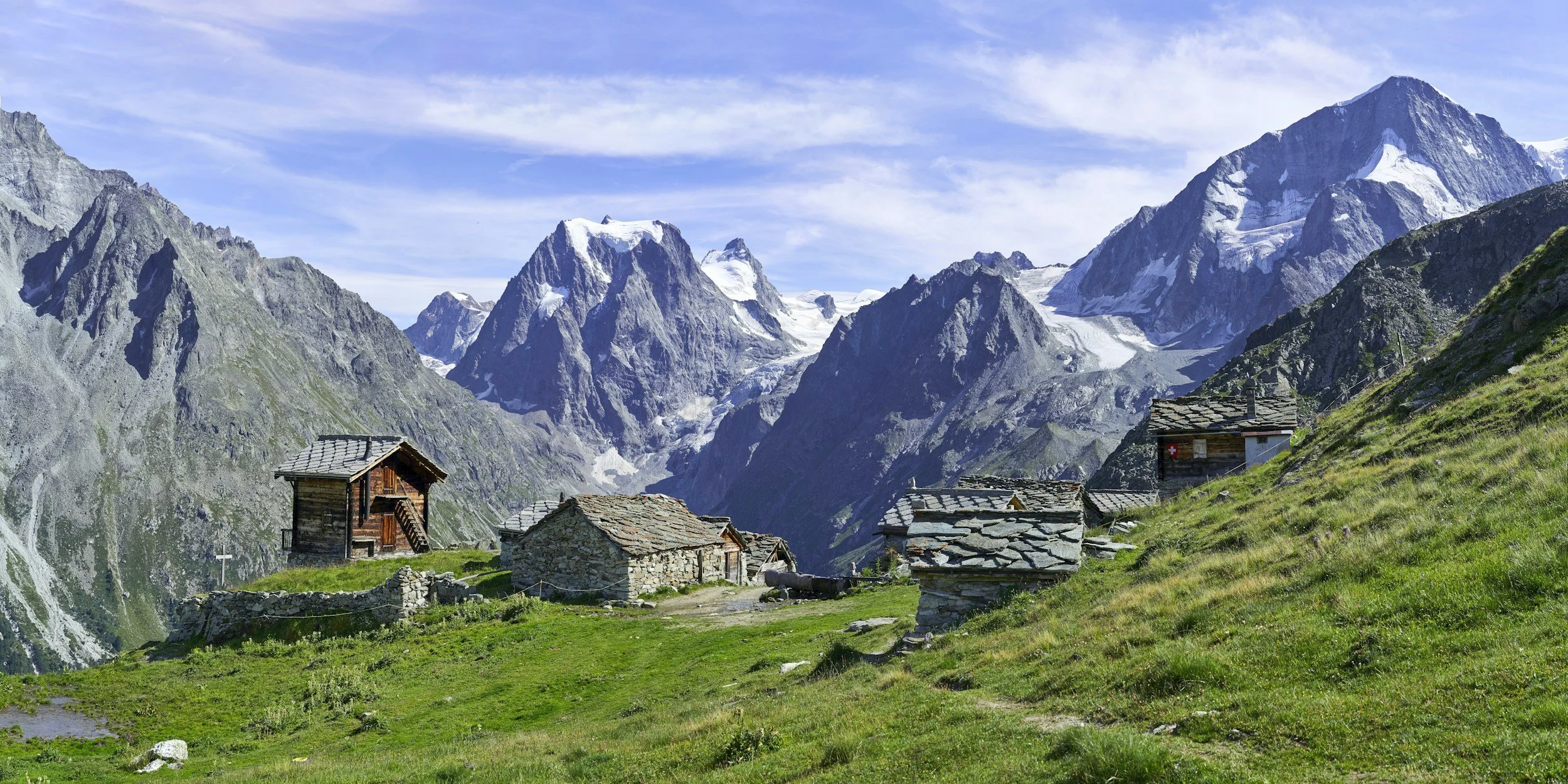
Swiss Alps.
Which European Adventure Holiday Should You Choose?
The best adventure holiday in Europe depends less on which destination looks most dramatic and more on the kind of trip you actually want. Some places are better for hiking, others for road trips, island landscapes, softer outdoor days or proper mountain scenery.
If this is your first active trip, choose somewhere with good infrastructure and easy variety. If you want the trip to feel more remote, give yourself more time and accept that the planning will need to work a little harder. Adventure is appealing. Logistical chaos, less so.
Best for a First Adventure Trip
Choose Madeira, Slovenia or Mallorca if you want an active holiday that still feels easy to organise.
Madeira is the strongest all-rounder if you want hiking, viewpoints, coastal scenery and a comfortable base in Funchal. It gives you a lot of adventure in a compact island, which makes it ideal if you want the trip to feel active without becoming complicated.
Slovenia is the better choice if you want variety. Lakes, rivers, mountains, rafting, hiking and Ljubljana all fit naturally into one trip, and the country is compact enough to make the route feel manageable.
Mallorca works best if you want Mediterranean warmth with a more active edge. It’s especially good for cycling, coastal walks, mountain villages and travellers who want outdoor days without giving up beaches, food and easy travel.
Best for Dramatic Landscapes
Choose the Dolomites, Lofoten or Iceland if the scenery is the main reason for the trip.
The Dolomites are ideal if you want high alpine views, mountain villages, cable cars, hiking routes and a polished outdoor feel. They’re dramatic, but still comfortable and well supported if you plan properly.
Lofoten is better if you want something wilder and more remote-feeling. The combination of fishing villages, sharp mountains, beaches and summer light makes it one of Europe’s most visually distinctive adventure trips.
Iceland is the obvious choice for otherworldly landscapes: waterfalls, glaciers, black-sand beaches, hot springs and volcanic scenery. It’s expensive and weather-sensitive, but few places make the landscape feel quite so immediate.
Best for a Softer Active Holiday
Choose the Swiss Alps, Madeira or the Azores if you want adventure with comfort around the edges.
The Swiss Alps are the smoothest option. Scenic trains, cable cars, marked trails, mountain restaurants and excellent infrastructure make the Alps easy to enjoy, even if you don’t want every day to feel physically demanding.
Madeira gives you strong hiking and dramatic scenery, but also hotels, restaurants, wine, sea views and a base that makes the whole trip feel manageable.
The Azores are softer in a different way. The adventure is quieter and more atmospheric: crater lakes, hot springs, whale watching, coastal roads and volcanic landscapes rather than big mountain drama.
Best for Road Trips
Choose the Scottish Highlands, Iceland or Montenegro if you want the journey itself to be part of the experience.
The Scottish Highlands are ideal for long roads, lochs, glens, islands and changing weather that gives the whole trip a stronger sense of atmosphere. It’s one of the best options if you want adventure without leaving the UK.
Iceland is a classic road-trip destination, especially if you focus on the South Coast or allow enough time for the Ring Road. The key is not to overpack the route. Iceland is much better when you leave space for weather, distance and the occasional unplanned stop.
Montenegro works well if you want a shorter, more varied road trip with coastline, mountains, national parks and old towns. The country is compact, but the contrast between the Bay of Kotor and Durmitor makes the trip feel much bigger.
Best for Something Less Obvious
Choose the Azores, Montenegro or Slovenia if you want an adventure trip that feels a little less expected.
The Azores are ideal if you want volcanic island landscapes, crater lakes and whale watching without choosing the more familiar adventure routes.
Montenegro is a strong choice if you want coast, mountains, rafting and Balkan scenery in one trip. It’s less polished than some destinations on this list, but that gives it part of its appeal.
Slovenia is not exactly unknown, but it still feels refreshingly useful as an adventure destination. It’s compact, scenic, varied and easy to shape into a trip that feels active without becoming overcomplicated.
FAQs About Adventure Holidays in Europe
What Is the Best Adventure Holiday in Europe for Beginners?
Madeira, Slovenia and Mallorca are some of the best adventure holidays in Europe for beginners. They offer hiking, scenery, outdoor activities and easy bases without feeling too difficult to organise. Madeira is especially strong if you want dramatic landscapes, good food, coastal views and a compact island that’s easy to build a week around.
Where Is Best in Europe for Hiking Holidays?
Some of the best places in Europe for hiking holidays include Madeira, the Dolomites, Slovenia, the Swiss Alps, the Scottish Highlands and Lofoten. Choose Madeira for levada walks and mountain routes, the Dolomites for alpine scenery, Slovenia for lakes and national parks, and Lofoten for wilder coastal hikes.
What Is the Best Adventure Holiday in Europe Without a Car?
The Swiss Alps are one of the best adventure holidays in Europe without a car thanks to Switzerland’s excellent trains, cable cars, mountain railways and buses. Some parts of Slovenia and Mallorca can also work without a car, but you’ll have more flexibility with one. For places like the Scottish Highlands, Montenegro, Iceland and the Azores, hiring a car usually makes the trip much easier.
What Is the Best Time of Year for an Adventure Holiday in Europe?
For most adventure holidays in Europe, May to September is the best window. Spring and early autumn are often better for hiking, cycling and road trips because the weather is milder and the busiest summer crowds are lower. For mountain destinations such as the Dolomites and Swiss Alps, June to September is usually best for hiking access.
Where Should I Go in Europe for a Soft Adventure Holiday?
For a soft adventure holiday in Europe, choose Madeira, the Azores, Mallorca, Slovenia or the Swiss Alps. These destinations offer strong scenery and outdoor activities without needing the trip to feel extreme. They’re ideal if you want hiking, swimming, scenic routes, lakes, mountains or coastal views, but still want good places to stay and eat at the end of the day.
Is Iceland Worth It for an Adventure Holiday?
Yes, Iceland is worth it for an adventure holiday if you want dramatic landscapes, waterfalls, glaciers, hot springs, black-sand beaches and road-trip scenery. The trade-off is that it can be expensive, weather-sensitive and busy around the most famous areas. It works best when you plan fewer stops properly rather than trying to see too much in one trip.
What Is the Most Underrated Adventure Destination in Europe?
Montenegro, the Azores and Slovenia are some of the most underrated adventure destinations in Europe. Montenegro combines coast, mountains and rafting in a compact country. The Azores offer volcanic landscapes, crater lakes and whale watching. Slovenia is excellent for lakes, rivers, hiking and outdoor variety without feeling overwhelming.
How Long Do You Need for an Adventure Holiday in Europe?
For most adventure holidays in Europe, 5–7 days is enough for a strong first trip. A long weekend can work for compact destinations like Mallorca, Madeira or the Swiss Alps if you stay focused, but a full week gives you more flexibility for weather, travel time and slower days. For Iceland’s Ring Road or a multi-island Azores trip, allow closer to 10 days or more.
“Europe’s best adventure holidays don’t all look the same. Some are built around high mountains and full hiking days. Others are about coastal roads, volcanic islands, cold-water swims, river valleys, scenic trains or towns that give you somewhere good to return to after a day outside.
For a first active trip, Madeira is probably the easiest recommendation. It’s scenic, practical, varied and adventurous without being difficult. For bigger mountain drama, choose the Dolomites or the Swiss Alps. For wild landscapes, look at Lofoten, Iceland or the Scottish Highlands. For something a little less obvious, Slovenia, the Azores and Montenegro all make a strong case.
The better move is to choose the destination that matches the kind of adventure you actually want. Not every trip needs to be extreme to feel memorable. Sometimes the best adventure holiday is simply the one that gives you better landscapes, more movement, a clearer sense of place and enough space to enjoy the journey properly.”