Best Travel Tech Gadgets Worth Packing in 2026

Travel tech can be brilliant, or it can end up as extra weight at the bottom of your bag. The difference usually comes down to whether a gadget solves a real problem on the road. A good one makes long journeys smoother, keeps you connected when plans change, helps you stay organised, or simply makes travel feel a little less stressful. A bad one is just something else to charge, carry, and forget about.
That is especially true now, when most trips rely on our devices more than ever. Phones double as boarding passes, maps, translation tools, cameras, train tickets, guidebooks, and wallets, which means the right supporting kit can genuinely make a difference. Whether you are navigating a new city, working remotely between destinations, trying to sleep on a long-haul flight, or keeping your bag charged through a full day of exploring, a few well-chosen gadgets can quietly improve the whole experience.
In this guide, we are focusing on the travel tech that is actually worth packing in 2026. Not flashy gadgets for the sake of it, and not bulky kit that sounds useful in theory but rarely earns its place in your bag. Instead, these are the practical pieces of travel tech that help modern trips run more smoothly, from power banks and adapters to tracking devices, audio gear, and a few smart extras that can make life on the move much easier.
How to Choose Travel Tech That Is Worth Packing
The best travel gadgets are not always the newest, the most expensive, or the ones marketed as essentials. In practice, the kit that earns a place in your bag is usually the gear that solves a specific problem without creating another one. A bulky gadget that promises convenience but takes up half your backpack is rarely worth it, while something small and reliable that keeps your phone alive through a full day of maps, photos, and boarding passes can quickly become indispensable.
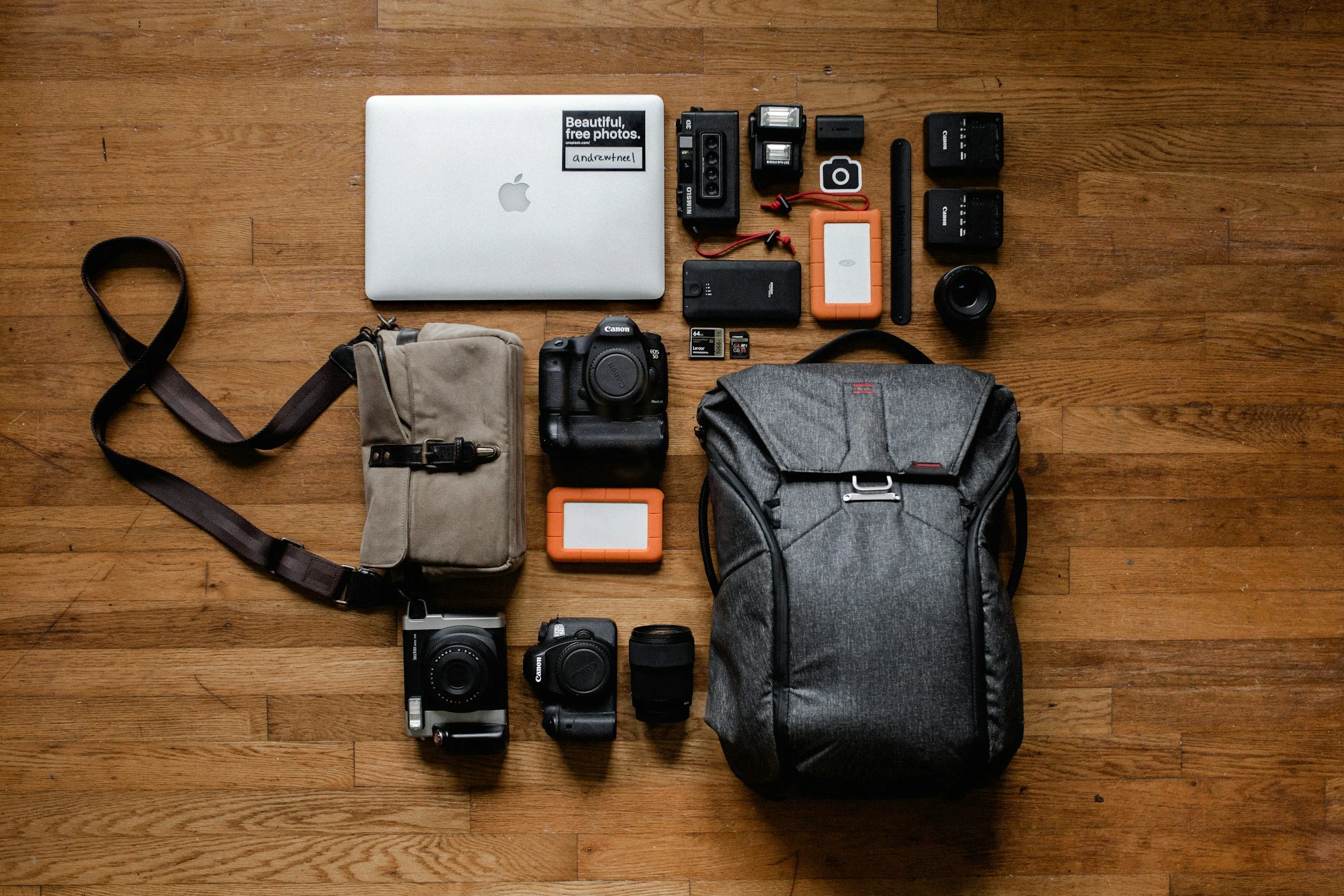
Prioritise gadgets that solve a real problem
A good place to start is by thinking about the moments on a trip where things tend to go wrong. Your phone dies halfway through a travel day. The hotel room has too few plug sockets. The Wi-Fi is unreliable. You are trying to sleep on a plane with cabin noise all around you, or you land in a new country and realise staying connected is more complicated than expected. The most useful travel tech is the gear that quietly removes friction from those moments, rather than adding more kit for the sake of being prepared.
Look for compact, lightweight, multi-use gear
Space matters when you are packing, especially if you are travelling with hand luggage only or moving between destinations regularly. The best gadgets tend to be the ones that are compact, durable, and able to do more than one job. A charger with multiple ports is more useful than carrying several separate plugs. A universal adapter that works across regions is far better than stuffing your bag with destination-specific extras. The same principle applies across the board: the less clutter you carry, the more valuable each item needs to be.
Think about how you actually travel
The right travel tech depends a lot on the kind of trip you are taking. A digital nomad working between cities may get huge value from a compact laptop stand, portable charger, and noise-cancelling headphones, while someone on a short city break may only need a power bank, adapter, and a reliable pair of earbuds. A long-term backpacking trip, a luxury holiday, a road trip, and a two-night weekend away all come with different needs, so the goal is not to pack every useful gadget possible. It is to pack the ones that suit the way you move.
Check airline rules before you fly
This is the practical bit that is easy to overlook. Not all tech can be packed the same way, and batteries are the main thing to pay attention to. Power banks and spare lithium batteries should be kept in your hand luggage rather than checked baggage, which is worth knowing before you arrive at the airport and need to reshuffle your bag. If you travel with a lot of devices, it is also worth checking battery sizes and airline rules in advance so your tech setup stays convenient rather than becoming a problem at security.
Choose reliability over novelty
Travel is one of the worst times for unreliable gear. A cheap cable that stops working, a flimsy adapter, or headphones that run out of battery halfway through a flight can be more frustrating than simply going without. When it comes to travel tech, it is often better to carry fewer items and trust them than to bring lots of gadgets that only sort of do the job. The best kit is usually the gear you stop thinking about once the trip begins because it simply works.
Build a setup that supports the trip, not dominates it
The goal of travel tech is not to turn your bag into a mobile electronics shop. It is to make the experience of travelling easier, smoother, and more flexible. The best setup usually looks quite simple: a few thoughtful pieces that keep you powered up, connected, organised, and comfortable, without making packing feel heavier than it needs to be. Once you have that balance right, every gadget in your bag has a purpose.
A Reliable Power Bank
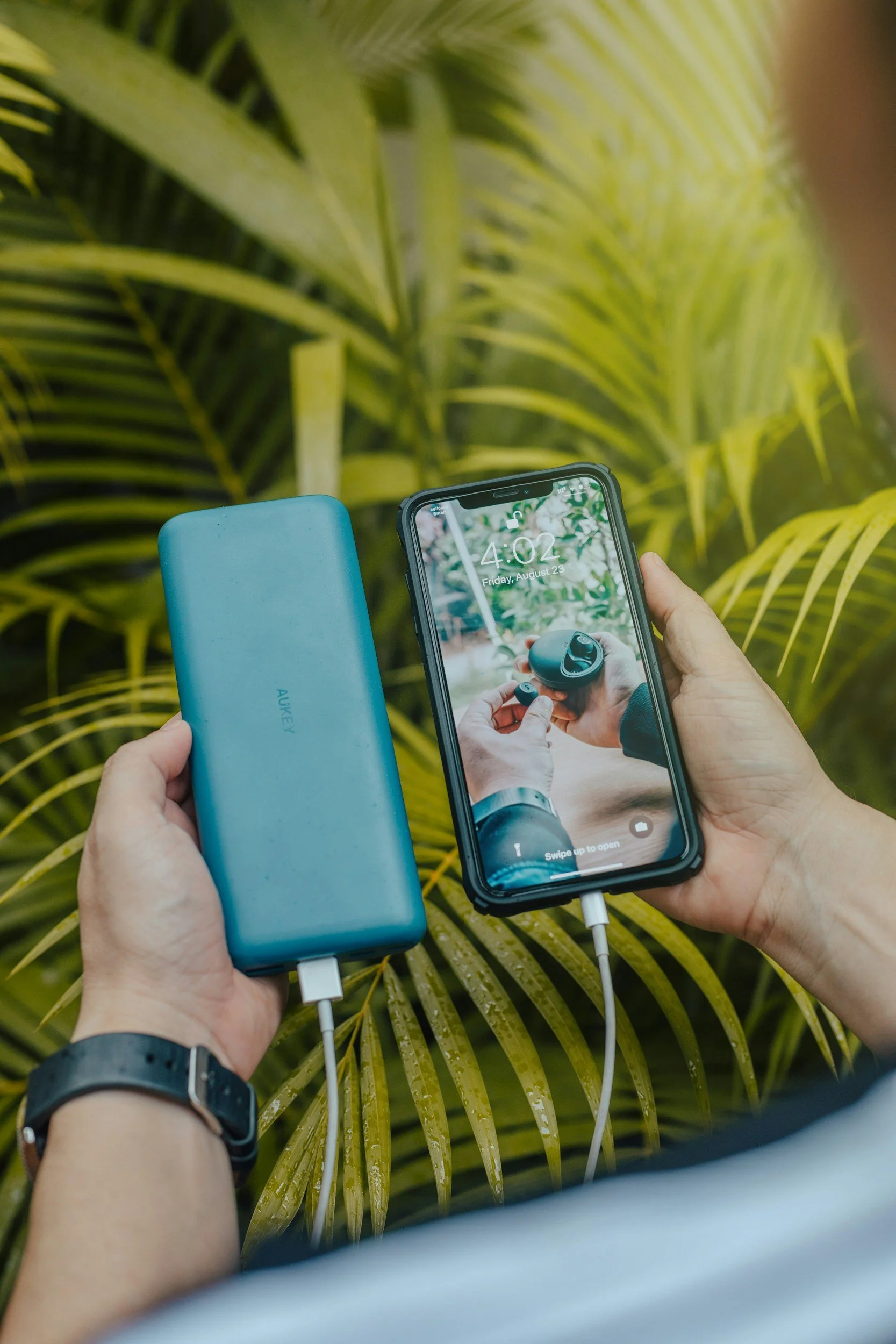
Few travel gadgets earn their space as consistently as a good power bank. In 2026, when so much of a trip runs through your phone, from boarding passes and booking confirmations to maps, translation apps, restaurant recommendations, and mobile payments, losing battery is more than a minor inconvenience. It can derail a day surprisingly quickly, especially when you are navigating somewhere unfamiliar or spending long hours in transit.
Why it is worth packing
A power bank gives you flexibility, which is really what good travel gear should do. You are not tied to cafés for charging stops, you do not need to hover near airport sockets, and you are far less likely to end up rationing your battery because you still need enough charge to get back to your hotel later. It is particularly useful on travel days, day trips, long train rides, hiking days, and busy sightseeing itineraries when your phone is working harder than usual.
It also becomes even more useful when you are using your phone for photography and video. Navigation, constant camera use, and background apps can drain battery far faster than many people expect, especially in cold weather or when roaming. A reliable power bank means you can keep using your phone as intended rather than treating every percentage point like a crisis.
What to look for
The most important thing is balancing capacity with portability. A huge power bank may sound appealing, but if it is heavy enough that you stop carrying it, it loses its value. For most travellers, the sweet spot is something compact enough to carry comfortably every day, while still holding enough charge to meaningfully top up a phone at least once or twice.
Fast charging matters too, particularly if you are only stopping briefly between trains, flights, or sightseeing. It is also worth looking for a model with more than one port if you regularly charge multiple devices, such as a phone and earbuds, or if you travel as a pair and want to share one charger. USB-C compatibility is another big one now, especially if you are trying to simplify your cable setup and move away from carrying several different charging options.
Design is worth thinking about more than people often realise. Slim, sturdy models tend to be easier to slip into a day bag, while built-in cables can make life easier if you hate carrying extras, though they are not essential. A battery display can also be surprisingly useful, since it is much easier to manage charging when you know exactly how much power is left rather than relying on vague indicator lights.
Best for
A power bank is close to essential for almost any kind of traveller, but it is especially valuable for people taking long travel days, using public transport heavily, relying on digital tickets, shooting a lot of photo or video content, or spending full days out without returning to their accommodation. It is also one of the most useful gadgets for solo travellers, since having a dead phone when you are handling directions, bookings, and communication alone can be far more disruptive.
For shorter breaks, it offers peace of mind. For longer trips, it becomes part of the routine. Either way, it is one of the clearest examples of travel tech that does not feel like a luxury or a gimmick. It simply makes modern travel easier.
A Universal Travel Adapter
A universal travel adapter is one of those gadgets that feels easy to overlook until you arrive somewhere new and realise your charger is suddenly useless. It is not the most exciting bit of travel kit, but it is one of the most practical. A good one removes friction immediately, especially on multi-country trips or longer journeys where keeping devices charged is not just convenient, but essential.

Why it is worth packing
The main appeal of a universal travel adapter is simple: it saves space, reduces hassle, and makes your setup more flexible. Rather than carrying separate plugs for different destinations or trying to remember which adaptor works where, you have one compact piece of kit that can handle multiple regions. That is particularly helpful on trips that cross borders, but it is just as useful for travellers who want one dependable item they can keep packed and ready to go.
It also becomes more valuable the more devices you carry. Even a fairly minimal travel setup usually includes a phone, headphones, smartwatch, camera, or power bank, and possibly a laptop or tablet too. A well-designed adapter means you can charge everything more neatly, without turning the one hotel socket by the bed into a daily logistical puzzle.
What to look for
The best travel adapters are compact, sturdy, and simple to use. There is no need for one that feels over-engineered or overly bulky. What matters more is that it covers the regions you are likely to visit and includes enough charging options to handle your devices comfortably. Multiple USB ports are particularly useful, and USB-C support is increasingly important if you want to keep your setup modern and streamlined.
It is also worth paying attention to build quality. An adapter is one of those things you do not want to replace mid-trip, so it is better to choose something solid and reliable than the cheapest option available. Fold-out or slide-out plug systems can be handy, but only if they feel secure rather than flimsy. A compact design matters too, especially if you are packing light and want something that fits easily into a small tech pouch.
One important thing to keep in mind is that an adapter is not the same as a voltage converter. Many modern devices, such as phones, laptops, and camera chargers, are designed to handle a range of voltages, but some appliances are not. For most travellers this will not be a major issue, though it is still worth checking before plugging in anything more powerful than your usual electronics.
Best for
A universal travel adapter is useful for almost every traveller, but it becomes especially valuable on international trips, multi-country itineraries, and longer journeys where reliable charging matters day after day. It is also ideal for people trying to keep their packing list simple, since one good adapter can replace a handful of loose charging accessories.
This is not the kind of gadget that transforms a trip on its own, but it quietly makes travel easier from the moment you arrive. And that is often the mark of the best travel tech: not flashy, not overcomplicated, just genuinely useful every time you need it.
Noise-Cancelling Headphones or Earbuds
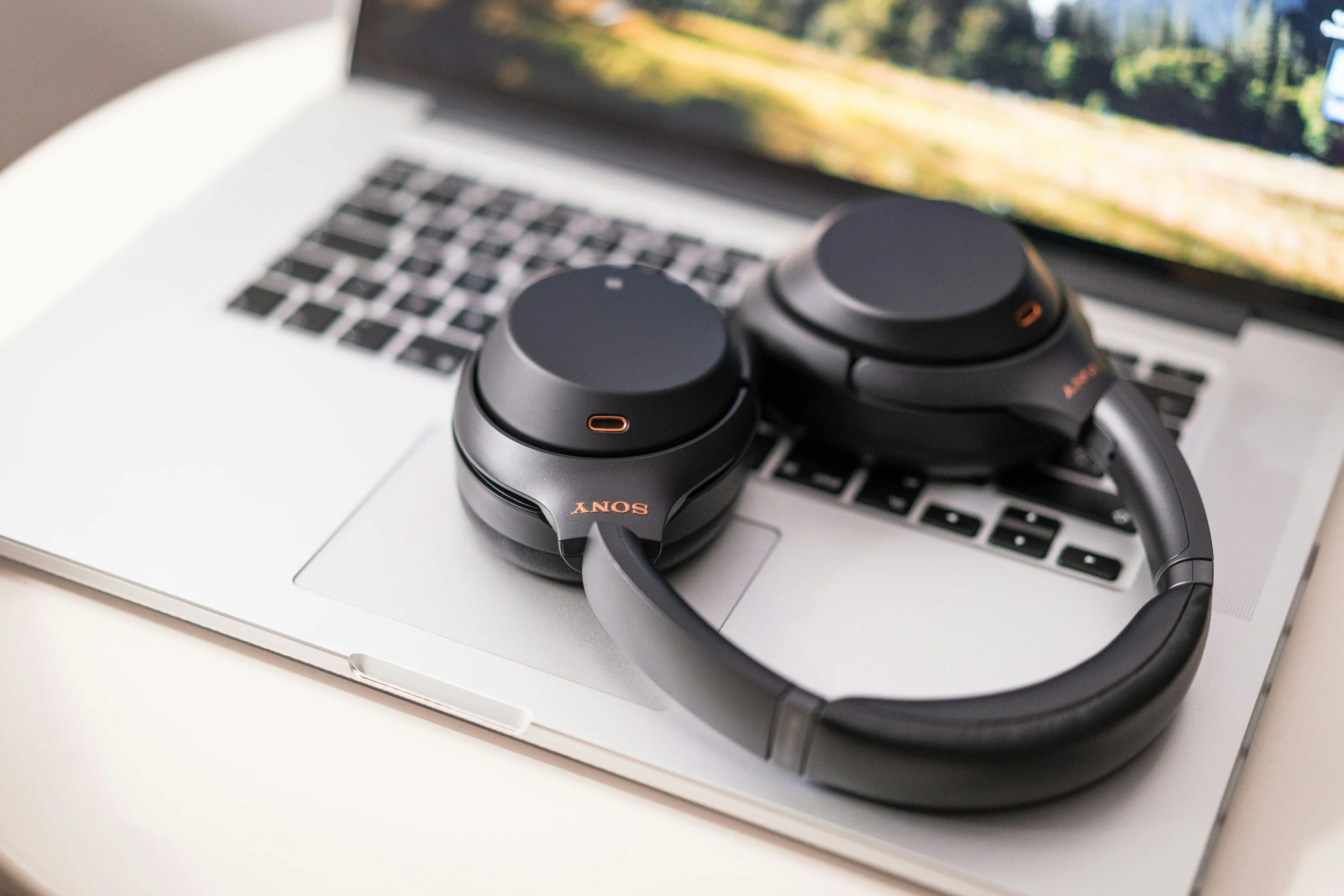
Some travel gadgets are about practicality, while others are about preserving your sanity. Noise-cancelling headphones and earbuds sit somewhere in between. They are not strictly essential in the same way as a power bank or adapter, but once you have travelled with a good pair, especially on long-haul flights, night buses, busy trains, or noisy hotel stays, they can quickly feel worth the space.
Why it is worth packing
Travel comes with far more background noise than most of us realise until we are stuck in it for hours. Aircraft cabins, boarding gates, city traffic, hostel dorms, hotel corridors, and constant transport announcements can make it surprisingly difficult to rest, focus, or simply switch off for a while. Noise-cancelling audio gear helps create a bit of distance from all of that, which can make journeys feel much less draining.
They are especially useful on long travel days when you want to listen to music, watch a film, take a call, work remotely, or try to sleep. Even if you are not playing anything, active noise cancellation alone can make a huge difference by dulling the hum of engines and the general low-level chaos that often comes with being on the move. That can mean better sleep on flights, less fatigue on train journeys, and a calmer experience in airports and shared spaces.
They also come into their own once you arrive. A good pair of headphones or earbuds can be just as helpful in a café, coworking space, or hotel room as they are in transit, particularly if you are working while travelling or need a bit of quiet in a busy environment.
What to look for
The right choice depends largely on how you travel and what you value most. Over-ear headphones usually offer stronger noise cancellation, better battery life, and more comfort over long listening sessions, which makes them ideal for long-haul travellers or anyone who spends a lot of time in transit. The trade-off, of course, is bulk. They take up more room in your bag and are less convenient to carry around all day.
Earbuds are far easier to pack and often better suited to shorter trips, city breaks, or travellers who want to keep their kit minimal. A good pair can still make flights and train journeys much more comfortable, while taking up almost no space at all. The downside is that battery life is usually shorter, and not everyone finds them comfortable for extended wear.
Beyond form factor, comfort matters more than spec sheets. A pair that sounds incredible but becomes irritating after an hour is unlikely to serve you well on the road. Battery life is another key factor, especially if you regularly take long journeys or forget to recharge things. It is also worth thinking about how easily they integrate with the rest of your setup, whether that means quick pairing, strong microphones for calls, or easy charging with the same cable as your other devices.
Best for
Noise-cancelling headphones or earbuds are especially worth considering for long-haul travellers, digital nomads, remote workers, frequent train and bus users, and anyone who finds travel noise particularly tiring. They are also a smart addition for people who struggle to sleep in transit or want a little more comfort and control during long travel days.
For some travellers, they will feel like a luxury. For others, they will become one of the most valuable items in the bag. Either way, they are one of those gadgets that can make travel feel noticeably calmer, which is often just as important as making it more efficient.
A Luggage Tracker
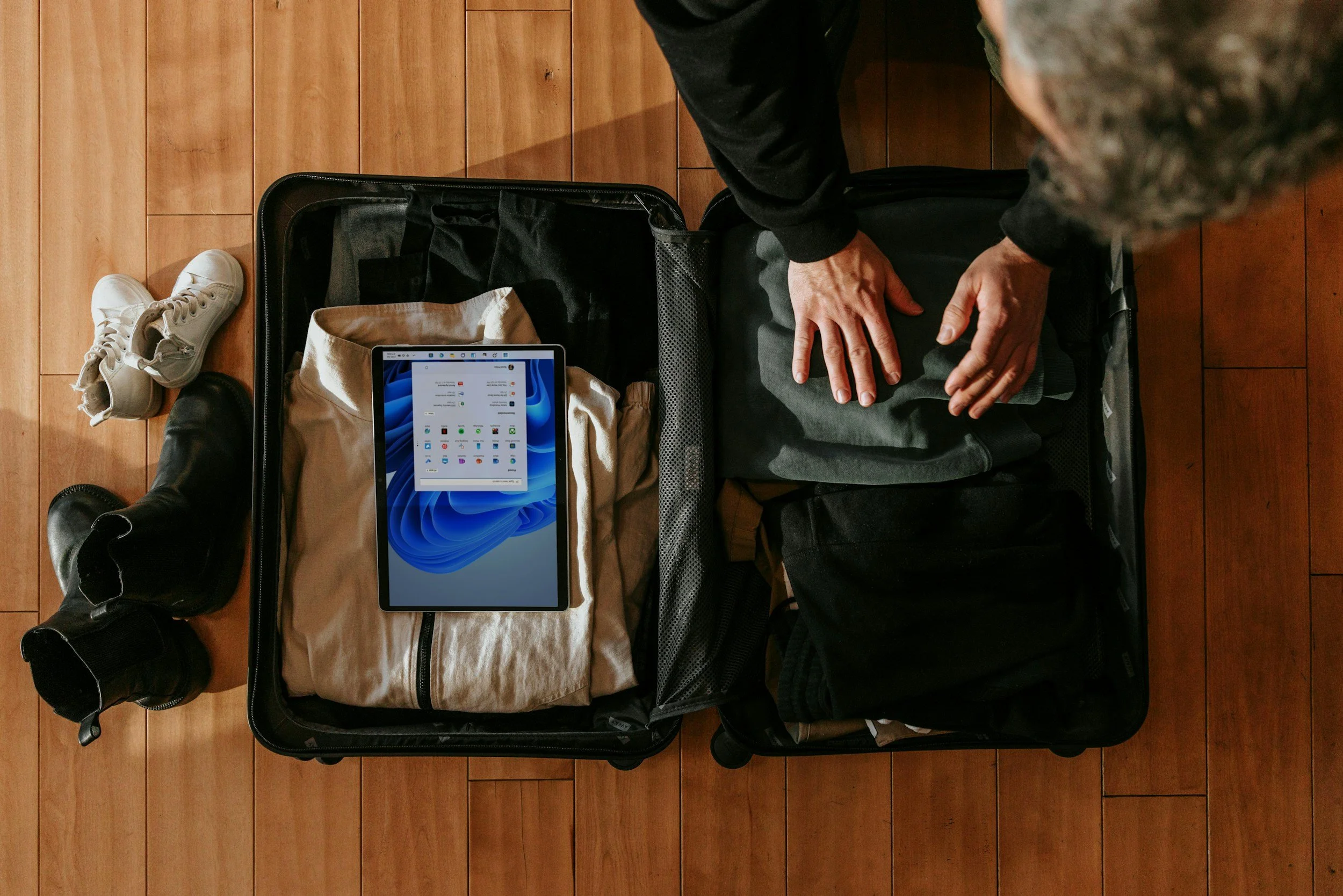
A luggage tracker is one of those travel gadgets that can seem slightly unnecessary until the moment it is not. If you only ever travel with a small carry-on, it may feel like an optional extra, but for anyone checking bags, taking multi-leg flights, travelling with valuable gear, or simply wanting more peace of mind, it can be surprisingly useful. In an age when so much of travel is visible in real time, there is something reassuring about having at least a little more visibility over where your bag might be too.
Why it is worth packing
The biggest advantage of a luggage tracker is not that it magically prevents your bag from being delayed or misplaced. It is that it gives you more information when things do not go to plan. Instead of standing at baggage claim wondering whether your suitcase has made the flight, you may be able to see whether it is nearby, still at your departure airport, or somewhere else entirely. That does not solve the problem on its own, but it can make an annoying situation feel a little less uncertain.
It is also helpful beyond airports. A tracker can be useful for bags on trains, long-distance buses, luggage stored in hotel rooms, or even day bags in busy environments. For travellers carrying cameras, laptops, or other expensive tech, that extra layer of awareness can feel worthwhile. Even on straightforward trips, it can offer a bit of quiet reassurance, especially if you are moving quickly through several destinations and want to keep a closer eye on your belongings.
What to look for
The best luggage tracker is usually the one that is small, reliable, and easy to forget about until you need it. It should fit discreetly into a suitcase, backpack, or packing cube without taking up meaningful space, and it should have enough battery life that you are not constantly worrying about charging or replacing it. Simplicity matters here. This is not a gadget you want to fiddle with on travel days. It should be easy to set up, easy to check, and dependable in the background.
Compatibility is worth thinking about too. Some trackers work best within a particular device ecosystem, so it makes sense to choose one that fits naturally with the phone or tech you already use. The easier it is to access location updates, the more useful the tracker becomes in practice. A loud alert or finding feature can also be handy, not just for lost luggage, but for small everyday travel frustrations like locating a backpack in a crowded room or identifying the right case quickly.
Durability helps as well. A tracker may spend a lot of time bouncing around inside luggage, so something compact and robust is a better choice than anything delicate or awkwardly shaped. In most cases, the best option is not the fanciest. It is the one that works consistently and disappears into your setup.
Best for
A luggage tracker is especially useful for travellers who regularly check bags, take connecting flights, carry expensive equipment, or move between destinations often enough that luggage becomes part of the logistical puzzle. It is also a smart addition for longer trips, family travel, and anyone who likes having a little more oversight when plans become messy.
For some people, it will be a just-in-case item they barely think about. For others, it will be one of those small pieces of travel tech that becomes part of every packing routine. Either way, it earns its value through peace of mind, and that is often reason enough.
Absolutely — here’s the same section with the sources removed:
An eSIM-Ready Phone or Portable Wi-Fi Option
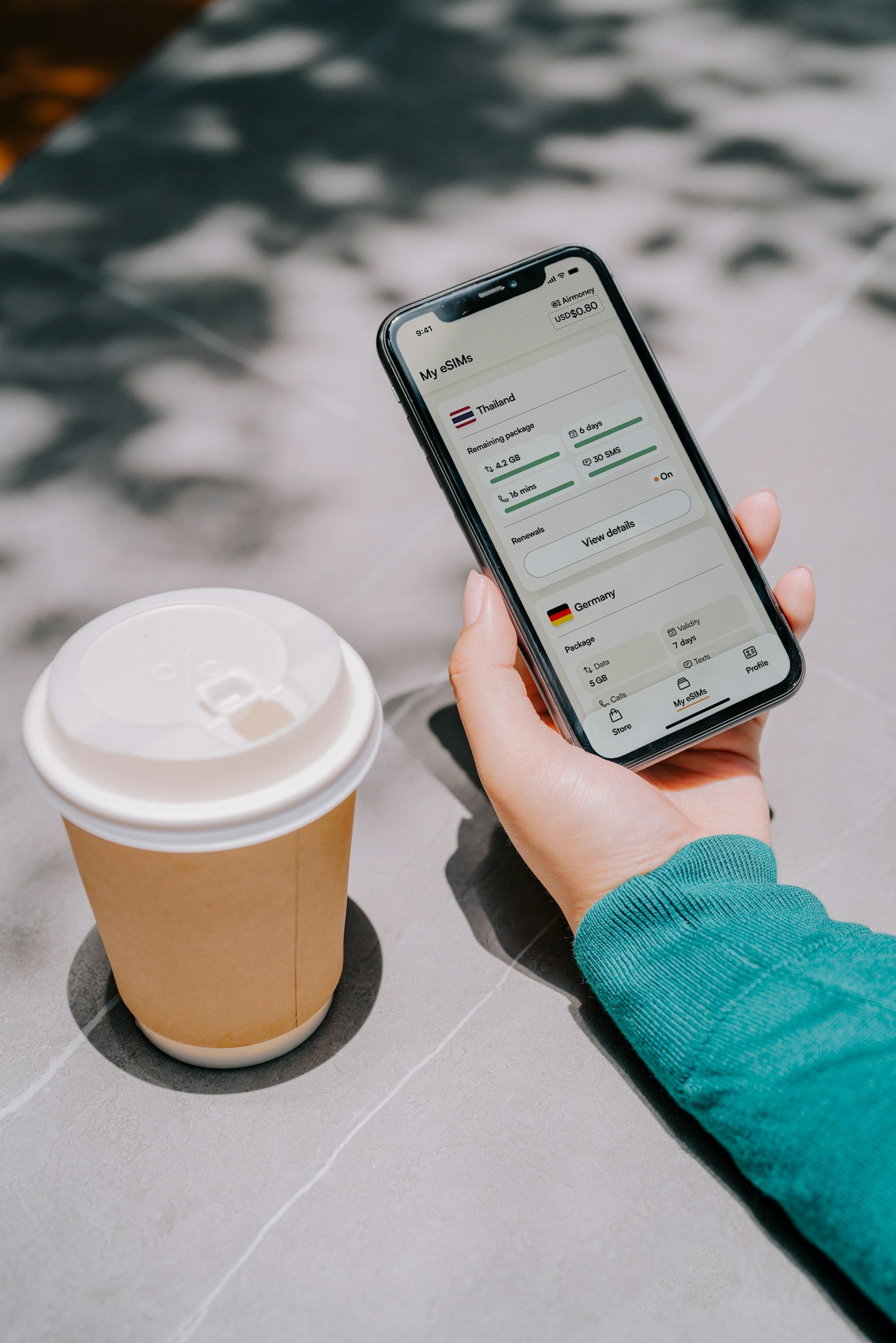
Staying connected on the road has become one of the biggest quality-of-life factors in modern travel. It affects everything from ordering a taxi and checking train times to translating menus, accessing booking confirmations, using maps, and messaging your accommodation when plans change. That is why an eSIM-ready phone or a portable Wi-Fi option can be one of the most genuinely useful pieces of travel tech to pack, particularly on international trips. eSIMs have made it much easier to store multiple operator profiles on one device and switch between them remotely, which gives travellers far more flexibility than the old routine of buying and swapping physical SIM cards.
Why it is worth packing
The biggest benefit is convenience. With an eSIM-compatible phone, you do not need to hunt down a physical SIM card on arrival, swap tiny plastic cards at the airport, or worry about losing your main SIM somewhere mid-trip. On many newer phones, you can also keep your home line active alongside a travel eSIM, which makes it much easier to stay reachable while still using local or regional data abroad.
That flexibility can make a real difference once you land. For short breaks, it means arriving with data ready to go rather than wasting the first hour of a trip trying to sort connectivity. For longer trips, it makes it much easier to move between countries without constantly changing SIM cards. It is a simple change, but one that makes modern travel feel noticeably smoother.
Portable Wi-Fi still has its place too. It can be useful for travellers carrying several devices, couples or groups wanting to share one connection, or remote workers who need a separate internet source rather than relying entirely on a phone plan. It is not the most minimalist option, but for some trip styles it can still make sense.
What to look for
For most travellers in 2026, the first thing to check is whether your phone is unlocked and eSIM-compatible. That is what determines whether you can add a travel plan digitally and manage it easily from your device rather than needing a physical SIM.
Beyond compatibility, look for simplicity. The best setup is the one that fits naturally into how you already travel. If your phone supports dual SIM or dual eSIM use, that can be especially helpful because it allows you to keep your usual number while adding a travel plan for data. That makes travel far more seamless, especially if you still need access to your normal calls, messages, or account verification while abroad.
If you are considering portable Wi-Fi instead, the main things that matter are battery life, ease of charging, and whether you actually need a separate device. For solo travellers on short city breaks, it can feel like extra kit. For remote workers, families, or anyone regularly connecting several devices, it may feel more worthwhile.
Best for
An eSIM-ready phone is especially useful for international travellers, multi-country trips, short breaks where you want to hit the ground running, and anyone who wants a lighter, less fiddly way to stay connected. It is also a smart choice for people who rely heavily on maps, messaging, ride-hailing, remote work, or digital bookings while travelling. Portable Wi-Fi tends to suit longer trips, work-heavy travel, and travellers sharing one connection across several devices.
For most people, eSIM is likely to be the more streamlined choice now. The point is not to pack more tech than you need, but to make sure you can get online easily when it matters. In practice, that often ends up being one of the most useful travel upgrades you can make.
A Compact Charging Kit
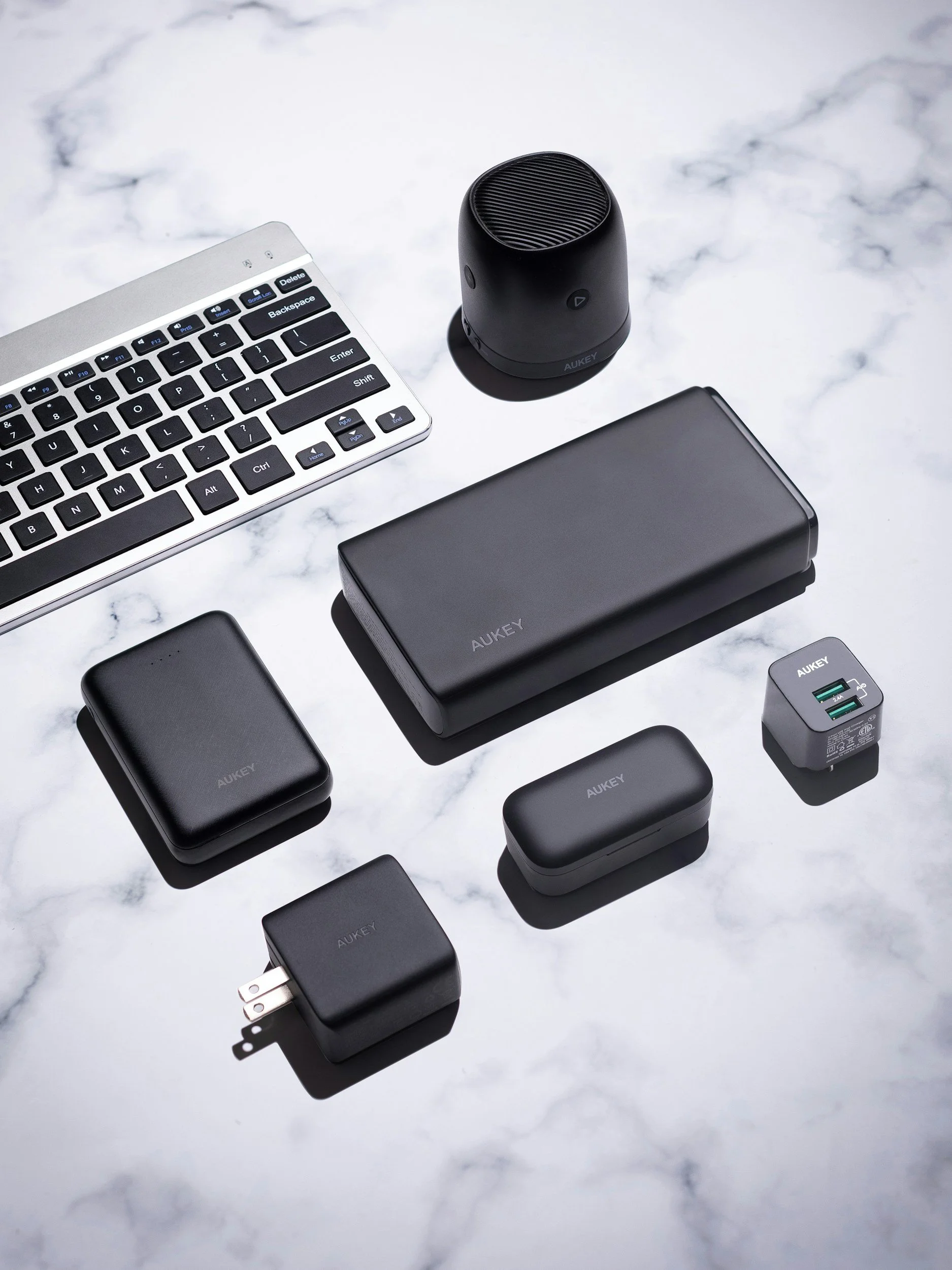
A compact charging kit is one of the least glamorous parts of travel tech, but it is often the setup that makes the biggest difference day to day. A good one keeps everything tidy, cuts down on clutter, and makes charging far less annoying when you are moving between airports, cafés, trains, hotels, and the occasional room with one badly placed socket. It is not about carrying more gear. It is about carrying the right small essentials in one place so they are always easy to reach.
Why it is worth packing
Charging setups have a habit of becoming messy far too quickly on the road. One cable ends up in a backpack pocket, another is tangled in the bottom of a tote bag, your plug is by the bed, and your power bank is still sitting half-charged from yesterday. A compact charging kit solves that by keeping everything together and giving your travel tech a home. It saves time, reduces stress, and makes it much less likely that you will leave something plugged into a hotel wall on the way out.
It also helps you pack more intentionally. Rather than throwing in every spare cable and plug you own, you build a small setup around what you actually use. That usually means fewer items, but better ones. And when your trip depends on your phone, headphones, watch, camera, or laptop staying charged, that kind of organisation becomes surprisingly valuable.
A well-packed charging kit is especially helpful on multi-stop trips or travel days where you may be topping devices up in different places throughout the day. Instead of digging through your bag every time, you know exactly where everything is.
What to look for
The best charging kit starts with a small pouch or organiser that fits easily into your backpack, tote, or carry-on. It does not need to be elaborate, but it should be compact enough to travel with comfortably and structured enough that cables do not end up in a knot. A simple zip pouch often does the job perfectly well, as long as it keeps things together.
Inside, the goal is to cover your essentials without overpacking. A small wall charger with multiple ports is usually more useful than several separate plugs, especially if you are charging more than one device overnight. Shorter cables can also be a smart choice for travel, since they are easier to manage in tight spaces and less likely to turn into a tangle. If most of your devices now use USB-C, even better, because the more you can simplify your setup around one cable type, the lighter and neater your kit becomes.
It is also worth thinking about the small extras that genuinely help. A cable tie or organiser strap can make everything feel far less chaotic. A spare charging cable is often worth carrying if one device matters more than the rest. A slim plug extension or compact splitter can be handy too in older hotels or guesthouses where sockets are limited or awkwardly placed, though that depends on how minimalist you want your setup to be.
The key is not to build an all-singing, all-dancing charging station. It is to create a tidy, reliable setup that works without fuss.
Best for
A compact charging kit is useful for almost every traveller, but it is especially valuable for people carrying several devices, moving frequently between destinations, travelling with hand luggage only, or working remotely on the road. It is also ideal for anyone who gets frustrated by messy cables, forgotten plugs, or constantly having to repack tech from scratch.
This is the kind of travel setup that rarely gets much attention, but once it is dialled in, it makes every trip feel smoother. And that is often what the best travel tech comes down to: not more gear, but better systems.
An eReader or Compact Tablet
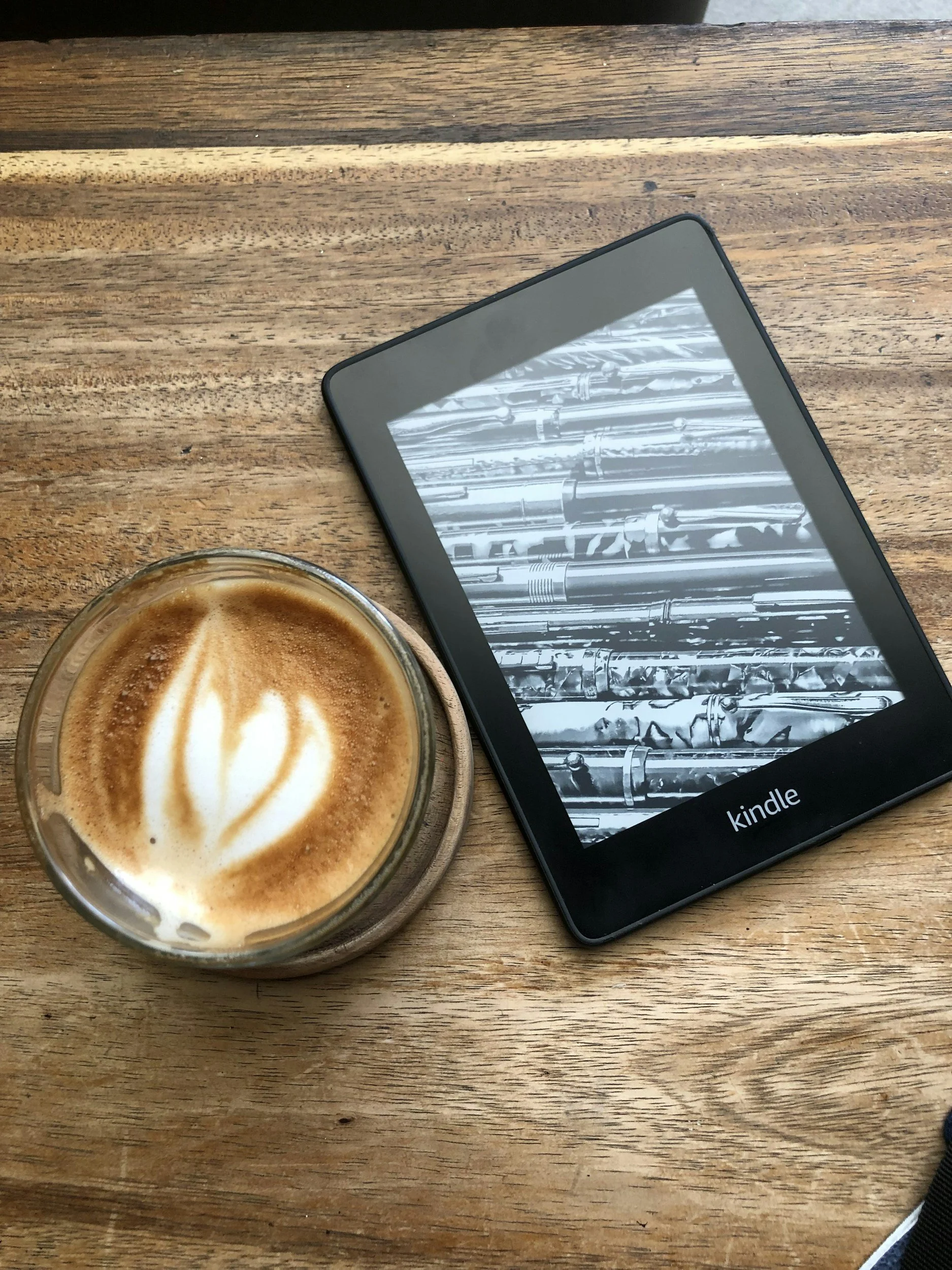
Not every piece of travel tech needs to solve a logistical problem. Some of it earns its place by making the quieter parts of a trip better, and that is exactly where an eReader or compact tablet comes in. Whether you are on a long flight, stretched out on a train, sitting in a café during a rainy afternoon, or winding down in your room after a full day out, having easy access to books, articles, guides, films, or offline entertainment can make travel feel more enjoyable without adding much weight to your bag.
Why it is worth packing
An eReader is one of the best examples of lightweight convenience done well. It gives you access to multiple books without asking you to carry several paperbacks, which is particularly useful on longer trips or for travellers who like having reading options depending on mood. It is also ideal for journeys where downtime is part of the rhythm, whether that is a lazy beach afternoon, a long train ride across Europe, or a slow morning before heading out to explore.
A compact tablet offers slightly different value. It can work as an entertainment device, a planning tool, a note-taking companion, and even a backup work screen for some travellers. That flexibility makes it a strong option for people who want one device to do several jobs, particularly on longer trips or mixed work-and-travel itineraries. It can also be useful for storing downloaded maps, travel guides, language apps, films, and documents in one place.
Both are particularly appealing because they create a better experience in those in-between moments of travel. The time waiting at gates, sitting on buses, recovering from jet lag, or spending an evening indoors becomes easier and more enjoyable when you have something good to read or watch without draining your phone battery.
What to look for
The right choice depends on how you travel and what you want from the device. If reading is the main priority, an eReader usually makes more sense. It is lighter, easier on the eyes, and typically has far better battery life than a tablet, which makes it ideal for travellers who want something simple and low-maintenance. It also feels less like carrying another screen and more like carrying a compact travel companion.
A compact tablet is better suited to travellers who want versatility. If you like downloading films for flights, planning itineraries on a larger screen, editing photos, sketching ideas, or doing a bit of work while away, it offers much more flexibility. The trade-off is that it tends to be heavier, needs charging more often, and can overlap with what your phone or laptop already does.
Whichever route you go, portability matters. The whole point is to gain convenience without adding bulk. A slim, lightweight device that slips easily into a personal item or day bag will be far more useful than something that feels too large to carry comfortably. Battery life matters too, especially if you are travelling long distances or do not want yet another device competing for charging space each evening.
Best for
An eReader is especially worth considering for readers, long-term travellers, beach holidays, train trips, and anyone who likes slow travel moments built into an itinerary. A compact tablet tends to suit digital nomads, remote workers, content creators, and travellers who want a bit more flexibility from a single device.
Neither is essential for every trip, and that is fine. But if you enjoy having entertainment, reading material, or a larger screen without packing extra weight, one of these can quietly improve the rhythm of travel in a way that feels far more valuable than its size suggests.
A Portable Camera or Smartphone Photography Add-On
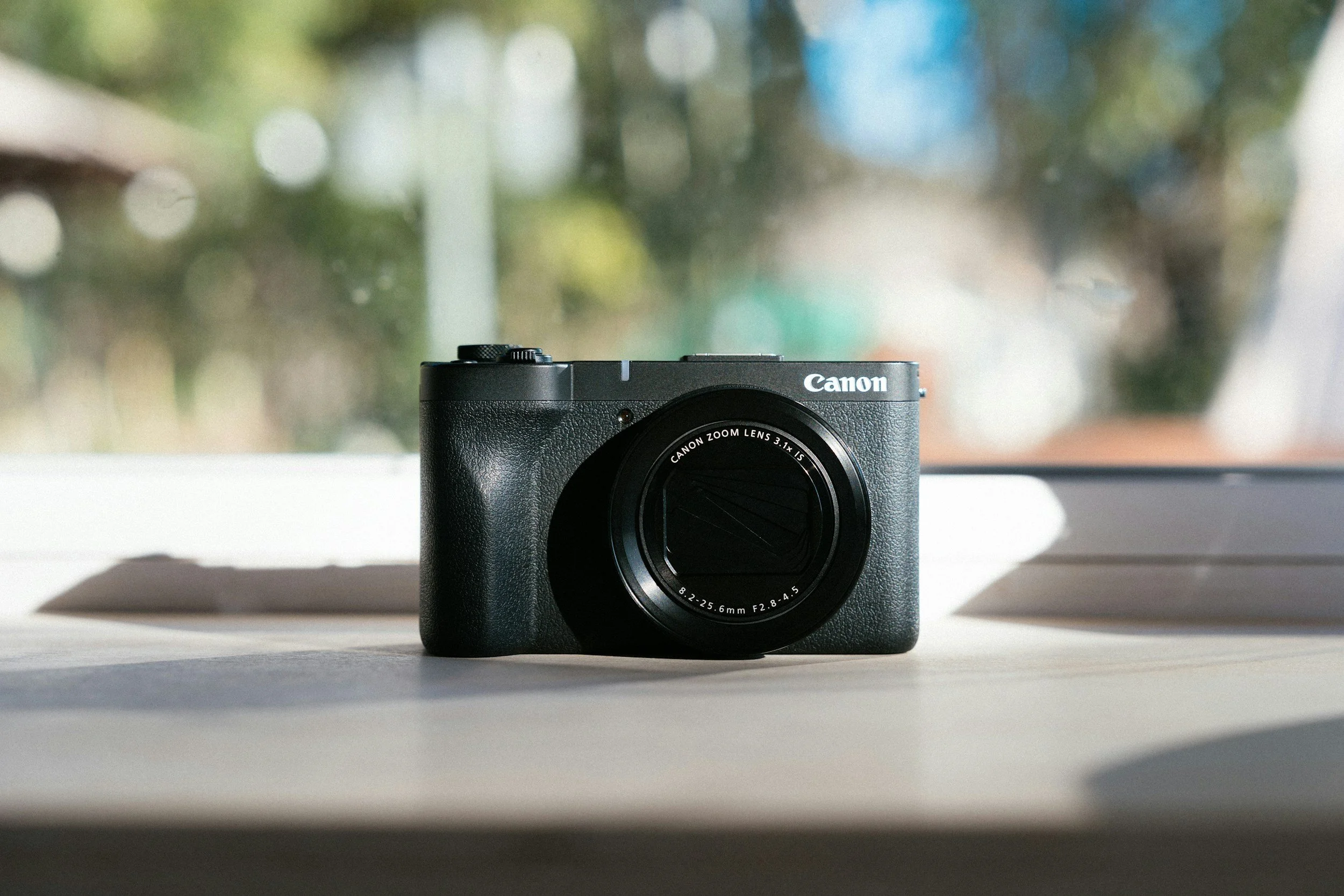
Travel and photography tend to go hand in hand, but not everyone wants to carry a full camera setup around all day. That is why this category is worth thinking about a little differently. For some travellers, a dedicated compact camera is absolutely worth packing. For others, the smarter choice is to improve what their phone can already do with one or two lightweight add-ons rather than introducing another device entirely.
Why it is worth packing
The value here comes down to one simple question: do you want better photos and videos than your phone can comfortably deliver on its own? If the answer is yes, a portable camera or a small smartphone photography accessory can be a genuinely worthwhile addition to your travel kit. It can help with low-light scenes, zoomed-in details, more stable video, sharper landscapes, and the kind of images that feel a little closer to how a place looked and felt in real life.
For many travellers, though, this does not necessarily mean carrying bulky camera gear. Smartphone cameras are now strong enough that small upgrades often make more sense than an entirely separate setup. A compact tripod, clip-on light, phone grip, or small gimbal can improve your content significantly without making your bag feel heavier. That is especially useful for city breaks, weekend trips, or fast-moving itineraries where convenience matters just as much as image quality.
A dedicated portable camera becomes more appealing when photography is part of the trip rather than just a way of documenting it. If you enjoy shooting street scenes, architecture, food, landscapes, or video content in a more deliberate way, a compact camera can give you more creative control while still remaining manageable enough to travel with.
What to look for
The most important thing is to be honest about how much gear you are realistically willing to carry. A camera that delivers excellent results but stays in your accommodation because it feels too awkward to take out all day is not especially useful. Portability matters just as much as performance, which is why compact models tend to make the most sense for travel. You want something small enough to carry comfortably, quick enough to use in the moment, and sturdy enough to cope with life on the road.
If you are sticking with your phone, think about what would improve your setup most. For some people, that is stability, which makes a small tripod or gimbal the best addition. For others, it is better light, easier framing, or a more comfortable grip for long shooting days. The aim is not to turn your phone into a full studio. It is to solve a specific frustration in a lightweight way.
Battery life is worth considering too, especially if you are filming a lot, editing on the move, or already relying heavily on your phone for navigation and tickets. Anything that adds another charging demand needs to justify its place in your bag. Ease of transfer also matters. If a camera makes it too annoying to move photos to your phone or laptop, you may find yourself using it less than expected.
Best for
A portable camera is especially worth considering for keen photographers, content creators, scenic road trips, wildlife travel, landscape-heavy itineraries, and trips where visual storytelling is a big part of the experience. Smartphone photography add-ons are ideal for travellers who want better photos or smoother video without committing to a whole separate camera setup.
This is one of those categories where there is no single right answer. For some travellers, the best choice is a compact camera they genuinely enjoy using. For others, it is simply making their phone setup a little more capable. Either way, the best travel photography gear is the gear you will actually carry, actually use, and actually enjoy having with you.
A Sleep and Comfort Gadget That Helps on Long Journeys
Not every travel gadget needs to be about charging, tracking, or staying online. Some are simply there to make the experience of getting from one place to another feel more bearable, and on long-haul flights, overnight trains, delayed layovers, and noisy hotel stays, that can be just as valuable. Sleep and comfort gadgets fall firmly into that category. They are not always essential, but the right one can make the difference between arriving drained and arriving feeling at least vaguely human.

Why it is worth packing
Long journeys have a way of being more tiring than the distance alone would suggest. It is not just the flight time or the train ride itself, but the broken sleep, background noise, bright cabin lights, stiff seats, and constant low-level discomfort that wears you down. A small comfort-focused gadget can help soften that. It will not transform economy into luxury, of course, but it can improve the parts of travel that are hardest to control.
This is especially true on trips where rest matters. If you land early and want to make the most of the day, have a tight itinerary, or are moving quickly between destinations, being able to sleep a little better in transit becomes far more useful than it might sound on paper. The same goes for travellers who struggle with light sleeping, sensory overload, or simply feeling wrecked after long journeys.
There is also something to be said for comfort as a form of practicality. Travel can be exciting, but it is often tiring in ways people underestimate. Anything that helps you rest properly, block out distractions, or feel a bit more settled can have a knock-on effect on the rest of the trip.
What to look for
The key here is to avoid overcomplicating it. The best comfort gadgets are usually small, light, and easy to pack without forcing you to rethink your whole bag. A sleep mask, a compact travel pillow, sleep headphones, or a simple white noise device can be enough to make a noticeable difference without taking up much space. The trick is choosing the one that solves the problem you actually have.
If noise is the issue, sleep earbuds or compact noise-masking gear may be more useful than anything else. If you struggle to get comfortable sitting upright, a supportive travel pillow may be the better investment. If hotel stays are often disrupted by street noise, thin walls, or unfamiliar surroundings, something that helps create a more restful sleep environment can be surprisingly valuable.
Comfort matters more than features here. Anything designed to help you rest needs to feel genuinely comfortable to use, otherwise it will end up abandoned halfway through a flight or left at the bottom of your bag. Portability matters too. If a gadget is too bulky, awkward, or fiddly, it stops feeling like a comfort and starts becoming another thing to manage.
Best for
Sleep and comfort gadgets are especially worth considering for long-haul travellers, overnight transport, multi-stop itineraries, digital nomads, light sleepers, and anyone who tends to find travel physically tiring. They are also useful for travellers trying to make the most of short trips, where arriving well-rested can make a big difference to how much you enjoy the first day.
This category is a good reminder that useful travel tech is not always about efficiency. Sometimes it is about protecting your energy, making the journey gentler, and helping you arrive in a better state to actually enjoy where you are going.
Small Safety and Organisation Tech Worth Considering
Not every useful travel gadget needs to be a headline item. Some of the best ones are the small, easy-to-overlook pieces of kit that quietly make a trip feel more organised, less stressful, and a little more secure. They are rarely the first things people think to pack, but once you have travelled with them a few times, they can become part of the routine.
Bluetooth trackers
A Bluetooth tracker is one of the simplest bits of travel tech you can carry, but it can be genuinely helpful. Slipped into a backpack, wallet, camera pouch, or even attached to your keys, it gives you a much better chance of locating important items quickly if they go missing. That can be useful in obvious situations, such as misplaced luggage, but also in the smaller, more everyday moments of travel: working out which bag is yours in a shared luggage rack, finding your room key in a chaotic tote bag, or locating your backpack in a crowded café or hostel room.
A digital luggage scale
A digital luggage scale is one of those gadgets that can save both money and hassle, especially if you are flying with stricter budget airlines or moving around with checked baggage. It helps take the guesswork out of packing and makes it much easier to avoid those last-minute airport repacks where half your suitcase ends up spread across the floor. It is not something every traveller needs, but for longer trips, shopping-heavy itineraries, or anyone who tends to push baggage limits, it can be surprisingly useful.
A mini torch or clip light
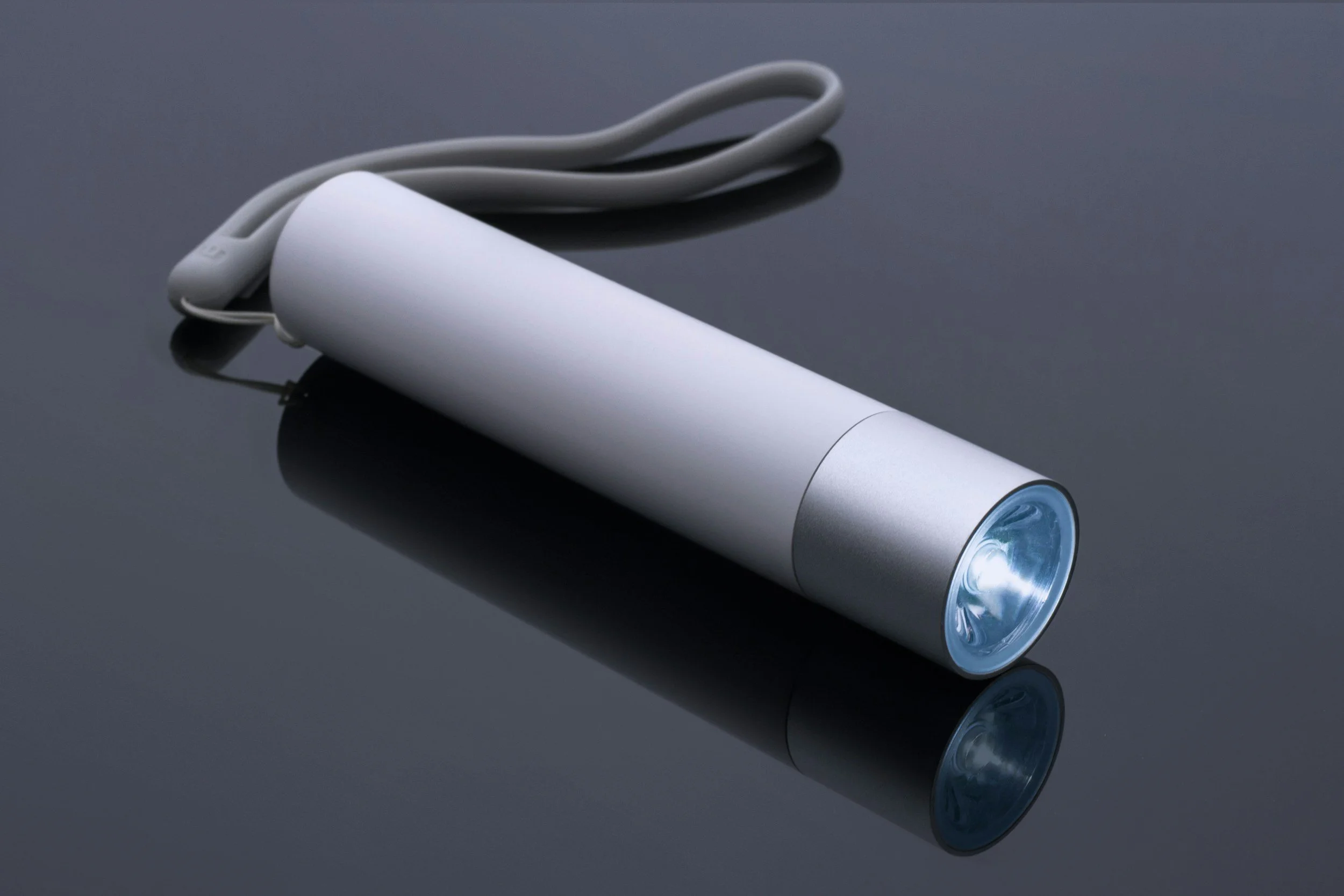
A small torch or compact clip light is easy to dismiss until you need one. It can come in handy on overnight transport, in dim hotel rooms, while sorting your bag without waking someone else, or when arriving late to accommodation with poor lighting. It is also useful for campers, road trippers, and travellers spending time in more remote areas. This is not a must-pack for every trip, but it is one of those low-space extras that can prove its worth quite quickly.
A cable organiser
Cables have a way of multiplying and tangling the minute you leave home. A simple cable organiser or tech pouch keeps everything contained and makes it far less likely that you will lose chargers, adapters, SD cards, or earbuds somewhere in your bag. More than that, it just makes your packing system feel cleaner. When everything has a place, travel becomes easier, especially on multi-stop trips where you are constantly unpacking and repacking.
A password manager or secure digital storage setup
This is less visible than other gadgets, but it is just as important. Travel often means logging into accounts from different locations, accessing bookings on the move, and relying heavily on your phone or laptop for important information. Having a secure way to store passwords, backup documents, copies of insurance details, and reservation confirmations can make things much easier if something goes wrong. It is not a gadget in the traditional sense, but it is absolutely part of a smart travel-tech setup.
Best for
These smaller pieces of travel tech are especially useful for organised travellers, frequent flyers, remote workers, multi-stop itineraries, and anyone who likes systems that make life on the road run more smoothly. None of them are dramatic, but that is exactly the point. They help prevent the small frustrations that can chip away at a trip, and they do it without taking up much space.
In many ways, this is where travel tech becomes most practical. Not in the flashy gear, but in the little things that quietly make a journey easier, tidier, and less stressful.
Travel Tech Gadgets That Are Worth It for Some Trips, But Not All
Some travel gadgets are close to universally useful. Others depend entirely on how you travel, where you are going, and what kind of trip you are taking. That does not make them bad buys. It just means they are worth thinking about a little more carefully before they earn a place in your bag. This is the category where travel style matters most, because the same gadget can feel indispensable on one trip and completely unnecessary on the next.
A portable Wi-Fi hotspot
A portable Wi-Fi hotspot can be very useful, but it is no longer the obvious essential it once was. For many travellers, an eSIM-ready phone now covers the same need in a simpler way. That said, hotspots still make sense for certain trips. If you are travelling with several devices, sharing data between multiple people, working remotely, or heading somewhere where you want a separate and reliable connection, a hotspot can be worth it. The downside is that it adds another device to charge, carry, and manage, so it tends to suit longer or work-heavy travel more than a casual city break.
A travel tripod
A travel tripod is another gadget that depends heavily on your habits. For photographers, content creators, solo travellers taking self-timed shots, or anyone filming video regularly, it can be genuinely useful. A good compact tripod can help with low-light photography, steadier video, and the freedom to set up shots without relying on strangers. But if you rarely use one at home, there is a fair chance you will not use it much while travelling either. It is worth packing when photography is part of the trip, not just an afterthought.
A laptop stand and compact keyboard
For digital nomads, remote workers, and long-term travellers, this setup can make a real difference. A laptop stand improves posture, a compact keyboard can make working more comfortable, and together they can turn a temporary setup in a café or apartment into something far more manageable. For a short holiday, though, it is probably excessive. This kind of gear makes sense when work is a meaningful part of the travel routine. If not, it can easily become unnecessary bulk.
A handheld steamer
A handheld steamer is one of those gadgets that sounds more niche, but it can be useful for certain kinds of travel. If you are travelling for weddings, events, business trips, or content-heavy campaigns where clothes need to look polished, it may feel worth bringing. For backpacking, city breaks, or most casual trips, though, it is hard to justify. It takes up space, needs power, and solves a fairly specific problem, so it tends to belong more in the occasional category than the everyday one.
A compact travel router
A travel router is not something most people need, but for certain travellers it can be genuinely handy. It can help create a more secure connection in hotels or short-term rentals, make it easier to connect several devices, and simplify awkward Wi-Fi setups. That is most useful for remote workers, frequent business travellers, or people who are especially particular about their internet setup. For the average leisure trip, it is usually more complexity than benefit.
Best for
This category suits travellers whose trips have a specific rhythm or demand. Remote workers, photographers, content creators, business travellers, and people on longer multi-purpose trips are the most likely to benefit. For everyone else, the key question is simple: will this gadget solve a real problem often enough to justify the space it takes up?
That is really the test for any travel tech. Not whether it is useful in theory, but whether it fits the way you actually move. The best setup is rarely the one with the most gadgets. It is the one that feels considered.
Travel Tech Gadgets You Probably Don’t Need
Travel gear has a habit of being marketed as essential far more often than it actually is. For every genuinely useful gadget, there is another that sounds clever online but ends up taking space, adding weight, or solving a problem that never really appears. One of the easiest ways to improve your travel tech setup is not by buying more, but by packing less carefully and being honest about what you will realistically use.
Bulky single-purpose gadgets
As a general rule, if a gadget only does one very specific thing and takes up noticeable space, it is worth questioning. Travel is usually easier when your gear is flexible, compact, and able to earn its place in more than one scenario. A chunky device that feels useful for one niche moment but otherwise sits untouched in your bag rarely justifies the room it takes up, especially if your phone or another item already covers something similar.
Duplicate charging accessories
It is very easy to overpack in this area. Spare cables, backup plugs, extra battery packs, and multiple charging bricks can start to pile up quickly, particularly if you are packing in a rush. In reality, most travellers do not need three versions of the same cable or a separate charger for every device. A better approach is usually to build one streamlined charging kit and trust it. More gear does not always mean more prepared. Quite often, it just means more clutter.
Cheap gadgets bought for “just in case”
This is where a lot of unnecessary travel kit comes from. Something seems useful in theory, gets added to the basket because it is inexpensive, and then spends the entire trip untouched. The problem is not only that these gadgets often go unused, but that they can make your whole setup feel more chaotic. Travel tech works best when it feels deliberate. If you are packing something mainly because you might possibly need it in an unlikely scenario, it is often worth reconsidering.
Oversized camera gear you will not carry
This one depends on the traveller, of course, but many people pack more photography gear than they actually want to use day to day. If a camera, lens, or accessory is so bulky that you already know you will leave it behind most mornings, it may not be the right fit for the trip. Unless photography is a real priority, a lighter setup often leads to better results simply because you are more likely to have it with you.
A laptop for trips that do not require one
Laptops are incredibly useful when work is part of the journey, but for many holidays they are packed out of habit rather than necessity. If your phone or tablet already covers the basics you need, carrying a laptop can be extra weight, extra charging, and extra worry for very little benefit. It is worth asking whether you need it for the trip you are taking, rather than the one you imagine you might take.
Too many “comfort” gadgets at once
A comfort item that helps you sleep or travel more easily can absolutely be worth packing. The problem tends to come when several of them go in the bag together. A travel pillow, blanket, footrest, sleep device, massage gadget, and half a dozen extras can quickly turn a simple journey into something that feels over-equipped. The best comfort gadgets are usually the ones that solve your biggest discomfort, not every possible one.
Best mindset to take
The easiest way to avoid overpacking travel tech is to think in terms of function rather than category. Instead of asking what gadgets people recommend, ask what problems you want to solve. Do you need better battery life, easier charging, more reliable connection, improved sleep, or better photo quality? Once you know the answer, the list becomes much shorter.
In most cases, the best travel tech setup is not the one with the most impressive kit. It is the one that feels light, reliable, and easy to live with from one day to the next. The less your gear gets in the way, the more it is probably doing its job properly.
How to Pack Travel Tech Without Creating Clutter
The difference between useful travel tech and annoying travel tech often comes down to how you pack it. Even a well-chosen setup can start to feel chaotic if cables are tangled, chargers are scattered across different bags, and every device seems to need something different at the worst possible moment. The goal is not just to bring the right gadgets, but to make them easy to carry, easy to access, and easy to manage once the trip begins.
Build one small charging pouch
One of the simplest ways to keep travel tech under control is to give it a dedicated place. A small charging pouch or tech organiser makes a huge difference because it stops cables, plugs, adapters, earbuds, and battery packs from drifting into random pockets of your bag. It also means you always know where your essentials are, whether you are charging devices in an airport lounge, a hostel bunk, or a hotel room with one awkwardly placed socket behind the bed.
This does not need to be elaborate. In many cases, a simple zip pouch is more than enough. What matters is that your core charging setup lives in one place, so packing and unpacking feels easy rather than messy.
Keep batteries and daily essentials easy to reach
Anything you are likely to need in transit should be easy to access without unpacking half your bag. That usually means your power bank, charging cable, headphones, and phone should be close at hand rather than buried under clothes or packed deep into a backpack. It makes airports, train stations, and long travel days much smoother when the items you actually use most are not the hardest to reach.
This is especially important with tech that you may need quickly, such as a dead phone before boarding, headphones on a noisy journey, or a battery pack during a long day out. The easier your setup is to reach, the more useful it becomes in practice.
Avoid duplicate gadgets
Clutter often comes less from essentials and more from overlap. Two battery packs, three charging bricks, several spare cables, and multiple devices that do roughly the same thing can quickly make your setup feel heavier than it needs to be. A cleaner approach is to choose one strong option in each category and build around that. One reliable power bank, one good universal adapter, one tidy cable setup, and the devices you genuinely use will usually serve you much better than a bag full of backups.
The same logic applies across the rest of your tech. If your phone already covers maps, entertainment, reading, photography, and planning, you may not need extra gadgets that repeat those functions unless they offer a clear improvement.
Standardise where you can
Travel tech becomes much easier to manage when fewer devices need different cables and chargers. If you can gradually move towards a setup where multiple gadgets use the same cable type, everything starts to feel simpler. You carry less, charge more easily, and spend less time sorting through cables that all look different but somehow are never the one you need.
You do not need to rebuild your tech setup overnight, but when choosing new gadgets, it is worth considering how well they fit into the system you already travel with. Compatibility is one of those things that does not sound exciting, but it makes a real difference on the road.
Pack for your trip, not every possible scenario
This is where clutter often creeps in. A traveller heading off for a weekend city break does not need the same setup as someone working remotely for a month across several countries. The more your travel tech reflects the actual needs of the trip, the more useful it will feel. The best travel setups are usually the ones that have been edited down to what matters, rather than built around every possible what-if.
Packing smarter often means being a little ruthless. If a gadget does not suit the trip, or if you already know it is unlikely to leave your accommodation, it is probably not worth carrying.
Focus on systems, not just gadgets
Ultimately, good travel tech is less about having lots of clever equipment and more about creating a setup that works smoothly. When everything has a place, charges easily, and supports the way you travel, it fades into the background in the best possible way. That is really the aim: not to think about your gadgets all the time, but to have them ready when you need them and forget about them when you do not.
“The best travel tech gadgets are not always the flashiest, the newest, or the most heavily marketed. More often, they are the quiet problem-solvers: the power bank that keeps your phone alive through a long travel day, the adapter that works wherever you land, the headphones that make a noisy flight feel calmer, or the tracking device that gives you a bit more peace of mind when plans go sideways. Their value comes less from novelty and more from usefulness.
That is really what makes travel tech worth packing in 2026. It should support the trip, not complicate it. The right gadgets make travel smoother, lighter, and more flexible, helping you stay connected, organised, comfortable, and ready for whatever the day brings. The wrong ones just add clutter.
If there is one good rule to follow, it is this: pack for the way you actually travel. Choose gear that solves real problems, earns its place in your bag, and fits naturally into your routine. Do that well, and your travel tech will feel less like extra stuff and more like a smart, lightweight toolkit for life on the move.”