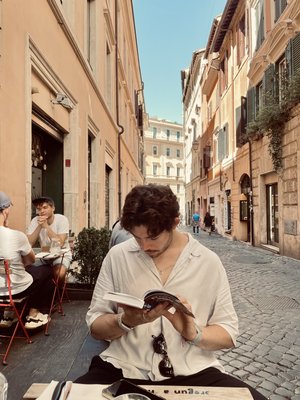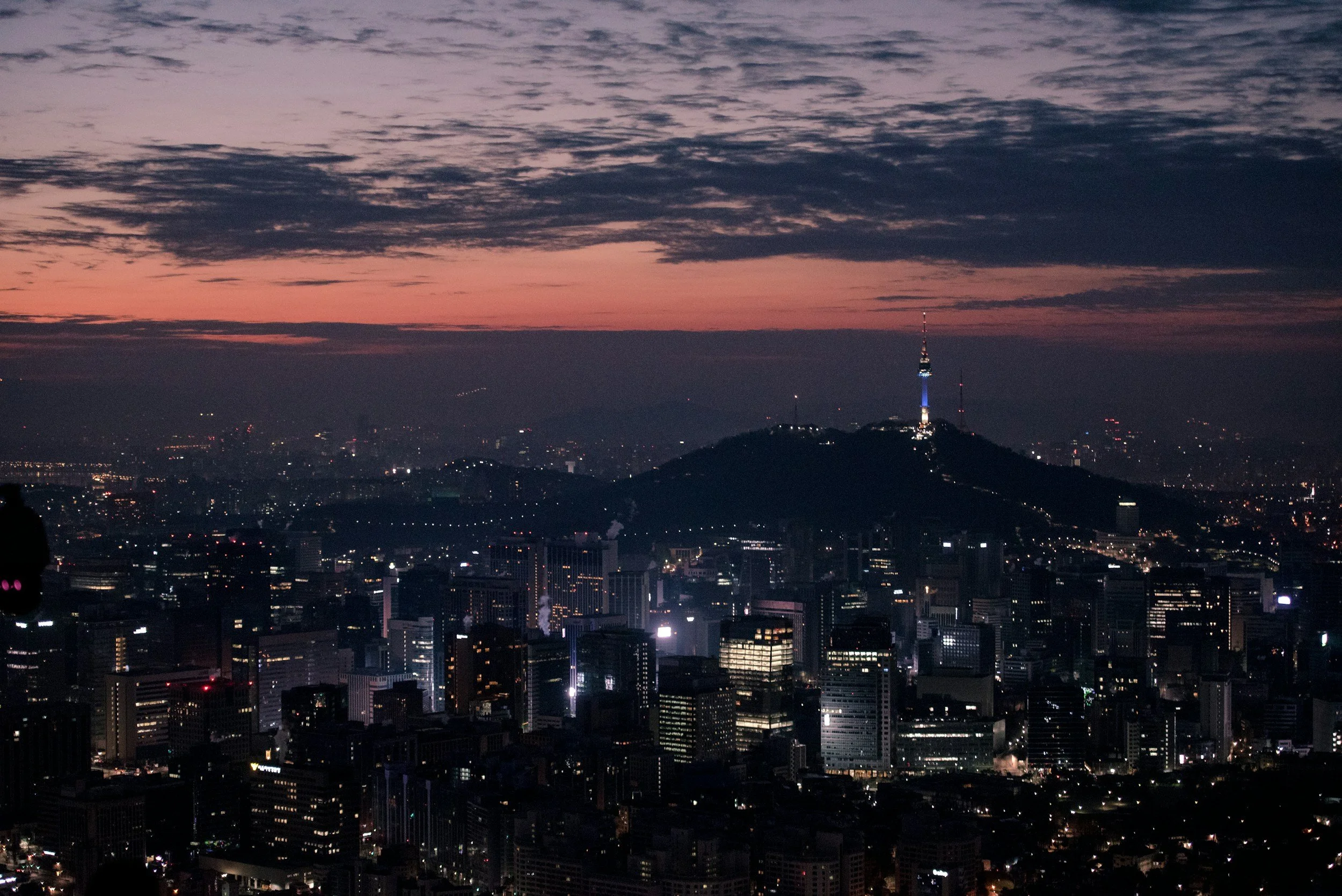
Seoul is a city you come to understand through eating. Through the hiss of grills at dinnertime, the steam rising from market stalls, the small side-street restaurants filled long before the evening is over, and the cafés where people linger as though coffee were never meant to be rushed. Food here is not separate from the life of the city. It is part of its rhythm, part of its texture, and often part of the memories that stay with you longest.
What makes Seoul such a compelling place to eat is not just the number of dishes you could try, but the range of experiences wrapped around them. One moment you are stepping into a market for something hot, quick, and comforting, surrounded by noise, movement, and the smell of frying batter or simmering broth. The next, you are sitting down to a meal built for sharing, with plates covering the table and the evening stretching further than expected. Elsewhere, the city slows down over coffee and pastries, in neighbourhood cafés that feel just as much a part of Seoul’s identity as its barbecue restaurants and food alleys.
It is also a city where what you eat is often shaped by where you are. In one neighbourhood, the day begins with coffee, baked goods, and a quieter start before the streets fully wake up. In another, it unfolds through market snacks, old-school eateries, and meals that feel tied to the city’s longer history. Elsewhere, evenings revolve around grilled meat, fried chicken, soju, and streets that seem to grow louder and livelier as the night goes on. Food in Seoul is not only about signature dishes. It is about mood, routine, and the particular energy of the area you find yourself in.
That is why this guide looks at Seoul through more than just a list of what to order. It is built around the way the city actually eats: through its food culture, its markets, its classic dishes, its café life, its drinking traditions, and the neighbourhoods where all of those things come into focus. The aim is not simply to tell you what to try, but to help you move through Seoul in a way that feels more connected to the place itself, whether that means a market breakfast, a long barbecue dinner, a late-night plate of fried chicken, or a quiet coffee between one part of the city and the next.
Seoul’s food culture and how locals eat
Food in Seoul is rarely just about what is on the table. It is about the shape of the evening, the pace of the street outside, the neighbourhood you are in, and the way a meal can begin as something practical and turn into something far more memorable. A bowl of noodles on a cold afternoon, smoke curling above a barbecue table, a late stop for fried chicken and beer, coffee stretched out longer than planned in a neighbourhood café — these moments are part of how the city is experienced. In Seoul, eating is not simply woven into daily life. It helps define its rhythm.
Why food matters so much in Seoul
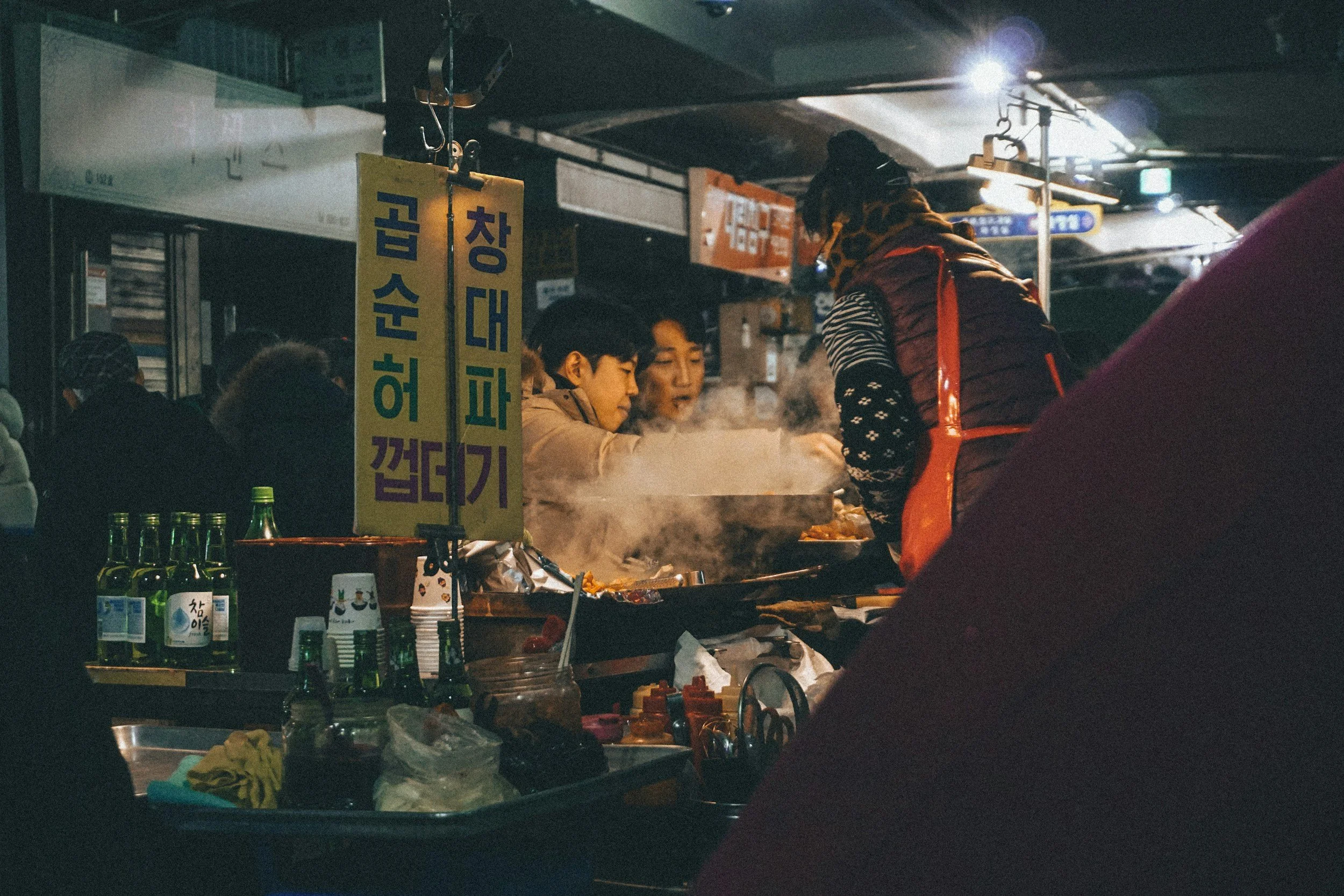
To understand Seoul properly, it helps to pay attention to when and how people eat, not just what they order. Food anchors the day here. It gives shape to working routines, social lives, family traditions, and the atmosphere of entire neighbourhoods. Office districts fill with lunch crowds, market lanes hum from morning, and in the evening the city seems to reorganise itself around dinner plans, shared tables, and streets that grow louder as the night goes on.
That is part of what makes Seoul such a rewarding food city. You are not simply moving from one famous dish to the next. You are stepping into the habits and moods that hold the city together. Some meals feel quick, local, and deeply everyday. Others stretch into the night, accompanied by conversation, drinks, and more dishes than you expected to order. Either way, food is rarely treated as incidental. It is part of the day’s structure, and often one of its highlights.
Shared meals, banchan, and table culture
One of the first things many travellers notice in Seoul is how much eating is built around sharing. Meals often arrive in layers rather than all at once, with banchan covering the table, grilled meat sizzling in the centre, stews bubbling away, and everyone reaching across for a little of everything. Even before the main dish settles in, the table already feels full. There is generosity in that style of eating, but also rhythm. The meal unfolds gradually, and the experience of sharing it matters just as much as the food itself.
That is why some of Seoul’s most memorable meals are the ones you settle into rather than rush through. Korean barbecue is the most obvious example, but it runs deeper than that. Jeon, stews, grilled fish, drinking dishes, and many of the city’s classic comfort foods make the most sense in company, when the table becomes part of the experience rather than simply a place to sit. In Seoul, food often feels collective, and that gives even an ordinary dinner a stronger sense of occasion.
Solo dining, quick meals, and everyday eating
At the same time, Seoul understands the value of a meal that is simple, quick, and exactly what you need in the moment. For every long dinner built around sharing, there is another side to the city shaped by noodle shops, dumpling spots, kimbap counters, soup restaurants, and small local places where a meal is fast, satisfying, and part of the everyday flow. That balance is one of the reasons Seoul works so well as a food city. It can be sociable and ceremonial when the occasion calls for it, but it can also be deeply comforting in a quieter, more ordinary way.
For travellers, that means some of the best food moments are not always the grandest ones. They happen between plans, in older market alleys, in tiny restaurants with laminated menus, or in the kind of place you might have walked past if you were only chasing names you already knew. Seoul is full of food that feels immediate and unfussy, and learning to appreciate that side of the city is part of eating well here.
Drinking culture: soju, beer, and makgeolli
In Seoul, evenings are rarely shaped by food alone. They are shaped by what is poured alongside it, by the places people gather after work, and by the way dinner often becomes the beginning of the night rather than its final stop. Soju and beer are the obvious constants, but makgeolli still carries its own place too, especially in settings that feel a little more traditional or rooted in older drinking culture. What matters most is that drinking in Seoul tends to be social, tied closely to food, and often folded naturally into the wider rhythm of the evening.
That is why nights out in Seoul can feel so fluid. A barbecue dinner leads to another round somewhere else, fried chicken and beer turn into a longer evening than expected, or a simple meal in an older street becomes part of a night that keeps unfolding. In some neighbourhoods, that energy feels youthful and loud; in others, it feels slower, more nostalgic, and more tied to long-established local habits. Either way, food and drink are rarely separate worlds here. Together, they give Seoul some of its warmth, its sociability, and much of its after-dark character.
Traditional markets and classic food experiences
To understand how Seoul eats, it helps to step into its markets. Not because every meal in the city happens there, but because markets still offer one of the clearest windows into Seoul’s food culture at its most immediate: louder, faster, more tactile, and deeply tied to habit as much as hunger. This is where recipes that have travelled through generations sit beside snacks made to be eaten standing up, where lunch can be as simple as a bowl of noodles or as memorable as the place you ate it, and where the city feels less curated and more alive.
Markets in Seoul are not just about ticking off famous bites. They are about atmosphere, rhythm, and the pleasure of eating in places where food still feels woven into ordinary life. Some are chaotic and crowded, full of sizzling stalls and quick decisions. Others unfold more slowly, with food alleys, long-running vendors, and dishes that feel more rooted in routine than trend. For travellers, they offer something that restaurants alone often cannot: a way into the city’s older food culture, and a reminder that some of Seoul’s most memorable meals are also its most unpretentious.
Gwangjang Market
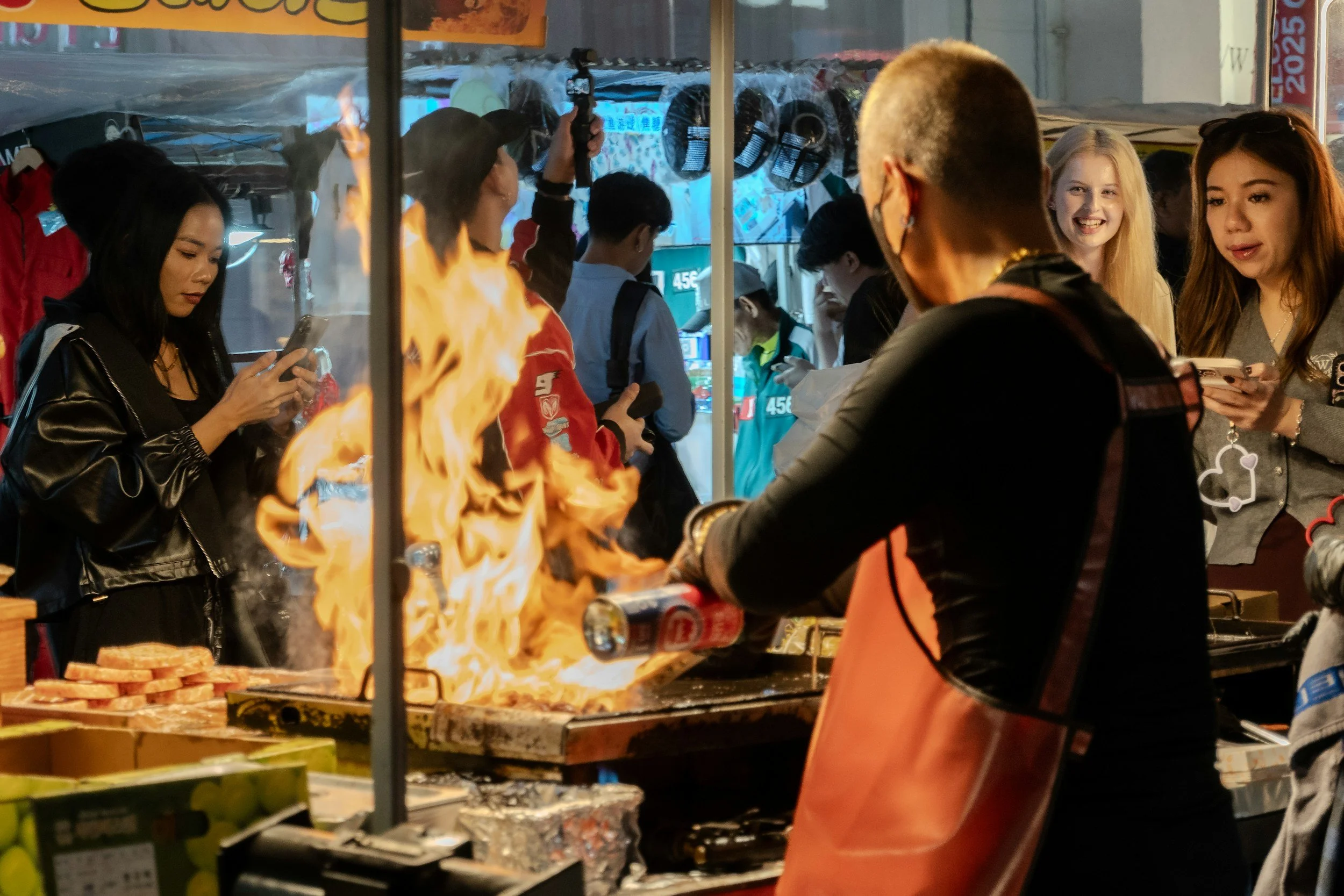
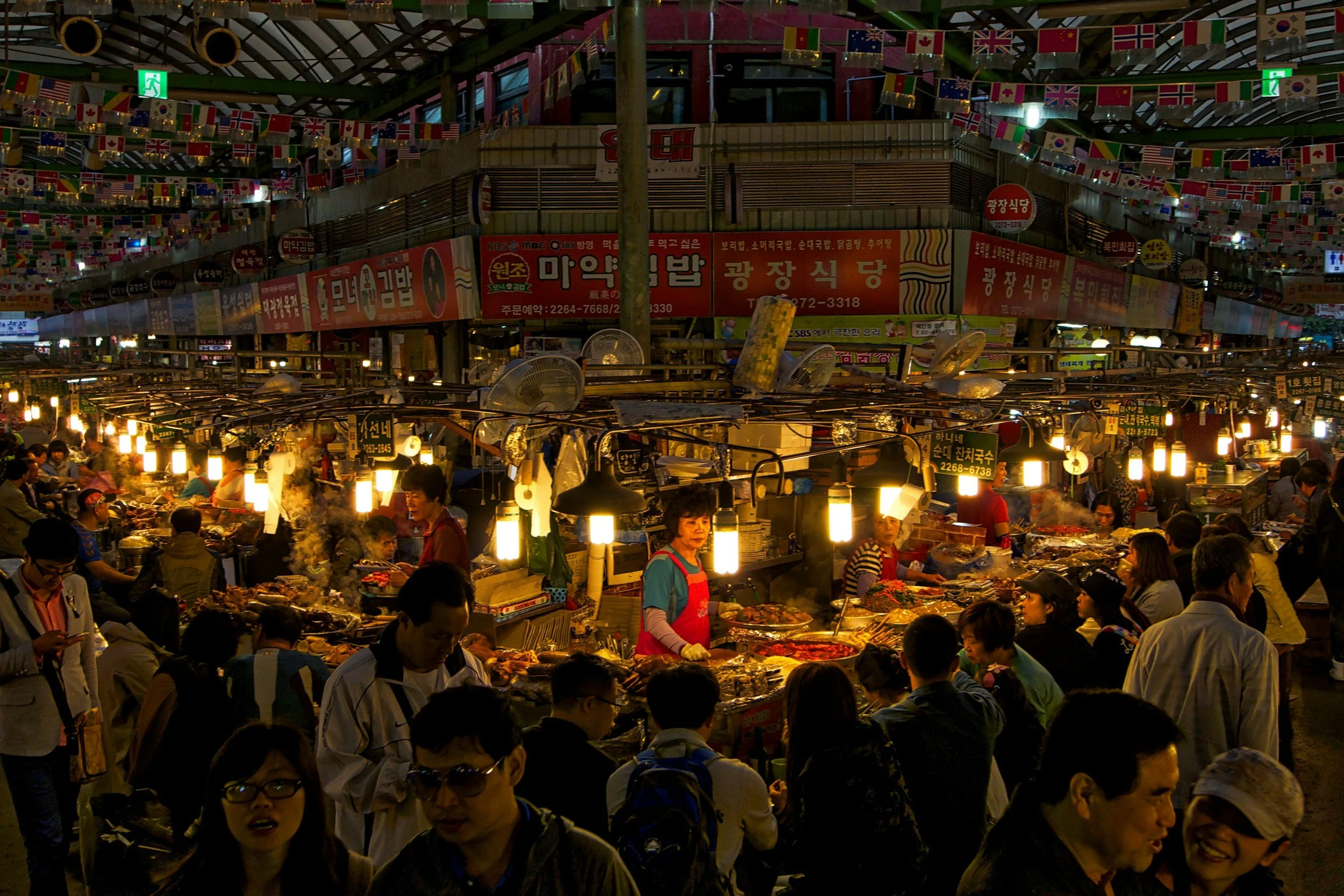
Gwangjang Market is often the first name travellers hear, and in this case the popularity is deserved. It is one of Seoul’s most iconic food markets, known for its energy, its covered lanes, and the feeling that wherever you look, someone is eating something worth noticing. This is the place for market food with a bit of theatre to it: plates passed quickly across counters, batter hitting oil, noodles being prepared in full view, and rows of diners perched shoulder to shoulder.
What makes Gwangjang work is that it feels like more than a collection of famous stalls. It is noisy, busy, and sometimes a little overwhelming, but that is part of the point. You come here to eat in the middle of the action, to try classic market dishes, and to experience Seoul in one of its most animated food settings. It is particularly good for first-time visitors because it offers such an immediate introduction to the city’s street and market food culture, even if it is best enjoyed with a little patience and a willingness to follow your senses rather than a fixed plan.
Namdaemun Market
If Gwangjang feels like a market many travellers build into their plans, Namdaemun feels more tied to the everyday flow of the city around it. It is vast, layered, and less polished in the best possible way, with food woven into the wider life of the market rather than separated from it. This is the kind of place where lunch feels practical, traditional, and deeply rooted, and where long-established food alleys give the market much of its character.
Namdaemun is especially worth seeking out for travellers who want to experience a more old-school side of Seoul’s food culture. It feels less performative and more habitual, the sort of place where dishes have earned their reputation by feeding people well for years rather than by becoming highly photographed. There is real warmth in that. The market may not always feel as immediately cinematic as Gwangjang, but it often leaves a deeper impression because it feels so closely tied to the city’s everyday appetite.
Food alleys and old Seoul flavours
Beyond the major markets, Seoul reveals itself through smaller food streets and long-established eating alleys that feel like a city within the city. These are the places where meals can feel more local, more specific, and more closely linked to neighbourhood identity. Some are known for noodles, others for grilled dishes, dumplings, soups, pancakes, or late-night drinking food, but what they tend to share is a sense of continuity. They feel built around appetite, routine, and repetition rather than reinvention.
This is often where Seoul feels most rewarding for travellers who enjoy wandering with curiosity rather than racing between mapped-out stops. The city’s food culture is full of these quieter classics: streets where one dish dominates, markets where the same recipes have been made for decades, and restaurants that do not need to explain themselves because the neighbourhood already knows what they are there for. These places may not always be the most polished or the most famous, but they often deliver the version of Seoul that feels most grounded.
How to approach Seoul’s markets well
The best way to experience Seoul’s markets is to arrive with curiosity rather than a checklist. Go hungry, but not so hungry that you rush. Be open to sharing, to ordering one thing at a time, and to letting the market guide you a little. Some of the most memorable moments come from following a smell, spotting a queue, or choosing the stall that simply feels busiest and most alive. Markets here are not only about efficiency. They are about atmosphere, small decisions, and the pleasure of eating as you move.
They are also worth visiting at different times of day depending on the mood you want. Earlier visits can feel calmer and more everyday, while busier periods bring more noise, energy, and that unmistakable market hum. Either way, they offer one of the clearest introductions to Seoul’s food culture: direct, sociable, and full of the kind of meals that feel inseparable from the city itself.
The dishes to know in Seoul
A city like Seoul is impossible to reduce to one defining dish, because eating here is less about finding a single signature and more about understanding the range of moods the food can hold. Some meals are warming, practical, and deeply comforting, the kind of things you crave on cold days or after long walks through the city. Others are designed to be shared, grilled, wrapped, and eaten slowly as the table fills around you. Then there are the snacks, the market staples, the late-night favourites, and the dishes that seem to belong to a particular season, neighbourhood, or hour of the day.
The best way to approach Seoul’s food scene is not to treat it like a checklist, but there are certain dishes that help unlock the city. Some speak to its everyday habits, others to its more social side, and others to the kind of comfort food that makes sense almost as soon as you taste it. Together, they begin to show the breadth of what eating in Seoul can look like.
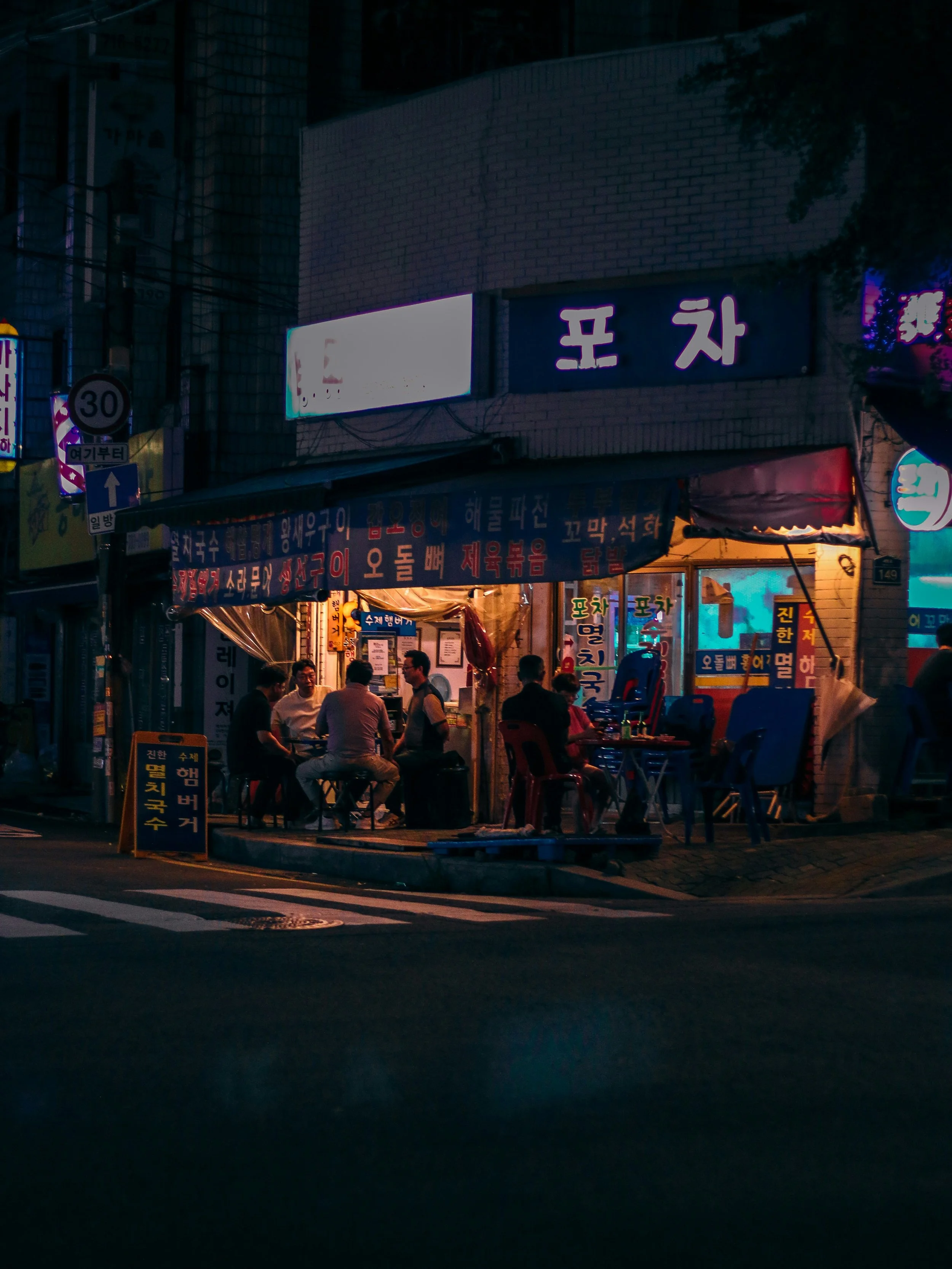
Warm, comforting classics
Some of Seoul’s most satisfying dishes are the ones built around warmth, depth, and the feeling of being restored by the time the bowl is empty. Kimchi jjigae is one of the clearest examples: deeply savoury, gently sour, and the sort of stew that feels tied to everyday life rather than performance. It is not flashy, but it is one of those dishes that tells you a great deal about Korean food culture in a single meal. The same goes for samgyetang, the nourishing ginseng chicken soup that feels especially comforting when you want something hearty and restorative.
Kalguksu, with its knife-cut noodles and soothing broth, belongs in the same category. So does a good plate of mandu, whether steamed, boiled, or pan-fried, especially when eaten somewhere unpretentious in between plans. Bibimbap, meanwhile, offers something slightly different: balance, colour, texture, and a sense of order within the bowl, even if Seoul itself rarely feels orderly for long. These are the kinds of dishes that anchor the guide because they reveal the city at its most comforting and most rooted.
Grilled and shared favourites
Then there is the side of Seoul that gathers around the table and lingers there. Samgyeopsal is the obvious starting point, not only because grilled pork belly is so widely loved, but because it captures something essential about how eating in Seoul often works. The grill is in the middle, the table fills with banchan, everyone reaches across, wraps are assembled one by one, and the meal becomes as much about rhythm and conversation as it is about the meat itself.
Galbi brings a similar pleasure, though with a slightly different feel, while dakgalbi adds spice and theatre to the table. Korean barbecue in general is one of the defining eating experiences in Seoul, not simply because it is delicious, but because it invites you into the city’s social dining culture so fully. It turns dinner into an event, and for many travellers, those are the meals they remember most clearly afterwards.
Market and street food staples
Seoul also knows how to feed you quickly, memorably, and with just enough chaos to make the experience part of the appeal. Tteokbokki is one of the great city snacks: spicy, chewy, warming, and easy to crave again after the first bite. Kimbap is its own kind of staple, practical and satisfying, whether eaten as a quick lunch, a market snack, or something to keep the day moving. Then there are the foods that appear again and again in markets and street settings — hotteok, twigim, jeon, and dumplings — each one adding another piece to the city’s everyday appetite.
These are not always the dishes travellers talk about most afterwards in a grand culinary sense, but they are often the ones that become folded into the memory of the trip itself. A snack eaten standing in a busy market lane, something fried on a cold evening, a quick bite before getting back on the subway — this side of Seoul matters because it reflects how the city keeps moving while still eating well.
Cold dishes and seasonal favourites
Not everything in Seoul’s food culture is built around warmth. Naengmyeon, with its cold noodles and refreshing sharpness, offers an entirely different mood, especially in warmer weather or after a heavier meal. It is one of those dishes that can feel surprising at first if you are unfamiliar with it, but once it clicks, it becomes easy to understand why it holds such a strong place in Korean eating culture.
This is also part of what makes Seoul so interesting as a food city. It is not locked into one flavour profile or one way of eating. There is room for soothing soups and icy noodles, grilled meat and delicate dumplings, rich stews and light market bites, all depending on the season, the setting, and the kind of appetite the day has left you with.
Late-night favourites
After dark, Seoul starts to eat a little differently. Fried chicken becomes less just a dish and more part of the evening itself, especially when paired with beer and shared across a table that no one is in a hurry to leave. Late-night food in the city often leans into comfort, salt, heat, and the kinds of flavours that make sense alongside drinks. That might mean grilled dishes, soups, anju, or simple plates ordered because the night has gone on longer than expected and no one is ready to call it yet.
This is one of the most enjoyable parts of eating in Seoul because it shows how naturally food slips into the city’s after-dark rhythm. Dinner is not always a neat, self-contained event. It can stretch, shift, and open into something else. A plate of fried chicken in Hongdae, grilled meat in a busy local restaurant, or a final stop for something warming before heading home — these are all part of the way Seoul feeds the night.
How to approach the classics
The easiest mistake in Seoul is to chase only the dishes you already know by name. It is worth trying the classics, of course, but it is just as worth noticing where they make the most sense. Some foods belong in markets, some at barbecue tables, some in older neighbourhood restaurants, and some in the slower rhythm of an afternoon café break or a late-night stop. In Seoul, context matters almost as much as the dish itself.
The real pleasure comes when the food starts to feel inseparable from the city around it. A bowl of kalguksu on a grey day, tteokbokki from a market stall, samgyeopsal in a lively evening district, naengmyeon when the weather turns warm — that is when Seoul begins to taste like more than a list of things to try. It begins to taste like the city itself.
Best neighbourhoods for food and drink
One of the reasons Seoul is such a rewarding city to eat in is that food changes with the neighbourhood. The city does not offer one single dining scene so much as a series of different moods: older streets built around long-running local restaurants, market districts where eating still feels woven into daily routine, nightlife areas where dinner becomes the start of the evening, and café-heavy neighbourhoods where coffee and dessert shape the pace of the day.
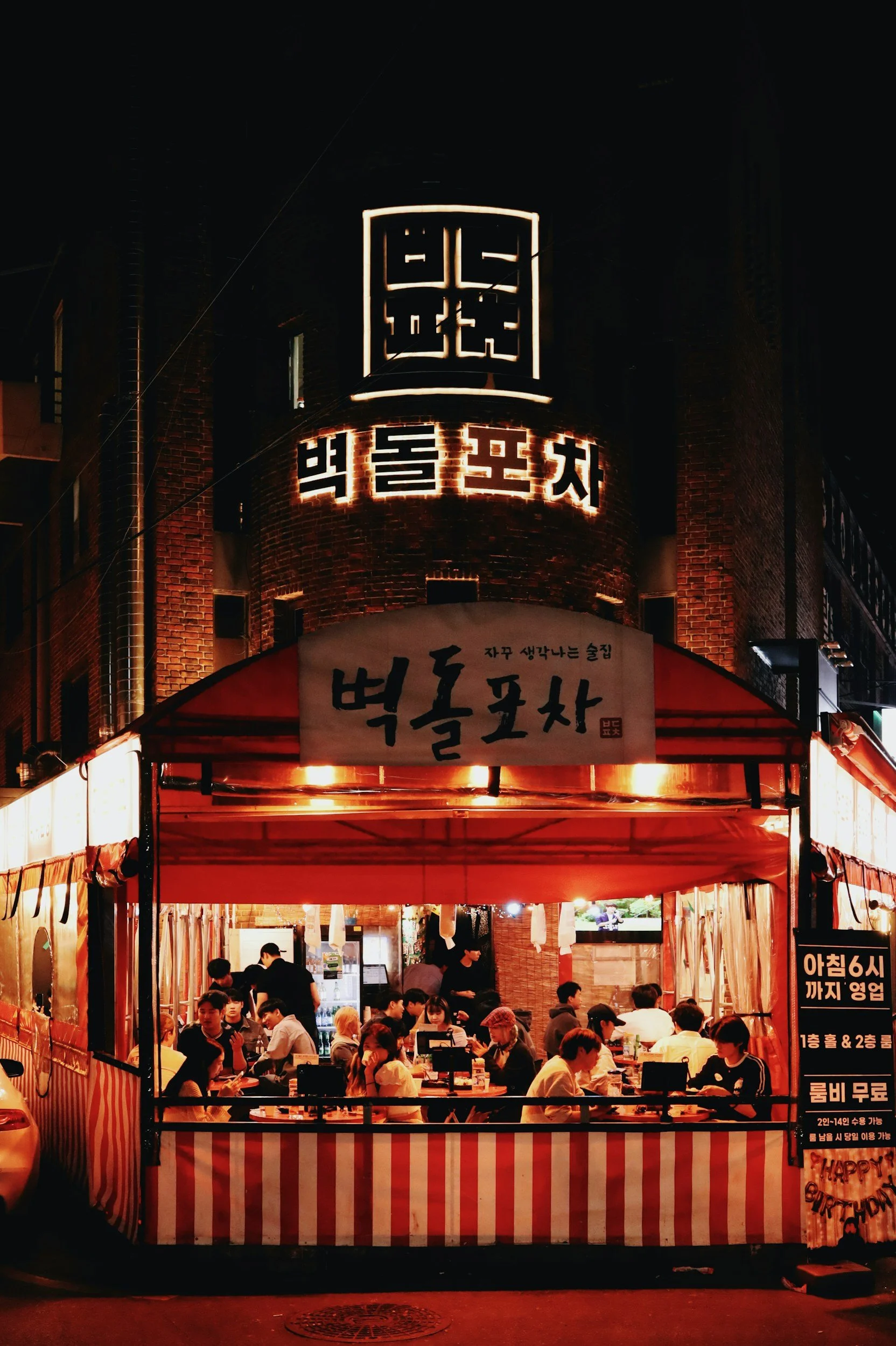
Jongno and Euljiro
If you want food in Seoul to feel tied to the city’s older rhythms, Jongno and Euljiro are hard to beat. This is where meals often feel more rooted than curated, whether that means old-school restaurants, food alleys, or evenings that begin with something simple and turn into a longer night. Euljiro in particular has become closely associated with after-dark eating and drinking, especially around Euljiro Nogari Alley, where cold beer and simple anju set the tone for the neighbourhood. It is a strong area for travellers who want atmosphere, classic flavours, and a side of Seoul that still feels a little rough-edged in the best way. For a dependable barbecue stop nearby, Ouga is a useful name to know if you want a central, reliable Korean barbecue experience without straying too far from the city’s historic core.
Hongdae and Yeonnam-dong
Hongdae and Yeonnam-dong are among the easiest parts of Seoul to enjoy if you like food and drink woven into a lively, walkable neighbourhood. Hongdae brings the louder energy, with casual dining, bars, late-night options, and streets that stay busy well into the evening. Yeonnam-dong softens that mood with a stronger café and brunch culture, smaller restaurants, dessert spots, and a more relaxed pace that still feels social. Places such as Café Layered Yeonnam and Antique Coffee Yeonnam reflect that side of the neighbourhood well, where bakeries, brunch spots, and dessert cafés all sit close together. If you want something more casual and crowd-pleasing, Bittle’s Pizza Yeonnam also fits the area’s laid-back, social feel nicely.
Itaewon and Hannam-dong
For a more international, polished, and design-conscious side of Seoul’s dining scene, Itaewon and Hannam-dong stand out. Itaewon has long been known for its range, diversity, and nightlife, while Hannam-dong increasingly feels like one of the city’s key areas for stylish cafés, gourmet restaurants, and slower, more considered eating. If you want to weave in actual names, Passion 5 is one of the area’s best-known bakery stops, sobb works well for brunch, and Soseoul Hannam adds a more refined recommendation for readers interested in Seoul’s polished dining scene. This is a strong choice for long dinners, interesting restaurants, and a more contemporary urban feel.
Myeong-dong and Namdaemun
Myeong-dong and nearby Namdaemun make sense for travellers who want food to feel accessible, central, and easy to fold into a first trip. Myeong-dong is good for quick wins: street snacks, casual restaurants, dessert stops, and the kind of convenient eating that works well between plans. Namdaemun adds more depth, with a stronger connection to traditional market eating and old Seoul food culture, especially around Kal-guksu Alley and the market’s long-established food lanes. This part of the city may not be the most distinctive dining base overall, but it is a practical and rewarding one, especially if you want market food, classic dishes, and a straightforward starting point.
Seongsu-dong
Seongsu-dong is one of Seoul’s most enjoyable areas for café-hopping, bakery stops, and modern, design-led dining. Much of its appeal lies in spaces that feel inseparable from the neighbourhood’s creative identity, from Seongsu Café Street to warehouse-style venues such as Daelim Warehouse. If you want to add more specific names, Grandpa Factory and CaféCité help paint that picture of Seongsu as a neighbourhood built around atmosphere as much as appetite. It is the part of Seoul where long coffees, stylish lunches, and design-led stops can easily shape the whole day.
Gangnam and Apgujeong
Gangnam and Apgujeong lean towards Seoul at its more polished and trend-aware. This is where food and drink often intersect with shopping, beauty culture, and a more lifestyle-led way of moving through the city. Restaurants and cafés here can feel sleek, contemporary, and style-conscious, which will appeal to some travellers more than others. If you want to include a standout barbecue recommendation, Ggupdang is a strong one to mention. It is not always the part of Seoul that feels most grounded in old food culture, but it can be a strong fit if you are drawn to refined dining rooms, smart coffee spots, and a more modern expression of the city’s appetite.
Which area suits which kind of eater?
If you want market food and classic local atmosphere, head towards Jongno, Euljiro, and Namdaemun. If you want cafés, bars, and a younger, more social energy, Hongdae and Yeonnam-dong are some of the city’s easiest neighbourhoods to enjoy. If dining is one of the main reasons for the trip, and you want that to come with design, nightlife, and a more polished feel, Itaewon, Hannam-dong, Seongsu, and parts of Gangnam all make sense for different reasons. Seoul rewards variety, though, and the best way to eat here is rarely to stay in just one lane. It is to let different neighbourhoods show you different sides of the city.
Cafés and coffee culture
Seoul is one of those cities where coffee is not just a pause in the day, but part of the day’s shape. A café stop here can be practical, social, aesthetic, or quietly restorative depending on the neighbourhood, the hour, and the mood of the street outside. In some parts of the city, cafés feel woven into creative life and browsing culture, sitting inside converted industrial spaces or beside design stores and pop-ups. In others, they feel calmer and more reflective, closer to tea houses, hanok views, and slower afternoons. That is part of what makes Seoul such a rewarding city to drink your way through. Its café culture is not one thing, but many different moods spread across the city.
What makes it so distinctive is that cafés in Seoul rarely feel limited to coffee alone. They often carry a stronger sense of identity than they do in many other cities. Some are built around roasting and specialty coffee, others around architecture, desserts, tea programmes, or the atmosphere of the room itself. In Seoul, cafés are often destinations in their own right rather than quick places to pass through, and that shapes the wider rhythm of the city beautifully.
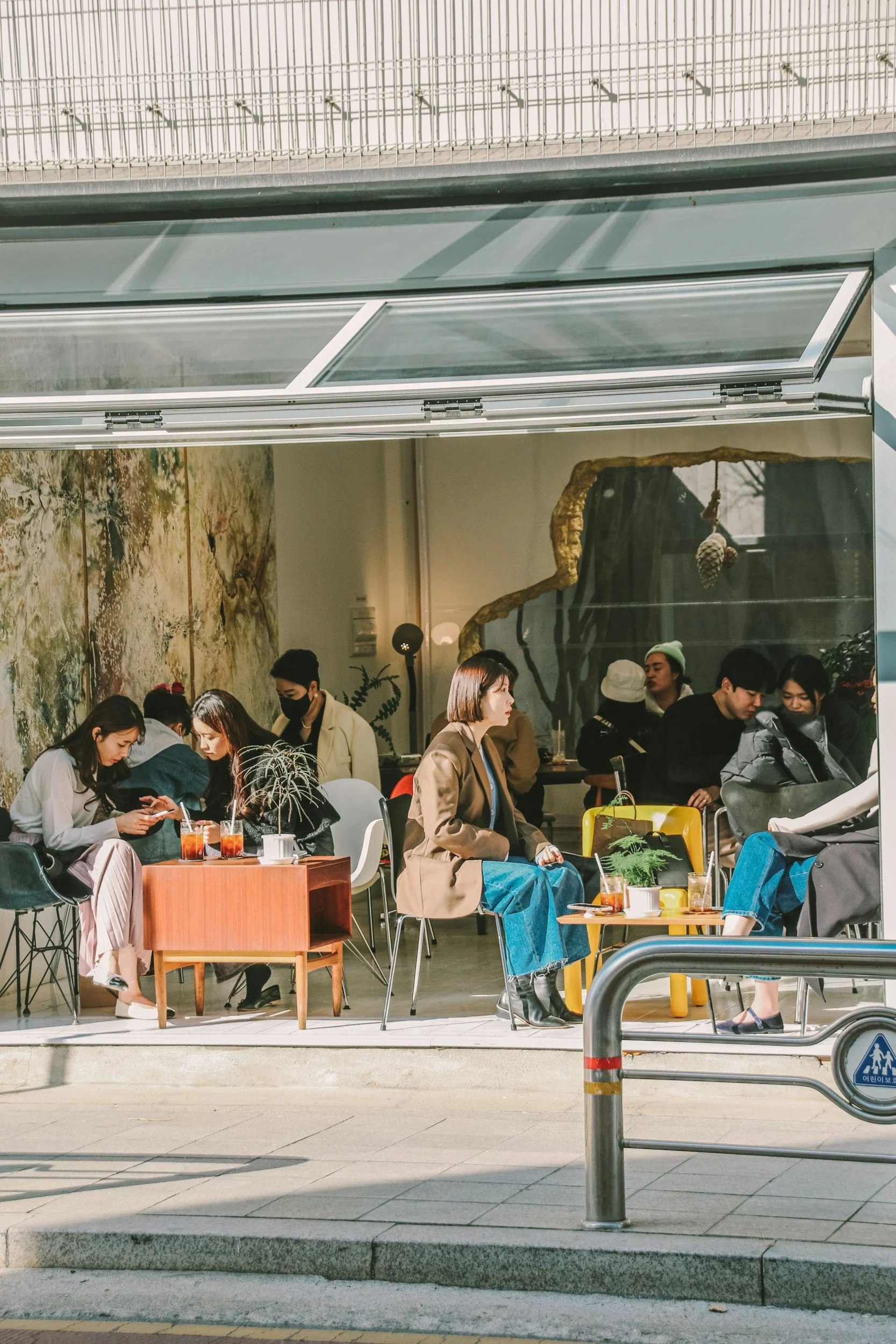
Why Seoul is such a good café city
Part of the appeal is simply that Seoul gives cafés room to become part of the experience of travelling rather than a short break from it. They are somewhere to linger after lunch, reset between neighbourhoods, shelter from the weather, or stretch a conversation far beyond the original plan. That slower, more intentional relationship with cafés is part of what makes the city so enjoyable. You do not have to be chasing only markets and late-night restaurants to feel as though you are eating and drinking well here. Sometimes the memory that stays with you is just as likely to be a beautifully designed room, a careful coffee, or a tea service overlooking tiled roofs.
Best areas for cafés
If you want the most recognisable version of Seoul’s modern café culture, Seongsu-dong is still one of the strongest places to start. Between Seongsu Café Street, Daelim Warehouse, Scene, and the broader Yeonmujang-gil area, the neighbourhood has become one of the city’s clearest expressions of café culture shaped by reused industrial spaces, lifestyle retail, and design-led wandering.
For a softer, more neighbourhood-led version, Yeonnam-dong works beautifully, especially if you like bakeries, smaller cafés, and a slightly slower rhythm. Places such as Café Layered Yeonnam and Antique Coffee Yeonnam capture that side of the area well, where cafés feel closely tied to the everyday atmosphere of the neighbourhood rather than to one single landmark street.
If you are more drawn to traditional tea culture and a quieter kind of pause, Bukchon and Insadong bring a different mood entirely. Places such as Chamasineun Teul Chatteul, Pyunkang Yul Flagship and Tea House, Osulloc Tea House Bukchon, Jidaebang, and Sinyetchatjip reflect that more reflective side of Seoul, where tea, hanok architecture, and sweets shape the experience as much as coffee does.
Traditional tea houses versus modern coffee culture
One of the nicest things about Seoul is that it does not force a choice between old and new. You can spend one part of the day in a contemporary roastery and another in a traditional tea house without either feeling out of place. That contrast is part of the city’s wider identity. Modern coffee culture here is thoughtful, highly visual, and often very design-aware, but traditional tea culture still holds its own place, especially in older neighbourhoods where the setting itself encourages you to slow down.
Bakeries, desserts, and slower afternoons
Café culture in Seoul also merges naturally with dessert culture, which is part of why a simple coffee stop can so easily become an hour or two. Bakery cafés and dessert-led spaces are everywhere, but they take on slightly different personalities depending on where you are. Passion 5 in Hannam-dong is one of the better-known bakery names in the city, while places such as Eoe Seoul in Bukchon and Yebindang in Seongsu-dong show how broad the city’s sweet side can be, from rice-cake desserts and Korean ingredients to more contemporary pastry culture.
World Locals tip
Do not treat cafés in Seoul as filler between meals. They are one of the clearest ways to feel the mood of a neighbourhood. Pick one area, give yourself time to wander, and let coffee or tea become part of how you experience the city rather than just a stop along the way.
Bars, soju, makgeolli, and nightlife
Seoul is one of those cities where the evening often begins with dinner rather than ends with it. Food and drink tend to move together here, with one stop leading naturally into another: grilled meat and beer, fried chicken and soju, pancakes and makgeolli, a cocktail in a quieter bar, or a final plate of something hot before heading home. Nights out here rarely feel separate from the wider rhythm of eating. They are part of it.
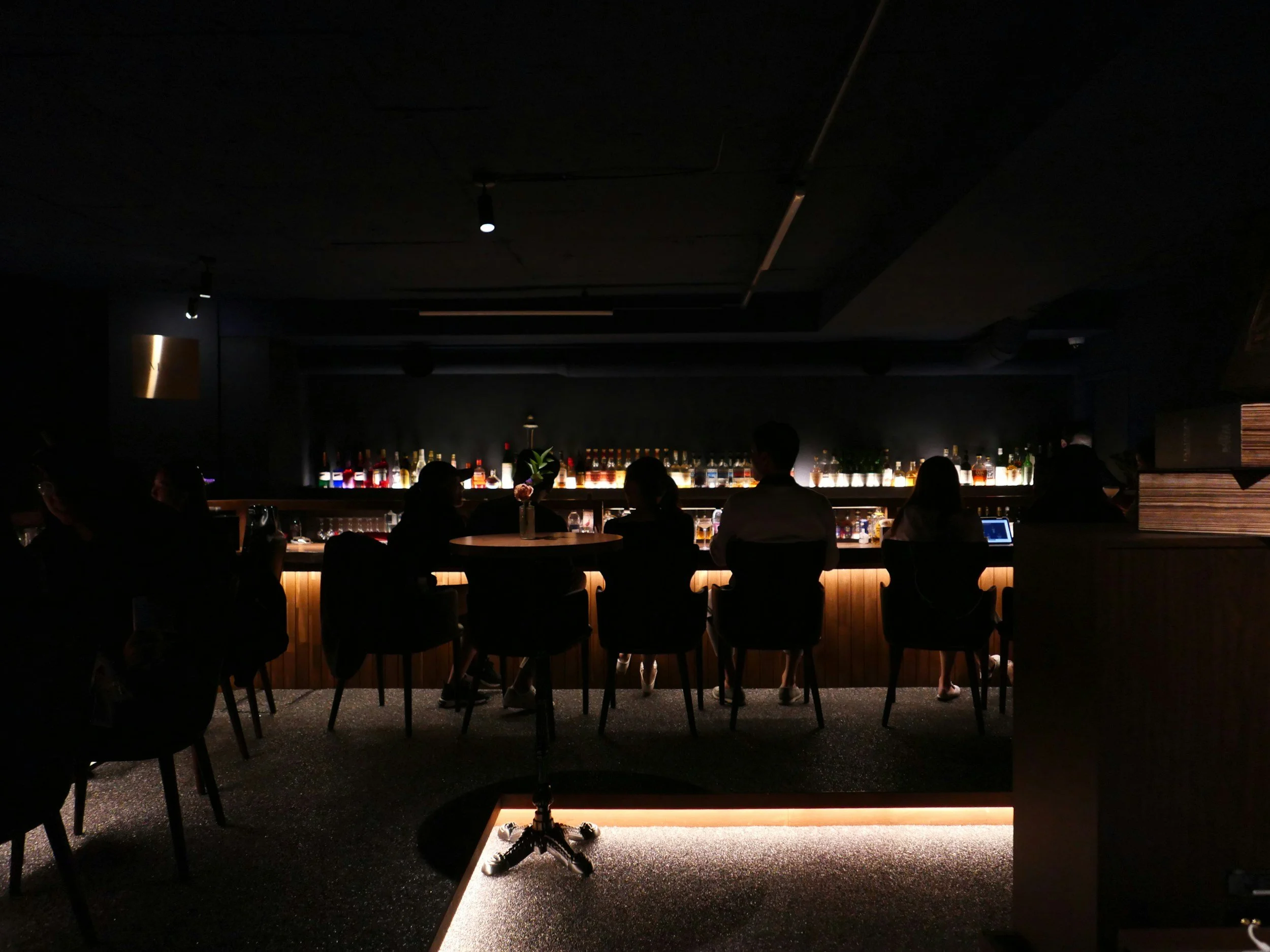
What to drink in Seoul
Soju is the drink most travellers know before they arrive, and it does sit at the centre of many ordinary nights out in Seoul. It is easy to order, easy to share, and usually folded into meals rather than treated as something formal. Beer is just as important in practice, especially in casual pubs, barbecue restaurants, and late-night fried chicken spots. Makgeolli adds a different mood altogether: softer, milkier, slightly tangy, and more closely tied to traditional drinking culture, jeon, and older-style eating.
How a night out in Seoul often unfolds
What makes Seoul’s nightlife so enjoyable is that it rarely feels locked into one format. A night might start in a barbecue restaurant, continue with drinks somewhere noisier or more relaxed, and then shift again depending on the neighbourhood. In some areas, that means outdoor beer alleys and old-school pubs. In others, it means cocktails, wine, rooftops, or live music. The city feels particularly good at giving the night different textures depending on where you are, which is why choosing the right area matters almost as much as choosing the right bar.
Best neighbourhoods for different kinds of nights
For old-school atmosphere, beer, and a more characterful local feel, Euljiro is one of the most rewarding places to drink in Seoul. Euljiro Nogari Alley has become one of the city’s best-known after-dark streets, filled with outdoor tables and simple drinking food. It is the kind of place where the setting does half the work for you.
For a more international, late-night, and bar-heavy evening, Itaewon still makes a lot of sense. It has long been associated with range and variety, which suits travellers who want to move between different styles of bars or restaurants without locking into one kind of night from the start. For live music and a looser, more characterful evening, nearby Haebangchon is worth knowing too.
For something more polished, design-led, or quietly atmospheric, Hannam-dong and parts of the palace-side neighbourhoods work well. In the Anguk area, bars such as Gong Gan bring together modern cocktails and hanok architecture, while places like Daramgee Bar near Jongmyo show another softer, more intimate side of Seoul after dark. These are good choices when you want the evening to feel thoughtful rather than loud.
Traditional alcohol and where it fits
Makgeolli is worth seeking out beyond a casual first try, because it opens up another side of Seoul’s drinking culture. Places such as White Bear Makgeolli Bar and Brewery are useful to know for the sheer range of traditional liquors available, while newer spots like Chowol reflect the city’s more contemporary interest in craft brewing and revived traditional drinks. Seoul offers more than just the standard soju-and-beer route if you want it to.
Drinking etiquette and what to expect
You do not need to know every detail of Korean drinking etiquette to enjoy a night out, but it helps to understand the general tone. Drinking is often communal, food usually stays close to the experience, and the evening can stretch longer than expected if the group is enjoying itself. The most useful mindset is simply to lean into the social rhythm of it rather than treat drinks as a quick standalone stop.
World Locals tip
Do not build your nights in Seoul around one “best bar”. Pick the neighbourhood first, then let the evening unfold from there. In this city, the atmosphere of the street, the food on the table, and the place you end up next often matter more than the original plan.
Desserts and sweet things to try
Seoul has a sweet side that is easy to underestimate at first, partly because the city’s food culture is so often introduced through markets, barbecue, noodles, and late-night drinking. Spend a little more time here, though, and desserts begin to feel just as woven into the rhythm of the city as anything savoury. They appear in traditional tea houses, bakery cafés, market stalls, and modern neighbourhood coffee spots, each one offering a slightly different way to slow the day down.
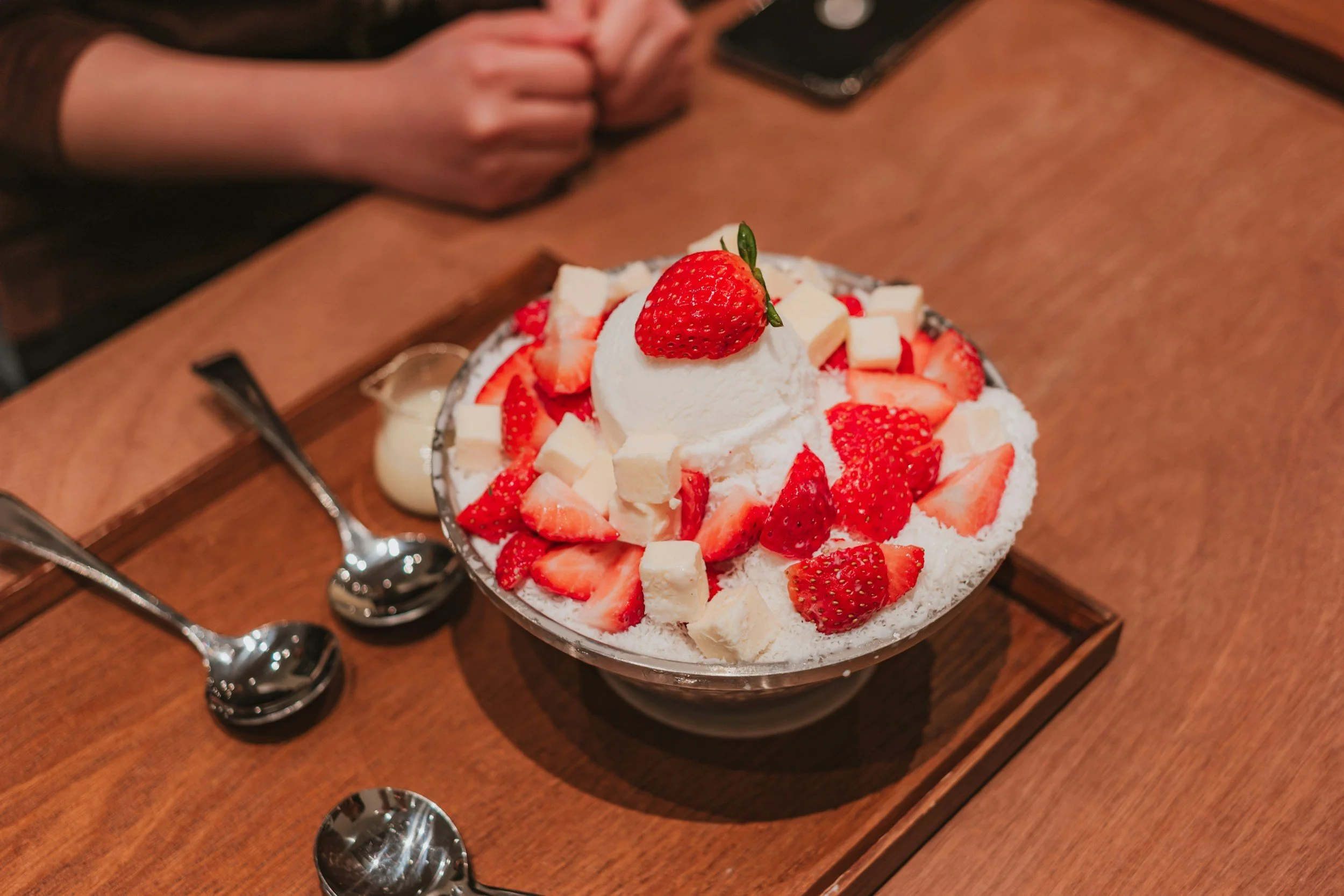
Bingsu
If there is one dessert most travellers associate with Korea, it is bingsu, and Seoul is a very good place to understand why. At its best, it is light rather than heavy, made with fine shaved ice and topped with ingredients that can range from sweet red bean and fruit to matcha, chocolate, or more elaborate seasonal variations. It is the kind of dessert that suits Seoul particularly well: generous, social, and best enjoyed slowly rather than rushed. On warmer days, it becomes one of the city’s most satisfying treats, especially when a long walk or a crowded subway ride leaves you wanting something cool and restorative.
Hotteok and market sweets
For something warmer and more immediate, hotteok is one of the great market comforts. Crisp on the outside, soft within, and filled with sweetness that feels especially welcome on colder days, it is one of those foods that belongs as much to the feeling of the street as to the recipe itself. It is best thought of less as a polished dessert and more as one of Seoul’s small edible pleasures, something to eat standing up with the city moving around you.
Markets also bring their own wider world of sweet snacks, from filled pastries and rice cakes to stalls selling simple treats that feel closer to daily habit than to special occasion food. This side of Seoul’s sweet culture is one of the most enjoyable because it is so tied to movement, weather, and timing. Often, the memory is not just of what you ate, but where you were when you ate it.
Bakery culture
Seoul is also a brilliant bakery city. In neighbourhoods such as Yeonnam-dong, Seongsu-dong, and Hannam-dong, pastries, cakes, and bread feel central to café culture rather than secondary to it. Bakery stops here are often as much about atmosphere as appetite, with carefully designed spaces, slower afternoons, and display counters that make it very easy to stay longer than intended. This is one of the reasons dessert in Seoul often feels less like an ending and more like part of the day’s wider rhythm.
Some bakery cafés lean contemporary and international in style, while others fold in Korean ingredients or seasonal touches that make them feel more rooted. Either way, they help show another side of the city: one that values pause, detail, and the pleasure of finding somewhere worth lingering in.
Traditional sweets and tea-house desserts
In older parts of Seoul, particularly around Bukchon and Insadong, sweets often feel quieter and more reflective. Here, desserts are closely tied to tea culture, rice cakes, traditional ingredients, and a slower pace of eating. These are not always the most dramatic desserts in visual terms, but they often leave a stronger sense of place. Paired with tea in a hanok setting, they offer a very different kind of sweetness from the city’s bakery cafés and trend-led dessert spots.
This side of Seoul’s sweet culture matters because it adds balance. It reminds you that dessert here is not only about novelty or aesthetics, but also about older rituals of hospitality, seasonality, and taking time.
Café desserts and neighbourhood treats
One of the pleasures of eating in Seoul is that different neighbourhoods bring out different kinds of sweetness. In Seongsu, dessert might mean a beautifully made pastry in a warehouse café. In Yeonnam-dong, it could be cake and coffee in a quieter side street. In Myeong-dong, it may be something quick and sugary between bigger plans. In Bukchon, it might be a tea-house dessert that feels tied to the mood of the neighbourhood itself. The point is not to chase one definitive sweet thing, but to let dessert become another way of noticing how the city changes from one area to the next.
World Locals tip
Leave room for something sweet every day in Seoul, even if it is only a small stop between neighbourhoods. The city does desserts especially well when you let them arrive naturally, whether that means shaved ice on a warm afternoon, hotteok from a market stall, or cake and coffee when the pace of the day starts to slow.
Practical tips for eating and drinking in Seoul
Eating well in Seoul is not only about knowing what to try, but about understanding the pace of the city around it. Some of the best meals happen because you follow the rhythm of a neighbourhood rather than sticking too tightly to a list, and a little practical context goes a long way. Once you understand when to eat, how places tend to work, and what kind of atmosphere to expect, the whole experience becomes much easier to enjoy.
Do not plan every meal too tightly
Seoul rewards spontaneity. Some of the best food moments happen when you stop because a street smells good, a small restaurant is suddenly full, or a café looks too good to pass by. It is useful to have a few dishes and neighbourhoods in mind, but trying to schedule every meal too rigidly can take away some of the pleasure. Leave room for markets, unplanned bakery stops, and the kind of local places that catch your eye in the moment.
Markets are best approached with curiosity
When visiting markets, go with enough time to wander rather than rushing in for one specific stall and leaving again. It often makes more sense to try a few smaller things than commit immediately to one large meal, especially in places where there is plenty going on around you. If a stall is busy and turning food over quickly, that is usually a good sign. Markets can feel slightly chaotic at first, but that is part of the appeal. Let yourself follow the energy a little.
Be prepared for queues
Seoul takes food seriously, and popular places often come with a wait. That is especially true for trendy cafés, bakery spots, barbecue restaurants, and market stalls that have built a strong reputation. Queues are normal and not necessarily a reason to leave, though it is worth being strategic. If there is somewhere you are particularly keen on, going a little earlier or a little later than peak time usually makes the experience smoother.
Solo dining is possible, but some meals suit groups better
Seoul is easy to enjoy as a solo traveller, but it is true that some meals make more sense with company. Korean barbecue, shared stews, and certain drinking foods are naturally more enjoyable when there are at least two people at the table. That does not mean solo travellers will struggle, only that it helps to balance those experiences with noodle shops, dumpling spots, kimbap counters, soups, cafés, and market meals, all of which fit more naturally into solo travel. In Seoul, not every great food memory needs to come from a full table.
Cards are widely accepted, but keep some cash
In most of Seoul, cards are easy to use and widely accepted, especially in restaurants, cafés, bars, and larger market stalls. Still, it is sensible to keep a little cash on you for smaller vendors, older market stops, or simpler neighbourhood places. You may not need it often, but it is useful to have when you do.
Learn the rhythm of the day
Different parts of Seoul eat differently depending on the hour. Markets and simpler local spots often shine earlier in the day or around lunch, while barbecue restaurants, drinking streets, and fried chicken places come alive properly in the evening. Café culture, meanwhile, stretches beautifully through the afternoon, especially in areas such as Seongsu, Yeonnam-dong, and Bukchon. Thinking about food in terms of time as well as place makes the city much easier to enjoy.
Do not expect every meal to be rushed
In some cities, dining can feel purely functional. Seoul can certainly do quick meals well, but it also knows how to slow down. Barbecue dinners, drinking meals, tea-house stops, and bakery cafés are often best enjoyed without watching the clock too closely. Some of the most memorable experiences come when you let a meal take the time it wants to take.
Spice levels and flavours can vary more than you expect
Not every Korean dish is fiery, but it is worth knowing that spice, fermentation, and strong savoury flavours do play a major role across many meals. If you are new to Korean food, balance heavier or spicier dishes with gentler ones such as kalguksu, mandu, samgyetang, or milder rice dishes. Seoul is a good city for building up your understanding of the cuisine gradually rather than trying to tackle everything at once.
Neighbourhood matters as much as the restaurant
One of the easiest ways to eat well in Seoul is to choose the right area before you choose the exact place. Euljiro will give you a different kind of evening from Hannam-dong. Namdaemun feels different from Seongsu. Hongdae brings a different energy from Bukchon. Often, if you get the neighbourhood right, the meal tends to follow naturally.
World Locals tip
Build your food plans around the mood of the day rather than a rigid list. Let one neighbourhood lead to the next, stay open to small discoveries, and remember that in Seoul, some of the best things you eat will be the ones you did not plan for too closely.
“Seoul is a city that reveals itself through food slowly, generously, and often unexpectedly. You notice it in the market lanes filled with steam and noise, in the meals that gather people around the table for longer than planned, in the cafés that turn into part of the day rather than a pause from it, and in the late-night streets where food and drink seem to carry the evening forward. Eating here is never only about the dish. It is about neighbourhood, rhythm, atmosphere, and the particular version of the city you happen to be moving through at that moment.
That is what makes Seoul such a memorable place to eat. It can feel traditional and deeply rooted one hour, then creative, polished, or quietly contemporary the next. One meal might be a bowl of something simple and restorative in an older part of the city, while the next unfolds over grilled meat, drinks, and a table full of side dishes somewhere much louder and livelier. In between, there are tea houses, bakery cafés, market snacks, rooftop bars, and small local restaurants that leave their mark in ways you do not always expect.
The best way to eat in Seoul is not to chase only the most famous dishes or the most photographed places, but to let the city guide you a little. Follow the feel of the neighbourhood, pay attention to the time of day, leave room for a few unplanned stops, and let food become part of how you experience the city rather than simply something fitted in between plans. Do that, and Seoul begins to feel less like a list of things to try and more like a place you are getting to know properly, one meal, one street, and one neighbourhood at a time.”