Seoul: Experiences Guide
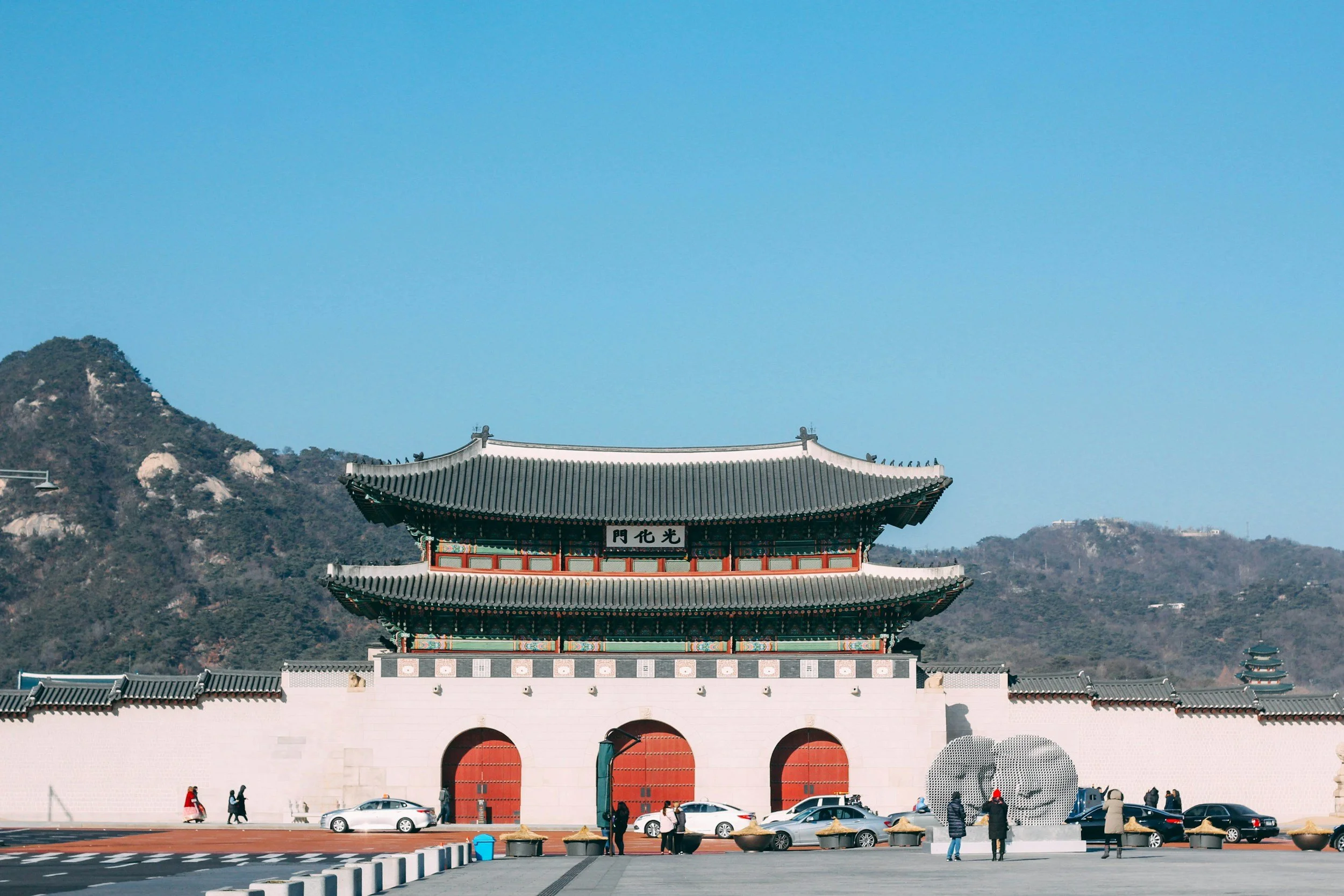
Seoul is not a city you understand in a single glance. It comes into focus gradually, through the contrast of palace courtyards and glass towers, through steep lanes and wide avenues, through late-night food streets, riverside parks, mountain-backed viewpoints, and neighbourhoods that seem to change character by the hour. It is a city of layers, and part of its appeal lies in learning how those layers sit alongside one another: historic and fast-moving, ceremonial and everyday, polished in places and wonderfully rough around the edges in others.
What makes Seoul so rewarding is that the city rarely gives its best side away through landmarks alone. The major sights matter, of course, and some are absolutely worth building your trip around, but the real pleasure comes from everything that gathers around them. A morning in the palace district feels richer when it opens into old streets and tea houses afterwards. A skyline view means more once you have spent time down at river level. Even the best-known parts of Seoul begin to feel more memorable when they are experienced as part of the city’s wider rhythm rather than as stops on a list.
This guide is built with that in mind. It brings together the experiences that genuinely deserve a place on a first trip, while also making space for the slower, more local, and more atmospheric ways of getting to know the city. Some of these are classic for a reason. Others are the kinds of experiences that give Seoul more texture once you are on the ground, whether that means time in older neighbourhoods, evenings that unfold naturally, or finding the city’s greener, quieter edges between the bigger moments.
How to use this guide
Think of this as a guide to experiencing Seoul well rather than seeing Seoul quickly. Some sections focus on the city’s essential sights, while others are more about pace, atmosphere, and the kinds of moments that help the city feel more personal. The best trips usually leave room for both.
See Seoul’s historic heart properly
Seoul’s historic core is where many first-time visitors begin, and rightly so. This is the side of the city that gives shape to everything else: palace grounds that still lend grandeur to the capital, old gates and stone walls that hint at its earlier scale, and neighbourhoods where traces of dynastic Seoul still sit within the pace of the modern city. Yet the best way to experience this part of Seoul is not to race between major sights as though they exist in isolation. It is to let the day unfold more slowly, allowing the historic landmarks to lead you into the surrounding streets, tea houses, and quieter corners that give them context.
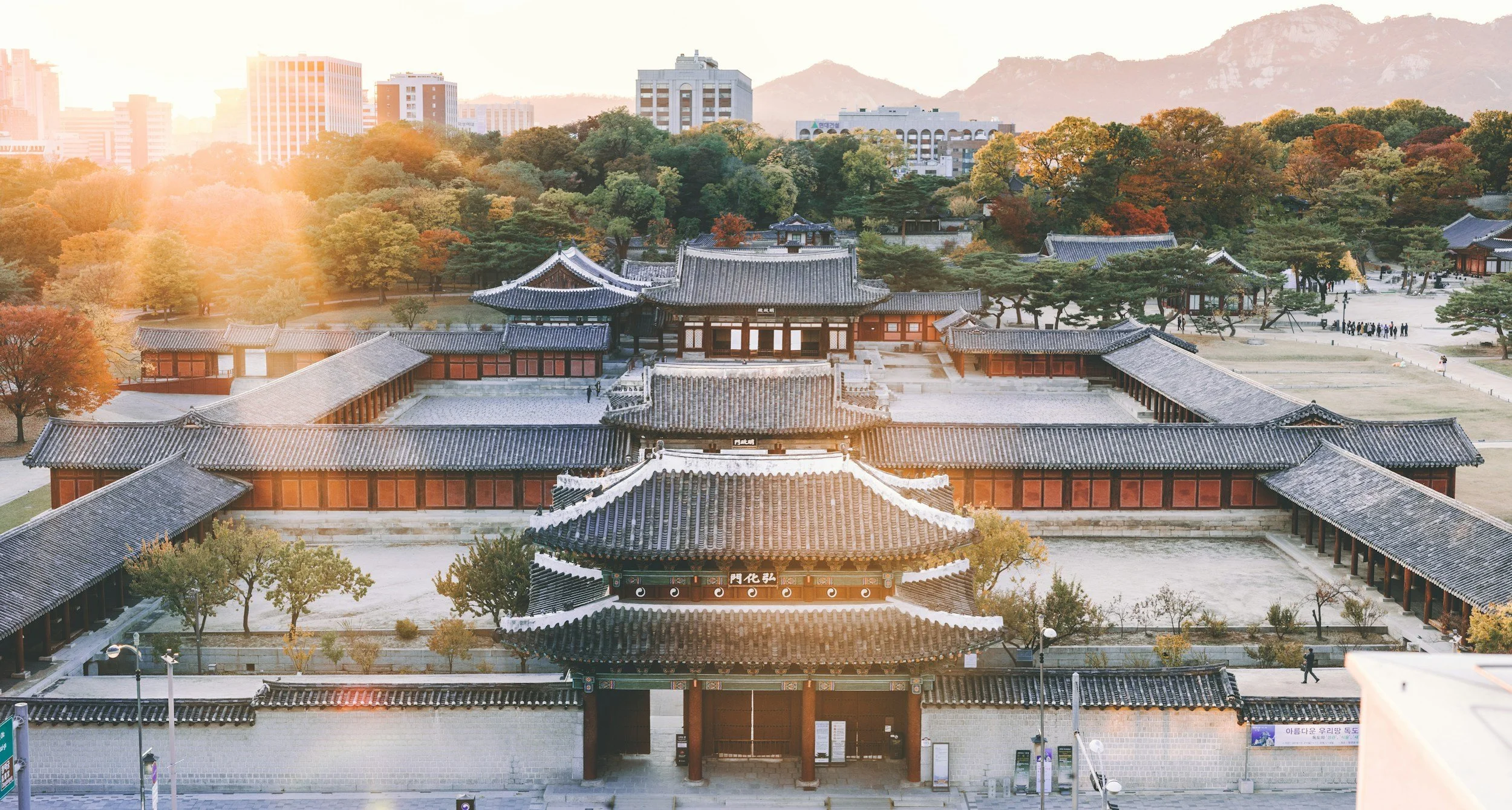
The palaces matter because they bring a certain stillness to the city. Even with the movement of visitors around them, they create space: open courtyards, long rooflines, mountain backdrops, and the sense that Seoul’s older identity is still very much present if you know where to look. They are essential not simply because they are famous, but because they help you understand the city’s relationship with ceremony, order, and landscape. A palace visit here is not only about architecture. It is about scale, setting, and the way old Seoul continues to shape the feel of the capital.
What tends to stay with people, though, is not only the palace itself but everything that follows. Step beyond the main grounds and the city softens into a different pace. Streets narrow. Hanok rooftops appear above walls. Small galleries, tea houses, and quiet lanes begin to replace the grandeur of the open courtyards. This is where historic Seoul becomes easier to feel rather than simply admire. The experience works best when you allow for that shift, moving from the city’s grand old spaces into the more intimate ones nearby.
That is also why this part of Seoul is worth doing properly rather than quickly. Give yourself time to walk, pause, and let the area breathe a little. Pair a palace morning with nearby neighbourhood wandering, a slower lunch, or a stop in a traditional tea house. Historic Seoul is at its best when it feels like a sequence of moods rather than a checklist of monuments.
A good way to experience it
Start with one of the major palace areas in the morning, when the light is softer and the city still feels as though it is settling into the day. From there, continue on foot into the surrounding historic neighbourhoods rather than jumping straight onto the next big attraction. Let the experience widen gradually: from formal courtyards to smaller streets, from major landmarks to older shopfronts and quieter corners, from the grandeur of Seoul’s past to the more lived-in textures that still sit around it.
What makes this side of Seoul memorable
What gives Seoul’s historic heart its pull is not nostalgia alone. It is the contrast. Few cities let you move so quickly between royal grandeur, everyday street life, and the full force of the contemporary city. One moment you are standing in a place built to project permanence and order; the next you are back among cafés, traffic, side streets, and the slightly restless energy that defines modern Seoul. That tension is part of the city’s character, and this is one of the best places to feel it.
World Locals tip
Do not try to “complete” historic Seoul in one sweep. Choose one palace area, then let the rest of the experience happen around it. The slower you move through this part of the city, the more Seoul begins to feel layered rather than simply impressive.
Experience the city through its neighbourhoods
One of the most rewarding things about Seoul is how differently the city can feel from one neighbourhood to the next. This is not the kind of capital where one central district tells you everything. Instead, Seoul reveals itself in fragments: an older street that still feels tied to the city’s past, a café-lined neighbourhood shaped by slower afternoons, a district that comes alive after dark, a riverside area that feels more spacious and open than the streets inland. Spending time in these shifts is part of what makes the city so memorable.
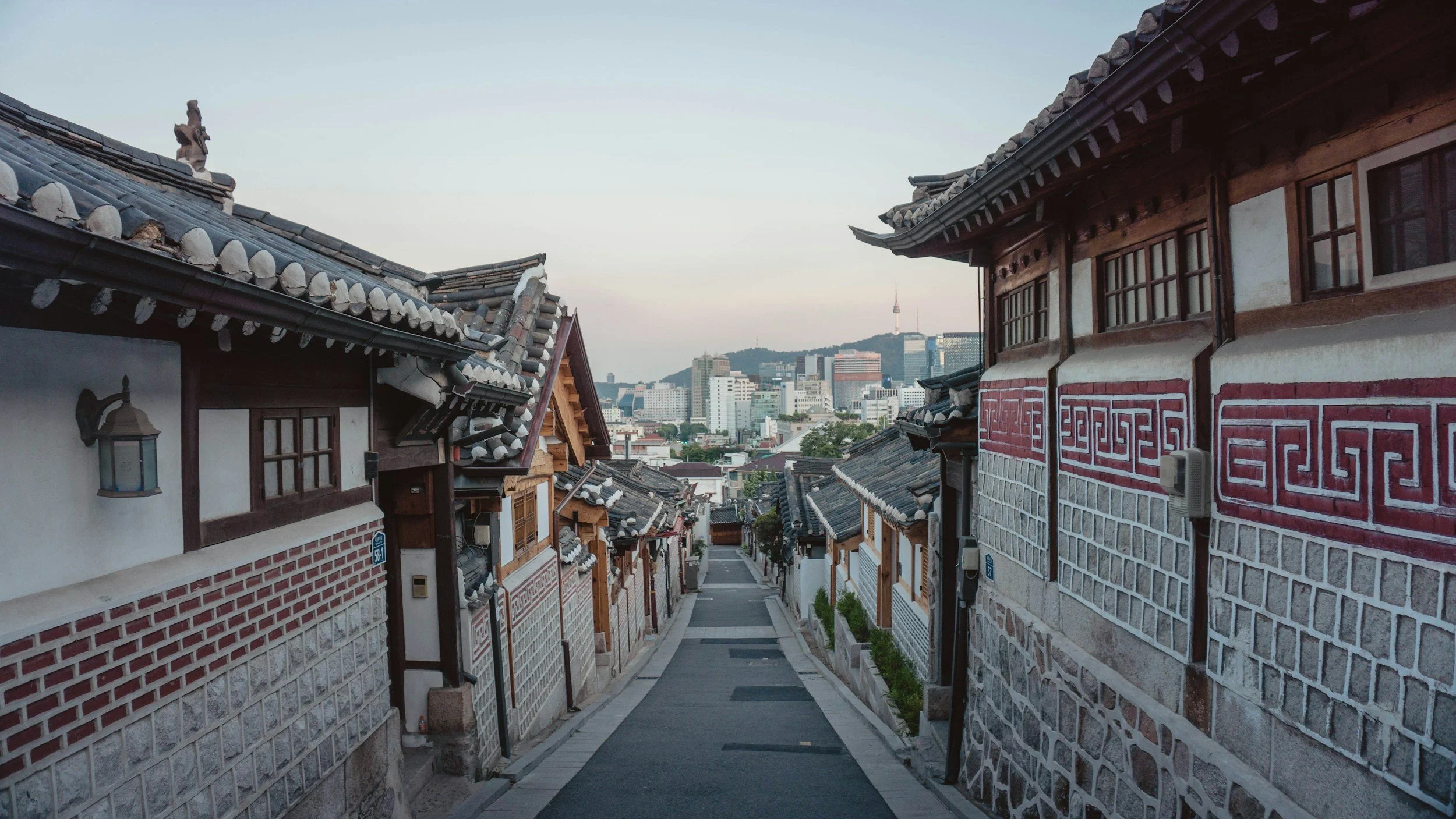
This is also where Seoul begins to feel less like a list of attractions and more like a place with its own internal rhythm. A walk through Bukchon or Insadong gives you one version of the city, full of older textures, quieter pauses, and a sense of history still visible at street level. Move towards Euljiro and the mood changes entirely, with rougher edges, older commercial buildings, workshop-lined streets, and evenings that gradually spill out into beer alleys and late-night stops. In Hongdae and Yeonnam-dong, the city feels younger, louder, and more fluid, shaped by music, cafés, bars, side streets, and the sense that people are there to linger rather than simply pass through.
That contrast matters because some of the best experiences in Seoul are not built around one major sight, but around letting a neighbourhood unfold properly. Spend an afternoon in Seongsu-dong, for example, and the experience is less about ticking off one thing to see than about moving between converted warehouse spaces, design-led cafés, quieter backstreets, and the softer edge of Seoul Forest nearby. In Hannam-dong, the pleasure often lies in the combination of galleries, polished cafés, restaurants, and streets that feel a little more composed, a little more considered. These areas work best when you give yourself time to wander rather than arrive with too fixed a plan.
For travellers, this is one of the simplest ways to make Seoul feel more personal. Instead of trying to move constantly from landmark to landmark, choose a neighbourhood and let part of the day belong to it. Walk without rushing. Stop for coffee. Follow the more interesting side street. Let lunch become an hour longer than expected. Seoul is a city that responds well to that kind of curiosity, because so much of its personality lives not only in the headline sights, but in the spaces between them.
A good way to experience it
Choose one neighbourhood for the morning and another for the evening rather than trying to cross the city too many times in a single day. Pair places with contrasting moods so you get a stronger sense of Seoul’s range — historic and contemporary, slower and livelier, polished and rougher around the edges. The city makes more sense when you experience those contrasts directly.
Why this matters in Seoul
Some cities are best understood through monuments. Seoul is better understood through atmosphere. Its neighbourhoods carry different versions of the capital, and the more time you spend inside those different moods, the more layered the city becomes.
World Locals tip
Do not treat neighbourhood time as filler between the “real” attractions. In Seoul, wandering the right area at the right pace is one of the real attractions.
Spend time outdoors, even in a huge city
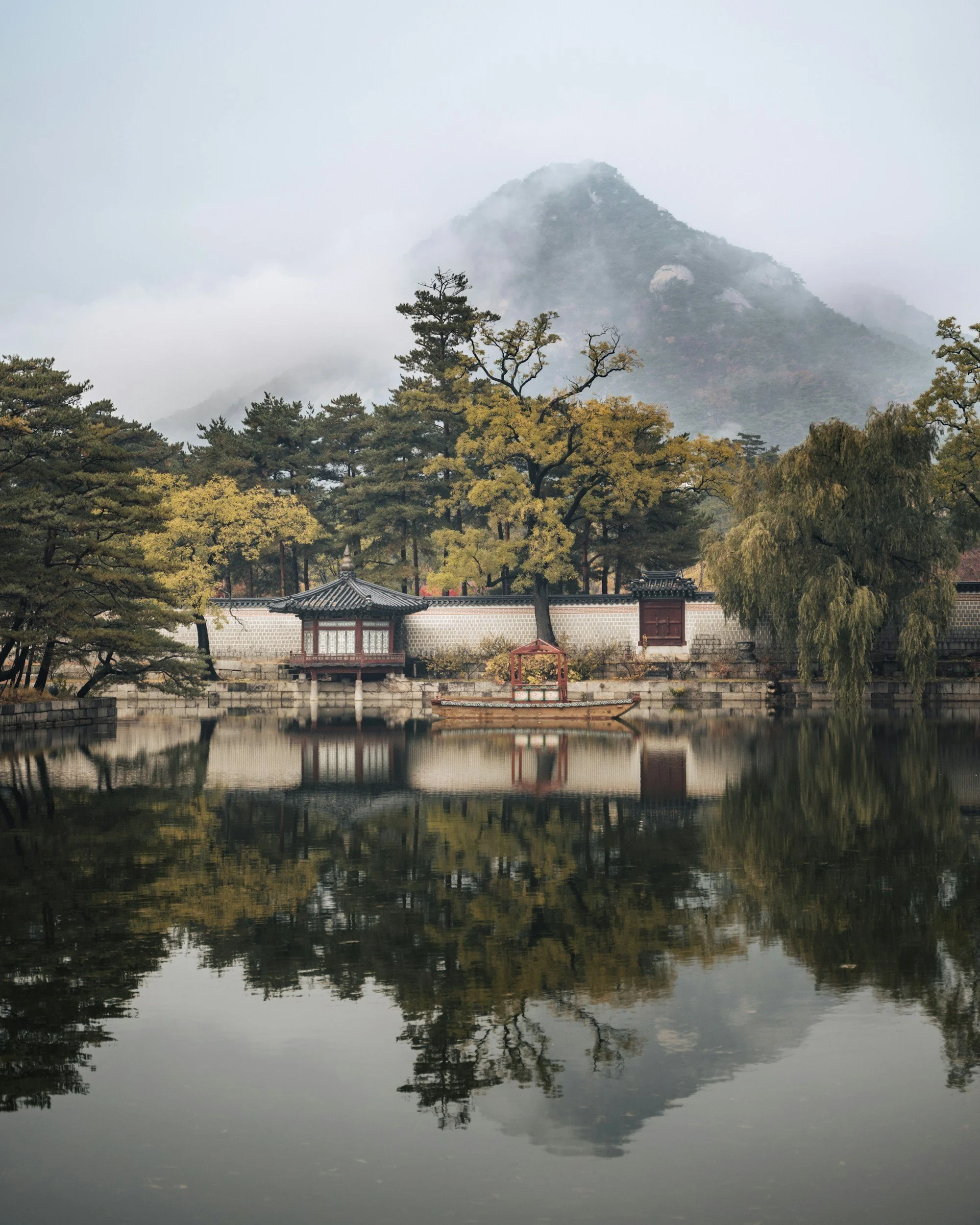
For all its density, speed, and scale, Seoul is a city that gives you regular ways to breathe. Mountains frame it, the river cuts through it, and parks, trails, and green pockets appear more naturally than many first-time visitors expect. That outdoor side matters because it changes how the city feels. Spend enough time only in the busiest districts and Seoul can seem all momentum. Step onto a riverside path, climb towards a viewpoint, or slow down in one of its greener neighbourhood edges, and the city opens out into something calmer, wider, and more balanced.
This is one of the reasons Seoul feels so liveable as well as so interesting to visit. The outdoors here is not separate from the city experience. It is woven into it. Namsan is the most obvious example, where wooded paths, stairways, and lookouts give you a completely different sense of the capital from the streets below. You can come for the views, of course, but the hill itself is just as much the experience as what waits at the top. The same is true along the Han River, where evening walks, bike rides, and stretches of open space offer a version of Seoul that feels more relaxed and communal, especially as the light begins to change.
Then there are the places where nature and city life meet more quietly. Seoul Forest softens the pace of Seongsu-dong beautifully, making it easy to combine café-hopping and neighbourhood wandering with a greener, slower hour or two. Further out, the edges of the city begin to feel almost mountainous, with trails and elevated paths that remind you just how dramatically Seoul sits within its landscape. You do not need to leave the capital to feel that shift. It is already there, threaded through it.
What makes this side of Seoul so rewarding is the contrast it creates. A morning in palace districts or older neighbourhoods lands differently when followed by river light or a hillside walk. A dense afternoon of markets, cafés, and traffic feels lighter once you have stepped into somewhere more open. The city’s outdoor spaces do not compete with its cultural highlights. They sharpen them, giving the whole trip a better sense of rhythm.
A good way to experience it
Build one outdoor moment into each day, even if it is small. That might mean a walk on Namsan, an evening by the Han River, or time in Seoul Forest between neighbourhood stops. Seoul is a city that rewards that balance, and your experience of it will usually feel richer for not staying entirely indoors or underground.
What makes Seoul’s outdoor side different
The pleasure here is not only in big scenic moments, though Seoul certainly has those. It is in how accessible the city’s calmer edges feel. You can move from a crowded commercial street to a tree-lined path or riverside stretch surprisingly quickly, and that constant shift between intensity and space is part of what gives Seoul its character.
World Locals tip
Do not save the outdoors for when you are tired of the city. In Seoul, it is part of the city. Some of the best views, clearest headspace, and most memorable transitions in the trip come when you let the river, hills, and parks shape the rhythm of your days.
Find Seoul’s quieter, lesser-known perspectives
One of the pleasures of Seoul is that it does not keep all of its character in the places everyone photographs first. Some of the city’s most memorable moments come from stepping slightly to the side of the obvious route: taking the smaller lane instead of the busiest one, lingering in an older street after the main sight is done, or finding a viewpoint, café, or neighbourhood corner that gives the city a little more space to breathe. These experiences are not always “hidden” in the dramatic sense. More often, they are simply the parts of Seoul that reveal themselves once you stop moving at full speed.
This matters because Seoul can be easy to experience too efficiently. The transport works, the major sights are clear, and the city lends itself well to packed days. But some of its best qualities live in the slower moments between those anchors. That might mean slipping away from the busiest palace-adjacent streets into somewhere quieter, spending time in a less polished alley where everyday life still feels close to the surface, or seeking out a softer view of the skyline that feels more contemplative than dramatic. These are the experiences that often give the city its emotional texture.
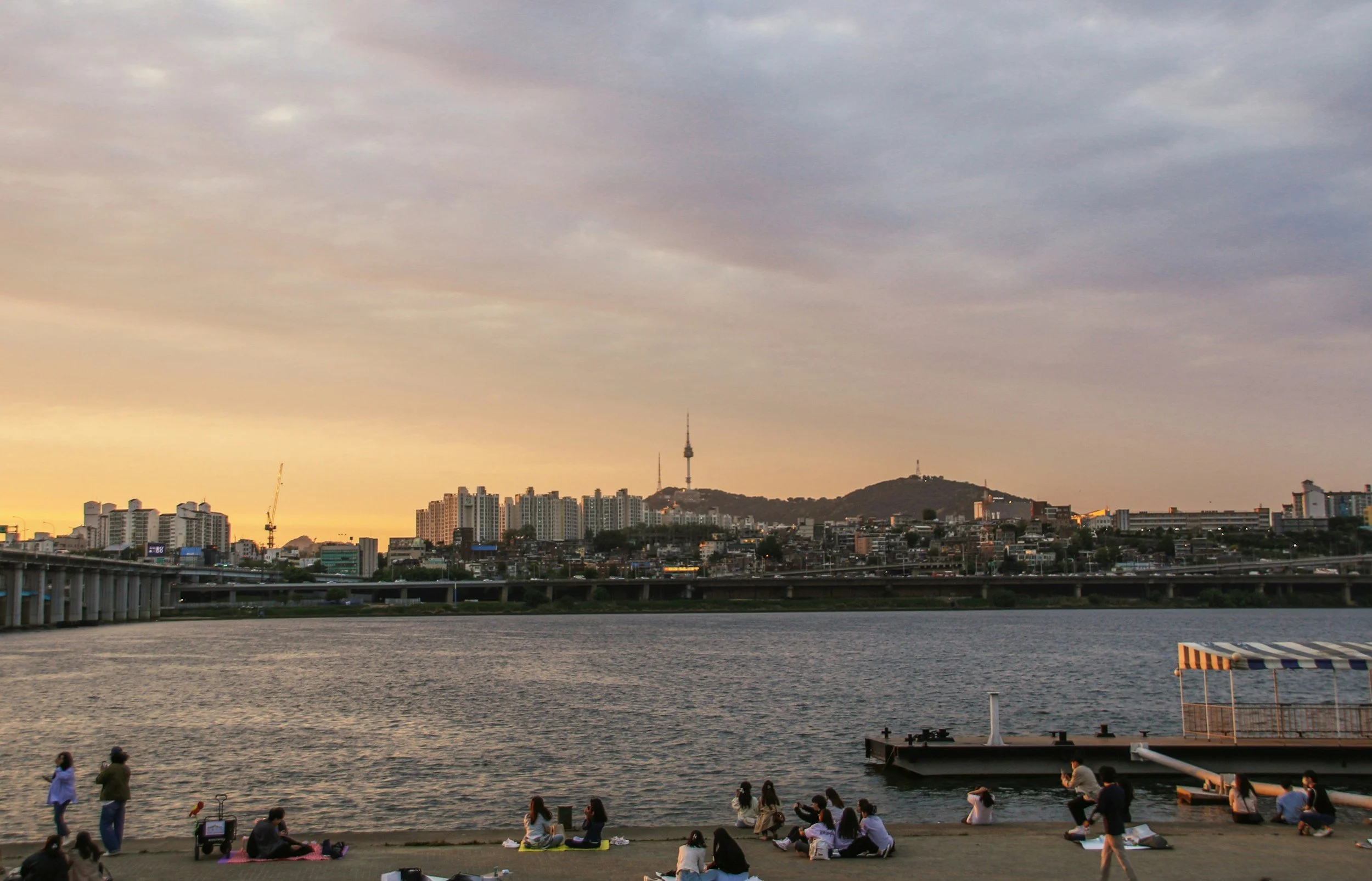
In practice, this can take different forms. In the older parts of Seoul, it might mean walking beyond the most visited stretches of Bukchon or Insadong and letting the quieter streets set the pace. Around Euljiro, it could mean spending time in the neighbourhood before the evening crowds fully arrive, when the older workshops, signage, and rougher textures are easier to notice. In Seongsu-dong, it may be less about the headline café and more about the atmosphere of the side streets between stops, or the way the area shifts as you move closer to Seoul Forest. Even along the Han River, the experience changes when you give yourself permission to stay longer than a quick photo stop.
What makes these quieter perspectives so worthwhile is that they tend to bring Seoul back down to a more human scale. The city is huge, layered, and often visually intense, but there are moments when it becomes gentler: an uphill lane at dusk, a quieter hanok-lined street after the main foot traffic has passed, a riverside bench as the light fades, a traditional tea house tucked just far enough from the busiest route to feel calm. These are not the experiences that dominate most first-timer itineraries, yet they are often the ones that stay with people longest.
A good way to experience it
Leave a little unscheduled time around the bigger sights. After a palace visit, do not rush immediately to the next district. After lunch, give yourself an hour to wander without deciding exactly where it needs to lead. Seoul rewards curiosity best when there is enough room in the day for it to do so.
Why this side of the city matters
The quieter parts of Seoul give balance to the city’s scale. They remind you that beyond the energy, traffic, crowds, and skyline, there is also intimacy here — streets and spaces where the city feels slower, older, softer, or simply more lived-in.
World Locals tip
In Seoul, not every memorable experience needs to come with a queue, a ticket, or a major landmark attached to it. Some of the best moments come when you let the city become smaller for a while.
Experience Seoul after dark
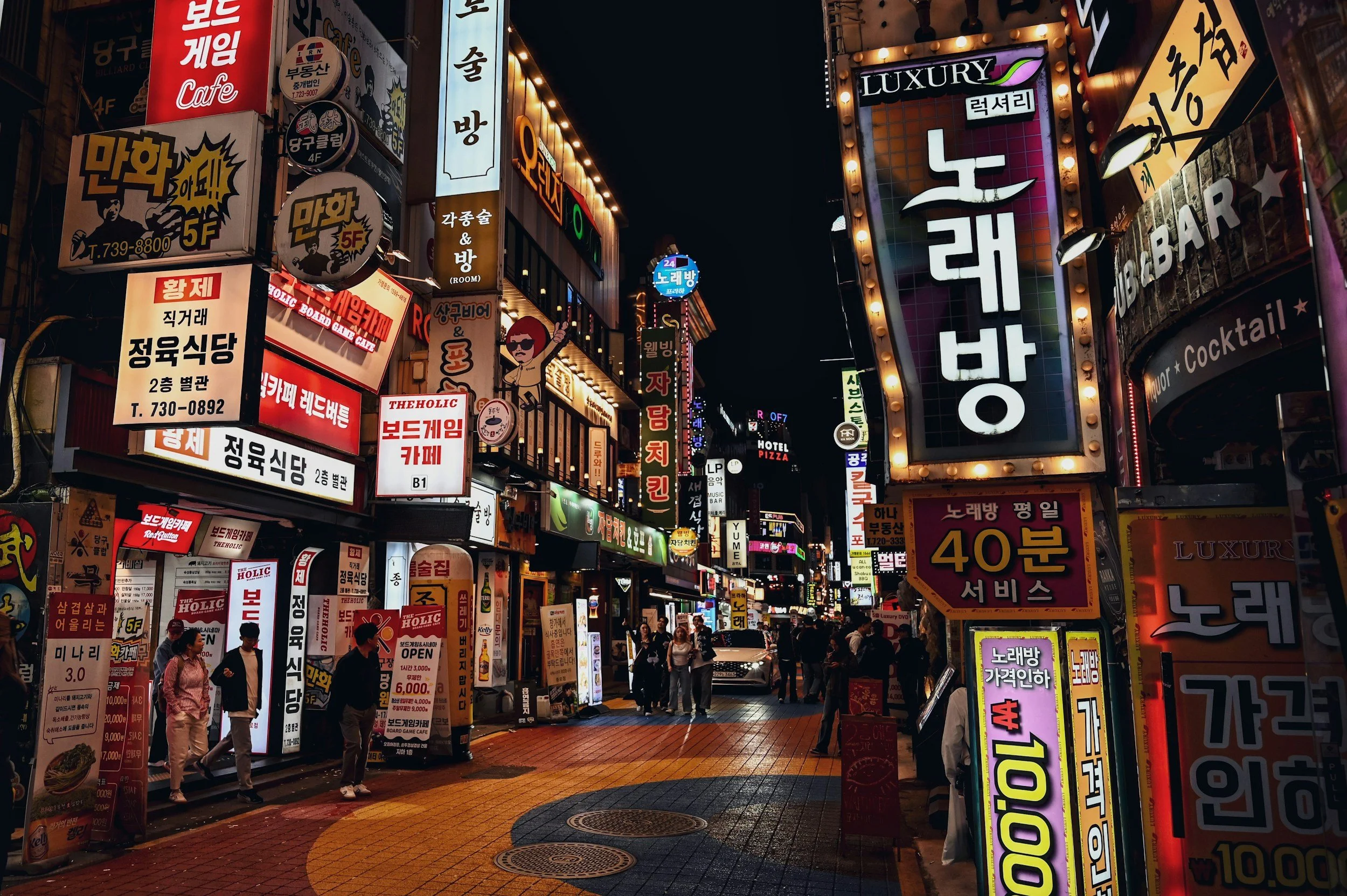
Seoul changes beautifully once the light begins to fall. The city does not simply switch from day to night so much as loosen into a different rhythm, one shaped by glowing food streets, river paths, hillside views, busier restaurant districts, and neighbourhoods that seem to come properly alive only in the evening. This is one of the reasons Seoul feels so rewarding over several days. The version of the city you see at night is not just darker. It is often warmer, more atmospheric, and far more social.
Part of the appeal is the range. One evening might be built around something lively and full of movement: dinner in Euljiro, drinks in Itaewon, late-night wandering in Hongdae. The next could be quieter and just as memorable: a walk on Namsan, time by the Han River, or a slower evening in one of the palace-side neighbourhoods where the streets feel softer after the daytime crowds have thinned. Seoul does nights well because it gives you more than one way to have them. You can lean into the city’s energy, or step slightly aside from it and let the evening unfold more gently.
This is also when some of Seoul’s contrasts feel sharpest. Glass towers glow above older streets. Food alleys fill just as quieter lanes begin to empty. The river feels expansive and calm while other parts of the city are only just getting started. Even a familiar neighbourhood can shift character entirely after dark. Seongsu-dong feels more intimate, Euljiro more alive, Bukchon more subdued, Hongdae more electric. Paying attention to those shifts is part of experiencing Seoul properly, because the city is never only one thing at a time.
The best evenings here often have a little shape to them. Start with food, let the neighbourhood set the mood, then see where the city wants to take you next. That might mean cocktails in a hanok bar, beer at outdoor tables, dessert in a late café, a skyline viewpoint, or simply walking longer than you meant to because the streets still feel full of possibility. Seoul has a way of making the evening feel open-ended in the best possible sense.
A good way to experience it
Build your night around an area rather than a strict list of stops. Choose the mood first — lively, polished, traditional, riverside, or low-key — then let dinner lead into whatever fits naturally afterwards. Seoul is often at its best after dark when you leave room for the evening to evolve.
What makes Seoul at night worth experiencing
Some cities are best seen in daylight. Seoul is too layered for that. Night brings out the city’s sociability, its visual contrast, and some of its most enjoyable textures, from neon-lit streets and late food stops to quieter walks and wide open river views.
World Locals tip
Do not let your evenings become an afterthought in Seoul. Some of the city’s best experiences begin once the day’s main plans are over, when dinner turns into drinks, a walk becomes a viewpoint, and one neighbourhood slowly gives way to another.
Take a day to see the edge of the city
Seoul is more than enough for a full trip on its own, but one of the city’s strengths is how easily it opens onto somewhere quieter, greener, or simply different once you reach the edge of it. A day beyond the centre can be a useful way to rebalance the pace, especially if you have spent several days moving between palaces, cafés, markets, and busy neighbourhoods. It is not essential, and I would never rush out of Seoul too quickly, but if your trip allows for it, the right day out can sharpen your sense of the capital rather than distract from it.
What works best here is not chasing distance for the sake of it, but choosing something that complements the version of Seoul you have already seen. If the city has felt dense and fast-moving, lean towards somewhere with more space, greenery, or water. If you want more historical context, look for somewhere that adds another layer to Korea’s story rather than repeating what you have already experienced in the palace districts. The point is not to escape Seoul, but to see how the city sits within a wider landscape and rhythm.
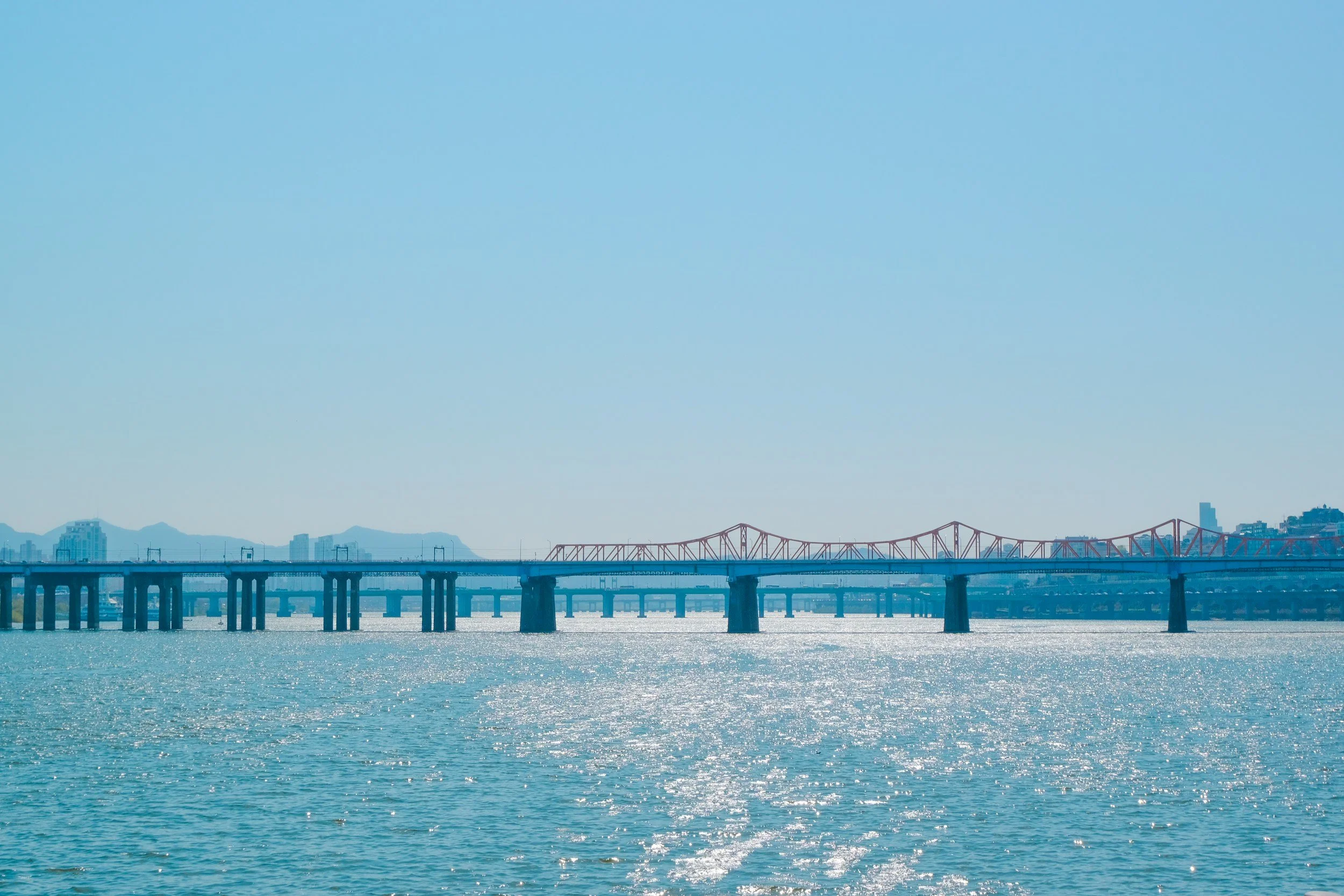
For some travellers, that might mean heading out for a more outdoorsy day, where walking, fresh air, and wider views take over from the intensity of the city. For others, it may be a place with its own historical pull or a slower riverside atmosphere that feels like a reset before returning to Seoul in the evening. These kinds of days work particularly well because they create contrast. You come back to the city noticing it differently, with a little more space in your head and a stronger sense of how much Seoul holds within its orbit.
At the same time, it is worth being selective. Not every trip to Seoul needs a day trip, and if you only have a short stay, you are usually better off letting the city breathe on its own terms. Seoul reveals enough through its own neighbourhoods, river paths, hills, and late-night rhythm to fill several days well. The best reason to head beyond it is not because you feel you should, but because there is a particular kind of experience you want that the city itself is not giving you.
A good way to approach it
Only add a day out once you have given Seoul enough time first. This works best later in the trip, when you already have a feel for the city and can sense what kind of contrast would make the experience richer rather than more rushed.
Why it can work so well
A good day beyond Seoul adds perspective. It shows you how the capital connects to the landscape around it, and it gives the city a slightly different shape when you return.
World Locals tip
Do not leave Seoul just to say you left it. Only build in a day trip if it adds something your time in the city has not yet given you — more stillness, more space, more nature, or another layer of context.
Practical planning tips
Seoul is a city that rewards a little structure, but not too much of it. There is plenty to see, and it is easy to overfill the days simply because the city offers so many different versions of itself at once. The best trips usually leave room for contrast: grand sights and ordinary streets, dense neighbourhoods and open green space, quicker stops and slower stretches where you are not trying to get anywhere in particular.
Give the city enough time
Seoul is not a place that reveals itself especially well in a rush. You can see some of the big sights in a couple of days, but that is rarely enough to feel the city properly. Around four to five days gives you a much better balance, with enough time for the historic core, a few very different neighbourhoods, good food, an evening or two that unfold naturally, and at least one slower day that is not entirely driven by a checklist. If you have longer, Seoul is the kind of city that tends to reward it.
Plan by area, not just by attraction
One of the easiest ways to make Seoul feel smoother is to build each day around one part of the city rather than zig-zagging between major sights. Pair places that make sense together, and let neighbourhood time sit naturally around the larger experiences. A palace district morning works well with older streets and tea houses afterwards. A day in Seongsu-dong can easily flow into Seoul Forest. An evening in Euljiro or Hongdae often needs very little extra planning beyond getting there in the first place.
Balance the classic sights with slower time
It is worth seeing the major landmarks, but the city becomes much more interesting when those experiences are balanced with time that feels less directed. Build in a few hours where the aim is simply to walk, stop for coffee, follow a neighbourhood’s rhythm, or sit by the river rather than always moving onto the next attraction. Seoul is a city where atmosphere matters, and that atmosphere is easier to notice when the pace is not too tight.
Use the city’s contrasts to your advantage
Part of what makes Seoul so memorable is how quickly it can shift from one mood to another. Lean into that. Follow a historic morning with a more contemporary afternoon. Pair a busy district with river time or a hill walk. Let one evening feel energetic and the next feel quieter. The city has range, and the trip is stronger when that range becomes part of the structure rather than something accidental.
Leave your evenings open enough to breathe
Some of the best parts of Seoul happen after the main daytime plans are done. A dinner becomes a longer night than expected, a walk leads to a viewpoint, or a neighbourhood simply feels too good to leave quickly. Try not to schedule your evenings so tightly that there is no room for that. In Seoul, some of the most enjoyable memories come from what happens once the formal plan is over.
Do not underestimate the physical pace
Even though Seoul is easy to navigate, it can still be a tiring city in practice. There are long walking days, hillier areas than some travellers expect, busy subway stations, and plenty of temptation to fit too much in. That is another reason cafés, parks, river walks, and slower neighbourhood time matter. They do not take away from the trip. They help the city feel more enjoyable over several days.
World Locals tip
The best way to plan Seoul is to give each day a shape, not a stopwatch. Choose an area, a mood, and one or two anchors, then let the city fill in the rest. That is usually when Seoul feels most like itself.
“Seoul is a city best experienced in layers. The major sights matter, and some deserve every bit of their reputation, but the capital becomes far more memorable once you move beyond the idea of ticking things off and start paying attention to how the city actually feels. That might mean beginning the day in a palace courtyard and ending it in a beer alley, trading a busy neighbourhood for river air in the afternoon, or letting one district lead naturally into another until the city starts to make sense through its contrasts.
What lingers about Seoul is rarely just one landmark or one perfect view. It is the mix of things: old walls and fast trains, mountain paths and neon streets, market lunches and quiet tea houses, polished cafés and rougher corners that still feel close to everyday life. Few cities move so easily between grandeur and routine, and part of the pleasure of being here is learning how naturally those different sides sit together.
The best way to experience Seoul is not to try to see everything, but to let the city open up gradually. Give time to the landmarks, but give time to the spaces around them too. Let neighbourhoods shape the day, leave room for a little spontaneity, and make space for the quieter, greener, or less obvious moments as well as the headline sights. Do that, and Seoul begins to feel less like a city you passed through and more like one you got to know properly, one layer at a time.”