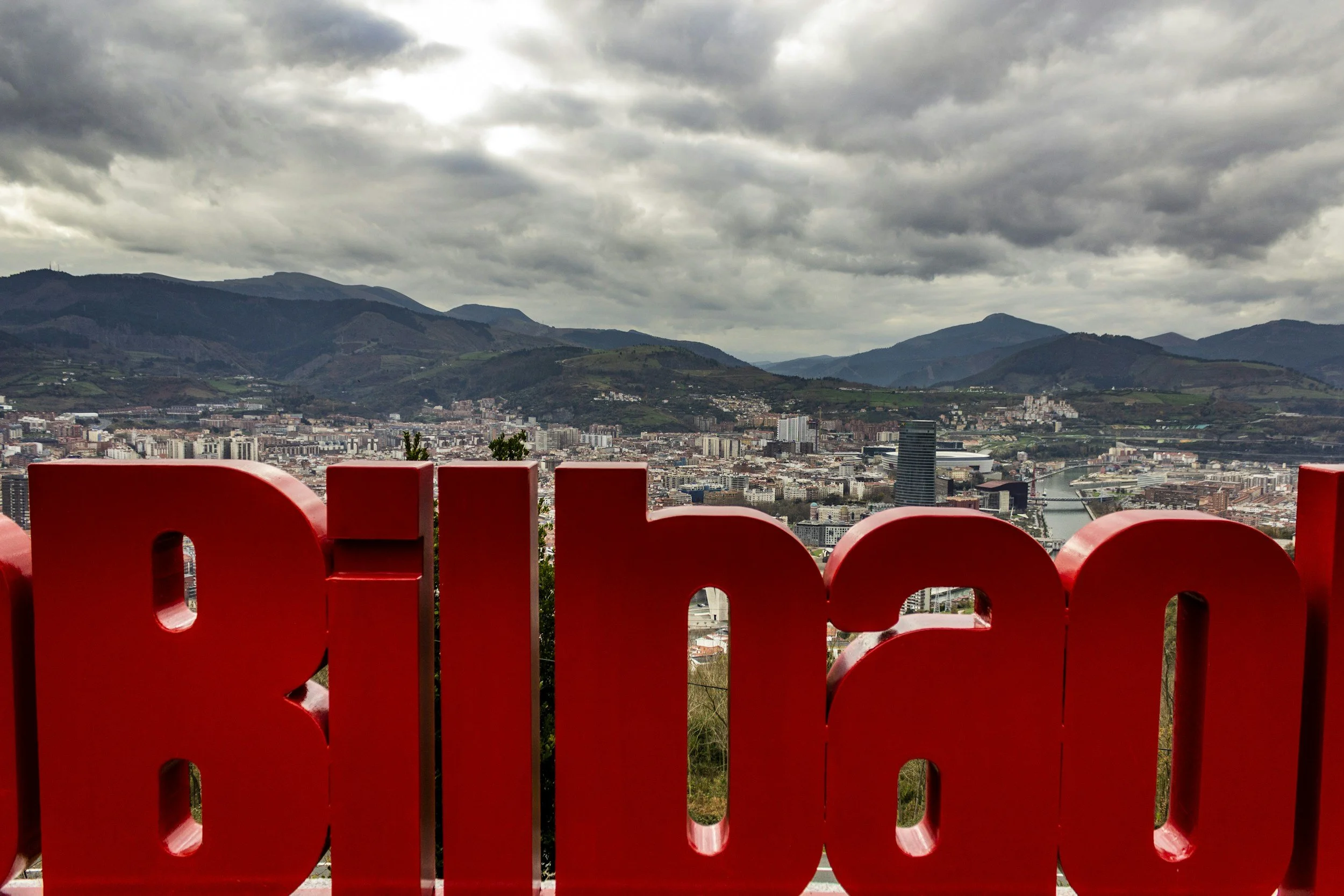
Bilbao is a city that reveals itself through movement rather than monuments. While there are a few headline sights, the most rewarding experiences here come from how you spend your time between them — walking neighbourhood to neighbourhood, stopping often, eating well, and letting the city’s slower rhythm take over.
This is not a place that demands a packed itinerary. Bilbao works best when you leave space for everyday moments: a quiet morning coffee, a busy bar at dusk, a riverside walk that turns into a longer pause than planned. Experiences here are subtle, layered, and rooted in local life rather than spectacle.
In this guide, we focus on the experiences that help you understand Bilbao as it actually is — how locals move through the city, where daily life plays out, and which moments tend to linger long after you’ve left. Think less ticking off attractions, more settling into the city’s pace.
Taken this way, Bilbao feels intimate, grounded, and quietly memorable — a city that rewards curiosity, presence, and choosing fewer, better experiences.
Experience Bilbao on Foot
Why walking matters in Bilbao
Walking is the best way to understand Bilbao. Distances are short, neighbourhoods shift quickly, and many of the city’s most interesting contrasts only really make sense at street level. You don’t need a fixed route — just a loose direction and time to wander.
A natural starting point is Casco Viejo, where streets are narrow, busy, and full of everyday life. From here, walking west across the river into Ensanche takes less than 15 minutes but feels like a different city altogether. That transition — from medieval lanes to wide boulevards and grand façades — offers one of the clearest insights into Bilbao’s past and present.
Best walking routes to follow
One of the most rewarding walks follows the Nervión River, which acts as the city’s spine. Riverside paths are flat, well maintained, and connect many of Bilbao’s key areas, including Casco Viejo, Ensanche, and the Guggenheim area.
This route works especially well if you want something unstructured: start walking, cross the river when it feels right, and let the city guide you rather than a map.
When to go
Early morning (8–10am): quieter streets, cafés opening, and a calmer pace
Late afternoon to early evening (5–7pm): the city feels social and lively without being crowded
Midday can feel slower, especially outside peak lunch hours, while evenings tend to shift focus towards bars and restaurants.
How long to allow
You can explore central Bilbao comfortably on foot in half a day, but it’s better spread across a couple of shorter walks rather than one long stretch. Plan to stop often — for coffee, a drink, or simply to sit and observe.
Bilbao rewards pauses more than progress.
What to wear and bring
Comfortable shoes are essential. While Bilbao is mostly flat, cobbled streets in Casco Viejo and longer riverside walks add up. The weather can change quickly, so a light jacket is useful year-round.
Getting back if you overdo it
If your walk takes you further than planned, the metro and tram are easy fallbacks. Stations are frequent, well signposted, and inexpensive, making it simple to mix walking with public transport rather than committing to a full loop.
Walking Bilbao isn’t about covering ground — it’s about noticing how the city shifts from one neighbourhood to the next. Give yourself time, and the experience does most of the work for you.
Pintxos Hopping as an Experience
What pintxos hopping actually is
Pintxos hopping in Bilbao isn’t a food crawl — it’s a social routine. Locals rarely plan more than a rough starting point. The idea is simple: one or two bites, one drink, then move on. You’re not meant to settle in, and you’re definitely not meant to order everything at once.
Most people stand at the bar, eat quickly, chat, and head to the next stop. The rhythm matters more than the number of places you visit.
Best time to go
The sweet spot for pintxos hopping is early evening, usually between 6.30pm and 8.30pm. This is when bars are busy with locals but haven’t yet filled up for later dinners.
Late mornings and early afternoons also work surprisingly well, especially on weekends, but evenings are when the atmosphere feels most natural.
Where it works best
Casco Viejo is the most concentrated area for pintxos hopping, with bars close together and little need for planning. Streets around Plaza Nueva are especially good for drifting between spots.
In Indautxu, pintxos hopping feels slightly calmer and more food-led. Bars are a little more spaced out, but the quality is consistently high and less geared towards visitors.
How many stops to plan
Three to five bars is plenty. After that, flavours blur and you stop enjoying it. Locals often do fewer stops than visitors — the aim is balance, not excess.
Order one pintxo per person at each stop, then reassess. If something looks particularly good, you can always order another.
What to drink
Wine is the default choice, especially red or txakoli, the lightly sparkling Basque white wine often poured from a height. Beer is available everywhere, but wine tends to fit better with the food and pace.
Avoid cocktails — they slow things down and aren’t really part of the ritual.
Practical tips that make a difference
Pay as you go: most bars expect you to pay per round
Don’t wait for a menu: ask what’s good or point at what others are eating
Trust busy bars: if it’s packed, it’s worth staying
Move on easily: no one expects you to linger
Pintxos hopping works best when you don’t overthink it. Follow the noise, order simply, and keep moving — that’s how Bilbao does it.
The Guggenheim (With Context)
Why it matters
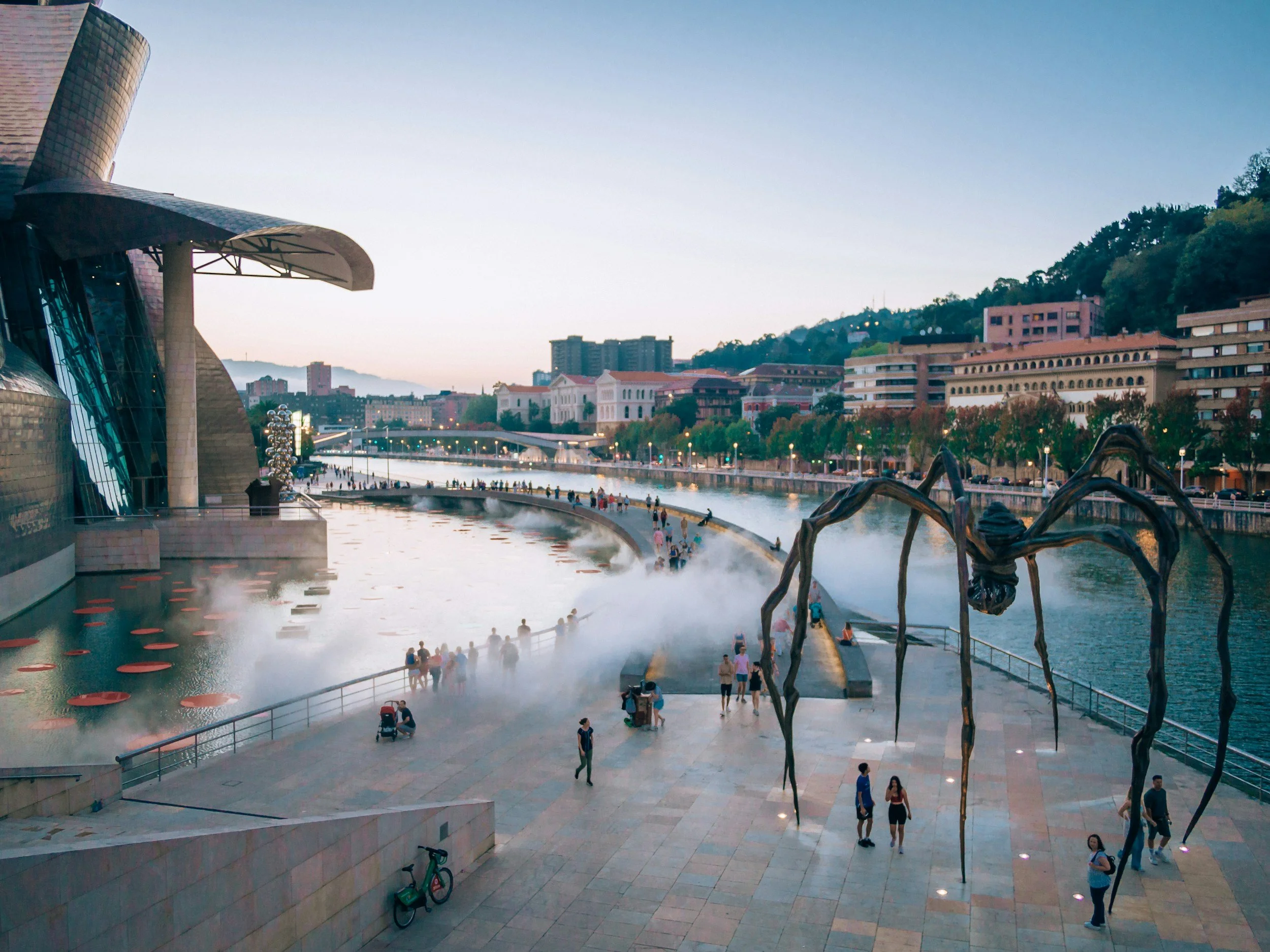
The Guggenheim Museum Bilbao isn’t just a museum — it’s a symbol of the city’s transformation. Opened in 1997, it marked a turning point in Bilbao’s shift from industrial decline to cultural confidence, and it’s still central to how the city is perceived today.
That said, locals tend to engage with the Guggenheim in a very relaxed way. It’s as much a meeting point, walking route, and backdrop to daily life as it is a cultural destination.
When to go
If you plan to go inside, mid-morning on a weekday is the sweet spot. Arriving shortly after opening avoids both school groups and afternoon crowds. Weekends and rainy days tend to be busiest.
If you’re more interested in the building itself, early morning or early evening is ideal. The area is quieter, the light along the river is softer, and you can take your time without feeling rushed.
Going inside vs staying outside
Going inside is worthwhile if you enjoy contemporary art or architecture-led spaces. Exhibitions change regularly, so the experience varies depending on what’s on — it’s worth checking what’s showing before committing.
If modern art isn’t a priority, you won’t miss out by staying outside. The exterior, surrounding plaza, and riverside paths offer one of Bilbao’s best walks, and many visitors find this just as rewarding as the galleries themselves.
Practical information
Opening times: Typically open from late morning to early evening; hours can vary by season
Tickets: Around €15–€18 (prices change with exhibitions); booking ahead is recommended in peak season
Time needed: 1.5–2 hours inside is usually enough
Getting there: Easy walk from Ensanche; also served by tram and metro
How locals experience it
For locals, the Guggenheim is part of a wider routine. They walk past it, meet friends nearby, sit along the river, or use it as a starting point for longer walks. It’s not treated as a once-in-a-lifetime stop, but as a familiar landmark woven into everyday life.
Approached this way, the Guggenheim feels less like an obligation and more like a piece of the city’s landscape — impressive, yes, but best enjoyed at your own pace.
Riverside Bilbao
Why the river matters
The Nervión River isn’t just scenery — it’s how Bilbao connects. The river links neighbourhoods that feel very different on foot, and spending time along it helps you understand how the city flows day to day.
What makes the riverside special is how lived-in it feels. This isn’t a postcard promenade designed purely for visitors. It’s used constantly by locals walking to work, cycling, meeting friends, or just getting some air.
Best stretches to explore
The most rewarding section runs between Casco Viejo and the Guggenheim area, passing through Ensanche along the way. This stretch is flat, well maintained, and easy to dip in and out of, making it ideal for a relaxed wander rather than a fixed route.
Crossing the river at different points is part of the experience. Each bridge subtly changes your perspective — historic on one side, contemporary on the other — and helps you see how compact the city really is.
When to go
Early morning: quiet, reflective, and ideal for walking or photography
Late afternoon to early evening: locals out for walks, cyclists passing through, a gentle buzz without crowds
Midday can feel flat, especially in hotter months, while late evenings tend to shift focus back towards bars and restaurants inland.
How long to allow
You don’t need to commit to a long walk. Even 30–45 minutes along the river is enough to feel its role in the city. Many people naturally combine it with another experience — a walk to the Guggenheim, a coffee stop, or a route back from dinner.
Practical tips
Benches and open spaces make it easy to pause rather than push on
The route is well lit and feels safe, even after dark
Trams run parallel to parts of the river if you want to shorten the walk
The best way to experience the river is without an agenda. Start walking, cross when it feels right, stop when something catches your attention. In Bilbao, the river isn’t something you rush through — it’s something you move alongside.
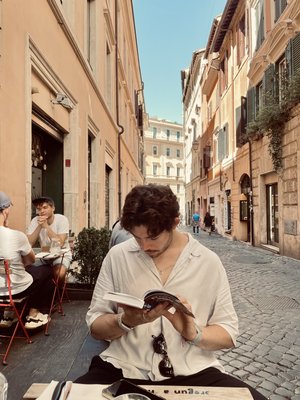
Markets, Plazas, and Daily Life
Why everyday spaces matter
Some of Bilbao’s most revealing experiences happen in places with no agenda at all. Markets, plazas, and cafés are where routines unfold — people meeting briefly, lingering longer than planned, or simply passing through as part of daily life. Spending time in these spaces helps you understand the city beyond attractions.
Mercado de la Ribera
Set along the river at the edge of Casco Viejo, Mercado de la Ribera is at its best when you treat it as part of the day rather than a destination in itself.
When to go:
Morning (9am–12pm) for the liveliest market atmosphere
Late morning to early afternoon for a casual drink or bite upstairs
How to experience it:
Browse first, eat second. Watch how locals shop, then head upstairs for something simple rather than a full meal. It works well as a pause between walking and evening plans.
Plaza Nueva
Right in the heart of Casco Viejo, Plaza Nueva functions as an open-air living room. Locals meet here before heading elsewhere, older residents sit and chat, and bars around the square stay busy from late afternoon onwards.
Best time to visit:
Late afternoon into early evening, when people start gathering before dinner. Sundays are quieter and slower, especially if the market stalls are set up.
What to do:
Grab a drink, sit if you can, and stay longer than planned. This is a place for observation rather than activity.
Cafés as daily anchors
Cafés in Bilbao aren’t just for mornings. They’re used throughout the day — mid-morning pauses, afternoon conversations, or quiet solo moments with a coffee and newspaper.
You don’t need to seek anything special. Look for places with regulars, simple menus, and no rush. If people are sitting and talking without laptops, you’re in the right place.
Practical tips for slowing down
Don’t rush between experiences — build in gaps
Sit when locals sit, not just when you’re tired
Late afternoons are ideal for observing daily life before evenings shift towards bars
Markets and plazas aren’t places you “do” in Bilbao. They’re places you return to — often without realising — and they’re where the city’s rhythm becomes easiest to feel.
Bilbao After Dark (Without the Party Focus)
What evenings look like in Bilbao
Nights in Bilbao aren’t about big nights out or chasing venues. They’re about pacing. The city eases into the evening slowly, with people drifting out for a drink, a bite, and conversation rather than committing to a single plan.
Most locals don’t head straight to dinner. Early evening is for bars — one glass, maybe a pintxo — before deciding what comes next. The atmosphere is social but relaxed, and the energy builds gently rather than peaking all at once.
When to go out
6.30pm–8.30pm: early evening drinks and pintxos; bars feel lively but manageable
8.30pm onwards: sit-down dinners begin, especially in Ensanche and Indautxu
After 10pm: quieter drinks or a final stop rather than a second wind
If you arrive too early, places may feel empty. Too late, and you’ll miss the best part of the evening rhythm.
Where evenings work best
Casco Viejo is lively and social, ideal for drifting between bars without planning.
Ensanche suits slower evenings — dinner, wine, and conversation without noise.
Bilbao La Vieja offers a more creative, low-key scene, where evenings often centre around one place rather than hopping.
You don’t need to choose just one. Moving between neighbourhoods is easy and often part of the experience.
What to expect
Evenings are informal. Standing at the bar is normal, service is quick, and no one rushes you unless the place is packed. Loud doesn’t mean chaotic; busy doesn’t mean touristy. If locals are there, you’re in the right place.
Cocktails exist, but they’re rarely the focus. Wine — especially txakoli — and simple mixed drinks dominate, usually paired with food.
Practical tips
Don’t overcommit early — leave room to move on
Follow crowds rather than reviews
Eat lighter earlier, then decide on dinner once you’re out
Comfortable shoes still matter; evenings involve more walking than you expect
Bilbao after dark feels best when you let go of structure. Start with a drink, see how the night develops, and stop when it feels right. That’s how locals do it.
Green Spaces and Escapes
Why nature matters in Bilbao
One of Bilbao’s quieter strengths is how easy it is to step away from the city without really leaving it. Green spaces are woven into daily life here, offering breathing room between meals, walks, and evenings out. You don’t need to plan a full day trip to feel a shift — even short escapes make a difference.
Doña Casilda Park
Set just behind the Guggenheim, Doña Casilda Iturrizar Park is Bilbao’s most central green space. It’s where locals come to read, walk, or sit quietly between errands.
When to go: Late morning or mid-afternoon, when it’s calm and lightly used. Early evenings can be busier but still relaxed.
How to use it: This is a pause, not a destination. It works well between the Guggenheim area and Ensanche, especially if you want to slow the pace without committing much time.
Mount Artxanda
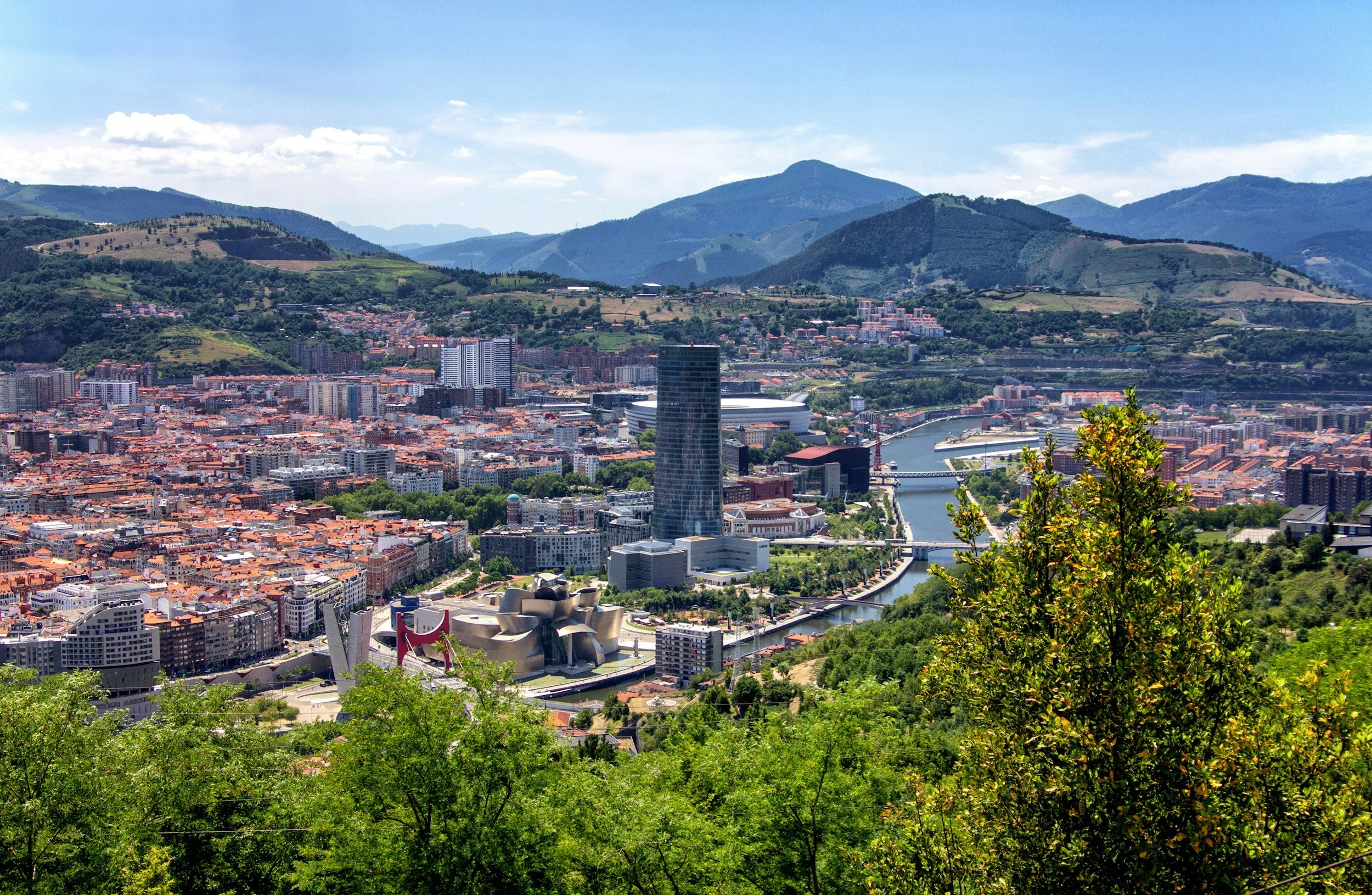
For the best views over Bilbao, head up to Mount Artxanda. From the top, the city’s layout — river, neighbourhoods, and surrounding hills — becomes instantly clear.
How to get there: Take the funicular from near the old town (it takes just a few minutes). No car or hiking required.
When to go: Late afternoon into early evening is ideal for light and views. Sunset is popular but not overwhelming.
How long to allow: An hour is plenty if you’re just going for views and a short walk.
Riverside green stretches
Beyond formal parks, the river itself acts as a linear green space. Flat paths, trees, and open stretches make it easy to get some air without leaving the city centre.
These sections are best experienced without a goal — walk until you feel ready to turn back, or hop on the tram if you go further than planned.
Short escapes without a full day trip
If you have a little more time, nearby coastal and countryside areas are within easy reach, but Bilbao doesn’t demand that you leave to reset. Many locals build these green moments into everyday routines rather than saving them for weekends.
Practical tips
Comfortable shoes matter more than hiking gear
Bring a light layer — it can be breezy, even on warm days
These spaces work best earlier in the day or between meals
Bilbao’s green spaces aren’t dramatic or over-designed — and that’s the point. They offer quiet contrast, perspective, and space to breathe, all without pulling you far from the city’s rhythm.
Day Trips That Make Sense
Bilbao is a strong base, but the best day trips here are the ones that add to your understanding of the region rather than pull you too far from it. Think coast, landscape, and small towns — not long, rushed journeys.
Getxo (Easy coastal escape)
If you want sea air without committing to a full day out, Getxo is the easiest option.
Why go: Clifftop walks, beaches, and a glimpse of how Bilbao connects to the coast.
How to get there: Metro Line 1 from central Bilbao (around 25–30 minutes).
When to go: Late morning or early afternoon works well. Summer afternoons are livelier; weekdays are calmer.
How long to allow: Half a day is plenty — walk the coast, stop for lunch, head back without rushing.
This is a low-effort, high-reward trip that fits neatly around city plans.
San Juan de Gaztelugatxe (Iconic, but time-sensitive)
Now famous for its dramatic setting, San Juan de Gaztelugatxe is worth it if you plan properly.
Why go: Sheer cliffs, Atlantic views, and one of the most striking locations in the Basque Country.
How to get there: Best reached by car. Public transport is possible but time-consuming and involves multiple connections.
When to go: Early morning or late afternoon to avoid crowds, especially in peak season.
Things to know:
Entry is often free but ticketed, with time slots required
Expect a steep walk and many steps
Allow at least 2–3 hours including walking time
It’s impressive, but only enjoyable if you avoid peak times and go prepared.
Mundaka (Surf town and relaxed coast)
For a slower, more local-feeling coastal day, Mundaka is a strong choice.
Why go: Surf culture, harbour views, relaxed pacing, and a less polished feel than resort towns.
How to get there: Train from Bilbao (around 1 hour).
When to go: Late spring to early autumn is best. Weekdays are quieter.
How long to allow: Half to full day, depending on whether you eat, walk, or just sit and watch the water.
This is a good option if you want contrast without spectacle.
How to choose the right day trip
Short stay: stick to Getxo or stay in the city
One free day: choose either the coast or the countryside, not both
Peak summer: prioritise early starts or quieter towns
Bilbao doesn’t demand that you leave it. Day trips work best when they feel like extensions of the city — a change of air, not a change of pace.
“Bilbao is a city that rewards travellers who move slowly and pay attention. Its best experiences aren’t loud or overwhelming — they’re built from simple moments: walking between neighbourhoods, stopping for a drink without a plan, following the river, or letting a day unfold naturally.
Whether you’re exploring on foot, hopping pintxos early in the evening, lingering by the Guggenheim without rushing inside, or heading out for a short coastal escape, Bilbao works best when you choose fewer, more intentional experiences. The city doesn’t ask to be conquered — it asks to be lived in, even briefly.
Approached this way, Bilbao feels grounded, confident, and quietly memorable. Give it time, trust its rhythms, and you’ll leave feeling like you understood it — not just visited it.”