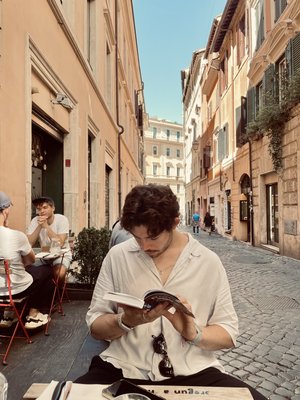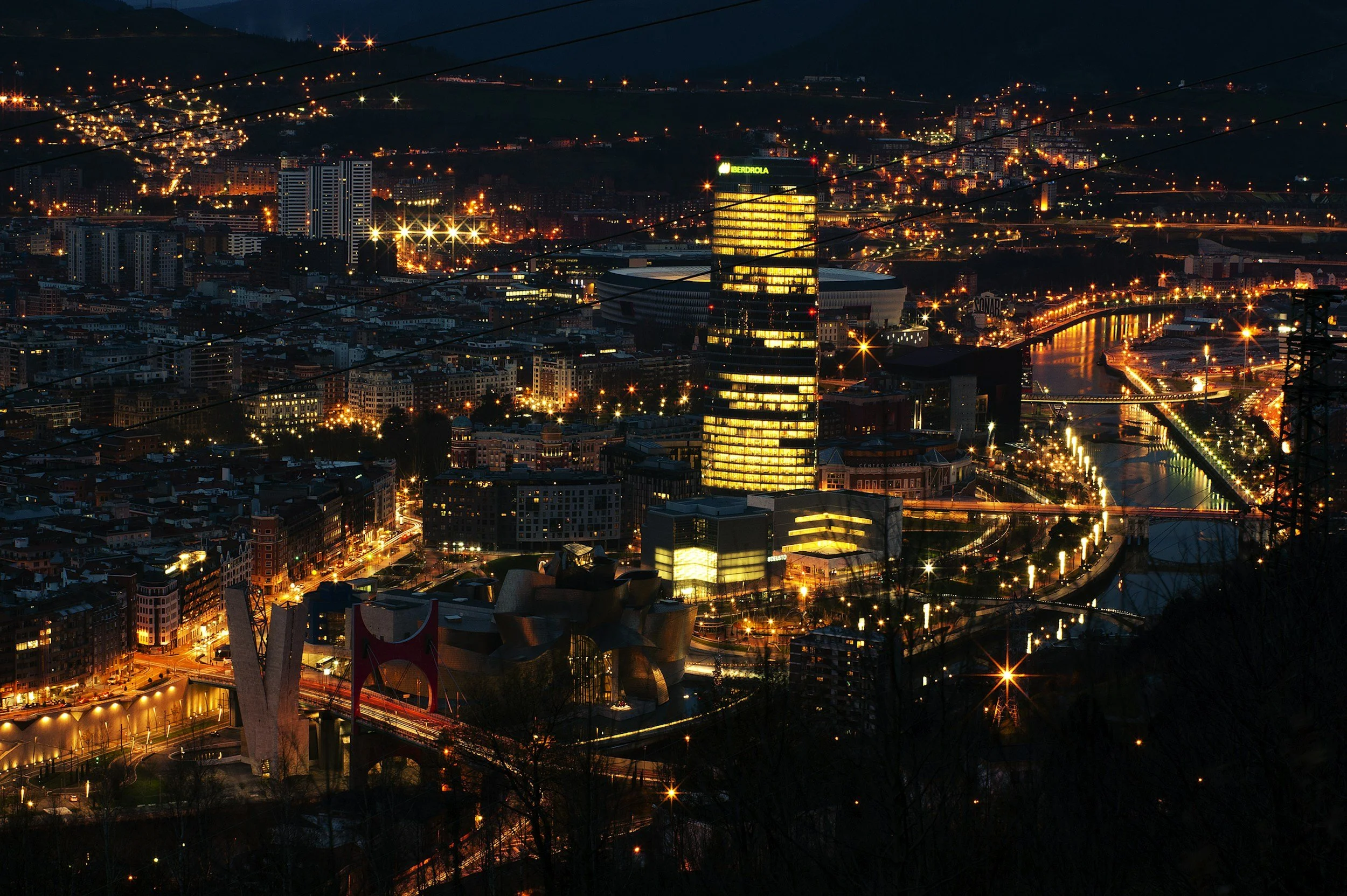
Bilbao is one of those cities where food isn’t treated as an occasion — it’s part of everyday life. Eating here is social, habitual, and deeply tied to local identity, shaped by Basque pride in produce, seasonality, and doing simple things exceptionally well.
Most visitors arrive knowing one word: pintxos. And while pintxos culture is very much alive, it’s only one piece of how locals eat in Bilbao. Daily menus, markets, bakeries, neighbourhood bars, and long lunches play just as big a role — often in places that never make it onto “best of” lists.
This food and drink guide looks at Bilbao through that local lens. It explores how people actually eat, where they go regularly, and how food changes from one neighbourhood to the next. Along the way, you’ll find specific, well-chosen recommendations — pintxos bars, restaurants, cafés, and wine spots — woven naturally into each section, so you can eat well without overplanning.
Whether you’re hopping bars in Casco Viejo, settling into a long lunch in Indautxu, or discovering more creative kitchens across the river, Bilbao rewards curiosity and appetite in equal measure. Follow local rhythms, trust busy rooms, and let food lead the way.
Bilbao’s Food Culture: How Locals Eat
To eat well in Bilbao, it helps to forget the idea of food as an event. Here, eating is woven into the day — quick stops at the bar, long lunches when time allows, and unplanned dinners that start with one drink and stretch on naturally.
Meals follow a rhythm that can catch visitors out. Lunch is typically eaten later than in much of Europe, often between 2pm and 3.30pm, and dinner rarely starts before 8.30pm. In between, bars stay busy with people stopping for a pintxo and a drink rather than a full sit-down meal. This is normal — and encouraged.
Another key difference is how informal eating is. Many of the best places don’t look special from the outside. Menus might be short, handwritten, or not displayed at all. You’ll often stand at the bar, order what’s good that day, eat quickly, and move on. Lingering happens later, usually over a full meal rather than pintxos.
Quality matters more than variety. Basque cooking is rooted in excellent produce — seafood from the nearby coast, meat from inland farms, seasonal vegetables — prepared simply and confidently. You’ll notice that many bars do just a handful of things, but they do them exceptionally well. Locals return to the same places repeatedly, not because they’re trendy, but because they’re reliable.
Perhaps most importantly, eating in Bilbao is social. People rarely eat alone if they can help it, and bars fill up because they’re meeting points, not destinations. If a place is busy, it’s a good sign. If it’s empty, move on.
Understanding this rhythm makes everything else easier — from pintxos hopping to long lunches and late dinners — and it’s what allows Bilbao’s food scene to feel relaxed, confident, and deeply local rather than performative.
Pintxos Culture (Beyond the Obvious)
Pintxos in Bilbao aren’t about ticking off famous bars or photographing every plate. They’re about rhythm, instinct, and knowing when to move on. Locals rarely plan a pintxos route — they follow atmosphere, familiarity, and whatever looks good that day.
A typical pintxos stop is short. You’ll order one or two small bites with a drink, eat standing at the bar, and then head elsewhere. Sitting down is usually reserved for full meals, not casual pintxos hopping. If a bar feels crowded and loud, that’s a good sign — it means people trust what’s coming out of the kitchen.
Unlike in San Sebastián, where many pintxos are pre-prepared and displayed, Bilbao leans more towards made-to-order classics. Tortilla, bacalao, grilled mushrooms, anchovies, and simple meat or seafood dishes dominate. Fewer gimmicks, more substance.
In Casco Viejo, pintxos culture feels traditional and social. Bars like Gure Toki show how the scene has evolved — creative without losing its roots — while still operating on local rhythms rather than tourist schedules. Nearby, places such as Sorginzulo lean firmly into tradition, with a loyal local following and minimal fuss.
In Indautxu, pintxos are slightly more refined and food-led. Spots like La Viña del Ensanche are popular precisely because they bridge the gap between casual bar culture and sit-down quality — somewhere locals go when they want to eat well without committing to a full restaurant meal.
A few practical pointers help avoid common mistakes. Don’t order too much at once — pintxos are small, but they add up quickly. If there’s no menu, ask what’s good or watch what others are eating. And if a bar feels empty during peak hours, trust your instincts and move on.
Approached this way, pintxos become less about chasing “the best” and more about understanding how Bilbao eats: confidently, socially, and without overthinking it.
Markets and Everyday Food
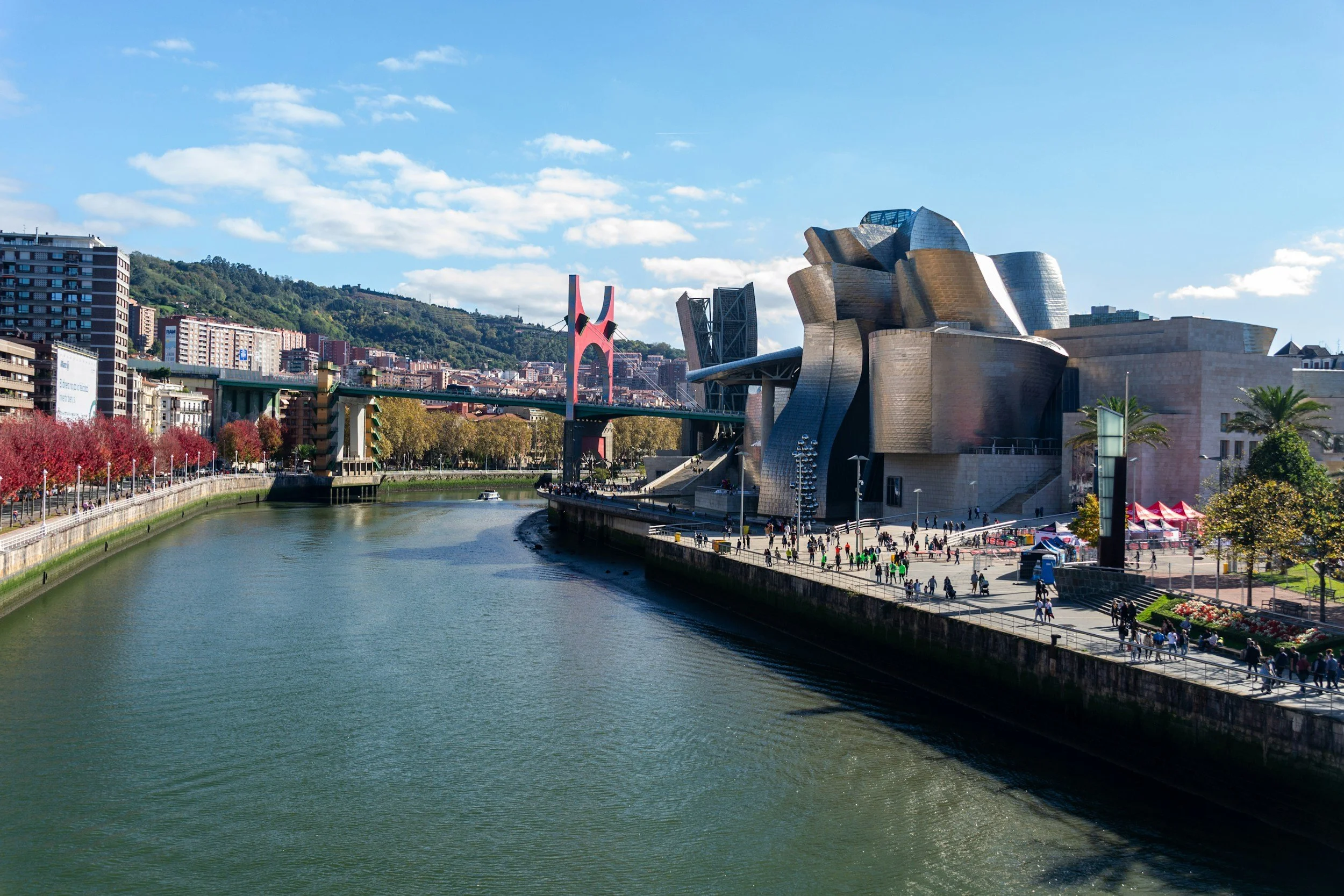
While pintxos get most of the attention, much of Bilbao’s food culture happens earlier in the day and away from bars altogether. Markets, bakeries, and simple lunchtime spots play a big role in how locals eat — especially during the working week.
The anchor for all of this is Mercado de la Ribera, set right on the river at the edge of Casco Viejo. It’s often described as one of Europe’s largest covered markets, but what matters more is how it’s used. Mornings are for shopping — fish counters piled with seafood from the Bay of Biscay, butcher stalls, fruit and vegetable vendors — while the upper levels come alive later with casual bars and places to eat.
Locals don’t come here for a big night out. They come for a quick glass of wine, a simple plate, or a relaxed lunch that doesn’t feel like an occasion. It’s a good place to reset between sightseeing and evening plans, especially if you want something informal and reliable.
For a more everyday, neighbourhood-focused experience, Mercado del Ensanche is a great alternative. Smaller and less visited by tourists, it serves nearby residents with fresh produce, fish, and meat, and gives a clearer picture of how people shop for daily meals rather than special occasions. If you’re staying in Ensanche or Indautxu, this is the market locals are more likely to use regularly.
Another one worth knowing about is Mercado de la Plaza Nueva, which pops up on Sundays in Casco Viejo. It’s less about groceries and more about atmosphere, with stalls selling antiques, books, records, and second-hand goods alongside small food stands. It’s a nice way to experience the Old Town at a slower pace, especially late morning.
Beyond formal markets, everyday eating in Bilbao is built around neighbourhood routines. Bakeries are busy from early morning, selling bread, pastries, and simple savoury snacks. Lunch menus (menú del día) are common and excellent value, offering a few set courses rather than à la carte options — a very local way to eat well without spending heavily.
You’ll also notice that many of the best daytime spots don’t advertise themselves as anything special. They’re places filled with workers, retirees, and students, serving straightforward food quickly and consistently. If you’re looking for a proper sense of local life, eating at lunchtime — rather than saving everything for the evening — is one of the easiest ways to find it.
Iconic Basque Dishes to Know
You don’t need to memorise dishes to eat well in Bilbao, but recognising a few staples helps you understand menus and spot what locals gravitate towards. Basque cooking is less about invention and more about respect for ingredients — the same dishes appear again and again, refined through repetition rather than reinvention.
Bacalao (salt cod) is everywhere, and for good reason. Prepared in various ways — often with pil-pil sauce or peppers — it reflects Bilbao’s historic trade links and the Basque knack for turning preserved ingredients into something delicate and satisfying. If a bar or restaurant does bacalao well, it’s usually a sign the rest of the menu is solid too.
Txuleta, the famous Basque beef chop, is another cornerstone. This is typically reserved for sit-down meals rather than casual pintxos stops. Portions are generous, cooking is simple, and quality matters more than presentation. It’s often shared, and best enjoyed slowly with wine rather than rushed between bars.
Tortilla de patatas in Bilbao is serious business. Expect fewer gimmicks and more emphasis on texture — soft, just-set centres are prized. You’ll see locals ordering tortilla at all hours of the day, especially mid-morning or early evening, making it one of the easiest ways to eat like a local without overthinking it.
Txangurro (spider crab) appears less frequently but is worth noting when it’s in season. Usually baked and served in its shell, it’s rich, indulgent, and firmly rooted in coastal Basque tradition.
What ties these dishes together is restraint. You won’t find heavy sauces or complicated plating. Instead, flavours are clean, portions are honest, and repetition is embraced. Many locals return to the same places for the same dish for years — not out of habit, but because consistency is valued more than novelty.
Understanding this makes ordering easier. If a place is known for one dish, order that. If the menu is short, trust it. In Bilbao, confidence often comes from doing fewer things very well.
Neighbourhood Food Scenes
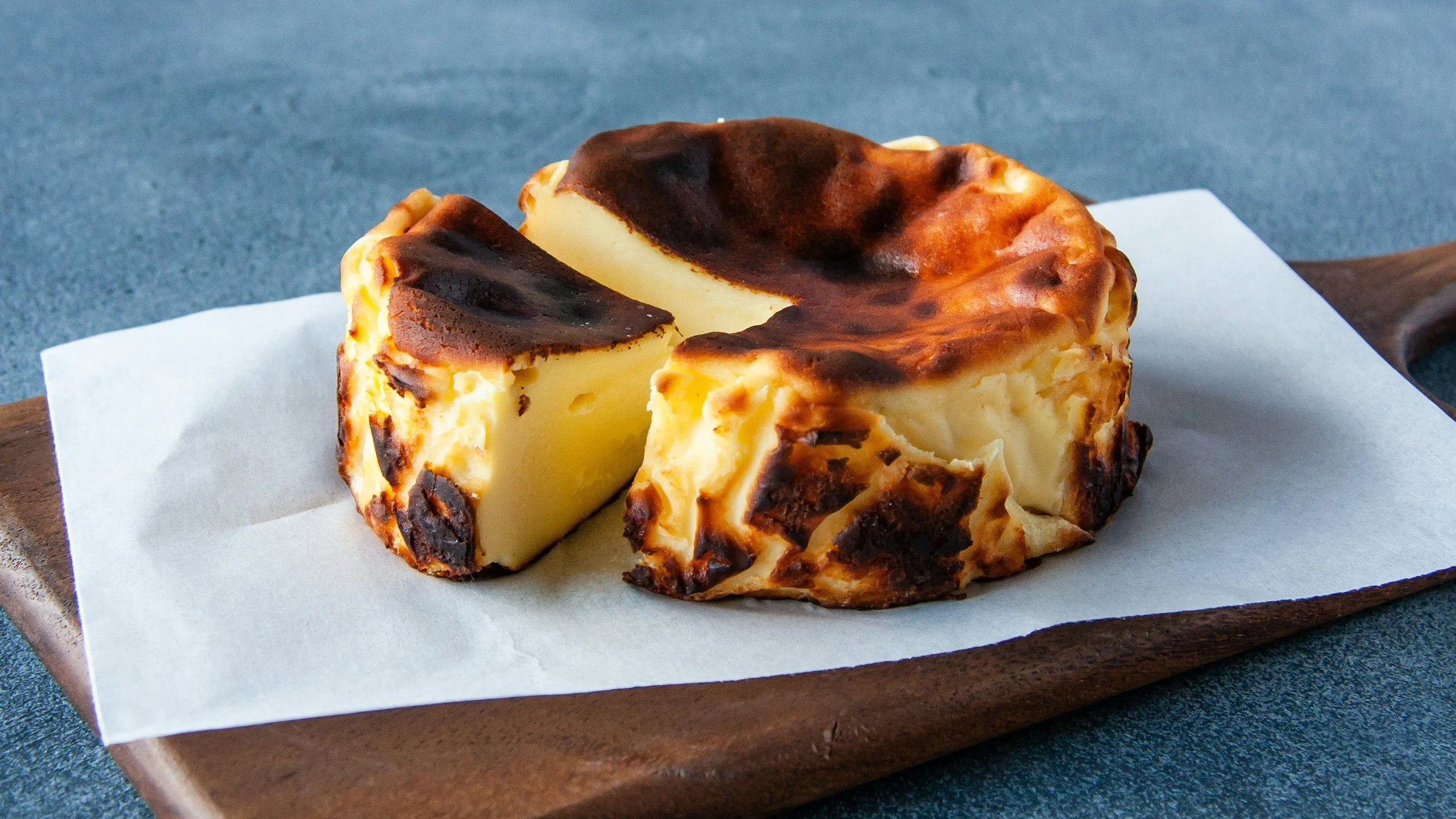
Rather than chasing individual “must-eat” spots, eating well in Bilbao is about understanding where you are. Each neighbourhood has its own rhythm, price point, and style — and knowing what to expect makes it much easier to settle in and eat confidently.
Casco Viejo
Food in Casco Viejo is lively, social, and rooted in tradition. This is where pintxos culture feels most concentrated, with bars close together and little reason to plan ahead. Evenings are made for short stops, one or two bites at a time, following the buzz rather than a checklist.
Alongside classics, you’ll find places that quietly modernise the scene without losing its soul. Gure Toki remains a go-to for creative but grounded pintxos, while Sorginzulo keeps things unapologetically old-school.
If you want something slightly calmer, Irrintzi bridges the gap between pintxos bar and sit-down restaurant, offering contemporary Basque dishes in a relaxed setting. For classic grilled mushrooms and simple bites done properly, Zuga is another reliable stop.
Casco Viejo works best if you keep moving. Eat standing, don’t over-order, and let the atmosphere guide you.
Ensanche (Abando)
Ensanche’s food scene is calmer and more polished. This is where locals go when they want to sit down properly, talk over wine, and eat well without the noise of bar-hopping. It’s particularly strong for lunch and early evenings.
El Globo remains a dependable favourite for refined pintxos, while Café Bar Bilbao Berria suits longer, unhurried meals.
For something more contemporary, Nerua offers a high-end interpretation of Basque cuisine inside the Guggenheim — best reserved for travellers specifically seeking a fine-dining experience. At the other end of the scale, La Viña del Ensanche (also popular here) works well for quality without ceremony.
Indautxu
Indautxu is one of Bilbao’s most reliable neighbourhoods for eating well. Less touristic and more residential, it’s packed with places locals return to again and again — often without booking.
La Viña del Ensanche anchors the area with excellent produce-driven dishes and a standout wine list. Nearby, Antxoa Taberna is known for anchovies and simple seafood dishes done with confidence.
For something informal and quick, Bar Iruski is a solid neighbourhood option — busy, unfussy, and consistently good. Indautxu is ideal if you want to eat well by instinct rather than reservation.
Bilbao La Vieja
Bilbao La Vieja feels more experimental and outward-looking. This is where you’ll find creative kitchens, natural wine bars, and menus that reflect the neighbourhood’s diversity. It’s less about tradition and more about evolution.
Marzana 16 remains a standout for thoughtful, contemporary cooking, while La Viña de Bilbao La Vieja is an easy, relaxed place to end an evening.
Another strong option is Peso Neto, which blends seasonal ingredients with a creative edge and draws a local crowd. For casual drinks and a mixed crowd of artists and residents, Berebar captures the neighbourhood’s social side well.
Cafés and Coffee Culture
Coffee in Bilbao is functional first, ritual second. It’s less about specialty menus and more about rhythm — stopping briefly in the morning, meeting someone mid-afternoon, or lingering with a newspaper when time allows. Cafés here are social spaces, not just caffeine stops.
Most locals drink espresso-based coffee, taken quickly at the bar or seated at a small table. Breakfast is light: coffee with a pastry, toast, or something simple rather than a full spread. You’ll notice cafés filling up early, emptying, then coming back to life again later in the day.
In Casco Viejo, cafés tend to be traditional and compact. Café Iruña doubles as a café and bar, and is as much about atmosphere as it is about what’s on the menu. It’s a good place to slow down mid-morning or break up an afternoon of wandering with something familiar and unfussy.
Ensanche offers a slightly more contemporary café scene. Café Lago is a long-standing favourite, known for its pastries and relaxed pace — the kind of place locals return to without thinking twice. Nearby, Mokambo is worth noting for its old-school charm and excellent hot chocolate, especially on cooler days.
If you’re looking for something more modern, you’ll find a handful of specialty-leaning spots scattered across the city, particularly in Ensanche and Bilbao La Vieja. These places tend to attract a younger crowd and are better suited to longer sits, reading, or working for a while — though they’re still the exception rather than the rule.
The key thing to remember is that cafés in Bilbao aren’t rushed. Even a quick coffee can turn into a pause. Follow that lead, and you’ll start to see cafés less as pit stops and more as part of how the city breathes throughout the day.
Wine, Txakoli, and Bars
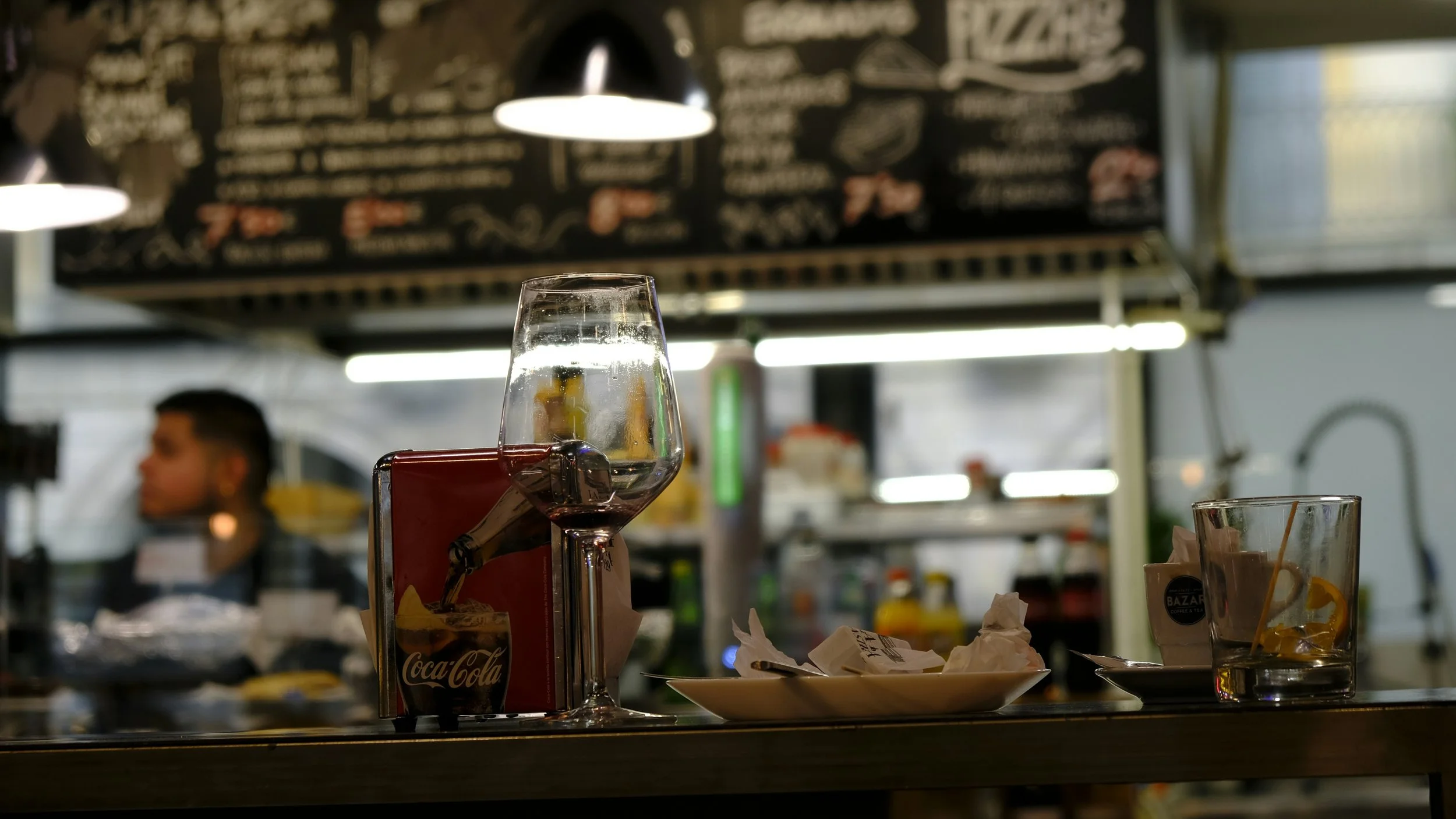
Drinking in Bilbao is closely tied to eating, conversation, and routine rather than late nights or big gestures. Locals don’t tend to “go out” for drinks in the abstract — they stop somewhere, have a glass with a bite, move on, and let the evening unfold naturally.
Wine is the default choice in most bars, with txakoli — the Basque Country’s lightly sparkling, high-acidity white wine — playing a central role. It’s fresh, often poured from a height, and meant to be drunk young. You’ll see it ordered casually alongside pintxos, especially earlier in the evening or on warmer days.
In Casco Viejo, bars are busy, loud, and social. Drinks are short stops rather than destinations. Taberna Basaras is a good example of a classic wine-focused bar where locals gather for a glass and something small without ceremony. It’s informal, welcoming, and rooted in tradition.
Ensanche offers a slightly more relaxed, wine-led scene, where lingering feels more natural. La Viña del Ensanche (worth mentioning again in this context) works just as well for an early evening glass as it does for a casual meal, with a strong focus on Spanish and Basque wines.
Across the river in Bilbao La Vieja, drinking culture becomes more experimental. Natural wines, small producers, and a creative crowd define the scene here. La Viña de Bilbao La Vieja remains a reliable choice for something relaxed and social, while nearby bars often double as informal cultural spaces rather than traditional drinking spots.
Cocktails exist, but they’re rarely the focus. Bilbao’s bar culture prioritises ease over excess — one drink, maybe two, paired with food and conversation. If a place is busy early in the evening, it’s usually a sign you’ve found the right spot.
Approach drinking here the same way locals do: follow the crowd, trust simplicity, and don’t rush. The best nights in Bilbao tend to be the unplanned ones.
Practical Tips for Eating and Drinking in Bilbao
A few small details make a big difference when eating out in Bilbao. Once you understand the basics, everything feels easier — from ordering to timing to choosing where to stop.
Don’t eat too early
Many kitchens don’t open for dinner until 8.30pm or later, and bars feel most alive from around 7pm onwards. If you arrive earlier, aim for a drink and a pintxo rather than a full meal.
Trust busy rooms
Bilbao’s food scene is driven by locals, not reviews. A packed bar is almost always a good sign, while an empty one during peak hours usually isn’t. Follow people, not rankings.
Short menus are a good thing
If a place focuses on just a handful of dishes, it’s usually because they do those things very well. Order what they’re known for rather than scanning for variety.
Standing is normal
Especially for pintxos, standing at the bar is expected. Sitting down doesn’t mean better service — it just signals you’re planning to stay longer.
Ask, don’t overthink
If you’re unsure what to order, ask what’s good that day or point to what others are eating. English is widely understood, and effort is always appreciated.
Lunch is great value
The menú del día is one of the best ways to eat well in Bilbao without spending much. It’s filling, seasonal, and very much part of local routine.
Reservations matter sometimes
Most bars don’t take bookings, but popular sit-down restaurants — especially for dinner — often do. If there’s somewhere specific you want to try, plan ahead.
Cash helps, but cards are fine
Most places accept cards, but having some cash is useful for small bars or quick stops.
Approach eating in Bilbao with flexibility rather than a fixed plan, and the city rewards you with food that feels confident, comforting, and deeply local.
“Bilbao is a city where food isn’t something you schedule — it’s something you fall into. Meals unfold around daily routines, neighbourhood habits, and places people return to again and again, not because they’re famous, but because they’re trusted.
Whether you’re standing at a busy bar in Casco Viejo, settling into a long lunch in Indautxu, browsing produce at a local market, or sharing a bottle of txakoli across the river in Bilbao La Vieja, eating here feels instinctive rather than performative. The best experiences come from following local rhythms, choosing places that feel lived-in, and letting curiosity guide you.
Approached this way, Bilbao’s food scene reveals its real strength: confidence without show, tradition without rigidity, and a deep respect for good ingredients eaten well. Take your time, eat like a local, and let the city feed you properly.”