Rio Carnival 2026: Complete Guide for First-Time Visitors and Return Travellers

Rio Carnival is often described as the biggest party on earth, but that headline barely scratches the surface. For a few intense weeks each year, Rio de Janeiro transforms into a city-wide celebration shaped by music, movement, ritual, and community — one that blends centuries of history with the energy of modern Brazil.
For first-time visitors, Carnival can feel overwhelming. There are parades, blocos, tickets, neighbourhoods, unwritten rules, and a constant question of where to even begin. For returning travellers, it’s equally complex — no two Carnivals are ever the same, and the experience shifts each year depending on where you stay, what you prioritise, and how deeply you choose to engage.
This guide to Rio Carnival 2026 is designed to cut through the noise. Rather than treating Carnival as a single event, it breaks it down into its moving parts: the Sambadrome parades, the street blocos, the neighbourhood rhythms, and the practical realities of navigating Rio during its busiest season. Along the way, you’ll find cultural context, honest advice, and local-first tips to help you plan with confidence — whether you’re chasing the spectacle, the street energy, or something in between.
Carnival isn’t about doing everything. It’s about choosing the right experiences, understanding the city you’re stepping into, and letting Rio meet you where you are. This guide will help you do exactly that.
What Is Rio Carnival (and Why It’s So Special?)
Rio Carnival isn’t a single event, a parade, or a weekend of parties. It’s a city-wide celebration that unfolds across streets, sambadromes, neighbourhoods, and social spaces — shaped as much by local participation as by spectacle.
At its core, Carnival is about collective expression. It brings together music, costume, dance, satire, and storytelling, all rooted in Brazil’s cultural history and lived realities. While visitors often arrive for the energy and colour, what makes Carnival in Rio de Janeiro unique is how deeply it belongs to the people who live there.
A Brief History of Carnival in Rio
Carnival in Rio evolved from European pre-Lent celebrations brought to Brazil during the colonial period, but its identity was reshaped through Afro-Brazilian culture, particularly by communities in Rio’s working-class neighbourhoods. Samba — now synonymous with Carnival — emerged in the early 20th century, drawing on African rhythms, religious traditions, and oral storytelling.
Over time, informal street celebrations grew alongside organised samba schools, each representing a specific community. These schools began competing publicly, eventually leading to the creation of the Sambadrome — a purpose-built parade avenue designed to showcase samba as an art form rather than just a party.
Today, Carnival reflects both sides of that evolution: the highly choreographed samba school parades and the spontaneous, open-access street celebrations that take over the city.
Sambadrome vs Street Carnival
Understanding this distinction early makes planning far easier.
The Sambadrome is home to the official samba school parades. These are ticketed, timed events where schools compete through music, costume design, choreography, and narrative. It’s structured, dramatic, and deeply symbolic — closer to a cultural performance than a party.
Street Carnival, on the other hand, happens everywhere else. Thousands of blocos (street bands) take over neighbourhoods across Rio, each with its own sound, crowd, and atmosphere. Some are massive and chaotic; others are small, local, and community-led. Most are free, informal, and driven by participation rather than observation.
Neither is “better” — they simply offer different ways of experiencing Carnival. Many travellers enjoy both, but knowing which one matters more to you will shape where you stay, how you plan your days, and what kind of memories you take home.
When Is Rio Carnival 2026?
Rio Carnival follows the Christian calendar, meaning its dates change each year depending on when Easter falls. In 2026, Carnival lands in mid-February, with celebrations building steadily before reaching their peak across the official parade nights and Carnival weekend.
Rather than being confined to a single weekend, Carnival in Rio unfolds over several weeks, with different experiences depending on when you arrive. Understanding this timeline is key to planning a trip that matches your energy levels, interests, and budget.
Official Rio Carnival Dates (2026)
For 2026, the core Carnival period runs across the following dates:
Friday 13 February to Tuesday 17 February 2026 — official Carnival period
Friday 13 and Saturday 14 February — Access Group samba school parades at the Sambadrome
Sunday 15 and Monday 16 February — Special Group samba school parades (the main competition nights)
Saturday 21 February — Champion’s Parade, featuring the top-performing samba schools returning for a final celebration
These Sambadrome parade nights form the structured backbone of Carnival. However, they are only one part of the wider experience.
Street Carnival — known locally as Carnaval de Rua — begins earlier, with blocos appearing across the city from late January, intensifying in the one to two weeks before Carnival weekend, and continuing through to Ash Wednesday.
When to Arrive (and When to Leave)
For most first-time visitors, arriving between Wednesday 11 and Thursday 12 February works well. This gives you time to settle in, experience pre-Carnival blocos, and adjust to the pace of the city before the busiest days begin.
If your priority is street Carnival, arriving even earlier can be a smart move. Pre-Carnival blocos are often slightly less crowded, more local in feel, and easier to navigate — particularly helpful if you’re new to Rio or travelling independently.
If the Sambadrome parades are your main focus, make sure your stay covers Sunday 15 and Monday 16 February, as these are the most competitive and visually striking nights.
Leaving Rio immediately after Carnival can be hectic, with busy airports and transport delays. If your schedule allows, staying one or two days after Carnival — or through to the Champion’s Parade on Saturday 21 February — offers a calmer, more reflective end to the trip.
Why Timing Matters
Carnival weekend (15–17 February) is when Rio is at full capacity: accommodation prices peak, blocos run from morning to night, and transport is at its busiest.
Pre-Carnival days offer a slightly softer introduction, especially for first-timers who want to ease into the experience.
Post-Carnival days are ideal for recovery — whether that means beach time, exploring quieter neighbourhoods, or simply seeing a different side of the city.
Planning your dates carefully doesn’t mean doing more — it means choosing the right moments to experience Carnival on your terms.
Where Carnival Actually Happens
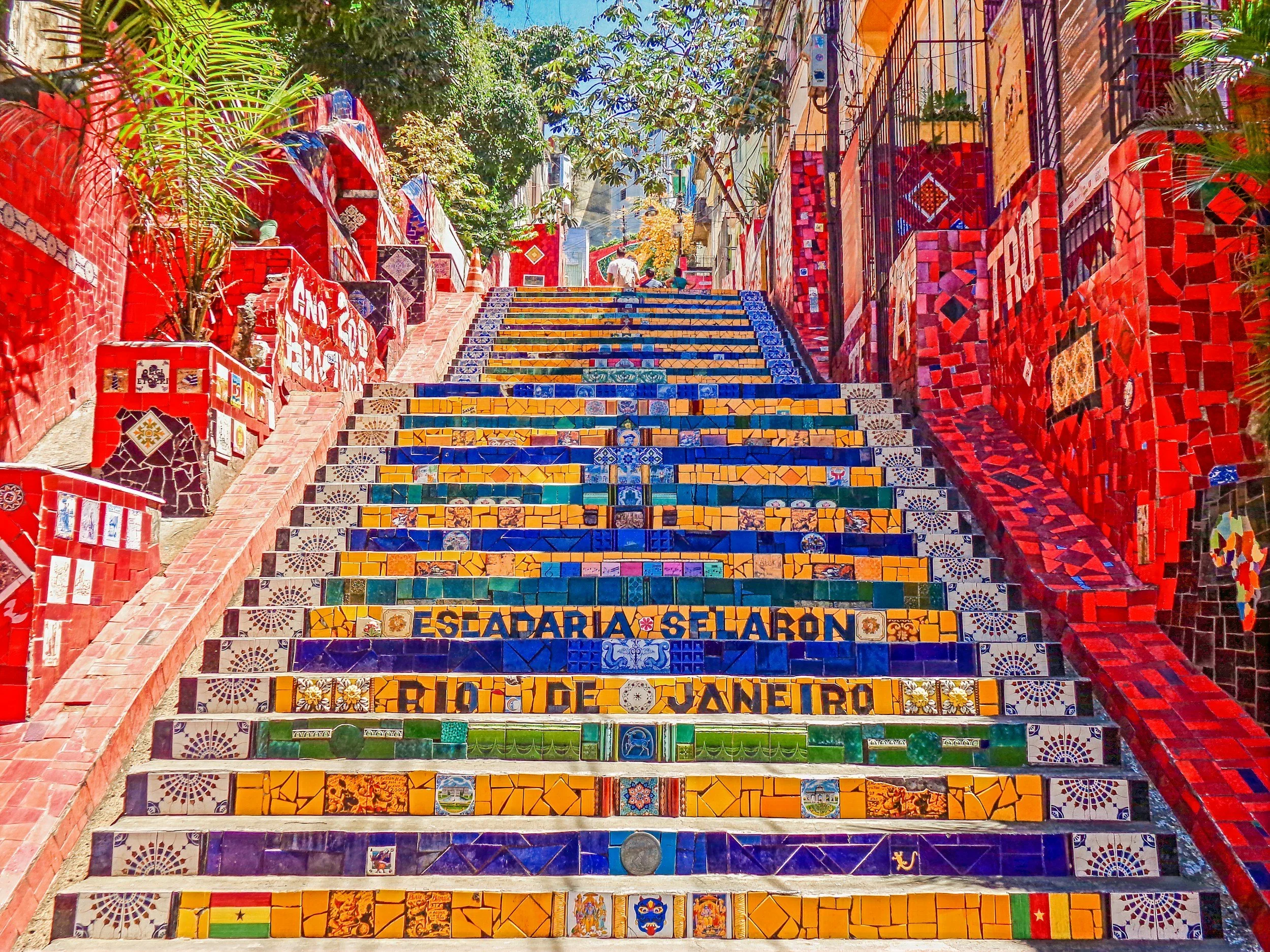
During Carnival, Rio doesn’t centre around a single district or venue. Instead, the city reshapes itself. Streets close, neighbourhoods take on new rhythms, and certain areas become focal points depending on whether you’re there for parades, blocos, or a mix of both.
Understanding where things happen — and how far apart they are — makes planning far easier and helps avoid spending half your trip in traffic or chasing events across the city.
The Sambadrome (Parade Central)
The heart of Rio’s official Carnival parades is the Sambadrome Marquês de Sapucaí, a purpose-built parade avenue located just north of the city centre.
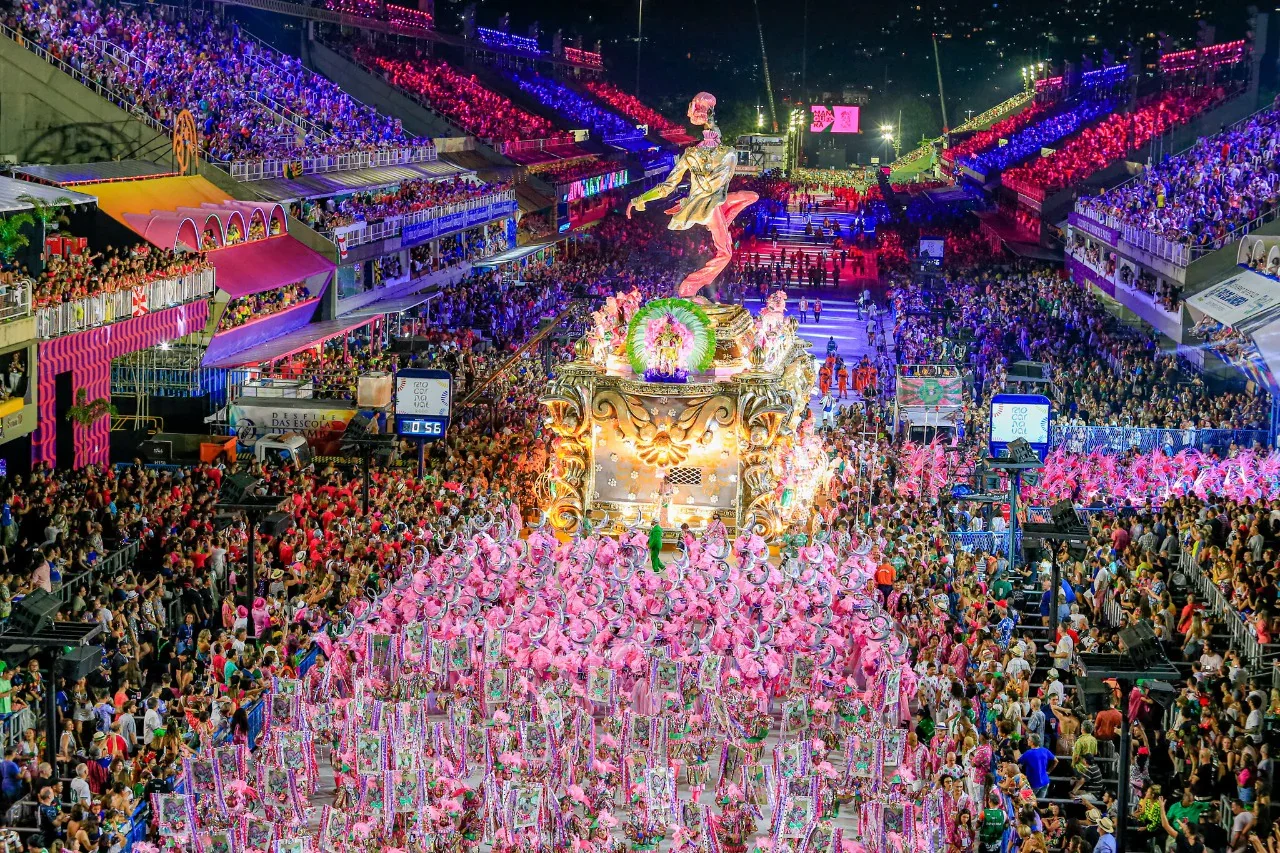
This is where the samba schools perform during the Access Group, Special Group, and Champion’s Parade nights. Each school parades for around an hour, moving through the avenue in a tightly choreographed sequence of music, dance, costumes, and storytelling.
The Sambadrome experience is:
Structured and ticketed
Time-specific (parades run late into the night)
Best suited to travellers who want a cultural spectacle rather than spontaneity
Because of its location, most visitors reach the Sambadrome via the metro, which is extended during Carnival nights. Walking long distances afterwards is common, so staying relatively central or near a metro line is helpful if parades are a priority.
Street Carnival Neighbourhoods to Know
Street Carnival is spread across the city, but certain neighbourhoods consistently become key hubs. Each offers a different atmosphere, and many travellers end up gravitating towards one or two rather than trying to cover everything.
Centro
This is where many of Rio’s largest and most traditional blocos take place. Crowds here can be intense, especially during peak Carnival days, but it’s also where Carnival feels most rooted in history. Expect daytime blocos, packed streets, and a strong sense of collective energy.
Lapa
Known for its nightlife year-round, Lapa becomes one of Carnival’s most animated areas after dark. Blocos spill into bars, live music runs late, and the atmosphere is lively and chaotic in equal measure. It suits travellers who want to combine street Carnival with evenings out.
Santa Teresa
A more residential, hillside neighbourhood with a strong artistic identity. Blocos here tend to be smaller and more local, often attracting repeat visitors and residents. It’s a good option if you’re looking for a slightly slower pace without losing the Carnival spirit.
Copacabana and Ipanema
Along the coast, Carnival feels more open and beach-led. Blocos here are popular with visitors, and the wide streets make crowds feel more manageable. These neighbourhoods work well for first-time visitors who want to balance Carnival with beach time and easier logistics.
How Carnival Changes the City
During Carnival week, Rio operates differently:
Major roads close without much notice
Public transport runs extended hours but fills quickly
Walking becomes the most reliable way to move short distances
Rather than trying to cross the city multiple times a day, it’s usually better to choose one main area per day and let Carnival come to you. Planning by neighbourhood — rather than by individual events — leads to a far more enjoyable experience.
Sambadrome Parade Guide
For many visitors, the Sambadrome parades are the moment that defines Rio Carnival. This is where months of preparation come together in a tightly choreographed competition that blends music, costume design, storytelling, and community pride.
While the scale is impressive, the experience varies significantly depending on which night you attend, where you sit, and what you expect going in. A little planning here makes a huge difference.
Samba Schools Explained
Samba schools are not schools in the traditional sense. They are large cultural organisations rooted in specific neighbourhoods, often involving thousands of performers and supporters.
Each school prepares a single themed performance (known as an enredo) that tells a story through:
Original samba music
Elaborate floats
Costumes designed specifically for that year
Choreographed dance sections
During the parade, schools are judged on multiple criteria, including musical quality, timing, costume design, harmony, and overall storytelling. This competitive element is what gives the Sambadrome its intensity — every detail matters.
Which Parade Night Should You Choose?
Choosing the right night depends on what you value most.
Access Group Nights (Friday and Saturday)
These feature lower-division samba schools competing for promotion. Tickets are usually cheaper, crowds slightly lighter, and the atmosphere more relaxed. It’s a strong option if you want the Sambadrome experience without peak-night prices.
Special Group Nights (Sunday and Monday)
These are the headline events. Rio’s top samba schools compete across two nights, with the highest production values, biggest crowds, and most polished performances. If you’re only attending one parade, this is usually the best choice.
Champion’s Parade (Saturday after Carnival)
This is a celebratory encore featuring the top-performing schools. There’s no judging pressure, which creates a more festive, less formal atmosphere. It’s ideal if you’re staying on and want a final Carnival moment without the intensity of competition nights.
Sambadrome Seating: What to Know
Seating at the Sambadrome is divided into several categories, each offering a very different experience.
Grandstands (Arquibancadas)
These are the most common and affordable option. Views are elevated and central, making it easier to follow the full parade. They’re lively, social, and well-suited to first-time visitors.
Allocated Seats (Cadeiras Numeradas)
More structured seating with assigned places. These suit travellers who prefer a calmer experience and guaranteed views without arriving early.
Camarotes (Boxes)
Private or semi-private boxes with added comfort and services. These are the most expensive option and tend to attract groups, corporate guests, and travellers prioritising comfort over atmosphere.
When choosing seats, location matters as much as category. Midway along the avenue generally offers the best balance between crowd energy and visibility.
Practical Tips for Parade Nights
Parades run late into the night, often past sunrise — pace yourself.
Arrive early to navigate security checks and find your seat comfortably.
Eat beforehand; food options inside are limited and queues can be long.
Bring only essentials — bag restrictions are enforced.
The Sambadrome is less about spontaneity and more about witnessing a cultural performance at its peak. Going in with the right expectations helps you appreciate the scale, craft, and meaning behind what you’re seeing.
Street Carnival (Blocos): How to Do It Right
Street Carnival is where Rio truly opens up. While the Sambadrome is structured and performative, blocos are informal, participatory, and woven into everyday neighbourhood life. For many locals, this is Carnival.
Blocos range from huge, city-wide events drawing hundreds of thousands of people to small, community-led gatherings that feel closer to a neighbourhood party. Knowing how to approach them — and which ones suit you — makes the experience far more enjoyable.
What Is a Bloco?
A bloco is a street band or organised group that parades through a neighbourhood playing live music, usually samba or related Brazilian styles. Some follow a set route; others gather in a fixed location. There’s no stage, no barrier between performers and crowd, and participation is the point.
Most blocos are:
Free to attend
Open to everyone
Daytime events, often starting in the morning
Crowds form quickly, and movement can be slow or impossible once a bloco is underway. This is normal — patience and flexibility go a long way.
Famous Blocos vs Local Blocos
Well-known blocos attract enormous crowds and a festival-like atmosphere. They’re exciting but can feel overwhelming, especially for first-time visitors.
Smaller, neighbourhood blocos tend to be:
Easier to move through
More mixed in age and crowd type
Better for actually hearing the music and engaging with locals
Many experienced Carnival-goers prioritise these local blocos, especially earlier in the day, and save the larger ones for one or two standout moments.
How to Find Blocos in 2026
Bloco schedules aren’t finalised far in advance, and routes can change with little notice. The most reliable ways to stay informed are:
Carnival apps and city-run listings released closer to the event
Instagram pages of individual blocos
Asking locals, accommodation hosts, or bar staff
It’s normal to make loose plans in the morning and adjust as the day unfolds.
Practical Tips for Street Carnival
Wear comfortable shoes — you’ll be standing for long periods.
Carry as little as possible; hands-free bags are best.
Bring water and sun protection; blocos often run for hours.
Set a meeting point if you’re with others — phone signal can drop in dense crowds.
Street Carnival rewards openness rather than strict planning. Pick a neighbourhood, arrive early, and let the day evolve naturally. Often, the best moments are the ones you didn’t plan for.
What to Wear for Rio Carnival
Carnival in Rio is long, hot, crowded, and physical. What you wear can genuinely shape how much you enjoy it — especially if you’re spending full days moving between blocos, beaches, and late nights out.
While costumes are part of the fun, comfort and awareness matter just as much.
Costumes, Comfort and Common Mistakes
You’ll see everything during Carnival — from full themed outfits and glitter to simple shorts and vests. There’s no pressure to go all out, and many locals prioritise practicality over performance.
Key things to keep in mind:
Light, breathable fabrics are essential — February heat and humidity are intense
Comfortable footwear matters more than anything; closed trainers or well-worn sandals are far better than flip-flops in crowds
Minimal valuables — Carnival is not the time for expensive jewellery, watches, or bulky bags
One of the most common mistakes is underestimating how much walking and standing is involved. What feels fine at 10am can be uncomfortable by mid-afternoon.
Do You Need to Dress Up?
Dressing up is optional, not expected. Many locals wear:
A themed t-shirt linked to a bloco
Shorts, trainers, and a small crossbody bag
Light costumes adapted for heat and movement
If you enjoy costumes, Carnival is a great excuse — but if you don’t, you won’t stand out for keeping things simple. The atmosphere is inclusive, and there’s no single “right” way to look.
Practical Add-Ons Worth Bringing
A few small items make a big difference:
Sunscreen and reapplication throughout the day
Refillable water bottle (many vendors sell water, but queues build fast)
Portable charger — photos and navigation drain batteries quickly
Cash for street vendors and quick purchases
For parade nights at the Sambadrome, bring a light layer. While the days are hot, it can feel cooler sitting late into the night.
Dressing for Carnival is about preparing for long days rather than dressing for photos. Once you’re comfortable, it’s far easier to stay present and enjoy what’s unfolding around you.
Where to Stay for Rio Carnival
Where you stay during Carnival has a bigger impact than at almost any other time of year in Rio. Traffic, road closures, and crowd density mean that being well-located can save you hours each day and shape how relaxed (or exhausting) your experience feels.
There’s no single “best” area — the right choice depends on whether you’re prioritising blocos, parades, beaches, or a balance of everything.
Best Areas for First-Time Visitors
Copacabana
Copacabana is one of the easiest areas for first-time visitors. It’s well connected by metro, has plenty of accommodation options, and offers a gentler introduction to Carnival. Blocos here are lively but generally more manageable, and the beach provides a natural escape between events.
Ipanema
Slightly calmer and more residential than Copacabana, Ipanema suits travellers who want access to Carnival without being immersed in it 24/7. It’s a good base if you plan to mix blocos with beach time and quieter evenings.
Santa Teresa
Perched above the city centre, Santa Teresa has a strong local feel and attracts travellers looking for a more characterful base. Blocos here are often smaller and more community-driven. The trade-off is transport — steep streets and limited late-night access mean planning ahead is essential.
Lapa
Lapa sits at the heart of Rio’s nightlife and street Carnival. Staying here puts you close to constant action, but it’s noisy and intense during Carnival week. It works best for travellers who want to be fully immersed and don’t mind limited downtime.
Booking Tips for Carnival Week
Book early — accommodation fills months in advance, particularly in February
Expect minimum stay requirements, often 4–7 nights
Prices rise sharply as Carnival approaches; flexible dates help manage costs
Check proximity to metro lines, especially if you plan to attend Sambadrome parades
If you’re planning a longer stay, some travellers choose to split accommodation — staying centrally during Carnival, then moving to a quieter area or nearby destination afterwards.
A Note on Location vs Comfort
During Carnival, location often matters more than luxury. A simple, well-placed apartment can be more valuable than a higher-end stay that leaves you dependent on long journeys across the city.
Think in terms of daily rhythm: where you’ll wake up, where you’re likely to spend most of your time, and how easy it is to get home when you’re tired.
Getting Around During Carnival
Getting around Rio during Carnival is less about speed and more about strategy. Road closures, crowds, and last-minute route changes mean the city doesn’t operate as it normally would — but with the right approach, moving around can still be straightforward.
The key is to plan simply, stay flexible, and avoid crossing the city more than necessary.
Metro, Uber and Walking: What Works Best
Metro
The metro is the most reliable way to move around during Carnival, especially for reaching the Sambadrome and major bloco areas. Services typically run extended hours during Carnival nights, stations are well-policed, and trains bypass traffic entirely.
If you’re attending Sambadrome parades, the metro is almost always the best option — even if it means a short walk at either end.
Walking
For short distances, walking is often faster than any form of transport. Many streets are closed to vehicles, and large areas become pedestrian-only during peak blocos. Comfortable shoes and a rough sense of direction go a long way.
Walking also gives you flexibility — if you stumble across a bloco or want to change plans, you can do so easily without relying on transport.
Uber and Taxis
Rideshare services work, but with limitations. Expect:
Longer wait times
Surge pricing at peak hours
Drop-off points that may be far from your destination
Ubers are most useful early in the morning, late at night, or for travelling between neighbourhoods when blocos aren’t in full swing.
Road Closures and Crowd Planning
During Carnival, road closures are frequent and often announced with little notice. Major routes near Centro, Lapa, and the Sambadrome are regularly blocked, particularly on parade nights and during large blocos.
To avoid unnecessary stress:
Plan one main area per day rather than bouncing between neighbourhoods
Check metro access near your accommodation in advance
Allow extra time for everything — even short journeys
If you’re heading to a specific event, aim to arrive earlier than you think you need to. Once crowds build, movement slows dramatically.
A Practical Carnival Mindset
Rather than trying to optimise every journey, it helps to adopt a slower rhythm. Carnival rewards staying local, following the flow, and letting plans evolve naturally.
Choose where you want to spend the day, get there early, and accept that part of the experience is the unpredictability. When transport feels chaotic, it usually means you’re right in the middle of Carnival.

Safety Tips for Rio Carnival
Rio Carnival is intense, crowded, and high-energy — but it doesn’t need to feel intimidating. Most safety issues during Carnival come down to crowd awareness, fatigue, and small lapses in judgement, rather than anything dramatic.
Approaching Carnival the way locals do — calmly and pragmatically — goes a long way.
Pickpocketing and Crowd Awareness
Large crowds are part of the experience, particularly at popular blocos and around parade nights. Opportunistic theft can happen, especially in tightly packed areas.
Simple habits make a real difference:
Carry only what you need for the day
Use a crossbody or waist bag worn in front
Avoid taking phones out repeatedly in dense crowds
Be especially alert when entering or leaving blocos
Most incidents are quick and avoidable. Staying aware without being anxious is the balance to aim for.
What Locals Do Differently
Locals tend to keep things low-key during Carnival, and following their lead is often the safest approach:
Leave passports and valuables at your accommodation
Wear simple clothing and avoid flashy accessories
Move with purpose, especially at night
Stick to well-lit streets and busy areas
You’ll notice many locals carry older phones or keep them tucked away until needed. It’s not about fear — it’s about practicality.
Staying Safe at Night
Carnival nights can run late, particularly if you’re combining blocos with bars or Sambadrome parades. When heading home:
Plan your route before you leave
Use the metro where possible
Avoid empty streets late at night, especially alone
If you’re unsure about walking somewhere, take a taxi or Uber — even for short distances.
Health, Heat and Hydration
One of the most underestimated risks during Carnival is exhaustion. Long days, alcohol, heat, and crowds can take a toll quickly.
A few things that help:
Drink water regularly, even if you don’t feel thirsty
Take breaks during the day
Eat proper meals, not just snacks
Know when to leave — there’s always another bloco tomorrow
Looking after yourself physically makes everything else easier to manage.
Trust Your Instincts
If a situation feels uncomfortable, crowded beyond your limit, or simply not enjoyable, it’s okay to step away. Carnival is everywhere — leaving one area doesn’t mean missing out entirely.
Most travellers who run into issues say the same thing afterwards: they were tired, distracted, or trying to push through when they should have taken a break.
Carnival is about energy, not endurance.
Costs and Budgeting for Carnival
Carnival is one of the most expensive times of year to visit Rio, but how much you spend depends almost entirely on what kind of Carnival you choose. It’s possible to experience the city meaningfully without constant big-ticket events — but it helps to know where costs tend to rise, and where they don’t.
Typical Costs During Carnival Week
Accommodation
This is where most budgets feel the impact. Prices increase significantly across the city, particularly in Copacabana, Ipanema, and near metro lines. Many properties enforce minimum stays and stricter cancellation policies during Carnival.
Booking early is less about finding bargains and more about having options.
Sambadrome Tickets
Parade tickets vary widely depending on:
Parade night (Access Group vs Special Group)
Seating type (grandstands, allocated seats, boxes)
Location along the avenue
Access Group nights are the most affordable way to see the Sambadrome, while Special Group nights command higher prices due to demand and production value.
Food and Drink
Everyday food remains reasonably priced, even during Carnival. Street vendors, bakeries, and casual restaurants continue operating normally. Prices rise mainly in tourist-heavy areas and late at night.
Drinks at blocos are typically bought from street vendors and paid in cash, which helps keep spending predictable.
Transport
Public transport remains affordable. Metro fares stay consistent, while rideshares can surge during peak hours. Transport costs are usually minor compared to accommodation and event tickets.
How to Do Carnival on a Budget
Street Carnival is where Rio becomes accessible to everyone.
Blocos are free, open to all, and often deliver the most memorable moments. Many travellers attend just one Sambadrome parade night (or none at all) and spend the rest of their time following street Carnival rhythms.
A few ways to keep costs balanced:
Choose local blocos over headline events every day
Eat where locals eat — bakeries, kilo restaurants, casual cafés
Stay slightly outside the most in-demand beachfront areas if metro access is good
Limit big nights out; Carnival days are long
It’s also worth remembering that Carnival doesn’t require constant spending. Some of the best moments happen standing in the street, listening to live music, with very little planned.
Setting a Realistic Budget
Rather than aiming to do everything, it helps to decide early:
Do you want one major Sambadrome night, or several?
Are you prioritising comfort or location in accommodation?
Will Carnival be the focus of your trip, or part of a longer Brazil itinerary?
Carnival rewards clarity. Once you know what matters most to you, it’s much easier to allocate your budget in a way that feels intentional rather than reactive.
Beyond Carnival: Experiencing Rio at a Slower Pace
Carnival may be the reason you come to Rio, but it doesn’t have to define every moment of your trip. Stepping away from the crowds — even briefly — helps balance the intensity and reveals a different side of the city.
Many travellers use mornings or post-Carnival days to reset: spending time at the beach, exploring quieter neighbourhoods, or focusing on food, nature, and everyday life in Rio de Janeiro beyond the festivities.
Rather than trying to squeeze everything into one guide, we’ve covered the city in depth elsewhere on World Locals. If you’re planning to extend your stay or want to understand Rio beyond Carnival, these guides will help you shape the rest of your trip:
Discover Rio de Janeiro: Neighbourhood Guide — where to stay, how different areas feel, and how to choose the right base
Discover Rio de Janeiro: Best Experiences — beaches, viewpoints, cultural sights, and outdoor highlights
Discover Rio de Janeiro: Food and Drink Guide — how and where locals eat, from everyday spots to classic dishes
Carnival shows you Rio at its loudest and most expressive. Taking time outside of it lets you experience the city at its most liveable — and often, its most memorable.
“Rio Carnival is intense, joyful, chaotic, and deeply cultural — often all at once. It’s not a checklist experience, and it doesn’t reward trying to do everything. The most memorable trips are usually shaped by a few well-chosen moments: a bloco that catches you by surprise, a night in the Sambadrome that stays with you, or a quiet morning by the beach after days of noise and movement.
Approaching Carnival with a clear sense of what you want — whether that’s spectacle, street energy, or balance — makes all the difference. Choosing the right dates, staying in the right area, and allowing space to rest are not compromises; they’re what make the experience sustainable and enjoyable.
Rio meets you where you are. Carnival amplifies that. Plan thoughtfully, stay open, and let the city unfold at its own pace — it rarely disappoints.”