Bilbao is a city best understood neighbourhood by neighbourhood. Set along the Nervión River in Spain’s Basque Country, it’s a place shaped by industry, independence, and an unmistakably strong local identity — one that shows up just as much in everyday bars and backstreets as it does in headline-grabbing architecture.
While many visitors arrive with one landmark in mind, the real character of Bilbao is found in how its districts feel from day to day. Medieval streets where locals gather for pintxos, grand 19th-century boulevards built during the city’s industrial boom, residential areas buzzing with everyday life, and creative quarters quietly redefining what modern Bilbao looks like.
Choosing the right neighbourhood here matters. Stay in the wrong place and Bilbao can feel surprisingly subdued; stay in the right one and it becomes intimate, energetic, and deeply rewarding. Some areas are ideal for first-time visitors wanting walkable sights and easy transport, while others suit travellers more interested in food culture, local rhythms, or a slower, longer stay.
This neighbourhood guide breaks Bilbao down district by district, helping you understand what each area is really like — who it suits, what it offers, and what to expect once you’re there — so you can pick a base that matches how you want to experience the city, not just what you want to see.
Casco Viejo (Old Town)
Why visit and stay here
Casco Viejo is where Bilbao feels most immediate and alive. If this is your first time in the city, staying here puts you right in the middle of its history, food culture, and everyday rhythms. It’s compact, atmospheric, and deeply local — the kind of place where mornings start quietly and evenings spill out into the streets.
What to expect
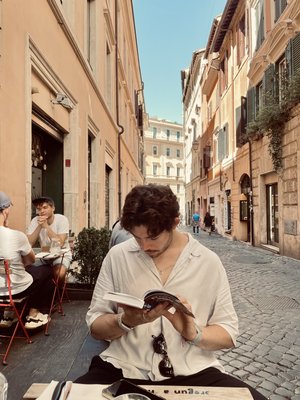
Often referred to as Las Siete Calles (the Seven Streets), Casco Viejo is a dense network of narrow lanes, small squares, and historic façades sitting on the eastern bank of the Nervión River. Life here revolves around walking, eating, chatting, and lingering. During the day, you’ll see locals running errands and shopping at traditional markets; by evening, the neighbourhood hums with pintxos hopping and casual socialising.
It can feel busy, especially on weekends, but it rarely tips into chaos. The energy is social rather than rushed, and once you learn which streets are liveliest — and which stay calmer — it’s easy to find your rhythm.
Highlights and hidden gems
Casco Viejo is home to some of Bilbao’s most important historic sights, including Plaza Nueva, a neoclassical square that acts as an informal living room for the neighbourhood, and Mercado de la Ribera, one of Europe’s largest covered food markets, stretching along the river.
Beyond the obvious stops, some of the best moments here come from slowing down: stepping into a small church tucked between bars, crossing the river via one of the old bridges, or wandering uphill towards quieter residential pockets near Mallona for a different perspective over the rooftops.
Food and drink scene
This is pintxos territory in its most traditional form. Bars are small, menus are minimal, and the focus is on simple, well-executed classics — anchovies, tortilla, bacalao, grilled mushrooms. Eating here is informal and social; locals move from bar to bar, often standing, rarely lingering too long in one place.
One of the most characterful stops is Gure Toki, set right on Plaza Nueva. It strikes a rare balance between tradition and creativity, with beautifully presented pintxos that still feel rooted in Basque flavours. It’s popular, but deservedly so — come earlier in the evening if you want a little breathing room.
For something more old-school, Café Iruña is a local institution. Open since the early 1900s, it’s known for its Moorish-style interior and classic pintxos, and it’s a good place to pause rather than hop — whether that’s for a coffee, a vermouth, or a plate of something comforting and familiar.
Where to stay
Accommodation in Casco Viejo tends to be boutique hotels and short-stay apartments rather than large chains. Rooms are often smaller, but what you gain is atmosphere and unbeatable access to the city’s historic core. It’s best suited to travellers who prioritise location and local character over space and silence.
World Locals Tip
Casco Viejo is at its best when you lean into its daily rhythm. Early mornings and late afternoons are calm and rewarding; evenings are lively but rarely rowdy. If you’re sensitive to noise, look for accommodation on the edges of the neighbourhood rather than directly above popular pintxos streets.
Ensanche (Abando)
Why visit and stay here
Ensanche, often referred to as Abando, is Bilbao’s most balanced base. It’s central, elegant, and easy — ideal for first-time visitors who want walkable sights, strong transport links, and a calmer feel than the Old Town without losing access to great food and culture.
This is the neighbourhood that makes Bilbao feel effortlessly liveable.
What to expect
Developed during Bilbao’s late 19th-century industrial expansion, Ensanche is defined by wide boulevards, grand façades, and a more spacious layout. Streets are orderly and refined, with a noticeable shift in pace compared to Casco Viejo. Life here feels polished but not sterile — very much a working part of the city rather than a tourist zone.
During the day, it’s busy with shoppers, office workers, and museum-goers. Evenings are social but subdued, centred around relaxed dinners, wine bars, and cultural outings rather than late-night bar hopping.
Highlights and hidden gems
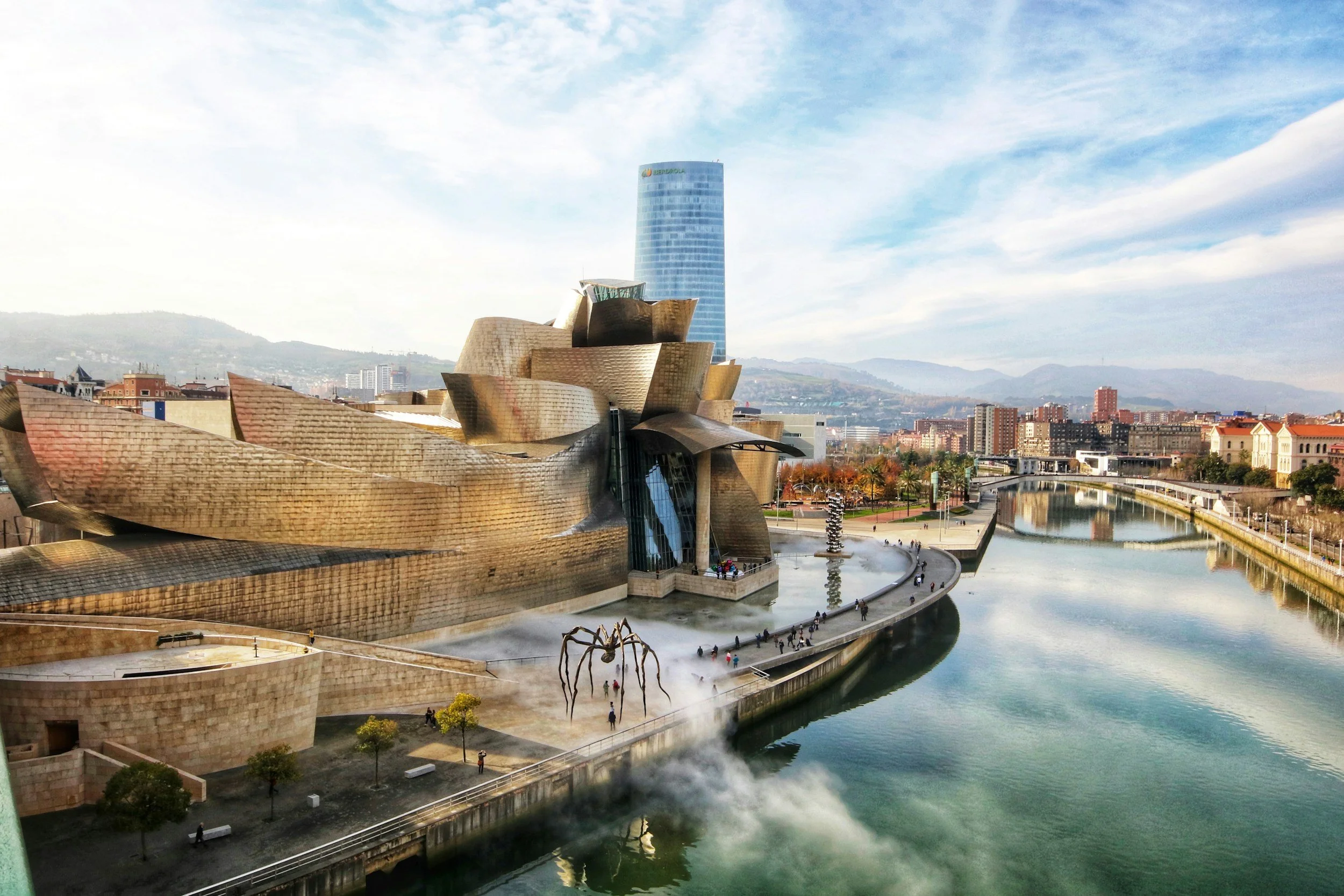
Ensanche is home to some of Bilbao’s biggest cultural heavyweights, including the Guggenheim Museum Bilbao, whose titanium curves mark the city’s transformation, and the Museo de Bellas Artes de Bilbao, a quieter but equally rewarding stop just across the park.
The riverside promenade is one of the best places in the city for a slow walk, especially at golden hour, while smaller streets away from Gran Vía reveal independent shops, local bakeries, and neighbourhood cafés that rarely feel overrun.
Food and drink scene
Ensanche’s food scene is more refined than Casco Viejo’s but still grounded in local habits. This is where you’ll find sit-down pintxos bars, contemporary Basque restaurants, and wine-focused spots designed for lingering rather than hopping.
One standout is El Globo, a long-standing favourite known for its polished take on classic pintxos and consistently good execution. It’s popular with locals after work and strikes a nice middle ground between tradition and modernity.
For something more relaxed, Café Bar Bilbao Berria (often shortened to Berria) is a good option for a longer meal or a late lunch. The menu leans contemporary, but flavours remain distinctly Basque, making it an easy, dependable choice without feeling formal.
Where to stay
Accommodation in Ensanche ranges from well-located mid-range hotels to more upmarket options, often with larger rooms than those in the Old Town. It’s one of the safest bets in the city for comfort, convenience, and transport access — especially if you’re only in Bilbao for a short stay.
World Locals Tip
If you’re planning day trips or arriving by train, Ensanche makes logistics effortless. It’s also a great choice if you want evenings that feel lively but controlled — dinner and a drink, rather than a late night.
Indautxu
Why visit and stay here
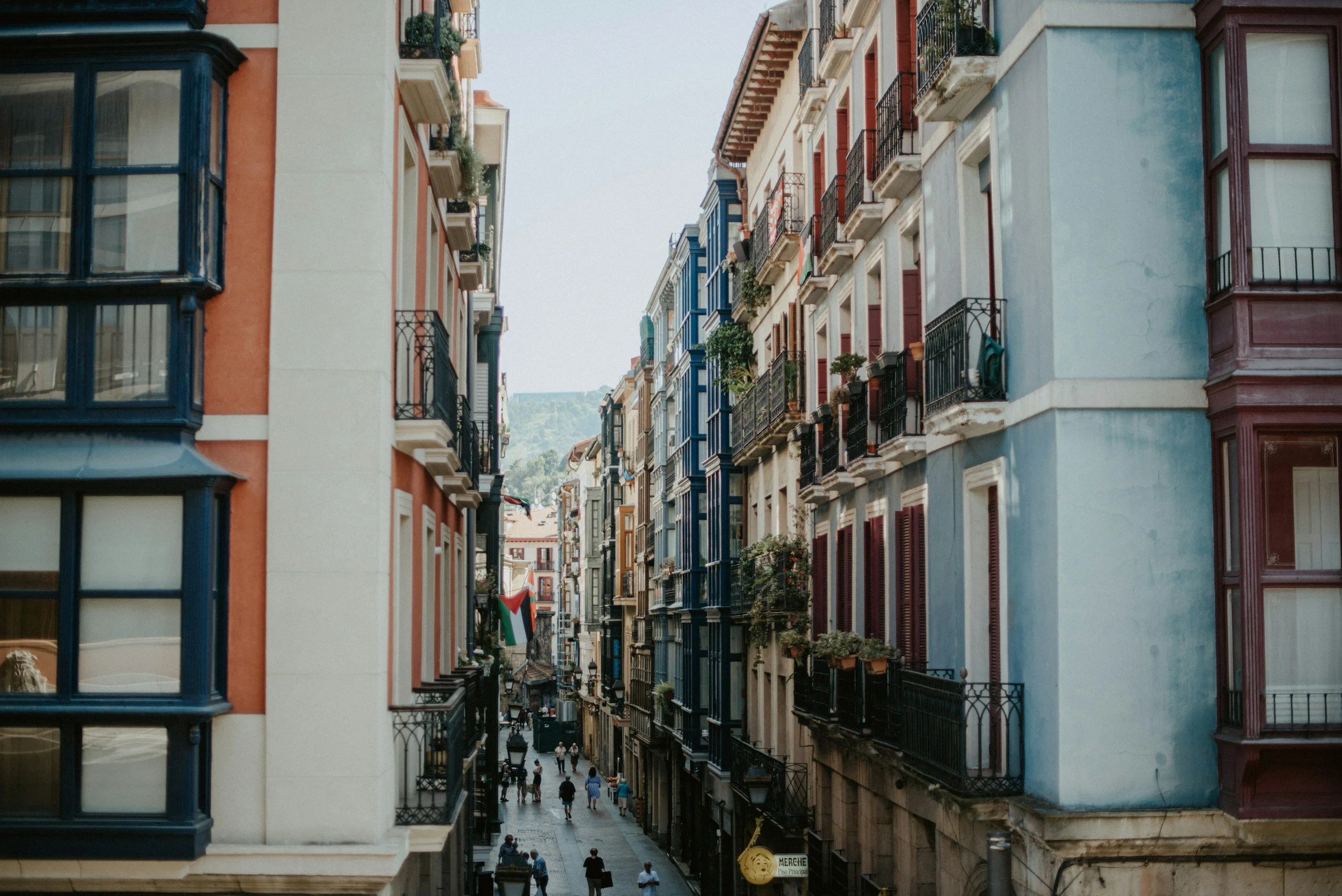
Indautxu is one of those neighbourhoods that quietly wins people over. It’s lively, local, and food-forward, without feeling touristy or over-curated. If you want to stay somewhere that feels like real Bilbao — busy streets, everyday routines, excellent eating — this is a strong choice.
It’s especially well suited to repeat visitors, food lovers, or anyone who prefers neighbourhood energy over landmark proximity.
What to expect
Indautxu sits just west of Ensanche and feels immediately more residential. Streets are busier, buildings slightly more utilitarian, and the pace more grounded in daily life. This is a working neighbourhood: people heading home with shopping bags, bars filling up after work, cafés busy from morning through late afternoon.
It’s lively without being chaotic, and while it doesn’t have headline sights, it compensates with atmosphere and consistency. Nights here are social and food-led rather than loud.
Highlights and hidden gems
While Indautxu isn’t about big attractions, it’s perfectly placed. You’re within easy walking distance of the Guggenheim and the river, but far enough away to avoid crowds once the day-trippers leave.
Some of the best moments here come from simple routines: choosing a busy bar with no English menu, wandering streets like Rodríguez Arias or Licenciado Poza, or settling into a plaza with a drink and watching the neighbourhood tick along.
Food and drink scene
This is one of Bilbao’s most reliable areas for eating well. Indautxu is packed with pintxos bars, casual restaurants, and no-frills spots that locals return to week after week. Prices are generally fair, portions generous, and quality consistently high.
A neighbourhood favourite is La Viña del Ensanche, known for its excellent produce-driven dishes and one of the city’s most respected wine selections. It’s polished but welcoming, and a great example of how locals eat when they want something a little better without fuss.
For something simpler, Bar Iruski is the kind of place you might walk past without noticing — but shouldn’t. It’s busy, informal, and loved for classic pintxos done properly, especially tortilla and seafood bites.
Where to stay
Accommodation here is good value compared to Ensanche, with a mix of mid-range hotels and serviced apartments. Rooms tend to be larger, and you’re more likely to find places designed for longer stays rather than quick city breaks.
World Locals Tip
Indautxu is a great choice if food is a priority. You won’t need reservations most nights, and you can eat extremely well just by following the busiest bars on any given street — a reliable local rule in Bilbao.
Deusto
Why visit and stay here
Deusto is calmer, greener, and more residential than Bilbao’s central districts. It’s a good fit for travellers who want space, quieter evenings, and a sense of everyday life — without feeling disconnected from the city. If Casco Viejo and Indautxu feel energetic, Deusto feels grounded.
It’s particularly well suited to longer stays, slower travel, and anyone who prefers a neighbourhood base over a sightseeing hub.
What to expect
Located just across the river from Ensanche, Deusto has a distinctly local feel shaped by its university, residential streets, and riverside setting. Life here runs at a gentler pace. Mornings are quiet, afternoons revolve around cafés and errands, and evenings tend to be low-key rather than lively.
The area feels open and spacious, with wider streets, fewer tourists, and a stronger sense of routine. It’s not flashy — and that’s exactly the appeal.
Highlights and hidden gems
One of Deusto’s biggest draws is its proximity to the river. The riverside paths are ideal for walking or cycling, offering a different perspective of the city and easy access back towards the Guggenheim area.
While Deusto doesn’t have headline attractions, its location makes it practical. You’re well connected by metro, and walking into Ensanche takes less time than you’d expect. The neighbourhood also rewards small discoveries: local bakeries, relaxed plazas, and bars where everyone seems to know each other.
Food and drink scene
Eating in Deusto is casual and community-focused. Bars and cafés here cater to locals and students, which means good value, generous portions, and an unpretentious approach to food.
A reliable local favourite is Hambueysería Amaren, a laid-back spot known for well-executed comfort food and a friendly neighbourhood atmosphere. It’s the kind of place people return to regularly rather than save for special occasions.
For something more traditional, Bar Galatea is a solid choice for classic pintxos and a drink without crowds — a good example of how locals actually eat and socialise in this part of the city.
Where to stay
Accommodation in Deusto often offers better value and more space than central neighbourhoods. Expect functional hotels and apartment-style stays rather than boutique experiences. It’s a practical base if you’re working remotely, staying a little longer, or prioritising comfort over location.
World Locals Tip
Deusto suits travellers who don’t need constant buzz outside their door. If you’re happy hopping on the metro or walking 15–20 minutes to reach Bilbao’s main sights, you’ll appreciate the breathing room this neighbourhood offers.
Bilbao La Vieja
Why visit and stay here
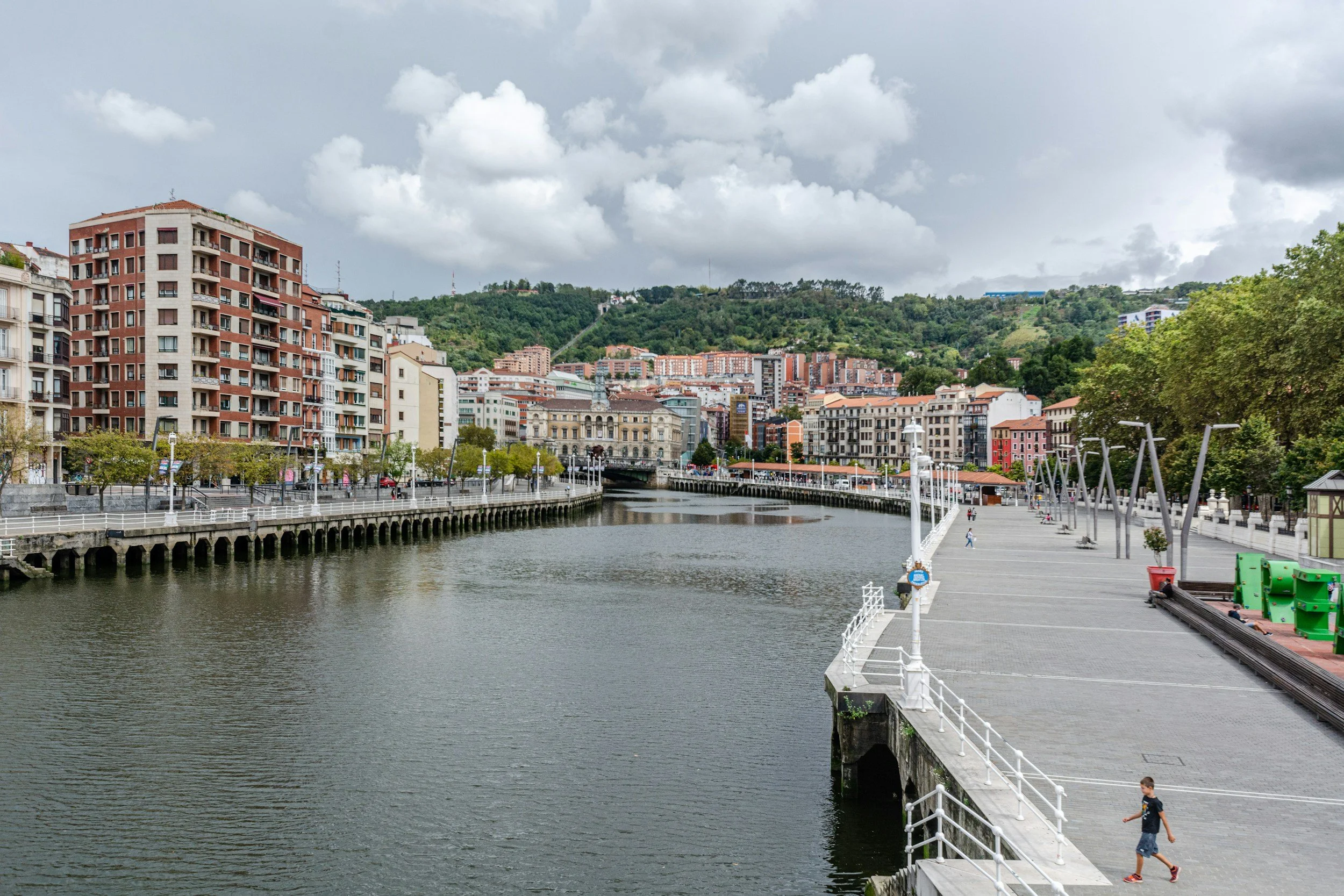
Bilbao La Vieja is the city’s most creative and fast-evolving neighbourhood. Sitting just across the river from Casco Viejo, it offers a very different energy — edgier, more alternative, and less polished. It’s a strong choice for travellers drawn to street art, independent spaces, and areas in transition rather than postcard perfection.
This is Bilbao with its sleeves rolled up.
What to expect
Once one of the city’s most working-class districts, Bilbao La Vieja has undergone a gradual transformation over the past decade. Today, it’s a mix of old residential blocks, multicultural communities, artist studios, and experimental venues. Some streets feel gritty, others quietly cool — and that contrast is part of its character.
It’s not conventionally pretty, and it doesn’t try to be. Instead, it feels lived-in, expressive, and real. Nights are social but relaxed, often centred around food, wine, and small cultural spaces rather than late-night bars.
Highlights and hidden gems
Street art is one of the neighbourhood’s defining features, with murals and installations appearing throughout the area, especially along streets leading up from the river. Independent galleries, cultural centres, and community-led projects give the area a creative pulse that’s constantly shifting.
The river crossing itself is worth mentioning — walking over from Casco Viejo into Bilbao La Vieja is one of the clearest ways to feel how quickly the city’s atmosphere can change from historic to contemporary.
Food and drink scene
Bilbao La Vieja’s food scene reflects its diversity and creativity. You’ll find fewer traditional pintxos bars and more experimental kitchens, natural wine spots, and globally influenced menus — often at better prices than in more central areas.
One standout is Marzana 16, a small, well-regarded restaurant near the river that blends Basque ingredients with contemporary techniques. It’s intimate, thoughtful, and quietly confident — very much in step with the neighbourhood’s evolution.
For drinks, La Viña de Bilbao La Vieja is a popular local hangout, known for its relaxed atmosphere, natural wines, and mix of regulars and creatives. It’s the kind of place you might stop for one glass and end up staying longer.
Where to stay
Accommodation here is more limited but increasingly design-led, with small boutique hotels and renovated apartments appearing as the neighbourhood continues to change. It suits travellers comfortable with areas in transition and those looking for something a little different from the standard city base.
World Locals Tip
Bilbao La Vieja rewards curiosity and open-mindedness. It’s safe and welcoming, but best enjoyed with realistic expectations — think character over polish, atmosphere over convenience. Stay here if you want to experience a side of Bilbao that’s still unfolding.
Other Areas to Know About
These neighbourhoods don’t usually top visitors’ shortlists, but they play an important role in how Bilbao functions day to day. Understanding them helps explain why some areas feel convenient, others residential, and some simply better left for locals.
Santutxu
Santutxu is one of Bilbao’s most densely populated residential neighbourhoods, sitting on the hills just above Casco Viejo. It’s well connected by metro and elevators that help manage the steep terrain, and it offers sweeping views back over the old town and river.
That said, Santutxu is very much designed for living rather than visiting. Streets are busy with everyday routines, and while there are plenty of local bars and bakeries, there’s little aimed at short-term visitors. Accommodation options are limited, and the uphill walks can feel tiring if you’re moving around the city frequently. It’s a neighbourhood you’ll likely pass through rather than stay in.
Basurto
Basurto is a functional, transport-oriented part of the city, best known for its large hospital complex and residential blocks. It’s well served by metro and tram lines, making it easy to reach other areas of Bilbao, but the neighbourhood itself feels practical rather than atmospheric.
There’s nothing particularly wrong with staying here — it’s safe, convenient, and affordable — but it lacks the sense of place that makes other neighbourhoods more appealing. For most travellers, Basurto works better as a transit point than a destination.
Zorrotzaurre
Zorrotzaurre is Bilbao in transition. Once a working industrial peninsula, it’s currently being redeveloped into a mixed-use district focused on design, innovation, and creative industries. Construction is ongoing, and parts of the area still feel unfinished, but the ambition is clear.
Temporary art spaces, creative studios, and experimental projects already give Zorrotzaurre an edge, and in the coming years it’s likely to become one of the city’s most interesting districts. For now, it’s more compelling as a glimpse into Bilbao’s future than as a place to stay — worth visiting if you’re curious, but not yet practical for most travellers.
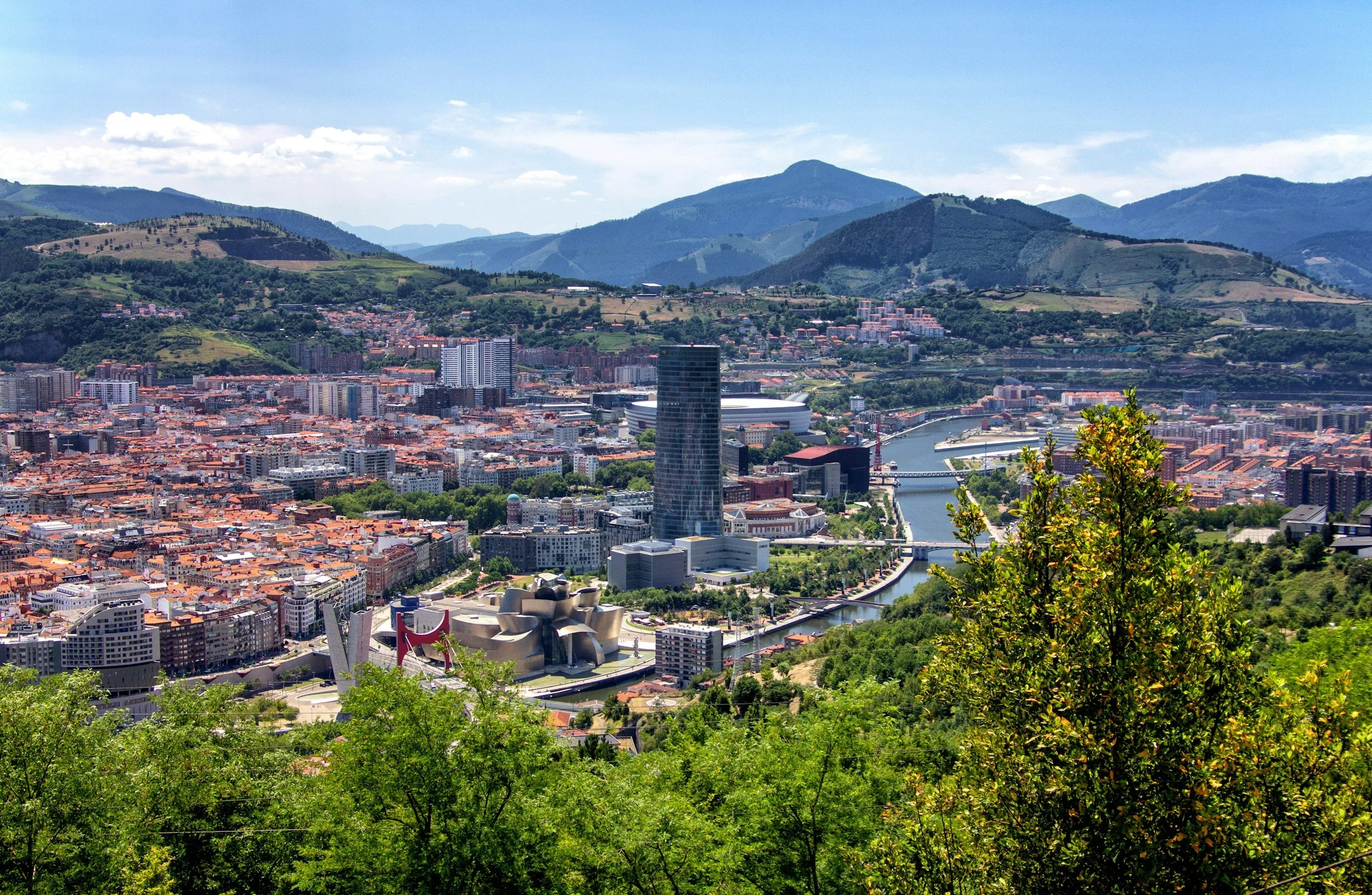
Which Bilbao Neighbourhood Is Right for You?
Choosing where to stay in Bilbao isn’t about ticking off sights — it’s about matching your base to how you like to travel. Here’s how the city’s neighbourhoods stack up, depending on what you’re looking for.
If it’s your first time in Bilbao… Ensanche (Abando) is the safest all-round choice. It’s central, walkable, well connected, and puts you close to major sights without overwhelming you. You’ll get a strong sense of the city with minimal friction.
If food is your main priority… Indautxu is hard to beat. This is where locals eat day in, day out, and where quality is consistent without needing reservations or hype. Great for travellers who like discovering places organically rather than planning every meal.
If you want atmosphere and history on your doorstep… Casco Viejo delivers character in spades. You’ll be surrounded by pintxos bars, historic streets, and everyday local life — ideal if you’re happy trading a bit of space and quiet for immersion and energy.
If you prefer a slower pace or a longer stay… Deusto suits travellers who value calm, space, and routine. It’s residential, practical, and well connected, making it a good option for longer trips, remote work, or repeat visitors who don’t need constant buzz.
If you’re drawn to creative, evolving areas… Bilbao La Vieja is the most interesting choice. It’s less polished and more expressive, with a growing cultural scene and a strong sense of change. Best for curious travellers comfortable staying somewhere in transition.
Where First-Time Visitors Often Stay (and Why It’s Tricky)
Many first-time visitors to Bilbao default to booking the cheapest option that looks central on a map — often without realising how different the city’s neighbourhoods feel on the ground. Unlike larger Spanish cities, Bilbao doesn’t have one obvious “tourist centre” where everything happens.
One common mistake is choosing accommodation based solely on proximity to a single landmark. Staying near the Guggenheim, for example, can seem ideal, but some surrounding streets become very quiet at night, with limited dining options once day visitors leave. It’s visually impressive, but not always the most atmospheric place to base yourself.
Another trap is booking on the far edges of Casco Viejo. While the Old Town itself is lively and walkable, accommodation just beyond its core can quickly shift into steeper, more residential streets with fewer amenities — which can feel inconvenient if you’re arriving late or carrying luggage.
Budget-led choices in outer neighbourhoods can also backfire. While areas like Basurto or further inland parts of the city are well connected, they lack the everyday buzz, food scene, and walkability that make Bilbao enjoyable for short stays.
The key takeaway is that central doesn’t always mean convenient. In Bilbao, choosing a neighbourhood with evening life, good transport links, and easy access to food will have a far bigger impact on your experience than shaving a few minutes off your walking distance to a single sight.
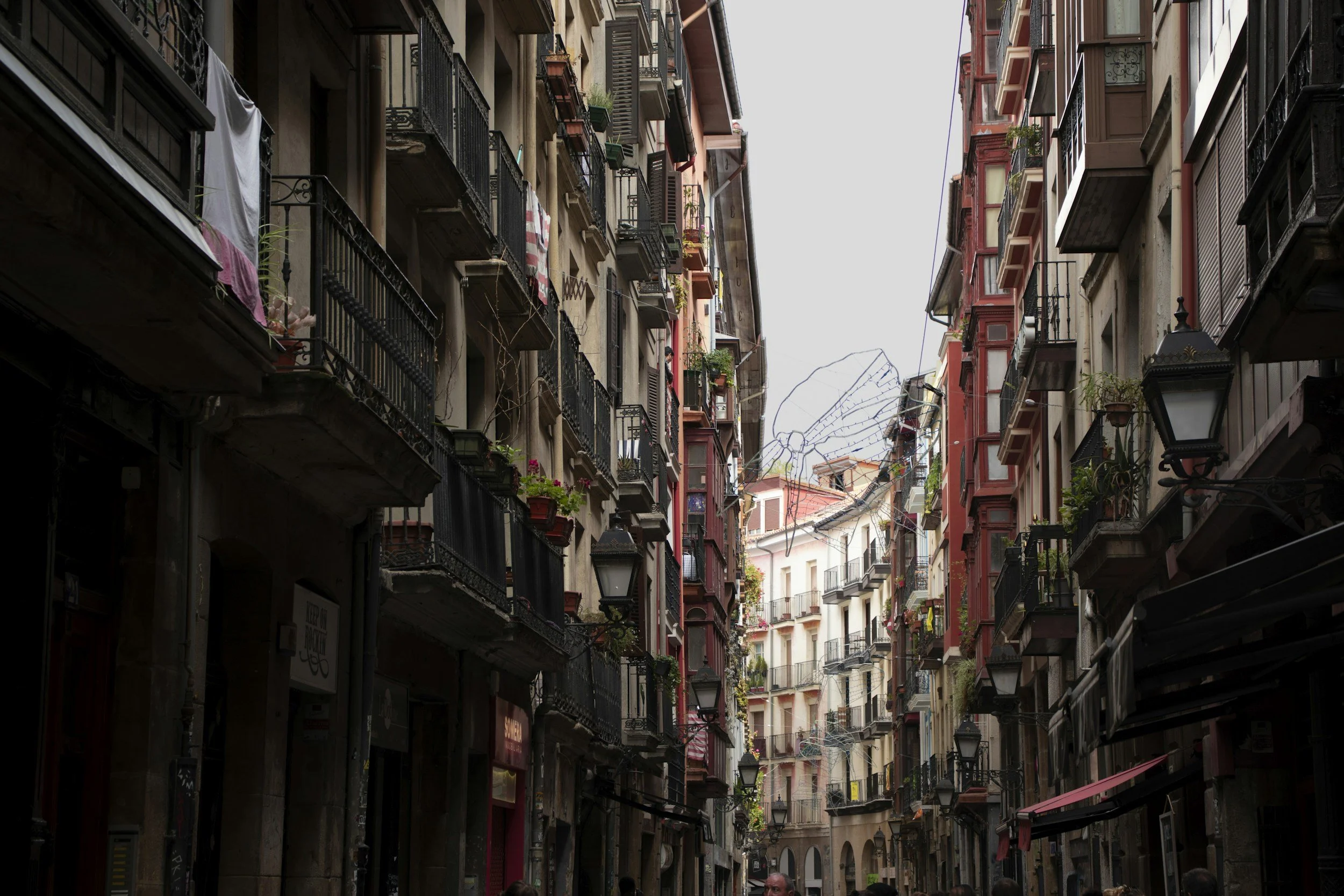
Getting Around Bilbao
Bilbao is a compact, easy city to navigate, and getting around rarely feels like a chore. Most neighbourhoods visitors stay in are either walkable or well connected, making it simple to move between districts without much planning.
On foot
Walking is the best way to experience Bilbao, especially in Casco Viejo, Ensanche, and Indautxu. Distances are manageable, streets are well maintained, and wandering often leads to unexpected bars, shops, and quiet corners you wouldn’t notice otherwise.
Metro and tram
Bilbao’s metro system is clean, efficient, and easy to use, with clear signage and frequent services. It’s particularly useful for reaching areas like Deusto or travelling further out without relying on taxis. The tram line runs along the river, linking key areas including the Guggenheim and Casco Viejo, and is both practical and scenic.
Buses
Local buses fill in the gaps where the metro doesn’t go, especially in more residential or hillside neighbourhoods. They’re reliable, though most visitors won’t need them unless staying further from the centre.
From the airport
Bilbao Airport is around 12 kilometres from the city centre. The airport bus (Bizkaibus A3247) runs frequently and stops in central locations, including near Ensanche and Casco Viejo, making it the simplest option for most travellers.
Day trips
Bilbao is a great base for exploring the wider Basque Country. Coastal towns, countryside, and smaller cities are all easily reachable by train or bus, and staying somewhere with good transport access — like Ensanche or Indautxu — makes this especially straightforward.
“Bilbao is a city that rewards travellers who look beyond the headline sights and pay attention to how the city actually lives. Its neighbourhoods are distinct without being distant, and choosing the right base can quietly transform your experience — from how you eat, to how you move, to how connected you feel to everyday life here.
Whether you’re drawn to the historic energy of Casco Viejo, the balance and elegance of Ensanche, the food-led rhythm of Indautxu, the calm practicality of Deusto, or the creative edge of Bilbao La Vieja, each area offers a different lens on the city. None is objectively “best” — the right choice depends on what you want your days and evenings to feel like.
Approached neighbourhood by neighbourhood, Bilbao reveals itself as intimate, walkable, and deeply rooted in local culture. Settle into the right part of the city, follow local rhythms, and give yourself time to wander — and Bilbao becomes far more than a stopover. It becomes a place you understand.”