Why Travel Is One of the Most Powerful Resets We Have

There are times when life feels slightly out of balance. Not in a dramatic way — just busy, noisy, and a bit heavier than it needs to be. The days move quickly, routines take over, and even when we slow down, our minds don’t always follow.
Travel has a way of gently interrupting that.
Not in the glossy, highlight-reel sense, but in quieter, more meaningful ways. Stepping into a new place changes how we pay attention. We notice small things again — the way a street sounds in the morning, how long meals last, how much time we spend walking instead of sitting still. Without trying to fix anything, something inside us starts to settle.
This kind of travel isn’t about escape or ticking boxes. It’s about space. Space to think clearly, to move differently, to feel more present in your own body and mind. The reset doesn’t arrive all at once. It builds slowly, through unplanned moments and unhurried days.
In a world that rarely gives us room to pause, travel offers something simple but powerful: a chance to step back, recentre, and return feeling a little more like ourselves again.
Recentring the Mind: What Happens When We Step Away
One of the first things travel changes isn’t where we are, but how our minds behave. The constant background noise — emails, notifications, expectations, familiar pressures — starts to fade the moment we step out of our usual environment.
In a new place, the brain has to work differently. It pays attention again. Simple things require presence: navigating streets, ordering food, reading signs, figuring out where you’re going next. That gentle focus pulls us out of overthinking and back into the moment, without us needing to force it.
There’s also something powerful about distance. Being physically removed from everyday routines creates emotional space too. Problems don’t disappear, but they often feel smaller, clearer, easier to hold. Thoughts that felt tangled at home begin to untangle themselves simply because we’re no longer surrounded by the same triggers.
Travel slows the mind by changing its priorities. Instead of reacting all day, we observe. We watch people, notice details, let time pass without filling every gap. Even boredom — something we try to avoid at home — becomes part of the reset. It gives the mind room to breathe.
This isn’t about switching off completely. It’s about tuning back in — to your surroundings, your thoughts, and yourself. And often, without realising it, travel helps us remember what mental quiet actually feels like.
Resetting the Body: Movement Without Pressure
Travel changes the way we move, often without us even noticing. Away from desks, schedules, and fixed routines, the body naturally falls into a different rhythm. We walk more. We sit differently. We spend time outdoors simply because we can.
There’s no expectation attached to it. No step counts, no workout plans, no sense that movement needs to achieve anything. It comes from wandering streets, climbing stairs, swimming in the sea, or carrying a bag through a train station. The body stays active, but without pressure or performance.
Sleep shifts too. Days tend to follow natural light rather than alarms. Even when sleep is imperfect — early flights, unfamiliar beds — it often feels deeper, more honest. The body listens to itself again instead of pushing through tiredness out of habit.
Eating follows a similar pattern. Meals are slower, more intentional. Hunger and fullness become easier to read when we’re not eating between tasks or screens. Food becomes part of the day, not something squeezed around it.
This gentle reset isn’t about becoming healthier in a dramatic sense. It’s about reconnecting with the body as it is — moving because it feels good, resting because it’s needed, and letting go of the idea that physical wellbeing has to be optimised to be valuable.
Why New Places Help Us Let Go
There’s something freeing about being somewhere no one knows you. No history, no routines, no roles to step into each morning. In a new place, you’re not defined by your job, your schedule, or the version of yourself that exists at home.
That distance creates a quiet kind of lightness. You don’t have to perform or explain yourself in the same way. You can wake up, decide how the day feels, and move through it without carrying everything with you. Even small choices — where to walk, what to eat, when to stop — feel more intentional.
New places also loosen our grip on certainty. When we don’t fully understand how things work, we stop trying to control every detail. We adapt. We respond. That surrender, even in small ways, helps us release tension we didn’t realise we were holding.
It’s often in these moments — waiting for a bus, sitting alone in a café, watching a city go about its day — that thoughts rise to the surface. Without distractions, we notice what’s been sitting quietly in the background. Travel doesn’t push these thoughts away; it gives them room to exist without judgment.
Letting go isn’t about changing who you are. It’s about temporarily setting down what you’ve been carrying, and realising how much lighter you can feel when you do.
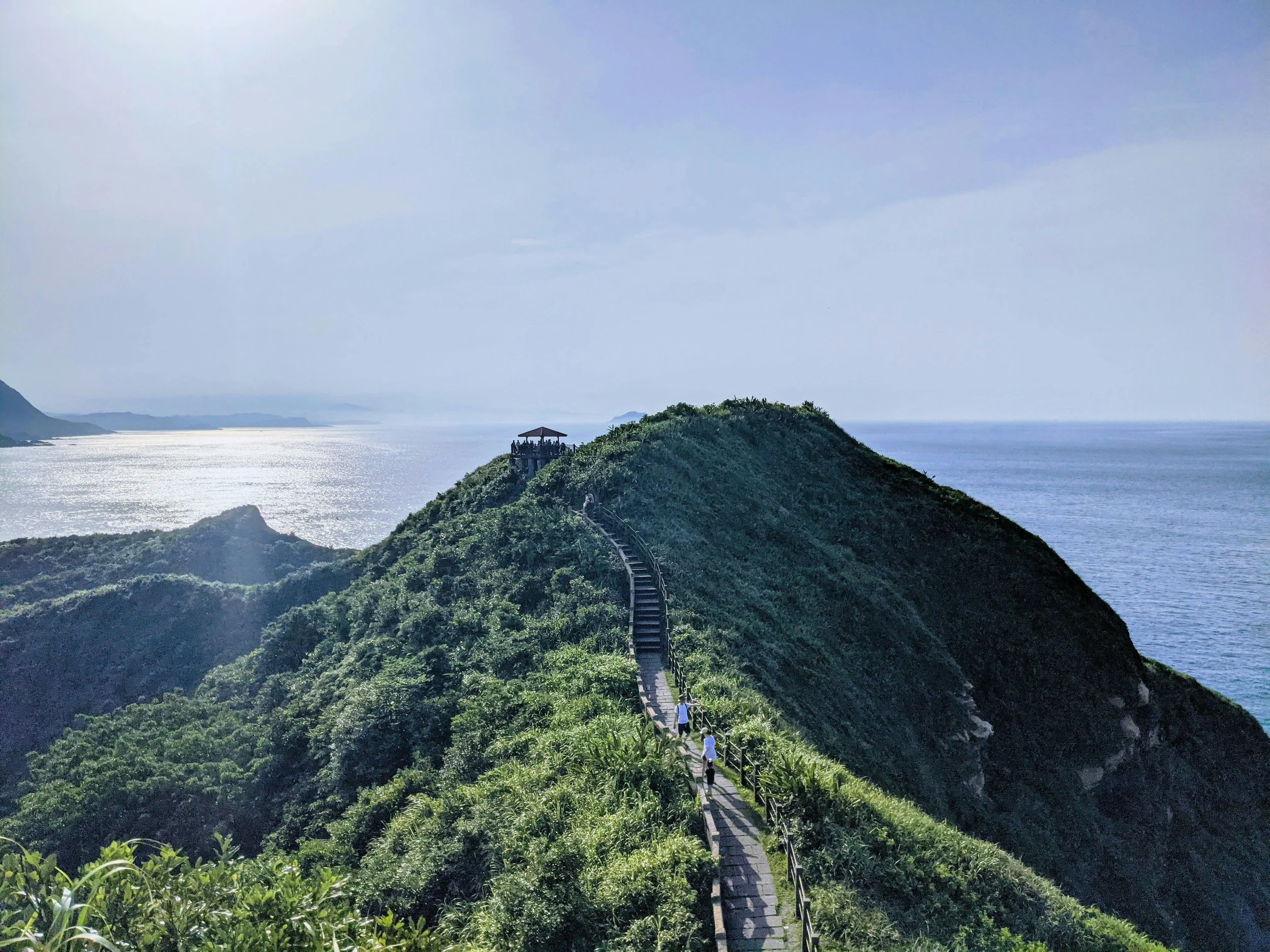
Slowing Down Without Trying To
At home, slowing down often feels like effort. We schedule rest, plan breaks, and tell ourselves to relax — usually while still thinking about what’s next. Travel works differently. It slows us down without asking.
Time stretches in small, ordinary ways. Trains are late. Meals take longer than expected. Streets invite wandering rather than rushing from one place to another. Without meaning to, we start allowing gaps in the day — moments with no purpose other than to exist.
There’s less urgency to fill every second. Waiting becomes part of the experience rather than something to avoid. Sitting somewhere unfamiliar, watching life unfold, feels natural instead of unproductive. The pace of the place begins to lead, and we quietly follow.
Even our attention shifts. Phones stay in pockets for longer. Conversations drift. We notice how light changes throughout the day, how neighbourhoods wake up and wind down. These moments aren’t dramatic, but they’re grounding.
This kind of slowing down doesn’t come from discipline or intention. It happens because travel gently removes the pressure to be efficient. And in that space, the body and mind find a rhythm that feels calmer, more human, and easier to stay with.
When Travel Becomes a Reset — Not Another Thing to Consume
Not every trip automatically brings clarity. Sometimes we carry the same pace, pressure, and expectations with us, just into a different setting. Full itineraries, constant movement, the urge to make every day “worth it” — it can quietly undo the very reset we’re hoping for.
When travel starts to feel like a checklist, the space disappears. We rush between places, document everything, and measure the experience by how much we fit in. The body moves, but the mind stays tense. We leave tired in a new way, wondering why the break didn’t feel like one.
The reset comes when we allow travel to be lighter. Fewer plans. More flexibility. Choosing depth over volume — staying longer in one place, returning to the same café, walking without a destination. Letting days unfold rather than directing them.
This doesn’t mean doing less for the sake of it. It means paying attention to how things feel. Noticing when the pace tightens again, and giving yourself permission to step back. The most grounding trips are often the ones where not much “happens” at all.
When travel stops being something to consume, it becomes something to experience. And that’s usually when the reset finally begins to take hold.
Coming Home Changed (Even Just Slightly)
The real shift often shows up after the journey ends. Not in dramatic ways, but in small, almost unnoticeable moments. The way you move through your day feels calmer. Decisions feel a little clearer. You notice when life starts to speed up again.
Travel doesn’t solve everything you return to, but it changes how you meet it. The distance you gained while away lingers, offering perspective when things feel overwhelming. You remember that other rhythms exist, and that life doesn’t always have to feel so full.
Sometimes the reset reveals itself in habits you choose to keep — walking more, eating slower, leaving space in the day. Other times it’s simply a quieter mind, less reactive, more grounded. Even if the feeling fades over time, it leaves a trace.
The most meaningful trips don’t ask us to become someone new. They remind us of a version of ourselves that feels balanced, present, and at ease — and show us that it’s possible to return to that state again.

“Travel doesn’t promise a fresh start or a clean slate. It doesn’t erase what’s waiting at home, and it doesn’t magically fix what feels out of balance. But it does something quieter — and often more lasting.
It gives us distance. From habits we’ve slipped into without noticing. From noise that’s become normal. From the version of life that feels just a little too full. In that space, we remember how it feels to move through the world with more awareness, more ease, and less urgency.
The reset travel offers isn’t loud or dramatic. It’s built slowly, through small moments: long walks, unhurried meals, unfamiliar streets, and days that don’t ask much of us. These moments don’t change everything — but they recalibrate something inside.
And maybe that’s enough.
Because even when we return to routines and responsibilities, we carry that sense of perspective with us. A reminder that life can feel lighter. That stillness exists. And that, whenever things drift off-centre again, we know how to find our way back.”