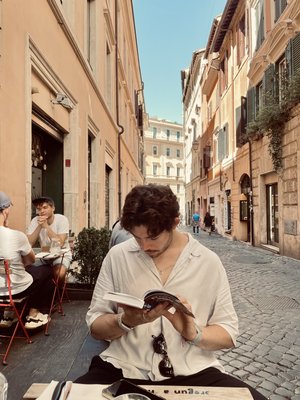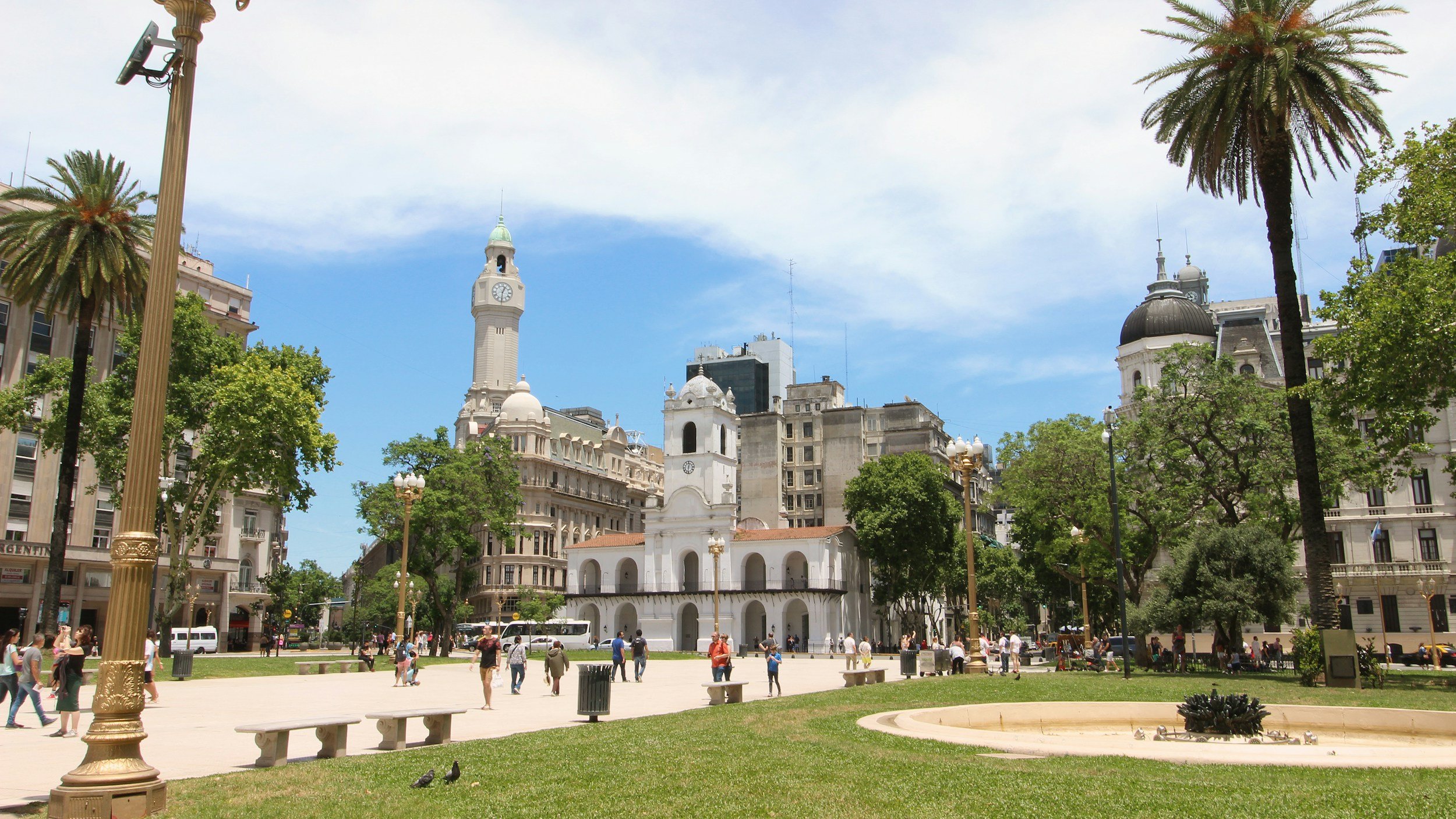
In Buenos Aires, food doesn’t interrupt the day — it defines it. Plans are made around dinner reservations. Afternoons bend around coffee. Evenings lengthen naturally, moving from one course to the next without anyone glancing at the clock. The city operates on a rhythm that feels unhurried but intentional, and its dining culture follows the same pace.
What ends up on the table reflects layers of history. Argentina’s cattle ranching traditions established beef as a national cornerstone, and the parrilla became a fixture of both family gatherings and city life. At the same time, mass immigration from Italy and Spain reshaped everyday cooking in the capital. Pasta became a Sunday ritual. Thick, cheese-laden pizza found a home in corner pizzerias. Café culture embedded itself into neighbourhood routines.
The result is a food scene that feels both rooted and lived-in. Long-standing bodegones serve the same dishes they have for decades. Historic cafés anchor street corners. Wine — particularly Malbec — is poured with familiarity rather than ceremony. And alongside these institutions, a quieter contemporary movement has emerged, especially in Palermo, where natural wine bars and modern kitchens reinterpret Argentine staples without abandoning them. Eating in Buenos Aires is less about ticking off famous dishes and more about understanding how meals fit into daily life. It’s about when to sit down, how long to stay, and why certain places matter beyond their menus.
This guide explores the city through that lens — from parrillas and café traditions to neighbourhood food scenes and practical details — so that when you take your first seat at a late dinner in Buenos Aires, you already understand the rhythm unfolding around you.
Parrillas and Asado Culture
If there is one ritual that defines Argentine food culture, it is the asado.
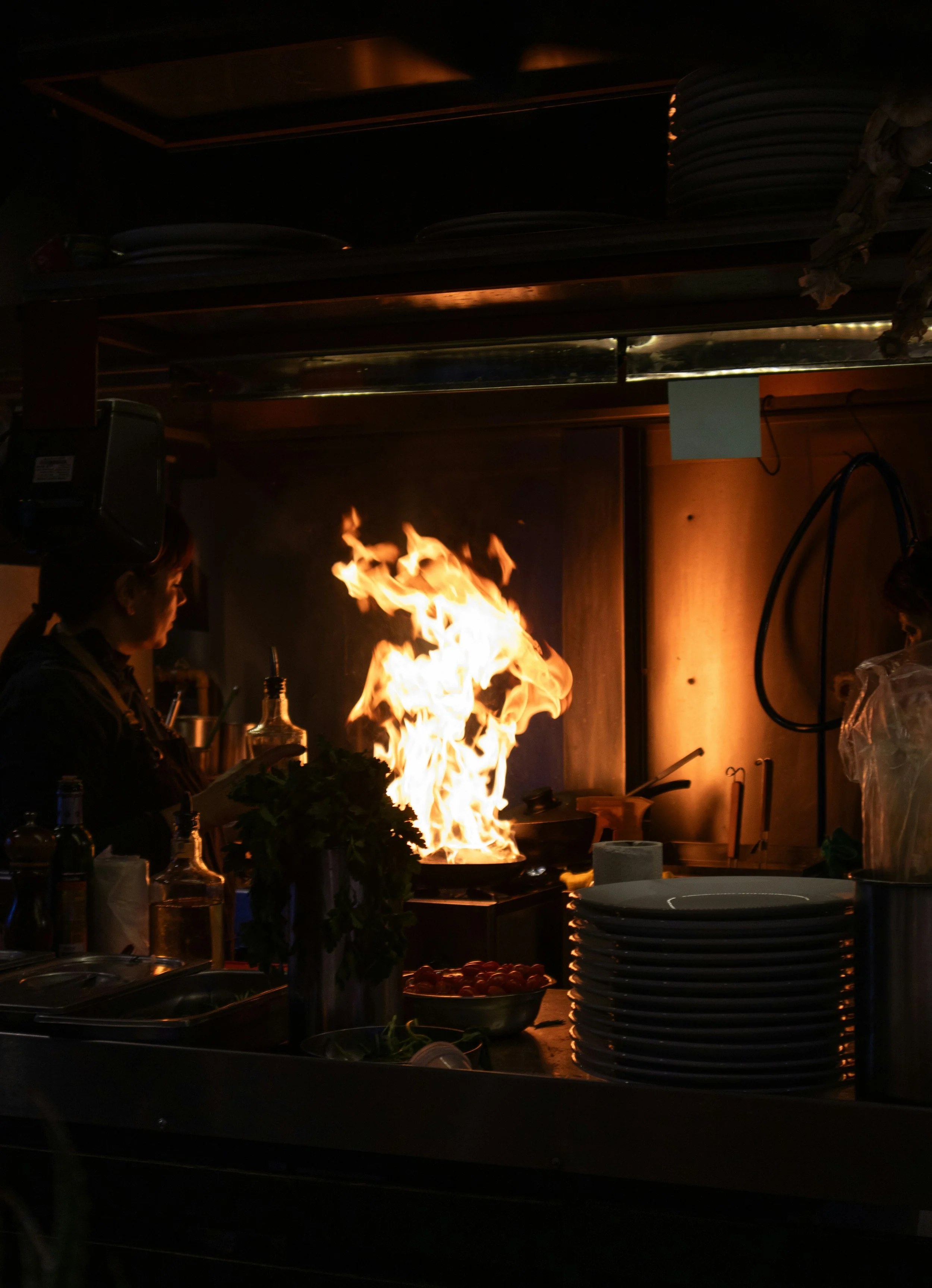
At its simplest, asado refers to meat cooked over fire. In practice, it is far more structured than that. Traditionally prepared over wood or charcoal, the grill — or parrilla — becomes a place of patience and sequence. Different cuts are cooked slowly and served in stages, often beginning with chorizo or morcilla before moving on to larger cuts such as bife de chorizo (sirloin strip), ojo de bife (ribeye) or tira de asado (short ribs).
In Buenos Aires, the rural origins of asado meet urban life. Parrillas are woven into neighbourhood streets, from polished dining rooms in Palermo to long-standing institutions in San Telmo. They are rarely rushed environments. Plates arrive gradually. Bread appears almost immediately. A bottle of Malbec is opened without ceremony.
There is an etiquette to ordering. Argentines typically prefer their beef cooked less than in many other countries — ordering “jugoso” will bring it rare to medium-rare, while “a punto” is closer to medium. Sharing works well, as portions are generous and different cuts are often ordered together.
For a refined but traditional experience, Don Julio in Palermo has become one of the city’s most recognised parrillas, known for quality sourcing and an extensive wine list. In San Telmo, El Desnivel offers a more straightforward, neighbourhood feel. For a slightly modern interpretation, La Carnicería reworks classic cuts with a contemporary edge.
It’s worth remembering that asado is not only something you order in a restaurant. For many locals, it remains a weekend ritual at home — friends or family gathered around a grill, conversation unfolding over several hours. Even in the capital, that spirit carries into dining rooms.
To eat at a parrilla in Buenos Aires is to participate in something that predates the city’s skyline. It is simple in concept, but layered in meaning — rural tradition, immigrant influence and urban ritual.
Next, we move from fire to porcelain cups and marble-topped tables: café culture.
Café Culture and Historic Confiterías
Coffee in Buenos Aires is less about urgency and more about routine.
Cafés are part of the city’s infrastructure. They are meeting rooms, reading spaces, offices, and places to reset between the day and the evening. Many have been operating for generations, and returning to the same table at the same hour is still common.
Mornings tend to be simple — a café con leche and medialunas, sometimes taken standing at the counter. Later comes merienda, the late-afternoon pause that bridges work and dinner. It’s not unusual for people to sit for an hour over a cortado, letting the city slow around them.
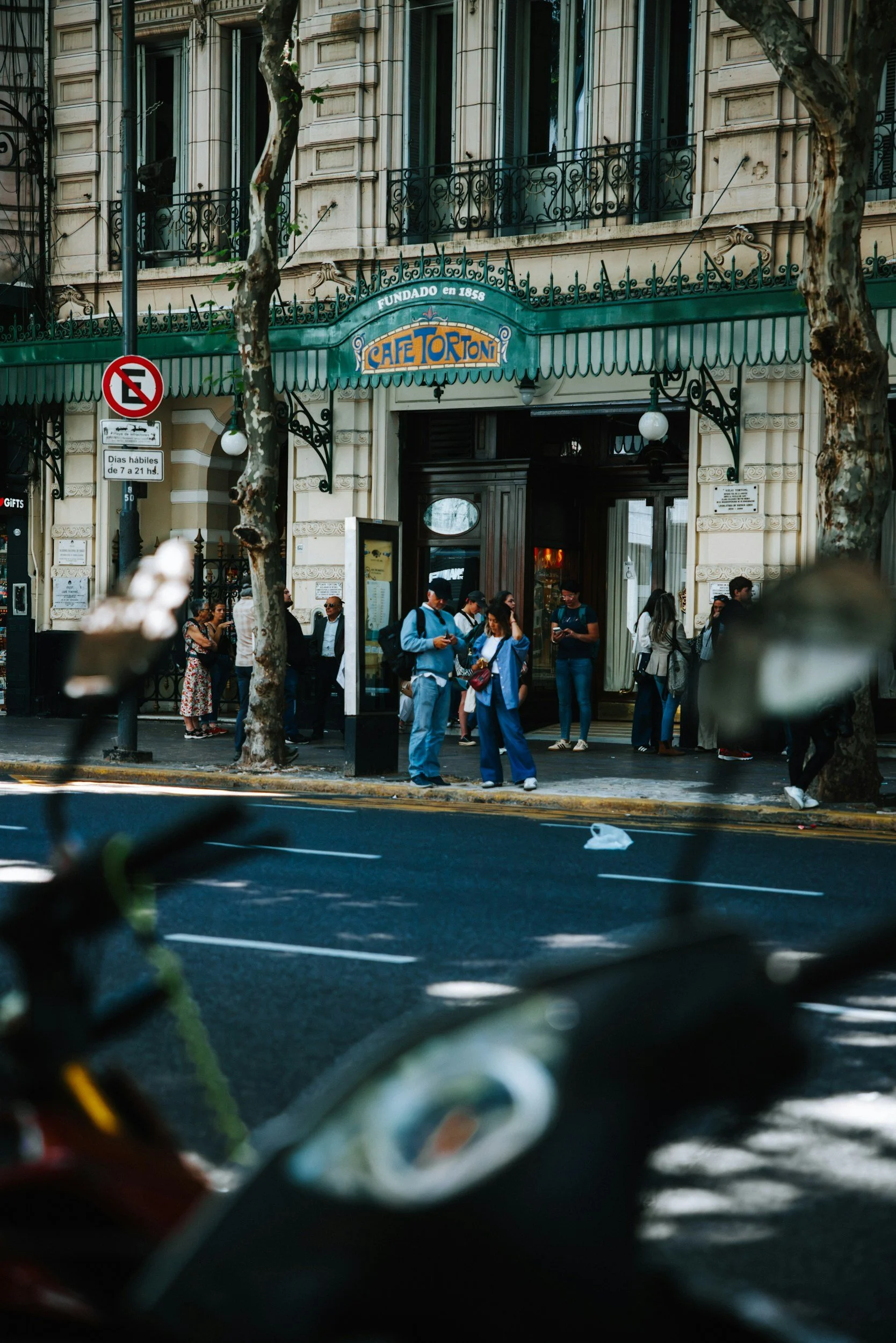
Some cafés are woven into Argentina’s cultural history. Café Tortoni, founded in 1858, is the most famous. Its Belle Époque interior and literary associations make it worth seeing, though it rarely feels quiet.
For a more local atmosphere, head to:
La Biela in Recoleta — once a meeting place for racing drivers and writers, now a dependable spot overlooking Plaza Francia.
Las Violetas in Almagro — known for its stained glass, marble columns and elaborate pastries; it feels formal in the best way.
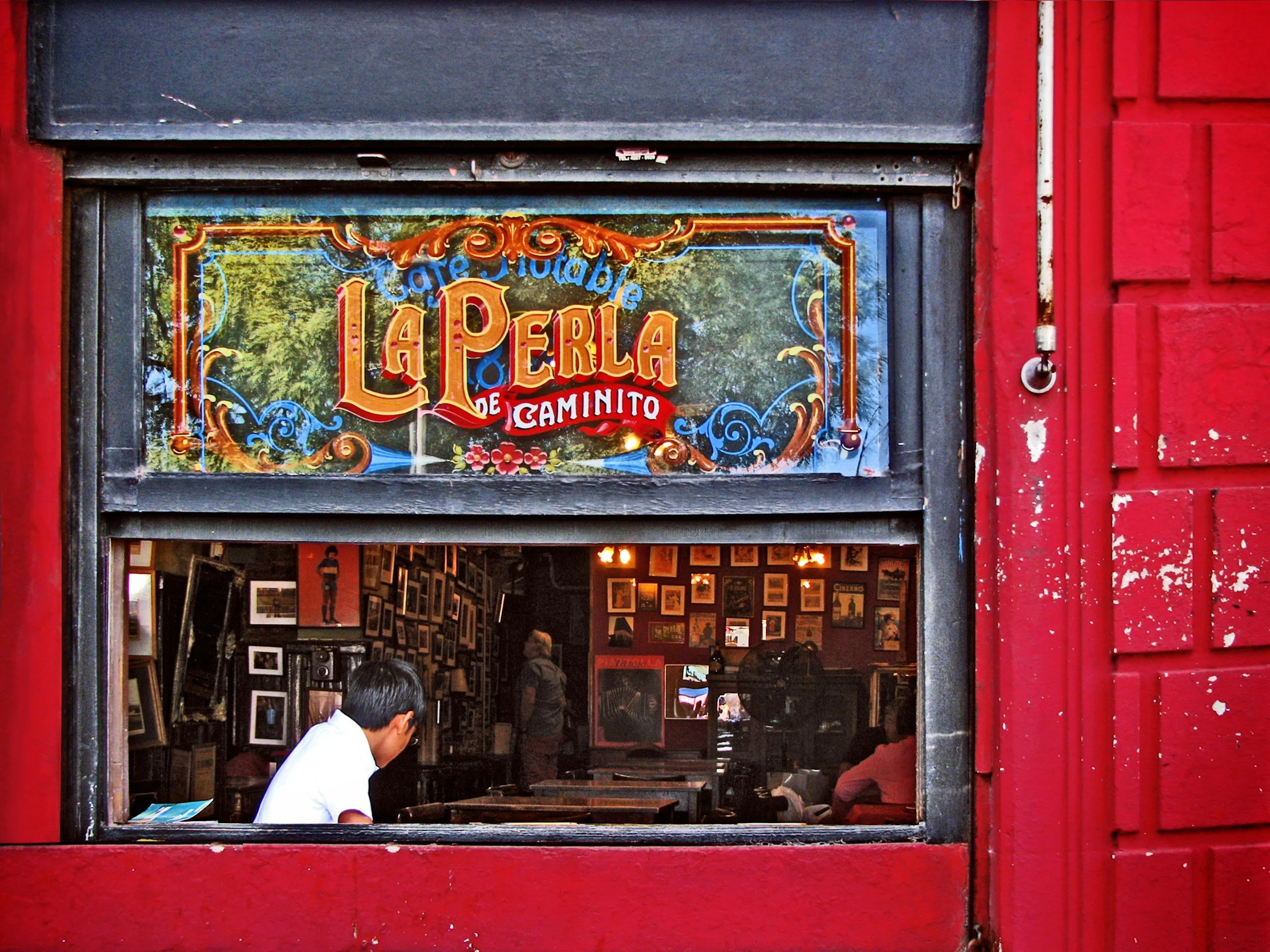
El Federal in San Telmo — one of the city’s officially recognised bares notables, retaining its dark wood interior and traditional feel.
If you want to see how café culture is evolving, Palermo has developed a quieter specialty coffee scene:
LAB Tostadores de Café — one of the early specialty roasters in the city.
Cuervo Café — relaxed, modern and popular with remote workers.
Understanding what to order helps. A “café” is small and strong. A “cortado” is espresso with a small amount of milk. A “lágrima” is mostly milk with just a drop of coffee. Portions are modest; the point is not quantity but time.
Unlike in many cities, cafés in Buenos Aires are not transitional spaces between activities. They are the activity.
Spending an hour at a corner table — reading, talking, watching the street — is as integral to the city’s food culture as any parrilla.
Italian Influence, Pizza and Everyday Staples
If asado reflects Argentina’s rural identity, pizza and pasta tell the story of Buenos Aires as a port city shaped by migration. Between the late nineteenth and early twentieth centuries, millions of Italians arrived in Argentina, many settling in the capital and bringing with them culinary traditions that gradually embedded themselves into daily life. Over time, those traditions adapted to local ingredients and tastes, creating something distinctly porteño rather than strictly Italian.
Pasta remains a quiet ritual, particularly on Sundays when families gather around large plates of ravioles, tallarines or ñoquis. The tradition of eating gnocchi on the 29th of each month — often with a banknote placed beneath the plate for luck — continues in both homes and restaurants, a small but enduring symbol of immigrant heritage woven into routine. These dishes are not treated as imported novelties; they are part of the city’s culinary backbone.
Pizza evolved in its own direction. Buenos Aires style is thicker, softer and unapologetically generous with cheese. Fugazzeta — a tall, cheese-filled pizza topped with sweet onions — has become one of the city’s defining versions, rich and unmistakably local. Along Avenida Corrientes, Güerrin has been serving slices to theatre-goers and late-night diners for decades, while El Cuartito, operating since 1934, remains one of the capital’s enduring pizzerias, its walls layered with football memorabilia and history. Eating here feels less like chasing a recommendation and more like participating in a long-standing city habit.
Empanadas form another everyday staple, though their origins stretch across Argentina’s regions. In Buenos Aires, common fillings include seasoned beef, ham and cheese, and humita (sweet corn), each folded into hand-sized pastries that appear as quick lunches, shared starters or late-night sustenance. For well-regarded regional versions, El Sanjuanino in Recoleta remains a dependable choice, serving recipes rooted in Argentina’s northwest.
Taken together, these dishes reveal how immigration reshaped the capital’s daily table. They are not elaborate or trend-driven; they are reliable, familiar and deeply integrated into how the city eats. In Buenos Aires, much of what defines the food scene isn’t found in tasting menus, but in the places people return to without thinking — corner pizzerias, neighbourhood cafés and restaurants that have quietly fed generations.
Neighbourhood Food Scenes
Buenos Aires does not eat the same way everywhere. While certain rituals — late dinners, generous portions, shared plates — remain consistent, the atmosphere around the table shifts noticeably from one barrio to the next. Where you dine influences not only what arrives on the plate, but how the evening unfolds.
Palermo
In Palermo, the dining scene feels contemporary and outward-facing. This is where much of the city’s modern restaurant movement has taken hold, particularly in Palermo Soho and Palermo Hollywood. Parrillas here often feel more design-led, wine lists are extensive, and reservations are strongly recommended at well-known addresses.
Restaurants such as Don Julio represent the polished end of the parrilla spectrum, where quality sourcing and presentation sit alongside tradition. Nearby, Osaka reflects how Nikkei cuisine — a blend of Japanese and Peruvian influences — has become part of the city’s evolving culinary landscape. Natural wine bars and specialty cafés are woven into the neighbourhood’s streets, making Palermo the easiest area for visitors seeking variety within walking distance, particularly once dinner service begins after 9pm.
San Telmo
San Telmo leans more traditional. Here, dining rooms often feel embedded in the architecture, with dark wood interiors, tiled floors and menus that have changed little over the years. Restaurants such as El Desnivel offer straightforward parrilla experiences without theatrics, while the nearby San Telmo Market combines produce vendors and casual food stalls in a way that suits a slower lunch.
Evenings in this neighbourhood tend to feel atmospheric rather than energetic. The focus is less on scene and more on continuity — eating in spaces that feel rooted in the city’s past.
Recoleta
Recoleta’s food culture mirrors its architecture: composed and refined. Dining rooms are often more formal, with white tablecloths and established menus centred around classic Argentine dishes. Fervor remains a dependable address for steak in a quieter setting, while historic cafés such as La Biela reinforce the neighbourhood’s longstanding café traditions.
Lunch here can stretch comfortably into the afternoon, and dinner feels measured rather than performative.
Puerto Madero
Puerto Madero presents a different version of Buenos Aires dining. Waterfront restaurants line the converted docks, offering polished interiors and reliable menus that cater to business diners and visitors staying nearby. The experience is comfortable and orderly, though it lacks the embedded neighbourhood feel found elsewhere in the city.
Wine Culture and the Malbec Identity
Wine in Buenos Aires is not reserved for occasions. It is folded into ordinary evenings.
Argentina is one of the world’s leading wine producers, and while vineyards sit hundreds of kilometres from the capital — particularly in Mendoza — Buenos Aires is where much of that production is consumed, debated and celebrated. Malbec remains the country’s most internationally recognised grape, known for its deep colour, dark fruit profile and ability to pair naturally with grilled beef. On most restaurant menus, it will dominate the red section.
Yet wine culture in the city extends beyond Malbec alone.
Over the past decade, smaller producers and lesser-known varieties have gained attention, and a quieter wine bar movement has developed, especially in Palermo. Bonarda, once overshadowed, now appears more frequently. Torrontés offers a crisp white alternative, particularly suited to warmer evenings. Natural and low-intervention wines have carved out a presence among younger drinkers and contemporary dining rooms.
Where to Experience It
In Palermo, wine-focused venues such as Aldo’s Vinoteca curate extensive Argentine lists, offering guided tastings and a broader introduction to regional producers. Pain et Vin combines a small kitchen with an intimate wine selection, reflecting the neighbourhood’s relaxed but informed approach to drinking.
In more traditional settings, such as parrillas in San Telmo or Recoleta, wine is less performative. A bottle is chosen, opened and shared without ceremony. It is expected, not showcased.
Understanding this distinction matters. In Buenos Aires, wine is rarely treated as an accessory to food; it is considered part of the meal’s structure. Bottles are typically ordered for the table rather than by the glass, and prices remain accessible compared to many European capitals.
Drinking here follows the same rhythm as eating — unhurried, conversational and integrated into the evening’s flow.
Bars and Late-Night Culture
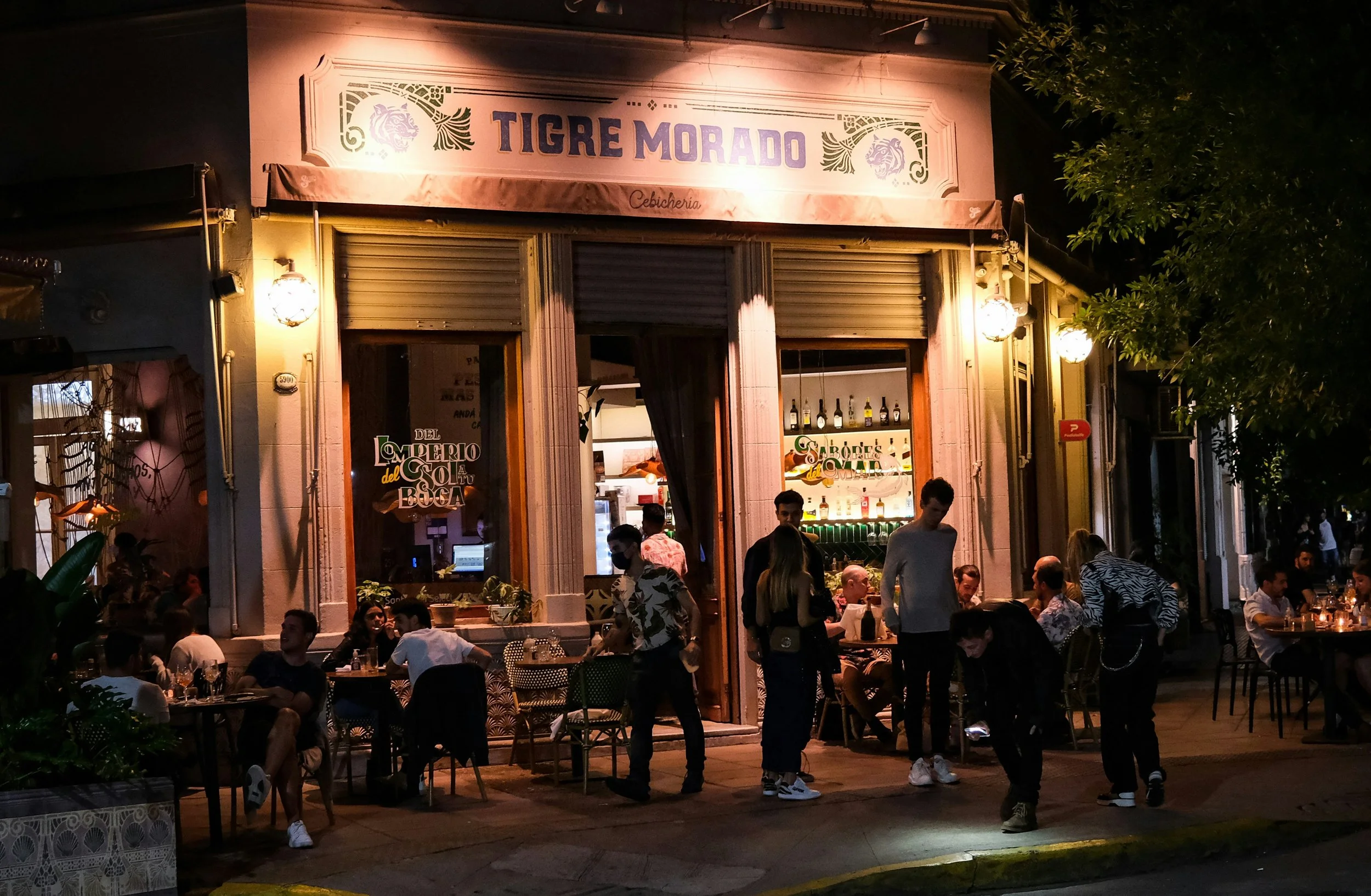
Dinner in Buenos Aires is rarely the final stop of the evening. It is the centrepiece around which everything else moves. Tables empty slowly, pavements fill with conversation, and from there the night extends — sometimes to a nearby bar, sometimes across neighbourhood lines.
Cocktail culture in the city has matured quietly over the past decade. While traditional bars still serve straightforward classics — vermouth, whisky, fernet con cola — a more design-conscious scene has developed, particularly in Palermo and Retiro. What distinguishes Buenos Aires is that even its most celebrated cocktail bars feel intimate rather than theatrical. You come to stay, not to circulate.
Among the most internationally recognised is Florería Atlántico, concealed beneath a florist in Retiro. Its menu nods to Argentina’s immigration history, and it consistently ranks among Latin America’s best bars. Reservations are wise, especially at weekends. In Palermo, Tres Monos has built a reputation for its inventive but balanced drinks in a small, convivial setting. Nearby, 878 (often referred to simply by its street number) offers a dimly lit, slightly hidden atmosphere that feels firmly rooted in the city’s modern bar culture.
Wine bars blur the line between drinking and dining. In Palermo, Vico Wine Bar allows guests to sample Argentine wines by the glass through self-service dispensers, offering a more exploratory approach to the country’s producers. These spaces tend to fill later in the evening, once dinner service begins to wind down.
For something more historic and informal, neighbourhood bars — particularly in San Telmo and Almagro — remain essential. Bar El Federal retains its dark wood interior and classic feel, serving simple drinks in a space that feels unchanged by time. These are places where a glass of red wine or a Fernet-Branca with cola is enough, and where regulars outnumber visitors.
Fernet deserves its own mention. Originally Italian, it found unexpected popularity in Argentina and is now one of the country’s most recognisable drinks. Mixed with cola over ice, it’s slightly bitter, herbal and distinctly local — particularly popular with younger porteños.
Timing remains key. Arriving at a bar at 8pm will likely feel premature. By 11pm the room has settled into its rhythm, and by midnight it feels fully alive. Weekends extend later still, with clubs and larger venues filling after 1am.
Planning your evenings in Buenos Aires works best when you leave space between reservations and allow the night to unfold. The city rewards patience.
Desserts, Bakeries and Dulce de Leche
If beef anchors the Argentine table, dulce de leche sweetens it.
This thick, caramelised milk spread is not simply a dessert ingredient in Buenos Aires — it is part of the city’s daily vocabulary. You’ll find it layered into cakes, piped into pastries, folded into ice cream and spread generously between biscuits. It appears so frequently that you stop noticing it — until you leave and realise how specific it is to this place.
The most recognisable expression of dulce de leche is the alfajor: two soft biscuits joined with caramel and often rolled in coconut or coated in chocolate. They range from simple kiosk versions to refined bakery interpretations. For artisanal alfajores and chocolates, Rapa Nui has built a strong reputation, pairing Patagonian chocolate traditions with generous dulce de leche fillings.
Traditional bakeries — panaderías and confiterías — display counters filled with facturas, pastries influenced by European baking traditions. Medialunas are the everyday staple, slightly sweeter than their French counterpart and typically eaten with morning coffee. Vigilantes, filled with quince paste or dulce de leche, and cañoncitos, crisp pastry tubes filled with caramel, are equally common.
For historic grandeur, Las Violetas in Almagro serves elaborate cakes and pastries beneath stained glass and marble columns, preserving the formal confitería tradition. In Recoleta, La Biela continues the ritual of afternoon coffee with something sweet, overlooking Plaza Francia.
Ice cream — helado — deserves particular attention. Italian immigration shaped Argentina’s gelato culture, and Buenos Aires has embraced it fully. Heladerías remain open late into the night, making ice cream as common after dinner as during the day. Cadore on Avenida Corrientes is often cited among the city’s best, while Freddo is a dependable, widely available option. Dulce de leche granizado — caramel ice cream threaded with chocolate flakes — is a reliable starting point.
Dessert in Buenos Aires is rarely theatrical at the table. It may be flan with dulce de leche, a scoop of helado shared between two spoons, or a quick stop at a bakery before heading home. What stands out is not complexity, but continuity — the way sweetness carries through the day, from breakfast pastries to late-night ice cream.
These stops are not occasional indulgences; they are part of the city’s routine. To understand Buenos Aires fully, you need to understand its bakeries as much as its parrillas.
Practical Tips for Eating Out in Buenos Aires
Understanding the rhythm of the city will shape your dining experience far more than any reservation.
Dinner begins late. While some restaurants open around 8pm, most locals arrive closer to 9:30pm or 10pm. Arriving too early can leave you in a half-empty room that doesn’t yet feel alive. If you prefer quieter dining rooms, book for 9pm; if you want atmosphere, 10pm is more typical.
Lunch, particularly on weekends, can be long and generous. Sunday is traditionally family day, and restaurants — especially parrillas — fill with large groups. Booking ahead for Sunday lunch is advisable.
Reservations are recommended for well-known restaurants in Palermo and popular parrillas across the city. Places like Don Julio often require booking several days (sometimes weeks) in advance. Smaller neighbourhood restaurants may accept walk-ins earlier in the evening, but it’s always safer to reserve where possible.
Tipping is customary but modest. Around 10 percent is standard in restaurants, usually left in cash even if you pay the bill by card. Service is generally unhurried; you may need to ask for the bill rather than expecting it automatically.
Portions are generous. Sharing starters or ordering a few dishes to divide between the table works well, particularly at parrillas where multiple cuts are often ordered together.
Payment culture is evolving. Cards are widely accepted in restaurants and bars, but carrying some cash remains useful for smaller cafés or bakeries. Exchange rates can fluctuate, so checking current local guidance before arrival is wise.
Finally, pace your evenings. Avoid stacking dinner and drinks too tightly together. Allow time for conversation, for a second bottle of wine, for the natural extension of the meal. Buenos Aires rewards patience far more than efficiency.
Approach dining here as participation rather than transaction, and the city opens itself differently.
“To eat well in Buenos Aires is less about knowing the “best” restaurant and more about understanding the rhythm of the city.
Beef may anchor the national identity, and Malbec may dominate the wine list, but what truly defines dining here is continuity. Parrillas that have fed generations. Cafés that still hold the same regulars. Bakeries that mark the day with sweetness. Even contemporary wine bars and cocktail rooms feel connected to that broader pattern rather than separate from it.
Buenos Aires does not rush its meals. Dinner unfolds in stages. Coffee pauses the afternoon. Ice cream closes the night. Food is not treated as spectacle — it is treated as part of daily structure.
If you allow for that pace, the city becomes easier to navigate. Book later. Stay longer at the table. Order a bottle rather than a glass. Return to the same café twice. Accept that 10pm is normal.
The aim isn’t to try everything. It’s to participate properly — to eat in a way that feels aligned with how Buenos Aires actually lives.
From parrillas in San Telmo to wine bars in Palermo, from historic confiterías to late-night heladerías, this is a city best understood slowly — one meal at a time.”