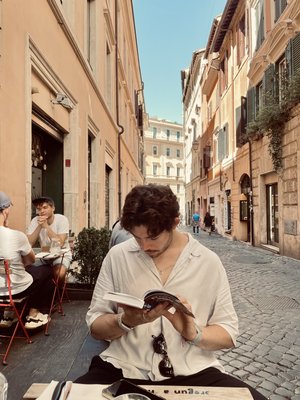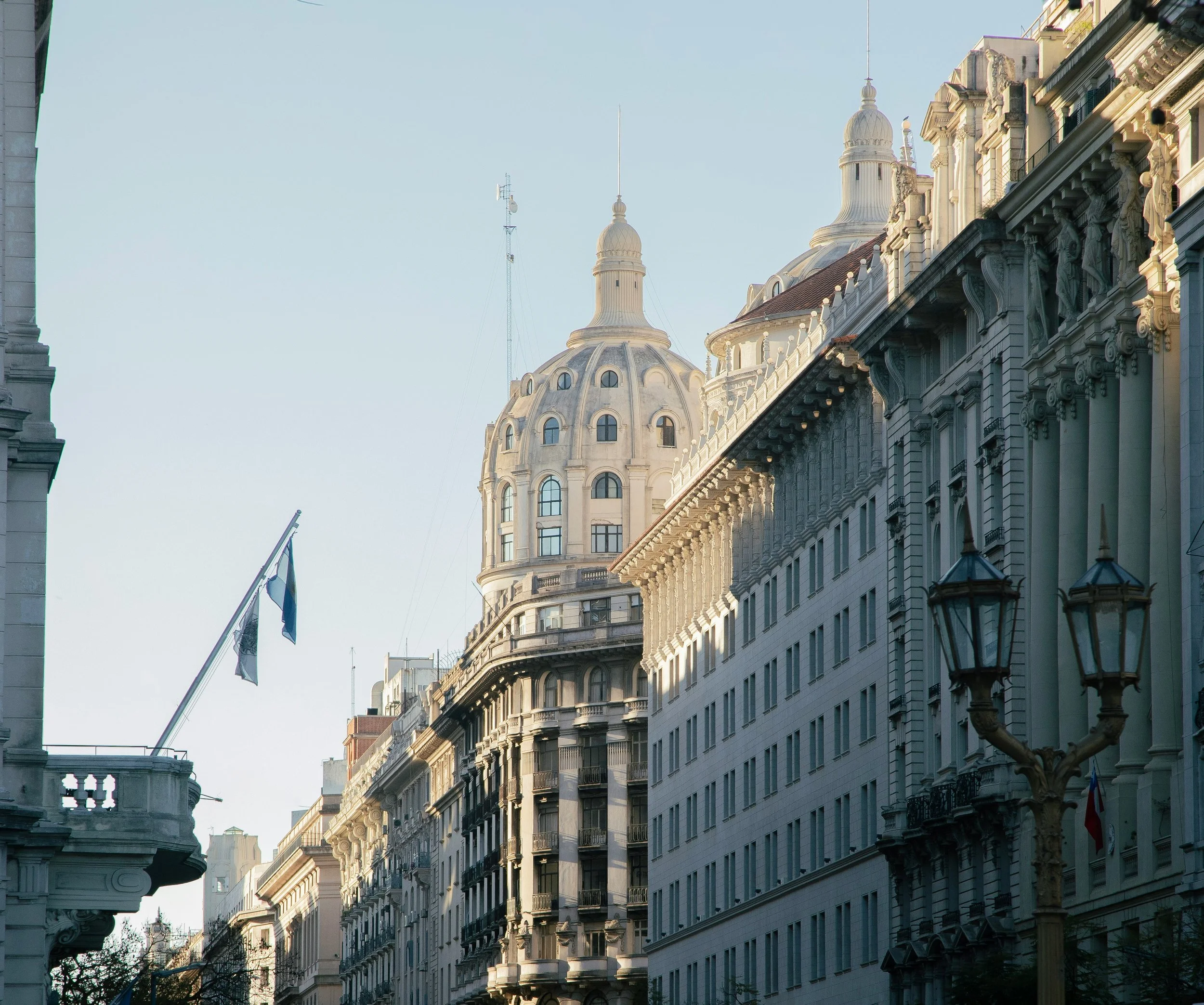
Buenos Aires is a city best understood through movement.
It reveals itself gradually — in wide ceremonial avenues and narrow colonial streets, in grand civic squares and quiet neighbourhood cafés, in the echo of football chants and the slow cadence of tango after dark. You don’t experience it from a single viewpoint or landmark; you experience it by stepping through its layers.
The city carries visible history. Political milestones have unfolded in its plazas. Waves of immigration reshaped its architecture and culture. Entire neighbourhoods evolved in response to crisis, prosperity and reinvention. At the same time, Buenos Aires is intensely present. Daily rituals — evening strolls, long lunches, Sunday markets — give the city a rhythm that feels lived-in rather than curated.
The most rewarding experiences here are not isolated attractions but sequences. A morning walking through the historic core that ends in a café. An afternoon in the parks that leads into a late dinner. A football stadium tour that deepens your understanding of neighbourhood identity. Even something as simple as an unhurried evening in San Telmo can feel as meaningful as a formal museum visit.
This guide moves through Buenos Aires in that spirit. We’ll cover the landmarks that matter — politically, culturally and architecturally — but we’ll also explore the everyday experiences that give the city texture. The aim is not to rush between highlights, but to understand how each experience fits into the broader rhythm of the capital.
To begin, we step into the historic heart of Buenos Aires, where much of Argentina’s story has unfolded.
The Historic Core and Political Landmarks
Buenos Aires begins here.
The historic centre is not just architecturally significant; it is where Argentina’s political identity has repeatedly taken shape. Exploring this area on foot allows the city’s layered history to unfold gradually, from colonial foundations to modern civic life.
Allow at least half a day to explore the core without rushing. It is compact, walkable and best experienced slowly.
Plaza de Mayo
At the centre of the historic district sits Plaza de Mayo, the city’s most symbolically charged public space. Founded in the sixteenth century, it has been the stage for revolutions, protests and presidential speeches for generations.
Today, the plaza remains active rather than preserved behind barriers. Demonstrations still gather here, particularly on Thursdays when the Mothers of the Plaza de Mayo march in remembrance of those who disappeared during Argentina’s military dictatorship. Visiting is not simply about photographs; it offers context for understanding the country’s political memory.
Plan around 30–45 minutes to walk the square and absorb its layout. Early morning is quieter, while late afternoon light softens the surrounding façades and creates a more atmospheric setting.
Casa Rosada
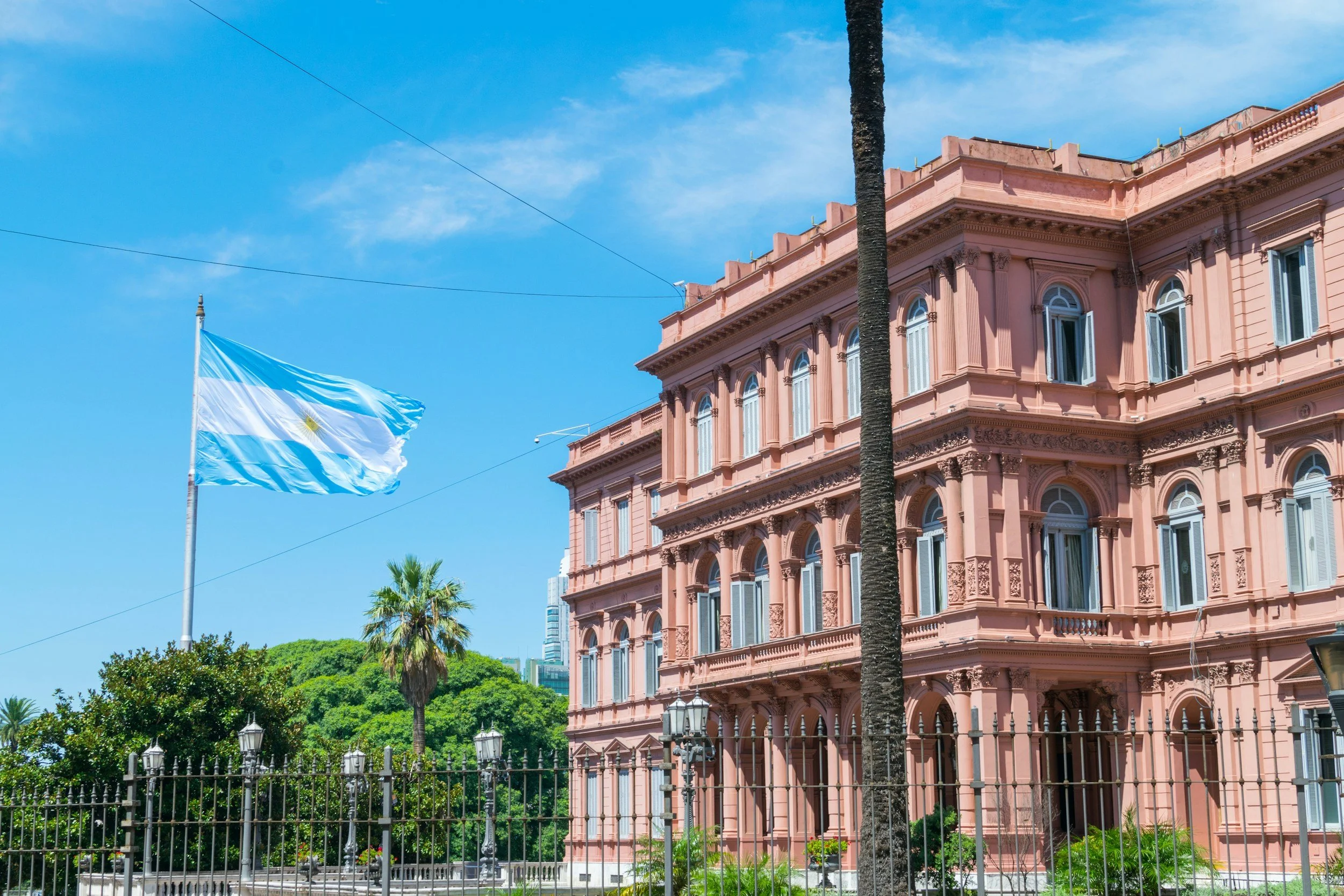
Dominating one side of the plaza is the distinctive pink façade of the Casa Rosada, the seat of Argentina’s executive branch.
The building is most famous for its balcony, from which Eva Perón addressed crowds below. Even if you do not enter, standing in the plaza and looking up at that balcony gives tangible context to moments that shaped the nation.
Free guided tours are sometimes available on weekends and must be booked in advance through official government channels. If you secure a place, allow around one hour for the visit. If not, viewing the exterior alongside the square provides sufficient historical framing for most travellers.
Catedral Metropolitana
Adjacent to the plaza stands the Catedral Metropolitana de Buenos Aires, whose neoclassical façade contrasts with a richly decorated interior. The cathedral houses the mausoleum of General José de San Martín, one of Argentina’s key independence leaders.
Entry is typically free, and a visit inside takes approximately 20–30 minutes. Even for those less inclined toward religious architecture, the cathedral offers historical weight and a quieter contrast to the open square outside.
Avenida de Mayo and the Walk to Congress
From Plaza de Mayo, Avenida de Mayo forms a natural extension of the experience. Built in the late nineteenth century, the boulevard was inspired by European urban design and reflects the city’s ambition during its period of economic prosperity.
Walking north toward the Palacio del Congreso Nacional Argentino takes around 20 minutes without stops, though it is worth allowing closer to an hour. Architectural details reward a slower pace, and this stretch provides a strong visual sense of the city’s Belle Époque influence.
Midway along the avenue, Café Tortoni offers a natural pause. While often busy, stepping inside briefly connects the political narrative of the plaza with the intellectual and cultural life that followed.
Together, Plaza de Mayo, Casa Rosada, the cathedral and Avenida de Mayo create a cohesive introduction to Buenos Aires. They provide context for everything else — from café traditions to football rivalries — by grounding the city in its political and architectural history.
Tango: Beyond the Tourist Show
Tango was born in Buenos Aires in the late nineteenth century, shaped by immigration, docklands culture and the social fabric of working-class neighbourhoods. Today, it exists in two parallel forms: the polished stage production and the lived-in neighbourhood milonga. Knowing which one suits you — and how to plan for it — will shape your experience entirely.
Tango Shows and Dinner Performances
For many visitors, a staged tango show is the most straightforward way to experience the dance. These performances combine professional dancers, live orchestras and theatrical staging, often within historic venues.
Well-known options include El Querandí and Café de los Angelitos, both offering dinner-and-show packages as well as show-only tickets.
Cost:
Show-only tickets typically range from USD $40–$80 (£32–£63 / €37–€74).
Dinner-and-show packages usually range from USD $90–$150 (£71–£118 / €83–€139), depending on seating category and menu level.
Prices fluctuate with exchange rates and seasonality, so it’s worth checking current rates close to travel.
What to know before booking:
Dinner packages often begin around 7:30–8:00pm.
Show-only entry usually begins around 9:30–10:00pm.
The full evening can last 2–3 hours.
Seating categories matter more than food tiers if your priority is visibility.
Booking directly through the venue’s official website avoids inflated third-party pricing. Hotel concierges can assist, but may include commission.
These shows are ideal if you want certainty — reserved seating, English-speaking hosts, structured timing. They are theatrical and designed for visitors.
Milongas: The Social Side of Tango
A milonga is not a show — it is a social dance gathering. Locals come to dance in tandas (sets of songs), rotating partners and following subtle codes that regulars understand instinctively.
Venues such as La Catedral Club are known for being accessible to visitors while retaining local character. Other neighbourhood milongas operate several nights a week, particularly in Almagro and San Telmo.
Cost:
Entry typically ranges from USD $5–$15 (£4–£12 / €5–€14).
Beginner lessons before the milonga usually cost an additional USD $10–$20 (£8–£16 / €9–€19).
Payment is normally in cash at the door.
What people don’t always realise:
Milongas start late — often 9:30pm or 10pm — and peak after 11pm.
Dress is smart-casual; overly casual clothing stands out.
Invitations to dance are often made through eye contact (the “cabeceo”), not direct asking.
It is perfectly acceptable to attend only to observe.
If you want to participate, attending a beginner lesson beforehand makes the experience more comfortable and respectful.
Safety and Practical Context
Tango venues in central neighbourhoods such as San Telmo, Almagro and Palermo are generally safe, particularly when arriving and leaving by taxi or rideshare late at night.
Avoid booking “street show” packages sold aggressively in tourist-heavy areas. These are often overpriced compared to booking directly.
Allow flexibility in your evening. If you book a dinner show, avoid stacking another reservation immediately after. If attending a milonga, plan a late dinner beforehand or eat lightly earlier in the evening — venues may offer drinks but limited food.
Who Should Choose What?
If you have limited time (2–3 nights), a staged show offers a clear, contained introduction.
If you are staying longer and want a more authentic cultural experience, combine a show with a neighbourhood milonga — one for spectacle, one for context.
Tango is not just choreography; it is social language. Seeing both sides reveals how deeply it remains embedded in the city.
Football Culture: Stadiums, Identity and Match Day
Football in Buenos Aires is not entertainment in the casual sense. It is neighbourhood identity, family inheritance and weekly ritual. Allegiance is rarely neutral and rarely quiet. Even if you are not a football supporter at home, attending a match here offers insight into how deeply the sport shapes social life.
The two most internationally recognised clubs are Boca Juniors and River Plate, historic rivals whose stadiums reflect contrasting identities within the city.
La Bombonera: Boca Juniors
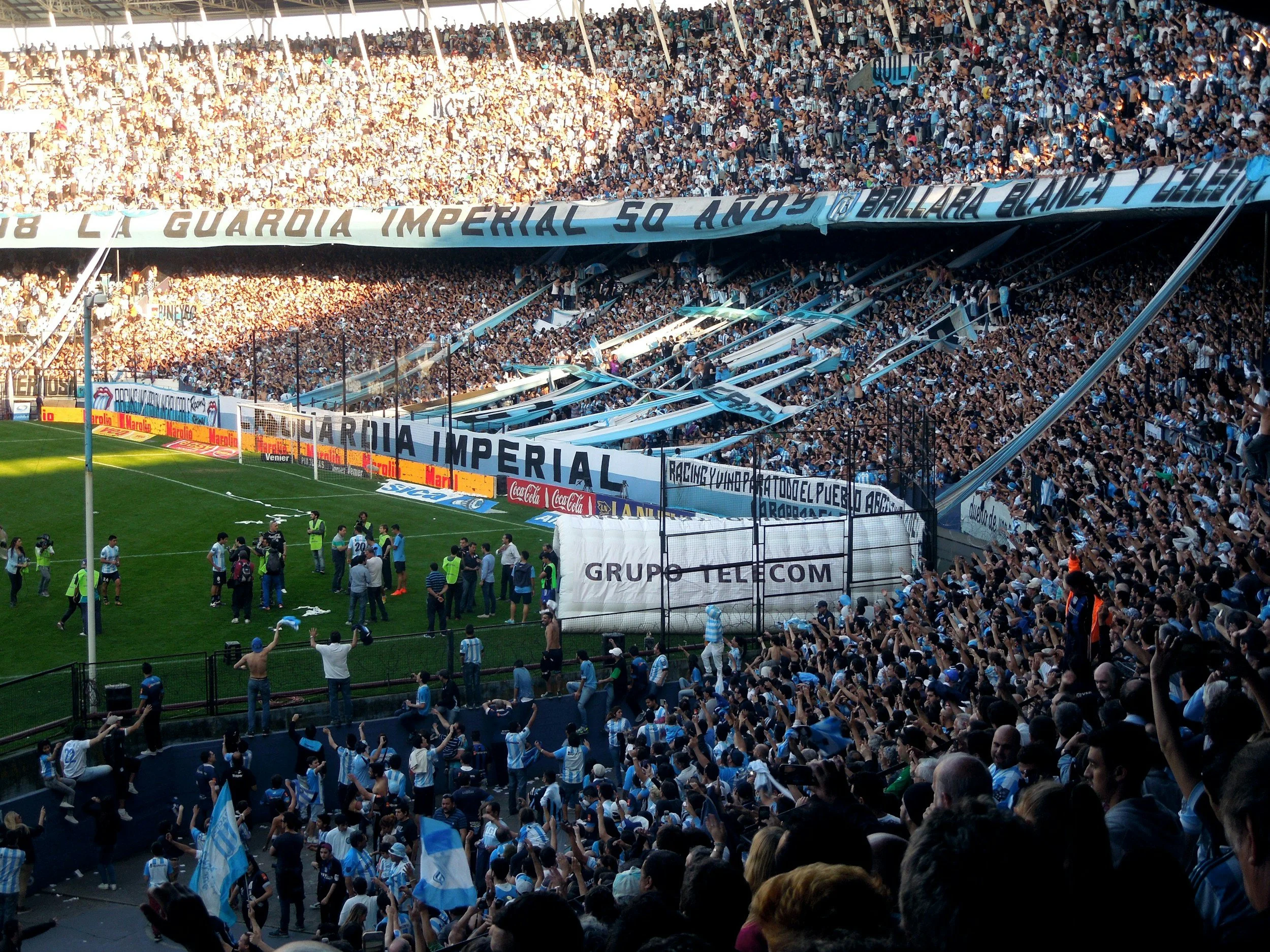
Located in La Boca, La Bombonera is one of the most iconic stadiums in world football. Its steep stands and tight structure amplify sound to an almost physical level. On match day, the atmosphere is intense — drums, chanting and coordinated movement from supporters create a spectacle that extends beyond the pitch.
Stadium tour:
If you prefer a calmer experience, guided tours run on non-match days and typically cost around USD $20–$30 (£16–£24 / €18–€28). The tour includes the museum, trophy rooms and pitch access, and takes roughly 1–1.5 hours.
Match tickets:
Official tickets for league matches are difficult to secure independently due to membership systems. Many visitors book through reputable tour operators who include transport and seating. Expect to pay approximately USD $80–$150 (£63–£118 / €74–€139), depending on the opponent and seating location.
It is strongly recommended to book through established providers or your hotel concierge rather than purchasing informally outside the stadium.
Match days are safe when attending as part of an organised group, but independent wandering in surrounding streets after dark is not advised. Plan transport in advance and leave promptly once the match ends.
River Plate and El Monumental
On the northern edge of the city stands Estadio Monumental, home to River Plate. Larger and more open than La Bombonera, it offers a different but equally passionate atmosphere.
Stadium tours typically cost around USD $15–$25 (£12–£20 / €14–€23) and provide insight into the club’s history, including its role in Argentina’s 1978 World Cup.
Match tickets follow similar booking patterns to Boca Juniors — purchasing through authorised channels or organised experiences is safest and most reliable.
What to Know Before You Go
Matches usually take place on weekends, though exact scheduling is often confirmed only one to two weeks in advance. If seeing a game is a priority, build flexibility into your itinerary.
Arrive at least 45–60 minutes before kick-off to absorb the atmosphere. Avoid wearing rival team colours, and follow guidance from your host or guide regarding seating areas.
Even if you choose only a stadium tour, visiting one of these grounds provides cultural context. Football here is not background noise — it is part of how neighbourhoods define themselves.
Markets and Everyday Buenos Aires
Not every meaningful experience in Buenos Aires involves a landmark or ticket. Some of the city’s character is found in its markets, its weekend rituals and the way neighbourhoods use public space.
Markets here are not purely tourist attractions; they function as social anchors. They reveal how the city feeds itself, gathers and moves through ordinary days.
San Telmo Market and Sunday Feria
At the heart of the historic district sits San Telmo Market, operating since the late nineteenth century. The covered market combines traditional produce stalls, butcher counters and cafés with newer food vendors and antique sellers.
Visiting during the week provides a calmer, more local feel. On Sundays, however, the surrounding streets transform into the Feria de San Telmo — a sprawling open-air market stretching for blocks. Antique dealers, craft vendors, street musicians and tango performers create an atmosphere that feels lively but not staged.
If you visit on Sunday, arrive before 11am to avoid peak congestion. Allow at least two hours to wander without rushing. Pair the market with lunch nearby and a slow afternoon in San Telmo’s cafés.
Feria de Mataderos
For something less central and more traditional, the Feria de Mataderos offers a different perspective. Located in the western part of the city and operating mainly on Sundays, it focuses on regional Argentine culture — folk music, traditional crafts and street food linked to rural heritage.
It requires more travel time (approximately 45–60 minutes by taxi from central neighbourhoods), but it provides insight into traditions beyond the capital’s European façade.
Parks and the Outdoor Rhythm
Buenos Aires balances its dense urban fabric with generous green spaces. Parks are not ornamental; they are used daily.
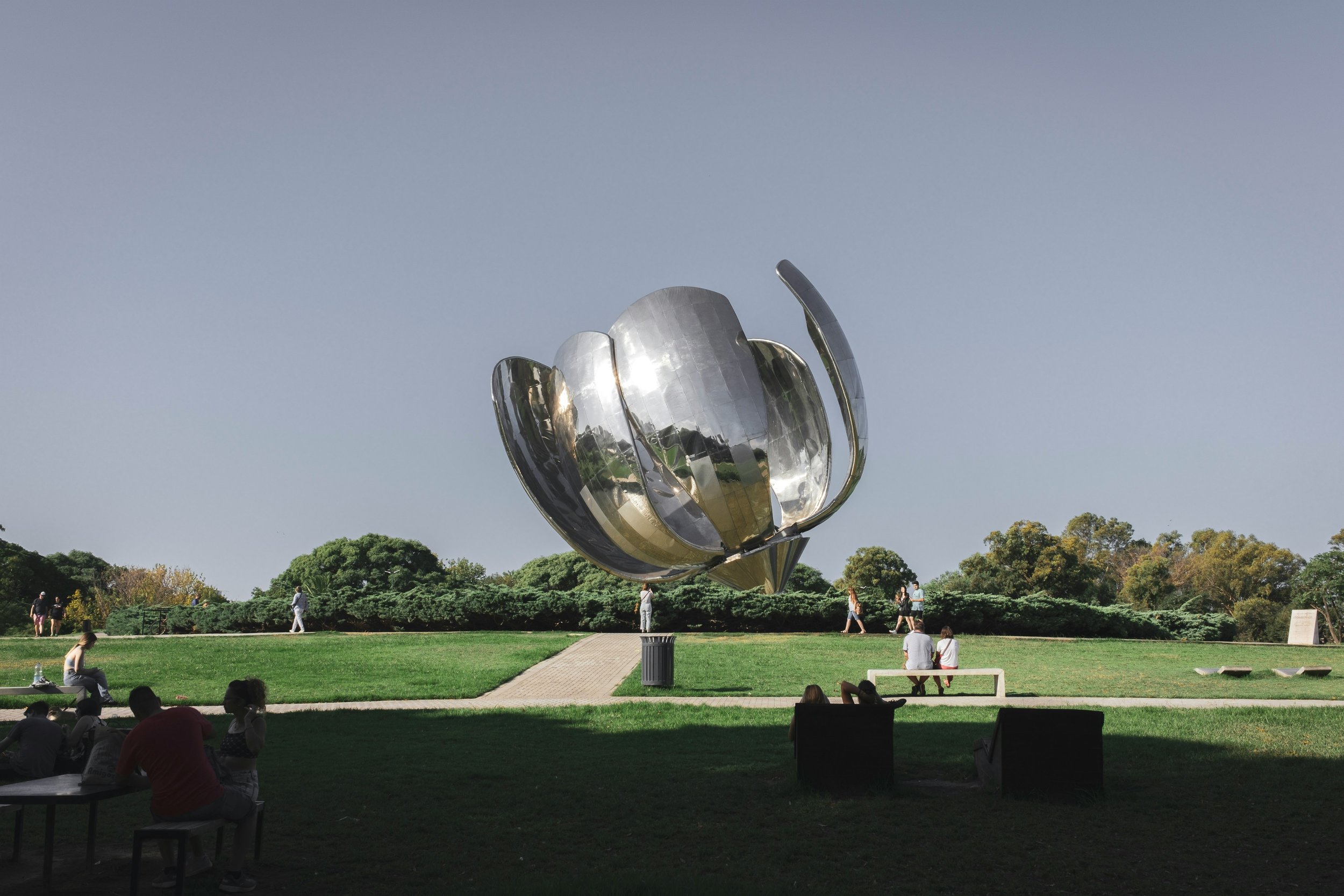
Bosques de Palermo
The Bosques de Palermo is the city’s most expansive park area, including lakes, running paths and the Rosedal rose garden. On weekends, locals gather for mate (a traditional herbal infusion), jog, cycle or simply sit in the shade.
Late afternoon is the most rewarding time to visit, when light softens and the temperature drops. Pairing a walk here with dinner in nearby Palermo works naturally.
Reserva Ecológica Costanera Sur
A short distance from Puerto Madero, the Reserva Ecológica Costanera Sur feels unexpectedly wild given its proximity to the financial district. Dirt trails wind through wetlands and along the Río de la Plata, offering a quiet counterpoint to the city’s intensity.
Entry is typically free, and allowing two hours provides enough time to walk or cycle a portion of the reserve. Visit earlier in the day during summer months to avoid heat.
Contemporary Culture and Creative Buenos Aires
Buenos Aires has long positioned itself as a cultural capital of Latin America. Its theatres, publishing houses and galleries have shaped regional artistic movements for decades. While the historic centre tells the story of political identity, contemporary spaces reveal how that identity continues to evolve.
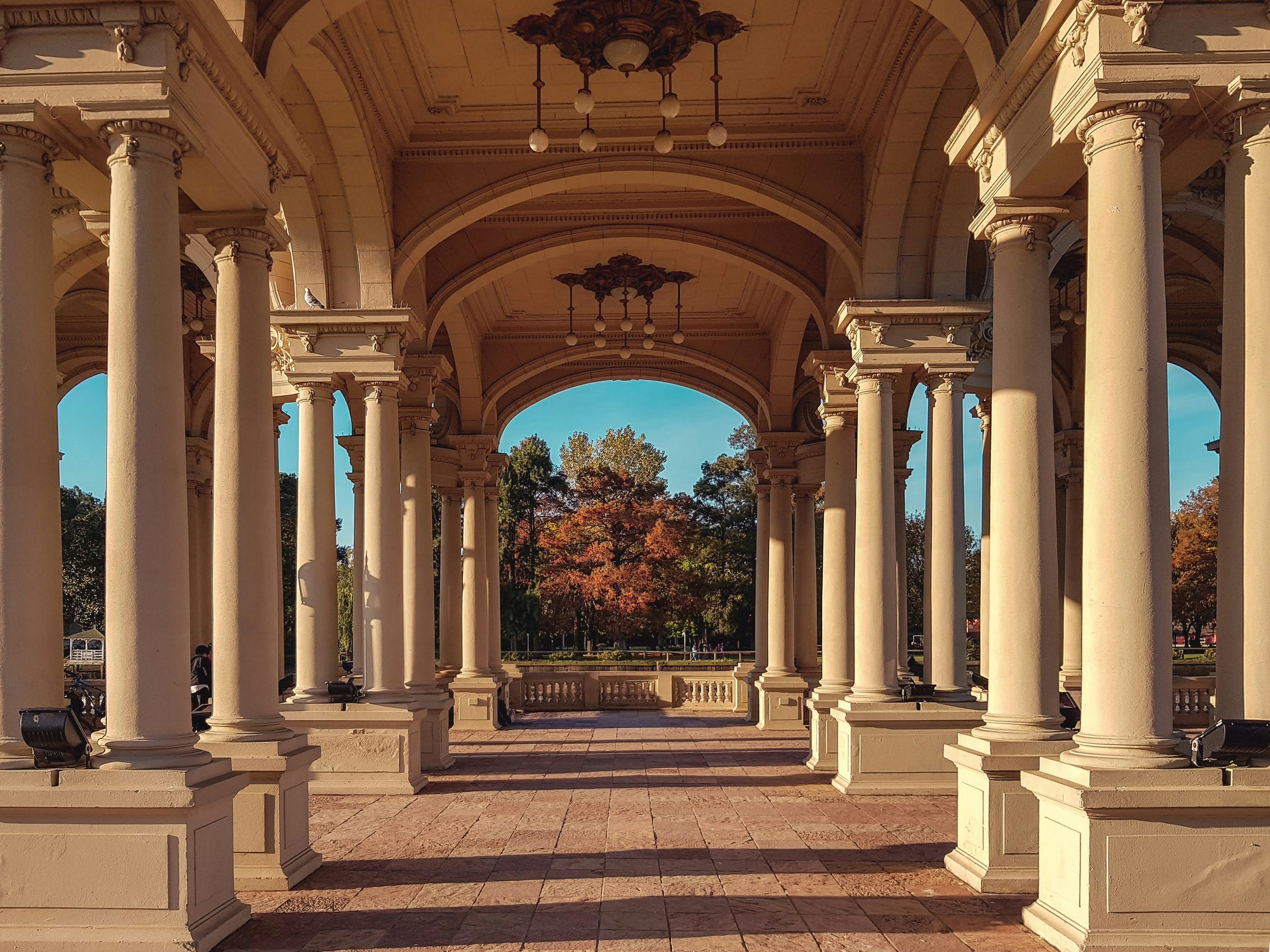
MALBA: Latin American Modern Art
One of the city’s most significant cultural institutions is MALBA (Museo de Arte Latinoamericano de Buenos Aires). Located in Palermo, MALBA focuses on twentieth- and twenty-first-century Latin American art, offering a strong overview of regional movements beyond Argentina alone.
The museum’s permanent collection includes works by Frida Kahlo and Diego Rivera, alongside major Argentine artists. Exhibitions are thoughtfully curated and manageable in scale — you do not need an entire day here. Allow 1.5 to 2 hours for a focused visit.
Weekday mornings are generally quieter. The museum café also makes a convenient stop before or after exploring the surrounding parks.
Street Art in Palermo and Beyond
While MALBA reflects curated cultural production, Buenos Aires’ street art scene shows a more immediate, urban expression. Palermo, Colegiales and parts of Villa Crespo are particularly strong areas for mural spotting.
Rather than concentrating in one district, murals appear unexpectedly — on warehouse walls, apartment façades and side streets. The style ranges from political commentary to abstract design. Walking through Palermo Soho with no fixed route is often the best approach, though guided street art tours are available for those who want deeper context.
Allow 1–2 hours for a relaxed self-guided wander, ideally in the late afternoon when light improves photography and temperatures ease.
Teatro Colón
For a more classical cultural experience, the Teatro Colón stands as one of the world’s most acoustically celebrated opera houses. Even if you are not attending a performance, guided daytime tours provide insight into the building’s architecture and history.
Tours typically last around one hour and cost approximately USD $20–$30 (£16–£24 / €18–€28), depending on availability. Performance tickets vary widely in price and can sell out in advance, particularly for major productions.
Day Trips from Buenos Aires
The capital is well positioned for short excursions that contrast with its density. Whether you’re looking for river landscapes, colonial streets or gaucho heritage, these trips can be done comfortably within a day and add dimension to your stay.
Tigre and the Paraná Delta
Around one hour north of the city centre lies Tigre, gateway to the Paraná Delta. Here, the urban grid gives way to waterways, wooden docks and houses built on stilts.
Getting there is straightforward. The Mitre train line runs from Retiro station to Tigre and takes approximately 50–60 minutes. The journey is affordable and scenic, making it one of the easiest day trips to organise independently.
Once in Tigre, boat tours navigate the delta’s channels, offering views of island homes, small schools and riverside cafés accessible only by water. Tours typically last 1–2 hours and range from approximately USD $10–$25 (£8–£20 / €9–€23), depending on the type of vessel and route.
Allow half a day for a relaxed visit, or longer if you want to explore the Puerto de Frutos market or stop for lunch along the river. Tigre works particularly well as a calmer counterpoint after several days of city exploration.
Colonia del Sacramento (Uruguay)
For a more distinctive shift in atmosphere, Colonia del Sacramento offers cobbled streets, colonial architecture and a noticeably slower rhythm. Located across the Río de la Plata in Uruguay, it feels worlds away from Buenos Aires despite being relatively close.
High-speed ferries depart from Puerto Madero and take roughly 1–1.5 hours. Return tickets generally range from USD $70–$120 (£55–£95 / €65–€111), depending on the operator and season. Passport control is required, so bring valid travel documents.
Colonia’s historic quarter is compact and walkable. A single day allows enough time to explore its lighthouse, small museums and waterfront paths without rushing. If your itinerary is short (three days or fewer in Buenos Aires), this trip may feel ambitious. With four or more days, it adds welcome contrast.
Estancia Experiences
To understand Argentina’s rural identity — particularly its asado tradition and gaucho culture — consider a day at an estancia (ranch) outside the city. Many estancias offer organised day trips including transport, traditional barbecue lunches and horseback demonstrations.
These experiences typically cost between USD $100–$200 (£79–£158 / €93–€185), depending on inclusions. While more structured and tour-oriented, they provide insight into the countryside traditions that shaped much of Argentina’s national identity.
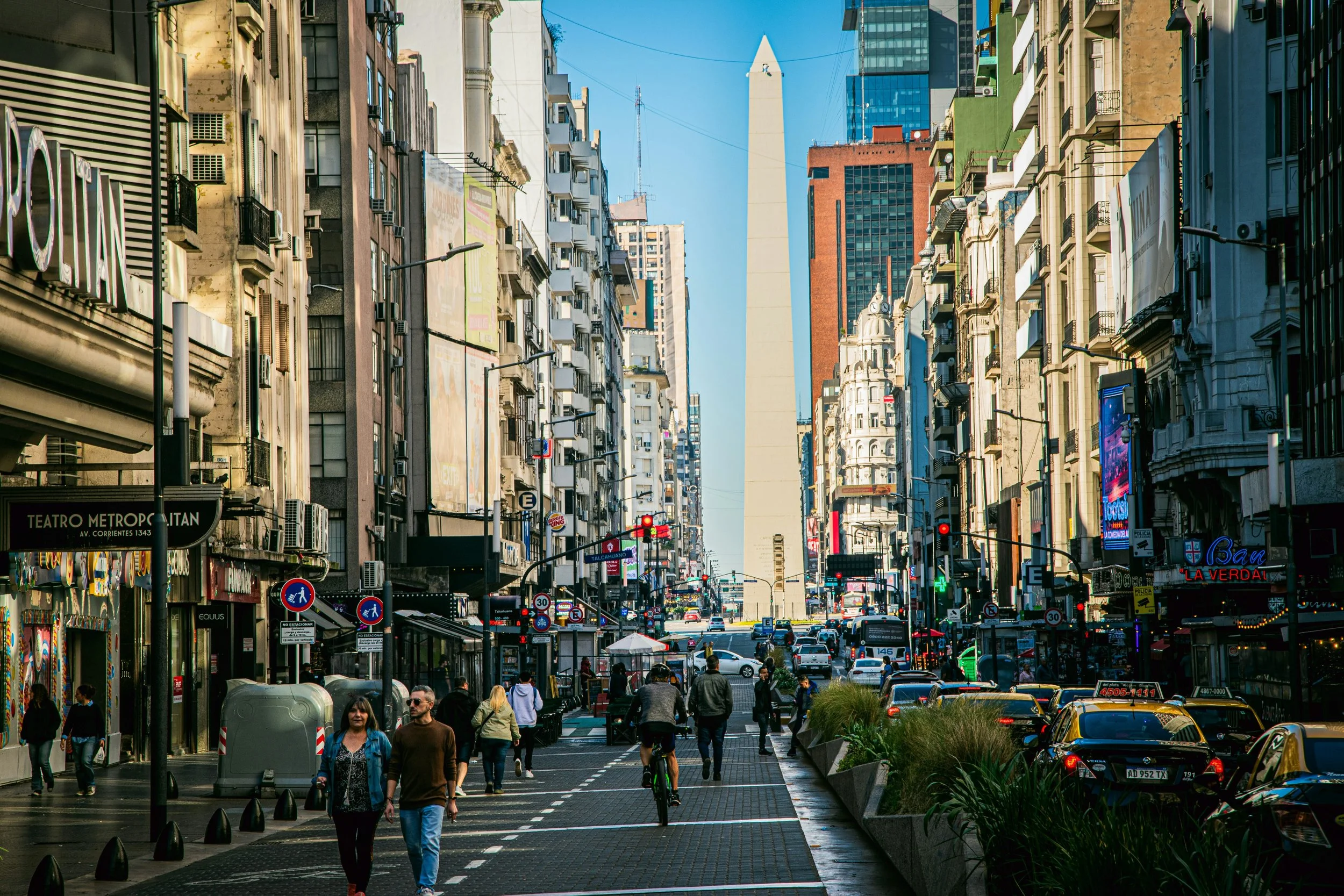
Practical Planning for Buenos Aires
Buenos Aires rewards time. While you can see the historic centre in a morning and tick off major landmarks in a couple of days, the city makes more sense when you allow space between experiences.
For a first visit, four to five days is ideal. This gives you time to explore the historic core, spend evenings in different neighbourhoods, attend a tango performance or football match, and still have room for parks, cafés and slower mornings. With only two or three days, focus on the historic centre, one neighbourhood in depth (Palermo or San Telmo), and either tango or football — not everything.
Structuring your days around rhythm rather than distance works best. Mornings are well suited to walking tours, museums and the historic core before temperatures rise. Afternoons lend themselves to parks, café stops or neighbourhood exploration. Evenings begin later than in many cities; plan dinner reservations for 9pm or later, and avoid overloading the schedule.
Getting around is straightforward. The Subte (underground) is affordable and efficient for major routes, though coverage is less extensive than in some European capitals. Rideshares and taxis are widely used and relatively inexpensive by international standards, particularly for cross-city trips after dark. Walking remains one of the best ways to experience individual neighbourhoods, especially Palermo, Recoleta and San Telmo.
Safety awareness is important but manageable. Stick to well-lit areas at night, use rideshares when moving between neighbourhoods late, and avoid displaying valuables openly. Tourist areas such as La Boca are best visited during daylight hours.
Seasonality also shapes the experience. Summers (December to February) can be hot and humid, with temperatures often exceeding 30°C. Spring (September to November) and autumn (March to May) offer milder weather and are generally the most comfortable times to visit. November, when jacaranda trees bloom across the city, is particularly striking.
Above all, allow flexibility. Buenos Aires rarely rewards rigid scheduling. Leave space for a second glass of wine, an unexpected market, or a recommendation overheard in a café. The city reveals itself gradually, and planning with that in mind makes the difference between simply seeing it and actually experiencing it.
“Buenos Aires is not defined by a single landmark or experience. It is defined by layers.
You see it in Plaza de Mayo, where political history still feels present. You hear it in a late-night milonga, where tango continues as social language rather than performance. You feel it in the vibration of a football stadium, in the quiet shade of Palermo’s parks, in the rhythm of a Sunday market.
What makes the city compelling is not just what you can visit, but how those experiences connect. Civic grandeur sits alongside neighbourhood ritual. European architecture frames Latin intensity. Formal museums coexist with spontaneous street art.
To experience Buenos Aires well is to move through it deliberately. Allow mornings for history, afternoons for wandering, evenings for conversation and late dinners. Choose depth over volume. See fewer things, but stay longer in each place.
The city rewards attention rather than speed.
From its historic core to its contemporary culture, from tango halls to river deltas, Buenos Aires reveals itself gradually — and once you adjust to its rhythm, it becomes one of the most absorbing capitals in the region.”