Cairo: Food and Drink Guide
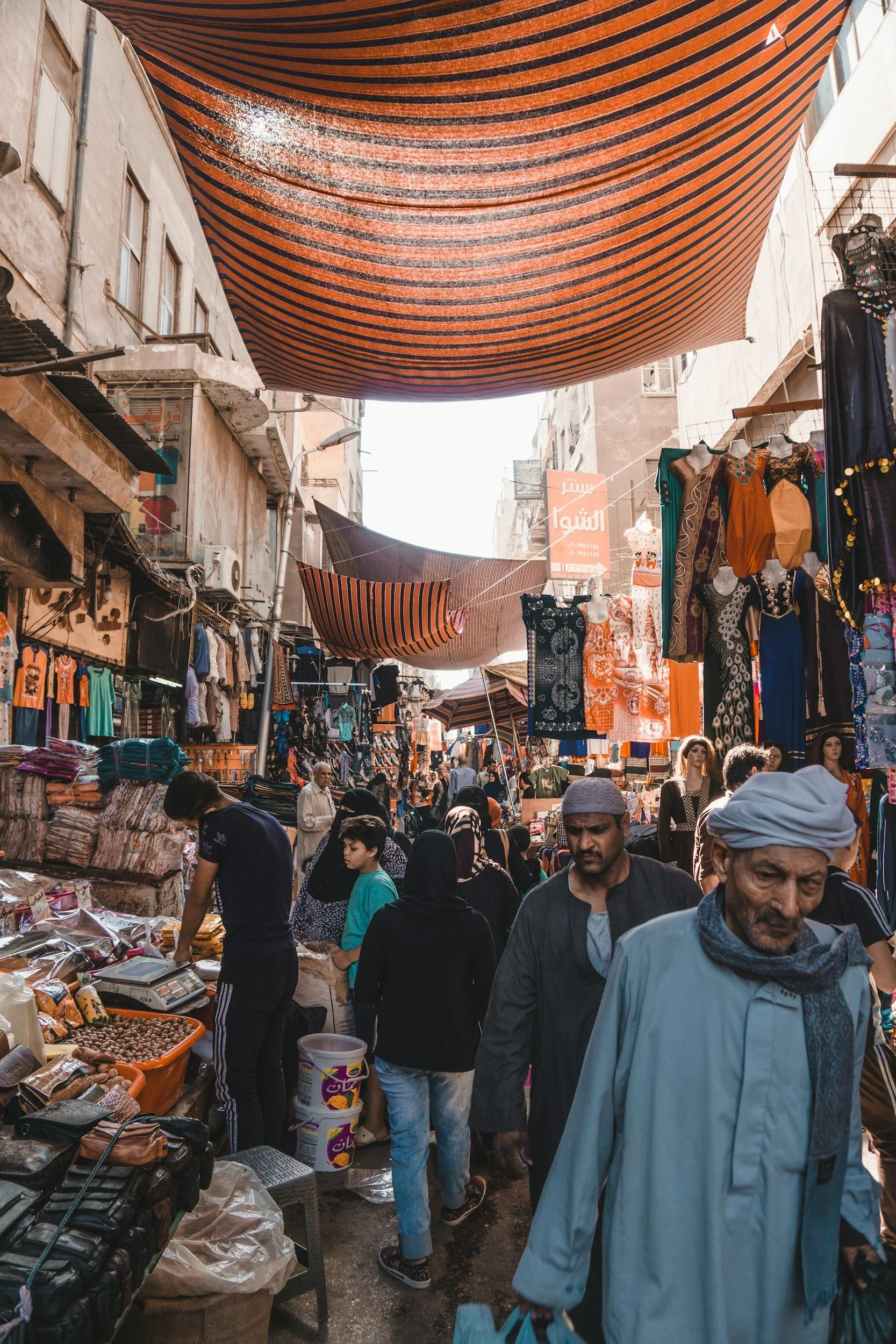
Cairo isn’t a city you understand through monuments alone. You understand it through what’s simmering in steel pots on street corners, what’s being ladled into bowls at breakfast, and what’s shared across tables long after the sun has set.
Egyptian cuisine is layered in the same way the city is layered. Ancient staples like ful medames — slow-cooked fava beans eaten for thousands of years — still anchor the national diet. Ottoman influence shows up in dishes like fatta and molokhia. Levantine flavours weave through mezze spreads, grilled meats, and tahini-heavy plates. And in recent years, a new generation of chefs has begun reinterpreting traditional food for modern Cairo.
But what makes Cairo’s food culture compelling isn’t just history — it’s accessibility. This is a city where some of the best meals cost only a few pounds. Where office workers queue beside taxi drivers for koshary. Where mint tea is poured endlessly in cafés that have hosted writers, revolutionaries, and everyday conversations for over a century.
Street food isn’t a novelty here — it’s daily life. Breakfast often happens standing at a counter. Lunch is quick, filling, and carb-heavy. Dinner stretches late into the night, especially on weekends, with families sharing mezze and grilled meats long past 10pm.
And then there’s the contrast: rooftop restaurants overlooking the Nile, polished dining rooms in Zamalek, contemporary Egyptian kitchens redefining classics. Cairo’s food scene today sits comfortably between deeply traditional and confidently modern.
This guide isn’t just about what to eat. It’s about where to eat it now — from long-standing institutions to currently thriving restaurants across Zamalek, Downtown, Islamic Cairo, Giza, and Garden City. Expect practical details, real recommendations, and enough context to order with confidence.
Understanding Egyptian Cuisine: What You’re Actually Ordering
Before we get into specific restaurants, it helps to understand the foundations. Egyptian food isn’t complicated — but it is deeply rooted in tradition, shaped by geography, and designed to sustain.
Many of the country’s core dishes are built around legumes, grains, garlic, lemon, and slow cooking. They’re filling, flavourful, and often deceptively simple.
Here’s what you’ll see everywhere — and where to try each properly in Cairo.
Ful Medames (Egypt’s Breakfast Staple)
Ful is slow-cooked fava beans, typically simmered overnight in large metal vats. It’s served warm with olive oil, lemon juice, cumin, chopped tomatoes, and sometimes tahini or chilli.
This isn’t just a dish — it’s daily ritual. Across Egypt, breakfast often begins with ful and fresh baladi bread.
Where to try it:
El Tabei El Domyati (multiple Cairo branches) — Reliable, local favourite for ful and taameya.
Zooba (Zamalek branch) — A modernised but high-quality version if you prefer a more polished setting.
Typical cost: EGP 20–50 (£0.30–£1 / €0.30–€1 / $0.40–$1)
Best eaten: Morning, before 11am.
Taameya (Egyptian Falafel)
Unlike Levantine falafel made from chickpeas, Egyptian taameya is made from fava beans. The result? Softer interior, greener colour, and a slightly fresher flavour from herbs like parsley and coriander.
It’s often stuffed into bread with salad and tahini for a quick, inexpensive meal.
Where to try it:
El Tabei El Domyati — Consistently good and affordable.
Zooba — For a refined but still authentic version.
Typical cost: EGP 30–60 (£0.50–£1.20 / €0.50–€1.20 / $0.60–$1.50)
Koshary (The National Comfort Dish)
Koshary is Cairo in a bowl. Rice, pasta, lentils, chickpeas, crispy fried onions, and tomato sauce layered together and topped with garlic vinegar and chilli sauce.
It sounds chaotic — and it is — but it works.
It’s fast, filling, and beloved across all social groups.
Where to try it:
Koshary Abou Tarek (Downtown) — The benchmark. Multi-storey, efficient, and almost always busy.
Zooba — A more modern presentation, but still flavourful.
Typical cost: EGP 50–90 (£1–£2 / €1–€2 / $1–$2)
Best eaten: Lunch or early evening.
Molokhia
A divisive but iconic green soup made from finely chopped jute leaves, cooked with garlic and coriander. The texture is silky and slightly viscous, often served with rice and chicken or rabbit.
It’s deeply traditional and widely loved by locals.
Where to try it:
Abou El Sid (Zamalek) — A dependable choice for classic Egyptian dishes in a comfortable setting.
Zitouni (Garden City) — For a more refined hotel experience overlooking the Nile.
Typical cost: EGP 150–350 (£3–£7 / €3–€7 / $4–$8) depending on venue.
Fatta
A celebratory dish traditionally served during religious festivals and special occasions. It combines rice, toasted bread, garlic, vinegar, tomato sauce, and slow-cooked meat (often lamb or beef).
It’s rich, heavy, and best shared.
Where to try it:
Abou El Sid — Traditional presentation and strong flavour.
Sobhy Kaber (Shubra) — Well-known for hearty Egyptian classics, though slightly outside central tourist zones.
Hawawshi
Egypt’s answer to a stuffed meat sandwich. Spiced minced beef is baked inside baladi bread until crisp on the outside and juicy inside.
It’s simple, satisfying, and widely available.
Where to try it:
Kazaz (Downtown) — A long-standing casual option.
Local neighbourhood bakeries — Often the most authentic experience.
Typical cost: EGP 40–80 (£0.80–£1.50 / €0.80–€1.50 / $1–$2)
Egyptian food isn’t built around fine plating — it’s built around nourishment and sharing. Garlic is generous. Lemon is essential. Bread is constant. And most meals are designed to be eaten communally.
Now that you know what you’re ordering, let’s step into the streets — because Cairo’s street food scene is where the city truly feeds itself.
Cairo’s Street Food Scene: Where the City Really Eats
If you want to understand Cairo properly, you have to eat standing up at least once.
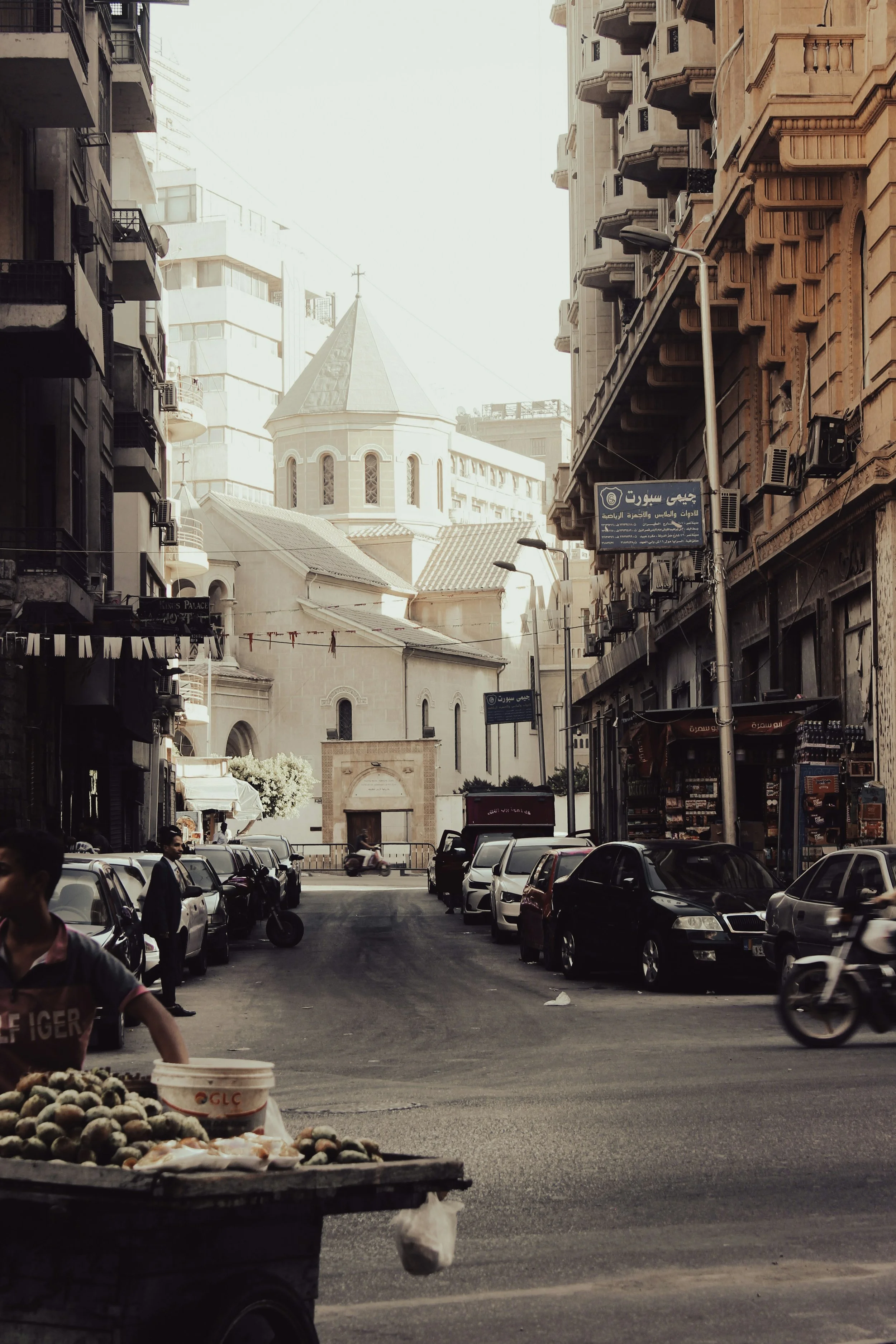
Street food here isn’t curated for visitors — it’s daily life. Office workers queue for koshary at lunch. Taxi drivers stop for liver sandwiches late at night. Families pick up ful and taameya on their way home. It’s fast, affordable, and woven into the rhythm of the city.
The key is knowing where to go.
Koshary Done Properly
There are countless places serving koshary, but one name still dominates.
Koshary Abou Tarek (Downtown) — Spread across multiple floors near Talaat Harb Square, this is Cairo’s most famous koshary institution. Service is fast, portions are generous, and the layering of rice, lentils, pasta, tomato sauce, garlic vinegar, and fried onions is reliably balanced.
Expect to pay around EGP 60–100 (£1–£2 / €1–€2 / $1–$2). Lunchtime is busiest, especially between 1–3pm.
If you’d prefer a slightly calmer setting:
Zooba (multiple branches, including Zamalek and Maadi) — A modern take on street classics, with cleaner interiors and English menus. Prices are higher than traditional spots, but still very reasonable.
Liver Sandwiches (Kebda) & Late-Night Bites
Liver sandwiches are a Cairo staple — spiced beef liver sautéed with garlic, cumin, chilli, and peppers, stuffed into bread and often eaten on the go.
For a widely known option:
Kebdet El Prince (Imbaba) — Legendary among locals for its kebda and sausage sandwiches. It’s slightly outside central tourist areas, but well-known for quality and flavour.
Expect queues, loud ordering, and a lively atmosphere. This is not fine dining — it’s flavour-forward and unapologetically local.
Average cost: EGP 50–120 (£1–£2.50 / €1–€2.50 / $1–$3).
Shawarma & Quick Grills
While shawarma is more commonly associated with the Levant, Cairo has fully embraced it.
Felfela (Downtown branch) — Better known for traditional dishes, but reliable for grilled meats and quick plates.
Gad Restaurants (multiple branches) — Popular chain serving shawarma, grilled chicken, and sandwiches at affordable prices.
These are solid mid-range street-style options if you want something fast but slightly more structured than a roadside cart.
Fresh Juice Stalls
Cairo’s juice culture deserves attention.
Small stalls press fresh sugarcane juice (asab), mango, guava, pomegranate, and strawberry juice daily. In summer, they’re everywhere.
Sugarcane juice is the standout — grassy, slightly sweet, and incredibly refreshing in the heat.
Expect to pay EGP 15–40 (£0.25–£0.80 / €0.25–€0.80 / $0.30–$1) for a large cup.
Look for stalls with visible turnover (constant customers) and freshly cut fruit.
Practical Tips for Street Food in Cairo
Go where locals are already queuing. High turnover = fresher food.
Eat hot, freshly cooked items rather than pre-prepared trays sitting out.
Carry small notes — cash is preferred.
Lunchtime (1–3pm) and late evening (9–11pm) are peak food hours.
Don’t expect English menus everywhere — pointing works fine.
Street food in Cairo is affordable, filling, and central to daily life. It’s not about perfection — it’s about flavour and familiarity.
Historic Cafés & Ahwa Culture
If street food shows you how Cairo eats, its cafés show you how Cairo gathers.
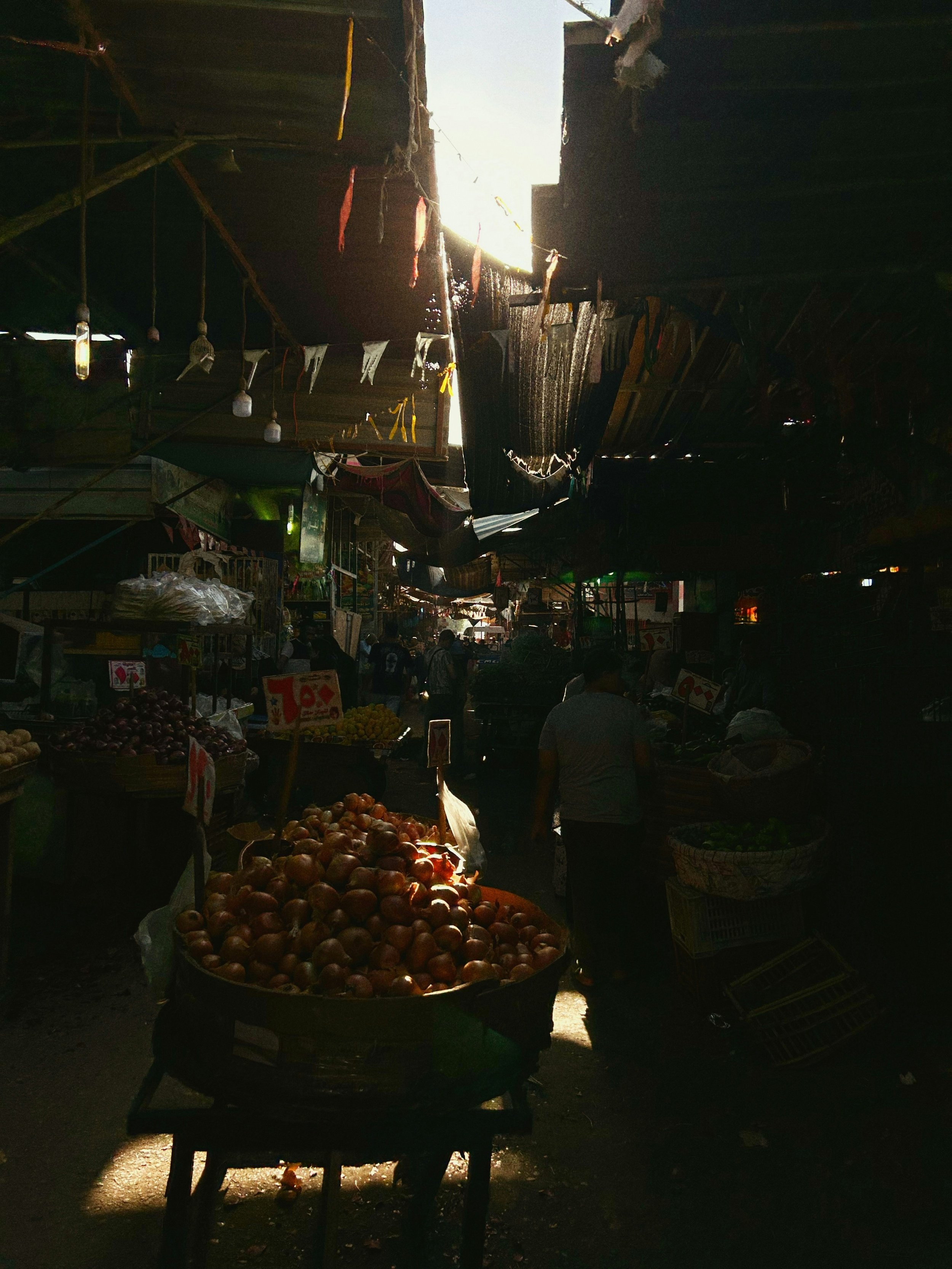
The traditional ahwa (coffeehouse) has long been a social anchor in Egyptian life. These are places where men (and increasingly women) sit for hours over small glasses of mint tea or strong Turkish coffee, playing backgammon, discussing politics, or simply watching the street unfold. Time moves differently inside them.
Some cafés are simple plastic-chair affairs on busy pavements. Others are historic institutions that have witnessed decades — even centuries — of conversation.
Here are the ones that still matter.
El Fishawy (Khan el-Khalili)
Located within the lanes of Khan el-Khalili, El Fishawy has been serving tea and coffee for over 200 years.
Mirrored walls, wooden chairs, and tightly packed tables create an atmosphere that feels unchanged by time. It’s busy — often very busy — but that’s part of the experience.
Order mint tea (shai bil na’na), Turkish coffee, or sahlab in winter. Shisha is widely available.
Best time to visit: Late afternoon into evening, once the market lights come on.
Cost: EGP 30–80 (£0.50–£1.50 / €0.50–€1.50 / $0.60–$2).
Café Riche (Downtown)
Open since 1908, Café Riche sits in the heart of Downtown Cairo. Over the decades, it has hosted writers, artists, and political figures — and was reportedly a meeting point during the 1919 revolution.
The interior feels faded but atmospheric, with tiled floors and old photographs lining the walls. It’s more about heritage than culinary excellence.
Order coffee or tea and stay for the sense of place.
Best for: A midday break while exploring Downtown.
Cost: Slightly higher than traditional ahwas, but still modest by international standards.
Naguib Mahfouz Café (Khan el-Khalili)
Named after Egypt’s Nobel Prize-winning author Naguib Mahfouz, this café-restaurant blends traditional décor with a more structured dining experience.
It’s more polished than El Fishawy, making it a comfortable introduction to the ahwa atmosphere for first-time visitors.
Good for mint tea, Arabic coffee, and classic Egyptian desserts like basbousa and konafa.
What to Order in a Traditional Ahwa
Shai bil na’na — Black tea with fresh mint
Ahwa turki — Strong, unfiltered Turkish-style coffee
Sahlab — Warm milk drink with coconut and nuts (winter favourite)
Shisha — Apple flavour is the most common
Service is usually relaxed. No one will rush you. It’s common to sit for an hour or more over a single drink.
Cairo’s café culture isn’t about productivity — it’s about presence. It’s watching the street. It’s conversation. It’s slowing down in a city that rarely does.
Contemporary Cairo: Where the Scene Is Now
Cairo’s food culture may be rooted in tradition, but it’s not stuck there.
Over the past decade, a new wave of restaurants has reshaped the city’s dining landscape — particularly in Zamalek and along the Nile. Think refined takes on Egyptian classics, sleek rooftop terraces, and confidently international kitchens that wouldn’t feel out of place in London or Dubai.
If you’re looking for atmosphere, design, and a longer evening out, this is where to focus.
Contemporary Egyptian
These are the places honouring tradition — but elevating it.
Abou El Sid (Zamalek) — One of Cairo’s most reliable introductions to classic Egyptian cuisine in a stylish, dimly lit setting. Expect molokhia, fatta, stuffed pigeon, and slow-cooked meats presented with consistency.
Price range: ££
Best for: First proper Egyptian dinner in a comfortable setting.
Reservations recommended on weekends.Zooba (Zamalek flagship) — What began as a modern street food concept is now a Cairo staple. Expect colourful interiors and refined versions of koshary, taameya, and hawawshi.
Price range: £
Best for: Casual lunch or relaxed dinner.Kazouza (Zamalek) — Popular for grilled meats and hearty Egyptian dishes in a lively setting. Often busy with locals, especially in the evenings.
Price range: ££
Upscale & Nile Dining
If you want sunset views, cocktails, and a longer dinner experience, these are the names to know.
Pier 88 (Zamalek) — Contemporary Mediterranean cuisine overlooking the Nile. Stylish interiors, good seafood, and a lively dinner atmosphere.
Price range: £££
Best for: Date nights or celebratory dinners.Crimson Bar & Grill (Zamalek) — Rooftop terrace with Nile views. Strong for sunset drinks and grilled dishes.
Price range: £££
Best for: Early evening cocktails with a view.Sachi (Zamalek) — One of Cairo’s most talked-about fine dining restaurants, blending global influences with polished presentation. Expect reservations to be essential, especially Thursday–Saturday.
Price range: £££Zitouni (Four Seasons Nile Plaza, Garden City) — A refined Egyptian buffet and à la carte experience overlooking the river. Reliable quality, strong service, and ideal if you’re staying nearby.
Price range: £££
International Influence
Cairo’s dining scene also reflects its cosmopolitan character.
Lebanese, Syrian, and Mediterranean restaurants are particularly strong, with mezze spreads, grilled meats, and fresh salads forming the backbone of many menus.
Taboon (Zamalek) — Solid Levantine dishes in a relaxed environment.
Sequoia (Zamalek) — Large Nile-front venue popular for shared plates and evening gatherings.
Best for: Groups and social dining.
Reservations, Dress & Timing
Dinner typically starts late — 9pm is normal.
Thursday and Friday evenings are the busiest.
Smart casual works for most upscale venues.
Reservations are strongly recommended at Sachi, Pier 88, Crimson, and Zitouni.
Cairo’s contemporary scene isn’t about Michelin stars — it’s about atmosphere. It’s sunset light on the Nile, conversations stretching past midnight, and plates designed for sharing.
Sweet Things & Cairo’s Pastry Culture
Cairo has a sweet tooth — and it’s unapologetic about it.
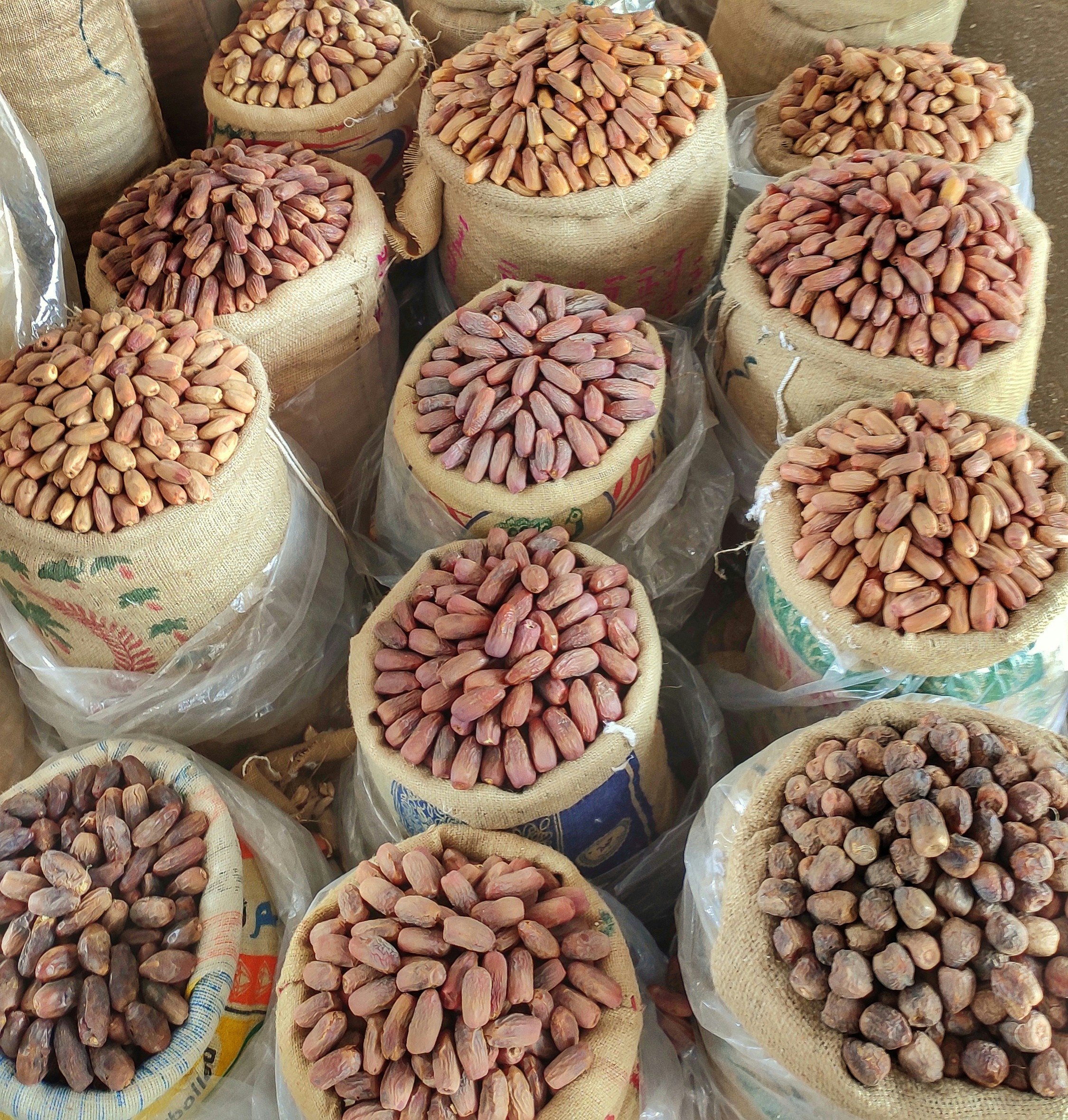
Dessert here isn’t an afterthought. It’s ritual. It’s hospitality. It’s trays of syrup-soaked pastries carried into family gatherings, boxes of sweets exchanged during Eid, and late-night stops for something warm and indulgent after dinner.
Egyptian desserts lean rich: nuts, honey, sugar syrup, semolina, and butter dominate. But done well, they’re deeply satisfying rather than overwhelming.
Here’s where to try them properly.
Konafa & Basbousa (Start Here)
Konafa is perhaps Egypt’s most iconic dessert — shredded pastry layered with cream or nuts, baked until crisp, then soaked in syrup. Modern versions include mango, Nutella, or custard, but the classic nut-filled version remains the benchmark.
Basbousa is a semolina cake soaked in syrup, often topped with almonds or coconut.
Where to try them:
Mandarine Koueider (multiple branches, including Zamalek & Heliopolis) — One of Egypt’s most established sweet shops, dating back to the early 20th century. Reliable for traditional konafa, basbousa, baklava, and seasonal Ramadan sweets.
Price range: £
Ideal for takeaway boxes.El Abd Patisserie (Downtown) — A long-standing Cairo institution near Talaat Harb Square. Popular with locals for both traditional and French-inspired pastries.
Expect to pay EGP 50–150 (£1–£3 / €1–€3 / $1–$3) depending on portion size.
Bakeries & Modern Pastry Spots
Cairo also has a growing modern bakery scene.
Simonds Bakery (Downtown) — Operating for over a century, known for cakes, pastries, and classic European-style desserts. Feels nostalgic rather than trendy.
Breadfast (multiple locations) — A newer favourite offering quality sourdough, pastries, and strong coffee. Ideal for breakfast in Zamalek or Maadi.
TBS (The Bakery Shop) — Widespread chain, dependable for croissants and sandwiches if you need something quick and familiar.
These spots bridge Cairo’s old and new — European influence layered into Egyptian daily life.
Sahlab & Late-Night Comfort
In cooler months, look for sahlab — a thick, warm milk drink topped with coconut, nuts, and cinnamon. It’s sold at cafés and winter street stalls and feels more like dessert than drink.
You’ll also find rice pudding (roz bel laban) in bakeries and casual restaurants — simple, comforting, and widely loved.
When to Indulge
After dinner — many families stop for sweets on the way home.
During Ramadan — dessert culture intensifies dramatically.
Late evening in Downtown or Zamalek — pastry shops stay open surprisingly late.
Cairo’s sweet culture isn’t delicate — it’s generous. Portions are large, flavours are bold, and sharing is expected.
Where to Eat by Neighbourhood
Cairo is not a city where you’ll cross town casually for dinner. Traffic alone makes that a strategic decision. So knowing what each neighbourhood does best can save you time — and elevate your evenings.
Here’s how the food scene breaks down geographically.
Zamalek — Best for Variety & Contemporary Dining
If you want options within walking distance, Zamalek is your strongest base.
You’ll find:
Refined Egyptian at Abou El Sid
Modern street food at Zooba
Fine dining at Sachi
Nile-view evenings at Pier 88 and Crimson
Levantine sharing plates at Sequoia
This is where Cairo’s dining scene feels most international and polished. Ideal for sunset dinners, date nights, and longer evenings out.
Downtown — Best for Classic & Historic Spots
Downtown is less about trend and more about legacy.
You’re here for:
Koshary Abou Tarek
Coffee at Café Riche
Pastries from El Abd
Casual Egyptian staples at Felfela
It’s energetic, layered, and deeply local. Come hungry, come curious, and don’t expect minimalism.
Islamic Cairo — Best for Atmosphere
Food here is inseparable from setting.
Between visits to Al-Azhar Mosque and wandering through Khan el-Khalili, stop at:
El Fishawy for mint tea
Naguib Mahfouz Café for traditional dishes in ornate surroundings
Dining is more traditional and less experimental — but the atmosphere is unmatched.
Giza — Best for Pyramid Views
You’re here for proximity.
Look for:
9 Pyramids Lounge (inside the Giza Plateau)
Rooftop terraces facing the pyramids
Hotel restaurants with sunrise views
Dining is simpler and more tourist-focused, but the backdrop carries the moment.
Garden City — Best for Refined Riverfront Dining
This is hotel-led dining territory.
Egyptian classics at Zitouni
European-inspired menus at hotel restaurants
Rooftop lounges overlooking the Nile
Ideal for travellers prioritising comfort, service, and quieter evenings.
Choosing where to eat in Cairo often starts with where you’re staying. Plan around traffic, book ahead for upscale venues, and don’t underestimate how much easier it is to walk five minutes rather than sit in traffic for forty.
What to Drink in Cairo
Cairo isn’t a heavy drinking city in the Western sense. Alcohol exists, but it’s contextual. What truly defines the city’s beverage culture is tea, coffee, and fresh juice — consumed constantly, socially, and often slowly.
Here’s what to know.
Tea: The Real National Drink
Tea is everywhere.
Order shai and you’ll get strong black tea, usually served in a small glass. Ask for shai bil na’na and fresh mint will be added — the most common version you’ll see.
It’s sweet by default. If you don’t want sugar, say “without sugar” when ordering.
Tea is:
Drunk after meals
Ordered in cafés for hours at a time
Offered as hospitality almost everywhere
Expect to pay EGP 20–50 (£0.30–£1 / €0.30–€1 / $0.40–$1) in most places.
Coffee: Small, Strong, Serious
Egyptian coffee (ahwa turki) is thick, unfiltered, and intense — similar to Turkish or Greek coffee.
When ordering, you’ll usually be asked your sugar preference:
Sada — no sugar
Mazboot — medium sugar
Ziyada — extra sweet
It’s served in small cups, and you don’t drink the grounds at the bottom.
For espresso-based drinks and speciality coffee, Zamalek and Maadi lead the way:
30 North (Zamalek) — One of Cairo’s best-known speciality coffee spots.
Left Bank (Zamalek) — Strong for coffee and relaxed brunches.
Fresh Juice Culture
This is where Cairo excels.
Juice stalls press fruit to order — mango, guava, pomegranate, strawberry, and watermelon in season.
But the standout is sugarcane juice (asab) — pressed through large mechanical rollers and served ice-cold. It’s light, grassy, and incredibly refreshing in the heat.
Look for:
Busy stalls with visible fruit turnover
Clean preparation areas
Cost: Usually under EGP 40 (£1 / €1 / $1).
Sahlab (Seasonal Favourite)
In cooler months, try sahlab — a warm milk drink thickened with orchid root powder and topped with coconut, cinnamon, and nuts.
It’s closer to dessert than a drink and is especially popular on winter evenings.
Alcohol in Cairo: What to Expect
Alcohol is available, but primarily in:
Licensed restaurants
International hotels
Upscale venues in Zamalek and Garden City
You won’t typically find alcohol in traditional ahwas or most Islamic Cairo venues.
Wine and beer are available, with Egyptian brands like Stella (not the Belgian one) being common. Cocktails are widely available in upscale bars.
Notable spots:
Crimson (Zamalek) — Popular for sunset cocktails.
Pier 88 (Zamalek) — Lively dinner scene with full bar.
Hotel rooftop lounges along the Nile.
Expect higher prices compared to food — alcohol is taxed and priced accordingly.
A Cultural Note
Public drunkenness is uncommon. Drinking is generally contained within specific venues. Respect local norms, particularly in more traditional districts.
Cairo’s drink culture isn’t about excess — it’s about rhythm. Tea between conversations. Juice between errands. Coffee after dinner. A cocktail at sunset overlooking the Nile.
Practical Tips for Eating in Cairo
Cairo rewards a little preparation. Dining here is rarely complicated — but understanding the rhythm makes everything smoother.
Here’s what to know before you sit down.
Tipping & Service Charges
Most mid-range and upscale restaurants automatically add a service charge (often 10–12%) and sometimes tax separately.
Important:
The service charge usually goes to the establishment, not directly to staff.
It’s customary to leave an additional 5–10% in cash for good service, especially in sit-down restaurants.
For cafés and casual spots, rounding up the bill or leaving small change is appreciated.
Cash vs Card
Cash is still king in many local eateries and street food spots.
High-end restaurants and hotels accept cards.
Smaller restaurants and street vendors often do not.
Carry small denominations for ease — especially for tea, juice, or quick bites.
ATMs are widely available in central areas.
Dining Hours (Eat Late)
Cairo eats late.
Lunch: 1pm–4pm
Dinner: 9pm onwards
Peak evenings: Thursday & Friday
Arriving at 7pm for dinner may mean you’re the only one there. By 10pm, it’s full.
Street food and juice stalls often stay open well past midnight.
Reservations
Reservations are recommended for:
Sachi (Zamalek)
Pier 88 (Zamalek)
Crimson (Zamalek)
Zitouni (Garden City)
Especially Thursday–Saturday evenings.
For casual Egyptian restaurants and koshary spots, just turn up.
Hygiene Expectations
Cairo’s street food scene is vibrant — but use common sense:
Choose busy vendors with high turnover.
Eat food that’s freshly cooked and hot.
Avoid anything sitting unrefrigerated in high heat.
Bottled water is recommended.
Thousands of locals eat this way daily — freshness and volume matter more than polish.
Ramadan Considerations
If visiting during Ramadan:
Many restaurants close during daylight hours.
Iftar (sunset meal) becomes the main event — expect large buffets and heavy traffic just before sunset.
The city comes alive late at night.
It’s one of the most atmospheric times to experience Cairo’s food culture — but planning is essential.
What Visitors Often Get Wrong
Over-scheduling dinner across town without accounting for traffic.
Avoiding street food entirely (missing half the experience).
Only eating inside hotels.
Expecting Western pacing — meals are slower, especially in cafés.
Lean into the rhythm. Allow time. Say yes to mint tea.
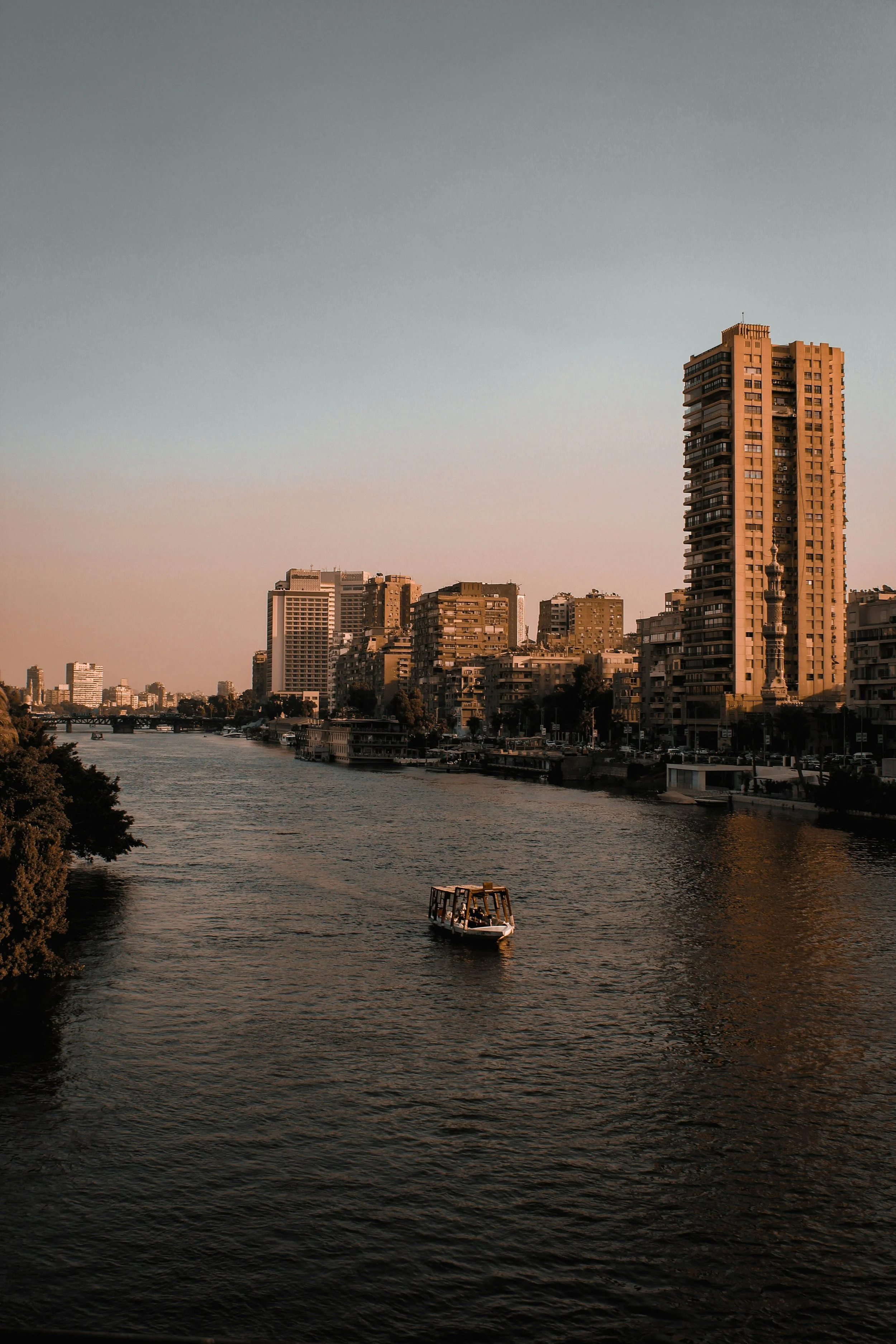
“In Cairo, food is more than sustenance — it’s social glue. It’s morning ful shared before work. It’s koshary at lunchtime. It’s tea that stretches conversations long into the evening. It’s rooftop dinners overlooking the Nile as the city hums below.
Eat widely here.
Try the street stalls. Sit in the old cafés. Book the rooftop. Order something you can’t pronounce. Let garlic, lemon, and cumin become familiar.
If you eat Cairo properly, you won’t just taste the city — you’ll understand it.”