Dubai: Experiences Guide
Dubai is often described through extremes — tallest, biggest, boldest — but the city is best experienced through contrast rather than spectacle alone. Beyond the skyline and luxury headlines, Dubai reveals itself in slower moments: walking along the creek at dusk, sharing food in a neighbourhood café, drifting between galleries in converted warehouses, or watching the city cool down after sunset.
Experiencing Dubai well is less about ticking off attractions and more about understanding how the city moves. Days unfold differently depending on where you are — modern districts come alive at night, heritage areas reward unhurried exploration, and the coast and desert shape entirely different rhythms again.
This guide brings together the best things to do in Dubai through a balanced lens. You’ll find iconic experiences worth your time, cultural and neighbourhood-led discoveries, outdoor spaces, food-focused moments, and easy escapes beyond the city — all chosen for how they feel, not just how they photograph.
Whether it’s your first visit or a return trip, these experiences are designed to help you build a trip that feels intentional. Mix headline moments with everyday life, leave space between plans, and let Dubai reveal itself gradually — that’s when the city starts to make sense.
Iconic Experiences
Dubai’s iconic experiences are impressive by design, but they’re most rewarding when you slow them down and place them within the rhythm of the city. Rather than treating these moments as isolated attractions, they work best as anchors — experiences that give you scale and orientation before you branch out into neighbourhood life.
Approached thoughtfully, they help you understand how Dubai works, not just what it looks like.
Seeing the Skyline (From Ground Level and Above)
Dubai’s skyline tells the story of the city’s ambition, but the best way to experience it is gradually. Start at ground level. Walking through Downtown in the evening allows the scale to reveal itself naturally — reflections across Burj Lake, families gathering, cafés filling up, and towers lighting up one by one. It’s immersive, human, and free.
Viewing the skyline from above adds a different layer. Observation decks don’t replace street-level exploration — they complement it, offering perspective rather than atmosphere. From above, you begin to understand how the city is laid out: the density of Downtown, the spread towards the coast, and the contrast between vertical and open space.
Timing matters here. Sunset slots are popular for a reason, but they’re also crowded and rushed. Early mornings and late evenings offer calmer conditions and a more reflective experience.
Key information
Best time: Early morning or late evening (sunset is busiest)
Cost: Approx. AED 169–249 (£36–£53 / €42–€62 / $46–$68) for Burj Khalifa observation decks
Access: Via Dubai Mall
Time needed: 60–90 minutes including queues
Free alternative: Evening walks around Burj Lake and Downtown
Dubai Fountain and Evening Atmosphere
The Dubai Fountain is less about choreography and more about context. While the show itself is impressive, what makes it memorable is the atmosphere around it — people lingering after dinner, children running along the waterfront, and the city easing into its night-time rhythm.
Rather than planning your evening around the fountain, let it happen organically. Walk the lake, pause when the music starts, then keep moving. Watching multiple shows from different angles often feels more relaxed than waiting in one spot.
It’s a shared, communal experience — and one of the few truly collective moments in the city.
Key information
Cost: Free
Show times: Every 30 minutes after dark
Best days: Weeknights for fewer crowds, weekends for livelier atmosphere
Best approach: Combine with an evening walk or nearby dinner
Paid options: Boardwalk tickets exist but aren’t essential
Modern Landmarks Worth Experiencing
Dubai’s landmarks are at their most meaningful when you treat them as environments rather than objectives. Spending time around major sites — sitting nearby, eating in the area, watching how people move through them — offers more insight than rushing from one highlight to the next.
The area around the Burj Khalifa is particularly effective after dark, when temperatures drop and public spaces fill. Similarly, Dubai Mall works best as a connector: a place for food, shade, and access rather than something to conquer in full.
Understanding how these spaces are used — not just what’s inside them — helps demystify Dubai’s scale and pace.
Key information
Best time to visit: Evening
Cost: Free to explore
How to use it well: Food stops, shade, and access to Downtown sights
Common mistake: Trying to see everything in one visit
Pair with: Fountain shows and lakeside walks
World Locals tip: Do these iconic experiences early in your trip. Once they’re behind you, it’s much easier to relax into neighbourhoods and everyday life without feeling like you’re missing something essential.
Old Dubai and Cultural Experiences
Old Dubai offers a completely different rhythm to the modern city. This is where Dubai feels human-scale, routine-led, and deeply connected to its trading past. Experiences here aren’t about spectacle or scale — they’re about movement, interaction, and time spent observing daily life unfold.
The rewards come from slowing down. Wander, pause, cross the creek, sit with a coffee — this part of the city reveals itself gradually.
Exploring Deira and Bur Dubai
Deira and Bur Dubai sit on opposite sides of the creek and are best explored without a rigid plan. Streets are dense and lively, filled with shops, small restaurants, mosques, and markets serving long-established communities. This is where trade still defines daily life, and where Dubai’s multicultural identity is most visible.
Deira feels busier and more commercial, with gold, spice, and textile souks clustered into walkable areas. Bur Dubai is slightly calmer, blending residential streets with heritage zones and creekside walks. Moving between the two gives you a fuller picture of how the city functioned long before modern districts took shape.
Key information
Best time: Late afternoon into evening
Cost: Free to explore
How to get there: Metro to Deira or Bur Dubai stations, then walk
Time needed: 2–3 hours minimum
Best approach: Wander without an itinerary; follow foot traffic
Al Fahidi Historical Neighbourhood
Al Fahidi is one of the most atmospheric places in the city. Restored wind-tower houses, shaded lanes, and quiet courtyards create a sense of Dubai before air conditioning and high-rises. It’s compact, walkable, and designed to be explored slowly.
Museums, cultural centres, and small galleries are woven into the neighbourhood rather than separated from it, making learning feel organic rather than instructional. This is one of the best places in Dubai to pause and reset the pace of your trip.
Key information
Best time: Early morning or late afternoon
Cost: Free to walk; small fees for some museums
How to get there: Metro to Al Fahidi or BurJuman, then walk
Time needed: 1.5–2 hours
What to bring: Comfortable shoes, curiosity, time
Creek Crossings and Slow Exploration
Crossing the creek by traditional wooden abra is one of Dubai’s simplest and most meaningful experiences. Used daily by commuters and locals, it connects Deira and Bur Dubai in minutes and offers a front-row view of the city’s working waterfront — dhows unloading goods, traders moving supplies, and life continuing much as it has for decades.
It’s not a tourist ride; it’s public transport — which is exactly why it works so well as an experience.
Key information
Cost: Approx. AED 1–2 (£0.20–£0.40 / €0.25–€0.50 / $0.30–$0.55)
Duration: 5–10 minutes
Where: Crossings along Dubai Creek
Frequency: Continuous throughout the day
Best moment: Just before sunset
World Locals tip: Combine these experiences into one slow afternoon — Al Fahidi first, then an abra crossing, followed by wandering Deira’s streets and eating locally. It’s one of the most rewarding half-days in the city.
Nature and Outdoor Experiences
Dubai’s natural spaces offer essential contrast to the city’s intensity. From wide-open desert landscapes to long public beaches and quieter green pockets, these experiences slow the pace and reconnect you with the environment that shaped the city long before it expanded vertically.
They’re also some of the most grounding moments you’ll have in the city — especially when timed well.
Desert Landscapes Beyond the Safari
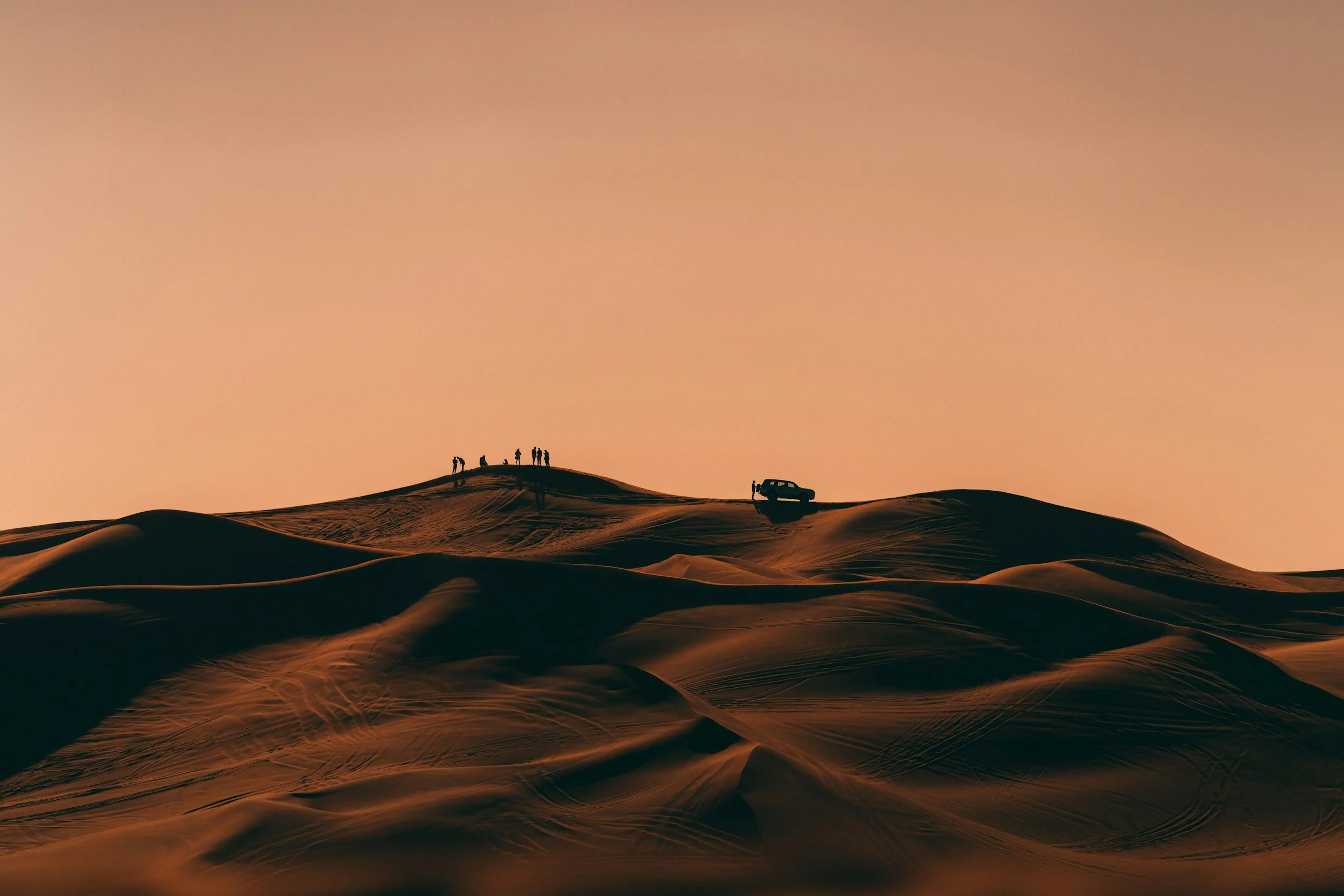
The desert is central to Dubai’s identity, but its most powerful moments are often the quietest. Away from organised tours, the landscape reveals scale, silence, and subtle beauty — dunes shifting colour with the light, wind shaping patterns in the sand, and a stillness that feels far removed from the city.
For travellers who want a calmer connection, early morning or late afternoon visits on the city’s edge can be deeply rewarding. These experiences prioritise observation over adrenaline and work particularly well for photography, reflection, and slow travel.
Key information
Best time: Early morning or late afternoon
Cost: Minimal if self-guided; varies for tours
How to access: Car hire or guided experience
Time needed: Half-day
Best for: Quiet exploration, photography, slower travel
Desert Safaris: What to Expect
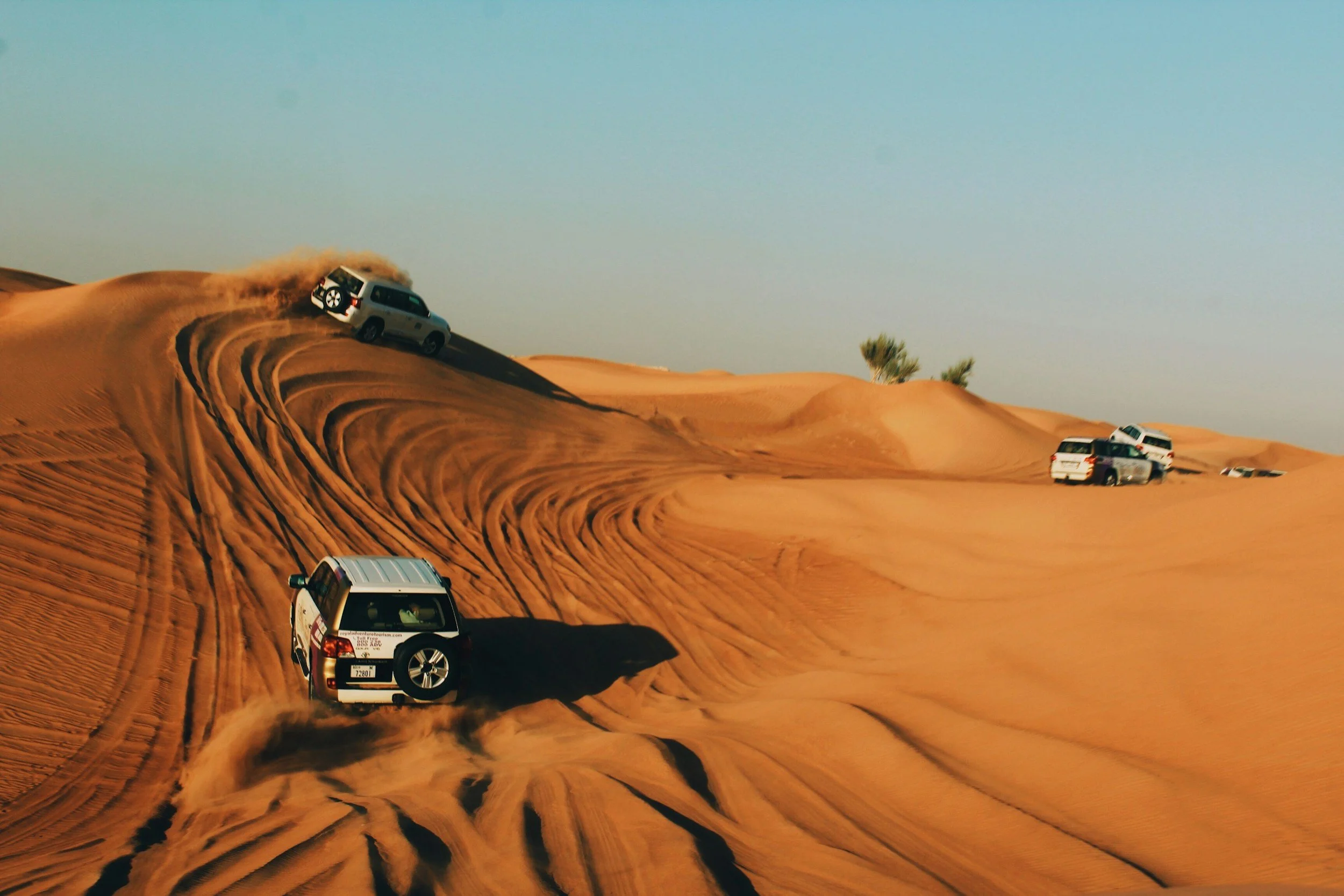
Desert safaris are one of Dubai’s most popular organised experiences, offering a curated introduction to the landscape through dune driving, desert camps, and shared meals. They’re designed to be accessible and social, often fitting neatly into a single afternoon and evening.
Experiences vary widely. Some lean heavily into dune bashing and entertainment, while others take a more considered approach, focusing on wildlife, heritage, and landscape. Choosing carefully makes a significant difference to how meaningful the experience feels.
Safaris operating within or alongside protected areas, such as the Dubai Desert Conservation Reserve, tend to be calmer, better paced, and more educational than high-adrenaline alternatives.
Key information
Best time: Late afternoon into evening
Cost: Typically AED 250–600+ (£54–£130 / €63–€150 / $68–$165)
What’s included: Transport, dune drive, meal; activities vary
Duration: 5–7 hours
What to look for: Smaller groups, conservation focus, limited dune bashing
Desert Safari vs Independent Desert Visit
There’s no single “right” way to experience the desert — but there is a choice that better suits different travel styles.
A desert safari is structured and convenient. Transport is included, logistics are handled for you, and the experience is designed to fit easily into a short stay. It’s ideal for first-time visitors who want a clear introduction without planning complexity.
An independent desert visit is quieter and more flexible, but requires more effort. With a hire car and planning, you can experience the landscape at your own pace, without crowds or schedules. This suits slower travellers, photographers, and those returning to Dubai who want solitude rather than spectacle.
For most visitors, one well-chosen safari is enough — especially when balanced with quieter outdoor moments elsewhere in the city.
Ethical and Comfort Considerations
Not all desert experiences are equal, and it’s worth choosing thoughtfully.
Avoid tours that promote close-up wildlife encounters, staged photo opportunities with captive animals, or excessively aggressive dune bashing. These experiences prioritise spectacle over welfare and landscape.
Comfort matters too. Dune driving can be intense and isn’t ideal for travellers with back issues, motion sickness, or very young children. If this is a concern, look for operators that clearly state a gentler driving style or focus on nature and heritage.
Dress practically: loose, breathable clothing, closed shoes, sun protection, and a light layer for after sunset will significantly improve comfort.
Seasonal Considerations for Desert Experiences
Timing has a major impact on how the desert feels.
The cooler months — roughly November to March — offer the most comfortable conditions, with mild evenings and clearer skies. This is peak season, so booking a few days ahead is recommended.
During the hotter months, desert experiences still operate, but heat can limit enjoyment. Early evening departures are preferable, and calmer itineraries tend to work better than long, activity-heavy ones.
If temperatures feel overwhelming, it’s worth remembering that the desert is just one part of Dubai’s outdoor offering — beaches and coastal walks often feel far more comfortable in summer.
Beaches and Coastal Walks
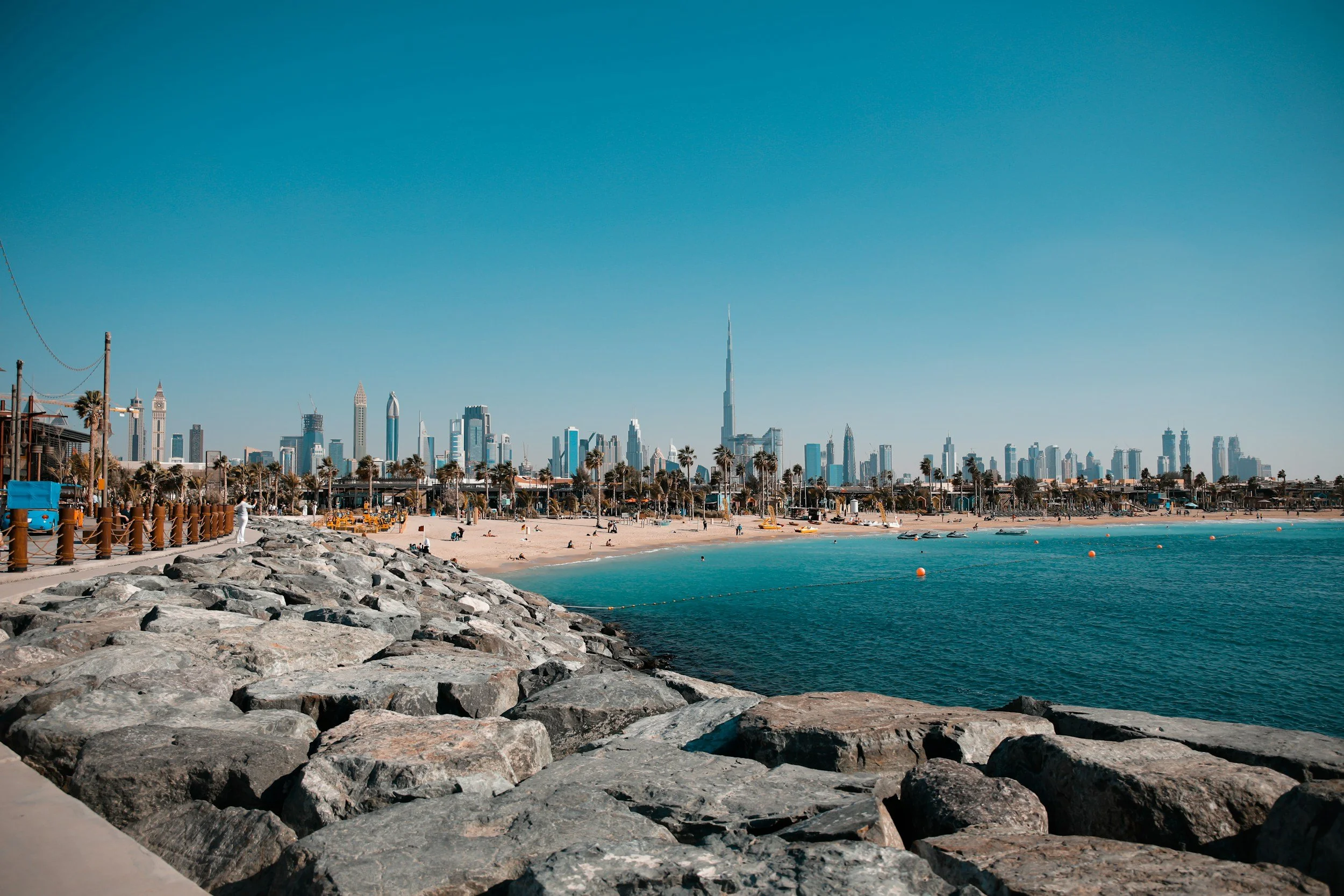
Dubai’s beaches are some of the city’s most accessible and everyday experiences. Public, free, and well used by locals, they offer space to swim, walk, and slow down — especially in the cooler hours of the day.
Mornings are active and local, while evenings bring food trucks, casual gatherings, and long sunset walks. Beaches pair naturally with cafés and neighbourhood dining nearby.
Key information
Best time: Early morning or just before sunset
Cost: Free
Popular areas: Jumeirah, Umm Suqeim, Kite Beach
Facilities: Toilets, showers, cafés nearby (varies)
What to bring: Sun protection, water, sandals
Parks, Walks, and Green Spaces
Dubai’s parks and waterfront paths provide breathing room — places to walk, exercise, and escape air-conditioned interiors. They’re especially valuable during cooler months and reveal a slower, everyday side of the city that’s easy to miss.
Key information
Best time: Morning or evening
Cost: Free or low entry fee
Time needed: 1–2 hours
Why go: Shade, space, and a calmer pace
World Locals tip: Treat the desert as contrast, not the centrepiece. One thoughtful desert experience, balanced with beaches, neighbourhood walks, and evenings outdoors, gives a far more complete picture of how nature fits into life in Dubai.
Neighbourhood-Led Experiences
Dubai makes the most sense when experienced neighbourhood by neighbourhood. These aren’t headline attractions — they’re ways of moving through the city, noticing how different areas come alive at different times of day, and letting atmosphere guide your plans rather than rigid itineraries.
This is where Dubai starts to feel lived-in rather than performed.
Downtown Dubai
Downtown Dubai is at its best in the evenings, when the heat eases and the neighbourhood shifts from daytime transit hub to social space. Rather than rushing between landmarks, the most rewarding experience here is simply being present — walking, pausing, and letting the city unfold around you.
Public spaces around Burj Lake fill with families, couples, and groups meeting after work or dinner. The skyline becomes part of daily life rather than a spectacle, and the area feels surprisingly human given its scale.
Walking routes loop naturally around the lake, through open plazas and along bridges, making it easy to spend an hour or two without a fixed plan. Cafés and restaurants act as natural stopping points rather than destinations.
Key information
Best time: After sunset
Cost: Free (unless dining or visiting attractions)
How to experience it: Slow evening walks around Burj Lake
Time needed: 1–2 hours
Pairs well with: Dinner nearby or fountain shows
Dubai Marina and JBR
Dubai Marina and JBR are built for movement. Promenades, waterfront paths, and the beach create an experience that’s more about flow than destinations. This is one of the easiest parts of Dubai to explore without planning — walk until something catches your eye.
Mornings are calm and residential, with joggers and coffee drinkers. By late afternoon, the area becomes social, shifting naturally into evening dining and beachside activity. It’s an ideal neighbourhood for travellers who prefer unstructured days with options rather than schedules.
Boat traffic, reflections on the water, and the mix of residents and visitors give the Marina a distinctly international, lived-in feel.
Key information
Best time: Late afternoon into evening
Cost: Free
How to experience it: Walk Marina Walk and JBR promenade
Time needed: 1.5–3 hours
Pairs well with: Casual dining or beach time
Jumeirah and Umm Suqeim
Jumeirah and Umm Suqeim offer a slower, more residential rhythm. Experiences here revolve around routine — beach walks, café stops, and quiet neighbourhood streets rather than attractions.
This is where Dubai feels most local. People come here to swim before work, meet friends for coffee, or walk along the coast as the sun sets. There’s very little pressure to do anything, which is exactly the appeal.
Exploring on foot or by short taxi hops works best, especially when combined with time by the sea.
Key information
Best time: Morning or sunset
Cost: Free (excluding food and cafés)
How to experience it: Beach walks and café hopping
Time needed: 2–3 hours
Pairs well with: Breakfast, lunch, or sunset swims
Al Quoz
Al Quoz is an intentional experience. Unlike other neighbourhoods, it’s not designed for wandering — you come here with purpose. What you find is one of Dubai’s most creative districts, where warehouses house galleries, cafés, and cultural spaces.
Experiences here centre on art, design, and slow daytime dining. It’s quieter than Downtown or the Marina and feels more experimental, attracting residents rather than passers-by.
Al Quoz works best as a late-morning or early-afternoon stop, ideally paired with one or two galleries and a long café break.
Key information
Best time: Late morning or early afternoon
Cost: Mostly free (galleries), paid dining
How to experience it: Gallery visits and café stops
Time needed: 2–3 hours
Pairs well with: Creative spaces and long lunches
World Locals tip: Don’t try to experience every neighbourhood in one day. Dubai rewards contrast — pair one high-energy area with a quieter one, and let the city’s rhythm guide your pace rather than a checklist.
Food as an Experience
In Dubai, food isn’t something you squeeze in between activities — it is the activity. Meals shape the rhythm of the day, influence where you go next, and often become the moments you remember most clearly. Eating here is social, unhurried, and deeply tied to neighbourhood life.
Experiencing Dubai well means letting food lead rather than treating it as an afterthought.
Eating Like a Local
The most revealing food experiences in Dubai are rarely the most expensive. They happen in neighbourhood restaurants, cafeterias, and cafés where people eat regularly, often late, and almost always together.
Lunches are practical and filling, dinners stretch into the evening, and sharing dishes is the norm. Exploring food this way — especially in older or residential neighbourhoods — gives you a clearer sense of how the city actually functions day to day.
Rather than chasing “best of” lists, pay attention to patterns: busy dining rooms, repeat customers, and places that stay open late are usually the strongest indicators of quality.
Good to know
Best time to eat: Evenings, when kitchens and neighbourhoods are most alive
Cost range: Extremely varied; excellent value outside hotel districts
How locals eat: Shared dishes, late dinners, relaxed pacing
Reservations: Rarely needed for neighbourhood spots
Best approach: Follow where people return regularly, not where trends point
Timing and Rhythm of Eating in Dubai
Dubai’s food scene runs later than many travellers expect — and timing makes a real difference to how enjoyable meals feel.
Early dinners can be quiet and slightly flat, particularly outside hotels. Kitchens often come into their stride from around 8pm onwards, when the heat fades and people begin to gather. Late-night eating is completely normal, especially in Old Dubai and residential areas, where restaurants stay busy well past 10pm.
If you align meals with the city’s rhythm rather than your home routine, the food scene feels far more alive — and far more local.
Brunch, Coffee, and Shared Tables
Dubai’s food culture revolves around shared time. Brunch is a weekly ritual, coffee is rarely rushed, and long meals are normal rather than indulgent.
Brunch works best when chosen intentionally — food-led, well-paced experiences tend to be far more enjoyable than large, high-energy events. Coffee culture is strongest in residential and creative neighbourhoods, where cafés act as social spaces rather than quick pit stops.
These rituals offer insight into how people in Dubai relax, connect, and structure their time.
Good to know
Brunch days: Friday and Saturday are the standard
Coffee culture: Strong mid-morning through afternoon
Booking: Recommended for brunch; cafés are flexible
Cost: Brunch varies widely; cafés generally affordable
How to choose: Prioritise pace and quality over scale
Eating During Ramadan
Travelling during Ramadan doesn’t limit Dubai’s food scene — it reshapes it.
During daylight hours, many local restaurants close or operate discreetly, and eating or drinking in public is restricted out of respect. After sunset, the city comes alive. Iftar — the meal that breaks the fast — becomes a communal event, with restaurants, neighbourhood cafés, and homes filling quickly.
Evenings during Ramadan can be some of the most atmospheric times to eat in Dubai, with extended hours, special menus, and a strong sense of togetherness. Planning meals after sunset and embracing the slower daytime pace leads to a far richer experience.
Good to know
Daytime dining: Limited outside hotels
Evenings: Busy, social, and food-focused
Reservations: Recommended for iftar meals
Atmosphere: Calm, communal, and welcoming
Day Trips and Easy Extensions
One of Dubai’s underrated strengths is how quickly you can leave the city behind. In just a few hours, skyscrapers give way to desert plains, mountain roads, or quiet stretches of coastline. These day trips work best as contrasts — a pause from the city rather than a packed itinerary.
You don’t need many. One well-chosen escape adds depth without breaking the rhythm of your trip.
Desert Day Trips (Without a Full Safari)
Beyond organised safaris, the desert is easily accessible as a quieter, more flexible day trip. Areas on the edge of the city allow you to experience open landscapes, shifting dunes, and near-total silence — especially in the early morning or late afternoon.
This style of desert visit suits travellers who prefer calm exploration, photography, or reflection over structured activities. It pairs well with slower city days and doesn’t require a full evening commitment.
Key information
Best time: Early morning or late afternoon
Cost: Low if self-guided
Transport: Hire car required
Time needed: Half-day
Best for: Photography, quiet exploration, slower travel
Mountain Escapes: Hatta
Set in the Hajar Mountains, Hatta offers cooler temperatures, open landscapes, and a completely different pace to Dubai. The drive itself is part of the experience, winding through rocky terrain and small settlements.
Hatta works well as a full-day trip for walking, light hiking, or simply being outdoors. It’s especially appealing in the cooler months, when the contrast with the city feels most pronounced.
Key information
Best time: October to April
Cost: Low to moderate
Transport: Hire car recommended
Time needed: Full day
Best for: Nature, fresh air, slower pace
East Coast Getaways: Fujairah and the Gulf of Oman
The east coast offers a change not just in scenery, but in atmosphere. Facing the Gulf of Oman rather than the Arabian Gulf, this side of the UAE feels greener, quieter, and less developed.
Day trips here are about coastal drives, swimming, and low-key seaside stops rather than attractions. It’s a good option if you want a break from urban beaches and resort environments.
Key information
Best time: Year-round, especially summer
Cost: Moderate
Transport: Hire car or organised day tour
Time needed: Full day
Best for: Swimming, coastal scenery, slower travel
Overnight Extensions (If You Have Time)
If your schedule allows, turning a day trip into a short overnight stay can be one of the most rewarding choices. Mountain lodges, desert camps, or east coast hotels allow you to experience cooler evenings, early mornings, and a pace that’s hard to replicate on a day return.
This works particularly well if your Dubai itinerary is fast-moving or short.
Key information
Best for: Slowing down, early starts, cooler evenings
Cost: Moderate to high depending on accommodation
When it works best: Mid-trip or at the end of your stay
World Locals tip: You don’t need multiple day trips. One carefully chosen escape — desert, mountains, or coast — adds far more depth than trying to see them all.

Practical Planning Tips
Dubai rewards thoughtful pacing. With a little planning — and a willingness to leave space — the city becomes far easier to navigate and far more enjoyable to experience.
Timing and Seasonality
When you do things in Dubai matters almost as much as what you do.
Early mornings and evenings are the most comfortable times for outdoor experiences
Midday can feel flat even in cooler months, with energy returning after sunset
Late autumn through early spring offers the best conditions for walking, dining outdoors, and desert trips
In summer, evenings, coastal areas, and shaded or indoor experiences work best
A common mistake is overloading the middle of the day rather than spacing experiences out
Getting Around Between Experiences
Dubai is spread out, and how you move between places shapes the feel of your days.
Walking works best within neighbourhoods rather than between them
Taxis and ride-hailing apps are affordable, reliable, and often the most efficient option
Public transport is useful along main corridors but less practical for short hops
Grouping experiences by area reduces transit fatigue and keeps the pace relaxed
Planning mornings and evenings in the same area helps days flow naturally
What to Book vs What to Wander
Dubai doesn’t need to be over-planned. Knowing what requires booking — and what benefits from spontaneity — keeps your itinerary flexible without missing out.
Book ahead for desert safaris, popular brunches, and landmark viewpoints
Leave neighbourhood walks, beaches, cafés, and markets open to wander
Planning a few anchor experiences creates structure without rigidity
Some of Dubai’s best moments come from staying longer where something feels right
World Locals tip: Plan the bones of your trip, not every muscle. Dubai opens up when you leave room for pauses, detours, and evenings that unfold without a set plan.
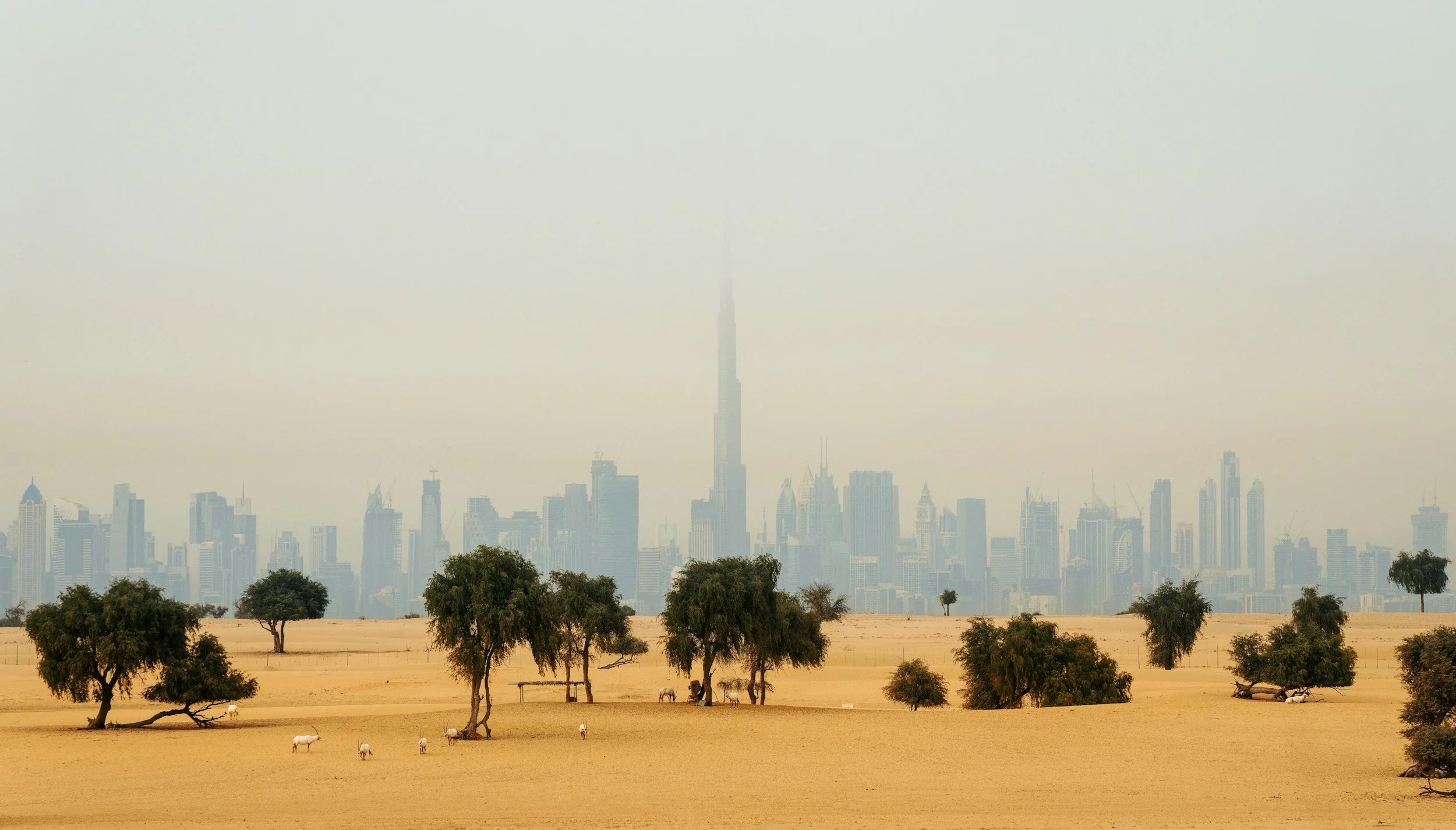
“Dubai isn’t a city that reveals itself all at once. It unfolds through contrast — between old and new, desert and sea, stillness and scale. The most rewarding way to experience it isn’t by chasing everything, but by choosing intentionally and allowing space between moments.
Some days will be defined by movement: walking neighbourhoods, watching the city come alive after dark, eating late and lingering longer than planned. Others will slow down naturally — a quiet beach morning, a calm desert horizon, a café where time slips away. Both are essential, and neither needs to compete for attention.
What stays with you after Dubai isn’t usually the tallest building or the biggest experience. It’s the feeling of the city at ease — after sunset, around a shared table, or in the stillness beyond its edges. When you let go of the checklist and follow rhythm instead, Dubai begins to feel less like a spectacle and more like a place.
Build your trip around contrast, not quantity. Leave room to wander. Eat where people return. And allow the city to meet you where you are — that’s when your Dubai experience becomes truly your own.”