Dubai: Food and Drink Guide
To understand Dubai, you need to eat your way through it.
This is one of the world’s most global food cities — not because of celebrity chefs or headline restaurants, but because Dubai has been shaped by migration, trade, and everyday dining. Emirati traditions sit alongside South Asian cafeterias, Levantine bakeries, Iranian grills, and international cafés, often within the same neighbourhood and sometimes on the same street.
Food in Dubai is deeply practical. People eat out often, casually, and across cultures. Meals are shaped by routine as much as occasion — quick breakfasts at neighbourhood cafés, long lunches shared over rice and bread, late dinners after the heat fades. While the city is known for luxury dining, most of Dubai’s food culture lives far from white tablecloths.
This guide focuses on how Dubai actually eats. We’ll explore the city neighbourhood by neighbourhood, highlighting everyday favourites, culturally significant dishes, and restaurants that are currently open and operating — places locals return to, not just spots built for spectacle. From creekside eateries and family-run restaurants to café culture, brunch rituals, and evening dining, each section reflects a different rhythm of the city.
Dubai doesn’t have a single cuisine, and that’s the point. Its food scene is layered, lived-in, and constantly evolving — and the best way to experience it is slowly, one neighbourhood at a time.
Food Culture in Dubai
A City Built on Migration
Dubai’s food culture mirrors its population. While Emirati cuisine forms the foundation, the majority of everyday eating is shaped by the communities who have moved here over decades — particularly from South Asia, the Levant, Iran, East Africa, and Southeast Asia. This isn’t fusion in the trendy sense; it’s coexistence. Different food cultures operate side by side, each maintaining their own traditions, flavours, and rhythms.
That’s why Dubai doesn’t centre around one dominant cuisine. Instead, it offers depth — entire neighbourhoods known for specific styles of cooking, from Indian and Pakistani restaurants clustered around Old Dubai to Levantine grills, Iranian bakeries, and Filipino cafés scattered across the city.
How People Eat Day to Day
Most people in Dubai eat out regularly, often multiple times a week. Home kitchens exist, but the city is built around cafés, cafeterias, and neighbourhood restaurants that cater to daily routines rather than special occasions.
Breakfast is often simple and social — coffee, flatbreads, eggs, or pastries grabbed close to home or work. Lunches tend to be quick and filling, especially in working neighbourhoods, while dinner happens later in the evening once the heat fades. Sharing food is common, and menus are designed for groups rather than individual plates.
It’s also worth noting that Dubai’s most authentic food experiences are rarely rushed. Even casual meals tend to stretch out, particularly in the evenings, reflecting the city’s slower nighttime rhythm.
Dining Out in Dubai: What to Know
Dubai is an easy city to dine in once you understand a few basics. Alcohol is served legally but almost exclusively in licensed venues, typically attached to hotels or resorts. Many excellent restaurants are alcohol-free, focusing purely on food and atmosphere rather than drinks.
Dress codes are generally relaxed but respectful — casual wear is fine in most places, though upscale restaurants and hotel venues lean smarter, especially in the evening. Reservations are recommended for popular restaurants and brunches, particularly from Thursday to Saturday.
Prices vary dramatically depending on neighbourhood and setting. You can eat extremely well on a modest budget in local areas, while high-end dining in hotel districts can be expensive. Tipping isn’t mandatory but is appreciated for good service.
World Locals tip: If a restaurant is busy with families, workers, or groups of friends — especially away from tourist zones — it’s usually a good sign. In Dubai, popularity with locals often matters more than polished interiors.
Emirati Cuisine: Local Food and Traditions
Emirati food is often the quietest voice in Dubai’s dining scene, but it’s also the one that gives everything else context. Shaped by desert life, coastal fishing, and centuries of trade, Emirati cuisine is built around slow cooking, warming spices, and a deep culture of hospitality.
You won’t encounter it on every street corner — and that’s part of the story. Traditionally, Emirati food is eaten at home or during gatherings, which means seeking it out while travelling feels more intentional and meaningful.
What Defines Emirati Food
At its core, Emirati cuisine is comforting and practical. Rice is central, usually served with meat or fish and gently spiced rather than heavily seasoned. Common flavours include cardamom, saffron, turmeric, cinnamon, and dried lime, reflecting long-standing trade links across the Gulf, Persia, and the Indian Ocean.
Meals are designed to be shared, eaten slowly, and offered generously. Dates are ever-present — as an ingredient, a snack, and a symbol of welcome — while Arabic coffee plays a central role in social life.
Classic Emirati Dishes to Know
Many traditional dishes are slow-cooked and subtly aromatic, prioritising depth over heat.
Machboos is one of the most recognisable Emirati dishes — spiced rice cooked with chicken, lamb, or fish, infused with dried lime and served as a communal meal. Harees is a comforting staple, especially during Ramadan, made by slowly cooking wheat and meat into a smooth, porridge-like consistency.
For something richer, there’s Thareed — a stew of meat and vegetables ladled over thin bread, designed to soak up flavour and eaten by hand. On the coast, seafood plays a bigger role, with simple fish dishes seasoned lightly and grilled or cooked into rice-based meals.
Sweet dishes tend to be understated. Luqaimat — small fried dough balls drizzled with date syrup — are a common dessert, often served alongside Arabic coffee rather than as a standalone course.
Rather than formal starters and mains, Emirati meals unfold gradually, with dishes shared and replenished as conversation flows.
Where to Try Emirati Food
The best places to experience Emirati cuisine are heritage districts, cultural centres, and long-standing local restaurants dedicated to preserving traditional recipes. These settings often provide context — explaining ingredients, customs, and how dishes are traditionally eaten.
You’re more likely to encounter Emirati food as part of a purposeful visit than a spontaneous walk-in, which makes it one of the more rewarding food experiences in Dubai.
World Locals tip: Emirati food isn’t rushed. Accept coffee and dates when offered, eat communally when invited, and don’t worry about knowing every dish name — curiosity and respect go a long way.
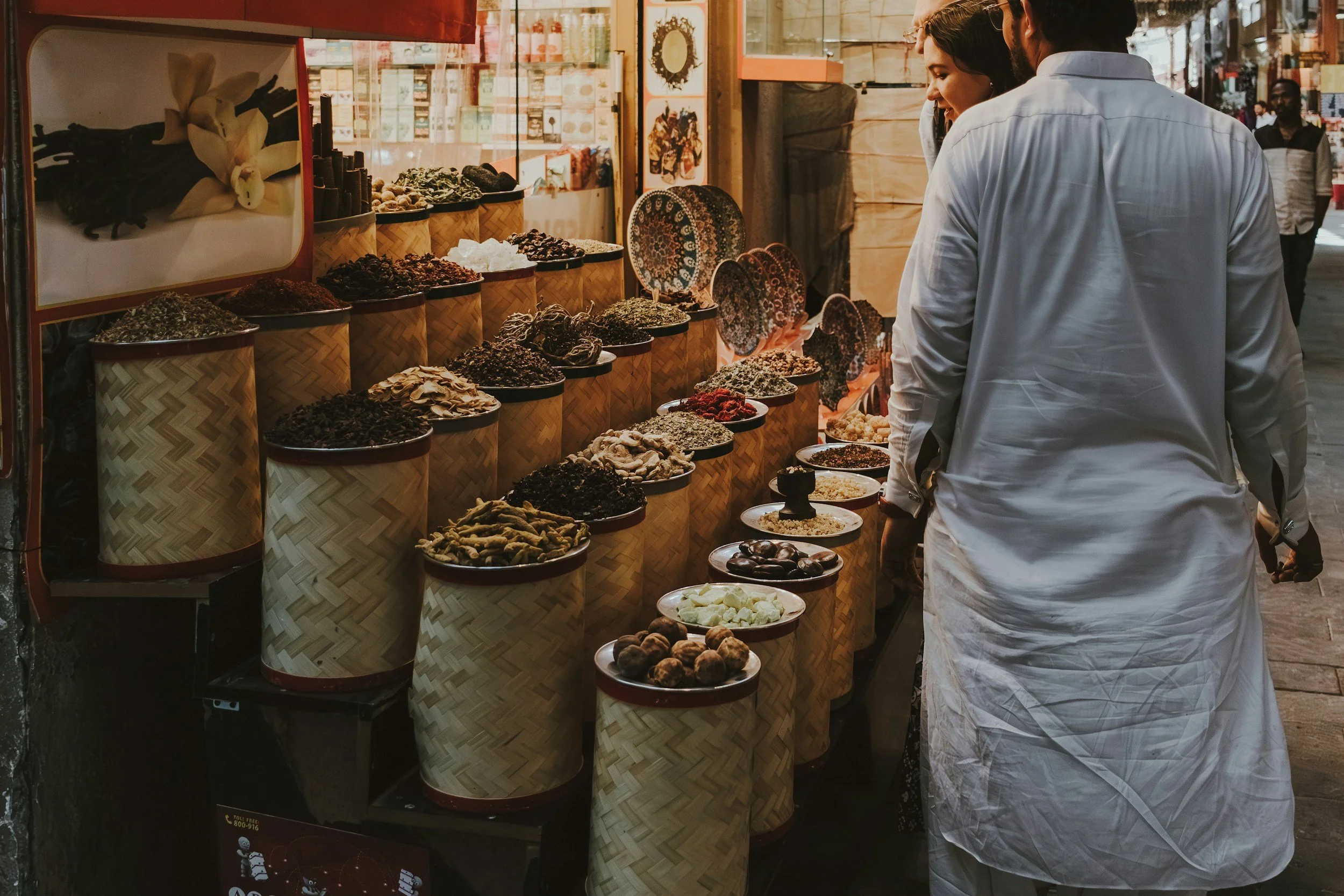
Dubai spice stall.
Street Food and Casual Eats
Dubai’s best food experiences often happen far from anything labelled “street food”. Instead, they live in cafeterias, bakeries, and no-frills restaurants — places built for regulars, not photos. These are the spots that fuel the city day to day, especially in older neighbourhoods and working districts.
If you want to eat like locals actually do, this is where to start.
Why “Street Food” Looks Different in Dubai
Open-air street stalls are rare in Dubai due to regulations and climate. Instead, casual eating happens indoors — in small restaurants with laminated menus, fast service, and generous portions. These places are informal, affordable, and deeply rooted in community routines.
You’ll find many of them clustered in Deira, Bur Dubai, Karama, and Satwa, often open late into the night and busy well past dinner hours.
Indian, Pakistani, and South Asian Favourites
South Asian food forms the backbone of everyday dining in Dubai, especially in Old Dubai. Biryani, curries, grilled meats, and fresh breads are staples — filling, affordable, and consistently good.
One of the most well-known institutions is Ravi Restaurant in Satwa, famous for its curries, dal, and grilled meats served in a simple, no-frills setting. It’s a classic example of Dubai’s casual dining culture — busy, loud, and focused entirely on flavour.
In Deira and Bur Dubai, restaurants serving Pakistani and Indian home-style cooking are everywhere. Look for places packed with families and workers, offering dishes like chicken karahi, nihari, butter chicken, and vegetable curries served with naan or roti.
These meals are typically eaten communally and are ideal for lunch or late dinners.
Shawarma, Falafel, and Middle Eastern Staples
For quick, local bites, shawarma and falafel are everywhere — but quality varies. The best versions are usually found in long-running Middle Eastern cafés rather than flashy new spots.
Al Mallah, located near Al Fahidi, is a long-standing favourite for shawarma, falafel, and fresh juices. It’s casual, affordable, and popular with locals late into the night.
These kinds of cafés are perfect for quick meals between sightseeing or after exploring heritage areas, offering generous portions without ceremony.
Bakeries, Cafeterias, and Late-Night Eating
Beyond full meals, Dubai’s casual food culture shines in its bakeries and cafeterias. Iranian bakeries serve fresh flatbreads throughout the day, while neighbourhood cafeterias offer everything from sandwiches and juices to rice dishes and grills.
Many of these places stay open late, reflecting Dubai’s nocturnal rhythm. It’s completely normal to eat well after 10pm — especially in older neighbourhoods — making casual dining an easy, flexible part of travel here.
World Locals tip: Don’t judge by décor. Some of Dubai’s best food comes from places with basic interiors and long menus. If it’s busy with locals and the kitchen looks active, you’re usually in the right place.
Old Dubai: Deira and Bur Dubai
Old Dubai is the city’s most reliable place to eat well, affordably, and authentically. Food here isn’t curated for visitors — it’s built around routine, repetition, and regulars. Restaurants serve the same dishes every day, often for decades, and success is measured by loyalty rather than trends.
This is where Dubai eats when no one is trying to impress.
What to Eat Here
Expect bold, comforting flavours and generous portions. South Asian dishes dominate — biryanis, curries, lentils, grilled meats — alongside Middle Eastern and Iranian staples. Meals are designed to be filling and shared, often served quickly and eaten slowly.
Rice dishes are a constant, paired with flatbreads, pickles, and yoghurt-based sides. Iranian grills and kebabs are also a highlight in Bur Dubai, reflecting long-standing trade and migration links across the Gulf.
What the Food Scene Feels Like
Busy, practical, and unapologetically local. Dining rooms fill quickly at lunch and again late in the evening, with families, workers, and long-term residents forming the core crowd. Menus are extensive, service is efficient, and atmosphere comes from conversation rather than design.
This is not the place for quiet, lingering fine dining — but it is where you’ll find some of the most consistently good food in the city.
Where to Eat
For classic Iranian food in Bur Dubai, Al Ustad Special Kabab is one of the city’s most loved institutions. Known for its kebabs, saffron rice, and grilled meats, it’s a long-standing favourite with locals and visitors alike, and very much still part of daily life.
For South Asian comfort food, Karachi Darbar is a dependable option with multiple locations across Deira and Bur Dubai. Expect biryanis, curries, and classic Pakistani and Indian dishes served in a no-frills setting that prioritises flavour and value.
In the Al Fahidi area, Arabian Tea House offers a gentler introduction to local flavours. Set in a traditional courtyard, it’s a good place to try Emirati and regional dishes alongside Arabic coffee and light meals, especially after exploring the heritage quarter.
These are places people return to — not once, but often — which is exactly what you want when eating in Old Dubai.
World Locals tip: Eat here in the evening rather than midday. The atmosphere is better, kitchens are fully in rhythm, and the heat has eased. If a place looks busy late at night, that’s usually the strongest recommendation of all.
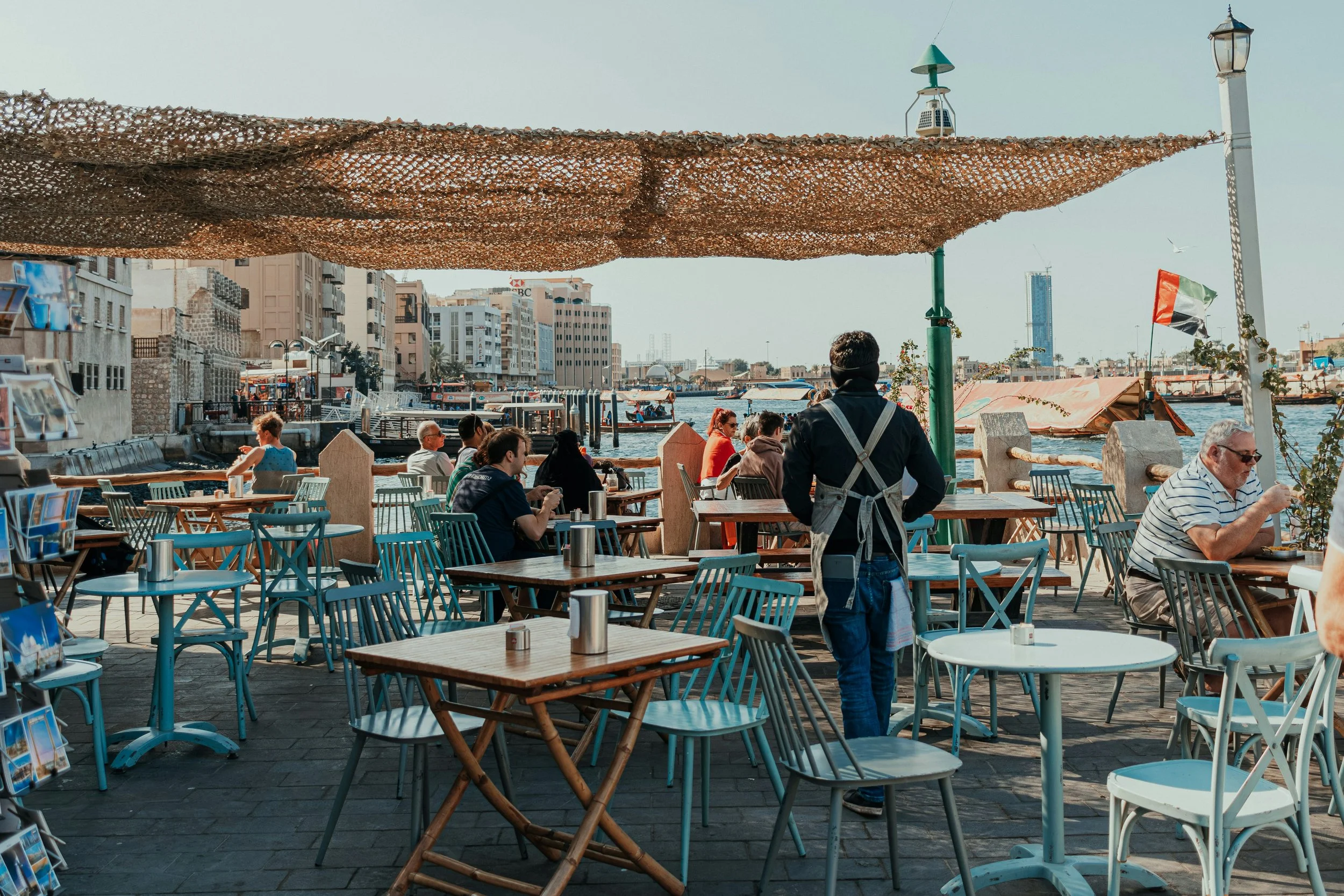
Dubai Creek.
Downtown Dubai
Downtown Dubai’s food scene mirrors the neighbourhood itself — polished, international, and designed to be part of the evening experience. This is where dining often comes paired with skyline views, waterfront walks, and a sense of occasion. While it’s not where most people eat day to day, it is where Dubai comes out to dine after dark.
Food here is as much about setting as it is about flavour.
What to Eat Here
Menus in Downtown lean global and refined. Expect modern Middle Eastern cooking, Japanese, Italian, and contemporary international cuisine, often with an emphasis on presentation and shared plates. Dishes are designed for lingering evenings rather than quick meals, making this area best suited to dinner rather than breakfast or lunch.
While prices are higher than in Old Dubai, quality is generally consistent, and kitchens are built to cater to both residents and visitors.
What the Food Scene Feels Like
Downtown dining is social and evening-focused. Restaurants begin to fill as the sun sets, with people timing reservations around fountain shows and nighttime walks. The atmosphere is sleek but not stiff — lively, well-paced, and centred around conversation and views.
This is one of the best areas in Dubai for a memorable first or last dinner, particularly if you enjoy dining as part of a wider night out rather than a standalone activity.
Where to Eat
For a refined, consistently excellent experience, Armani/Ristorante offers modern Italian cooking in a calm, elegant setting inside the Burj Khalifa. It’s ideal for a special occasion and showcases how Downtown dining prioritises atmosphere without sacrificing quality.
If you’re looking for something more relaxed but still central, Thiptara is a long-standing favourite for Thai cuisine, with tables overlooking Burj Lake and the fountains. It’s particularly popular in the evenings, so reservations are essential.
For variety and flexibility, Time Out Market Dubai offers a curated selection of local and international kitchens in one space. It’s a good option if you want quality food without committing to a long formal meal, and it works well for groups with mixed tastes.
These are not everyday neighbourhood restaurants — but they play a key role in how Downtown feels once the lights come on.
World Locals tip: Book evening tables around fountain show times, but don’t aim for the exact start — arriving just after a show gives you better pacing, fewer crowds, and a more relaxed meal.
Dubai Marina and JBR
Food in Dubai Marina and JBR is shaped by proximity to the water. It’s more relaxed, more outdoors-focused, and built around long promenades, casual cafés, and meals that stretch from late afternoon into evening. This is one of the easiest neighbourhoods in Dubai to eat without planning too far ahead.
Dining here is less about formality and more about rhythm — breakfast by the marina, beachside lunches, and unhurried dinners as the temperature drops.
What to Eat Here
Menus in the Marina and JBR skew international and approachable. Expect plenty of seafood, grilled dishes, modern Middle Eastern cooking, and crowd-pleasing global favourites. Breakfasts and brunches are particularly strong here, while evenings are ideal for casual dining rather than fine dining.
This is a neighbourhood where sharing plates, light meals, and flexible dining work better than set menus or tasting experiences.
What the Food Scene Feels Like
Social, outdoorsy, and relaxed. Tables spill onto promenades, cafés stay busy from morning onwards, and restaurants fill gradually rather than all at once. It’s a mix of residents, long-stay travellers, and visitors fresh from the beach.
Compared to Downtown, dining here feels less curated and more spontaneous — you can walk until something catches your eye, especially along Marina Walk or The Beach at JBR.
Where to Eat
For variety in one place, Pier 7 is a Marina institution. Each floor hosts a different restaurant, making it easy to find something that suits your mood without committing to a single cuisine. It’s particularly popular in the evenings and ideal for groups.
Along JBR, Eggspectation is a dependable choice for breakfasts and relaxed daytime meals. It’s well-established, consistently busy, and well suited to casual starts or recovery mornings.
For something distinctly regional, Seven Sands offers Emirati-inspired dishes in a modern setting. It’s a good option if you want local flavours without heading back to heritage areas.
These places reflect the Marina’s strength — reliable food, flexible timing, and settings designed for lingering rather than rushing.
World Locals tip: Aim for early dinners or late lunches to avoid peak crowds, especially around JBR. Walking a few minutes off the beachfront often leads to better value and a calmer atmosphere.
Jumeirah and Umm Suqeim
Jumeirah and Umm Suqeim are where Dubai’s food scene feels most rooted in daily life. Less driven by spectacle and more by routine, this stretch of the coast is shaped by neighbourhood cafés, long-standing local favourites, and meals that fit easily around beach time and slow mornings.
It’s a part of the city where people eat regularly, not occasionally — and that shows in both the food and the atmosphere.
What to Eat Here
Expect simple, well-executed food rather than big statements. Breakfasts and lunches are the stars: good coffee, fresh breads, eggs, salads, grilled dishes, and light Middle Eastern fare. Evenings are quieter than Downtown or the Marina, with a focus on relaxed, early dinners rather than late nights.
Seafood also plays a role here, especially in Umm Suqeim, where some of Dubai’s most iconic casual fish spots are still going strong.
What the Food Scene Feels Like
Calm, local, and unpretentious. Many places here cater to regulars — families, remote workers, and people coming straight from the beach. Interiors are often minimal, service is friendly, and the pace is noticeably slower.
This is one of the best areas in Dubai to eat without an agenda. Walk, choose somewhere that feels right, and settle in.
Where to Eat
For a truly local experience, Bu Qtair is essential. Known for its simple menu of fresh fish and prawns cooked to order with rice and curry-style sauces, it’s been feeding locals for decades. No frills, no reservations — just excellent seafood near the beach.
For café culture and lighter meals, Comptoir 102 is a long-standing favourite. It’s well suited to breakfasts, lunches, and relaxed afternoons, with a menu that balances health-focused dishes and comfort classics.
Coffee lovers should seek out % Arabica, a consistently popular stop for high-quality coffee near the coast. It’s ideal for a quick break during a beach walk rather than a long sit-down meal.
Together, these places reflect what Jumeirah and Umm Suqeim do best — unfussy food, strong routines, and a pace that encourages you to slow down.
World Locals tip: Come here hungry after the beach. Late mornings and early afternoons are ideal, especially midweek, when cafés are lively but never overwhelming.
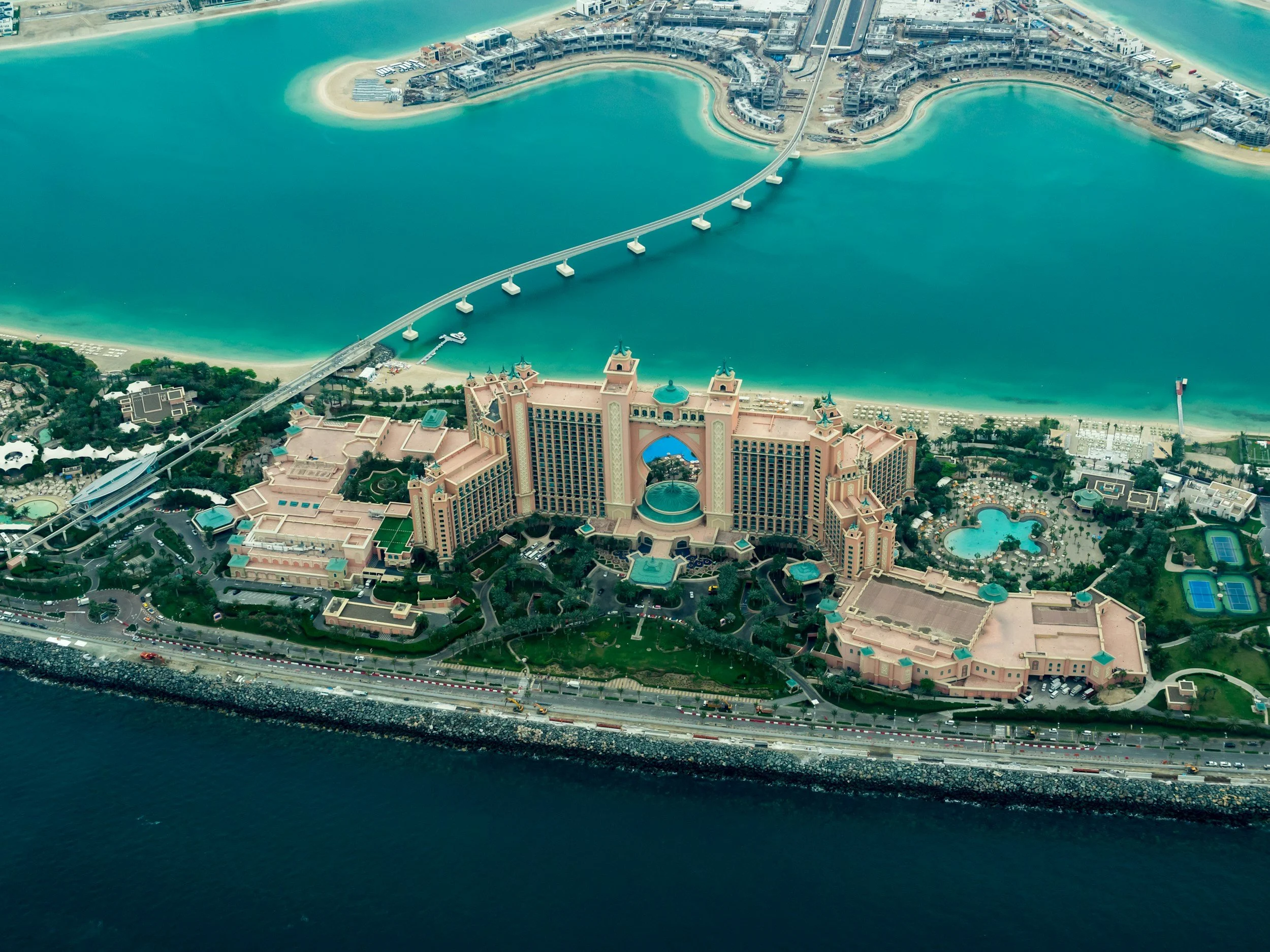
Atlantic The Palm.
Al Quoz
Al Quoz is where Dubai’s food scene feels most experimental. Set among warehouses and industrial yards, this neighbourhood has become the city’s creative backbone — and its food reflects that. Dining here is intentional rather than incidental: people come specifically to eat, drink coffee, and spend time in spaces that blend food with art, design, and community.
It’s not about convenience. It’s about character.
What to Eat Here
Al Quoz is best known for café-led dining and all-day menus rather than traditional restaurant formats. Expect strong specialty coffee, creative brunch dishes, sourdough, seasonal plates, and menus that prioritise quality ingredients over size.
This is where Dubai’s modern café culture took hold — and it remains one of the best places in the city for breakfast, lunch, or an unhurried afternoon meal.
What the Food Scene Feels Like
Creative, relaxed, and slightly off-grid. Dining rooms are often inside converted warehouses with high ceilings, natural light, and a mix of laptops, families, and friends catching up. The pace is slow, the service informal, and the crowd distinctly local.
Unlike Downtown or the Marina, Al Quoz doesn’t revolve around evenings. It shines during the day, especially late mornings and early afternoons.
Where to Eat
For specialty coffee and consistently excellent food, Tom & Serg is one of the area’s originals. Known for its all-day menu, strong coffee programme, and relaxed warehouse setting, it’s a cornerstone of Al Quoz dining and remains reliably busy.
Close by, Nightjar Coffee Roasters focuses on coffee above all else, paired with a thoughtful food menu that works equally well for breakfast or lunch. It’s a favourite with locals who come specifically for the coffee rather than the scene.
For something slightly more intimate, Cassette blends café dining with curated music and a neighbourhood feel. It’s a good option if you want to slow down and stay a while rather than eat and move on.
These places capture what Al Quoz does best — food as part of a wider creative ecosystem rather than a standalone attraction.
World Locals tip: Pair Al Quoz dining with a gallery visit or cultural space nearby. Late mornings on weekdays are ideal — quieter, cooler, and when the neighbourhood feels most itself.
Palm Jumeirah
Dining on Palm Jumeirah is destination-led. Food here is rarely spontaneous and almost always tied to setting — beachfront terraces, skyline views, and hotel dining rooms designed for long, polished evenings. This is where meals become part of the stay rather than something you fit around the day.
It’s not everyday Dubai dining — and it doesn’t try to be.
What to Eat Here
Menus on the Palm skew international and refined. Expect contemporary Middle Eastern cooking, modern Asian cuisine, Mediterranean dishes, and seafood-led menus, often served in elegant, resort-style settings. Portions are generous, presentation matters, and dining is paced for evenings rather than quick meals.
This is one of the best areas in Dubai for celebratory dinners, sunset meals, and relaxed long lunches by the water.
What the Food Scene Feels Like
Calm, curated, and intentionally luxurious. Restaurants fill gradually in the evenings, with guests arriving from hotels or taxis rather than foot traffic. The atmosphere is unhurried, with a focus on comfort, views, and service rather than buzz.
Unlike Downtown or the Marina, there’s little sense of neighbourhood hopping here — you choose a place, arrive with intention, and stay.
Where to Eat
For a consistently strong, modern Middle Eastern experience, Jun’s brings bold flavours into a polished setting, making it a good choice for travellers who want contemporary cooking without formality.
For Japanese cuisine with a lively atmosphere, Akira Back is a popular evening spot, known for creative dishes and a social dining experience that suits groups and special occasions.
If you’re after something more relaxed, The Beach House offers Mediterranean-inspired food in an open, beachfront setting — ideal for long lunches or early dinners when the light softens over the Gulf.
These restaurants reflect the Palm’s role in Dubai’s food scene — less about discovery, more about experience.
World Locals tip: If you’re not staying on the Palm, aim for lunch rather than dinner. It’s easier to get reservations, traffic is lighter, and the views are just as impressive.
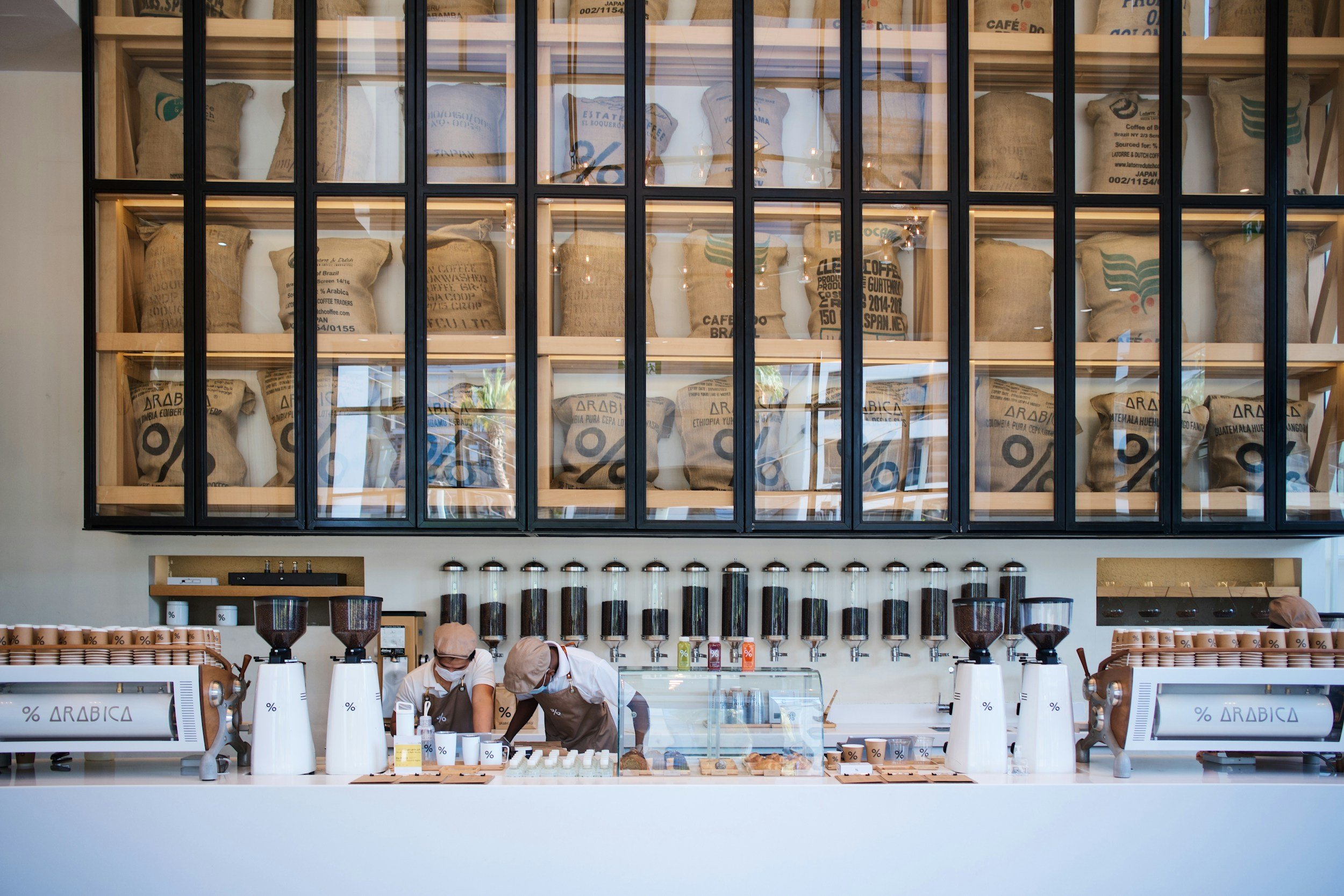
% Arabica Dubai.
Cafés and Coffee Culture
Coffee in Dubai is both ritual and routine. It spans centuries-old traditions of hospitality and a modern specialty scene that rivals major global cities. From tiny neighbourhood cafés to carefully designed roasteries, coffee is woven into daily life — not rushed, not secondary, and rarely taken to go.
Understanding how Dubai drinks coffee helps you understand how the city moves.
Arabic Coffee and Local Traditions
Arabic coffee (gahwa) is central to Emirati hospitality. Lightly roasted and often flavoured with cardamom, it’s traditionally served in small cups alongside dates, poured continuously as a gesture of welcome.
You’ll encounter this most authentically in heritage areas and cultural spaces, where coffee is part of conversation rather than a transaction. It’s not about caffeine — it’s about time, presence, and generosity.
For a traditional setting, Arabian Tea House remains one of the most accessible places to experience Arabic coffee alongside light Emirati dishes, especially after exploring Al Fahidi.
Specialty Coffee and Modern Cafés
Dubai’s modern coffee scene is serious and well established. Specialty cafés focus on sourcing, roasting, and brewing, with menus that rival those in London, Melbourne, or Tokyo. These are places people work from, meet friends, or linger for hours — particularly in neighbourhoods like Al Quoz, Jumeirah, and Downtown.
Roasteries and cafés often combine food, retail, and design, making them destinations in their own right rather than quick pit stops.
In Al Quoz, Nightjar Coffee Roasters is a standout for consistently excellent coffee and a relaxed, local crowd. It’s the kind of place people go out of their way for — which says everything.
Best Neighbourhoods for Café Hopping
Jumeirah and Umm Suqeim are ideal for slow mornings — cafés close to the beach, good coffee, and space to sit without pressure to leave. Al Quoz shines for more intentional visits, pairing coffee with galleries or creative spaces.
Downtown cafés tend to be more polished and social, often tied to hotels or landmarks, while Old Dubai offers fewer specialty spots but deeper cultural context.
World Locals tip: Coffee culture in Dubai is unhurried. Order at the counter, take a seat, and stay as long as you like — no one’s rushing you out, especially outside peak hours.
Brunch Culture in Dubai
Brunch in Dubai isn’t just a meal — it’s a weekly institution. Part social gathering, part long lunch, part celebration, it reflects how the city eats, drinks, and spends time together, particularly at weekends. While it can look overwhelming from the outside, done right, brunch is one of the most enjoyable ways to experience Dubai’s food scene.
The key is choosing the right kind of brunch for how you like to travel.
What Dubai Brunch Actually Is
Unlike traditional brunch elsewhere, Dubai brunch is usually a multi-hour affair, most often held on Fridays and Saturdays. It typically combines unlimited food with drinks, served either buffet-style or as à la carte sharing plates, and paced slowly over several hours.
Brunches are usually hosted in hotels or licensed venues, which is why they’ve become such a defining feature of the city’s dining culture. They’re social, relaxed, and designed to replace both lunch and early evening plans.
When and Where It Happens
Most brunches run from late morning to mid-afternoon, with some stretching into the early evening. You’ll find them across the city, but they’re especially concentrated in hotel districts like Downtown, Dubai Marina, and Palm Jumeirah.
The atmosphere varies hugely depending on venue — from laid-back, food-focused experiences to high-energy, music-led events. Knowing which you’re booking makes all the difference.
How to Choose the Right Brunch
If food is your priority, look for brunches that focus on plated dishes rather than vast buffets. These tend to be calmer, better paced, and more satisfying for travellers who want quality over quantity.
For a refined, food-led experience, Zuma Dubai is known for its polished brunch offering and consistently strong cooking. It’s social without being overwhelming and works well for visitors who want a taste of Dubai brunch culture without the chaos.
On the Palm, Saffron represents the larger, high-energy end of the spectrum — expansive, lively, and unapologetically indulgent. It’s less about subtlety and more about spectacle, which suits some travellers perfectly.
If you prefer something quieter, many neighbourhood restaurants now offer scaled-back brunch menus that keep the social element without the excess. These are often the most enjoyable option if you’re short on time or travelling at a slower pace.
World Locals tip: You don’t need to do brunch to understand Dubai — but doing one, chosen well, offers insight into how the city socialises, relaxes, and eats together. Aim for quality over scale, and book ahead.
Bars, Lounges, and Nightlife
Dubai’s nightlife is more understated than its reputation suggests. Drinking here is structured, regulated, and largely tied to hotels — but within that framework, the city offers a wide range of places to spend an evening, from quiet cocktails to skyline-lit rooftops. Nights tend to start later, move at an unhurried pace, and centre around conversation as much as spectacle.
Understanding where and how people drink makes all the difference.
Drinking Laws and What Travellers Should Know
Alcohol is legal in Dubai but served only in licensed venues, most commonly hotels, resorts, and private clubs. You won’t find standalone bars on residential streets, and many excellent restaurants don’t serve alcohol at all.
This shapes the city’s nightlife in a practical way: evenings are planned rather than improvised, and venues are destinations rather than casual drop-ins. Dress codes are generally relaxed-smart, especially after dark.
Rooftop Bars and Skyline Views
Rooftop bars are where Dubai’s nightlife leans into its setting. These venues prioritise views, atmosphere, and timing — sunset drinks flowing into late evenings.
In Downtown, CÉ LA VI Dubai is a reliable choice for skyline views paired with a calm but social atmosphere. It’s best approached as an early evening stop rather than a late-night destination.
For something more intimate and design-led, Folly offers creative cocktails in a quieter setting, ideal for conversation rather than crowds.
Neighbourhood Lounges and Late Evenings
Beyond rooftops, many of Dubai’s best nights happen in lounges and hotel bars designed for long stays rather than quick drinks. These spaces attract a mix of locals, expats, and travellers who come to unwind after dinner rather than party hard.
In DIFC, Roberto’s transitions naturally from dinner into drinks, making it a good option if you prefer evenings that unfold gradually.
Along the coast, hotel lounges in Jumeirah and on the Palm offer quieter alternatives, often with outdoor seating and a relaxed pace that suits travellers easing into the night.
Where Evenings Naturally Happen
Dubai evenings tend to centre around food first, drinks second. Many people dine, then move to a nearby bar rather than starting the night with drinks alone. This makes neighbourhoods like Downtown, DIFC, and the Palm particularly well suited to seamless evenings without excessive travel.
High-energy clubbing exists, but it’s only one slice of the scene — and far from essential to enjoying Dubai after dark.
World Locals tip: Aim for sunset drinks, then dinner, then one final stop. Dubai nights are at their best when you don’t rush them — and when you choose venues that suit conversation as much as views.
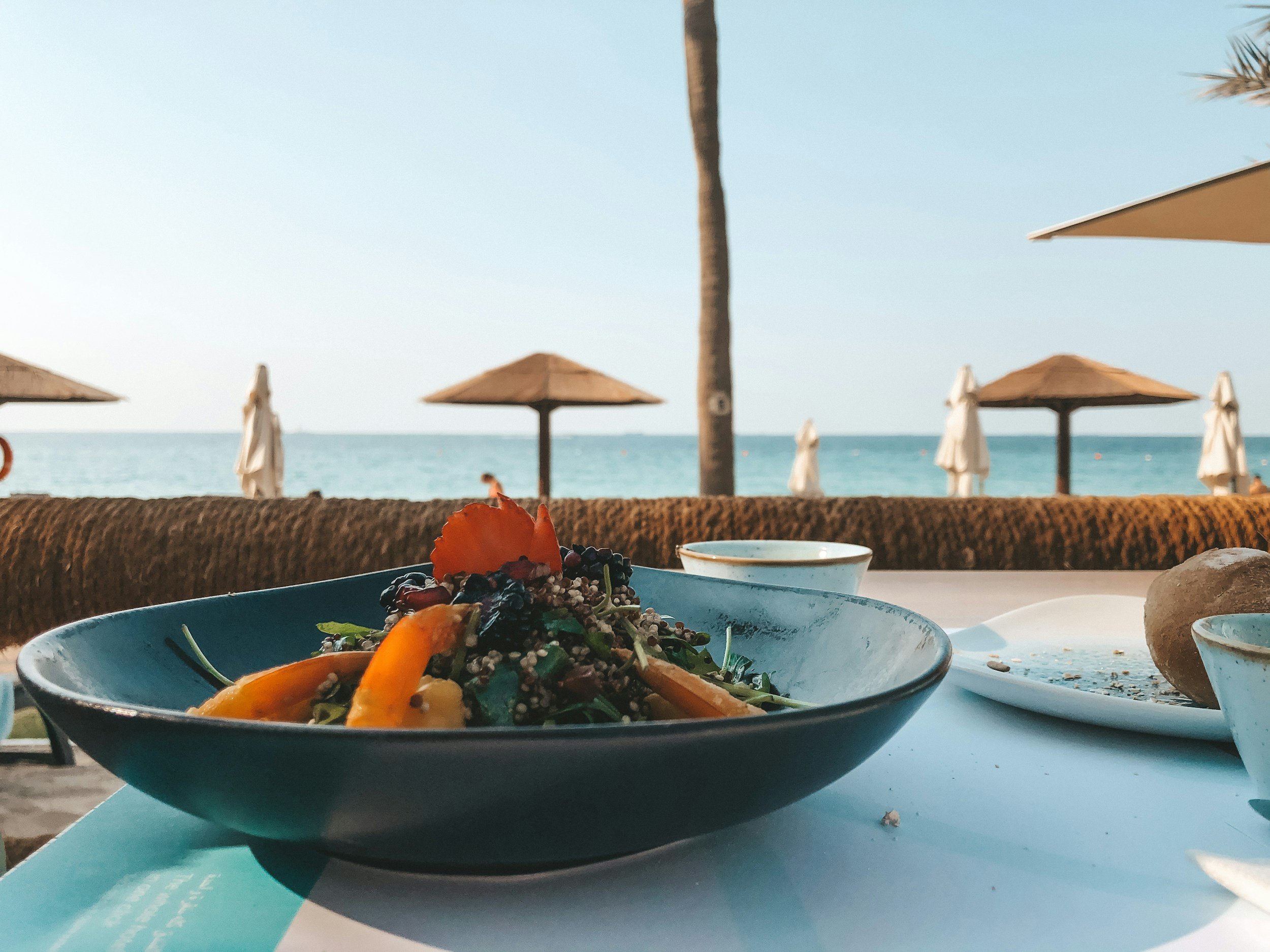
Waterfront dining in Dubai.
Desserts and Sweet Treats
Dessert in Dubai isn’t always a grand finale — it’s often a pause. Something shared with coffee, picked up late at night, or eaten casually after a long meal. Sweet treats here reflect the city’s wider food culture: rooted in the Middle East, influenced by migration, and woven into everyday routines rather than reserved for special occasions.
Middle Eastern Sweets
Traditional sweets across Dubai lean fragrant rather than heavy, built around nuts, honey, rosewater, and syrup-soaked pastry. These are desserts designed to be shared in small portions, usually alongside tea or Arabic coffee.
For classic Levantine sweets, Al Samadi Sweets in Deira is a long-standing institution. Known for its baklava, knafeh, and pistachio-filled pastries, it’s a go-to for locals and visitors alike, and ideal after a meal in Old Dubai.
Turkish-style desserts are also popular across the city, particularly flaky baklava and milk-based puddings, often enjoyed late into the evening.
Bakeries and Everyday Desserts
Beyond traditional sweet shops, bakeries play a big role in Dubai’s dessert culture. You’ll find neighbourhood bakeries serving cakes, pastries, and biscuits designed for daily consumption rather than indulgence.
In Jumeirah, Bateel offers a refined take on one of the region’s most important ingredients — dates. Whether stuffed, chocolate-coated, or paired with Arabic coffee, it’s a modern expression of a deeply traditional food.
Cafés across the city also serve dessert-style dishes that blur the line between sweet and savoury — think pastries with coffee in the afternoon rather than structured dessert menus.
Late-Night Sweet Spots
Dubai has a strong late-night food culture, and desserts are no exception. Many sweet shops and cafés stay open well past midnight, especially in Deira, Bur Dubai, and along busy commercial streets.
Luqaimat — small fried dough balls drizzled with date syrup — are a common late-night choice, particularly in Emirati cafés and casual restaurants. They’re light, shareable, and often eaten more as a snack than a dessert.
World Locals tip: Desserts in Dubai are best enjoyed slowly and shared. Order a few items, pair them with tea or coffee, and treat sweets as part of the evening rather than something rushed at the end of a meal.
Practical Tips for Eating in Dubai
Dubai is an easy city to eat well in, but understanding a few local norms will help you avoid friction and get more out of every meal.
Budgeting for Food
Dubai offers one of the widest price ranges of any major food city. You can eat exceptionally well on a modest budget in Old Dubai and residential neighbourhoods, while hotel districts and resort areas sit firmly at the higher end.
As a rough guide, casual meals in local restaurants are very affordable, mid-range dining is common across most neighbourhoods, and high-end or hotel-based dining should be treated as an experience rather than a daily habit. Mixing neighbourhoods is the easiest way to balance cost and quality.
Alcohol, Dress Codes, and Etiquette
Alcohol is served legally only in licensed venues, usually within hotels and resorts. Many excellent restaurants don’t serve alcohol at all, and that’s completely normal — food culture doesn’t revolve around drinking.
Dress codes are generally relaxed but respectful. Casual clothing is fine for most cafés and local restaurants, while evening dining in hotels and upscale venues leans smart-casual. You don’t need to overthink it — just dress with awareness of setting.
Eating is social in Dubai. Sharing dishes is common, meals are rarely rushed, and lingering at the table is expected rather than discouraged.
Reservations and Timing
Reservations are recommended for popular restaurants, especially in Downtown, DIFC, the Marina, and on the Palm — particularly Thursday to Saturday. Casual neighbourhood spots usually don’t take bookings and operate on a first-come basis.
Dinner tends to happen later than in many countries, especially in warmer months. Kitchens are often at their best in the evening once the day’s heat has passed.
When to Eat Where
Older neighbourhoods shine in the evenings, when streets come alive and restaurants are in full rhythm. Café-heavy areas like Jumeirah and Al Quoz are best late morning to early afternoon. Resort and hotel dining works well for sunset meals and long evenings rather than quick stops.
World Locals tip: Follow local timing. If a restaurant looks quiet at 6pm but busy at 9pm, trust the later crowd — Dubai kitchens often hit their stride after dark.
“Dubai reveals itself through food more than through landmarks. Eat across neighbourhoods and you’ll notice how the city shifts — from creekside cafeterias and heritage courtyards to beach cafés, creative warehouses, and polished dining rooms overlooking the skyline.
There’s no single “Dubai cuisine”, and that’s exactly what makes the city so compelling to eat in. Its food scene is layered, migrant-led, and deeply tied to everyday life. The most memorable meals are rarely the most expensive — they’re the ones eaten slowly, shared generously, and chosen with curiosity.
Move between neighbourhoods, mix casual with considered, and let food shape your days rather than slotting it in between sights. That’s when Dubai starts to feel less like a spectacle — and more like a place.”