Unique Travel Experiences to Plan in 2026
Travel in 2026 is less about how many places you can squeeze into a year — and more about what stays with you once you’re home. Across the world, travellers are planning around moments rather than maps: a city at its most electric, a meal that defines a culture, a journey that slows time rather than racing it.
Festivals, seasonal food scenes, long-distance rail journeys, and once-a-year cultural moments are shaping how we travel next. These are the kinds of experiences that ask you to commit early, plan with intention, and build a wider trip around a single idea — not just a destination pinned on a map.
This list isn’t about ticking countries off a checklist. It’s about choosing experiences that give structure to your year, shape your travel calendar, and create stories that linger long after the flight home. From world-famous celebrations to slower, more grounded ways of moving through a place, these are unique travel experiences worth planning for in 2026 — wherever in the world you’re starting from.
Rio Carnival, Rio de Janeiro
What makes it special
Rio Carnival isn’t just a festival — it’s a city-wide release of energy, rhythm, and collective joy. For days, Rio moves to the beat of samba, spilling from the Sambadrome’s meticulously choreographed parades into neighbourhood street parties known as blocos. Costumes are bold, music is everywhere, and the usual boundaries between locals and visitors dissolve into something shared and celebratory.
What sets Carnival apart is its scale and its soul. This isn’t a performance put on for visitors; it’s a deeply rooted cultural tradition tied to Brazilian identity, Afro-Brazilian history, and the social fabric of the city. Whether you’re watching elite samba schools compete under stadium lights or dancing in a sun-soaked street crowd at midday, the experience feels raw, communal, and unforgettable.
Why 2026 is a great year to go
Carnival rewards those who plan ahead — and 2026 is no exception. The main Carnival period in Rio typically falls in February or early March, with official parade dates confirmed well in advance. Flights and accommodation prices rise sharply during this window, but that early commitment is part of what makes the experience feel intentional rather than impulsive.
Carnival also works brilliantly as the anchor for a longer Brazil or South America trip, making it easier to justify the cost by building a wider journey around a single, time-specific event.
Key practical information
Typical dates: Late February to early March (exact dates vary each year)
Sambadrome parade tickets: From around BRL 150–300 (£25–£50 / €30–€60 / $30–$60) for grandstand seating, rising significantly for premium views and hospitality
Blocos (street parties): Free to attend, but expect crowds and limited mobile reception
Accommodation: Prices often double or triple during Carnival week; booking 6–9 months ahead is common
Getting around: Metro is the most reliable option during peak days, especially for Sambadrome nights
How to experience it well
Plan for 5–7 days in Rio to balance the intensity of Carnival with downtime. Many first-timers focus exclusively on the Sambadrome, but the city’s blocos are where Carnival feels most spontaneous and local. These pop up across neighbourhoods like Santa Teresa, Lapa, and Ipanema, often starting early and lasting well into the night.
Carnival suits social travellers, culture lovers, photographers, and anyone comfortable with crowds and high energy. If you prefer quieter travel, consider arriving just before or staying on after the main celebrations to experience Rio at a gentler pace.
World Locals tip
Choose quality over quantity. One Sambadrome night and a handful of carefully chosen blocos will give you a richer experience than trying to chase everything. Leave space to follow the sound of drums down side streets — Carnival’s most memorable moments are often the ones you don’t plan.
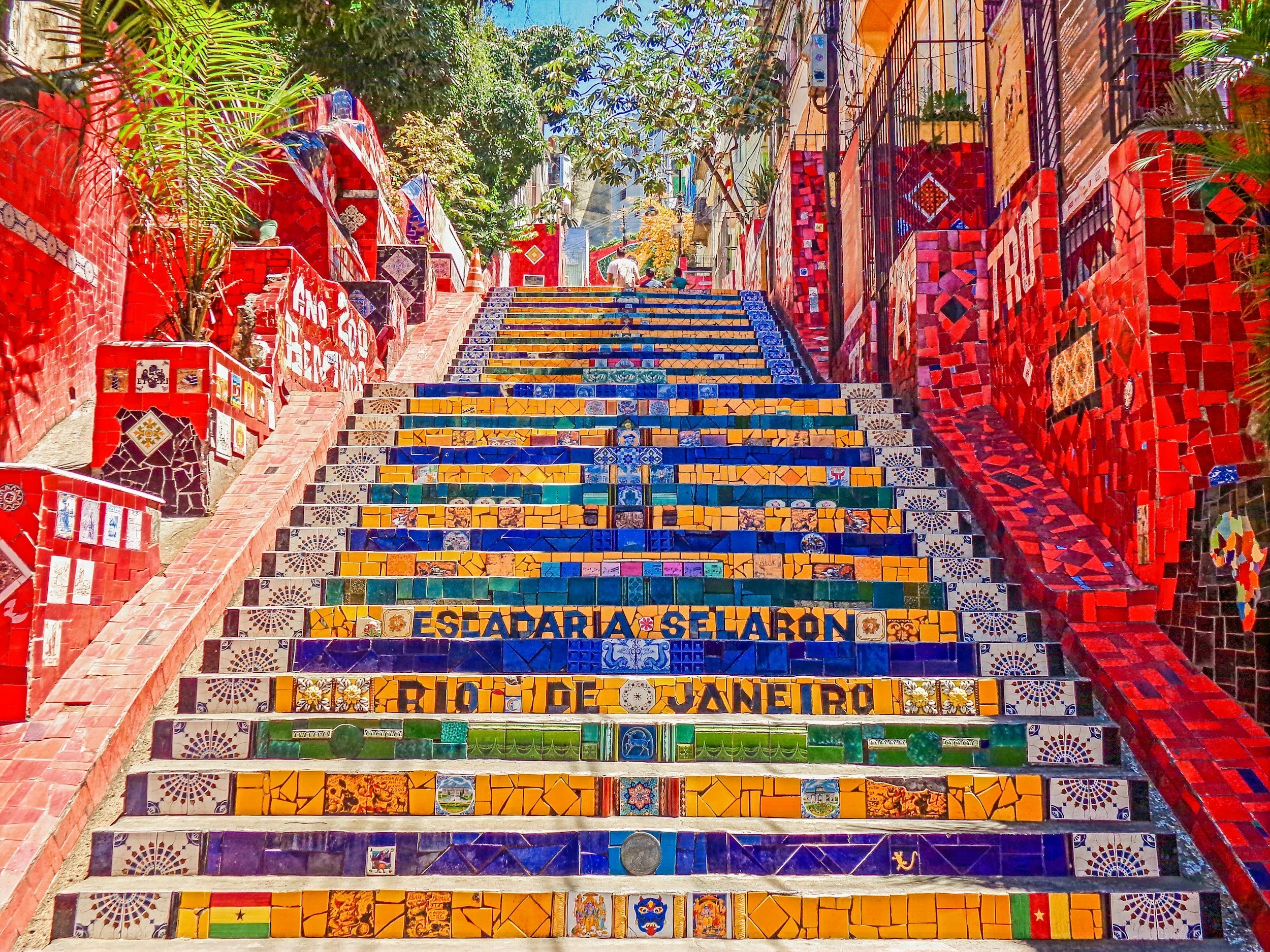
Rio de Janeiro, Brazil.
Eating Your Way Through San Sebastián
What makes it special
San Sebastián is one of those rare places where food isn’t a trend or a selling point — it’s simply how life is lived. From casual pintxos bars to some of the world’s most celebrated fine-dining restaurants, the city’s food culture is deeply rooted in Basque identity, seasonal produce, and a fierce pride in doing things properly.
What makes eating here so special isn’t just the quality, but the rhythm. Evenings unfold slowly as locals drift from bar to bar, ordering a single pintxo and a glass of txakoli or cider before moving on. Markets, bakeries, and neighbourhood bars all play a role, and food feels woven into daily life rather than saved for special occasions.
Why 2026 is a great year to go
Food-led travel continues to grow, but San Sebastián has managed to retain its local feel — especially outside peak summer months. Planning a trip around food rather than festivals means flexibility, and 2026 is an ideal year to experience the city at a more relaxed pace, when menus reflect the seasons and reservations are easier to secure.
It’s also a brilliant example of how a short trip can feel deeply immersive. You don’t need weeks here — just a few well-paced days centred around eating, walking, and lingering.
Key practical information
Best time to go: April–June and September–October for seasonal produce and fewer crowds
Pintxos prices: Typically €3–5 (£2.50–£4.30 / $3.30–$5.50) per pintxo
Fine dining: Tasting menus often start from €150–250 (£130–£215 / $165–$275)
Markets to know: La Bretxa Market for produce, seafood, and everyday Basque staples
How long you need: 3–4 days is ideal for a food-focused visit
How to experience it well
Base yourself centrally so you can explore on foot, especially around the Old Town (Parte Vieja), where many of the most iconic pintxos bars sit shoulder to shoulder. Go early in the evening, eat standing up, and avoid ordering too much in one place — the joy is in moving on.
Balance indulgence with simplicity. A market lunch, a long coastal walk, and a casual bar crawl will tell you just as much about San Sebastián as a white-tablecloth tasting menu. This experience suits food lovers, slow travellers, couples, and anyone who enjoys letting a city reveal itself gradually.
World Locals tip
Follow the locals’ lead. If a bar is busy at 6pm on a weekday, there’s a reason. Order what’s popular, eat it fresh at the counter, and move on — San Sebastián’s food culture is about flow, not settling in for hours at one table.
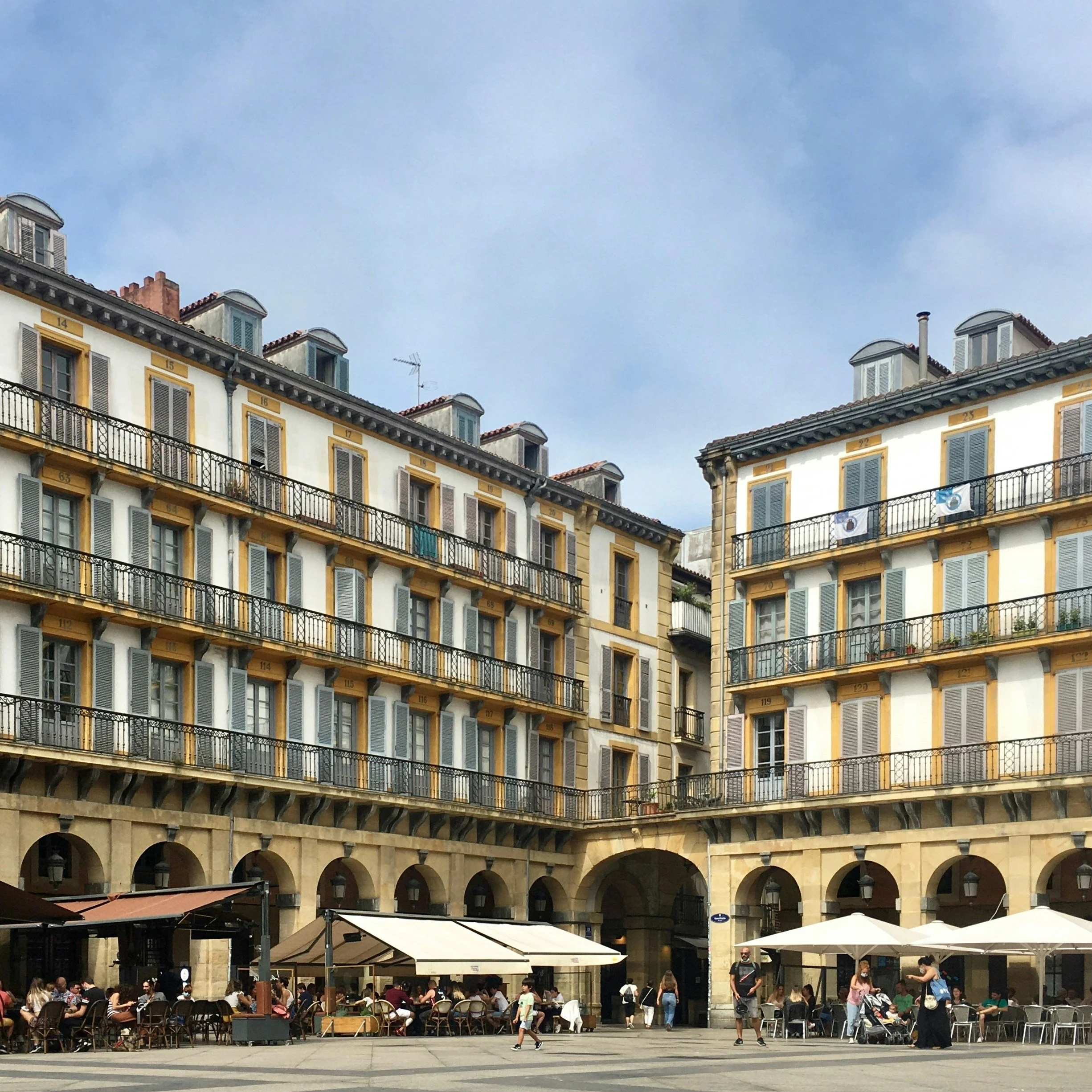
San Sebastian, Spain.
Interrailing Across Europe
What makes it special
Interrailing is one of those rare travel experiences where the journey really does matter as much as the destination. With a single rail pass, borders blur, plans stay flexible, and travel slows to a human pace. You watch landscapes change from your seat, arrive directly into city centres, and build a trip that evolves as you go.
What makes Interrailing special isn’t just the convenience — it’s the mindset. It encourages curiosity over optimisation, spontaneity over rigid itineraries, and a deeper appreciation for distance and scale. A night train becomes part of the story, not dead time between places.
Why 2026 is a great year to do it
Rail travel across Europe continues to improve, with more sleeper routes, better cross-border connections, and growing interest in low-impact travel. Planning an Interrail trip in 2026 fits perfectly with a wider shift towards slower, more conscious ways of moving through the world.
It’s also ideal for travellers looking to design a longer trip without locking everything in. You can commit to a timeframe, not a fixed route — and let the journey take shape as you travel.
Key practical information
Who it’s for: Available to European residents (non-Europeans use the Eurail pass)
Pass types: Flexible travel days within 1–3 months, or continuous passes
Typical costs: From around €200–€400 (£170–£340 / $220–$440) depending on duration and age
Seat reservations: Required on some high-speed and night trains (small additional fees apply)
Best season: May–June and September for balance between weather, crowds, and price
How to experience it well
Resist the urge to cram in too many cities. Interrailing works best when you build in pauses — a few nights in one place, followed by a longer rail leg that feels purposeful rather than rushed. Mixing big cities with smaller towns or nature stops keeps the journey grounded.
Night trains are worth planning for, both to save on accommodation and to experience a slower, almost nostalgic side of European travel. This experience suits solo travellers, couples, digital nomads, and anyone drawn to the idea of movement as part of the adventure.
World Locals tip
Start with a loose spine rather than a fixed list. Choose two or three anchor cities, then let recommendations, weather, and curiosity fill in the gaps. Some of the best Interrail memories come from places you hadn’t planned to stop at at all.
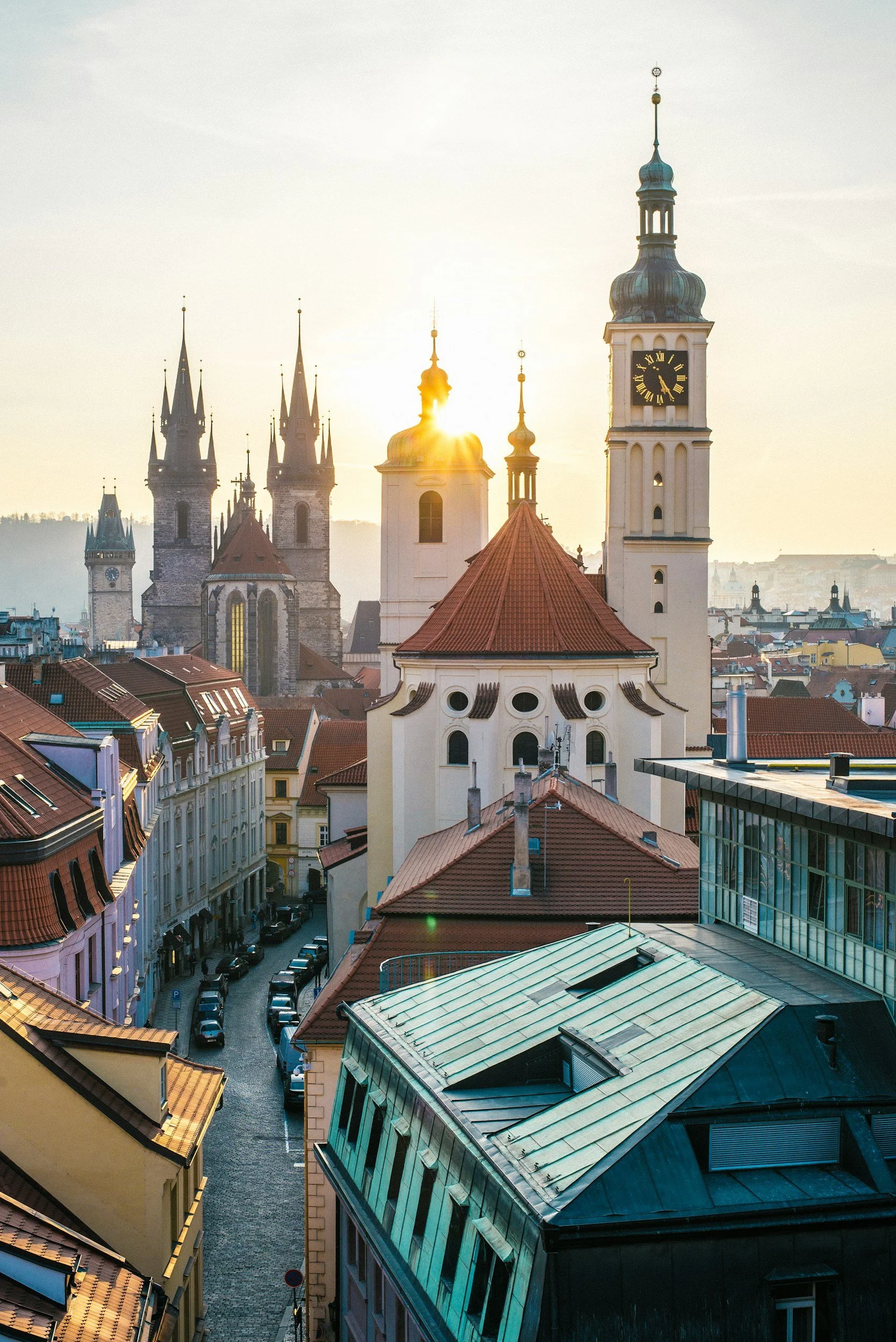
Prague, Czech Republic.
Cherry Blossom Season in Japan
What makes it special
Cherry blossom season — sakura — isn’t just about flowers. In Japan, it’s a cultural moment tied to ideas of impermanence, renewal, and presence. For a few short weeks each spring, parks, riversides, and temple grounds fill with soft pink blooms, and everyday life slows to make space for reflection, picnics, and quiet celebration.
What makes this experience unique is how deeply it’s woven into daily life. Families gather under the trees, colleagues share evening drinks beneath lantern-lit blossoms, and the natural world becomes part of the social calendar. It’s understated, communal, and deeply atmospheric — a reminder that beauty doesn’t last forever, and that’s exactly the point.
Why 2026 is a great year to go
Cherry blossom season rewards planning, and 2026 is a perfect excuse to commit early. With tourism in Japan now spread more evenly beyond the classic Tokyo–Kyoto route, travellers have more opportunities to experience sakura in quieter cities and regional towns.
Planning for 2026 also allows flexibility — you can follow bloom forecasts closer to the time and adjust your route accordingly, rather than locking everything in too rigidly.
Key practical information
Typical timing: Late March to early April (varies by region and weather)
Bloom window: Often just 7–10 days at peak
Best regions for flexibility: Kansai, Chūbu, and northern Honshu
Costs: Spring flights and accommodation are higher than winter but often lower than peak summer
Reservations: Popular accommodation books out early near major viewing spots
How to experience it well
Rather than chasing famous photo spots, build your trip around neighbourhood parks, riverside walks, and everyday spaces where locals gather. Early mornings and weekday evenings offer the most peaceful atmosphere, especially in larger cities.
This experience suits slow travellers, photographers, couples, solo travellers, and anyone drawn to travel that’s as much about mood as movement. Pair it with walking-heavy days, simple meals, and unstructured time.
World Locals tip
Follow the blossom forecast — but don’t obsess over perfection. Even before or after peak bloom, the atmosphere is still special, and quieter moments often feel more meaningful than chasing the “best” photo.
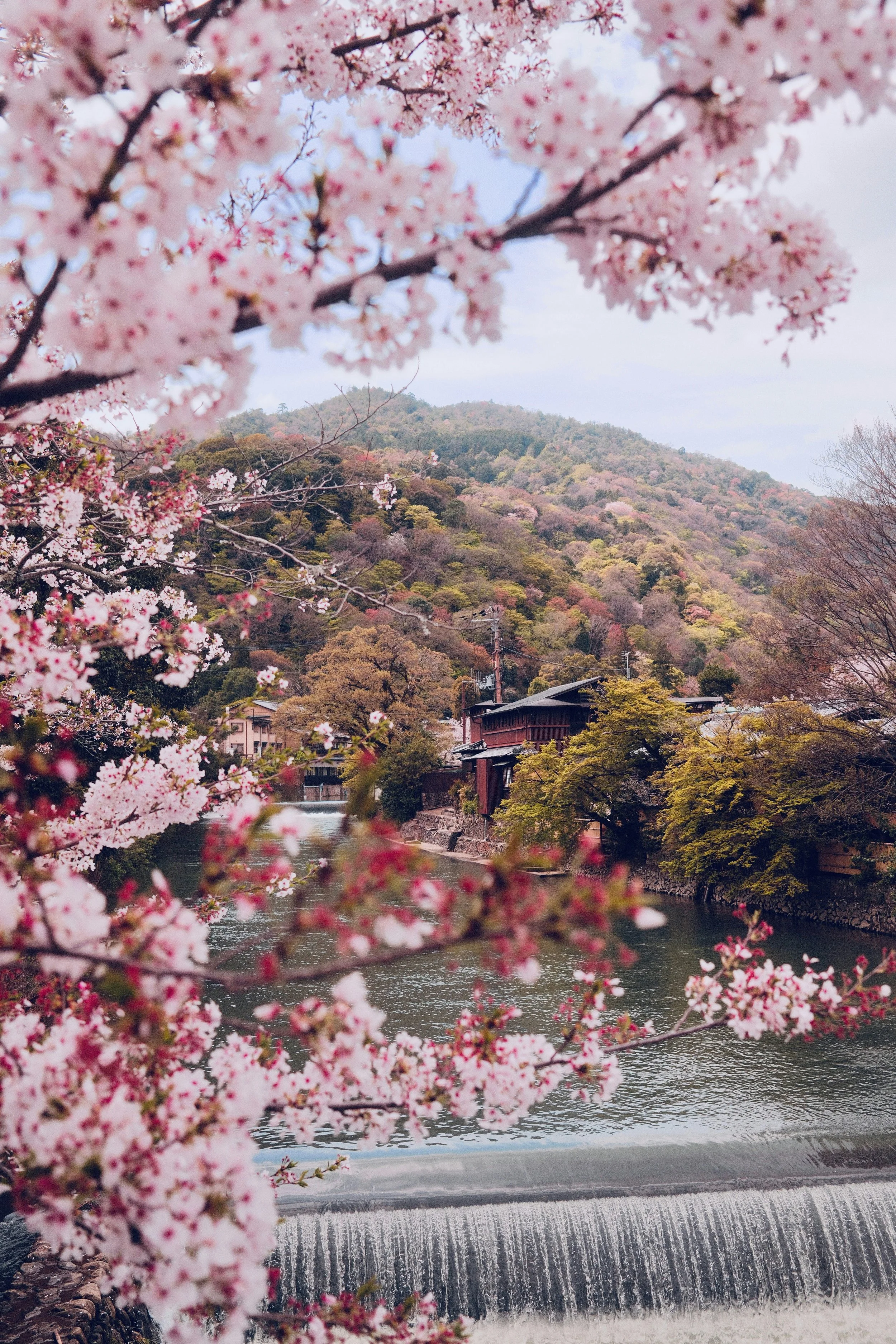
Kyoto, Japan.
A Road Trip Through Patagonia (Chile and Argentina)
What makes it special
Patagonia is less about ticking sights and more about surrendering to distance. Roads stretch for hours through open steppe, glaciers appear without warning, and towns feel like punctuation marks rather than destinations. This is a place where the journey truly shapes the experience — and a road trip is the most immersive way to take it all in.
What makes Patagonia special is its rawness. Weather dictates your plans, landscapes dwarf everything else, and days naturally slow down. Hiking, driving, cooking simple meals, and watching the light change become the rhythm. It’s travel stripped back to essentials.
Why 2026 is a great year to go
Patagonia rewards early planning and flexible timeframes — both of which align perfectly with thinking ahead to 2026. Border crossings between Chile and Argentina are now straightforward again, making cross-country road trips far easier to plan than in recent years.
With growing interest in nature-led travel, Patagonia remains vast enough to absorb visitors without losing its sense of remoteness — especially if you travel outside peak weeks and focus on lesser-visited stretches of road.
Key practical information
Best time to go: November to March (Southern Hemisphere summer)
Ideal trip length: 2–3 weeks for a meaningful road trip
Car hire: More affordable and flexible on the Argentine side; check cross-border permissions carefully
Distances: Long — expect full driving days between stops
Accommodation: Mix of lodges, guesthouses, and simple cabins; booking ahead is essential in high season
How to experience it well
Choose one spine rather than trying to see everything. Whether that’s Chile’s Carretera Austral or Argentina’s Route 40, committing to a single route allows you to travel deeper rather than faster. Build in weather buffer days — they’re not a luxury here, they’re essential.
This experience suits hikers, photographers, couples, and travellers who are comfortable with unpredictability. It’s not about constant activity; it’s about presence, patience, and letting the landscape lead.
World Locals tip
Plan less, stay longer. Patagonia is at its best when you resist the urge to rush. A quiet day grounded by wind, cloud, and long light often becomes the one you remember most.
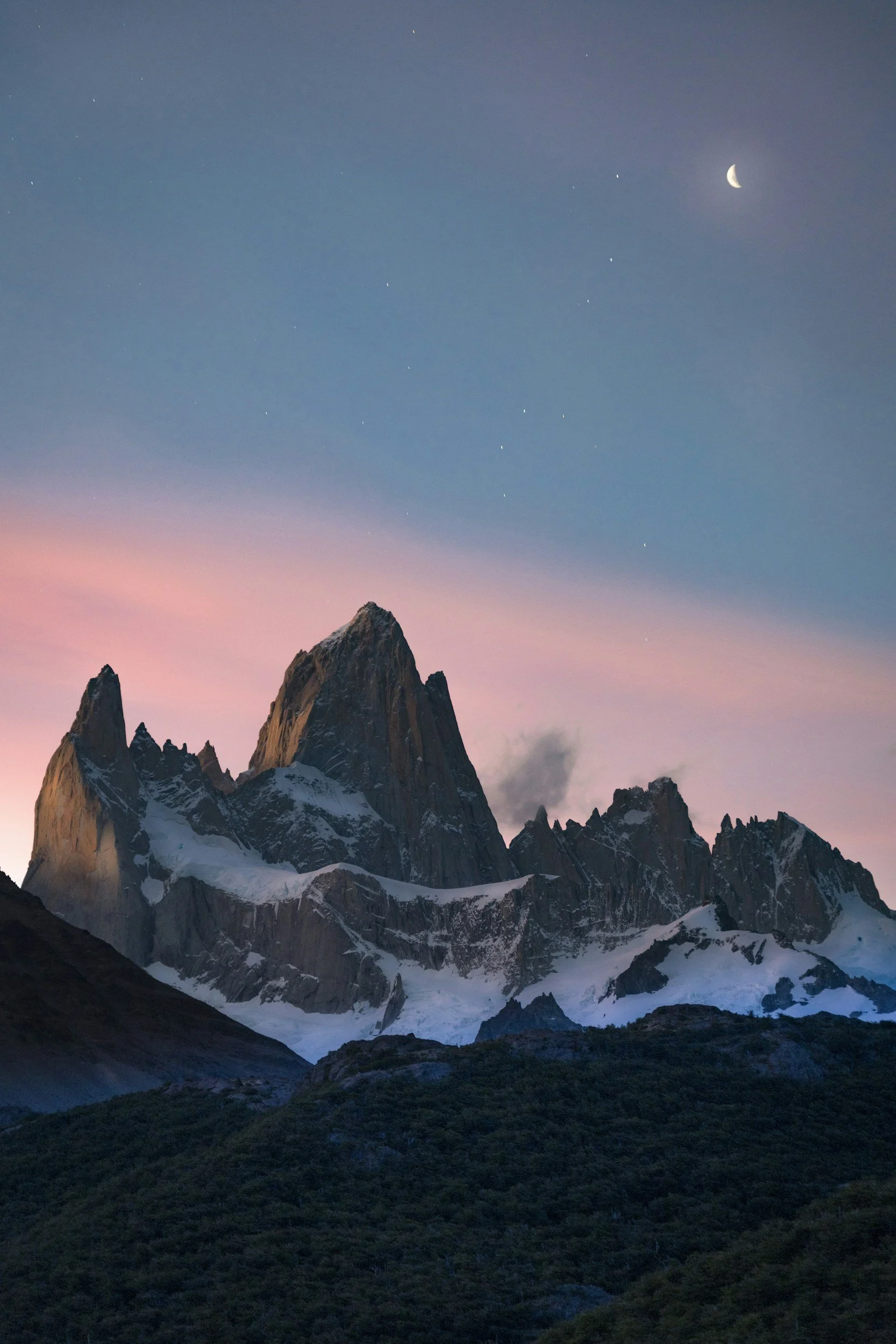
Patagonia, Argentina.
Chasing the Northern Lights from a Lesser-Known Base in Scandinavia
What makes it special
Seeing the Northern Lights is one of those experiences that feels almost unreal — a natural phenomenon that asks for patience, darkness, and a bit of luck. But beyond the spectacle itself, what makes this experience special is where you choose to see them from.
Rather than busy hubs, smaller towns and rural bases across northern Scandinavia offer darker skies, fewer crowds, and a deeper sense of stillness. Long nights, snow-muted landscapes, and simple routines — sauna, soup, silence — become part of the experience, turning the wait for the lights into something meaningful in itself.
Why 2026 is a great year to go
The Northern Lights follow an 11-year solar cycle, and the mid-2020s sit within a particularly active period. While sightings can never be guaranteed, planning a trip in 2026 gives you strong odds — especially if you build in multiple nights and choose quieter locations away from light pollution.
There’s also a growing shift towards slow winter travel in the region, with more emphasis on local stays, small-group experiences, and respecting fragile Arctic environments.
Key practical information
Best time to go: Late September to March
Ideal stay: 4–7 nights to increase your chances
Where to base yourself: Northern Norway, Sweden, or Finland away from major towns
Getting around: Hiring a car improves flexibility, but guided nights out work well in extreme conditions
Expectations: Cold temperatures, limited daylight, and no guarantees — patience is part of the experience
How to experience it well
Build your trip around the wait rather than the sighting. Daytime activities like snowshoeing, cross-country skiing, sauna culture, and simple winter walks give structure to your days and make evenings feel earned rather than anxious.
This experience suits reflective travellers, photographers, couples, and anyone comfortable slowing down and leaning into uncertainty. It’s as much about atmosphere as it is about the lights themselves.
World Locals tip
Choose your base for how it feels without the lights. If the aurora doesn’t appear one night — and sometimes it won’t — you’ll still have a trip grounded in winter landscapes, warmth, and quiet moments worth travelling for.
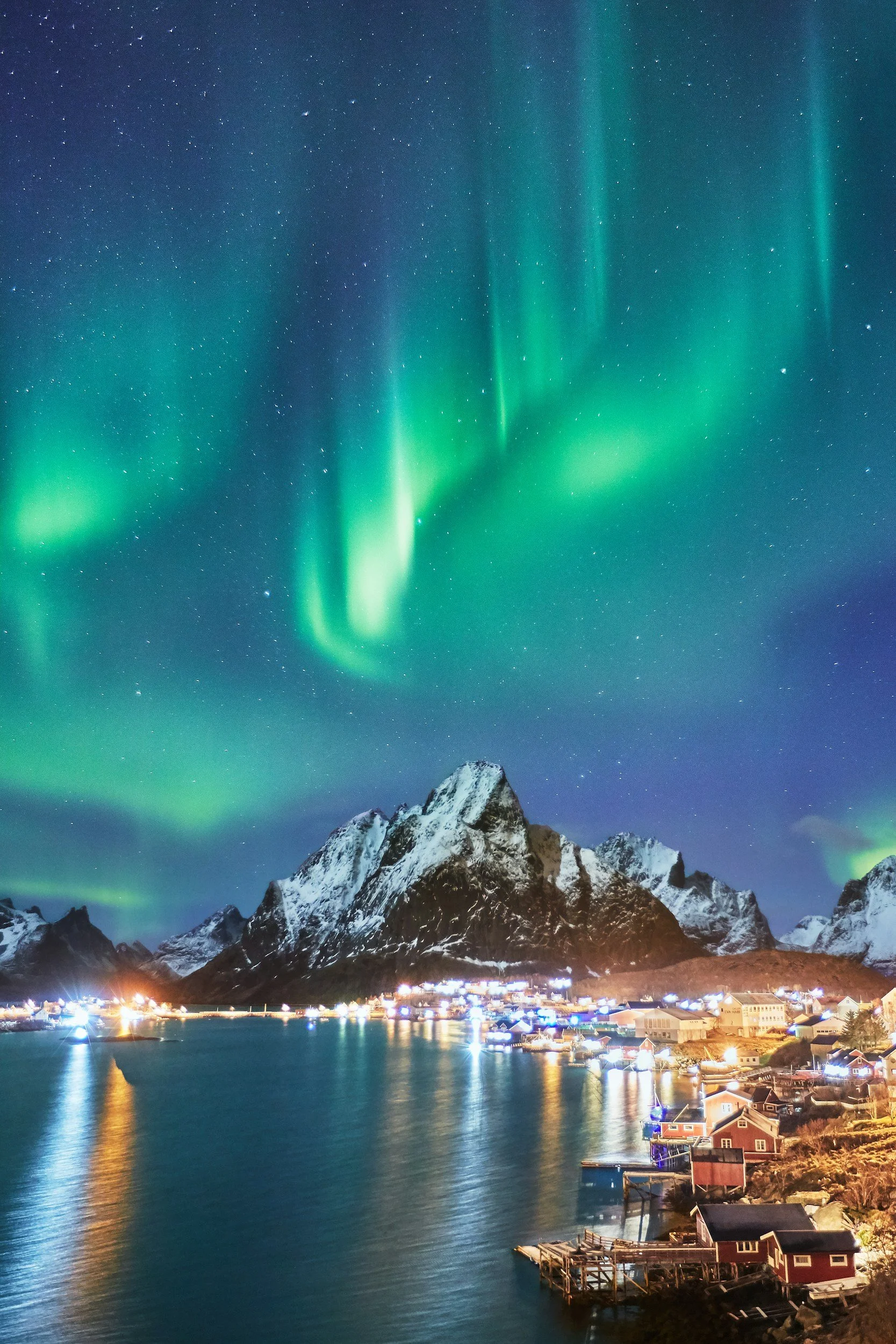
Lofoten Islands, Norway.
A Sleeper Train Journey Through Central or Eastern Europe
What makes it special
Sleeper trains turn travel into something quietly cinematic. You board in the evening, fall asleep to the rhythm of the tracks, and wake up somewhere new — often in a different country — without airports, queues, or early alarms. It’s a form of travel that feels both old-fashioned and unexpectedly modern.
What makes this experience special is the way it restores meaning to distance. Borders are crossed while you sleep, landscapes change unseen, and arrival feels gentle rather than jarring. Compartments become temporary homes, and the journey itself becomes part of the memory, not just a means to an end.
Why 2026 is a great year to do it
Sleeper trains are having a quiet revival across Europe, with renewed investment in night routes connecting major cities and regions. By 2026, more travellers are actively choosing trains over flights for both environmental and experiential reasons — making now a great time to plan a journey built around rail rather than squeezed between destinations.
It’s also an ideal experience for travellers who want to slow down without sacrificing distance or variety.
Key practical information
Popular routes: Connections linking cities in Austria, Germany, Hungary, Romania, and beyond
Accommodation onboard: Seats, couchettes, and private sleepers available
Typical costs: From around €40–€120 (£34–£100 / $44–$130) depending on comfort level and route
Booking: Advance reservations recommended, especially for private compartments
What to expect: Compact spaces, shared facilities, and early-morning arrivals
How to experience it well
Choose one or two meaningful night journeys rather than trying to chain too many together. Private or two-berth sleepers offer the best balance of comfort and experience, especially if you’re travelling as a couple or solo.
Pack light, bring earplugs, and embrace the slightly imperfect nature of night trains — the gentle swaying, station stops in the dark, and early light creeping in through the window. This experience suits reflective travellers, slow travellers, and anyone drawn to the romance of getting there rather than rushing ahead.
World Locals tip
Treat your sleeper train as accommodation, not transport. A good night on the rails can replace a hotel stay and free up an extra day — both practically and emotionally — when you arrive.
Ramadan Evenings in the Middle East
What makes it special
Ramadan transforms cities in ways that most travellers never see. Days are quieter, slower, and more introspective — but as the sun sets, streets come alive. Markets reopen, cafés fill, families gather, and food becomes the centre of social life. The atmosphere is warm, communal, and deeply rooted in tradition.
What makes Ramadan evenings special isn’t spectacle, but rhythm. The call to prayer at sunset, the breaking of the fast (iftar), and the steady hum of night-time life create a sense of shared pause and renewal. It’s an experience that offers insight into daily life, faith, and hospitality in a way no museum or landmark ever could.
Why 2026 is a great year to go
Ramadan follows the lunar calendar, shifting earlier each year. In 2026, it’s expected to fall largely in February and March, meaning cooler temperatures across much of the Middle East — ideal for evening exploration, walking, and lingering outdoors after dark.
Planning ahead allows travellers to approach Ramadan thoughtfully, choosing destinations and accommodation that embrace the evening atmosphere rather than retreating from it.
Key practical information
Typical timing: One lunar month, expected February–March 2026 (exact dates depend on moon sightings)
Daily rhythm: Many restaurants close during daylight hours but reopen after sunset
Evenings: Streets, markets, and cafés stay lively late into the night
Dress and behaviour: Modest clothing and respectful conduct are especially important
Alcohol: Limited or unavailable in some destinations during Ramadan
How to experience it well
Base yourself in neighbourhoods rather than business districts, where evening life feels most authentic. Time your days for rest, museums, or quieter activities, then head out just before sunset to experience the shift as the city comes alive.
This experience suits culturally curious travellers, slow travellers, photographers, and anyone interested in understanding how faith and daily life intersect. It’s not about constant activity, but about observing, listening, and participating respectfully.
World Locals tip
Ask locals where they go for iftar. Whether it’s a simple street stall or a family-run restaurant, sharing that moment — even as an observer — is one of the most meaningful ways to experience Ramadan.
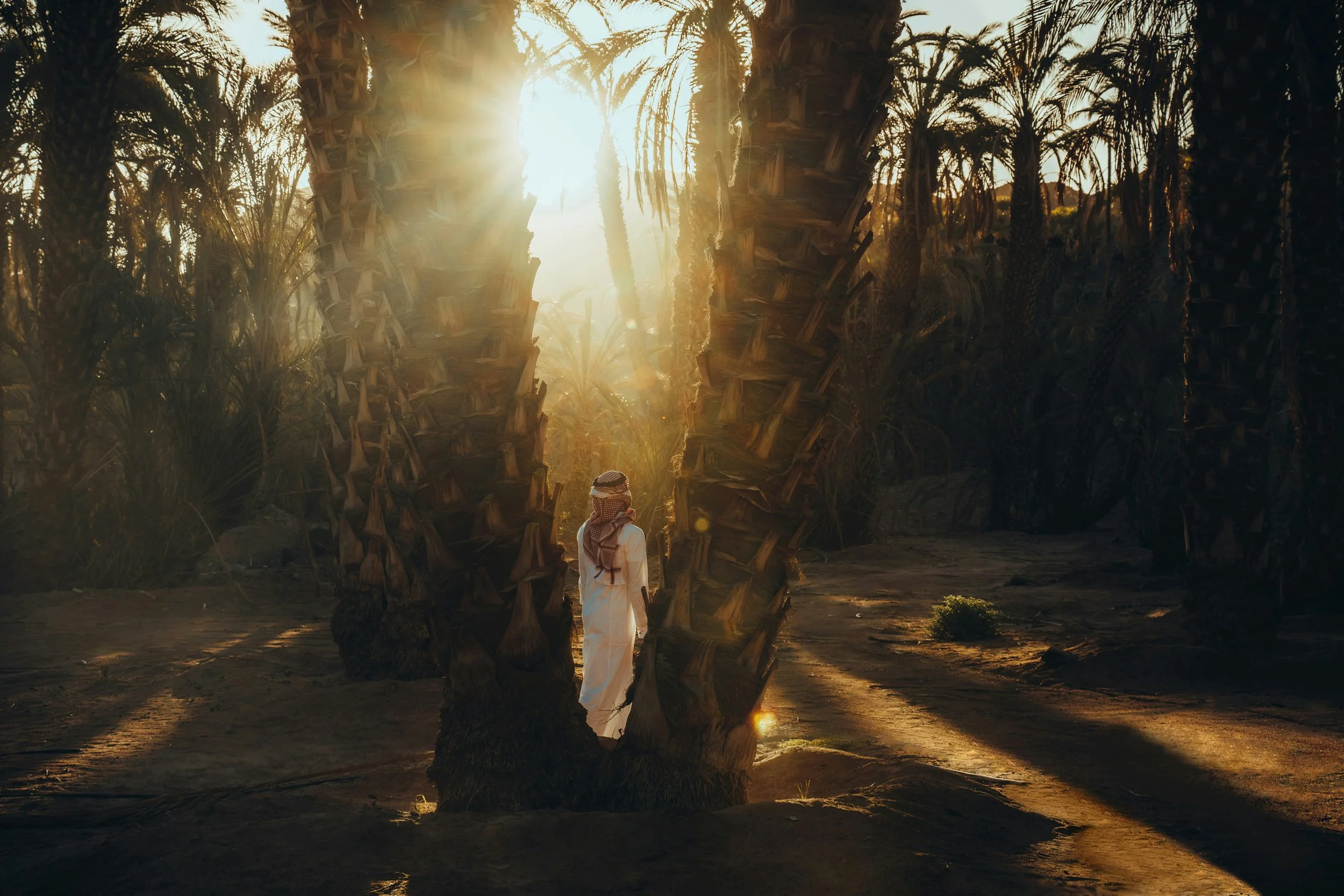
Wadi Sharma, Saudi Arabia.
Slow Island-Hopping in Southeast Asia
What makes it special
Island-hopping in Southeast Asia has long been popular, but experienced slowly it becomes something else entirely. Fewer transfers, longer stays, and a focus on everyday island life — morning swims, local food stalls, sunset ferries, and unplanned rest days — shift the experience from box-ticking to belonging.
What makes this special isn’t how many islands you see, but how deeply you settle into each one. Time stretches. Days blur. Travel becomes rhythmic rather than rushed, shaped by tides, weather, and local routines.
Why 2026 is a great year to do it
Southeast Asia continues to reward travellers who move more deliberately. With improved ferry connections in some regions and a growing appetite for longer stays, 2026 is an ideal year to plan an island trip that prioritises depth over distance.
It’s also a flexible experience to plan ahead for: you can commit to a region and season, then shape the details closer to departure based on conditions, interests, and mood.
Key practical information
Best time to go: Varies by coast — generally November–April for much of the region
Ideal pace: 2–3 islands over 2–4 weeks
Getting around: Ferries and local boats; weather can affect schedules
Costs: Daily expenses remain relatively low, especially outside peak holiday periods
Connectivity: Wi-Fi can be patchy on smaller islands — often a bonus
How to experience it well
Choose a single island group rather than hopping between countries. Stay long enough to learn where to eat, when boats arrive, and which beaches empty out in the late afternoon. Build in rest days with no plans at all.
This experience suits slow travellers, remote workers, couples, solo travellers, and anyone craving warmth, simplicity, and a gentler pace of life.
World Locals tip
Let ferries dictate your rhythm. If the boat doesn’t run today, it’s not a problem — it’s part of the experience. Some of the best island days happen when plans quietly fall away.
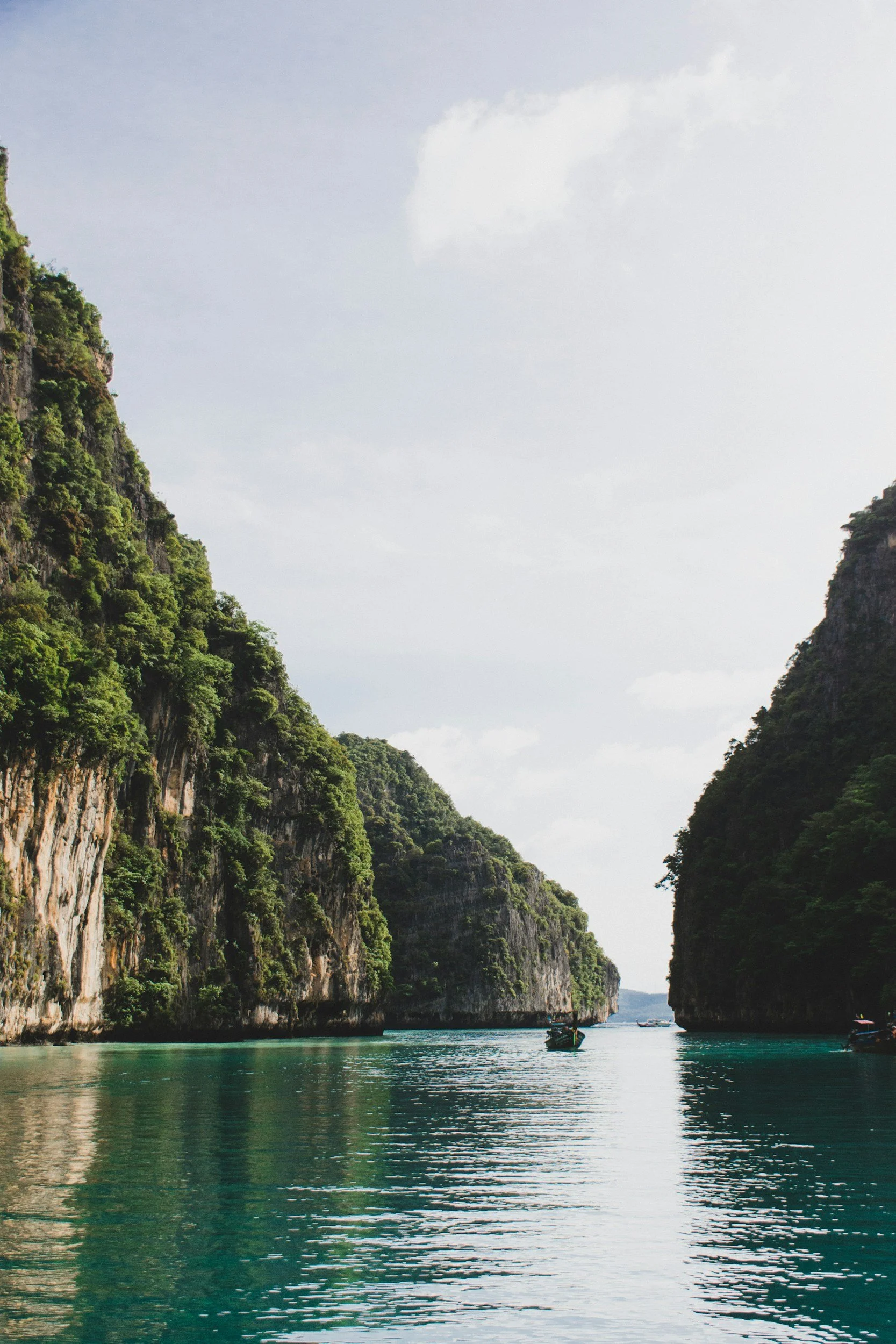
Koh Phi Phi, Thailand.
A Hut-to-Hut Hike in the Alps
What makes it special
Hut-to-hut hiking strips travel back to its essentials: walking, eating, sleeping, and repeating the next day in a new landscape. Each morning begins with a packed bag and a clear path ahead; each afternoon ends with a warm meal, shared tables, and the quiet satisfaction of distance covered on foot.
What makes this experience special is its simplicity. You move through alpine valleys, high passes, and remote mountain scenery without the need to carry heavy gear or camp. Days are shaped by weather, terrain, and daylight, and conversations with fellow hikers feel natural and unforced.
Why 2026 is a great year to do it
Hut-to-hut routes across the Alps are exceptionally well established, making them ideal for travellers seeking an active experience without extreme technical demands. With growing interest in slow, low-impact travel, these routes offer a way to stay present, move deliberately, and disconnect from constant noise.
Planning for 2026 allows you to secure popular huts early and choose routes that balance challenge with comfort — particularly important during peak summer months.
Key practical information
Best season: Late June to September (depending on snow conditions)
Typical duration: 4–7 days for a classic route
Accommodation: Mountain huts with dormitories and meals included
Costs: From around €40–€70 (£34–£60 / $44–$77) per night including dinner and breakfast
Fitness level: Moderate — daily ascents and descents, but no technical climbing required
How to experience it well
Choose a route that matches your fitness rather than ambition. Well-marked trails across Austria, Switzerland, Italy, and France offer plenty of options with reliable infrastructure. Pack light, start early, and leave space for weather days.
This experience suits active travellers, solo hikers, couples, and anyone craving mental clarity through movement. Phones lose their pull quickly when the day’s priority is simply reaching the next hut before sunset.
World Locals tip
Evenings in huts are half the experience. Eat what’s served, share the table, and don’t rush off to bed — stories, maps, and recommendations are often traded long after the boots come off.
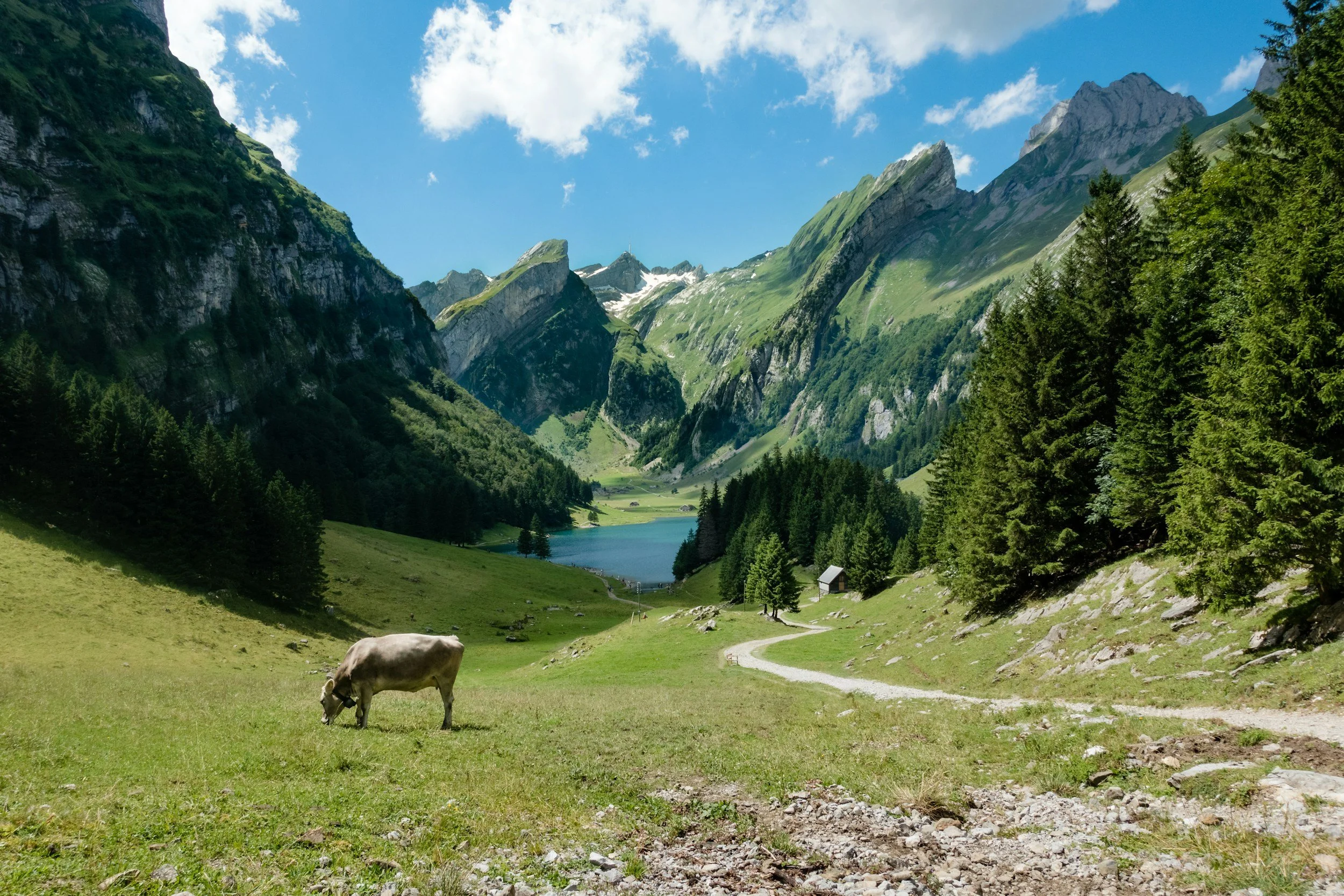
Seealpsee, Switzerland.
A Creative City Moment (Design Weeks and Art Biennales)
What makes it special
Certain moments transform cities completely. For a few weeks, streets, studios, warehouses, and public spaces open up, ideas spill out into the open, and the usual rhythm of urban life shifts. Design weeks and art biennales invite you to see a city not just as it is, but as it imagines itself to be.
What makes these experiences special isn’t just the exhibitions — it’s the atmosphere. Cafés buzz with conversation, temporary installations appear in unexpected places, and the city feels unusually open and outward-looking. Even if you’re not a designer or artist, the sense of creative momentum is infectious.
Why 2026 is a great year to go
Creative events are increasingly shaping travel calendars, and planning for 2026 allows you to build a trip around one of these short, high-impact moments. Many major design weeks and biennales are returning to full, city-wide programming, with more emphasis on public access rather than closed industry events.
They also offer a compelling alternative to peak-season sightseeing — letting you experience familiar cities through a completely different lens.
Key practical information
Typical timing: Spring and autumn for most design weeks and biennales
Access: Many exhibitions and installations are free or low-cost
Accommodation: Books up early during major events
Crowds: Busy but dispersed — events spread across neighbourhoods
Who it suits: Curious travellers, creatives, culture lovers
How to experience it well
Don’t try to see everything. Choose a handful of exhibitions or districts, then let the rest unfold organically. Walk between venues, sit in cafés near galleries, and pay attention to how the city feels rather than rushing between highlights.
This experience works beautifully for short trips — 3–5 days is often enough — and pairs well with neighbourhood wandering, food culture, and everyday city life.
World Locals tip
Follow the smaller off-site events. Pop-up exhibitions, open studios, and informal talks often capture the spirit of the moment better than the headline venues.
A City Transformed by a Major Cultural or Sporting Event
What makes it special
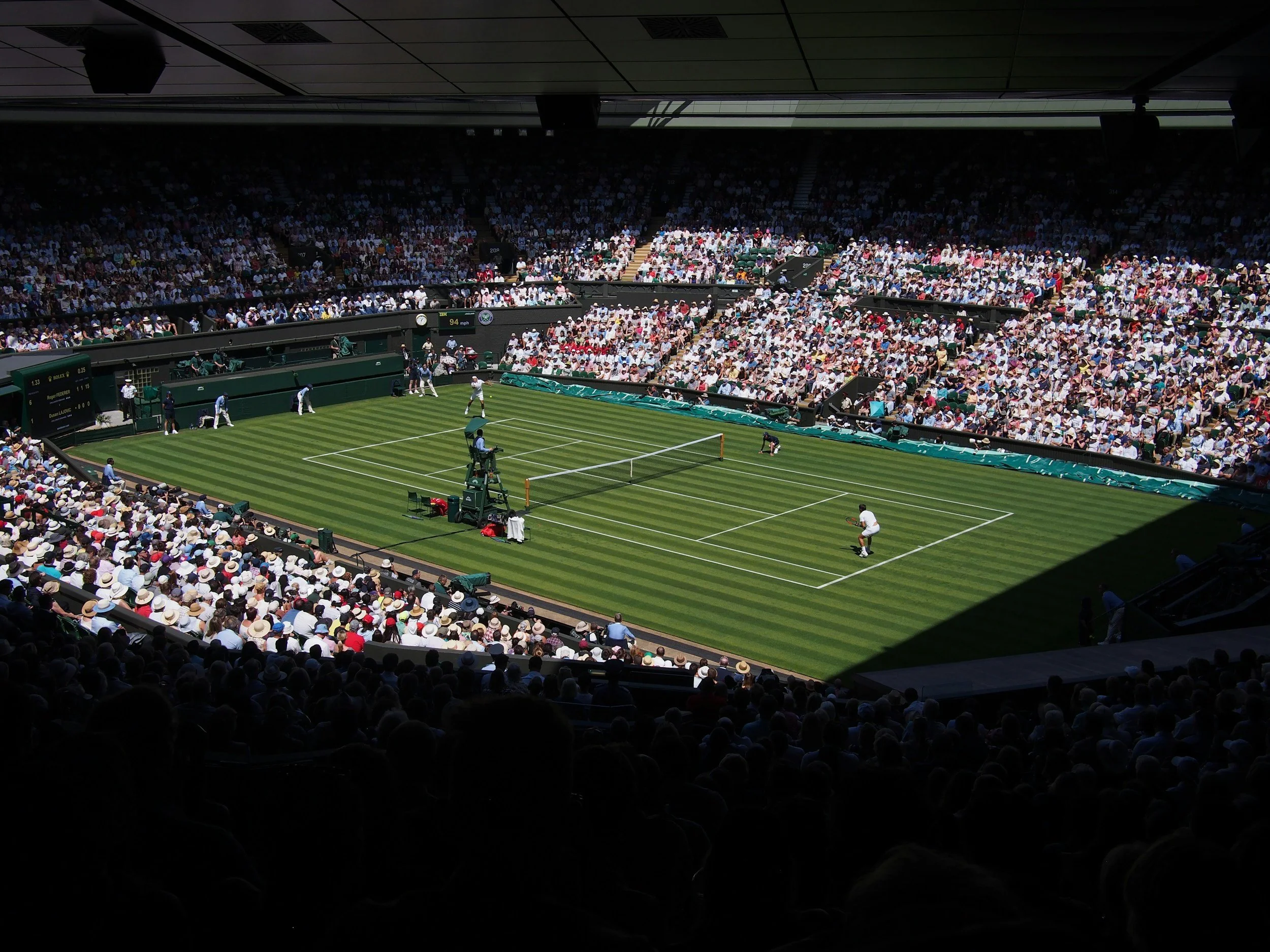
There’s something powerful about being in a city when everything revolves around one shared moment. Streets fill earlier. Conversations revolve around the same anticipation. Locals and visitors experience the city not as spectators, but as part of a collective pulse.
Major cultural and sporting events don’t just happen in cities — they temporarily redefine them. Public spaces become gathering points, routines bend, and everyday places take on new meaning. Whether you care deeply about the event itself or not, the atmosphere is unmistakable.
Why 2026 is a great year to do it
Global events calendars are returning to full scale, and 2026 brings a packed lineup of tournaments, championships, festivals, and city-wide celebrations. Planning ahead allows you to choose events that genuinely resonate with you — rather than chasing hype at the last minute.
More importantly, it gives you the chance to experience cities at their most emotionally open. Pride, tension, joy, disappointment — it all plays out in real time, and being there places you inside the story rather than watching from afar.
Key practical information
Timing: Fixed dates — planning early is essential
Accommodation: Often sells out months in advance
Costs: Higher than average during event periods
Tickets: Not always necessary to feel part of it — fan zones, public screenings, and street celebrations often carry the real atmosphere
Crowds: Intense but communal
How to experience it well
Base yourself in neighbourhoods rather than near stadiums or venues, where you’ll experience how the event filters into daily life. Spend time in public spaces — squares, bars, parks — where emotions are shared openly.
This experience suits travellers who enjoy energy, people-watching, and being swept up in something bigger than themselves. Even a short trip can feel deeply memorable when anchored to a shared moment.
World Locals tip
You don’t need a ticket to belong. Some of the most powerful moments happen outside the venue — when strangers celebrate together, commiserate together, and remember where they were when it all unfolded.
“Travel in 2026 doesn’t need to be louder, faster, or more crowded. It needs to be more intentional. The experiences in this list aren’t about squeezing more in — they’re about choosing moments worth shaping your year around, then letting everything else flow from there.
A festival that transforms a city. A journey that slows your sense of time. A season that exists for only a few weeks. These are the kinds of trips that ask for commitment, patience, and curiosity — and reward you with memories that stay long after the details fade.
You don’t need to plan all twelve. You just need one. One experience that anchors your calendar, nudges you to book ahead, and gives structure to your travel year. Build the rest of your journey around that, and travel stops feeling like something you squeeze in between life — it becomes part of how you live it.
2026 is an open page. Choose the moments you want to remember.”