To understand Marrakesh, you have to eat your way through it. Food here isn’t rushed or performative — it’s woven into daily life, shaped by routine, seasonality, and ritual. Meals are shared slowly, flavours are layered patiently, and hospitality is offered without expectation.
You’ll notice it immediately. Smoke curling from street grills at dusk. The clink of glasses as mint tea is poured from height. Bread carried home under arms, still warm from the oven. Eating in Marrakesh isn’t about chasing reservations — it’s about timing, place, and letting the city lead.
This guide explores Marrakesh through its food scene, from everyday street eats and traditional home-style cooking to rooftop dinners and modern cafés. It’s designed to help you understand what to eat, where to eat it, and why it matters, wherever you find yourself in the city.
Marrakesh’s Food Culture and Traditions
Food in Marrakesh is deeply rooted in tradition, family, and rhythm. Recipes are passed down through generations, often learned by watching rather than measuring, and meals are shaped by the time of day, religious practices, and the seasons.
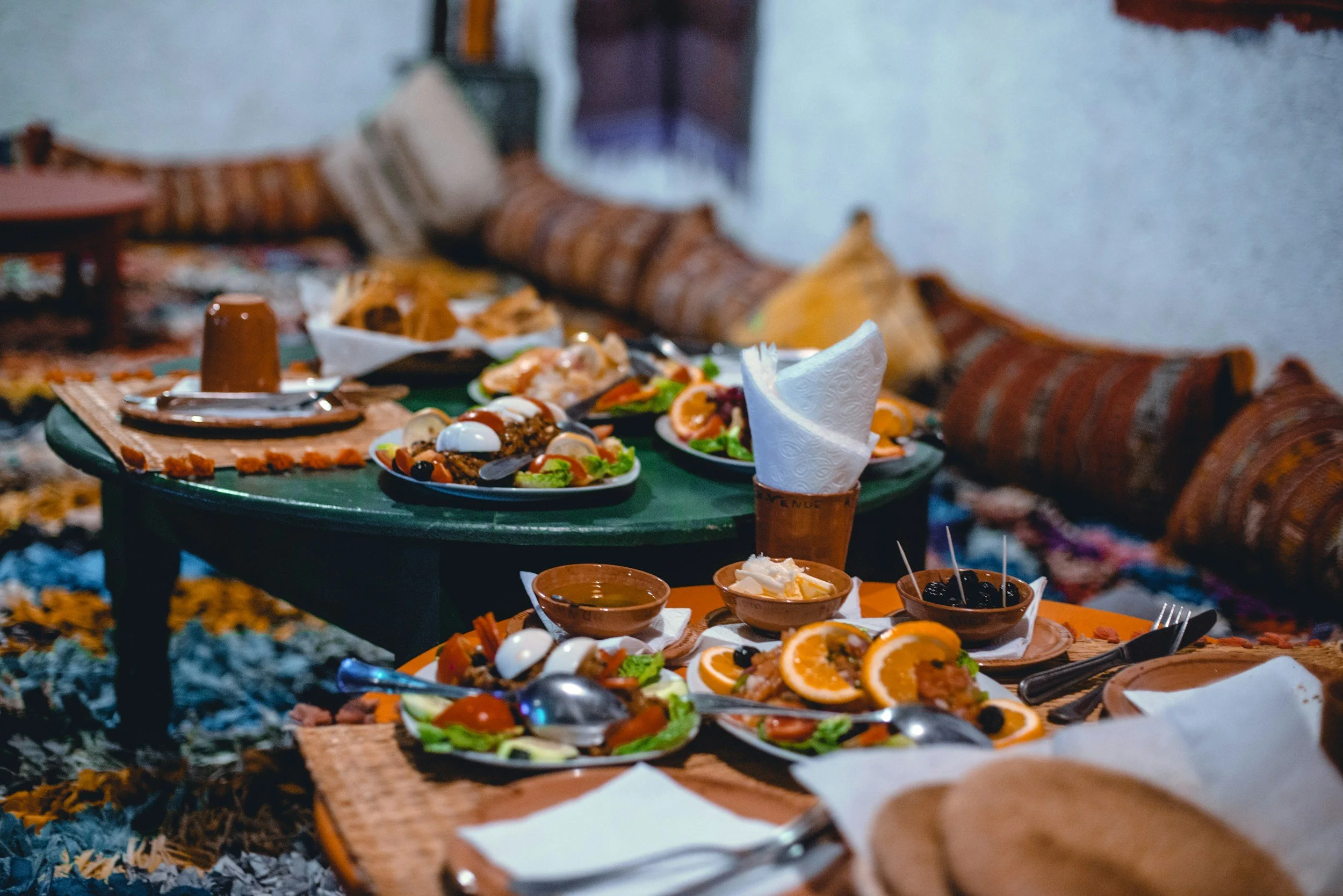
At home, cooking is slow and deliberate. Tagines simmer for hours, bread is baked daily, and dishes are designed to be shared. Eating is rarely a solo act — meals are communal, eaten from a shared plate, with bread used to scoop and savour every bite.
The Rhythm of Meals
Meals in Marrakesh follow a clear daily rhythm. Breakfast is usually light — bread, olive oil, honey, or msemen — while lunch is often the main meal of the day, especially on Fridays when couscous traditionally takes centre stage. Dinner is later, unhurried, and social, particularly in the warmer months.
Street food plays a bigger role in the evenings, when locals gather after work and the heat fades. This is when the city’s food scene feels most alive.
Spices, Flavours, and Balance
Moroccan cuisine isn’t about heat — it’s about balance. Spices such as cumin, cinnamon, ginger, saffron, and paprika are used to build depth rather than overpower. Sweet and savoury flavours often sit side by side, creating dishes that feel rich but never heavy.
You’ll also notice a strong emphasis on freshness. Vegetables, herbs, and fruit are bought daily, and simplicity is often what makes a dish memorable.
Tea, Hospitality, and Ritual
Mint tea is more than a drink in Marrakesh — it’s a gesture of welcome. Offered in homes, shops, and restaurants, it marks pauses in the day and moments of connection. Declining isn’t rude, but accepting is a small way to engage with local customs.
Food here is rarely transactional. It’s an invitation — to sit, to share, and to slow down.
Street Food and Everyday Eats
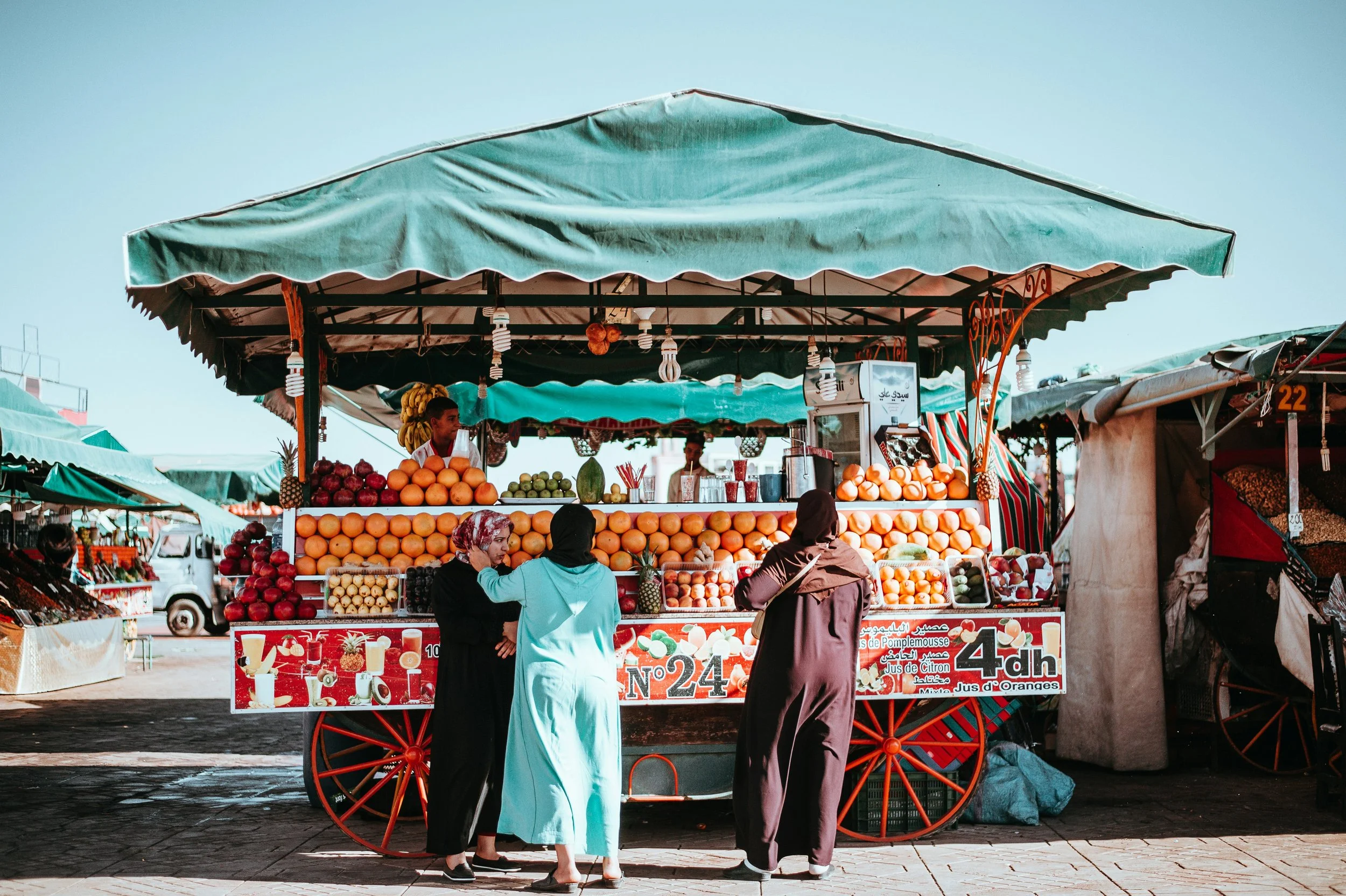
Street food in Marrakesh isn’t a novelty or a late-night gimmick — it’s part of everyday life. Locals eat out casually and often, grabbing quick bites between errands, after work, or late into the evening once the heat fades. For travellers, this is one of the most immediate and rewarding ways to understand the city’s food culture.
Rather than food trucks or pop-ups, street food here takes the form of grills, carts, bakeries, and small counter-style eateries, many of which have been serving the same dishes for decades.
What to Expect from Street Food in Marrakesh
Street food in Marrakesh is simple, fast, and rooted in routine. Menus are short, dishes are repeated daily, and specialisation is key — one stall might only serve grilled kefta, another just soup or bread.
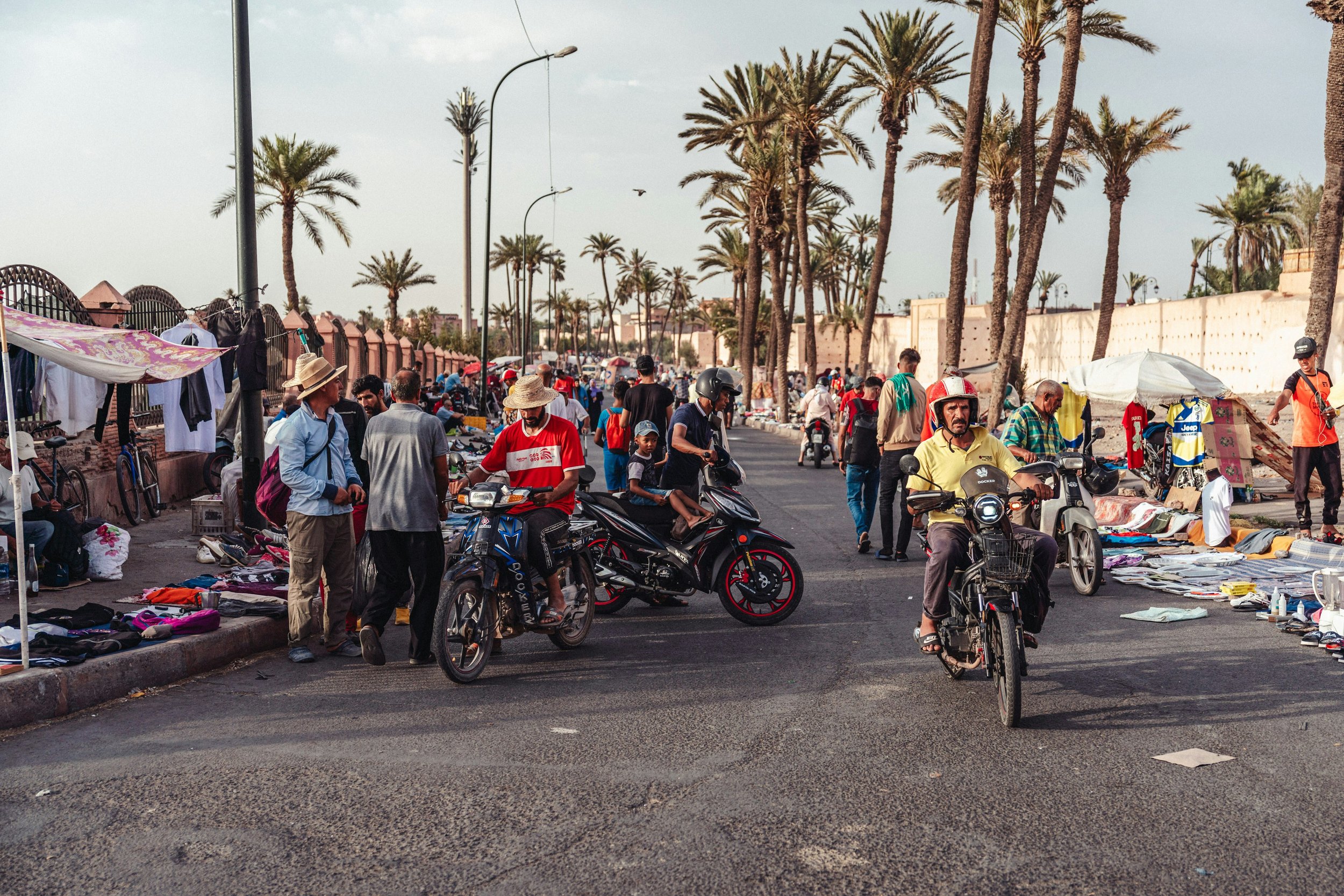
Most action happens in the late afternoon and evening, particularly as locals head out after work and families gather in public spaces. Seating is often basic or shared, and eating with your hands (using bread) is completely normal.
A good rule of thumb: busy stalls filled with locals are usually your safest and tastiest bet.
Must-Try Street Foods
Marrakesh’s street food is deeply traditional, with flavours that feel comforting rather than showy.
Grilled kefta — spiced minced meat cooked over open flames — is one of the most common sights, often served with bread and a simple tomato salad. You’ll also come across skewers of lamb or chicken, cooked to order and eaten straight from the grill.
Msemen, a flaky, pan-fried flatbread, appears throughout the day. It’s eaten plain, with honey, or stuffed with savoury fillings, and is especially popular in the mornings and late afternoons.
One of the city’s most distinctive street foods is snail soup, slow-simmered with herbs and spices. It’s traditionally eaten in the evenings and believed locally to have restorative qualities — whether or not you buy into that, it’s a uniquely Marrakesh experience.
Fresh soups, particularly harira, also play a big role. Nourishing and gently spiced, they’re often eaten at dusk and during cooler months.
Bakeries, Bread, and Everyday Staples
Bread is central to daily life in Marrakesh. Communal bakeries are scattered throughout neighbourhoods, with locals bringing dough to be baked fresh each day. Even if you don’t see the process, you’ll taste the result — warm, round loaves served with almost every meal.
Small bakeries also sell simple pastries and biscuits, often bought in bulk and shared at home with tea.
Street Food Etiquette and Tips
Eating on the street in Marrakesh is informal but respectful. Locals tend to eat standing or perched nearby, conversations are brief, and meals are quick. Prices are usually low and fixed, though it never hurts to check before ordering.
If you’re unsure what to try, watch what others are eating and follow suit. A smile and a little patience go a long way.
World Locals Tip
The best time to explore Marrakesh’s street food scene is just before and after sunset. The light softens, grills fire up, and the city’s energy shifts — this is when food, atmosphere, and everyday life come together most naturally.
The Best Food in the Medina
Eating in the Medina is about atmosphere as much as flavour. Meals unfold behind heavy wooden doors, inside tiled courtyards cooled by fountains, or high above the streets on rooftops, where the chaos below softens into background noise. This is where traditional Moroccan cooking takes centre stage, served slowly and with intention.
While street food gives you immediacy, dining in the Medina offers context — a chance to sit, linger, and understand how dishes are meant to be enjoyed.
Traditional Moroccan Restaurants
Many of the Medina’s best meals are served in riads and family-run restaurants, where recipes follow time-honoured techniques rather than trends. Cooking here is patient and generous: tagines arrive bubbling, meats fall apart at the touch, and spices are layered carefully rather than aggressively.
Expect classic dishes such as lamb or chicken tagine with preserved lemon and olives, slow-cooked beef with prunes and almonds, and vegetable tagines built around what’s fresh that day. Portions are designed for sharing, reinforcing the communal nature of Moroccan dining.
Le Jardin is a perfect example of this slower rhythm. Hidden behind the souks, its lush courtyard feels like a private garden retreat, making it ideal for a long lunch or early evening meal when the Medina is at its busiest outside. The menu stays close to Moroccan tradition, executed with consistency and calm.
For a more immersive, ceremonial experience, Dar Yacout offers Moroccan dining at its most theatrical. Meals unfold across multiple courses in richly decorated rooms, with attentive service and a strong sense of occasion. This is less about choosing from a menu and more about surrendering to the experience — best saved for a special evening.
Meals in these settings are never rushed. Waiting is expected, conversation stretches, and the experience is as much about the space as the food itself.
Rooftop Dining Experiences
Rooftops play a special role in Medina dining. Above the narrow alleyways, the city opens up — minarets stretch into the distance, and the soundscape shifts from noise to a steady hum.
Rooftop restaurants are especially popular at sunset, when the heat eases and the Medina glows in warm light. While menus often remain rooted in traditional Moroccan flavours, the elevated setting transforms the meal into something distinctly atmospheric.
Nomad pairs modern Moroccan cooking with one of the best rooftop viewpoints in the Medina. Dishes feel lighter and more contemporary, making it a good choice if you want traditional flavours without the heaviness of a full tagine feast. It works particularly well for late lunches or sunset dinners.
Café des Épices overlooks one of the Medina’s most recognisable squares and feels more casual and flexible. It’s a reliable stop for lunch, mint tea, or an early evening pause before dinner elsewhere. While the food is straightforward, the setting is what draws people back.
Eating Around Jemaa el-Fnaa
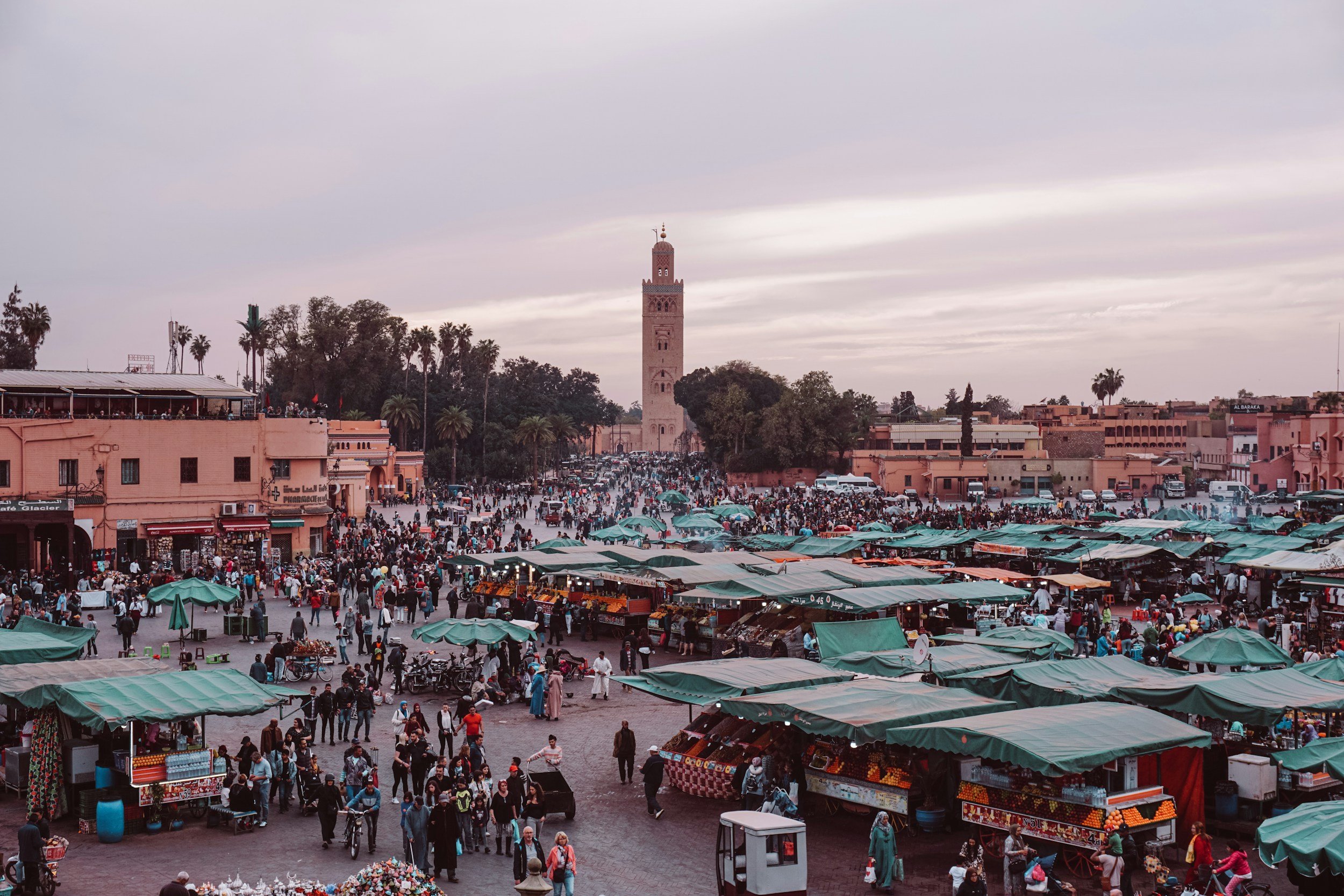
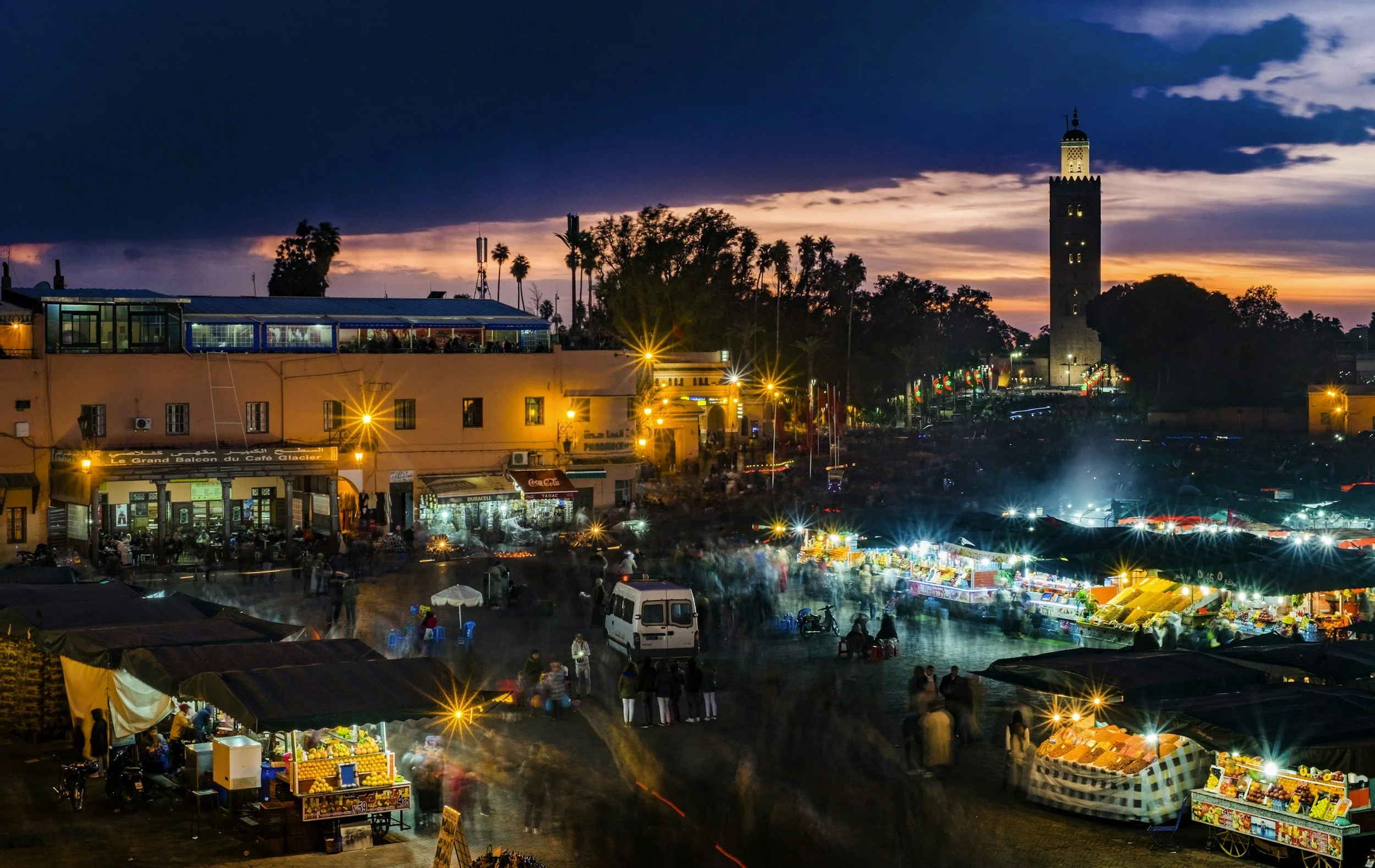
After dark, Jemaa el-Fnaa transforms into one of Marrakesh’s most iconic food scenes. Dozens of stalls appear, each specialising in a small handful of dishes, filling the square with smoke, sound, and movement.
Stalls serve grilled meats, fried fish, soups, and local specialities, with communal seating and rapid turnover. The experience can feel intense, but it’s deeply woven into the city’s identity — this isn’t just a place to eat, it’s a nightly ritual.
Quality varies from stall to stall. Busy stalls filled with locals are usually the safest bet, while quieter ones can be skipped without hesitation.
Where the Medina Shines
What makes the Medina special isn’t polished service or curated menus — it’s sense of place. Meals are shaped by tradition, environment, and rhythm. You eat by candlelight, hear the city breathe around you, and leave feeling like you’ve participated in something rather than simply consumed it.
World Locals Tip
For your first Medina dinner, choose a traditional restaurant or riad before heading to Jemaa el-Fnaa. It’s a gentler introduction to Moroccan flavours and helps you appreciate the square for what it is — atmosphere first, food second.
Modern Dining in Gueliz
If the Medina is rooted in tradition, Gueliz is where Marrakesh’s food scene feels lighter, more contemporary, and easier paced. Wide boulevards replace alleyways, cafés spill onto pavements, and meals are less about ritual and more about everyday enjoyment.
This is where many locals eat regularly — not for spectacle, but for consistency, comfort, and variety.
Contemporary Moroccan Restaurants
Gueliz is one of the best areas in the city to experience Moroccan food cooked to a consistently high standard without the formality of riad dining. Kitchens here often stick closely to traditional flavours, but execution is polished and reliable.
Al Fassia Gueliz is widely regarded as one of the city’s most trusted restaurants, particularly for classic Moroccan dishes cooked with confidence and restraint. Female-run and long established, it’s the kind of place locals recommend when you ask where they would eat. Expect beautifully prepared tagines, tender meats, and balanced spice — traditional food without theatrics.
For something more relaxed, Pointbar works well as an everyday neighbourhood restaurant. The menu blends Moroccan and international dishes, making it a flexible choice if you’re dining with mixed appetites or easing off heavier meals after time in the Medina.
Cafés and Brunch Spots
Gueliz is the heart of Marrakesh’s café culture. Mornings are slower here, with locals lingering over coffee, laptops open, and tables rarely rushed.
Café 16 is a solid choice for good coffee and light meals, attracting a local crowd throughout the day. It’s ideal for breakfast, a mid-morning pause, or a casual lunch between exploring the neighbourhood.
For longer, unhurried mornings, Plus61 has become a go-to for brunch-style plates and familiar café dishes. It’s especially popular with travellers looking for a reset — somewhere to sit, refuel, and plan the day ahead.
International and Lighter Dining
Beyond Moroccan cuisine, Gueliz offers some of the city’s best variety. Restaurants serve Mediterranean, Middle Eastern, and international menus, often leaning lighter and more vegetable-forward than traditional tagine-heavy meals.
This makes the neighbourhood a good option if you’re craving balance — grilled dishes, salads, and smaller plates that contrast nicely with the richness of Medina dining.
Evening Dining and Drinks
Evenings in Gueliz feel relaxed rather than dramatic. Restaurants fill gradually, conversations linger, and meals stretch without ceremony. Alcohol is more readily available here than in the Medina, particularly in licensed restaurants and hotel-adjacent venues, making dinner feel social but understated.
It’s a neighbourhood built for easy nights rather than big occasions.
World Locals Tip
After a few days of traditional Moroccan meals, Gueliz is the perfect food reset. Come here for lighter dishes, good coffee, and a slower pace — without losing touch with the city’s local rhythm.
Food and Drink in Hivernage
Hivernage is Marrakesh at its most polished. Wide, palm-lined streets replace the density of the old city, and dining here is less about discovery and more about comfort, atmosphere, and indulgence. This neighbourhood is home to many of the city’s luxury hotels, and its food scene reflects that — refined settings, attentive service, and evenings designed to unfold slowly.
Hivernage works particularly well when you’re in the mood to dress up slightly, sit back, and let the experience come to you.
Upscale Restaurants
Dining in Hivernage tends to be hotel-led, with kitchens catering to both international guests and locals celebrating special occasions. Menus often blend Moroccan classics with Mediterranean or European influences, prioritising quality ingredients and polished presentation.
La Table du Marché is a strong example of this refined approach. Calm and elegant, it’s well suited to long, unhurried dinners where the focus is on conversation and consistency rather than spectacle. It’s a reliable choice when you want something composed and familiar after the intensity of the Medina.
For a livelier evening, Comptoir Darna leans into drama. Moroccan and international dishes are paired with live music and performance, creating an experience that feels distinctly “Marrakesh by night”. This is a place to settle in for the evening rather than rush through a meal.
Bars and Cocktail Lounges
Hivernage is one of the easiest neighbourhoods in Marrakesh to enjoy a drink. Hotel bars and lounges are designed for lingering, with comfortable seating, mood lighting, and a relaxed but social atmosphere.
The Lotus Club combines dining, cocktails, and late-night energy in one space, making it a popular choice for evenings that start with food and drift naturally into drinks. Elsewhere in the neighbourhood, hotel rooftop bars are particularly popular around sunset, offering a calmer, more scenic way to ease into the night.
Evening Atmosphere
Evenings in Hivernage begin later and move slowly. Restaurants fill gradually, conversations stretch, and there’s little pressure to turn tables. Compared to the Medina, the pace feels controlled and predictable — ideal if you’re looking for a smoother, more composed night out.
This is not the neighbourhood for spontaneity or surprises, but it excels when it comes to ease and reliability.
World Locals Tip
If you’re planning one standout evening in Marrakesh — a final night, a celebration, or simply a change of pace — Hivernage is the place to do it. Pair a relaxed dinner with drinks nearby and let the night unfold without rushing.
Traditional Sweets and Desserts
Marrakesh has a quietly indulgent sweet culture, one that’s less about elaborate desserts and more about small, rich bites shared slowly, usually alongside mint tea. Sweets here are deeply tied to hospitality, celebration, and everyday ritual, and they’re often enjoyed in moderation rather than as a grand finale.
You’ll notice that desserts aren’t always listed on menus — instead, they appear in bakeries, markets, and on trays passed around at the end of a meal.
Moroccan Pastries and Bakeries
Traditional Moroccan pastries are typically almond-based, flavoured with orange blossom water, cinnamon, and honey. They’re dense, fragrant, and intensely satisfying, designed to be eaten one or two at a time rather than in large portions.
Common varieties include crescent-shaped cookies, layered pastries soaked in honey, and small bite-sized sweets coated in sesame seeds or crushed nuts. Bakeries often sell them by weight, packed into boxes and shared with family or guests.
The best places to try them are simple neighbourhood bakeries rather than restaurants — look for counters filled with trays of assorted pastries and locals stopping in throughout the day.
Mint Tea Culture
No discussion of sweets in Marrakesh is complete without mint tea. Served sweet and poured from height, it’s offered as a sign of welcome, a pause between activities, or a way to end a meal.
Tea is drunk throughout the day, but it pairs particularly well with pastries in the afternoon or evening. Accepting a glass is often less about thirst and more about connection — a moment to sit, talk, and slow down.
Unlike coffee culture in places like Gueliz, tea culture in Marrakesh is deeply traditional and symbolic.
When and How Sweets Are Enjoyed
Desserts in Marrakesh aren’t always eaten immediately after a meal. They’re just as likely to appear later in the evening, shared casually with tea, or brought out for guests rather than ordered individually.
This slower, less structured approach reflects the city’s wider relationship with food — one that values rhythm and ritual over rigid courses.
World Locals Tip
If you’re unsure what to choose in a bakery, ask for a mixed selection and try a little of everything. Pair it with mint tea, take your time, and you’ll experience Marrakesh’s sweet side exactly as locals do.
Food Experiences Worth Trying
Beyond restaurants and street stalls, Marrakesh offers food experiences that invite you behind the scenes. These experiences aren’t about ticking boxes — they’re about understanding where flavours come from, how dishes are prepared, and why food holds such an important place in daily life.
For travellers who enjoy learning through doing, these moments often become some of the most memorable parts of a trip.
Cooking Classes and Home-Style Kitchens
Cooking classes in Marrakesh usually begin at the source — local markets. You’ll learn how to identify fresh produce, spices, and cuts of meat before heading into a kitchen to prepare classic dishes such as tagine or salads.
What makes these experiences special is their focus on technique rather than recipes. Measurements are loose, tasting is constant, and the emphasis is on intuition. Many classes take place in riads or family homes, offering insight into how meals are prepared and shared in a domestic setting.
It’s a slower, more immersive way to engage with Moroccan cuisine — and one that gives you skills you’ll actually use again.
Market Tours and Food Walks
Guided food tours through markets and neighbourhoods provide valuable context, especially for first-time visitors. A good guide helps you understand what you’re seeing — why certain stalls cluster together, how prices work, and what locals buy versus what’s aimed at visitors.
These tours often include tastings of street food, bread, pastries, and local drinks, helping you sample widely without feeling overwhelmed. They’re also a great way to build confidence navigating food spaces independently later in your trip.
Hammam and Meal Combinations
In Marrakesh, food and wellness are closely linked. Many travellers pair a traditional hammam experience with a relaxed meal afterwards, often in a riad or spa setting. The contrast — physical cleansing followed by slow nourishment — feels deeply restorative.
These combinations work especially well on rest days, offering a reset before returning to the city’s energy.
World Locals Tip
Choose experiences that prioritise small groups and local hosts. You’ll learn more, feel less rushed, and walk away with a deeper understanding of how food fits into everyday life in Marrakesh.
Kasbah and Mellah: Eating Like a Local
Just south of the main souks, the Kasbah and Mellah offer a quieter, more everyday side of Marrakesh’s food scene. This is where eating feels practical and rooted in routine rather than performance — meals shaped by habit, not spectacle.
Compared to the Medina, the pace here is slower and more residential. Streets are easier to navigate, menus are shorter, and food is designed to nourish rather than impress.
Local Restaurants and Neighbourhood Dining
Restaurants in the Kasbah and Mellah tend to be small, understated, and family-run. Menus focus on classic Moroccan dishes prepared simply and well, without the formality of riad dining or the polish of hotel restaurants.
La Table de La Kasbah is a good example of this approach — calm, traditional, and quietly confident. It’s well suited to lunch or an early dinner, particularly if you’ve been exploring nearby historic sites and want something satisfying without ceremony.
For something equally reliable but slightly more flexible, Zeitoun Café Kasbah offers a relaxed setting with familiar Moroccan dishes and an easy-going atmosphere. It works well as a pause in the day rather than a destination meal.
Markets, Bakeries, and Everyday Food
The Mellah is also home to one of the city’s most practical food markets. The Mellah market is where locals shop for olives, bread, fresh produce, and household staples — a reminder that food here is part of daily life rather than a curated experience.
Nearby bakeries sell traditional almond pastries and everyday bread, usually bought by the bagful and shared at home. These aren’t places you necessarily seek out by name — wandering and following local foot traffic is the best approach.
When This Area Works Best
The Kasbah and Mellah are particularly good for daytime eating. Lunch feels unhurried, prices are often better than in the Medina, and the atmosphere is noticeably calmer. It’s an ideal area to experience Marrakesh without the constant sensory pull of the souks.
World Locals Tip
Come here hungry at lunchtime. Eat simply, walk it off through the neighbourhood streets, and enjoy seeing Marrakesh operating at a more local, everyday rhythm.
Palmeraie: Resort-Led Dining
Set beyond the city’s dense streets, the Palmeraie offers a completely different relationship with food. Dining here is inward-facing and unhurried, shaped around resorts, villas, and retreat-style living rather than neighbourhood wandering.
This is not a place for spontaneous food discovery — it’s a place to slow down, stay put, and let meals become part of a wider rhythm of rest.
What Dining Looks Like in the Palmeraie
Most eating in the Palmeraie happens within hotels and resorts, where restaurants are designed to serve guests throughout the day. Menus typically blend Moroccan and international dishes, offering familiar flavours alongside classic local recipes.
Breakfasts are leisurely, lunches are often poolside or terrace-based, and dinners tend to be calm, low-key affairs. Food here is about comfort and consistency rather than surprise.
When the Palmeraie Works Best
The Palmeraie shines on rest days. After navigating the Medina’s intensity or spending long days exploring the city, eating here feels restorative. Meals are timed around spa appointments, swims, and quiet afternoons rather than sightseeing schedules.
It’s particularly well suited to couples, families, or travellers ending a Marrakesh trip with a few slower days.
What You Won’t Find Here
What the Palmeraie offers in calm, it lacks in variety. There are no clusters of cafés, street food stalls, or independent restaurants to explore on foot. Dining is intentional and contained — you choose where to eat once, then settle in.
For travellers keen to explore Marrakesh’s wider food culture, the Palmeraie works best as a contrast rather than a base.
World Locals Tip
Enjoy the dining where you’re staying, but don’t rely on the Palmeraie for food exploration. Pair a stay here with time in the Medina or Gueliz to experience both sides of Marrakesh — immersion first, then complete switch-off.
Practical Food and Drink Tips for Marrakesh
A little local knowledge goes a long way when eating in Marrakesh. Understanding timing, etiquette, and expectations will help you relax into the experience and enjoy it for what it is.
When to Eat
Meals in Marrakesh follow a later rhythm than many travellers expect. Lunch is often the main meal of the day, particularly on Fridays, while dinner usually starts after 8pm and can stretch well into the evening.
Street food comes alive around sunset, when the heat eases and locals head out. If you’re hungry earlier in the day, bakeries and cafés are your best bet.
Tipping and Paying
Tipping isn’t mandatory, but it’s appreciated. In restaurants, rounding up or leaving around 5–10% is common if service has been good. For street food and bakeries, tipping isn’t expected.
Cash is still king in many places, especially smaller eateries and stalls, so it’s worth carrying small notes and change.
Alcohol in Marrakesh
Alcohol is available, but it’s not widespread. You’ll mainly find it in licensed restaurants, hotel bars, and resorts, particularly in Gueliz and Hivernage. It’s rarely available in traditional eateries or street food stalls.
If drinking isn’t important to you, you won’t miss it — mint tea, fresh juices, and local soft drinks are central to the dining experience.
Dietary Requirements
Vegetarian food is relatively easy to find, especially vegetable tagines, salads, and breads. Vegan options are more limited but possible with a little flexibility.
Gluten-free travellers should note that bread is a staple at almost every meal, but many dishes themselves are naturally gluten-free. As always, clear communication helps.
Eating During Ramadan
During Ramadan, many restaurants close during daylight hours, and street food becomes more active after sunset. Travellers are still welcome to eat, but it’s respectful to be discreet during the day.
In the evenings, the food scene becomes especially lively, with communal meals and an unmistakable sense of celebration.
“Food in Marrakesh isn’t about chasing trends or perfect plates — it’s about pace, place, and presence. It’s the smell of smoke at dusk, the quiet ritual of mint tea, the slow simmer of a tagine, and the shared act of eating together.
Whether you’re grabbing kefta from a street grill, lingering over dinner in a riad courtyard, or sipping coffee in a Gueliz café, every meal offers insight into how the city lives and breathes.
Slow down. Eat with curiosity. Let Marrakesh reveal itself one bite at a time.”