Marrakesh: Neighbourhood Guide
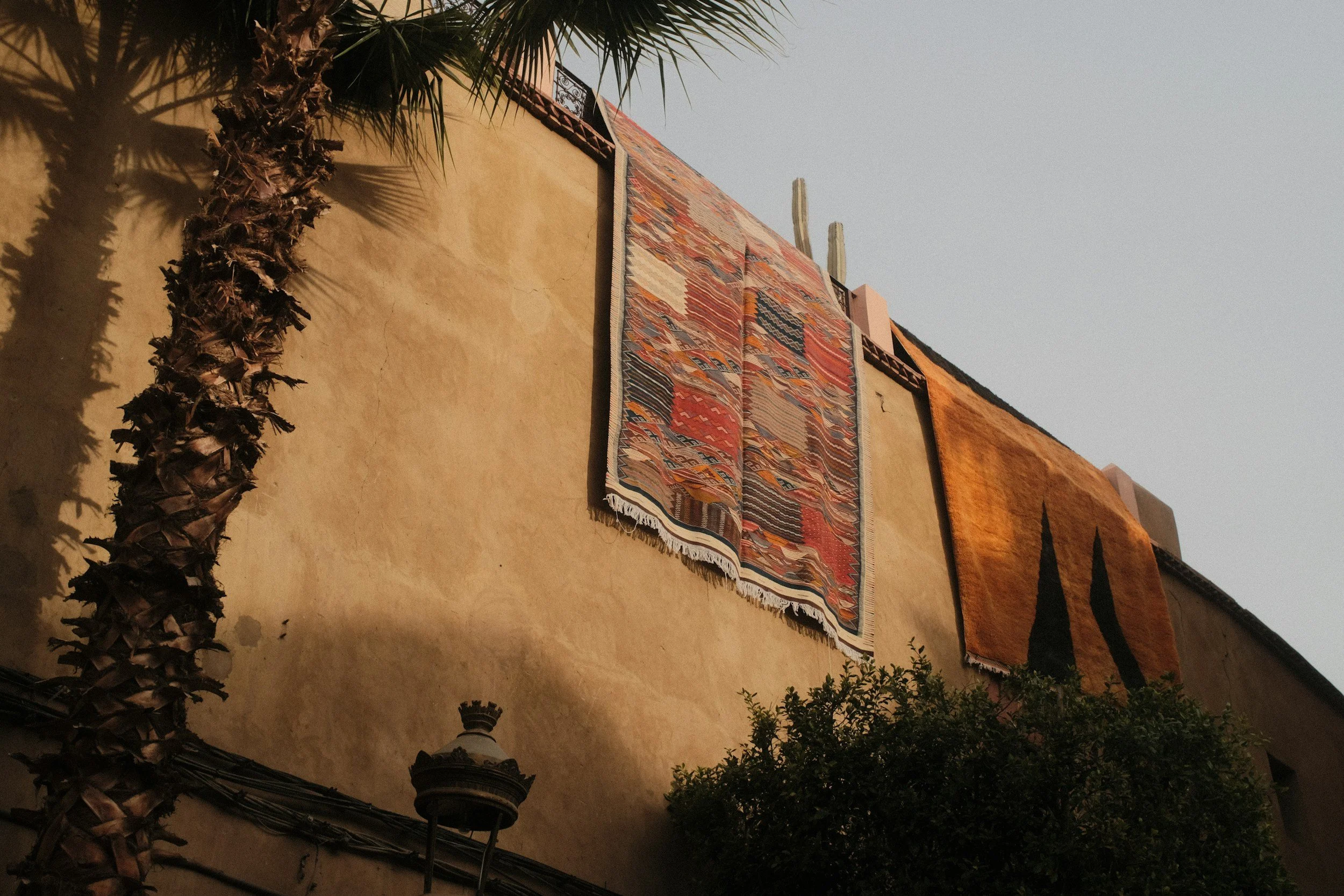
At first glance, Marrakesh can feel overwhelming — a swirl of sound, scent, colour, and movement that hits you all at once. Mopeds weave through alleyways, spices hang heavy in the air, and the call to prayer ripples across the rooftops as the city shifts from one rhythm to the next.
But Marrakesh isn’t one place — it’s a collection of distinct neighbourhoods, each with its own pace, personality, and way of life. From the centuries-old chaos of the Medina to the café-lined streets of Gueliz and the palm-fringed calm of the Palmeraie, where you stay (and how you explore) shapes your entire experience.
This guide breaks Marrakesh down neighbourhood by neighbourhood, helping you decide where to stay, where to explore, and where you’ll feel most at home, whether it’s your first visit or a return trip looking for something deeper.
The Medina
The Medina is the historic heart of Marrakesh, a dense maze of alleyways where daily life has unfolded in much the same way for centuries. This is where Marrakesh feels at its most intense and most authentic — a place of constant movement, trade, and tradition, where the city’s past and present exist side by side.
For many travellers, the Medina is both the most challenging and the most rewarding part of the city. It demands a little patience and curiosity, but those willing to slow down and lean into its rhythm are rewarded with moments of beauty that feel entirely unplanned.
Why Stay in the Medina
Staying in the Medina places you right at the centre of Marrakesh’s energy. Major sights are within walking distance, and daily life unfolds just outside your door — shopkeepers opening their stalls, artisans at work, and locals moving through the neighbourhood with purpose and familiarity.
Accommodation here is largely made up of traditional riads, often hidden behind unassuming doorways. Step inside and the noise of the streets fades almost instantly, replaced by tiled courtyards, fountains, and rooftop terraces. This contrast — chaos outside, calm within — is one of the Medina’s defining experiences and a big reason why many visitors choose to stay here.
It’s particularly well suited to first-time visitors, short stays, and anyone keen to experience Marrakesh at its most atmospheric.
What to Expect
The Medina isn’t designed for modern travel, and that’s part of its character. Narrow alleyways, winding routes, and limited signage mean navigation can be disorientating, especially at first. Mopeds pass close, handcarts squeeze through gaps, and daily life continues regardless of who’s passing through.
Initially, the pace and intensity can feel overwhelming. Over time, however, patterns emerge. You begin to recognise quieter routes, understand the flow of the streets, and move with more confidence. Early mornings tend to be calmer and more reflective, while evenings bring a livelier, more theatrical energy.
Getting lost is inevitable — and often leads to the most memorable discoveries.
Highlights and Sights
The Medina is packed with historic landmarks, but it’s the space between them that gives the neighbourhood its soul. Jemaa el-Fnaa, the city’s iconic central square, acts as a constant reference point, transforming throughout the day from an open gathering space into a buzzing evening hub filled with food stalls, performers, and spectators.
From here, the souks branch out in every direction, loosely organised by trade. One turn leads you past spice stalls, another to metalworkers shaping goods by hand, then on to textile shops stacked floor to ceiling. Scattered among the markets are historic madrasas, mosques, and hidden courtyards that offer moments of calm and cultural context amid the bustle.
Rather than rushing between highlights, the Medina rewards slow wandering and curiosity.
Where to Eat and Drink
Food in the Medina is deeply rooted in Moroccan tradition. Simple local eateries serve classic dishes such as slow-cooked tagines, grilled meats, and generous portions of couscous, often at very reasonable prices. In the evenings, street food stalls become a major part of the experience, particularly around Jemaa el-Fnaa.
For a more relaxed setting, many restaurants are tucked away inside riads or positioned on rooftop terraces, offering a peaceful pause above the streets. These spots are ideal for sunset meals and provide a welcome contrast to the intensity below.
While quality can vary, some of the most memorable meals come from unassuming places filled with locals.
Where to Stay
Riads are the defining accommodation style of the Medina. Traditionally built around an internal courtyard, they were designed to offer privacy, shade, and relief from the heat. Today, many have been restored into guesthouses and boutique hotels that retain their original character.
Staying in a riad offers a strong sense of place, though access often involves navigating narrow alleys and walking short distances from taxi drop-off points. For most travellers, this small inconvenience is more than balanced by the atmosphere and tranquillity once inside.
World Locals Tip
Give the Medina time. The first few hours can feel intense, but pacing yourself makes all the difference. Plan natural breaks into your day, and try to explore during early mornings or late afternoons, when the neighbourhood reveals a quieter, more atmospheric side.
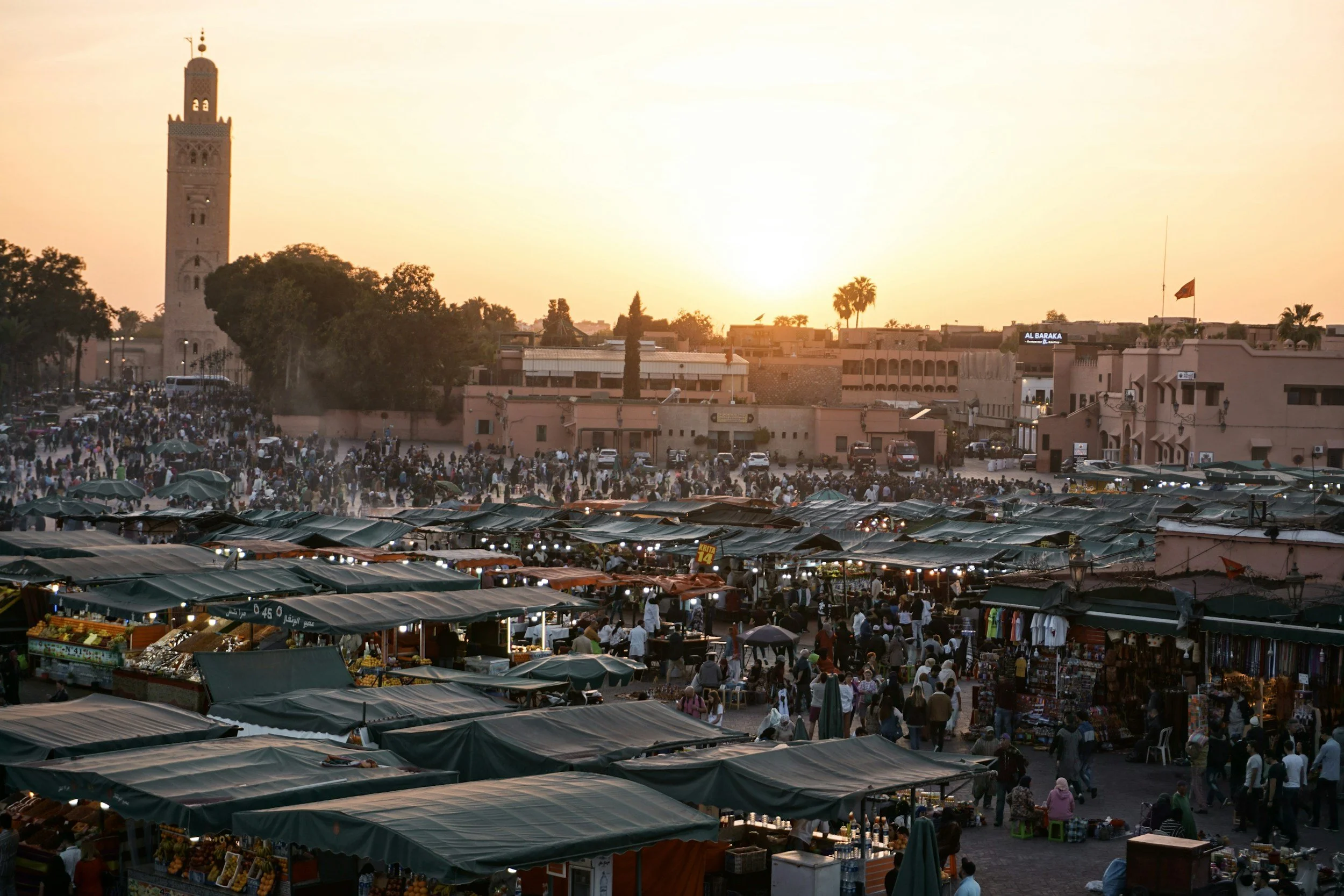
Jemaa el-Fnaa.
Gueliz
If the Medina is Marrakesh’s past, Gueliz is its present. Built during the French Protectorate, this neighbourhood feels noticeably more open and familiar, with wide boulevards, Art Deco architecture, and a pace of life that’s far removed from the intensity of the old city.
Gueliz is where many locals live, work, and socialise day to day. It’s calmer, more spacious, and far less performative — offering a grounded glimpse into contemporary Marrakesh.
Why Visit Gueliz
Gueliz provides balance. After time spent navigating the Medina’s narrow alleys, its wider streets and relaxed cafés can feel like a reset. It’s a great place to slow down, catch up on work, enjoy modern dining, or simply observe everyday city life unfolding without the pressure of sightseeing.
It’s particularly well suited to longer stays, return visitors, and travellers who enjoy a more local, lived-in feel alongside cultural exploration.
What to Expect
Life in Gueliz is structured and predictable by Marrakesh standards. Streets are laid out in a grid, pavements are wider, and traffic — while still busy — feels more manageable. You’ll find international brands alongside independent boutiques, local bakeries next to modern coffee shops, and residential blocks mixed with offices and hotels.
The neighbourhood doesn’t shout for attention, but that’s part of its charm. Gueliz rewards travellers who enjoy wandering without an agenda and discovering places organically.
Highlights and Things to Do
While Gueliz isn’t home to headline historic sights, it offers plenty in terms of culture and atmosphere. Art galleries, cinemas, and cultural spaces showcase Morocco’s contemporary creative scene, while parks and open squares provide space to pause and people-watch.
Shopping here leans more modern than traditional, with fashion boutiques, design stores, and concept shops offering a contrast to the souks of the Medina.
Food and Drink Scene
Gueliz is one of Marrakesh’s strongest areas for modern dining. Restaurants here often blend Moroccan flavours with international influences, and cafés cater to a crowd that lingers — laptops open, coffees refilled, conversations unhurried.
You’ll find:
Brunch-friendly cafés and bakeries
Contemporary Moroccan and international restaurants
Casual spots ideal for evenings without formality
Alcohol is more readily available in this part of the city, particularly in hotel bars and licensed restaurants.
Where to Stay
Accommodation in Gueliz tends to be more hotel-focused than riad-based. Options range from mid-range hotels to serviced apartments, making the area popular with business travellers, digital nomads, and those staying for more than a few nights.
Staying here offers easier taxi access, straightforward navigation, and a sense of routine that some travellers appreciate after time in the Medina.
World Locals Tip
Gueliz is ideal for mixing Marrakesh with downtime. Use it as a base for mornings in cafés, afternoons exploring galleries or shopping, and evenings out — then dip back into the Medina when you’re craving atmosphere.
Hivernage
Refined, leafy, and quietly glamorous, Hivernage sits just south of the Medina and feels a world away from its sensory intensity. This is Marrakesh at its most curated — wide boulevards, palm-lined streets, luxury hotels, and an evening energy that’s smooth rather than chaotic.
Hivernage doesn’t aim to replicate the historic charm of the old city. Instead, it offers comfort, space, and a slower rhythm that appeals to travellers looking to unwind without leaving the city behind.
Why Visit Hivernage
Hivernage is ideal if you want a more relaxed and polished base while still being close to Marrakesh’s main sights. It’s particularly popular with couples, luxury travellers, and anyone keen to balance sightseeing with spa time, pool afternoons, and elegant evenings out.
Its location makes it easy to dip into the Medina by taxi, then return to calm, predictable surroundings at the end of the day.
What to Expect
The atmosphere in Hivernage is noticeably calmer and more spacious. Streets are wider, traffic feels more controlled, and the neighbourhood is designed around hotels, residential buildings, and entertainment venues rather than markets and daily trade.
There’s less spontaneity here than in the Medina or Gueliz, but what you gain is ease — reliable transport, walkable avenues, and a sense of order that many travellers find refreshing.
Highlights and Experiences
Hivernage is less about ticking off sights and more about how you spend your time. Days tend to revolve around pools, spas, and shaded terraces, while evenings bring the neighbourhood to life with lounges, bars, and live music venues.
Green spaces and parks provide a welcome contrast to the density of the Medina, offering room to breathe and reset between activities.
Dining and Nightlife
This is one of Marrakesh’s strongest areas for upmarket dining and nightlife. Restaurants often lean international, with refined takes on Moroccan classics alongside global menus. Hotel bars and rooftop lounges are popular spots for cocktails, particularly in the evenings.
Alcohol is widely available here, and the nightlife feels controlled and stylish rather than hectic — more sunset drinks and late dinners than all-night parties.
Where to Stay
Hivernage is home to many of Marrakesh’s luxury hotels and resorts, often featuring pools, spas, fitness centres, and landscaped grounds. Accommodation here prioritises comfort, service, and facilities, making it a strong choice for travellers who want everything in one place.
While it lacks the intimacy of a riad, it more than makes up for it in convenience and relaxation.
World Locals Tip
If you’re staying in the Medina but feeling the intensity, Hivernage makes for a perfect afternoon or evening escape. A spa session, long lunch, or sunset drink here can reset your energy before diving back into the old city.
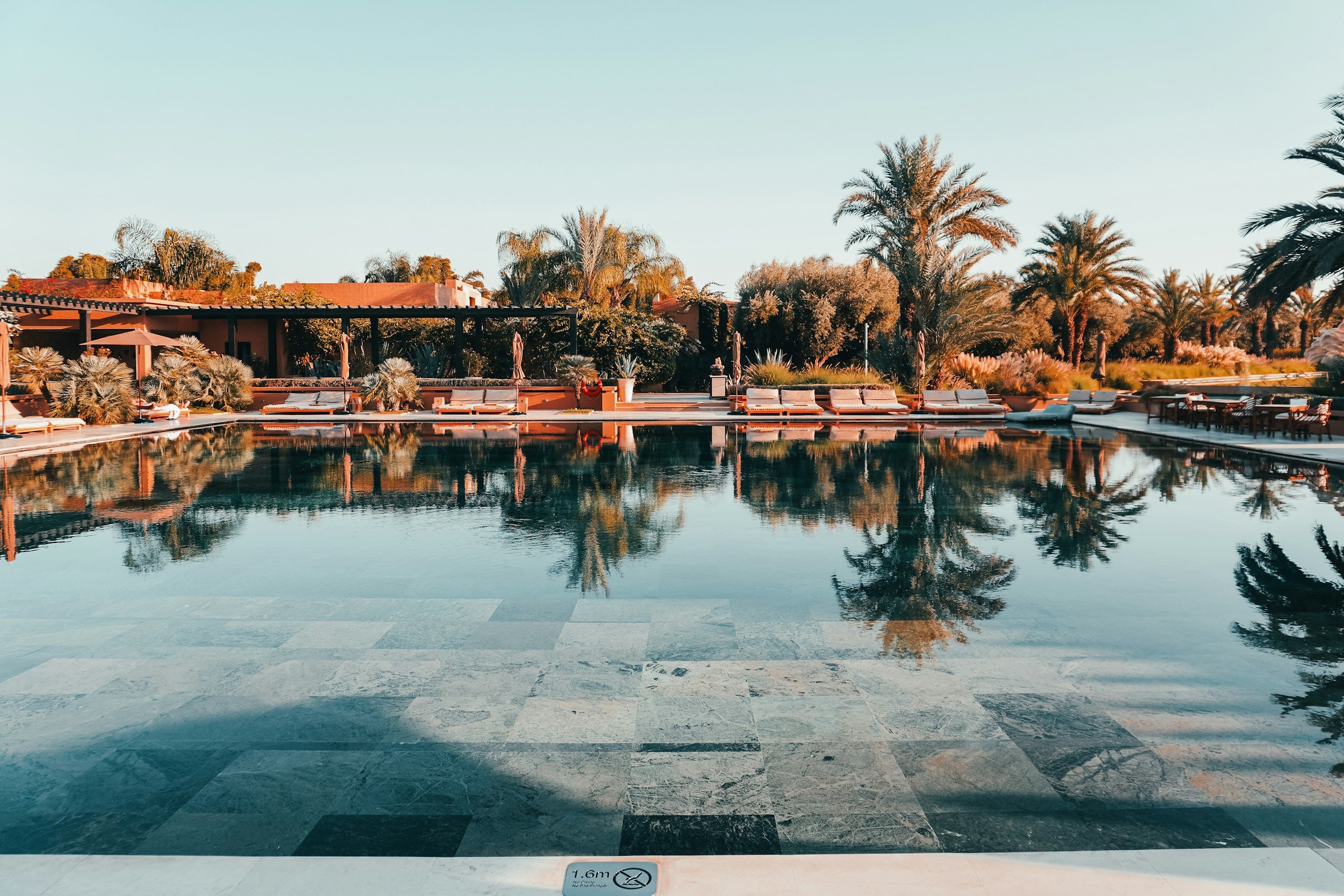
Mandarin Oriental, Marrakesh.
Palmeraie
Stretching out on the northern edge of the city, the Palmeraie offers a completely different side of Marrakesh. This vast palm grove feels quieter, greener, and more expansive — a place where the city’s intensity fades into open space, desert air, and a slower rhythm of life.
Historically cultivated as an oasis, the Palmeraie today is known for its resorts, villas, and desert-style retreats, making it a popular escape for travellers seeking calm without venturing too far from the city.
Why Visit the Palmeraie
The Palmeraie is all about space and stillness. After time spent in the Medina’s narrow alleyways and busy souks, this area feels like a deep exhale. It’s ideal for travellers who want to prioritise relaxation, wellness, and a more resort-style experience while still having access to Marrakesh’s cultural sights.
It works particularly well for couples, families, and anyone building rest days into their itinerary.
What to Expect
Life in the Palmeraie moves at a noticeably slower pace. Distances are greater, walking isn’t practical, and days tend to revolve around hotel grounds rather than neighbourhood streets. Palm groves stretch across the landscape, with low-rise buildings and desert views replacing urban density.
You won’t find bustling markets or cafés on every corner here — instead, the experience is intentionally inward-looking, focused on comfort, privacy, and open space.
Experiences and Activities
Staying in the Palmeraie opens the door to experiences that feel far removed from the city centre. Many visitors come for spa treatments, poolside afternoons, and quiet mornings surrounded by palm trees.
Outdoor activities are also a draw, with camel rides, quad biking, and desert-style excursions offering a more adventurous way to explore the landscape. Evenings tend to be low-key, often centred around on-site dining under the stars.
Where to Stay
Accommodation in the Palmeraie is dominated by resorts, villas, and luxury lodges, many set within expansive grounds. These properties are designed to be destinations in their own right, often featuring multiple restaurants, pools, wellness centres, and organised activities.
While prices are typically higher than in the Medina or Gueliz, the sense of escape and comfort can make it worthwhile for travellers looking to fully unwind.
Getting Around
Because of its size and layout, getting around the Palmeraie requires taxis or hotel transfers. Most resorts offer transport into the city, making it easy to combine relaxation with sightseeing, though spontaneous trips are less convenient than in more central neighbourhoods.
World Locals Tip
The Palmeraie works best as a contrast, not a replacement. Combine a few nights here with time in the Medina or Gueliz to experience both sides of Marrakesh — cultural immersion first, then total switch-off.
Kasbah and Mellah
Sitting just south of the main Medina, the Kasbah and Mellah offer a more grounded, lived-in side of Marrakesh. These neighbouring districts are rich in history but noticeably calmer, revealing a version of the city that feels less performative and more personal.
This is Marrakesh at street level — local markets, neighbourhood bakeries, and historic landmarks woven into daily routines rather than built around tourism.
Why Explore the Kasbah and Mellah
These areas are ideal if you’re looking to experience Marrakesh beyond the headline sights. The Kasbah and Mellah reward travellers who enjoy walking, observing, and engaging with the city as it functions day to day.
They’re particularly appealing to return visitors, slow travellers, and anyone wanting a break from the intensity of the central souks without straying too far from the Medina.
What to Expect
The pace here is noticeably slower. Streets are wider than in the heart of the Medina, navigation is easier, and the atmosphere feels more residential. You’ll still encounter markets and historic buildings, but they’re integrated into neighbourhood life rather than dominating it.
There’s less hustle, fewer sales pitches, and more space to pause — making these districts feel approachable and refreshingly authentic.
Highlights and Cultural Sights
The Kasbah is known for its historic significance, with old city walls, royal heritage, and important monuments shaping the area’s identity. Nearby, the Mellah tells a different story — one rooted in Marrakesh’s Jewish history, with synagogues, cemeteries, and architecture reflecting centuries of coexistence.
Landmarks like the Bahia Palace sit close by, while local markets in the Mellah offer a more everyday shopping experience than the central souks, particularly for food and household goods.
Eating Locally
Food here is simple, traditional, and local-first. Small restaurants and cafés serve classic Moroccan dishes without the polish found in more tourist-focused areas. Bakeries, grills, and market stalls cater primarily to residents, making this a great place to eat well and affordably.
Meals tend to be unfussy, generous, and deeply rooted in tradition — often some of the most satisfying in the city.
Where to Stay
Accommodation in the Kasbah and Mellah is quieter and more low-key than in the central Medina. You’ll still find riads, but they tend to be smaller and more understated, appealing to travellers who value calm and authenticity over spectacle.
Staying here offers a strong sense of neighbourhood life, while still being within walking or short taxi distance of Marrakesh’s main sights.
World Locals Tip
These districts are perfect for late afternoon wandering. As the day cools, locals fill the streets, markets wind down, and the neighbourhood comes alive in subtle ways — offering a beautiful, unfiltered snapshot of Marrakesh at work and at home.
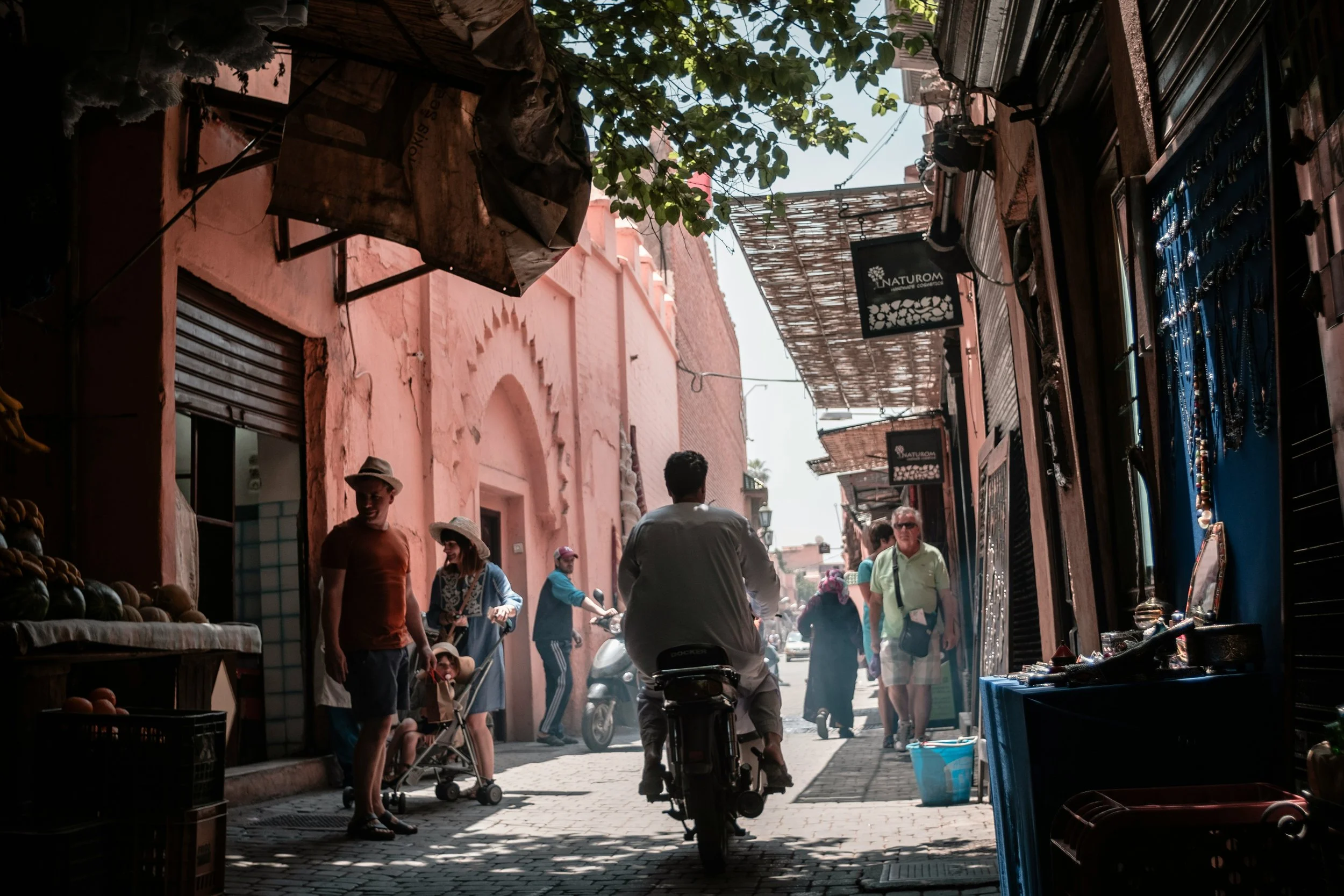
Marrakesh.
Choosing the Right Neighbourhood for You
With its mix of historic districts, modern quarters, and resort-style escapes, Marrakesh offers something for almost every travel style. Choosing the right neighbourhood comes down to how you want to experience the city — and how much intensity you’re comfortable with.
If it’s your first time in Marrakesh, the Medina places you right in the heart of the action, surrounded by history, culture, and atmosphere. It’s immersive, occasionally challenging, but deeply rewarding.
For travellers seeking balance, Gueliz offers a calmer, more contemporary base with cafés, galleries, and modern comforts, while still being close enough to dip into the old city when you want.
If comfort and relaxation are a priority, Hivernage delivers polished hotels, spa culture, and refined dining — ideal for unwinding after days of sightseeing.
Those looking to truly switch off will appreciate the Palmeraie, where space, quiet, and resort-style living take centre stage.
And for a more local, lived-in experience, the Kasbah and Mellah offer history, authenticity, and a slower pace without straying far from the city’s core.
Getting Around Marrakesh
Getting around Marrakesh is relatively straightforward once you understand the city’s layout. The Medina is best explored on foot — walking is often faster than any other option, and wandering is part of the experience.
For travel between neighbourhoods, taxis are the most common option. Petite taxis are plentiful and affordable, though it’s worth agreeing on a price before setting off if the meter isn’t used. Grand taxis and hotel transfers are better suited for longer distances, particularly when travelling to and from the Palmeraie.
Ride-hailing apps are limited, so traditional taxis remain the most reliable choice. Many hotels and riads are also happy to arrange transport, which can remove a lot of guesswork.
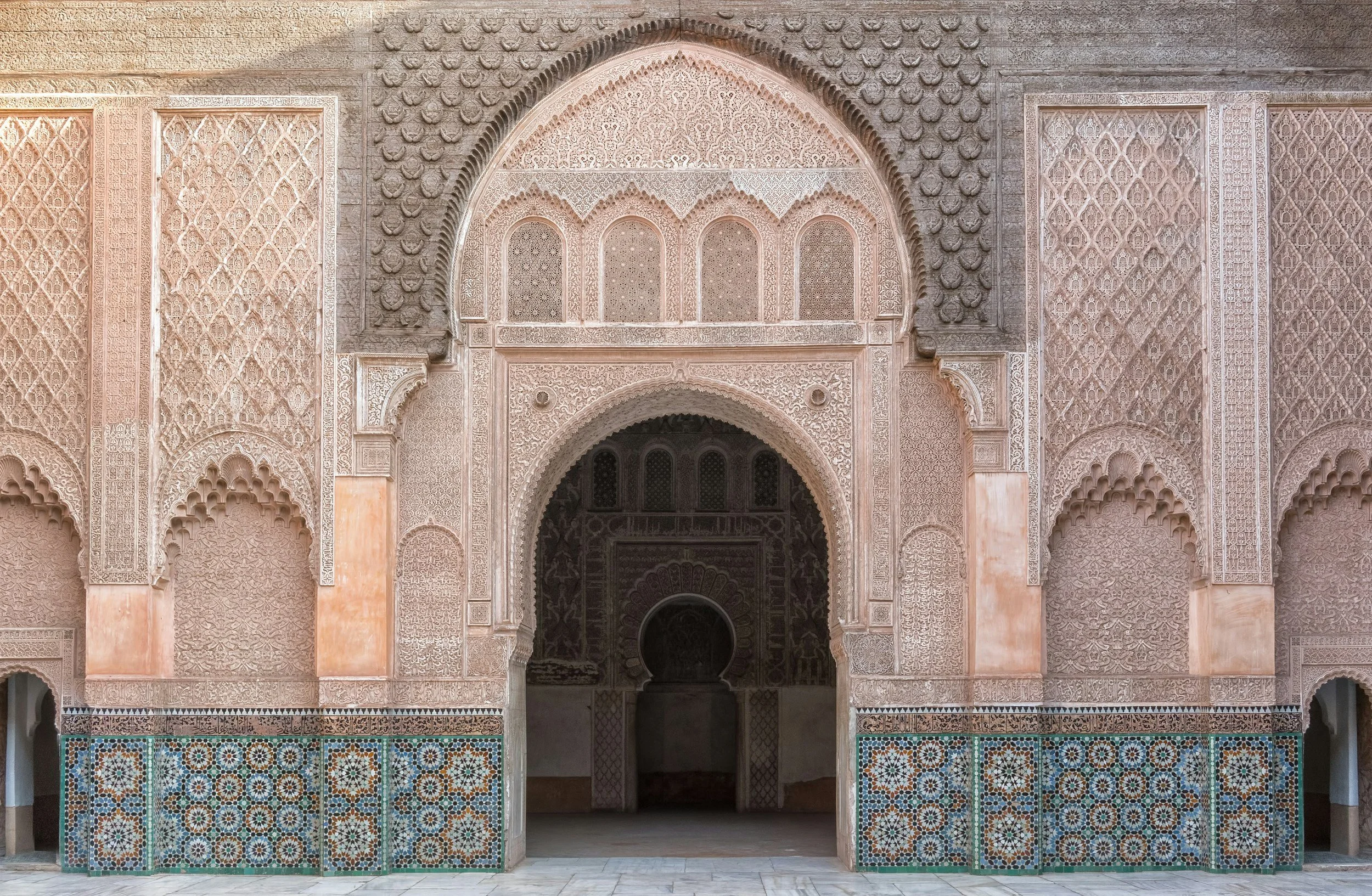
“Marrakesh isn’t a city you simply visit — it’s one you experience, adapt to, and gradually understand. Each neighbourhood reveals a different layer of its personality, from the raw energy of the Medina to the calm palm groves beyond the city streets.
Whether you’re here to explore history, indulge in slow mornings and long lunches, or disappear into a riad courtyard with a book, Marrakesh rewards travellers who move at its pace and remain open to contrast.
Take time to find the neighbourhood that feels right for you — and let the rest unfold naturally.”