Where to Go in January: The Best Destinations to Start the Year Right
January has a quiet magic to it. The rush of the festive season fades, crowds thin out, and the world seems to exhale — making it one of the most underrated months to travel. While many are settling back into routine, January offers something special for those ready to go: better value, fewer tourists, and destinations seen at their most authentic.
It’s a month of contrast. In one part of the world, you can be chasing winter sun, swimming in warm seas and lingering over long lunches outdoors. In another, you might be wrapping up for snow-dusted landscapes, Northern Lights, or crisp city days where museums, cafés, and cultural experiences take centre stage. From summer in the Southern Hemisphere to dry-season escapes in Asia and quieter European cities, January opens up a surprisingly diverse map of possibilities.
It’s also the perfect time for intentional travel. New year energy brings space to slow down, reset, and travel with purpose — whether that means escaping the cold, embracing it, or choosing a destination that invites reflection as much as adventure. Add in shoulder-season pricing and increased availability, and January quickly proves itself as one of the smartest months to explore.
Below, you’ll find some of the best places to visit in January around the world — each chosen for its weather, atmosphere, and experiences at this specific time of year, helping you start the year exactly how you mean to continue it: curious, inspired, and on the move.
Thailand (South and North)
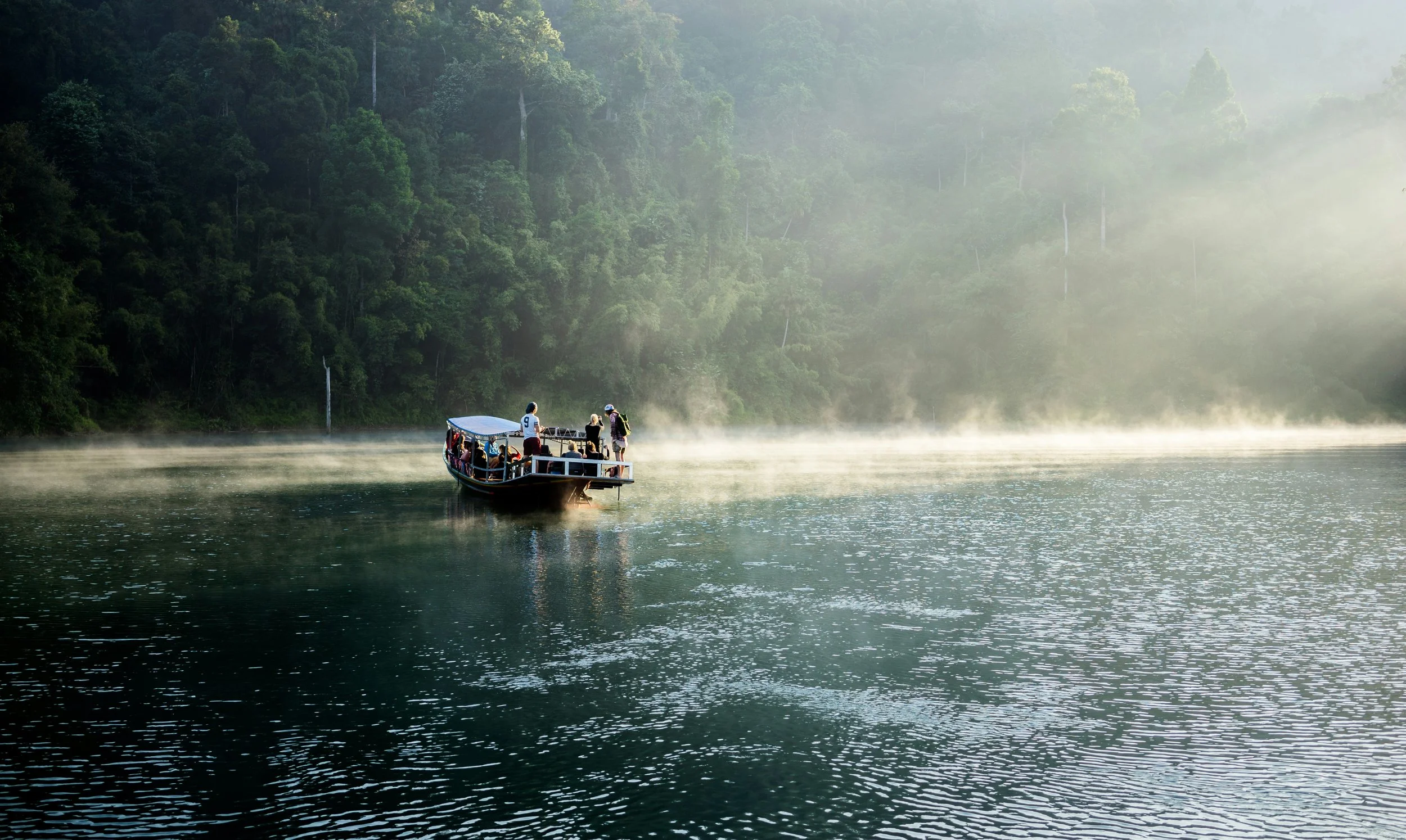
January is one of the very best months to visit Thailand, sitting right in the sweet spot of the dry season. The weather is warm without being overwhelming, humidity is lower than later in the year, and the country feels perfectly tuned for exploration — whether that’s island-hopping in the south or temple-hopping in the north.
In southern Thailand, January brings clear skies and calm seas, making it ideal for beach time and time on the water. Places like Krabi, Koh Lanta, and the Andaman coast are at their best, with excellent visibility for snorkelling and diving, long sunny days, and laid-back beach life in full swing. It’s the kind of month where mornings are for swimming and afternoons melt into sunset drinks by the sea.
Up north, destinations like Chiang Mai and Chiang Rai enjoy cooler, drier conditions, with daytime temperatures sitting comfortably in the low to mid-20s. This is prime time for exploring temples, wandering night markets, and heading into the surrounding mountains for hikes and viewpoints without the intense heat found later in the year.
January also offers a deeper cultural rhythm. Chinese New Year often falls in late January or early February, bringing colour, lanterns, and celebrations to cities across the country. It’s a brilliant time to experience Thailand beyond the beaches, with festivals, food markets, and local traditions adding texture to everyday travel.
Packing for Thailand in January is refreshingly simple: light, breathable clothing, good sun protection, and a light layer for cooler evenings in the north. Comfortable sandals and walking shoes will take you most places.
One thing to keep in mind is popularity — January is peak season, so booking accommodation and transport in advance is wise. That said, Thailand’s sheer size and diversity mean you can still find quieter corners, especially if you venture beyond the most famous islands.
Whether you’re after tropical downtime, cultural immersion, or a mix of both, Thailand in January delivers balance, beauty, and ease — a warm, welcoming way to ease into the new year.
Cape Town, South Africa
January is peak summer in Cape Town, and the city wears it well. Long, sun-soaked days stretch into golden evenings, the Atlantic sparkles along the coastline, and life spills outdoors — from beach days and mountain hikes to sunset dinners and vineyard lunches just beyond the city.
Weather-wise, it’s hard to fault. Expect warm, dry days with temperatures hovering around 26–30°C, low humidity, and very little rain. The famous “Cape Doctor” breeze often rolls in during the afternoons, keeping things comfortable — especially welcome if you’re hiking or spending time on the beaches.
This is the perfect time to explore Cape Town’s natural icons. Ride the cable car (or hike) up Table Mountain on a clear morning, drive the spectacular Chapman’s Peak, or spend your days hopping between Clifton, Camps Bay, and Llandudno beaches. January is also ideal for heading out to the Cape Winelands — Stellenbosch and Franschhoek are lush and green, with wine estates in full swing and alfresco tastings the norm.
Culturally, the city feels alive. Outdoor markets, pop-up events, and live music are everywhere, and January often coincides with Kaapse Klopse (Cape Town’s iconic minstrel carnival), a vibrant celebration of colour, music, and history that adds even more energy to the streets.
Packing is straightforward: light clothing, good sun protection, and comfortable trainers for walking and hiking. A light jacket is handy for breezy evenings by the coast, especially after sunset.
A lesser-known January perk? It’s one of the best times of year for wildlife encounters just outside the city — including penguin spotting at Boulders Beach and the very start of summer whale activity later in the month.
Yes, it’s a popular time to visit — but Cape Town’s size, variety, and outdoor focus mean it rarely feels overwhelmed. In January, the city feels expansive, optimistic, and full of possibility — an ideal place to start the year with a sense of momentum and adventure.
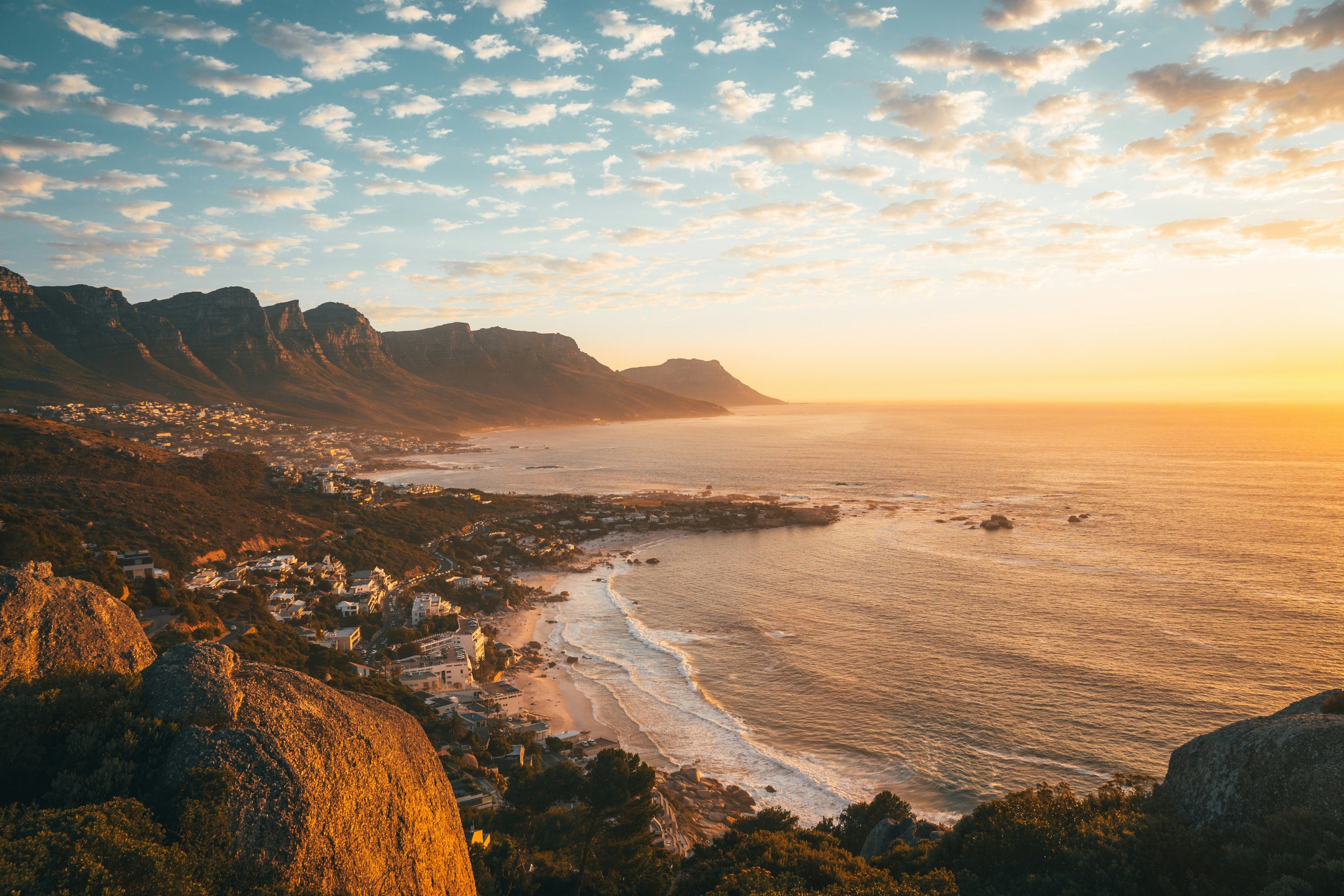
Cape Town, South Africa.
Mexico City, Mexico
January is a brilliant time to visit Mexico City. The festive buzz has settled, the air is clearer, and the city slips into a calmer, more local rhythm — perfect for exploring one of the most culturally rich capitals in the world.
Weather is one of the biggest draws. January brings mild, dry days with temperatures typically sitting around 20–22°C, cool mornings, and crisp evenings. It’s ideal for walking neighbourhoods like Roma, Condesa, and Coyoacán, lingering in parks, and spending long afternoons hopping between museums, markets, and cafés without the heat or rain that arrives later in the year.
This is a city made for slow discovery. January is perfect for visiting icons like the Zócalo, Templo Mayor, and Chapultepec Park, as well as diving deep into the food scene — from street-side tacos and tamales to contemporary Mexican kitchens redefining the cuisine. Fewer tourists also mean shorter queues at major museums, including the Museo Frida Kahlo and Museo Nacional de Antropología.
Culturally, January often includes celebrations around Three Kings Day (Día de Reyes) on the 6th of the month, when locals gather to share rosca de reyes, a traditional sweet bread tied to centuries-old traditions. It’s a small but meaningful window into everyday life in the city.
Packing is all about layers: light clothing for daytime exploring, a jumper or light jacket for evenings, and comfortable shoes — Mexico City rewards those who explore on foot.
Another January bonus? Prices and availability are generally better than during peak spring travel, making it an excellent month for longer stays or combining the city with nearby destinations like Teotihuacán or Puebla.
In January, Mexico City feels spacious, vibrant, and deeply rewarding — a place where culture, cuisine, and everyday life intertwine, offering a rich start to the year without the crowds.
Sri Lanka (South Coast)
January is one of the best times to experience Sri Lanka’s south coast, when the weather is dry, the ocean is calm, and the island feels perfectly balanced between adventure and ease. It’s the kind of destination that invites you to slow down, reconnect with nature, and ease into the year at a gentler pace.
Along the southern coastline, places like Mirissa, Weligama, and Unawatuna come into their own in January. Expect warm, sunny days with temperatures hovering around 28–30°C, low rainfall, and conditions that are ideal for swimming, snorkelling, and surfing. The sea is at its clearest, and beach life flows effortlessly from sunrise swims to candlelit dinners by the sand.
January is also a fantastic month for wildlife experiences. It’s peak season for blue and sperm whale watching off the south coast, offering one of the most accessible and ethical places in the world to see these giants of the ocean. Inland, national parks such as Yala and Udawalawe are easier to visit thanks to drier conditions, with excellent chances of spotting elephants and birdlife.
Beyond the beaches, January suits cultural exploration too. Wander the historic streets of Galle Fort, explore tea plantations in the hill country, or take a scenic train ride through lush landscapes — all without the heavy rains that affect other times of year.
Packing is simple and light: breathable clothing, sun protection, swimwear, and sandals. A light cover-up is useful for temple visits, and comfortable shoes come in handy if you’re heading inland or exploring ruins.
While January is peak season, Sri Lanka’s laid-back atmosphere means it rarely feels hectic. Move a little slower, stay a few extra nights in each place, and the island reveals its charm through everyday moments — shared meals, ocean sunsets, and unhurried mornings.
For travellers looking to combine warmth, nature, and a sense of calm, Sri Lanka in January feels like a true reset — and a beautiful way to begin the year.
Seville, Spain
January is a quietly brilliant time to visit Seville. While much of Europe is deep in winter, Andalusia enjoys mild temperatures, clear skies, and a slower pace of life — allowing the city’s beauty, history, and everyday rituals to take centre stage.
Daytime temperatures usually sit around 15–18°C, making January ideal for wandering without the intense heat that defines Seville’s summer months. It’s comfortable enough for long walks through the old town, lazy lunches in sunlit plazas, and exploring on foot without needing constant shade.
This is the perfect season to visit Seville’s icons. The Alcázar, Seville Cathedral, and Plaza de España are far more enjoyable without peak-season crowds, and winter light adds a soft glow to the city’s architecture. Orange trees line the streets, and while their fruit won’t be harvested until later, their presence adds colour and character to everyday strolls.
Culturally, January offers a more local view of Seville. Tapas bars feel unhurried, flamenco performances more intimate, and neighbourhoods like Triana and Alameda reveal themselves at a gentler pace. Later in the month, preparations often begin for Carnival, bringing a subtle buzz back to the city.
Packing for Seville in January is all about light layers — a jacket for cooler mornings and evenings, comfortable shoes for cobbled streets, and sunglasses for those unexpectedly sunny afternoons.
One of January’s biggest advantages is value. Accommodation prices are generally lower than in spring, and popular attractions are easier to access without booking far in advance.
In January, Seville feels authentic and unfiltered — a city best experienced slowly, where warmth comes not just from the weather, but from the rhythm of daily life itself.
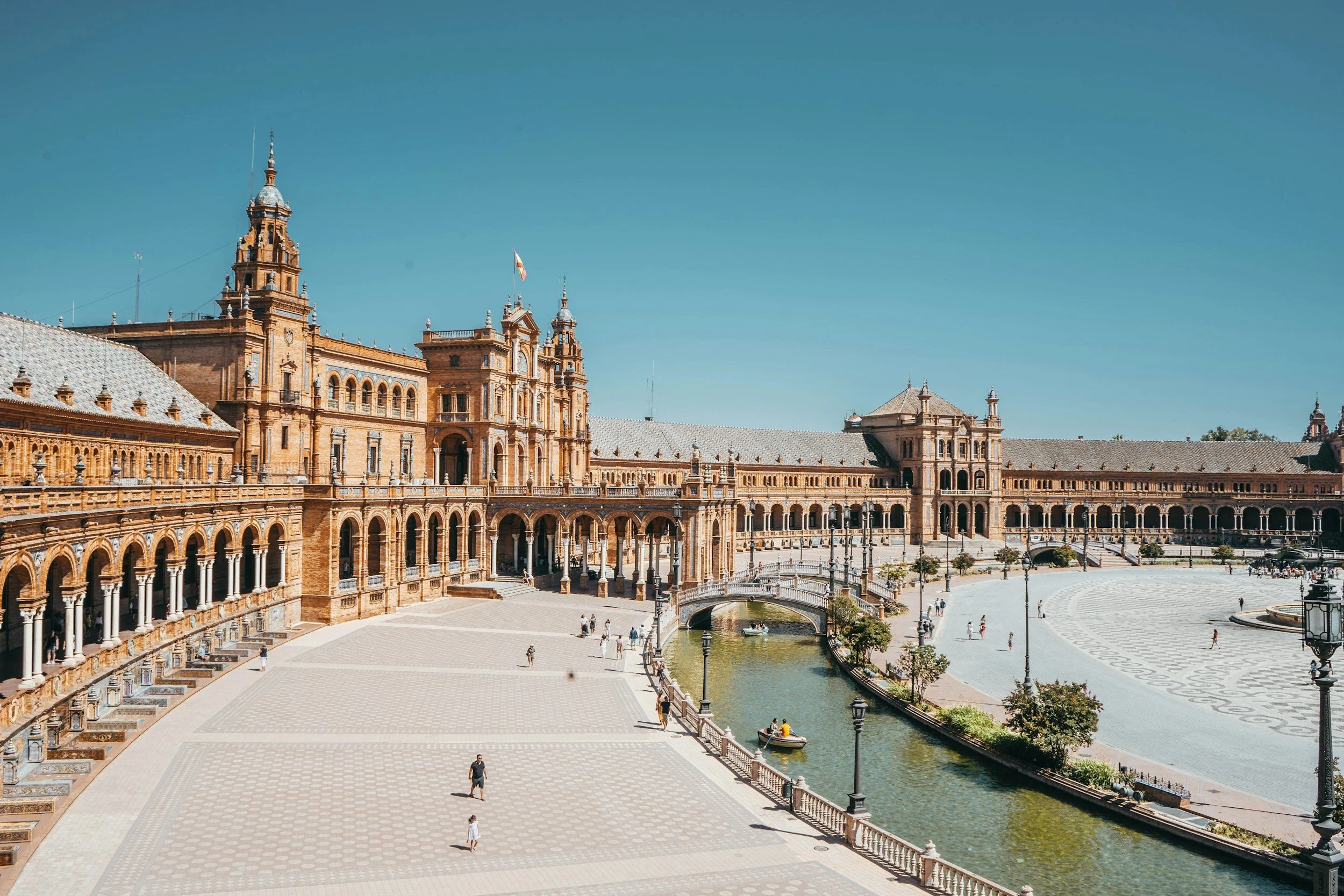
Seville, Spain.
Japan (Tokyo and Kyoto)
January is one of the most rewarding months to visit Japan, especially if you enjoy cities at their most refined and unrushed. The chaos of the festive period has passed, crowds thin out, and the country settles into a calm, everyday rhythm that feels wonderfully authentic.
Weather in January is cold but dry, with clear blue skies common across much of the country. In Tokyo, daytime temperatures usually sit around 8–10°C, while Kyoto is slightly cooler. It’s ideal for sightseeing — crisp air, excellent visibility, and far less humidity than other seasons.
This is a brilliant time to explore Japan’s cultural highlights. Temples and shrines feel quieter, winter illuminations light up parks and streets, and seasonal traditions take centre stage. Early January marks Shōgatsu (New Year), Japan’s most important holiday, when locals visit shrines for hatsumōde (the first prayer of the year). It’s a rare chance to witness a deeply rooted cultural ritual rather than a tourist spectacle.
Food also shines in winter. January is perfect for warming dishes like ramen, oden, and hotpots, while cosy izakayas and neighbourhood cafés offer refuge from the cold. In Kyoto, winter brings a more contemplative atmosphere to places like Arashiyama and the city’s historic districts.
Packing for Japan in January means warm layers, a proper coat, and comfortable walking shoes. Trains and cities are well heated, so adaptable layers work best.
Another major January advantage is value. Flights and accommodation are often cheaper than in spring, and popular sights are far more accessible without peak-season queues.
In January, Japan feels precise, peaceful, and deeply immersive — a destination that rewards travellers willing to experience it beyond cherry blossom season.
Lapland, Finland
January in Lapland is a proper winter experience. Deep snow blankets the forests, lakes freeze solid, and daylight hours are short — but that’s exactly what makes it so special. This is the Arctic at its most atmospheric, where adventure, silence, and natural wonder come together.
Temperatures in January are cold, often sitting between -10°C and -20°C, sometimes lower — but the cold is dry and manageable with the right layers. In return, you get pristine landscapes, crisp air, and some of the best conditions of the year for winter activities.
This is prime time for classic Lapland experiences. Think husky sledding through snow-covered forests, reindeer safaris, snowmobiling across frozen lakes, and cross-country skiing under pale winter skies. January is also one of the best months to see the Northern Lights, thanks to long, dark nights and minimal light pollution — especially around destinations like Rovaniemi, Levi, and Inari.
Despite the remote feel, January is a surprisingly cosy time to visit. Evenings are spent warming up in saunas, gathering around fires, or enjoying hearty Nordic meals that feel designed for this climate. The stillness of the landscape encourages a slower pace — a chance to disconnect and embrace winter rather than escape it.
Packing here is crucial: thermal base layers, insulated boots, proper winter outerwear, gloves, hats, and scarves are non-negotiable. Many operators provide specialist clothing for excursions, which makes travel easier for first-timers.
While Lapland is popular in winter, January often feels calmer than December’s festive rush. Prices are more reasonable, availability improves, and the focus shifts from Christmas crowds to pure Arctic adventure.
For travellers willing to embrace the cold, Lapland in January delivers something unforgettable — a reminder that winter, when done right, can be every bit as inspiring as sunshine.
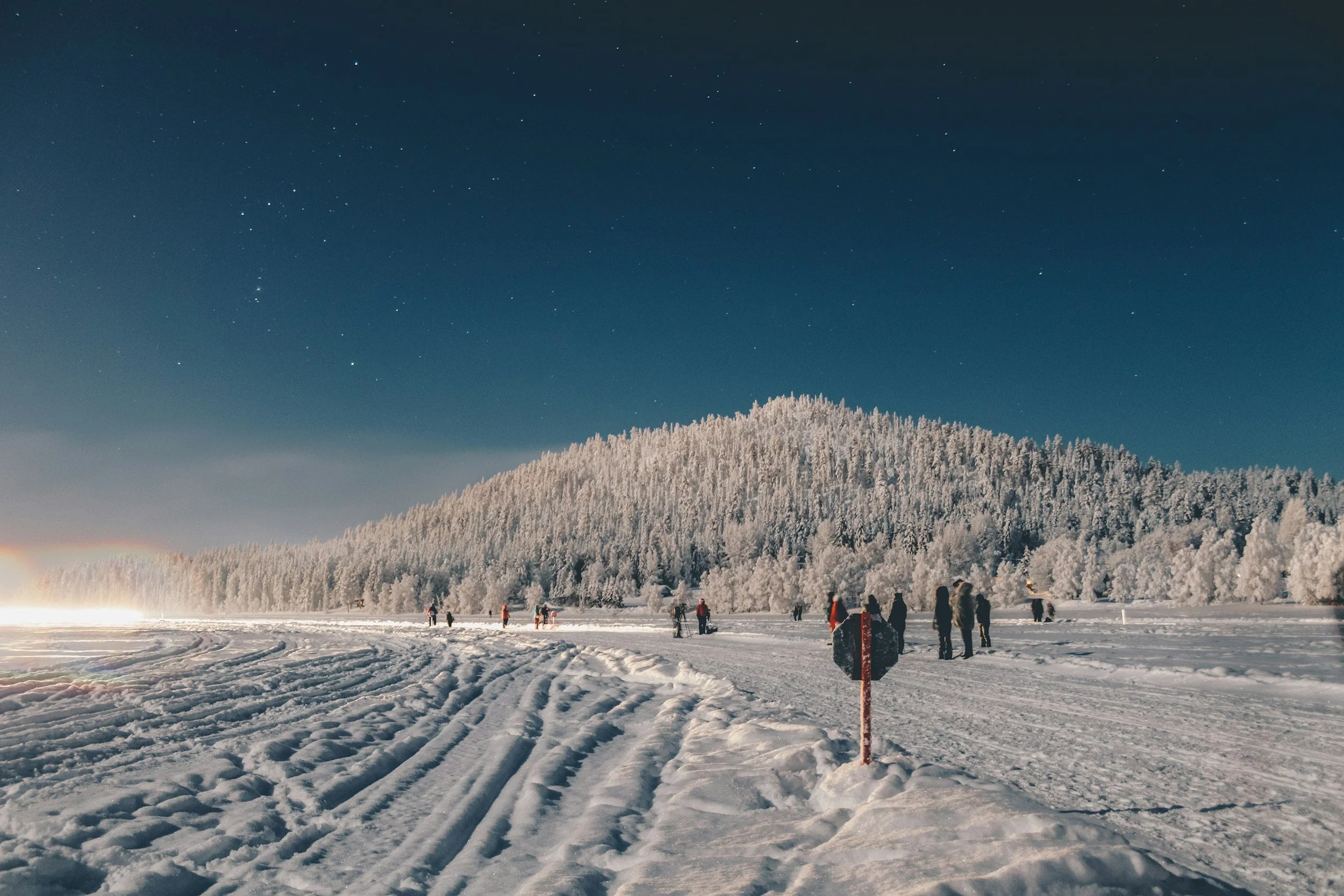
Lapland, Finland.
New Zealand (South Island)
January is peak summer in New Zealand, and the South Island is at its absolute best. Long daylight hours, warm temperatures, and clear skies create ideal conditions for exploring one of the world’s most scenic regions — whether by car, on foot, or out on the water.
Expect daytime temperatures in the low to mid-20s°C, with cooler evenings and very little rainfall. January’s extended daylight — often stretching well into the evening — means more time for hiking, swimming, and spontaneous detours without feeling rushed.
This is prime season for outdoor adventure. The Southern Alps, Fiordland National Park, and Mount Cook Aoraki National Park are all fully accessible, with hiking trails open and alpine landscapes at their most dramatic. Lakes like Lake Tekapo and Lake Wānaka invite swimming and lakeside picnics, while coastal areas offer kayaking, wildlife spotting, and quiet beaches.
January also suits slow travel and road trips. The South Island is made for driving, and summer brings farmers’ markets, vineyard lunches, and small towns buzzing with seasonal energy. It’s a month where plans can stay flexible — stop when a view catches your eye, linger when a place feels right.
Packing for January is about versatility: light layers for daytime, a warmer layer for evenings, sun protection, and sturdy footwear for hikes. A swimsuit is essential — even alpine lakes are hard to resist on hot days.
One thing to note is popularity. January is school holiday season, so accommodation and campervans should be booked ahead. That said, the South Island’s scale means it rarely feels crowded, especially once you move beyond the main hubs.
In January, New Zealand’s South Island feels expansive and energising — a place where nature sets the pace and the year ahead feels full of possibility.
“January proves that great travel doesn’t need to wait for spring or summer. It’s a month of contrast and choice — where you can swap winter layers for ocean swims, embrace snow-covered landscapes, or explore world-class cities without the crowds that define other times of year.
From peak summer in the Southern Hemisphere to dry-season escapes in Asia, crisp cultural city breaks, and full-blown winter adventures, January rewards travellers who are willing to think a little differently. It’s quieter, often better value, and perfectly suited to slower, more intentional travel — the kind that sets the tone for the year ahead.
Whether you’re chasing warmth, adventure, culture, or space to reset, January offers a rare opportunity to travel smarter, deeper, and with fewer compromises. Sometimes, the best journeys begin when everyone else has already gone home.”