Melbourne: Neighbourhood Guide
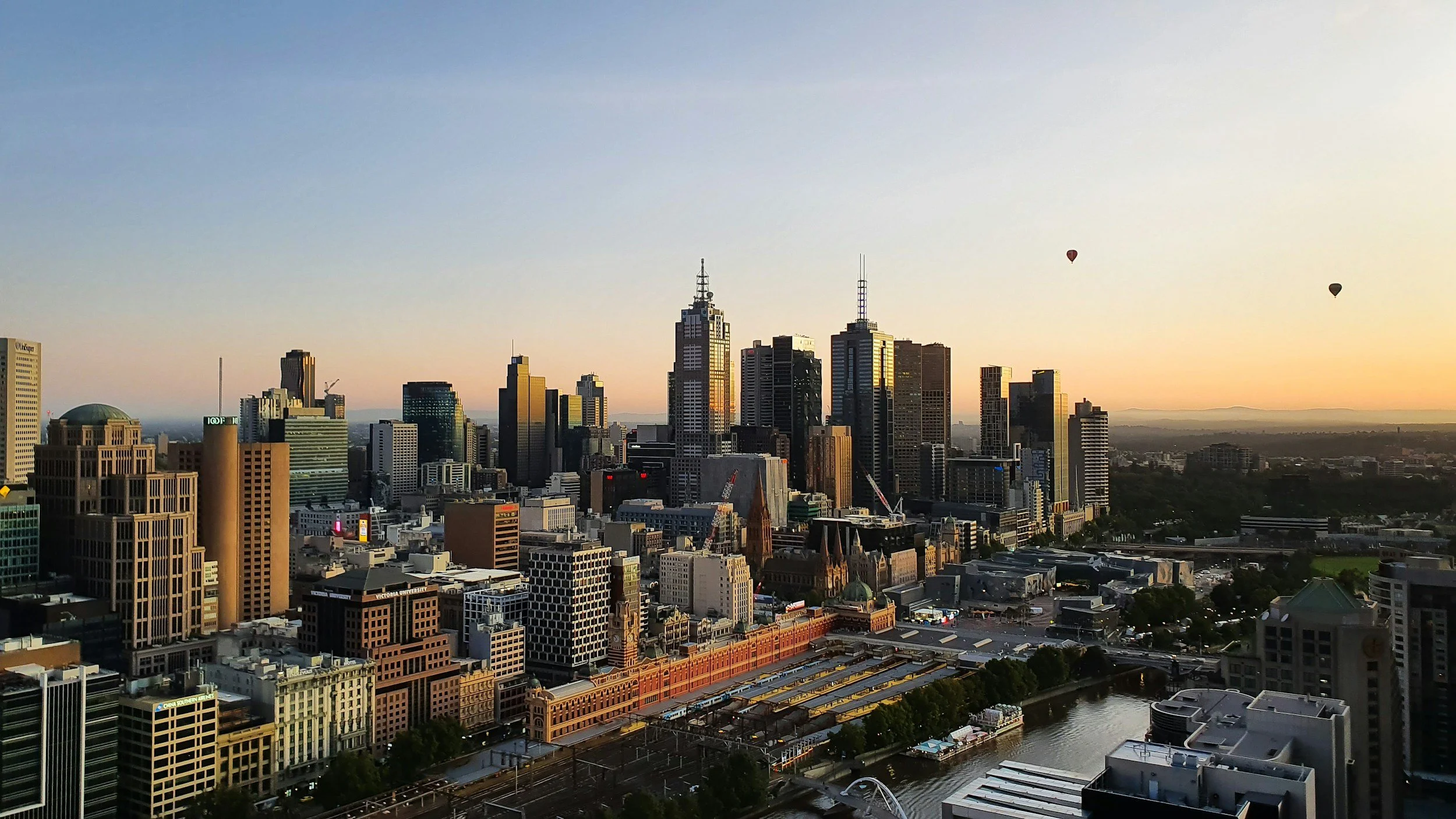
Melbourne spreads outward. Trams hum along wide avenues, backstreets hide cafés and bookshops, and entire pockets of the city feel self-contained, local and quietly confident.
Rather than orbiting around a single centre, Melbourne is shaped by its neighbourhoods — places influenced by migration, creativity, sport, food and everyday ritual. Spend time in just one area and you’ll see a particular version of the city. Move between them, and Melbourne starts to make sense.
This neighbourhood guide is designed to help you choose where to base yourself and where to explore, not by chasing highlights, but by understanding fit. Each section breaks down what an area feels like, who it suits, and how it works day to day — from morning coffee routines to evenings out.
Rather than telling you where you should stay, this guide helps you decide where you’ll feel most at home.
Neighbourhoods at a Glance
Melbourne’s neighbourhoods tend to cluster by feel rather than strict geography. Understanding these broad groupings makes it much easier to narrow down where you’ll want to spend your time, especially if you’re short on days or visiting for the first time.
Inner City and Laneways
The CBD, Southbank and Carlton sit at the heart of the city. This is where you’ll find Melbourne’s famous laneways, major cultural institutions, riverfront walks and the greatest concentration of transport links. It’s convenient, lively and ideal for short stays — though often busier and less personal than the inner suburbs.
Creative North
Neighbourhoods like Fitzroy and Collingwood form Melbourne’s creative core. Expect independent cafés, street art, music venues, vintage shops and a strong local identity. These areas feel lived-in and expressive, with a slower pace during the day and a buzzier energy after dark.
Sporty and Lived-In East
Richmond sits between the inner city and the suburbs, blending everyday local life with stadiums, markets and long retail strips. It’s practical, well-connected and deeply tied to Melbourne’s sporting culture.
Coastal and Bayside
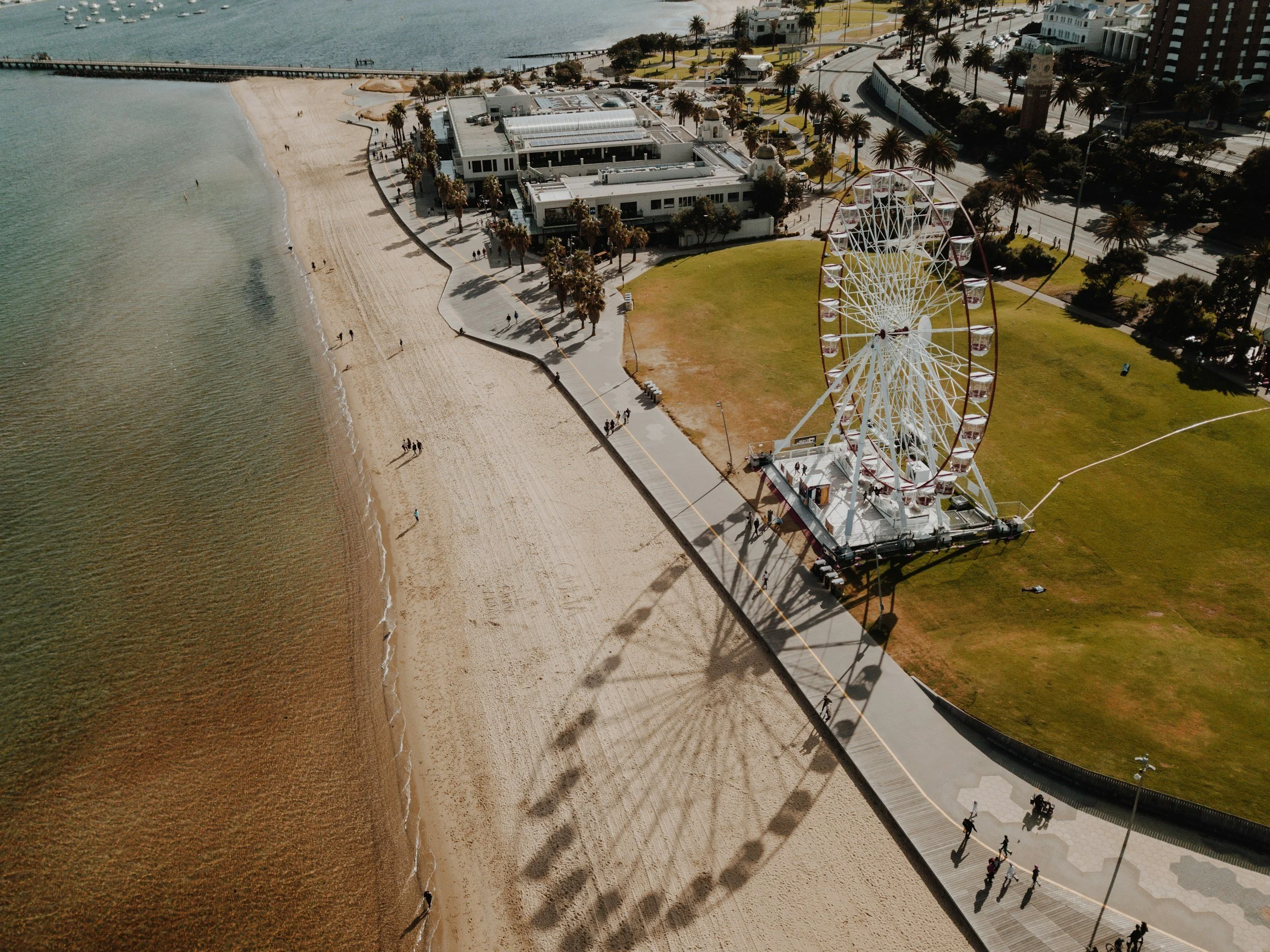
St Kilda offers a different rhythm entirely — sea air, beach walks and a slightly nostalgic, relaxed feel. It’s ideal if you want space, light and a break from the inner-city pace, while still being close enough to dip back in.
Fitzroy
Why Stay or Visit Fitzroy
Fitzroy is one of Melbourne’s most characterful neighbourhoods — ideal if you want to be surrounded by independent cafés, street art, live music and a strong sense of local identity. It suits first-time visitors who want atmosphere over convenience, as well as return travellers keen to experience a more everyday side of the city.
It’s close enough to the CBD to feel connected, but far enough out to move at its own pace. Days here are unhurried and social; nights are lively without tipping into chaos.
What Fitzroy Feels Like
Creative, expressive and unapologetically itself. Fitzroy has a slightly scruffy charm — Victorian terraces with peeling paint, warehouse conversions, and streets that feel shaped by community rather than polish. It’s a place where people linger: over coffee, in bookshops, on park benches, outside pubs.
There’s a rhythm to daily life here. Morning dog walks, weekday brunch queues, evening drinks spilling onto the pavement — Fitzroy feels lived-in, not performed.
Highlights and Things to Do
Brunswick Street is the neighbourhood’s main artery, lined with vintage stores, independent labels, galleries and long-standing pubs. It’s busy without feeling commercial, and still rewards slow wandering.
Duck into the backstreets for some of Melbourne’s best street art, or head north to Edinburgh Gardens, a favourite local green space that comes alive on warm afternoons with picnics, casual games and people watching.
For live music and theatre, Fitzroy’s smaller venues continue to underpin its creative reputation, often hosting emerging artists rather than headline acts.
Food and Drink Scene
Fitzroy is one of Melbourne’s most reliable neighbourhoods for everyday eating. Coffee culture runs deep here, anchored by places like Proud Mary Coffee, which draws locals and visitors alike for consistently excellent brews and an unpretentious atmosphere.
For evenings, classic pubs such as The Napier Hotel sit comfortably alongside wine bars like Marion Wine Bar, where the focus is on good bottles, seasonal plates and relaxed conversation. Dining here is informal and neighbourhood-led — places locals return to weekly, not just once.
Where to Stay
Accommodation in Fitzroy leans boutique and residential, with a mix of design-led hotels, serviced apartments and short-stay rentals tucked into side streets. It’s a strong base if you plan to explore the inner north on foot or by tram, rather than bouncing between headline attractions.
World Locals Tip
Stay just off Brunswick Street rather than directly on it. You’ll still be steps from cafés and shops, but evenings are noticeably quieter — and you’ll get a better sense of Fitzroy’s everyday rhythm.
Collingwood
Why Stay or Visit Collingwood
Collingwood suits travellers who like their cities creative, slightly rough around the edges and deeply local. It’s ideal if you’re into music, independent fashion, design studios and neighbourhood bars — and if you’d rather be surrounded by people who actually live and work in the area.
It sits just east of Fitzroy and feels closely connected, but the mood is different: less bohemian, more industrial-creative. It’s a strong base for repeat visitors, longer stays, or anyone keen to see Melbourne beyond its most postcard-ready corners.
What Collingwood Feels Like
Raw, expressive and quietly confident. Former factories and warehouses have been converted into studios, galleries, cafés and offices, while long residential streets keep the area grounded in everyday life. Collingwood doesn’t try to impress — it just gets on with being itself.
There’s a strong sense of routine here too: early-morning coffees, cyclists heading into the city, after-work drinks at corner bars. It feels practical and lived-in, with creativity woven into daily life rather than staged for visitors.
Highlights and Things to Do
Smith Street is the neighbourhood’s backbone, running north–south and packed with independent shops, bars, bakeries and casual eateries. It’s one of the best streets in the city for slow wandering — especially in the evening when it starts to hum.
Collingwood is also closely tied to Melbourne’s live music and creative industries, with smaller venues, studios and pop-up spaces scattered throughout the area. Even without a plan, simply walking the neighbourhood tends to turn up something interesting.
Food and Drink Scene
Collingwood’s food scene is casual, diverse and neighbourhood-first. For coffee, Proud Mary Coffee (the original location) is a cornerstone, while bakeries and cafés line the quieter backstreets for slower mornings.
Come evening, bars like The Builders Arms Hotel (right on the Fitzroy–Collingwood border) and The Tote reflect the area’s mix of classic pubs and music-led venues. Dining here leans relaxed and unfussy — good food, good drinks, no theatrics.
Where to Stay
Accommodation in Collingwood is limited but well-placed, often focused on apartments or design-forward hotels converted from former industrial buildings. It’s a great option if you value space, character and easy access to Fitzroy, the CBD and the rest of the inner north.
World Locals Tip
If you want Collingwood’s energy without the busiest stretches, look a few blocks east of Smith Street. You’ll still be within walking distance of everything, but the streets feel noticeably calmer — especially at night.
CBD (Melbourne City Centre)
Why Stay in the CBD
The CBD works best if convenience is your priority. It’s ideal for short stays, first-time visitors on tight schedules, business trips, or anyone wanting to be within walking distance of transport, major sights and dining.
That said, staying here is less about neighbourhood life and more about access. You’re well connected to the rest of the city, but you’ll experience Melbourne between places rather than inside a local community.
What the CBD Feels Like
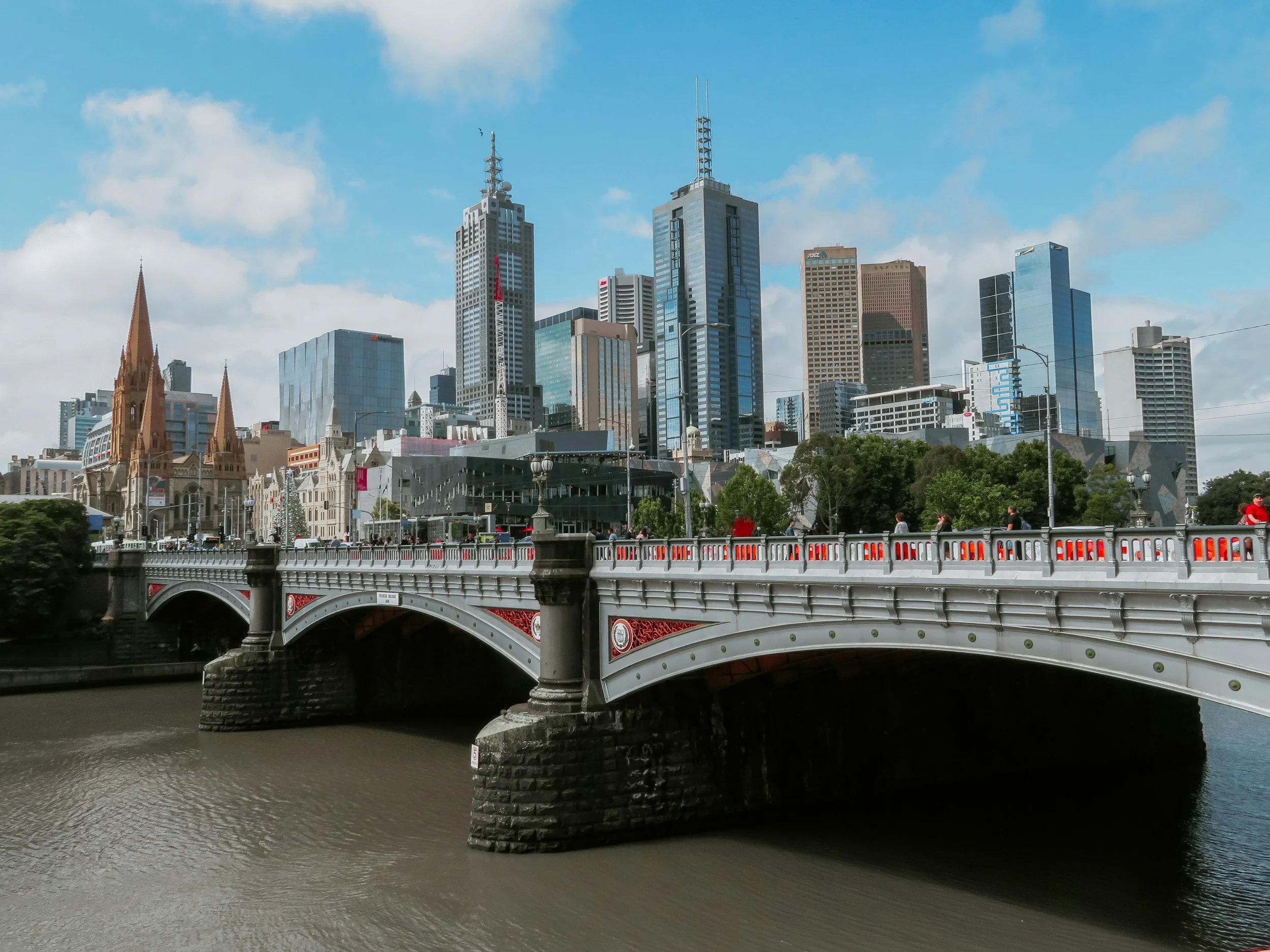
Busy, vertical and constantly in motion. Melbourne’s CBD is a mix of office towers, historic arcades, student life and late-night dining, all layered into a relatively compact grid. During the week it hums with commuters; at weekends it softens slightly, but never fully slows down.
The magic often happens off the main streets. Step away from Swanston Street and Bourke Street Mall and the city reveals itself through laneways, basement bars and tucked-away cafés.
Highlights and Things to Do
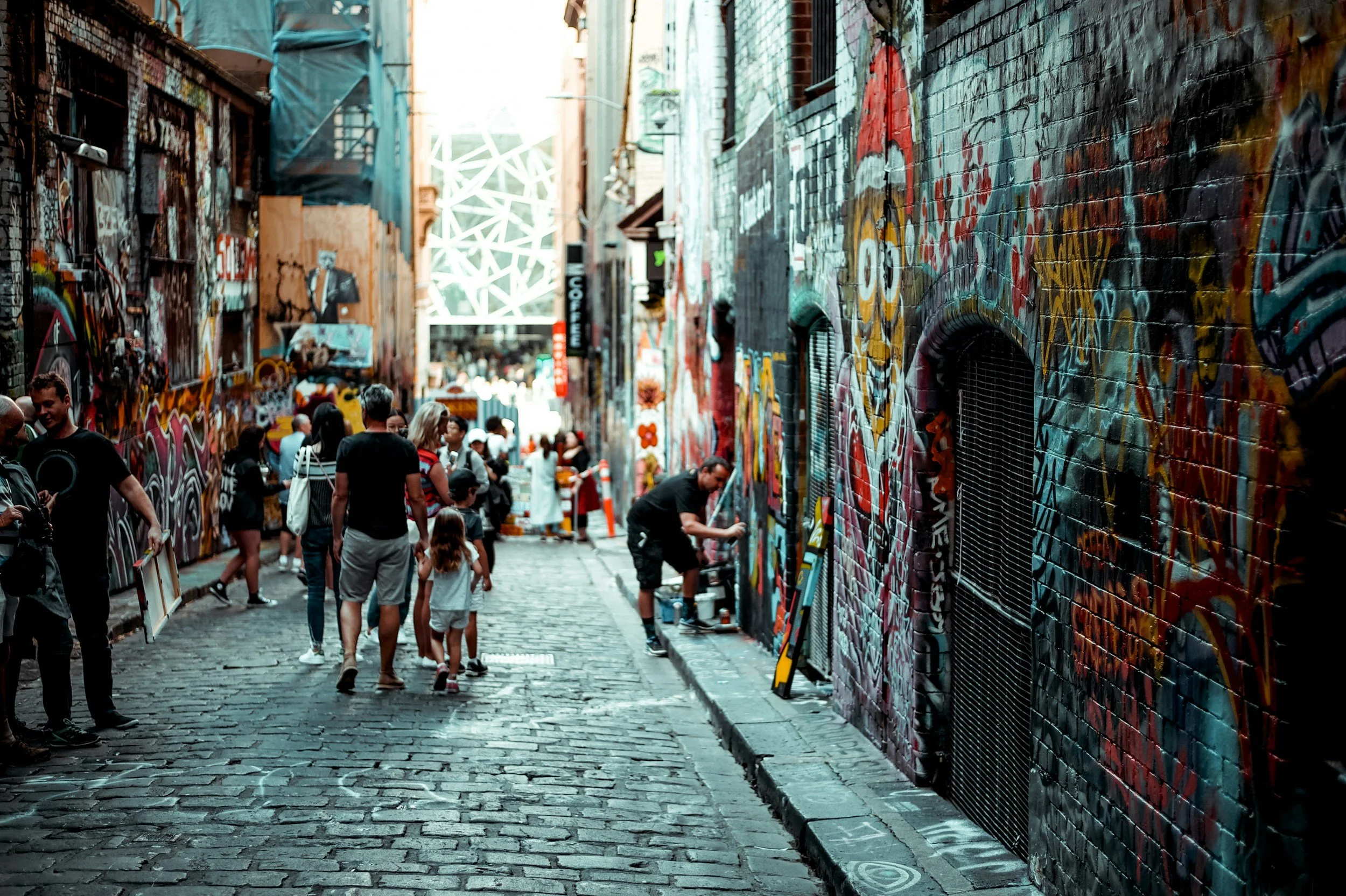
Melbourne’s famous laneways are the CBD’s biggest draw. Hosier Lane is the most photographed, but nearby ACDC Lane and Degraves Street feel more lived-in and rewarding for wandering.
Historic arcades like Block Arcade and Royal Arcade offer a glimpse into the city’s Victorian past, while the Yarra River edge provides space to walk, pause and reset between busier stretches.
Food and Drink Scene
The CBD punches well above its weight for food, largely thanks to its multicultural makeup and late-night culture. Institutions like Chin Chin draw crowds for bold, high-energy dining, while quieter spots tucked into laneways reward those willing to look beyond the obvious.
For coffee, places such as Patricia Coffee Brewers are a reminder that even in the busiest parts of the city, Melbourne’s café culture remains deeply ingrained.
Where to Stay
Accommodation in the CBD ranges from large international hotels to serviced apartments and compact design-led stays. It’s practical and efficient, especially if you’re arriving late, leaving early, or planning day trips beyond the city.
For longer stays, some travellers find the lack of green space and neighbourhood rhythm a drawback — something to weigh up when choosing where to base yourself.
World Locals Tip
Use the CBD as a launchpad, not a lens. Stay here if it makes logistics easier, but plan to spend most of your time in neighbourhoods like Fitzroy, Collingwood or Carlton — that’s where Melbourne’s personality really comes through.
Southbank and South Wharf
Why Stay or Visit Southbank
Southbank suits travellers who value proximity to major attractions, events and riverfront walks. It works particularly well for short stays, theatre trips, sporting events, or if you want modern accommodation with views and easy access to the CBD.
It’s less about neighbourhood charm and more about location and convenience — a polished base rather than a place to sink into local routines.
What Southbank Feels Like
Modern, spacious and deliberately designed. Wide promenades replace backstreets here, and the atmosphere is noticeably more curated than in Melbourne’s inner suburbs. By day, it’s calm and open; by night, it fills with theatre-goers, diners and people heading out along the river.
South Wharf, further west, feels even more contained — quieter, newer and more self-contained — appealing if you prefer things neat and navigable.
Highlights and Things to Do
Southbank is home to Melbourne’s major arts precinct. Arts Centre Melbourne and the National Gallery of Victoria sit just across the river from the CBD and are easy to combine with a riverside walk.
The Southbank Promenade is best experienced in the evening, when the city lights reflect on the Yarra and the pace slows. South Wharf’s waterfront paths are quieter and better suited to relaxed strolls away from the crowds.
Food and Drink Scene
Dining in Southbank leans towards polished, scenic and occasion-driven. Restaurants along the promenade prioritise views and atmosphere, making them popular for pre-theatre meals or relaxed dinners rather than everyday eating.
Across the river, many locals prefer to cross back into the CBD or inner suburbs for more character-led food scenes — something worth factoring into where you spend your evenings.
Where to Stay
Accommodation here is dominated by large, modern hotels and serviced apartments, many offering river or skyline views. Rooms tend to be spacious and well-equipped, making Southbank a comfortable option for longer stays if you value amenities over neighbourhood texture.
South Wharf is quieter still, ideal if you want to retreat at night without sacrificing central access.
World Locals Tip
Southbank works best as a base with balance. Enjoy the river walks and cultural institutions on your doorstep, but plan to eat and explore in nearby neighbourhoods — crossing the river regularly will give you a much fuller picture of Melbourne.
St Kilda
Why Stay or Visit St Kilda
St Kilda suits travellers who want breathing room. If you like morning walks by the water, slower days, and a base that feels separate from the inner-city buzz, this is one of Melbourne’s easiest neighbourhoods to settle into. It works well for longer stays, summer visits, and anyone keen to balance city time with open space.
It’s also a good option if you’ve visited Melbourne before and want to see a different side of the city — one that’s more relaxed, slightly nostalgic, and shaped by the sea.
What St Kilda Feels Like
Laid-back, coastal and a little bit old-school. St Kilda has a mix of palm-lined streets, historic buildings, backpacker energy and long-term locals who’ve lived here for decades. It doesn’t feel polished in the way Southbank does — instead, it has a slightly scruffy charm that feels honest and unforced.
Life here moves outdoors. People walk, jog, cycle and linger, especially when the weather’s good. The city feels close, but never pressing.
Highlights and Things to Do
St Kilda Beach is the obvious draw, particularly in warmer months when the promenade fills with walkers and cyclists. At sunset, the walk out to St Kilda Pier is a local ritual — and if you stay after dark, you can spot the resident little penguins returning to shore.
For something more nostalgic, Luna Park adds a dose of old-fashioned fun, while the palm-lined St Kilda Botanical Gardens offer a quieter escape from the beachfront crowds.
Food and Drink Scene
St Kilda’s food scene is relaxed and varied, with plenty of casual cafés, bakeries and long-standing local institutions. Acland Street remains known for its historic cake shops and European bakeries, while nearby streets reward those willing to wander a little further from the main drag.
For drinks, beachside bars and pubs lean casual rather than cutting-edge — places designed for long afternoons rather than late nights. Many locals head inland for more destination dining, treating St Kilda as a place to eat simply and well.
Where to Stay
Accommodation in St Kilda ranges from budget-friendly hostels to mid-range hotels and serviced apartments, often offering more space than inner-city options. Many places are within walking distance of the beach, making it an appealing base if you prioritise light, air and room to unwind.
The trade-off is distance: while trams connect St Kilda to the CBD, travel times are longer than staying north of the river.
World Locals Tip
Stay a few blocks back from St Kilda Beach rather than directly on the esplanade. You’ll still be close to the water, but evenings are quieter — and you’ll get a better feel for St Kilda’s residential side.
Richmond
Why Stay or Visit Richmond
Richmond is a strong all-rounder. It suits travellers who want to be well connected, close to the city, and surrounded by places locals actually use day to day. If you’re visiting for sport, shopping, food — or simply want a neighbourhood that feels lived-in rather than curated — Richmond makes a lot of sense.
It’s practical without being dull, and central without feeling anonymous. Many visitors overlook it, but those who stay here often end up pleasantly surprised.
What Richmond Feels Like
Busy, grounded and unmistakably local. Richmond has a working-city energy: people heading to matches, doing their weekly shop, grabbing quick coffees before work. There’s less emphasis on aesthetics and more on function, which gives the area a very authentic feel.
The neighbourhood stretches out rather than clustering around a single core, with long arterial streets, residential pockets and unexpected green spaces woven throughout.
Highlights and Things to Do
Richmond is closely tied to Melbourne’s sporting culture. Melbourne Cricket Ground sits on its western edge, alongside Melbourne Park, home to the Australian Open and major concerts. On event days, the area buzzes with energy.
Away from sport, Bridge Road is known for outlet shopping and casual retail, while Victoria Street anchors one of the city’s most vibrant Vietnamese food districts.
For downtime, Yarra Bend Park offers walking trails, river views and a surprising sense of escape so close to the city.
Food and Drink Scene
Richmond’s food scene is one of Melbourne’s most diverse and everyday-friendly. Victoria Street is lined with long-standing Vietnamese restaurants and bakeries, making it one of the best areas in the city for casual, affordable eating.
Elsewhere, pubs and cafés skew local and unfussy rather than trend-driven. This is a neighbourhood where people eat out regularly, not occasionally — and it shows in the consistency rather than the hype.
Where to Stay
Accommodation in Richmond includes mid-range hotels, serviced apartments and short-stay rentals, often offering better value and more space than the CBD. It’s a particularly good base if you’re attending events, planning day trips, or staying long enough to want a sense of routine.
Transport links are excellent, with multiple tram and train lines connecting Richmond to the CBD and inner suburbs.
World Locals Tip
If you’re staying near Victoria Street, explore beyond the main strip. Just a few blocks away, residential streets and local cafés reveal a quieter, more neighbourhood-focused side of Richmond that many visitors miss.
Carlton
Why Stay or Visit Carlton
Carlton suits travellers who enjoy culture, history and a slower, more considered pace. It’s a great option if you want to be close to the CBD without being right in it, and if museums, green spaces and classic dining matter more to you than nightlife.
It works especially well for first-time visitors who want walkability and calm, as well as anyone visiting Melbourne for study, culture or longer stays.
What Carlton Feels Like
Established, elegant and quietly confident. Carlton feels older than much of Melbourne — not in a tired way, but in a settled one. Tree-lined streets, historic terraces and wide boulevards give the neighbourhood a sense of space and permanence.
There’s a strong academic influence here thanks to the nearby university, which brings a steady, thoughtful energy rather than a buzz. Life moves at a measured pace: morning coffees, long lunches, evening walks through the gardens.
Highlights and Things to Do
Carlton is home to some of Melbourne’s most important cultural institutions. Melbourne Museum and the Royal Exhibition Building sit at the edge of Carlton Gardens, one of the city’s most beautiful green spaces and a UNESCO World Heritage Site.
Just south, Lygon Street is one of Melbourne’s most historic dining strips, long associated with Italian migration and café culture. Even if you don’t eat here, it’s worth walking for the sense of history alone.
Food and Drink Scene
Carlton’s food scene is rooted in tradition. Lygon Street remains known for Italian restaurants, gelaterias and espresso bars, many of which have been operating for decades.
That said, the area has quietly evolved. Tucked away on side streets are more contemporary cafés and relaxed neighbourhood spots catering to students and locals — places that prioritise consistency and comfort over trends.
Where to Stay
Accommodation in Carlton is relatively limited but well-positioned, with a mix of small hotels, serviced apartments and university-adjacent stays. It’s a good base if you want walkable access to the CBD, Fitzroy and inner-north neighbourhoods without the noise and density of the city centre.
Green space is a real advantage here, particularly if you value morning walks or time outdoors between sightseeing.
World Locals Tip
Stay close to Carlton Gardens rather than directly on Lygon Street. You’ll still be minutes from cafés and restaurants, but the streets are quieter and the area feels noticeably more residential in the evenings.
Other Areas to Know About
These neighbourhoods don’t need full deep dives, but they’re worth knowing about — especially if you’re staying longer or looking for a very specific feel.
Brunswick
Further north than Fitzroy and Collingwood, Brunswick feels more residential and multicultural, with a strong live music scene and excellent Middle Eastern and Mediterranean food. It suits longer stays and travellers who prefer quieter streets and local routines over nightlife.
South Yarra
Polished and well connected, South Yarra appeals to shoppers and travellers who like things sleek and central. Chapel Street runs through the area, bringing energy — though some find it busier and more commercial than Melbourne’s inner north.
Prahran
Often grouped with South Yarra, Prahran feels slightly more relaxed and local. The Prahran Market is a standout, especially if food shopping and casual eating are part of how you like to travel.
Williamstown
Across the bay to the west, Williamstown offers a village-like, coastal feel with historic streets and waterfront walks. It’s quieter and further out, but rewarding if you want a slower pace and sea air without the buzz of St Kilda.
Which Melbourne Neighbourhood Is Right for You?
If you’re still weighing things up, here’s how the city tends to break down by travel style:
If it’s your first time in Melbourne, the CBD or Carlton make things easy — walkable, well connected and close to major sights, with minimal logistics.
If you’re here for food, coffee and culture, Fitzroy and Collingwood offer the strongest sense of place and everyday Melbourne life.
If you want space, light and a slower rhythm, St Kilda is a good fit, especially for longer stays or summer trips.
If you’re visiting for sport, events or practical access, Richmond balances location, transport and local energy better than most areas.
There’s no single “best” neighbourhood — just the one that best matches how you like to spend your days.
Where First-Time Visitors Often Stay (and Why It’s Tricky)
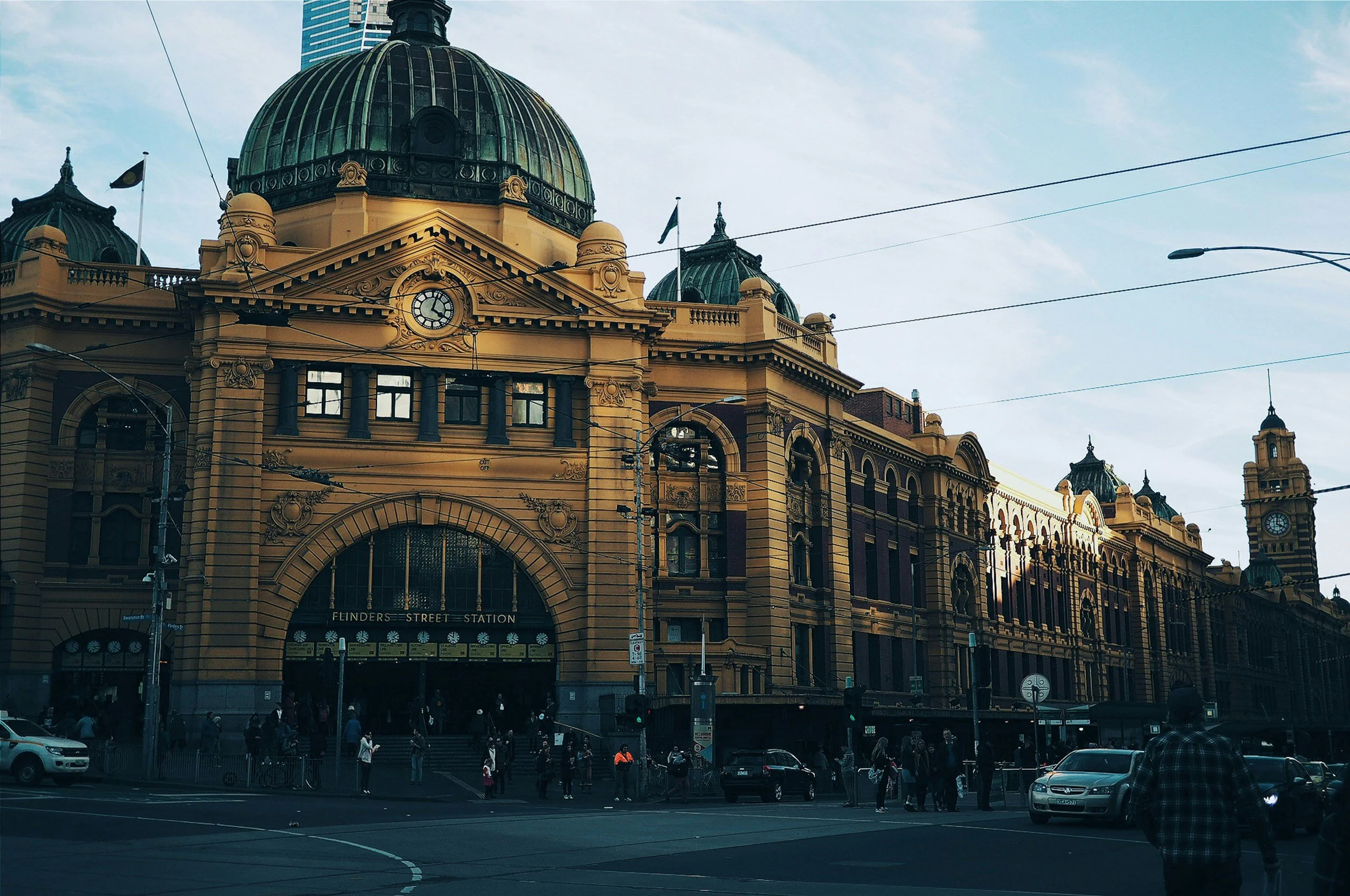
Many first-time visitors default to the CBD, and on paper it makes sense: transport hubs, hotels, dining and attractions all in one place. For short trips, it can work well.
The trade-off is that the CBD shows you between neighbourhoods rather than within one. You’ll see a lot, but you may miss the slower, more personal side of Melbourne that emerges in areas like Fitzroy, Carlton or Collingwood.
If you have more than a few days, staying just outside the centre often leads to a richer experience — one built around local cafés, familiar streets and small daily rituals rather than constant movement.
Getting Around Melbourne
Melbourne is one of Australia’s easiest cities to navigate, particularly if you’re staying in or near the inner city. Most neighbourhoods in this guide are well connected by public transport, and many are walkable once you’re there.
Trams are the backbone of the city. The Free Tram Zone covers much of the city centre, making it easy to move around the CBD without paying a fare. Outside the free zone, trams remain frequent and reliable, linking neighbourhoods like Fitzroy, Carlton, Richmond and St Kilda directly to the centre.
Trains are useful for longer hops or if you’re staying further out, while buses tend to fill in the gaps rather than being the main mode of transport. Most visitors won’t need a car — and in inner Melbourne, driving can be more hassle than help due to traffic and limited parking.
From Melbourne Airport, the SkyBus offers a straightforward connection to the CBD, while rideshares are convenient for late arrivals or door-to-door transfers. Once you’re settled, though, Melbourne is best explored slowly — on foot, by tram, and with time to wander.
“Melbourne rewards curiosity. It’s a city that opens up gradually, through repeated walks, familiar cafés and the quiet confidence of neighbourhood life. While it’s easy to cover a lot of ground here, the real experience comes from choosing a base that fits how you like to travel — and letting the city meet you at that pace.
Whether you find yourself lingering over coffee in Fitzroy, walking home through Carlton Gardens, watching the sun dip behind the bay in St Kilda, or weaving between markets and match-day crowds in Richmond, each neighbourhood offers a different lens on the same city.
There’s no single right way to experience Melbourne — only the version that feels right to you. Choose well, slow down where you can, and let the neighbourhood do the rest.”