For a long time, travel was about the map. Pins dropped. Borders crossed. Places collected. The question was always where — where next, where haven’t you been, where should you go before everyone else does.
But increasingly, travel decisions are being shaped by something quieter and more specific: timing.
Not the destination itself, but the moment it’s experienced.
A city on the eve of something important. A weekend when the streets pulse with anticipation. A place caught mid-celebration, mid-ritual, mid-history. These are trips built not around landmarks or lists, but around something unfolding — something that will happen once, and then never in quite the same way again.
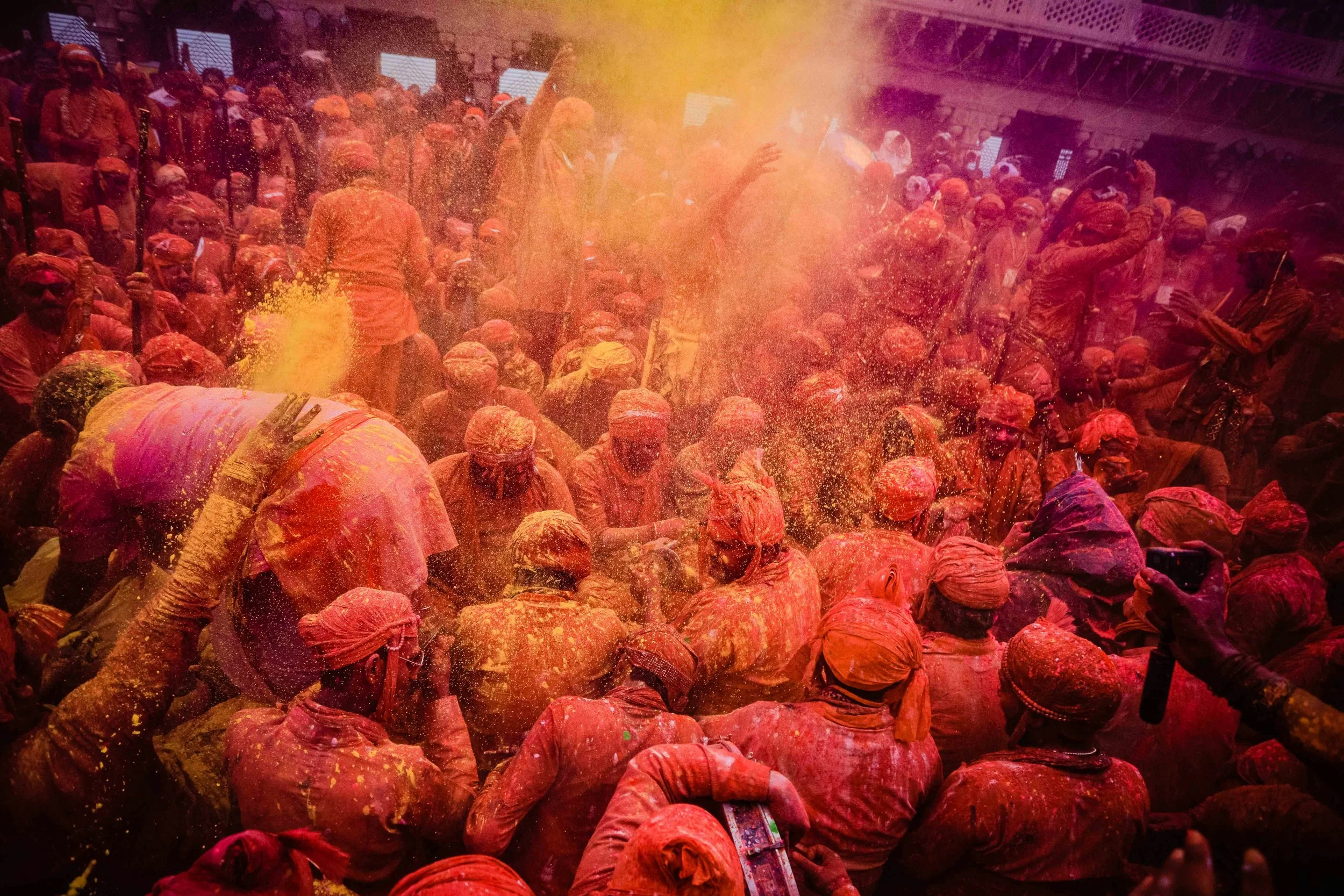
It might be a cultural festival, a religious ceremony, a local tradition passed down through generations. Or it might be a sporting moment — a final, a derby, a last match of the season — where an entire city seems to move to the same rhythm for a few hours. In those moments, travel stops being observational and becomes participatory. You’re no longer just visiting a place. You’re stepping into a shared experience.
Travelling for a moment shifts the purpose of the trip. There’s less pressure to see everything. Less urgency to optimise. One thing matters, and everything else arranges itself around it. The city becomes a backdrop, then a character, then a memory container — holding onto a feeling long after the details fade.
These are the trips that don’t always photograph well, but stay with you anyway. Not because of where you were, but because of what happened there.
And often, those moments become the stories we tell — long after the place itself has blurred.
Choosing the Moment Over the Map
Choosing to travel for a moment rather than a place changes the way a trip begins. The starting point isn’t a list of neighbourhoods or a bookmarked café — it’s a date in the calendar, circled quietly, waiting.
There’s something intentional about that choice. You’re not asking what you can fit in, but what you want to be present for. One match. One ceremony. One weekend where the city leans into something bigger than itself. Everything else becomes secondary — and strangely, that’s when travel starts to feel lighter.
Moments demand commitment. Miss them, and they’re gone. There’s no returning a week later to catch the same energy, no recreating the same tension or release. That ephemerality sharpens attention. You arrive more alert. You notice more. You’re tuned in, because you know what you’re there for.
This kind of travel also loosens the grip of expectation. When the moment is the anchor, there’s less pressure on the place to perform. You’re not measuring the city against an imagined ideal or racing to confirm what you already think you know. You’re letting it reveal itself in real time — in queues, in conversations, in how locals prepare, celebrate, or wait.
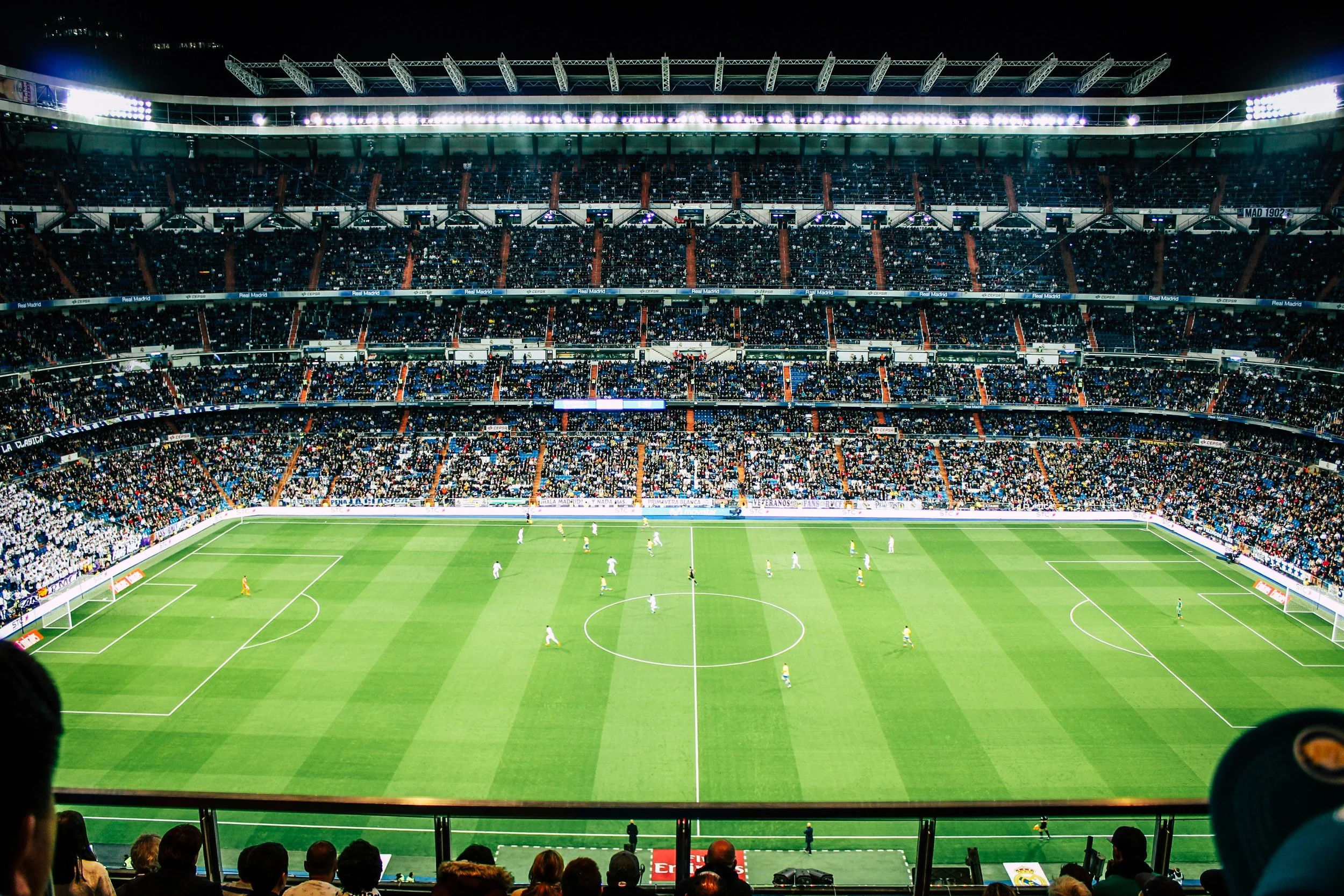
Sports events capture this beautifully. A city hours before kick-off feels different to the same city a week later. Cafés fill earlier. Conversations orbit one subject. Colours appear in shop windows and on strangers’ backs. You don’t need to know the history or the statistics to feel the shift — the atmosphere does the explaining for you.
Choosing the moment over the map doesn’t make travel smaller. It makes it more focused. One meaningful reason to be somewhere is often enough. And when the moment arrives, you’re not distracted by everything else you think you should be doing.
You’re exactly where you meant to be.
When the Crowd Becomes the Destination
There’s a moment, often just before something begins, when a place feels charged. Conversations soften or sharpen. People check the time without meaning to. Strangers stand a little closer together. The city seems to inhale.
In those moments, the destination quietly shifts.
It’s no longer the stadium, the square, the route, or the venue that matters most — it’s the people gathered around it. The crowd becomes the experience. Not as something chaotic or anonymous, but as something shared. Temporary. Human.
This is especially true when travel intersects with events — and sport, in particular, has a way of making this visible. You feel it in the hours before kick-off, when cafés are fuller than usual and everyone seems to be heading in the same direction. You feel it when streets empty mid-game, then erupt all at once. You feel it in the way eye contact turns into conversation without introduction.
What’s striking is how quickly belonging forms. You don’t need context, credentials, or allegiance. Being there is enough. Standing in the same place, waiting for the same moment, is a kind of permission. For a few hours, everyone is tuned to the same frequency.
In those situations, travel becomes less about observing and more about participating. You’re not watching a city from the outside — you’re moving with it. Sharing its anticipation. Absorbing its release. Feeling the aftershocks ripple through bars, buses, streets, homes.
It’s why these trips linger so clearly in memory. You remember how it felt to be part of something — even if you struggle to recall the exact details of what unfolded. The noise, the silence, the collective reaction. The sense that, for a brief window, you were folded into a story that didn’t belong to you — but welcomed you anyway.
And when the crowd disperses, something subtle remains. A trace of connection. A feeling that the place revealed itself not through landmarks, but through people — gathered together, exactly when it mattered.
The City You Meet During an Event Isn’t the Same City
Cities have their everyday rhythms. Morning commutes, familiar routes, habitual pauses. But when an event arrives, those rhythms bend — sometimes subtly, sometimes completely.
Streets take on new purposes. Public spaces feel more generous. Conversations stretch beyond their usual edges. Locals carry a different kind of energy — anticipation, pride, nerves, celebration — often all at once. You’re not seeing the city as it usually is. You’re seeing it in a heightened state.
During moments like these, places become more expressive. A neighbourhood might wear its identity more openly. Shop windows change. Music spills further onto the street. Cafés stay open longer. Even people who aren’t directly involved are aware that something is happening — and that awareness shapes the mood.
Sporting events reveal this especially clearly. On big match days, the city reorganises itself. Trains fill earlier. Streets near venues thrum with movement. Away from the action, quiet corners feel unusually still. The contrast is part of the experience. The city seems to expand and contract around the moment.
What’s powerful about travelling during these times is the access it gives you. Not access in a practical sense, but emotional access. You see how a place feels about itself. What it celebrates. What it fears losing. What it holds onto tightly.
These versions of cities are temporary. Once the event passes, things settle back into place. Routes return to normal. Conversations move on. But for a short while, the city reveals something honest — and often unfiltered.
It’s a reminder that places aren’t static. They’re shaped by what happens within them. And sometimes, the most revealing way to meet a city is not in its quiet moments, but when it’s fully awake.
The Memories We Carry Aren’t About the Place
With time, most travel memories soften around the edges. The exact route you walked. The name of the bar. The layout of the streets. Details blur, even from trips that once felt vivid.
But certain moments stay impossibly clear.
They’re rarely tied to a landmark or a view. They’re tied to what happened there.
A shared pause before something begins. A sudden roar you didn’t expect to feel so deeply. A conversation with a stranger that only made sense in that exact place, at that exact time. These are the memories that resist fading, because they’re anchored to emotion rather than geography.
Trips built around moments tend to leave behind better stories. Not because they’re dramatic, but because they’re lived collectively. You don’t remember the city in isolation — you remember how it felt to be part of something unfolding within it. The before. The anticipation. The way everything else seemed to fall quiet while one thing mattered.
And when those memories resurface years later, they don’t come back as destinations. They return as stories.
Not I went there, but this happened.
Not we visited, but we were there when.
The place becomes a backdrop. A container for meaning. Somewhere the memory lives, even if the details no longer do.
That’s why these trips age so well. Even as specifics fade, the feeling stays intact. You might forget the score, the schedule, the exact sequence of events — but you remember how it felt to stand among strangers who suddenly didn’t feel like strangers at all.
Those are the memories that travel gives you when it’s built around a moment. Ones you don’t need to polish or exaggerate. Ones that carry themselves.
How Events Give Memory a Spine
One of the reasons moment-led trips stay so vivid is that they come with a natural shape. A beginning, a middle, and an end. Memory latches onto that structure instinctively.
There’s the before: the build-up, the quiet anticipation, the conversations that keep circling back to the same topic. You arrive tuned in, aware that something is coming. Time feels slower, sharper. You notice details you might otherwise pass by — colours, sounds, fragments of excitement.
Then there’s the during: the moment itself. This is where presence takes over. You’re not planning the next stop or checking what’s nearby. You’re exactly where you need to be. Attention narrows. Everything else recedes.
Sport captures this compression of time particularly well. Hours of anticipation collapse into minutes of intensity. A city moves in sync. Streets fall silent, then erupt. Even if you can’t recall the exact sequence later, you remember the rhythm — the collective rise and fall.
And finally, there’s the after: the release. The walking away. The replaying. The comparisons with strangers who were there too. The way the city feels slightly different once it’s over — lighter, heavier, quieter, louder.
This before–during–after rhythm gives memory something to hold onto. It anchors the experience, making it easier to return to later. These trips don’t dissolve into a blur because they were never shapeless to begin with.
That’s what moments do. They give travel clarity. And in doing so, they make it easier to remember not just where you were — but how it felt to be there.
You Don’t Need to Be a Superfan
One of the quiet misconceptions around travelling for events — especially sporting ones — is that you need to care deeply to belong. That you need knowledge, allegiance, history. That without it, you’re somehow on the outside.
In reality, moments like these ask very little of you.
You don’t need to understand every rule, rivalry, or reference to feel what’s happening around you. Events operate on emotion first. Anticipation. Hope. Nerves. Joy. Disappointment. These are universal languages, and they’re readable long before they’re explainable.
Sport, in particular, works as a cultural ritual. It gathers people across generations and backgrounds, pulls them into the same spaces, and gives them a shared focus — even if their reasons for being there differ. Some are lifelong supporters. Some are casual observers. Some are simply curious. For a few hours, those distinctions don’t matter much.
Travelling this way isn’t about expertise. It’s about proximity. Being close enough to feel the shift in atmosphere. Close enough to notice how locals talk differently, move differently, wait differently. Close enough to sense when a city is holding its breath.
And often, being slightly outside the details is a gift. You notice the margins — the rituals around the event rather than the event itself. The way cafés fill. The conversations overheard. The nervous pacing. The collective release. You see the place through behaviour rather than explanation.
That’s what makes these moments so accessible. You don’t have to arrive prepared. You just have to arrive open.

“There’s a quiet shift that happens once the moment has passed. The crowds thin. Streets reopen. Conversations move on. The city exhales and begins to look like itself again.
But for you, something has already settled in.
The trip doesn’t end when the event does — it transforms. What was once anticipation becomes reflection. What was shared in real time starts to replay internally, reshaped by distance and time. This is when the story begins to take form.
Often, it’s the smallest things that surface first. The walk back through unfamiliar streets. A late conversation with strangers who were there too. The way the city felt the next morning — calmer, slightly altered, as if carrying the echo of what just happened.
These are the moments that don’t always register immediately, but grow clearer later. They resurface unexpectedly, folded into unrelated conversations. Someone mentions a city, and instead of picturing its skyline, you remember a feeling. A sound. A collective pause. A sense of being present for something that mattered — even briefly.
That’s the quiet power of travelling for a moment. The place becomes inseparable from the experience, not because of what you saw, but because of what you shared. The city turns into a reference point in your own personal timeline — a marker for a feeling, a chapter, a story you’ll return to without trying.
Long after the details fade, the meaning holds.
And that’s often how the most lasting travel memories are made — not through what we planned to see, but through what we happened to be there for.”