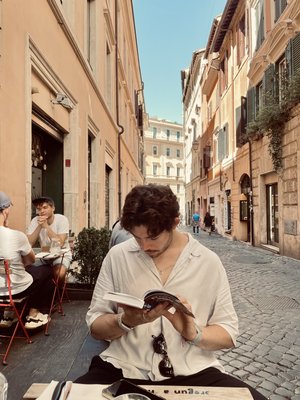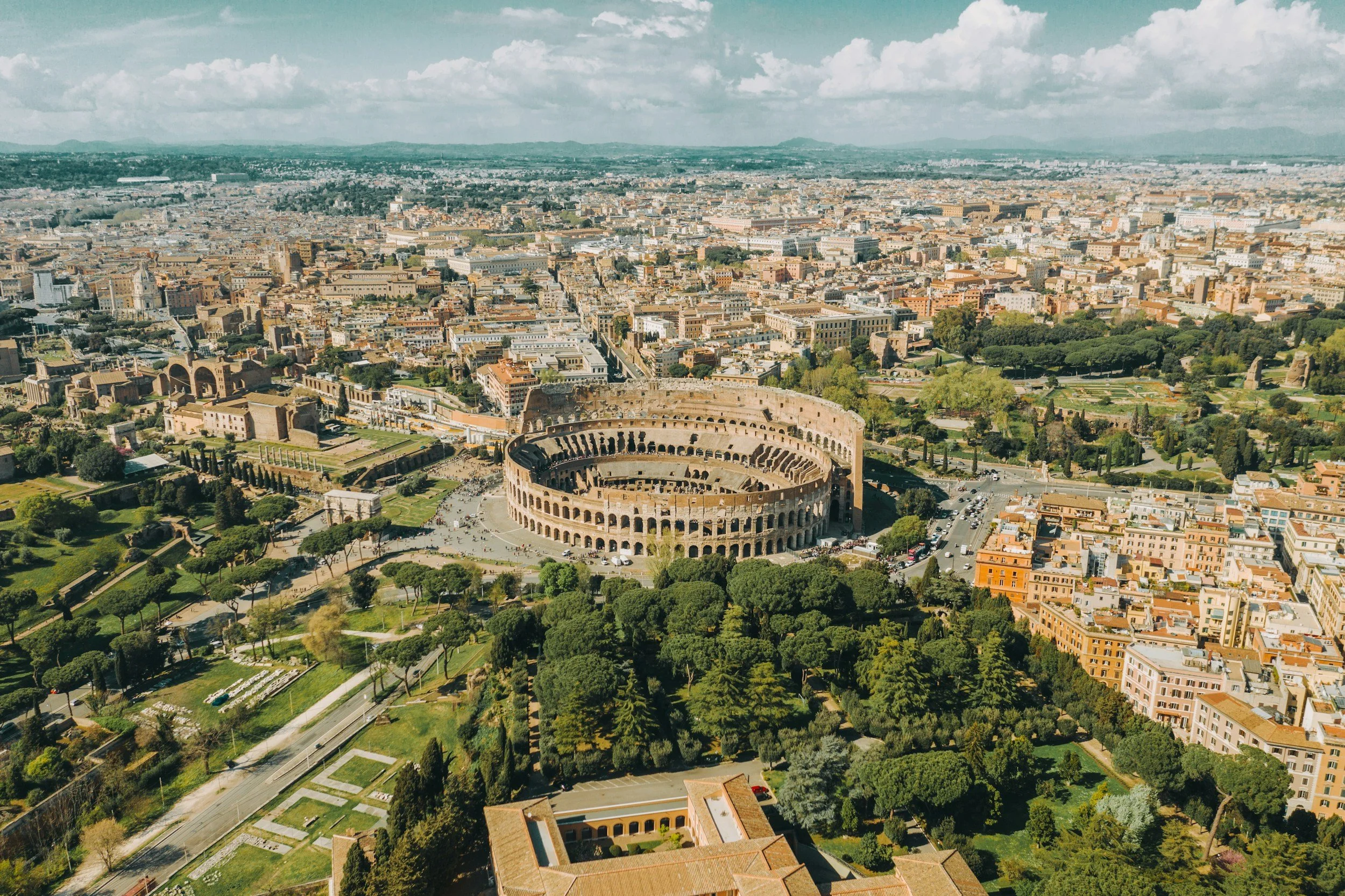
Rome isn’t a city you rush through, and it isn’t one best understood by ticking off landmarks alone. Its most memorable experiences come from layering moments — ancient and everyday, iconic and incidental — and allowing the city to reveal itself gradually.
This guide is built around how to experience Rome well, not just what to see. Some experiences are unmissable, but how and when you approach them matters just as much as the place itself. Others are quieter, woven into daily routines and neighbourhood life, and often leave the strongest impression.
Rather than a checklist, this is a way of moving through the city with intention — balancing essential sights with slower moments, and understanding how Rome works beyond its monuments. Taken at the right pace, Rome rewards curiosity, patience and repetition far more than speed.
From ancient streets to evening walks, neighbourhood rhythms to food-led moments, the experiences below are designed to help you feel the city rather than simply pass through it.
Iconic experiences (and how to experience them well)
Rome’s most famous sights are unavoidable — and rightly so. They carry centuries of history and are central to understanding the city. What often determines whether they feel inspiring or exhausting isn’t what you see, but how you approach them.
Timing, pacing and context matter here. Rome rewards visitors who slow these experiences down rather than stacking them back to back.
Ancient Rome beyond the photo stop
Standing in front of the Colosseum is a powerful moment, but the real experience of ancient Rome begins once you step away from the perimeter and into the surrounding ruins.
Pair the Colosseum with time in the Roman Forum and Palatine Hill, allowing enough space to wander rather than rush. These areas make far more sense when explored slowly, with pauses to read the landscape rather than just follow a path.
The best time to visit is early morning or later in the afternoon, when light softens the ruins and crowds thin slightly. Visiting at the edges of the day often feels calmer and more reflective.
The Vatican, done with intention
The Vatican can be one of Rome’s most overwhelming experiences if approached without a plan. The scale, the crowds and the density of art make pacing essential.
An early visit to the Vatican Museums is usually the most manageable, especially if you want time to absorb what you’re seeing rather than move in a slow procession. Focus on a few key rooms rather than everything — trying to see it all rarely leads to a better experience.
Allow separate time for St. Peter's Basilica, ideally outside peak hours. Entering in the late afternoon or early evening can feel markedly calmer and more spacious.
Rome’s churches as everyday landmarks
Beyond headline attractions, Rome’s churches are some of the city’s most accessible and quietly powerful experiences. They’re part of daily life rather than special occasions, open throughout the day and often free to enter.
Stepping into a church between walks offers a pause from the street and a chance to see art still rooted in its original context. These moments often feel more intimate than museum visits and help balance out the intensity of larger sights.
Rather than planning specific churches, allow time to enter those you pass naturally — it’s one of the simplest ways to experience Rome as locals do.
Everyday Rome: local experiences
Some of Rome’s most meaningful experiences happen away from landmarks, woven into routines that repeat daily with little fanfare. These are moments you don’t queue for — but they’re often what make the city feel most alive and most human.
Spending time in everyday Rome helps balance the intensity of sightseeing. It slows the pace, adds context, and makes the city feel lived in rather than performed.
Morning routines and neighbourhood life
Rome starts early, but gently. Cafés open first, shutters lift, and locals stop briefly for coffee before work. Standing at the bar for an espresso, watching the neighbourhood come to life, is one of the simplest ways to ease into the day.
Neighbourhood walks work best in the morning. Streets are quieter, deliveries are being made, and daily life feels unfiltered. Areas like Trastevere, Monti and Testaccio are especially rewarding at this time, before the city fills with visitors.
Markets as lived-in spaces
Markets aren’t experiences in the traditional sense — they’re part of everyday logistics. Visiting one mid-morning lets you observe how Romans shop, talk and move through familiar spaces.
Even if you don’t buy anything, walking through a market offers insight into seasonality, local preferences and the practical side of Roman food culture. It’s an easy way to connect what you eat with where it comes from.
The evening passeggiata
As the day cools, Rome shifts again. Early evening is when locals head out for a walk — the passeggiata — meeting friends, running small errands, or simply moving through the neighbourhood without a fixed plan.
This isn’t a formal event, just a habit. Joining it is as simple as walking without purpose around sunset, especially in areas with piazzas and lively streets. It’s one of the most natural ways to feel part of the city rather than an observer.
Sitting, watching and doing very little
Rome is a city that rewards stillness. Sitting in a piazza, on church steps, or at a café with no rush often reveals more than moving constantly from sight to sight.
Everyday Rome isn’t about adding activities — it’s about allowing space between them. These quieter moments are what make the bigger experiences feel more grounded and more memorable.
Hidden and quieter experiences
Rome’s quieter moments aren’t hidden behind secrets — they’re usually just a few steps away from the busiest routes. The key is knowing where to pause, when to arrive, and what to look for once you’re there.
These experiences offer space, perspective and contrast — and they’re often what make Rome feel most rewarding.
Walk the Aventine Hill slowly
The Aventine is one of the most overlooked areas near the historic centre, yet it offers some of Rome’s calmest and most atmospheric moments. Streets here are residential, green and noticeably quieter than elsewhere.
Spend time around Aventine Hill, walking between gardens, churches and viewpoints. The area encourages wandering without an agenda and feels removed from the city’s intensity despite being centrally located.
A short walk here pairs well with nearby Testaccio or Trastevere and works especially well in the late afternoon.
Look through the keyhole at the Aventine
A few minutes from the Aventine’s quiet streets is one of Rome’s most famous small moments: the view through the keyhole at Knights of Malta Keyhole.
It’s a brief experience, but a memorable one — offering a perfectly framed view of St Peter’s dome. Visit early in the morning or later in the evening to avoid queues, and treat it as a passing stop rather than a main event.
Pause in lesser-visited churches
Beyond the headline churches, Rome is filled with smaller spaces that remain part of daily life. Stepping into places like Santa Maria in Cosmedin or neighbourhood churches away from major squares offers a quieter, more reflective experience.
These visits don’t require planning. Enter for a few minutes, sit, and continue on. They’re particularly effective between larger sights, offering a reset rather than another highlight.
Find perspective at sunset
Rome benefits from being seen from above. Viewpoints give context to the city’s scale and help break up dense sightseeing days.
Simple stops like Giardino degli Aranci offer wide views without effort. Late afternoon or early evening is ideal, when the light softens and the city slows.
These moments work best when unhurried — allow time to sit rather than rushing to the next destination.
Wander quieter streets near major sights
Some of Rome’s calmest streets sit directly beside its busiest areas. Around the Pantheon, Vatican and historic centre, stepping just a block or two away from main routes often leads to residential lanes and small piazzas that feel completely different.
Aim for mid-morning or late afternoon walks, when crowds are concentrated elsewhere. These short detours often become some of the most memorable parts of a day.
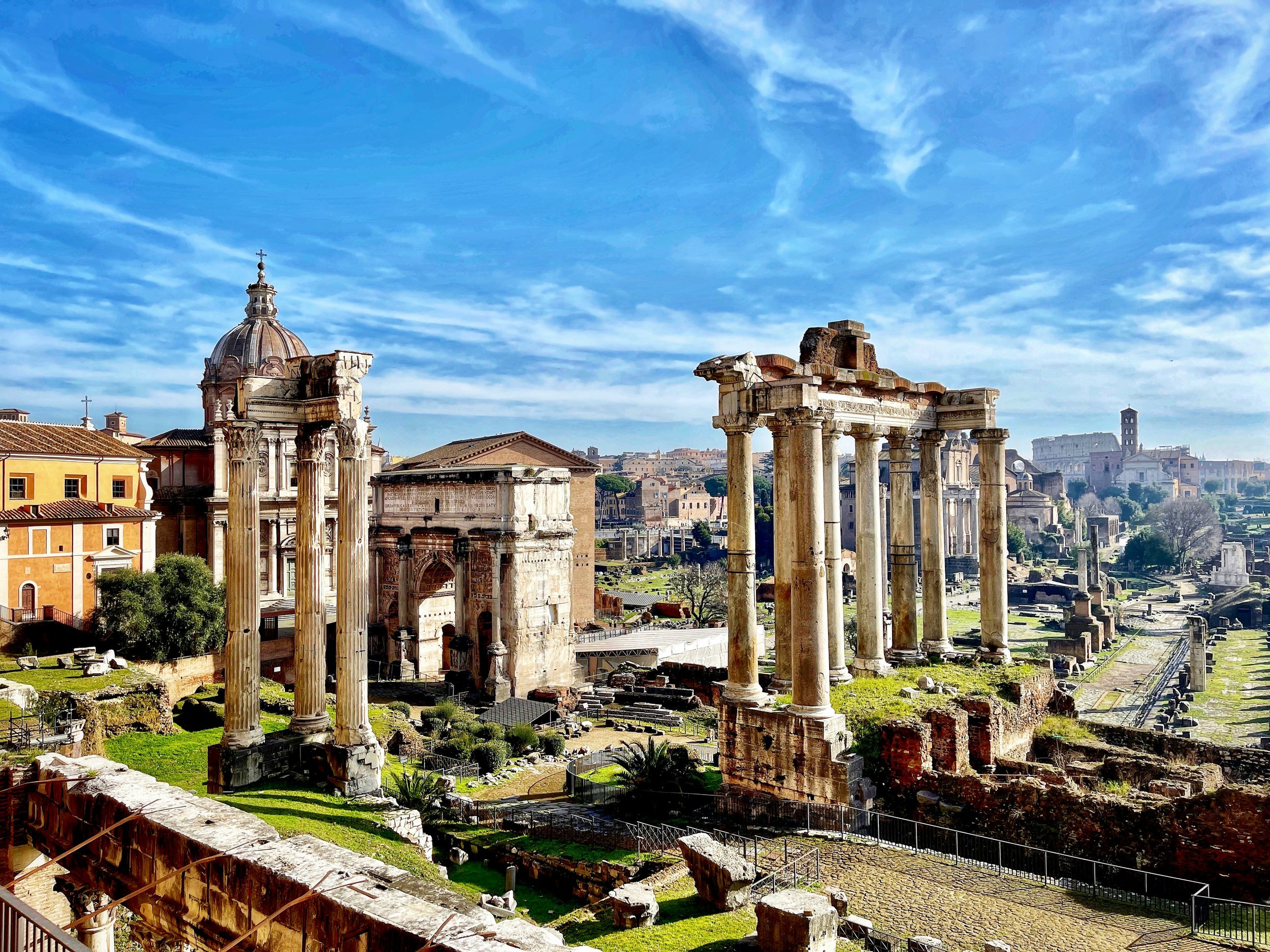
Fori Imperiali.
Food-led experiences
In Rome, food isn’t something you fit around sightseeing — it shapes the day. Some of the most memorable experiences come from leaning into how and when Romans eat, rather than treating meals as background logistics.
These are food experiences you can actively plan for, even if you don’t know the city well.
Eat lunch at a market, not a restaurant
Lunch in Rome is often practical, quick and filling — especially during the working week. One of the easiest ways to experience this is by eating at a neighbourhood market rather than sitting down at a trattoria.
Places like Mercato di Testaccio are ideal for this. Visit between late morning and early afternoon, walk the stalls first, then choose a simple lunch from one of the food counters. Expect straightforward dishes, minimal fuss and locals eating quickly before heading back to work.
This is one of the clearest ways to see how Romans eat day to day.
Have pizza by the slice, standing
Pizza in Rome doesn’t always involve a table. Eating pizza al taglio — rectangular slices sold by weight — is a normal part of daily life and works just as well for lunch as it does for a casual dinner.
Drop in when you’re hungry, choose a couple of slices, eat standing or nearby, then move on. It’s informal, efficient and deeply Roman. This works especially well when you don’t want to plan a full meal or commit to a long sit-down experience.
Let dinner be the main event
Dinner in Rome is slower, later and more social than lunch. Restaurants typically fill from early evening onwards, and meals are rarely rushed.
Choose one area for the evening — Trastevere or Monti work particularly well — and plan to stay nearby rather than moving across the city afterwards. Order simply, allow time between courses, and let the evening unfold naturally.
This is where Roman dining culture really shows itself: long conversations, shared dishes, and no pressure to leave once plates are cleared.
Treat gelato as an evening ritual
Gelato in Rome is often its own experience rather than a dessert ordered at the table. Many locals head out for gelato after dinner, especially in the evening, treating it as a short walk rather than a final course.
Plan it this way: finish dinner, walk a few streets, then stop for gelato before heading home. It’s a small habit, but it’s one that fits naturally into Roman evenings.
End the night with a digestivo
After a longer meal, many Romans finish with a digestivo rather than another drink. Amaro, grappa or limoncello are common choices and are often offered at the end of a meal.
You don’t need to seek this out — just be open to it if it appears. It’s a simple way to mark the end of the evening and part of the relaxed rhythm of dining in Rome.
Neighbourhood-based experiences
Rome is best experienced by anchoring parts of your day to specific areas, rather than moving constantly across the city. Each neighbourhood encourages a different pace and type of experience, and planning around that makes days feel calmer and more cohesive.
Trastevere in the evening
Trastevere comes into its own later in the day. Late afternoon into evening is when streets fill, piazzas come alive and the area feels most social.
Arrive before dinner and wander without a fixed plan. Walk through side streets, pause in a piazza, then choose somewhere to eat once the atmosphere has settled. After dinner, stay local — walk for gelato, stop for a final drink, and let the evening unfold naturally.
Trying to rush Trastevere earlier in the day often misses the point. This is an area designed for evenings, not itineraries.
Monti for slow wandering
Monti is ideal for unstructured exploration. Its compact size, sloping streets and small piazzas make it easy to wander without feeling lost.
This works particularly well mid-morning or late afternoon, when the area feels lived-in but not busy. Walk slowly, browse small shops, stop for coffee or wine when something catches your eye, and resist the urge to turn it into a checklist.
Monti rewards curiosity more than planning and works best when you allow time to linger.
Testaccio in the morning
Testaccio is at its most revealing earlier in the day. Mornings are when markets, bakeries and cafés are busiest, and daily routines are most visible.
Arrive late morning, walk through the market, have lunch locally, and observe how the neighbourhood functions before it quietens down. Afternoons here are noticeably slower, which makes this a good area to pair with nearby walks or quieter experiences.
Testaccio offers insight into everyday Rome — especially if you experience it before lunchtime.
Prati for structure and calm
Prati works well when you want order and breathing room. Wide streets, reliable transport and a residential rhythm make it a good base for structured sightseeing days.
Plan Vatican visits early, then return to Prati later in the day for a calmer pace. Evenings here are quiet and practical, which makes it easier to rest and reset before the next day.
Prati is less about discovery and more about balance — and that’s exactly why it works for many travellers.
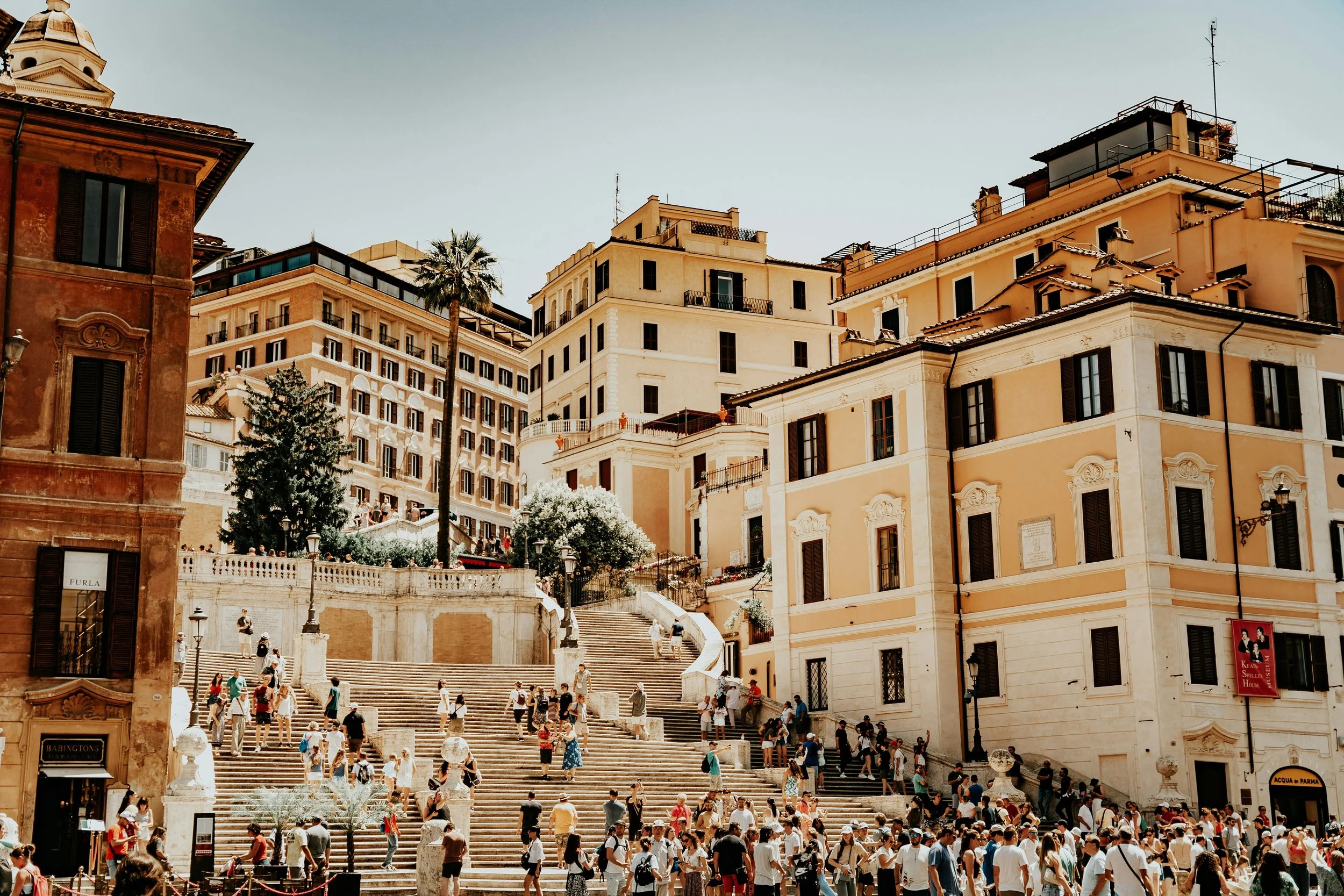
Spanish Steps.
Outdoor and slow Rome
Rome is dense, layered and intense — which is exactly why stepping outdoors and slowing the pace can feel so restorative. These experiences offer physical space and mental breathing room, and they work particularly well when paired with busier sightseeing days.
Slow down in Villa Borghese
Sitting above the historic centre, Villa Borghese is one of the easiest ways to step away from Rome’s intensity without leaving the city.
The park is large, green and relaxed, with shaded paths, viewpoints and space to walk without purpose. It’s ideal mid-morning or late afternoon, especially after museum visits or time in the historic core. Enter from the Spanish Steps side for a gentle transition from city streets to open space.
Bring a coffee, walk slowly, and don’t try to cover the whole park — it’s about contrast, not completion.
Walk along the Tiber River
The Tiber River creates a natural pause line through the city. Walking along the riverbanks offers a flatter, quieter alternative to Rome’s crowded streets and works well when you want movement without stimulation.
Late afternoon is particularly good, when light softens and the city begins to cool. Choose one stretch — for example between Trastevere and the historic centre — rather than trying to cover long distances.
This is a good reset walk between neighbourhoods or before heading out for the evening.
Experience the Appian Way at walking pace
For a deeper sense of space and history combined, head to the Appian Way. This ancient road runs through open countryside just outside the city and feels markedly different from central Rome.
Walking even a short section gives you a sense of scale and quiet that’s hard to find elsewhere. Visit earlier in the day, wear comfortable shoes, and plan to take it slowly — this isn’t a place to rush.
The Appian Way works particularly well if you want an experience that feels historic but not crowded.
Use outdoor time as a counterbalance
Outdoor Rome works best when treated as a counterpoint rather than a headline activity. Plan these moments between denser experiences — after museums, markets or major sights — and allow them to act as a reset rather than another item to tick off.
Rome reveals just as much about itself in its quieter, open spaces as it does in its monuments.
Easy day trips from Rome
Rome is a city that benefits from staying put, but a well-chosen day trip can add perspective and breathing room. The best options are close, easy to reach, and feel like a natural continuation of the Rome experience rather than a logistical challenge.
These are trips you can do independently, without an early start or heavy planning.
Ostia Antica
Ostia Antica is one of the most rewarding day trips from Rome — and one of the least stressful. This extensive archaeological site was once Rome’s port city and is remarkably well preserved.
Unlike Pompeii, Ostia Antica is spacious, walkable and rarely overcrowded. You can wander freely through ancient streets, homes, baths and theatres, often with plenty of space to yourself. It offers a clearer sense of how ordinary Romans lived, worked and socialised.
The site is easily reached by local train from Rome and works well as a half-day trip. Visit in the morning, then return to the city for a relaxed evening.
Tivoli
Tivoli sits in the hills east of Rome and offers a change of pace, scenery and scale. It’s best known for its historic villas and gardens, particularly Villa d'Este, famous for its fountains and terraces.
Tivoli works well if you want greenery, cooler air and a slower rhythm. The town itself is compact, and the experience feels restorative rather than demanding.
This is a good option if you’ve spent several days in the historic centre and want a quieter contrast without travelling far.
The coast at Ostia
If you’re visiting Rome in warmer months, a simple trip to the coast can be surprisingly refreshing. The seaside area around Ostia offers an easy escape from the heat and density of the city.
While it’s not a pristine beach destination, it’s convenient, local and practical. Romans come here for a few hours by the sea rather than a full beach holiday. It’s best treated as a casual afternoon outing rather than a headline experience.
Keep day trips selective
One or two short trips are plenty. Rome rewards depth more than distance, and overloading your itinerary with day trips often means sacrificing the slower moments that make the city memorable.
Choose trips that complement your time in Rome — archaeological, green or coastal — and keep the rest of your energy for the city itself.
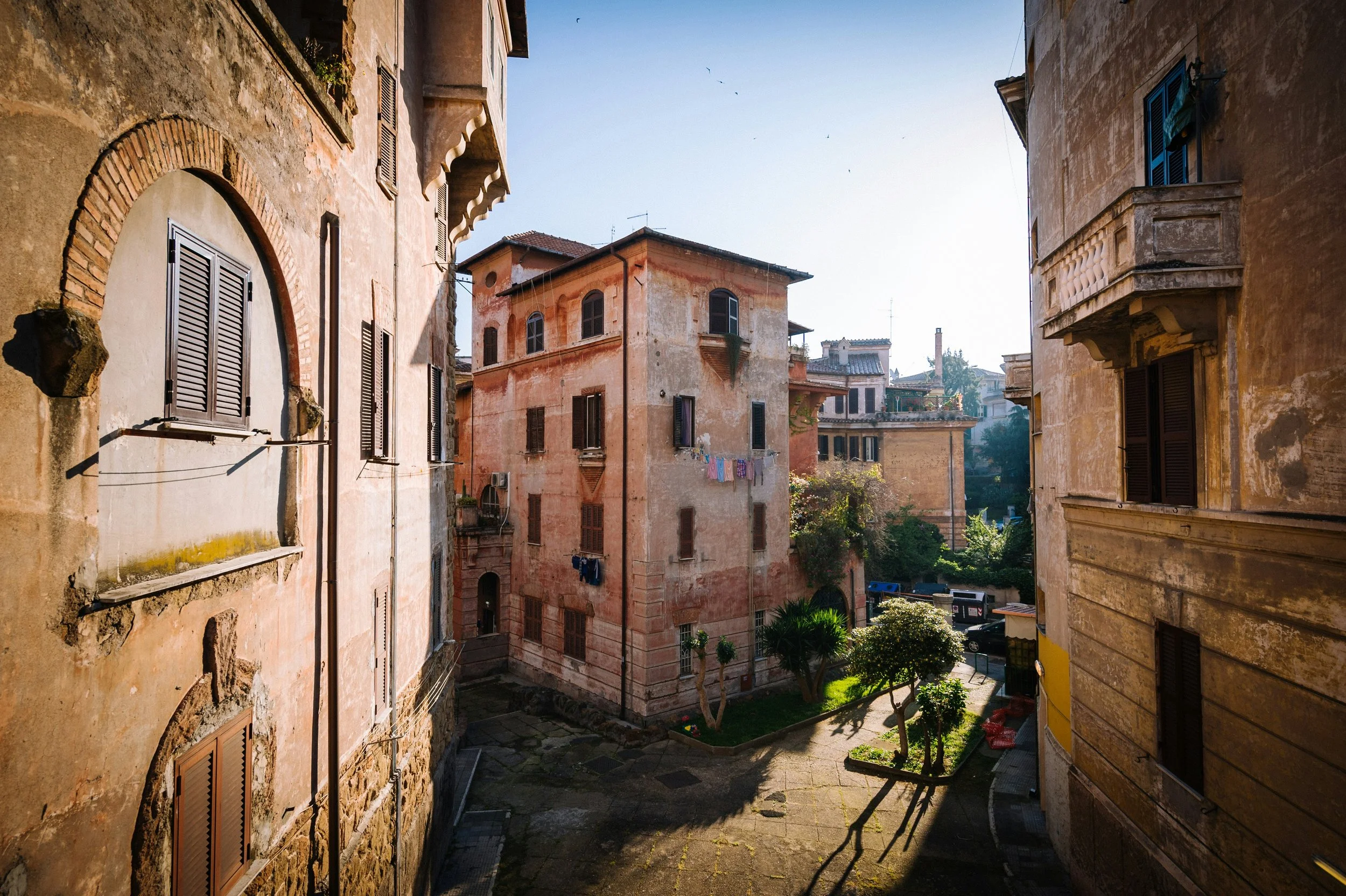
Roman streets.
Practical tips for experiencing Rome
Rome is generous, but it’s not effortless. A few practical adjustments can make the difference between a trip that feels overwhelming and one that feels deeply rewarding.
Pace matters more than planning.
Rome isn’t a city to compress. Trying to see too much in one day often leads to fatigue and frustration. Aim for one or two anchor experiences per day, then allow time for walking, eating and sitting without an agenda.
Timing is everything.
Early mornings and late afternoons are consistently the best times for major sights. Midday is often better used for lunch, rest, markets or quieter neighbourhood wandering rather than headline attractions.
Group experiences by area.
Rome is larger than it looks on a map. Structuring days around neighbourhoods — rather than bouncing between distant sights — reduces travel time and makes experiences feel more cohesive.
Don’t underestimate walking time.
Distances in Rome are deceptive, and streets are rarely direct. Comfortable shoes aren’t optional, and leaving buffer time between plans is essential.
Accept queues as part of the city.
Queues are common — for sights, for food, even for coffee at peak times. Often, they’re a sign you’re in the right place. Decide when it’s worth waiting, and when it’s better to move on.
Leave space for repetition.
Returning to the same café, walking the same street at a different time of day, or eating in the same area twice often leads to deeper enjoyment than constant novelty.
“Rome doesn’t reveal itself all at once. It’s a city built in layers, and the most meaningful experiences come from allowing those layers to unfold gradually — through routine as much as discovery.
The moments that linger are rarely the loudest ones. They’re found in early mornings, long dinners, quiet walks, and the space between major sights. Rome rewards curiosity, patience and return visits far more than speed or efficiency.
Experience it with intention rather than urgency, and the city tends to meet you halfway.”